
10 dirty secrets hotels don't want you to know
 General
10 dirty secrets hotels don't want you to know
When you check into a hotel room, you expect a fresh bed, clean surfaces, and transparent pricing. However, the hospitality industry relies on hidden margins, quick turnarounds, and operational secrets that guests rarely hear about. From cleanliness shortcuts to pricing tricks, knowing what happens behind the scenes can save you money, protect your health, and keep your belongings safe. Here are 10 dirty secrets hotels hope you never discover.
It's easy to find discounts on the web
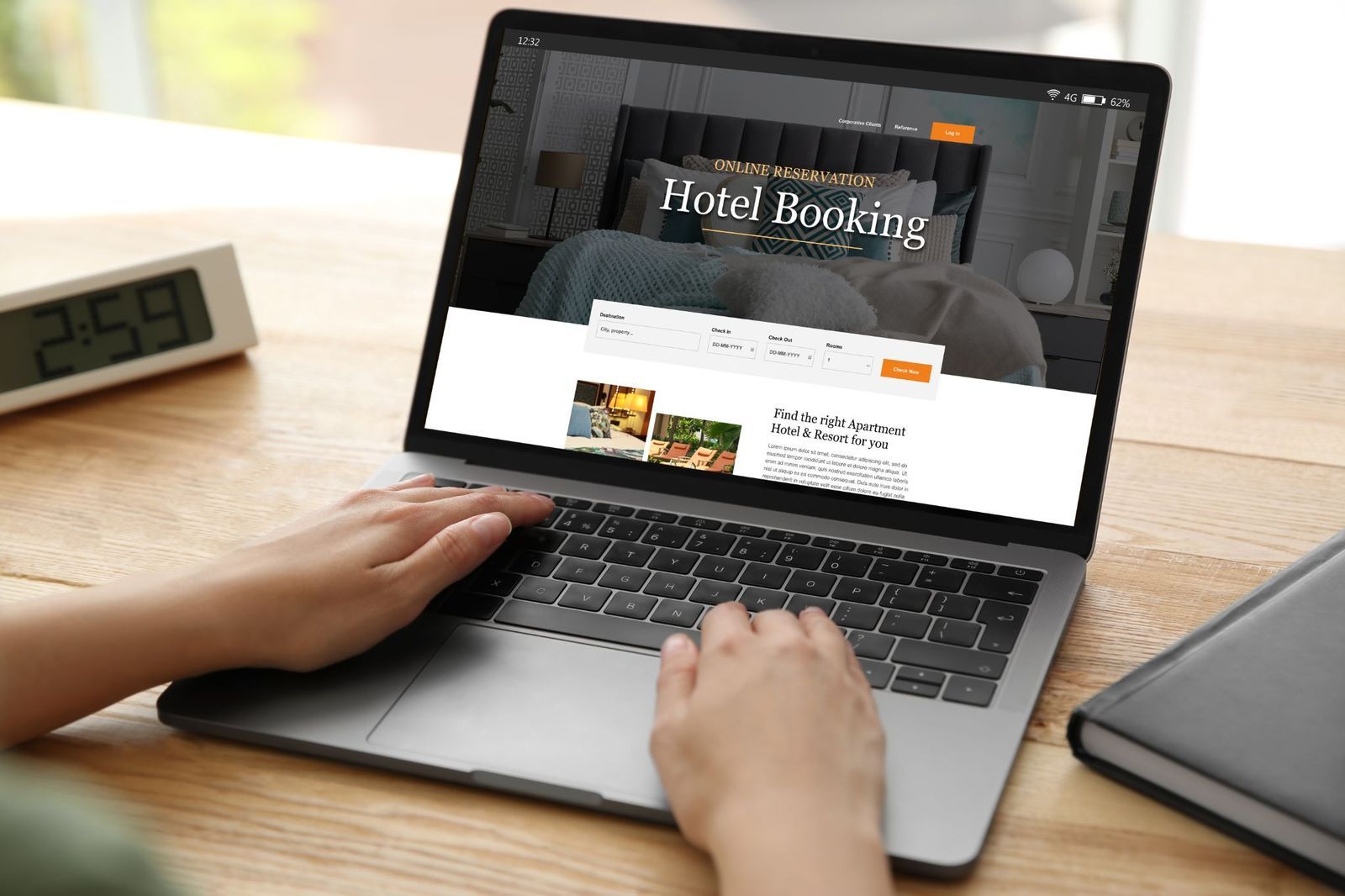
Smart travelers rarely pay full price for hotels. Many online travel agencies, coupon sites, and corporate discount portals offer reduced rates for the exact same rooms.
Furthermore, many hotel chains host private member rates on their own mobile apps that charge less than search engines. Looking for a room in an incognito web browser or signing up for free loyalty programs often unlocks 10% to 20% discounts off the advertised rate.
You might be able to get a better rate by calling directly

Online travel agencies charge hotels steep commissions (often between 15% and 25% per booking). Because hotels lose money on third-party bookings, front desk managers have strong incentives to negotiate.
If you find a low price online, call the hotel’s local front desk directly. Tell the agent the price you found online and ask if they can match or beat it. The manager can often match the rate, include free breakfast, or give you a complimentary room upgrade just because they save on third-party commission fees.
Your room isn't as clean as it looks
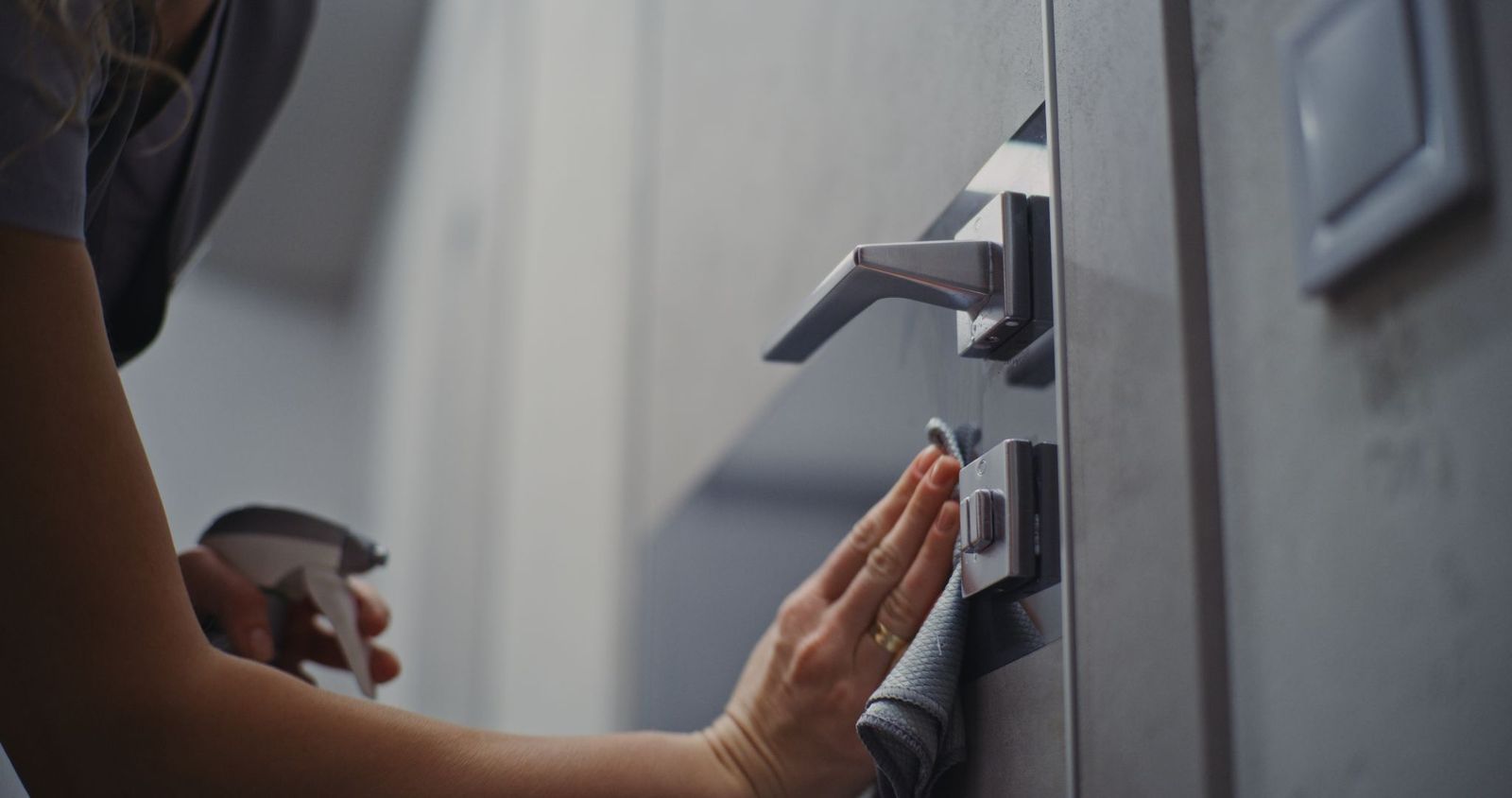
Housekeepers are often assigned 15 to 30 rooms per shift, leaving them just 15 to 20 minutes to clean each room. Under this tight schedule, staff focus on making beds and cleaning bathrooms, frequently skipping items people touch a lot, like TV remote controls, lamp switches, door handles, and telephone receivers. Drinking glasses are sometimes wiped with dirty rags rather than washed in a dishwasher, and decorative bedspreads or duvet covers are rarely washed between every guest.
Pro Tip: Always travel with a pack of antibacterial wipes or a bottle of spray cleaner to wipe down the remote, light switches, and bathroom counter when you arrive.
Tip the housekeeper daily
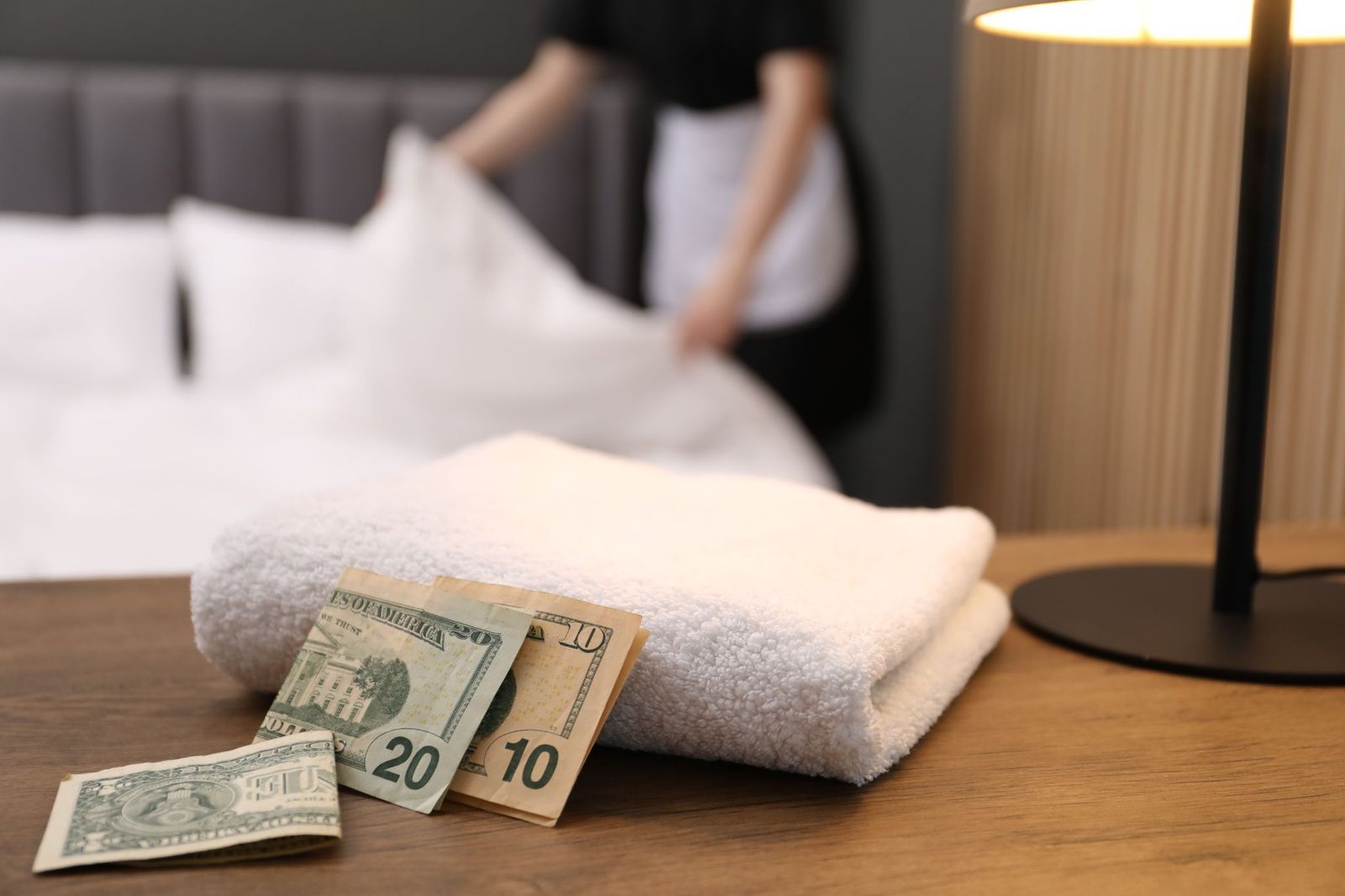
Housekeeping staff who feel appreciated will often provide extra towels, extra coffee packets, the best toiletries, and extra attention when cleaning your room. Tip daily rather than at the end of your stay, as different staff members clean your room on different days.
Guests typically tip bartenders and bellhops, but housekeepers are frequently forgotten despite doing the hardest physical work. Leaving a small cash tip ($3 to $5 per night) with a "Thank You" note on the nightstand might make your stay much better.
Your bed might have bed bugs
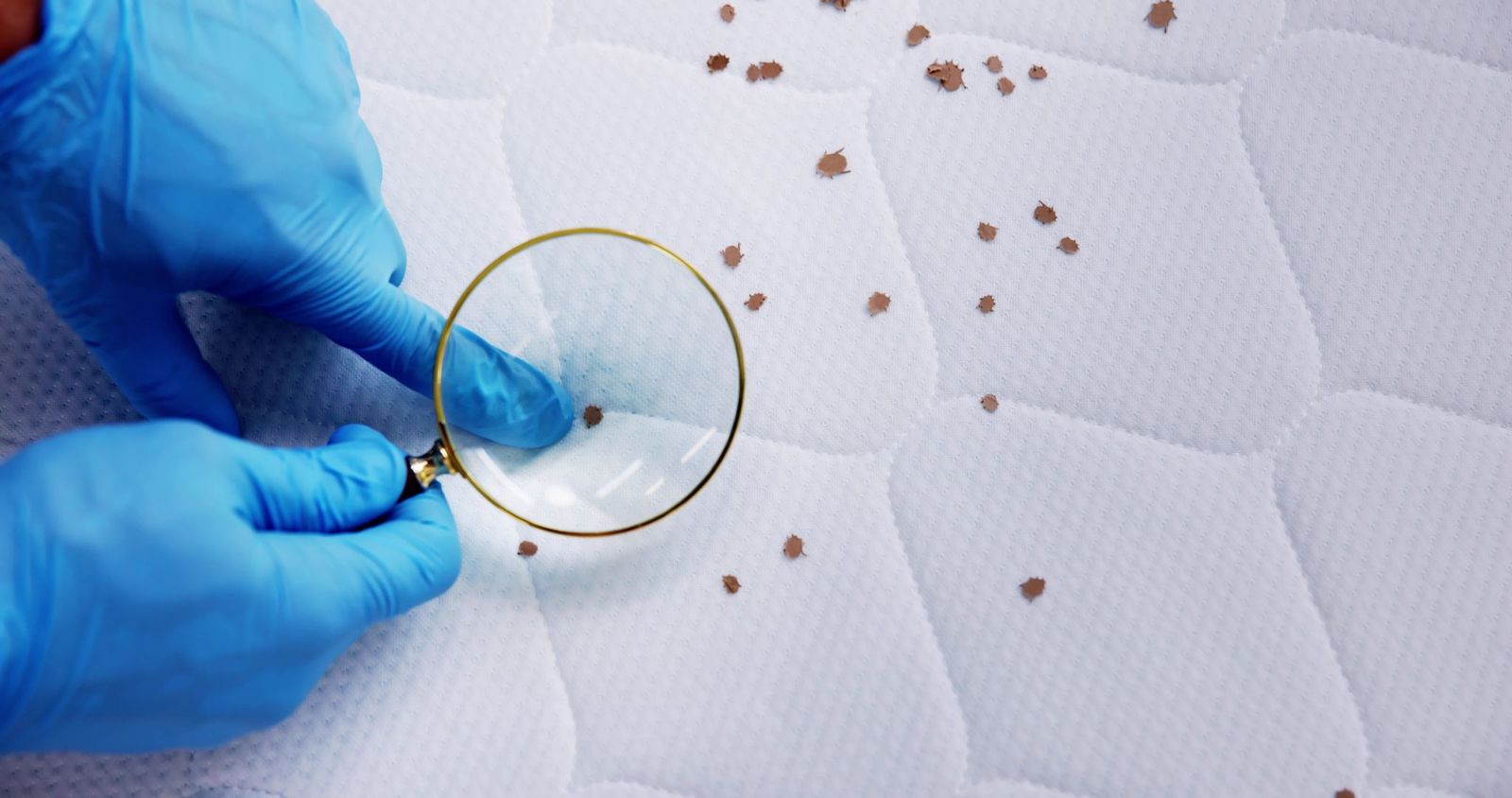
Bed bugs don’t care if a hotel costs $50 or $500 per night; they can travel on luggage and clothing into the finest luxury resorts. Before unpacking your bags, place your luggage in the bathroom bathtub or on an elevated rack away from fabric surfaces.
Pull back the bed sheets and inspect the seams and corners of the mattress and box spring for tiny dark spots, shed skins, or reddish stains. If you find signs of pests, notify the manager immediately and request a room at least two floors away, as bugs easily migrate through walls and floor vents.
Your valuables aren't necessarily safe in your room
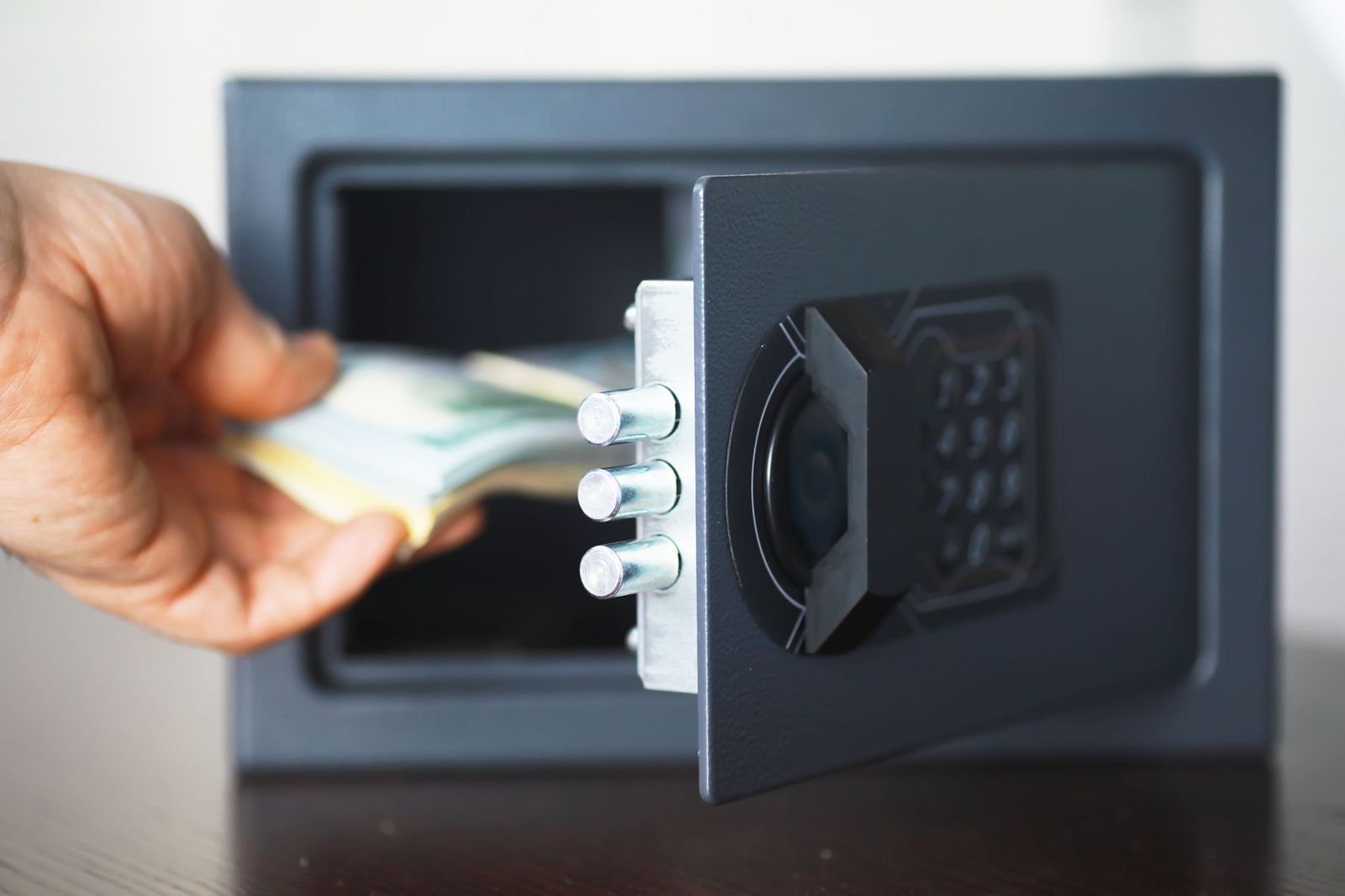
Many guests assume the electronic safe inside the closet is an impenetrable vault. In reality, most hotel safes feature master key overrides or default manufacturer bypass codes so staff can unlock them when guests forget their PINs.
Also, hotel liability laws in many regions limit the hotel’s legal responsibility for stolen room items. If you travel with expensive jewelry, large amounts of cash, or critical legal documents, ask the front desk to lock them inside the hotel’s primary safety deposit box.
Check the minibar as soon as you arrive
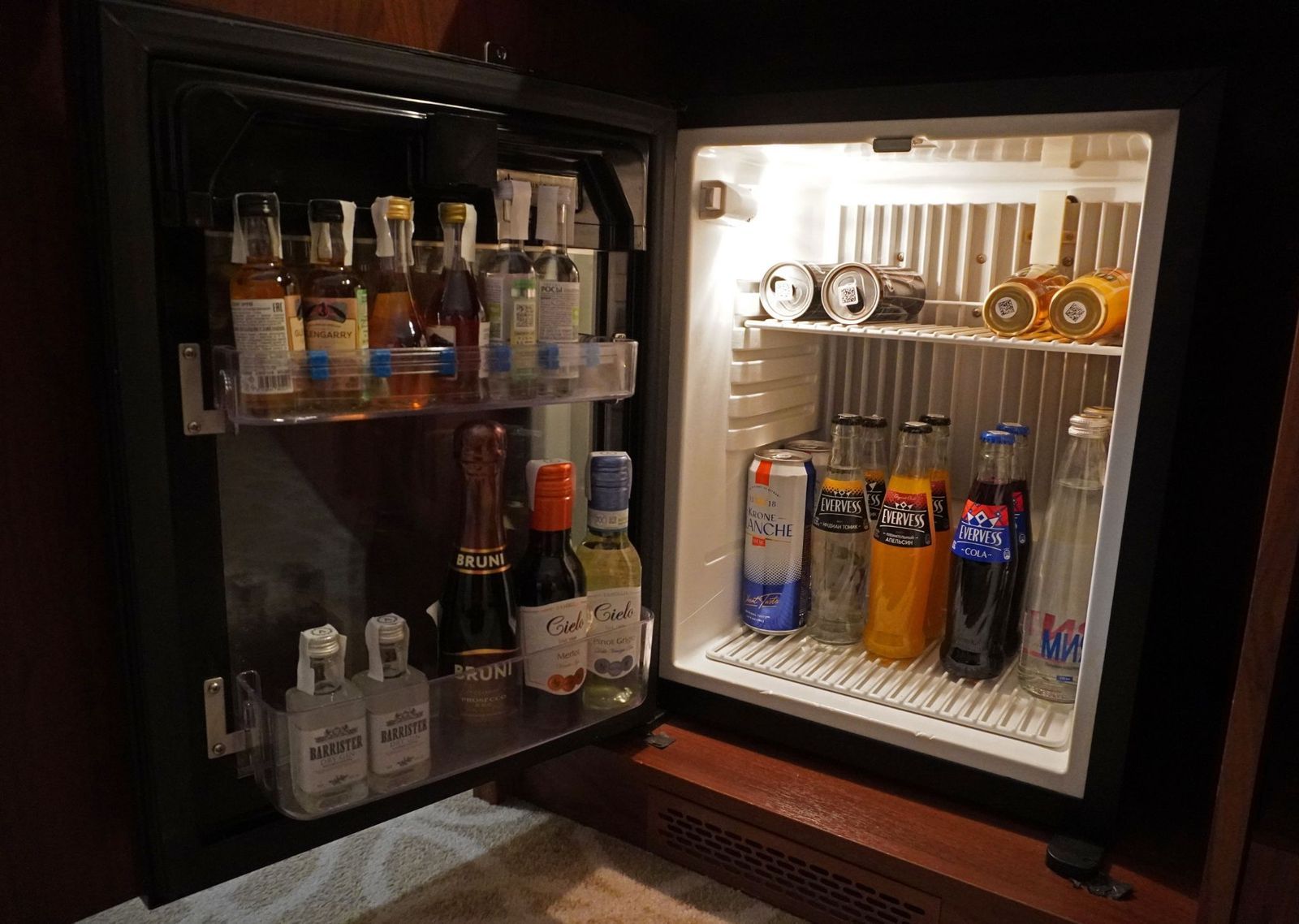
Modern hotel minibars frequently use infrared motion sensors that automatically charge your room account the moment an item is lifted from its shelf. Previous guests may drink alcohol and refill bottles with water or break paper security seals without paying.
Inspect your minibar as soon as you enter your room. If you notice broken seals, missing items, or tampered bottles, report them to the front desk immediately so you are not billed for a previous guest’s consumption at checkout.
There still might be rooms available, even if the sign says "No Vacancy"
When a hotel website or highway billboard says "No Vacancy", it does not always mean every bed is occupied. Hotels frequently hold back a small percentage of rooms for last-minute maintenance issues, VIP reservations, or late-night emergencies.
Additionally, last-minute cancellations and credit card rejections happen all the time. If you are stuck without a room, call or walk directly up to the front desk late at night and politely ask if any canceled rooms have opened up.
Take advantage of free amenities (and watch out for ones that aren't)
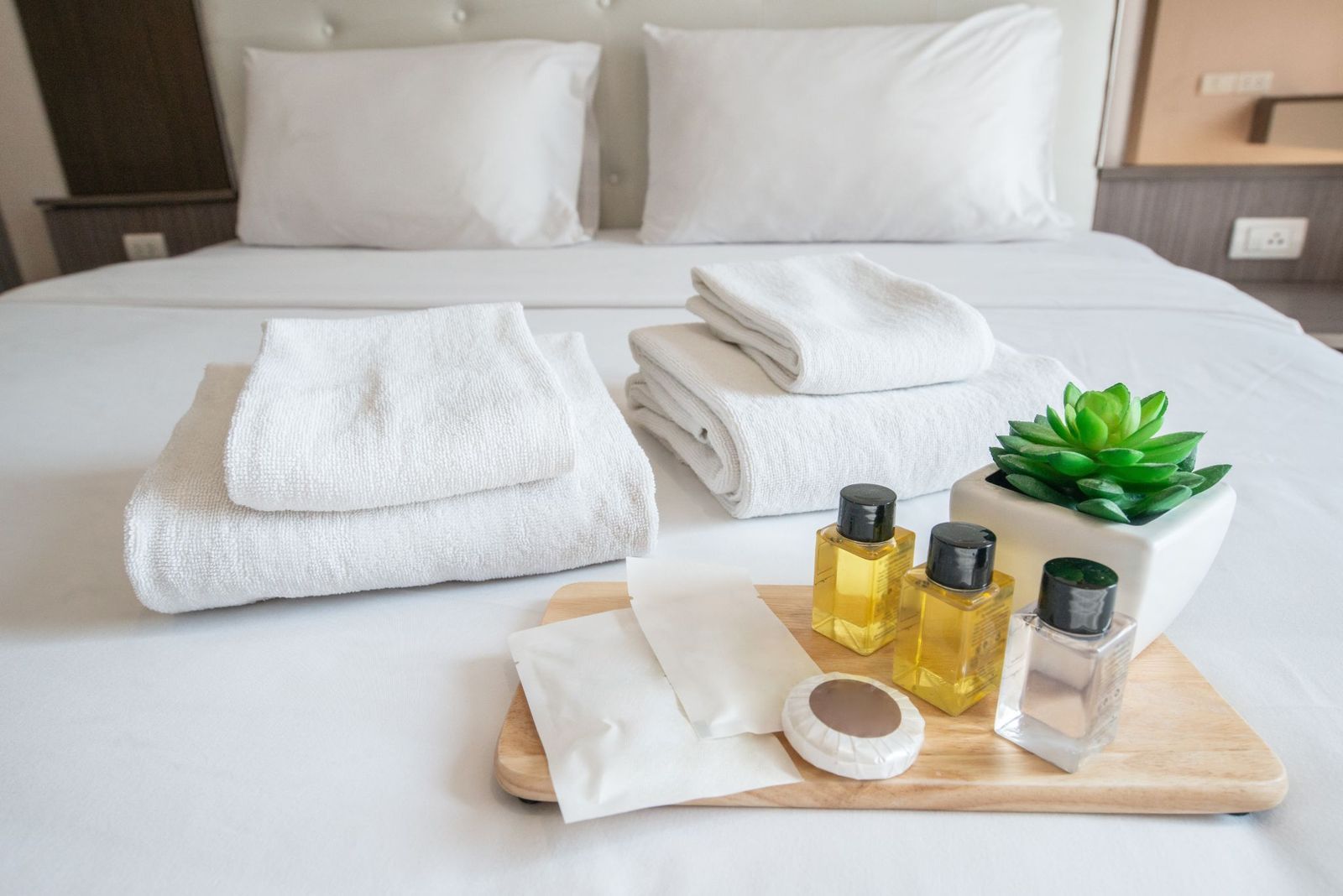
Hotels offer many complimentary items that guests frequently overlook. For example, front desks keep free toothbrush kits, razors, sewing kits, phone chargers, umbrellas, and local transit maps for travelers who ask.
However, you must be careful about amenities that appear free but have hidden costs. Bottled water left on the desk, high-speed WiFi, and fitness center access can carry high daily charges if they are not explicitly marked as complimentary. Always check for price tags before opening items or using certain facilities.
Be mindful of mandatory fees

The price you see on hotel booking engines is rarely the final price you pay. Many hotels use mandatory "resort fees", "destination charges", or "facility fees" to make their base rates appear cheaper in online searches.
These hidden fees, which cover standard amenities like WiFi, pool access, or gym entry, are added during checkout and can increase your total bill by $20 to $80 per day. Always check all of the items on the breakdown before paying.
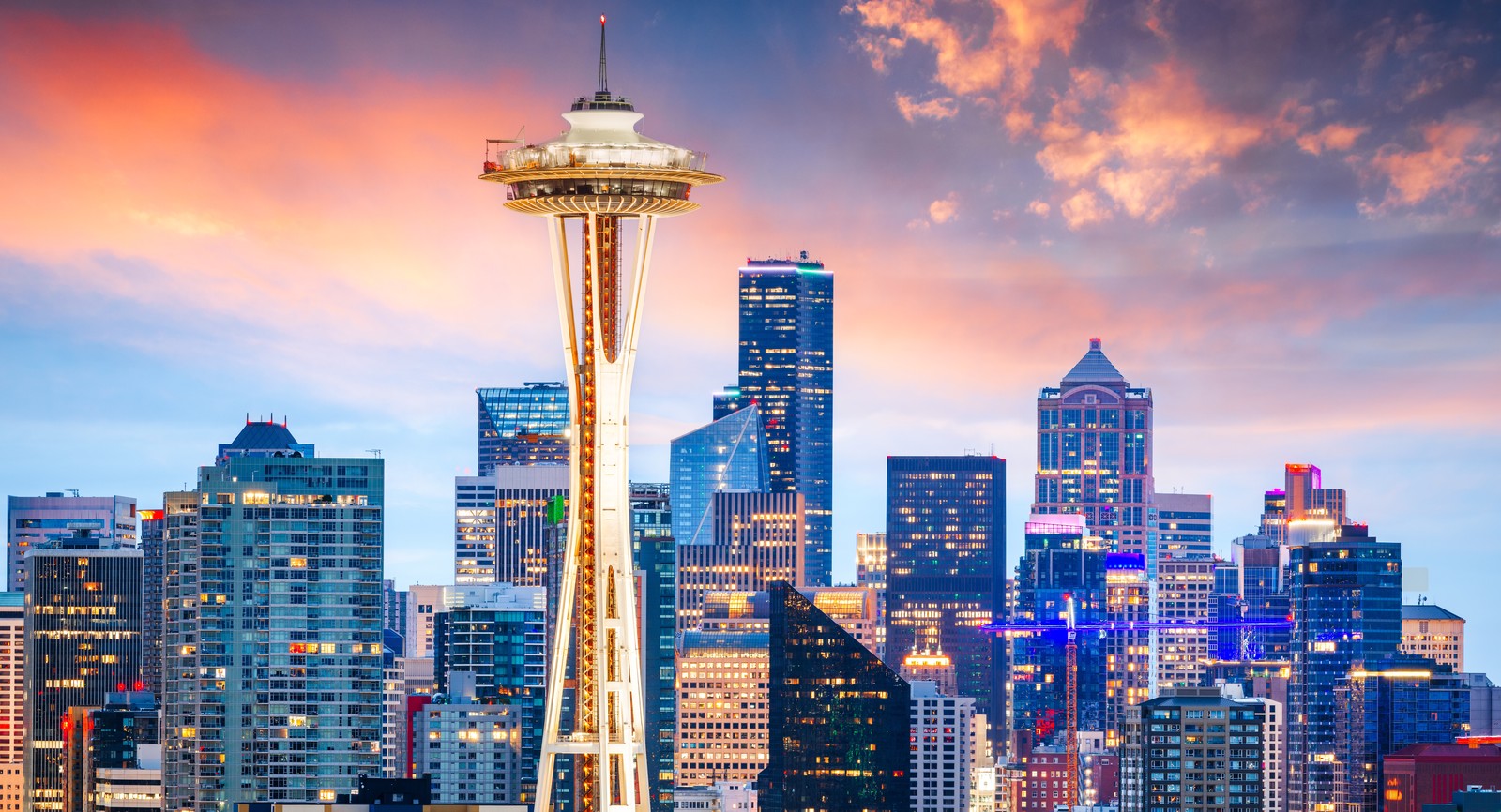
Built to disappear: 10 World’s Fair landmarks that stayed
Architectural wonders
Built to disappear: 10 World’s Fair landmarks that stayed
A World’s Fair was never just another festival. These huge events gave countries and cities a chance to share their cultures and show millions of visitors what the future might look like. However, many of their most attractive structures were meant to last only a few months. In many cases, tearing them down almost seemed like a waste; some buildings needed to stay for future generations. These 10 landmarks escaped the fate of being dismantled and found a whole new purpose after the fairs ended, becoming lasting symbols of their cities.
The Space Needle, Seattle, United States
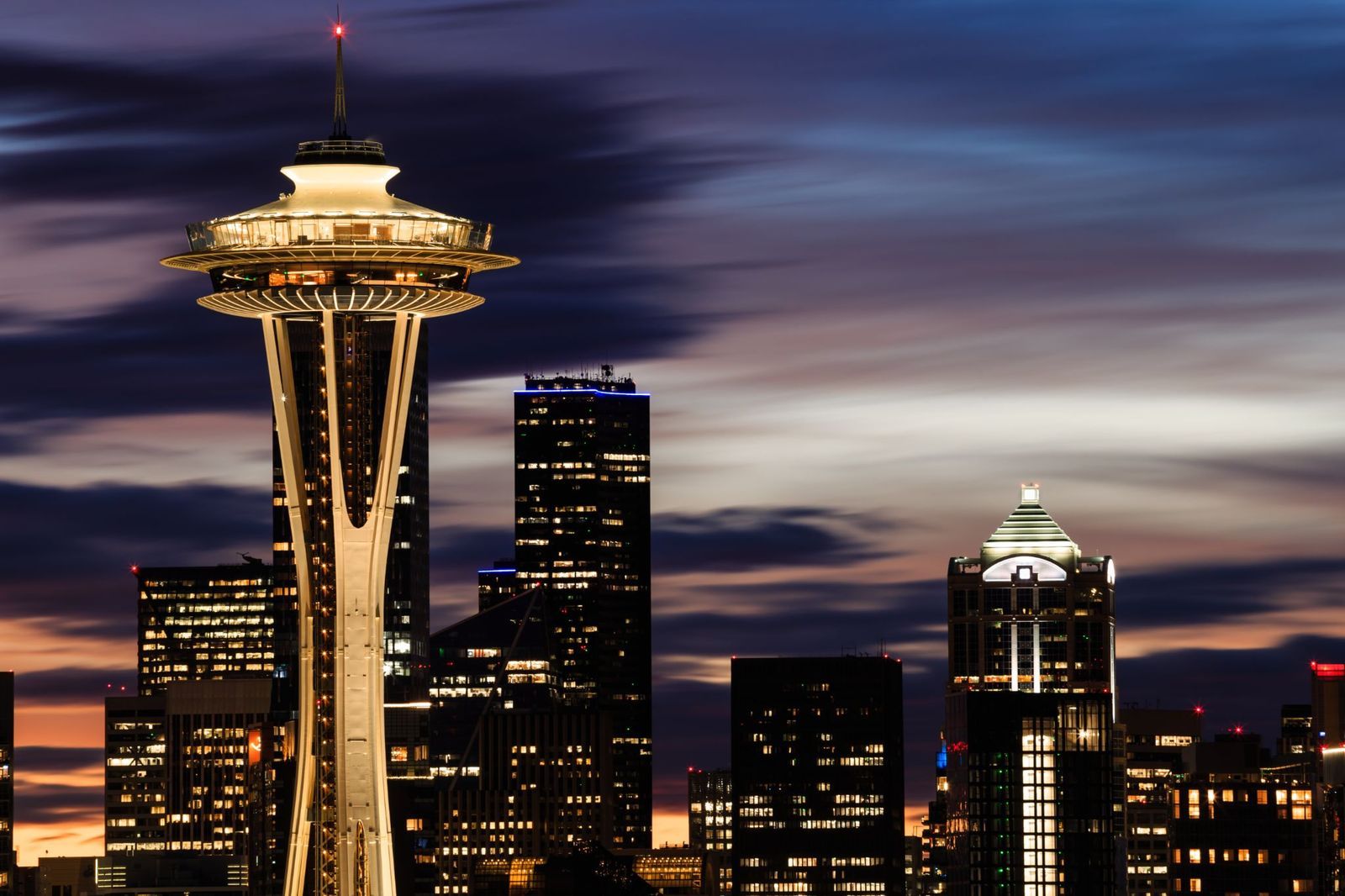
The theme of Seattle’s 1962 World’s Fair was "The Age of Space," which was hardly surprising, since advances in space exploration were all the rage and influenced many aspects of life at the time. Businessman Edward Carlson had seen a broadcast tower with a restaurant in Germany and, inspired by it, sketched what would later become the Space Needle on a napkin.
It was built in just 13 months, faster than many office buildings, and welcomed 2.65 million visitors before the fair ended. Today, the public can ride to the top for panoramic views of Mount Rainier and "The Loupe," the world’s first rotating glass floor that makes the city seem to move beneath your feet, which opened in 2018.
The Parthenon, Nashville, Tennessee
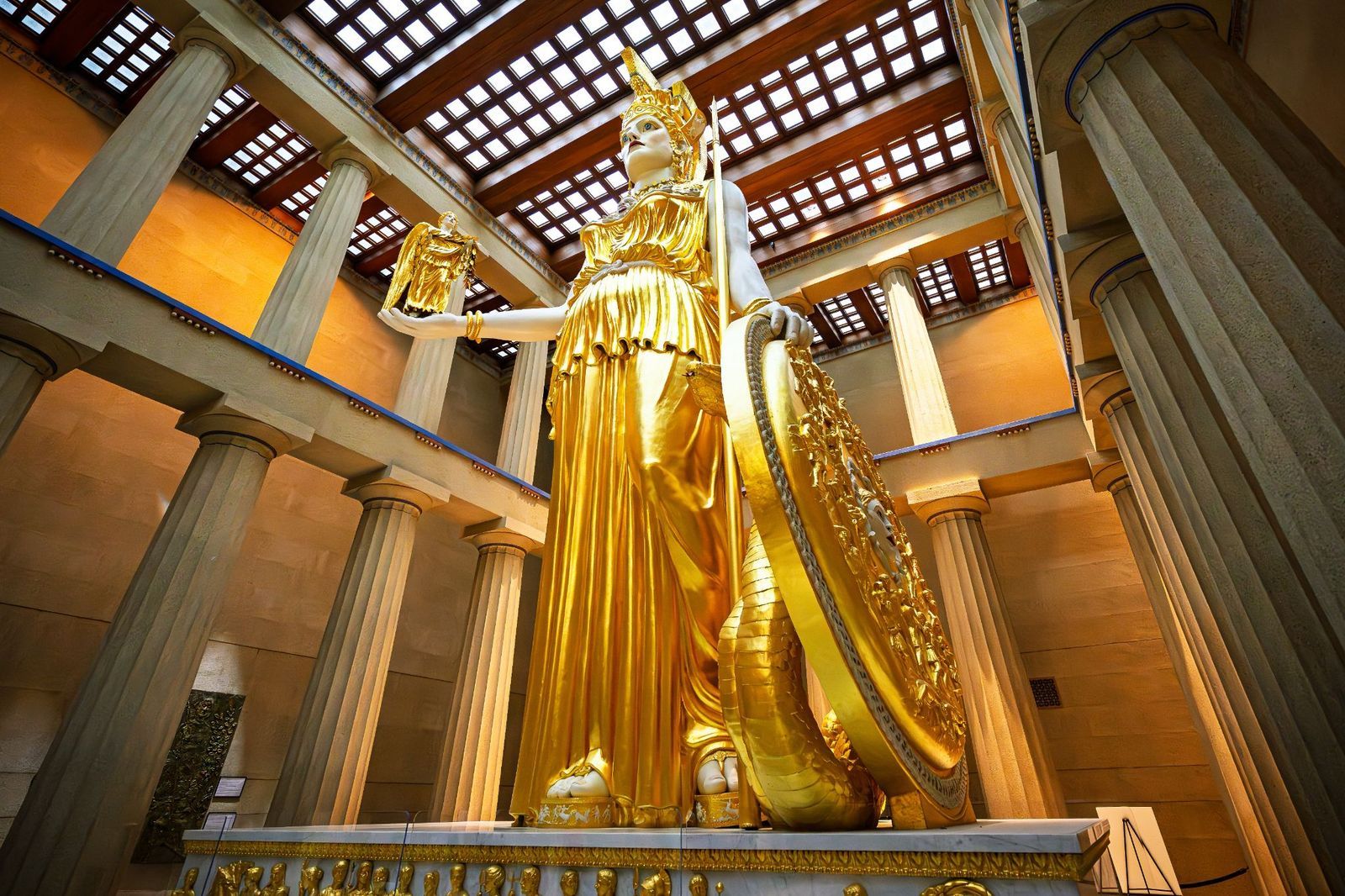
Long before it became known as Music City, Nashville was called the "Athens of the South" because of its strong reputation for education. When the city hosted the Tennessee Centennial Exposition in 1897, organizers decided to take that nickname literally. The fair celebrated 100 years since Tennessee joined the United States in 1796, and its centerpiece was a full-scale replica of the Parthenon in Athens.
Like the other fair buildings, it was made from inexpensive plaster, wood, and brick and was meant to be temporary. But the replica became so popular that Nashville decided to preserve it after the fair ended. As the original materials began to deteriorate, the city rebuilt the structure in permanent concrete during the 1920s. The Parthenon serves as Nashville’s art museum and contains a 42-foot replica of the ancient statue of Athena, completed in 1990.
The Eiffel Tower, Paris, France
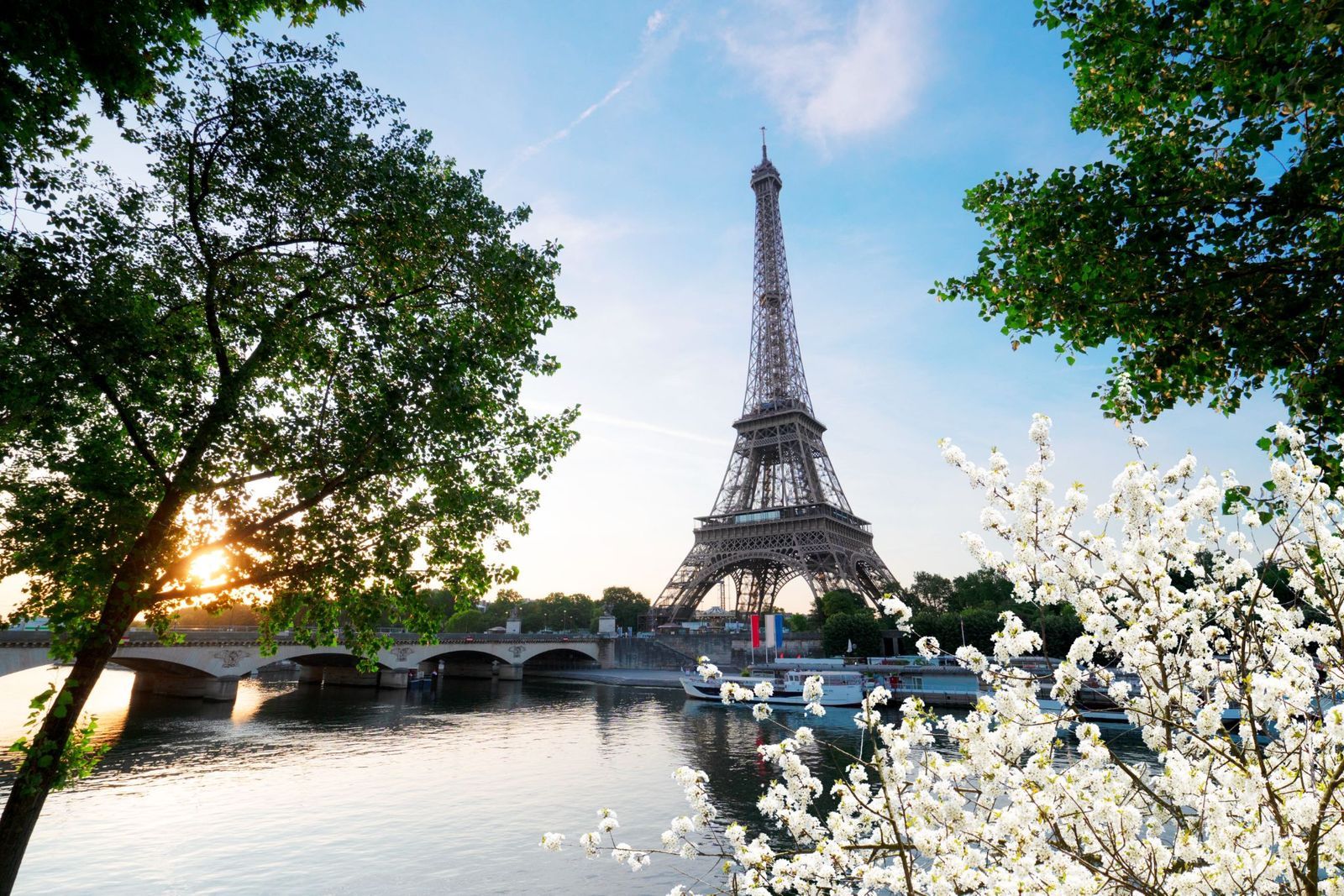
Nobody expected the Eiffel Tower to survive past 1909, since its permit was only for 20 years. It was constructed in 1889 as Paris's entrance to the World's Fair by Gustave Eiffel, whose design actually beat out over 100 others. The tower marked a century since the French Revolution. By 1909, it was set to be demolished, but its usefulness as a radio tower saved it. Now it represents the most recognizable symbol of Paris.
It can be visited in the Champ de Mars park, but the best views are found across the Seine River, in the Place du Trocadéro. Visitors can also ride an elevator or climb straight to the third floor, the top available for the public.
The Unisphere, New York City, United States
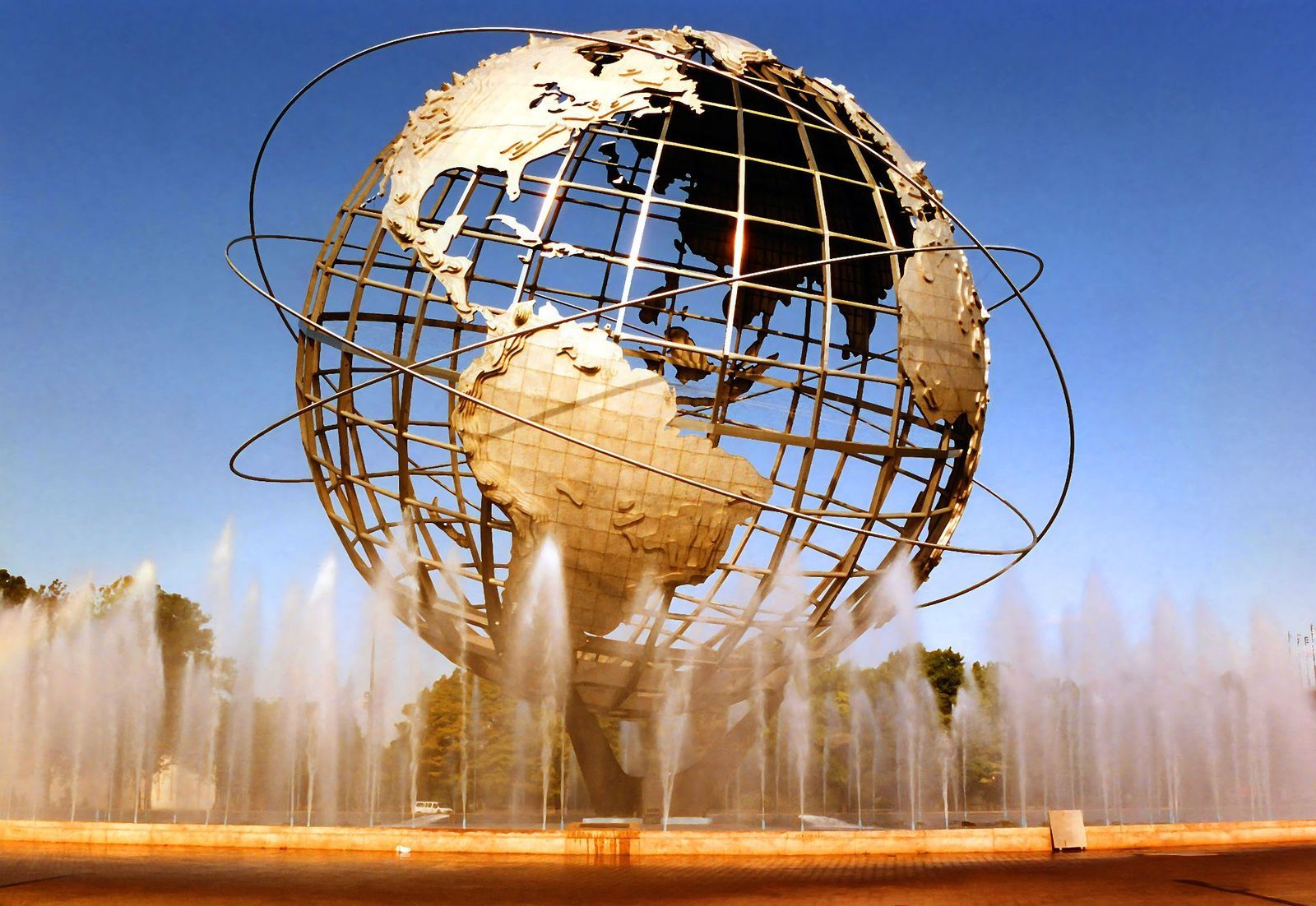
After the Space Needle rose for Seattle’s 1962 World’s Fair, New York held its own fair in Flushing Meadows-Corona Park. It ran for two seasons, from April to October in both 1964 and 1965, and attracted more than 51 million visitors. The main attraction was the Unisphere, a 140-foot stainless-steel globe built by U.S. Steel to represent the theme "Peace Through Understanding." It was given as a permanent gift, and its three rings recall the orbits of Yuri Gagarin, John Glenn, and the Telstar satellite.
The exhibitions introduced guests to new technology, including AT&T’s Picturephone, serving as an early commercial demonstration of video calling. Walt Disney also helped create four attractions for the fair, including "It’s a Small World" and an animatronic Abraham Lincoln.
The Palace of Fine Arts, San Francisco, United States
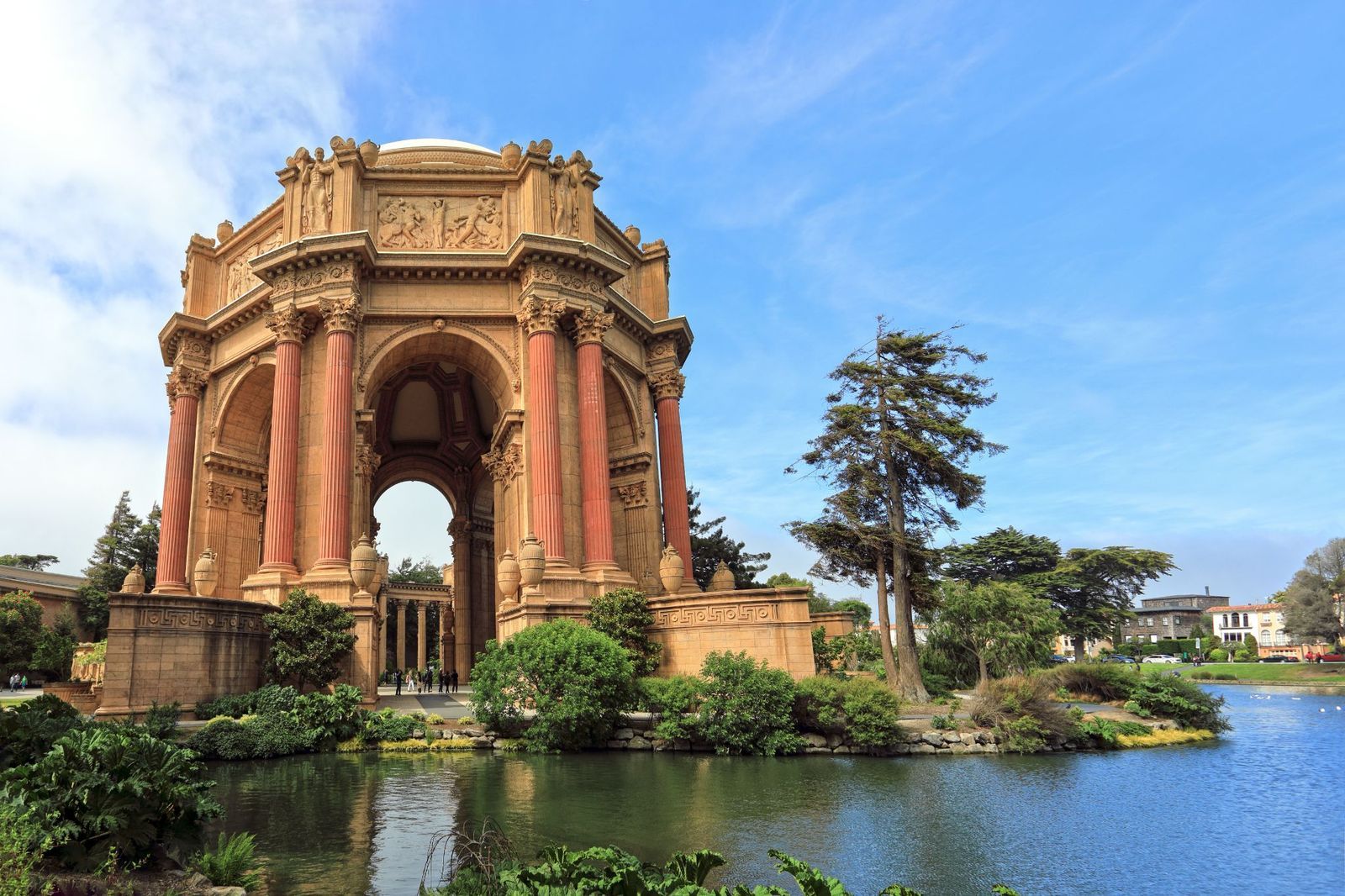
Two major events marked the Panama-Pacific Exposition of 1915: the inauguration of the Panama Canal and the recovery of San Francisco after the 1906 earthquake. The Palace of Fine Arts was meant to honor both events. Designed by architect Bernard Maybeck, it evokes the greatness and reflection of Ancient Roman ruins. It was also intended to offer a quiet, contemplative contrast to the energetic hustle of the World's Fair.
Because the original plaster structure deteriorated over time, it was rebuilt in permanent concrete during the 1960s and 1970s. The site actually serves as an event venue rather than a traditional museum, and visitors can freely explore the rotunda, colonnade, and lagoon.
The Atomium, Brussels, Belgium
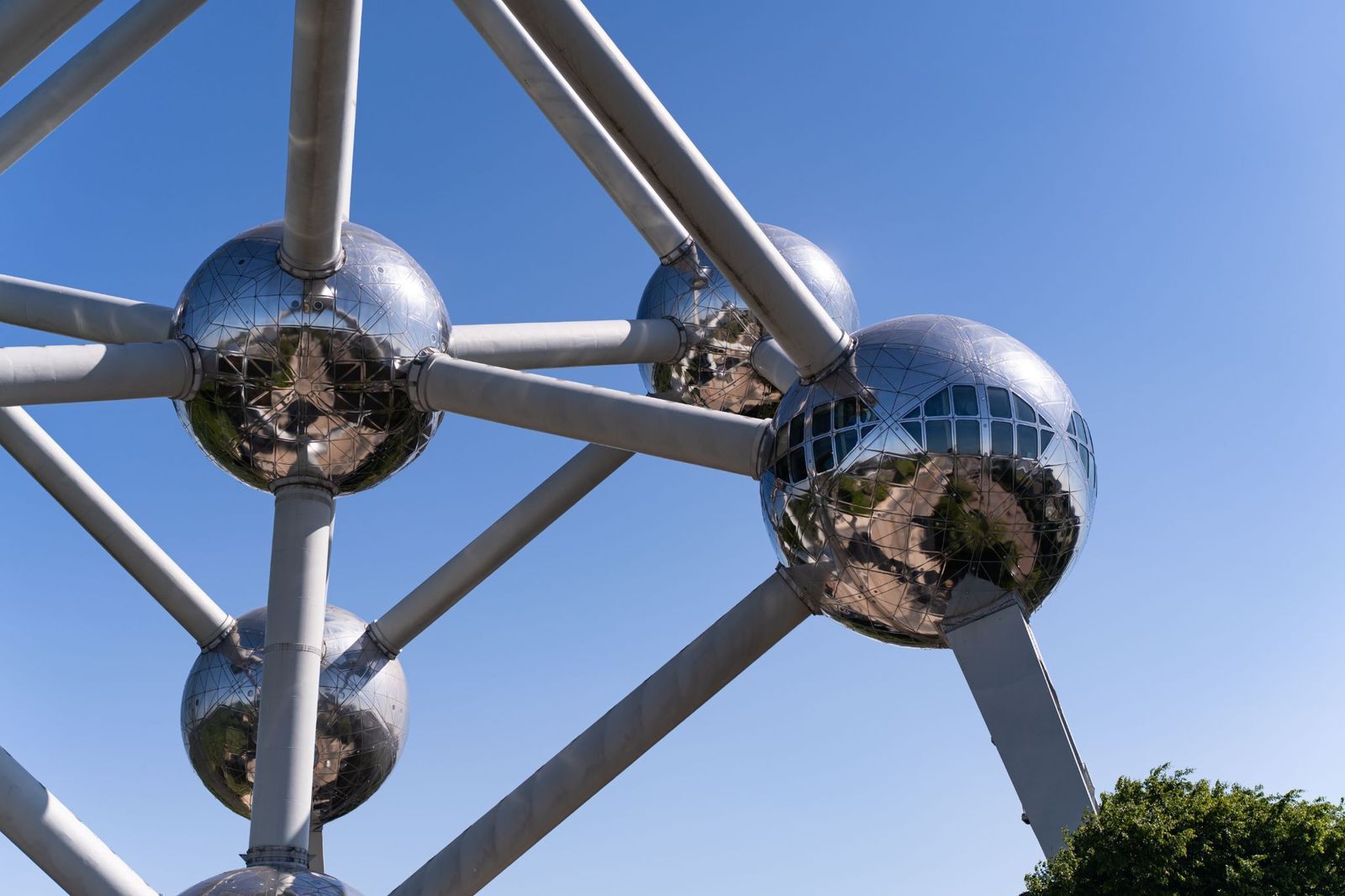
When visiting Brussels in Belgium, you may hear that the Atomium is a must-visit national landmark. And, today, it certainly is. But it was originally built for the first World Fair after World War II in 1958. The Atomium was the centerpiece of the exposition, designed by engineer André Waterkeyn, and its nine spheres form an iron crystal magnified 165 billion times. This design reflected the era’s optimism about science and the peaceful use of atomic energy.
When the fair opened in Brussels in April 1958, visitors could explore exhibitions inside the spheres and ride one of Europe’s fastest elevators to the restaurant and observation area at the top. Its popularity actually saved it from demolition. Renovated with a stainless-steel exterior from 2004 to 2006, it now offers exhibitions, panoramic views, and a restaurant at the top.
The Montreal Biosphere, Montreal, Canada
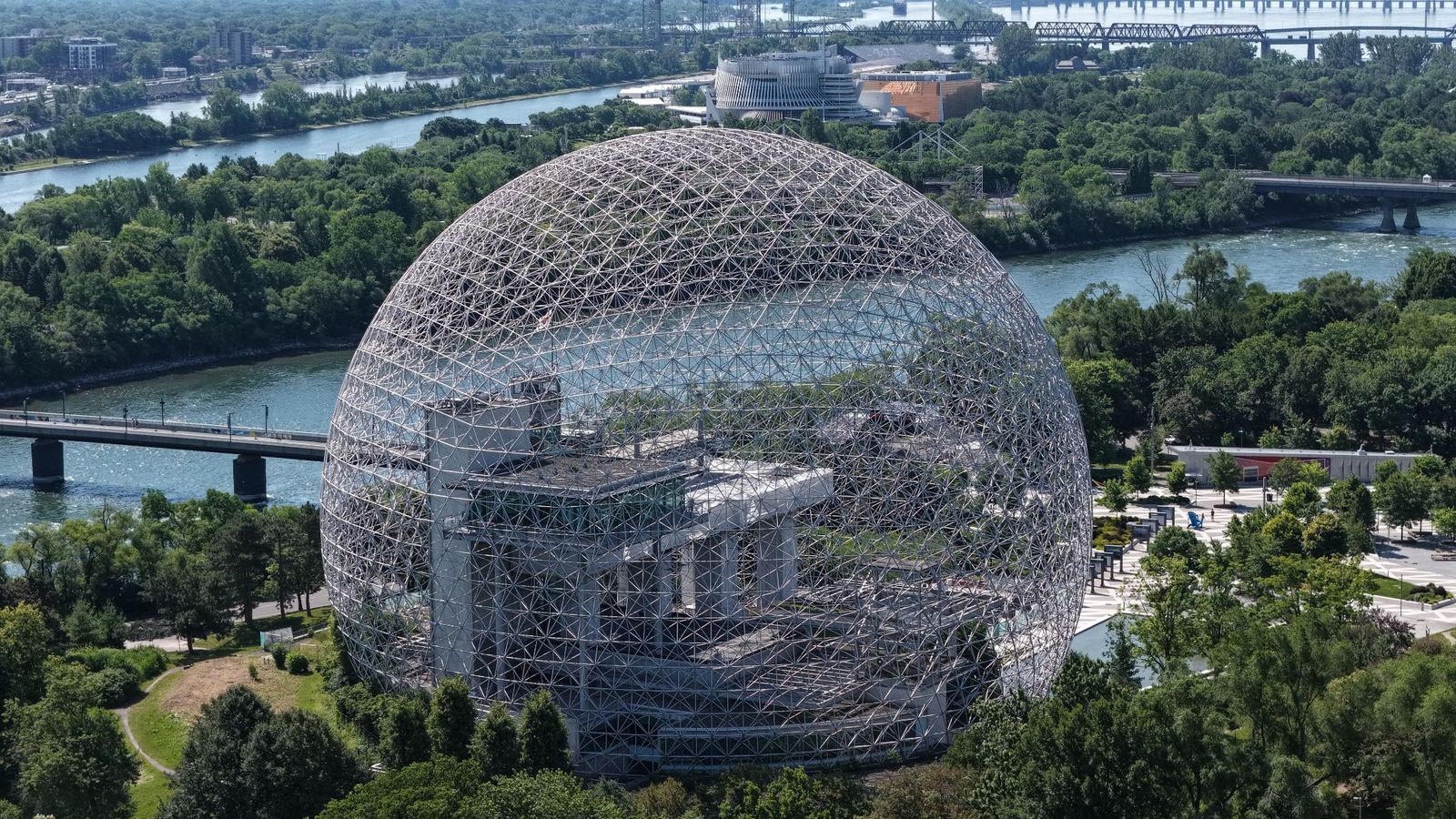
The Montreal Biosphere was built as the United States pavilion for Expo 67, the World’s Fair held in Montreal in 1967. Buckminster Fuller designed its futuristic geodesic dome to showcase American innovation, while the exhibits inside explored the Apollo missions, folk art, film, and popular culture. The structure formed two-thirds of a sphere, with a transparent acrylic shell covering its steel frame.
More than five million visitors stepped inside during the fair, and after Expo 67, the United States donated the pavilion to Montreal. In 1976, a fire sparked during renovation work destroyed the acrylic covering, but the steel frame survived. The structure remained closed for years until it reopened as an environmental museum in 1995. Dozens of exhibitions about nature, climate, and environmental solutions are held inside the dome.
The Tower of the Americas, San Antonio, United States
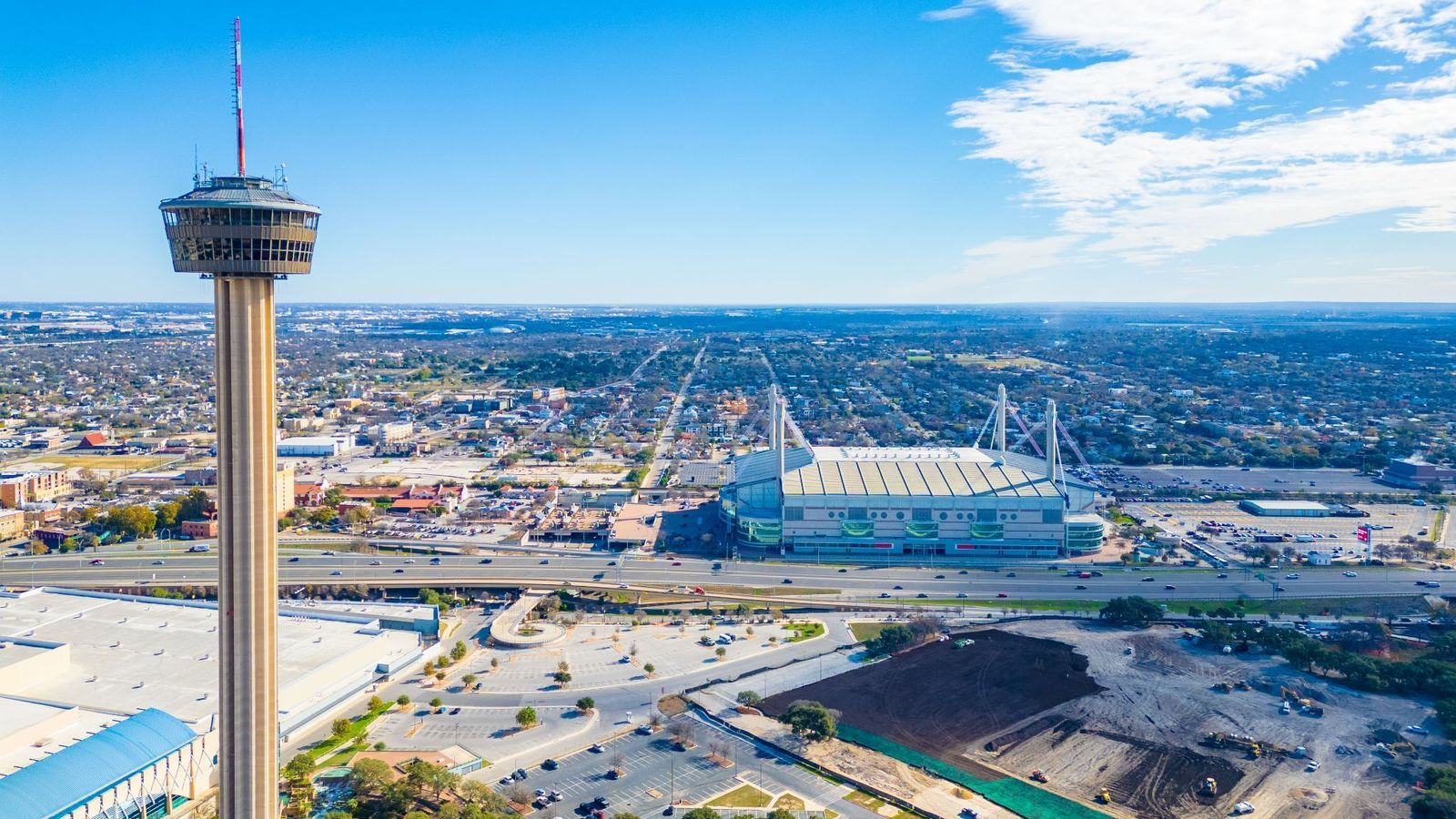
The same year Apollo 8 orbited the Moon, and Stanley Kubrick’s 2001: A Space Odyssey reached theaters, San Antonio unveiled the Tower of the Americas. Built to celebrate the city’s 250th anniversary, it became the centerpiece of HemisFair ’68. Architect O’Neil Ford designed the tower, which was completed in just 18 months. It remained the tallest observation tower in the United States until the Stratosphere Tower opened in Las Vegas in 1996. Today, visitors can dine in a revolving restaurant near the top or experience a 4D theater at ground level.
The Sunsphere, Knoxville, Tennessee
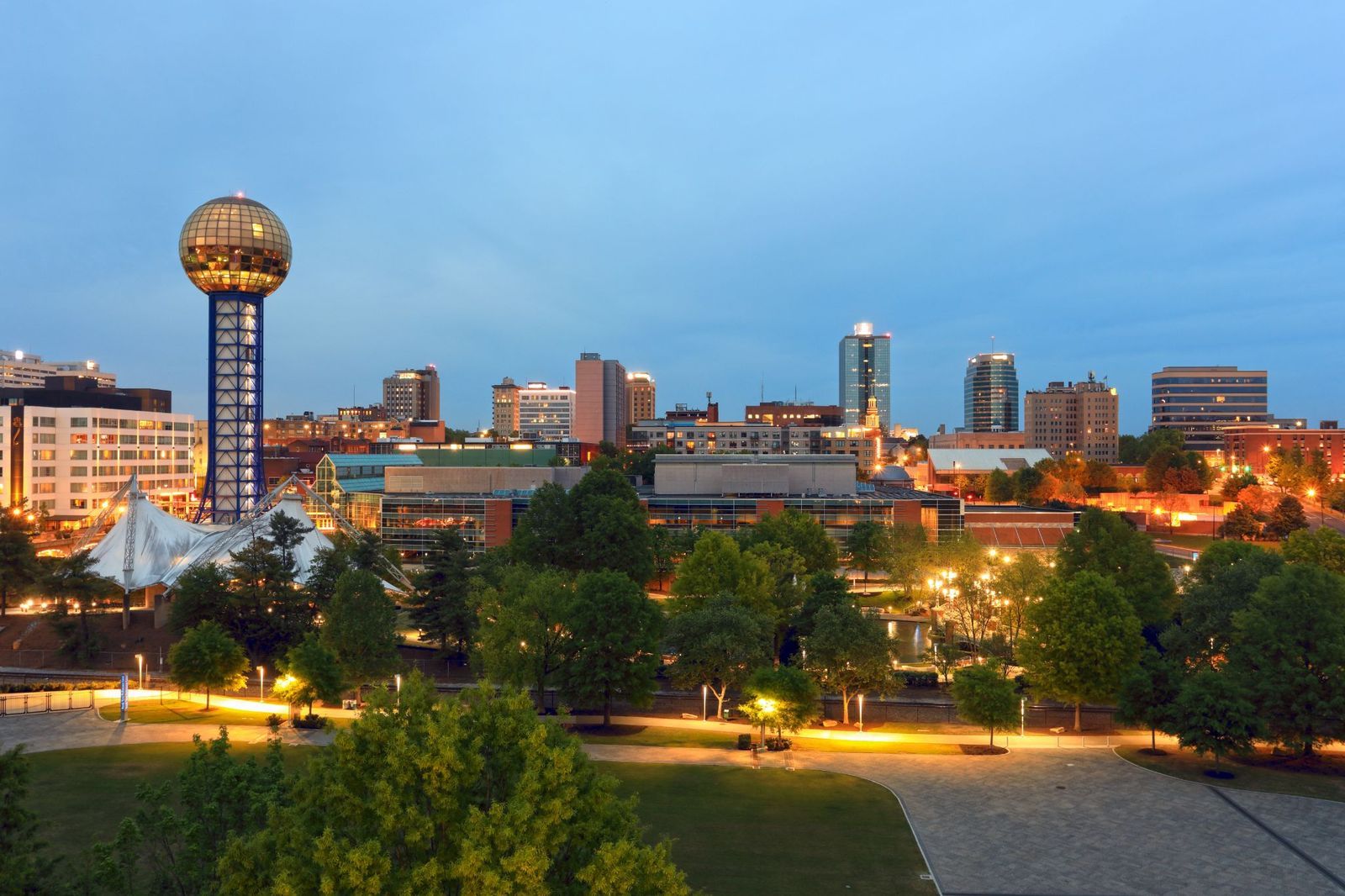
"Energy Turns the World" was the theme of Knoxville’s 1982 World’s Fair, and the Sunsphere brought that idea to life as it was the first spherical building constructed in the United States. A blue steel tower supports its 23-meter golden sphere, creating the illusion of a sun suspended in the sky. After the fair ended, the Sunsphere stood mostly empty for years, apart from a brief reopening in 1999.
The observation deck finally reopened in 2007 and was updated in 2014. It closed again during the pandemic, but welcomed visitors back with new displays in 2022. The building offers panoramic views and allows visitors to explore exhibits and memorabilia from the fair.
Plaza de España, Seville, Spain
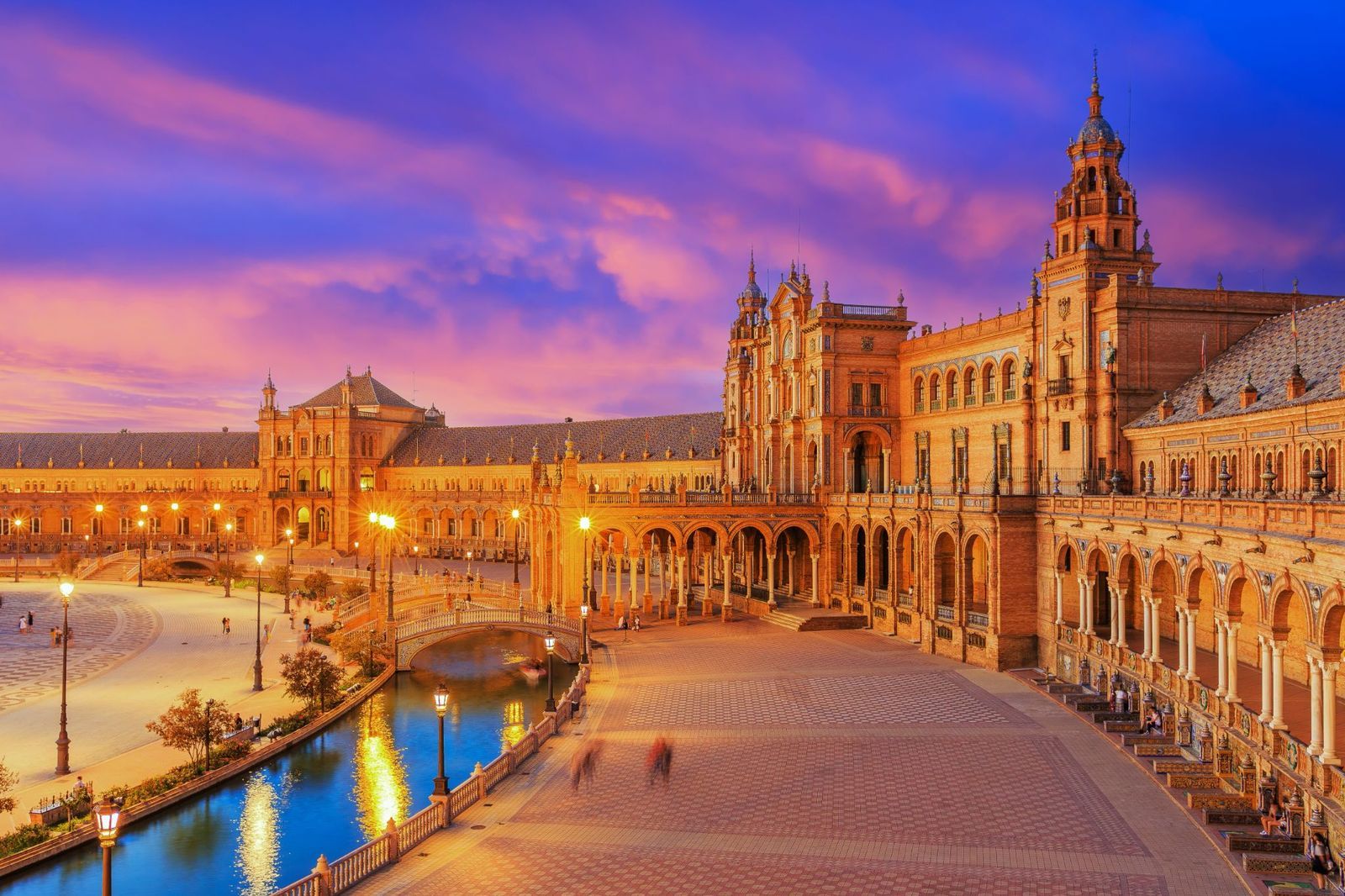
Seville’s Plaza de España was built in María Luisa Park between 1914 and 1928 for the 1929 Ibero-American Exposition. The event aimed to bring Spain closer to its former colonies in the Americas through stronger cultural and commercial ties. Architect Aníbal González even gave the plaza its wide semicircular shape to suggest Spain opening its arms toward America. It was built from brick, stone, and colorful ceramic tiles so it could remain long after the event ended.
A canal follows the curve of the plaza, while four bridges represent the historic kingdoms of Castile, León, Aragón, and Navarre. Hollywood eventually took notice. The plaza stood in for Cairo in David Lean’s Lawrence of Arabia (1962), while George Lucas transformed it into the planet Naboo in Star Wars: Episode II – Attack of the Clones (2002).
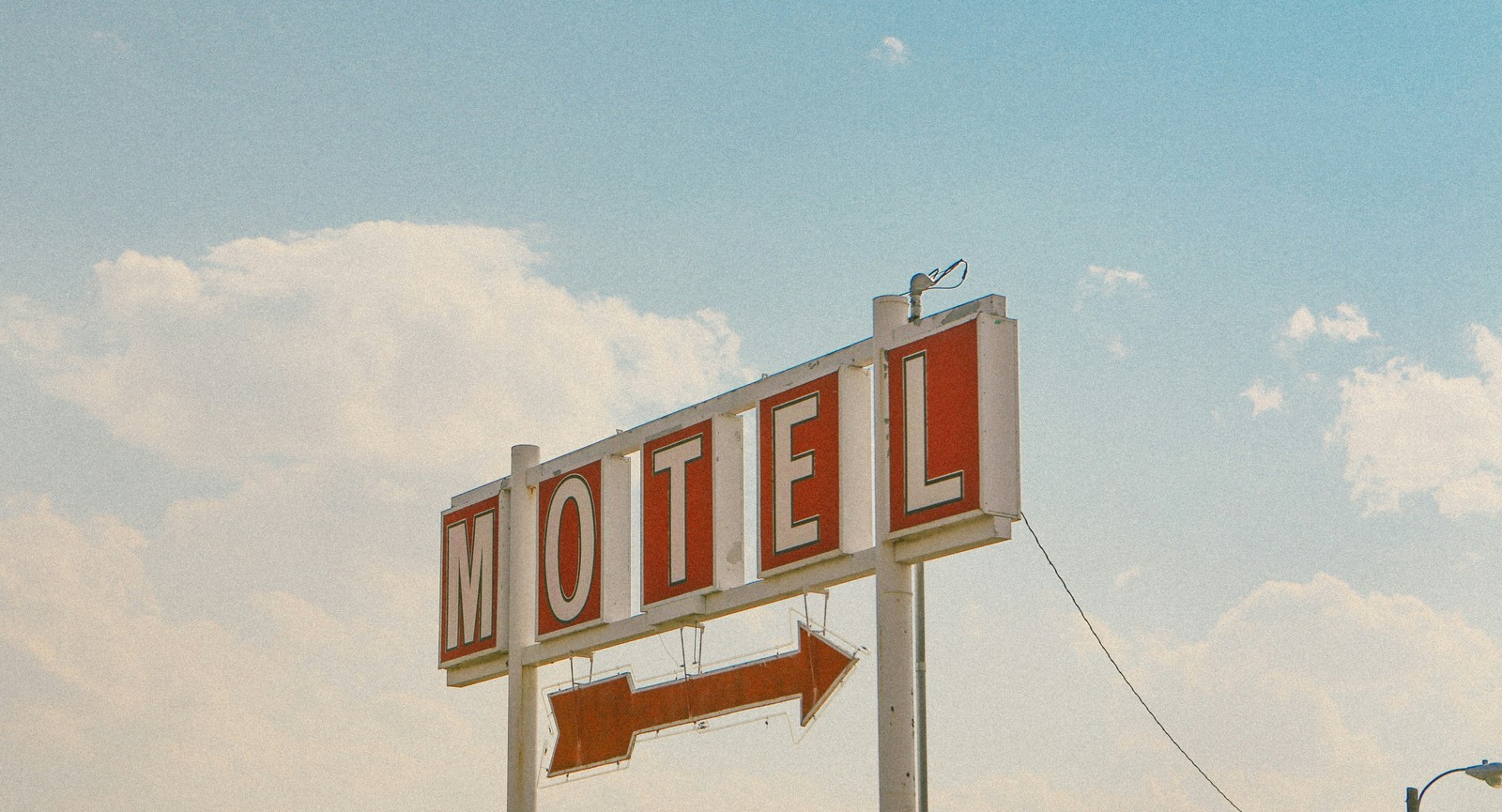
12 reasons why motels are not the same as hotels: Read to avoid surprises
Roadside charm
What to expect when checking into a motel: 12 tips for a better stay
Roadside motels are one of America’s most practical travel traditions. Built for drivers, they’re usually more affordable than large hotels and far less formal. But they also operate differently. If you’ve never stayed in one, a little preparation helps. Take a look at 12 tips about what to expect and how to make your stay smoother.
Check-in and check out
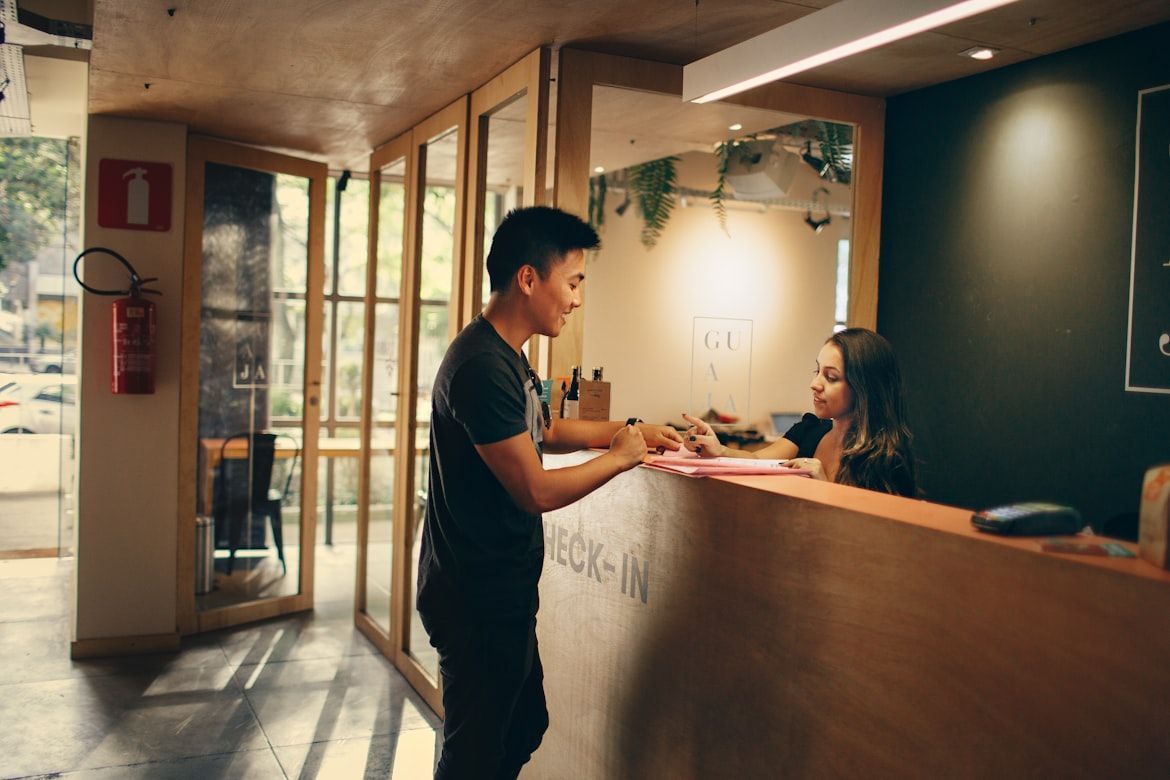
Most U.S. motels start check-in around 3 p.m., and rooms may not be ready earlier, even if the lot looks quiet. If you arrive too early, you may have to wait while housekeeping finishes, because small properties have limited staff and supplies, and many independent motels don’t staff a 24-hour desk.
Many motels set check-out at 10 or 11 a.m. Late check-out may be unavailable because housekeeping turns rooms quickly for the next wave of travelers. Set an alarm, pack the car in stages, and ask politely for more time if needed.
Parking is usually right outside
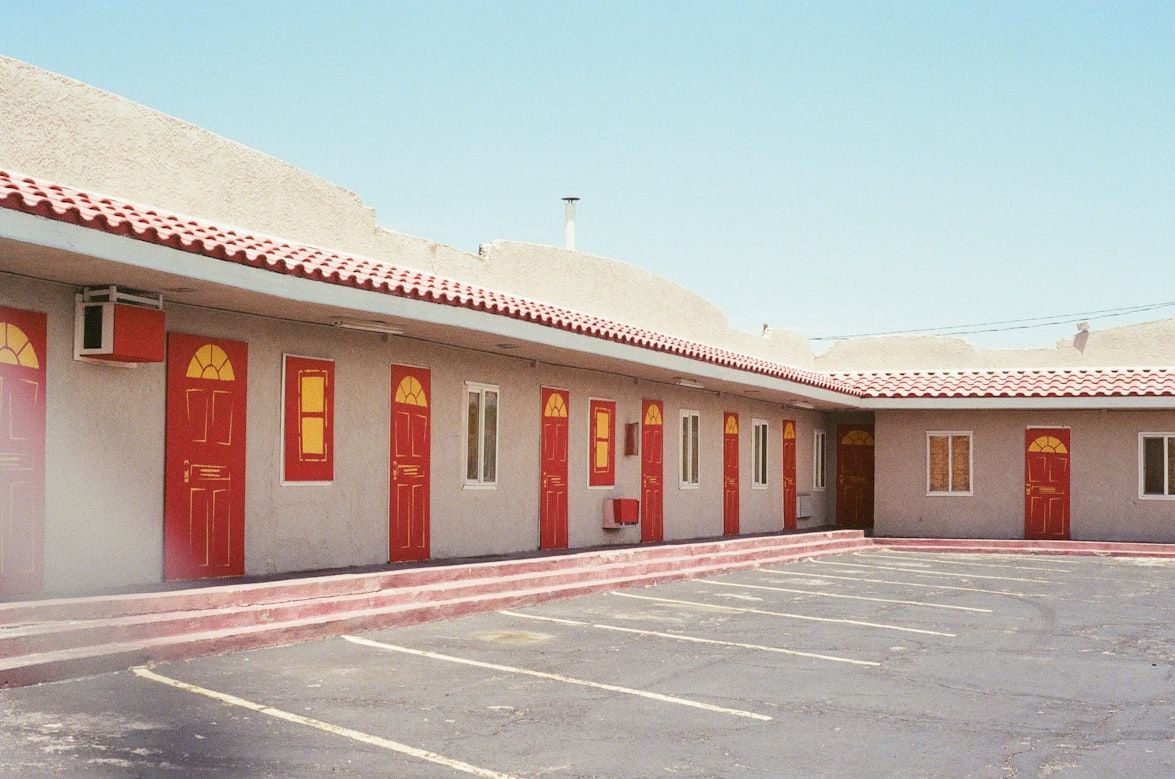
Classic motels are built for drivers: you typically park a few steps from your room door. That makes unloading easy, keeps your car in view, and is great for heavy luggage or coolers. It also means less time walking through long hallways.
Because doors open outdoors, lock up like you would at home. Use the deadbolt, keep curtains closed at night, and don’t leave any valuables visible in the car, even if you are parked right in front. Unlike many city hotels, motels almost always include parking in the room rate.
Basic amenities
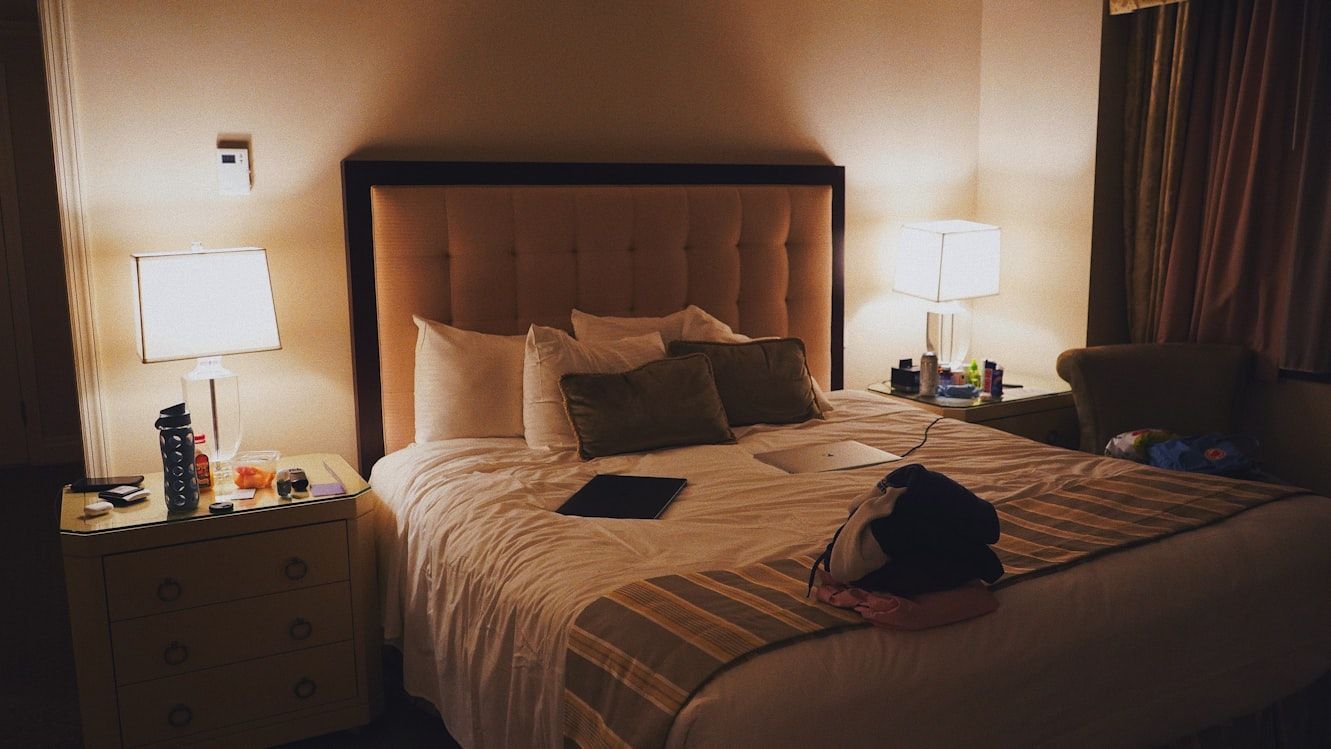
Expect essentials: bed, private bathroom, TV, A/C or heat, and Wi-Fi. Many motels include a mini-fridge and microwave, but not all, so check the listing photos and amenity list. Some older properties may have slower Wi-Fi or fewer outlets.
Don’t assume extras like elevators, gyms, or room service. If you need something specific, like a hair dryer, iron, accessible room, or crib, call ahead. Small properties vary widely from one owner to the next.
Smoking rules can be strict
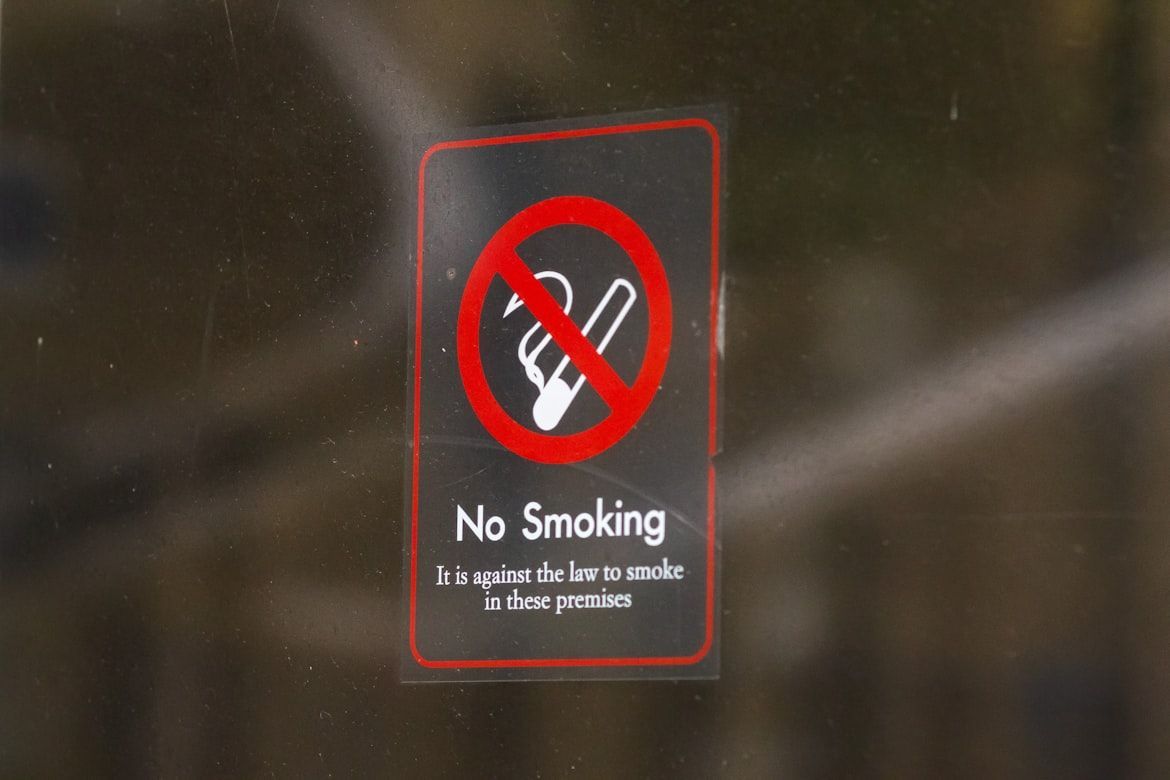
Most U.S. motels are non-smoking now, and breaking that rule can trigger hefty cleaning fees. Even vaping may be treated as smoking depending on the posted policy. The fee can be far higher than the nightly rate because it covers deep cleaning and lost inventory time.
If you need a smoking room, confirm it explicitly at booking. Don’t risk it "just once." If you step outside to smoke, keep the door shut and ash well away from entrances. Keep your confirmation or receipt, as cleaning fees are often listed in writing.
Cleanliness varies
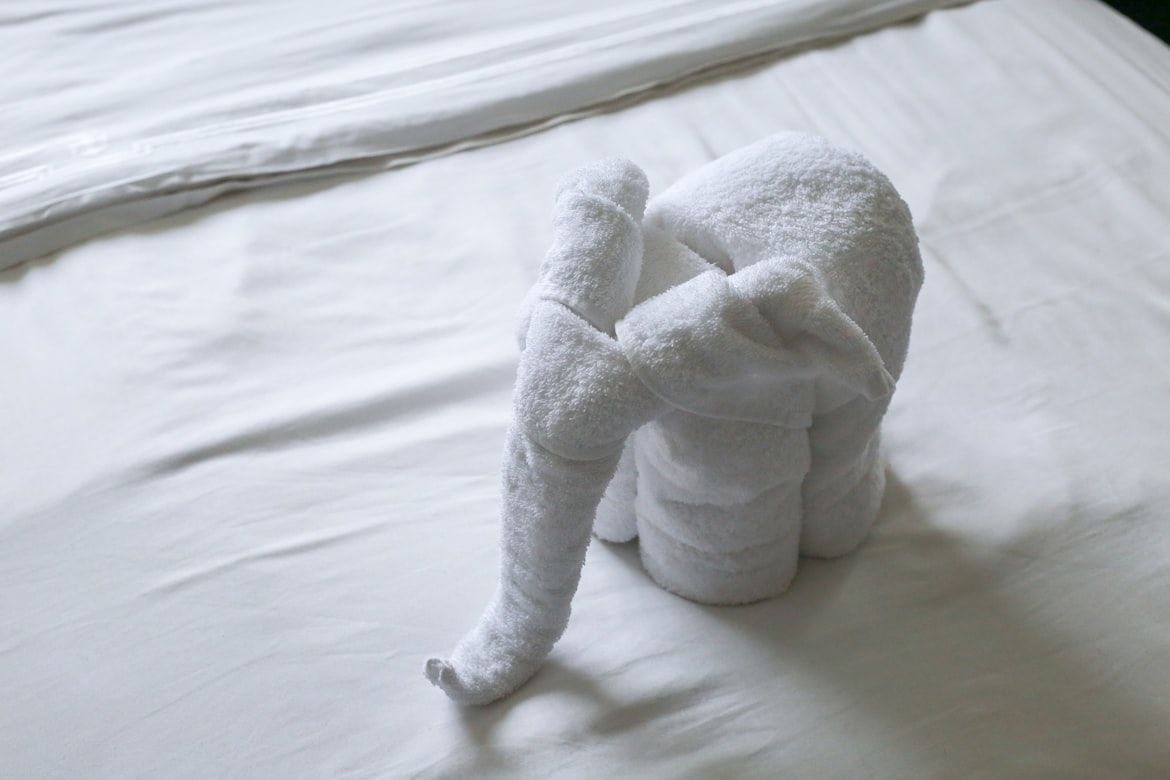
Chains are consistent; independent motels can be excellent or disappointing. Recent reviews matter more than old star ratings, since management and upkeep change. Look for repeated comments about bugs, odors, noisy HVAC, or stained linens.
Before unpacking, do a quick check of the bathroom surfaces and overall smell. If something’s off, ask for a different room immediately. Fixes are easier at check-in than after you’ve settled.
Security is mostly "outside-in"
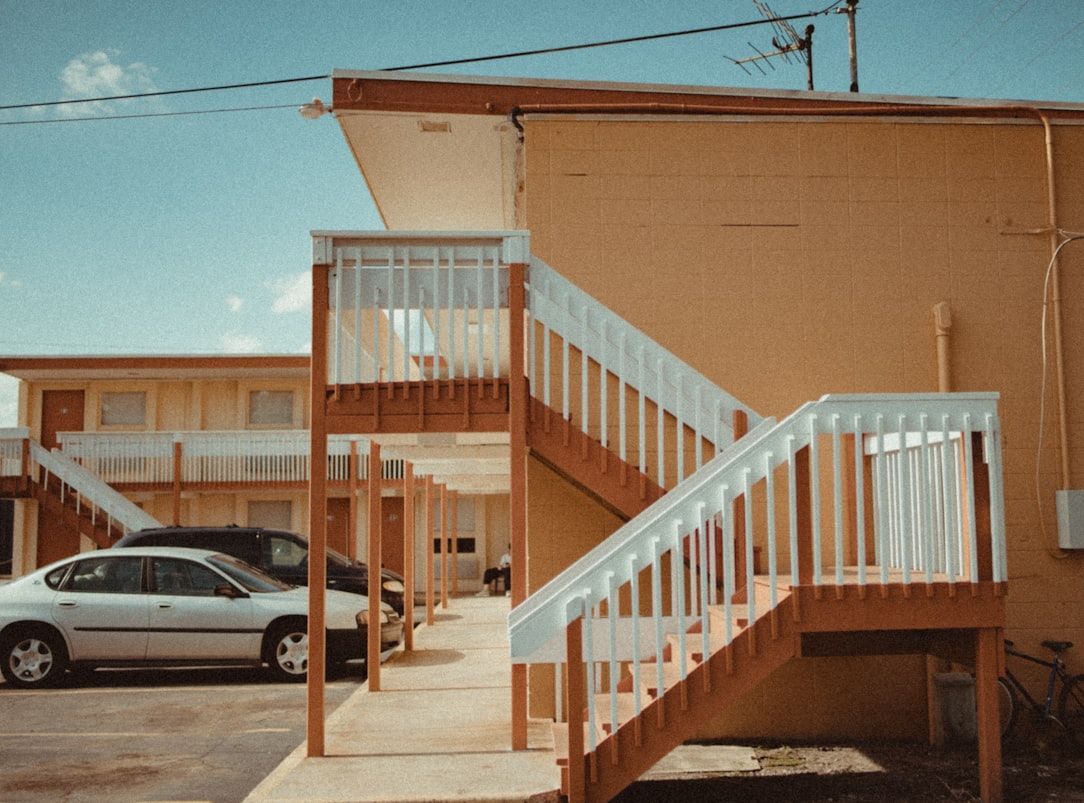
Because rooms open to exterior walkways, security depends on the property. Check that the door latch works, the windows lock, and the area feels well-lit. Also note where your room sits relative to the office: closer can feel safer and quieter.
Park near lights when possible and bring valuables inside. If something feels wrong, trust your instincts: request a room nearer the office, choose an upper floor when available, or move on to another motel. Don’t hesitate to switch.
Toiletries can be minimal
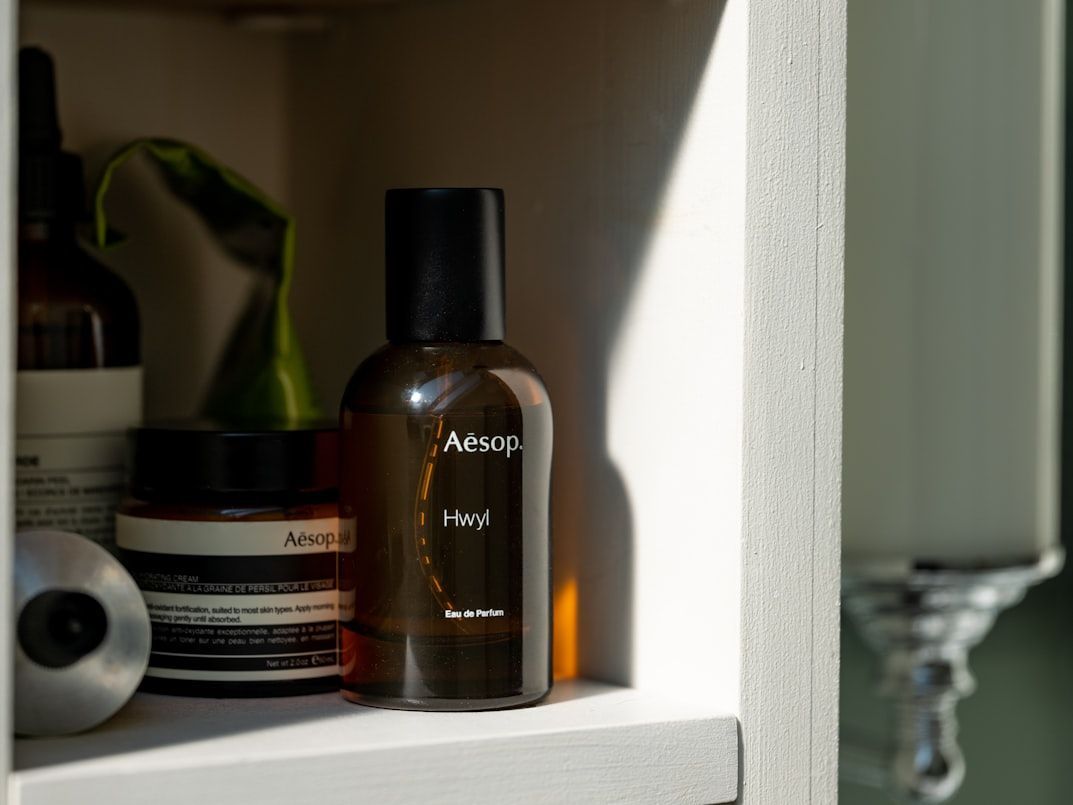
Many motels provide only the basics: small soap, shampoo, and towels. Items like conditioner, lotion, razors, toothbrushes, or makeup remover wipes may be missing. Housekeeping may also be "on request," so you might not get automatic restocks each day. Coffee packets may be absent, too.
Pack a simple overnight kit so you aren’t hunting for a store late at night. This matters most in rural areas where the nearest pharmacy could be miles down the highway.
Ice and vending machines are common
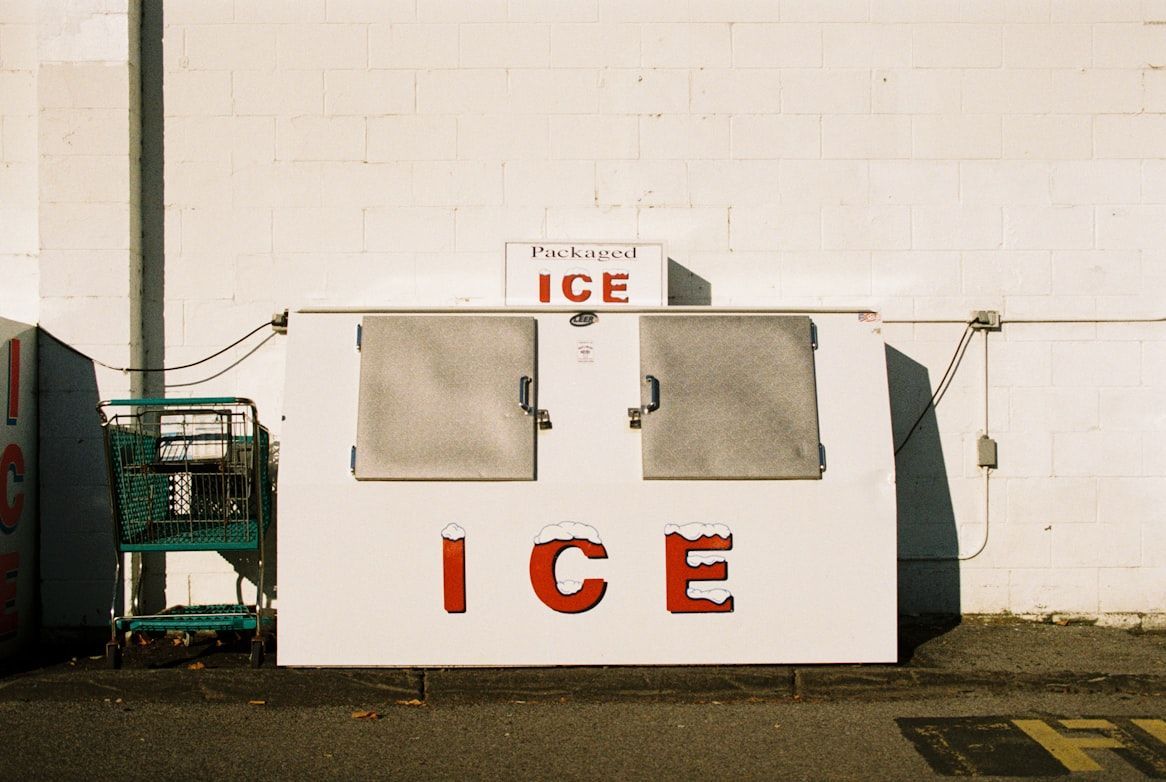
It’s common to find an outdoor ice machine and vending machines for drinks or snacks. They’re handy after a long drive, but prices can be high and selection limited. Sometimes, the machine is empty or out of order, especially late at night.
If you want to save money, grab groceries before check-in. A cheap cooler or the room fridge can turn a motel stop into an easy picnic dinner, and you’ll wake up to drinks ready for the road. Bring a reusable bottle for ice and water.
Breakfast isn’t guaranteed

Some motels offer "continental breakfast," which might mean coffee and pastries, or just coffee. Others offer nothing, even when the price looks similar. Photos can be misleading if they’re old or seasonal, so check recent reviews for what guests actually received.
If breakfast matters, call and ask what is provided and when it starts. Otherwise, plan on a nearby diner or supermarket. Knowing ahead of time prevents a frustrating morning scramble. Weekends may be more crowded, too.
Weekend prices can be higher
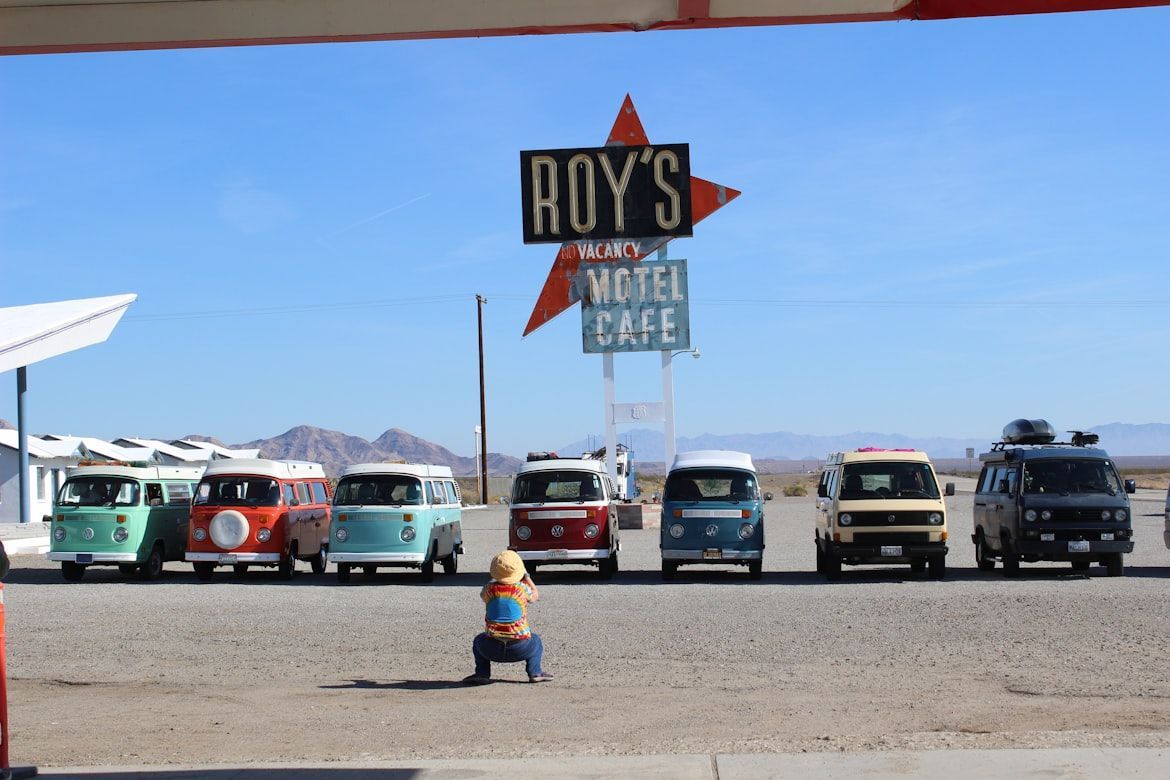
Motels often raise rates on Fridays and Saturdays, especially near attractions, national parks, college towns, or big events. The same room can cost noticeably more per night, and availability can vanish faster than you’d expect in small areas.
If your route is flexible, weeknights are usually cheaper and quieter. Traveling Sunday through Thursday can stretch your budget, shorten check-in lines, and make it easier to request a quieter room. Your sleep may improve, too.
Old-school coupons still exist
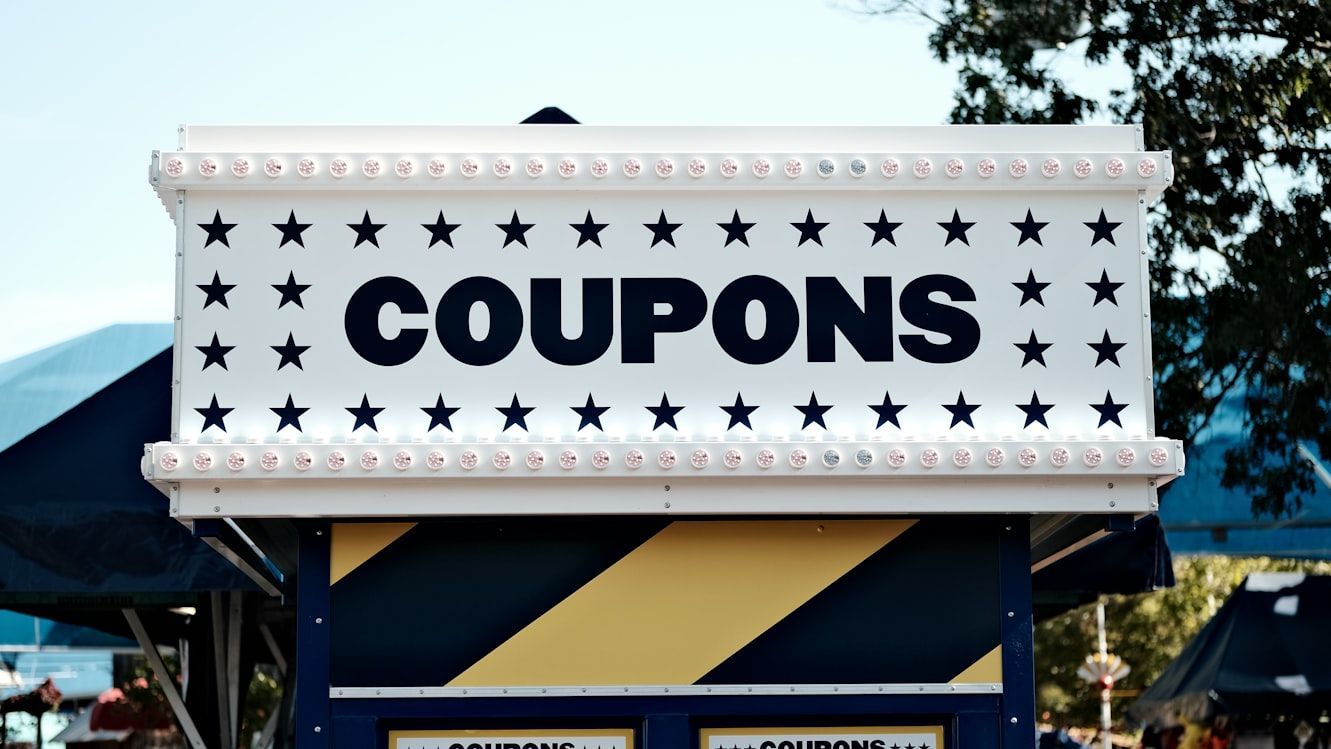
In parts of the U.S., gas stations and rest stops still carry coupon books with motel discounts. They’re a throwback, but they can shave real dollars off a night, especially on long highway routes where multiple motels compete for the same drivers.
Coupons work best for flexible trips where you haven’t pre-booked. Always read the fine print: some deals exclude holidays, require cash, or apply only to certain room types. Ask before you commit.
Calling directly can save money

Booking sites are handy, but a quick call can sometimes match or beat the online price, especially at smaller hotels that pay commissions to third-party platforms. You might also learn about AAA, senior, or weekly rates that aren’t shown online.
Calling lets you confirm key details: deposit holds, ID requirements, pet fees, late arrival plans, and whether the mini-fridge or microwave is actually in the room. That two-minute chat can prevent surprises after a long drive.
Keep wandering
There’s always
more to explore
 Culture
Skip Times Square and go to these NYC spots instead — local-approved!
4 min.
Read Now
Next must-see stop? Where the Treaty of Versailles was signed
5 min.
Read Now
 History
11 U.S. islands you thought you knew (spoiler: you probably don’t)
5 min.
Read Now
What's hiding inside Washington's Mount Vernon?
5 min.
Read Now