You won’t believe where these were filmed: Movie locations you can visit
 Culture
Movie magic made real
You won’t believe where these were filmed: Movie locations you can visit
Would you like to walk through the scenery of Jurassic Park, explore the caves featured in Indiana Jones, or travel through the same landscapes as Luke Skywalker in Star Wars? Well, we have good news, you can! Nowadays, most movies rely on digitally created environments and special effects. But it wasn’t always that way, and many productions took their film sets to incredible real-world locations. Today, we’ll show you where in the world these 10 famous movies were filmed!
Jurassic Park
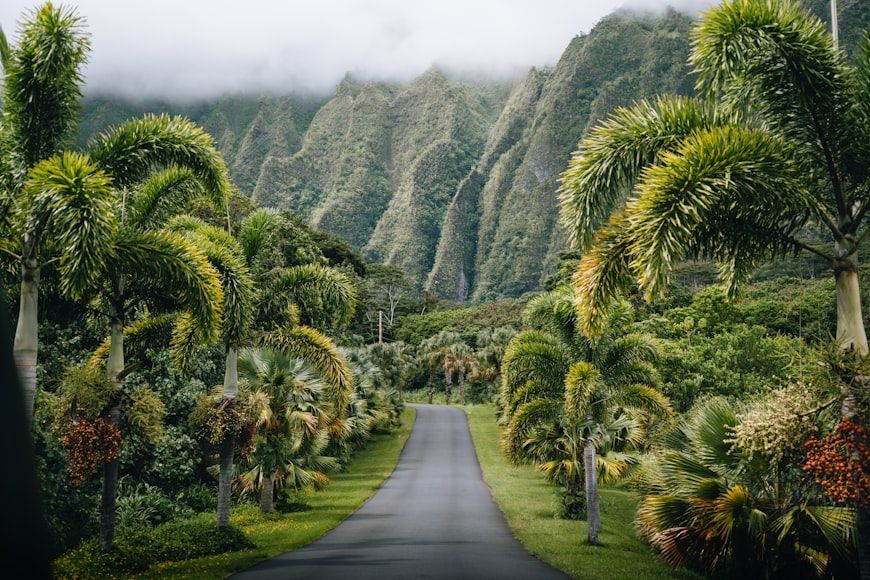 Image: Peter Thomas
Hawaii
The first Jurassic Park (1993) is unforgettable, especially thanks to its amazing landscapes. Sadly, there are no dinosaurs, but those places are very real, and they can be found in Hawaii. The movie used several locations across the state, with two standouts: the island of Kauai, where the famous waterfall scenes were filmed, and Kualoa Ranch, a private nature reserve on the island of Oahu.
Star Wars
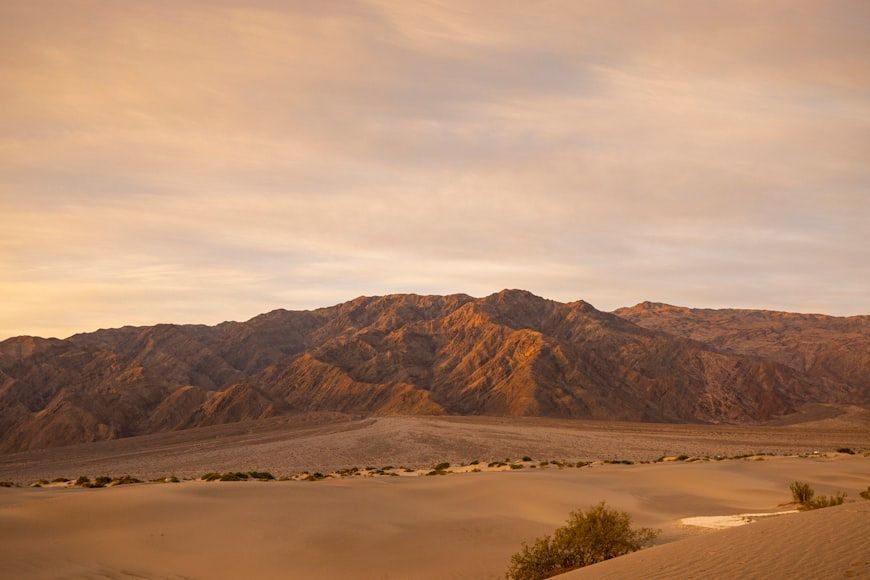 Image: Leo_Visions
Tunisia and California
When you watch Star Wars: Episode IV – A New Hope (1977), it feels like the characters are really traveling across the galaxy. But many of those "alien" worlds are, in fact, very real, and you can visit them. Much of Tatooine was filmed in Tunisia, where you can even walk inside Luke Skywalker’s home at the Sidi Driss Hotel. And if international travel isn’t an option, Death Valley, California, which was also used to film Tatooine scenes, can make you feel extraterrestrial without leaving the US.
Forrest Gump
 Image: Metin Ozer
Georgia
If you want to visit the places where beloved Forrest Gump walked, buy a ticket to Savannah, Georgia. Chippewa Square is the exact place where he famously said that life is like a box of chocolates. The bench used in the scene is now in the Savannah History Museum, but you can still take a walk through the square and visit other filming locations in the city.
The Godfather
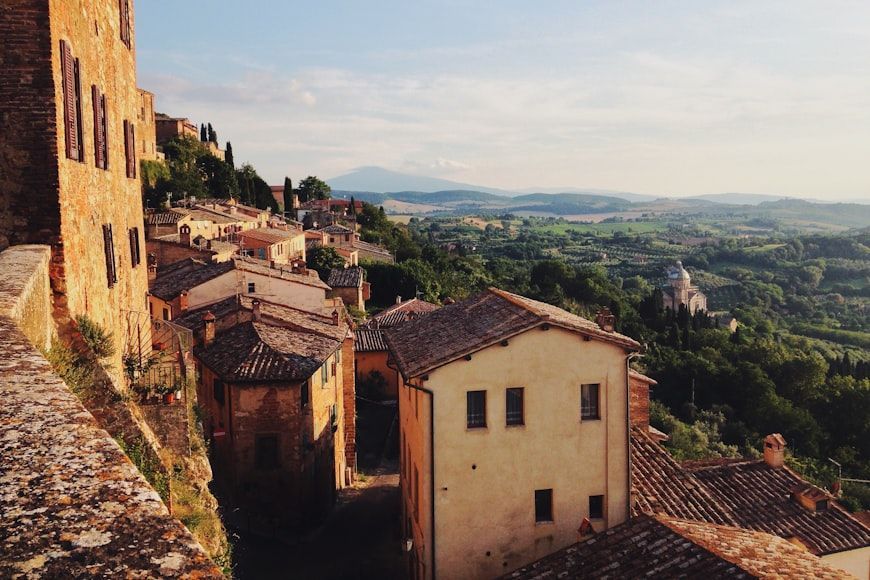 Image: Rowan Heuvel
Italy
Corleone is a real town in Italy, but the version of the place we see in The Godfather was filmed elsewhere, though not so far away. Director Francis Ford Coppola felt that the real Corleone looked too modern, so he turned to Sicily instead, specifically the villages of Savoca and Forza d’Agrò. That’s where you’ll find iconic spots like Bar Vitelli, where Michael asks for Apollonia’s hand, and the Chiesa di San Nicolò (also known as Santa Lucia), the church where the couple gets married.
Indiana Jones
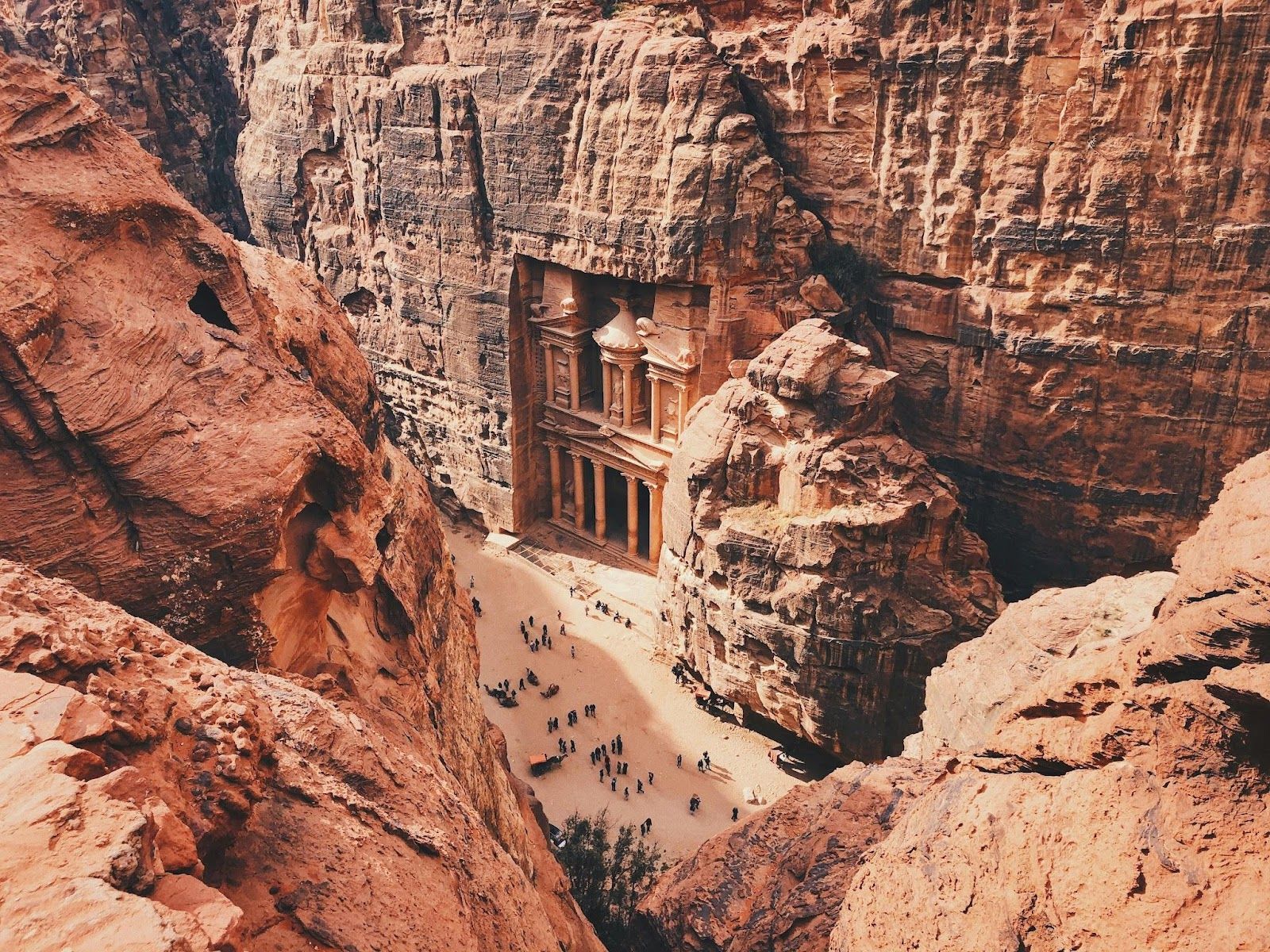 Image: Alex Vasey
Jordan
It may seem too incredible to be real, but many Indiana Jones locations actually exist. Petra, in Jordan, is one of them, playing a starring role in Indiana Jones and the Last Crusade (1989). The exterior of the "Temple of the Sun" was filmed at Al-Khazneh, better known as "the Treasury," which is literally carved into Petra’s sandstone cliffs. And that’s not all: the movie also features scenes filmed across five other countries, including the US, the UK, Germany, Spain, and Italy.
The Sound of Music
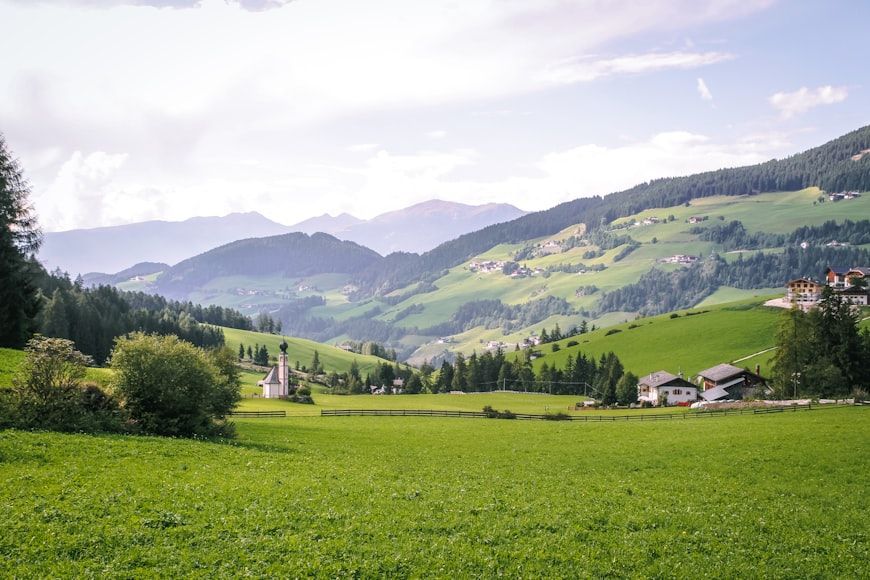 Image: Tom Def
Austria
The Sound of Music (1965) was filmed mainly in Salzburg, Austria, where the beautiful landscapes and picturesque buildings provided the backdrop for some of the film’s most memorable scenes. If you visit the European country, you can see places such as the Mirabell Gardens, where Maria and the children sing "Do-Re-Mi," the Nonnberg Abbey, where Maria lives, and the Basilika St. Michael in Mondsee, where the famous wedding scene takes place.
When Harry Met Sally
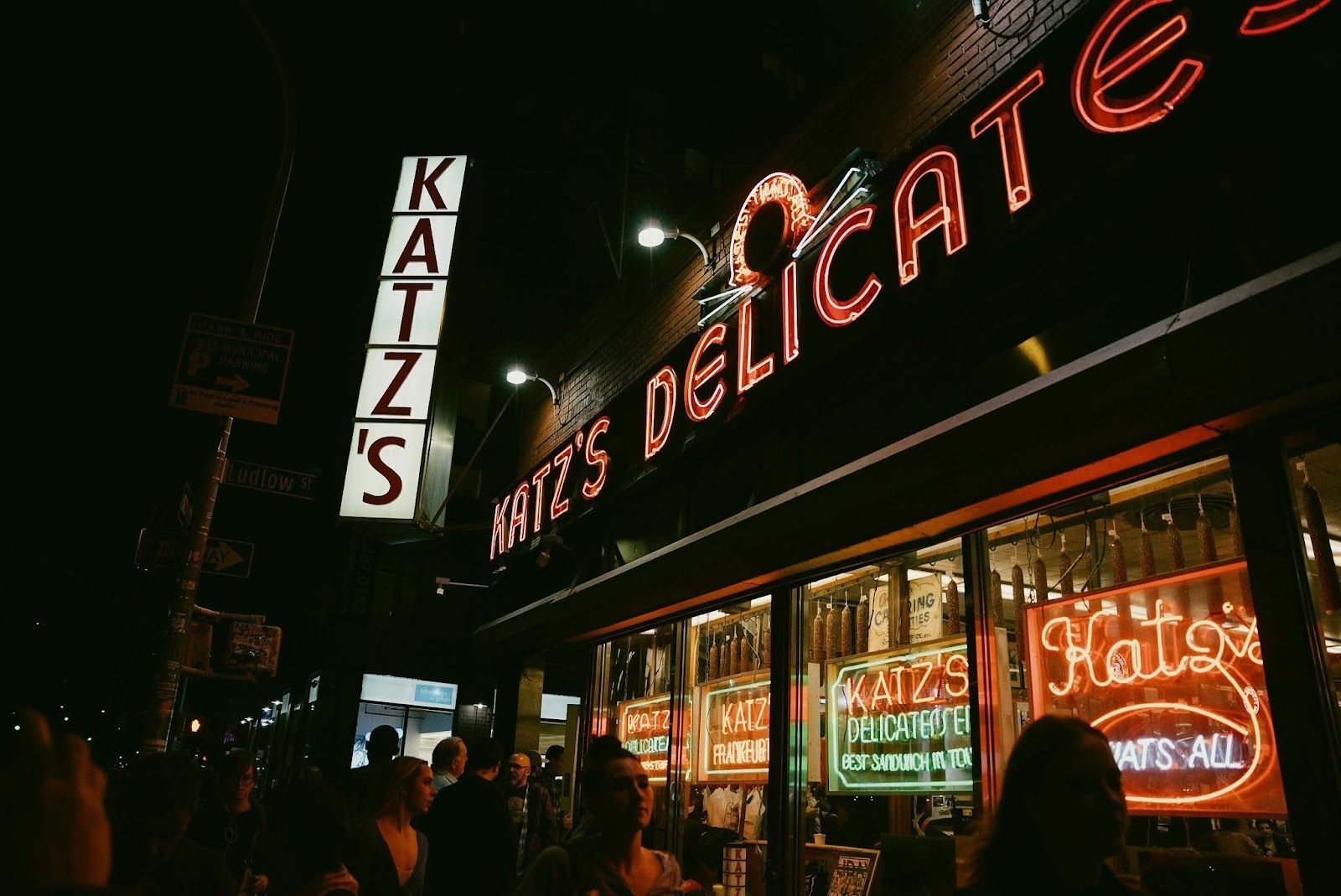 Image: Stephen Han
New York's Katz's Deli
If someone says, "I’ll have what she’s having," you instantly know the movie. Like most of When Harry Met Sally (1989), that legendary scene was filmed in New York City. But the iconic line was specifically delivered at Katz's Deli, located at 205 East Houston Street. You can still go there today and order a dish of your choice.
The Shining
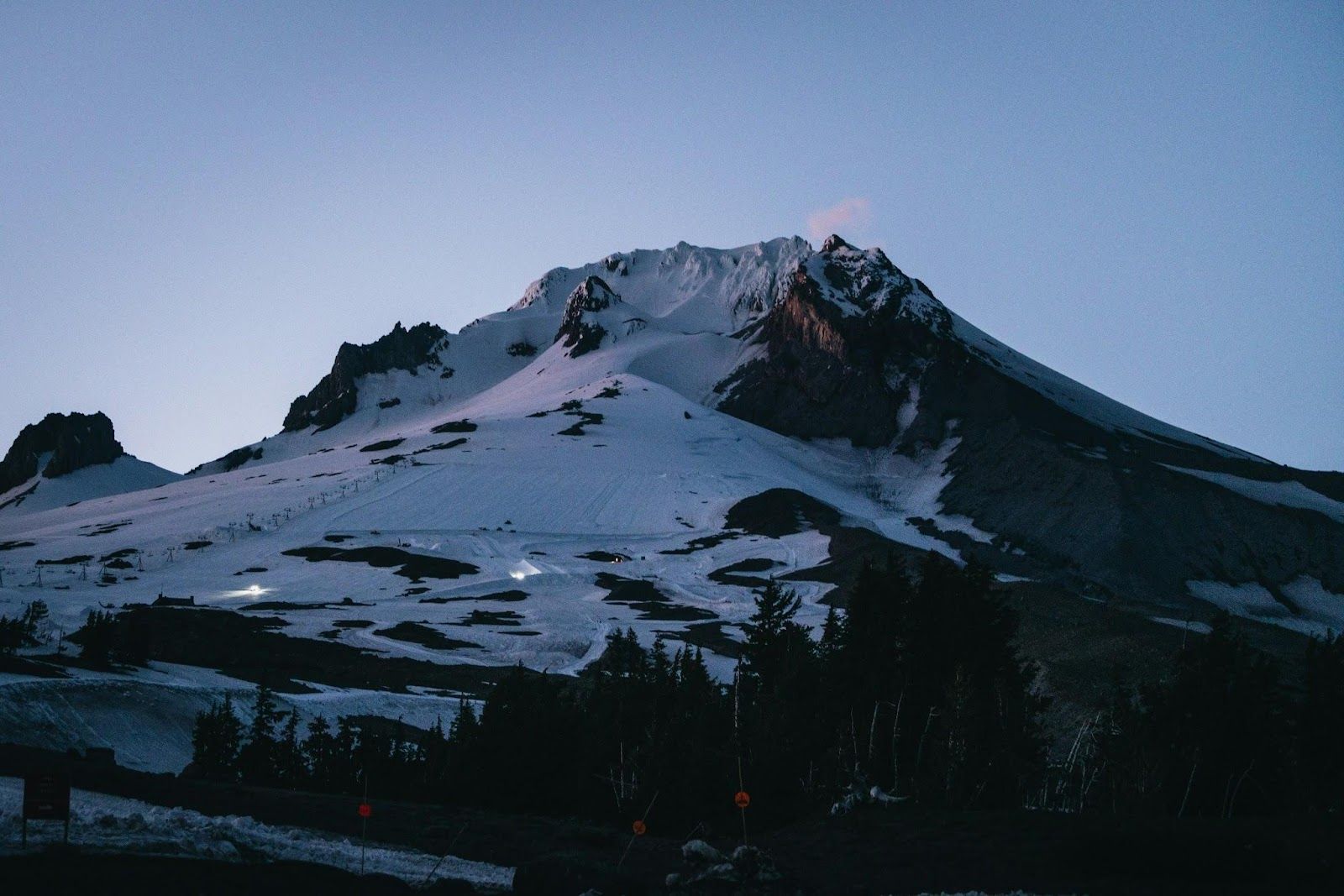 Image: Peter Thomas
Oregon and England
Although Colorado’s Stanley Hotel inspired Stephen King to write The Shining, it never appears in the movie. The creepy exterior of the Overlook Hotel was actually filmed at Timberline Lodge in Oregon, where you can visit or even spend the night. The inside, however, is all movie magic: the hotel’s interiors were built entirely on sets at Elstree Studios in England, inspired by the Stanley Hotel but not filmed there.
Sex and the City
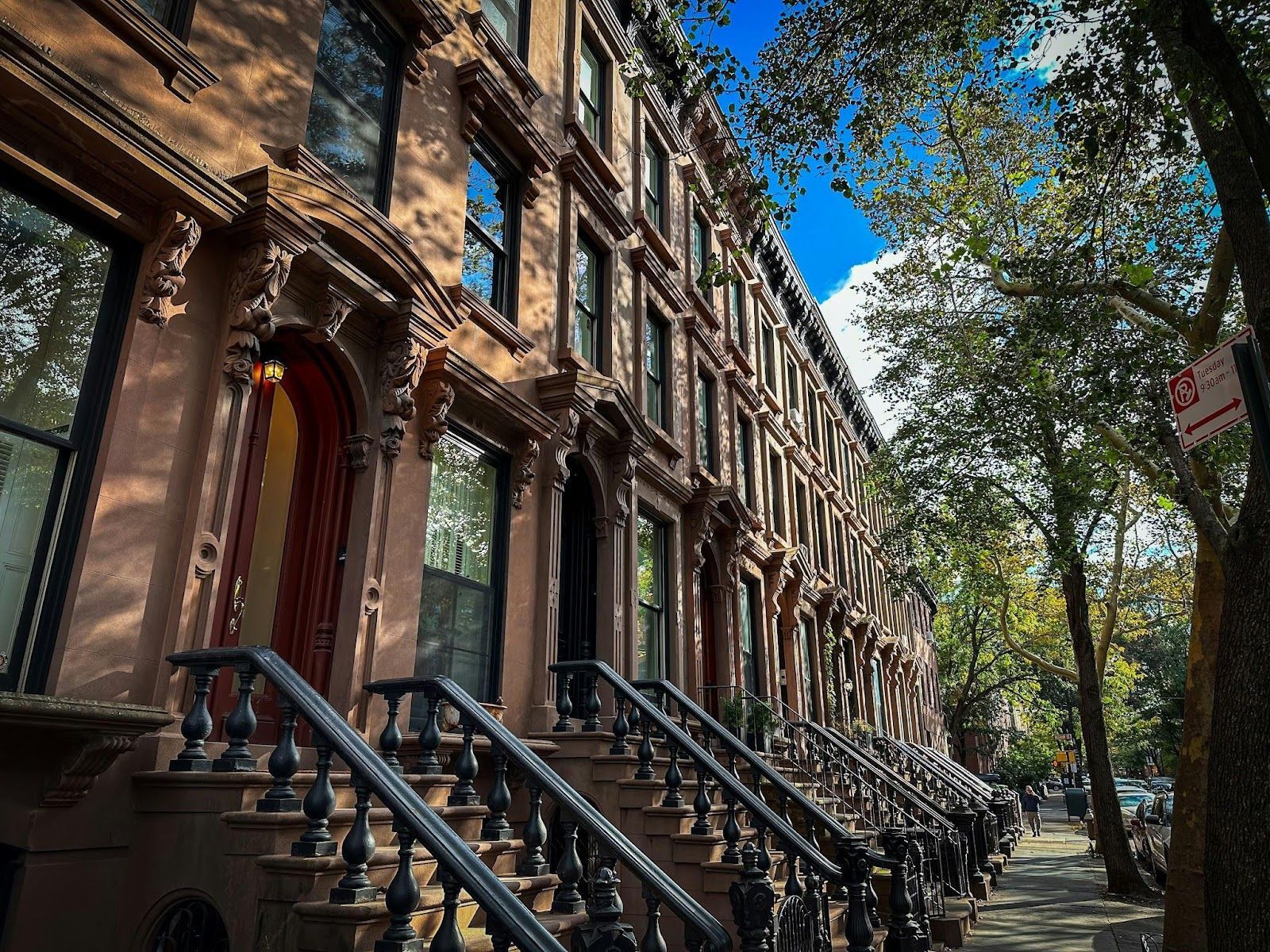 Image: Santeri
New York City
TV also gets a spot on this list! And when it comes to iconic shows, Sex and the City is impossible to skip. For six seasons, Carrie, Samantha, Charlotte, and Miranda took us all over New York City, but nothing beats the front of Carrie’s famous apartment, which you can actually see in the West Village at 66 Perry Street. Even though it’s a private residence, you can still admire it and take a few photos from the same sidewalk where the characters once walked.
The Great Gatsby
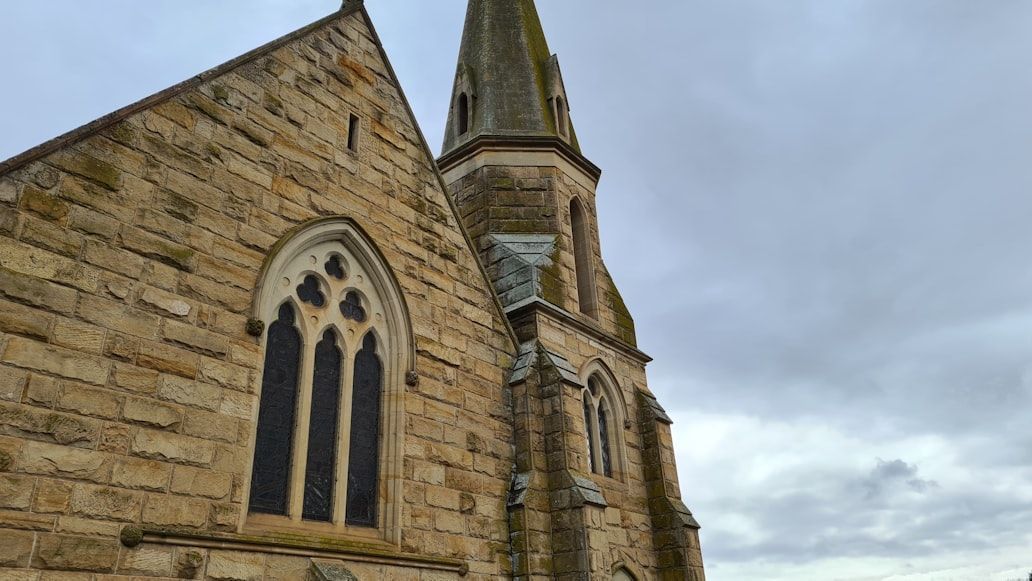 Image: Nico Smit
Australia
The 2013 version of The Great Gatsby features magnificent settings, but to see Gatsby’s Mansion in real life, you’ll need to travel far from Long Island. The mansion’s exterior was filmed at St. Patrick’s Seminary (now the International College of Management) in Australia, a grand Gothic-style complex that looks just like a castle. But not all scenes were shot there: several party scenes were also filmed in Sydney’s Centennial Park, a public park open to visitors.
10 bizarre traditions at famous tourist spots and the reasons behind them
 Landmarks
Weird rituals
When in Rome... Odd traditions tied to specific destinations
Tourists love copying what they see others do. Arrive at spots like the Trevi Fountain, and you might have to get in line to toss a coin. Step into the Epidaurus Theatre in Greece, and you’ll have to wait until others are done whispering to try the acoustics yourself. People will even queue for an hour to attempt to bend backwards on the floor and kiss the Blarney Stone in Ireland. How did these very strange traditions begin? Read on to learn 10 site-specific odd rituals.
People shouting "Elmer!" at sundown at Yosemite National Park, USA
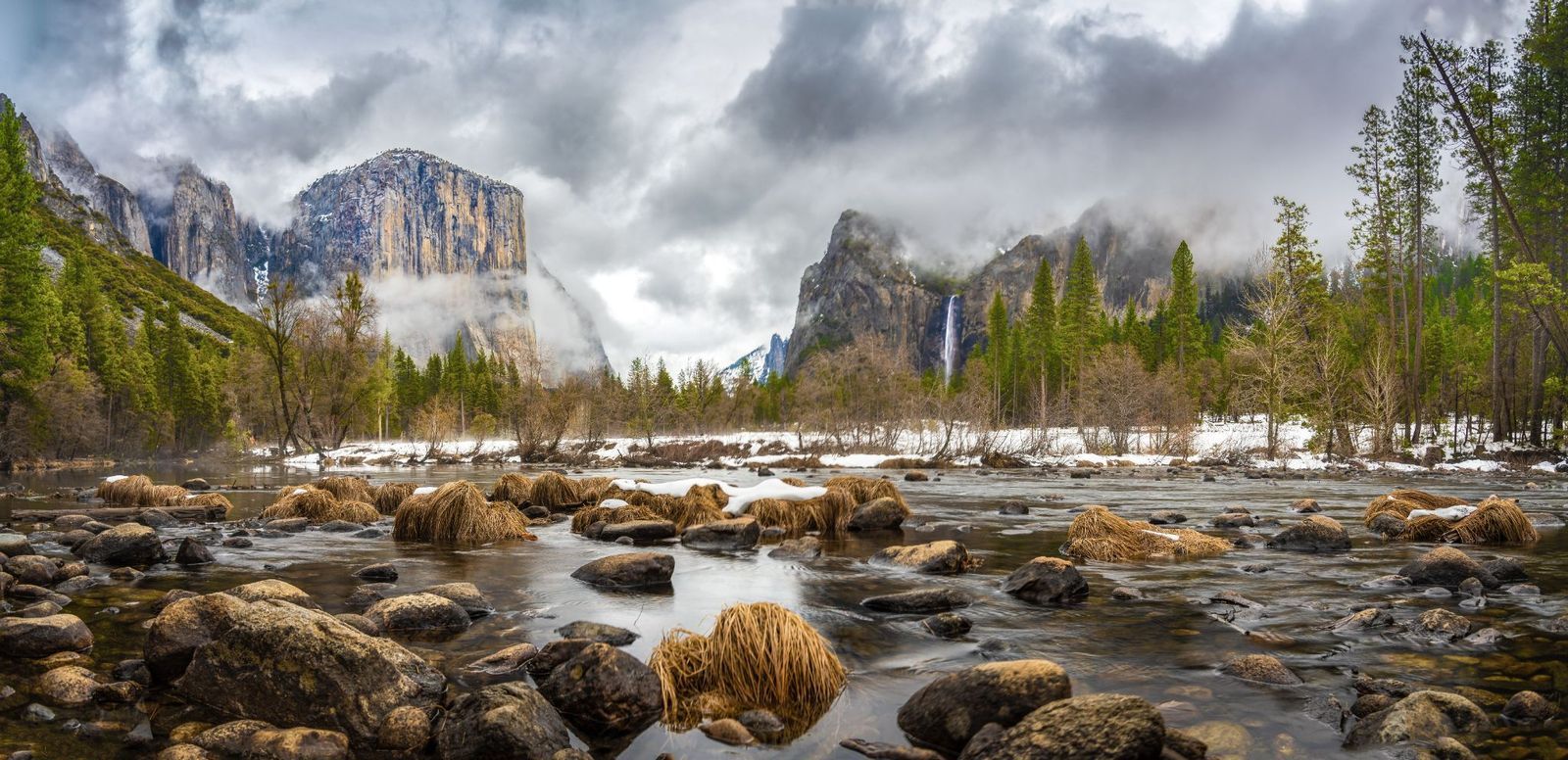
Every summer evening in Yosemite Valley, as the campfires die down, someone in one of the campgrounds shouts it into the dark: "ELLLLMEERRR!" And it always gets an answer.
Suddenly, the valley erupts into dozens of voices from different camps echoing the name back. The tradition has been going on since at least the 1930s, and no one knows exactly how it started. Nobody knows who Elmer was, either, but that’s part of the joke. The most popular legend says a boy named Elmer went missing in the woods one summer, and nearby campers started calling his name.
Another version claims he was a park ranger disfigured in the Yosemite Firefall who now haunts the camp looking for a new face, and if you shout his name, he'll know you're a friend and leave you alone. The National Park Service has officially acknowledged that the tradition exists, even though they have no explanation for it either.
Swearing nonsensical oaths at Highgate, London
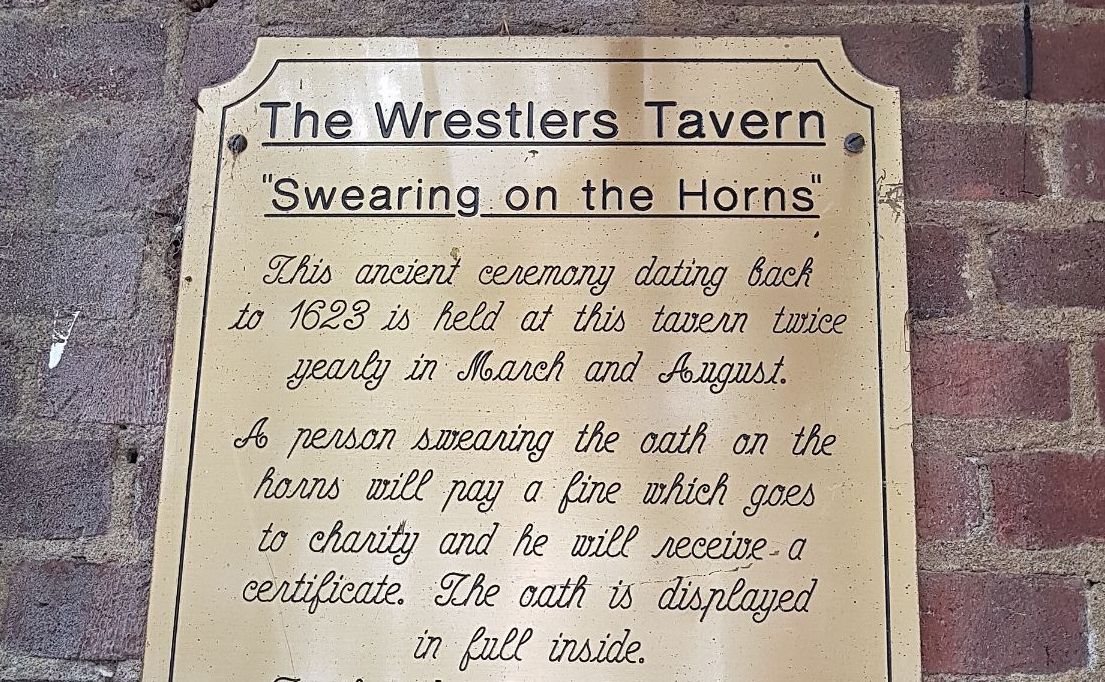
In the village of Highgate in north London, a pub tradition has been running since the 17th century that makes absolutely no sense. At taverns like The Wrestlers and The Flask, visitors can be sworn in as a "Freeman of Highgate" by reciting an oath of pure gibberish before a landlord dressed in ceremonial costume, then kissing a set of ram's horns.
The rewards are famous for their uselessness. They include the right to free drinks whenever you are penniless in the village, and the right to sleep in a local ditch if you first evict whichever pig is occupying it. If there are three pigs, you may only remove the middle one and sleep between the others.
Lord Byron swore the oath and referenced it in his poem "Childe Harold’s Pilgrimage." The ceremony was revived in recent years at The Wrestlers, where the horns and the full text of the oath still hang on the wall.
Putting hands into the Mouth of Truth in Rome
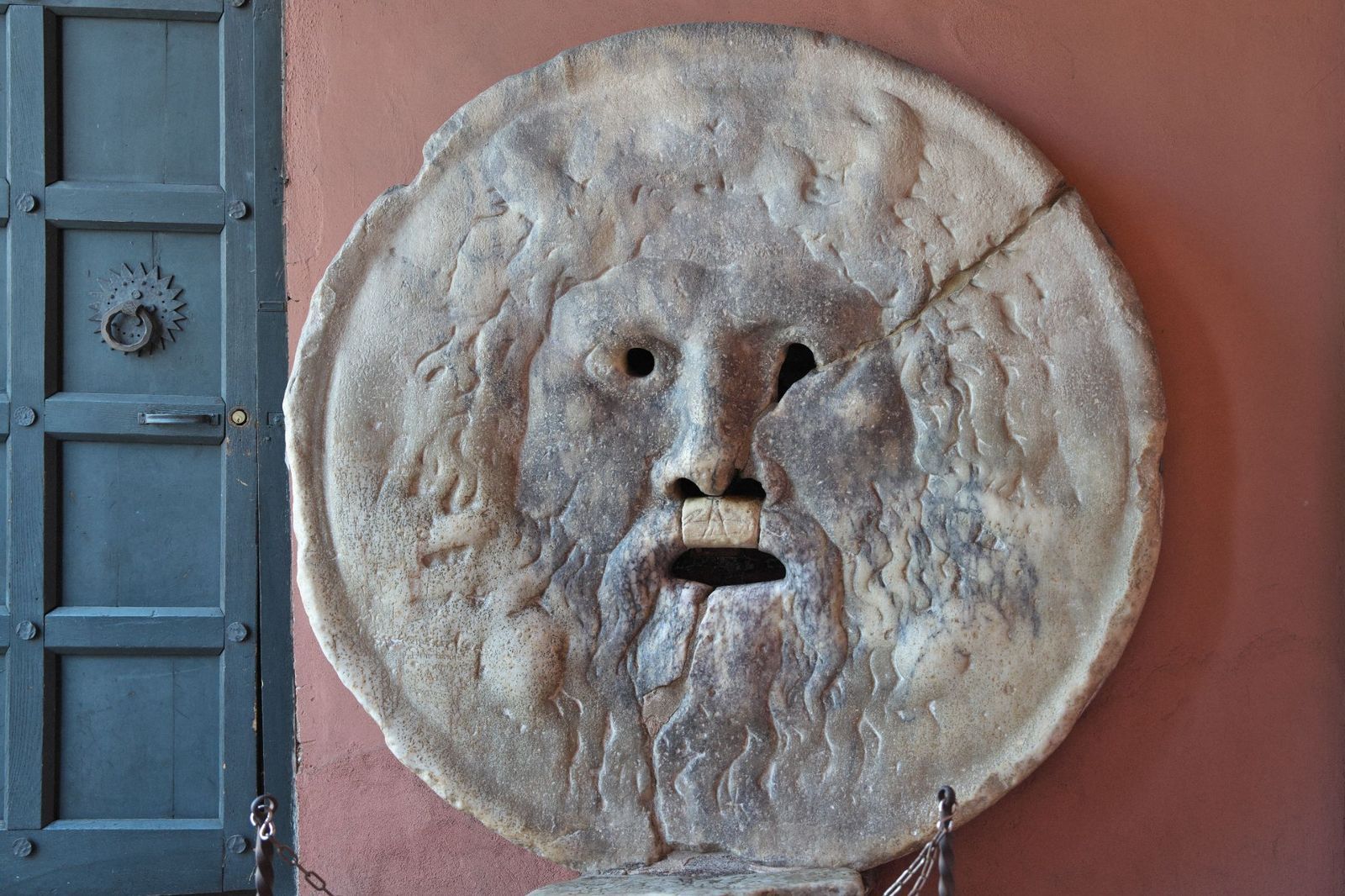
Long before Gregory Peck used it to terrify Audrey Hepburn in the film Roman Holiday, the Bocca della Verità had already been frightening people for roughly a thousand years. The ancient marble disc has sat at the entrance to the Basilica of Santa Maria in Cosmedin since the 13th century, though it was carved sometime in the 1st century CE, possibly as a drain cover for Rome's great sewer.
The legend, documented as far back as 1485, holds that any liar who places their hand inside its gaping mouth will lose it. Medieval husbands reportedly brought their wives here to prove their fidelity. The scene in Roman Holiday in which Peck hid his hand up his sleeve and pretended it had been bitten off, causing Hepburn's genuine shriek of terror, made the Bocca world-famous in 1953. Tourists now queue for up to two hours to stick their hand in and pose for the photo.
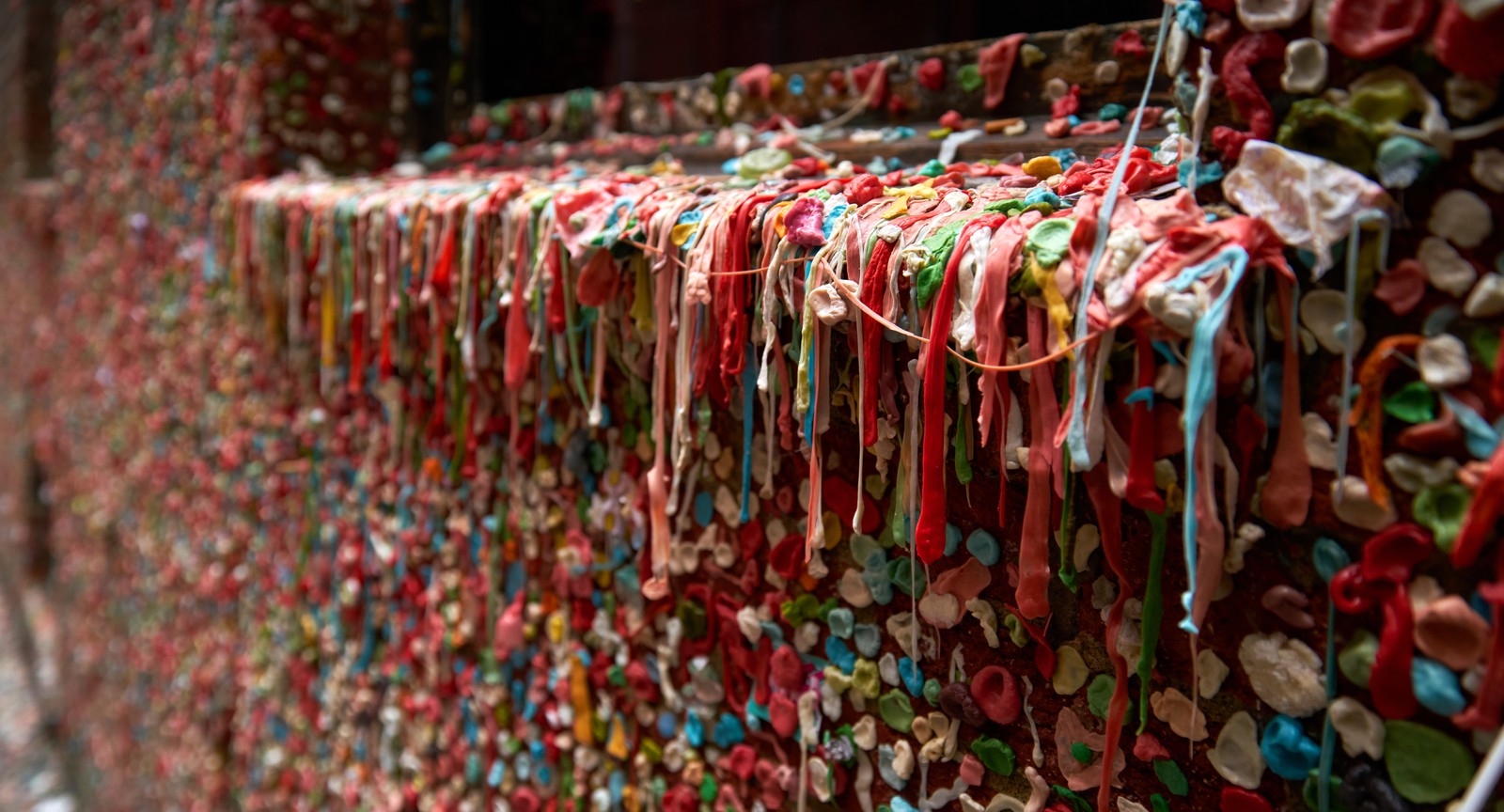
Sticking gum at the Seattle Gum Wall, USA
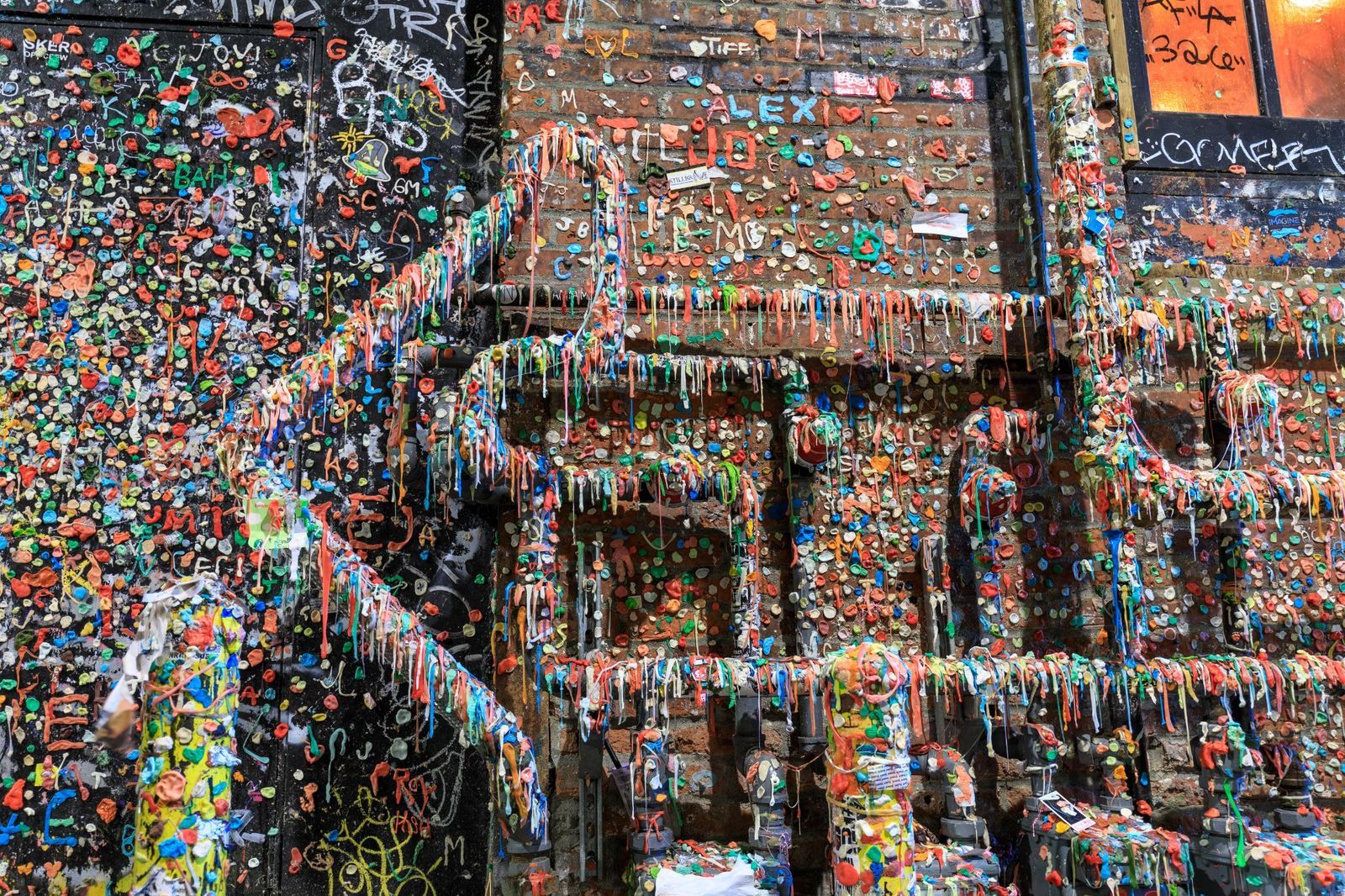
In 1993, people waiting in line for an improv comedy show at the Market Theater in Seattle's Post Alley started pressing their chewed gum to the brick wall outside. Management had the wall scraped clean. But the gum came back in the following show nights.
Locals carried out this back-and-forth until 1999, when the area authority gave up entirely and officially declared the wall a tourist attraction. Today, the Gum Wall stretches over 50 feet long and more than six feet high, covered in a thick, technicolor crust of chewed bubble gum from visitors around the world.
It’s consistently ranked among the germiest tourist attractions on earth. The wall is periodically cleaned to protect the historic brickwork underneath, but it doesn’t stay clean for long. In 2015, a full cleaning took 130 hours and removed over 2,350 pounds of gum, but it was rebuilt by passing tourists in about five months.
Kissing the lips of the Victor Noir statue in France
Victor Noir was 21 years old and working as a journalist for a radical Paris newspaper when, in 1870, he was shot dead by Prince Pierre Bonaparte, a cousin of Napoleon III. This happened in a dispute over a dueling arrangement Bonaparte had with Noir’s boss. His murder was so politically explosive that nearly 100,000 people attended his funeral procession, outraged that the prince was later acquitted.
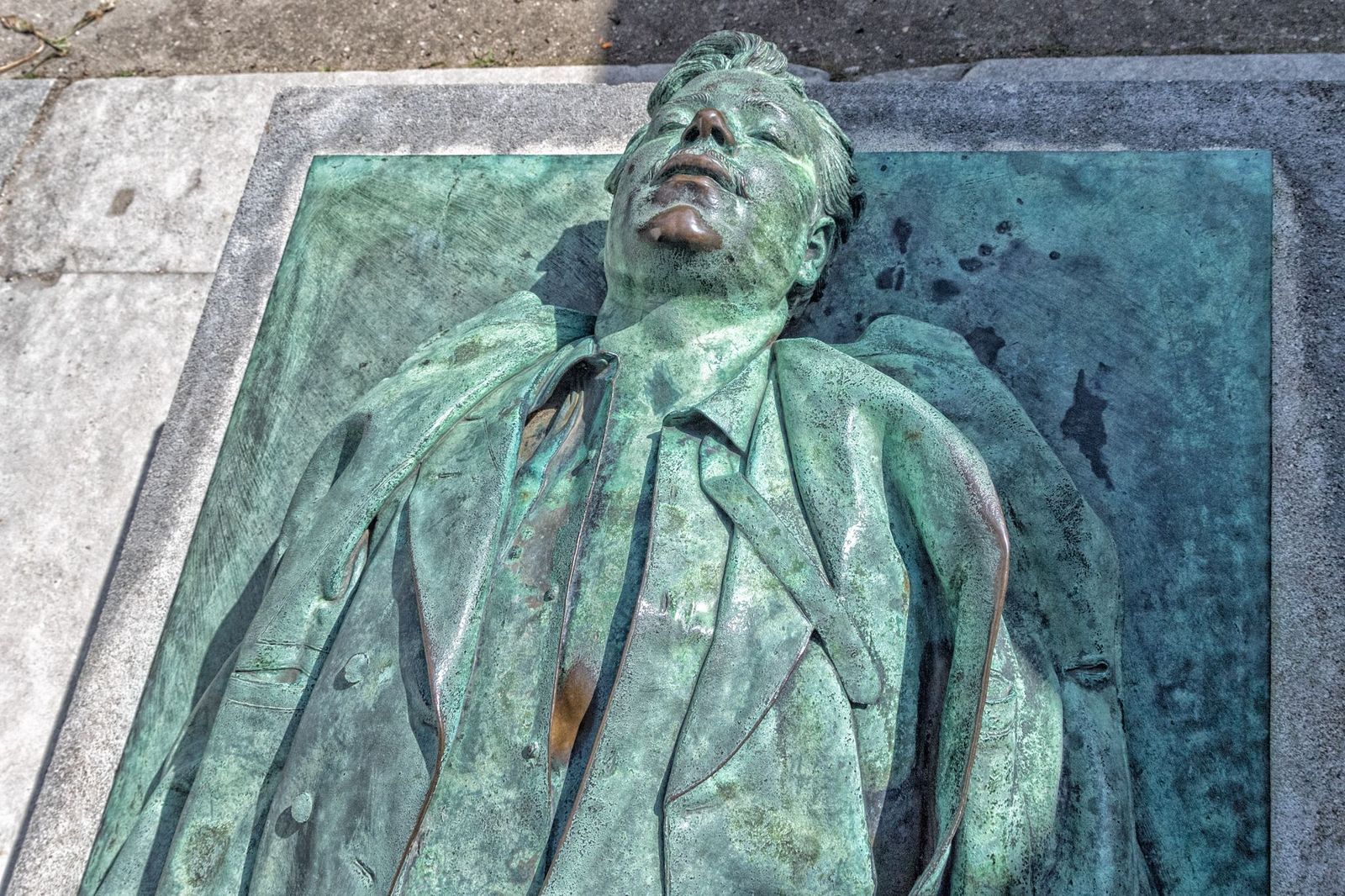
Two decades later, when the Third Republic had the journalist's body moved to Père Lachaise cemetery, sculptor Jules Dalou created a life-size bronze of Noir lying exactly as he fell on the street, hat beside him. For reasons no one has fully explained, the statue became a symbol of good fortune in love, and the tradition of kissing his bronze lips took hold.
His lips are now worn to a bright gold shine against the rest of the oxidized green statue. In 2004, city authorities erected a fence around the tomb to stop the practice, but the public protested until it came down.
Writing love letters to Juliet in Verona, Italy
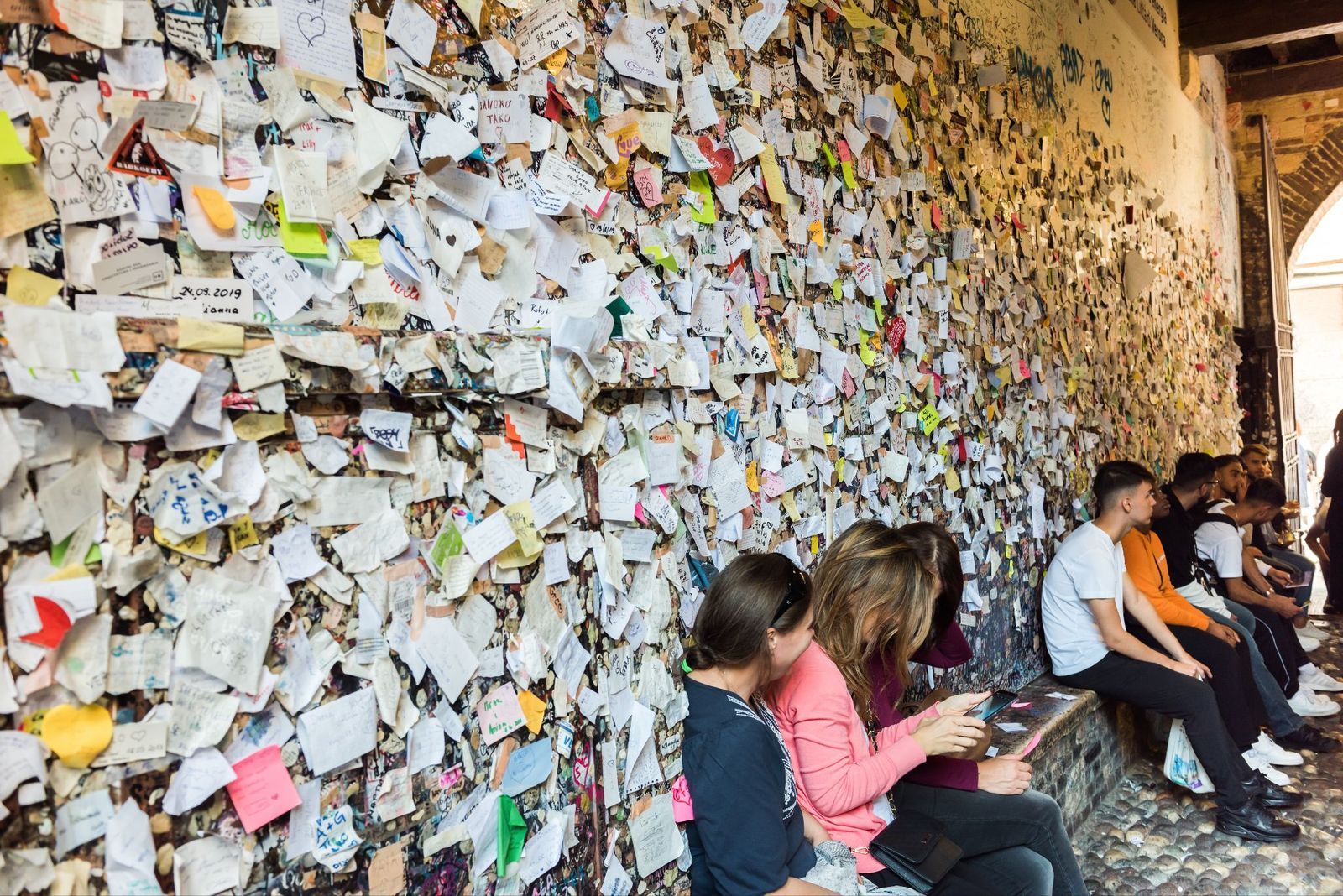
Juliet Capulet never existed, and Shakespeare almost certainly never visited Verona before or after writing Romeo and Juliet. And yet thousands of people each year write heartfelt letters addressed to "Juliet, Verona, Italy."
Each of them is answered. The tradition began in the 1930s: visitors were leaving love letters at Juliet’s Tomb, a nameless and empty crypt in Verona that had popularly become a pilgrimage site honoring the tragic fictional character. Ettore Solimani, the caretaker of the site, began collecting the letters visitors left behind and writing back. He signed them "Juliet's Secretary." This led to the Club di Giulietta, formally founded in 1972, which now has around 50 volunteer secretaries who reply to roughly 10,000 letters a year in over a dozen languages.
The 2010 film Letters to Juliet, starring Amanda Seyfried, introduced the tradition to a global audience and significantly increased the mail volume.
Weekly Siesta Key Drum Circle, Florida, USA
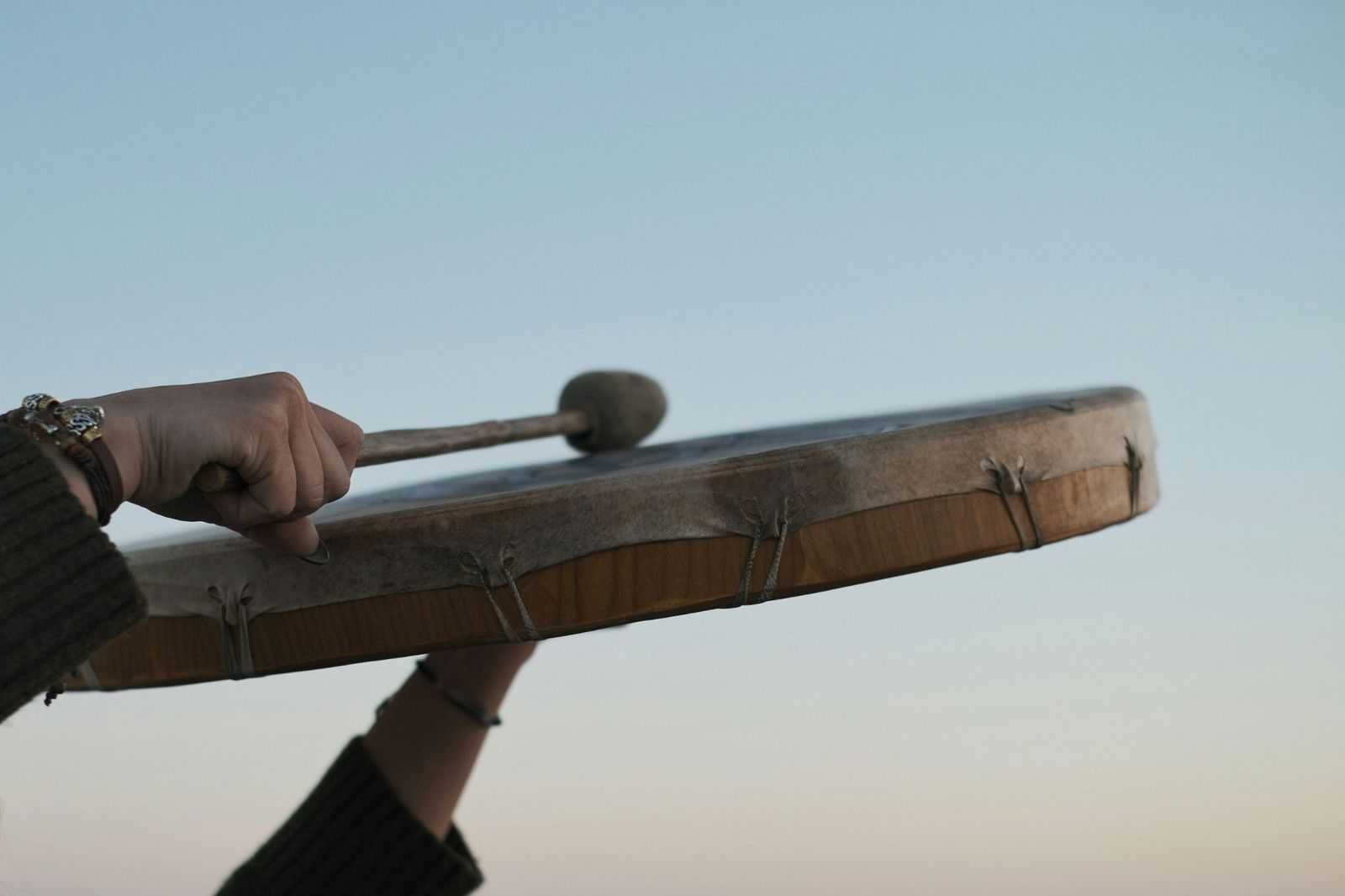
In March 1996, a man named David Gittens gathered about a dozen friends on Siesta Beach on Florida's Gulf Coast to drum together and mark the spring equinox. Thirty years later, that gathering has transformed into a weekly tradition. Every Sunday evening, an hour before sunset, people converge on Siesta Beach; musicians with djembes, congas, and tambourines, dancers with hula hoops, families with children, and tourists who stumbled into a show they only half understand.
By peak season, the crowd can reach a thousand people. There are no tickets, no stage, no vendors, no amplification, and no organizers.
Kissing the Blarney Stone in County Cork, Ireland
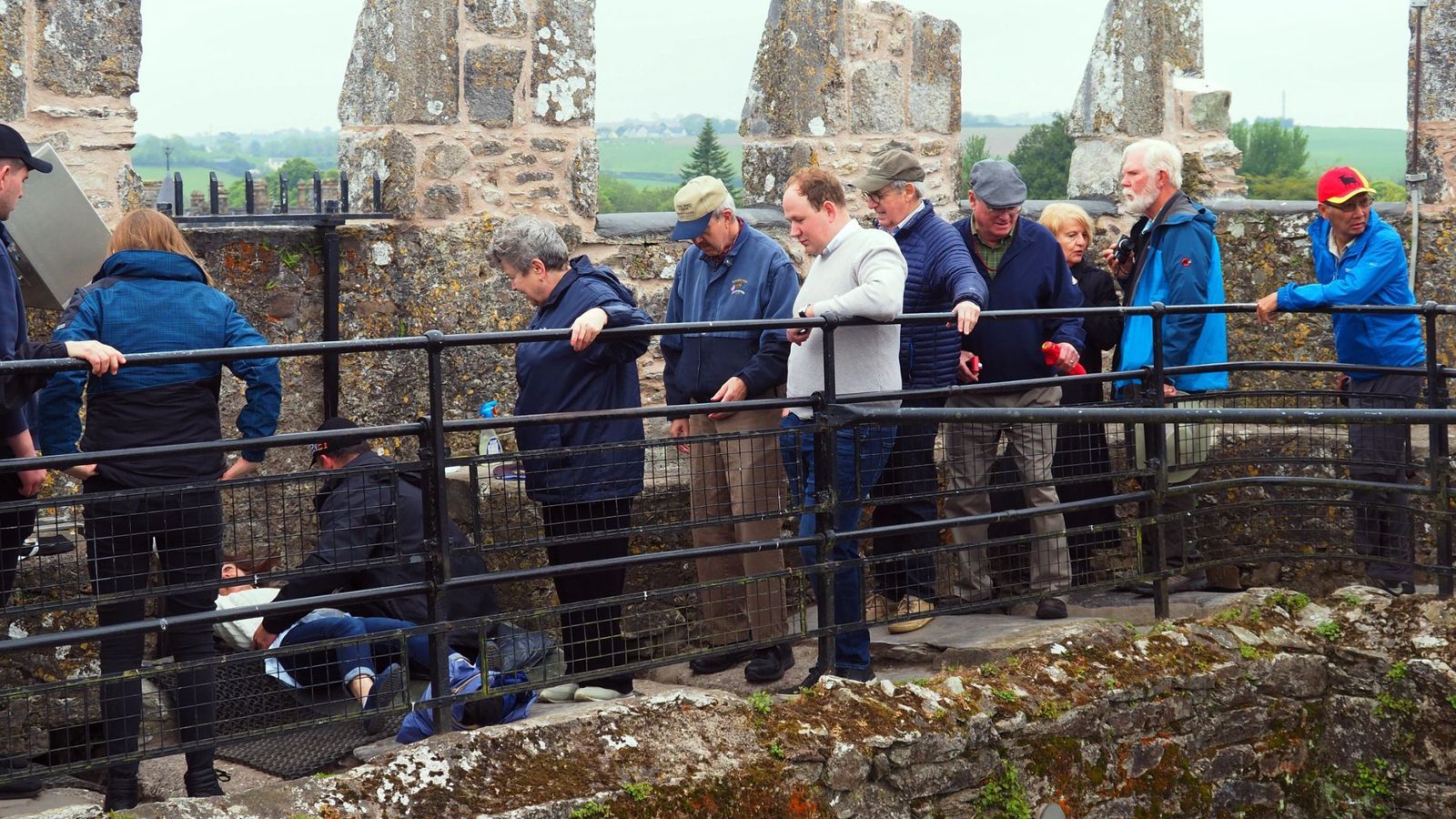
The Blarney Stone promises the gift of eloquence. It is said that if you manage to kiss it, you’ll gain the ability to speak well, charm effortlessly, and talk your way out of any situation. The price is modest: you simply have to climb to the top of a 15th-century castle, lie on your back, lean backwards over the edge of the battlements 90 feet above the ground, and press your lips to a stone set into the parapet below.
About 400,000 people a year do it, assisted by a staff member called "Butter Fingers," whose job is to hold your legs. The legend traces back to Cormac Laidir MacCarthy, builder of the castle, who was facing a hopeless legal dispute around the year 1446. He prayed to the goddess Clíodhna, who told him to kiss the first stone he found in the morning, then go to court and speak. As legend has it, he did, and he won.
Whispering at the Epidaurus Stage in Peloponnese, Greece
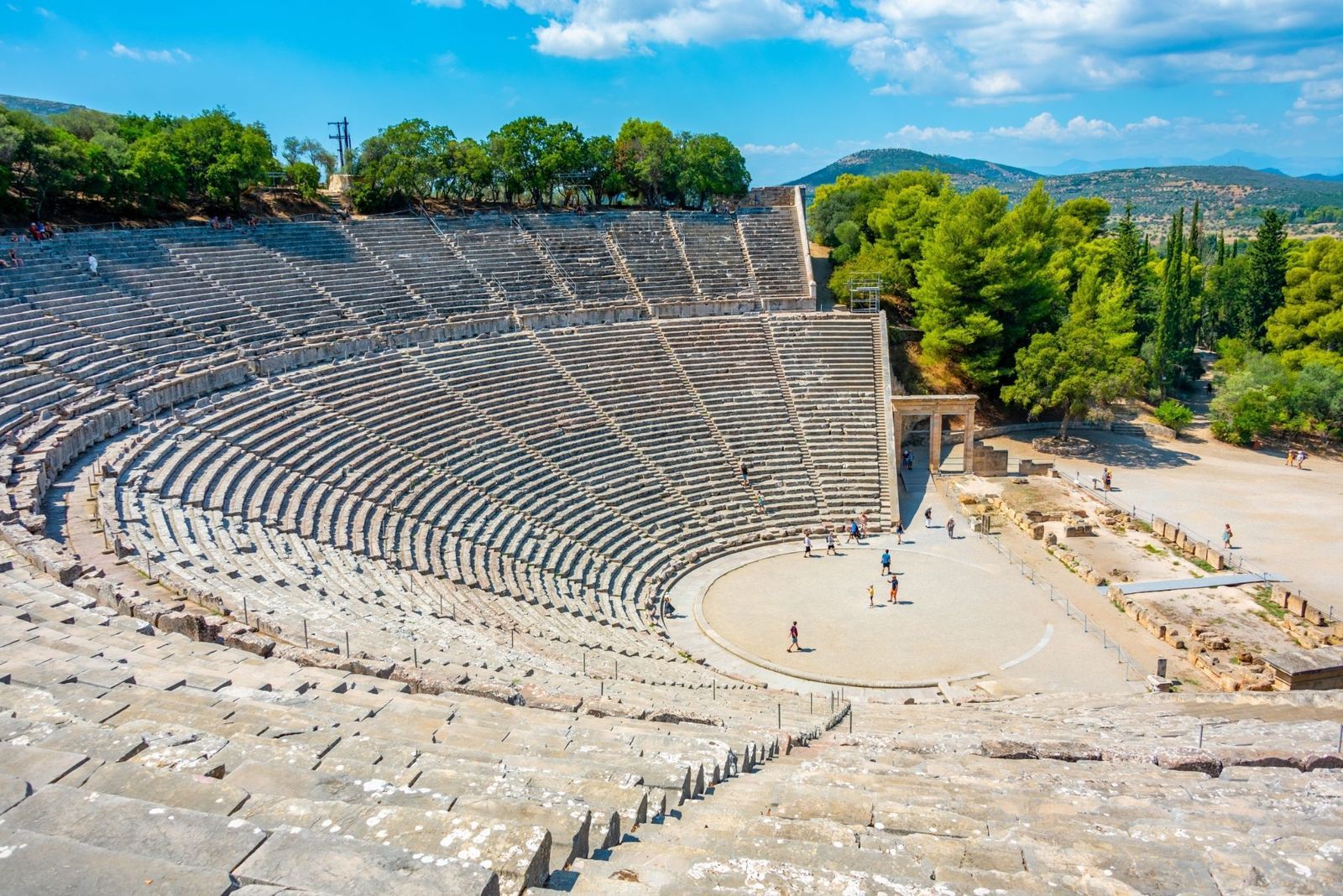
The Theatre of Epidaurus was built in the 4th century BC as part of a healing sanctuary dedicated to Asclepius, the Greek god of medicine. Today, it seats around 14,000 people on limestone tiers that rise in a perfect semicircle from the stage.
Every day, without any official encouragement, tourists perform a ritual: one person walks to the center of the ancient stage while their companions climb as high as they can go, and then the person on stage tears a piece of paper, strikes a match, or whispers. The people in the highest row hear it perfectly.
The acoustics are so precise that researchers from Georgia Tech spent years trying to explain them, eventually determining that the limestone seats themselves act as acoustic filters, absorbing low-frequency background noise while reflecting high-frequency sound from the stage with uncanny clarity.
Locking love to bridges in Paris, France
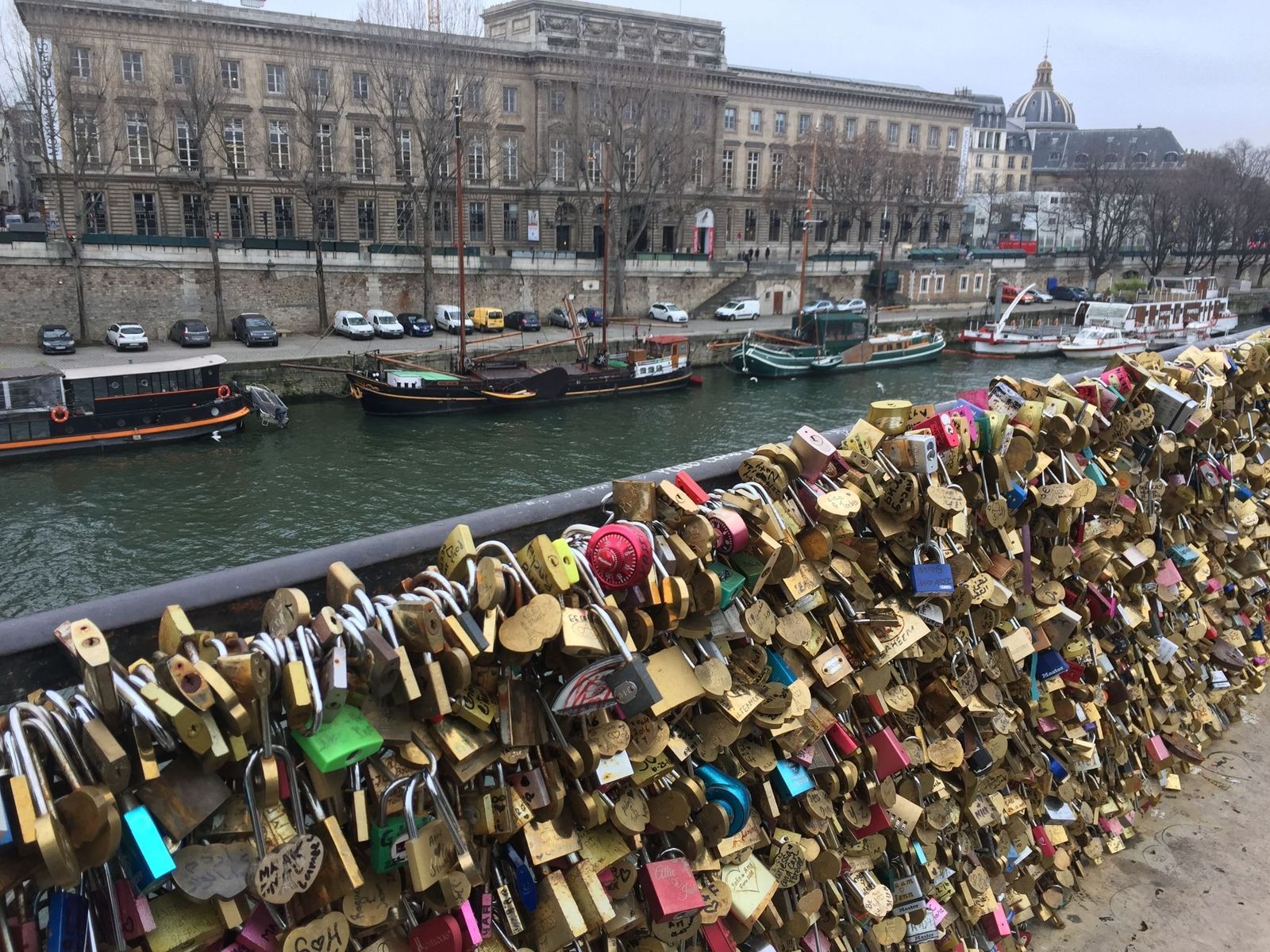
A couple attaches a padlock to the iron railings of a Parisian bridge, tosses the key into the Seine below, and thus symbolically seals their love. Nobody is quite sure when or why the ritual started. Some say it began in the early 2000s, with the practice spreading rapidly through social media.
By 2014, the Pont des Arts had become one of the most visited spots in Paris, and its railings were covered with heavy padlocks. The accumulated locks weighed 45 tonnes, the equivalent to 20 elephants. Eventually, a part of the bridge’s railing collapsed. In 2015, the city resolved to remove all of the padlocks and install glass panels to prevent the practice from returning.
This only resulted in couples finding other railings across the city to lock their love in; the tradition continues on the Pont de l'Archevêché behind Notre-Dame to this day.
No more generic fridge magnets: 10 souvenir ideas for your next trip
 General
Souvenir central
No more generic fridge magnets: 10 souvenir ideas for your next trip
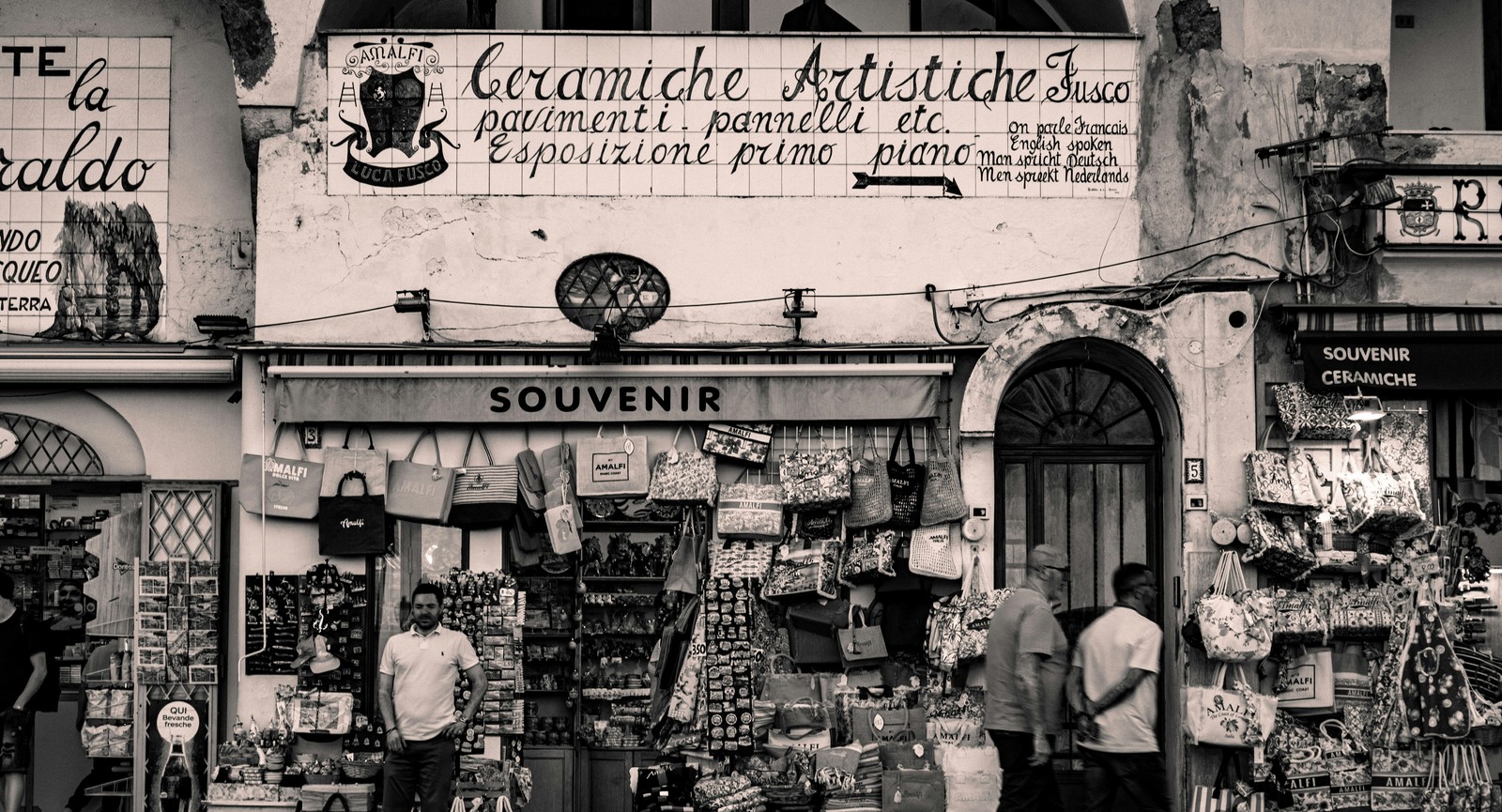
How many times have you returned from a fabulous vacation to discover that the only mementos you brought back were generic fridge magnets that will collect dust in the kitchen drawer? Thinking about cool and interesting souvenirs might seem unimportant when you are busy having a good time, yet the future you will be grateful for taking the time to pick something worth taking home and that will really tell a story. Do you want to up your souvenir game? Here are some cool mementos to always remember your travels.
Local specialties
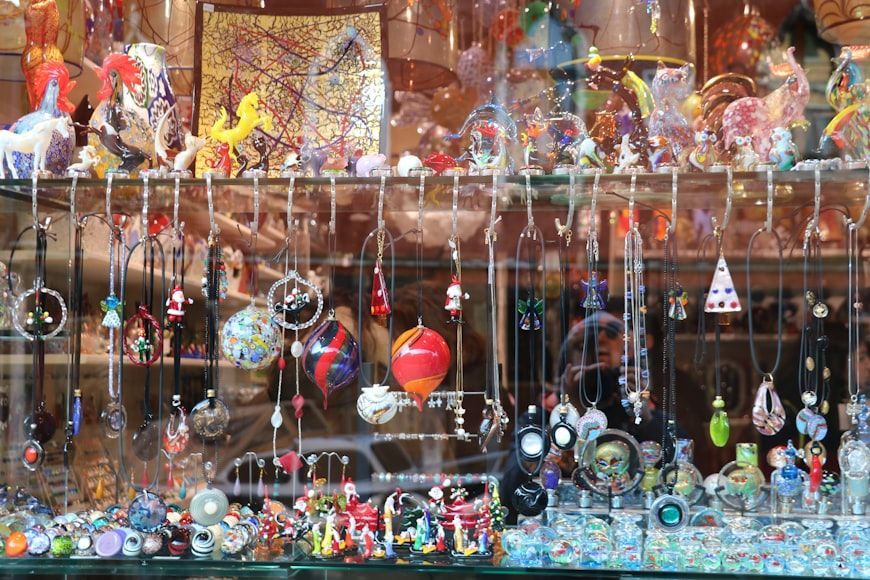
While generic souvenirs are roughly the same everywhere, each destination usually has a specialty, be it a special drink or dish, a sweet treat, a unique craft, or an iconic object. Bringing back something that you wouldn’t be able to easily get somewhere else—even if it's something that you will end up eating or drinking—means that you are getting an essential part of that special place.
Art
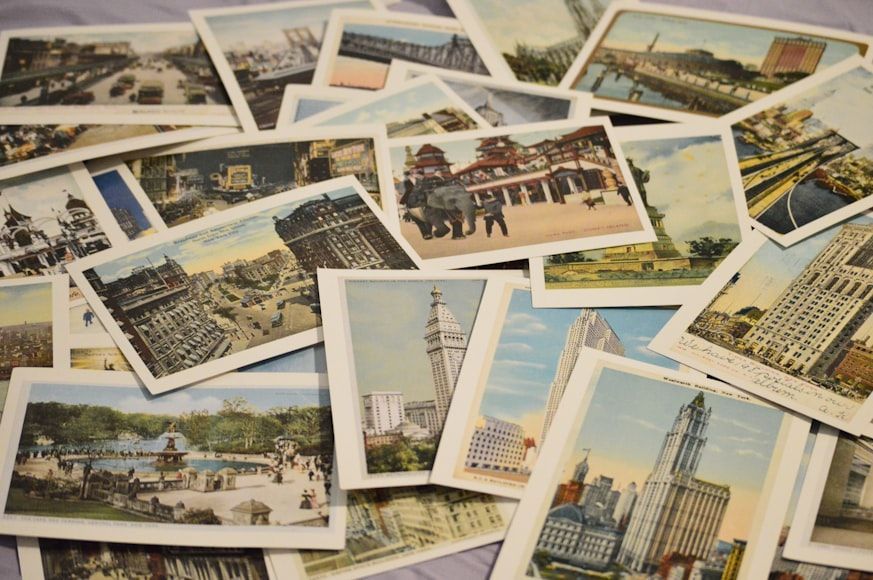
Let’s be realistic, taking home a painting or a sculpture is complicated. But why don’t pick a travel-friendly version instead? Postcards, art prints, and photos are excellent souvenirs that can be displayed on your house walls or gifted to a friend with a lovely note. Pro tip: Most museum gift shops usually have small versions of their most iconic works of art.
Coins and stamps
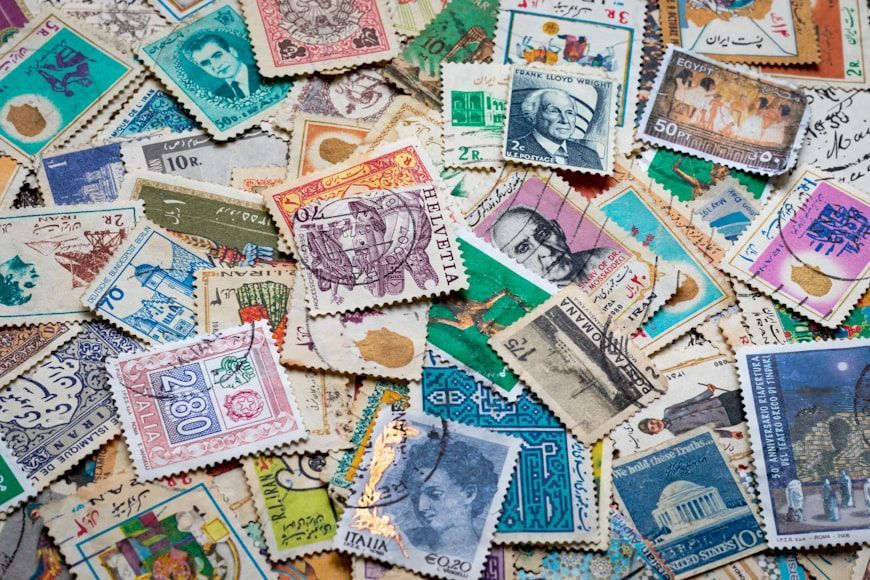
This one is for the collectors. Coins, bills, and postage stamps are unique to every country, and even to different regions of the same country. They tend to depict national heroes, monuments, famous landscapes, and cultural icons, which makes them perfect for those interested in history and culture. Pressed pennies are also a very popular and accessible souvenir.
Christmas ornaments and snow globes
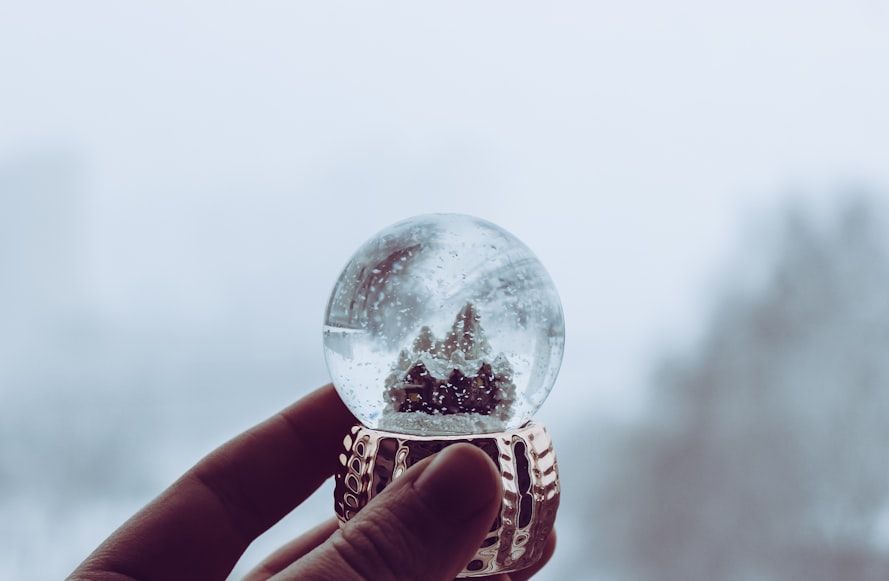
A more niche interest, but one that is widely accessible everywhere. After all, not all Christmas ornaments need to be Christmas-themed; they just need to be hangable. Snow globes are a little bulkier and sometimes fragile, but they are a lovely way to take back a beautiful landmark or landscape that you witnessed in person.
Local spices and sauces

If you are a foodie, this is the souvenir for you. Most places have unique flavors and combinations that are part of their history and tradition, so, after hitting your bucket list restaurants, take a stroll through the local market and pick up the local spices and sauces that you enjoyed. Each time you use them in your kitchen, they’ll bring you back to that vacation.
A book

Fiction, poems, and similar works are often closely linked to a local culture, so what better way to bring that culture home than with a local classic? If you don’t enjoy buying books you know little about, an alternative is to look for the local edition of your favorite book, so you can register your travels through a beloved story.
A mug, but a cool one

Mugs make good souvenirs because they are always useful. However, most souvenir mugs are plain, boring, and sometimes ugly. But not all is lost: no one says a souvenir mug has to have the name of the place printed or depict a famous landmark. A cool, unique mug that you will enjoy seeing, using, or gifting will bring back more enjoyable memories than a generic one with the name of a place.
Polaroids
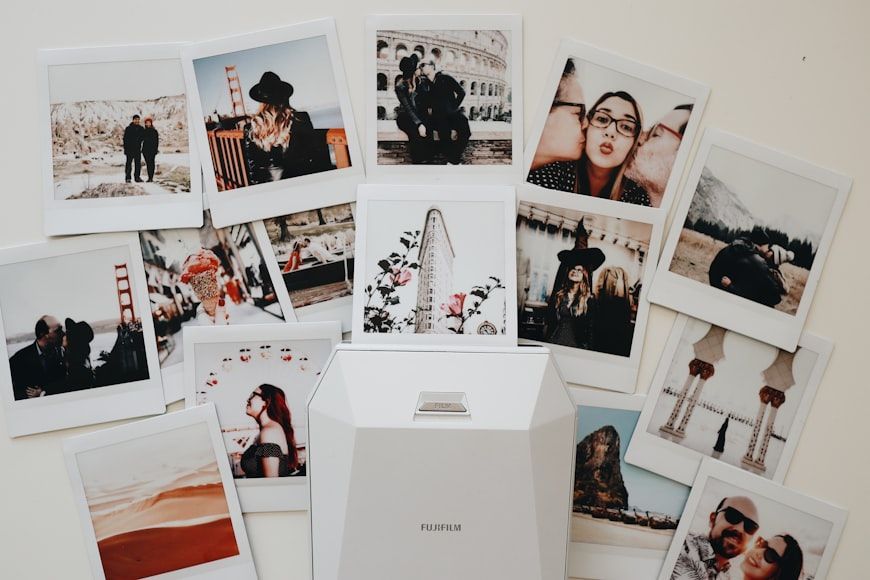
Polaroid photos have a unique retro charm and the added benefit of being practical, portable, and durable. They also develop quite quickly, so you can always take a second photo if you didn’t like the first one. But what if you don’t own a Polaroid camera? Many photo shops offer the possibility of printing digital photos in a Polaroid format, so you can pick and choose the memories you want to immortalize.
A tote bag
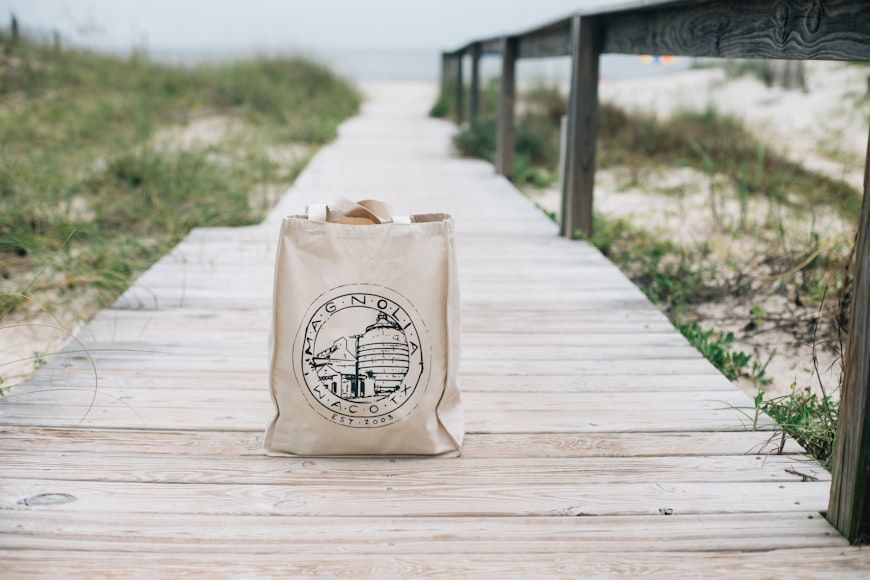
Like mugs, tote bags are always useful and a great thing to have on hand. But who says they have to be boring or plain? If you are the kind of person who always has a tote bag in your backpack, think about making it your designated souvenir, so you can reminisce about your past adventures daily.
A fridge magnet?
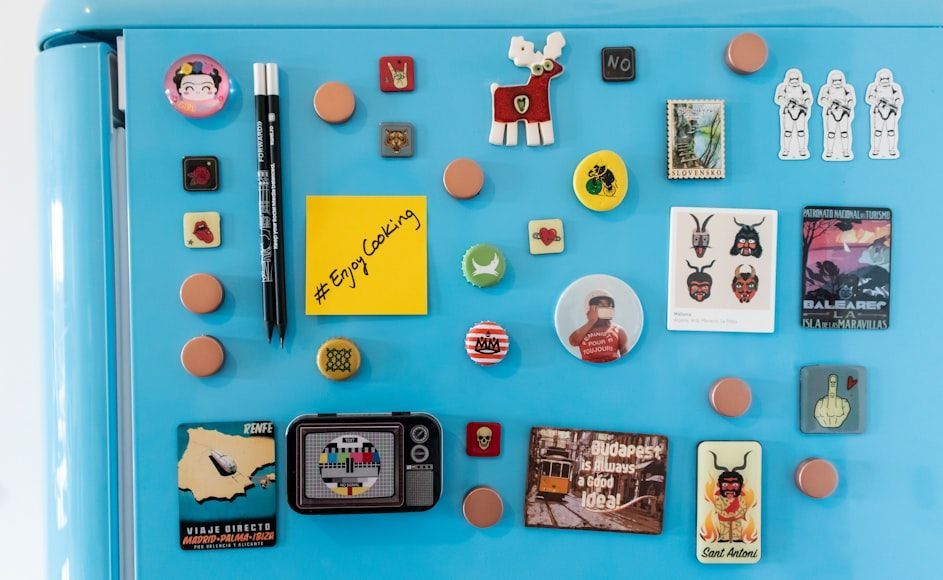
Listen, there is a reason fridge magnets are the go-to souvenir. They are small, cheap, and readily available, which makes them perfect if you have to bring back small gifts for many people, or if you are traveling light and can’t afford to waste bag space on something bigger. Or maybe you actually enjoy looking back on your vacation every time you open the fridge. Don’t let anyone judge you for that fridge magnet, but just in case, make it a cool one.
Keep wandering
There’s always
more to explore

The surprising reason most cruise ships don’t fly the American flag
4 min.
Read Now

Do you still need a paper boarding pass? 10 must-know flying rules
5 min.
Read Now
 History
11 U.S. islands you thought you knew (spoiler: you probably don’t)
5 min.
Read Now

Board the plane, do this right away, and land comfortably
6 min.
Read Now