
What to do with your hotel room key and 9 other infallible safety tips
 General
What to do with your hotel room key and 9 other infallible safety tips
Safety is essential! Want to know how to travel in the smartest way possible? Beyond travel insurance and your important documents, there are several other items and precautions you should never forget. Whether you have a trip planned or not, you’ll be glad you read these 10 tips.
Learn the local emergency numbers

It may seem obvious, but with the excitement of arriving somewhere new, it’s easy to forget basic safety tips. Being prepared helps you relax and truly enjoy your trip, so make it a priority to learn the local emergency numbers as soon as you arrive. In a stressful moment, knowing exactly who to call can save you valuable time and a lot of worry.
Choose the safest floors

For total peace and quiet, many travelers prefer rooms on the upper floors, where you’re farther from the noise and chaos of the street below. But if security is your top priority, experts often recommend choosing a room between the 2nd and 6th floors. The 2nd floor is typically high enough to reduce the risk of easy break-ins from the street, while anything above the 6th floor can be harder for emergency responders to access quickly.
Opt for simple outfits

You’ve arrived at the hotel, dropped off your suitcase, and taken a quick nap. All right! Now it’s time to explore the city. But wait: if you’re in an unfamiliar country, one safety tip you’ll often hear is to keep your outfits simple. This might not be the moment to show off. Flashy jewelry, diamond rings, or gold chains are probably better saved for another occasion.
Get yourself a pair of AirTags

Apple AirTag devices are something you’ll definitely want to have with you when you travel (and, honestly, in your everyday life too!). These tiny trackers can be located right from your phone with impressive accuracy, which is why so many people tuck them into suitcases, put them into handbags, or even attach them to their pets. Just link it to your iPhone via Bluetooth, and you're ready to go.
If possible, avoid driving

No one knows a city better than the people who live there. That’s why, if you’re visiting a place you don’t know, it’s usually safer to use public transportation during appropriate hours or book taxis through trusted apps. Driving on your own isn’t always the best option, even if you’ve studied the city in advance, because traffic patterns, local regulations, and even GPS directions can sometimes be inaccurate or confusing.
Don’t forget your money belt
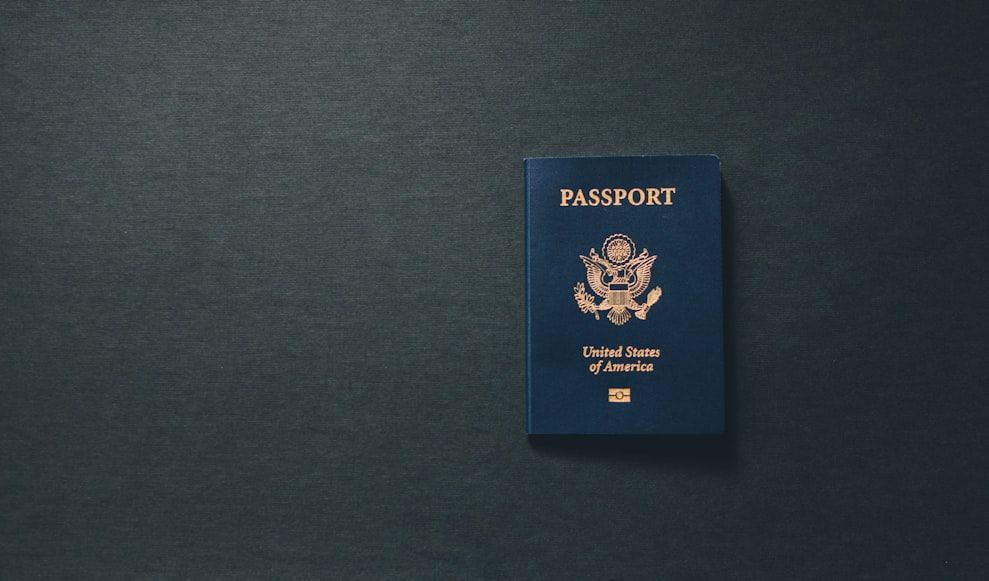
If you plan to walk around and explore a city you’re visiting for the first time, a money belt can be an essential item. It works just like a hidden pocket worn under your clothes, perfect for keeping cash, important documents, and credit cards secure. It’s not easily accessible to anyone else, and it gives you full control over your most valuable items while you focus on enjoying the adventure.
Pack that travel adapter

You can pack chargers for all your devices, but when you try to plug them into the wall, you might discover that your destination uses a completely different outlet type or even a different voltage. Surprise! That’s why anyone traveling abroad should never forget a reliable travel adapter. It’s a small item that can save you from a major inconvenience and keep you powered up. A voltage converter may be required in addition to an adapter in some cases.
A couple of doorstops won't hurt

Even in the best hotels, mistakes can happen, and someone might accidentally try to open your room door. That’s why it’s always wise to lock your door and use any built-in security features. But if you’re the kind of person who can’t fully relax unless you feel completely secure, consider packing a couple of doorstops. They take up almost no space in your suitcase, and they can make a real difference.
A wireless charger can be your best friend

Whether you’re traveling for business or leisure, there’s one item that always belongs in your carry-on: a wireless charger. Yes, really; your phone battery could die at the worst possible moment. If you want reliable access to your contacts, GPS, tickets, or hotel reservations, don’t overlook this small but powerful gadget.
Be discreet with your information

Hotel staff often recommend being careful with your room number. One of the simplest and smartest precautions is to cover the number on your key card or its holder; it only takes a second and adds an extra layer of protection. It’s also common sense to avoid sharing that information with strangers or posting anything online that reveals it. No need to be paranoid; most hotels have security staff and safety measures in place, but a little discretion never hurts.
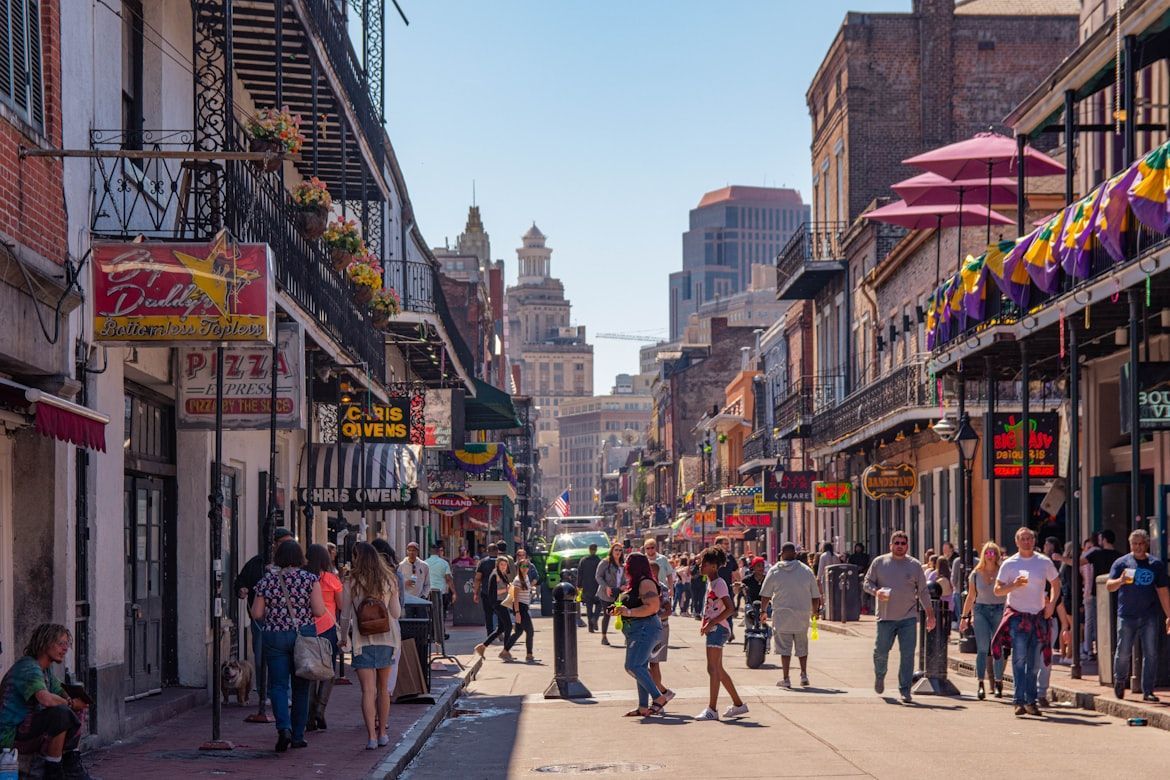
Going to New Orleans? Do not miss these 5 magical places and festivals
Going to New Orleans? Do not miss these 5 magical places and festivals of music and culture
 Image: Unsplash
New Orleans is one of the most beautiful cities in the United States, renowned worldwide for its deep roots in jazz music and lavish celebrations.
If you haven’t been to New Orleans before, what are you waiting for? A rich melting pot of many different cultures along the Mississippi River, there simply aren’t too many places like ‘The Paris of the South’.
Renowned as the birthplace of jazz music, there is a deep connection between New Orleans and music, and walking through its streets you are guaranteed to see tons of street musicians looking for an opportunity to shine - or maybe just having a bit of musical fun. Local Cajun cuisine and crazy Mardi Gras celebrations also give a local flavor and a warm relaxed atmosphere to the city, something that reflects even in local art, music, and literature.
Whether you are looking for the roots of jazz music, coming to mingle in the festivities of Mardi Gras, or just want to have great fun and meet interesting people, New Orleans is a city of a thousand possibilities. Check out our list of the spots you don’t want to miss when you are in the ‘Crescent City’.
Mardi Gras
 Image: Unsplash
This carnivalesque tradition was brought by the French settlers in the area, becoming particularly popular around the 19th century. Mardi Gras is New Orleans’ main annual event, and the celebration can extend up to a period of two weeks.
The festivities include daily parades along with all kinds of entertainment and celebrations that increase in intensity as the days pass. If you are visiting during Mardi Gras, try to find accommodations with a balcony that allows you to enjoy the festivities from above, you won’t regret it!
The French Quarter
 Image: Unsplash
One of the most touristic areas in the city, the French Quarter is what most people think of when they think of New Orleans. Following a curve of the Mississippi River, the main attractions are the old colonial buildings, some as old as 300 years, which showcase French architectural styles and also host a number of excellent dining and drinking spots along with hotels, art galleries, and jazz venues.
Preservation Hall
While it doesn’t look like much from the outside, Preservation Hall is a longtime institution in New Orleans with a strong connection to the origins of jazz music. This is the perfect spot to see some local musicians play in an intimate setting. Bear in mind that seating is likewise very limited, so you should book in advance if you don’t want to miss out on the music.
Steamboat Natchez
A trip to New Orleans wouldn’t be complete without paying homage to the moving lifeforce behind the city, the Mississippi River. If you are feeling adventurous, book a two-hour cruise aboard the paddle steamer Steamboat Natchez and enjoy not only a detailed tour of the riverside areas but also local creole food and live jazz music.
National WWII Museum
This World War II Museum is like no other, full of real historical documents and artifacts that delve deep into the history of the war. The museum has three main sections, with one dedicated to the war in the Pacific, another one to war in Europe, and a third section that houses WWII aircraft.
Short black-and-white documentary videos illustrate the use of the many objects displayed in the exhibits and give you a glimpse into the lives of the heroic soldiers that fought the war. And if that’s not enough, you can even go to the Stage Door Canteen, a detailed historical recreation of a WWII-era venue, featuring performances inspired in the 1940s, with matinees and dinner shows.
In New Orleans, you just have to follow the music
Don’t wait until the last moment to book accommodations, a ticket to Preservation Hall, or a seat aboard the Steamboat Natchez.
Remember, the most important part is having fun! And in New Orleans joy is guaranteed, as long as you keep following the music. Be it with friends or family, New Orleans is an unforgettable experience for revelers of all ages.
10 Incredible, death-defying miracles around the world
10 incredible, death-defying miracles around the world
Survival stories turn the impossible into reality. They give us hope and remind us of our strength. They raise questions we thought were answered. So if you’re currently worried about something, or maybe feel a little scared from time to time, check out these 10 courageous stories that prove there's always a light, no matter how dark things can get.
Trapped in a cave with no way out
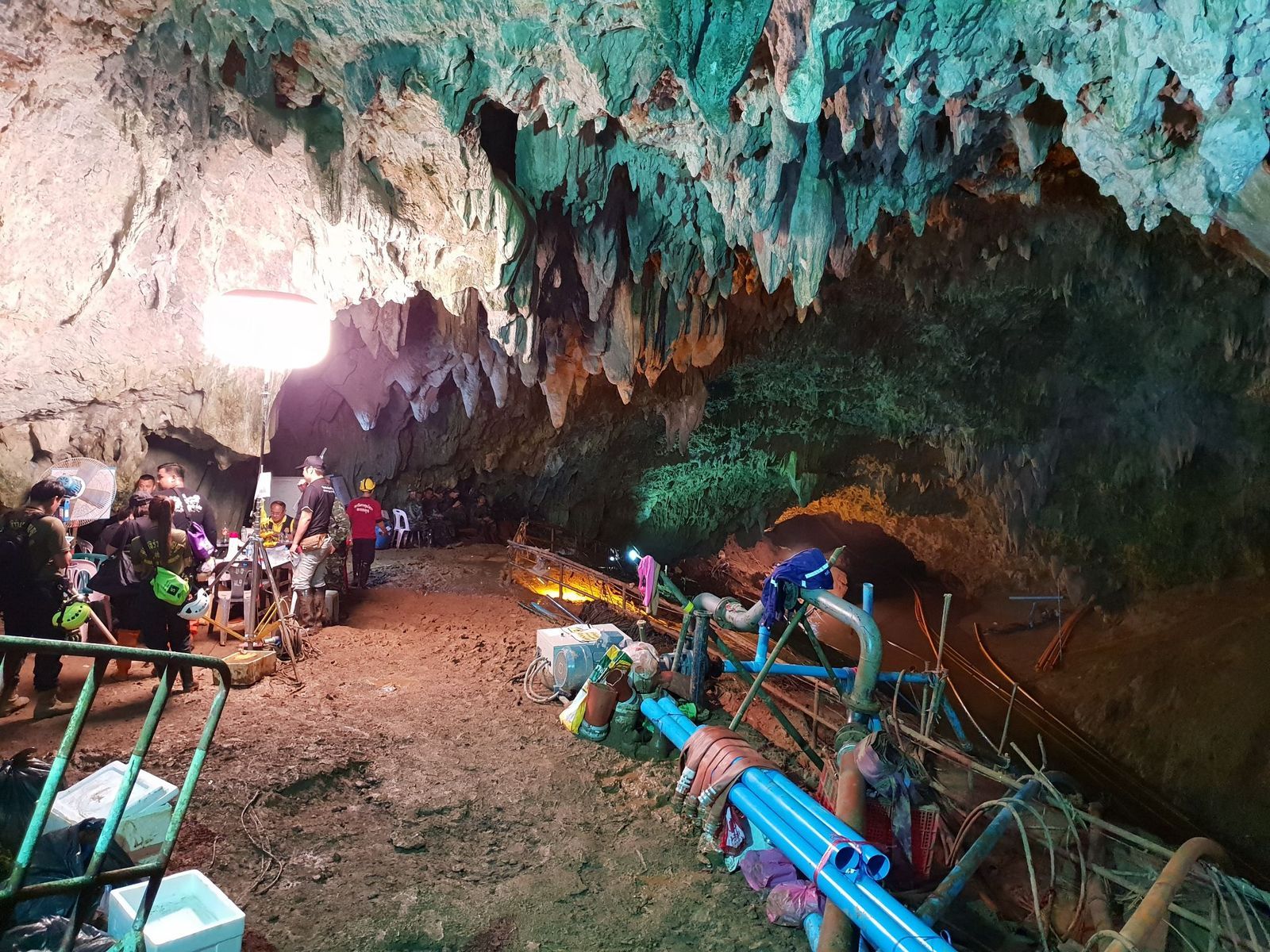
The Tham Luang cave rescue was an unprecedented mission. In June 2018, 12 boys (aged 11-16) and their 25-year-old soccer coach were trapped in a flooded cave in Chiang Rai, Thailand.
The soccer team had entered for a simple exploration until an unexpected monsoon flooded the cave while they were still inside, blocking their only exit and trapping them 2.5 miles underground. After nine days without food, they were found alive by two British cave divers who then needed to take them out one at a time. After days of pumping water from the cave system, the boys were given oxygen masks and safely brought to the cave entrance via the underwater escape route.
40 days alone in the Amazon

Four Indigenous siblings, aged 13, 9, 4, and 11 months, survived 40 days alone in the Colombian Amazon jungle after a fatal plane crash. The 2023 rescue is one of the most impactful in modern history.
The crash led to the immediate death of all adults on board, including the pilot and the children's mother. Having survived, the eldest sister became the children’s leader, using her ancestral knowledge of the jungle to keep her siblings alive until they were rescued by "Operation Hope," which included Colombian military personnel and 200 Indigenous volunteers who understood the terrain.
69 days beneath the desert

Thirty-three miners were trapped 2,300 feet underground, from August to October 2010, when a catastrophic cave-in occurred at the San José mine in the Atacama Desert in northern Chile. They were working to extract gold and copper when a rock collapse sealed the exit. A second collapse blocked ventilation shafts that could’ve been used as a way out.
During the first 17 days, they survived with no contact with the outside world, strictly rationing tiny portions of tuna, a single biscuit, and sips of milk every 48 hours. In total, they endured 69 days of stifling heat and extreme starvation before an unprecedented international rescue mission, which included a custom metal capsule designed by NASA engineers, brought them all safely to the surface, one by one.
72 days in the frozen Andes
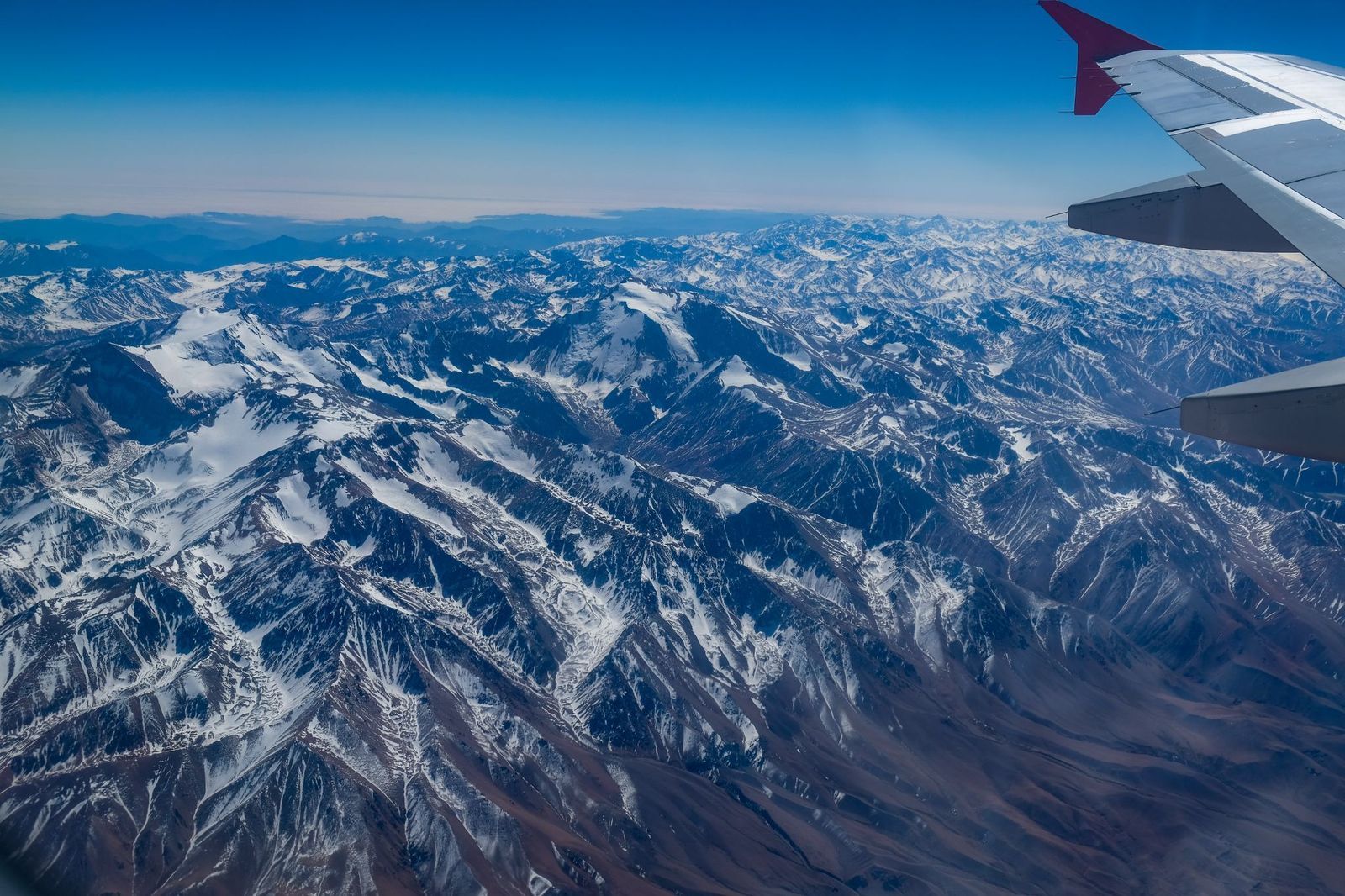
Uruguayan Air Force Flight 571 crashed in the Andes Mountains on October 13, 1972, while carrying 45 passengers and crew. The 16 survivors, all either players or closely connected to the Uruguayan rugby team on board, faced sub-zero temperatures, starvation, and an avalanche before being rescued 72 days later.
This was made possible by two of the survivors who decided to head out on a grueling 10-day mountain trek to find help. On December 20, 1972, they finally came across a muleteer named Sergio Catalán, who alerted the authorities. A couple of days later, Chilean Air Force helicopters flew into the mountains and successfully brought them back.
The girl who fell 10,000 feet and lived
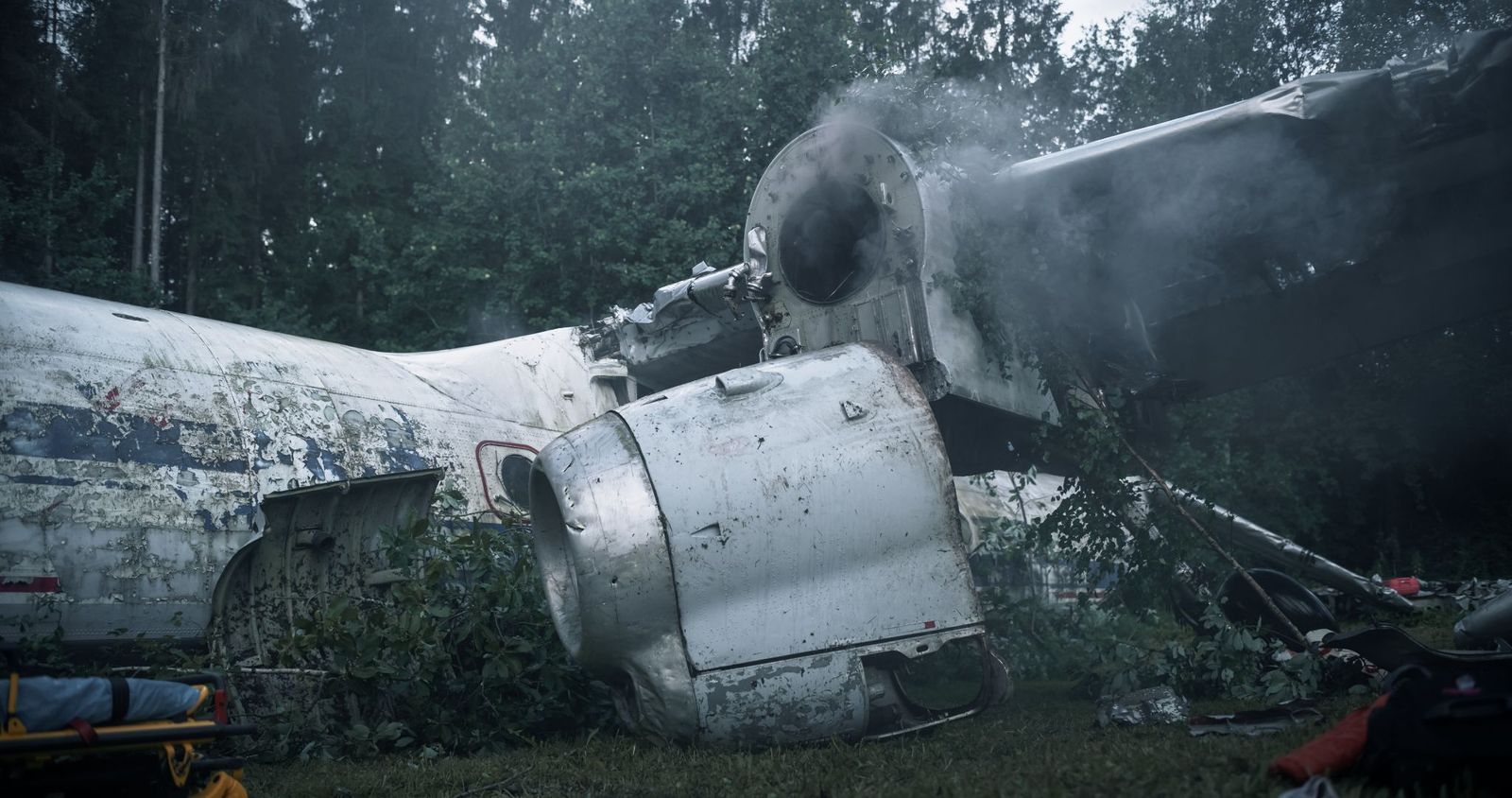
LANSA Flight 508 disintegrated over Peru on December 24, 1971, when it was unexpectedly struck by lightning. There was only one survivor: 17-year-old Juliane Koepcke. She was traveling with her mother to visit her father, a zoologist working in the Amazon.
Strapped to her row of seats, she fell 10,000 feet directly into the dense jungle. She survived the fall with minor injuries and spent 11 excruciating days navigating the wilderness before being rescued by local lumbermen who found her at a hut she had discovered the night before. They gave her initial care and then took her by canoe over several hours to a local village. She was finally flown by a small plane to a hospital in Pucallpa, where she was reunited with her father.
Trapped underwater with just one pocket of air

Following the capsizing of the Jascon-4 tugboat just off Nigeria's coastline, Harrison Okene, a 29-year-old local cook, managed to survive for more than 60 hours underwater by finding a four-foot air pocket in a flooded bathroom, 98.4 feet below the surface. His 11 crewmates, unfortunately, did not survive.
She fell from 30,000 feet without a parachute
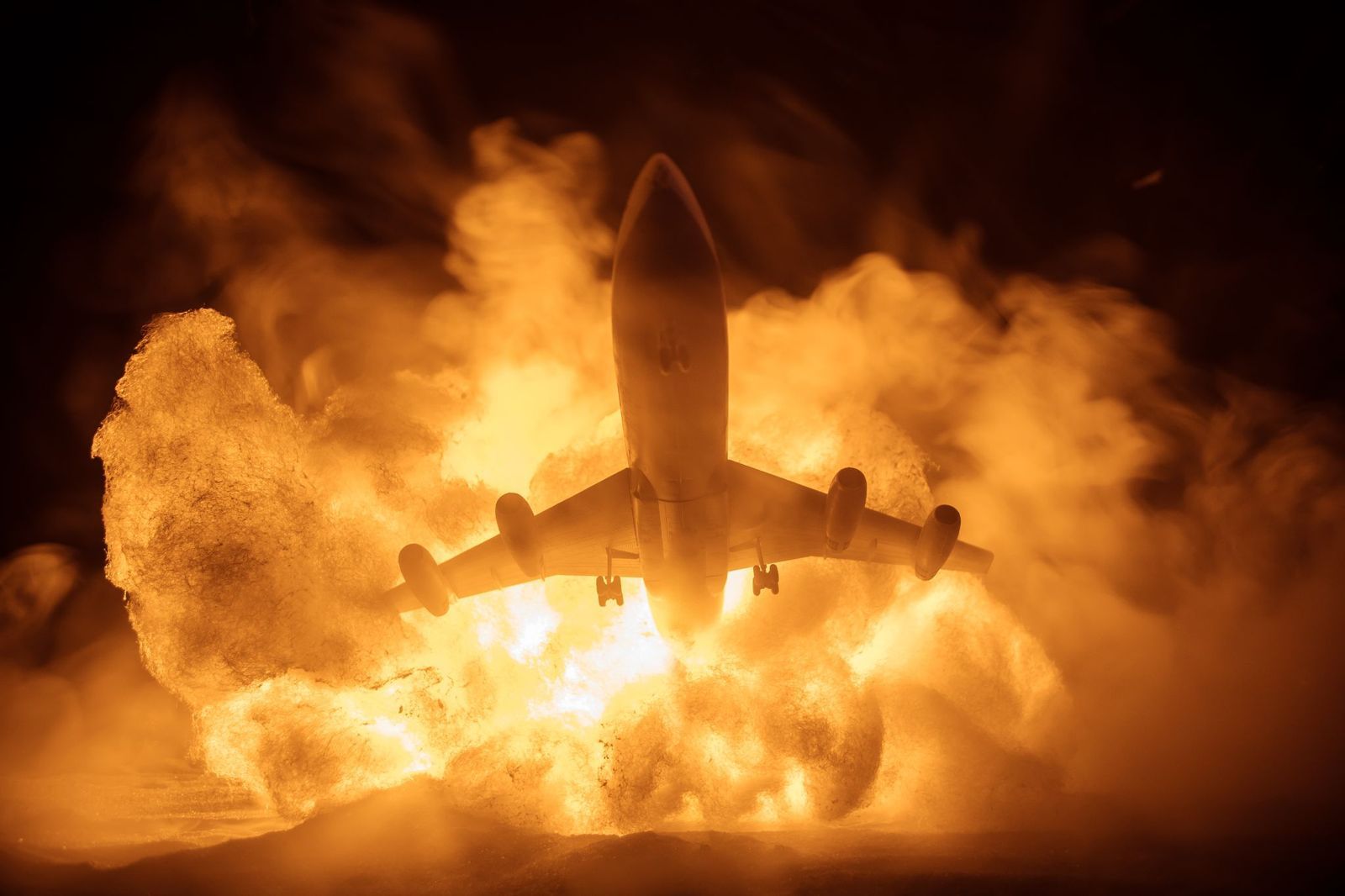
Vesna Vulović holds the Guinness World Record for surviving the highest fall of 30,000 feet without a parachute on January 26, 1972, following a suspected bomb explosion inside a passenger's briefcase 46 minutes into the flight aboard JAT Flight 367.
She was a Serbian flight attendant on board and the sole survivor among the 28 passengers and crew. Against all odds, she woke from her coma and regained her ability to walk in 10 months, before returning to work for the airline.
The rope was cut… but he didn’t die
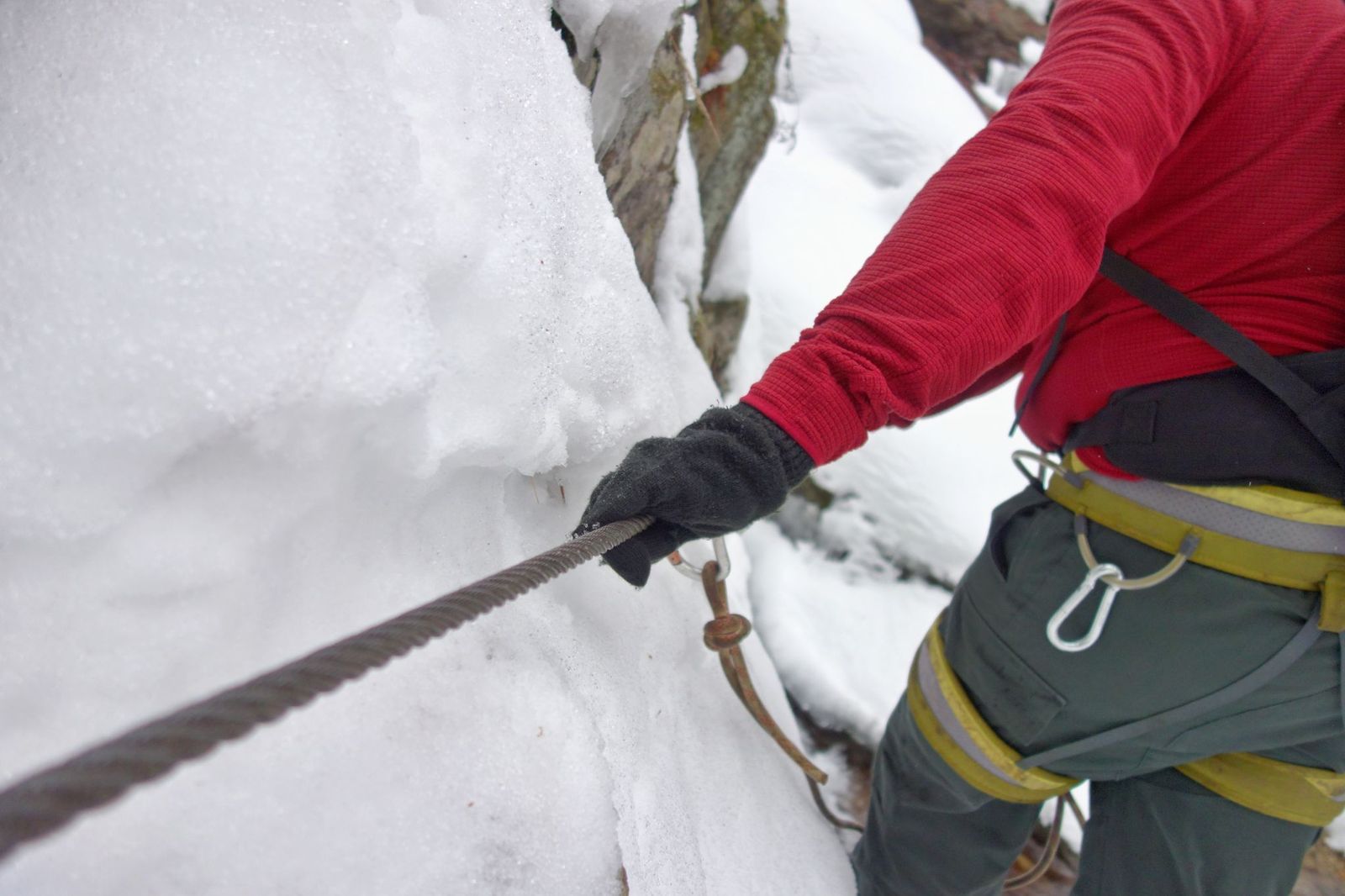
Two British mountaineers, Joe Simpson and Simon Yates, achieved the first ascent of the west face of Siula Grande, standing 20,814 feet tall in the Peruvian Andes. But on their descent, Simpson shattered his leg when he slipped down an ice cliff.
While lowering Simpson during a brutal storm, Yates was forced to make the "impossible choice" of cutting the rope and leaving him stranded in a crevasse. Against all odds, Simpson miraculously survived and crawled back to base camp three days later.
A 47-story fall that should have been fatal
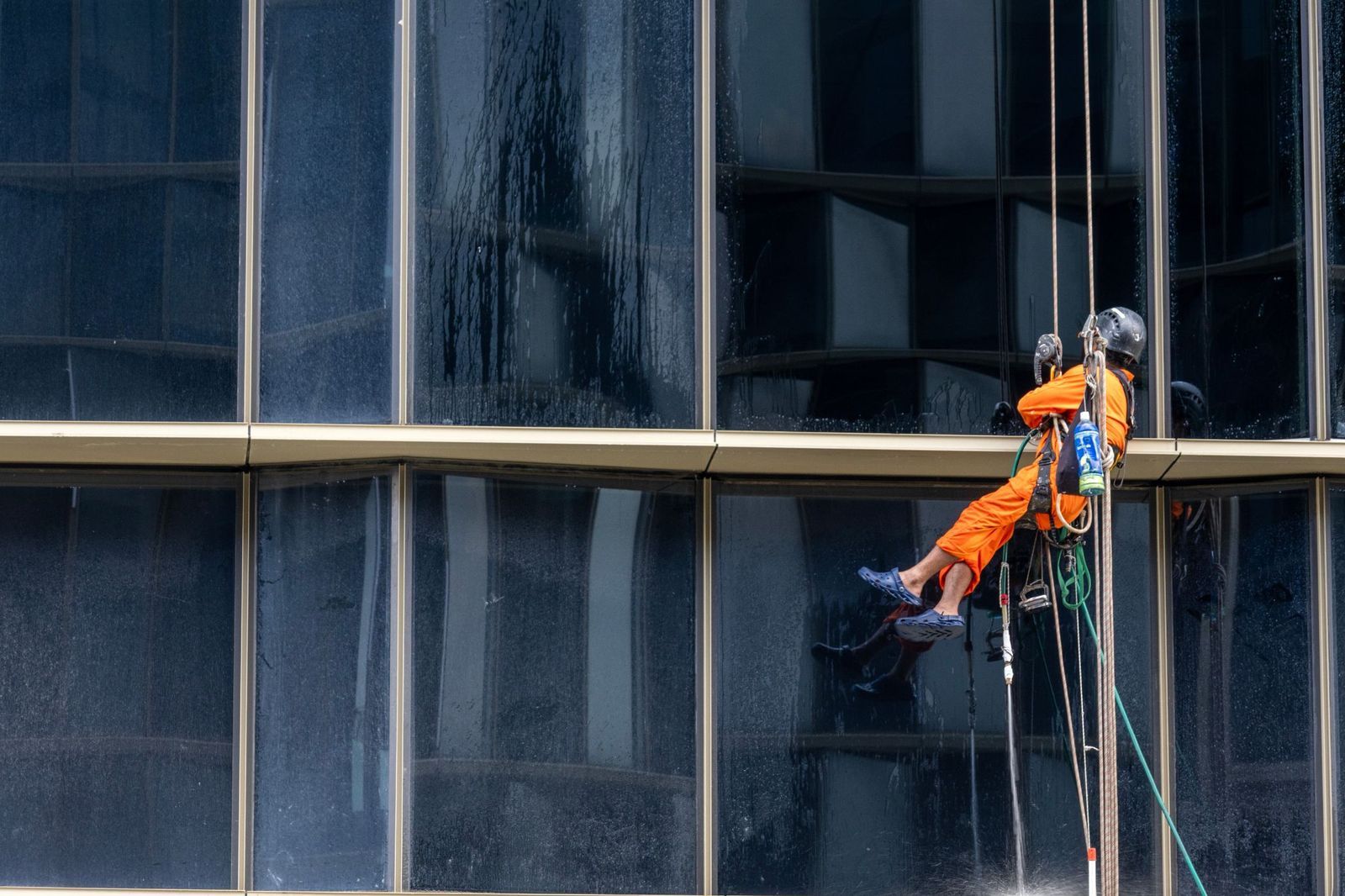
Alcides Moreno defied modern medical science by surviving a 47-story fall that would have been fatal for most people. He was working as a window cleaner alongside his brother in a skyscraper in New York.
When he began descending, the rope that supported him snapped, and he fell to the ground for over 17 helpless seconds. The rescue team reached him as soon as they could and found he had multiple fractures, but, against all odds, was conscious. Despite the surgeries he needed, his final recovery is considered to this day a "miracle."
Stranded in ice… then came an 800-mile escape

Endurance was the name of an expedition ship to Antarctica that later became trapped and crushed by a pack of ice in the Weddell Sea. Sir Ernest Shackleton, the leader of the Trans-Antarctic Expedition, alongside Captain Frank Worsley and a 26-member crew, was left stranded on drifting ice.
Through expert guidance and relentless determination, he led everyone on an 800-mile lifeboat journey across the Southern Ocean to South Georgia Island, ultimately resulting in a rescue mission that saved them all.
Keep wandering
There’s always
more to explore

Did you know that you can see another galaxy without a telescope?
5 min.
Read Now

What happens if you leave the airport during your layover?
6 min.
Read Now

Why you should never travel on an empty stomach
3 min.
Read Now
Why do pros take amazing photos even with a smartphone? 12 tips explained
4 min.
Read Now