Would you unplug for views like these?
 General
Best places for a tech-detox
Would you unplug for views like these?
Looking to unplug on your next trip? These destinations offer incredible landscapes, activities, and little to no signal. From the quiet fields of Green Bank and its signal-free observatory to the rugged coastline of Big Sur and the desert landscapes of Ghost Ranch, each of these places invites you to slow down in different ways. It’s time to dust off your old maps; they’ll be your best guide for this experience.
Green Bank, West Virginia
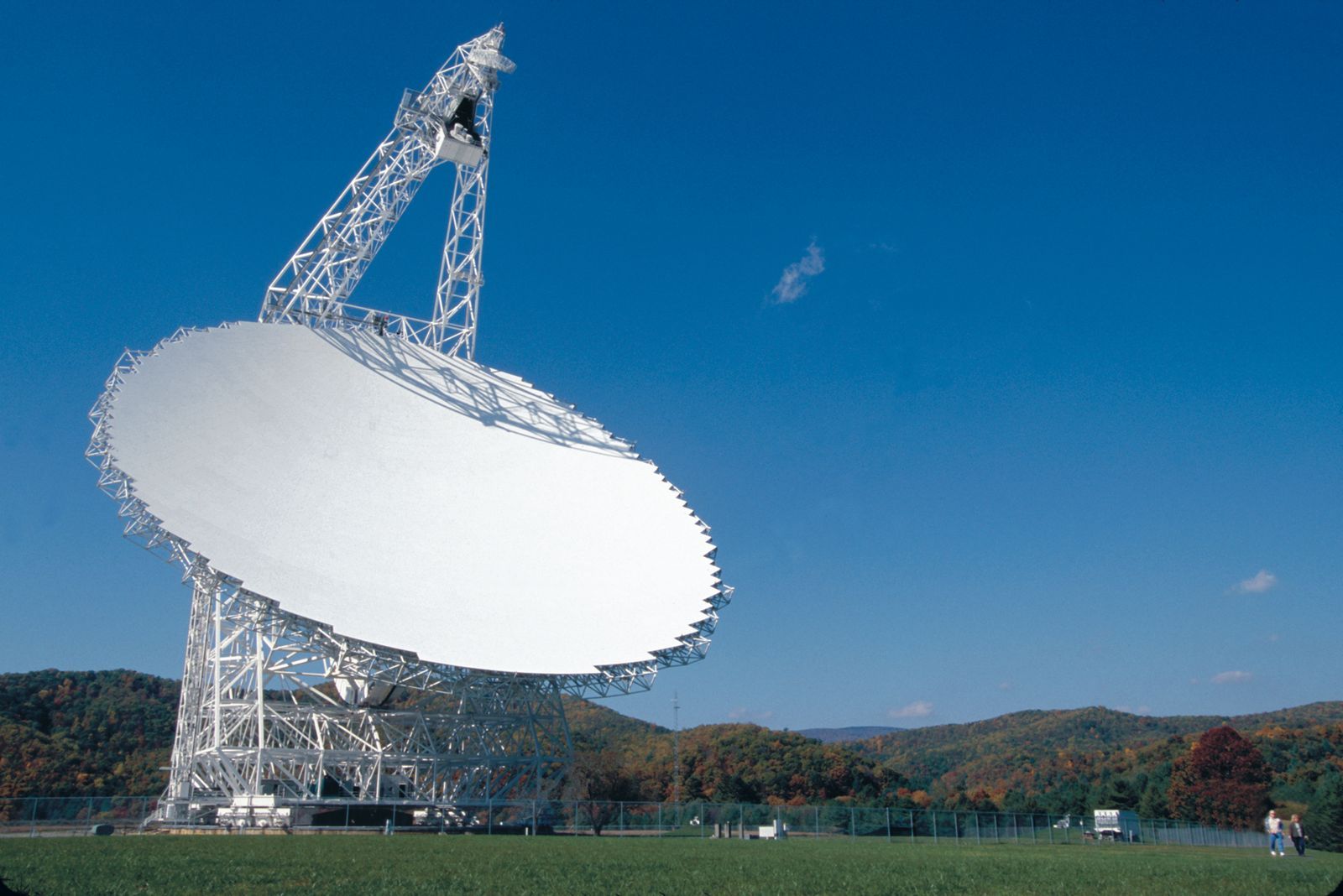
Green Bank sits inside the National Radio Quiet Zone, created in 1958 to protect sensitive radio signals. Because of this, Wi-Fi and cell service are restricted. The town even has an RFI (Radio Frequency Interference) officer who drives a specialized truck to hunt down devices that might be creating electronic interference.
The Green Bank Observatory is where scientists use the world’s largest fully steerable radio telescope to search for signals from space. Visitors can tour the observatory and see how this quiet environment supports that work. If you want to stay, options include Snowshoe Mountain Resort or the restored houses at Cass Scenic Railroad State Park.
Big Sur, California
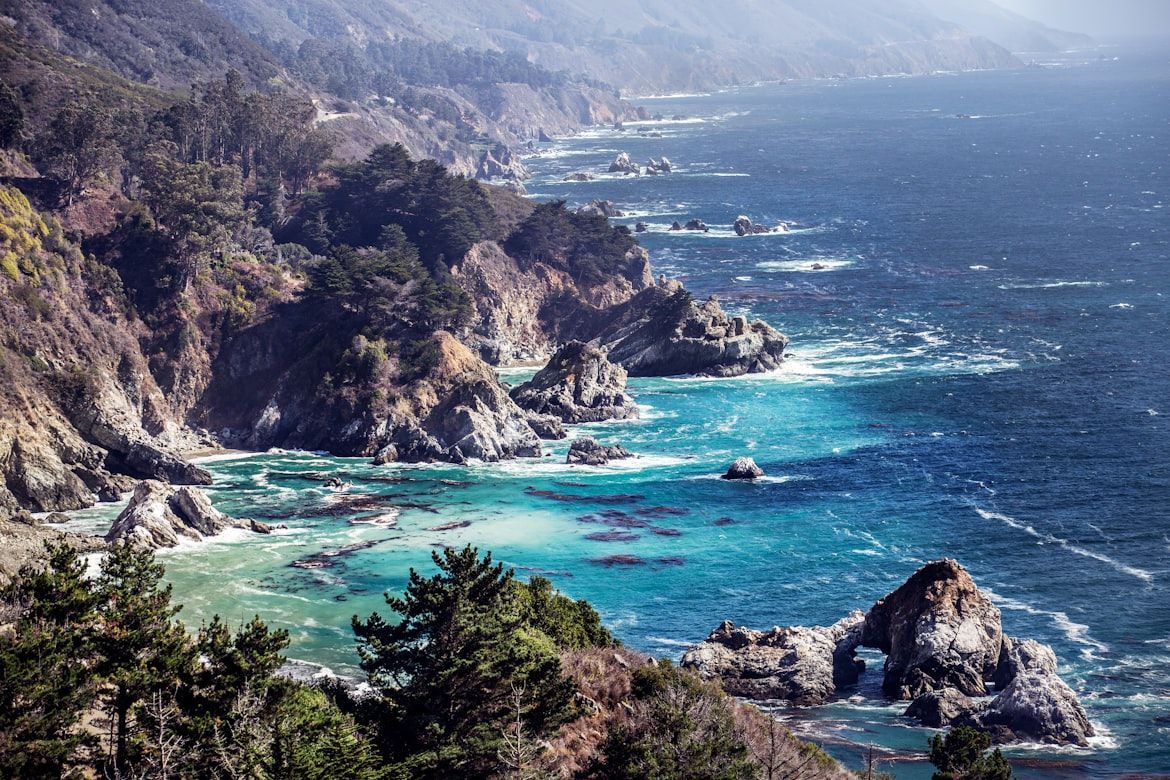
For beach lovers, Big Sur is a stretch of coastline known for its ocean views and redwood forests. You can get there by driving along Highway 1, between Monterey and San Luis Obispo, with scenic stops like the elephant seal vista in San Simeon. Visitors often stop for a photo of the Bixby Creek Bridge, a landmark that has appeared in countless films and car commercials since the 1930s.
This is a place where phone reception disappears. Between Ragged Point and Big Sur, there is little to no signal, so maps are essential. Limited internet is available at places like the Nepenthe restaurant, but most campgrounds and cabins require a previous booking.
Ghost Ranch, New Mexico
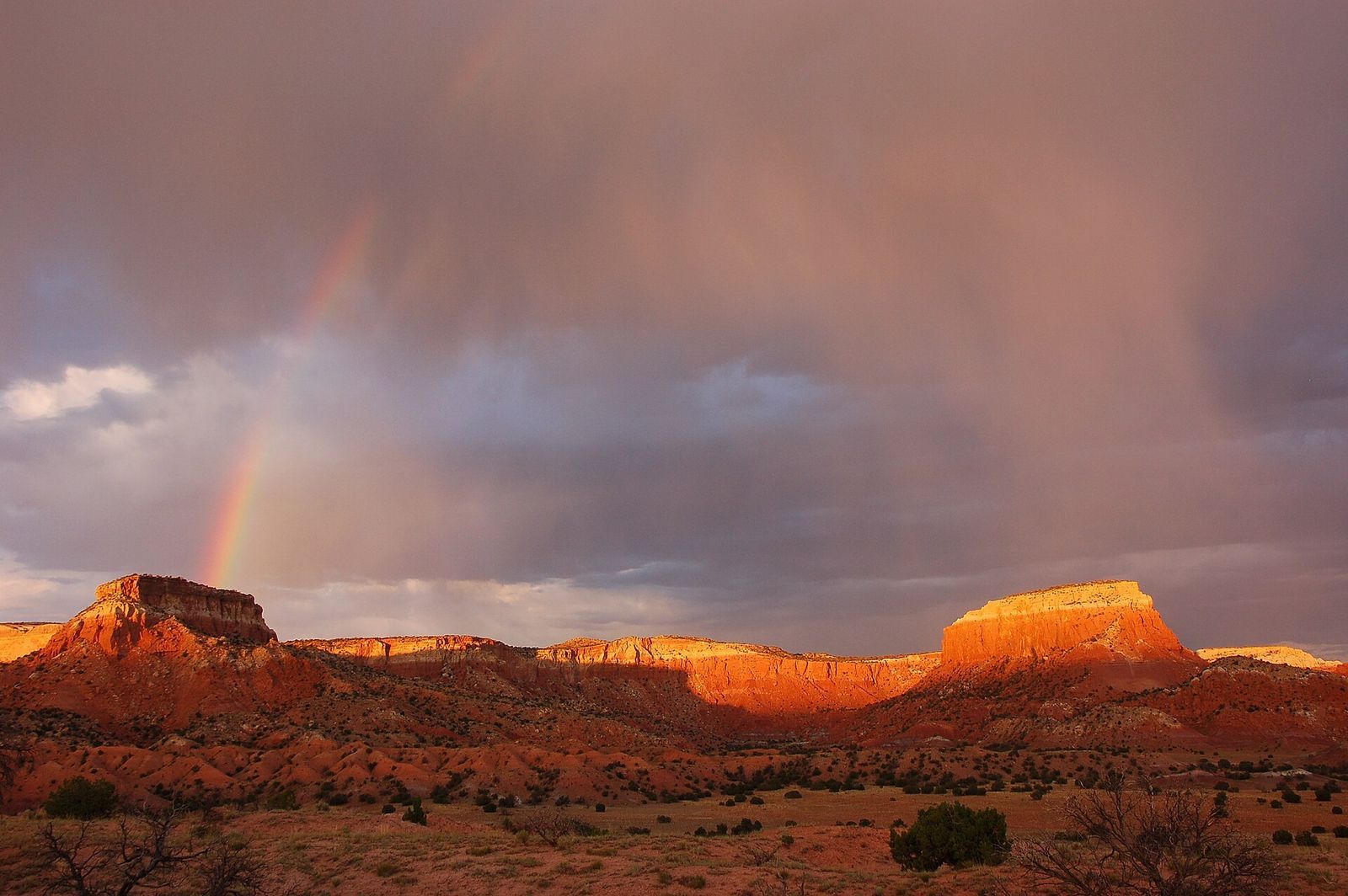
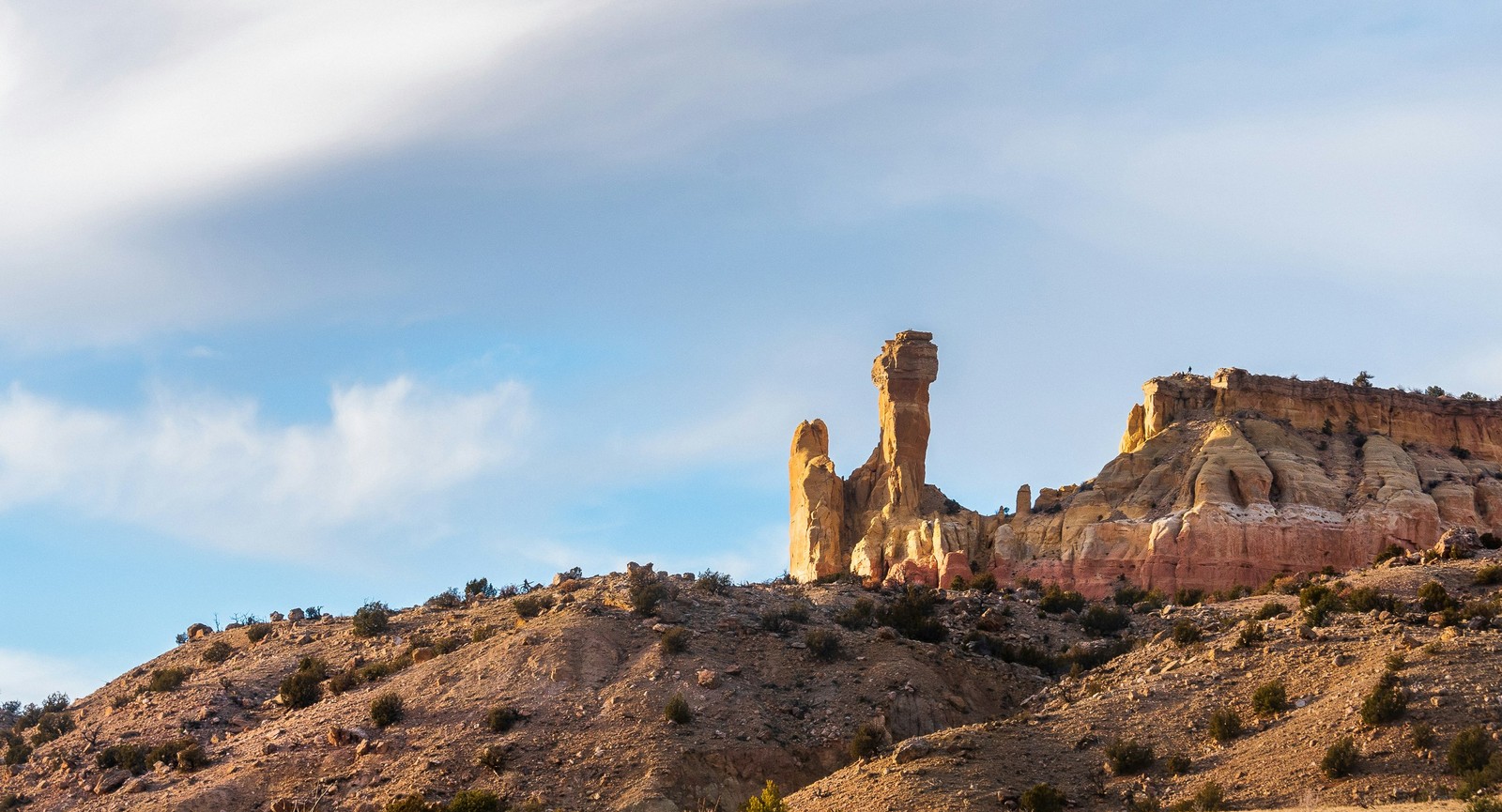
Ghost Ranch is about 1.5 hours north of Santa Fe. Today, it works as a 21,000-acre education and retreat center. It was gifted by Arthur Newton Pack to the Presbyterian Church in 1955. Arthur was an American conservationist and writer focused on environmental education. There are canyons and cliffs with fossils from about 130 million years ago.
Visitors can hike Chimney Rock, ride horses, or visit the paleontological dig sites. Artist Georgia O’Keeffe also lived at the ranch, where she painted the hills and the Pedernal mountain. Cell phone coverage does not reach the ranch, though Wi-Fi is available in the cafeteria and the library. Besides those two buildings and one payphone, the area remains a dead zone for wireless signals.
North Cascades National Park, Washington
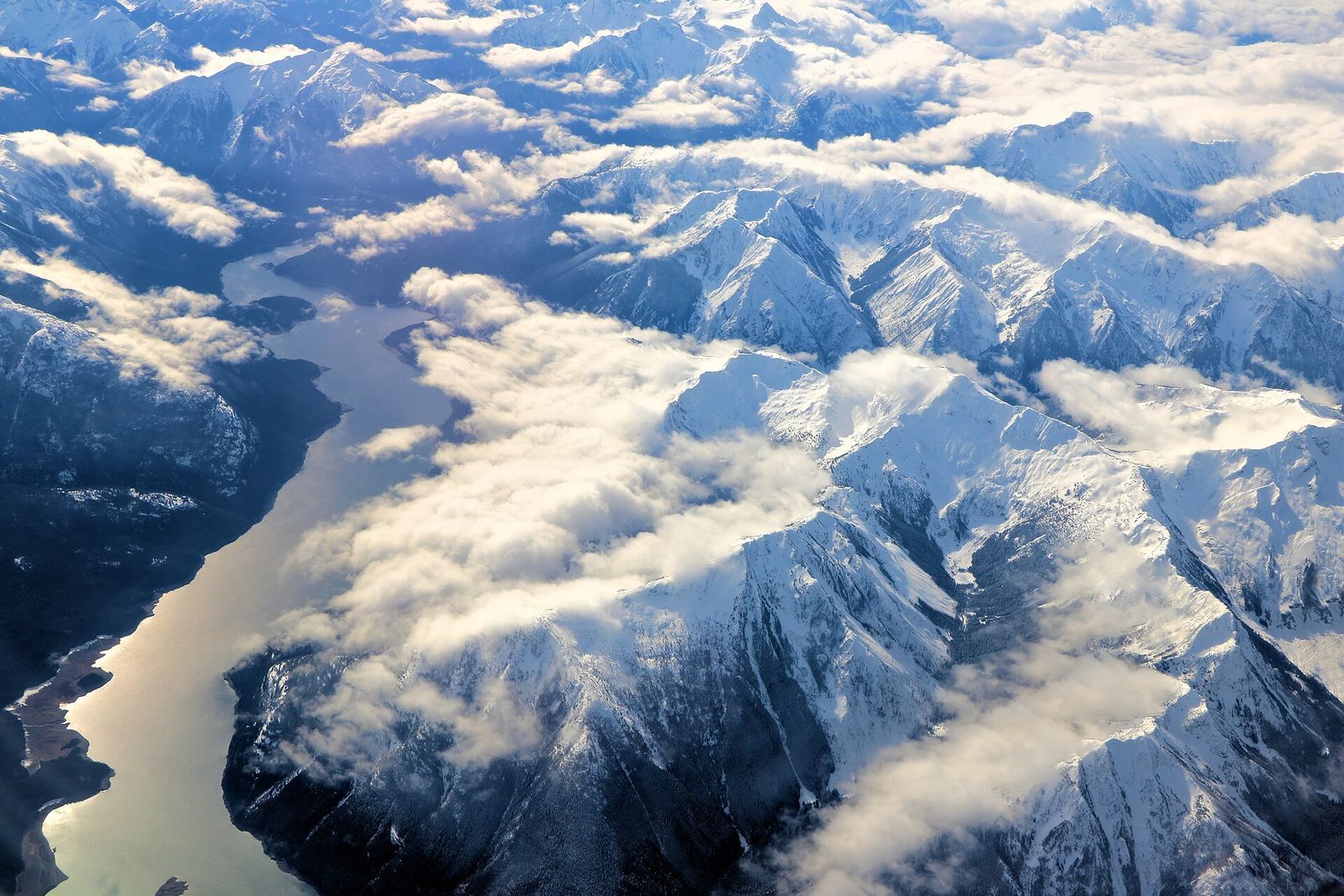
The North Cascades National Park is located in northern Washington along the Canadian border and is known for its rugged mountains and glaciers. Visitors hike alpine trails, camp in the backcountry, and drive along Highway 20.
Cell service is almost nonexistent throughout the park. Along the highway, there is only limited coverage near Newhalem. There is no public Wi-Fi, so offline maps and navigation tools will be your best friends if you decide to visit.
The Black Hills, South Dakota
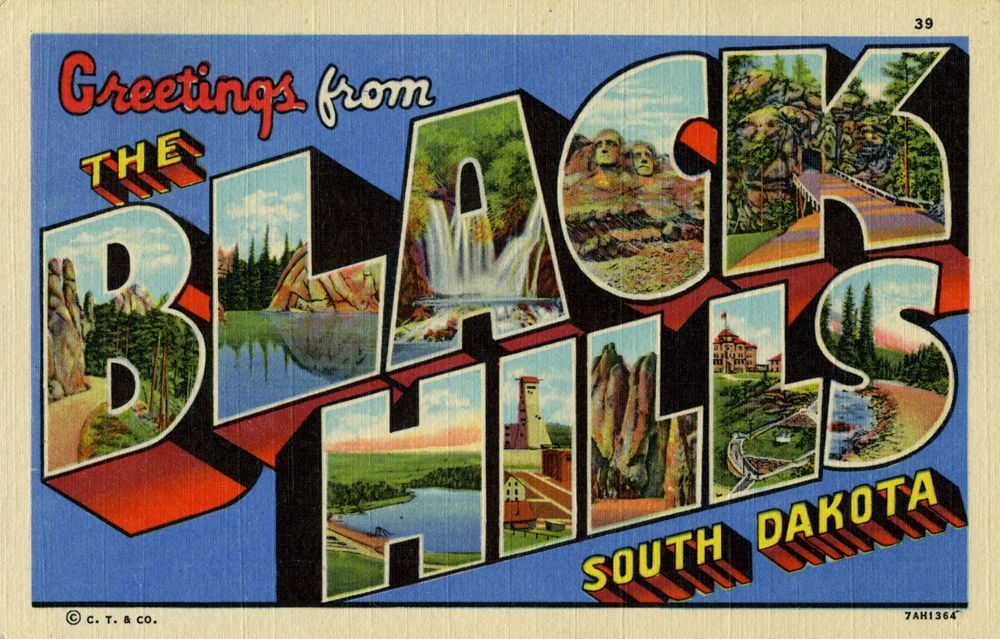
The Black Hills sit in western South Dakota, with Rapid City as the main base for visitors. The area is known for its mix of forests and canyons, including the Custer State Park, the Wind Cave National Park, and the legendary Mount Rushmore. From the city, many drive out to Devil's Tower or explore the trails across the range, and the 1880 Train runs a vintage steam engine between Hill City and Keystone.
Cell service drops in the canyons and wooded areas. Most visitors download maps in advance or carry paper ones, since GPS and phone signals can fail on the roads.
Glacier National Park, Montana
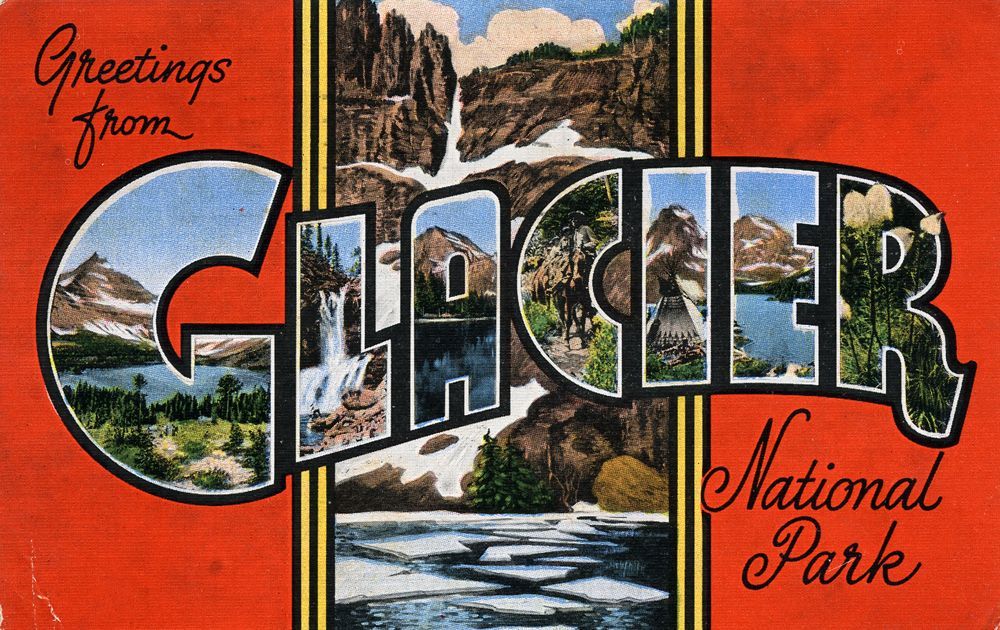
Glacier National Park brings together glaciers, alpine meadows, and clear mountain lakes. Spanning over 700 miles of trails, it also offers points of historical interest, showcasing historic chalets and lodges. A highlight for many is driving the Going-to-the-Sun Road, and if you want to see the sights without the stress of driving, you can hop on one of the iconic 1930s red buses that offer tours across the park.
This is another great alternative for a technology detox. You can expect little to no coverage along most roads and in areas like Many Glacier, Two Medicine, Logan Pass, and Apgar Village.
Sequoia National Park, California
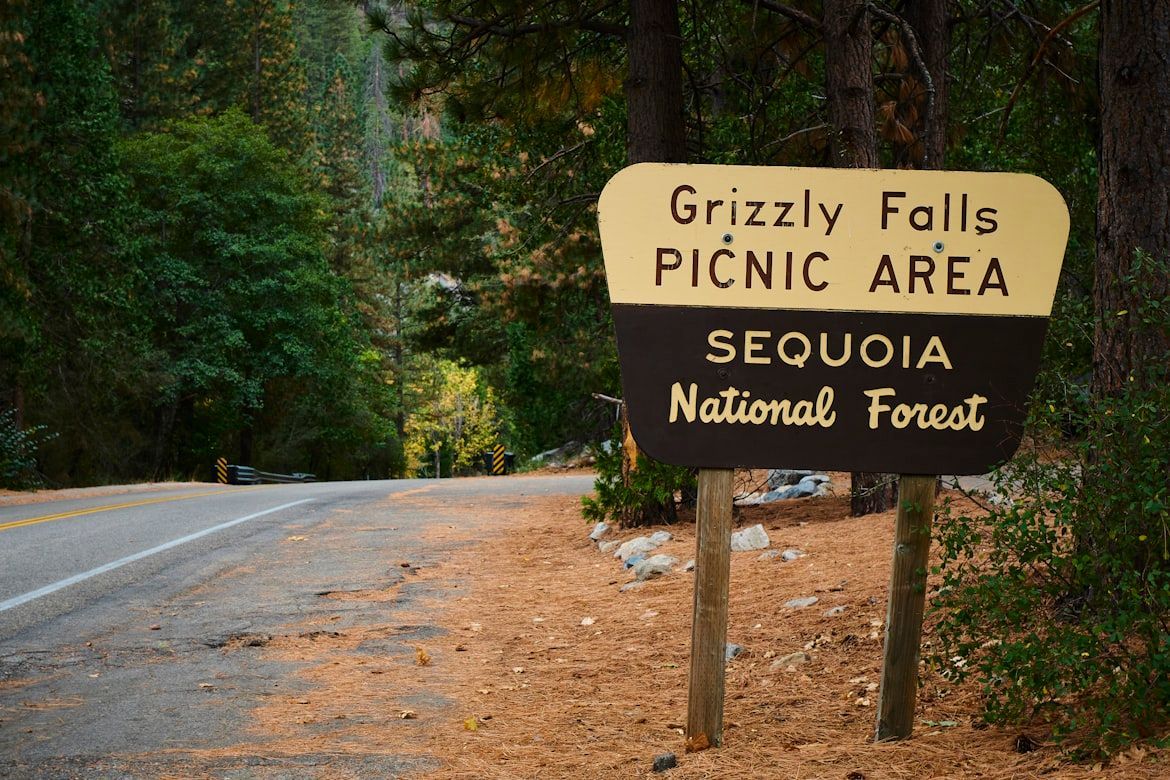
About one hour from Visalia sits Sequoia National Park. It spans about 404,000 acres, and, naturally, cell service does not cover the entire area. The park is home to the General Sherman tree, one of the largest living trees on earth, and the famous Tunnel Log, a fallen tree you can actually drive your car through. Especially on trails and deep in the park, there is no signal or Wi-Fi.
White Sands National Park, New Mexico
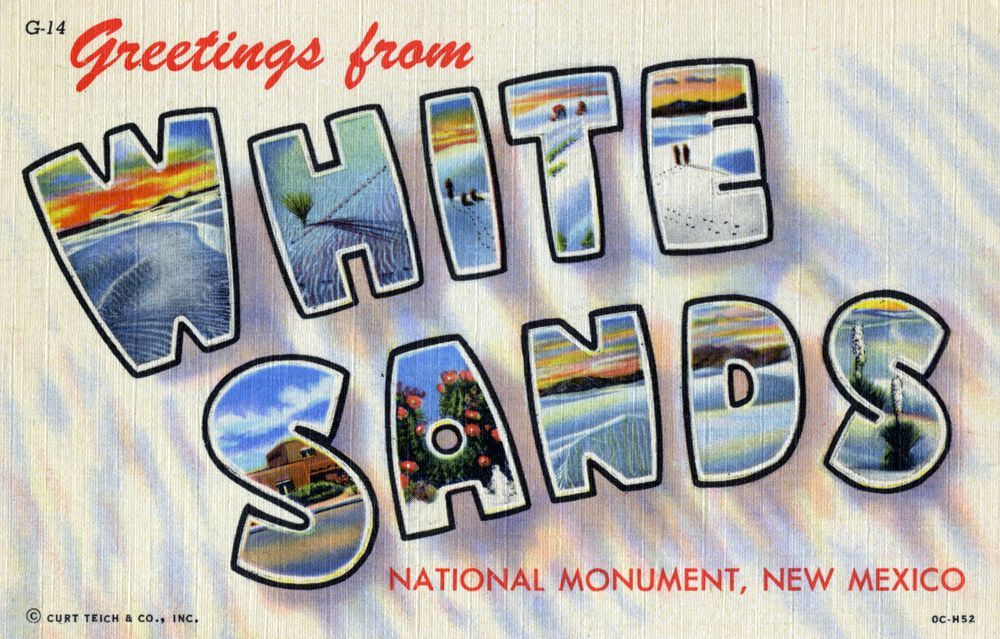
White Sands sits in southern New Mexico, right next to the White Sands Missile Range. It stands out for its wide field of white gypsum dunes, where researchers have found Ice Age footprints from mammoths and giant sloths.
Popular activities include hiking or sledding down the sand using plastic saucers from the gift shop. Cell service is limited across the park, and there is no Wi-Fi available. If you plan to visit, keep in mind that the road into the dunes may be closed for a few hours if tests are being conducted at the nearby White Sands Missile Range.
Sawtooth Mountains, Idaho
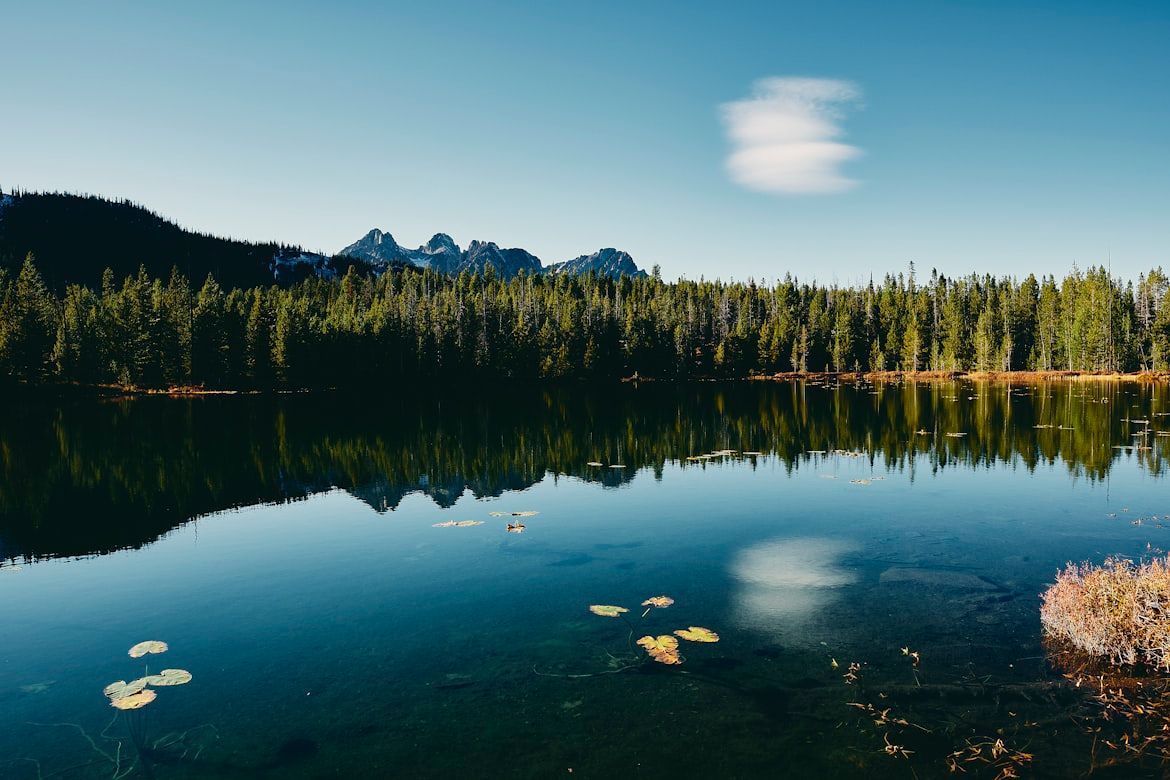
The Sawtooth Mountains sit near Stanley, Idaho, where visitors enjoy the granite peaks and alpine lakes. The area contains hundreds of miles of trails and includes landmarks like Redfish Lake and Sawtooth Lake. Redfish Lake is easy to reach for swimming and boating, while Sawtooth Lake takes a hike to reach but offers wider mountain views.
Cell signal is nonexistent or very limited once you move away from the main lodges. Satellite communicators are the standard for staying in touch, as phones will not work for navigation. It is best to have downloaded offline maps and learn the basic whistle signals for help before heading out.
Isle Royale, Michigan
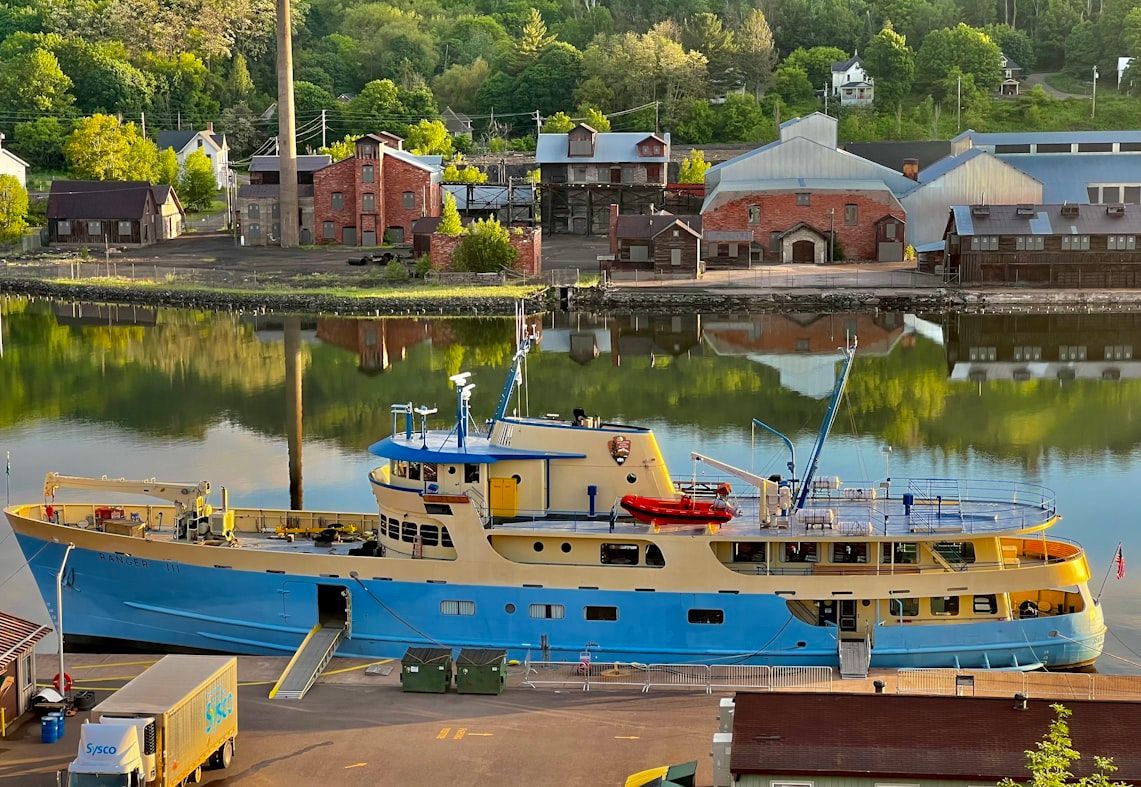
Isle Royale is a remote island in Lake Superior. The park has no permanent residents and no roads, which keeps it quiet and largely untouched. It is also home to the world's longest-running wolf and moose studies. To get there, you will need to take a ferry, a seaplane, or a private boat from Michigan or Minnesota.
Once on the island, visitors spend their time hiking, canoeing, and camping in the backcountry. There are no cell towers and no public Wi-Fi anywhere on the island. Reception is limited to a few higher areas where phones may connect to Canadian networks through roaming.
Keep wandering
There’s always
more to explore

Which countries drive on the left side of the road?
5 min.
Read Now
 Culture

10 global traditions that leave tourists completely baffled
6 min.
Read Now

Always check this at an ATM: Safety tips for seasoned travelers
5 min.
Read Now
 Landmarks
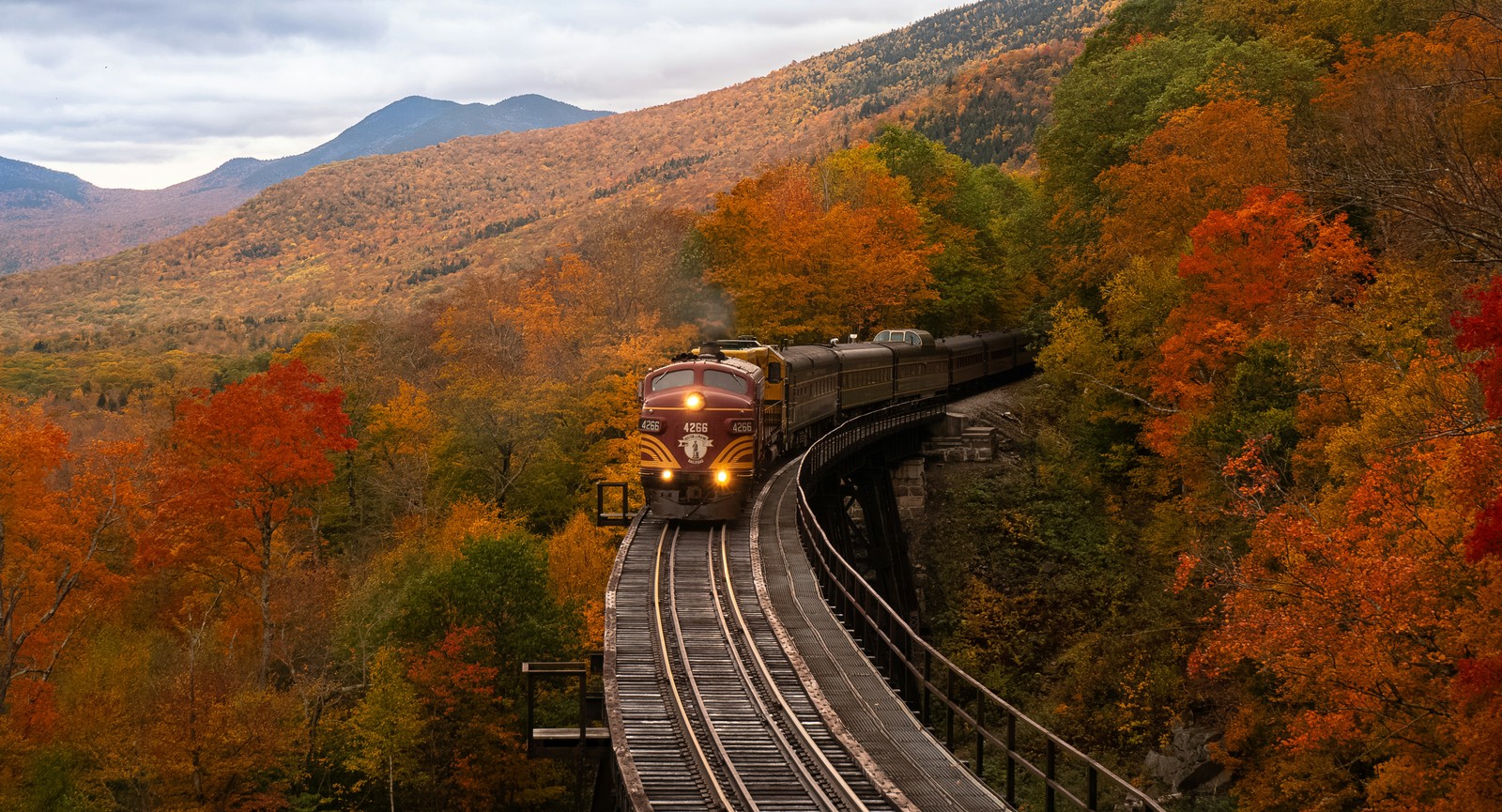
There's a hidden gem just an hour away from NYC: Do you know what it is?
7 min.
Read Now