
Can too many visitors change a town forever? The truth about tourism
 Culture
The consequences of traveling
Can too many visitors change a town forever? The truth about tourism
Traveling expands your world and opens your eyes to new cultures; it also brings life to small businesses and helps preserve ancient places. On the other hand, traveling can impact housing costs and lead to crowded streets while languages change and mix. Some changes are welcome, while others leave residents struggling to keep up. Here are 10 ways, good and bad, in which traveling shapes the places we visit long after we head home.
Language hegemony and uniformity
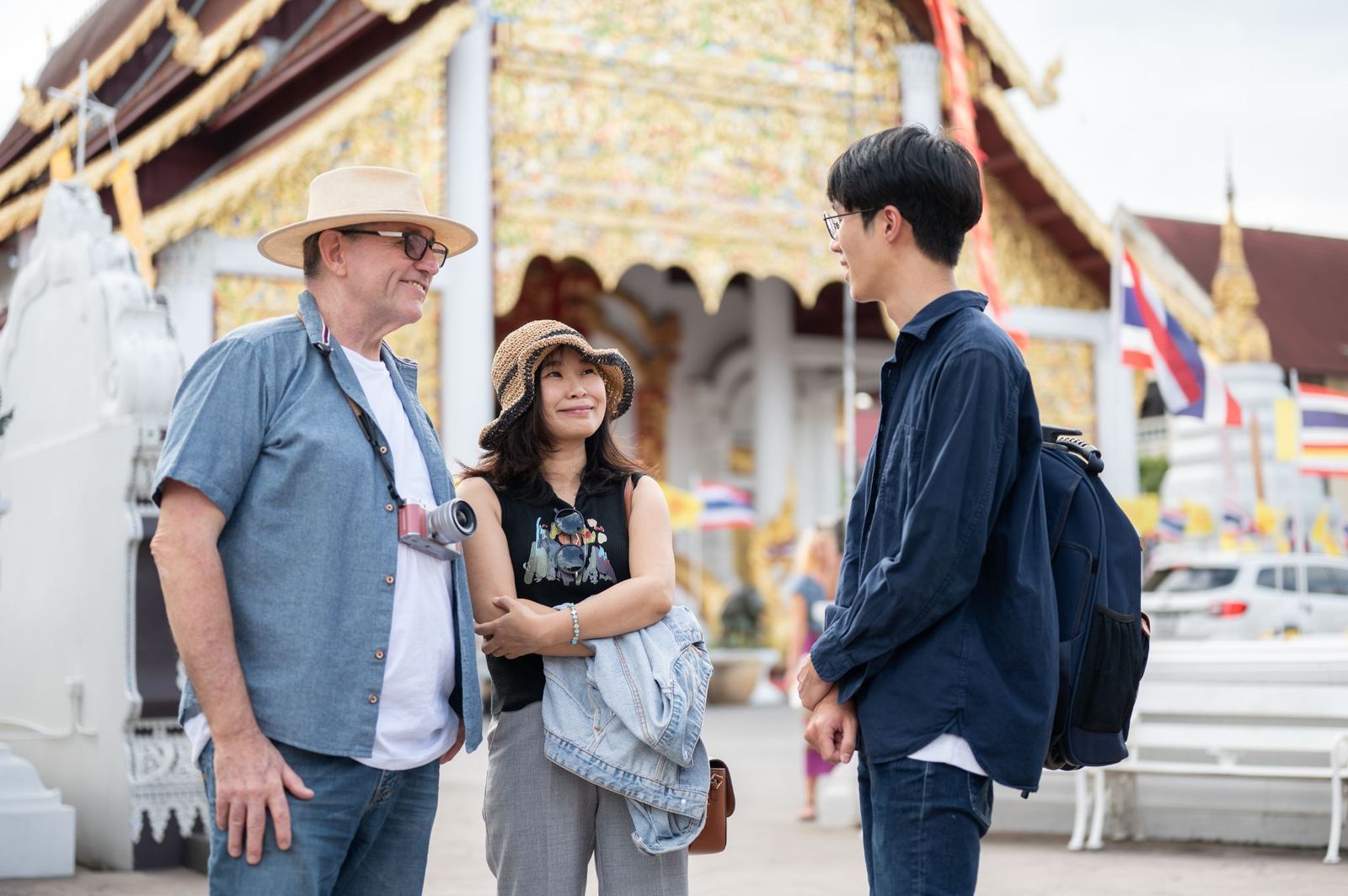
Regardless of the place you visit, you’ll probably walk up to the hotel clerk, speak in English, and get an answer in the same language. That convenience makes traveling easier, especially when ordering dinner, asking for directions, or checking into a room. But it also changes communities.
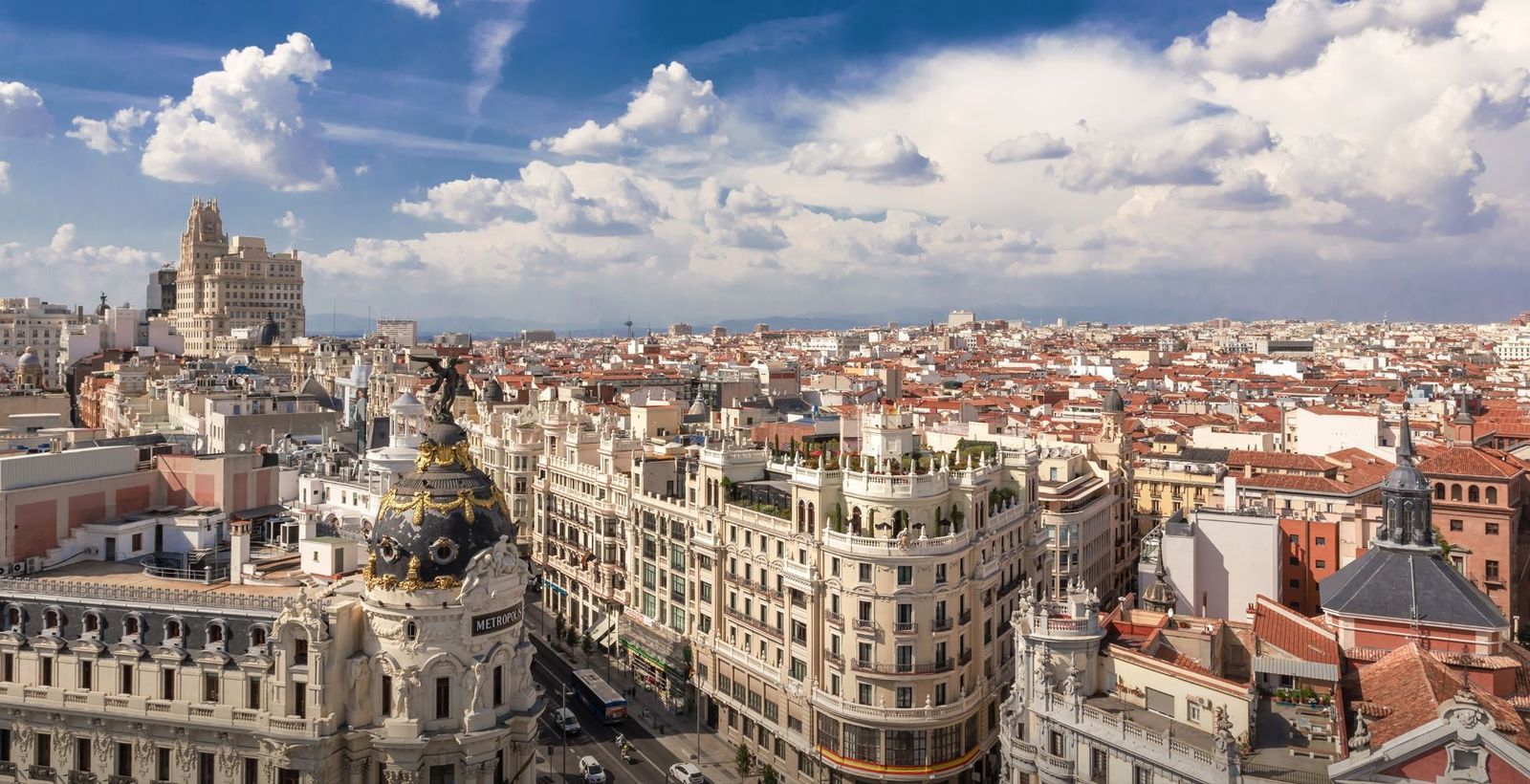
In popular cities like Rome or Madrid, where English is not the first language, businesses and people prioritize English anyway because it helps them communicate with international customers. Over time, smaller languages may receive less attention, although that doesn’t mean English automatically replaces local languages. In any case, tourism reinforces an imbalance in which one language becomes more valuable for business than others. Tourism can help preserve linguistic diversity while giving people a shared language to communicate across cultural boundaries.
The birth of hybrid ways of speaking
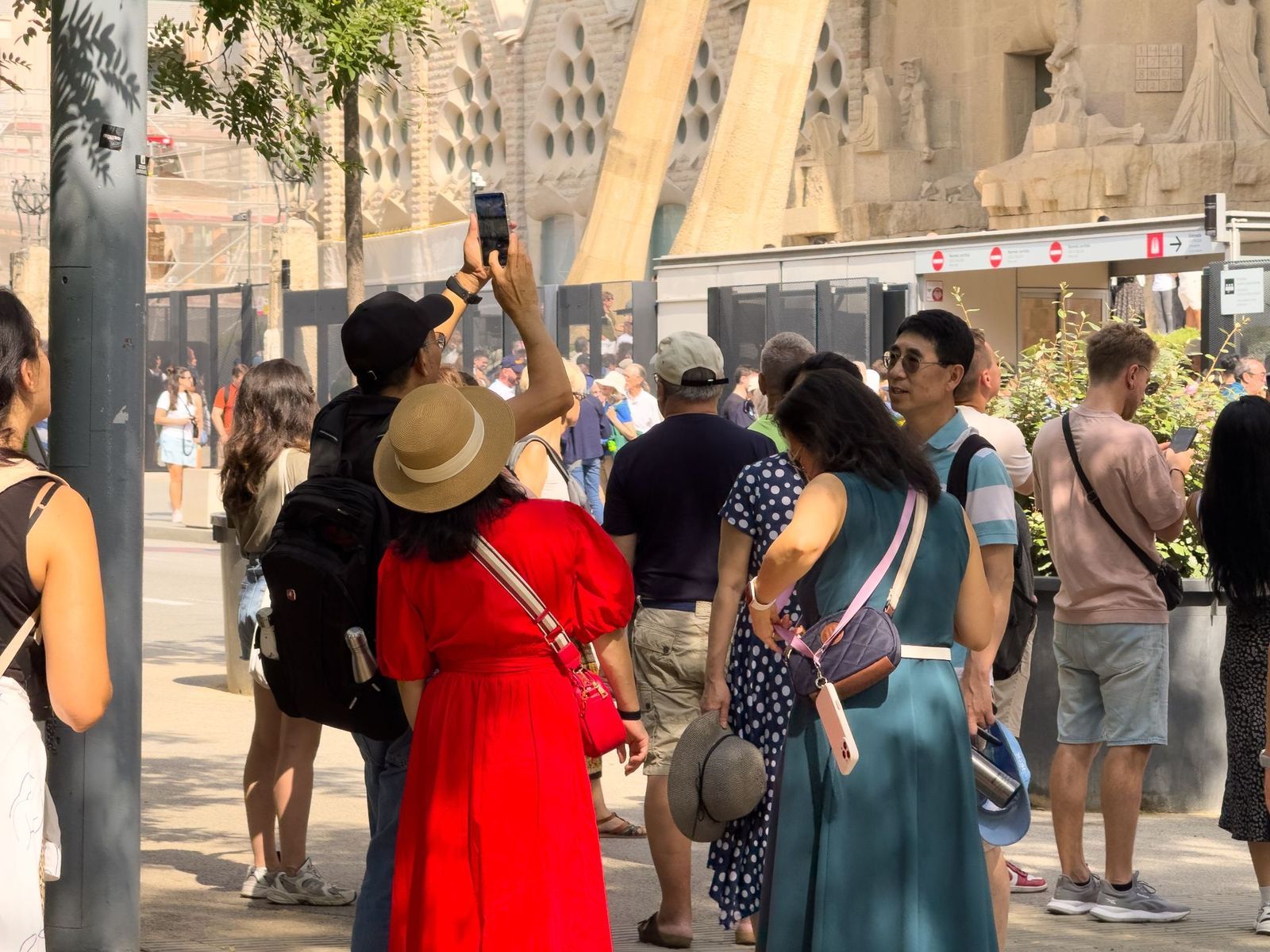
Cities like London, New York, Rome, and Paris receive millions of tourists from all over the world every year. That movement impacts heavily on language, and adaptation is key.
A hotel worker may use English for directions, local expressions for greeting, and familiar international words when explaining a menu, even hand gestures to make sure the message is clear. Repeated contact between language groups influences vocabulary, pronunciation, and everyday speech. Researchers studying minority languages and tourism have found that local speech can become part of the visitor experience itself, appearing on souvenirs, signs, and guided tours. You may not know how to speak Italian, but if you spend a couple of days in Milan, you’ll learn common words like panino to get a sandwich. Tourism encourages people to learn new languages, and it also changes how local languages are used and protected.
How vacation rentals can change a neighborhood
A spare apartment can become a tempting source of income when tourists are willing to pay more for a few nights than a local tenant might pay for a longer stay. If that issue is not addressed accordingly, the city’s permanent residents may eventually lack enough housing choices.
Big cities have taken three precautions to handle this: First, there’s a limited number of houses and apartments that can be used for this purpose, and second, most short-term rentals charge a "city tax". Cities like Barcelona, however, have taken a stricter approach and banned Airbnb and short-term accommodation licenses altogether. These measures vary from place to place, but they all aim to strike a balance between welcoming visitors and making sure local residents can afford to stay in their own neighborhoods.
Cultural exchange and empathy
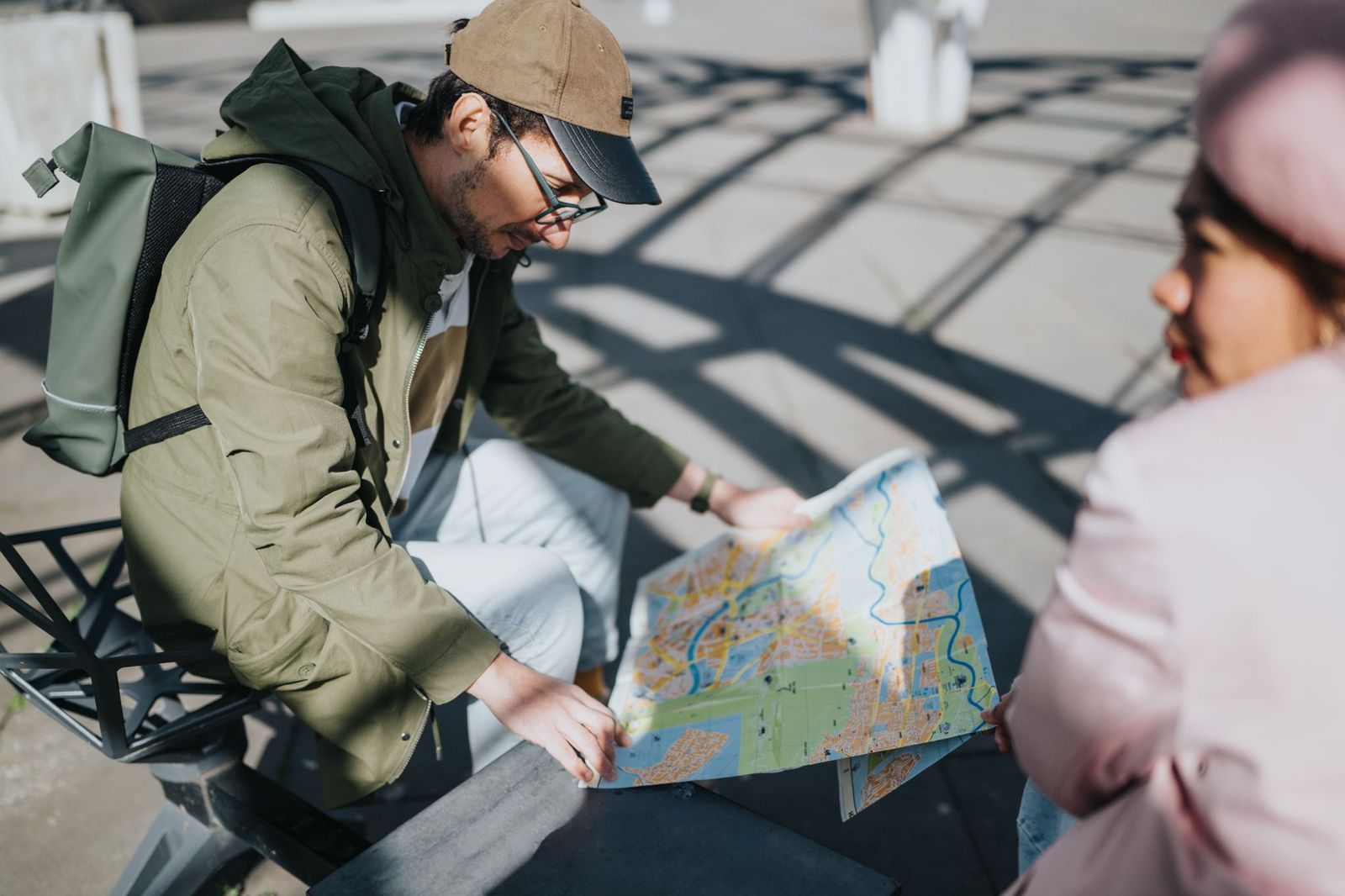
One of the most evident ways in which traveling affects people is that it can broaden your perspective in ways no other activity can.
Tourism is a way to bring people closer together and encourage appreciation of cultural and natural heritage. But you don’t need to visit a different country; just traveling to the opposite coast will show you how different cultures are. When visitors listen, ask respectful questions, and spend time with local people, the experience can build curiosity and empathy.
Economic growth and employment
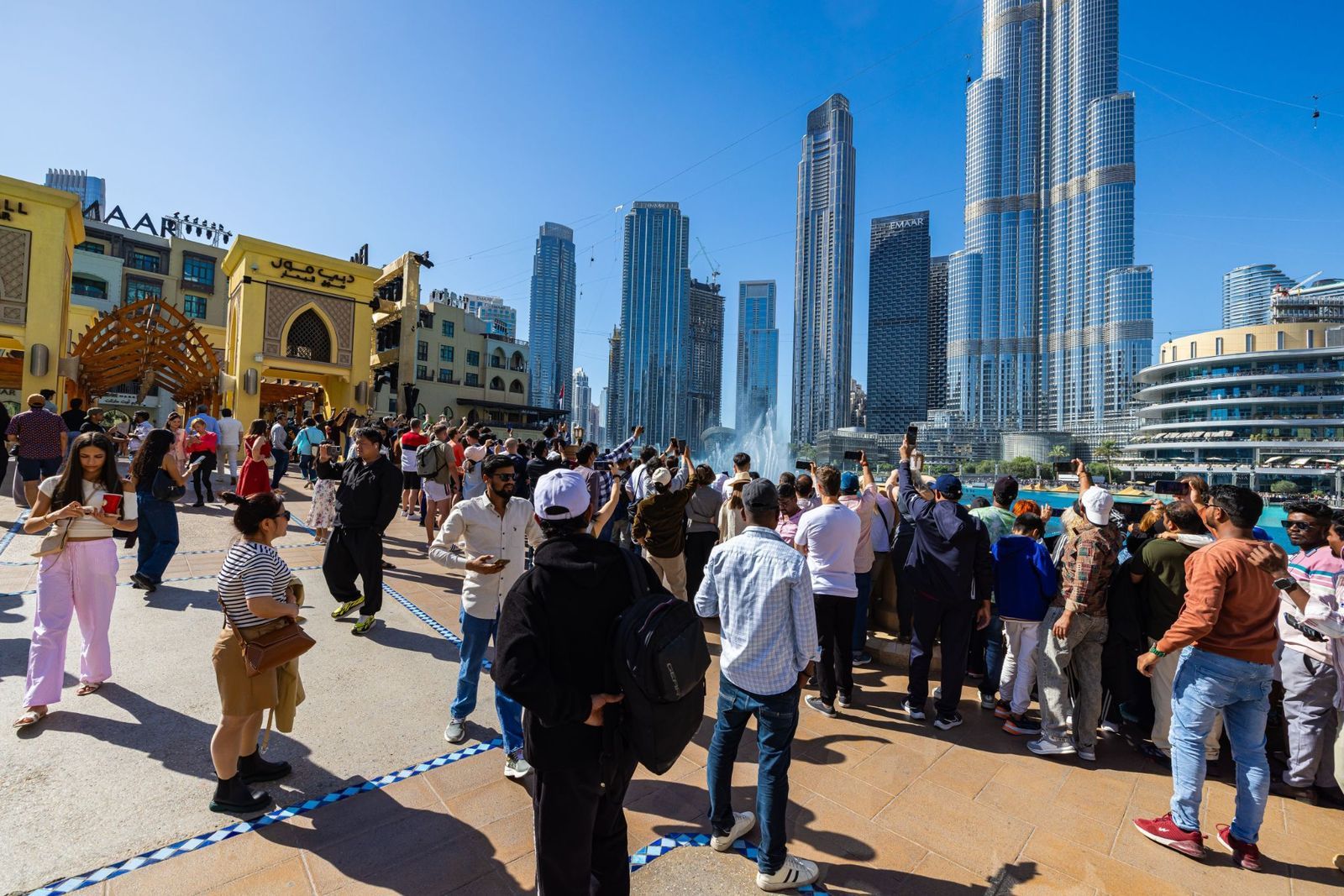
Think of all the small shops you visit while on vacation. Tourism sends money through an entire community. It supports taxi drivers, tour guides, shopkeepers, artisans, and dozens of other jobs.
Tourism as an important engine of job creation, particularly for small businesses and communities outside major economic centers. A visitor who buys a handmade souvenir is helping an artisan keep a traditional skill alive while also injecting money into the local community. Of course, the benefits are not always shared equally: Large hotel chains may send profits elsewhere, for example. Communities that depend too heavily on tourism are vulnerable to recessions, travel disruptions, and unstable economies. Tourism is key, but it shouldn’t be the only one keeping a community going.
Health and social well-being
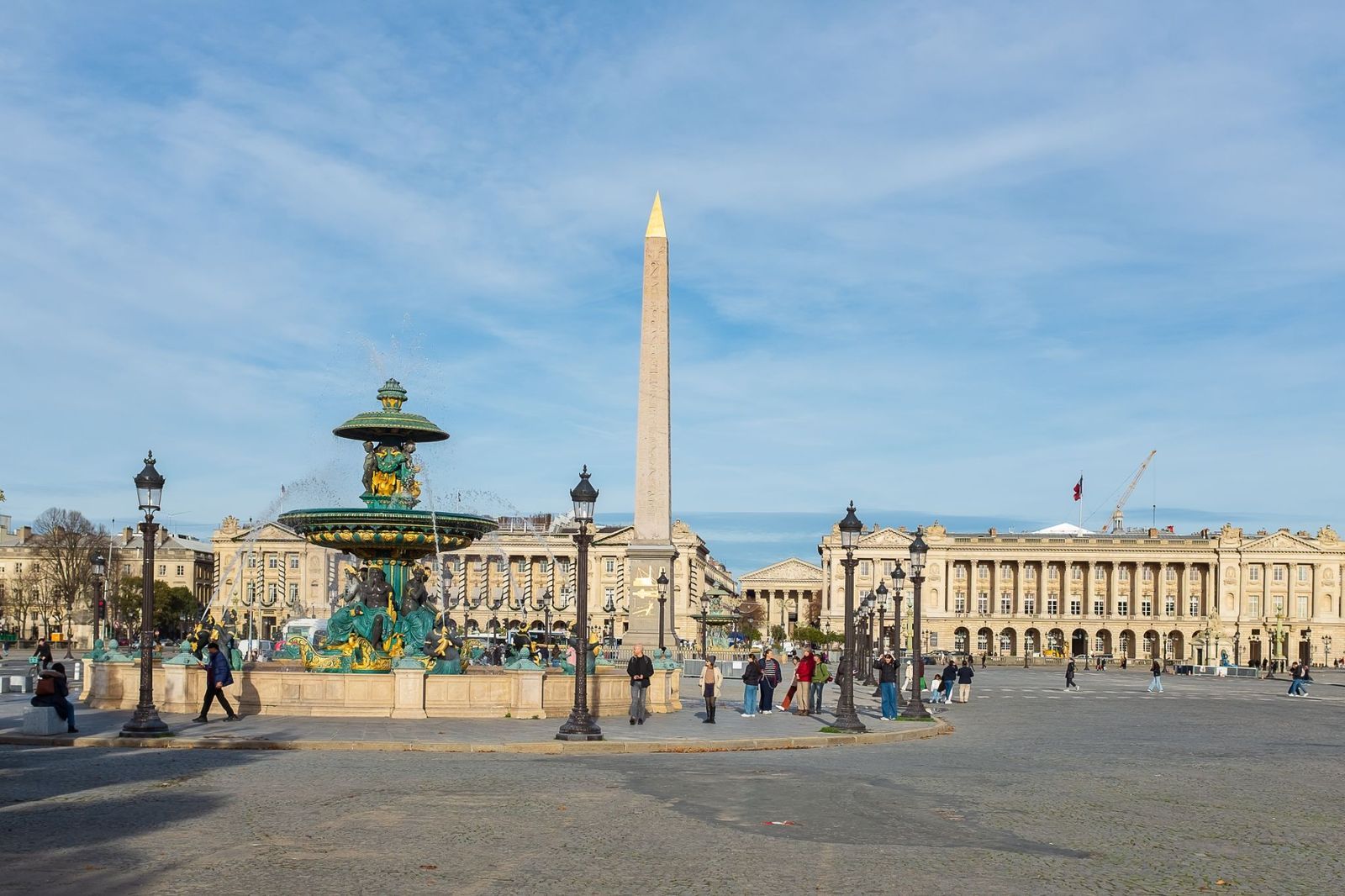
Tourism can bring improvements that residents enjoy long after the last visitor has checked out: Road repairs, public transportation expansion, and upgraded sanitation and emergency services. But the benefits of these improvements depend on how destinations manage growth. When visitor numbers outpace local infrastructure, crowded streets, overloaded public services, and long waits at hospitals can make everyday life harder for residents. Communities need enough resources to serve both locals and tourists, whether that means more healthcare staff, better transport, or more restaurants and accommodations. The goal is to make tourism work for everyone, so locals can share in its benefits without bearing the cost of its growth.
Preservation of heritage
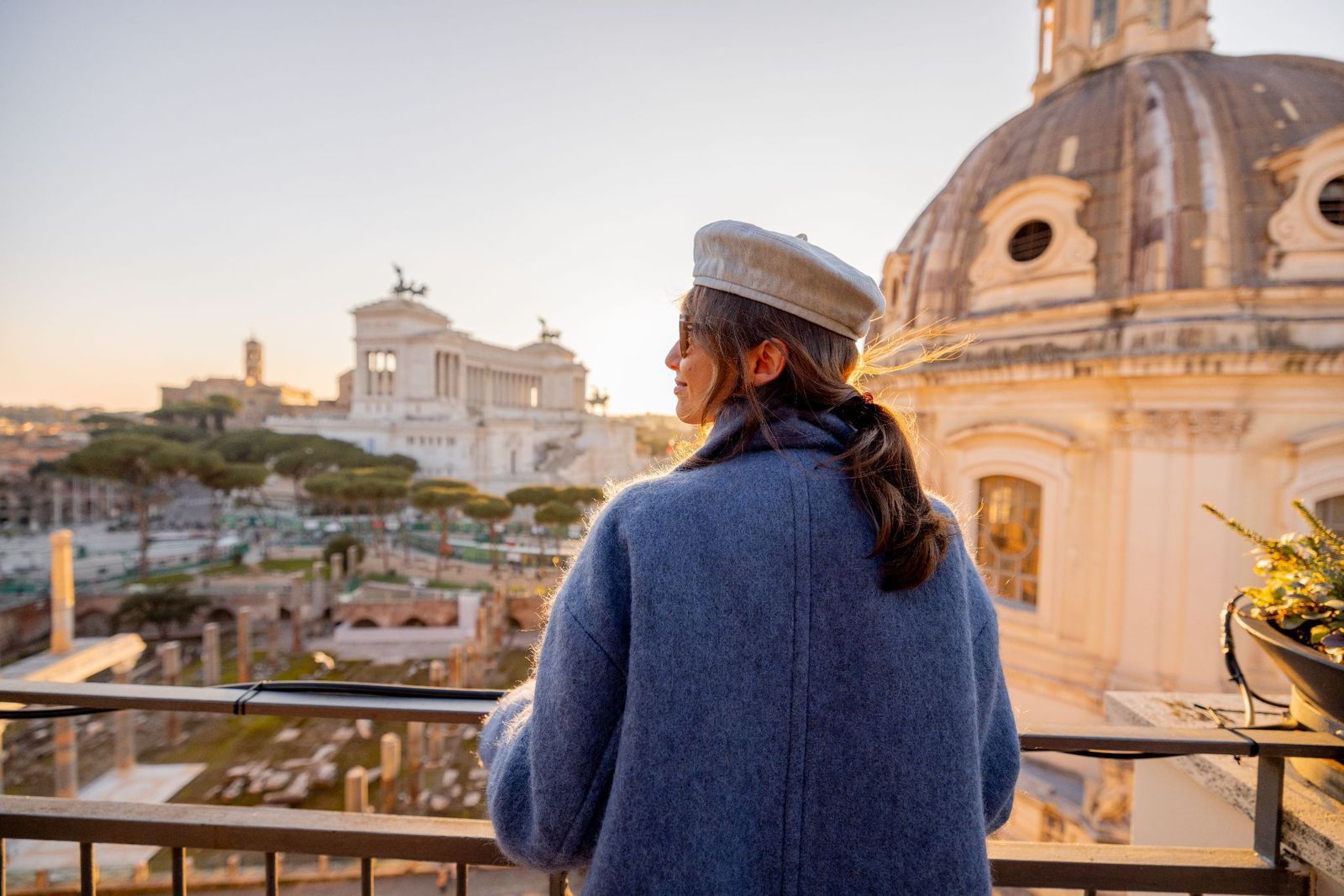
Visit places like Rome in Italy or Athens in Greece, and you’ll see how tourism can positively impact the preservation of old buildings.
Tourism can give communities a financial incentive to restore historic landmarks, maintain museums, protect archaeological sites, and support traditional crafts. Natural heritage follows the same rule: National parks and wildlife areas can attract visitors whose spending helps fund conservation. In some destinations, carefully managed visitor fees help pay for restoration, while in others, public funding and community involvement are essential. When residents have an active role in deciding what gets protected and how visitors experience it, tourism can help keep a place’s history alive.
When a beautiful destination gets too crowded
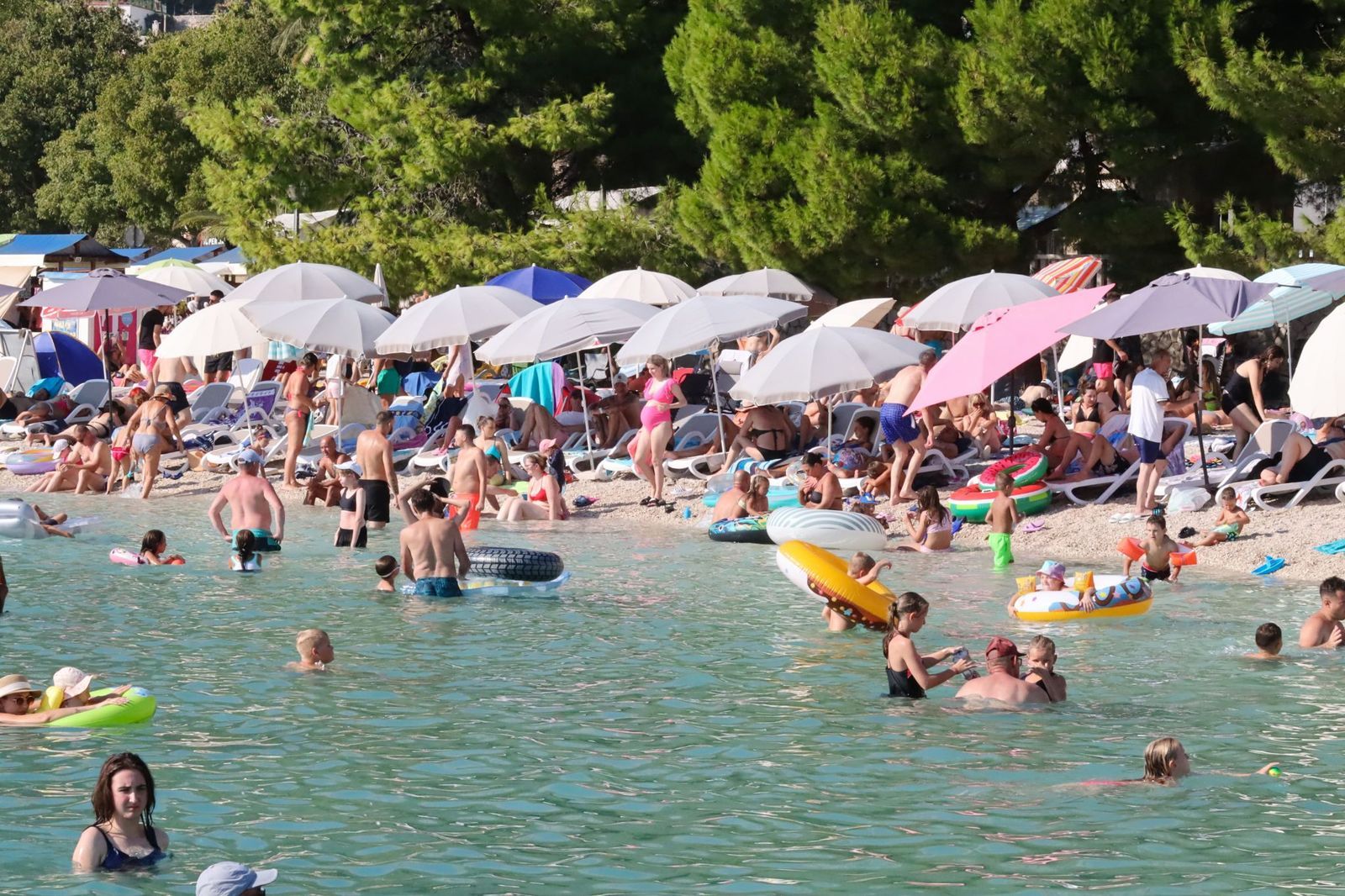
When there’s no plan to handle it, tourism can have negative effects too. There’s such a thing as overtourism, and when it happens, this may affect resources and the ability to manage crowds.
Concentrated tourism can affect residents’ quality of life, housing, water supplies, and the condition of landmarks. The problem is not simply that a place becomes popular. It’s that visitors may arrive in overwhelming numbers at particular times or in a small area. Some destinations respond with timed tickets, visitor limits, or restrictions on capacity.
When traditions become tourist attractions
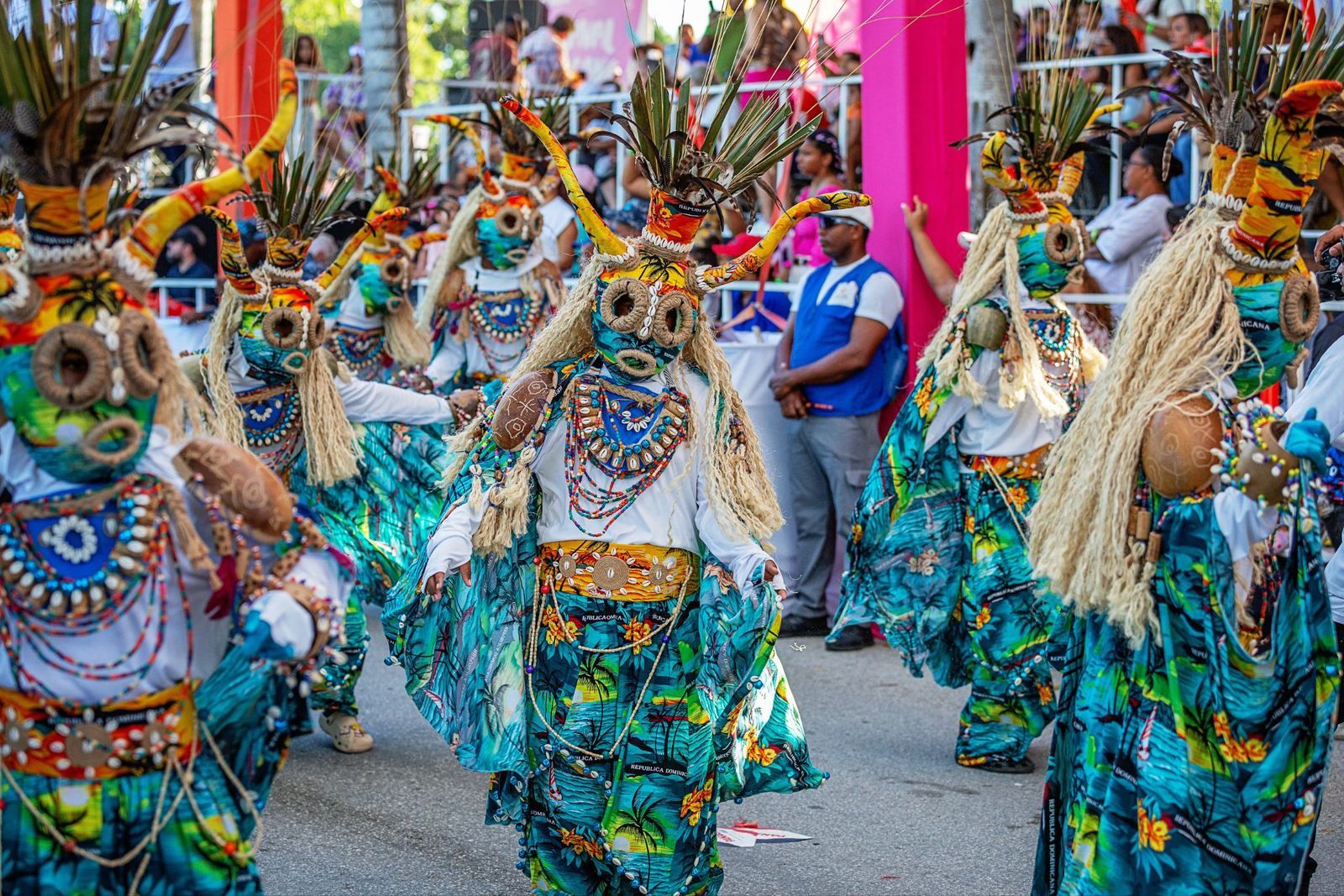
Traveling is usually the best way to learn about a community’s history and heritage. But what happens when a big event begins changing to suit visitors rather than the people who created it?
Ceremonies may be performed more often to accommodate tour schedules, crafts may be simplified to make them cheaper and easier to sell, and traditional clothing may be marketed as little more than a costume. In this way, cultural practices and symbols risk becoming products for sale. Communities can choose to share traditions proudly, earn a living from their skills, and explain the meaning behind their customs. The key is to let local people decide what they want to share and how they want to present it. Visitors, in turn, should approach these experiences with curiosity and respect, recognizing that they are guests, not owners, of someone else’s heritage. That will ensure the cultural exchange benefits the community while their identity is being preserved.
The environmental costs of getting around

A vacation may mean fresh mountain air, a quiet beach, or a long-awaited visit with family. Yet getting to those places can carry costs that are easy to overlook.
Tourism’s growing use of energy, land, and materials can increase pollution and environmental damage without effective management. Destinations can reduce environmental pressures through better public transportation, waste systems, conservation policies, and more responsible visitor management. For travelers, thoughtful choices can help, too. Seeing the world is rewarding, but how we move through it matters.

This mountain isn't one volcano, it's actually three
 Geography
Giants shaped by nature and time
The world's most famous peaks all have a story to tell
From ancient volcanic eruptions and powerful tectonic forces to glaciers that slowly carved their slopes, the world’s most famous peaks took millions of years to become the icons we know today. But their stories go far beyond geology: they are tied to legendary explorers, daring climbers, ancient gods, local traditions, and even the surprising origins of their names. From towering Himalayan giants to fire-breathing volcanoes and legendary peaks in the American West, discover the stories that made these mountains famous around the world.
Mount Everest: The world’s highest mountain

At 29,032 feet, Mount Everest is the highest point on Earth, towering above the Himalayas along the border between Nepal and Tibet. It was formed millions of years ago when the Indian and Eurasian tectonic plates collided, forcing the Earth’s crust upward. The enormous forces involved continue to shape the Himalayas today.
The mountain has several names. In Nepal, it is known as Sagarmatha, while its Tibetan name is Chomolungma; the English name honors George Everest, a British surveyor who served as Surveyor General of India. Everest was first successfully climbed in 1953 by Edmund Hillary and Tenzing Norgay.
Mount Kilimanjaro: Africa’s volcanic giant

Rising above the plains of northern Tanzania, Mount Kilimanjaro is Africa’s highest mountain. It is also unusual because it is actually made up of three ancient volcanic cones: Kibo, Mawenzi, and Shira. Repeated volcanic activity built the mountain over millions of years, although only Kibo remains dormant today.
Even the name "Kilimanjaro" comes with a little mystery. One popular theory combines Swahili and local words referring to a mountain and its shining or whiteness, possibly inspired by the snow on its summit. That snow-capped peak rising above the African landscape has become one of the continent’s most recognizable sights.
Mount Fuji: Japan’s sacred volcano

Few mountains are as instantly recognizable as Mount Fuji, whose nearly perfect cone rises on Japan’s main island of Honshu. It was formed by layers of lava and volcanic material from repeated eruptions over hundreds of thousands of years. Although it is considered an active volcano, its last major eruption took place in 1707.
The exact origin of the name "Fuji" remains uncertain, but the mountain has a much clearer cultural identity. For centuries, it has been considered sacred and has attracted pilgrims and inspired artists. Its distinctive shape became especially famous through the Japanese woodblock prints of Katsushika Hokusai.
K2: The towering rival to Everest

Rising 28,251 feet above the Karakoram Range on the Pakistan-China border, K2 is the second-highest mountain on Earth after Everest. Its steep, rugged shape and notoriously unpredictable weather have earned it a reputation as one of the most difficult major peaks to climb. Unlike Everest, which has become relatively accessible to commercial expeditions, K2 remains a serious challenge even for experienced mountaineers.
K2 was formed by the collision of the Indian and Eurasian tectonic plates, which pushed enormous masses of rock upward and created the Karakoram Mountains. Its name is far less romantic than the mountain itself: "K2" simply comes from the notation used by a British survey team in the 19th century, meaning the second peak measured in the Karakoram range. The name stuck, even though other local names have been used for the mountain over the years.
The Matterhorn: Switzerland’s iconic pyramid

With its four steep faces and sharply pointed summit, the Matterhorn is one of the most recognizable peaks in the Alps, sitting on the border between Switzerland and Italy. Its hard rock was pushed upward as the Alps formed, while glaciers and erosion gradually carved away the surrounding landscape, creating its remarkable pyramid shape.
Its name comes from German words that roughly mean "meadow peak." The mountain also has one of mountaineering’s most dramatic stories. Edward Whymper and his team made the first successful ascent in 1865, but four members died during the descent, turning the achievement into a legendary and tragic moment in climbing history.
Denali (Mount McKinley): North America’s highest mountain

Denali, now officially known as Mount McKinley, is North America’s highest mountain, rising 20,310 feet above Alaska. Part of the Alaska Range, it was shaped by powerful tectonic forces and glaciers that have carved its slopes over time. Its extreme northern location also gives it notoriously harsh weather, with severe cold, high winds, and rapidly changing conditions.
The mountain has been known by several names throughout history. Denali, from the Koyukon language, refers to the mountain as "the tall one" or "the high one" and has been used by Alaska Native peoples for generations. The name Mount McKinley emerged in the late 19th century and became the official name before being changed back to Denali in 2015. In 2025, the name was changed again to Mount McKinley, while the surrounding national park remains Denali National Park and Preserve.
Mount Vesuvius: The volcano that buried Pompeii

Overlooking the Bay of Naples in southern Italy, Mount Vesuvius is forever associated with one of history’s most famous volcanic disasters. Its eruption in 79 A.D. buried Pompeii and Herculaneum beneath ash, pumice, and volcanic debris. The volcano itself was built through repeated eruptions over hundreds of thousands of years.
What makes the 79 A.D. eruption especially remarkable is how well the volcanic ash and pumice preserved Pompeii and Herculaneum. Today, visitors can walk through ancient streets, enter homes, and see artwork and everyday objects that offer a remarkably vivid glimpse into life in the Roman world nearly 2,000 years ago.
Mount Etna: Europe’s restless volcano

On the Italian island of Sicily, Mount Etna is Europe’s largest active volcano and one of the world’s most frequently erupting mountains. Lava flows, ash, and repeated eruptions have gradually built and reshaped it over hundreds of thousands of years. Unlike a mountain frozen in time, Etna is constantly changing.
Its name dates back to the ancient Greek Aitne, although its deeper origin is uncertain. Etna also has a legendary side: ancient Greeks believed that Hephaestus, the god of fire and metalworking, had his forge beneath the volcano. Its frequent eruptions helped keep that connection with fire alive for centuries.
Mount Rainier: America’s glacier-covered volcano

Snow and ice make Mount Rainier in Washington State look peaceful, but beneath its glaciers lies an active volcano. Repeated eruptions built the mountain, while glaciers carved its valleys and rugged slopes. Today, more than two dozen named glaciers cover Rainier, making it the most heavily glaciated peak in the contiguous United States.
The mountain received its English name in 1792, when British explorer George Vancouver named it after his friend, Rear Admiral Peter Rainier. Indigenous peoples had their own names for the peak long before Vancouver’s arrival, with Tahoma, Takhoma, and Tacoma among the names recorded over the years. Mount Rainier remains the mountain’s official name today, while Tahoma continues to be closely associated with the peak and the surrounding region.
Aconcagua: The giant of the Andes

Deep in the Andes of western Argentina, near the Chilean border, Aconcagua rises to 22,838 feet, making it the highest mountain in the Western Hemisphere. Unlike many famous peaks, it is not a volcano. Instead, powerful tectonic forces gradually pushed and folded the Earth’s crust upward, creating the enormous Andes range.
The origin of "Aconcagua" is disputed, with several theories involving Indigenous languages of the region. One popular interpretation connects the name with "stone sentinel," an especially fitting description for the massive peak. Whatever its exact meaning, Aconcagua has long stood as the giant of the Andes.
Mount Olympus: Home of the Greek gods

In northern Greece, Mount Olympus is a dramatic limestone mountain best known not for its height, but for its role in Greek mythology. Ancient Greeks believed its highest reaches were home to Zeus and the other Olympian gods. The mountain itself is largely made of limestone from ancient marine sediments, later lifted by tectonic forces and shaped by erosion and glaciers.
The name Olympus comes from ancient Greek, although its ultimate origin is uncertain. Its highest peaks often disappear into clouds, which may have helped inspire the idea that the gods lived high above the mortal world. Thousands of years later, its connection to Greek mythology remains its greatest claim to fame.
Mount St. Helens: The volcano that changed forever

Once a classic, symmetrical volcanic cone in southwestern Washington State, Mount St. Helens looked very different before 1980. Repeated eruptions had gradually built the mountain over thousands of years, but on May 18, 1980, a massive eruption caused its northern side to collapse. The blast removed much of the summit and left the enormous horseshoe-shaped crater seen today.
British explorer George Vancouver named the mountain in 1792, honoring Baron St. Helens, a British diplomat. But the name became famous after the devastating eruption, which dramatically transformed the surrounding landscape. Today, the area also offers scientists a rare opportunity to watch an ecosystem recover after a major volcanic disaster.
The Grand Teton: Wyoming’s dramatic peak

The Grand Teton rises dramatically above Jackson Hole in northwestern Wyoming, forming the highest point in the Teton Range. The mountains were lifted along a major fault less than 10 million years ago, while glaciers later carved the sharp peaks, valleys, and lakes that make the landscape so distinctive.
Its name has one of the most unexpected origins on this list. French-speaking fur trappers called the three prominent peaks "Les Trois Têtes," meaning "the three breasts," because of their appearance. The tallest of the three eventually became known as the Grand Teton, a surprisingly playful name for one of America’s most majestic mountains.
Keep wandering
There’s always
more to explore
 Landmarks
10 mysterious wonders you can only see from the sky
4 min.
Read Now

Why toasting with a glass of water could get you into serious trouble
6 min.
Read Now
 General

How one package of macadamia nuts made the pilot turn the plane around
5 min.
Read Now

A pilot woke up in a snow-covered field with no memory of landing
7 min.
Read Now