What's the Secret Service guarding on the 2nd floor of the White House?
 Landmarks
No one is allowed
What's the Secret Service guarding on the 2nd floor of the White House?
You may have stood in line to see the Statue of Liberty’s crown or snapped a picture outside the White House gates. But there are parts of these places you’ll never see. A ladder inside Lady Liberty’s torch that hasn’t opened since 1916. A vault behind Lincoln’s face at Mount Rushmore. A mountain in Pennsylvania built to survive a war. No ticket, no membership, and no amount of pleading will get you past the guards. Here are 10 hidden corners of famous landmarks, and why they stay locked.
The private residence levels of the White House – Washington, D.C.
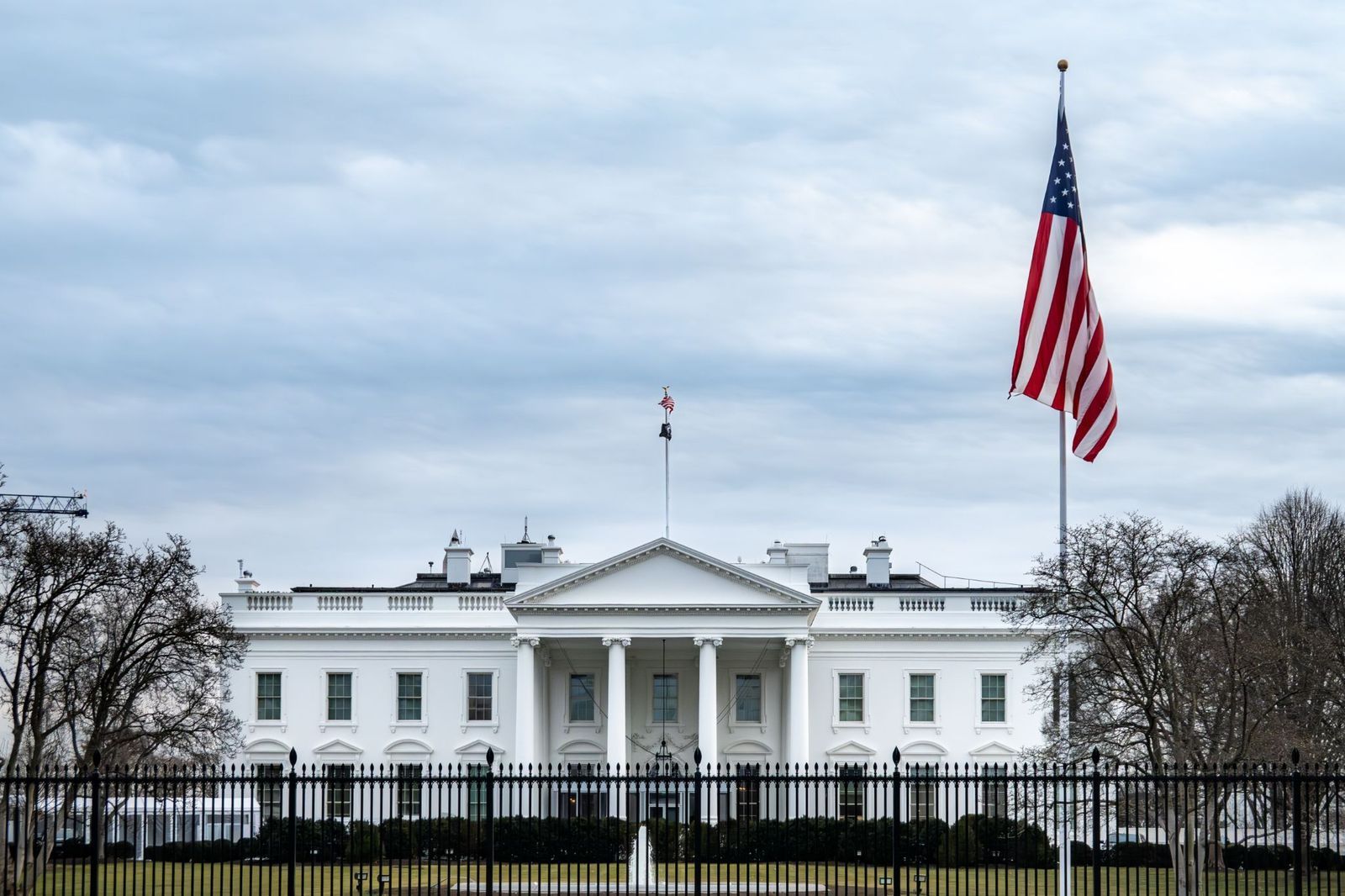
The White House hosts public tours through the public rooms on the State Floor, which include the Blue Room, Green Room, and State Dining Room, among others. But the building where every president since John Adams has actually lived sits just above those tour routes, on the second and third floors.
That’s where you’ll find the Lincoln Bedroom, the Treaty Room, and the private family quarters, none of which appear on any public itinerary. Secret Service protocol keeps those floors sealed off entirely, reserved for the First Family, close guests, and the occasional foreign dignitary invited upstairs for tea. Even members of Congress touring the building below rarely get so much as a glimpse of the stairs leading up.
The torch balcony of the Statue of Liberty – New York
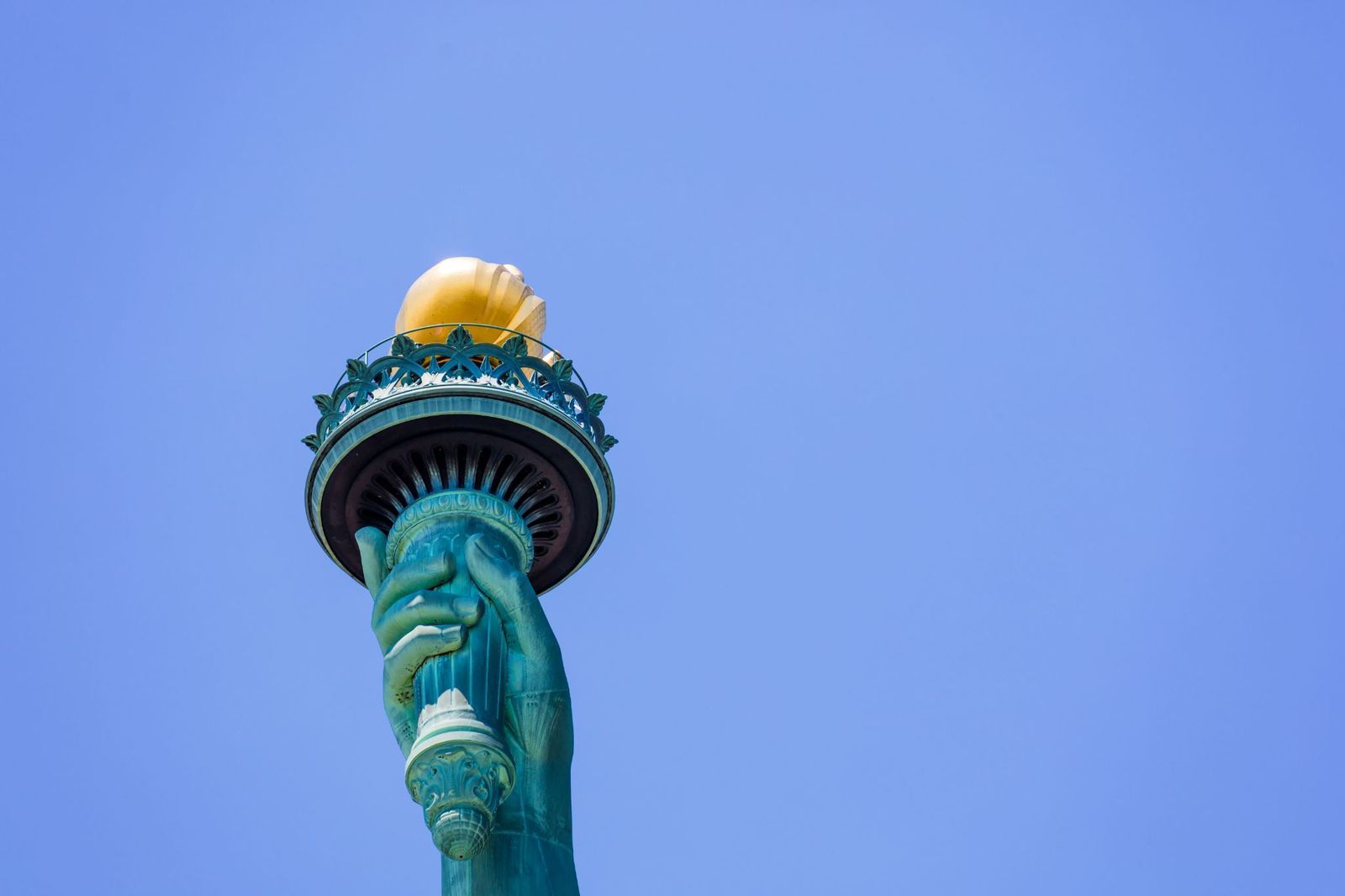
For years after Lady Liberty’s dedication in 1886, visitors could do something almost nobody can today: climb a cramped, forty-foot ladder inside her raised arm and stand on a tiny balcony circling the torch, taking in views of the New York Harbor that no tourist has seen since.
Visitors have not been allowed inside that famous raised arm since July 30, 1916, when saboteurs, later traced to German agents working to stop weapon shipments to the Allies during World War I, blew up the Black Top munitions depot just across the water in Jersey City. Windows shattered as far away as Times Square, and flying shrapnel tore into the statue itself, weakening the arm’s iron framework. The torch has stayed sealed ever since, and today only National Park Service crews climb that same old ladder — for maintenance, never for the view.
Fort Knox Bullion Depository Vault – Kentucky
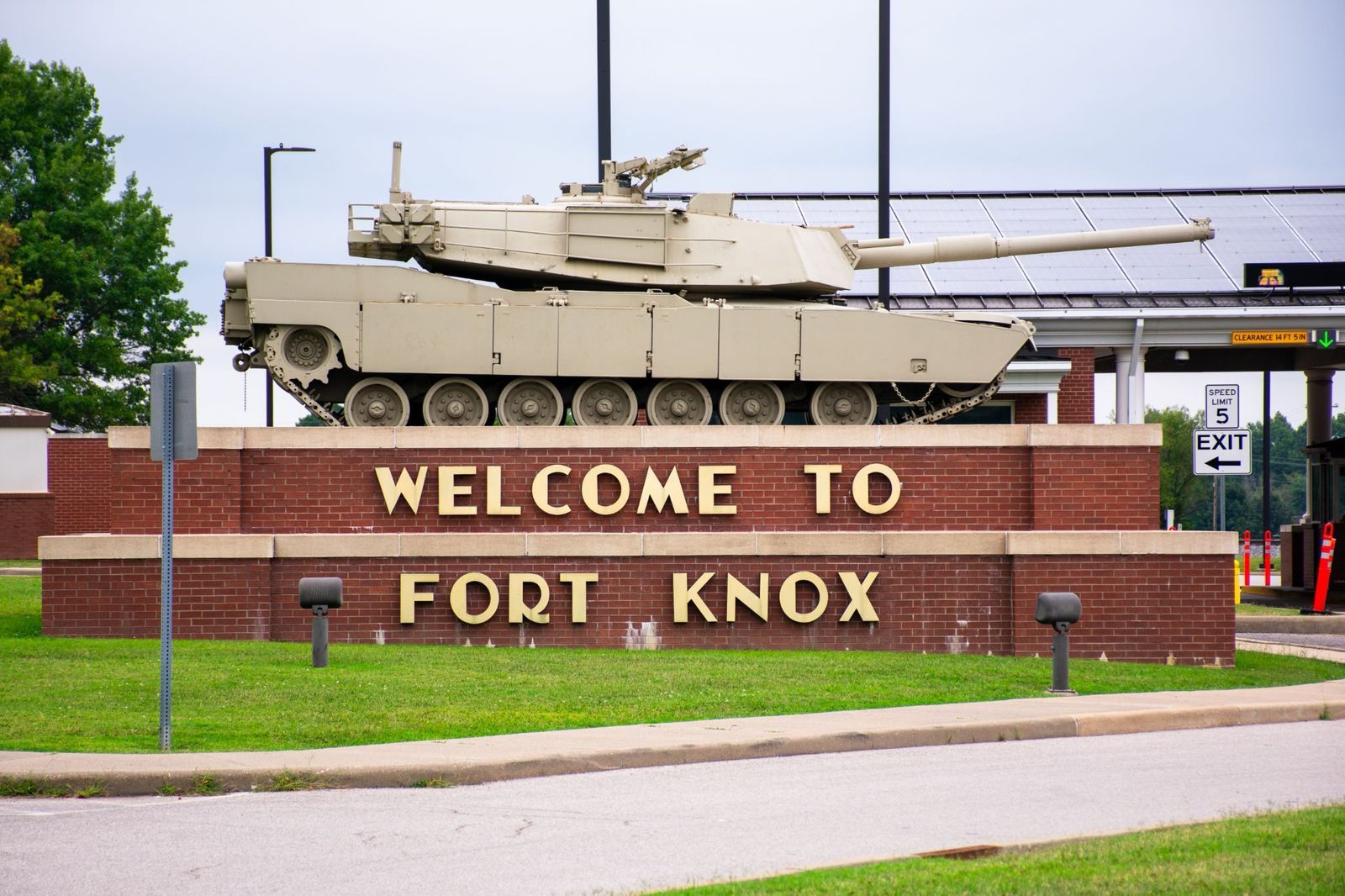
Ask anyone what Fort Knox means, and they’ll tell you: it’s where the gold is. That reputation was earned in 1937, when the U.S. Treasury opened the Bullion Depository in rural Kentucky and began quietly moving in tons of gold reserves.
Today, the vault sits behind a blast door reportedly weighing 22 tons, backed by combination locks split among several employees so no single person knows the full sequence, plus armed soldiers and a perimeter that has never once been breached. The only sitting president to ever visit the vault was Franklin D. Roosevelt in 1943, and then in 1974, a special delegation of members of Congress and the press were allowed to visit the vault to dispel rumors that the gold had been removed. Other than that, the place is off-limits to everyone in the country.
The subterranean fortress dungeons of Alcatraz – California
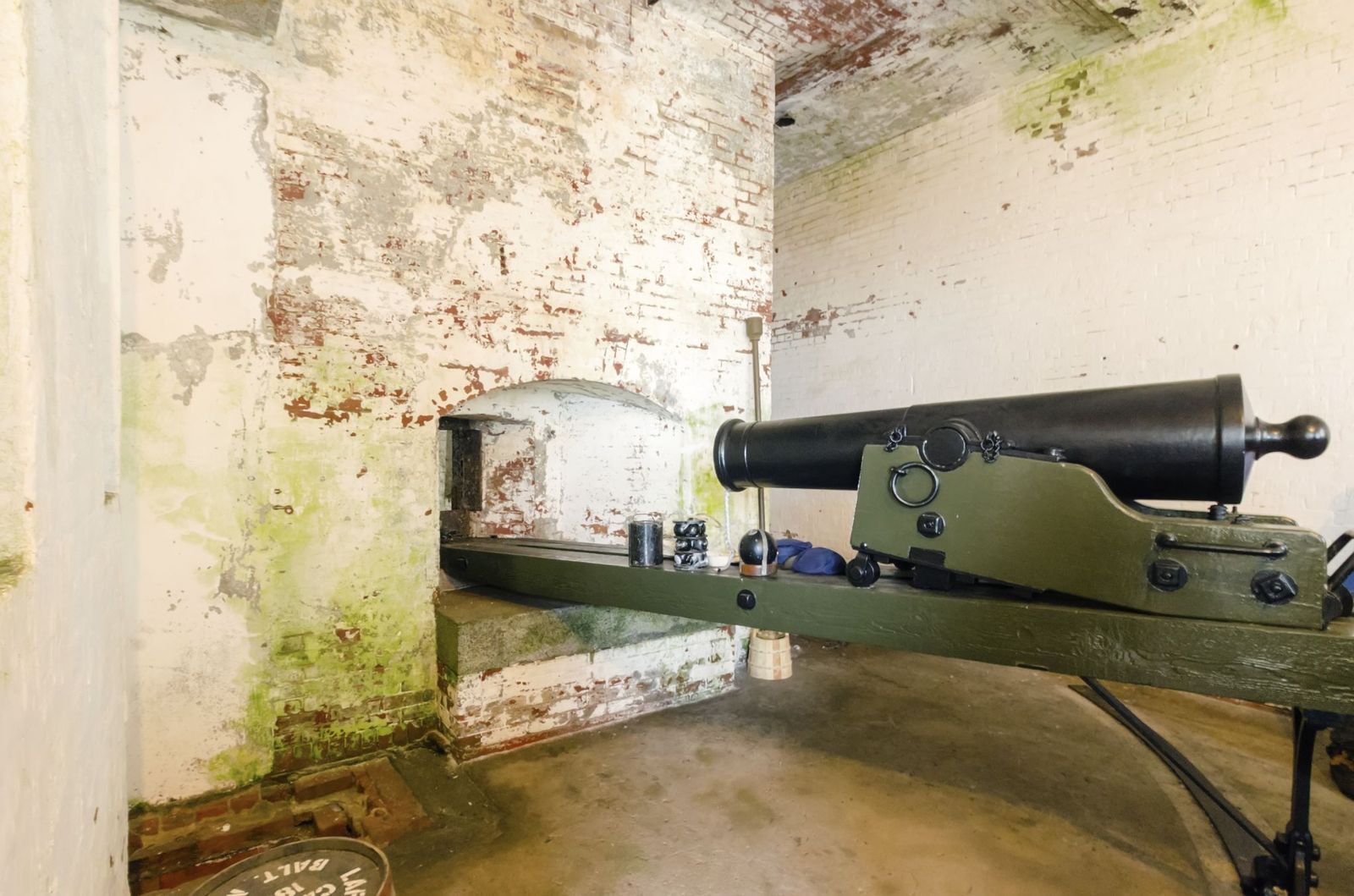
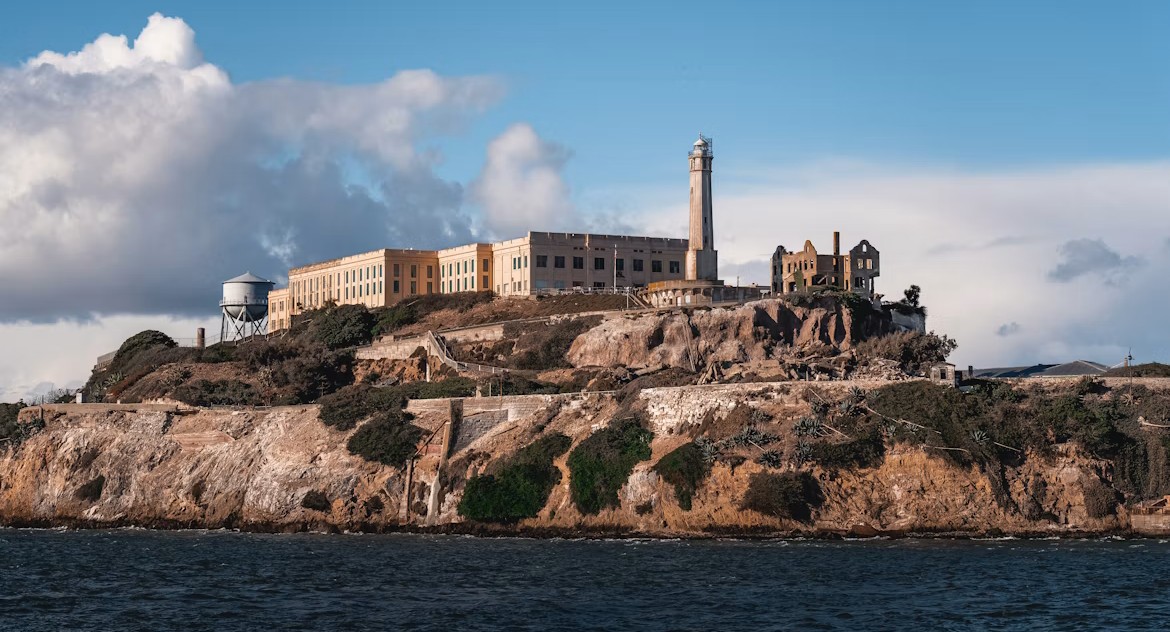
San Francisco’s Alcatraz Island draws over a million visitors a year, most of them shuffling through the famous cellhouse where Al Capone once served time. Far fewer know that the prison was built directly atop an even older fortress.
Long before Alcatraz held America’s most notorious inmates, the U.S. Army used the island as a military citadel starting in the 1850s, complete with brick tunnels and cells carved beneath the surface. Chunks of that original fortress still exist under the modern cellhouse, unlit, unventilated, and structurally unstable after more than a century of bay moisture. This area is not strictly off-limits; park rangers occasionally lead small flashlight tours into the edges of this buried fortress, but the deeper tunnels stay closed for the very real risk of collapse.
The Hall of Records at Mount Rushmore – South Dakota
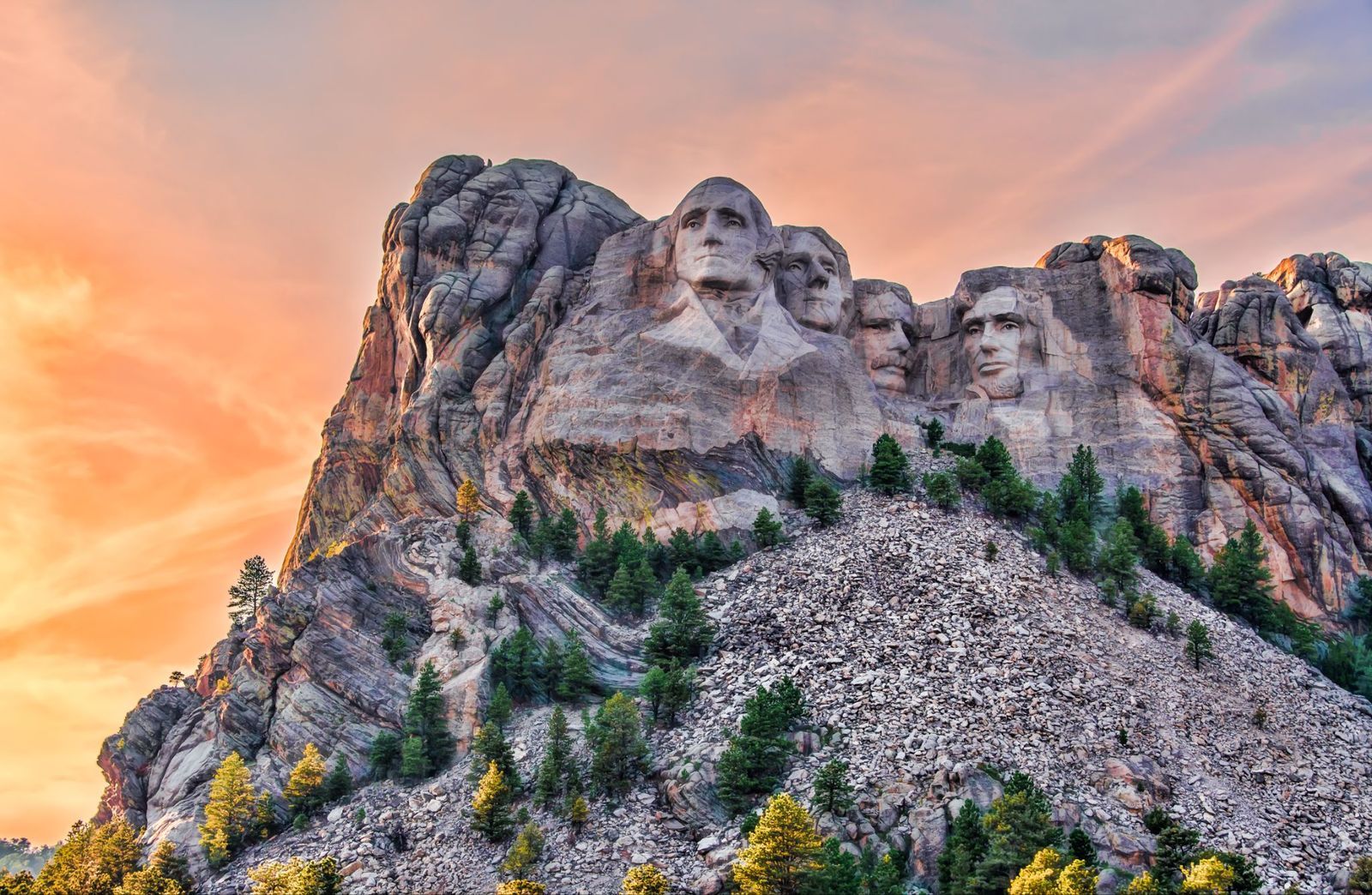
Millions of visitors crane their necks every year to admire the 60-foot faces of Mount Rushmore, never guessing that Abraham Lincoln’s head hides a secret room behind it.
Sculptor Gutzon Borglum dreamed up a Hall of Records in the 1930s, a granite chamber meant to store America’s founding documents for future generations. Workers blasted a 70-foot tunnel into the mountain starting in 1938, but funding dried up, and Borglum died in 1941 before it was finished. His dream was finally completed on August 9, 1998, when a teakwood box inside a titanium vault, holding 16 porcelain panels on the carving's history, was forever sealed under a granite capstone in the hall's floor. No staircase, no public entrance, and no visitor has ever set foot inside.
Substation M42 at Grand Central Terminal – New York
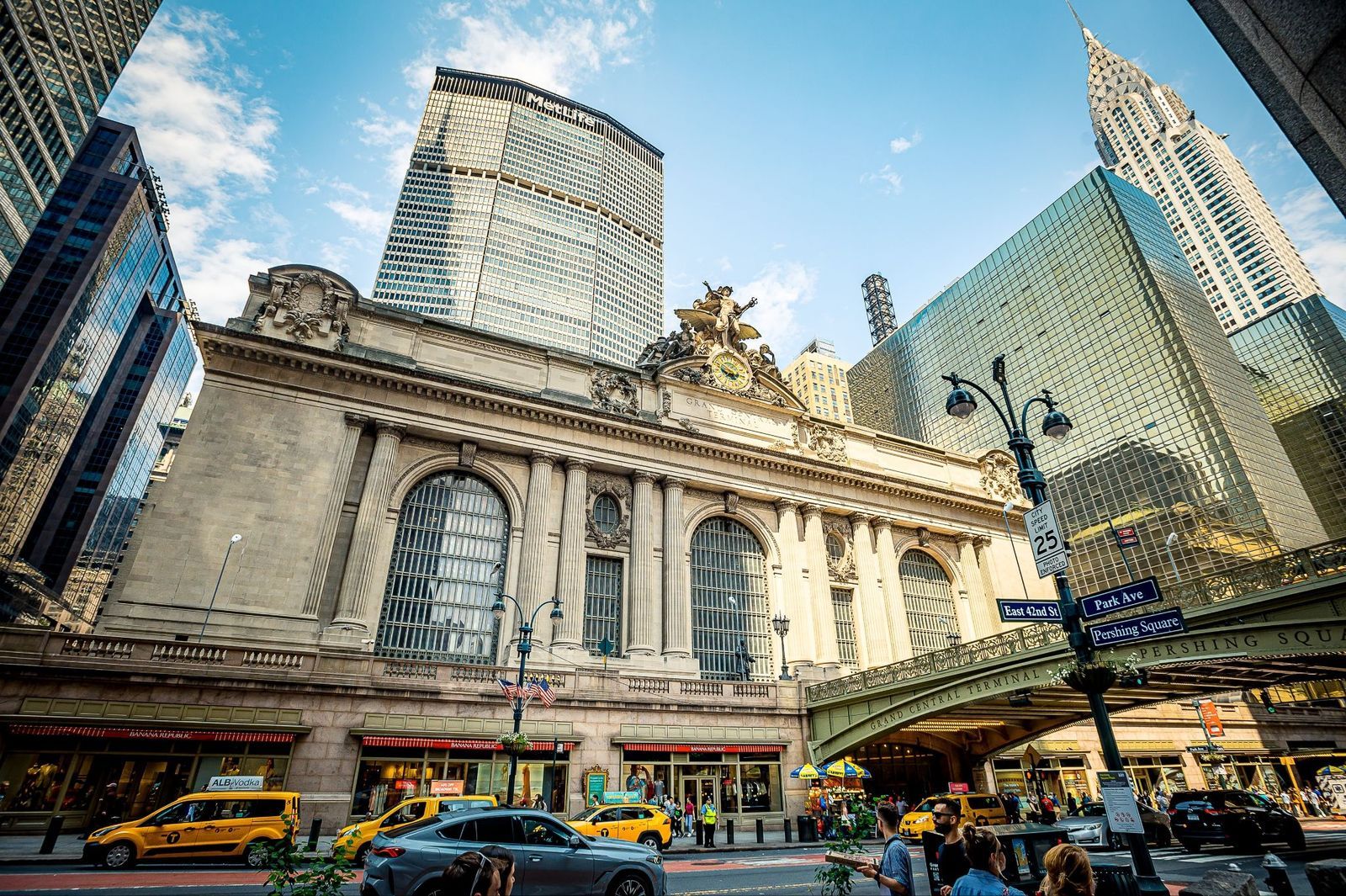
Midtown Manhattan’s Grand Central Terminal welcomes thousands of commuters a day, and almost none of them know what’s humming 10 stories beneath their feet.
When the terminal was rebuilt in 1913, engineers carved out a chamber the size of the main concourse and left it off every single blueprint. Known only as M42, it once housed massive rotary converters that powered the trains, and during WWII it was considered such a dangerous target that guards were told to look out for anyone who came down carrying so much as a bucket of sand. Grand Central didn’t publicly acknowledge M42 existed until the late 1980s, and it remains one of the most tightly guarded rooms in New York City.
Smithsonian Museum Support Center Vaults – Maryland
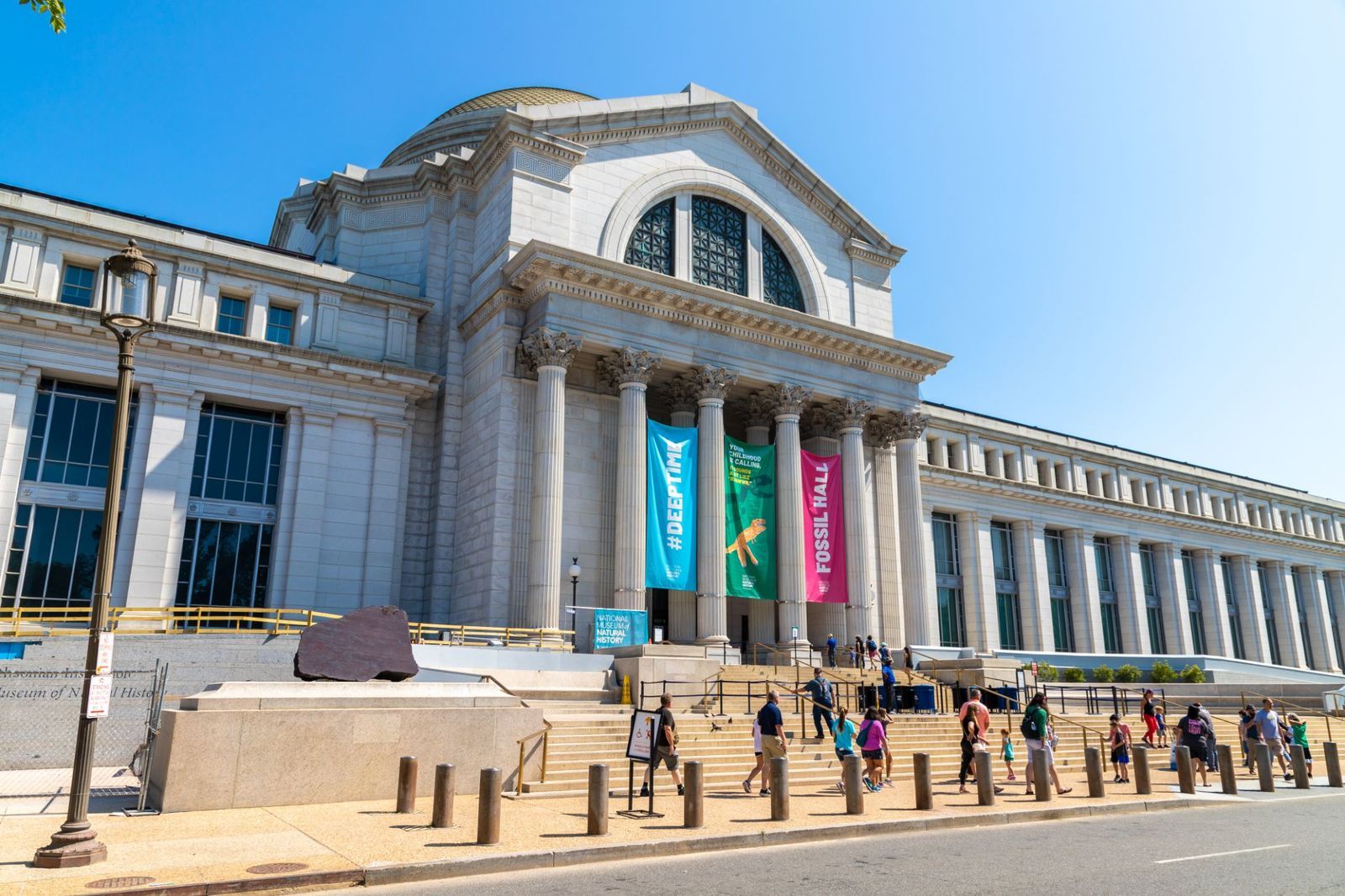
Everyone who visits Washington, D.C. eventually wanders through the Smithsonian’s marble halls, but what’s on display is a small fraction of what the institution actually owns.
Since 1983, the real collection has lived 30 minutes away in Suitland, Maryland, inside a sprawling, zigzag-shaped facility called the Museum Support Center. Spread across football-field-sized storage pods, it holds well over 100 million items, from whale skeletons to meteorite fragments to millions of specimens floating in tanks of ethanol, known informally as the wet collection. Access is limited to credentialed researchers and staff, and public tours are rare enough that most Smithsonian regulars have no idea the building even exists.
Raven Rock Mountain Complex (Site R) – Pennsylvania
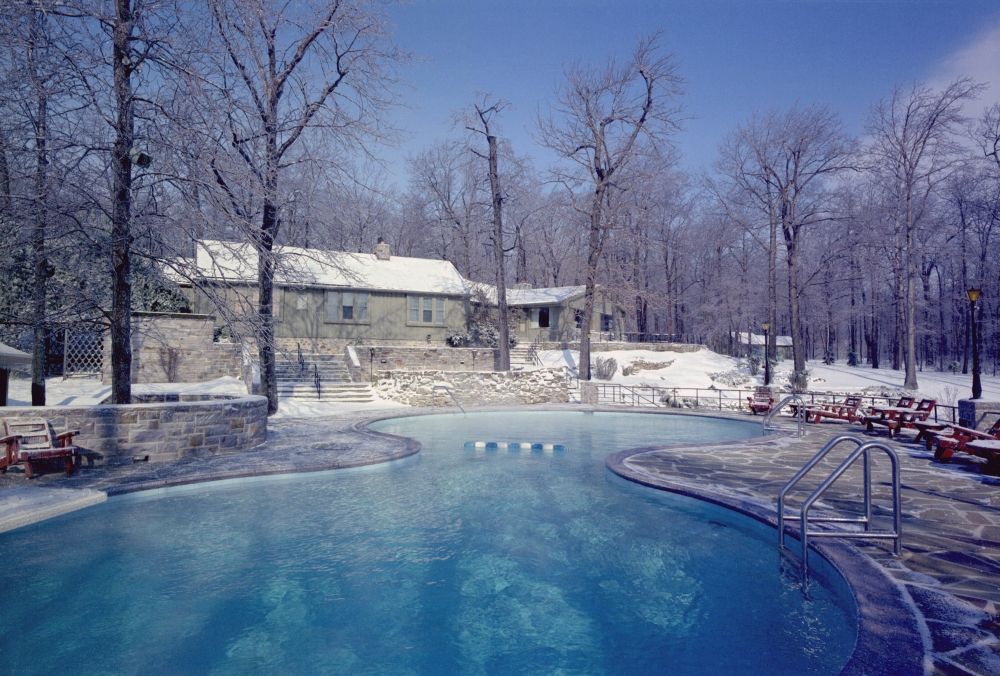
Camp David gets all the headlines as the presidential retreat in the Pennsylvania and Maryland hills, but a few miles away sits a far less publicized neighbor.
Raven Rock Mountain Complex, nicknamed Site R, is a fully operational underground bunker carved into solid rock during the early Cold War, designed to keep the Pentagon running if Washington itself were ever destroyed. Construction began in the 1950s, and the complex reportedly includes its own power plant, water supply, and office buildings hidden inside the mountain, all ringed by armed checkpoints and blast doors built to withstand a nuclear strike. It remains an active military installation today, and no, there is no visitor center.
Norris backcountry thermal crust zones at Yellowstone – Wyoming
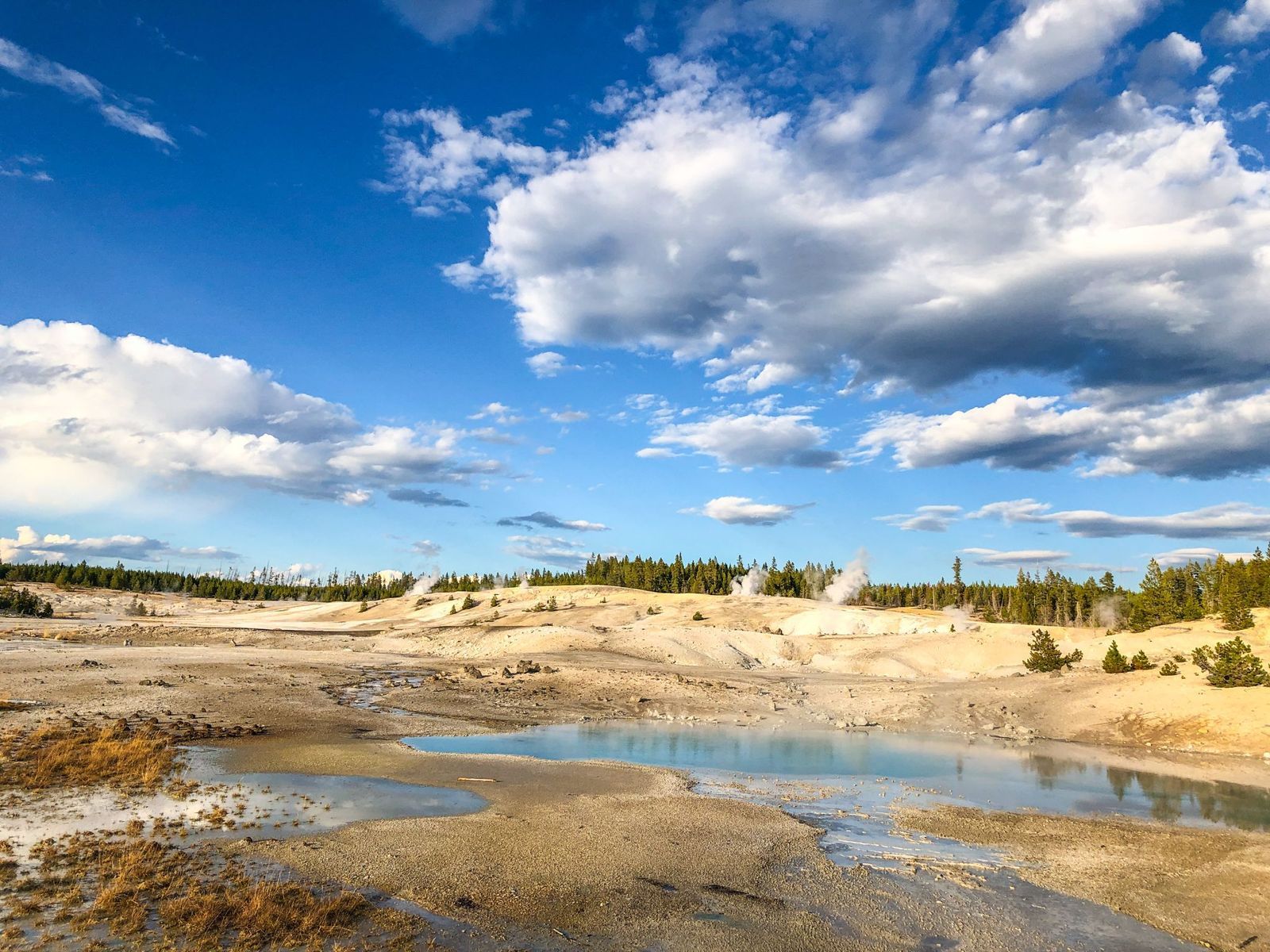
Yellowstone’s geyser basins are one of America’s classic family road trip stops, with wooden boardwalks guiding visitors safely past bubbling pools. Step off those boardwalks in the Norris area, though, and you’re gambling with your life.
Beneath the thin, colorful crust lie pockets of boiling, acidic water under enormous pressure, and the ground itself can be little more than a mineral shell over a scalding void. Park rangers have documented severe injuries and even deaths among visitors who wandered past the ropes chasing a better photo. Because the terrain shifts constantly as new vents open, federal law bars anyone without a research permit from the backcountry thermal zones, no matter how sturdy the ground looks.
The sub-basement bathrooms and tunnels of the U.S. Capitol – Washington, D.C.
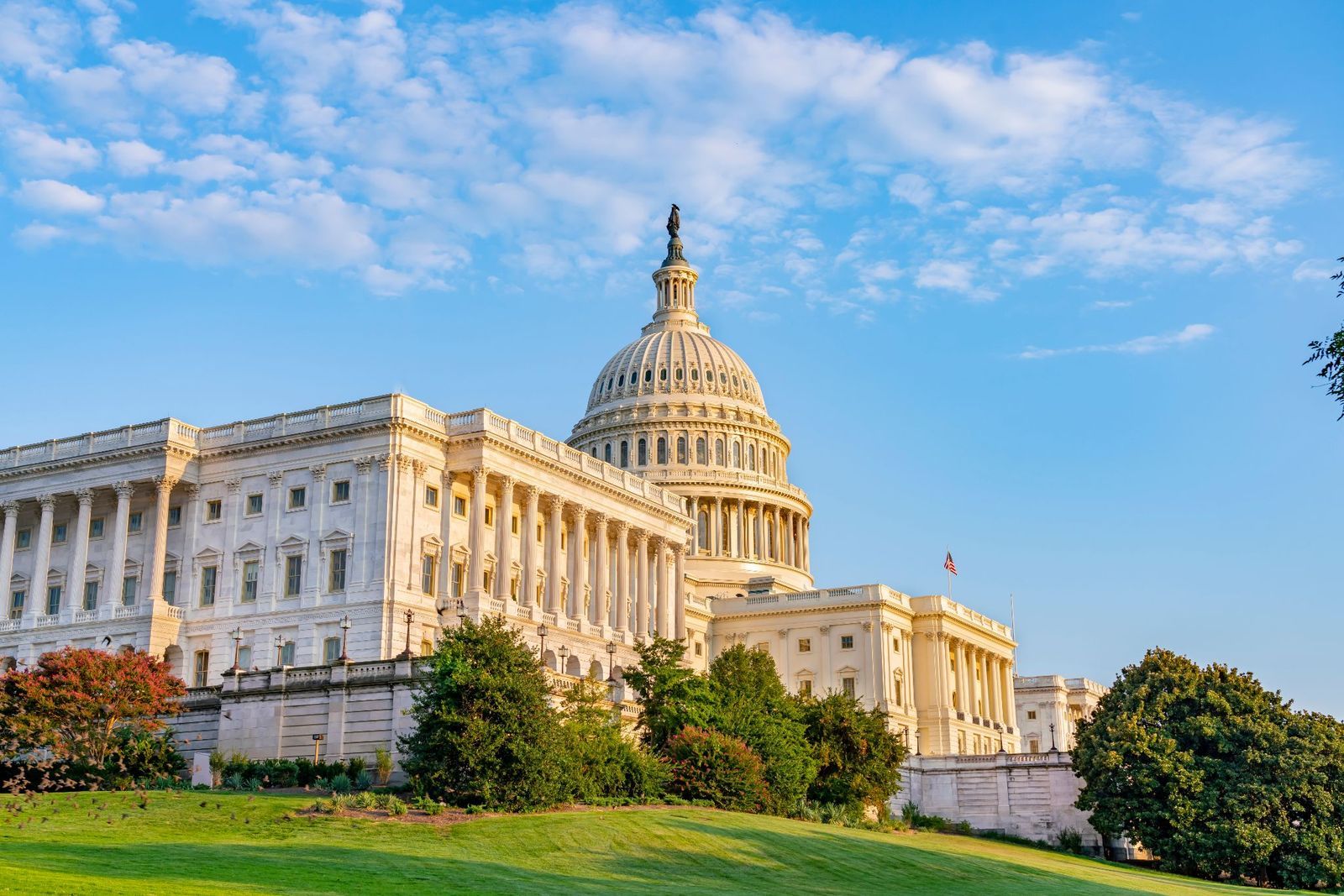
Tourists going through the U.S. Capitol usually stop at the Crypt, the Rotunda and National Statuary Hall, admiring architecture that dates back to the early 1800s. Few realize the building's real transportation hub sits far below street level.
A private subway system still shuttles members of Congress between the Capitol and their office buildings, running through sub-basement tunnels that also once held elegant 19th-century marble bathing rooms for lawmakers. Both the historic baths and the working subway tunnels are reserved for members of Congress, law enforcement, and credentialed staff, especially when the House or Senate is in session. For everyone else, the only way through the Capitol is the very public route upstairs.
This Northern Irish city has resisted a name change for 400 years
 History
Evolving identities
Did you know the original names of these famous cities?
Names are a big part of identity, which is why some people decide to adopt a new name after overcoming a challenging time or to begin a new chapter in their lives. This is also true for places whose names can change to reflect historical events, new influences, or even to reclaim an original identity. Here are 10 famous cities that went through a name change.
New York City, USA
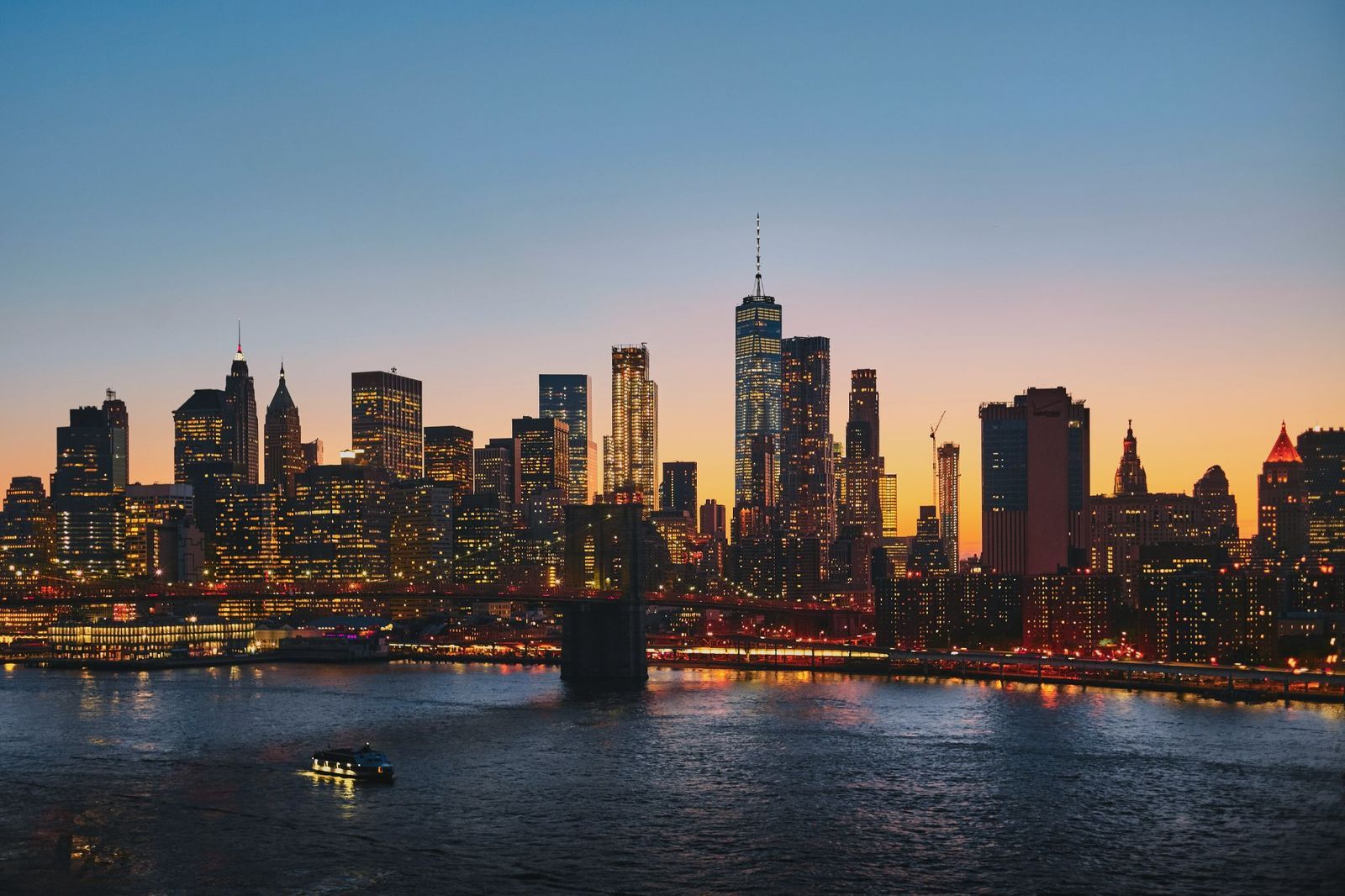
The most famous city in America was always ‘New’, but not always ‘New York’. Established in 1624 as the seat of the Dutch New Netherland Colony, it was built around Fort Amsterdam and called New Amsterdam. In 1664, British forces under the command of the Duke of York seized the New Netherland territory, which was renamed the Province of New York, with New Amsterdam renamed as New York City.
Mumbai, India
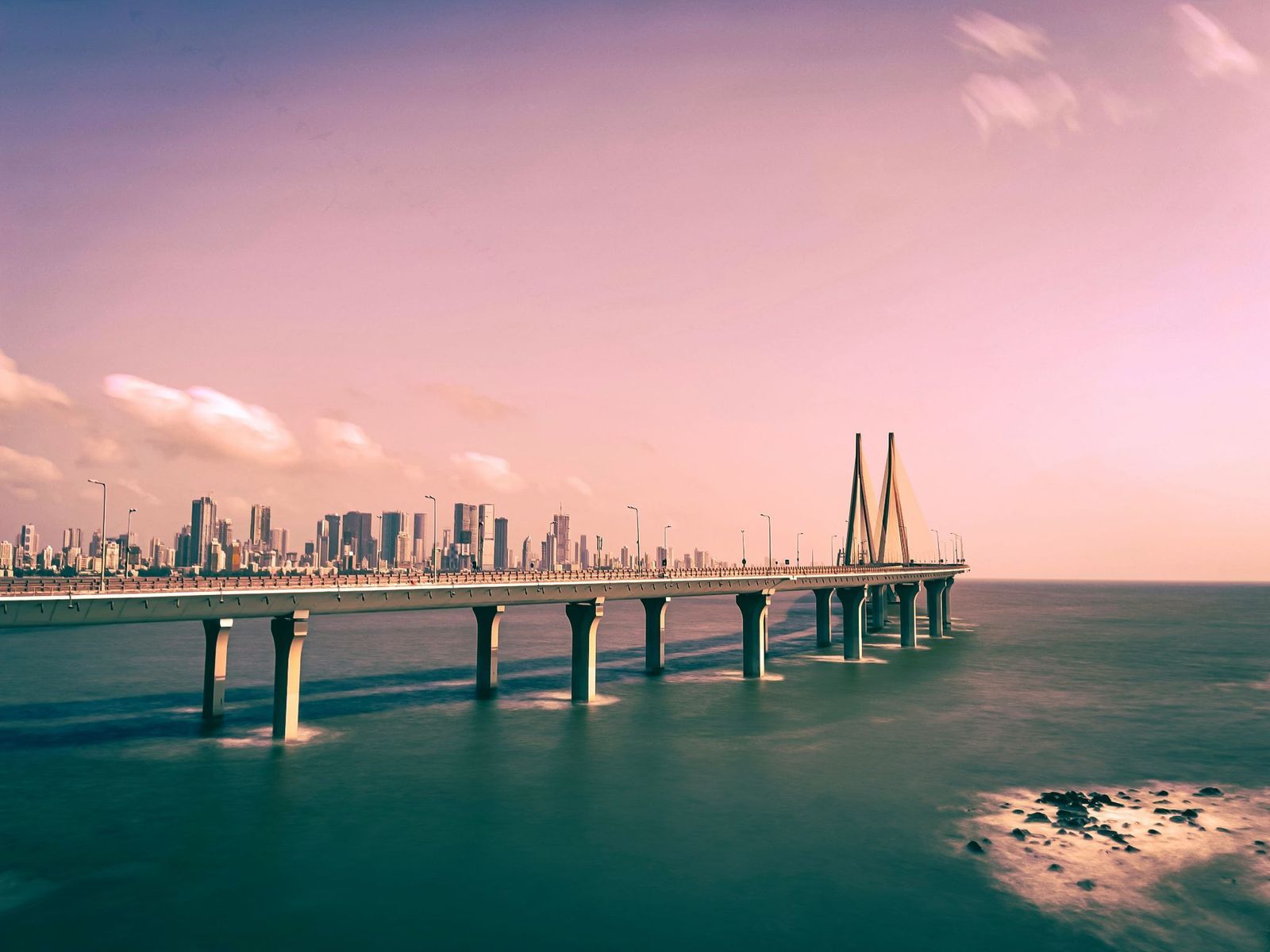
The renaming of Bombay as Mumbai in 1995 was not a mere fancy, but a return to the city’s origins. Before European colonial rule, the inhabitants of the seven islands that make up the city worshipped their patron deity Mumba Ai or Mother Mumba, and the place was known to locals and foreigners as Mumbai. After the territory was ceded to the Portuguese Empire, it was renamed Bom Bahia (‘Good Bay’), later anglicized as Bombay under British rule. Though some still call it Bombay, the name remains a source of controversy.
San Francisco, USA
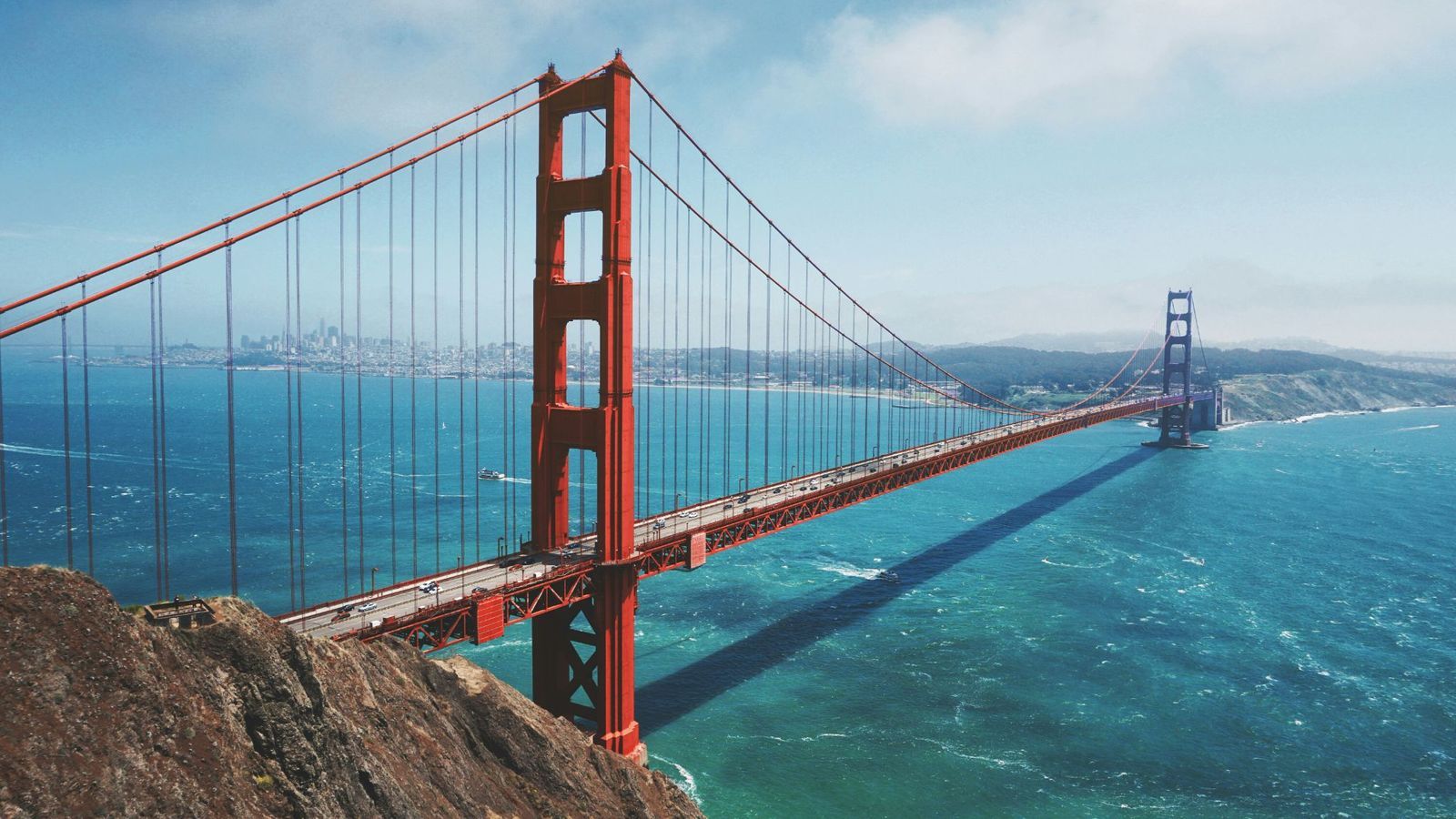
Though the name ‘San Francisco’ is older than the city itself, it is not the original name. The current San Francisco was settled in 1834 under the name Yerba Buena, after a mint herb abundant in the region. The name ‘San Francisco’ was already in use for a prison and a Catholic mission since 1776, and the neighboring bay had been named after it. When California became an American territory, the name was changed from Yerba Buena to San Francisco to unify the names of the city and the bay.
(London)Derry, Northern Ireland
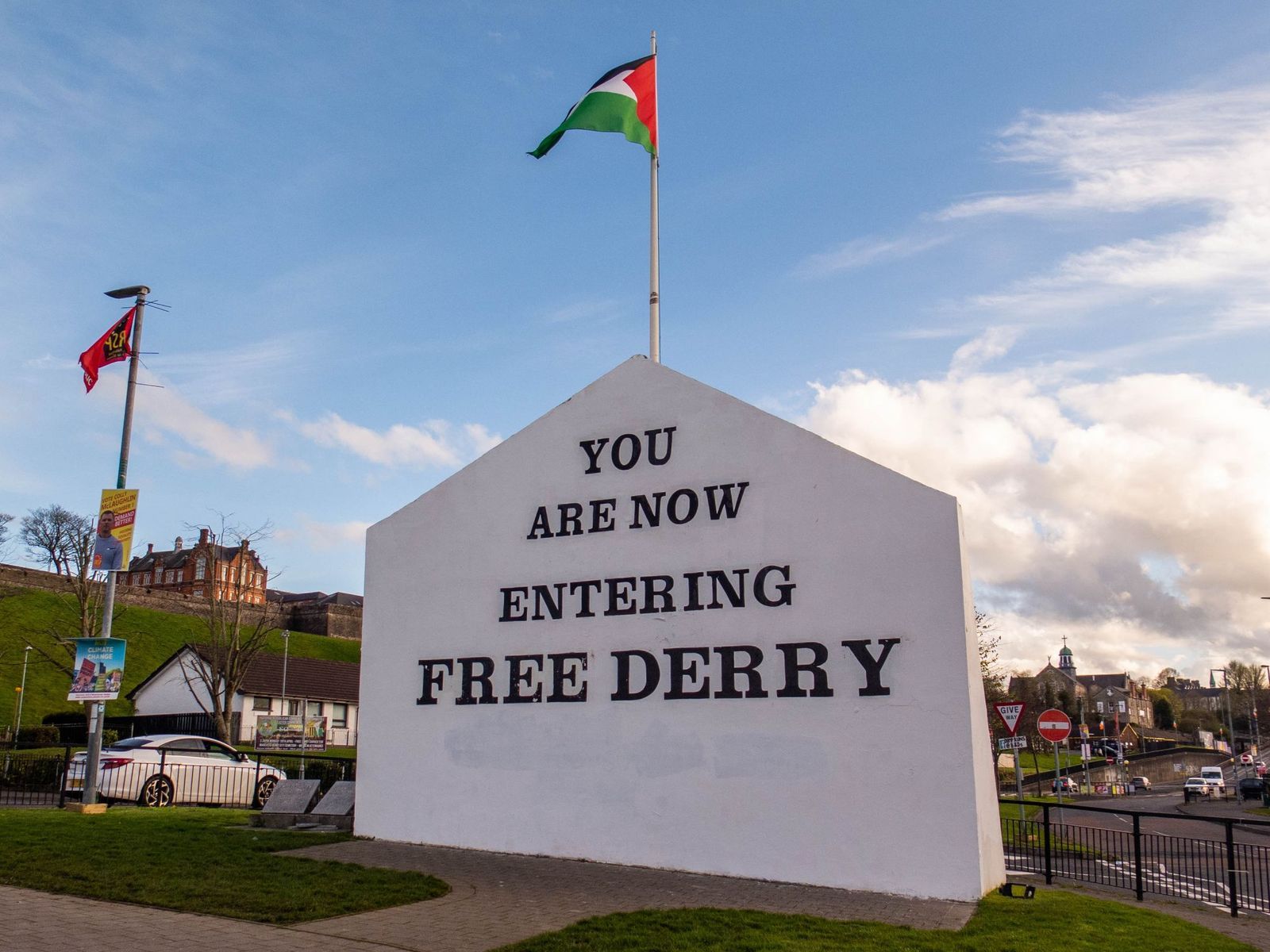
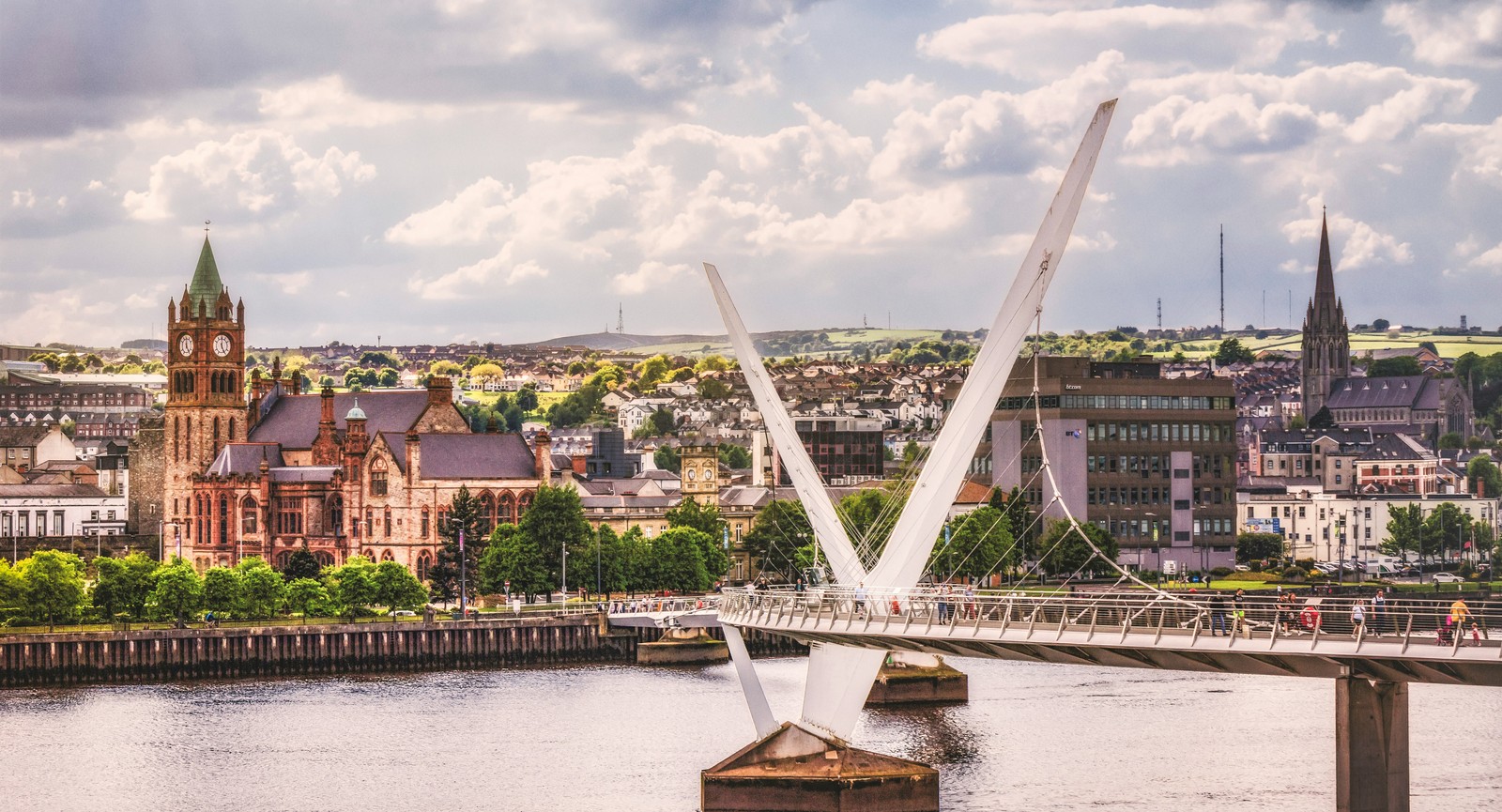
One might think that the change from Derry to Londonderry is recent, given that many locals refuse to accept it, but this Northern Irish city has been officially called Londonderry since 1613. Originally called Daire (‘oak wood’) in Irish, it was anglicised as Derry, and renamed Londonderry after many wealthy Londoners moved to the area in the 17th century in an effort to increase Protestant influence. More than four centuries later, choosing to call the city Derry or Londonderry remains a political declaration.
Ho Chi Minh City, Vietnam
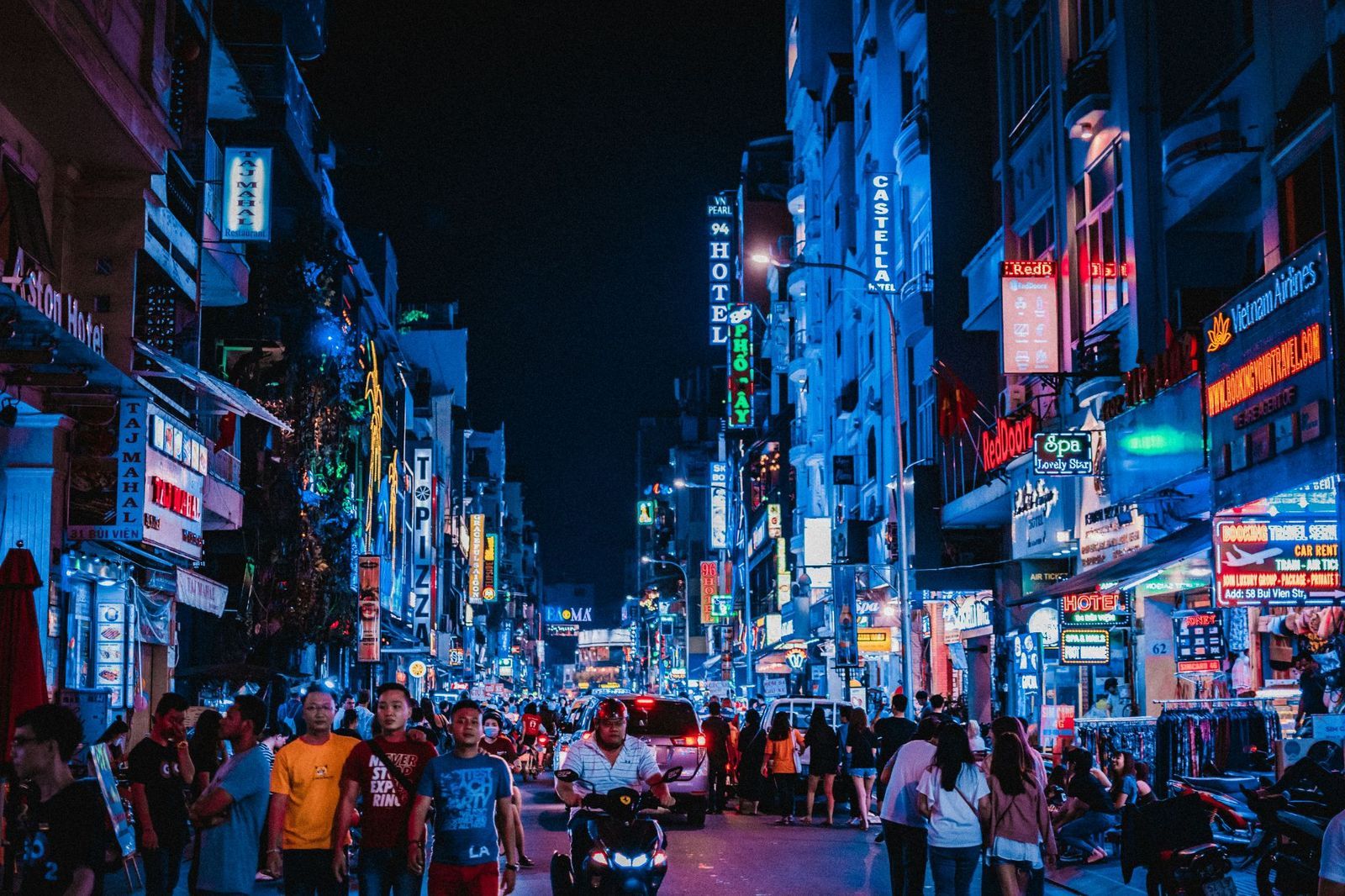
Ho Chi Minh is one of the wealthiest and largest cities in Vietnam, but many might still refer to it as Saigon. Originally named Krŭng Prey Nôkôr (‘Forest Kingdom City’) in the Khmer language, it was renamed Saigon during French colonial rule. The capital of South Vietnam during the Vietnam War was renamed Ho Chi Minh City after the reunification in honor of North Vietnamese leader Ho Chi Minh, though locals typically use Saigon for the city center and Ho Chi Minh for the metropolitan area.
Istanbul, Turkey
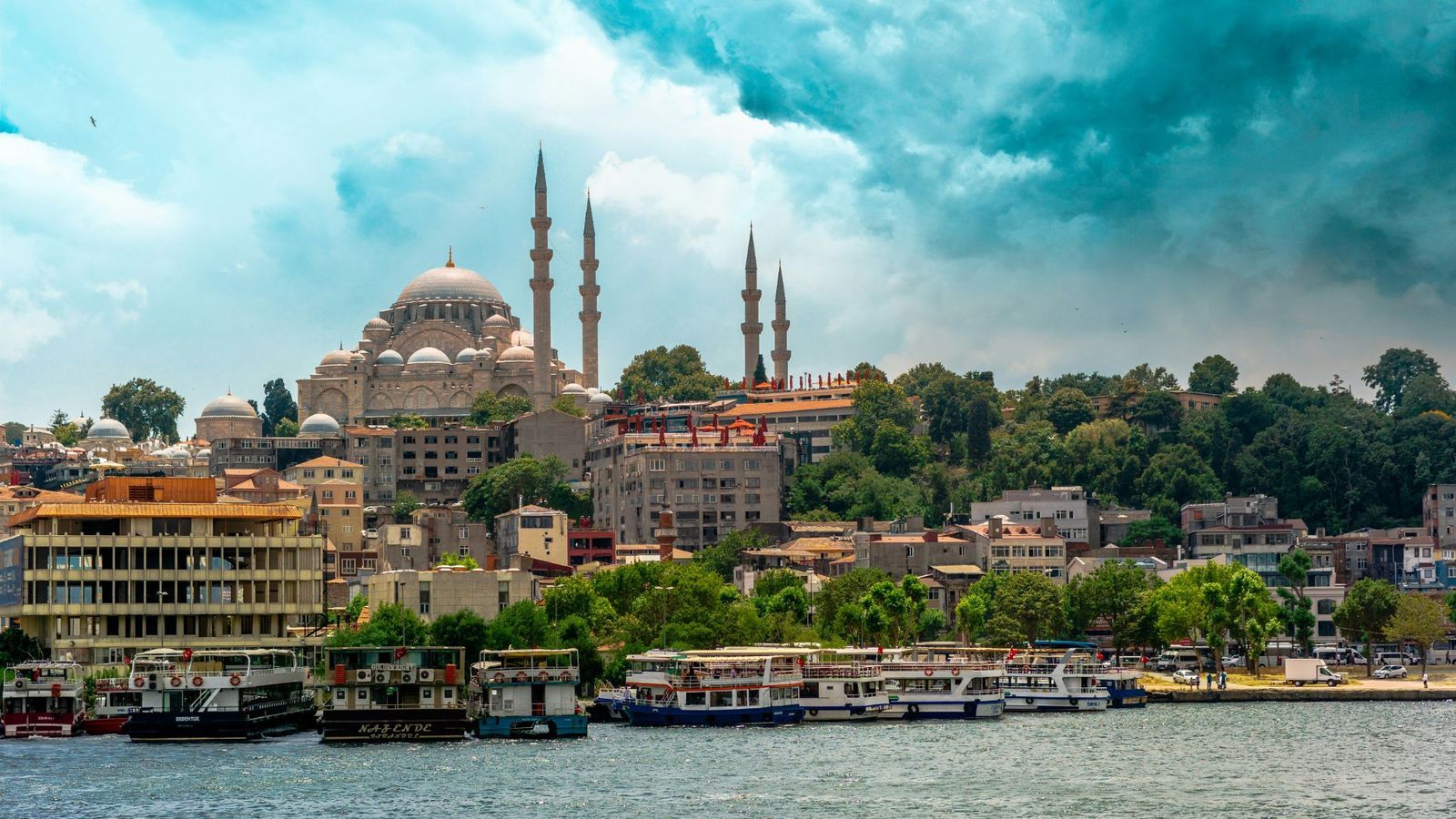
A bustling tourist destination in modern-day Turkey, Istanbul boasts a rich and complicated history, and its names are proof of it. First known as Byzantium, it was refounded as Constantinople in 324 CE by Roman emperor Constantine the Great. After the fall of the Eastern Roman Empire, the name Constantinople remained under Ottoman rule. In the early 20th century, Turkish authorities pushed for the use of the popular name Istanbul (derived from the Greek eis ten polin, ‘to the city’) as the official name.
Toronto, Canada
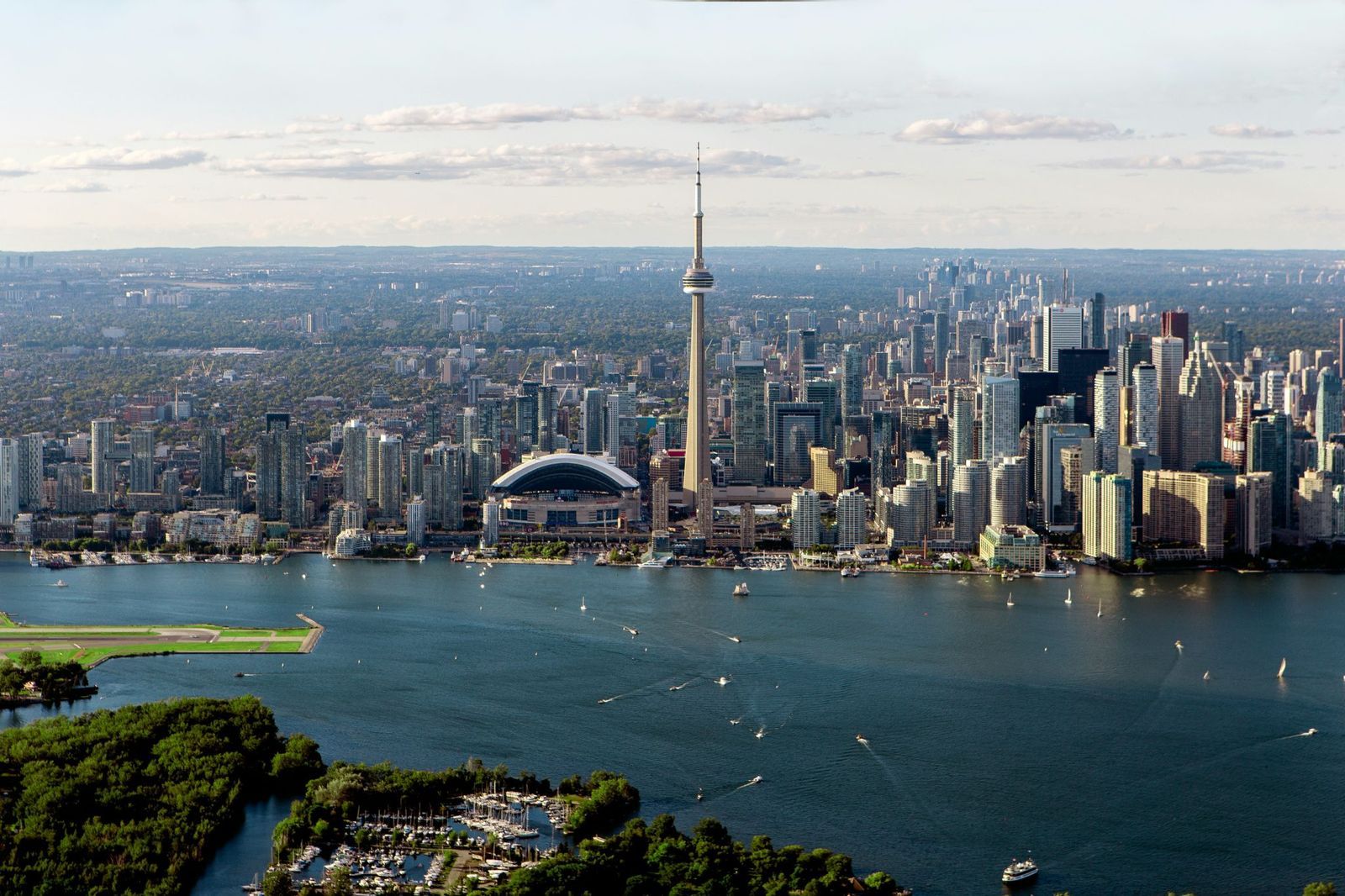
Although the area has been known as Toronto for more than four centuries, the city of Toronto received its name only 200 years ago. Derived from the Mohawk tkaronto, meaning ‘where trees are standing in the water’, it was also the name of the first European fort in the area. The city, however, was founded in 1786 under the name York — nicknamed Little York to avoid confusion with York and New York—and it was not until 1834 that it was renamed Toronto.
St. Petersburg, Russia
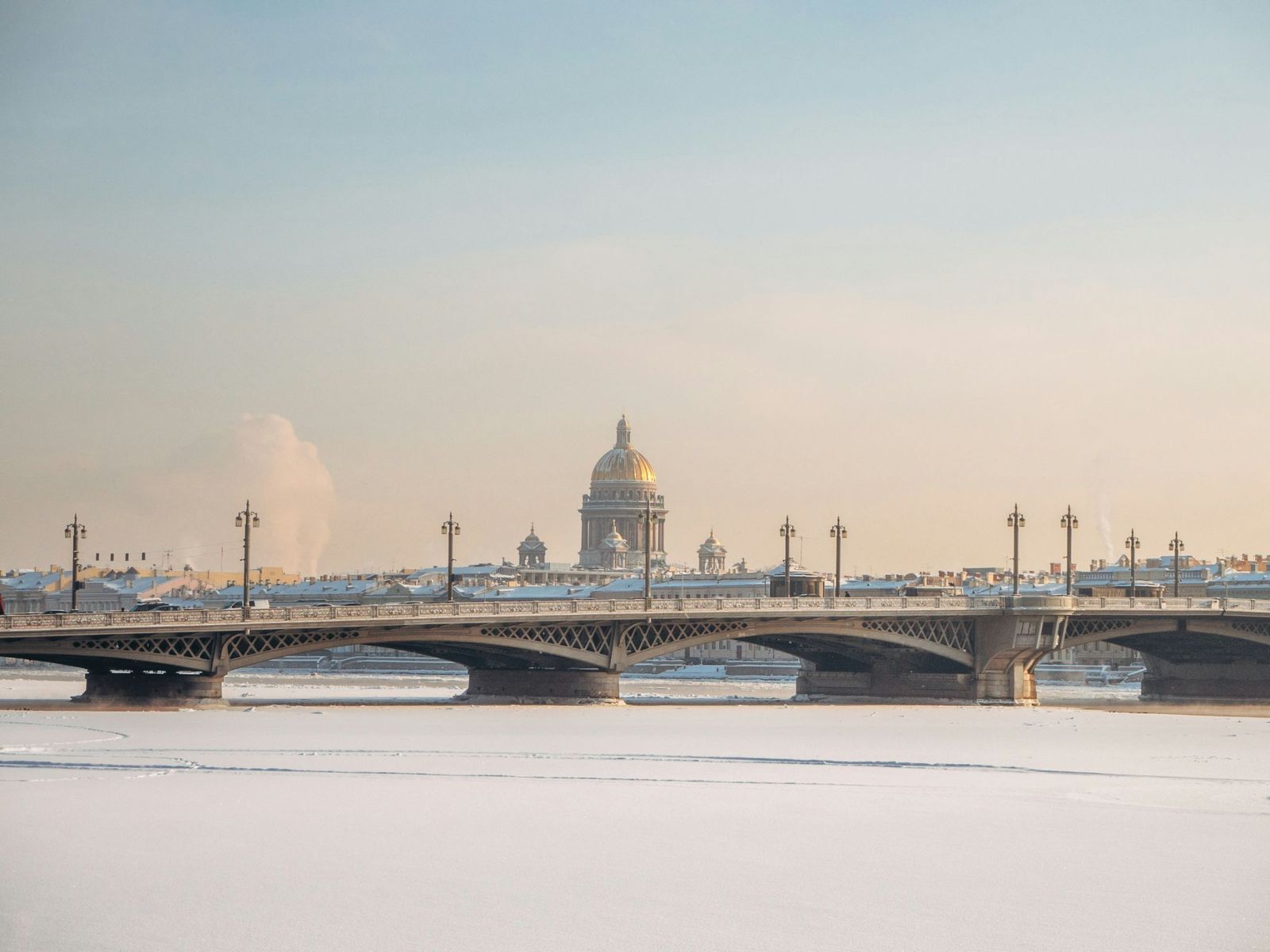
St. Petersburg might have been founded under that name in 1703, but it has been renamed several times since then. Established by Czar Peter the Great and named in honor of the Apostle St. Peter, the ending -burg (meaning ‘city’) is of German origin, influenced by the Prussian origins of Peter the Great. During WWI, the name Petrograd —with the Russian suffix -grad for ‘city’ already used by locals— was officially adopted, but in 1924 was changed to Leningrad in honor of Vladimir Lenin. In 1991, the city held a referendum on restoring the historical name, and more than half of the residents voted in favor of St. Petersburg.
Beijing, China
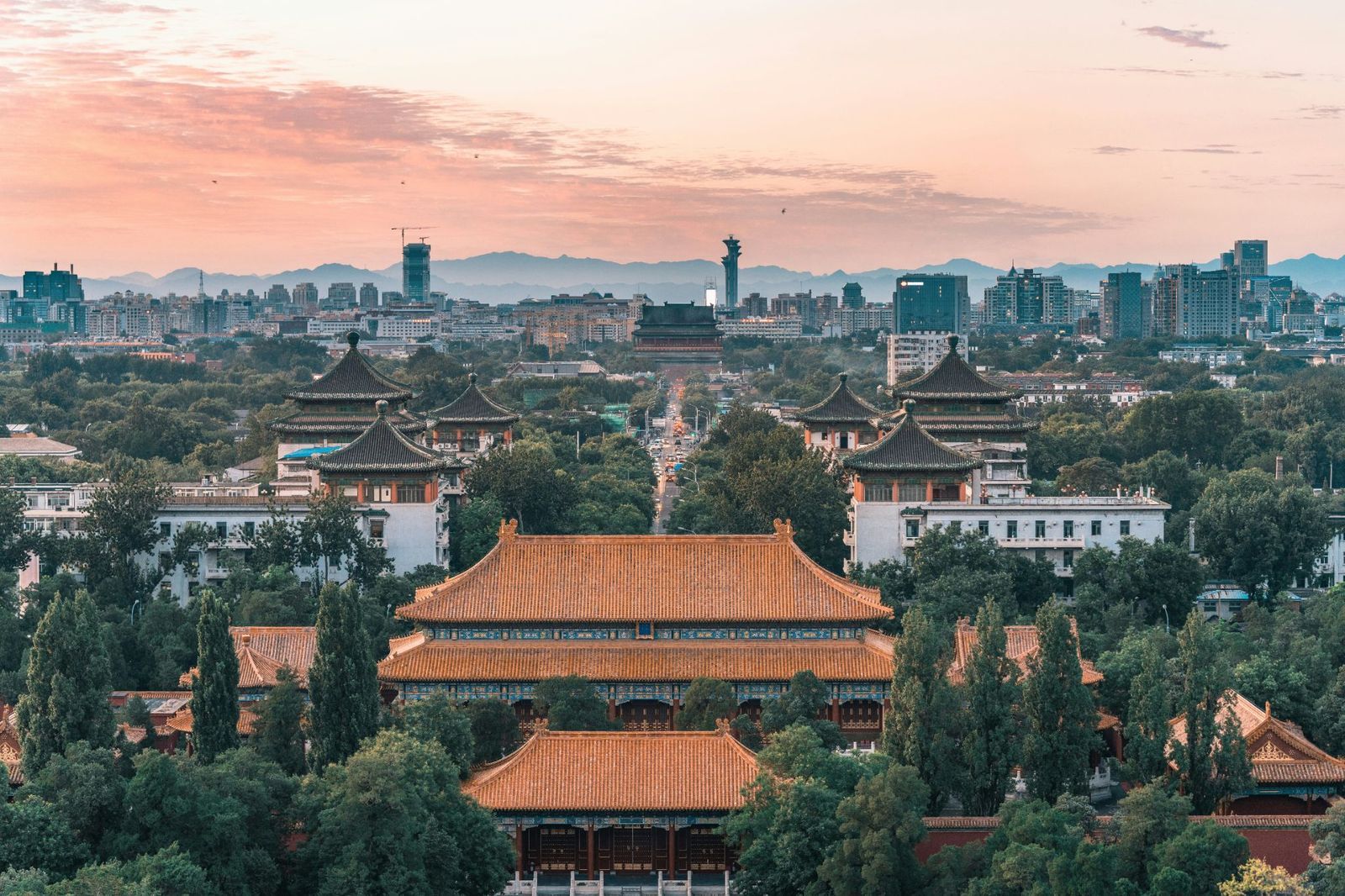
One could argue that the change from Peking to Beijing was not a renaming, but a restoration of the Chinese pronunciation of the name. Although this city has had many names in its more than 3,000 years of history, Beijing, meaning ‘Northern Capital,’ is the most famous and has been used since the 1400s. Why was Peking so popular, then? This romanized form of Beijing was widely used in Western countries, but it didn’t match the Pinyin romanization system adopted by China in 1979. The "new" name has a more accurate phonetic pronunciation, so China has pushed, with great success, for its adoption at an international level.
Oslo, Norway
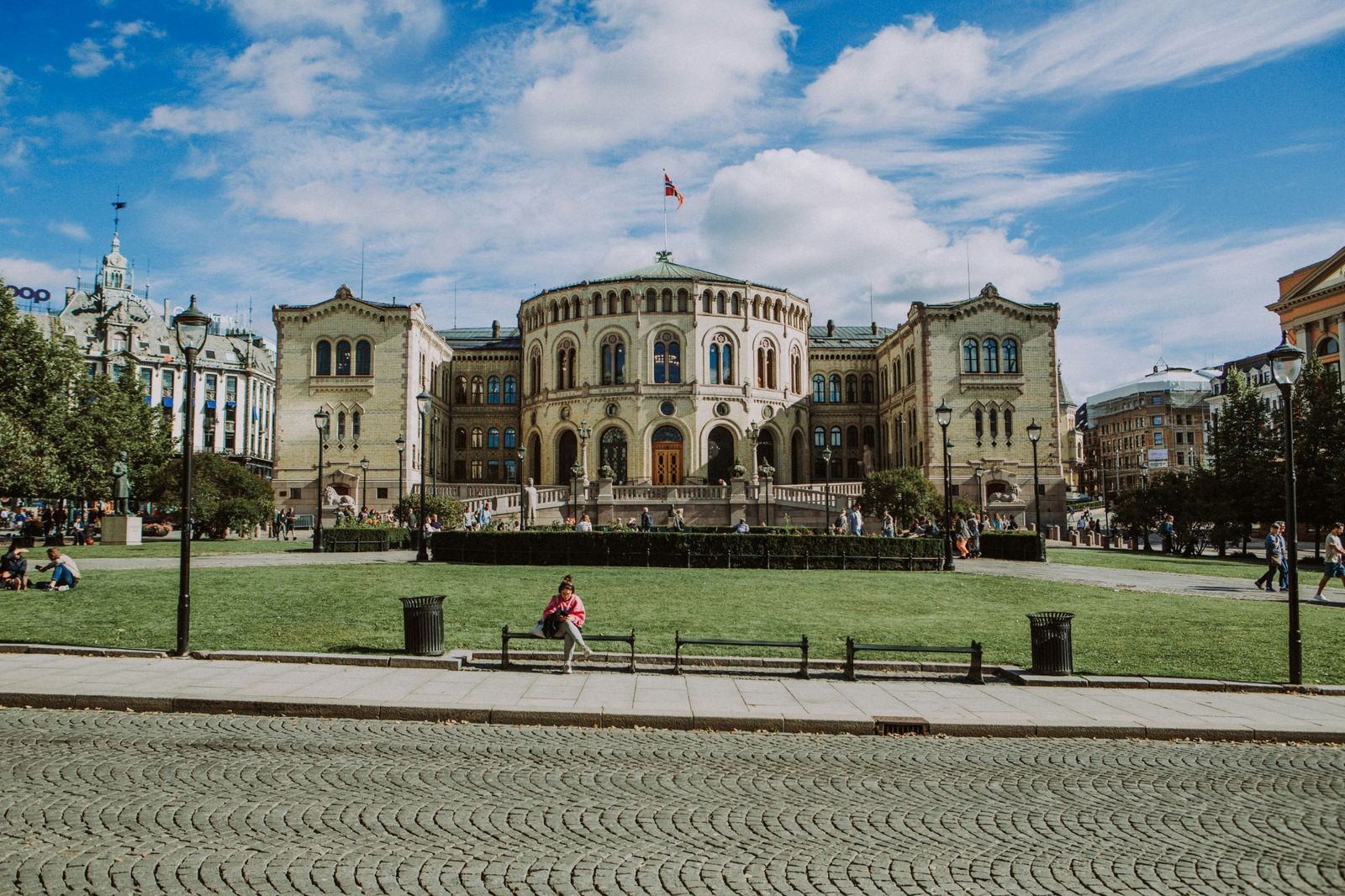
The Norwegian capital is another example of a full-circle name change. Founded as Ánslo or Óslo by the Vikings in 1040, it kept that name even when Norway was united with Denmark in the 16th century. In 1624, however, Oslo was destroyed in a fire, and the newly rebuilt city was renamed Christiania (sometimes spelled Kristiania) after King Christian IV of Norway. Norway separated from Denmark in the early 19th century, but only in 1925 would the capital regain its original name.
Keep wandering
There’s always
more to explore
 General
10 destinations that are nearly impossible to visit
3 min.
Read Now
Mount Rushmore almost had torsos, not just faces
4 min.
Read Now

Hotel staff can tell these 10 things about you almost immediately
6 min.
Read Now
Did the three men who escaped Alcatraz in 1962 actually survive?
7 min.
Read Now