Mount Rushmore almost had torsos, not just faces
 Landmarks
Secret landmark history
Mount Rushmore almost had torsos, not just faces
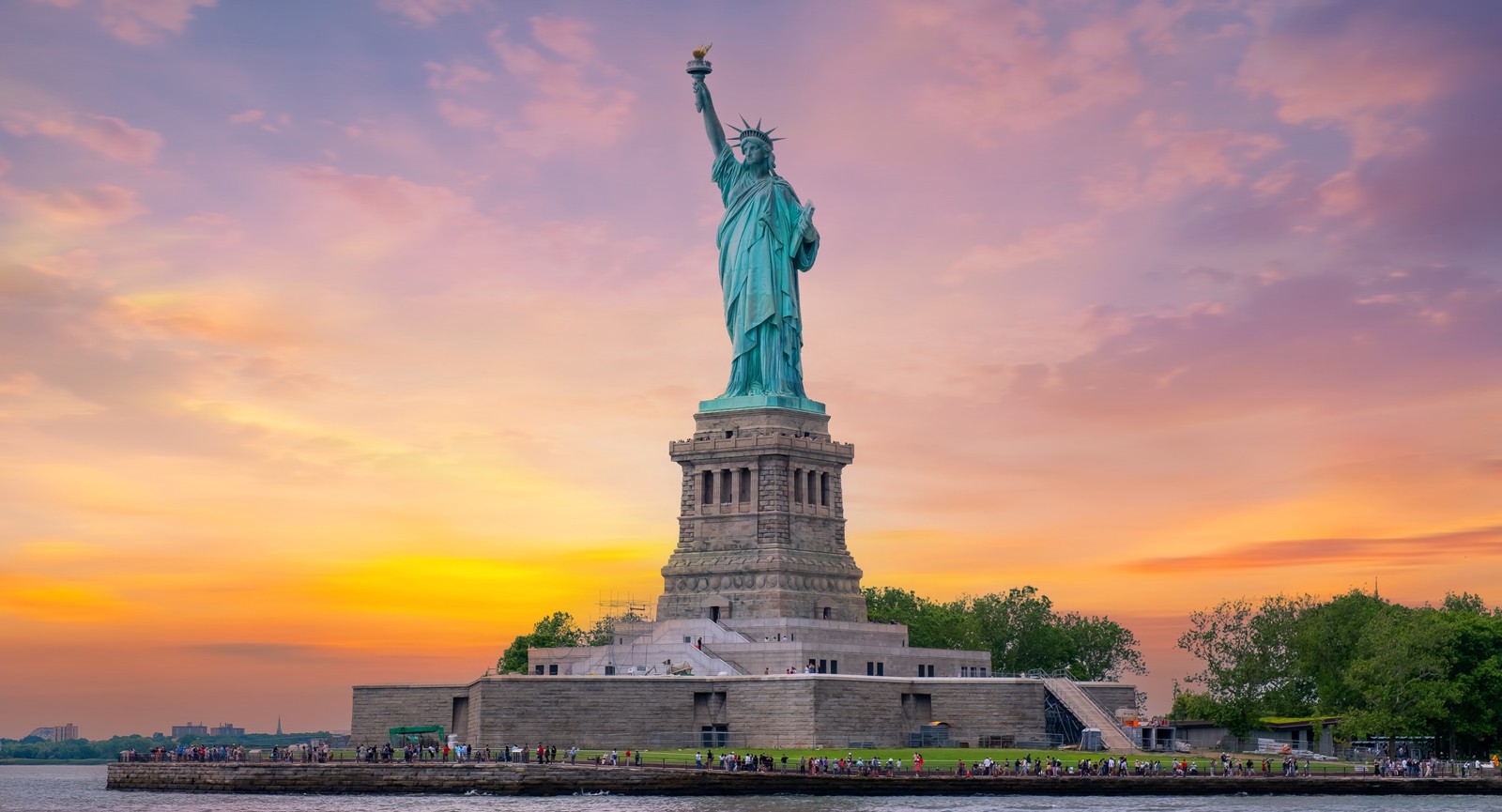
The Statue of Liberty? Mount Rushmore? Everybody's seen the postcards, and many have seen them IRL. But knowing what a landmark looks like isn't the same as knowing its story. For instance, Lady Liberty wasn't always green; she started out a shiny copper-brown before the elements got to her. And those Mount Rushmore faces? They were originally supposed to come with full torsos. Turns out there's a lot more to America’s most iconic landmarks, and the real stories behind them are pretty entertaining. Let's dig in.
The Statue of Liberty (New York Harbor)
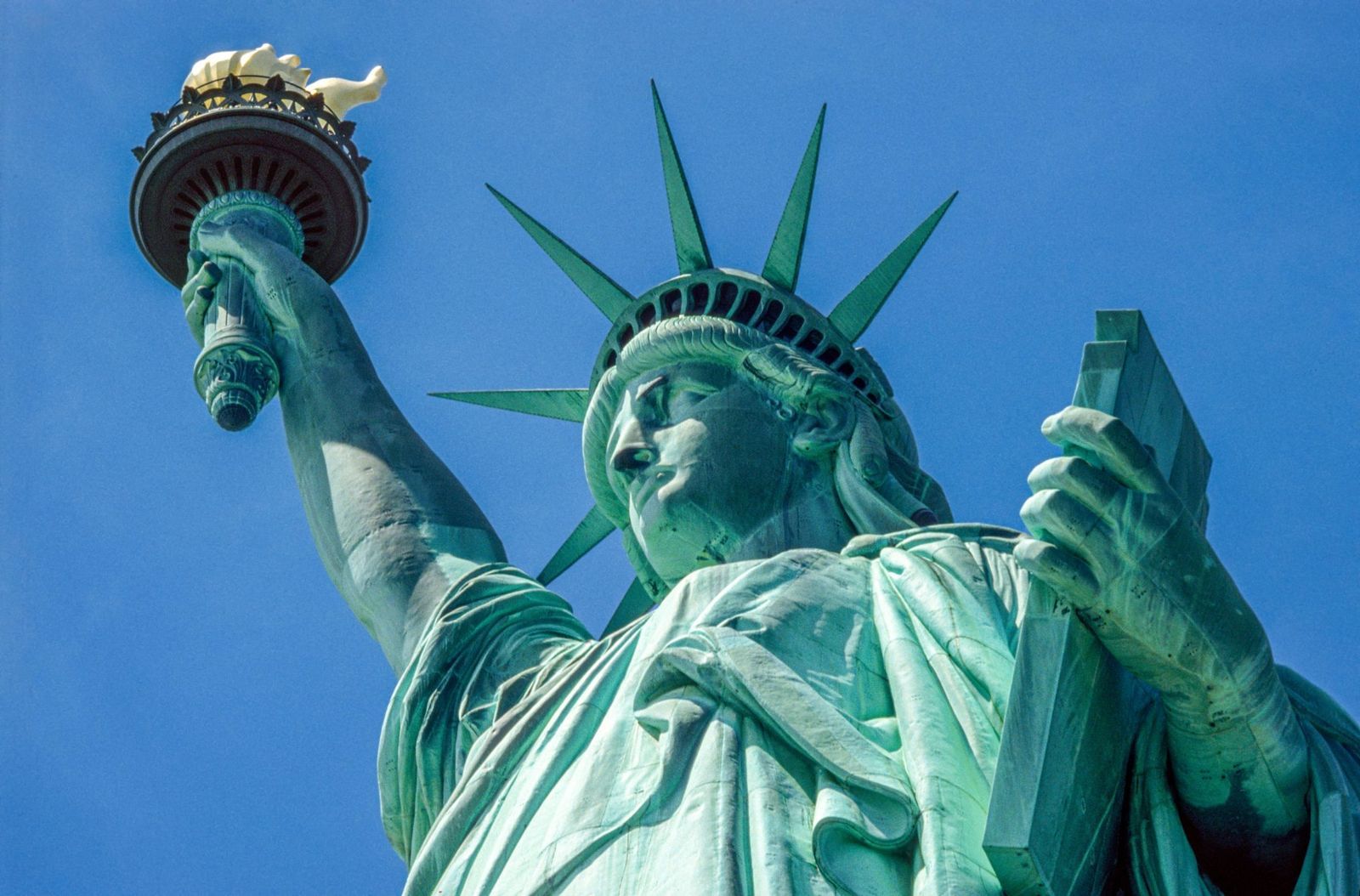
If you've ever visited Liberty Island, you saw a lady in green, but that wasn't always her look. When she arrived from France in 1886, she was a shiny, penny-like copper-brown. Over the next 20 years, exposure to air and rain caused a chemical reaction called oxidation, slowly turning her into the green icon we know today.
Mount Rushmore (Keystone, South Dakota)
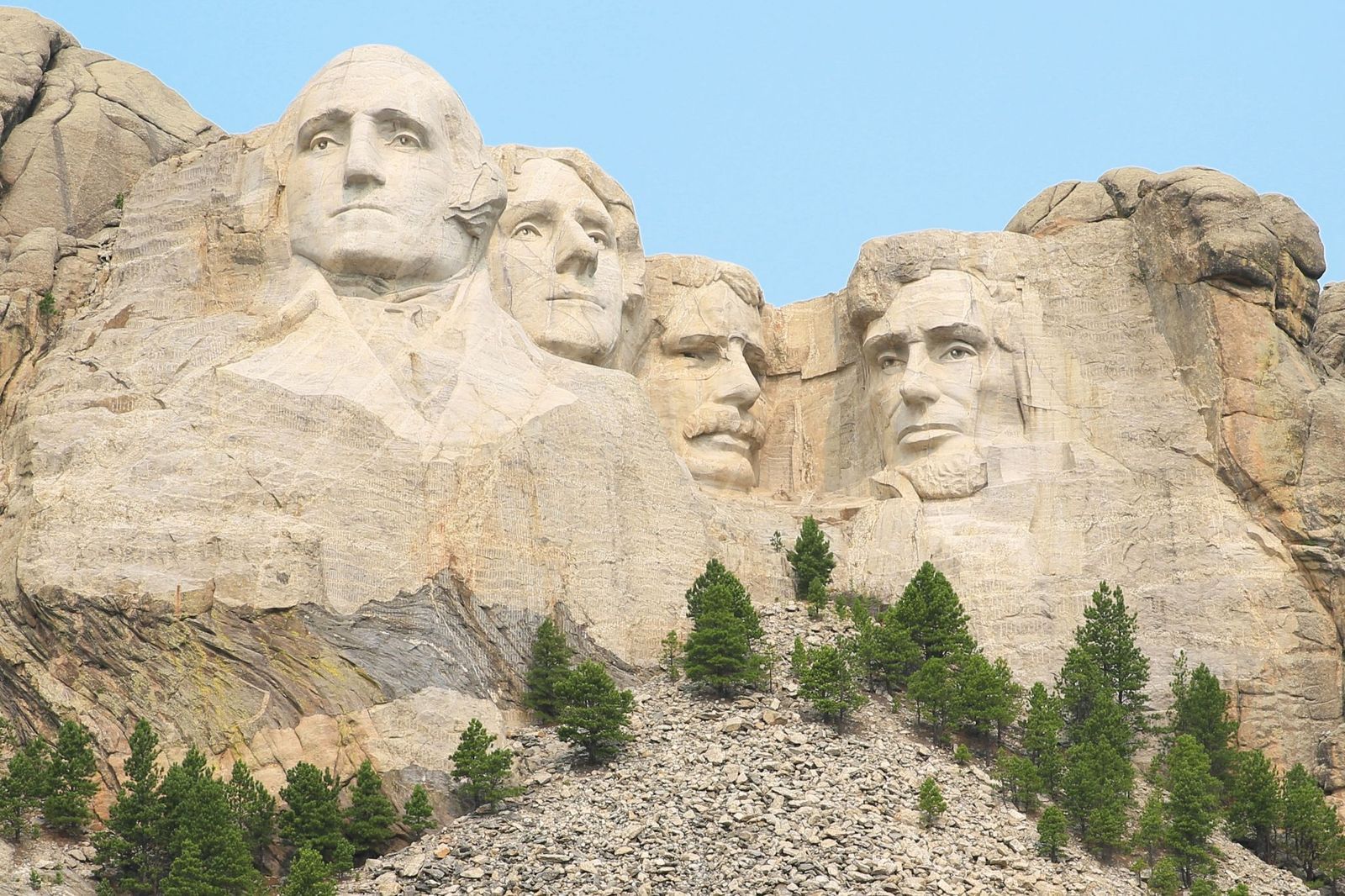
You've seen the four giant faces, but did you know sculptor Gutzon Borglum originally planned to carve the presidents from the waist up? Funding ran out, and World War II diverted resources, so we ended up with heads only. If you've stood at the base looking up, just imagine four enormous stone suits standing there too.
The Golden Gate Bridge (San Francisco)
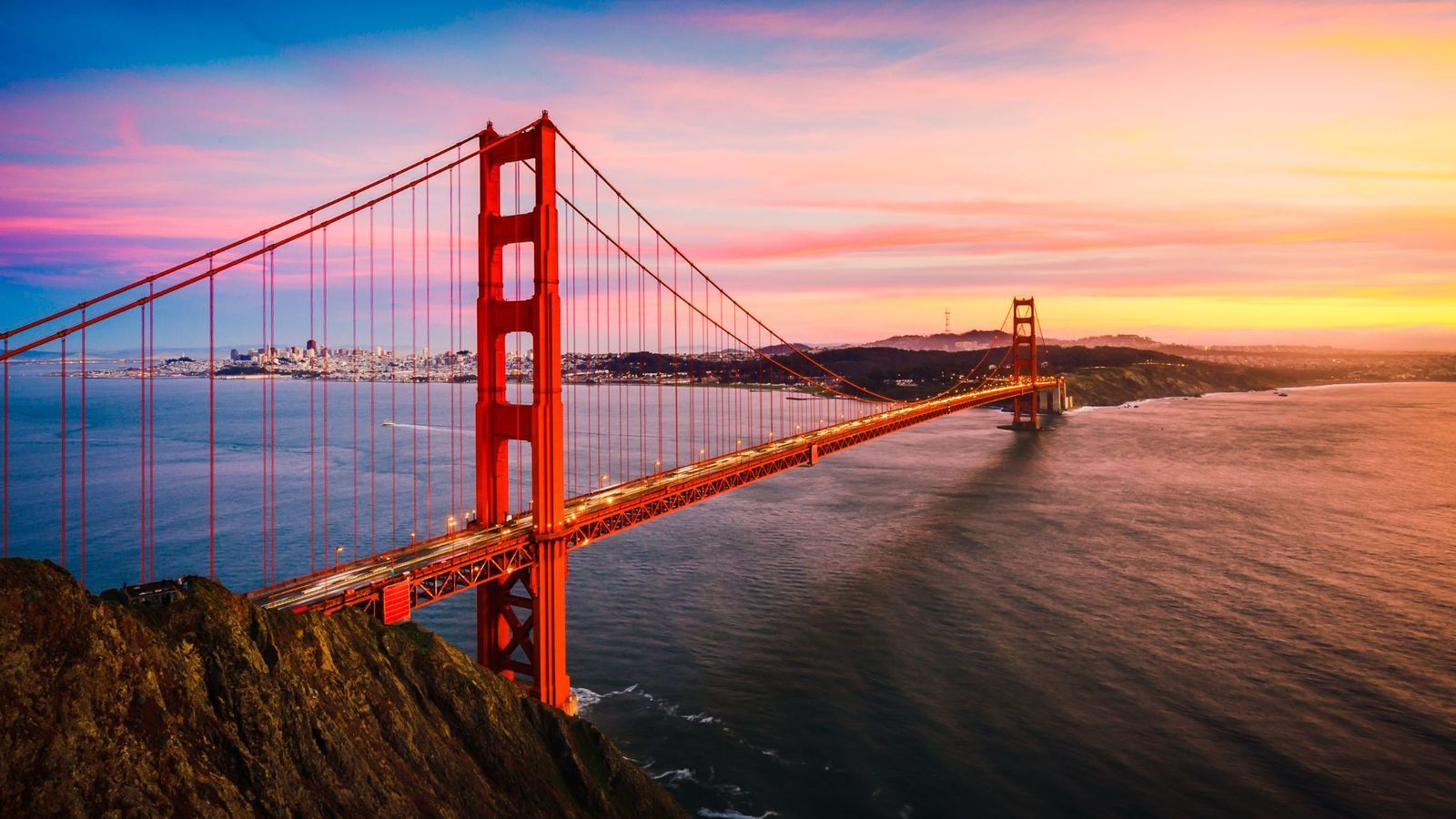
Despite the name, this bridge has never been gold. If you've driven across it, you surely noticed its warm reddish-orange color, which is officially called "International Orange." It was chosen because it stood out beautifully against the fog and the blue bay water, while also being easier to spot for passing ships.
The Washington Monument (Washington, D.C.)
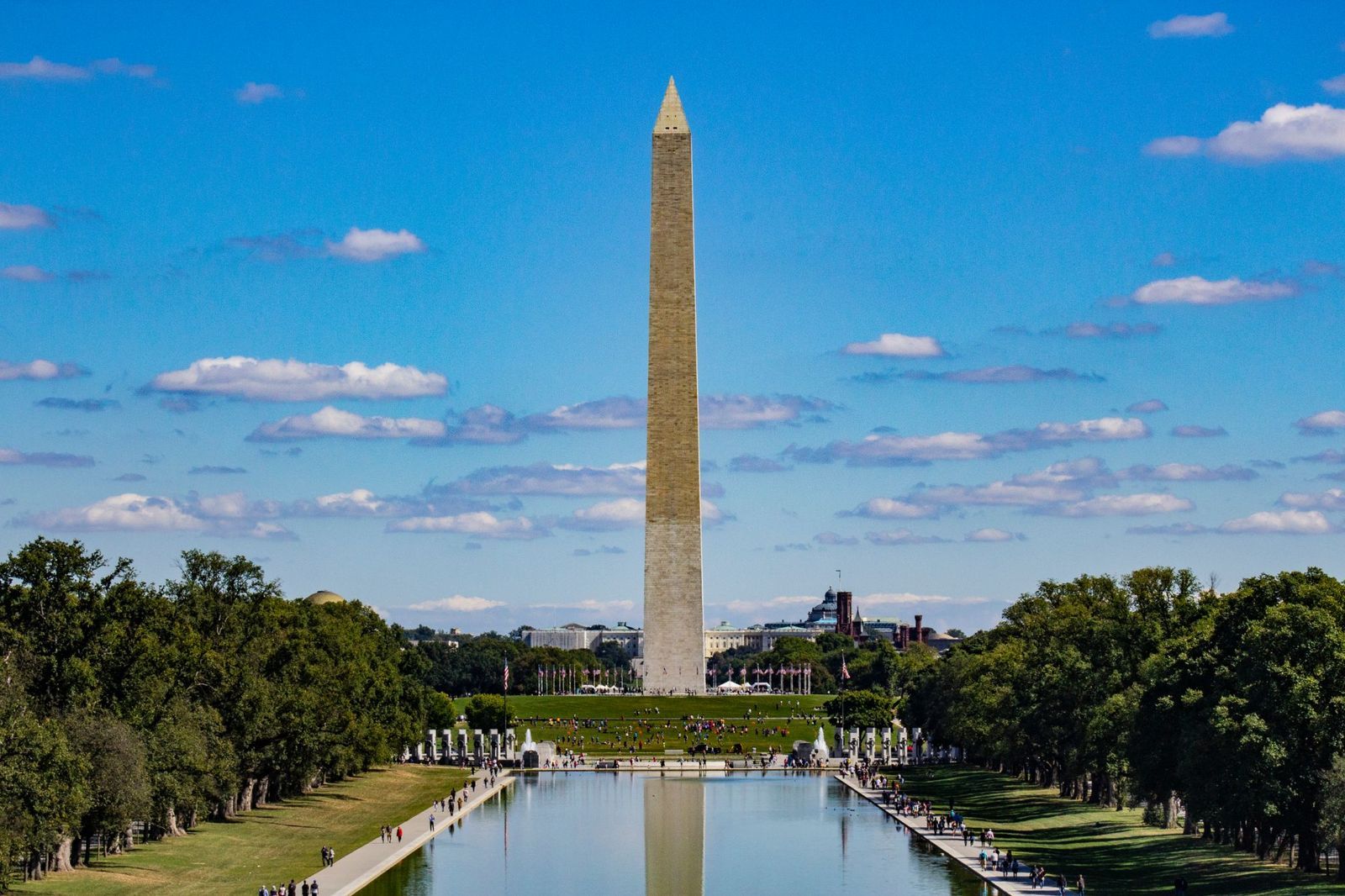
Look closely next time you're there: about 150 feet up, the stone changes shade slightly. Construction stalled for over 20 years due to funding issues and the Civil War. When work resumed, the new marble came from a different quarry and didn't quite match. It's basically a 555-foot reminder that home renovation delays are nothing new.
The Liberty Bell (Philadelphia)
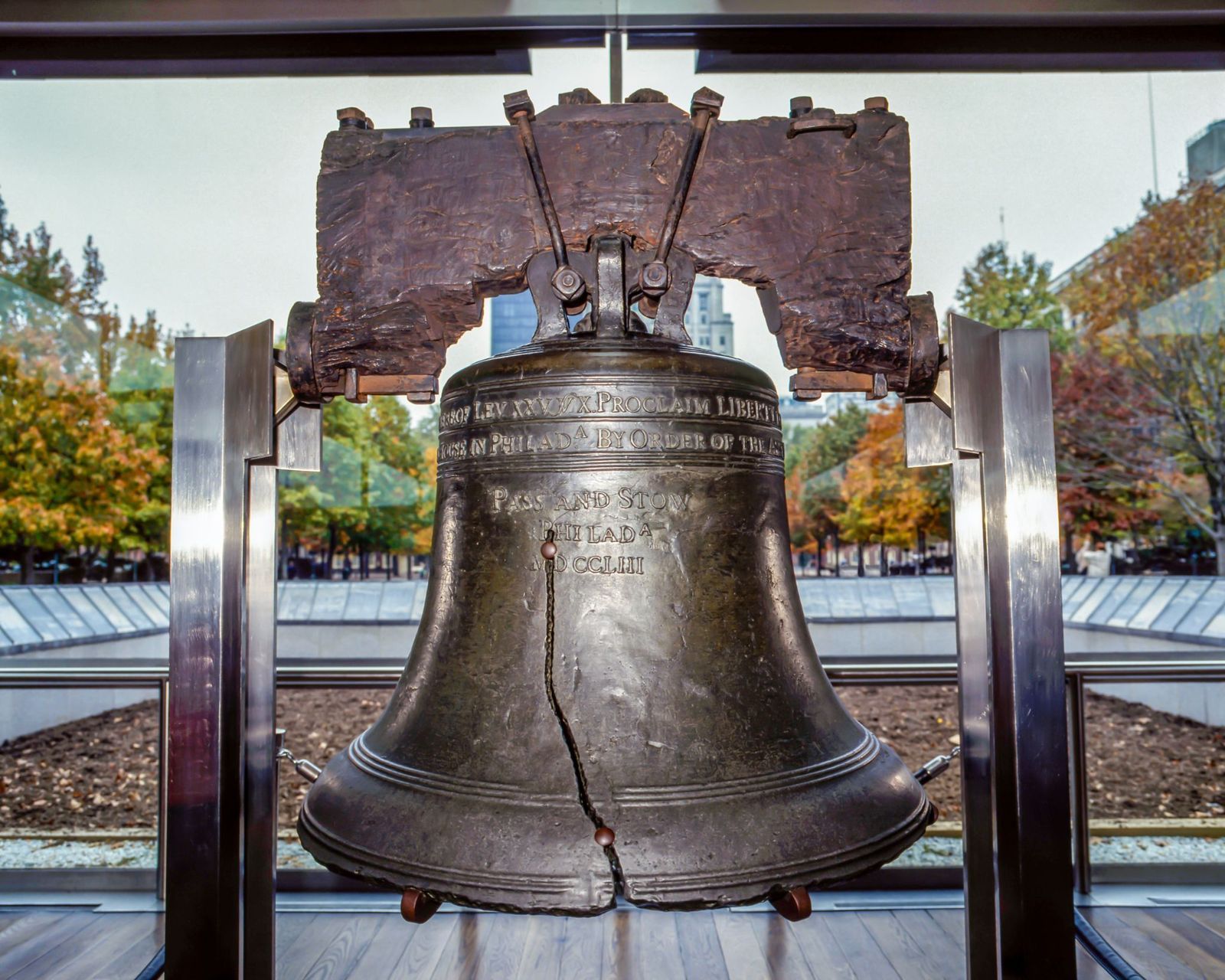
That iconic crack you've seen in every photo? It showed up almost immediately. The bell cracked the very first time it was rung after arriving from England in 1752. It was recast, cracked again in 1835 and 1846, and has never rung properly since. So, technically, America's bell of freedom has been broken for most of its existence.
The Hoover Dam (Nevada/Arizona border)
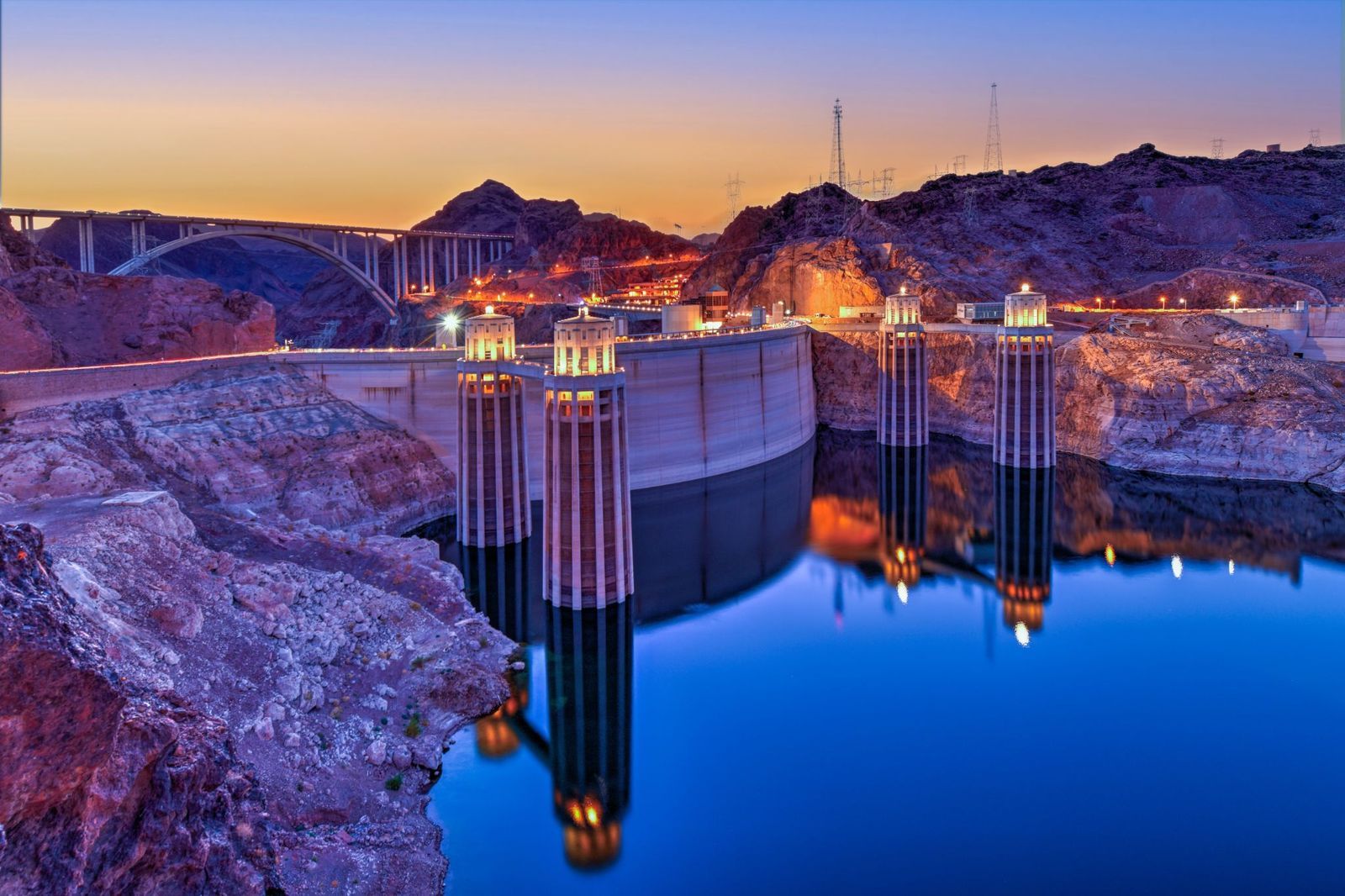
This massive structure required so much concrete that, if poured into a standard two-lane road, it would stretch all the way across the country, coast to coast. If you stood at the top staring down that curved wall, you were looking at roughly 3.25 million cubic yards of concrete, still firming up internally to this day, decades later.
The Lincoln Memorial (Washington, D.C.)
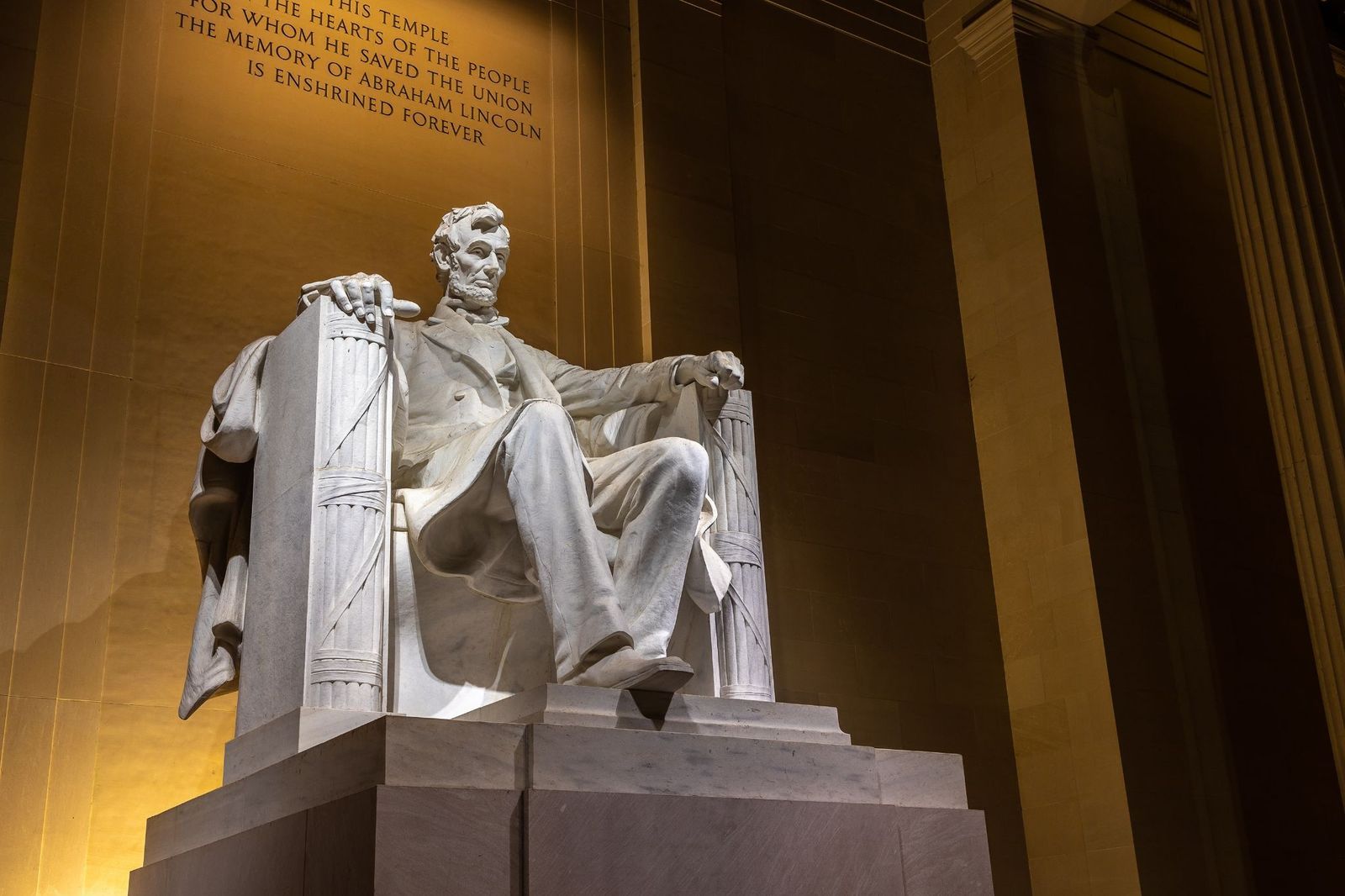
Next time you visit, check the engraved Second Inaugural Address on the north wall. When it was completed in 1922, carver Ernest C. Bairstow mistakenly used an "E" stencil instead of an "F" in the word "FUTURE," engraving it as "EUTURE." The error was later corrected by filling in part of the "E" with stone to reshape it into an "F."
The Gateway Arch (St. Louis)
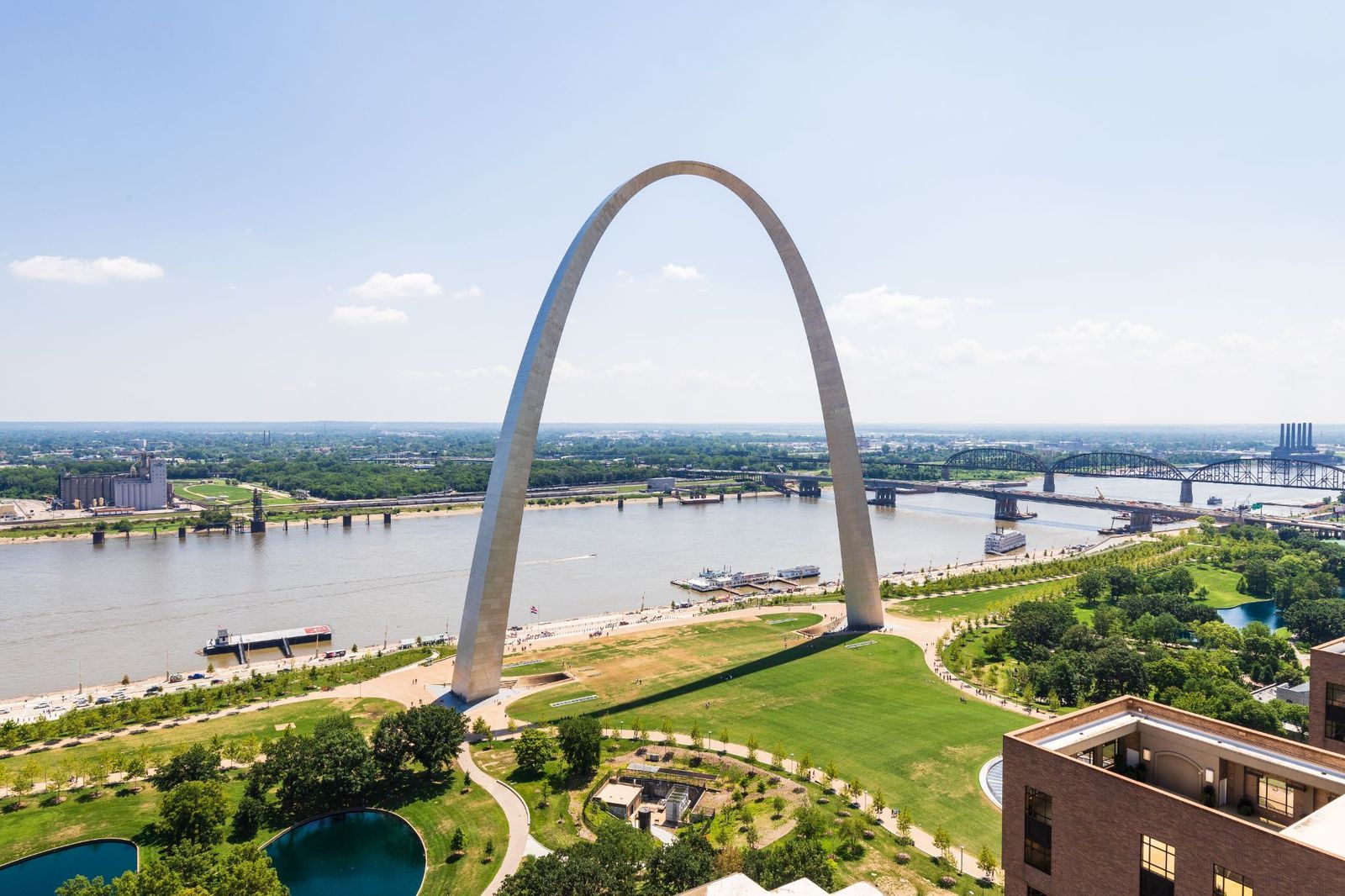
This shiny stainless steel arch isn't just tall; it's exactly as wide as it is tall, at 630 feet each way. If you've stood underneath it, you may have experienced this perfect geometric symmetry, intentionally designed that way by architect Eero Saarinen for visual balance.
Old Faithful (Yellowstone National Park)
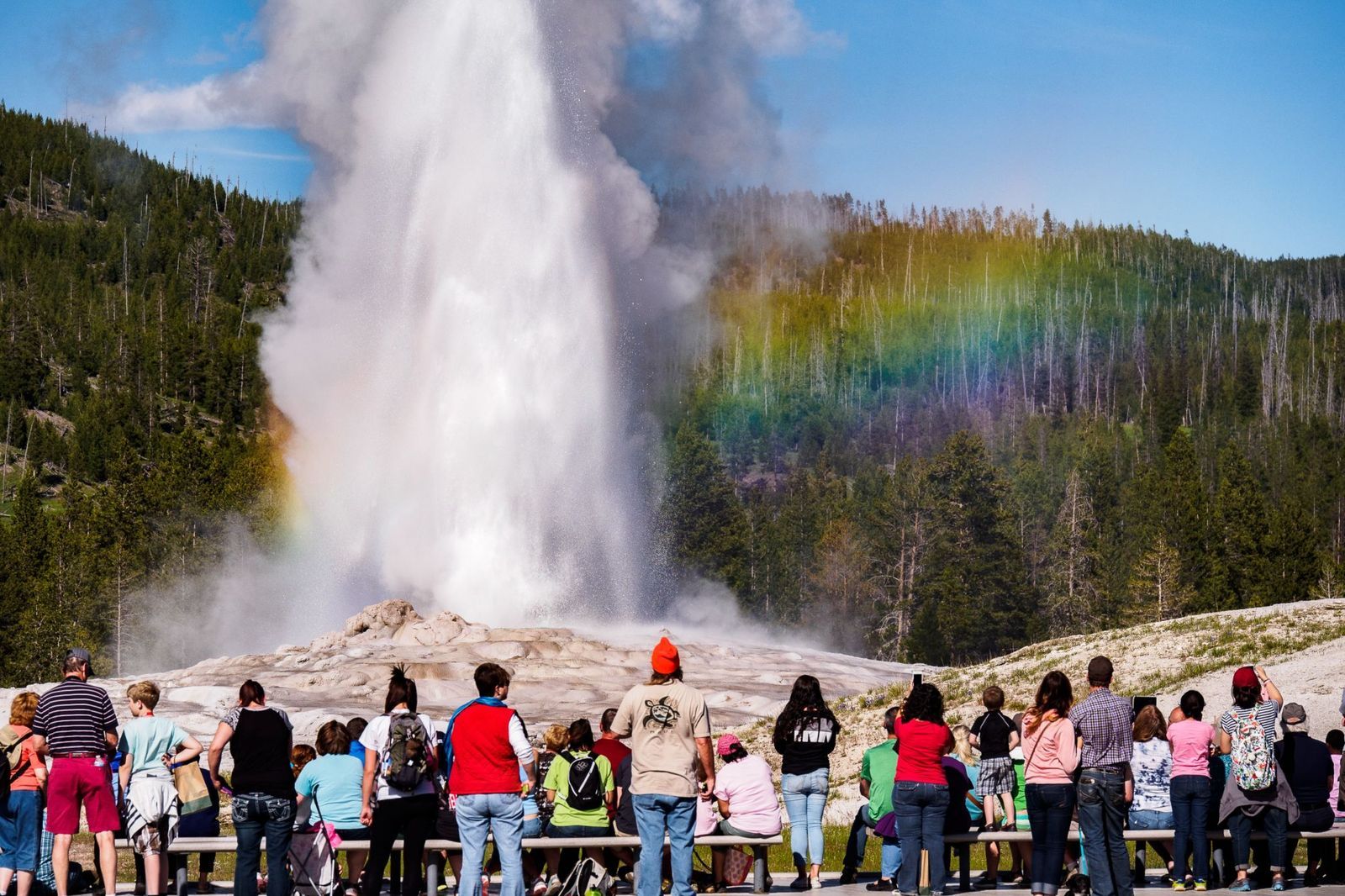
Despite its reliable reputation, Old Faithful doesn't erupt on a perfectly fixed timer. If you've waited around for a show, you may have noticed it can range anywhere from about 60 to 110 minutes between eruptions. Faithful, yes. Punctual like a Swiss watch? Not exactly.
The Hollywood Sign (Los Angeles)
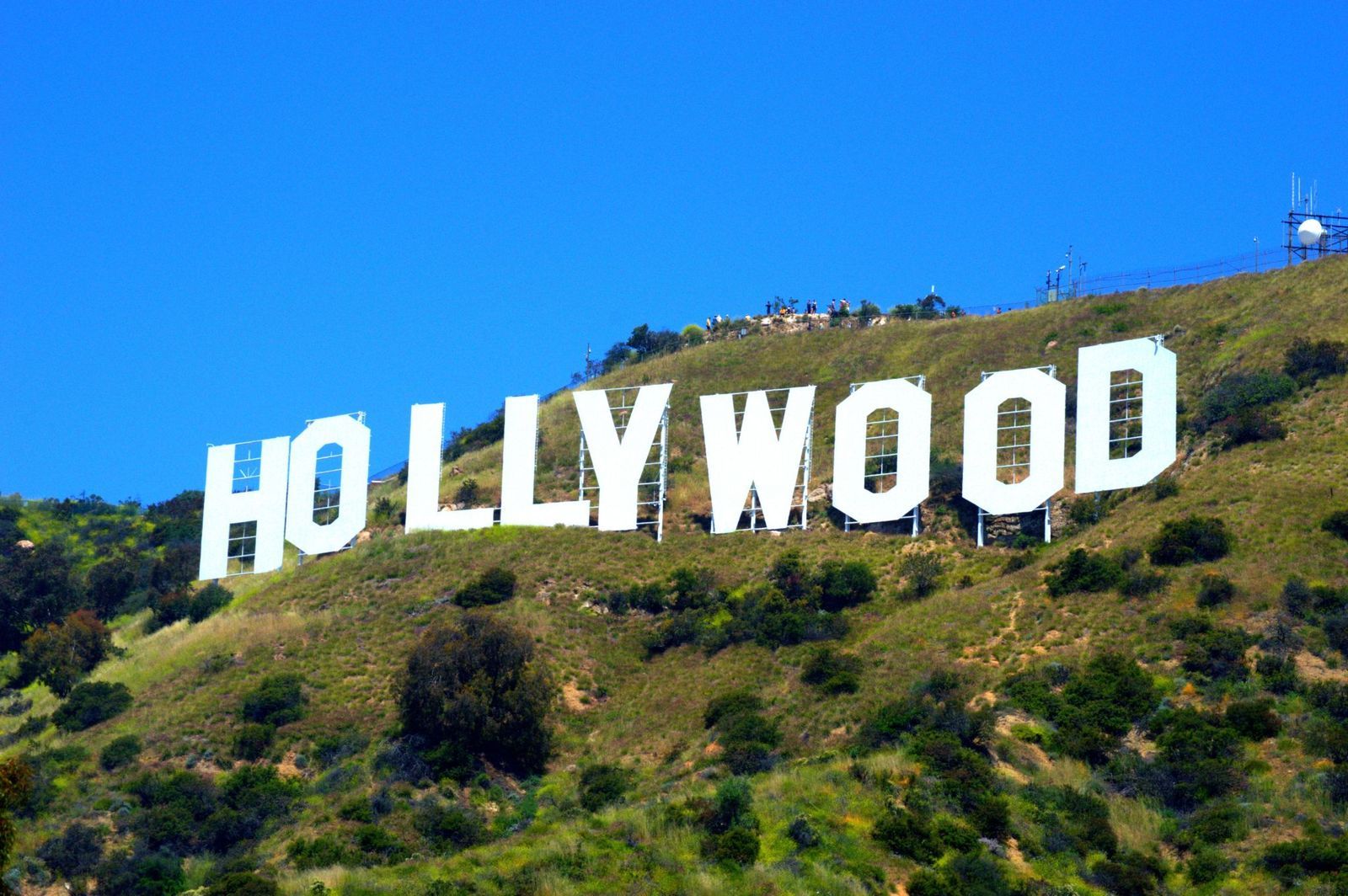
This famous hillside sign wasn't built as a movie industry tribute. It started in 1923 as a temporary ad for a real estate development called "Hollywoodland." It was only meant to last a year and a half. Nearly a century later, it's still standing, minus four letters and a whole lot of irony.
The Brooklyn Bridge (New York City)
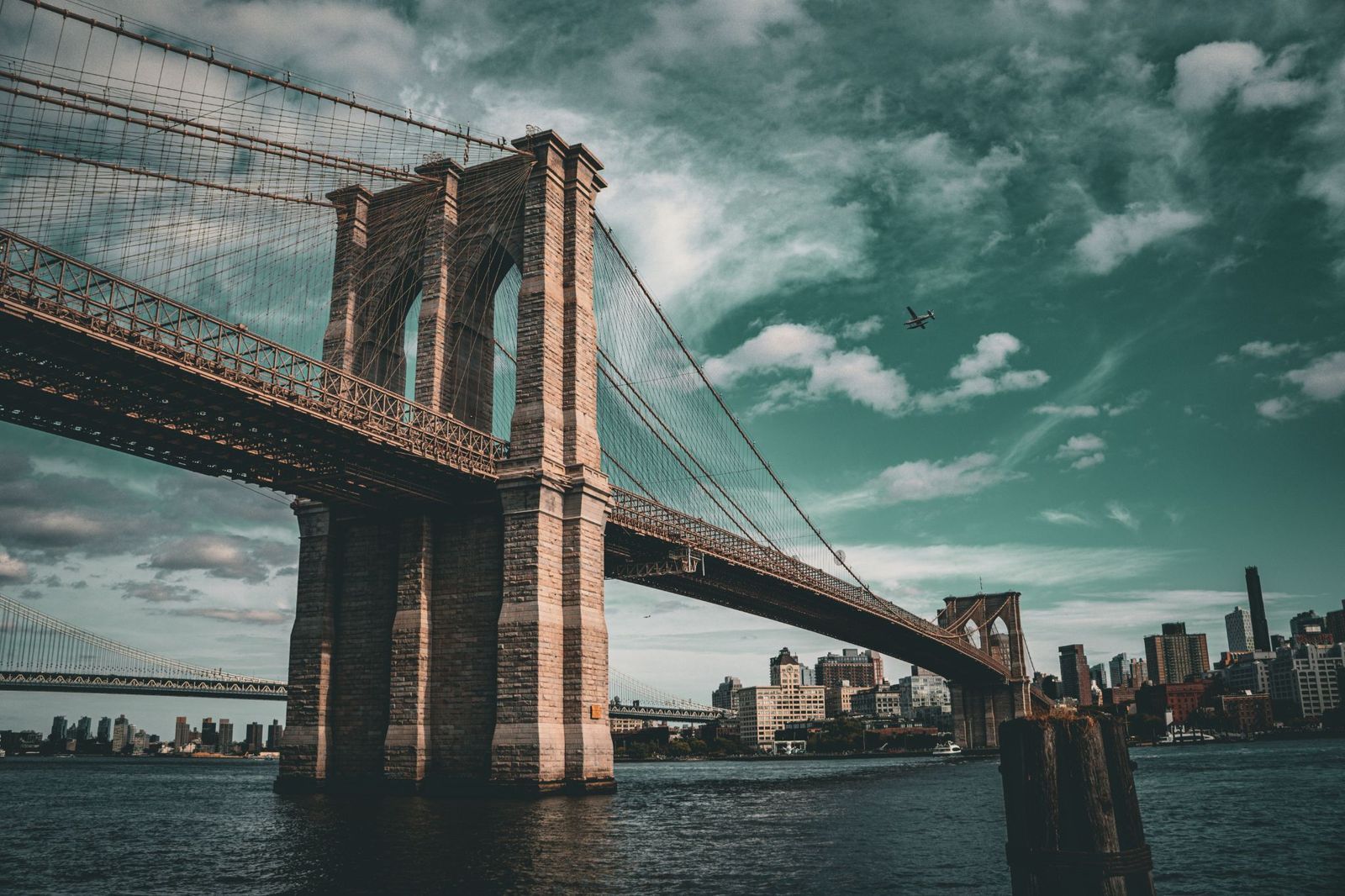
If you've walked across this bridge, you're in good company… including 21 elephants. In 1884, just a year after it opened, showman P.T. Barnum led a herd of elephants across to prove the bridge wouldn't collapse, since the public worried it was unsafe. The stunt worked as both reassurance and one of history's greatest publicity moves.
The Space Needle (Seattle)
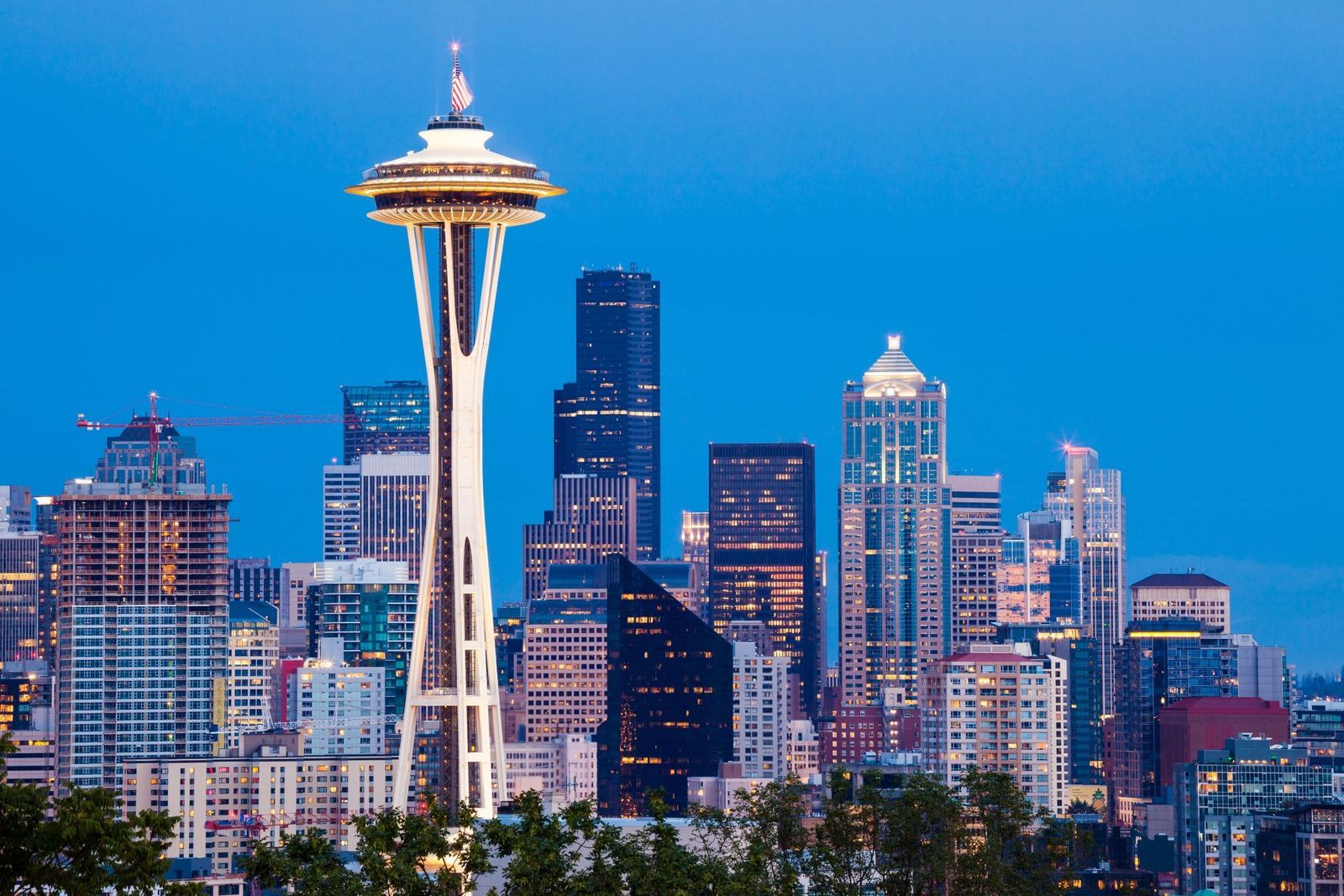
If you've ridden the elevator up for the view, you've stood inside one of the fastest, most ambitious building sprints in American history. Built for the 1962 World's Fair, this 605-foot tower went from idea to completion in less than a year. Workers raced against the clock, and somehow the deadline-defying needle still stands tall today.
These iconic train rides might be your trip of a lifetime
The train is about to depart
10 scenic railway routes that are worth the trip
Are you the type of person who enjoys the journey as much as the destination, if not more? Do you prefer to travel by land but loathe driving and need to stretch your legs frequently? Well, long-distance train journeys, with scenic views and comfy seats, might be just what you need. Here are ten famous railways across the world that are worth the trip!
California Zephyr (USA)
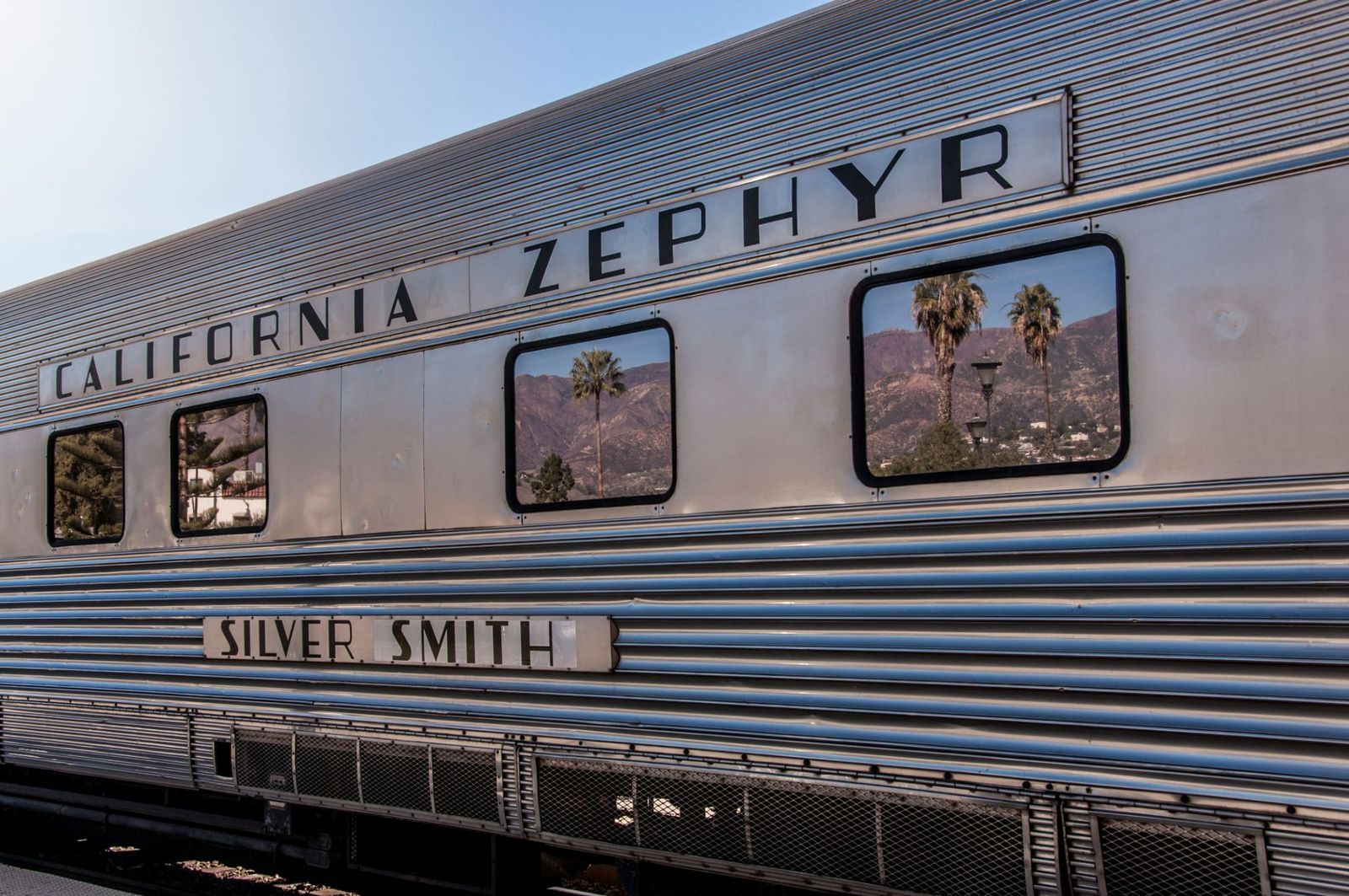
This 2,438-mile daily Amtrak route runs between Chicago and Emeryville, California, passing through Omaha, Denver, Salt Lake City, Reno, Sacramento, and the San Francisco Bay Area along the way. During the journey, the train schedule is timed so that you can enjoy such stirring landscapes as the Nebraska plains, the Rocky Mountains, and the majestic Sierra Nevada during daylight hours, and sleeper accommodations are available at night. The entire route takes 52 hours to complete.
Venice Simplon-Orient-Express (England to Italy)
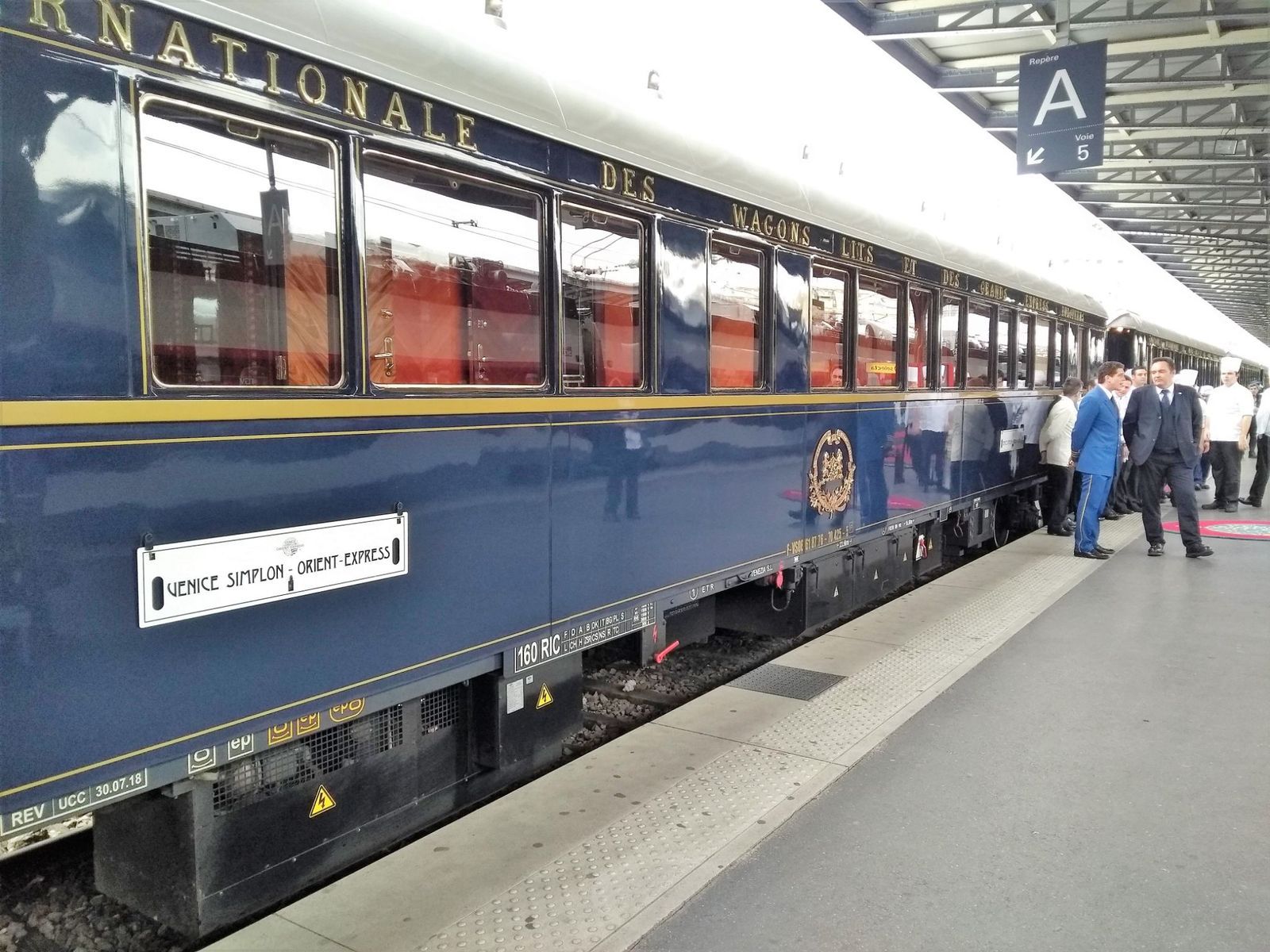
The modern version of the iconic Paris-Istanbul Orient Express, the Venice Simplon-Orient-Express operates several routes across Europe. Its signature overnight route connects Paris with Venice through the Swiss Simplon Pass, with a weekly two-day route connecting Venice with London across the English Channel. Twice a year, a special 5-day journey travels the historic Paris-Istanbul route, complete with hotel stopovers in Budapest and Bucharest.
Glacier Express (Switzerland)
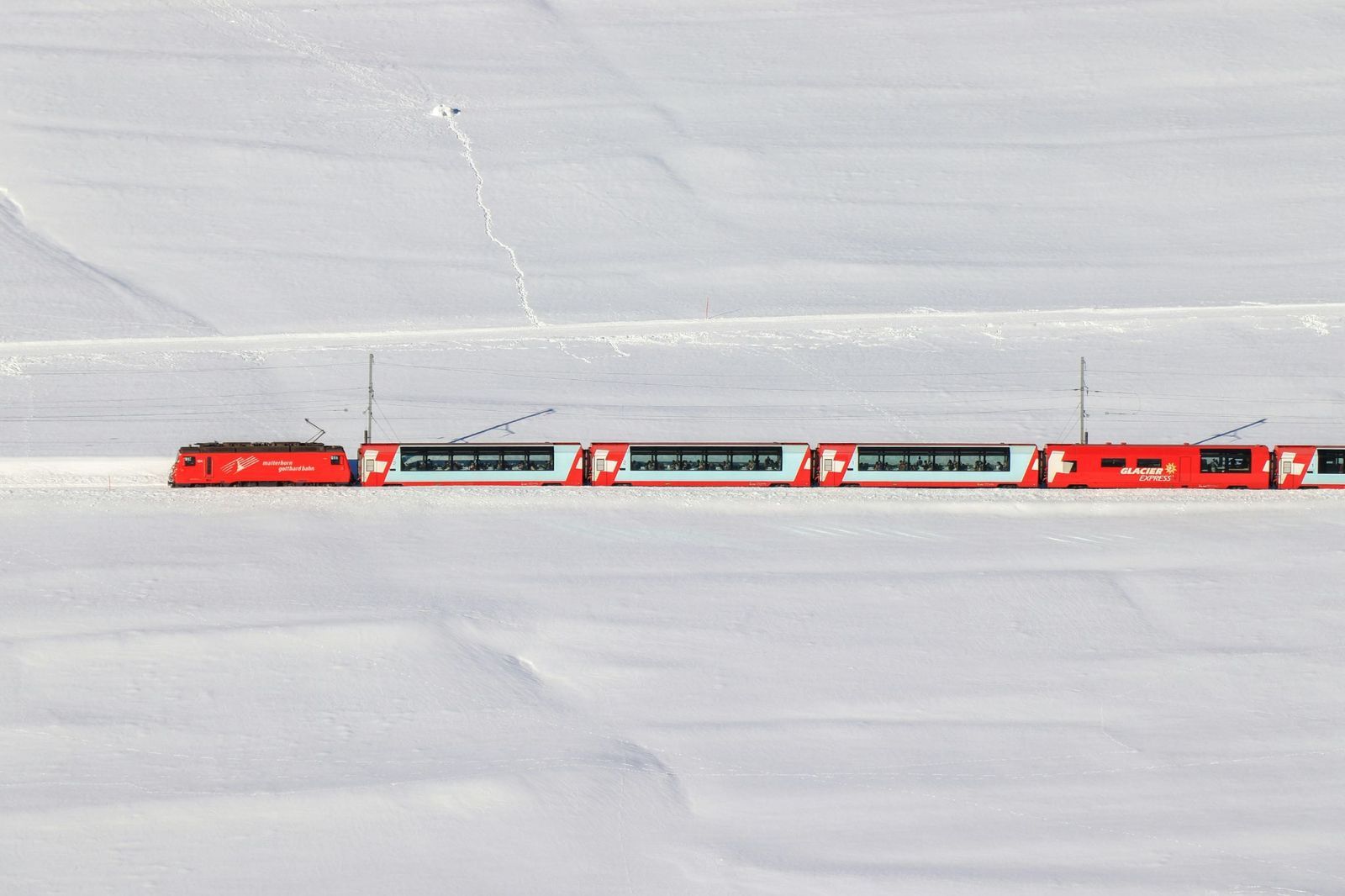
Nicknamed the "world's slowest express", this panoramic train connects the Zermatt and St. Moritz resorts through the Swiss Alps, taking 8 hours to traverse the 181-mile route. Equipped with floor-to-ceiling panoramic windows, multilingual audio guides, and various other amenities, this express journeys over 291 bridges and through 91 tunnels, providing one-of-a-kind views of mountains and glaciers.
Sunset Limited (USA)
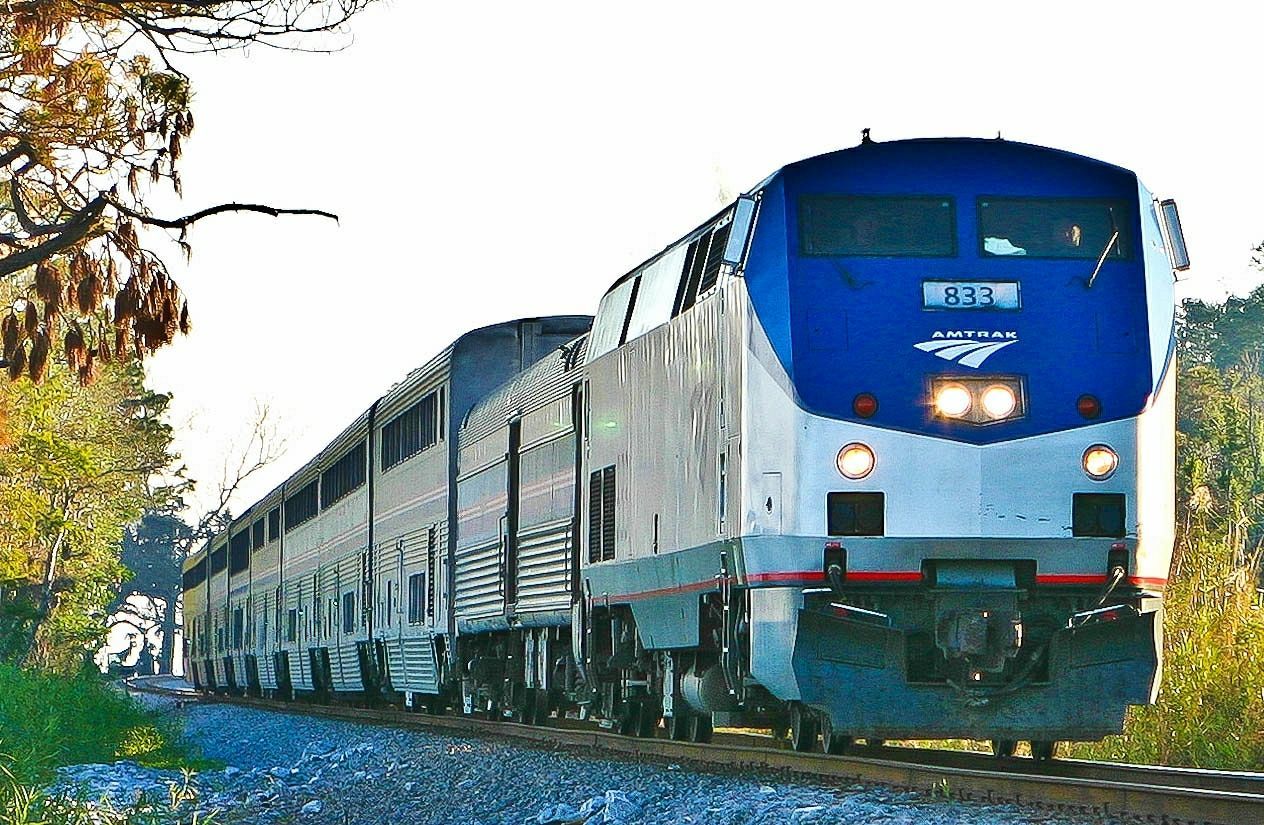
One of the oldest continuously operated passenger trains in America, the Sunset Limited travels the 1,995-mile route between Los Angeles and New Orleans three times a week. The 48-hour journey includes stops in Houston, San Antonio, El Paso, and Tucson, offering scenic views of Louisiana's bayou country, the desert Southwest, and the California mountains.
Rocky Mountaineer (Canada and USA)
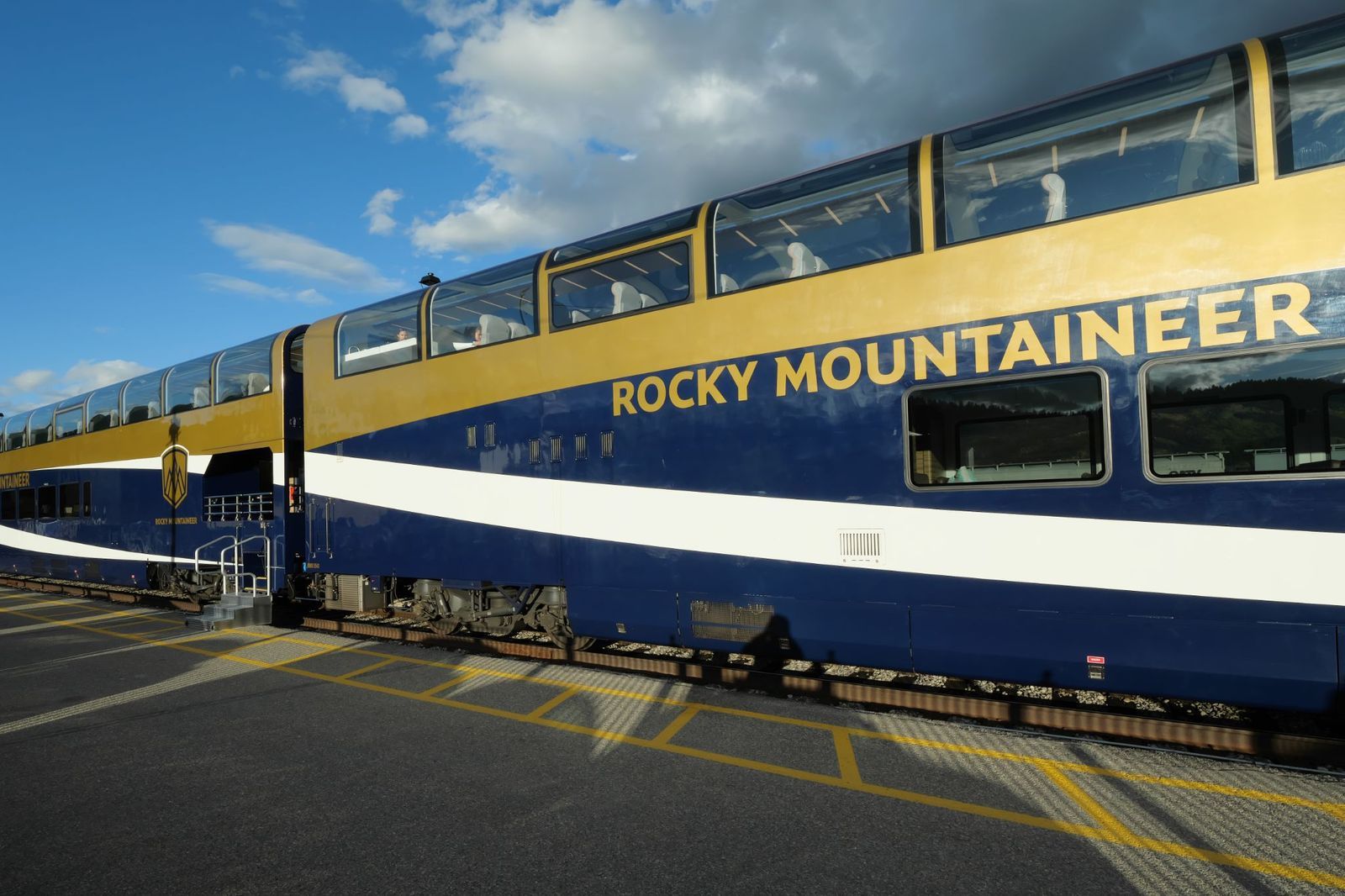
Famous for its custom glass-dome coaches, the Rocky Mountaineer offers several luxury scenic routes across Canada and the United States. Popular Canadian routes connect Vancouver with the Canadian Rockies and with several coastal towns, while the "Rockies to the Red Rocks" route runs between Denver and Moab, Utah.
Trans-Siberian Railway (Russia)
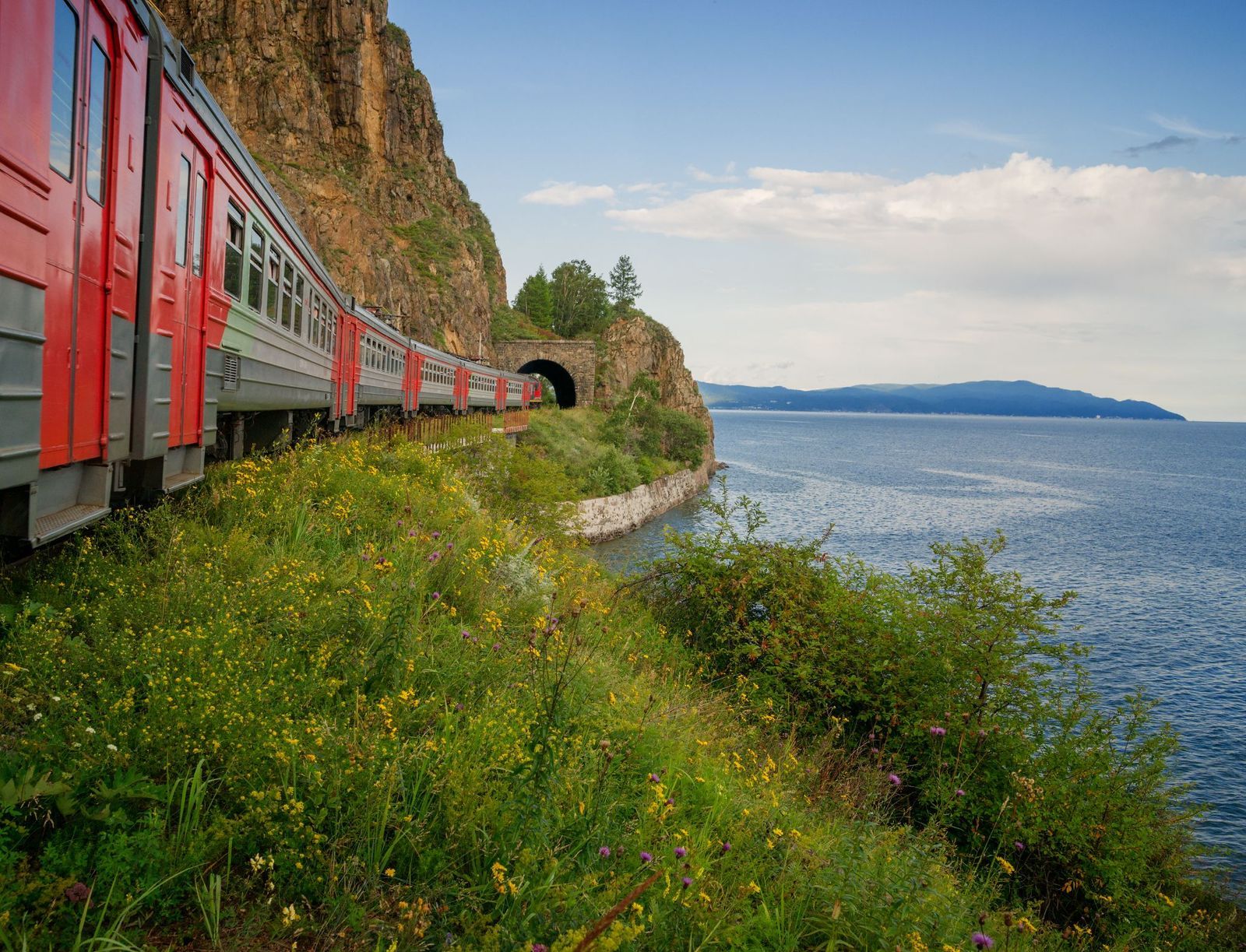
The longest railway line in the world, the Trans-Siberian railway crosses 5,772 miles, connecting Moscow on the European side of Russia with Vladivostok on the far-eastern Asian side. A continuous non-stop trip, the main route takes seven days from one end to the other, crossing eight time zones, with additional routes branching into Mongolia and Northern China. Unlike some railways on this list, the Trans-Siberian is not a luxury line, but primarily a working railway, which offers the unique experience of interacting with the locals while enjoying scenic views.
Alaska Railroad (USA)
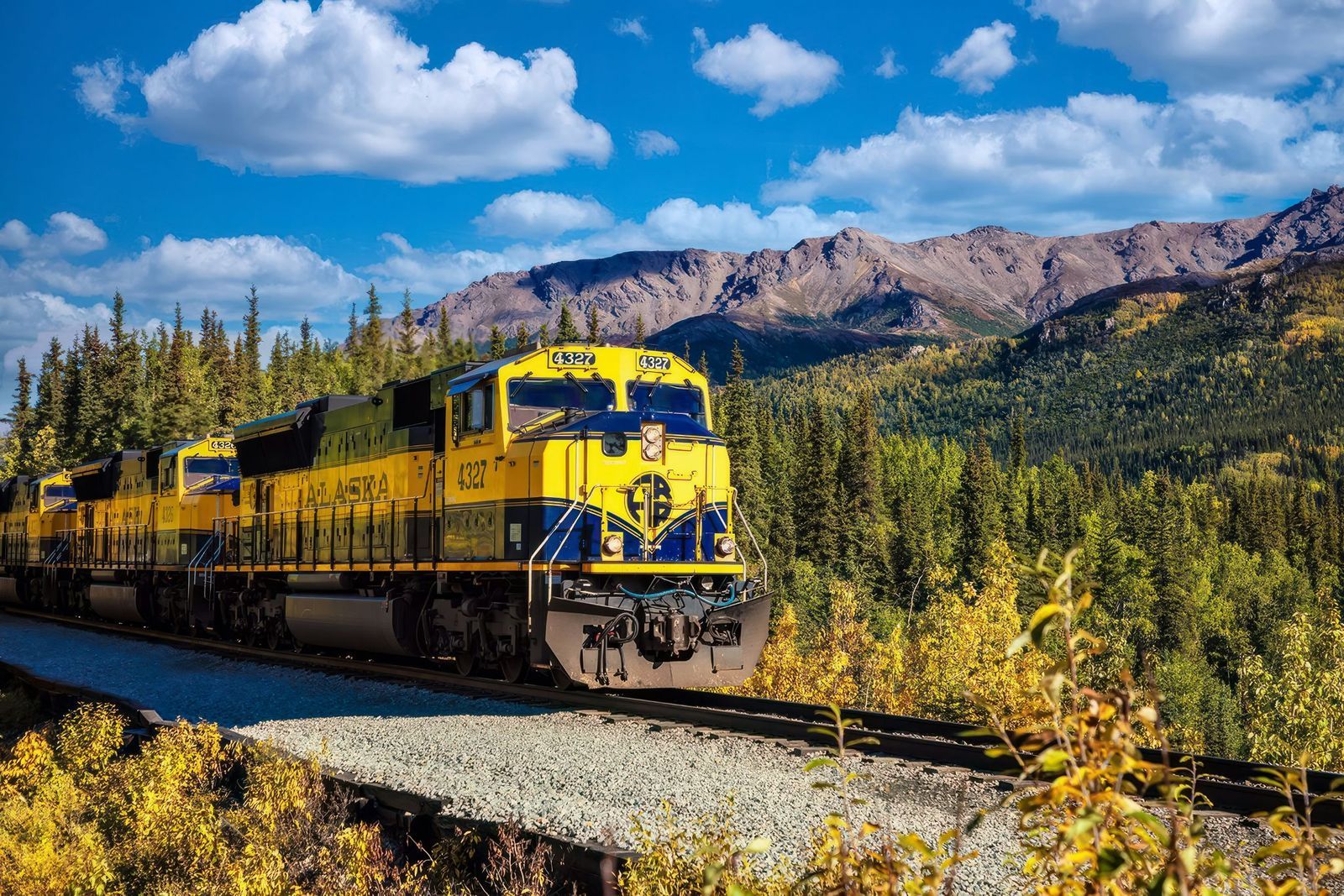
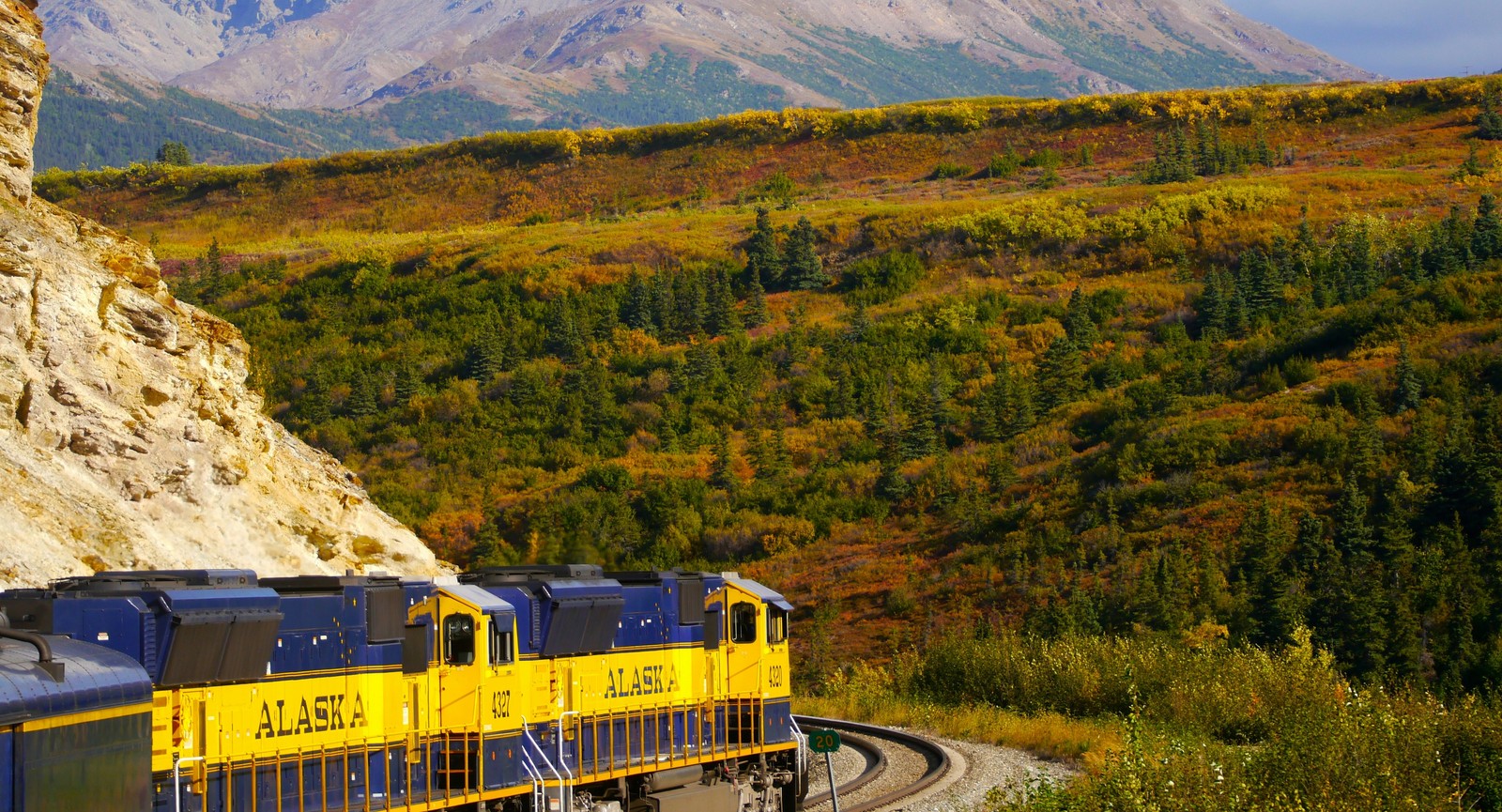
A self-sustaining, self-funded corporation owned by the State of Alaska, the Alaska Railroad operates several routes centered around Anchorage, spanning around 470 miles. Its flagship route, the Denali Star, runs between Anchorage and Fairbanks in about 11.5 hours, passing through the Denali National Park and providing spectacular views of Mt. McKinley. Alternate routes include the Coastal Classic —a 4.5-hour route to Seward across glaciers, mountain passes, and fjords— and the Glacier Discovery —a 6-hour service to Whittier, Spencer Glacier, and Grandview.
Caledonian Sleeper (UK)
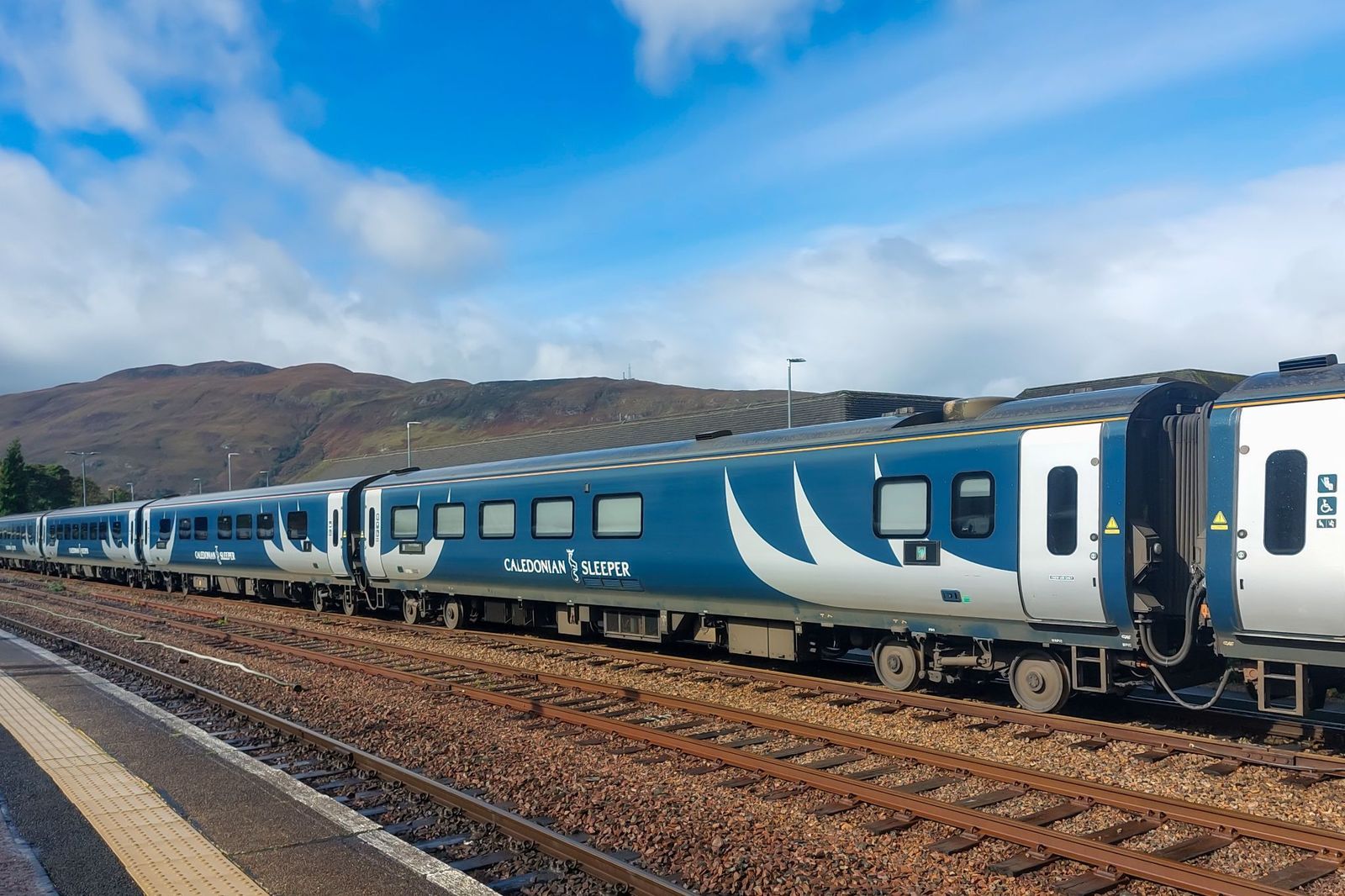
Active for more than a century, the Caledonian Sleeper is one of the last remaining sleeper trains in the UK, connecting London with five major Scottish destinations through two main lines: the Lowland Sleeper to Glasgow and Edinburgh, and the Highland Sleeper, which splits in Edinburgh to serve Aberdeen, Inverness, and Fort William. Operating six nights a week, passengers of the Caledonian Sleeper can choose between standard seats, bunk beds, and luxury rooms for the seven to thirteen-hour ride.
Bernina Express (Switzerland and Italy)
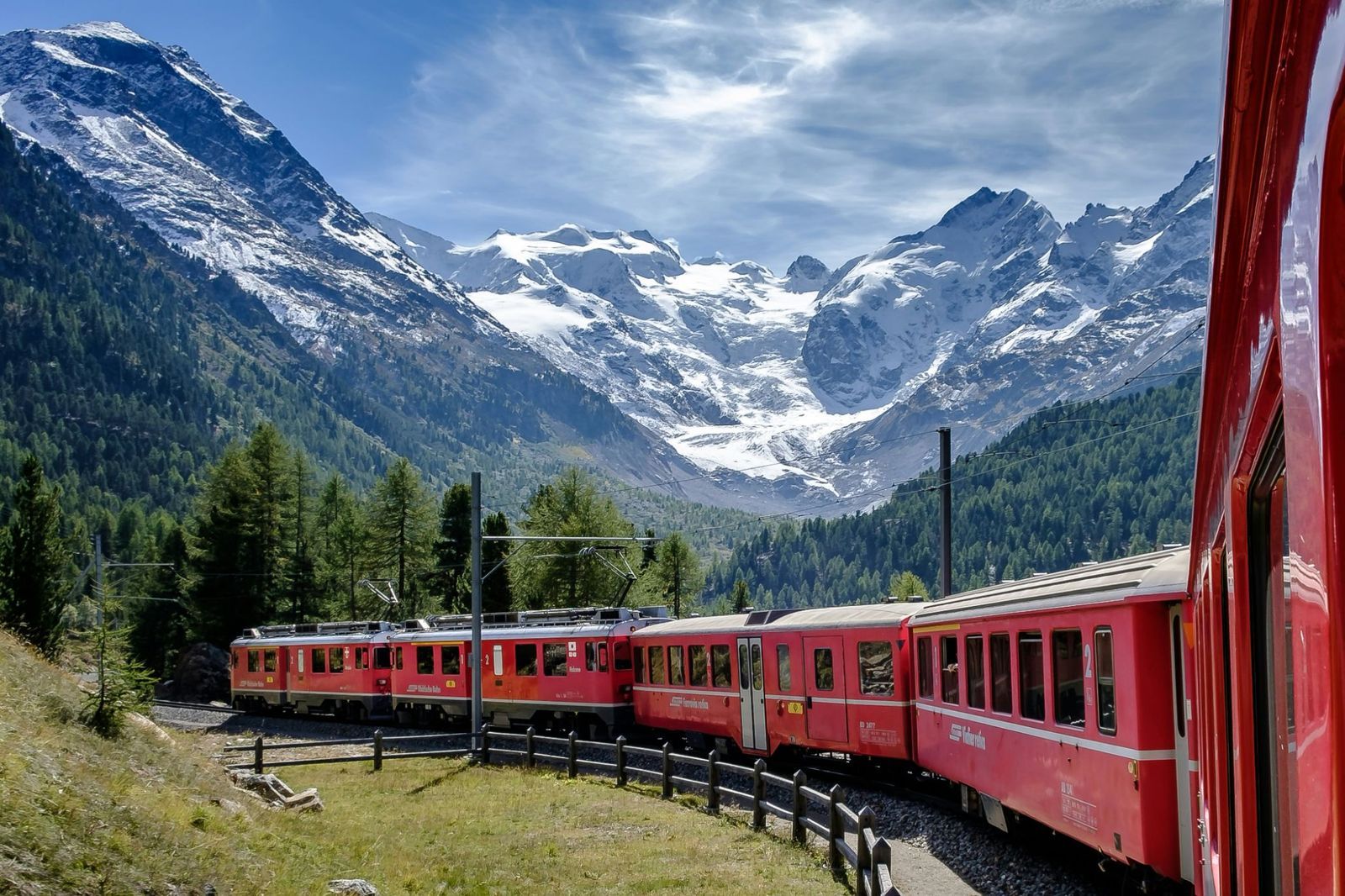
The route covered by this famous panoramic train is not long —a mere 76 miles— but no less impressive. Connecting Chur/St. Moritz in Switzerland with Tirano in Italy, the 4-hour ride crosses the Alps and dozens of tunnels and bridges. Equipped with both traditional and panoramic train cars—with floor-to-ceiling windows—the Bernina Express allows its passengers to enjoy landscapes that range from glaciers and alpine peaks to warm valleys.
Beijing-to-Lhasa Express (China)
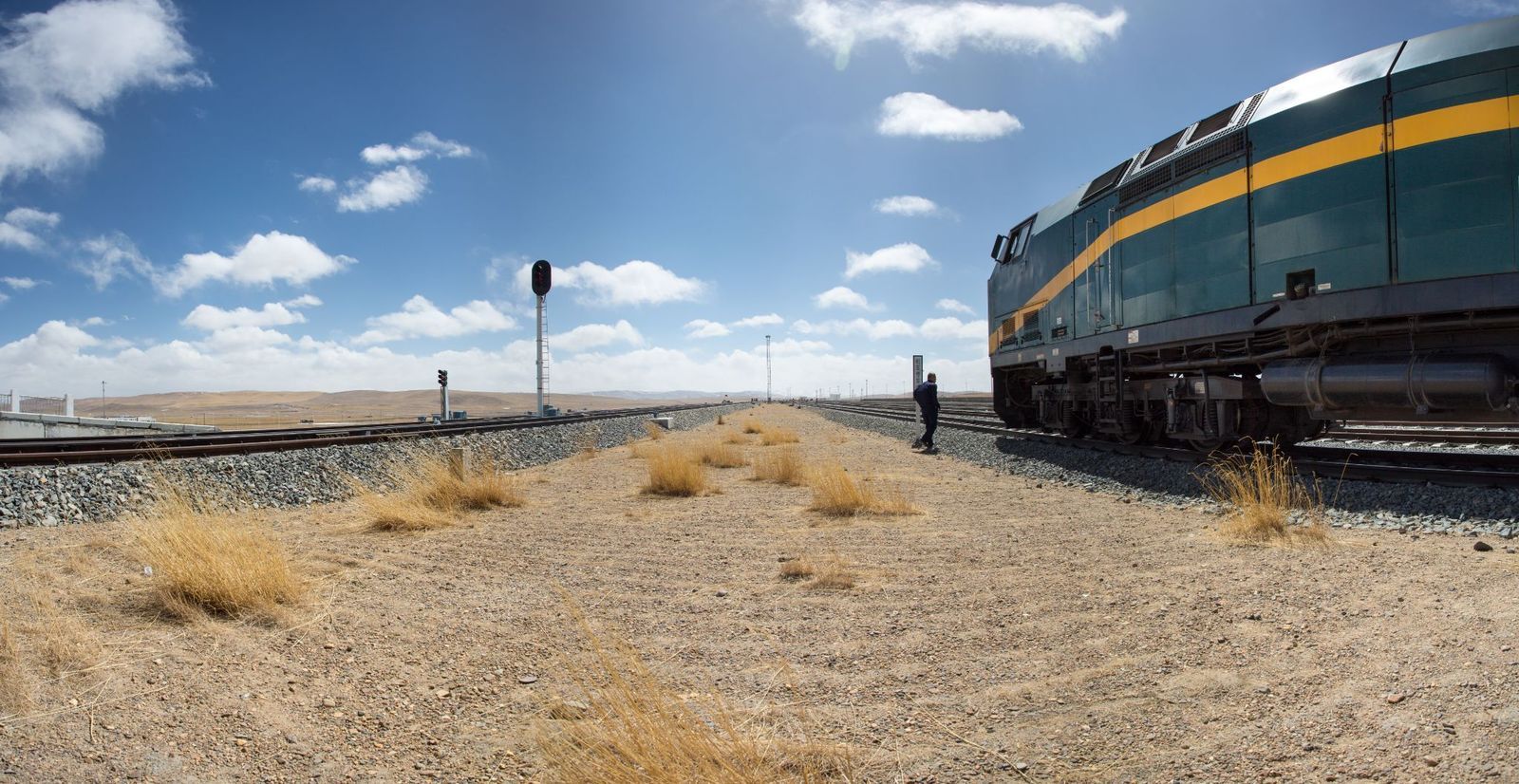
Famous for crossing the world's highest passenger railway pass, the Beijing-to-Lhasa Express covers a 2,335-mile route across the Tibetan Plateau in about 40 hours. The scenic route features varied landscapes such as the Gobi Desert, the Qarhan Salt Lake, the Tanggula Mountains, and the Tibetan grasslands. For the high-altitude zones, the train cabins are equipped with supplemental oxygen outlets, as well as oxygen masks in order to combat altitude sickness.
Keep wandering
There’s always
more to explore
 Culture

11 movies that made millions want to pack their bags
6 min.
Read Now
 General
Ten airports where you will actually want to arrive early
3 min.
Read Now
Can you guess where Tutankhamun's golden mask is actually kept?
7 min.
Read Now
Some hotels are destinations all by themselves
7 min.
Read Now