What to expect during airport security around the world?
What to expect during airport security around the world?
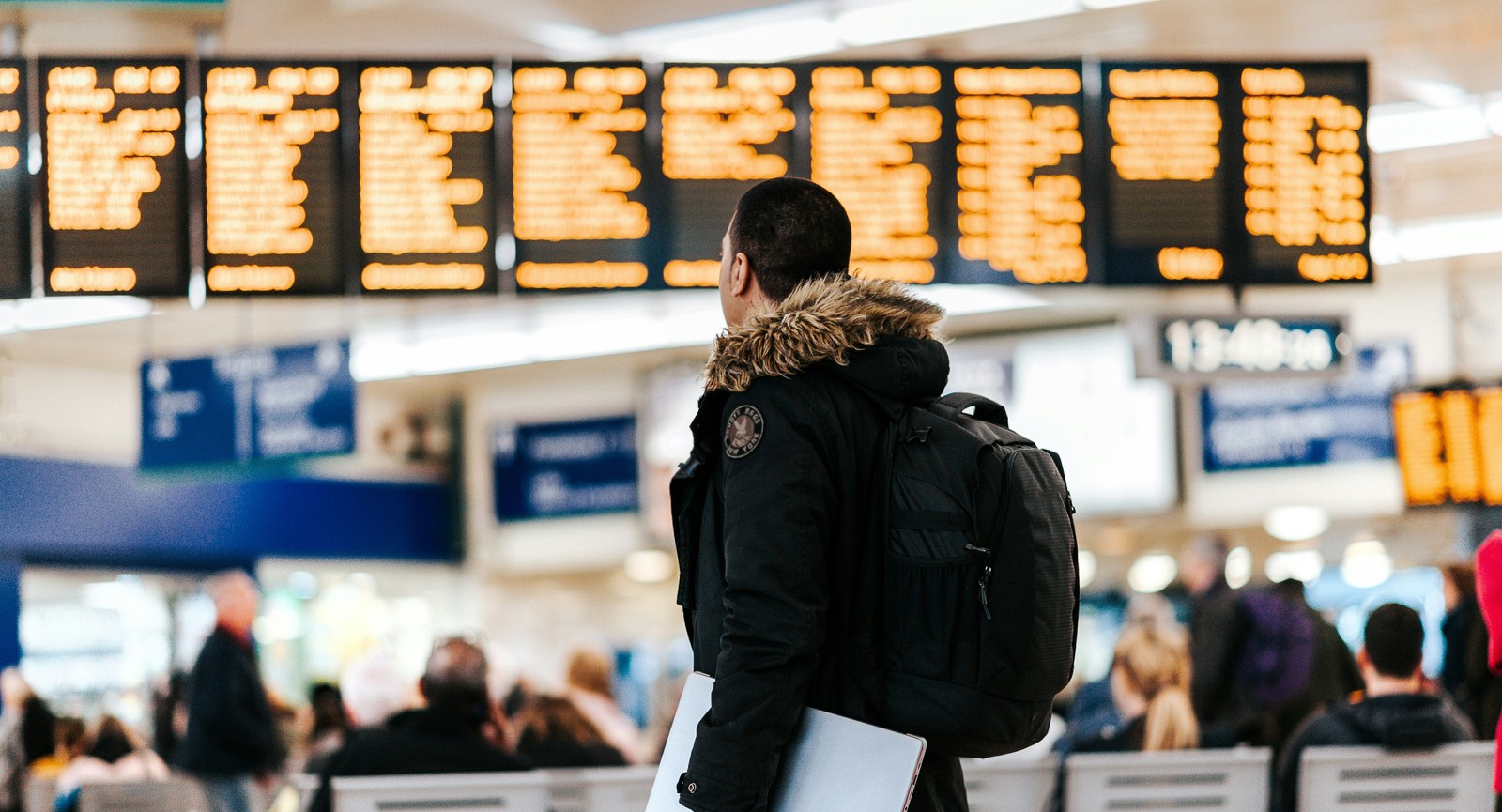
Airport security can feel like a universal experience—long lines, plastic bins, and the quiet panic of wondering whether you forgot a water bottle. But the reality is that security procedures vary widely depending on where you’re flying. What’s normal in one country may surprise you in another, from how strictly liquid restrictions are enforced to whether you’ll pass through full-body scanners or undergo manual checks.
Understanding what to expect can make the process faster, calmer, and a lot less stressful. Here’s a country-by-country look at how airport security works around the world and what travelers should be prepared for.
United States
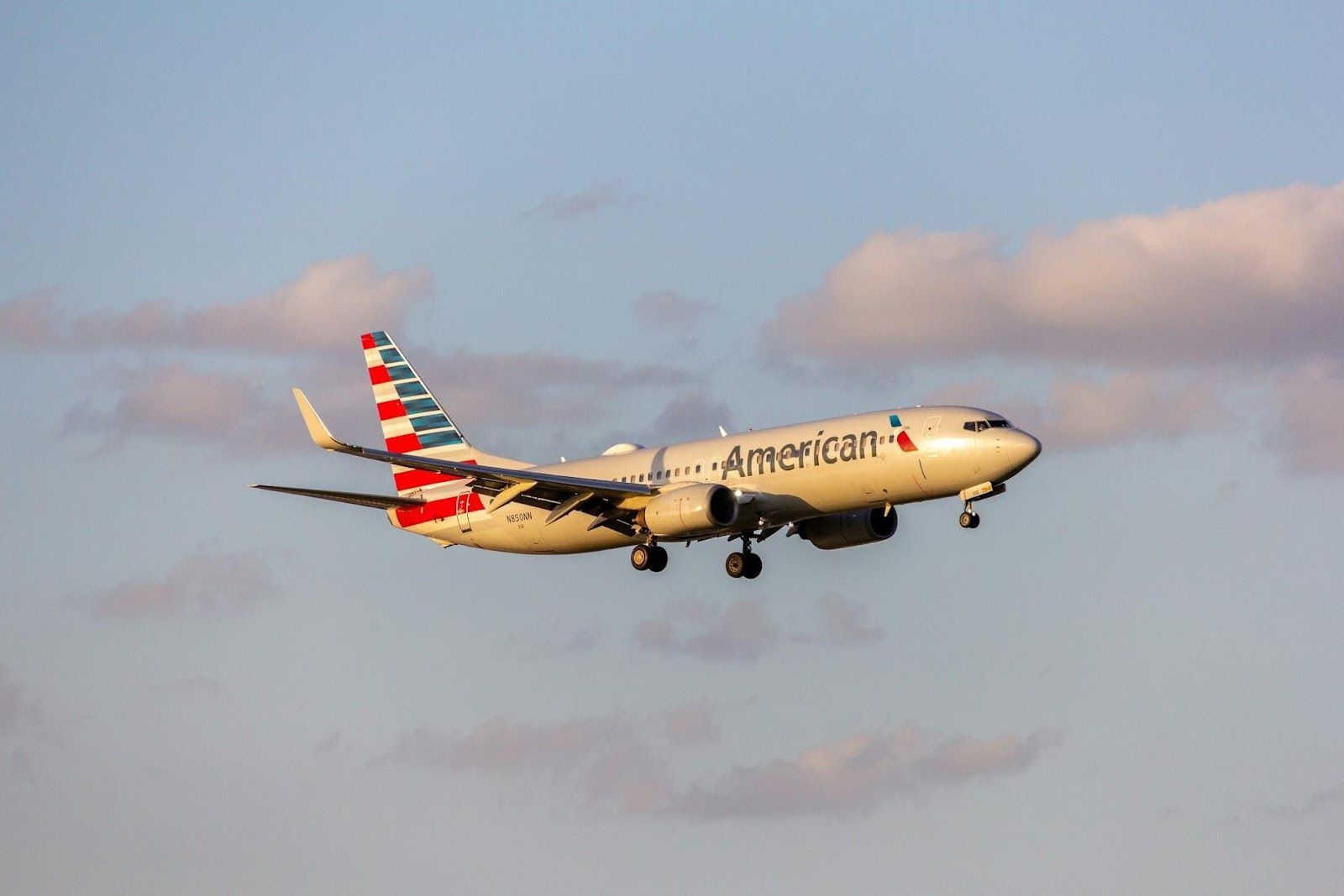
Security screening in the U.S. is handled by the Transportation Security Administration (TSA) and is known for being thorough and standardized. Expect to remove shoes, belts, jackets, and electronics larger than a phone unless you’re enrolled in TSA PreCheck. Liquids must follow the 3.4 oz (100 ml) rule and fit in a quart-sized bag.
Security lines can be long at major hubs, especially during holidays and peak travel seasons. Officers are generally professional but direct, and the process can feel rushed. Arriving early is essential, particularly for domestic flights, when many travelers underestimate wait times.
United Kingdom
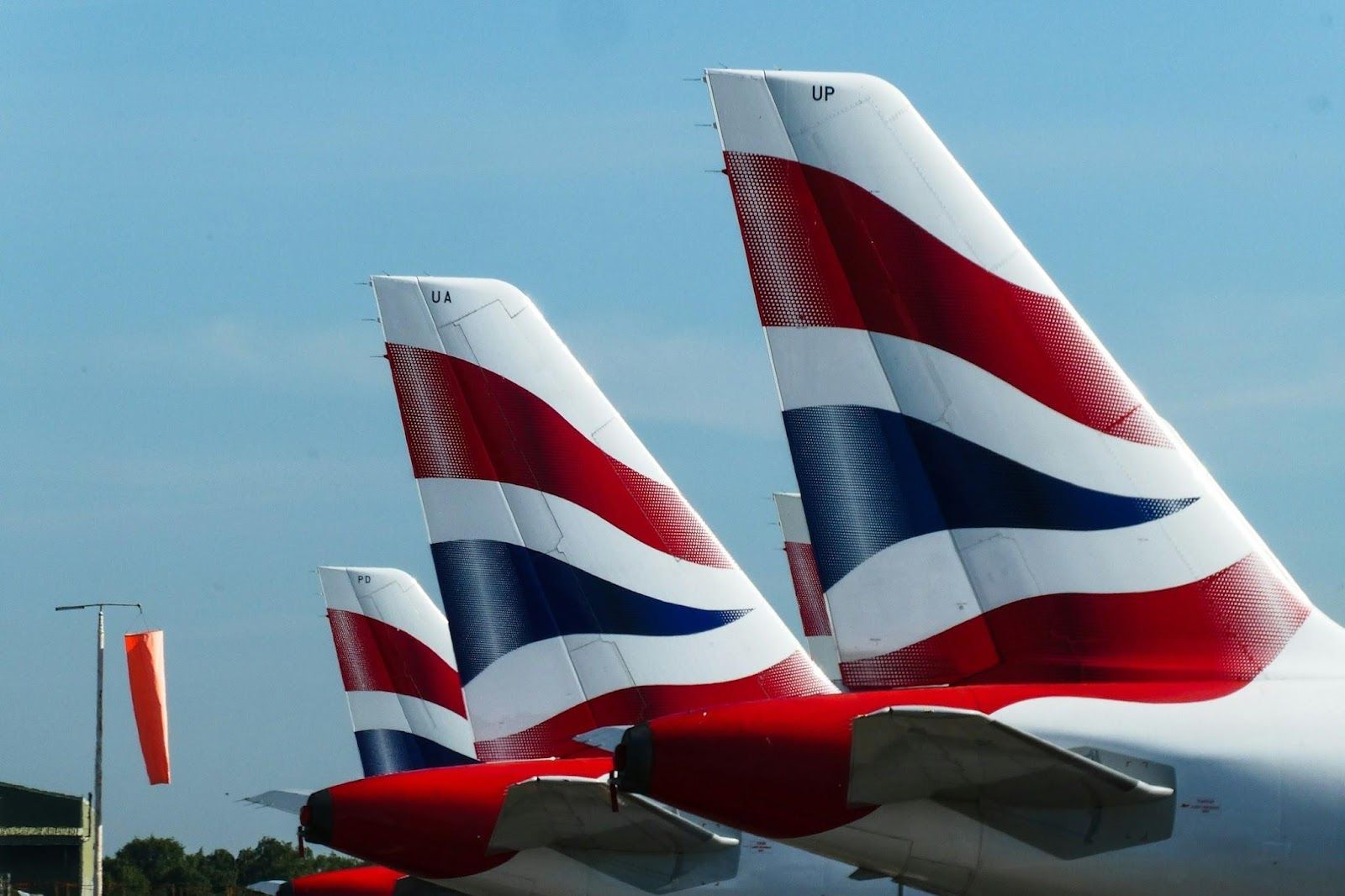
UK airport security is efficient but strict about liquids and electronics. Liquids must be in containers of 100 ml (3.4 oz) or less and placed in a clear plastic bag, and electronics are often required to be removed from carry-ons. Heathrow Airport and Gatwick Airport can be especially busy, with heavy enforcement of the rules.
Security staff tend to be polite but firm, and there is little flexibility if your liquids bag isn’t properly prepared. Some UK airports are beginning to roll out new scanners that allow liquids to stay in bags, but these rules vary by terminal, so it’s safest to follow the traditional guidelines.
European Union (Schengen Area)
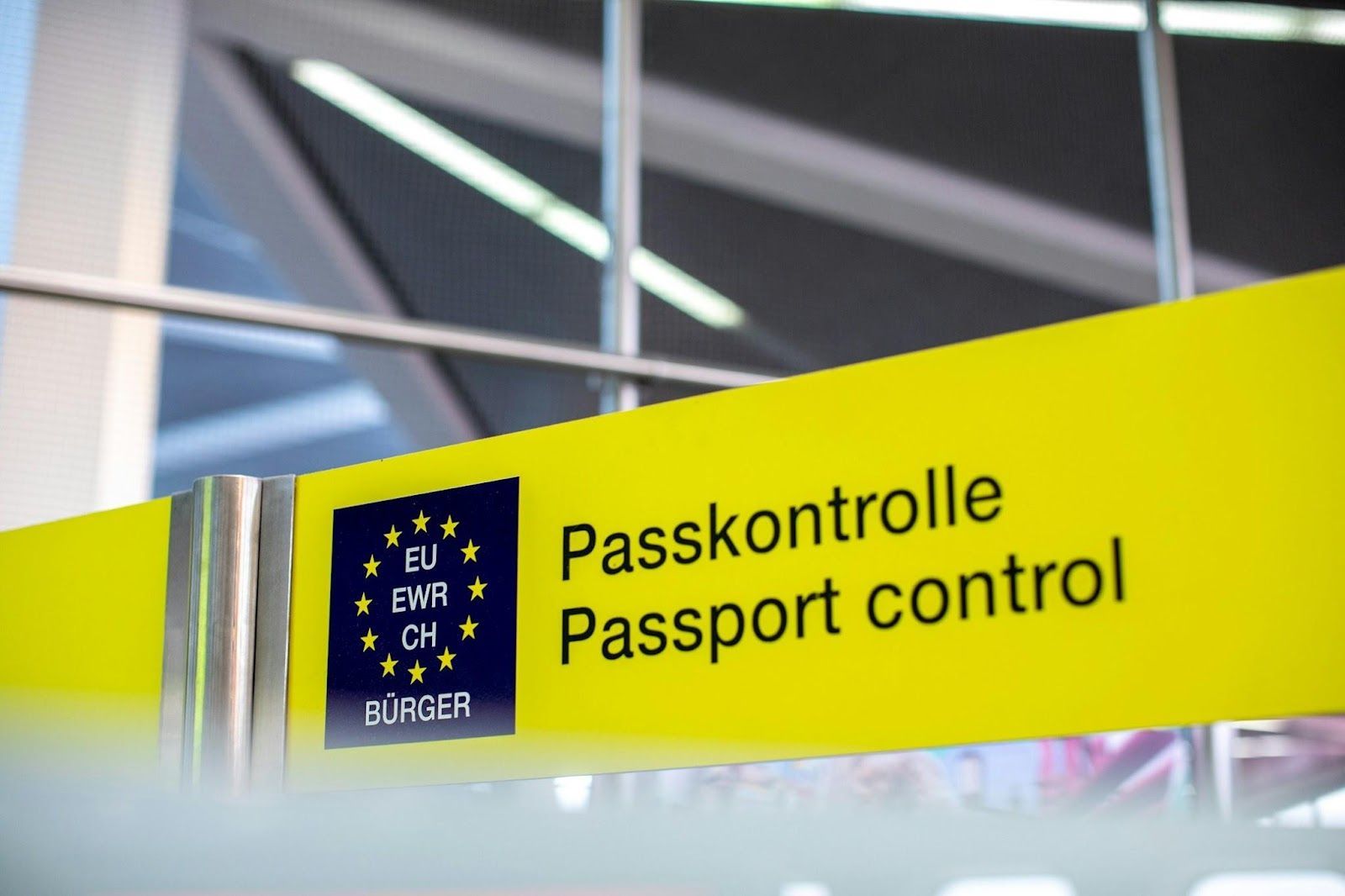
Security procedures across the European Union are fairly consistent, though the pace and strictness can vary by country. You’ll usually need to remove laptops and liquids, and shoes may or may not need to come off, depending on the airport. Some newer airports use advanced scanners that allow liquids and electronics to stay in your bag.
In places like Germany and the Netherlands, screening can feel very systematic and rule-focused. Southern European airports may feel more relaxed, but the rules are still enforced. Expect clear instructions and a generally smooth process once you’re in line.
Japan
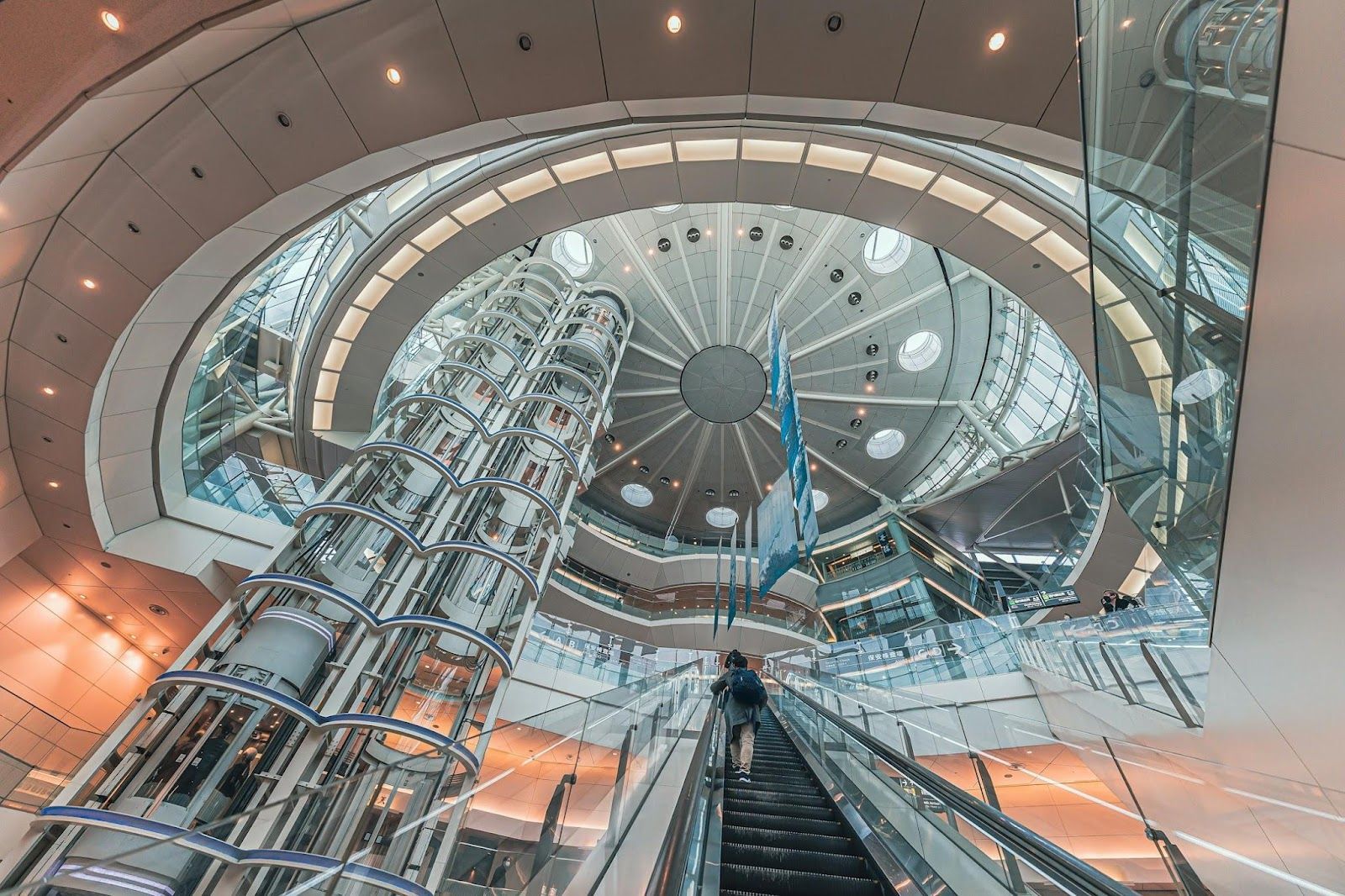
Airport security in Japan is known for being orderly, calm, and extremely polite. Instructions are clearly given, lines move efficiently, and staff often guide passengers step by step through the screening process. The atmosphere is quiet and respectful, even during busy travel times.
While the process is thorough, it rarely feels stressful. Travelers often notice how organized everything is, from tray placement to the way belongings are returned. The experience tends to feel less chaotic than at many Western airports.
South Korea
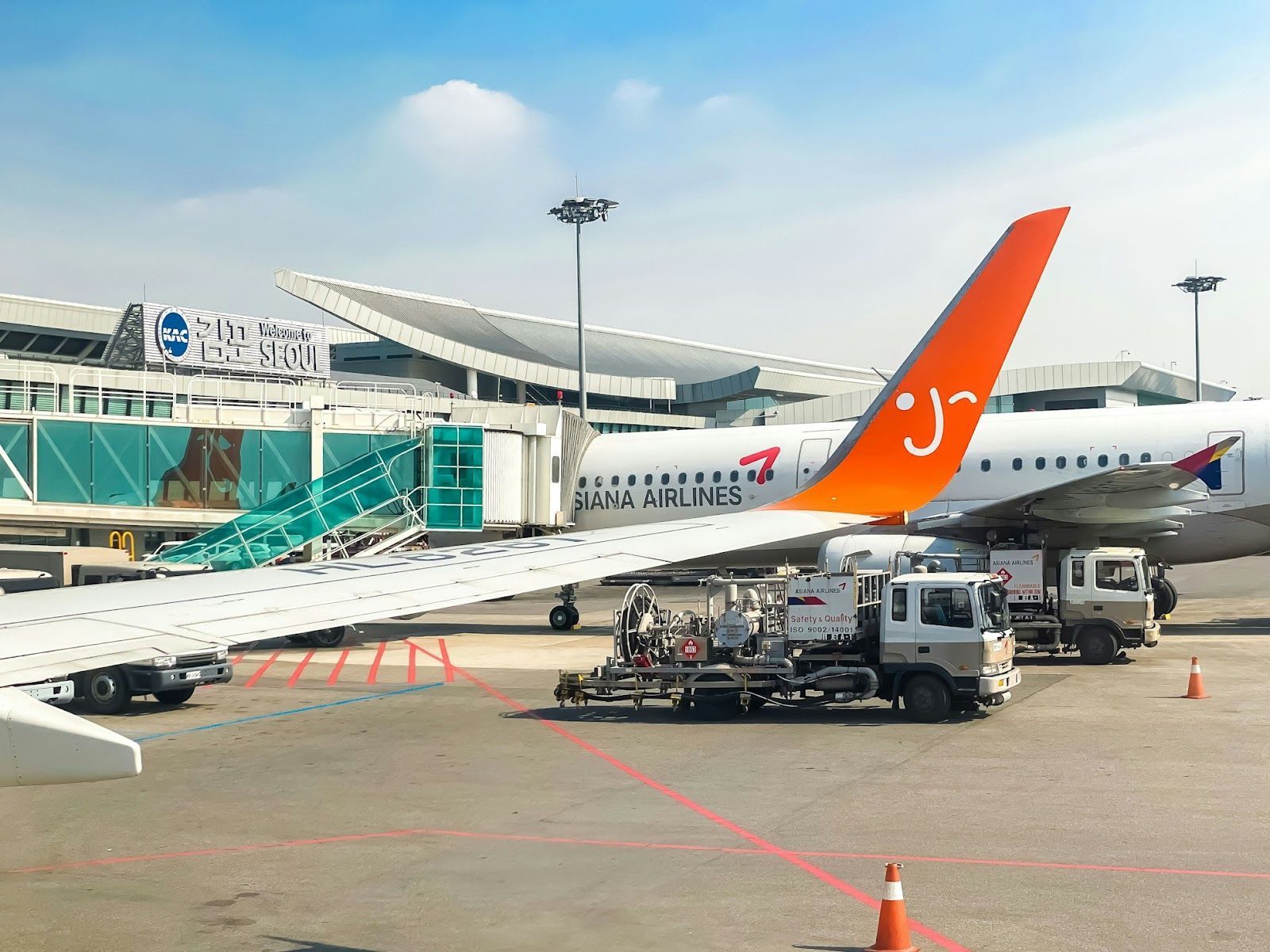
Airports like Incheon International Airport are famous for efficiency and traveler comfort, and security procedures reflect that. Screening is thorough but well organized, with clear signage in English and staff ready to assist. Liquids and electronics are typically screened separately, and procedures are followed closely.
Despite the high volume of international travelers, lines move quickly. The overall experience feels smooth, modern, and surprisingly calm for such a major global hub.
China
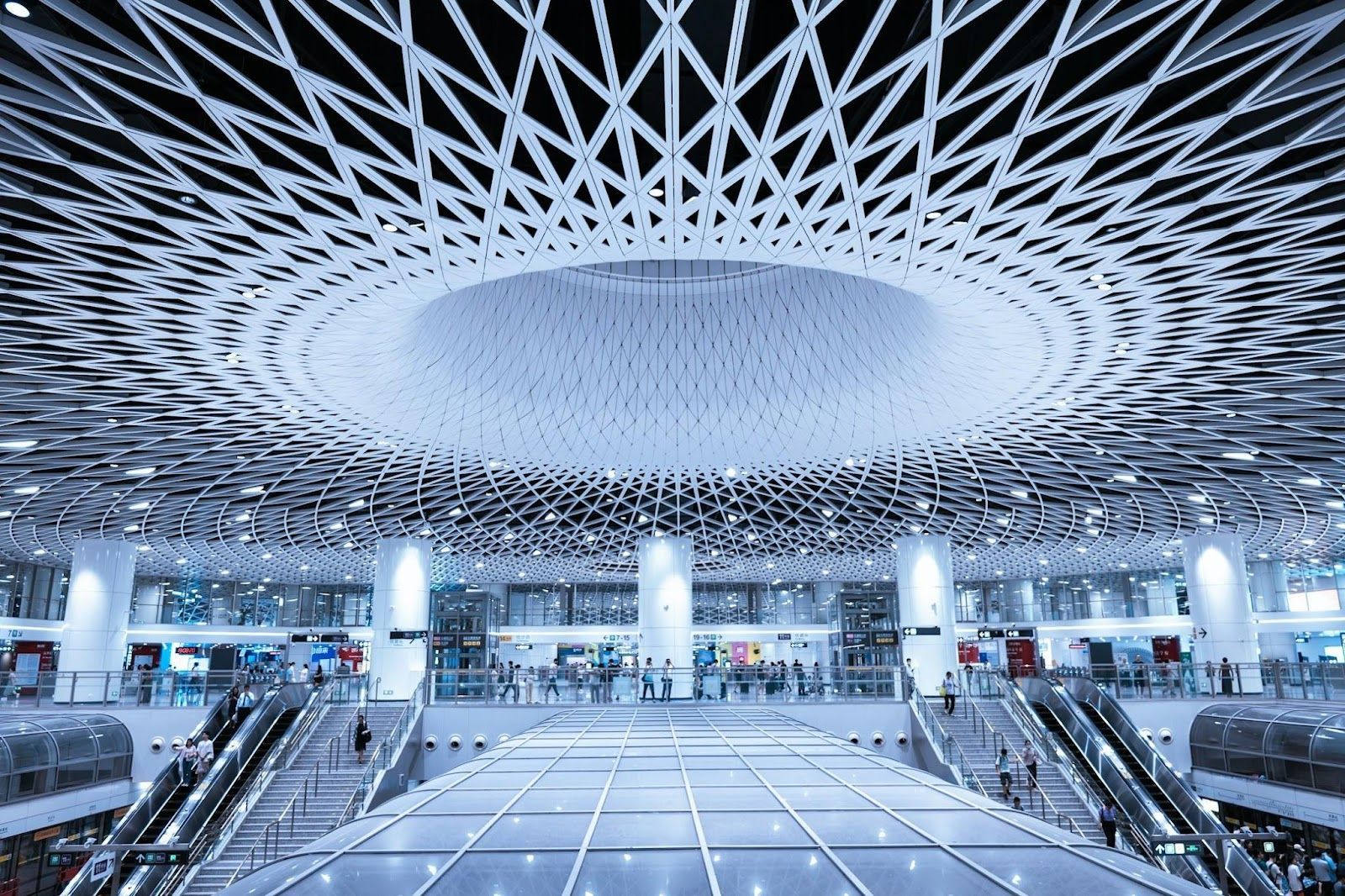
Airport security in China can involve multiple layers of screening, especially for international flights. At some airports, you may pass through security more than once, and boarding gates may include additional checks. Expect your carry-on and even power banks to be inspected carefully.
Rules are strictly enforced, and certain items that might pass elsewhere may be questioned. Language barriers can occasionally make the process slower, so it helps to follow instructions closely and allow extra time at the airport.
Middle East (UAE, Qatar, Saudi Arabia)
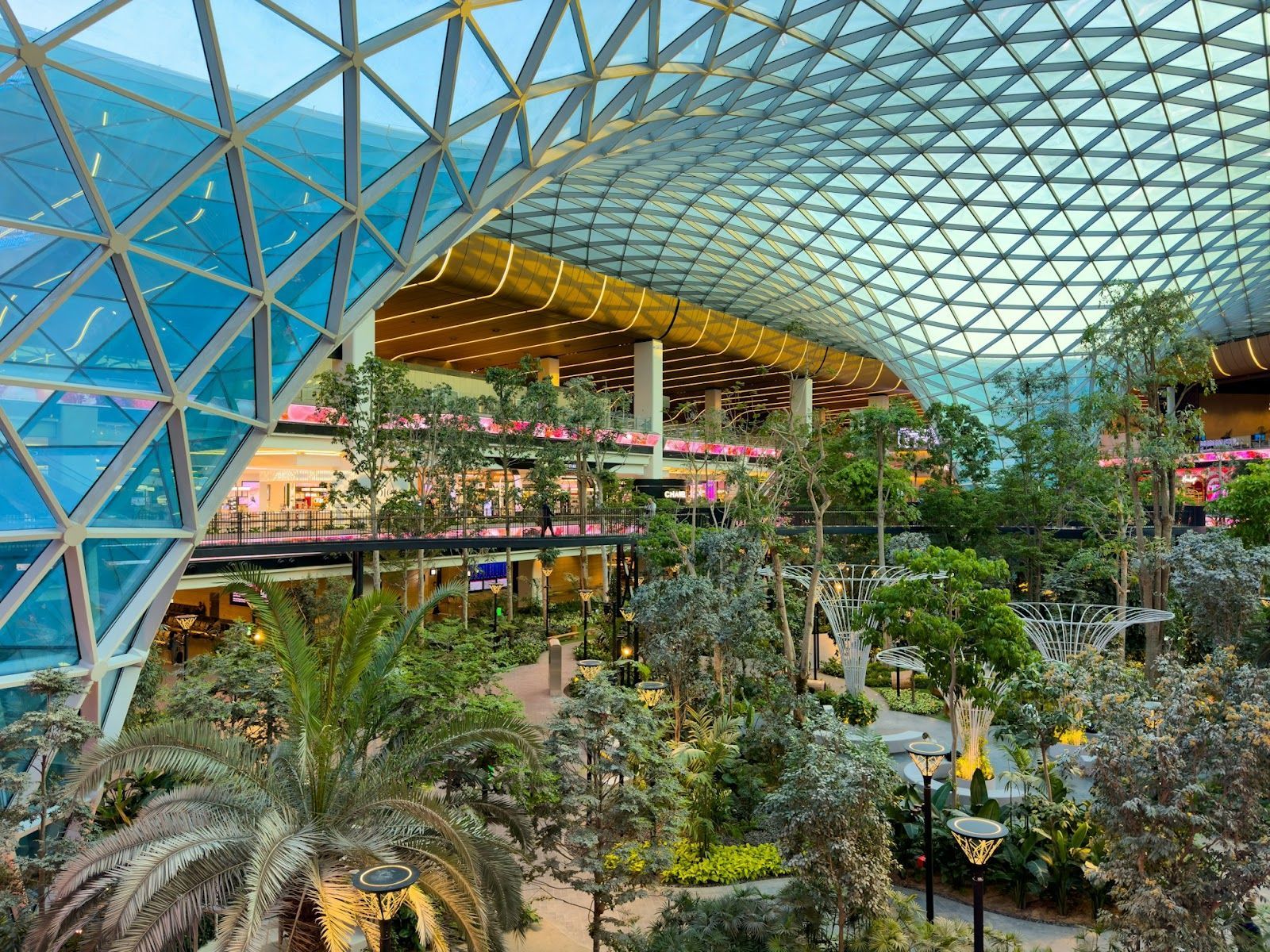
Major airports in the Middle East are modern, high-tech, and tightly secured. Expect advanced scanners, attentive staff, and occasional additional document checks. Liquid and electronics rules are enforced, but the process is usually fast due to efficient crowd management.
Security can feel more formal, and there may be extra screening at boarding gates. Despite the thoroughness, these airports are designed for high-volume international travel, so procedures are typically streamlined and well organized.
Latin America
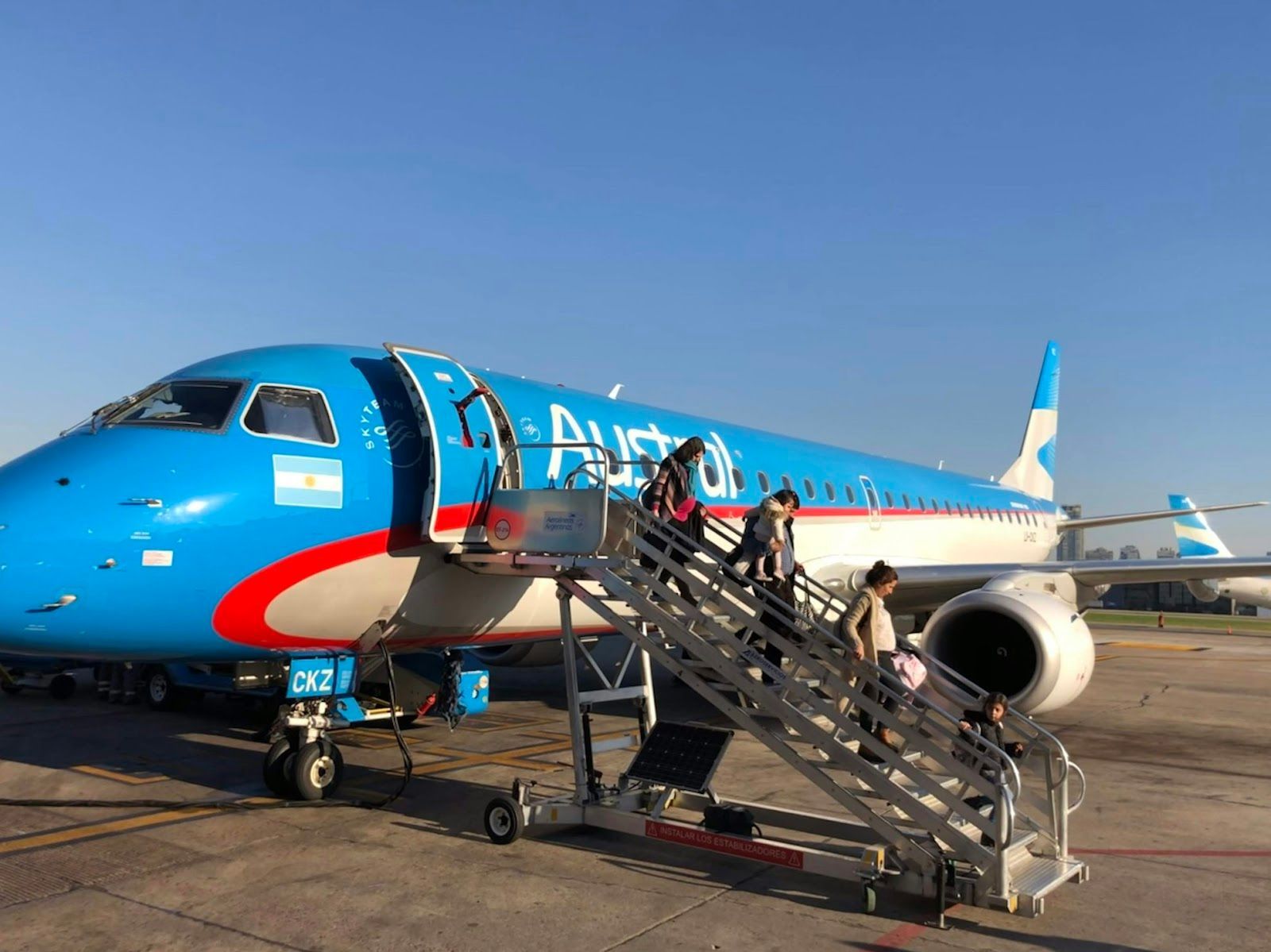
Security procedures in Latin American airports vary widely by country and airport size. Major international hubs generally follow global standards for liquids and electronics, while smaller airports may feel less structured. Lines can move slowly due to staffing or infrastructure limitations.
In some places, you might encounter additional manual bag checks or document verification. While the process may feel less standardized than in the U.S. or Europe, being patient and allowing extra time will usually keep the experience stress-free.
Southeast Asia
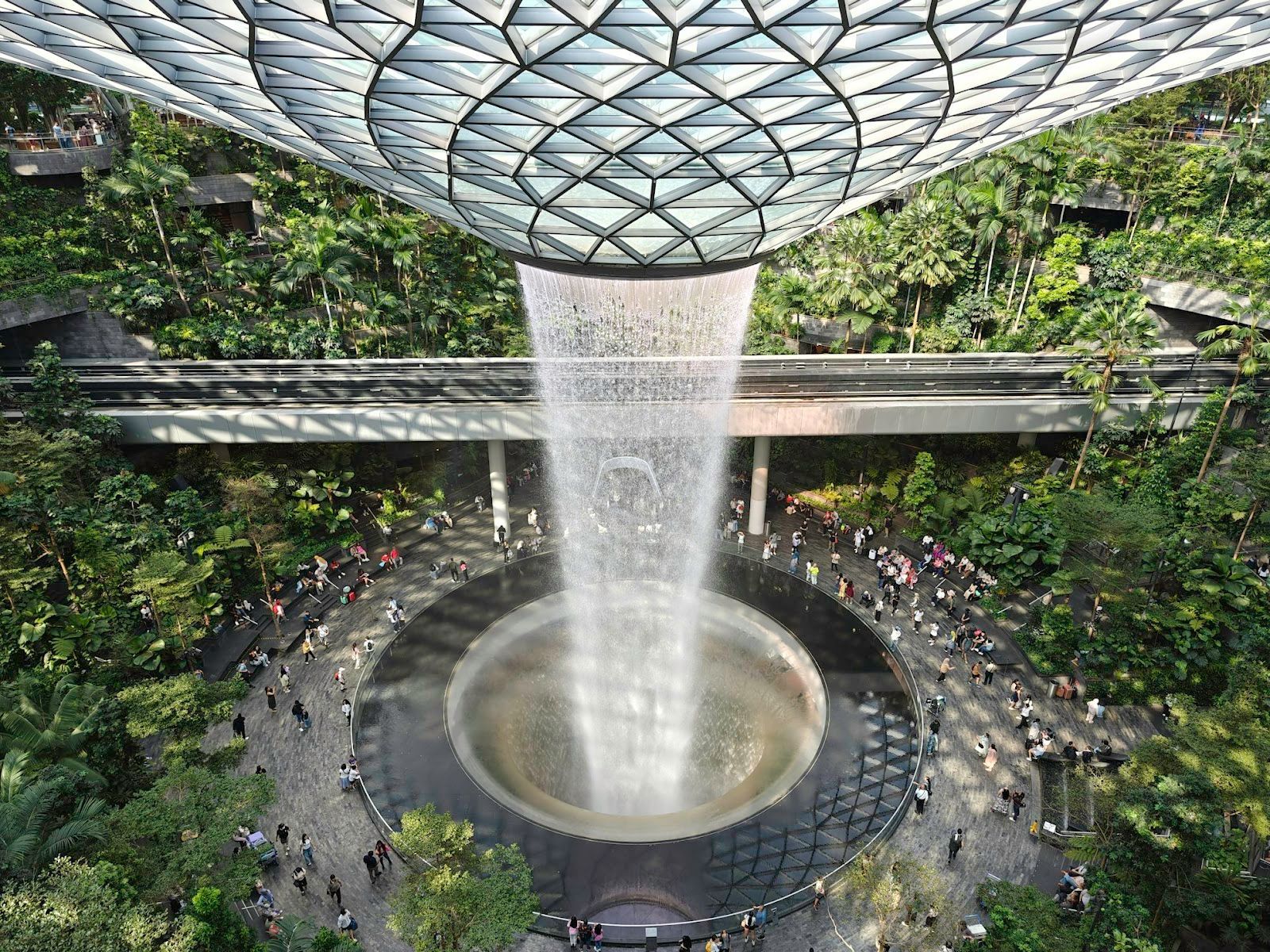
Security screening in Southeast Asia ranges from very relaxed to surprisingly strict, depending on the country and airport. Major hubs, such as Changi Airport in Singapore and Kuala Lumpur International Airport in Malaysia, tend to be highly organized and efficient, while smaller regional airports may rely more on manual checks.
Some airports conduct security screening at the gate rather than at terminal entry, which can catch travelers off guard. This means you may go through checks just before boarding, so don’t wait until the last minute to head to your gate.
Australia & New Zealand
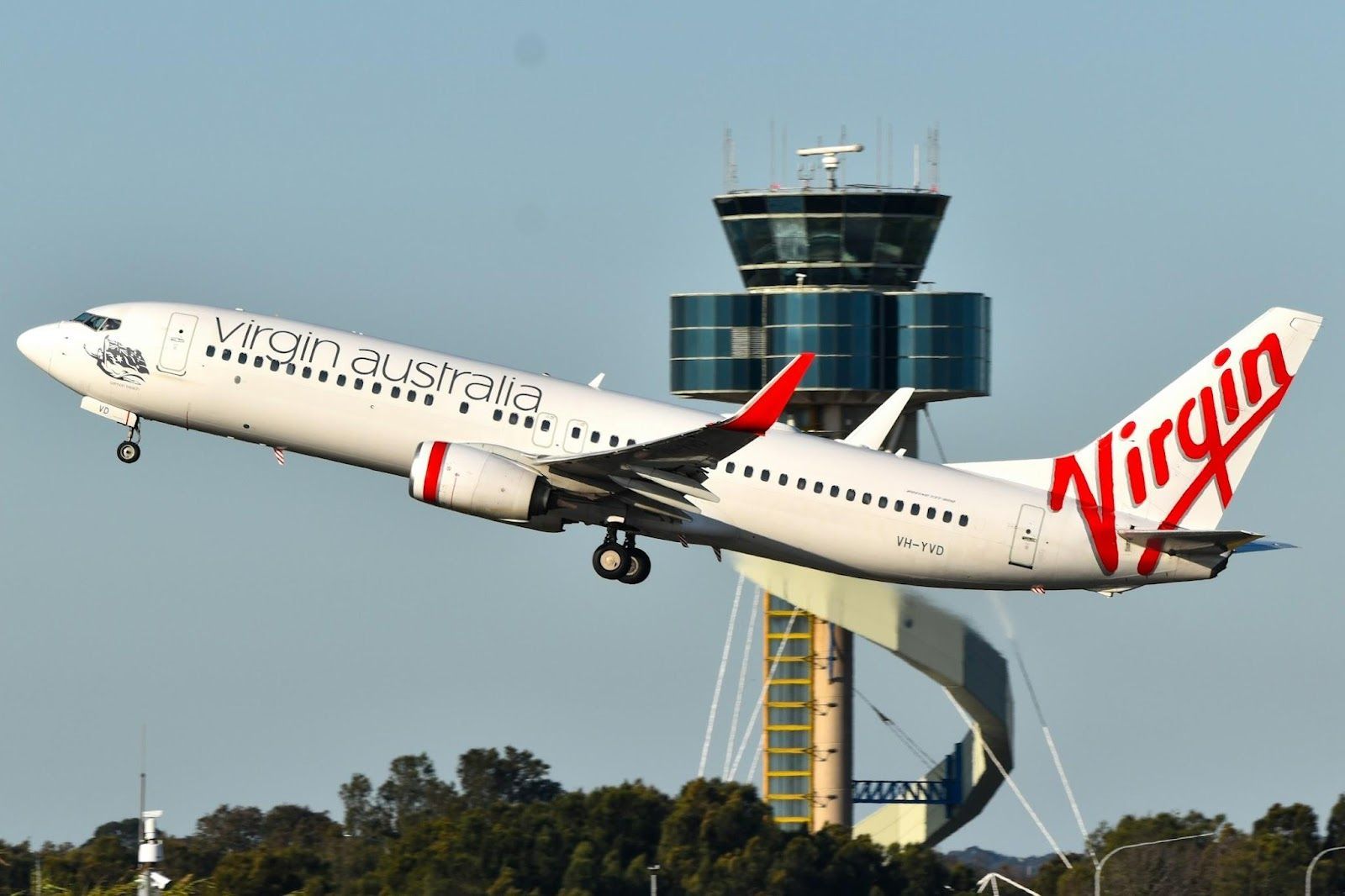
Airport security in Australia and New Zealand is thorough but generally calm. Liquids and electronics rules are enforced, and biosecurity checks add an extra layer that many travelers find unique. You may be questioned about food, plants, or outdoor gear.
The process is clearly explained, and staff are usually friendly but firm about compliance. Expect additional screening if you’re arriving internationally, as customs and biosecurity are taken very seriously in both countries.
Africa
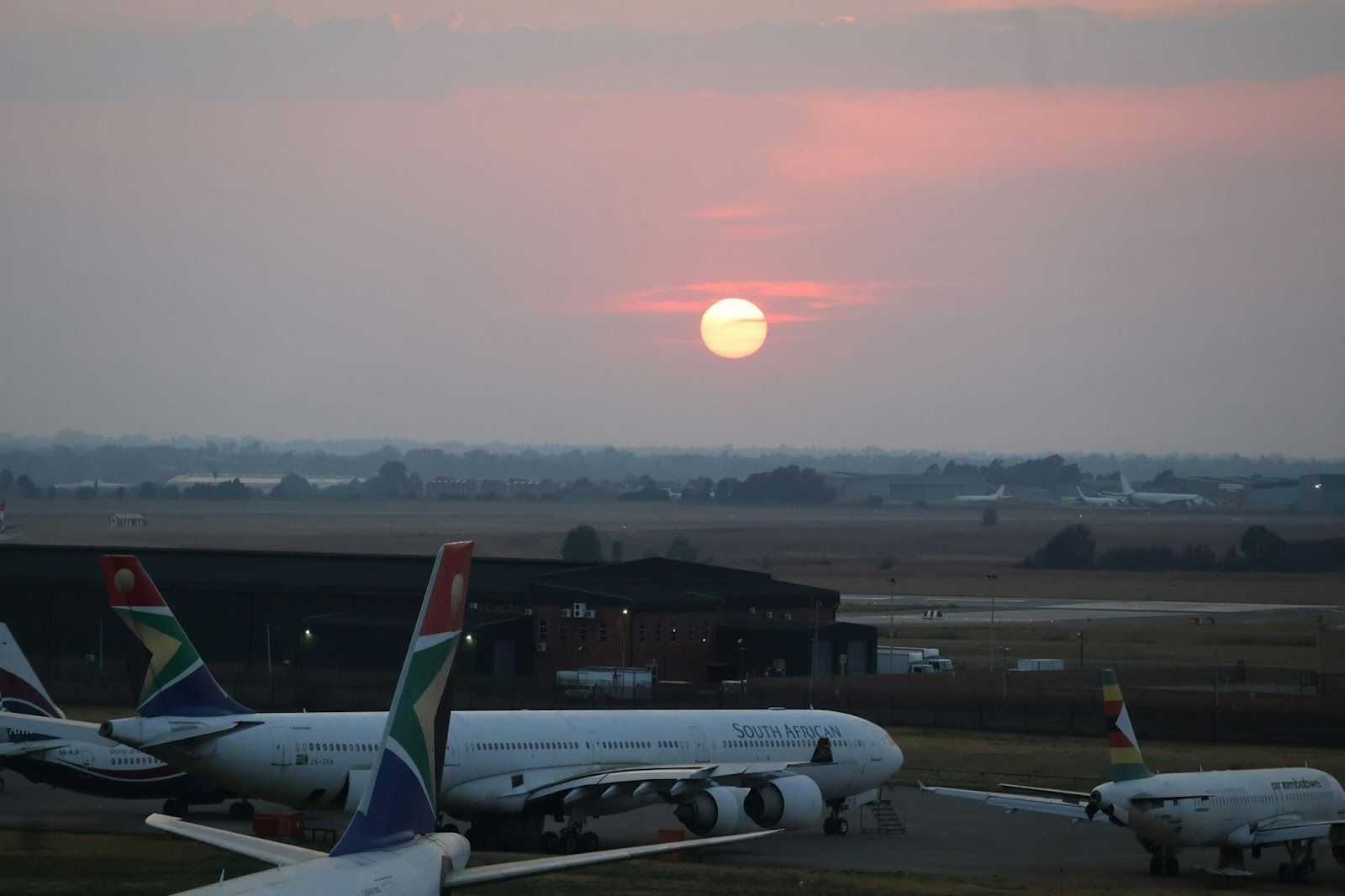
Security experiences across Africa vary widely depending on the airport and country. Major international airports such as O.R. Tambo International Airport (South Africa), Cairo International Airport (Egypt), and Jomo Kenyatta International Airport (Kenya) generally follow standard screening procedures, while smaller or regional airports may include more manual inspections and document checks.
You may encounter additional checkpoints before even entering the terminal. Lines can move slowly, and procedures may feel repetitive, but allowing extra time and staying patient usually makes the experience manageable.
What’s Universal (No Matter Where You Go)
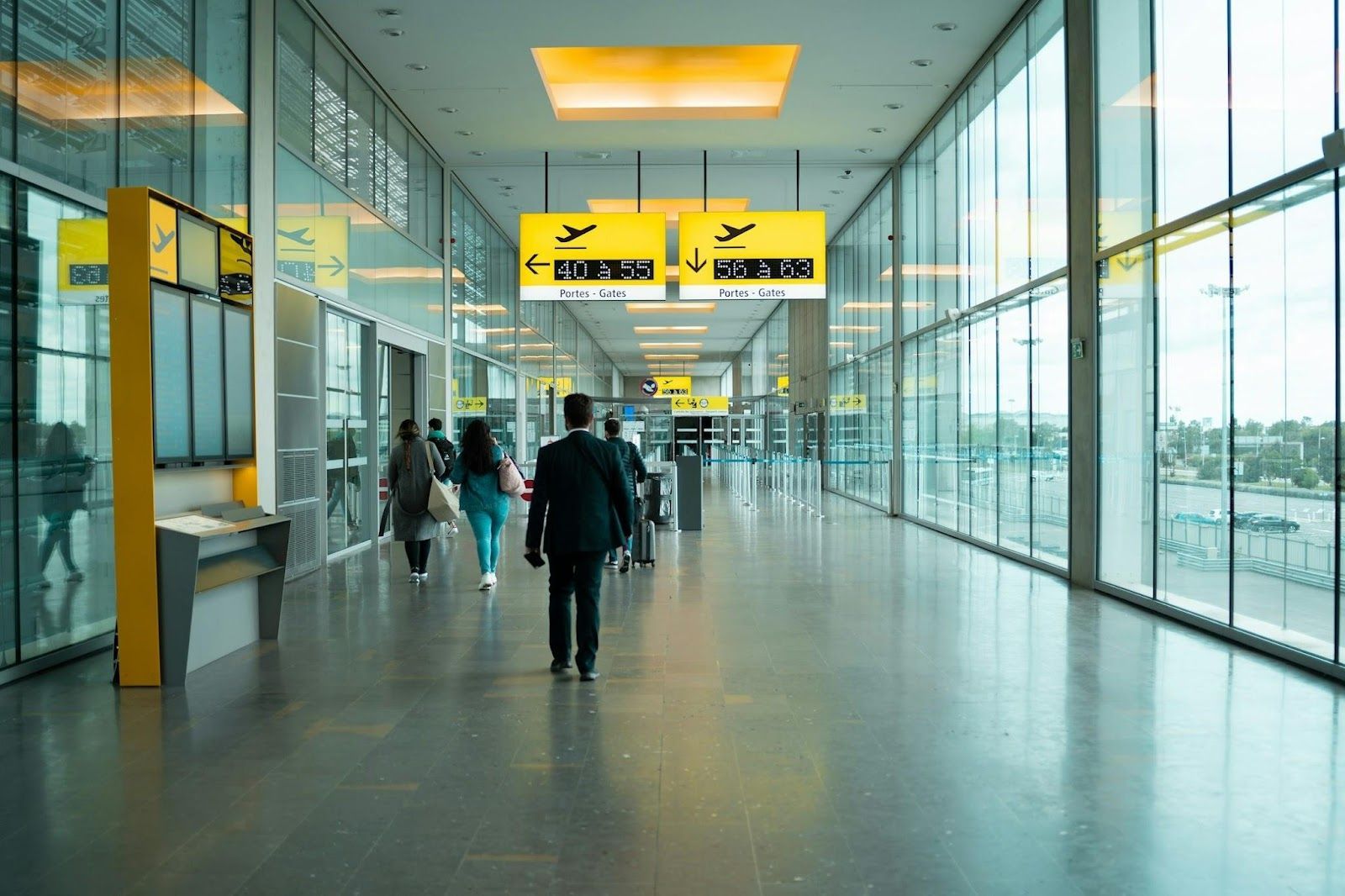
No matter the country, security screening always prioritizes safety, which means rules can change with little notice. Expect random additional screening, secondary bag checks, and occasional delays. Having your documents ready and your bags organized will make the process smoother everywhere.
The biggest universal rule is to arrive early and stay flexible. Even the most efficient airport can have sudden backups, and the most relaxed one can enforce strict rules on a bad day. A calm attitude goes a long way in getting through security with minimal stress.
More to explore

2 min read
These old camping habits would be unthinkable today
Read Now
3 min read
Lavender fields, blue lagoons, and other striking natural palettes
Read Now
4 min read
Ever been on a cruise ship? 12 things you should know before boarding
Read Now
4 min read
Ten tips to experience luxury travel on a moderate budget
Read Now