Ever been on a cruise ship? 12 things you should know before boarding

All aboard!
Ever been on a cruise ship? 12 things you should know before boarding
Cruises are designed to feel effortless, but a little preparation can make a big difference. From avoiding unnecessary expenses to making embarkation day smoother, experienced cruisers know that small details matter. These practical tips can help both first-timers and repeat travelers enjoy calmer days, better value, and fewer surprises once they step aboard.
Understand exactly what you booked

Cruise fares can look similar while offering very different experiences. Cabin type, location, and booking conditions all affect comfort, noise levels, and even motion at sea. "Guaranteed" cabins may cost less, but they remove your ability to choose where you’ll sleep.
Before boarding, review your booking confirmation carefully. Knowing what is included and what is not prevents disappointment and helps you decide whether upgrades or add-ons are actually worth it for your travel experience.
Bring the right travel documents
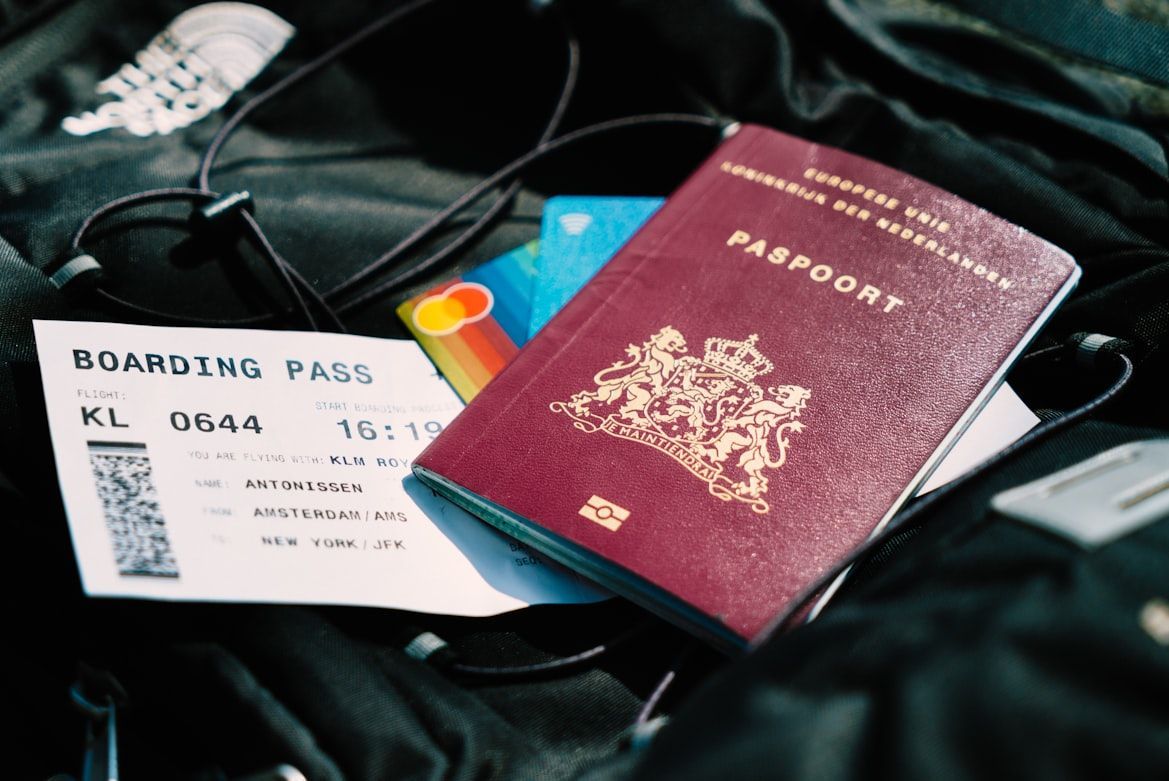
This one might seem obvious, but it's not. Cruises often visit multiple countries, and document requirements can vary by itinerary. Passports, visas, and IDs must meet specific validity rules, even if you never plan to leave the ship at certain ports.
Keep both printed and digital copies of all documents, and store them separately. This simple step can save hours of stress if paperwork is lost or questioned during embarkation or re-entry.
Pack for comfort, not just style
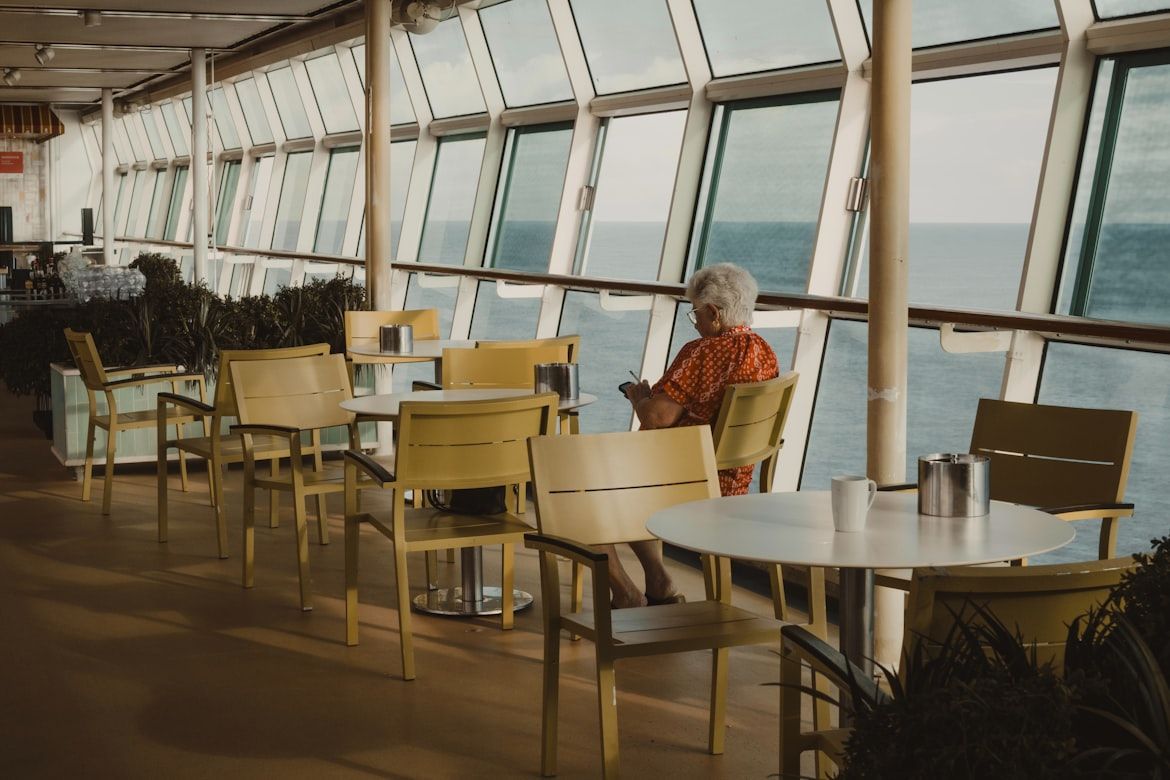
Cruise wardrobes tend to be more relaxed than many travelers expect. While some evenings are dressier, most days involve casual walking, stairs, and time outdoors. Overpacking formal clothing often leads to unused items.
Choose versatile layers, comfortable shoes, and outfits that work in multiple settings. A lighter suitcase is easier to manage and leaves room for souvenirs without extra baggage fees.
Bring essentials from home

Items like sunscreen, pain relievers, seasickness remedies, and toiletries are available on board, but at premium prices. Even small necessities can cost significantly more once the ship sails.
Packing these basics ahead of time saves money and prevents last-minute searches. It also ensures you have trusted brands and medications you’re already comfortable using.
Know what’s included in your fare
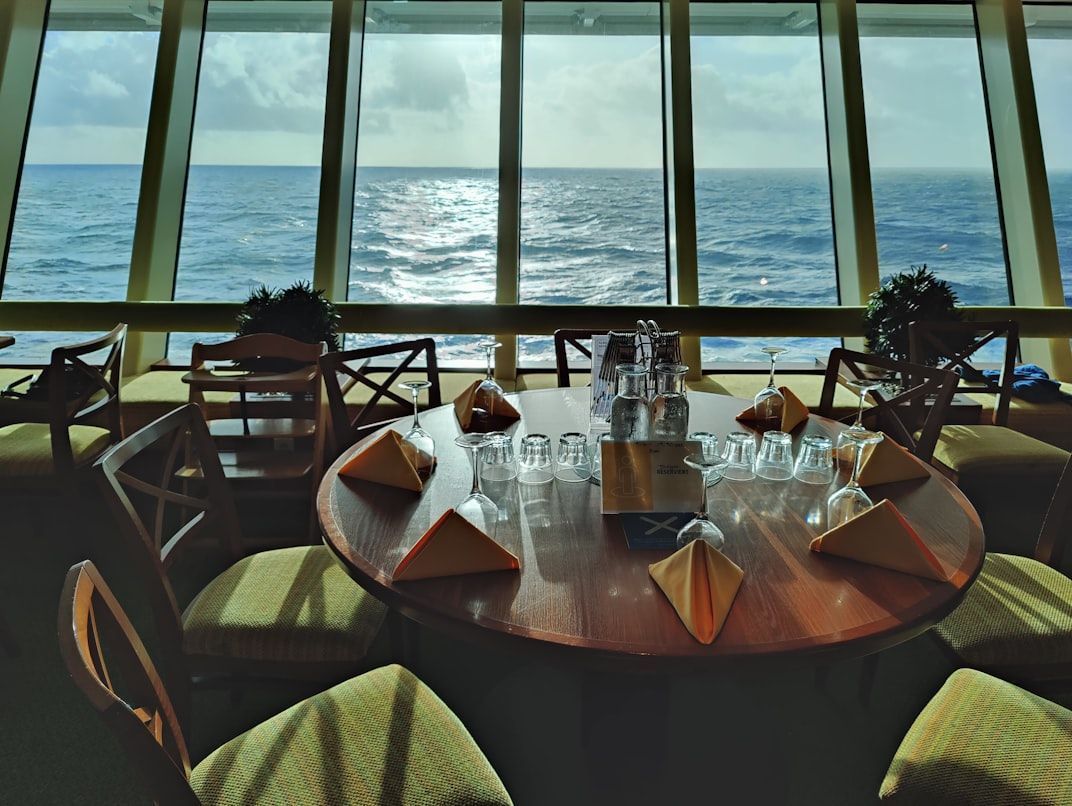
Cruises advertise "all-inclusive" experiences, but not everything falls under that label. Specialty dining, alcohol, internet access, and some activities frequently cost extra.
Understanding these distinctions helps you budget realistically and avoid surprise charges at the end of the trip. It also lets you decide which extras enhance your experience, and which you can skip.
You don’t have to book ship excursions

Cruise-line excursions are convenient, but they’re rarely the cheapest option. Local tour operators and independent guides offer similar experiences for less money and in smaller groups.
Research port cities in advance and compare options carefully. Just be mindful of timing, because returning to the ship before departure is always your responsibility.
Plan your port days in advance

Not all ports are close to city centers or major attractions. Some require long transfers or careful scheduling to see key sights comfortably.
Knowing distances, transportation options, and local customs ahead of time helps you maximize each stop without feeling rushed. A simple plan makes port days more relaxing and rewarding.
Check the Prohibited Items list
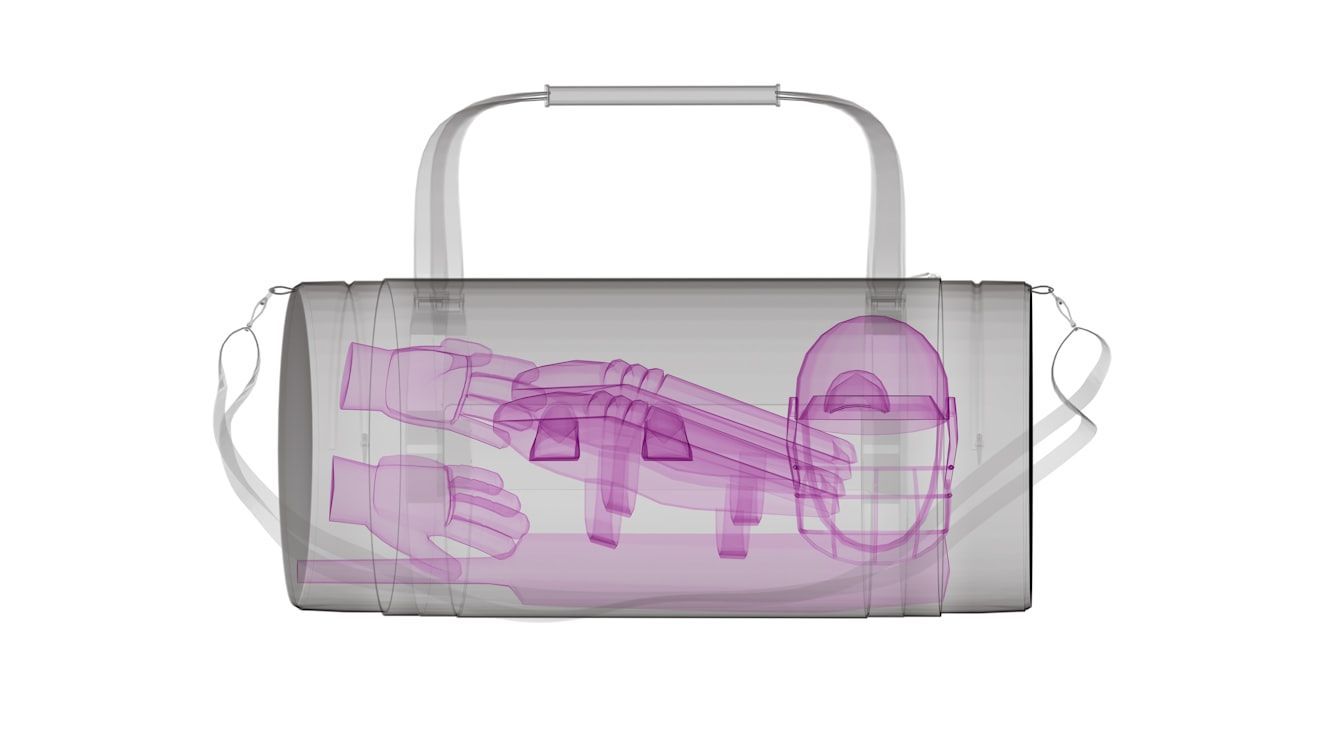
Cruise ships restrict certain everyday items for safety reasons. Appliances like irons, candles, and even some electronics may be confiscated at boarding.
Review the prohibited items list before packing to avoid delays or lost belongings. Knowing the rules ahead of time keeps embarkation smooth and prevents unpleasant surprises at security checkpoints.
Prepare your phone for sea travel

Mobile phone service at sea works differently than on land and can result in extremely high roaming charges. Many travelers learn this the hard way after receiving their bill.
Set your phone to airplane mode and rely on onboard Wi-Fi if needed. Download maps, schedules, and entertainment before departure to stay connected without extra costs.
Keep your essentials in your carry-on
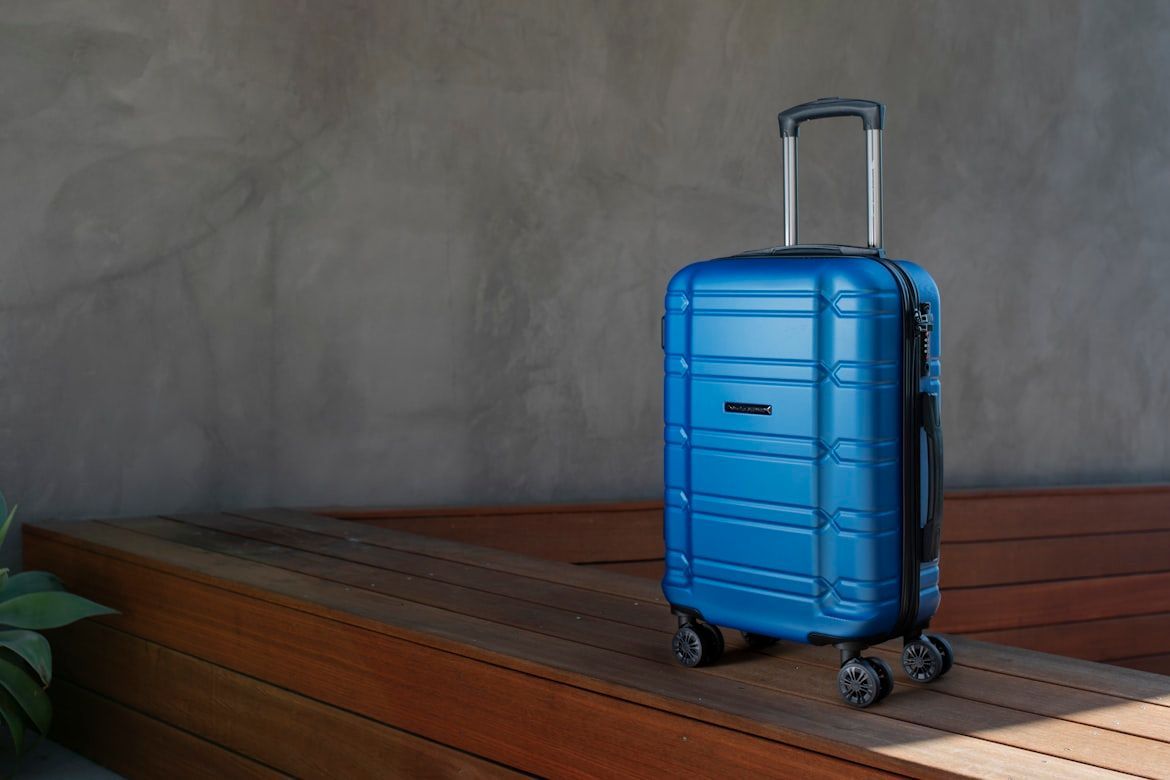
Checked luggage may take several hours to reach your cabin after boarding. During that time, access to your belongings is limited.
Pack medications, chargers, swimwear, and a change of clothes in your carry-on bag. This ensures comfort on embarkation day and avoids stress if luggage delivery is delayed.
Read the daily schedule carefully

Cruise ships publish a daily program listing activities, meal times, shows, and dress codes. It also includes important information like port arrival times and final boarding hours.
Reviewing it each day helps you plan efficiently and avoid missing events you would enjoy. It’s the best way to stay organized without feeling overwhelmed by options.
Take health and hygiene seriously

Cruises involve shared spaces, buffets, and close contact with other travelers. Staying healthy requires simple but consistent habits.
Wash hands often, stay hydrated, use sunscreen, and bring seasickness remedies if needed. Small precautions go a long way toward ensuring your vacation remains enjoyable from start to finish.
More to explore

2 min read
These old camping habits would be unthinkable today
Read Now

3 min read
Lavender fields, blue lagoons, and other striking natural palettes
Read Now

5 min read
What to expect during airport security around the world?
Read Now

4 min read
Ten tips to experience luxury travel on a moderate budget
Read Now