Lavender fields, blue lagoons, and other striking natural palettes
 Geography
Paintings of nature
Lavender fields, blue lagoons, and other striking natural palettes
Nature really said, "Why stop at green and blue?" Some places on Earth look just as saturated as the unadulterated photos suggest. Some of these contrasting palettes, shaped by ice, minerals, light, shadows, and time, can truly take your breath away. Ready to travel through some of the world’s most astonishing pigments?
Mendenhall Ice Caves, United States
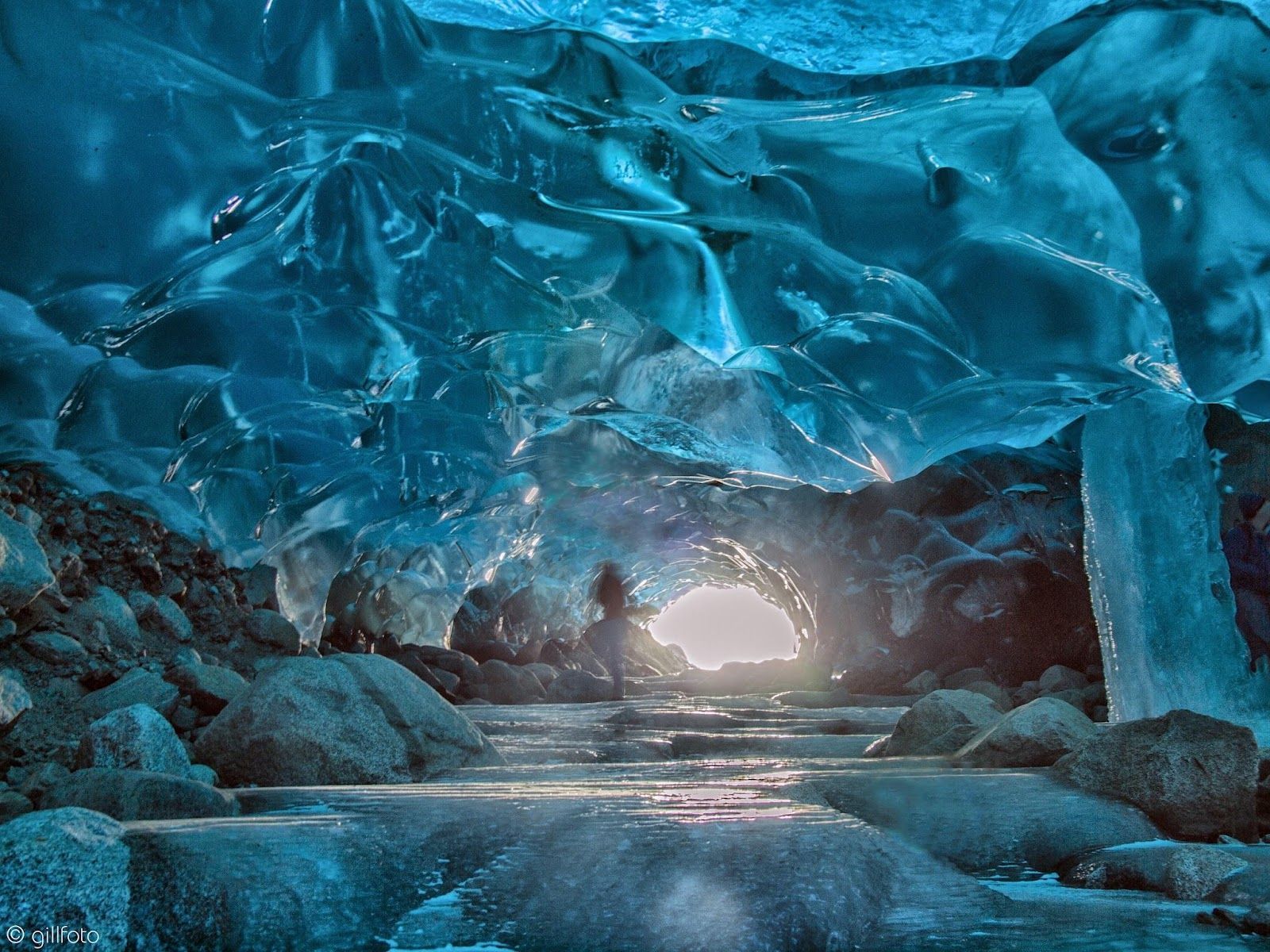
Hidden beneath the Mendenhall Glacier near Juneau, Alaska, these ice caves glow in impossible shades of blue. Sunlight filters through dense glacier ice, creating a luminous, almost neon interior.
The caves are constantly shifting as the glacier melts and reforms, so no two visits are the same. How often do you get to stand inside a living, breathing block of Arctic color?
Lake Hillier, Australia
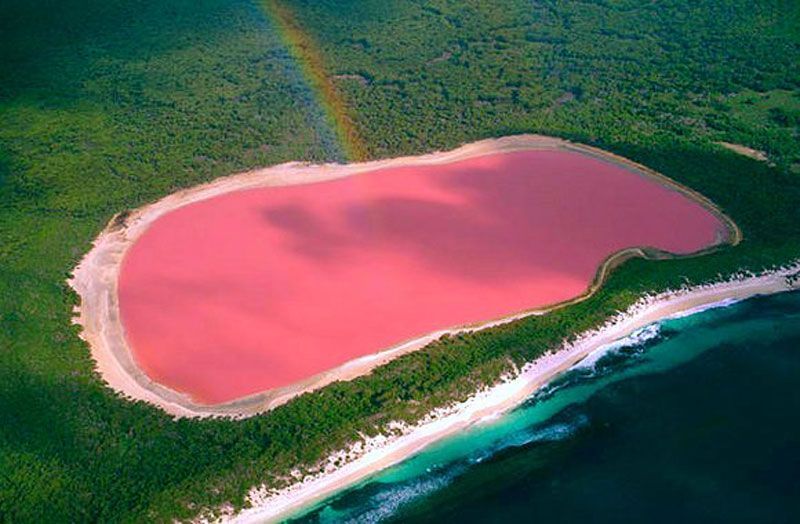
Yes, the water is actually bubblegum pink. Scientists believe the color comes from algae and salt-loving microorganisms. The lake sits right next to the blue ocean, making the contrast almost surreal. No filter is required; the rainbow is just nature showing off.
Vinicunca, Peru
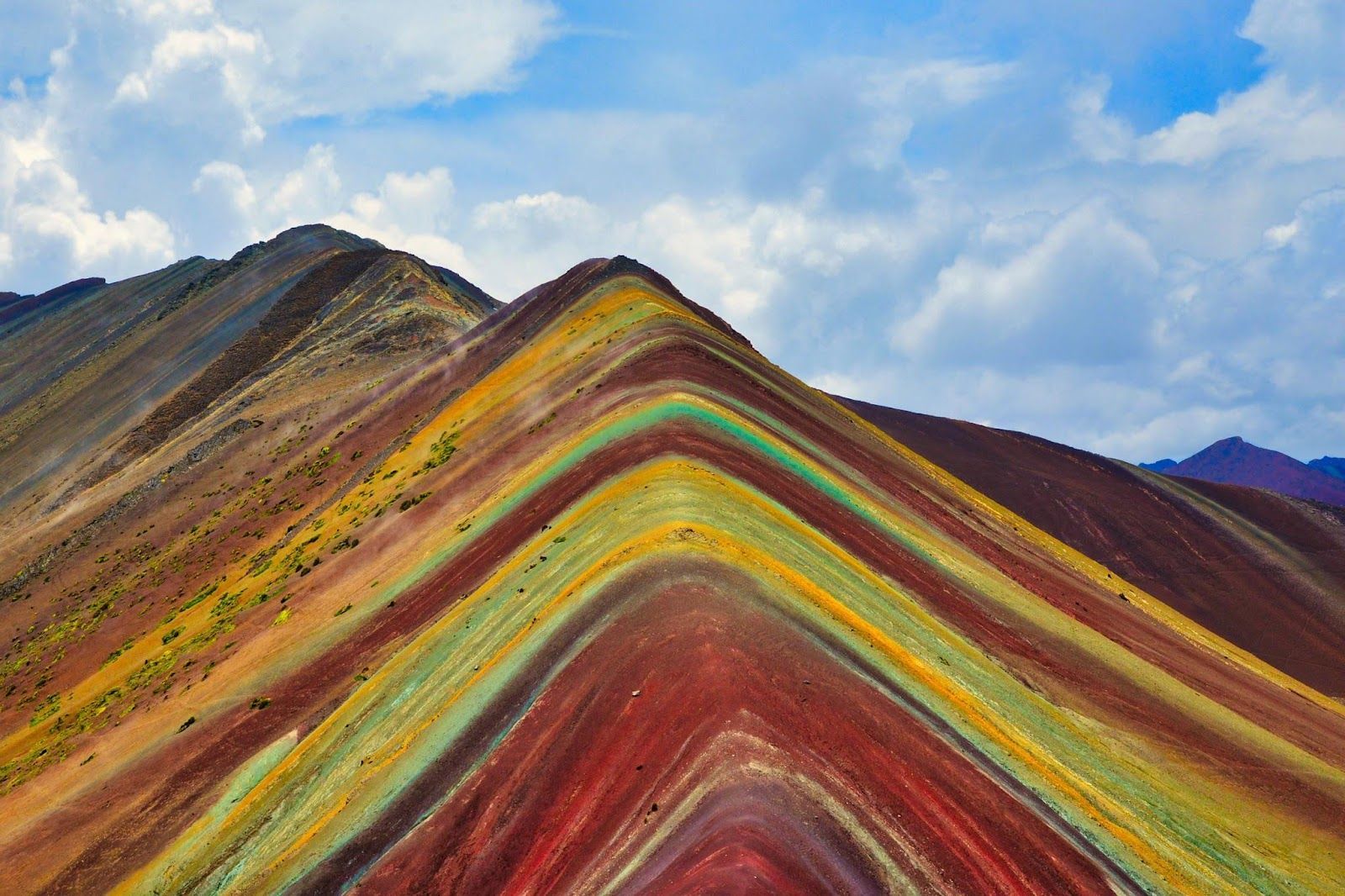
Also known as "Rainbow Mountain," and with good reason! This high-altitude Andean slope looks hand-painted in stripes of red, turquoise, gold, and lavender.
The colors come from layered mineral deposits oxidizing over time. It sits over 16,000 feet above sea level, so the trek is as intense as the view.
Northern Lights, Norway
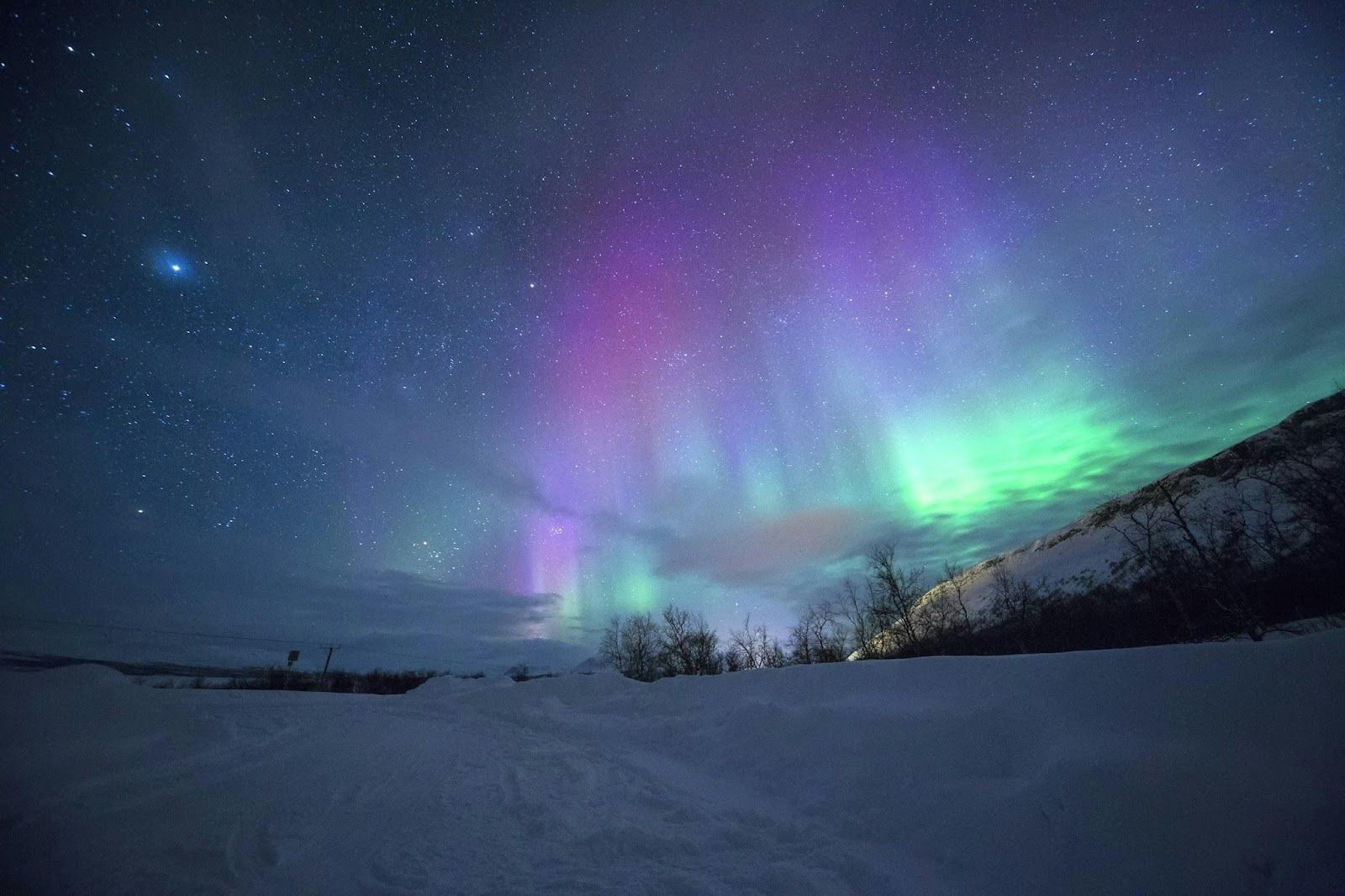
In northern Norway, especially around Tromsø, winter skies often erupt into ribbons of green, pink, and violet light. The Northern Lights are caused by charged solar particles colliding with Earth’s atmosphere, but the science hardly captures the magic.
Some nights, they appear as faint glows; other nights, they explode overhead. Truly, they are worth putting up with the Arctic cold!
Fly Geyser, United States
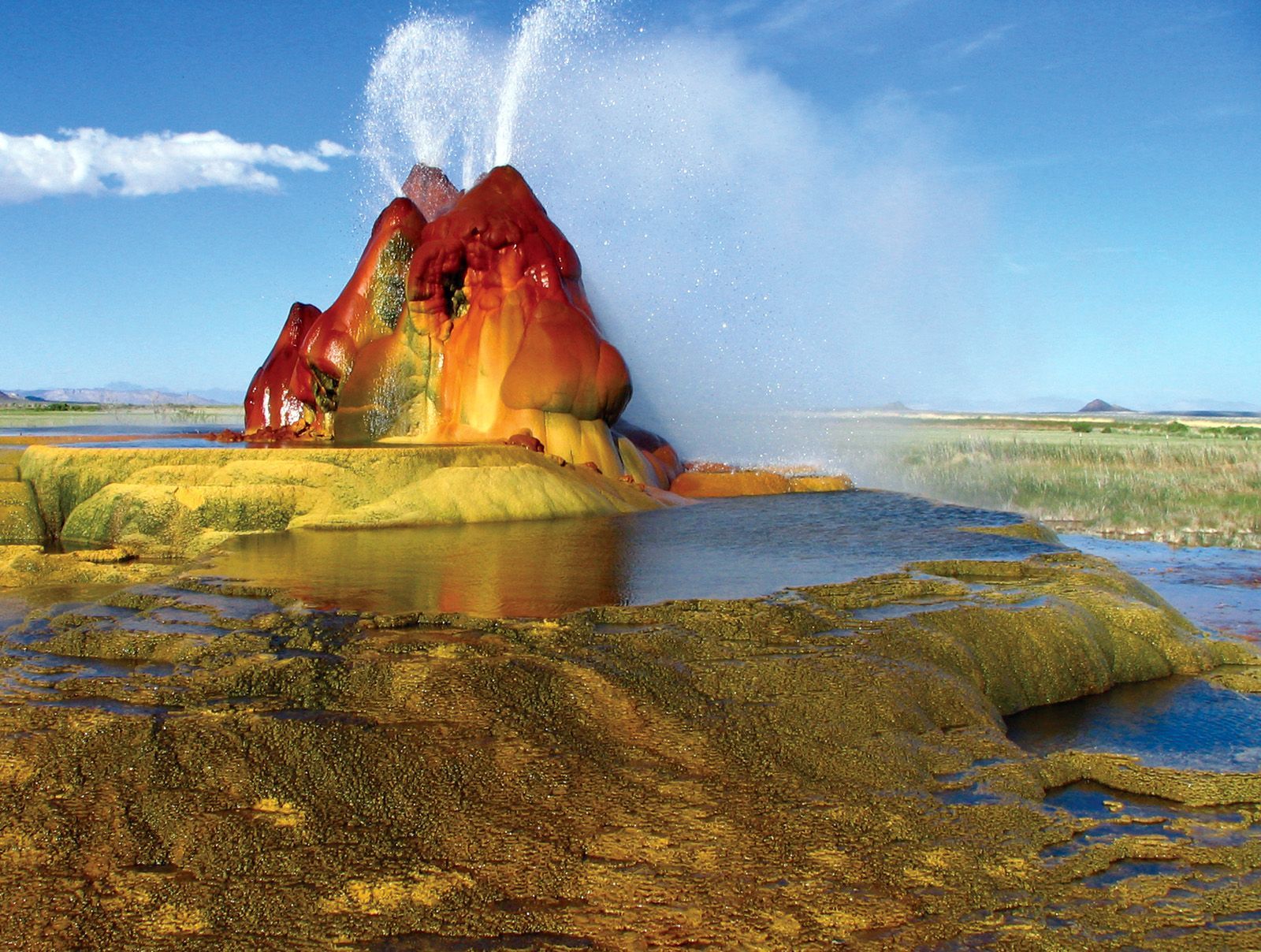
This accidental geothermal geyser looks alien, or like a strange manmade art exhibit, covered in bright green and red mineral deposits. Thermophilic algae create the neon greens, while steam rises constantly from its multi-colored terraces.
Plitvice Lakes, Croatia
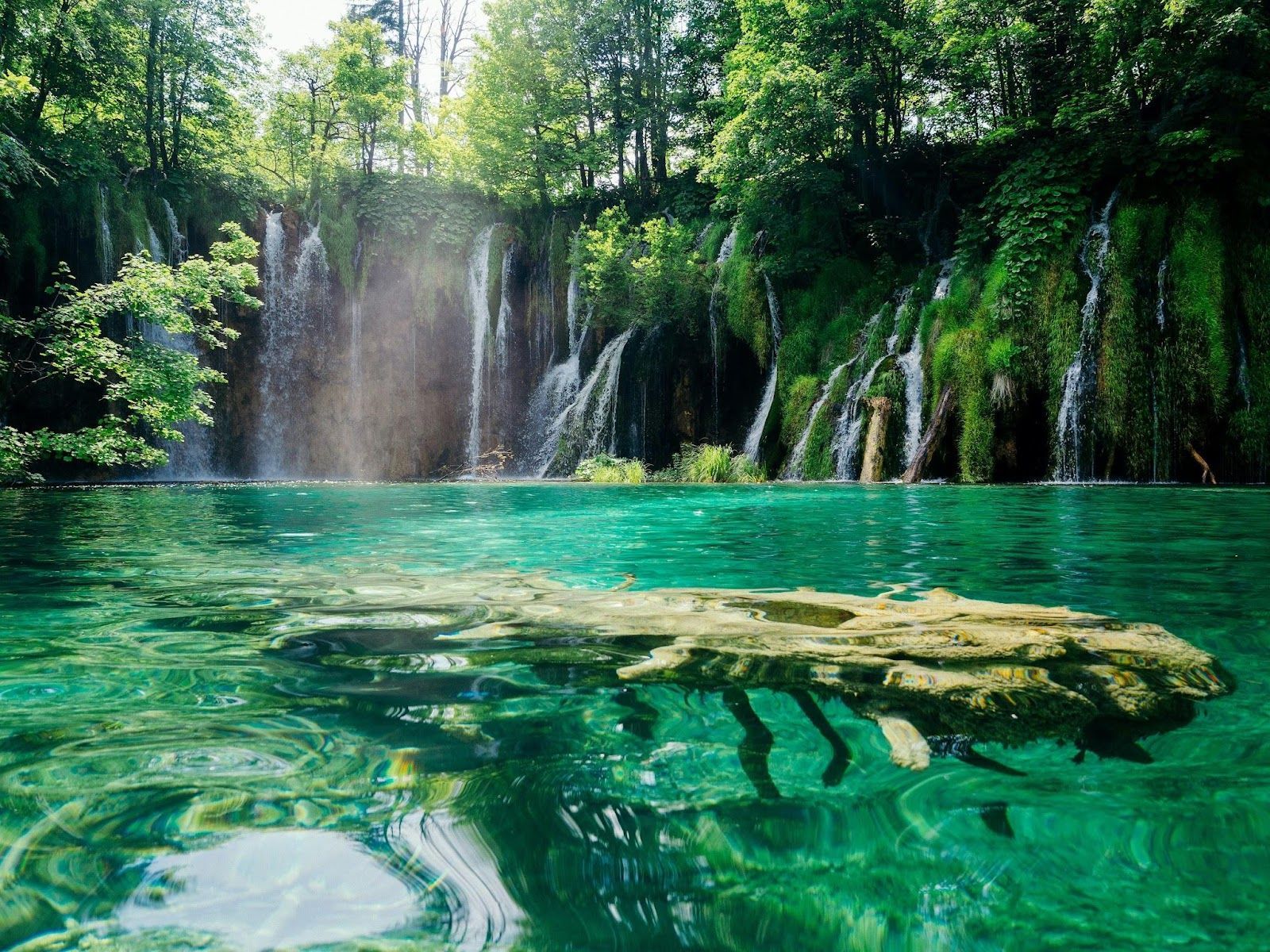
These terraced lakes shift between emerald, turquoise, and deep blue depending on minerals and light. The water is so clear, it feels almost unreal. Wooden walkways hover above waterfalls and glowing pools, allowing visitors to fully take in the scenery.
Pamukkale, Turkey
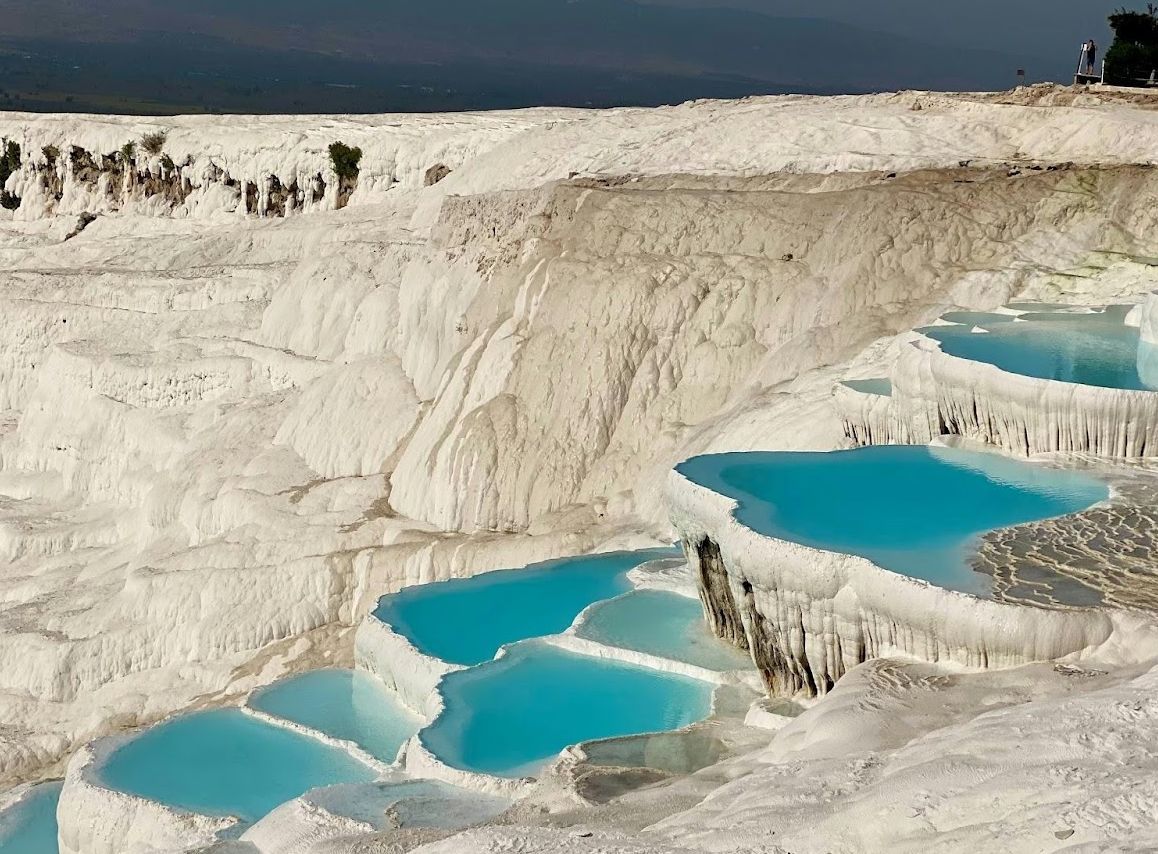
Brilliant white travertine terraces cascade down a hillside; you don’t see that often! The pools are formed by mineral-rich thermal waters depositing calcium carbonate. Against the blue sky, the effect is almost blindingly bright.
Namaqualand Wildflower Bloom, South Africa
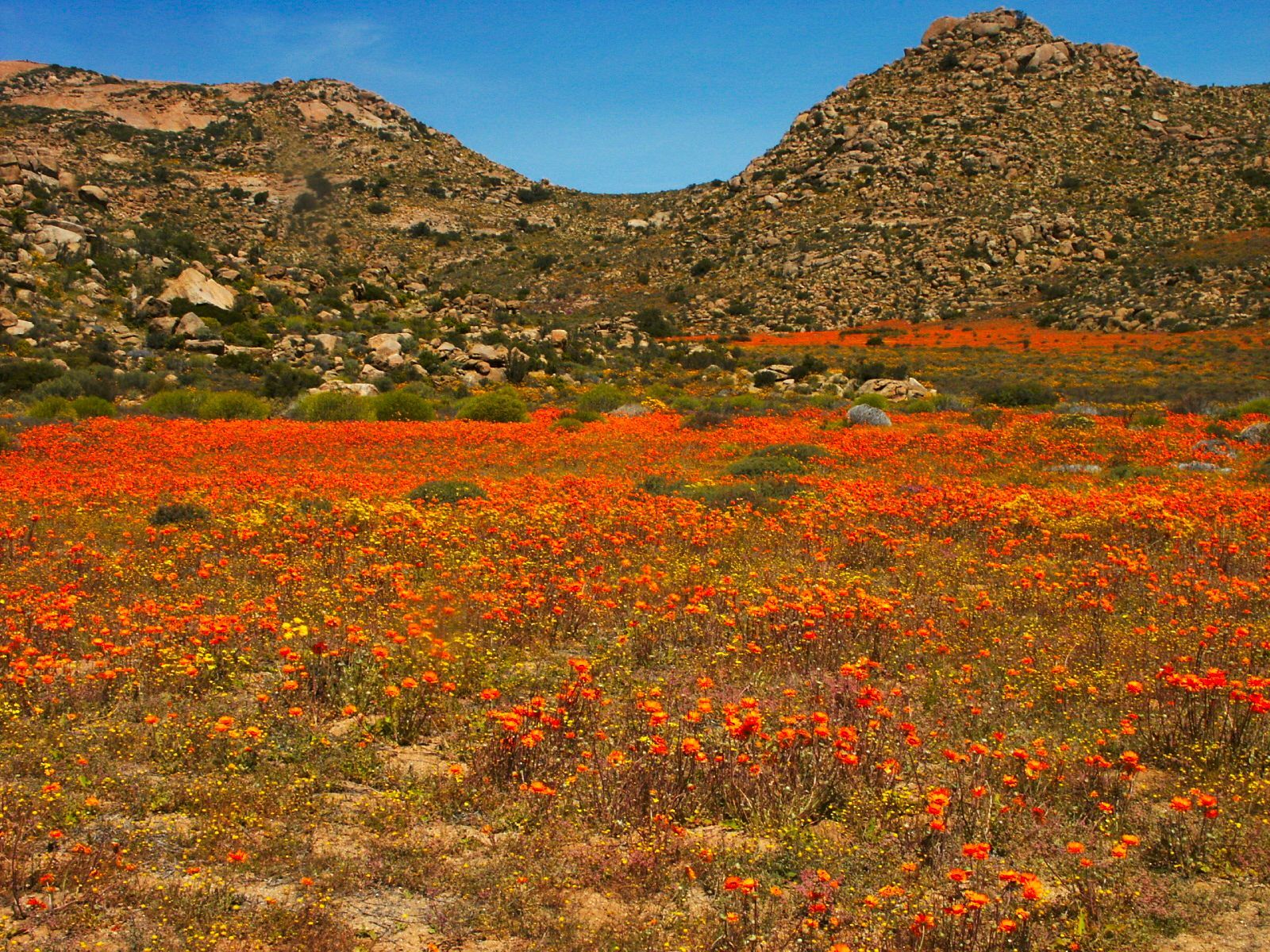
For a few weeks each spring, this arid region explodes into carpets of orange, purple, yellow, and white wildflowers. The transformation depends entirely on winter rains. One month it’s dry earth; the next, it’s a living painting!
Dallol, Ethiopia
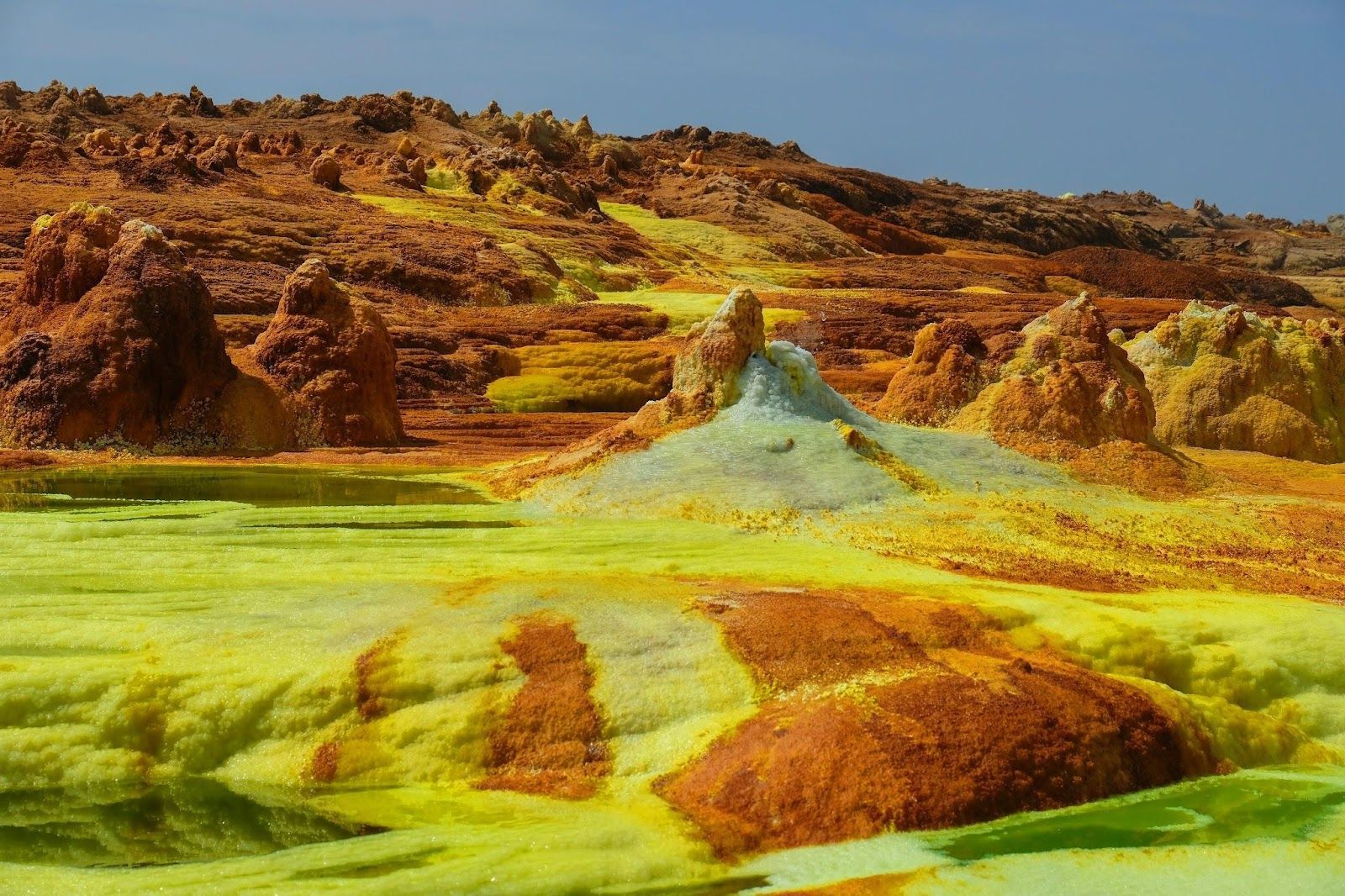
One of the hottest places on Earth also happens to be one of the most colorful. Acidic hot springs bubble in neon yellows, toxic greens, and burnt oranges. Salt formations and volcanic activity create a landscape that looks digitally enhanced, but it isn’t!
Lavender Fields of Provence, France
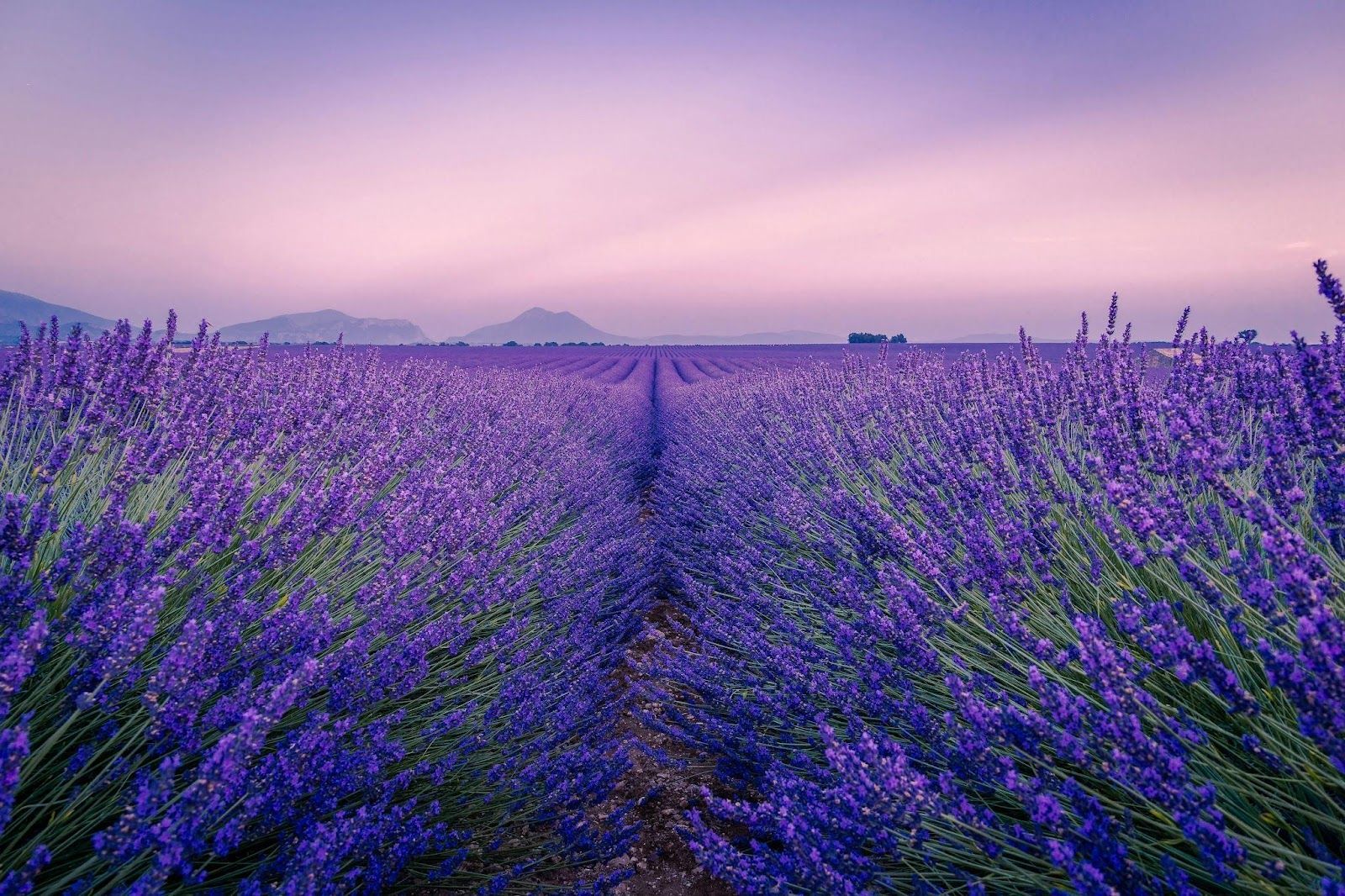
Every summer, endless rows of purple stretch across southern France. The vibrant hue peaks between late June and July. Imagine this, bathed with golden light and blue skies. Well, any shade of the sky makes it look like a painting, really.
Blue Lagoon, Iceland
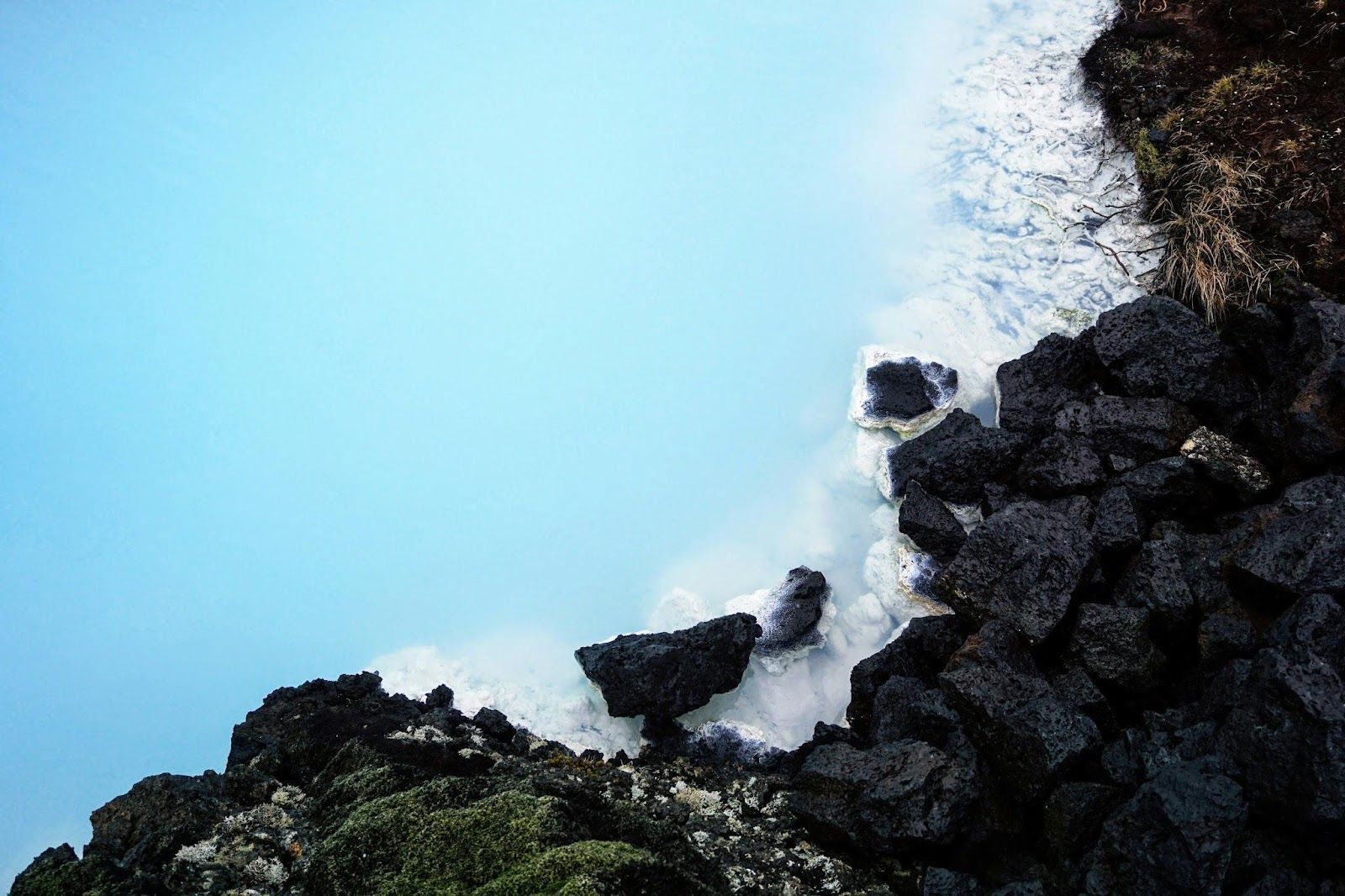
That milky, electric-blue water comes from silica-rich geothermal seawater. Set against black lava fields, the contrast feels almost sci-fi. The color shifts depending on light and mineral concentration. Iceland is never subtle.
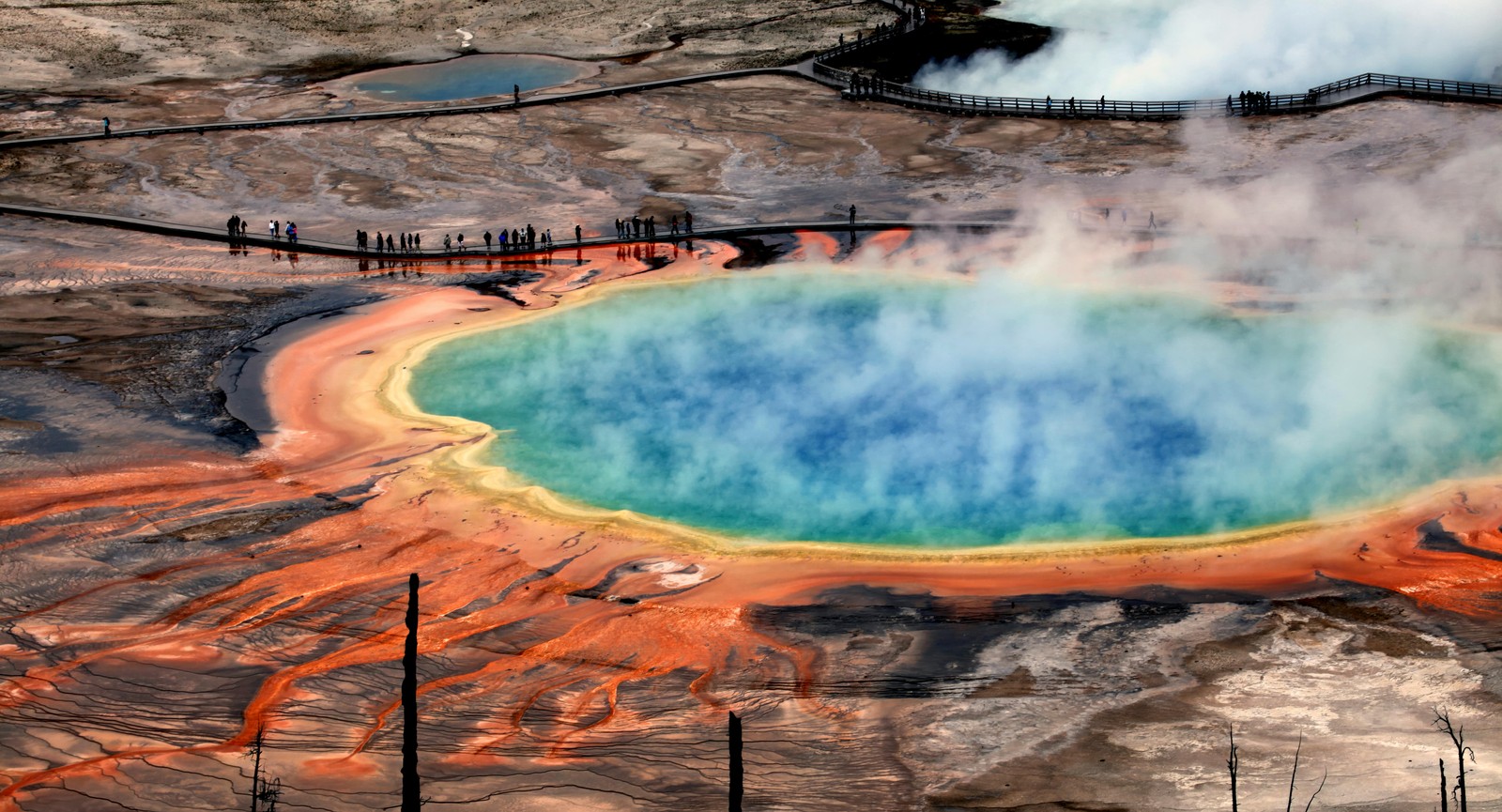
Grand Prismatic Spring, United States
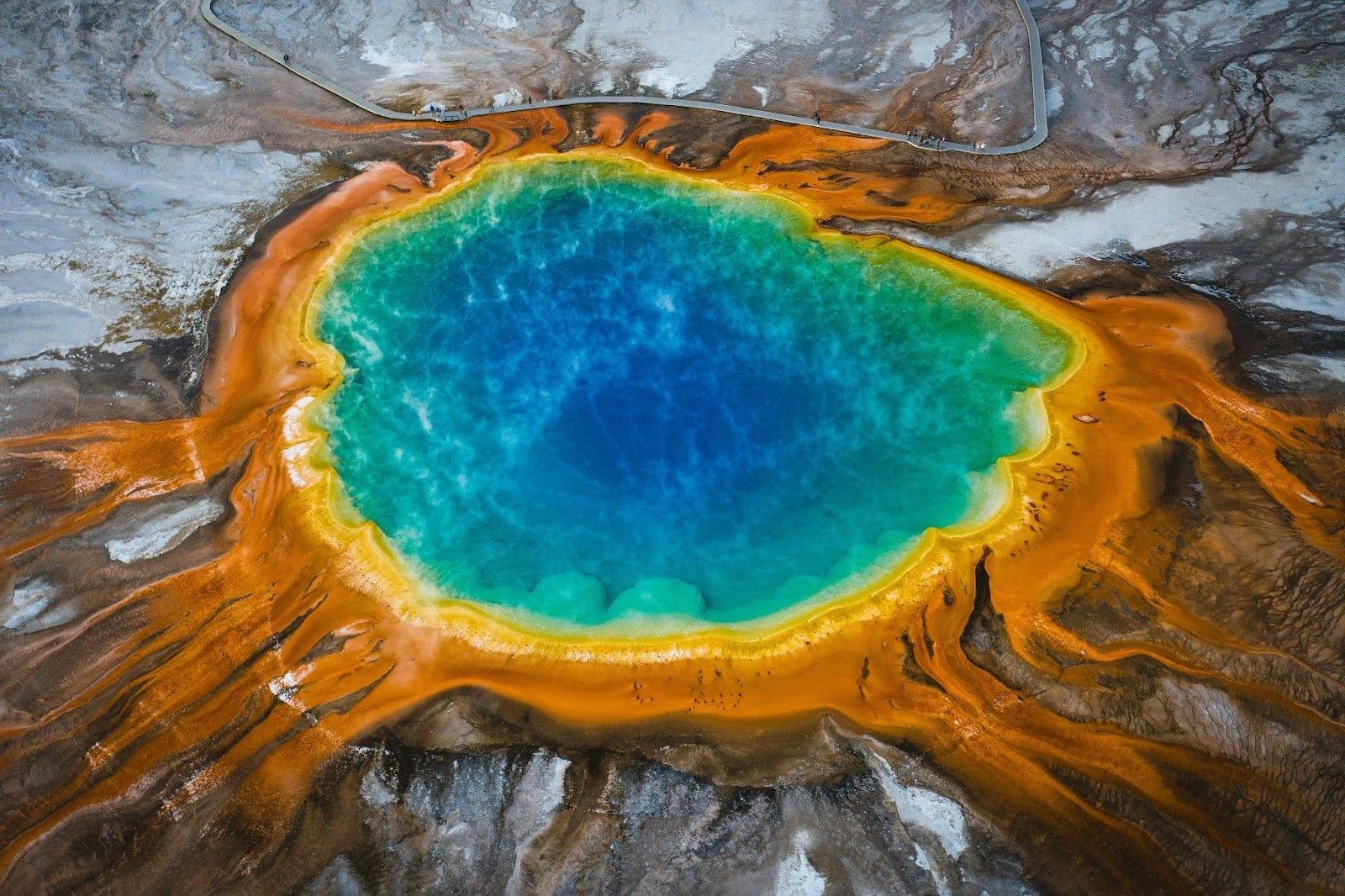
This is the largest hot spring in the United States and easily one of the most surreal. Its deep sapphire center fades into rings of electric blue, neon green, fiery orange, and rusty red. The outer colors come from heat-loving microorganisms that thrive in the mineral-rich water.
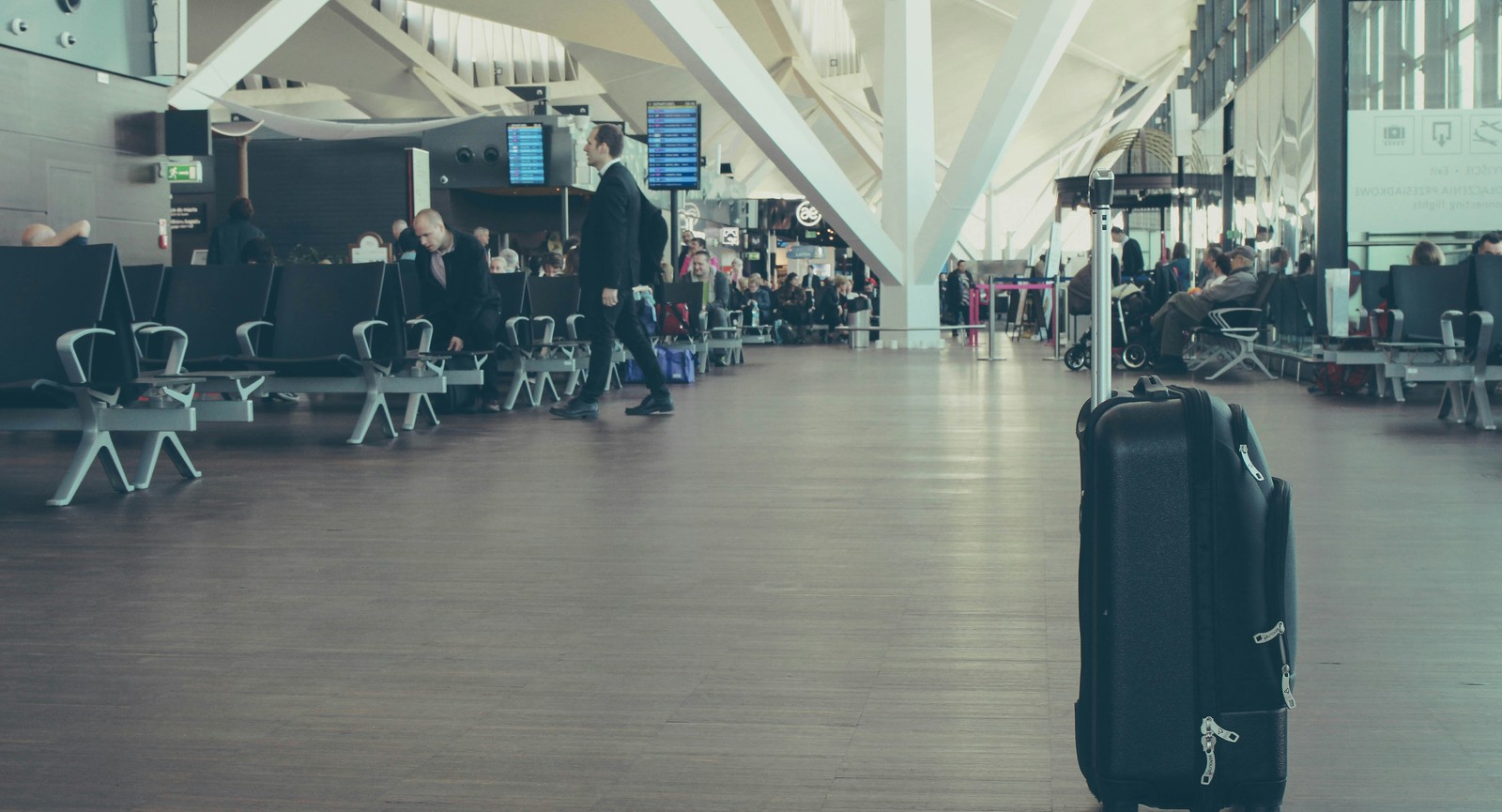
These airports are doing way too much, and we kind of love it!
 General
Terminals with personality
These airports are doing way too much, and we kind of love it!
Airports used to be all about waiting: waiting to check in, waiting to board, waiting for delays you didn’t ask for. But somewhere along the line, a few airports decided boredom was optional. Around the world, terminals now feature attractions that feel more like resorts, museums, or theme parks than places to catch a flight. Here are some of the wildest airport amenities that might make you wish for a longer layover.
Therapy dogs roaming the terminal
 Image: Claudio Schwarz
Phoenix Sky Harbor Airport sends certified therapy dogs around the terminal to comfort nervous travelers. You can pet them, talk to them, or just smile as they wander by. For many people, this beats a cup of coffee.
A real indoor jungle in Malaysia
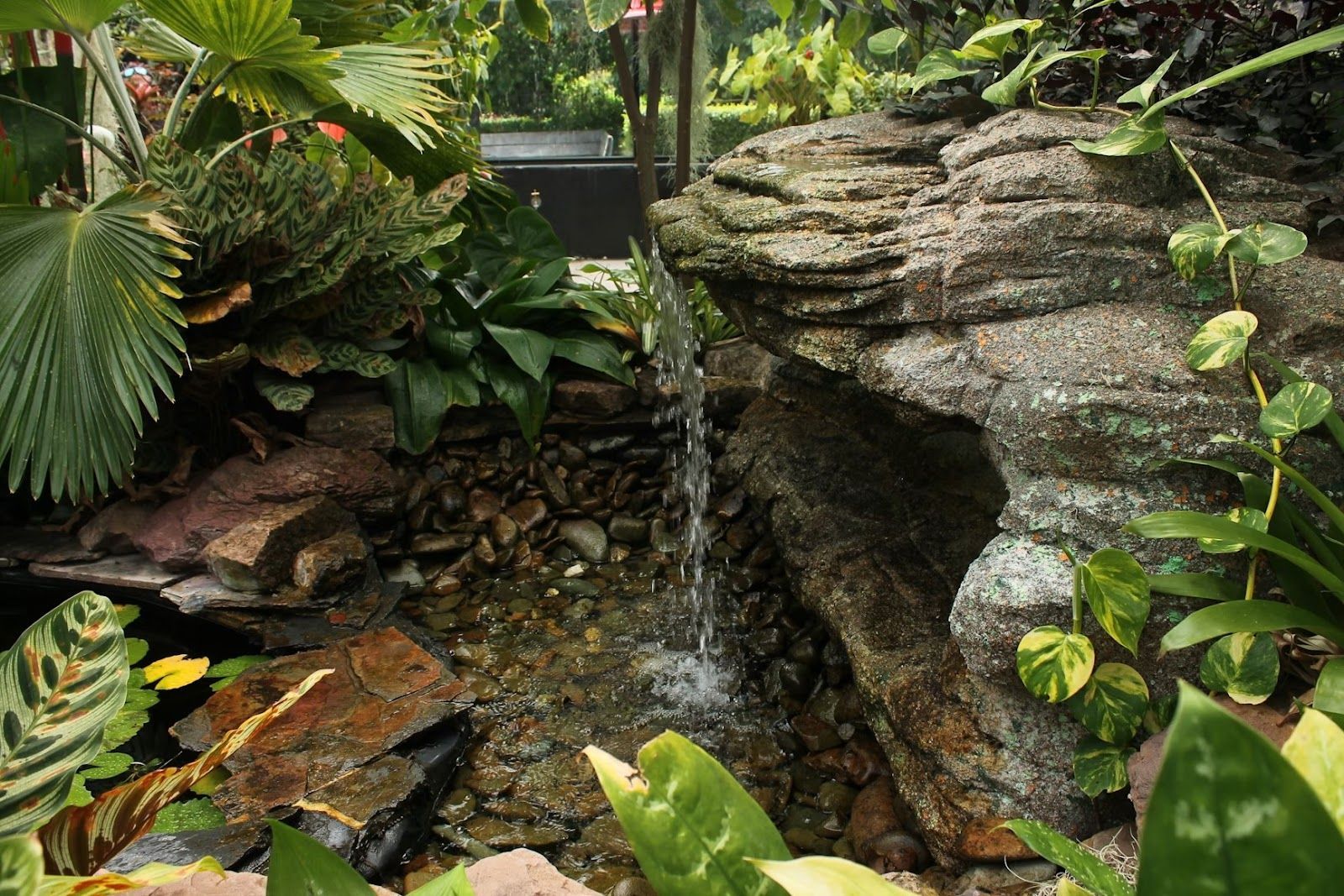 Image: Ani Rain
At Kuala Lumpur International Airport, you can stroll through a jungle without leaving the terminal. There’s a wooden boardwalk, real trees, and even birdsong. It’s warm, humid, and surprisingly peaceful. Sure, the waterfall is artificial, but when you’re surrounded by greenery instead of gate numbers, you don’t think much about that.
An indoor waterfall in Singapore
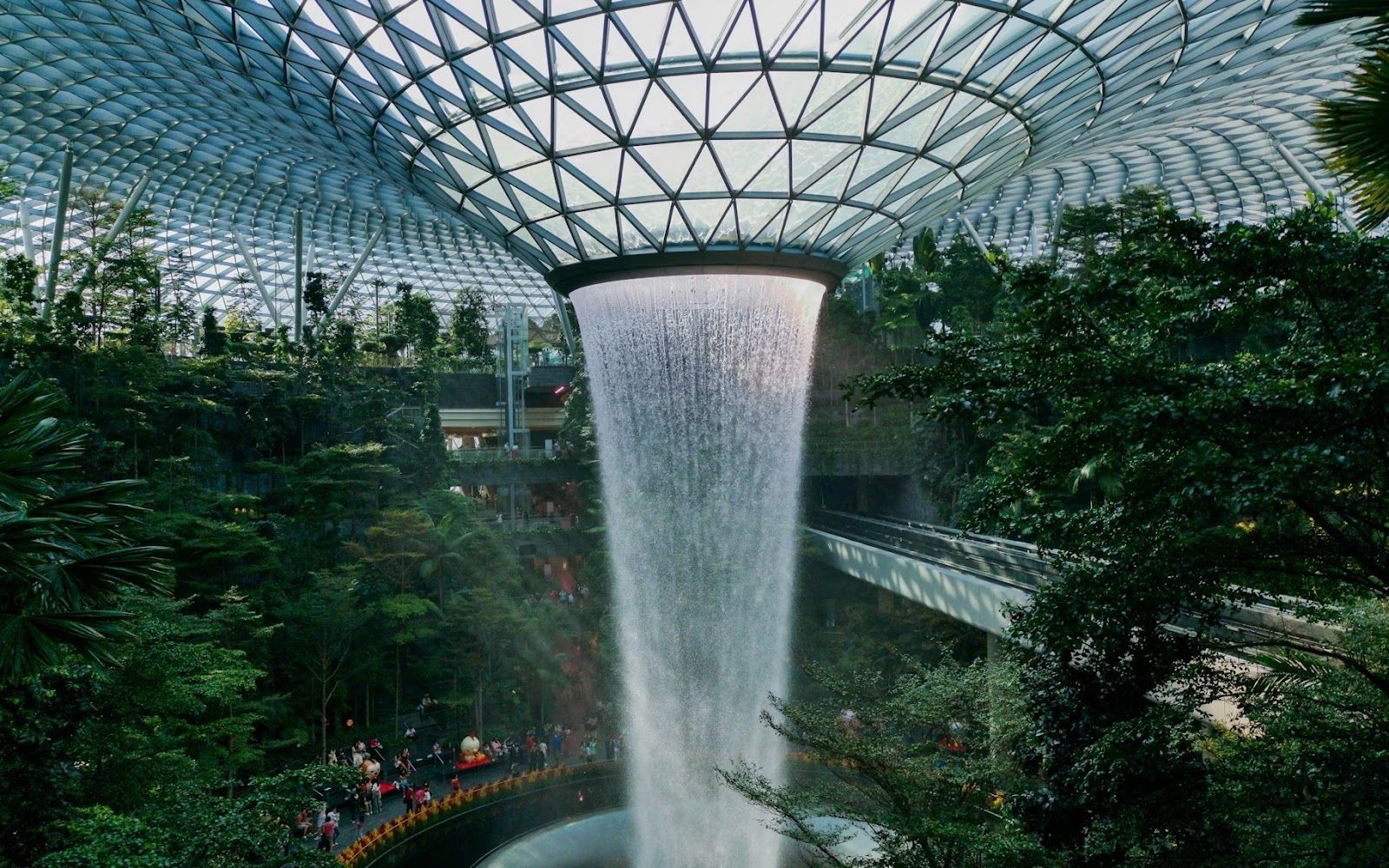 Image: Faris Ariffin
And if there’s a jungle, why not a waterfall? Singapore’s Changi Airport takes things to another level. Right in the middle of the terminal is a 130-foot indoor waterfall pouring from the ceiling. It’s part of a massive nature-themed complex with walking trails and gardens. You might even forget you’re supposed to catch a plane.
A full aquarium in Vancouver
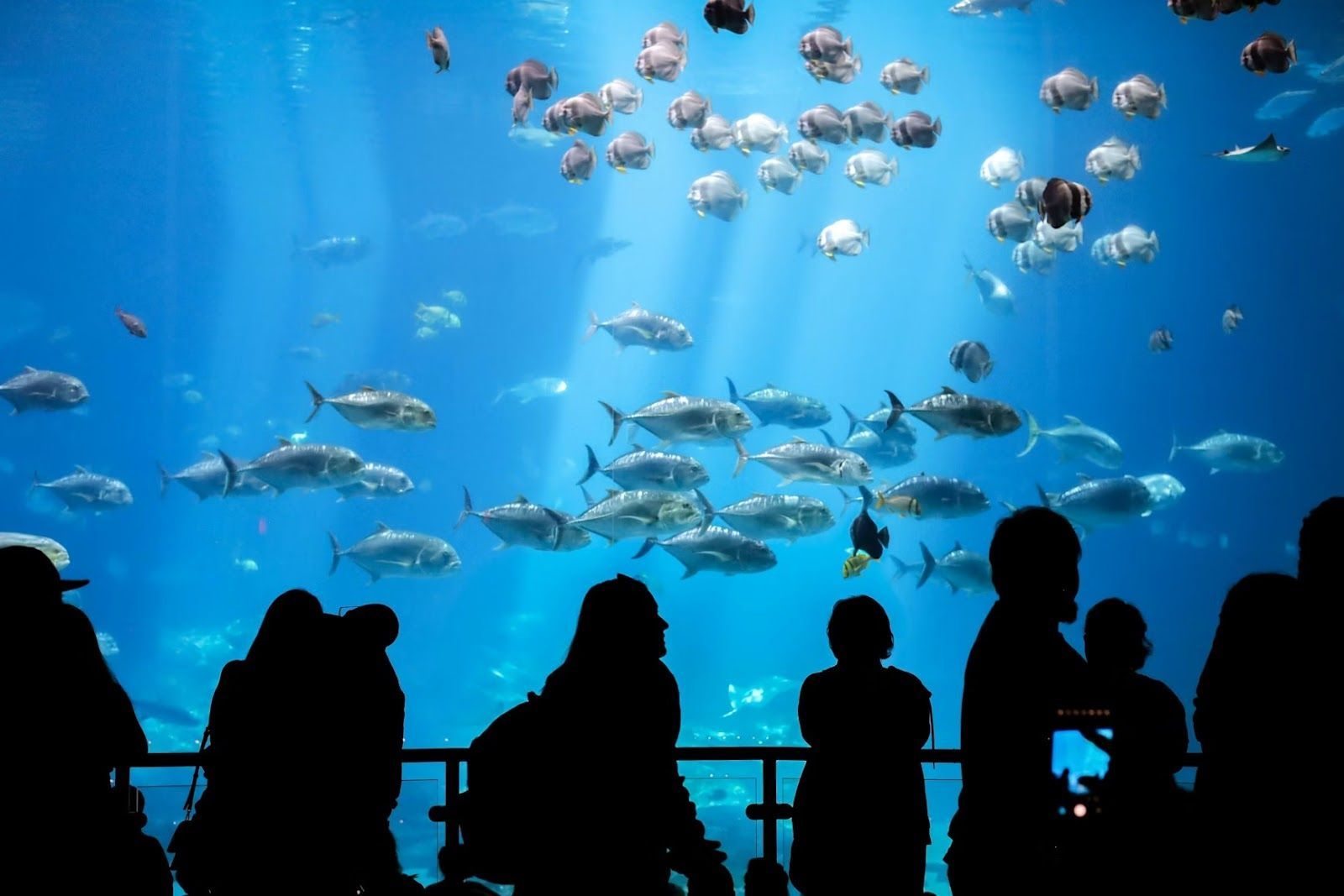 Image: Brandon Griggs
Vancouver International Airport is home to a massive saltwater aquarium filled with local marine life. There’s also a jellyfish tank that’s oddly calming. Instead of staring at departure boards, you can watch fish glide by and imagine you’re already on vacation.
An ice skating rink in South Korea
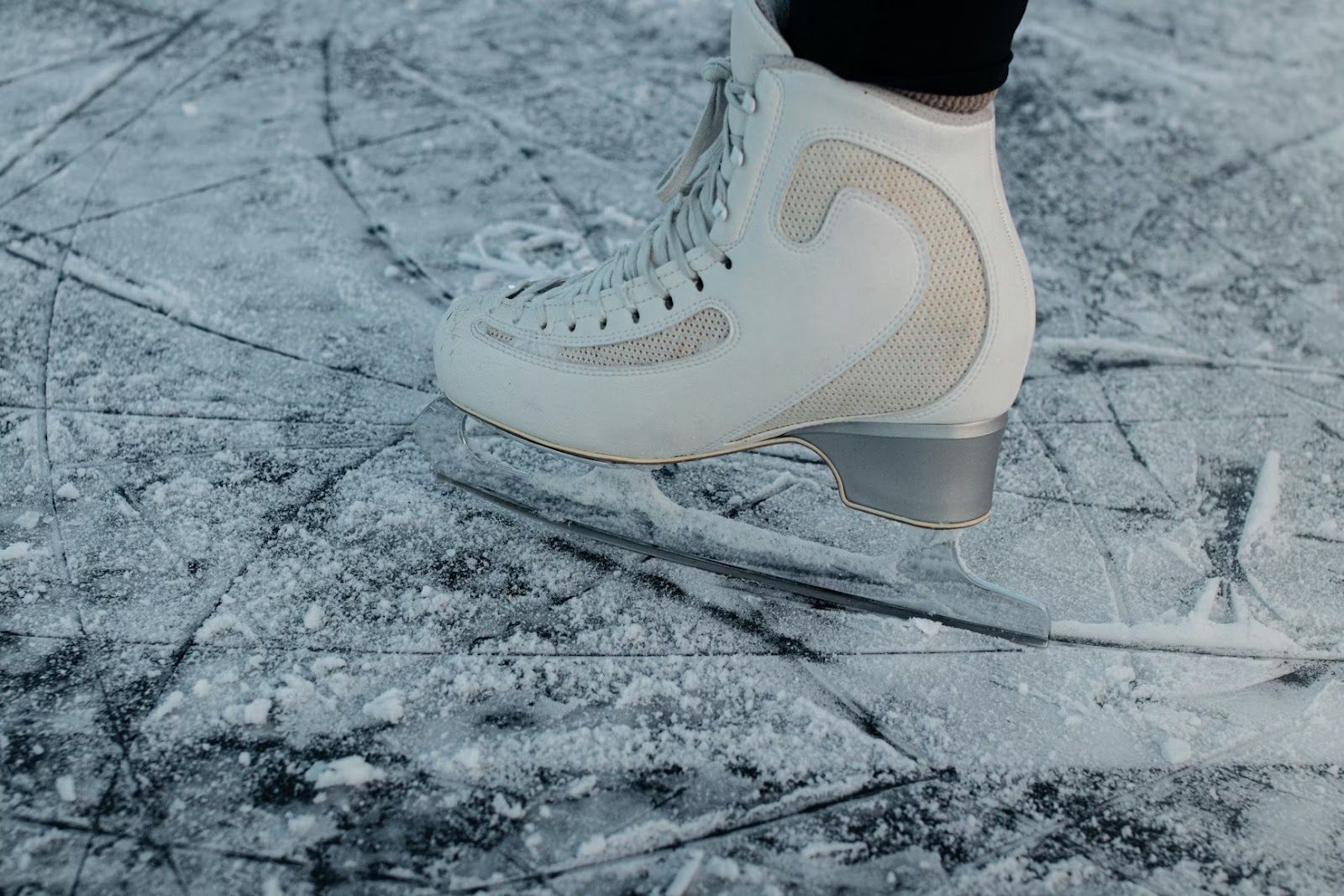 Image: Karl Hörnfeldt
If you’ve ever thought airport walking wasn’t enough exercise, Incheon Airport has an ice rink in the basement. For a small fee, you can rent skates and glide around before your flight. It’s not something you’d expect to do between security and boarding.
A swimming pool with runway views
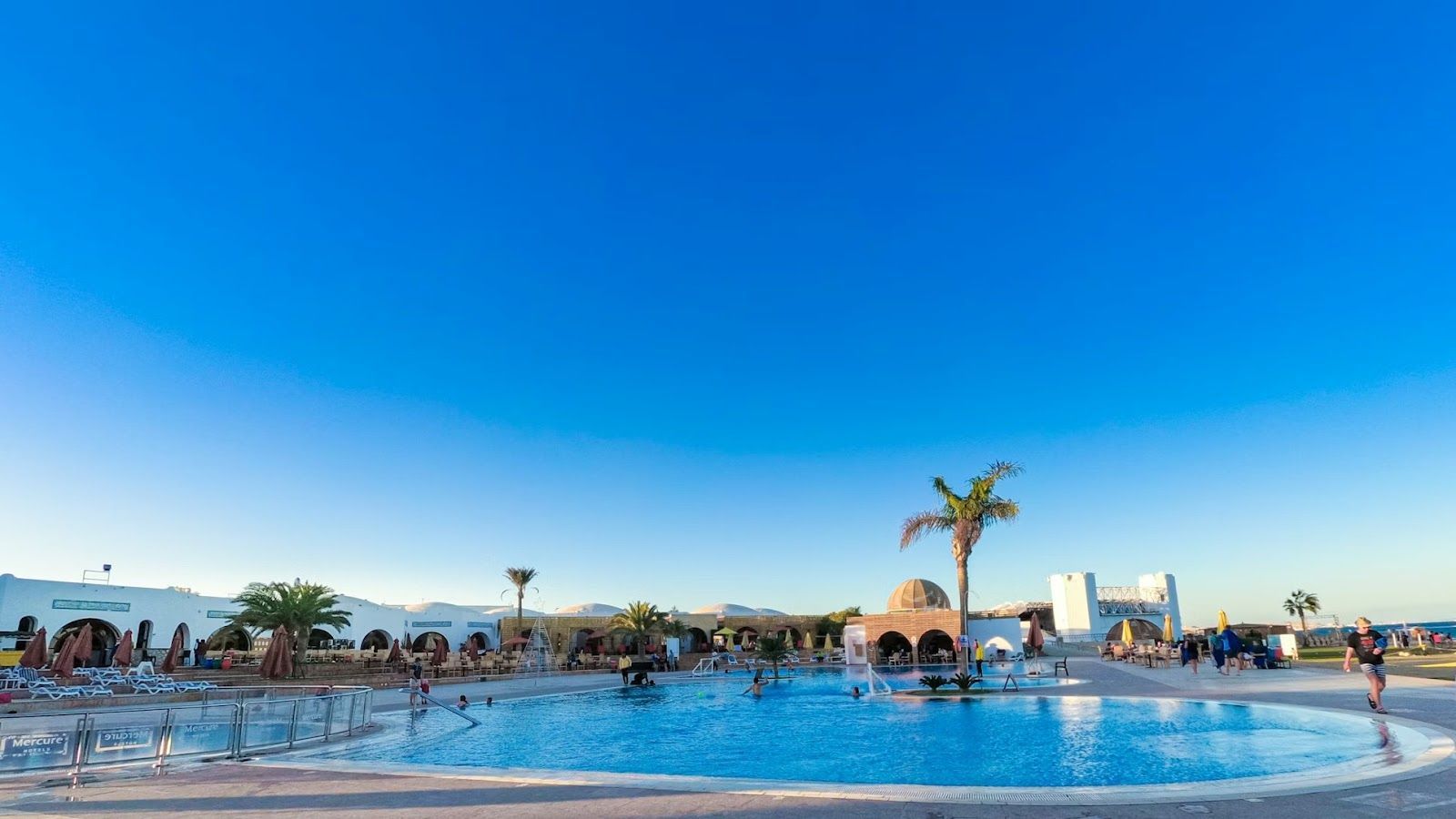 Image: Sean Wang
At Punta Cana Airport, some travelers can cool off in an outdoor pool while watching planes take off and land. It’s part of a VIP lounge, but anyone can pay to get in. Floating in a pool while jets roar past feels like a travel brag waiting to happen.
A working vegetable garden in Chicago
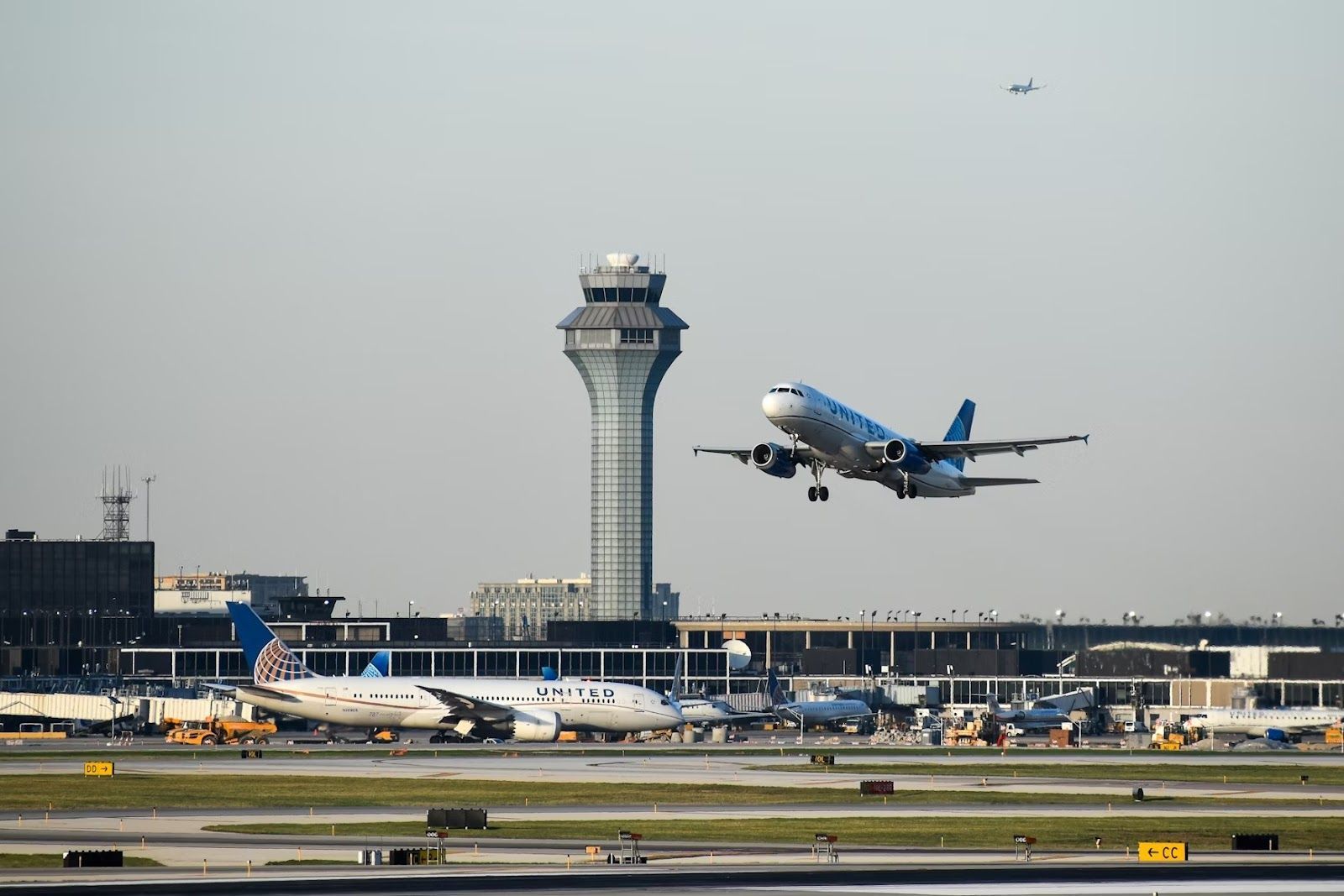 Image: David Syphers
Chicago O’Hare Airport has a garden that grows real vegetables and herbs right inside the terminal. It uses misting systems and recycled air, and nearby restaurants actually cook with what’s grown there. Fresh food and airports don’t usually belong in the same sentence, but here we are.
A museum inside an airport in Amsterdam
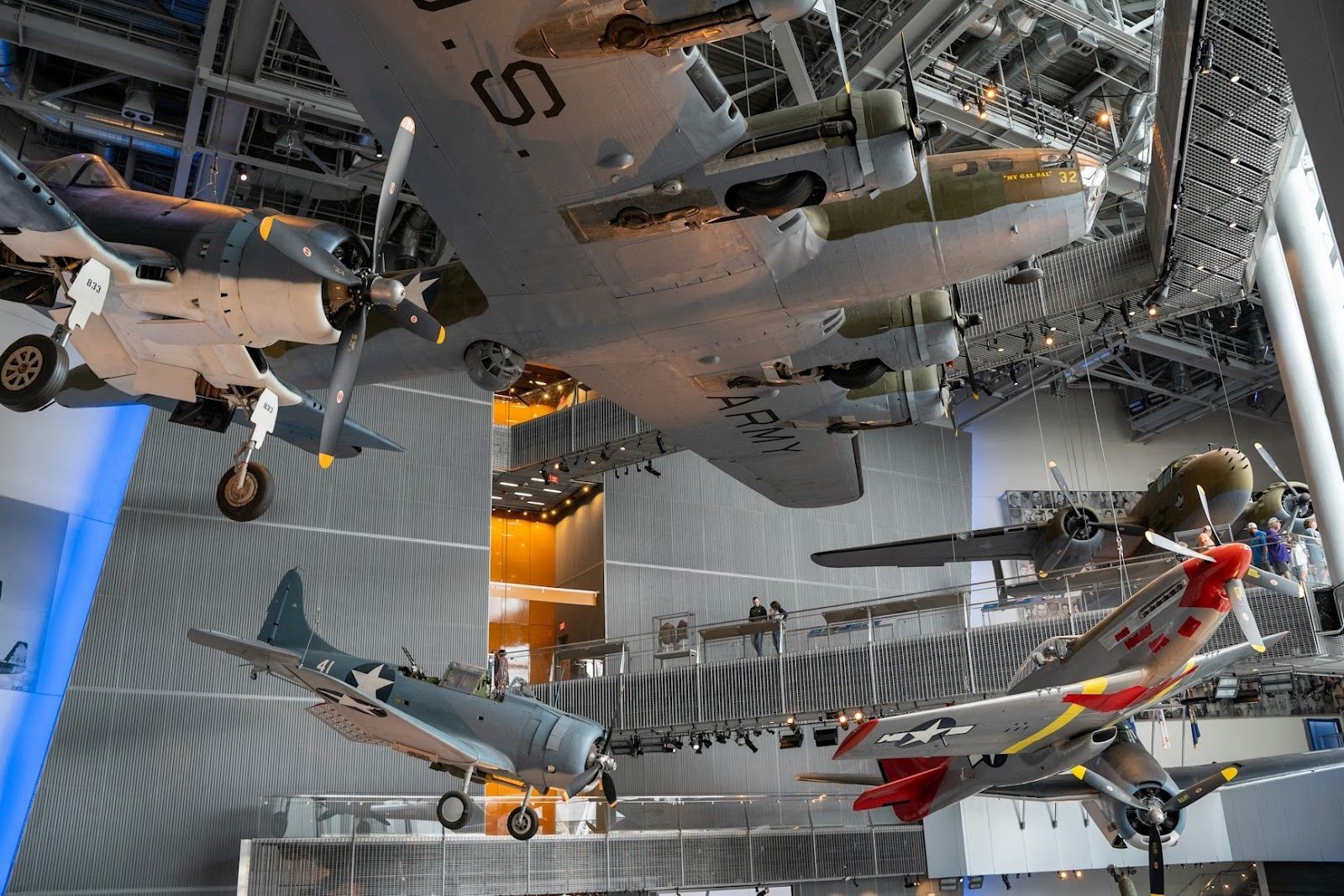 Image: Jessica Tan
Amsterdam’s Schiphol Airport has its own mini museum featuring real works from the Rijksmuseum. Famous Dutch paintings hang quietly upstairs, free to visit. It’s a nice reminder that culture doesn’t stop just because you’re in transit.
A rooftop pool in Singapore
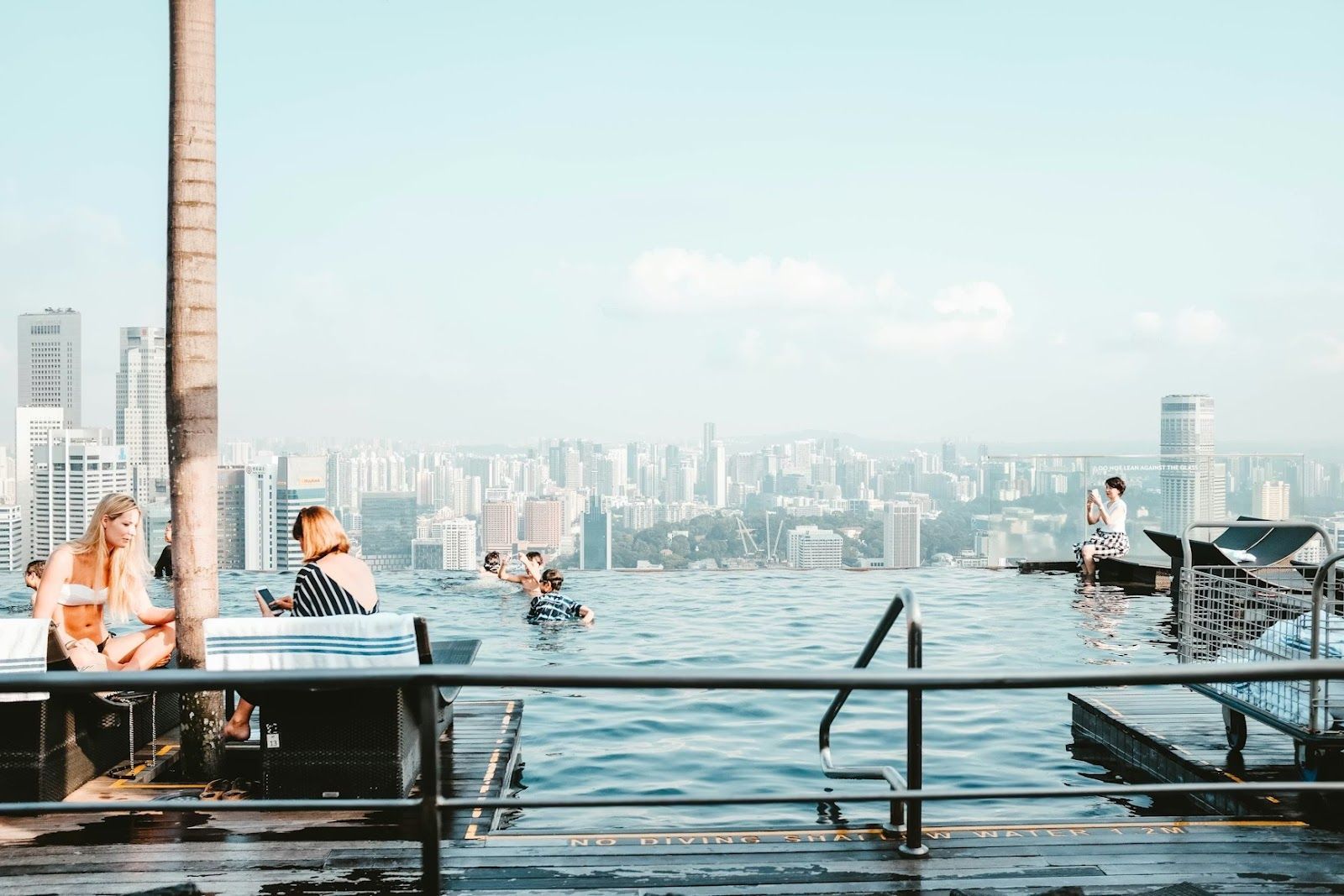 Image: Adrien Olichon
Yes, Singapore again. For a small fee, travelers can swim in a rooftop pool at the airport, soak in a hot tub, or lounge in the sun. It’s hard to complain about a layover when you’re poolside with your carry-on nearby.
A brewery that actually brews beer
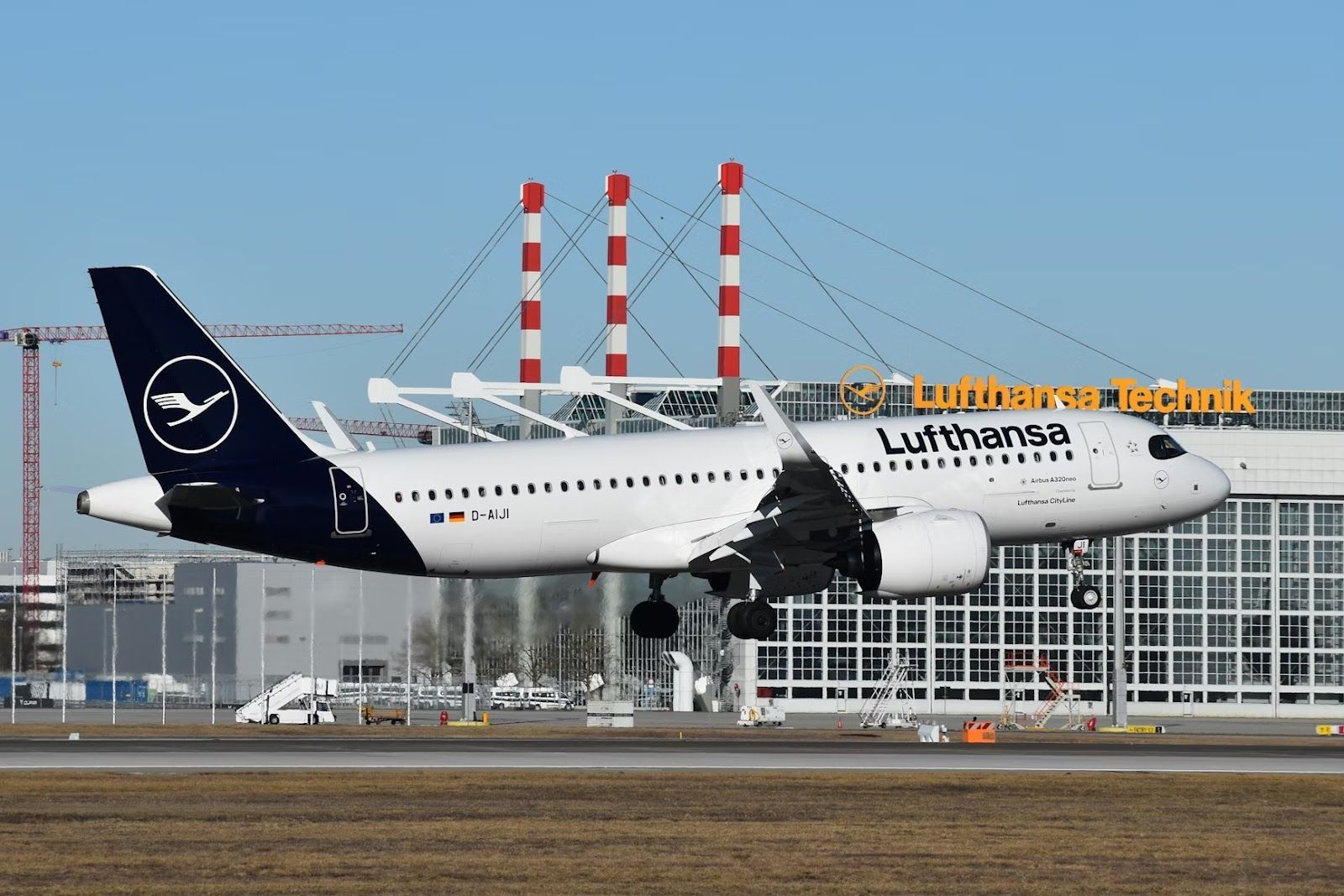 Image: David Syphers
Munich Airport has the world’s only airport brewery. You can drink freshly made beer, watch the brewing process, and even take a tour. Somehow, this feels exactly right for Germany.
A runway that crosses a public road
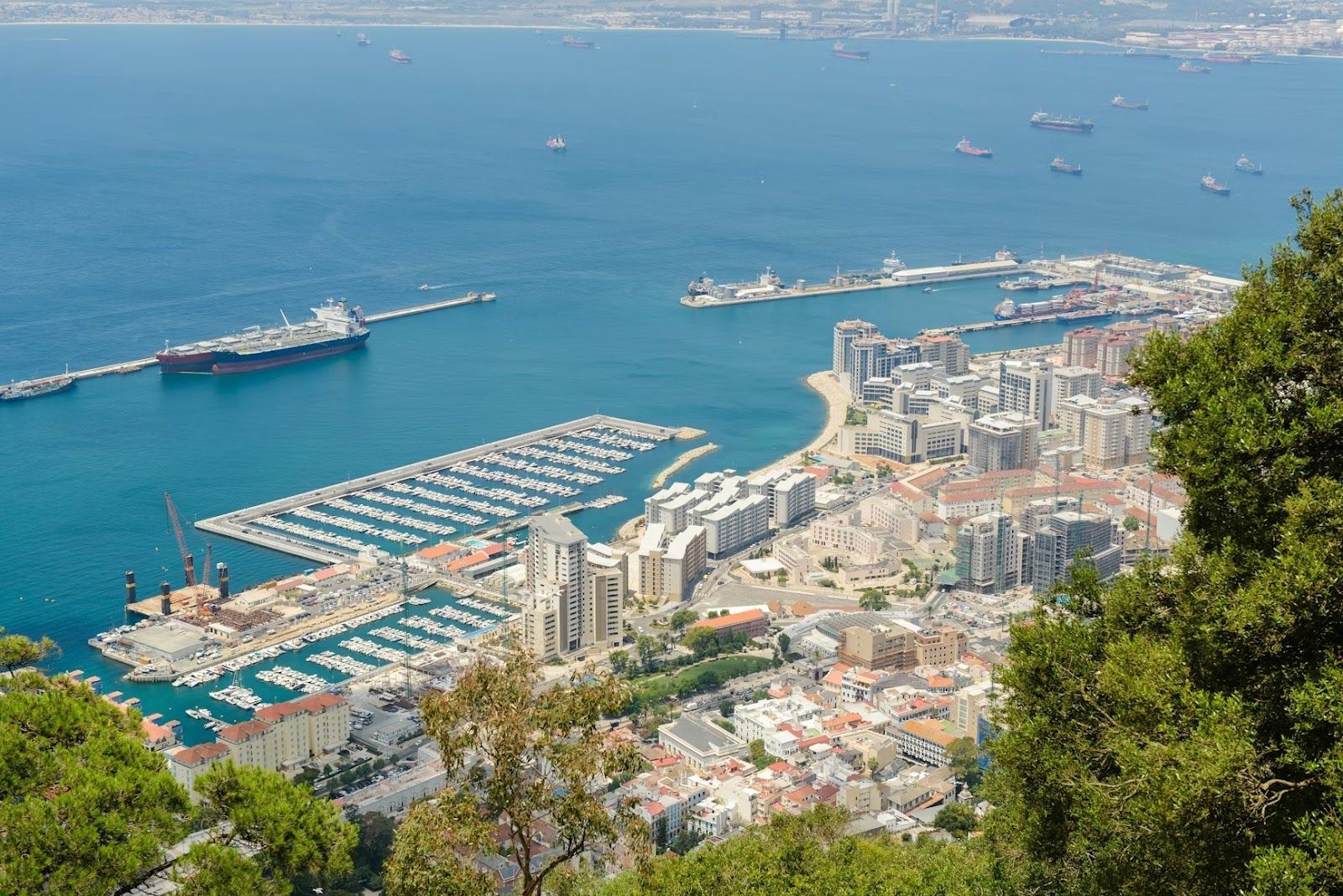 Image: Michal Mrozek
Gibraltar’s airport runway cuts straight across one of the main roads. When a plane is coming, traffic stops, much like at a railroad crossing. Watching cars wait for a jet to land is a sight you won’t soon forget.
Keep wandering
There’s always
more to explore
You've watched these movies 100 times... Go stand where they were filmed
3 min.
Read Now
 Culture
The bizarre reason there are no restrooms within Disney's Liberty Square
6 min.
Read Now
This trench could swallow Everest, with room to spare
6 min.
Read Now
How many time zones does the United States have?
5 min.
Read Now