What happened to the third-largest city in Nevada? 10 US ghost towns
 Landmarks
What happened to the third-largest city in Nevada? 10 US ghost towns
There is a melancholic beauty in spaces that humanity built, cherished, and ultimately left behind. From the remnants of gold rush settlements to bypassed highway oases, thousands of abandoned towns across the United States offer a glimpse into the fleeting nature of American expansion. These 10 abandoned sites represent some of the most fascinating ghost towns and forgotten settlements in the nation.
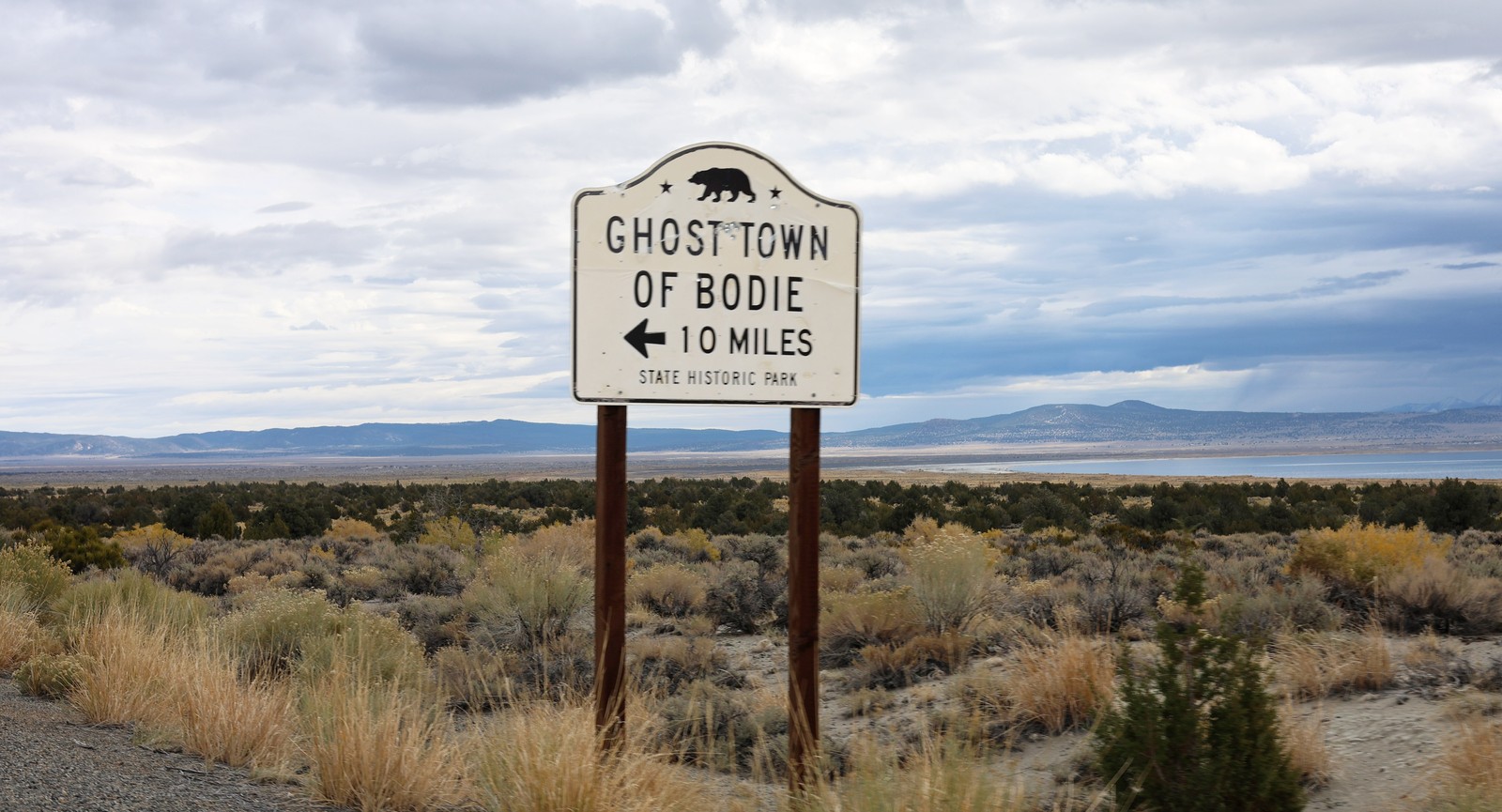
Bodie, California
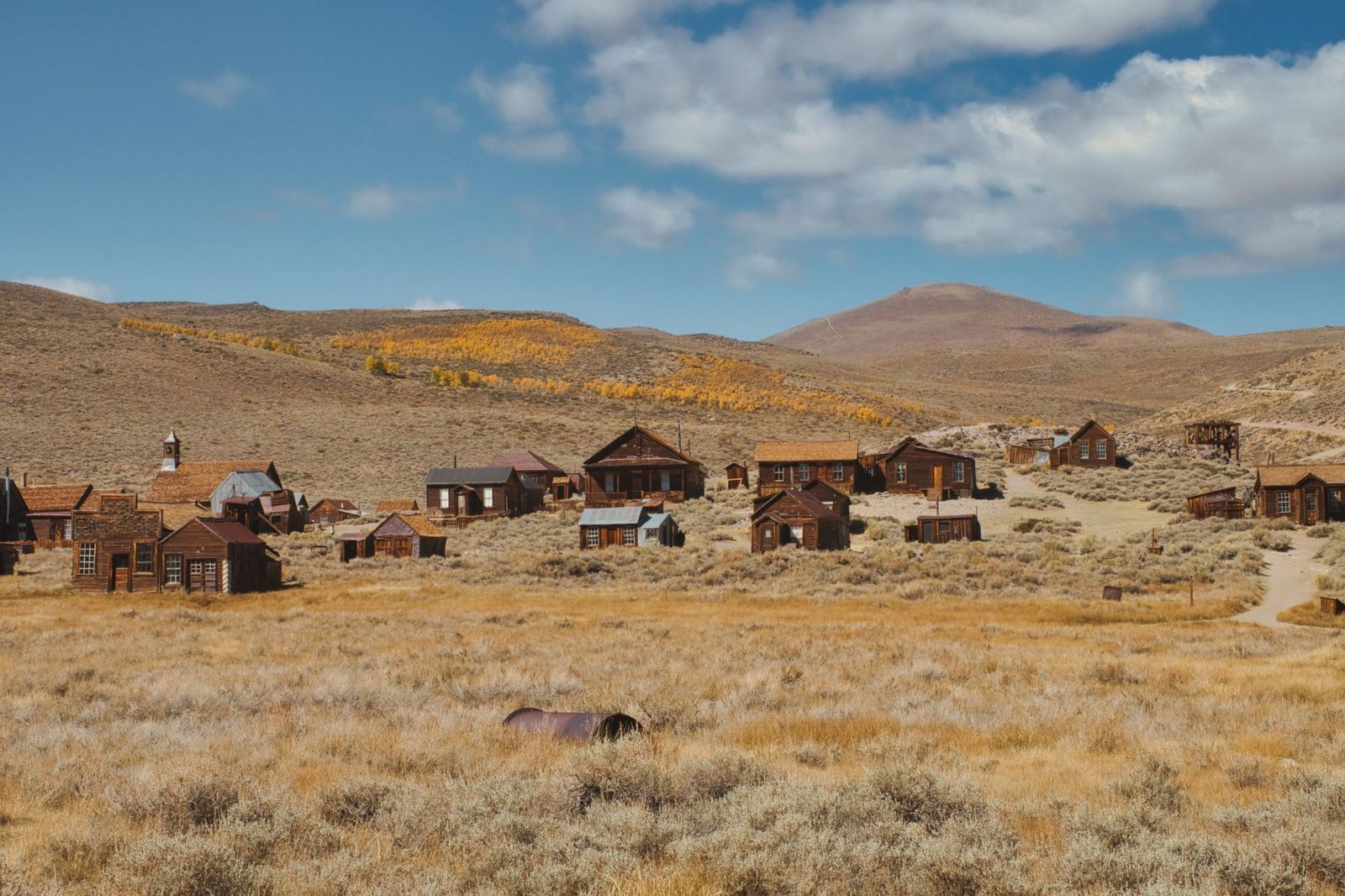
Located in a remote basin of the Sierra Nevada mountains, Bodie is perhaps the quintessential American ghost town. In the late 1870s, it was a booming gold mining hub of nearly 10,000 residents, infamous across the West for its rowdy saloons and lawlessness. When the gold dried up, the population evaporated.
Nowadays, Bodie is maintained by California State Parks. Although the buildings are protected from collapsing, they’re not sanitized or rebuilt. Visitors can walk the dusty streets and peer through the windows to see tables still set with dishes and store shelves stocked with old merchandise, looking exactly as they did a century ago.
Santa Claus, Arizona
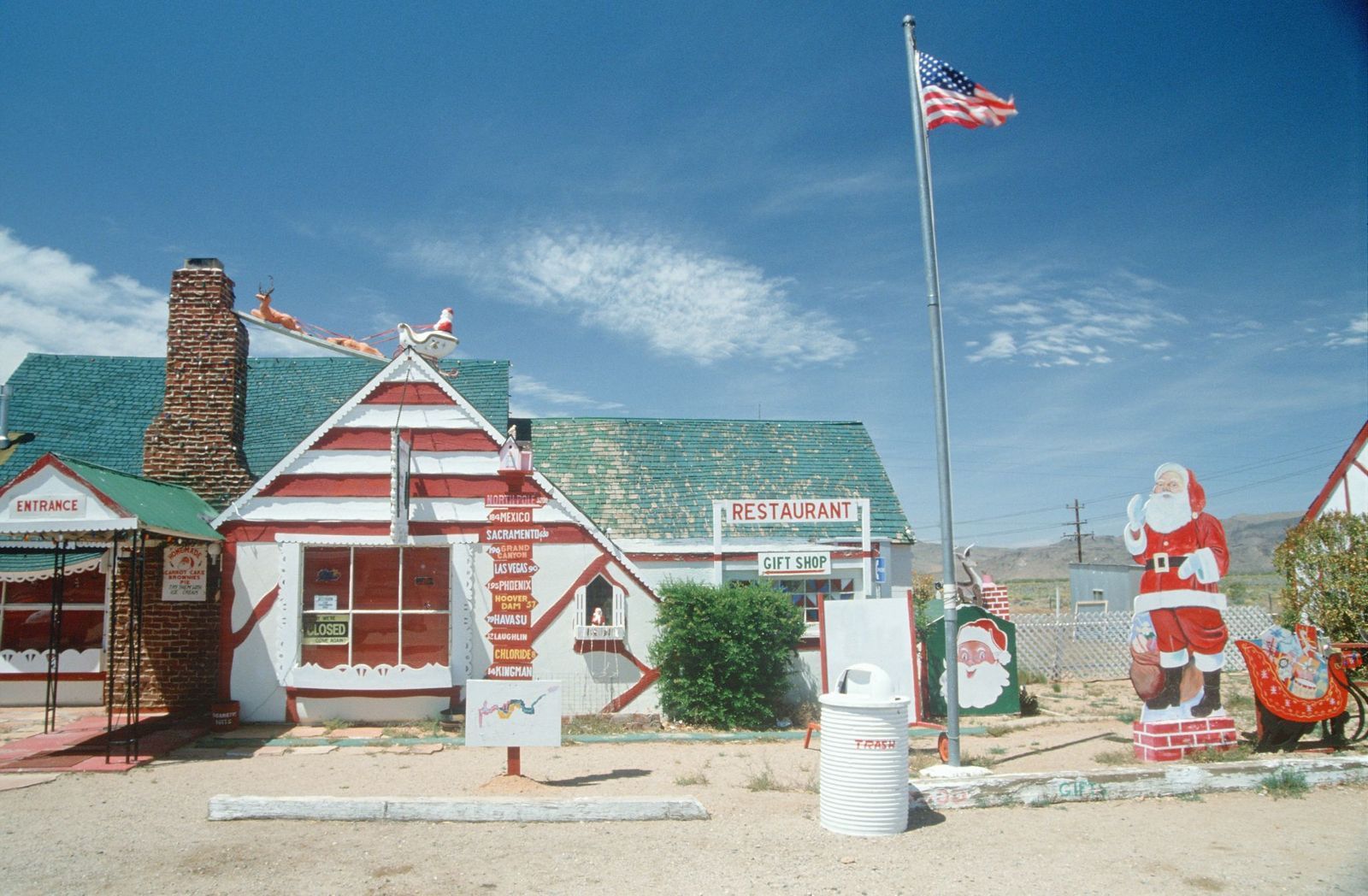
Hidden in the hot Mojave Desert along Route 66, Santa Claus was a bizarre oasis built in the 1930s by a real estate developer called Nina Talbot. The goal was to create a whimsical, Christmas-themed resort town to draw land buyers out to the desert. For a few decades, families stopped to eat at the famous Christmas Tree Inn, and children mailed letters stamped directly from Santa Claus.
By the 1970s, the novelty wore off, the highway traffic shifted, and the town fell into decay. Today, the festive structures are covered in desert grime and graffiti, offering a surreal contrast against the blistering desert sun.
Shaniko, Oregon
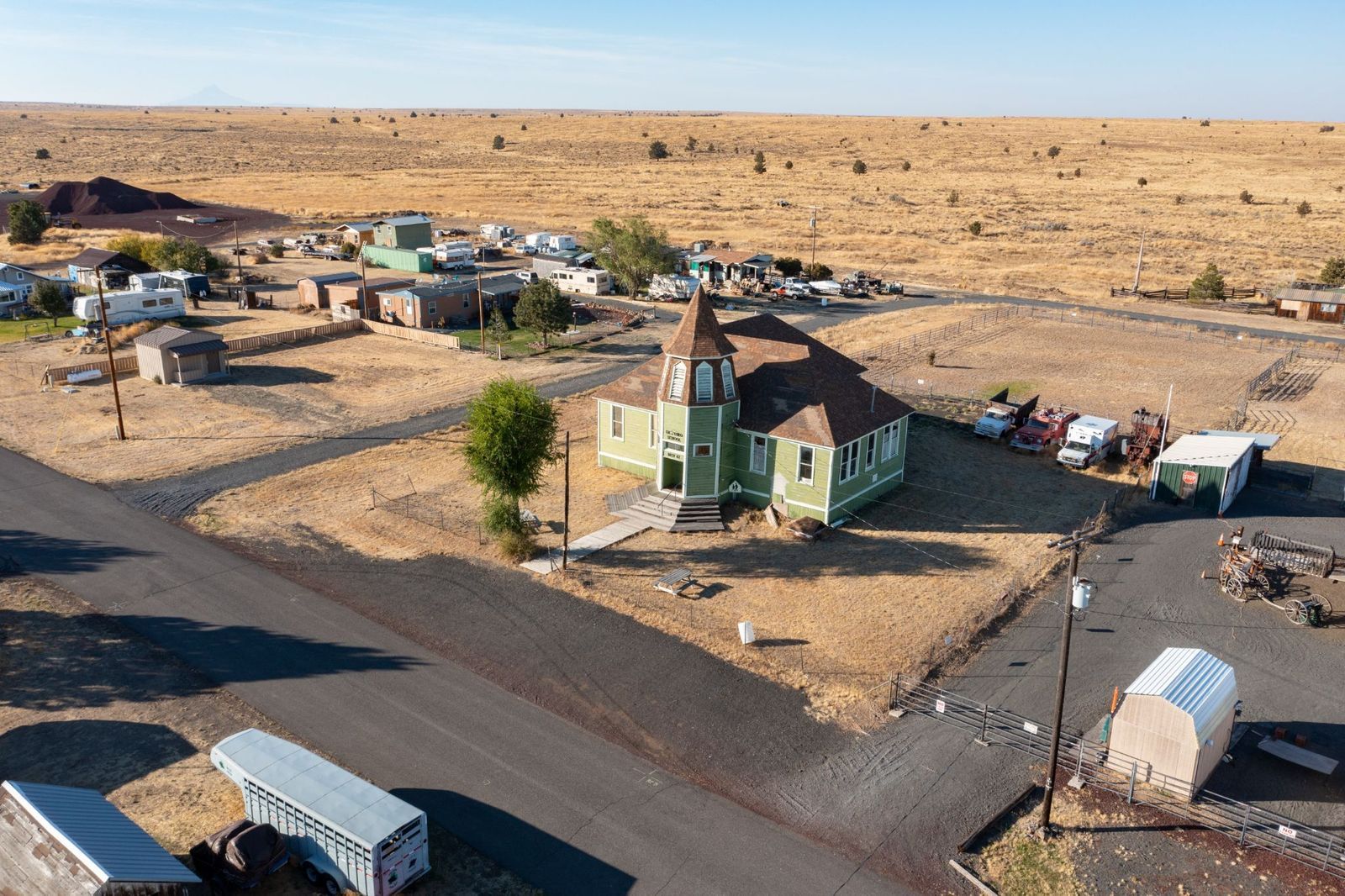
Once proudly known as the "Wool Capital of the World," Shaniko was the bustling epicenter of Oregon’s sheep farming empire at the dawn of the 20th century. Millions of pounds of wool moved through its warehouses every year.
However, when a new railway line bypassed the town in 1911, the local economy took a fatal blow from which it never recovered. While a small handful of residents still live in the surrounding rural area, the historic town center remains a perfect snapshot of the Old West, with its preserved wooden water tower, schoolhouse, old brick jail, and historic hotel.
St. Elmo, Colorado
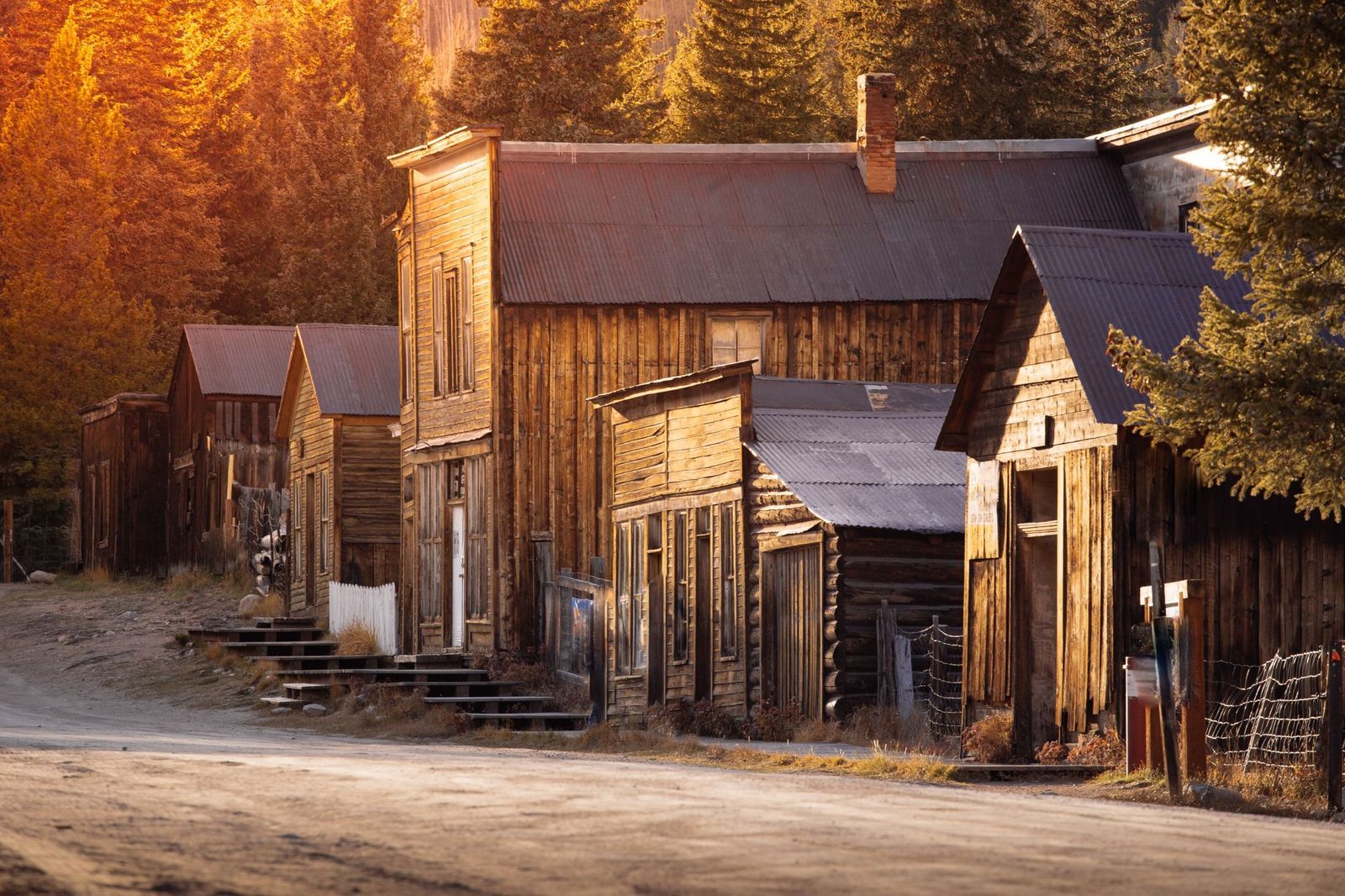
Perched high in the Sawatch Range of the Rocky Mountains at an elevation of nearly 10,000 feet, St. Elmo is one of Colorado’s best-preserved ghost towns. Founded in 1880, it was a vital supply hub for thousands of miners searching for silver and gold in the surrounding hills.
When the mining industry collapsed and the local railroad line closed down in the 1920s, the town emptied out, leaving the structures at the mercy of the alpine elements. St. Elmo’s wood-frame storefronts, dusty main street, and mountain backdrop make it feel like walking directly onto a historical movie set.
Virginia City, Montana
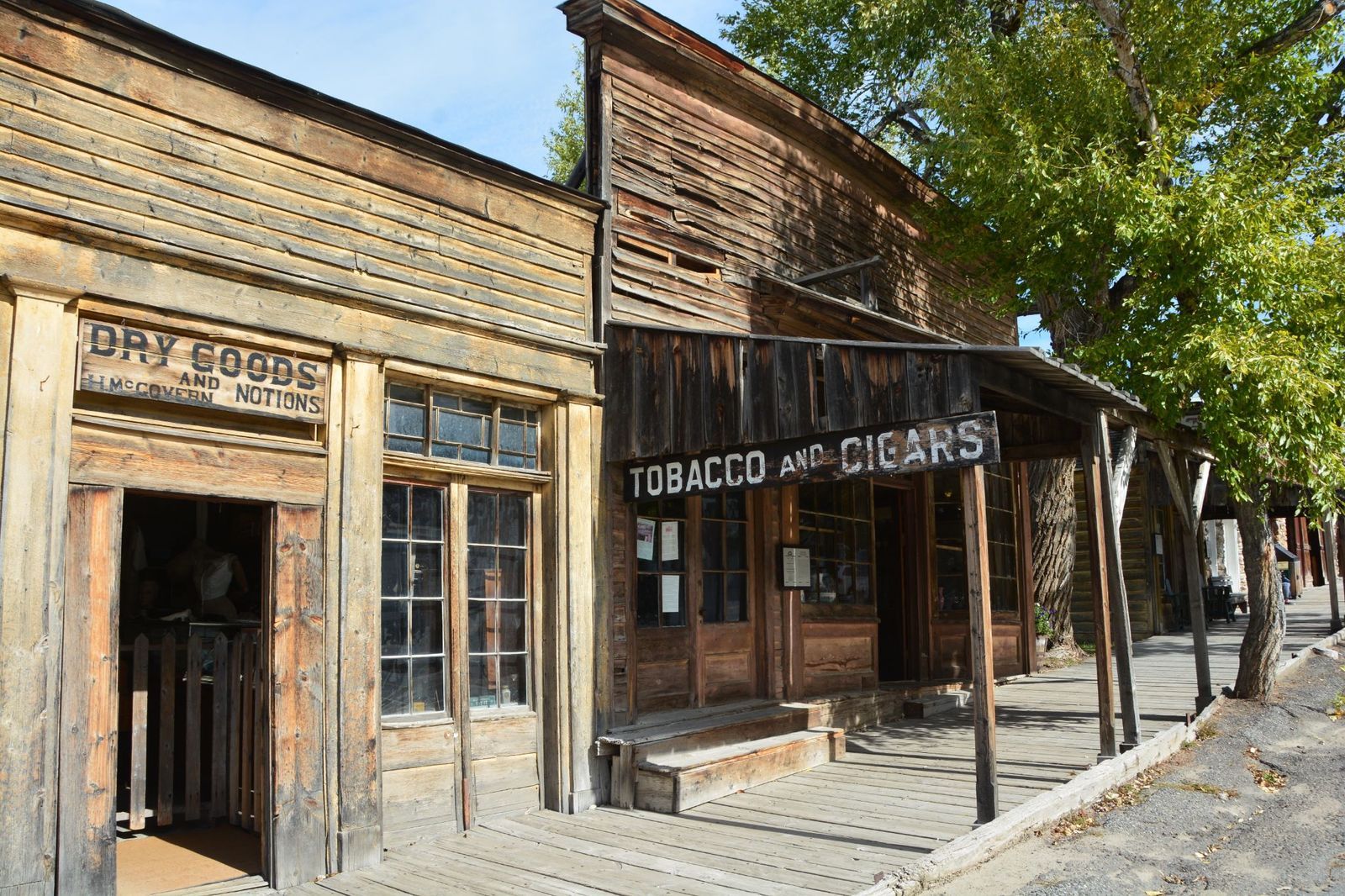
Virginia City was born out of a gold discovery in Alder Gulch in 1863, rapidly growing into a city of 10,000 that served as the capital of the Montana Territory. Unlike many towns that collapsed into ruin, Virginia City’s historical buildings were bought in the mid-20th century by a preservationist couple, Charles and Sue Bovey. Today, it operates as an outdoor living history museum, frozen in the mid-Victorian era, where visitors can walk wooden boardwalks and admire fully furnished shops, bars, and homes.
Batsto Village, New Jersey
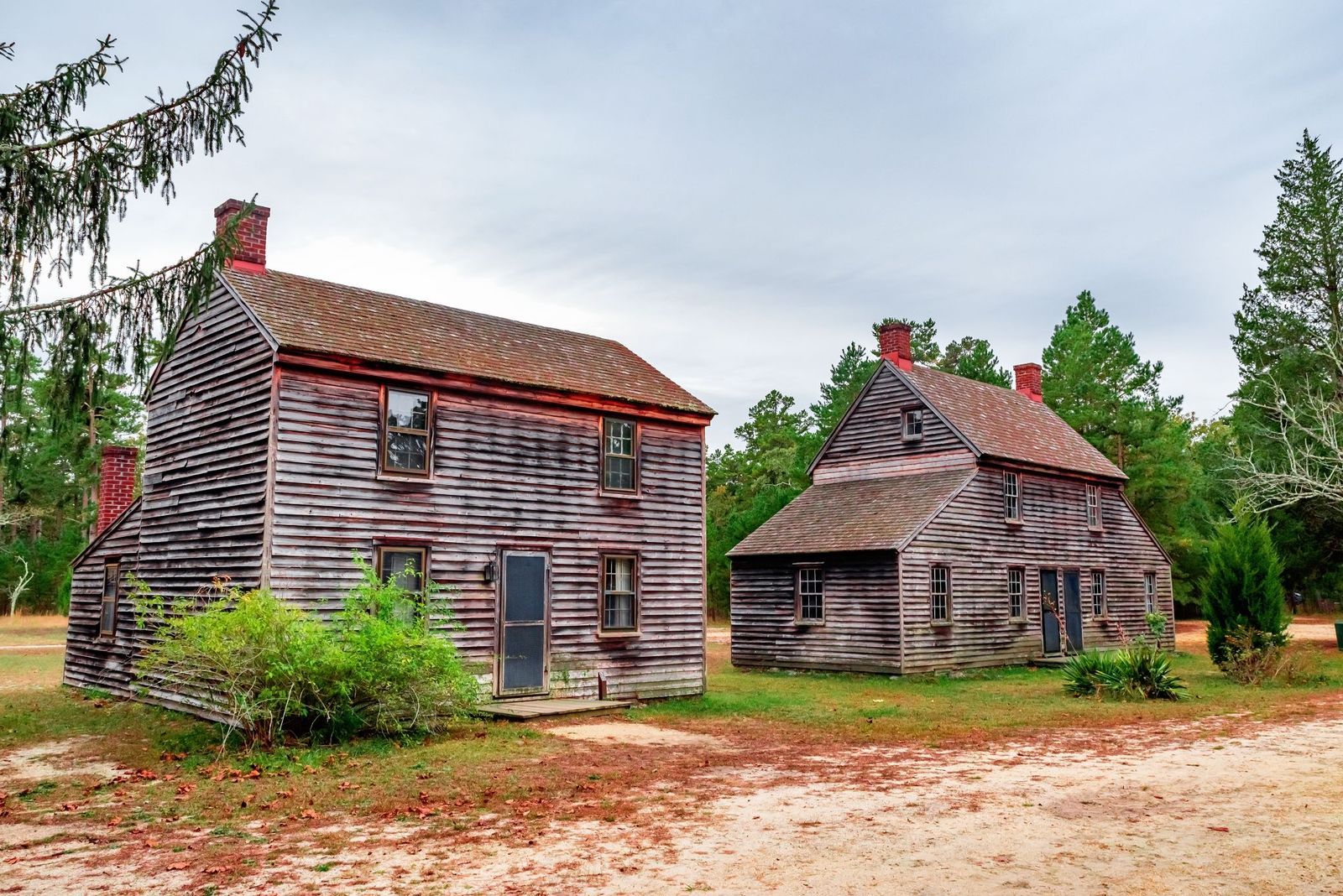
Located within the Pine Barrens, Batsto Village has deep historical roots stretching back to 1766. It was a crucial early American industrial center that manufactured iron products, including cannonballs and camp kettles for the Continental Army during the Revolutionary War.
As coal mining and steel mills advanced elsewhere in the country, Batsto’s iron industry became obsolete. The town was abandoned by its workers in the late 19th century. Today, the state preserves the site, showcasing a stunning 32-room mansion, a working gristmill, a blacksmith, and worker cottages.
Centralia, Pennsylvania
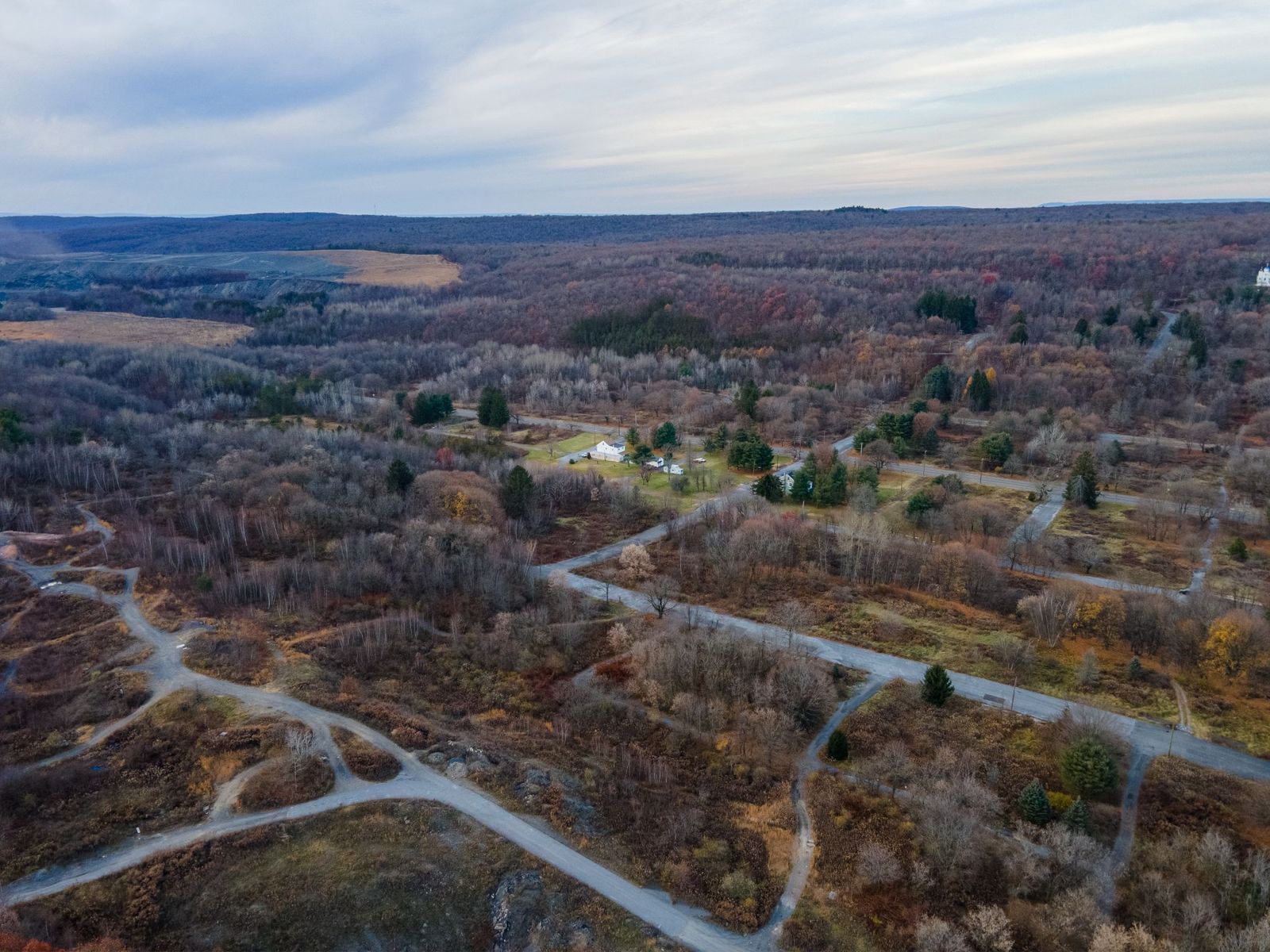
Unlike the resource exhaustion that emptied out most western ghost towns, Centralia was doomed by an ongoing environmental catastrophe. In 1962, a trash fire in an abandoned mine pit accidentally ignited a labyrinth of coal seams running beneath the town.
The subterranean fire has been burning ever since, emitting toxic gases, creating random sinkholes, and cracking highways. Over the decades, the government relocated nearly all residents for safety. Only a handful of homes remain amidst a grid of empty streets.
Glenrio, Texas/New Mexico
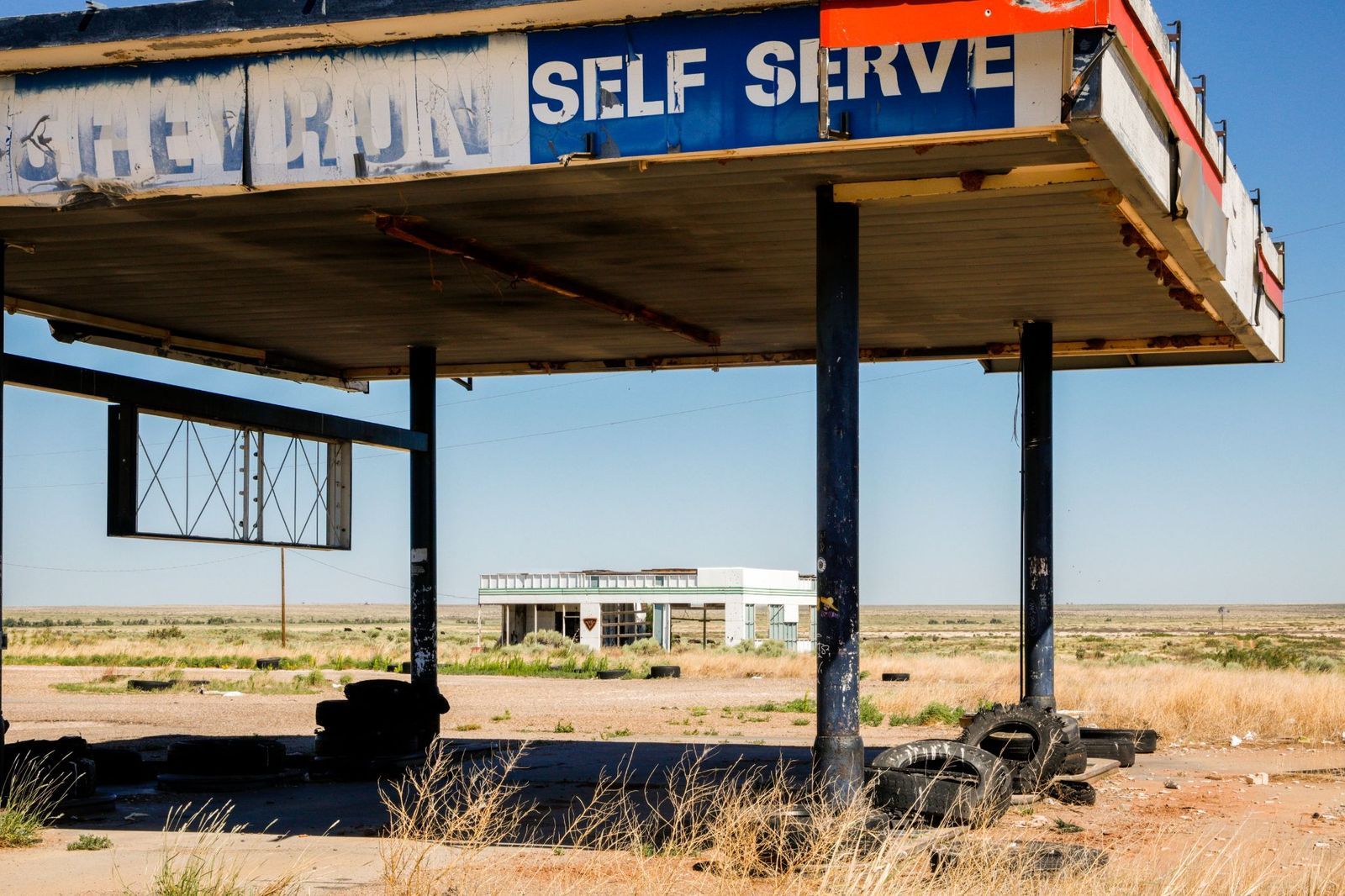
Glenrio was once an oasis for motorists traveling down the historic Route 66, just at the state line of Texas and New Mexico. It featured gas stations, the "First/Last Motel in Texas," and lively diners feeding travelers.
Its death sentence arrived with the construction of Interstate 40 in the 1970s, which bypassed the town. Drivers no longer had reason to exit, and Glenrio was left to the desert elements. Today, travelers can still visit the town’s mid-century modern neon signs, abandoned gas pumps, and decaying diners.
Kennecott, Alaska
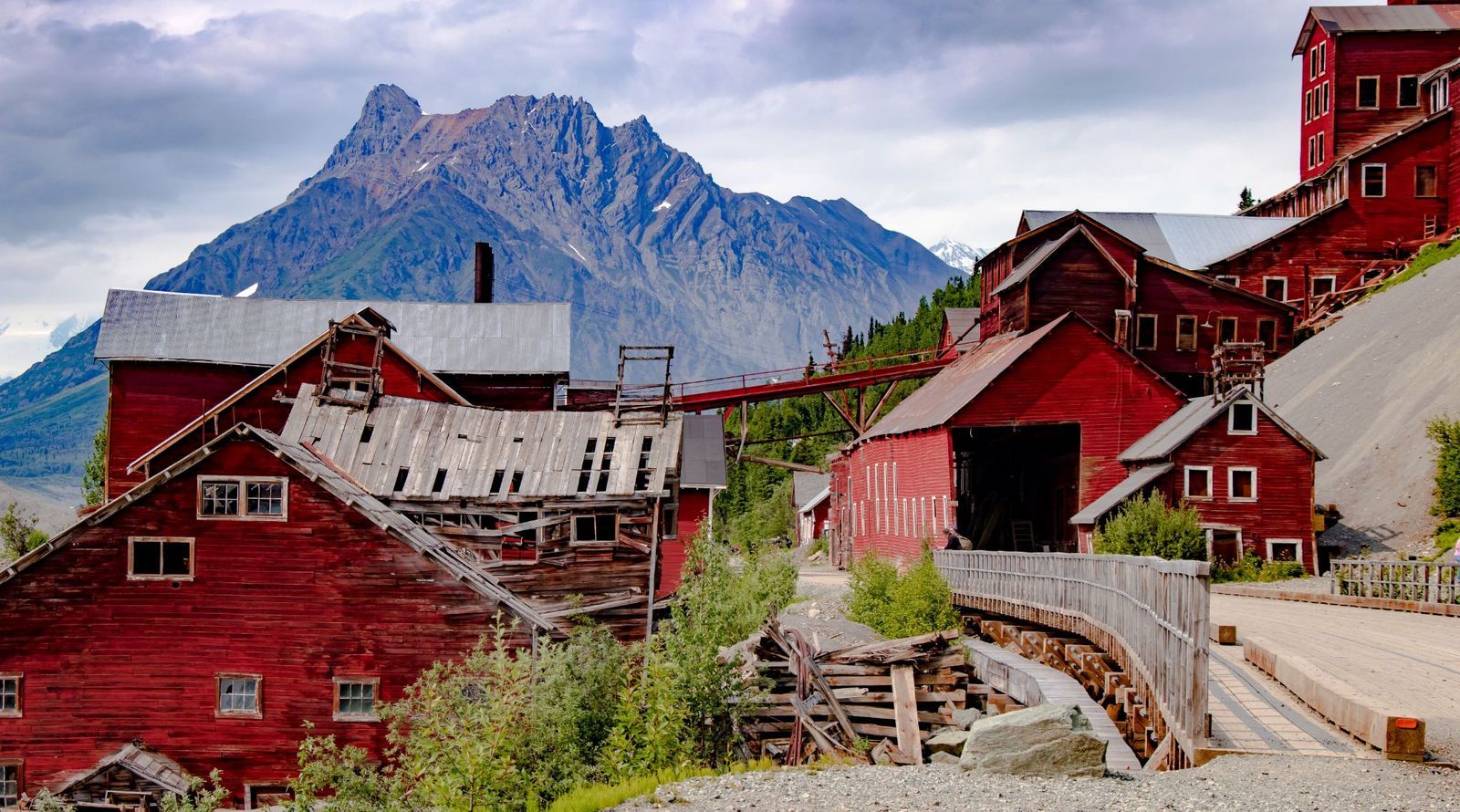
Within the rugged wilderness of Wrangell-St. Elias National Park lies Kennecott, an abandoned copper mining camp. From 1911 to 1938, the Kennecott Copper Corporation processed hundreds of millions of dollars' worth of copper ore here. When the mountain was cleared of its wealth, the company ceased operations and abandoned the town. What remains is a series of towering wooden industrial structures painted a vibrant red, clinging to the side of the mountain adjacent to a glacier.
Rhyolite, Nevada
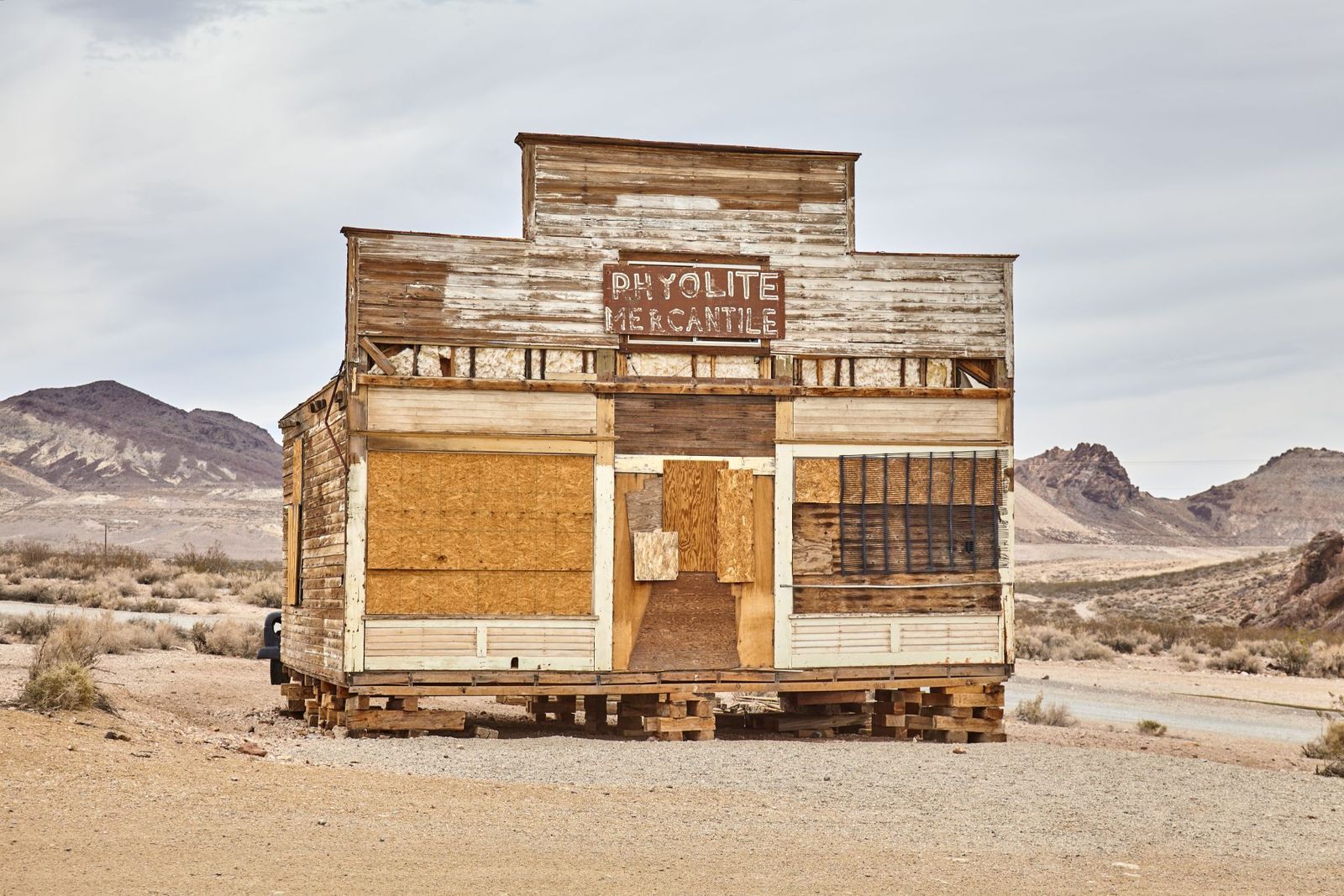
Rhyolite bloomed almost overnight in 1905 during the Bullfrog gold rush, quickly building hotels, an opera house, a school, and electric streetlights. Its decline was just as meteoric; by 1920, the town was empty. Even though it was briefly the third-largest city in Nevada, a major financial crash in 1907 caused banks to go out of business. Its most famous mine stopped running in 1911, and within a few years, the last residents had packed up and left.
If you’d like to visit, Rhyolite still boasts dramatic ruins that look like ancient relics against the rough Mojave Desert backdrop.
Yes, you can bring your own food and beverages on a plane flight
 General
The art of packing
Are you a frequent flyer? Always pack this in your carry-on
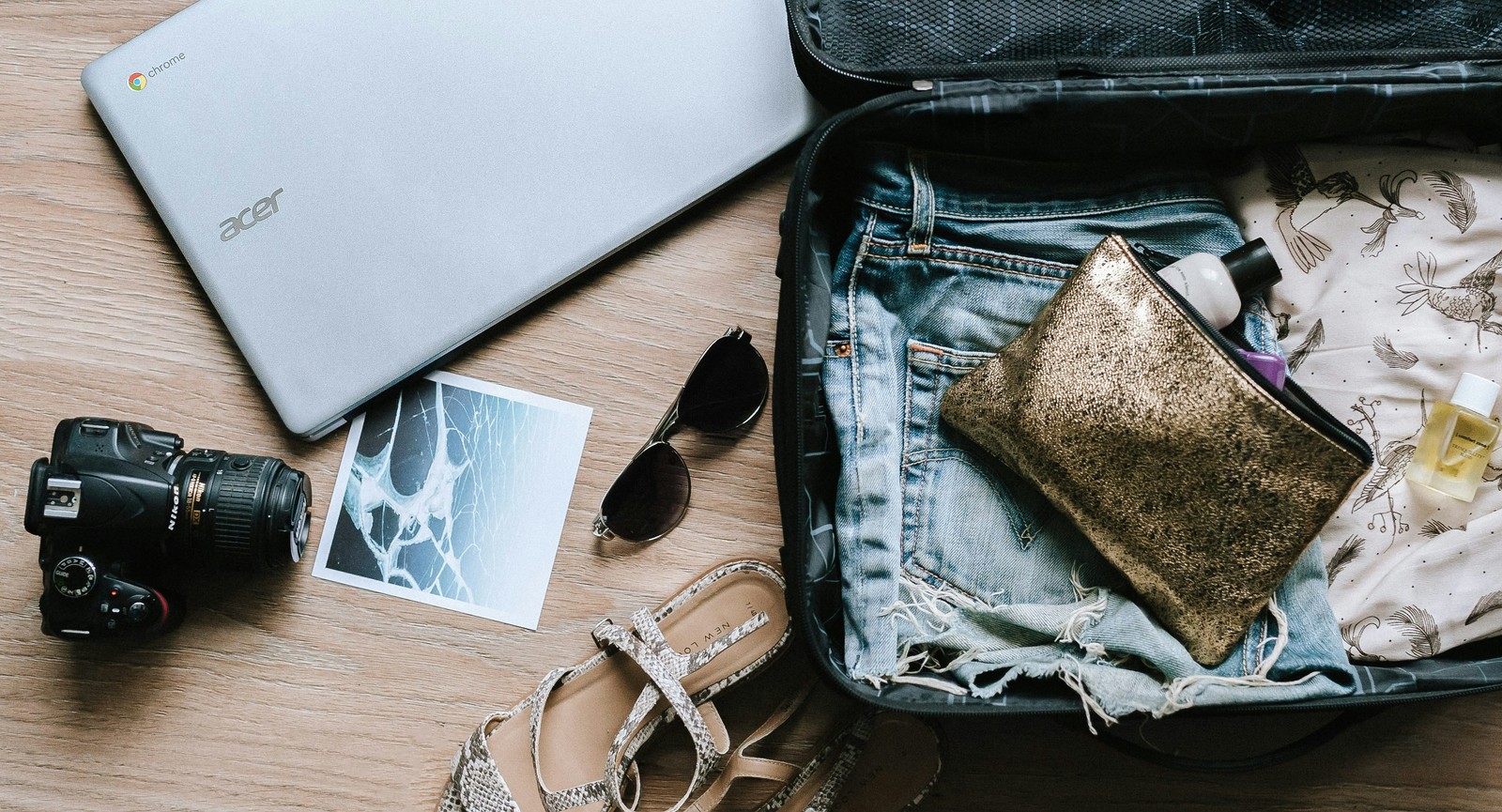
Packing for a flight is complicated in itself, but once you factor in baggage rules, it can be a headache. Airport security regulations and airline policies might seem overwhelming, but knowing some main guidelines will make the process much less stressful. Let’s have a look at what you should keep in your hand luggage, what is not allowed, and what always has to go in your checked bag.
Keep a change of clothes with you

Keeping extra clothes handy might seem less important than other items in this list, but several situations warrant it. Think lost luggage, accidental spills, or a totally different weather upon arrival. It might seem a waste of space, but it can be a lifesaver.
Careful with your wallet
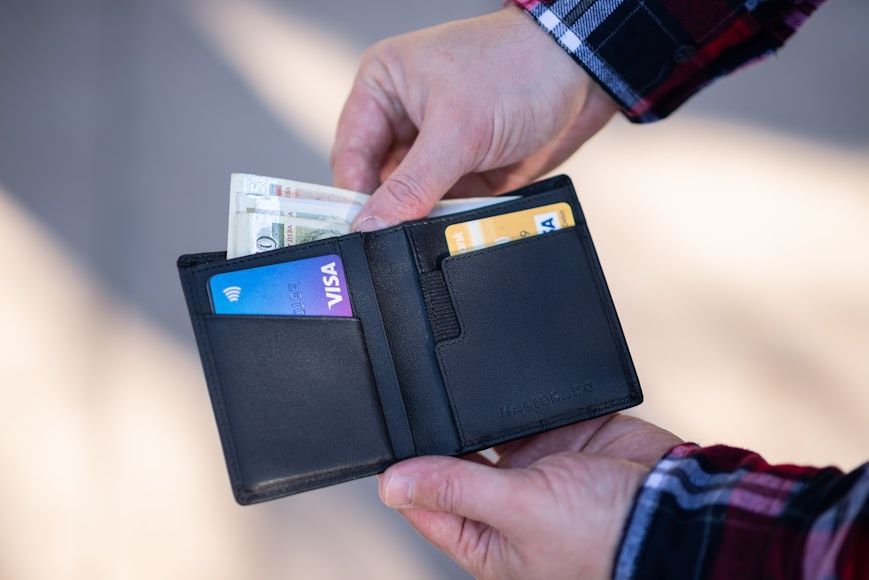
As a general rule, it’s always advisable to keep valuables such as money, jewelry, or electronics with you, as most airlines’ travel insurance will only cover items in your hand luggage. If you need to pack valuable objects in your checked luggage due to size or safety restrictions, make sure to check the airline’s insurance or consider getting special coverage to safeguard them.
What about liquids?

If you wish to pack liquids in your carry-on—this includes gels, creams, and permitted aerosols—, they must be packed in 3.4-ounce (or less) containers. Most airports will also require these containers to be placed inside a transparent, resealable bag. While there are no set restrictions for the amount of liquids in the checked luggage, there might be an established limit for alcoholic beverages or hazardous liquids.
Be mindful of fragile items

Like with valuables, it’s always better to pack fragile items, such as ceramic souvenirs or prescription glasses, in your hand luggage. However, this is not always possible due to size restrictions—imagine a work of art or a musical instrument. While you can request special stickers to be placed on the item at check-in, this won’t always guarantee the item will be safe. For extremely delicate objects, you might need to consider special shipping.
Where do toiletries go?
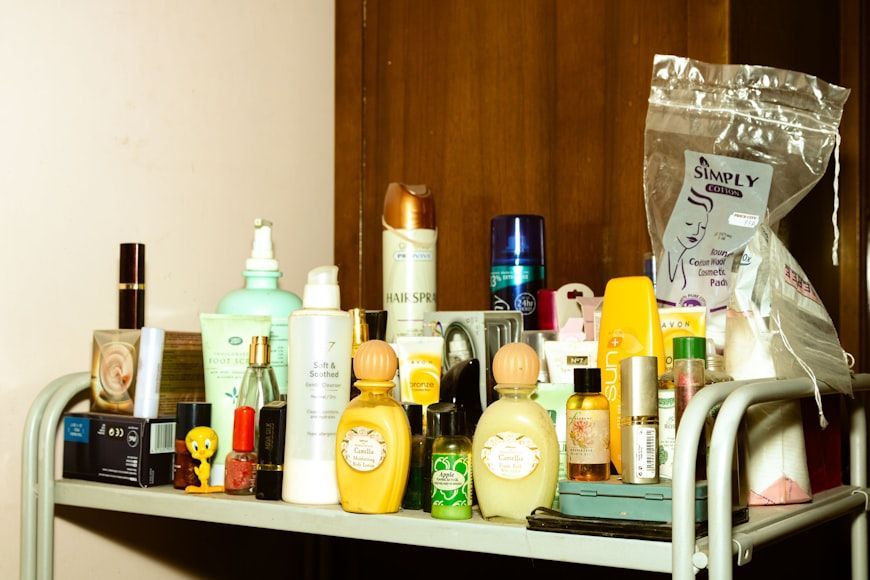
There are no restrictions on the toiletries you can carry in your checked luggage. However, if you want to pack toiletries in your carry-on, remember that all creams, serums, gels, pastes, and aerosols are considered liquids and will have to be packed in 3.4-ounce containers and placed in a transparent, resealable bag.
If it's personal, keep it close

Where would you keep your personal documents when travelling, if not with you? While this is obvious for IDs, passports, and other travel-related documents, it is less so for other kinds of documents. Important paperwork that is not travel-related should be treated as any other valuable item. If losing or damaging it will result in significant trouble, it should be kept with you.
Not a fan of plane food?
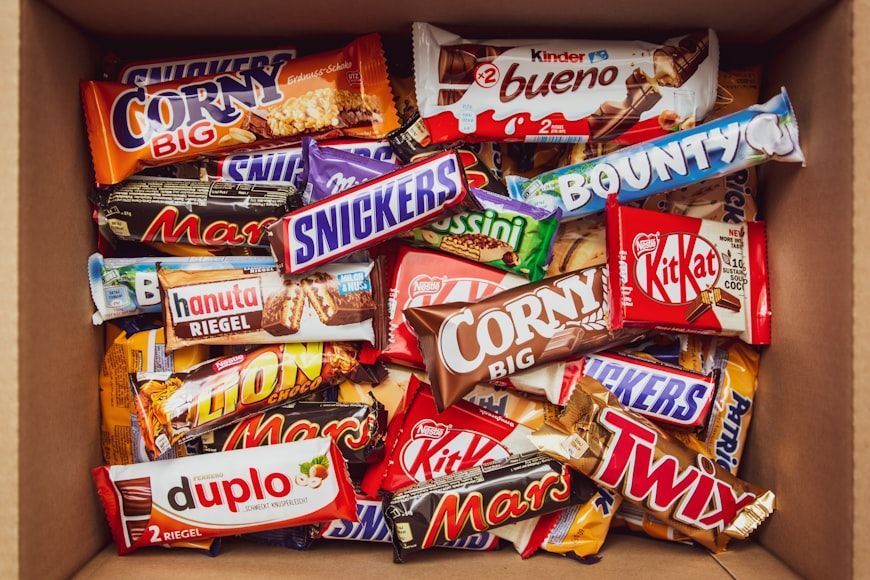
Most airlines will allow you to bring your own snacks and solid food on the plane, but it’s always best to double-check the company’s policy. For beverages, all drinks are usually allowed, provided that they follow the guidelines for liquids we mentioned above—although alcoholic drinks can’t be consumed during the flight. Yet, these rules don’t apply to the food and drinks that you buy after going through the security check.
Baby on board

Baby items are not bound by other rules, such as the liquid restriction. Formula, frozen breast milk, and baby food are always allowed (in reasonable amounts) even if they are packed in containers bigger than 3.4 oz. However, it’s always best to check the airport and airline’s specific policies regarding these items and their storage.
Traveling with tools
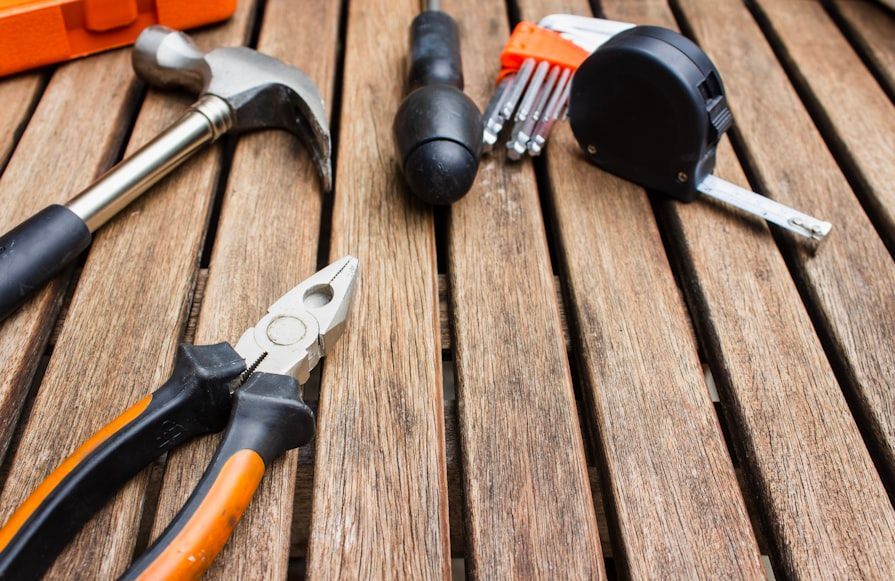
Tools vary widely in size, shape, and purpose, so there are several rules regarding what you are allowed to keep in your hand luggage. Some guidelines to consider: power tools and sharp objects must always go in your checked baggage, though some smaller scissors are sometimes allowed in your carry-on. In the U.S., other tools are generally allowed, provided they are 7 inches or less in length—though this rule varies in other parts of the world. When in doubt, always check the airline’s safety regulations.
Health comes first

Similar to baby stuff, medical items are not bound by rules regarding liquids or sharp objects, but they should be declared at the security checkpoint so they can be properly inspected. This applies to medical devices and machines as well. For essential medication, it’s always best to keep it in your carry-on.
Where should electronics go?

While it’s always safer to keep your electronics with you, these items can be kept either in your checked or hand luggage. The only exceptions are power banks and spare batteries, which should always be kept in the hand luggage to avoid potential fire risks.
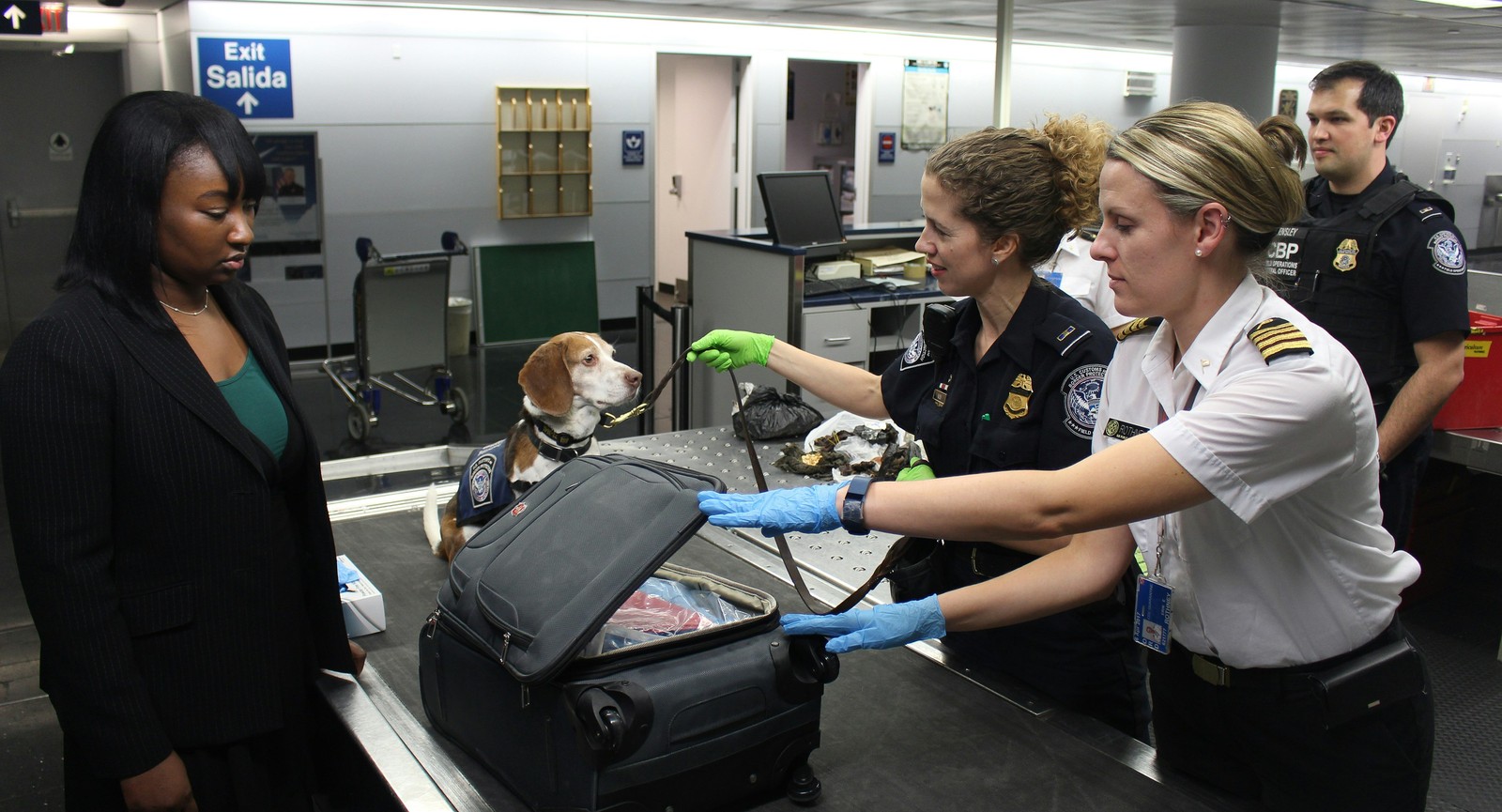
You'll never guess the surprising items people try to get through customs
Illegal, odd, and intercepted
These items smuggled at customs are more bizarre than you'd expect
We've all been there: standing in the customs line, heart beating a little faster than usual, even when we’ve got nothing to hide. What you don’t know is that the day-to-day reality of the border agent’s booth is far more eccentric: from 500-pound stashes of Mexican bologna to turtles taped to someone's legs, customs officers deal with a plethora of weird contraband on a regular basis. Buckle up and read on to know some of the strangest customs stories.
500 pounds of Mexican bologna

This one comes straight out of Texas, where everything really is bigger – apparently, including the nerve of some travelers. On February 7, 2021, CBP officers discovered over 500 pounds of prohibited pork bologna hidden under the floorboards and seats of a Chevy Silverado, trying to cross the U.S.-Mexico border. Pork products from Mexico are banned because they can carry serious animal diseases.
Five hundred pounds is roughly the weight of three adult black bears, all in cold cuts. We have many questions, starting with: what exactly was the plan once it got through?
Live turtles taped to legs
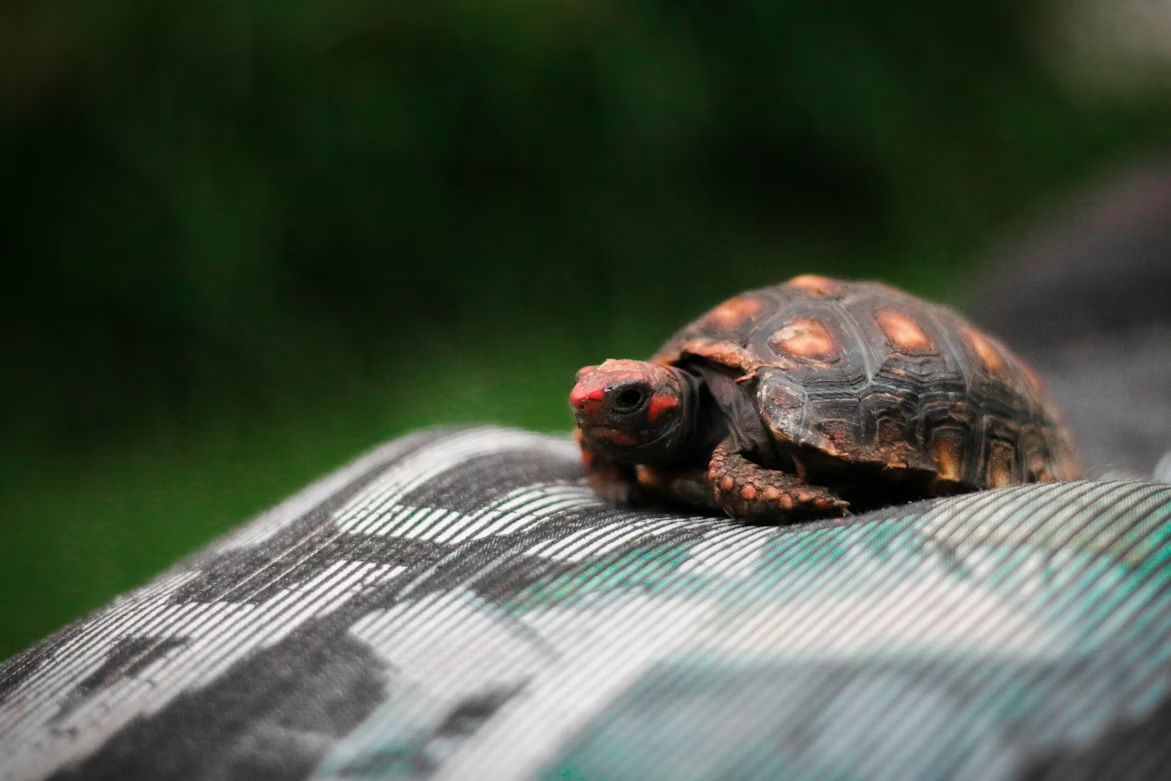
In 2014, a man crossing from Canada into the United States thought he had come up with the perfect plan: stuff over 50 live turtles under his baggy sweatpants, taped directly to his legs, and just... walk through. Spoiler alert: it didn't work. A customs officer noticed some unusual bulges that were moving on their own.
It turns out that turtles, bless their little hearts, are not great at playing it cool. Wildlife smuggling is a serious federal offense, and this gentleman learned that lesson the hard way.
Hoverboards
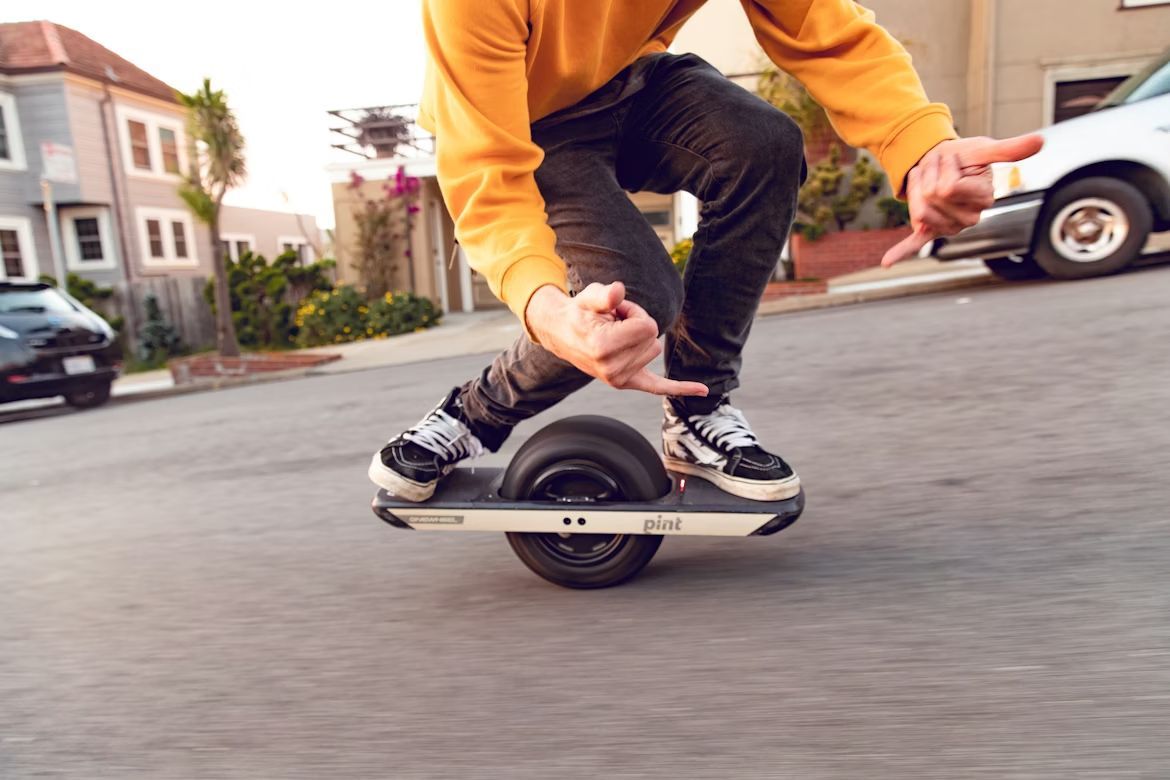
On January 27, 2016, major safety concerns arose over reports of fires starting in some self-balancing hoverboards. A few days later, CBP seized 445 hoverboards with counterfeit trademarks and fake, potentially dangerous, batteries from the Port of Norfolk, Virginia.
The seized hoverboard shipment had a manufacturer’s suggested retail price of more than $171,000.
Live tropical fish
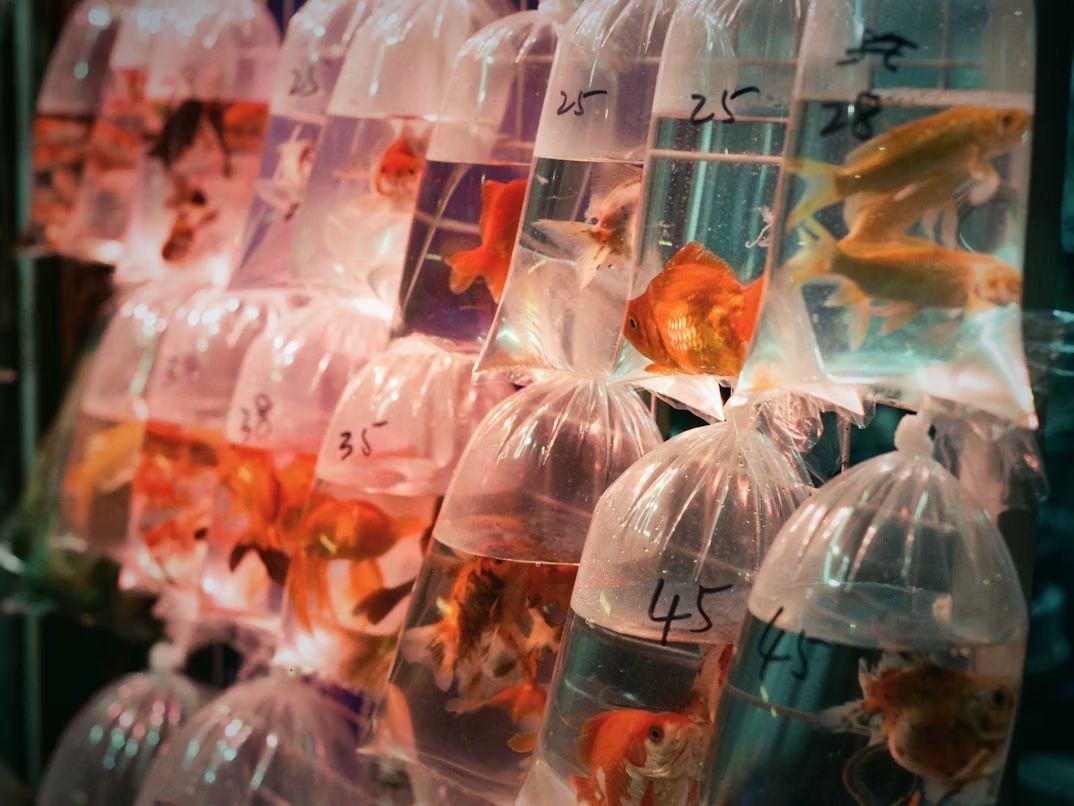
Customs officials stopped a woman in 2005 when she arrived in Melbourne off a flight from Singapore. There, they found 51 live tropical fish in plastic bags tucked into a custom-made apron tied around her waist.
During the search, customs officers became suspicious after hearing 'flipping' noises coming from the vicinity of her waist," the Australian Customs Service said in a press release. She was ultimately sentenced to nine months in the community after pleading guilty to attempting to import regulated wildlife under the Environment Protection and Biodiversity Conservation Act.
Egyptian mummy linen
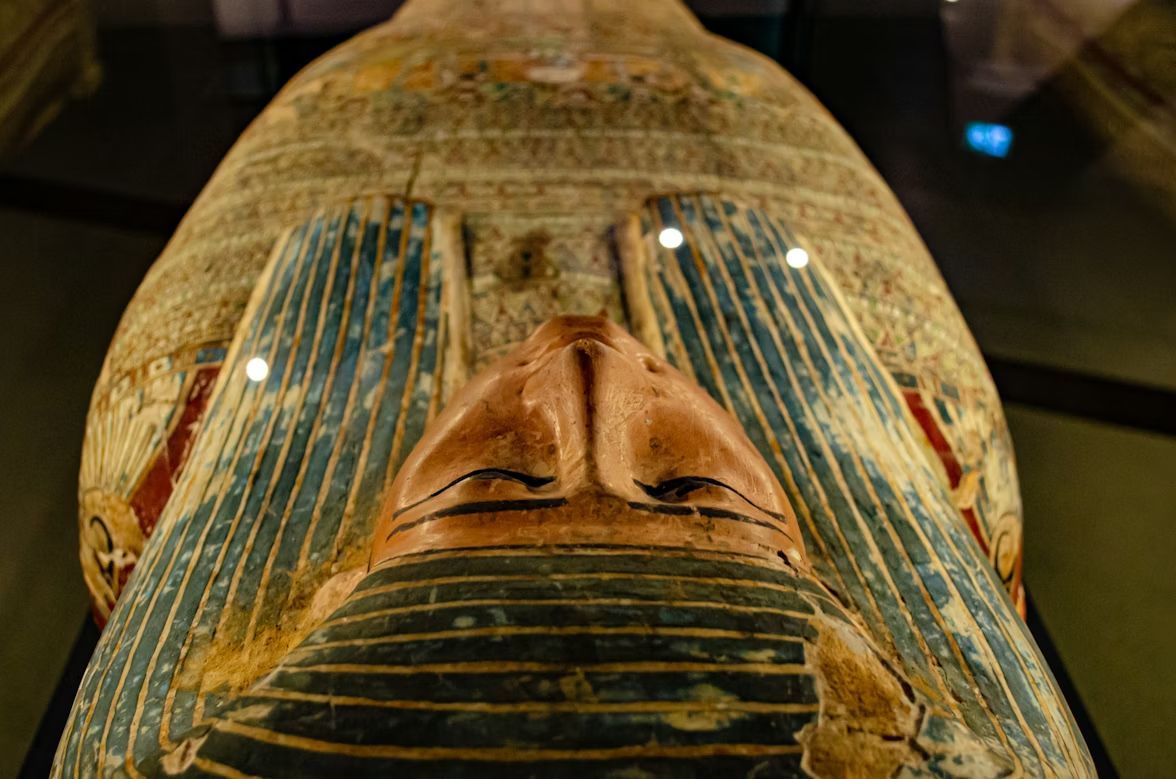
In 2019, a mail truck was caught attempting to bring ancient Egyptian mummy linen at Blue Water Bridge, linking Port Huron, Michigan, and Point Edward, Canada. These are actual strips of cloth from mummified remains, thousands of years old. Beyond being illegal to remove from Egypt, they can also carry ancient organic material that raises both legal and health concerns.
CBP officers have seen it all, and somehow, "historic burial wrappings" still make the list of things people genuinely try to sneak through. History belongs in museums — not in your checked bag.
"Drums and clothes" from Sierra Leone
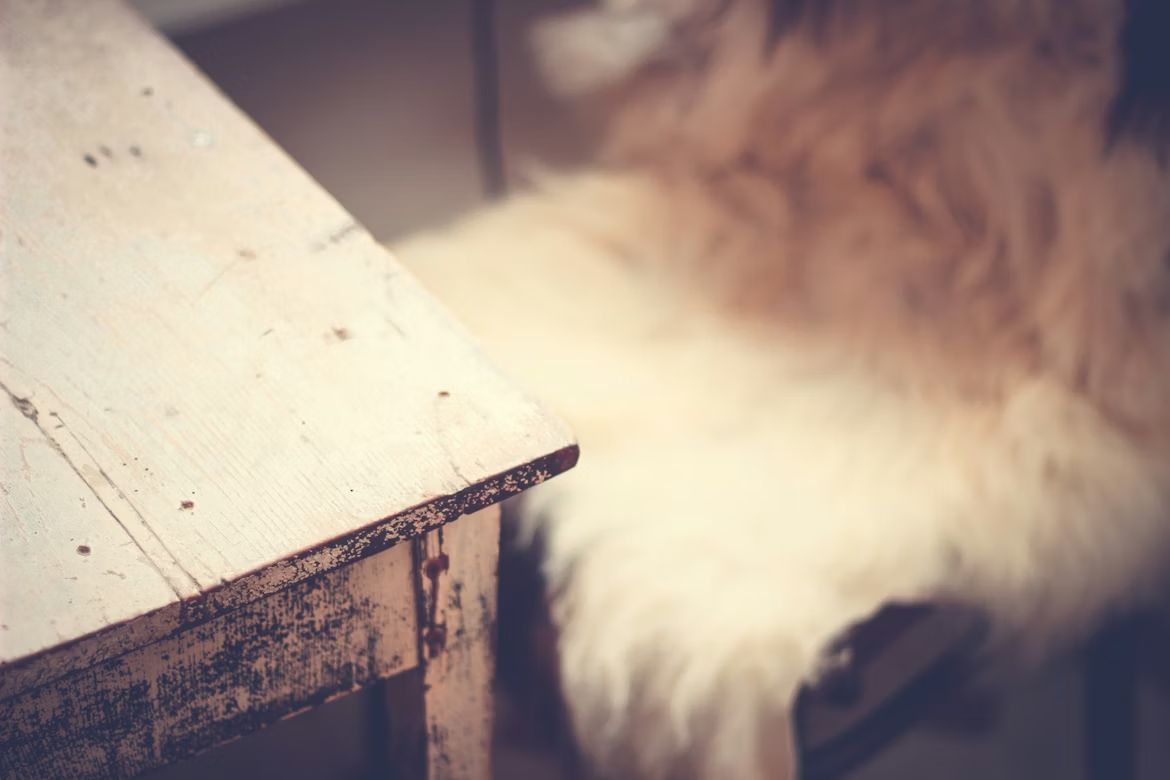
In late August 2019, a shipment arriving at Dulles International Airport and bound for Philadelphia was labeled simply "African drums and clothes." CBP agriculture specialists weren't fooled. Inside, they found three African animal skins — identified as bushbuck, genet, and civet — two antelope heads mounted on unprocessed wood carvings, and 22 pounds of giant African land snail shells.
The shipment, originating from Sierra Leone, violated numerous import requirements and was ordered destroyed on the spot. Officials cited a "potentially serious animal disease threat to American livestock": unprocessed animal pelts can carry pathogens capable of devastating agricultural economies.
Live tarantulas
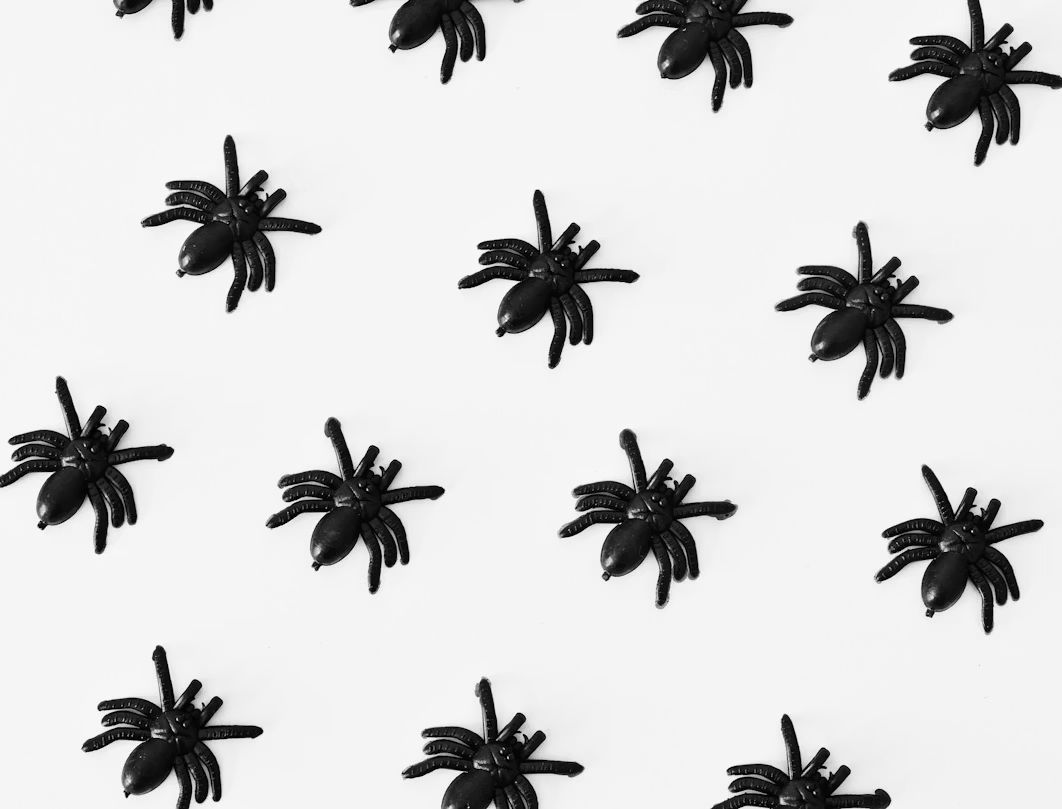
In 2011, a 37-year-old man named Sven Koppler from Wachtberg, Germany, pleaded guilty to shipping hundreds of live tarantulas into the United States through the regular mail. The whole operation unraveled when a routine inspection in Los Angeles revealed about 300 live spiders in a single package. U.S. Fish and Wildlife agents then posed as buyers and placed more orders, eventually receiving five more packages full of tarantulas, both living and dead.
Koppler had made around $300,000 selling exotic spiders to enthusiasts in dozens of countries. When he flew to Los Angeles, agents were there waiting, ready to arrest him.
Live pigeons
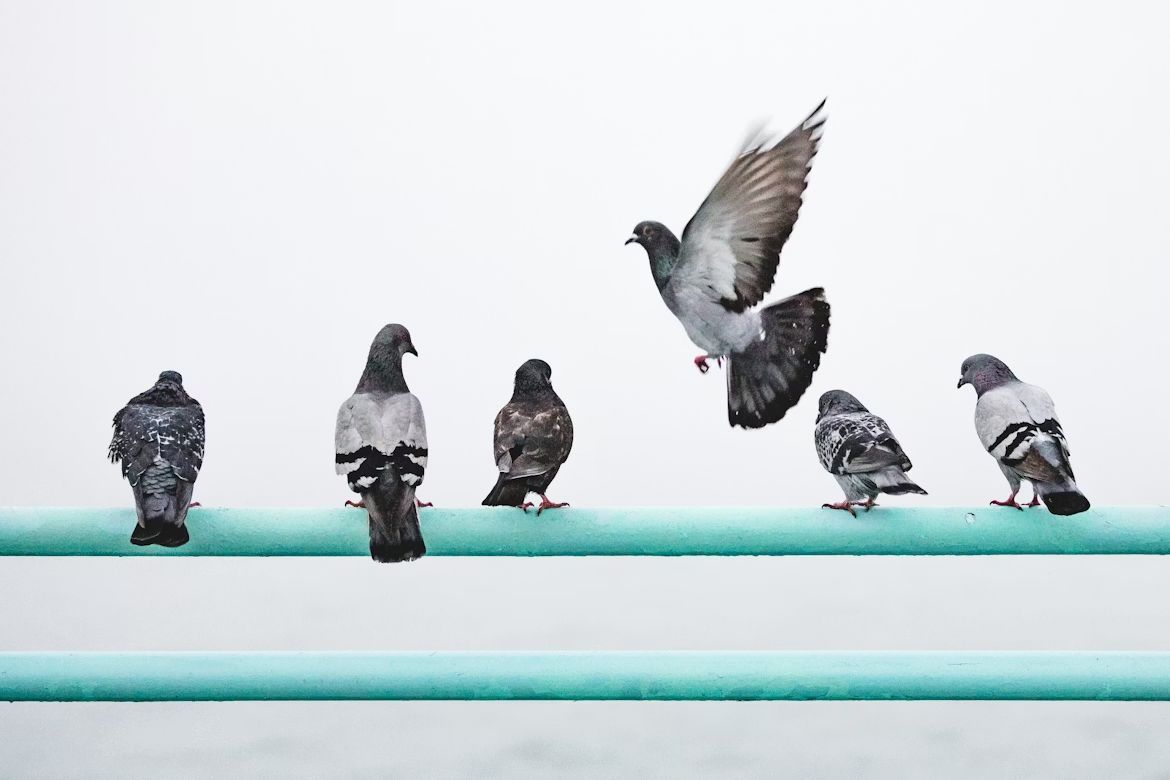
In February 2009, a 23-year-old man arrived in Australia on a flight from Dubai carrying quite a few unexpected travel companions. Officers found two bird eggs hidden inside a vitamin supplement container, and then, upon further inspection, discovered two live pigeons wrapped in padded envelopes and strapped to each of his legs with a pair of tights. His money belt also contained seeds, and there was an undeclared eggplant for good measure.
The sheer variety of contraband on this one individual is staggering: birds, eggs, seeds, and an eggplant. Australia has some of the world's toughest biosecurity laws, and wildlife smuggling there carries a maximum penalty of 10 years in prison and a fine of over $70,000.
Giant African land snails
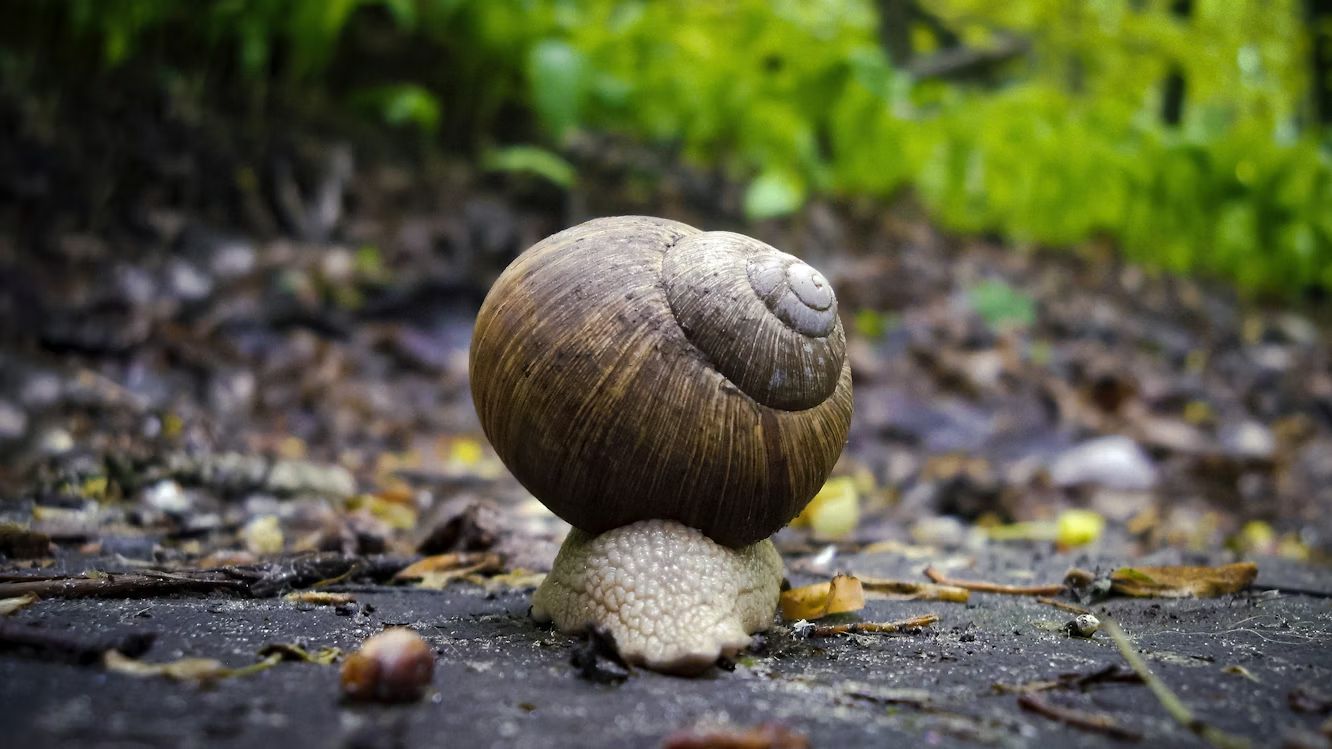
Giant African land snails can grow as large as a rat, reproduce rapidly, and — here's the fun part — eat the stucco right off the walls of houses. They pose a massive ecological threat to local environments, which is why CBP's K9 team, charmingly nicknamed the "Beagle Brigade," is regularly sniffing them out of travelers' luggage.
CBP listed Giant African Land Snails among its top 10 agricultural seizures as recently as 2021, which means people are still trying. Whether travelers are bringing them as exotic pets or simply not realizing the danger, the outcome is the same: the snails get confiscated, and everyone learns a very memorable lesson about biosecurity.
Cans of snakes
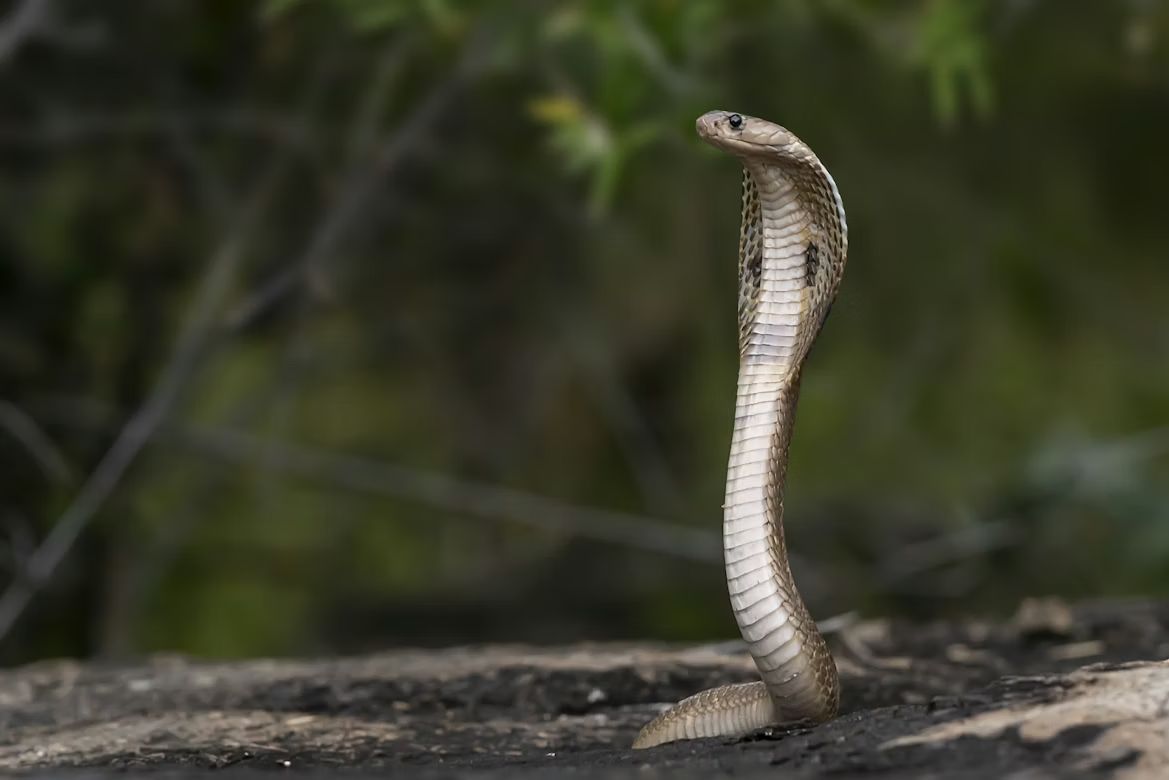
In 2017, a man called Rodrigo Franco was caught in Los Angeles attempting to smuggle live snakes into the country, stuffed inside cans. The species involved were protected under international wildlife trade agreements, making the whole operation both bizarre and a serious federal offense.
It raises so many practical questions. How does one safely seal snakes into cans? How do they survive? In the end, the snakes were seized, and the smuggler’s punishment was a government-issued cell, a $4,500 fine, and years of supervised release to follow.
Keep wandering
There’s always
more to explore
 Culture
Skip Times Square and go to these NYC spots instead — local-approved!
4 min.
Read Now
What happens if you leave the airport during your layover?
6 min.
Read Now

Did you know that you can see another galaxy without a telescope?
5 min.
Read Now
Next must-see stop? Where the Treaty of Versailles was signed
5 min.
Read Now