This is what could go wrong on your next trip and how to fix it
 General
Trip surprises ahead
This is what could go wrong on your next trip and how to fix it
Travel pulls you out of the same old routine, gets your brain working in new ways, and reminds you the world is bigger and more interesting than you thought. But even the best-planned trips throw curveballs, like longer lines than you bargained for, or a destination that turns out to be far safer (or riskier) than what you believed. A little know-how about those kinds of surprises goes a long way toward keeping your trip fun instead of frustrating.
Crowds and lines you don't anticipate
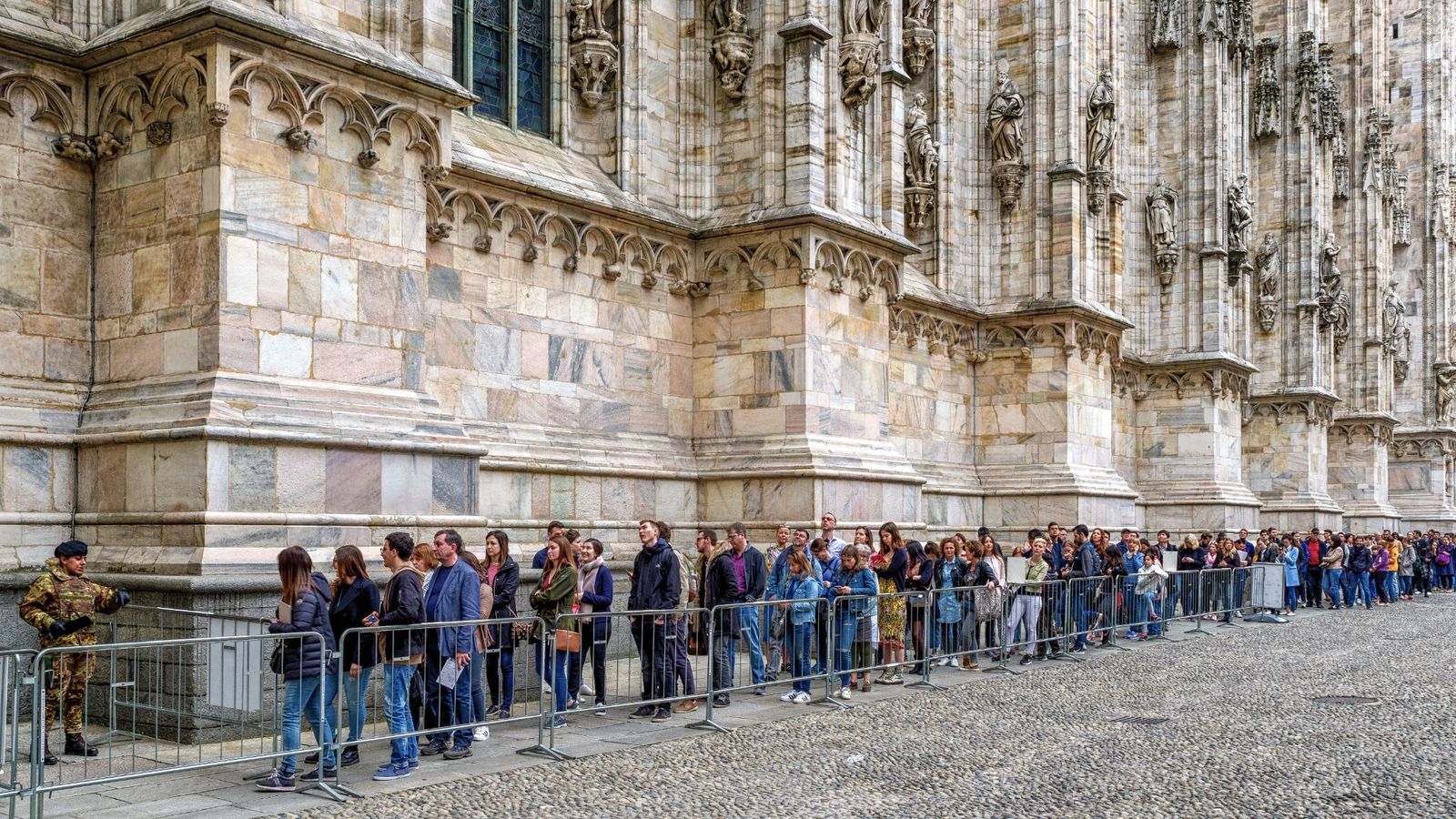
Picture yourself thrilled to finally see the Mona Lisa, then arriving at a two-hour line snaking around the museum. You'd imagined a quiet stroll through the galleries, not a human traffic jam. Unexpected crowds eat your vacation time and patience.
The fix: book timed-entry tickets online weeks ahead and go first thing in the morning. Do this, and you'll spend your precious hours actually seeing the art.
The cost of "free" walking tours
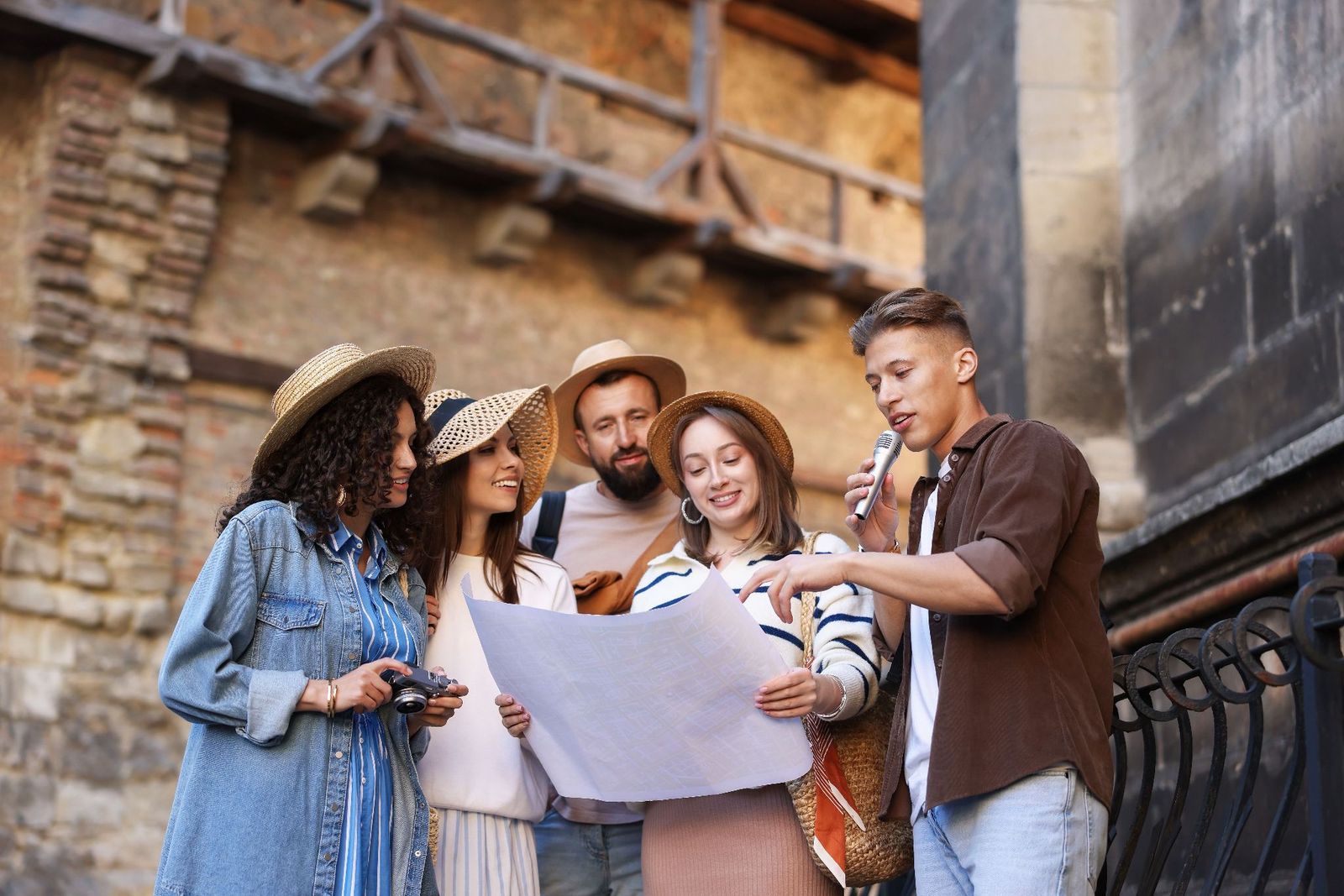
Say you join a "free" tour in Barcelona, love every minute of it, then panic when the guide mentions tips at the end and you're out of cash. These tours run on tips, not charity; guides expect roughly $10-$20 per person. Skipping this detail leaves you embarrassed or shortchanging someone's livelihood.
Solve it by researching the tipping norm beforehand and carrying small bills. Then you can enjoy the tour guilt-free and reward a guide who earned it.
Tipping customs that differ wildly by country

What if you tip generously at a restaurant in Tokyo, only to have the confused server chase you down to return the money? Tipping there can feel insulting. Meanwhile, skipping a tip in the U.S. is a real offense. Getting this wrong causes awkwardness or unintentional rudeness.
Again, a quick search on local tipping etiquette before you land fixes it instantly. Knowing the custom lets you show respect the right way, wherever you are.
Safety perceptions vs. reality
Imagine almost crossing an entire country off your list because of decades-old headlines about danger, then discovering a walkable, welcoming place once you actually arrive. News coverage often exaggerates risk in specific spots while ignoring how safe the rest of a place actually is. This mismatch can make you avoid wonderful destinations, or wrongly let your guard down elsewhere.
Solve it by checking your government's travel advisories and asking recent visitors directly. You'll travel with realistic confidence instead of needless fear or false comfort.
All-inclusive resorts: hidden costs and limitations

Suppose you book an all-inclusive in Mexico expecting everything’s covered, and then find out premium tequila, the spa, and the sunset catamaran tour all cost extra. "All-inclusive" often means basics only, and surprise charges can blow your budget.
Read the fine print before booking, and call the resort with specific questions about what's excluded. Doing this upfront means no unpleasant bill shocks at checkout, and you can budget properly for the extras you actually want.
Language barriers in "English-friendly" destinations
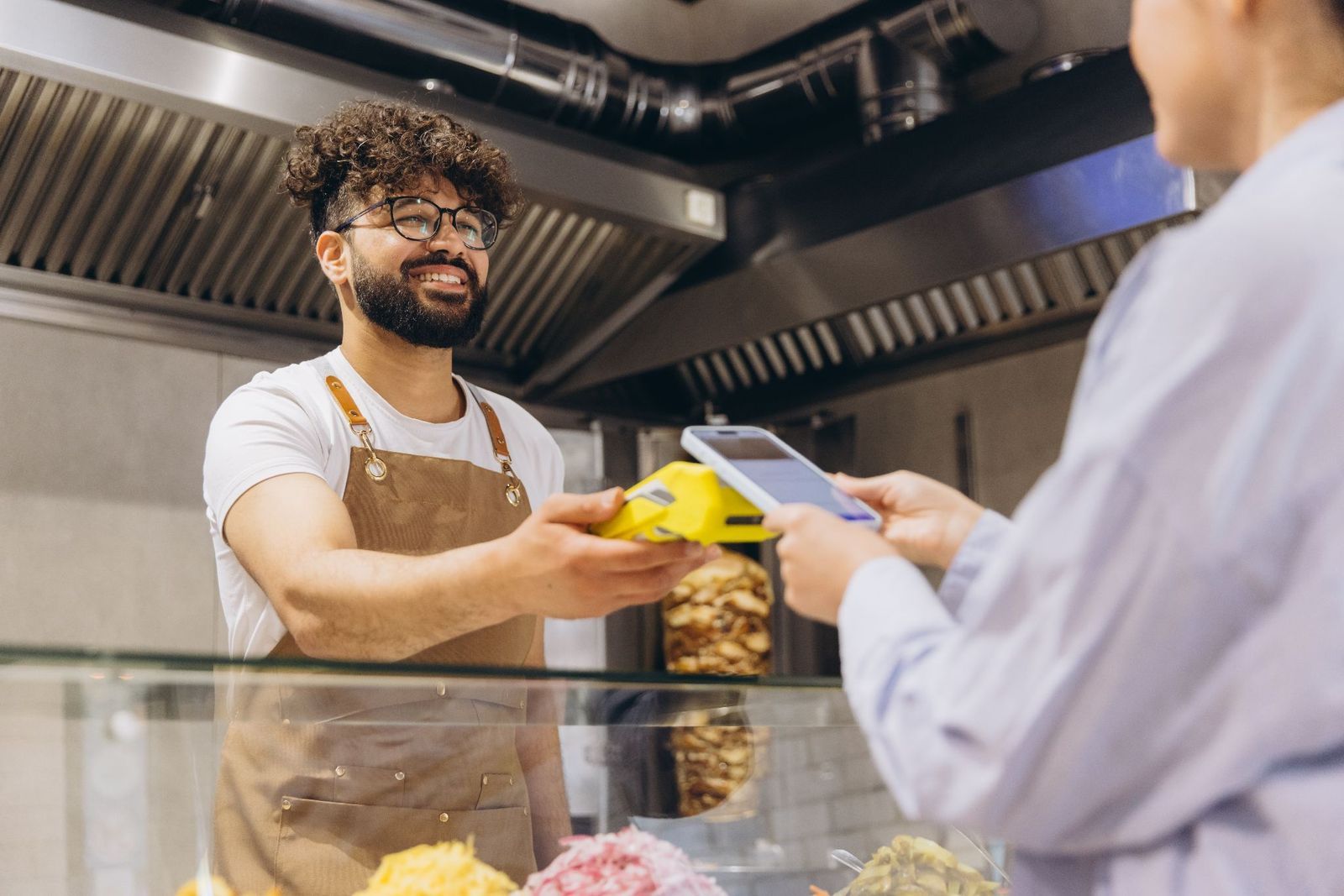
Consider assuming English will carry you through the Netherlands, and then you hit a wall ordering lunch in a small village bakery outside Amsterdam. Popular destinations aren't uniformly bilingual, especially outside city centers, and this can leave you stuck or misunderstood.
Learn a handful of key phrases before you go—"hello", "please", "thank you", "where's the bathroom?" Locals almost always light up when you try their language, even badly, and that little effort tends to earn you warmer service and genuine goodwill.
Weather surprises (Ireland's rain, desert cold nights)
Visualize packing only shorts and t-shirts for a Moroccan desert trip, then shivering through nights that drop near freezing once the sun sets. Guidebook images rarely show a destination's full weather range. This mismatch means you're either soaked, sunburned, or freezing when you didn't expect it.
Research seasonal highs and lows before packing, and bring layers. You'll stay comfortable through the day's surprises instead of shopping for emergency sweaters abroad.
Jet lag is worse traveling east vs. west

Say you feel fine flying from New York to Los Angeles but are wrecked for days flying from New York to Rome. Eastward travel fights your body's natural clock harder than westward travel, making jet lag noticeably worse. This can wreck the first days of a trip you paid good money for.
Shift your sleep schedule a few days before departure and get sunlight first thing at your destination. You'll adjust faster and actually enjoy those first precious vacation days.
Local holidays that shut down entire cities
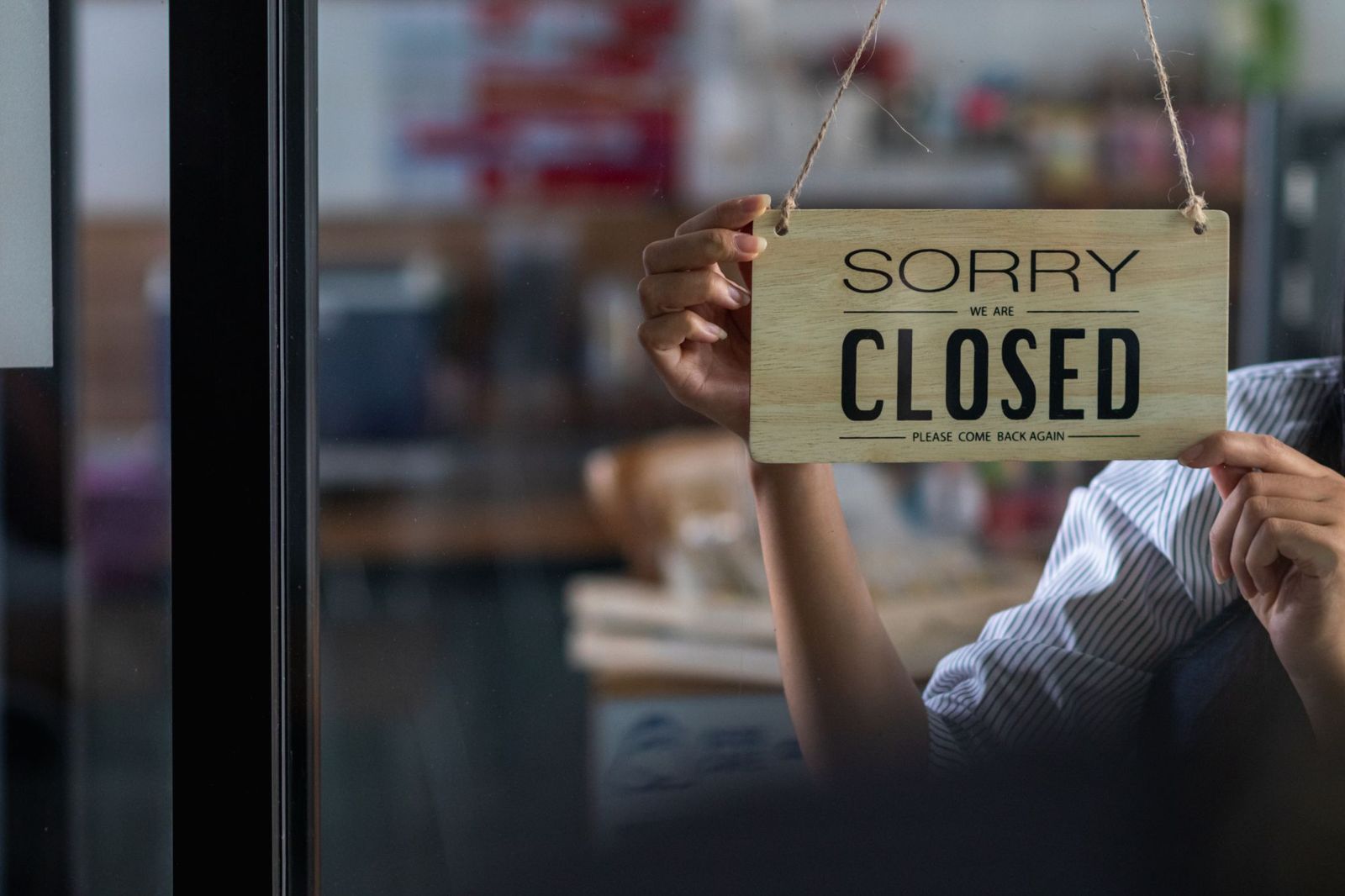
Imagine landing in Rome mid-August expecting a bustling capital, only to find shops shut and restaurants closed for Ferragosto, a national holiday. Local holidays can quietly empty out a destination you traveled far to see.
Check a country's holiday calendar before booking dates. Doing so lets you either avoid the shutdown or lean into it, since holidays often bring festivals and celebrations worth experiencing too.
Overtourism can affect bucket-list sites
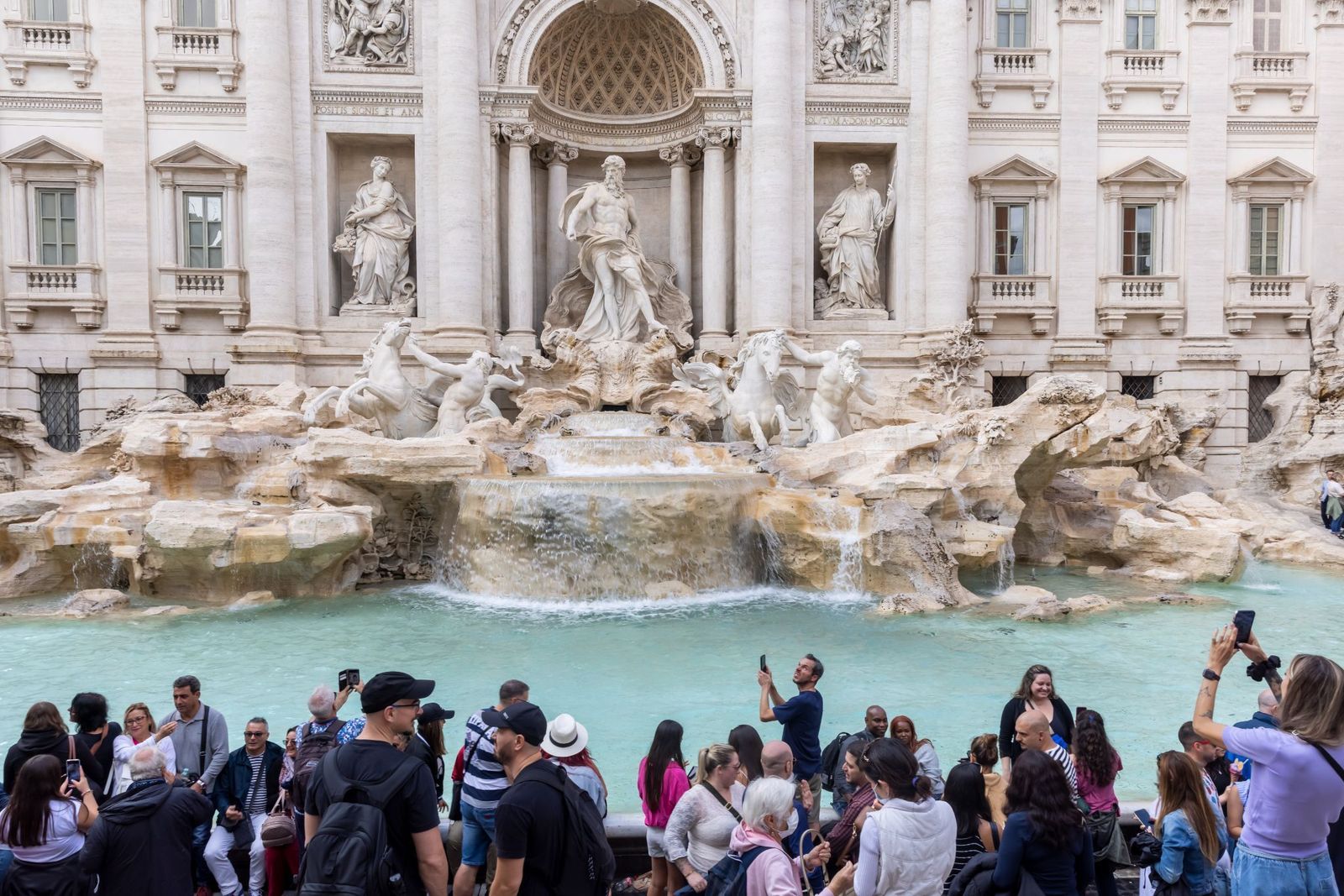
Picture dreaming of a romantic, quiet Venice, but finding yourself shuffling shoulder-to-shoulder through roped-off alleys with thousands of other tourists. Iconic destinations are often victims of their own fame, and overcrowding can flatten the magic you traveled for.
Visit shoulder seasons, go early morning, or explore nearby lesser-known towns instead. You'll get the beauty without the crowds, often at a lower cost too.
Airport transfer scams to watch out for
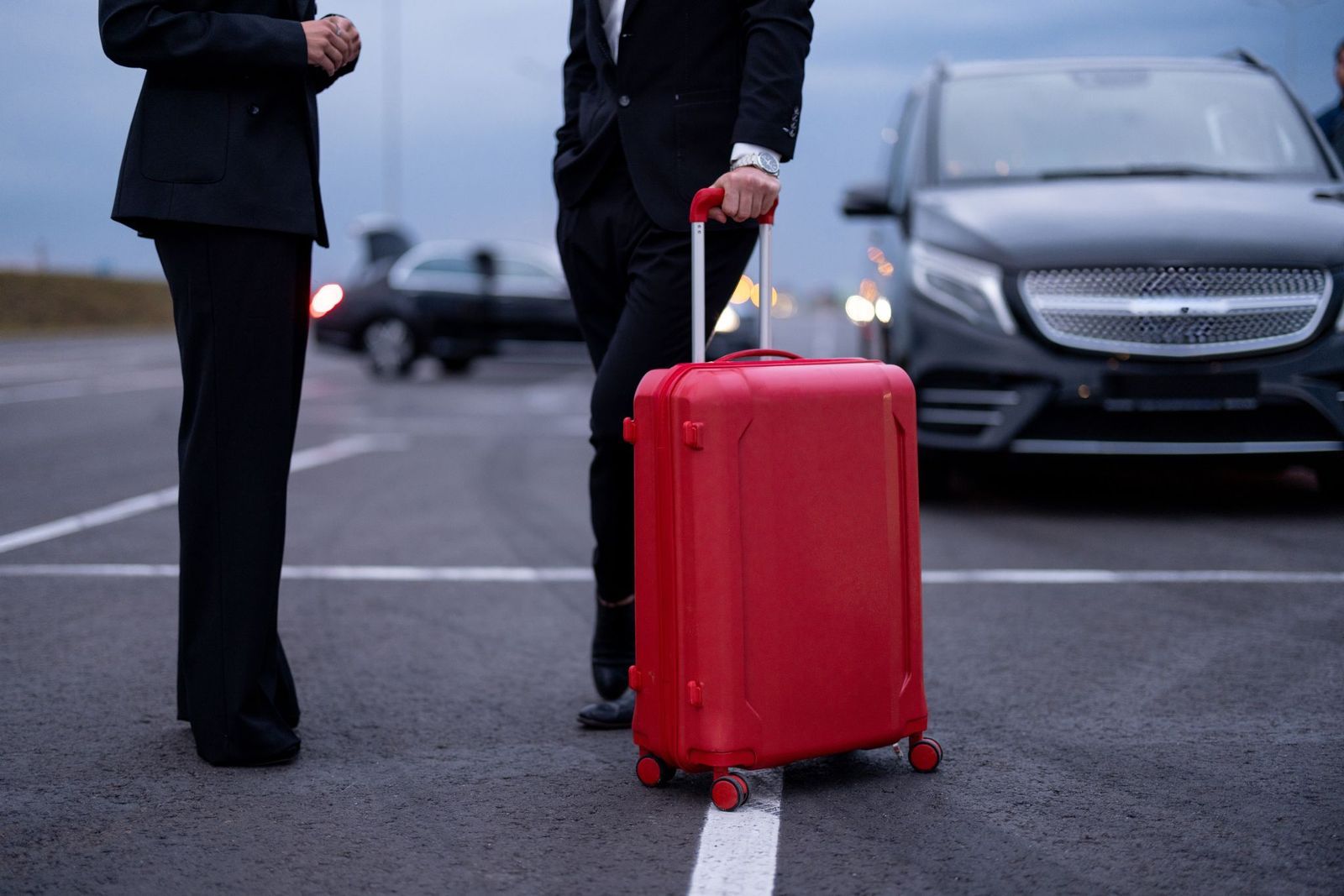
What if you step off your flight in Cancún, hop into an unofficial taxi outside baggage claim, and get overcharged triple the normal fare before you realize what happened? Scammers target tired, disoriented travelers right at arrival.
Book a licensed transfer or ride app in advance, or head straight to the official taxi stand. Arriving with a plan means you start your trip relaxed instead of ripped off.
America's greatest festivals—and the secrets most visitors never discover
 Culture
Celebration culture
Uncover secret histories behind America’s best festivals and celebrations
Whether you’re watching a million people count down to midnight in Times Square or losing yourself in the chaos of New Orleans during Mardi Gras, there’s an American festival or holiday celebration with your name on it. Read on to find out about cities in which festivals are not parties: they're pieces of American history that are constantly evolving.
New Orleans, LA: Mardi Gras
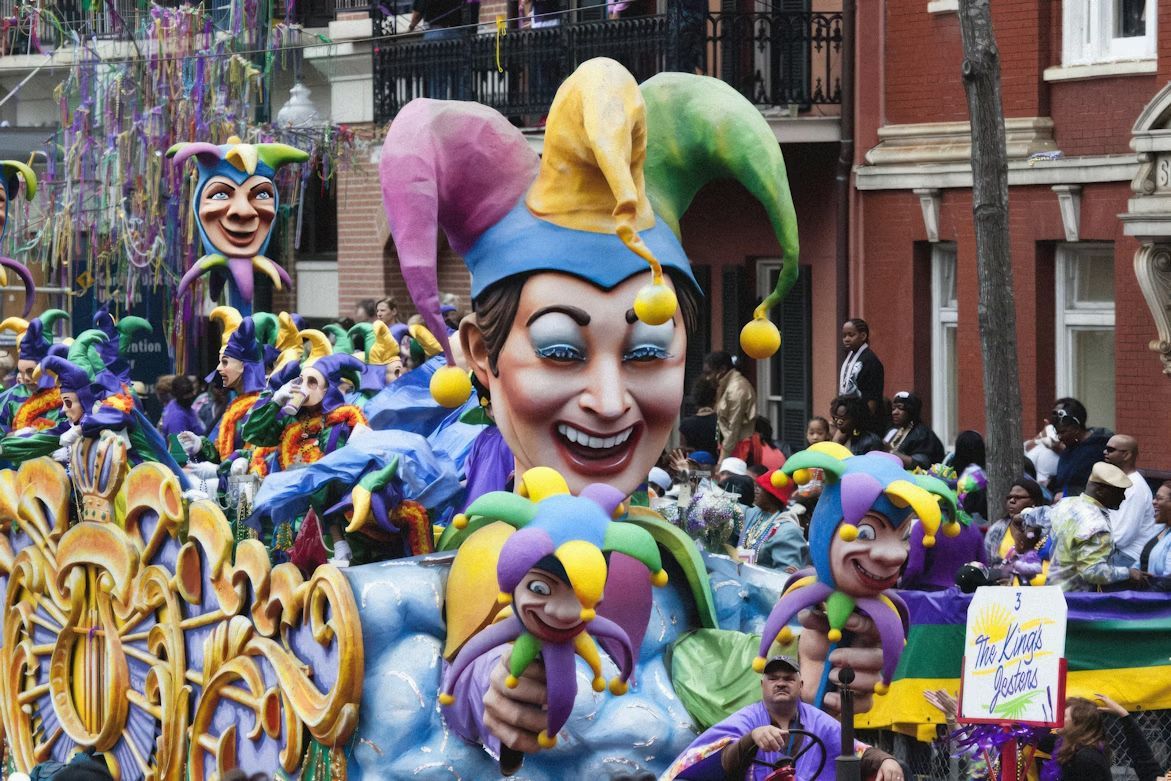
Mardi Gras in New Orleans traces back to the early 1700s, when French settlers brought the Catholic pre-Lent tradition to Louisiana and turned it into something all their own. Today it's a full-blown city takeover every February: parades, masked balls, jazz spilling out of every doorway, and enough beads to fill a swimming pool. The krewes (parade organizations) have colorful names like Zulu and Rex, and each one has its own personality.
The Krewe of Zulu parade, rolling through the city's historically Black neighborhoods, is where the real soul of Mardi Gras lives. The most coveted moment? Catching a hand-painted Zulu coconut—the parade's signature throw—is considered the ultimate Mardi Gras prize.
New York City, NY: New Year's Eve
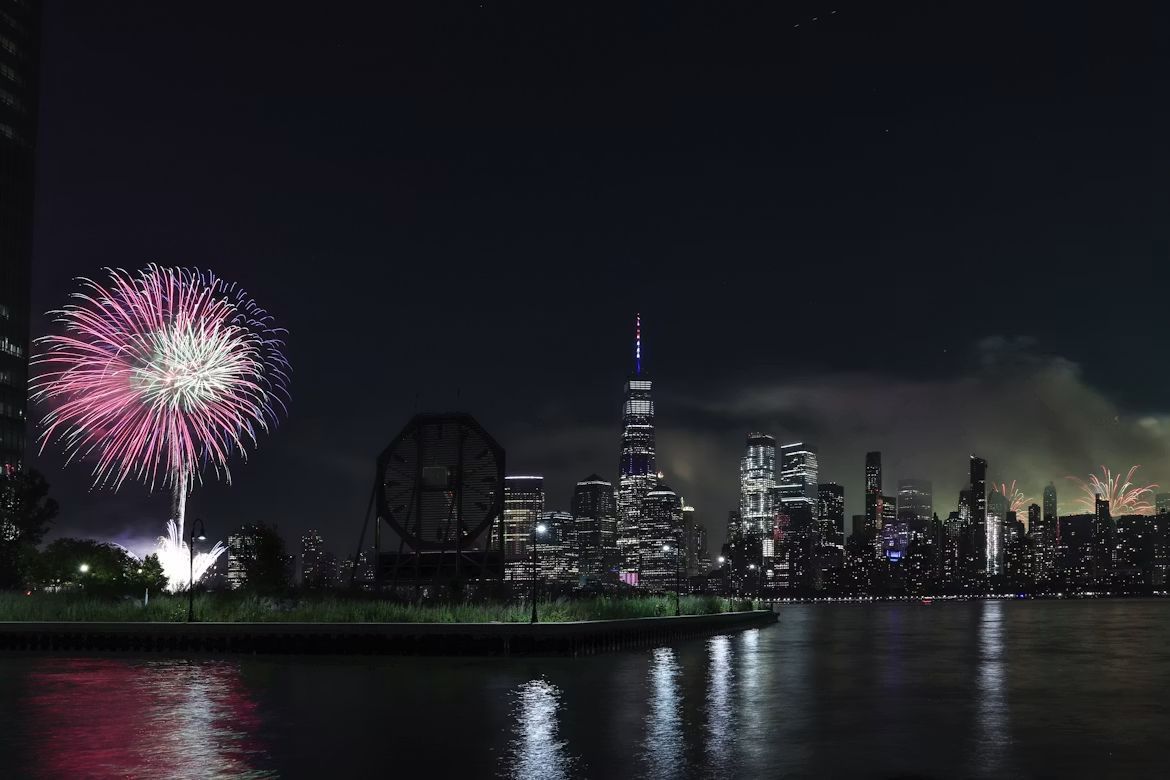
Times Square on December 31st is one of those things every American should experience at least once. The tradition started in 1907, when a 700-pound iron-and-wood ball first dropped from a flagpole above Times Square to ring in the New Year. Today, over a million people pack the streets while hundreds of millions more watch on TV.
The ball itself is covered in 2,688 Waterford Crystal triangles and never actually touches the ground. And it starts its 70-foot descent a full 60 seconds before midnight. Arrive at noon or earlier if you want a good spot, dress in serious layers, and bring snacks.
Washington, D.C.: Fourth of July
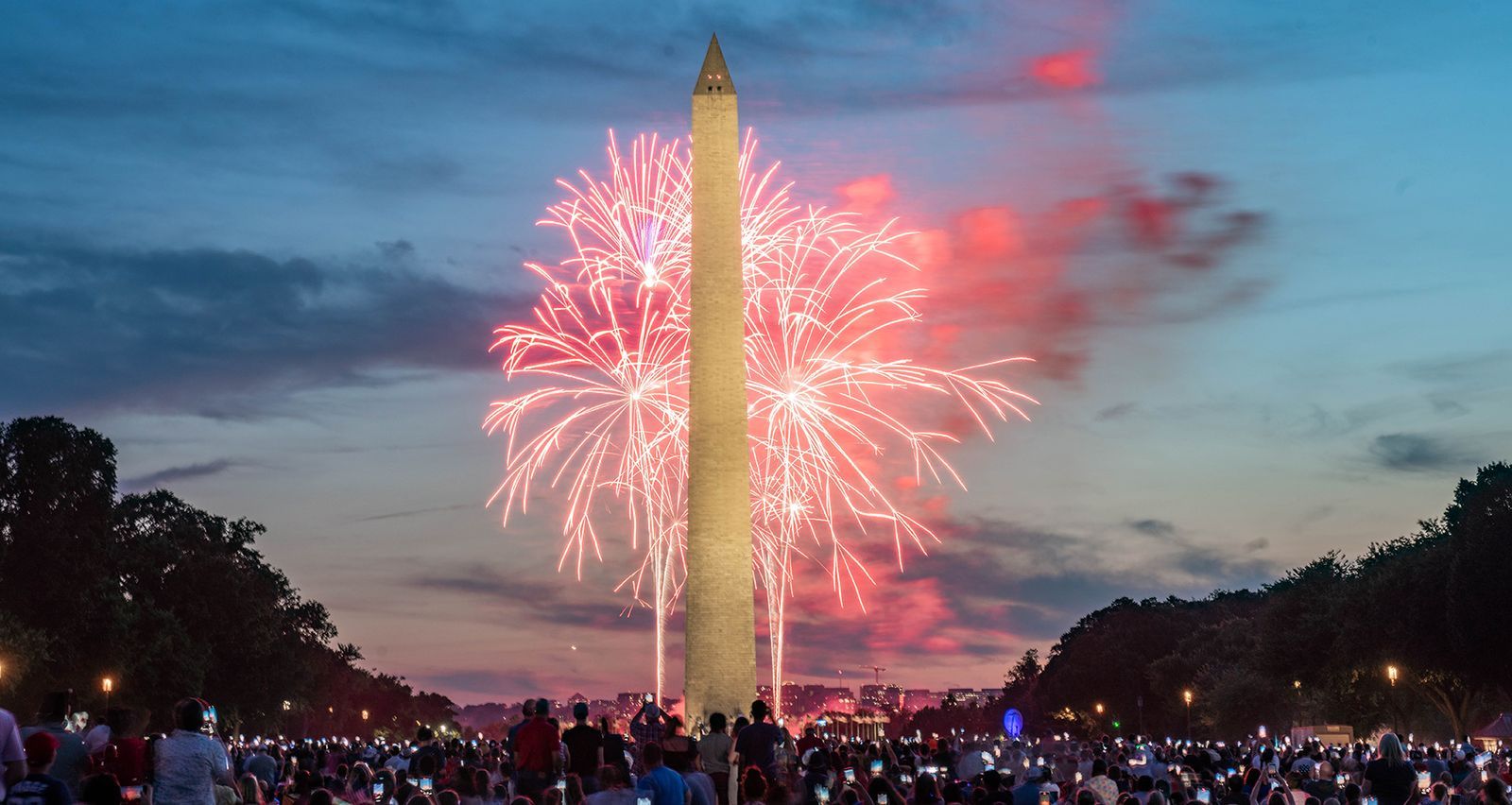
There's no more fitting place to celebrate Independence Day than our nation’s capital. The National Mall fills with families, the smell of grilled food floats through the air, and by evening, the Washington Monument stands lit against a darkening sky. The National Symphony Orchestra performs on the Capitol steps before the fireworks begin.
The fireworks display over the Mall is choreographed to a musical score broadcast on WPAS radio—tune in while you watch, and the whole show takes on a completely different dimension. The most breathtaking moment comes when the finale lights up the entire skyline at once, reflecting off the Reflecting Pool in a burst of red, white, and blue.
Albuquerque, NM: Balloon Fiesta
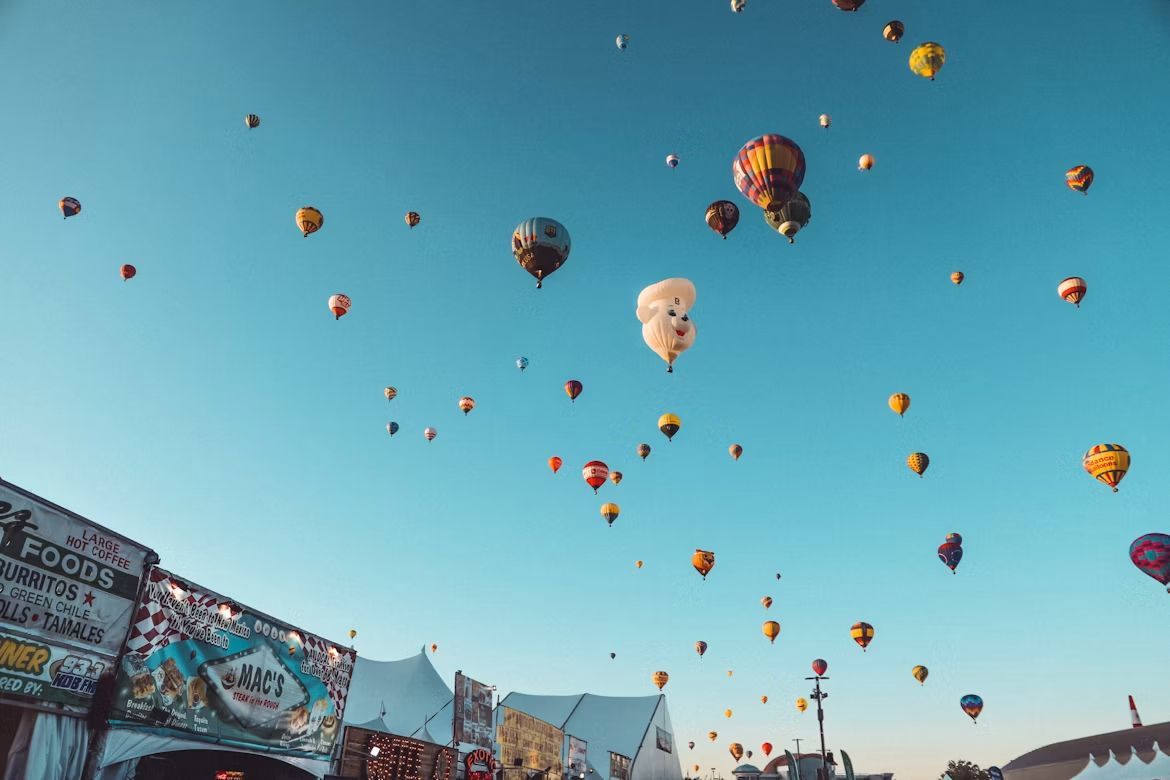
Every October, the Albuquerque International Balloon Fiesta, launched in 1972, fills the desert sky with over 500 hot-air balloons over nine days, making it the largest balloon festival in the world. The balloons come in every imaginable shape: giant frogs, cartoon characters, classic teardrops in every color of the rainbow.
But most first-timers miss the Balloon Glow: at dusk, before the night flights begin, hundreds of balloons inflate on the ground but don't take off; they simply glow like enormous paper lanterns against the desert darkness. It is genuinely one of the most beautiful things you'll ever see.
Salem, MA: Halloween
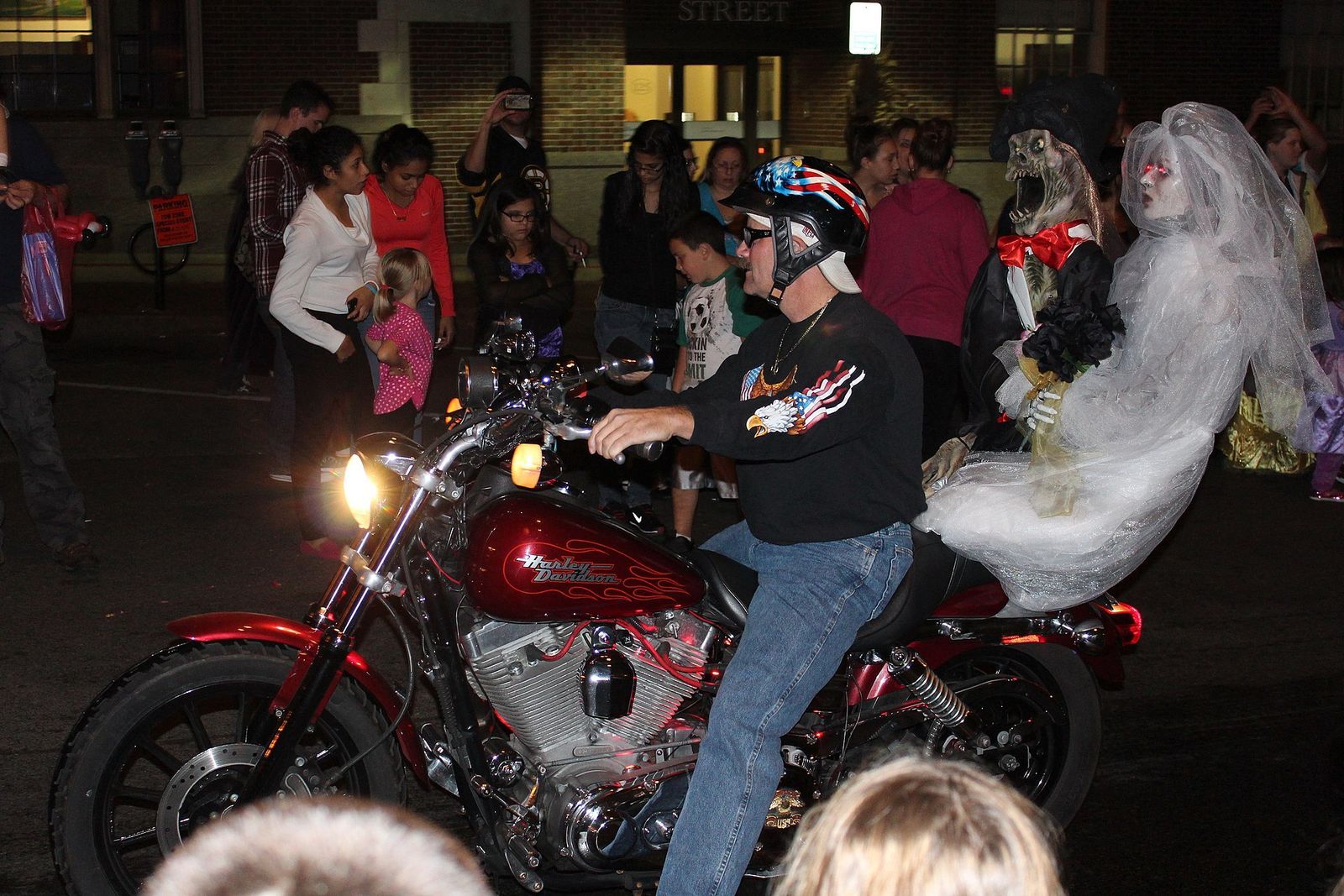
The 1692 witch trials left a mark that still echoes through every cobblestone street of Salem, Massachusetts. Every October, the city leans into that history with ghost tours, theatrical performances, candlelit cemetery walks, and a Halloween celebration that stretches across the entire month. It's spooky, yes, but the history here is real and worth knowing.
But October 31st itself is actually the worst day to visit: Go in the first two weeks of October, when it’s less crowded, and the atmosphere and tours are just as good. Pro tip: Try a nighttime ghost tour through Charter Street Cemetery with a knowledgeable guide and a nearly full moon overhead.
San Francisco, CA: Chinese New Year Parade
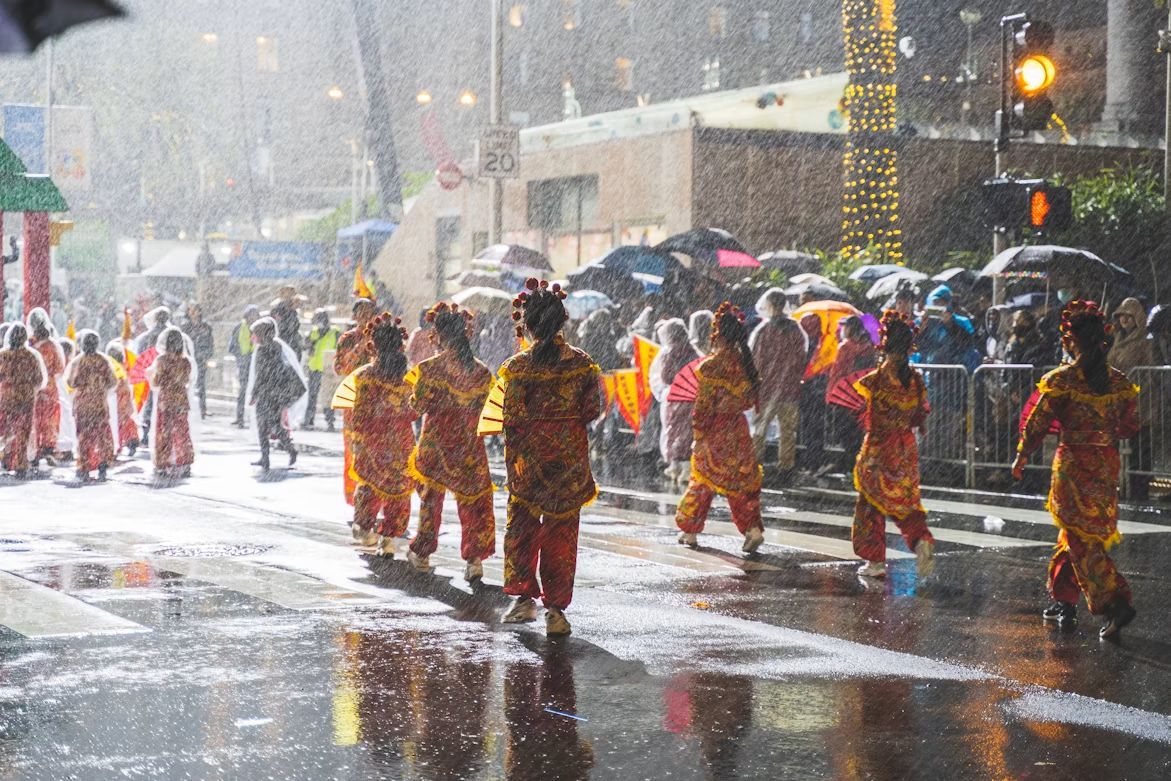
San Francisco's Chinese New Year Parade is the largest celebration of Chinese culture outside of Asia, drawing hundreds of thousands of spectators to the streets of downtown and Chinatown each January or February. The tradition dates back to the Gold Rush era, when Chinese immigrants came to work in the gold mines and brought their New Year traditions to California, making this one of the oldest continuous cultural parades in the United States.
The parade route passes directly over the spot where gold was first struck during the Gold Rush. The most spectacular moment is the Golden Dragon, a 268-foot-long serpent carried by over 100 performers, weaving through the street to the thunder of firecrackers and drums.
Punxsutawney, PA: Groundhog Day
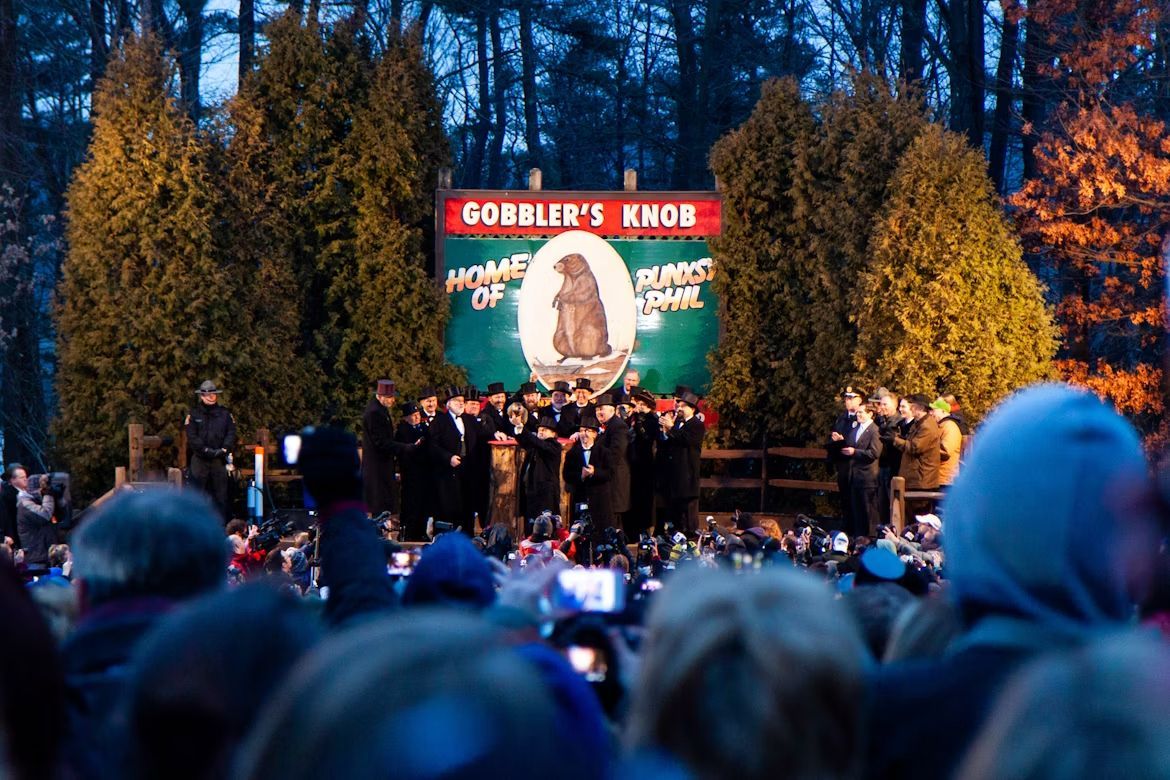
Groundhog Day in Punxsutawney, Pennsylvania, is one of the most joyful celebrations you'll ever stumble into. Every February 2nd, tens of thousands of people descend on the tiny town of Punxsutawney to watch a groundhog named Phil emerge from his burrow on Gobbler's Knob and predict the weather.
The tradition dates to 1887, brought over by German immigrants who had a similar custom involving a badger, and then Bill Murray made it immortal with his 1993 classic film. The festivities start the night before with bonfires, live music, and a carnival atmosphere that makes the cold completely irrelevant. The best moment is the announcement itself at dawn: the crowd packed around Gobbler's Knob, waiting to hear whether Phil saw his shadow. Of course, as the legend goes, if he sees his shadow, six more weeks of winter await. If not, spring arrives soon.
Pasadena, CA: New Year’s Day Rose Parade
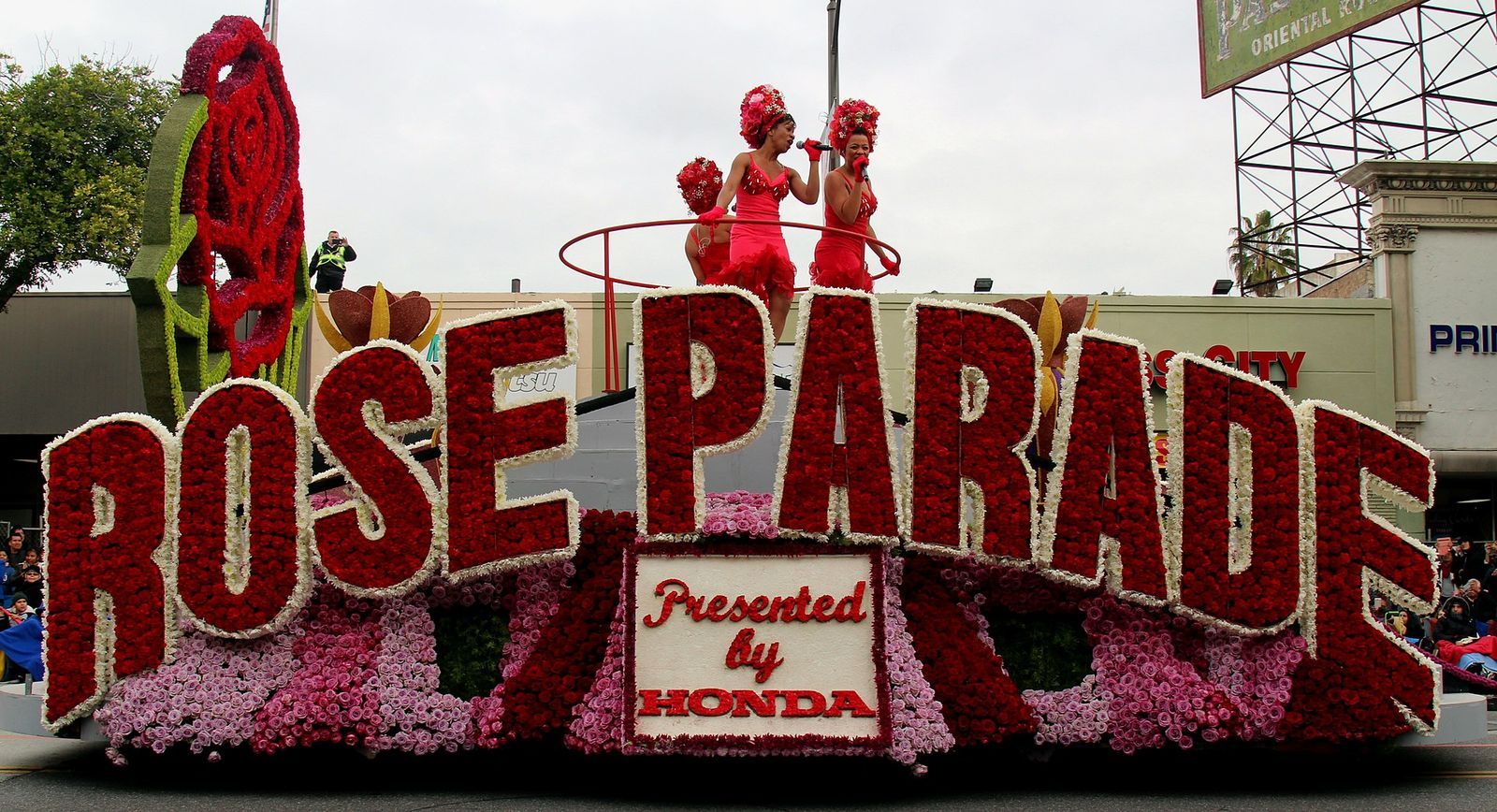
The Tournament of Roses Parade has rolled down Colorado Boulevard in Pasadena every New Year's Day since 1890. What started as a way for Californians to show off their winter sunshine to the snow-buried East Coast has grown into one of the most-watched parades on earth, with floats so elaborate they look like moving gardens.
Every single float must be covered entirely in natural materials like flowers, seeds, bark, and leaves.
Nashville, TN: CMA Fest
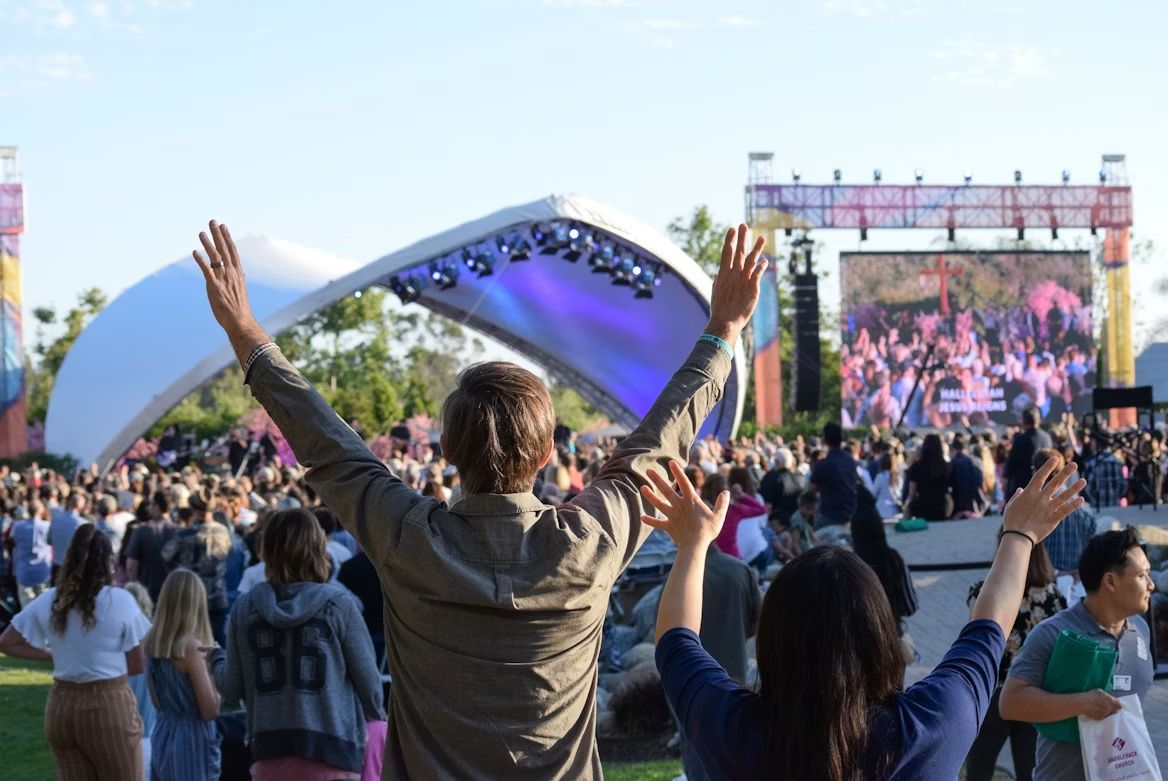
Country music has been the soundtrack of America for over a century, and every June, Nashville becomes its beating heart. The CMA Music Festival started in 1972 as a fan appreciation event and has grown into a four-day extravaganza with dozens of stages, thousands of performers, and a crowd of over 80,000 fans per day. Nissan Stadium hosts the big headline acts, but the real festival is all around you, spilling through the streets of downtown.
Artists also regularly show up unannounced at the honky-tonks along Lower Broadway for late-night sets. Wear comfortable shoes, get the official app for the schedule, and don't try to see everything. Count yourself lucky if you catch one of those midnight surprise sets, where a major artist plays for a room of 200 people like it's 1975 all over again.
New Orleans, LA: Jazz & Heritage Festival
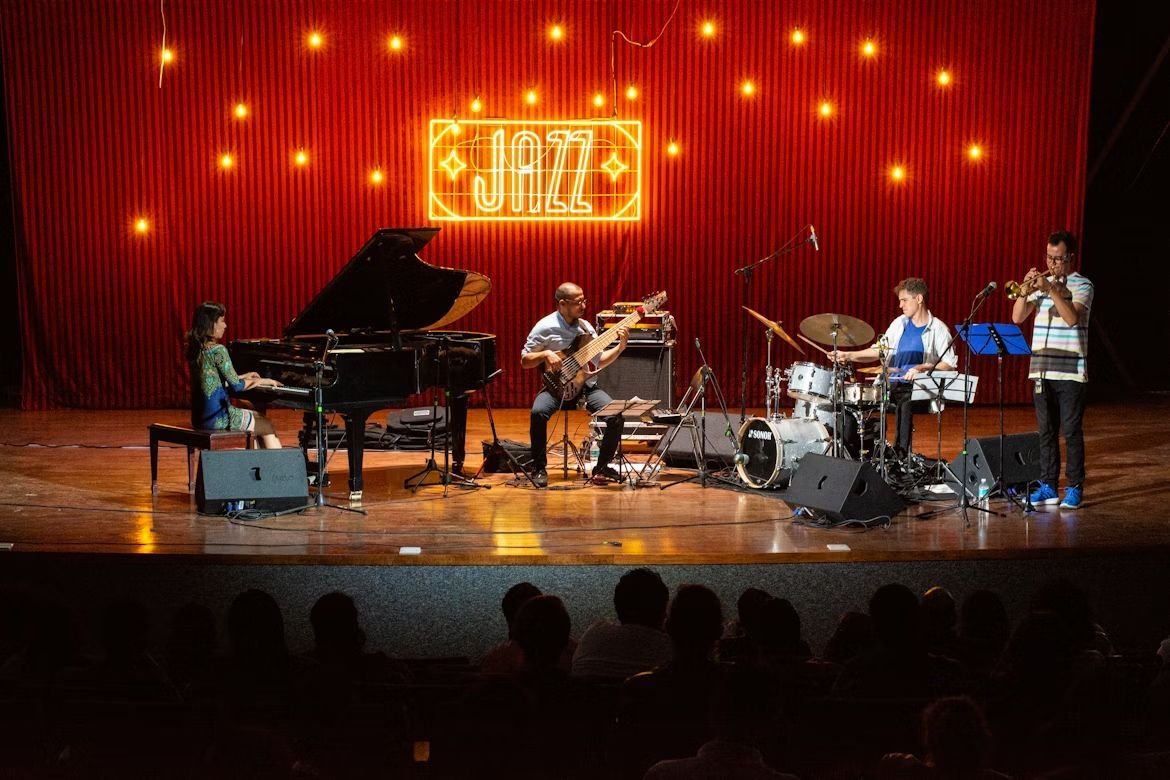
Held each spring in New Orleans City Park, Jazz Fest has been running since 1970 and showcases not just jazz but gospel, blues, Cajun, zydeco, R&B, and everything in between. Dozens of stages run simultaneously, and the food is treated with the same reverence as the music: Crawfish Monica, beignets and café au lait, and cochon de lait po-boys are among the most popular.
The most special experience is actually stumbling onto a smaller stage and discovering an artist you've never heard of who completely blows your mind. That's the soul of Jazz Fest.
Sturgis, SD – Motorcycle Rally
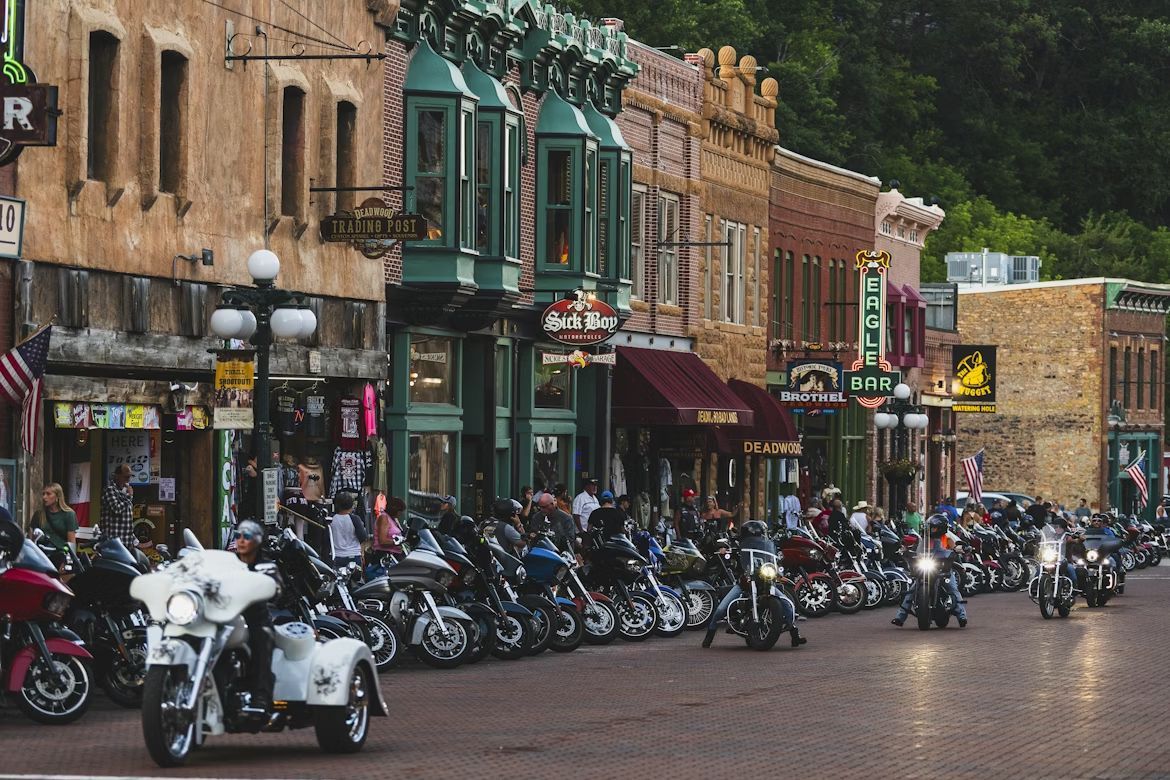
In 1938, a man named J.C. "Pappy" Hoel organized a motorcycle race in the small town of Sturgis, South Dakota. Nine riders showed up. Today, that same event draws half a million bikers to the Black Hills every August. For an entire week, the town—population 7,000—becomes a roaring, rumbling city unto itself.
You don't have to own a Harley to love it here: the rally fills the streets with stunt shows and bike exhibitions. The Black Hills are staggeringly beautiful, and Sturgis is surrounded by Mount Rushmore, Crazy Horse Memorial, and Custer State Park—all worth visiting during rally week. The hidden gem: Pappy's actual Indian motorcycle, quietly on display at the Sturgis Motorcycle Museum.
Telluride, CO – Film Festival
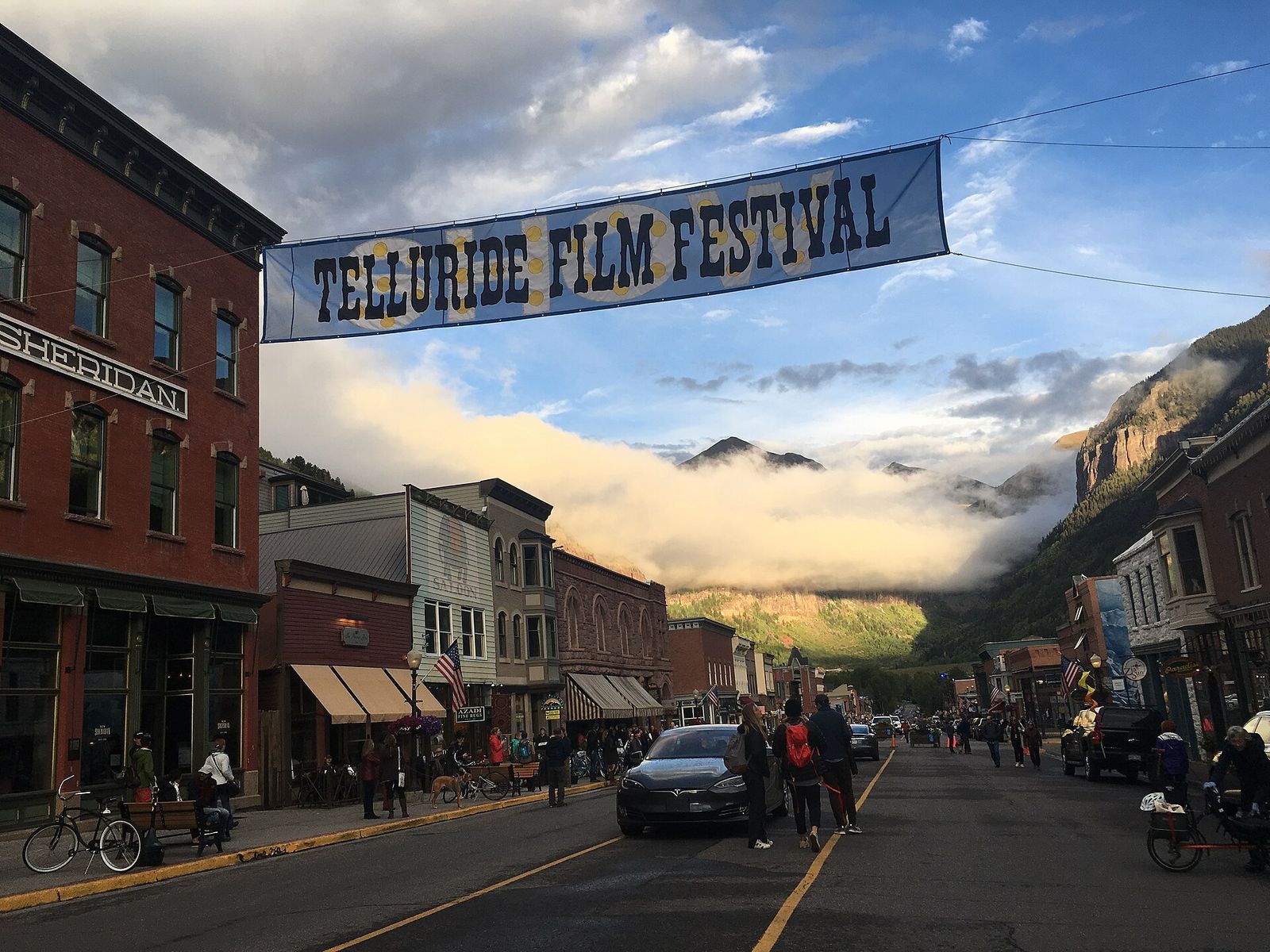
Nestled in a box canyon in the Colorado Rockies, the Telluride Film Festival during Labor Day weekend has been one of the most prestigious movie events in the world since 1974. Telluride keeps its lineup a complete secret until opening day. You buy a pass and show up, and first screenings have included future classics like Schindler's List, Brokeback Mountain, and Slumdog Millionaire.
The magic of Telluride is that everyone—directors, actors, critics, and regular film lovers—stands in the same lines, breathes the same mountain air, and watches the same movies. An annual highlight: the outdoor screening on the open-air Garden Theatre under a canopy of stars at 9,000 feet elevation.
Keep wandering
There’s always
more to explore

It’s not your imagination: Airplane legroom has shrunk, and here's why
6 min.
Read Now
 Landmarks
Why is this island off limits? The stories behind 10 forbidden places
6 min.
Read Now

The American food bucket list: 10 classics to try
6 min.
Read Now

How much do you know about the "Golden Hour" and the "Rule of Thirds"?
4 min.
Read Now