They wear WHAT on Christmas? 10 holiday traditions you won't believe
 Geography
Christmas around the world
They wear WHAT on Christmas? 10 holiday traditions you won't believe
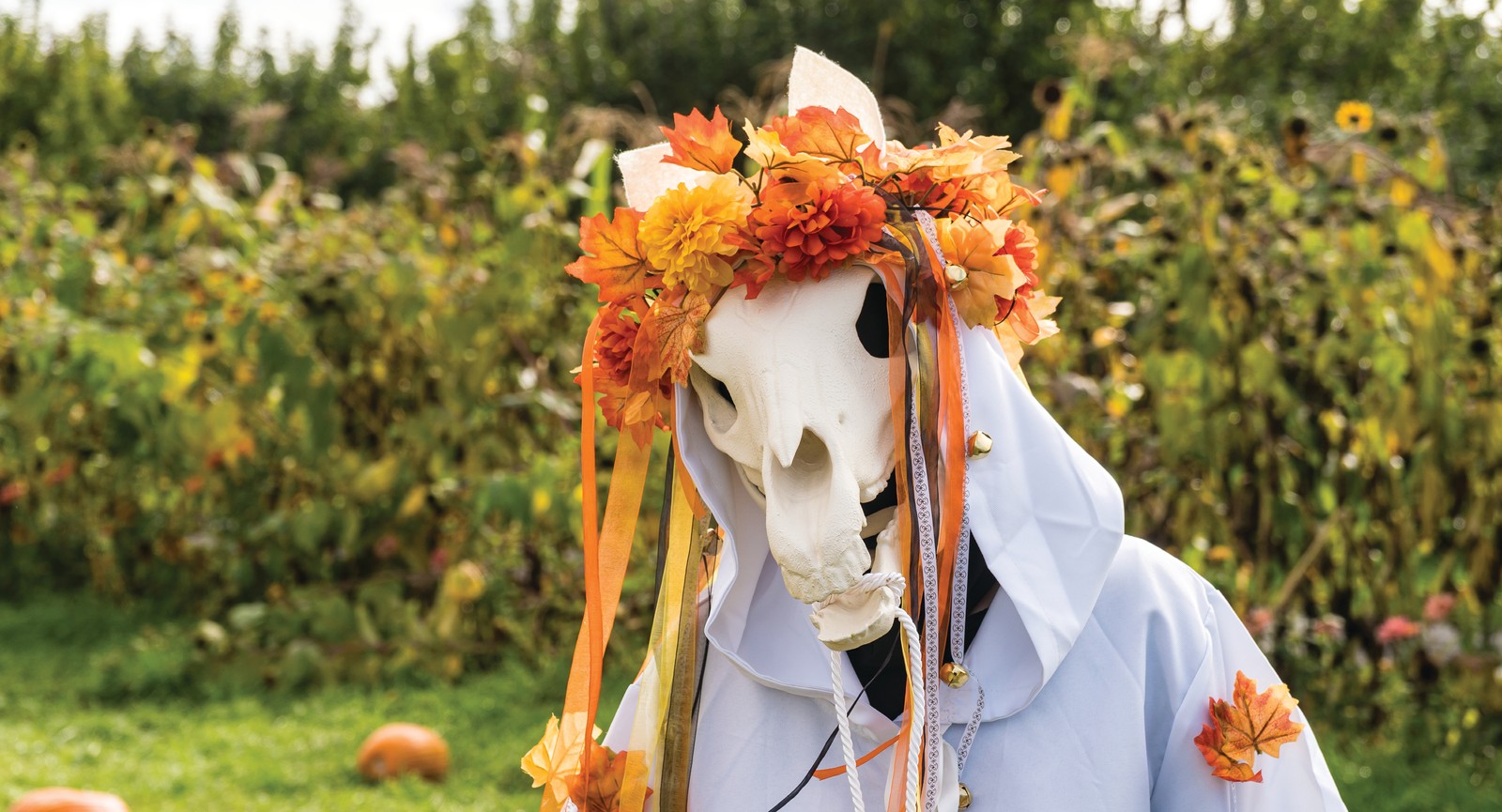
Have you ever seen someone wearing a horse skull at Christmas? What if your Christmas dinner came from KFC instead of the kitchen? Can you imagine thousands of people roller-skating to church on Christmas morning? It may sound unbelievable, but these are real Christmas traditions celebrated around the world. If you’ve ever traveled during the holidays, stayed in a hotel, or had family from another country, you may have noticed that Christmas doesn’t always look quite the way it does in the U.S. From hiding the brooms from witches to setting fire to a giant straw goat, here are 10 Christmas traditions from around the world that will leave you speechless.
Krampus, the Christmas demon who deals with naughty children - Austria
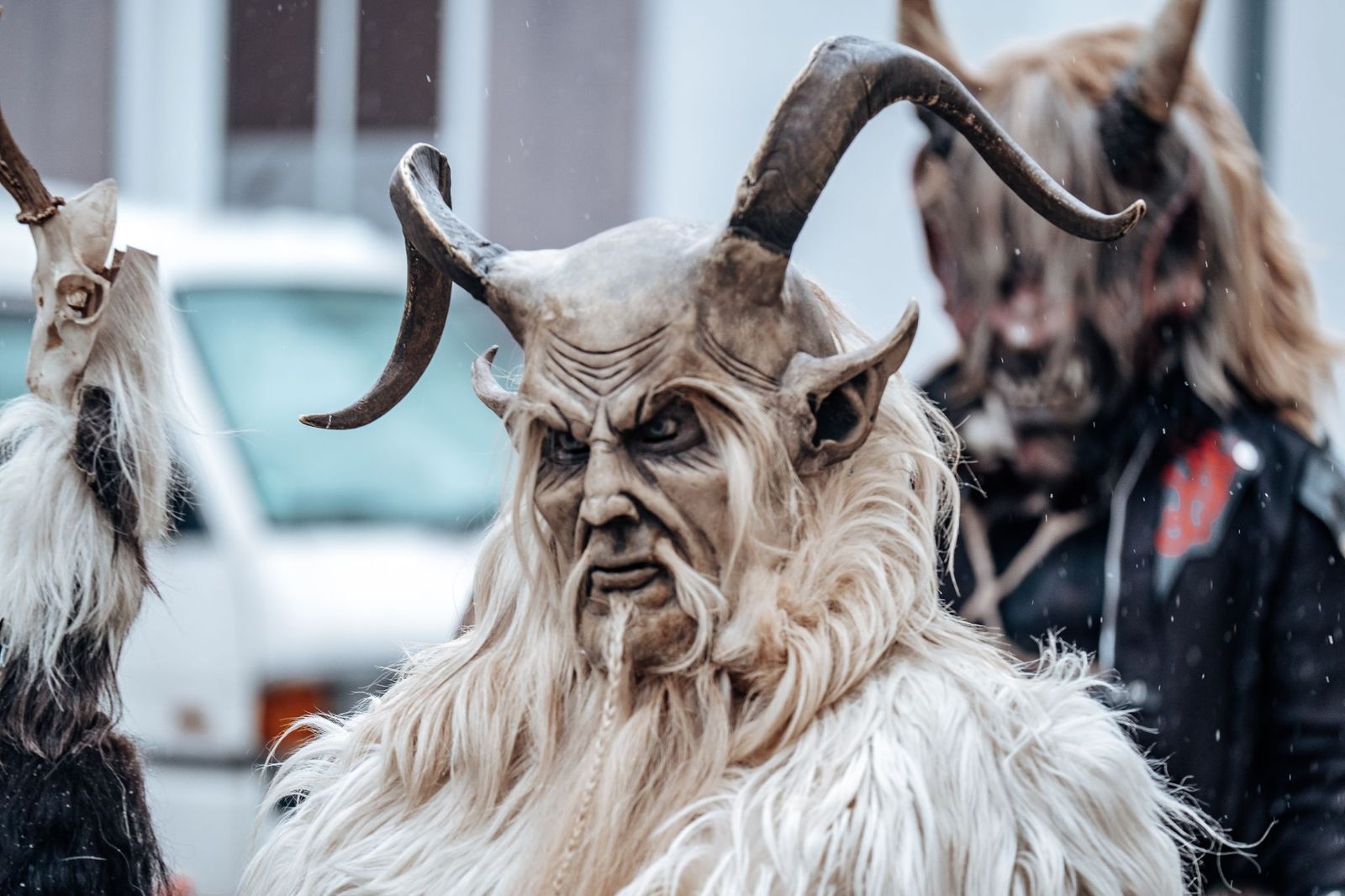
One of the most magical parts of Christmas is the moment when Santa Claus arrives. But in some parts of southeastern Central Europe, people don’t just welcome Santa; they also wait for another, much more terrifying figure.
In Austria, Krampus is the frightening, horned creature said to punish those kids who misbehaved. Around December 5, communities celebrate Krampusnacht (or Krampus Night) with thousands of people dressing up in enormous horns, hand-carved wooden masks, shaggy furs, and heavy cowbells to portray the half-goat, half-demon figure. The tradition is rooted in old Alpine winter customs that predate Christianity, when communities held rituals involving frightening masks, animal furs, and supernatural figures. Over time, these traditions became intertwined with Christian celebrations surrounding St. Nicholas, giving rise to the Krampus customs.
KFC for Christmas - Japan

Glazed ham, roasted turkey, mashed potatoes, or a good green bean casserole are staples in many American homes at Christmas. But in other parts of the world, the traditional holiday meal can be very, very different.
One of the most surprising examples is Japan, where Christmas dinner may come from a fast-food restaurant rather than the kitchen. In November 1970, the first KFC opened in Japan. Soon afterward, the store manager, Takeshi Okawara, overheard foreign customers talking about how much they missed having turkey at Christmas. Since turkey was difficult to find in Japan, he came up with an alternative: a special holiday "party barrel" of fried chicken. The idea caught on, and in 1974, KFC launched its nationwide Kurisumasu ni wa Kentakkii (Kentucky for Christmas) campaign. It became a huge success, and today, an estimated 3.5 million Japanese families celebrate Christmas with KFC each year.
The Christmas pickle - The United States

You’ve probably played the game of trying to be the first to spot the glass pickle hidden on the Christmas tree. But did you know this beloved tradition started as a clever marketing story?
To this day, many people believe the Christmas pickle comes from Germany, but there’s little evidence that it was ever a German tradition. The story appears to have emerged in the late 1800s or early 1900s, when American stores imported glass fruit and vegetable ornaments from Germany and may have promoted the pickle as a German custom to help sell it. Whatever its true origins, Americans embraced it. At Old World Christmas, a major US ornament company, the pickle ornament has reportedly been its best-selling design for more than 40 years.
Why people carry a horse skull at Christmas - Wales
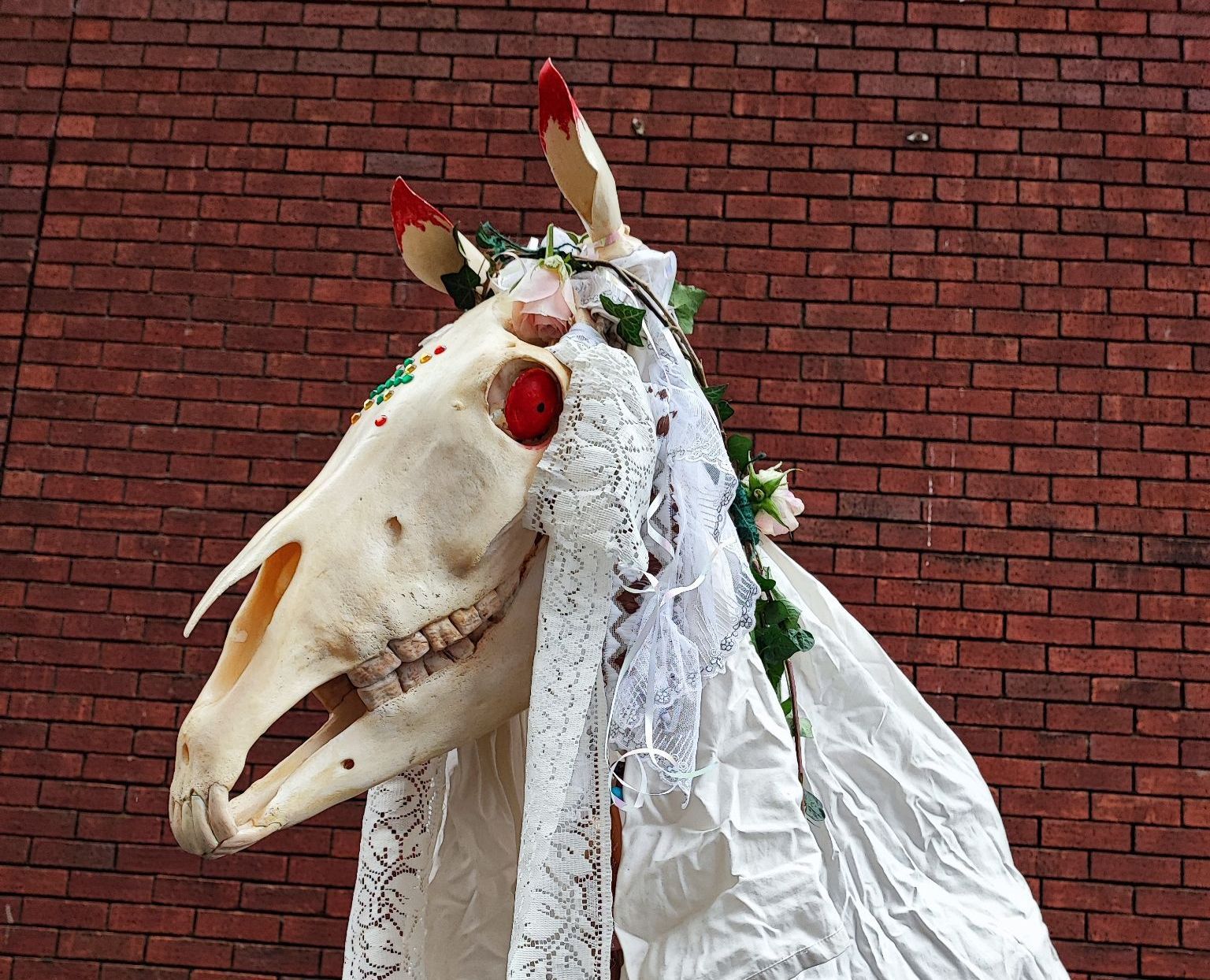
What would you say if we told you there’s a Christmas tradition where people carry a horse’s skull from house to house?
In South Wales, this strange tradition usually takes place around Christmas and New Year, when a group of revelers carries the Mari Lwyd, a real horse skull mounted on a pole and decorated with colorful ribbons, bells, and artificial eyes. Instead of singing carols, the group visits homes and engages the residents in a playful exchange of rhyming verses, often filled with jokes and insults. If the household eventually gives in and lets the Mari Lwyd inside, the visitors are traditionally offered food and drink, a gesture associated with good luck for the coming year.
Hiding brooms on Christmas Eve - Norway

While many American families hide a small glass pickle on the Christmas tree, Norwegian folklore has the custom of hiding something very different: the brooms.
The tradition isn’t as widespread today, but during the Christmas season, some Norwegian families still hide their brooms, and not because they’ve suddenly stopped cleaning. The custom comes from an old belief that witches and other supernatural beings were especially active during the Christmas season. In Norwegian folklore, the Oskoreia, a supernatural Wild Hunt, was said to travel through the winter night. According to one popular version of the tradition, people hid their brooms on Christmas Eve so witches couldn’t steal them and fly away.
Decorating Christmas trees with spiders - Ukraine
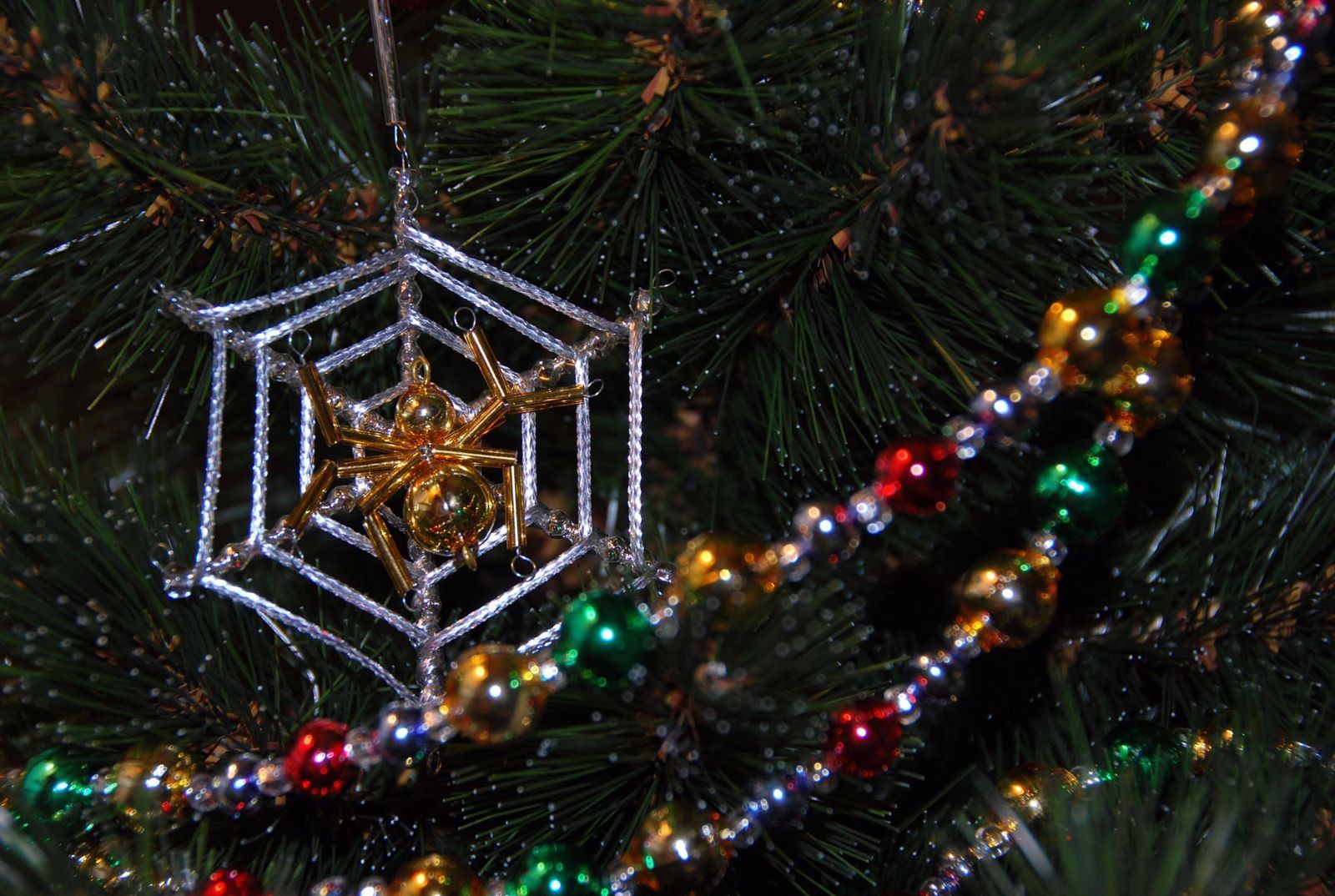
Have you ever seen someone put spiders on a Christmas tree? If you visit Ukraine during the holidays, you just might.
In Ukraine, decorating Christmas trees and homes with spiders and shimmering webs called pavuchky is a traditional practice rooted in old Eastern European folklore. According to the legend of the Christmas Spider, a poor widow once couldn’t afford to decorate a tree for her children. Then, as the story goes, spiders took pity on the family and covered the tree in webs. On Christmas morning, sunlight turned the webs into silver and gold, bringing good fortune to the household. But what very few people know is that this heartwarming tale is also sometimes cited as a possible inspiration for the Christmas tinsel.
Throwing shoes - Czech Republic

Just as people in many Western countries kiss under the mistletoe, other countries have their own romantic traditions associated with the Christmas season.
One of the most charming comes from the Czech Republic, where young single women hoping for love have a really fun tradition. On Christmas Eve, unmarried women stand with their backs to the front door and throw a shoe over their shoulders toward it. According to the custom, if the shoe lands with its toe pointing toward the door, she’ll get married within the coming year. However, if the heel points toward the door, she’ll remain single. The tradition is rooted in old Slavic winter-solstice folklore, which treated this time of year as especially mystical and believed that rituals performed around the solstice could reveal what the future held.
Roller-skating to mass - Venezuela

There’s a country where, on Christmas morning, the streets are empty of cars and filled with thousands of people on roller skates.
We’re talking about the South American country of Venezuela, where Christmas doesn’t begin with a leisurely family breakfast, but on wheels. Each Christmas morning, streets in Caracas, the capital, are traditionally closed to cars in the early morning hours, allowing thousands of residents to roller-skate through the city. And it’s not simply a gathering of skaters; they have a very clear destination: church. That’s right, crowds head out to celebrate Christmas Mass, with the unusual twist of making the journey together on skates.
The night of the radishes - Mexico

Halloween pumpkins aren’t the only vegetables turned into works of art during the holidays; radishes have their own celebration, too.
In Oaxaca, Mexico, every December 23, they celebrate La Noche de los Rábanos (or The Night of the Radishes), which takes over the city’s main square. That night, skilled carvers create elaborate sculptures entirely from radishes: saints, buildings, musicians, replicas of the Pietà and The Last Supper, folklore dancers, and scenes from local history. But these aren’t your typical salad radishes; they’re oversized, specially cultivated root vegetables, often grown into unusual shapes and sizes for the festival. Some can reach nearly two feet long and weigh several pounds. Sadly, because the radishes quickly oxidize and turn brown, the elaborate creations last only a few hours.
The Christmas sculpture that people keep trying to burn - Sweden
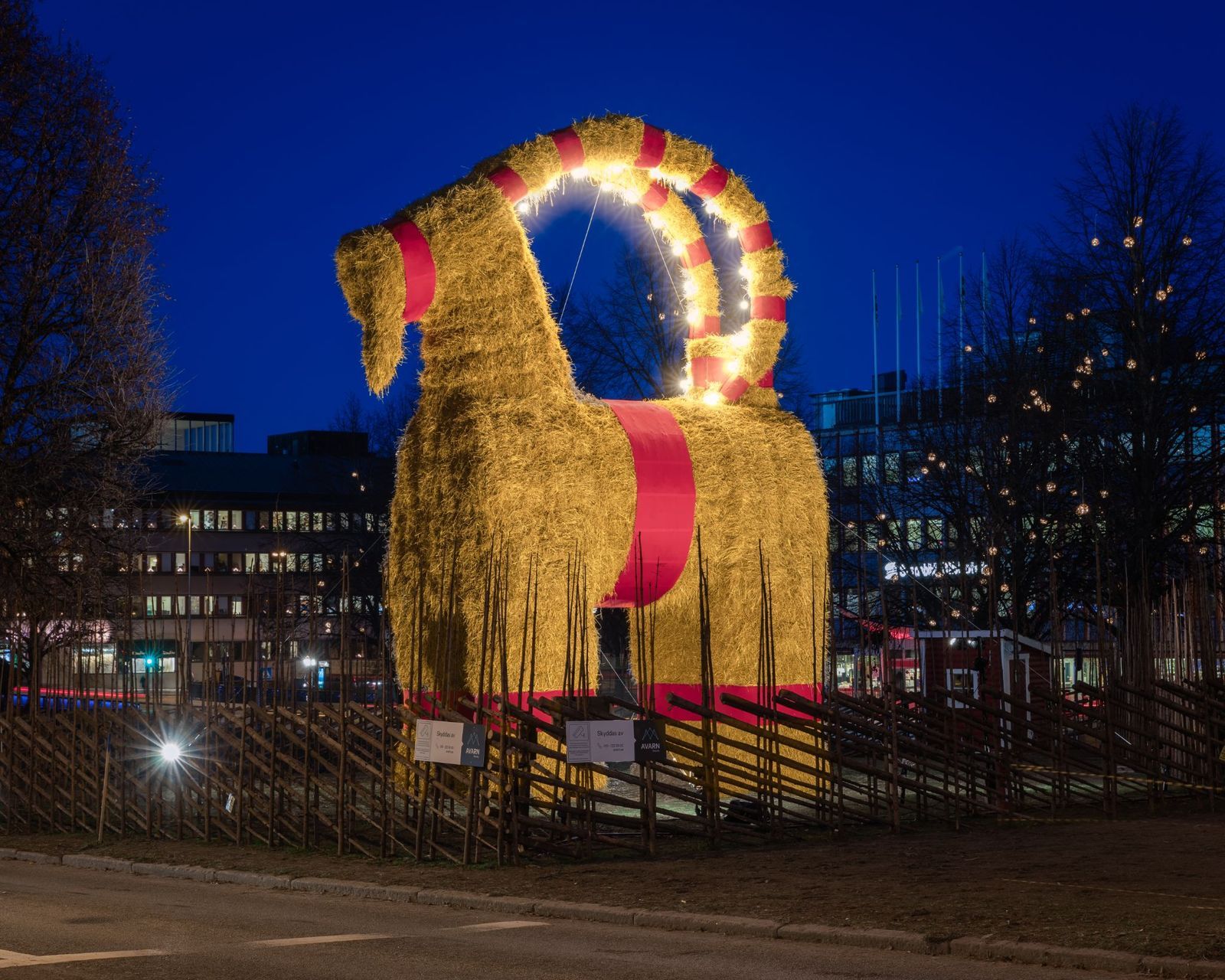
Many Christmas traditions feature animals, decorations, or sculptures, but a giant goat made of straw probably isn’t the first thing that comes to mind.
Since the 1960s, the Swedish city of Gävle has been home to a Christmas tradition that has attracted attention around the world. Every year, a giant straw goat known as the Gävlebocken (Gävle Goat) is erected in the city’s central square, sometimes reaching 40 feet tall. The tradition began in 1966 as a marketing idea to attract shoppers downtown, but it quickly became a beloved part of the holiday season. There’s just one problem: the goat rarely makes it to New Year’s. Over the years, setting it on fire has become an unofficial tradition of its own. The city has installed cameras and issued warnings to protect the giant goat, but that hasn’t always been enough to keep it standing until January.
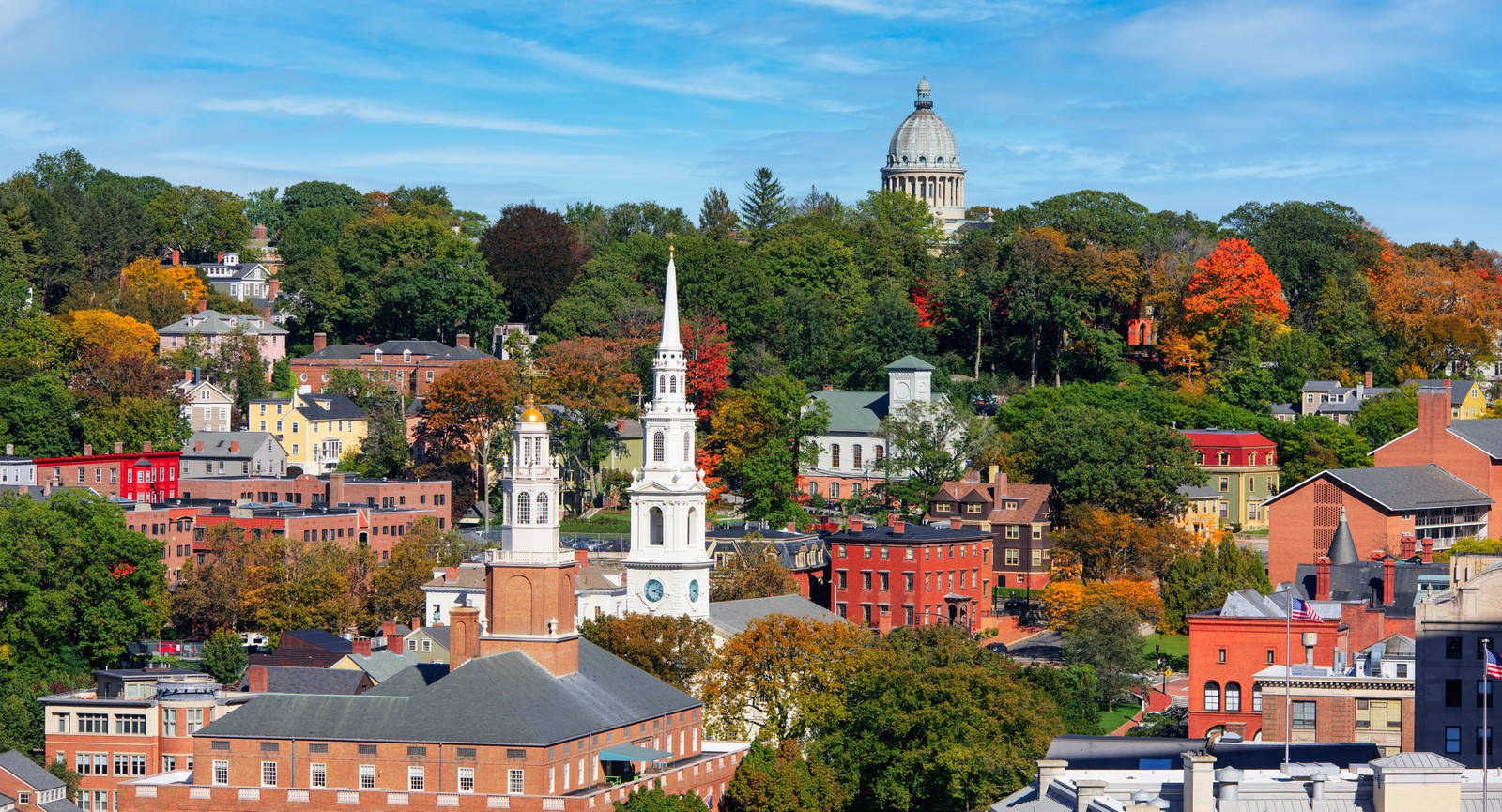
See the university attended by JFK Jr., Emma Watson, and John Krasinski
 Landmarks
10 gorgeous places to visit in Rhode Island
They say "good things come in small packages," and Rhode Island is the living proof of it. Despite its size, the smallest U.S. state has some of the most charming and picturesque places you could imagine. From the compact, clean, and architecturally charming city of Providence to 400 miles of coastline — no wonder it is called "The Ocean State" — Rhode Island is packed with beautiful landscapes and historical sites perfect for a relaxed vacation on the coast. Let’s take a trip across Rhode Island’s most iconic corners.
Newport
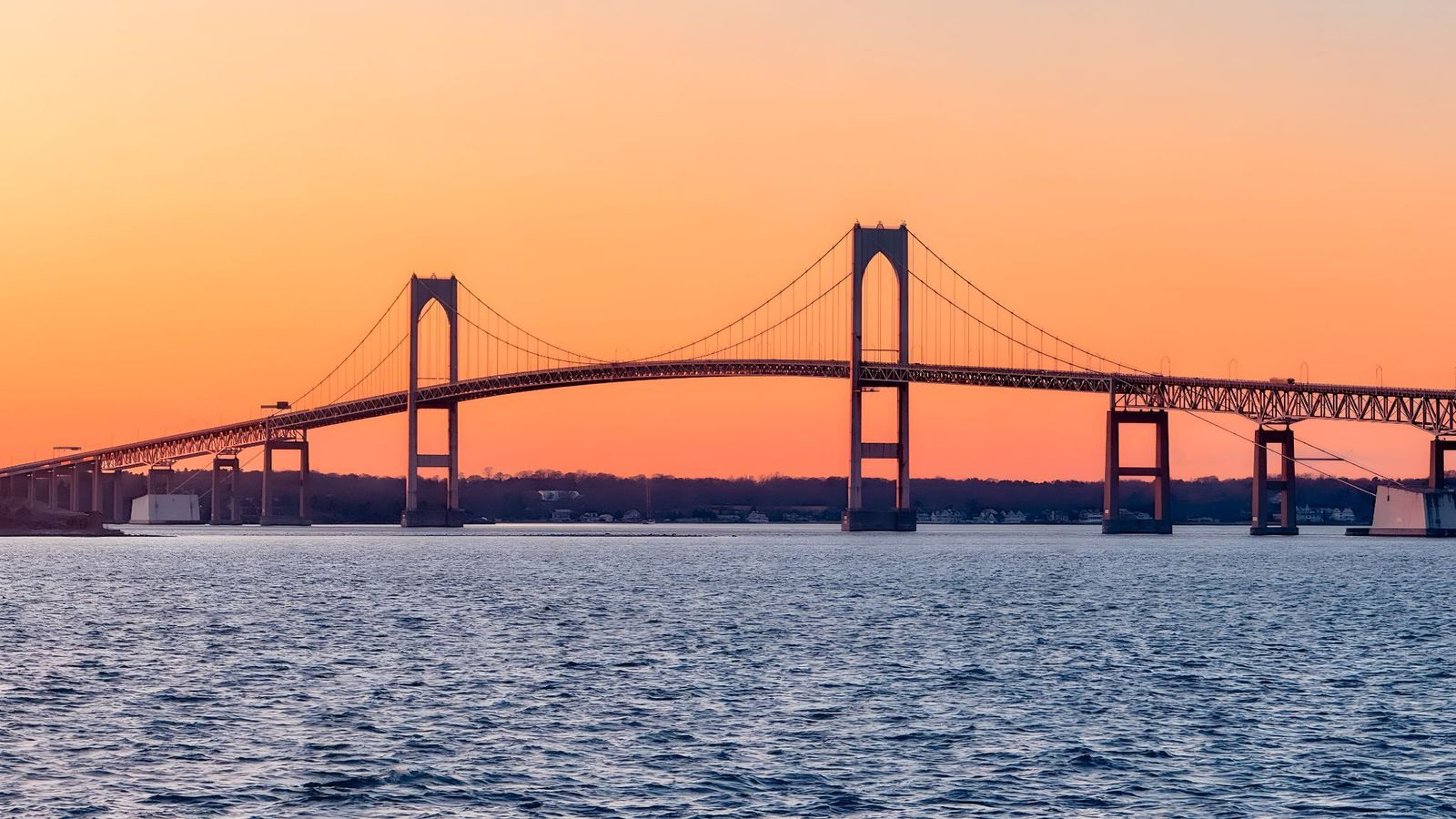
Right after setting foot in Newport, you are struck by Rhode Island’s scenic views surrounding the area. But its nature is not the only attraction; the city features spectacular mansions from the Gilded Age, where some of 1800s America’s wealthiest families built their summer "cottages" — now open to the public.
Newport is also home to a rich sailing culture — it’s often been called "Sailing Capital of the World" — where visitors can explore picturesque harbors and take part in sailing events and excursions. Newport was founded in 1639, which makes it one of the oldest cities in New England with more than 400 years of history.
Providence
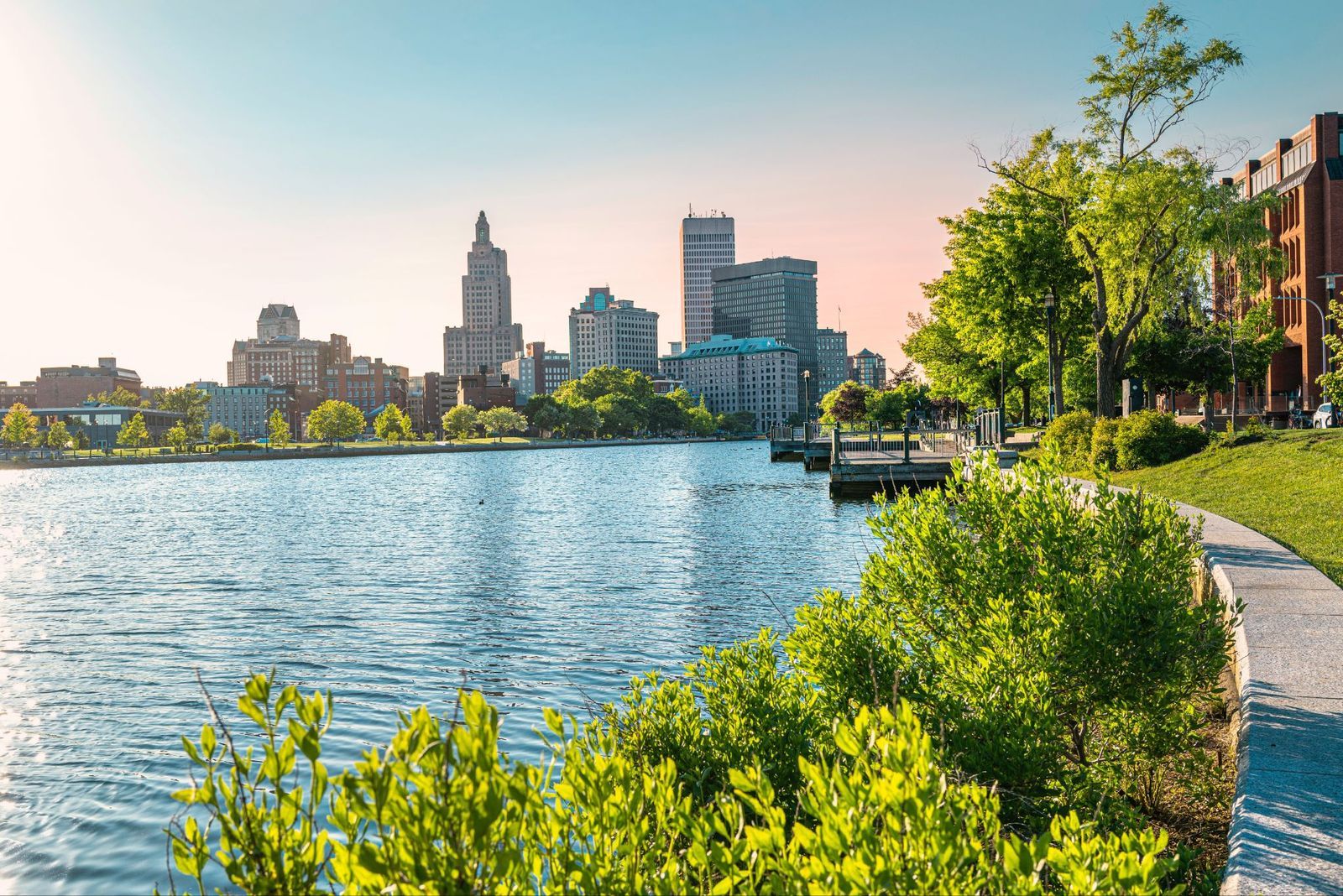
Even older than Newport, Providence was founded in 1636, making it one of the oldest cities in the United States. Providence is the capital of Rhode Island and home to a mixture of colonial history, prestigious universities, and an ever-evolving art scene that can keep you walking for hours.
Taking a relaxing stroll around the College Hill neighborhood, observing some of its colonial homes and brick streets, is always a good choice in Providence. The city also hosts a world-famous art installation named Waterfire in which nearly 100 bonfires are lit along the river, and visitors can navigate through them in gondolas, adding wood to the fire while musicians and dancers perform live — a one-of-a-kind experience.
Brown University
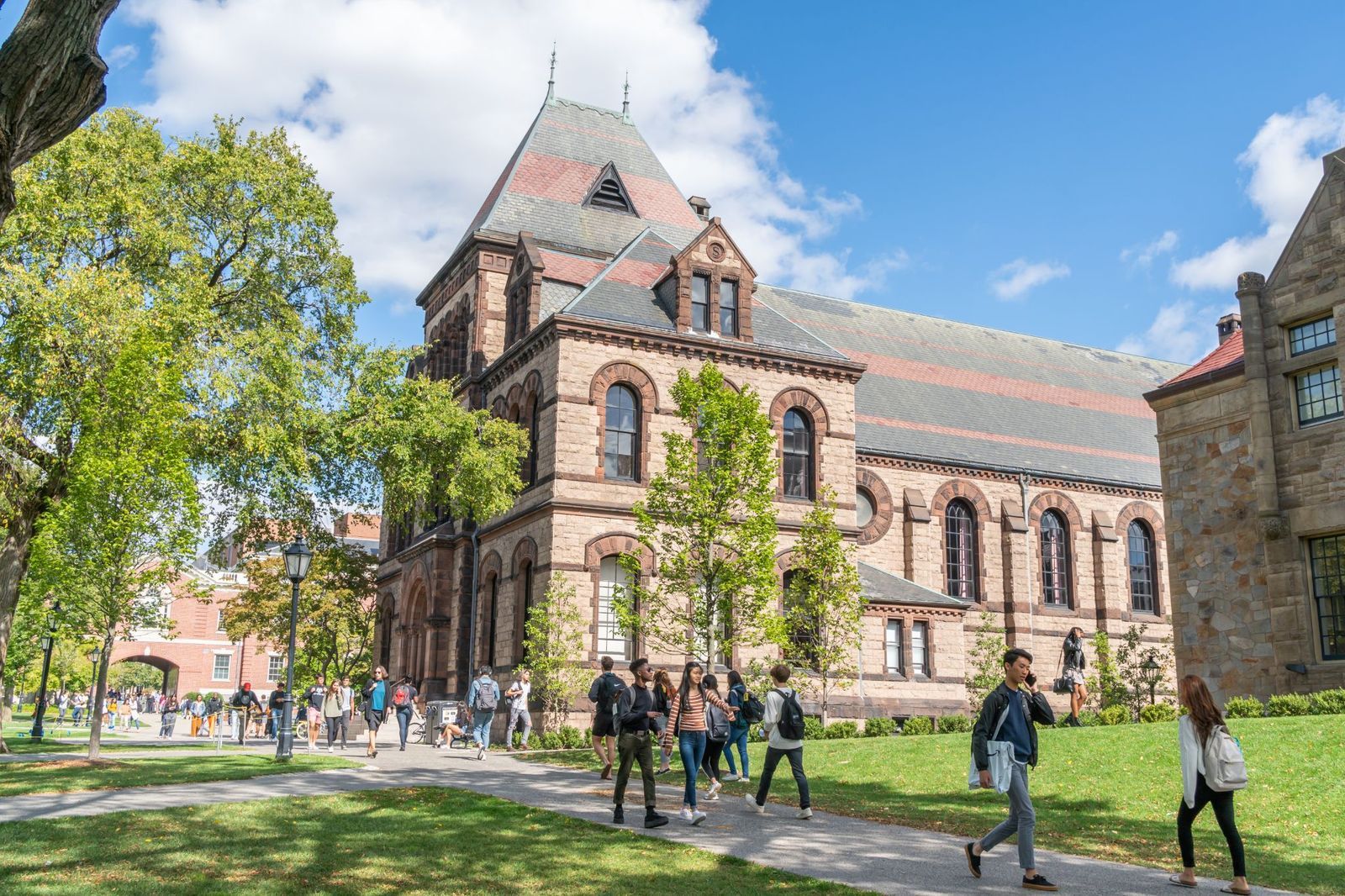
Brown University is part of the nation’s eight prestigious Ivy League universities and has educated a number of influential people like John D. Rockefeller Jr., John F. Kennedy Jr., Emma Watson, Ted Turner, and John Krasinski. Brown stands atop College Hill in Providence with a beautiful campus open to the public, filled with historical buildings that date back to the 18th century.
Besides Brown’s internationally known academic excellence, the university is also a fantastic place to spend the afternoon walking or reading under the shade of a tree. A fun fact about the school: it was the first Ivy League university to accept students regardless of their religious affiliation.
Bristol
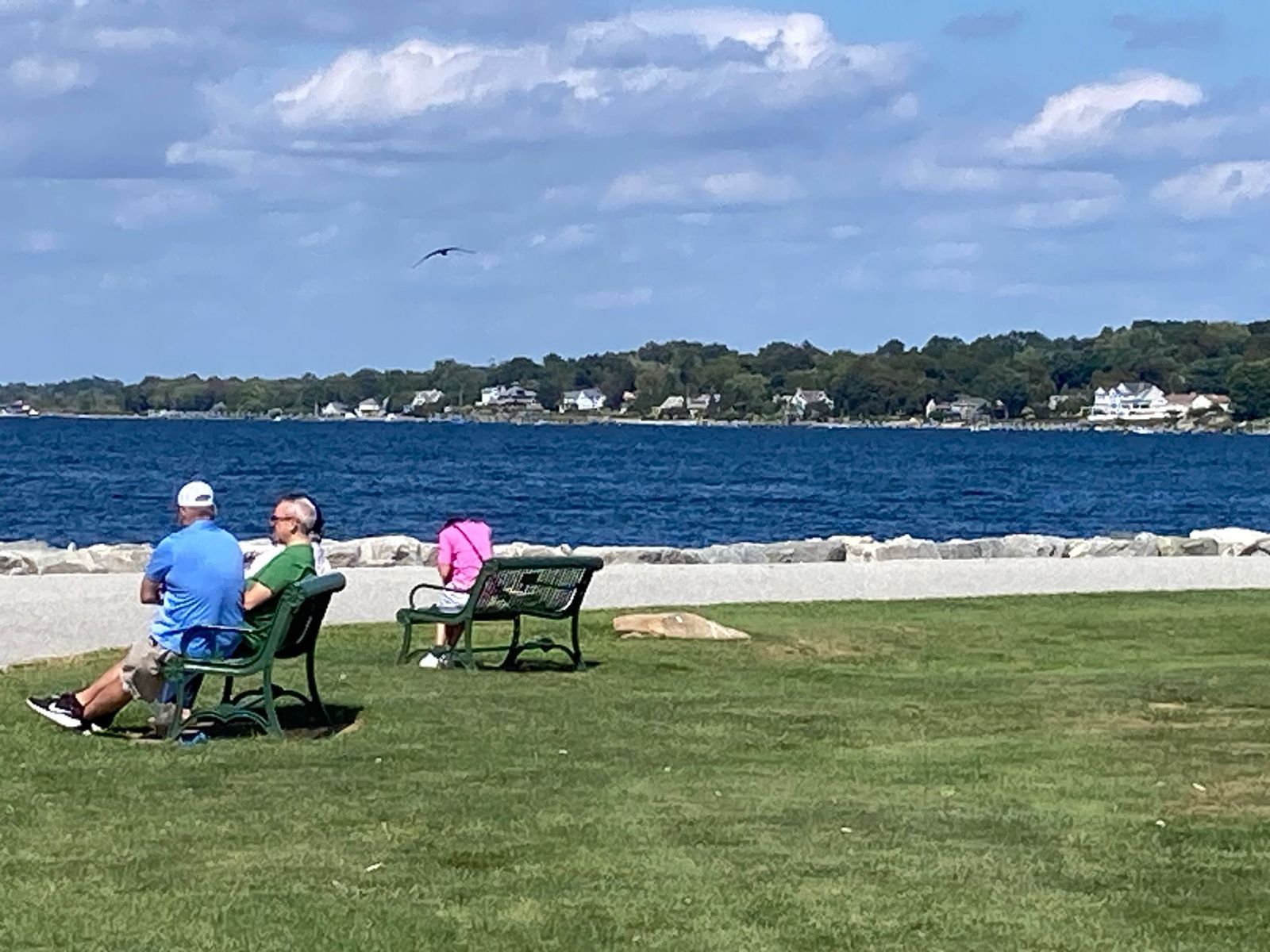
When it comes to picturesque views, Bristol hardly has any contenders. The town is simply gorgeous. Its historic architecture, colonial houses, and stunning view of the Narragansett Bay are truly breathtaking.
Despite Bristol's calm and relaxed atmosphere, the town is famous for its Fourth of July celebration, the oldest in the country since 1785, two years after the end of the Revolutionary War. The town’s Independence Day parade attracts roughly ten thousand visitors every year.
The International Tennis Hall of Fame
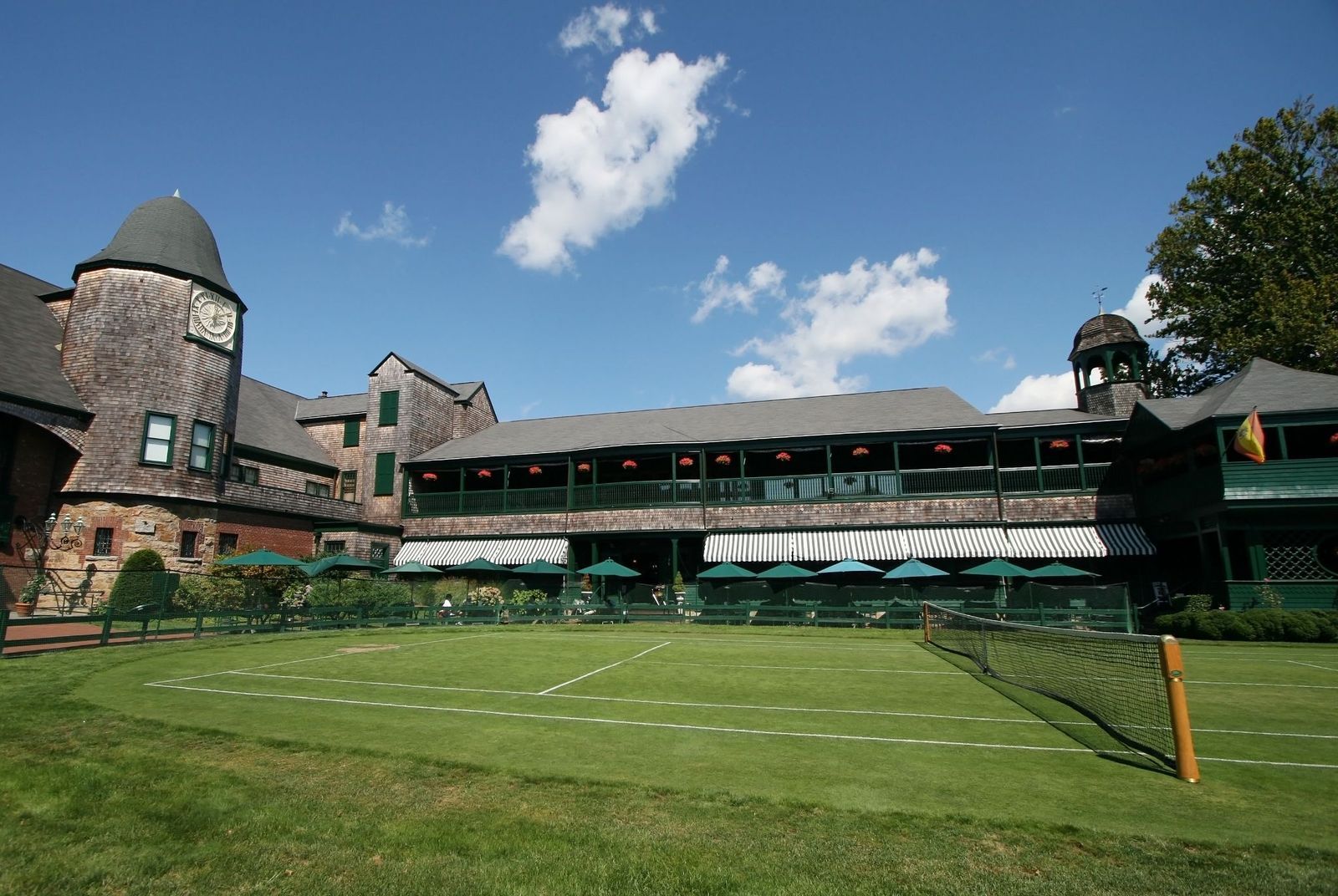
Located inside the historic Newport Casino, the International Tennis Hall of Fame attracts not only tennis buffs but also anyone who wants to enjoy one of the finest examples of Shingle Style architecture in the United States. Inside, visitors can explore the museum with more than a century of tennis history and visit one of the few remaining public grass courts in the country.
Many legendary American tennis players have been inducted into the Hall of Fame, including Billie Jean King, Pete Sampras, and Serena Williams, as well as other international legends like Roger Federer and Rafael Nadal. Visitors can attend the yearly Hall of Fame induction ceremonies, where players are honored.
Block Island
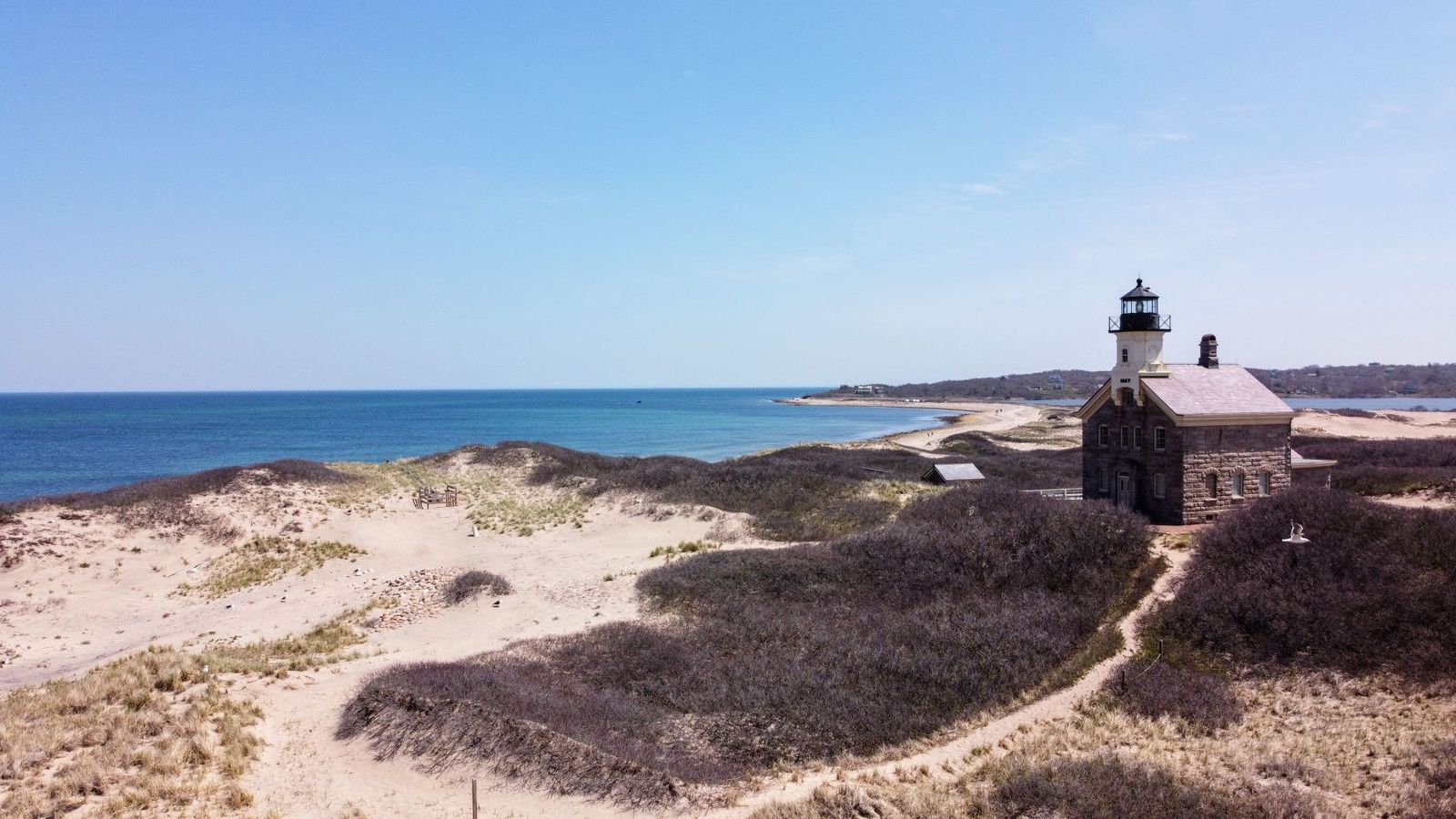
Almost the only way to get to Block Island is by ferry — and it's totally worth it. Situated about 13 miles off the coast of Rhode Island in the Atlantic Ocean, the island offers the perfect vacation destination if you’re looking for either a simple and relaxing time at the beach or more active pastimes like biking, hiking, kayaking, fishing, and boating.
Some of the main landmarks of the island include its coastal bluffs and historical lighthouses, all enshrouded by the unique New England atmosphere. The island covers only 10 square miles, so it's totally explorable in a day. One highlight is that nearly 40% of Block Island is protected from development, which guarantees an amazing time for nature lovers.
Narragansett
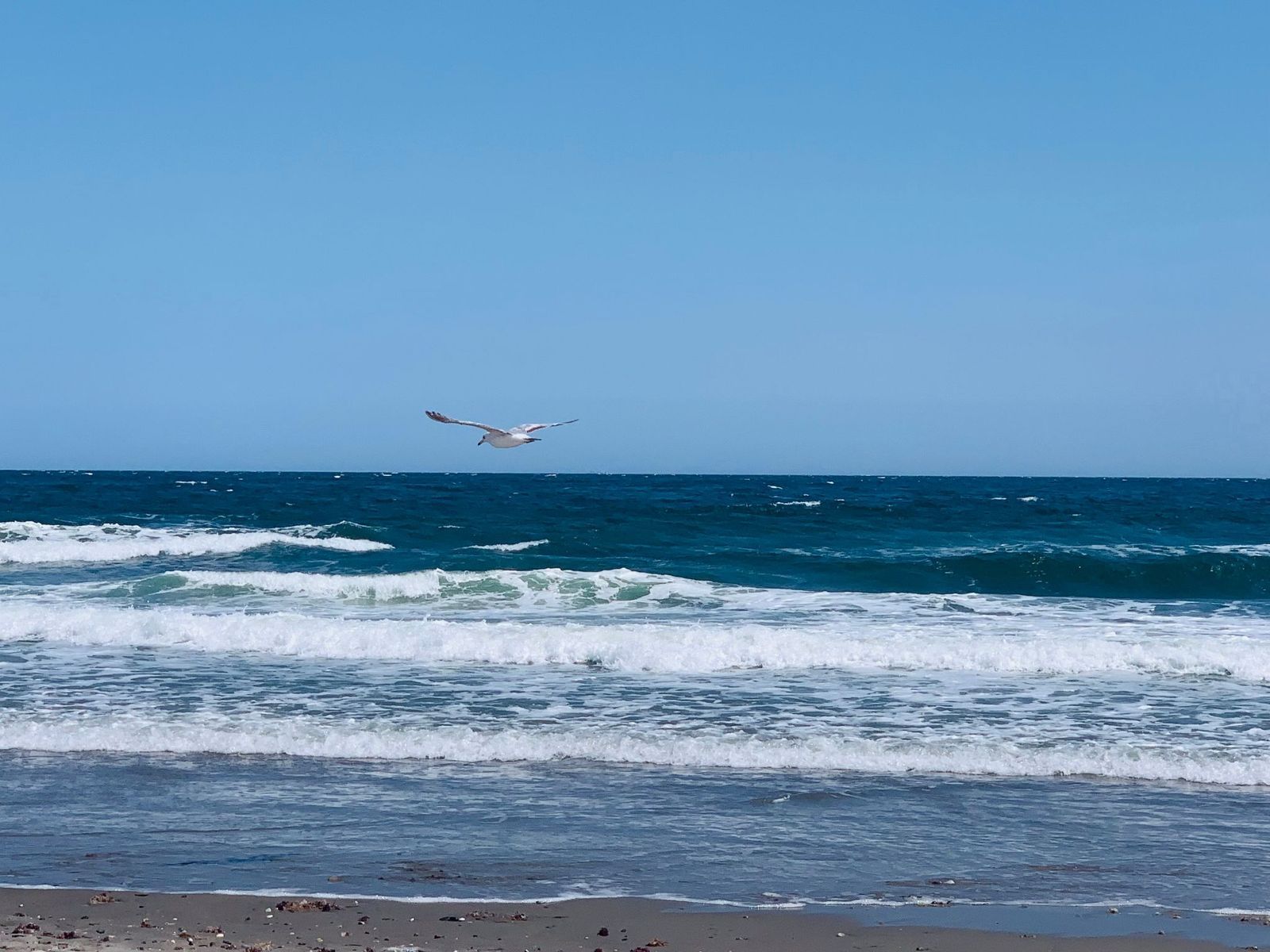
Narragansett is Rhode Island’s classic summer escape. The town overlooks the Atlantic Ocean and offers some of the most impressive ocean views of the area, as well as beautiful sandy beaches, including Narragansett Town Beach — a mile-long beach.
One of Narragansett's most recognizable landmarks is The Towers, which was built in 1886 as the entrance to the Narragansett Pier Casino, before a devastating fire left only the stone archway that stands now. Visitors can also enjoy the town’s fresh seafood, and surf enthusiasts can catch some of Narragansett's Atlantic waves.
Watch Hill
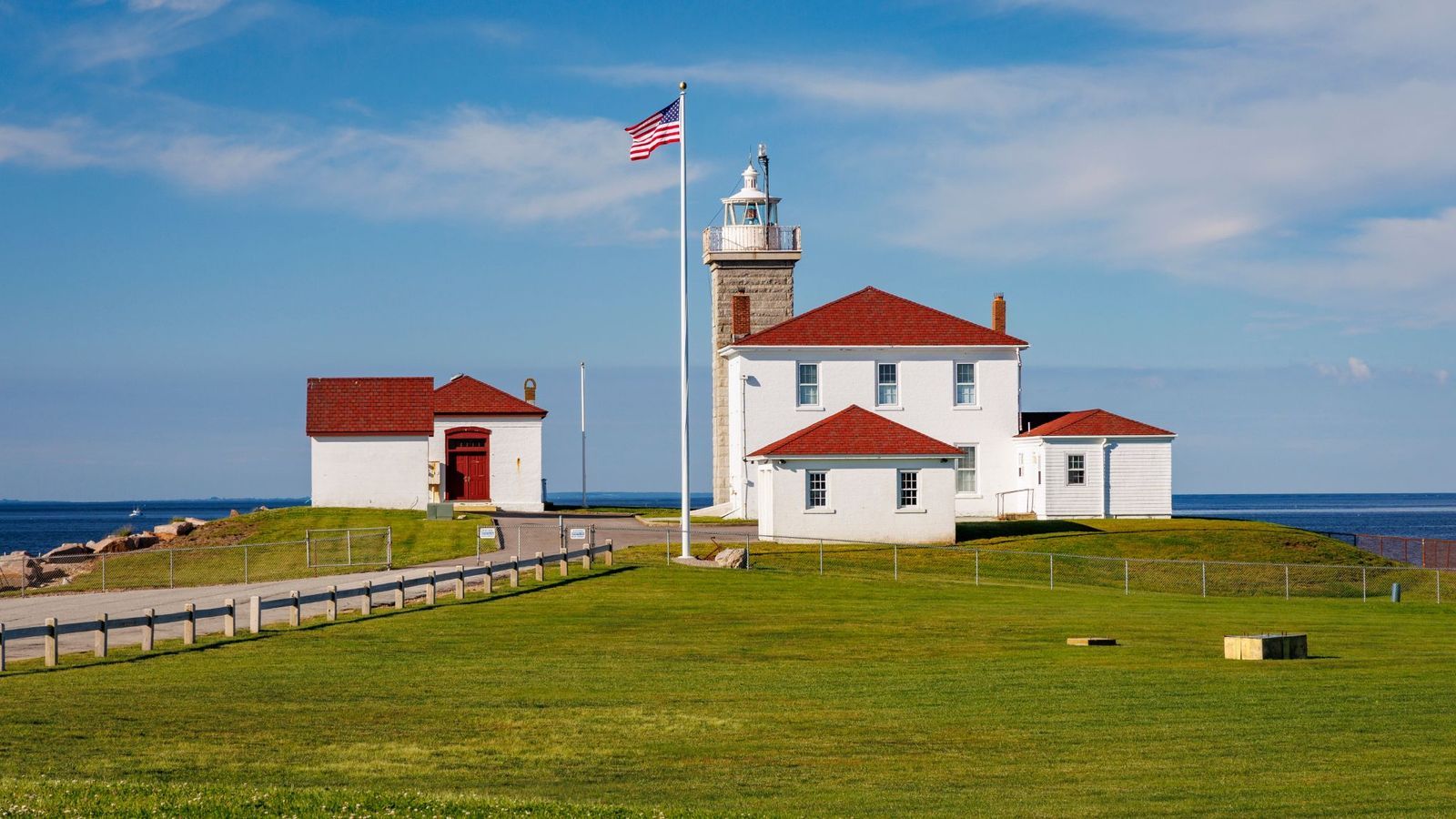
Within the town of Westerly, Watch Hill used to be one of New England’s premier summer resorts in the late 19th century, where wealthy families from New York, Boston, and Philadelphia would vacation. Surrounded by a relaxed coastal atmosphere, this elegant seaside village invites visitors to explore its big Victorian homes, beaches, and luxury hotels.
Besides its undeniable elegance, the village is also home to the historic Watch Hill Lighthouse, first established in 1808 under President Thomas Jefferson, as well as the oldest continuously operating carousel in the United States, the Flying Horse Carousel.
Wickford Village
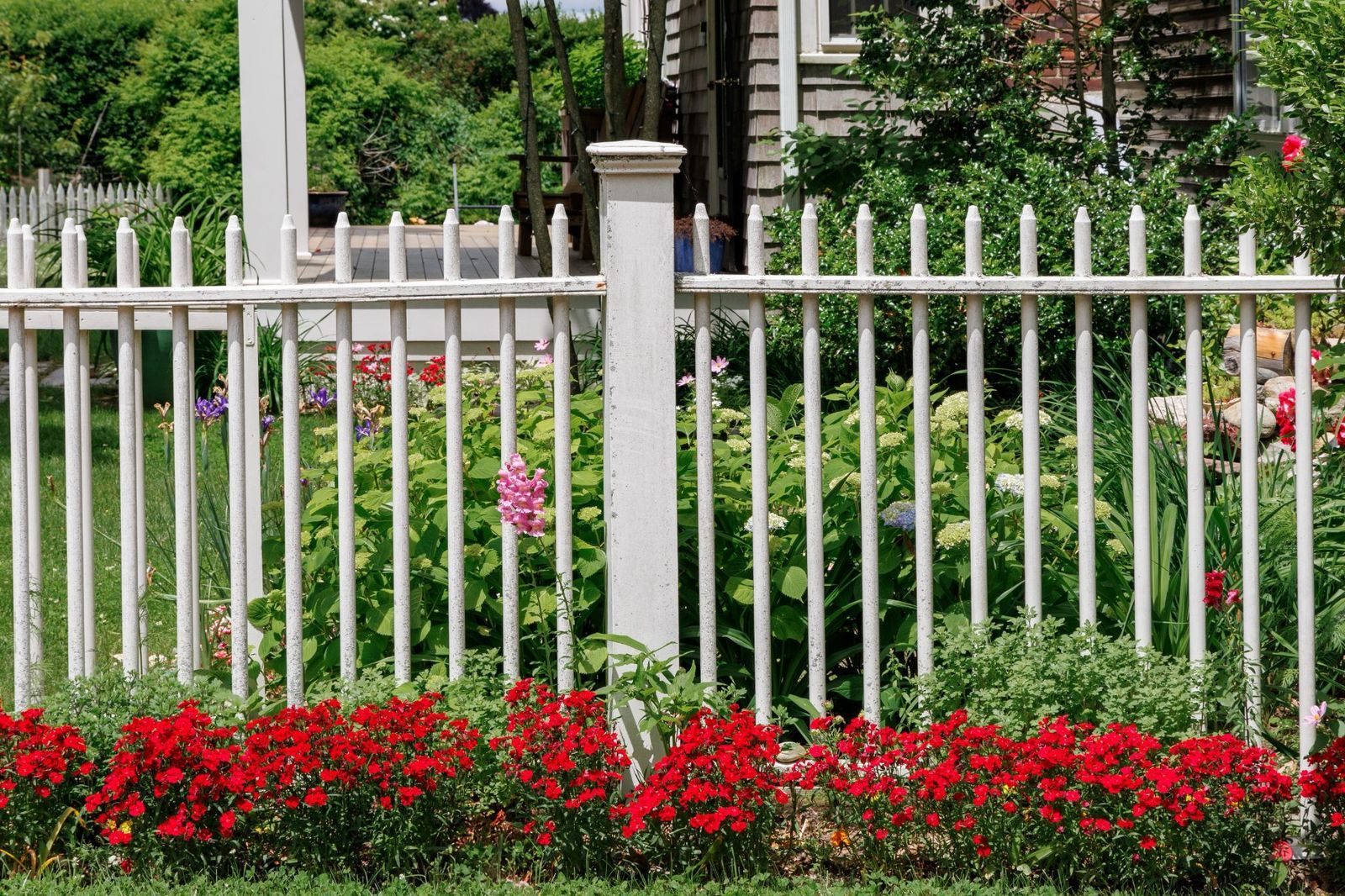
A big part of visiting Rhode Island includes seeing historical architecture, and Wickford Village is one of the best-preserved colonial villages in New England. The village is found in the town of North Kingstown along the shores of Narragansett Bay, filled with quiet waterfront streets, locally owned boutiques, art galleries, and cozy cafés.
The village is an authentic historical district, with dozens of buildings from the 18th and 19th centuries listed on the National Register of Historic Places. With houses and structures more than 200 years old, Wickford Village gives visitors the feeling of stepping back into colonial New England.
Colt State Park
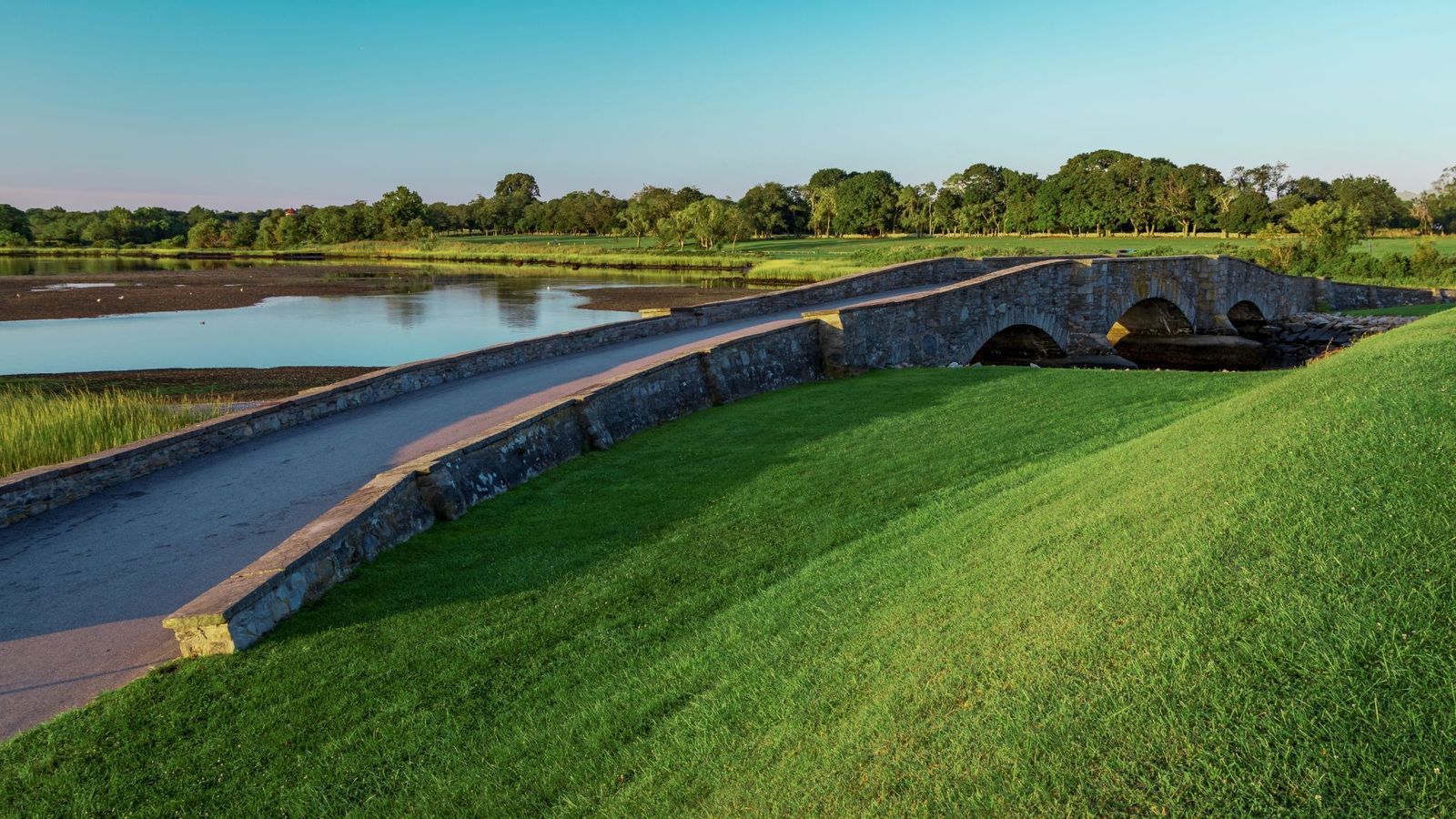
Colt State Park is one of the youngest landmarks on this list, but it has still been around since 1968. The park can be found in Bristol just a few minutes from downtown, and it covers approximately 464 acres — one of Rhode Island’s largest waterfront parks.
Colt State is the perfect spot for a morning walk or an afternoon picnic with the family, while taking in the scenic bay views and peaceful setting. There are different species of birds flying around the park, and if you are lucky, you may even see a deer roaming the land.
Keep wandering
There’s always
more to explore
 General

10 full-size liquids you can legally take on a plane
4 min.
Read Now
Travel destinations that let you live inside your favorite films
3 min.
Read Now

Why this hotel room stayed locked for 30 years: 10 hotels hiding secrets
7 min.
Read Now
Built to disappear: 10 World’s Fair landmarks that stayed
7 min.
Read Now