Built to disappear: 10 World’s Fair landmarks that stayed
 General
Architectural wonders
Built to disappear: 10 World’s Fair landmarks that stayed
A World’s Fair was never just another festival. These huge events gave countries and cities a chance to share their cultures and show millions of visitors what the future might look like. However, many of their most attractive structures were meant to last only a few months. In many cases, tearing them down almost seemed like a waste; some buildings needed to stay for future generations. These 10 landmarks escaped the fate of being dismantled and found a whole new purpose after the fairs ended, becoming lasting symbols of their cities.
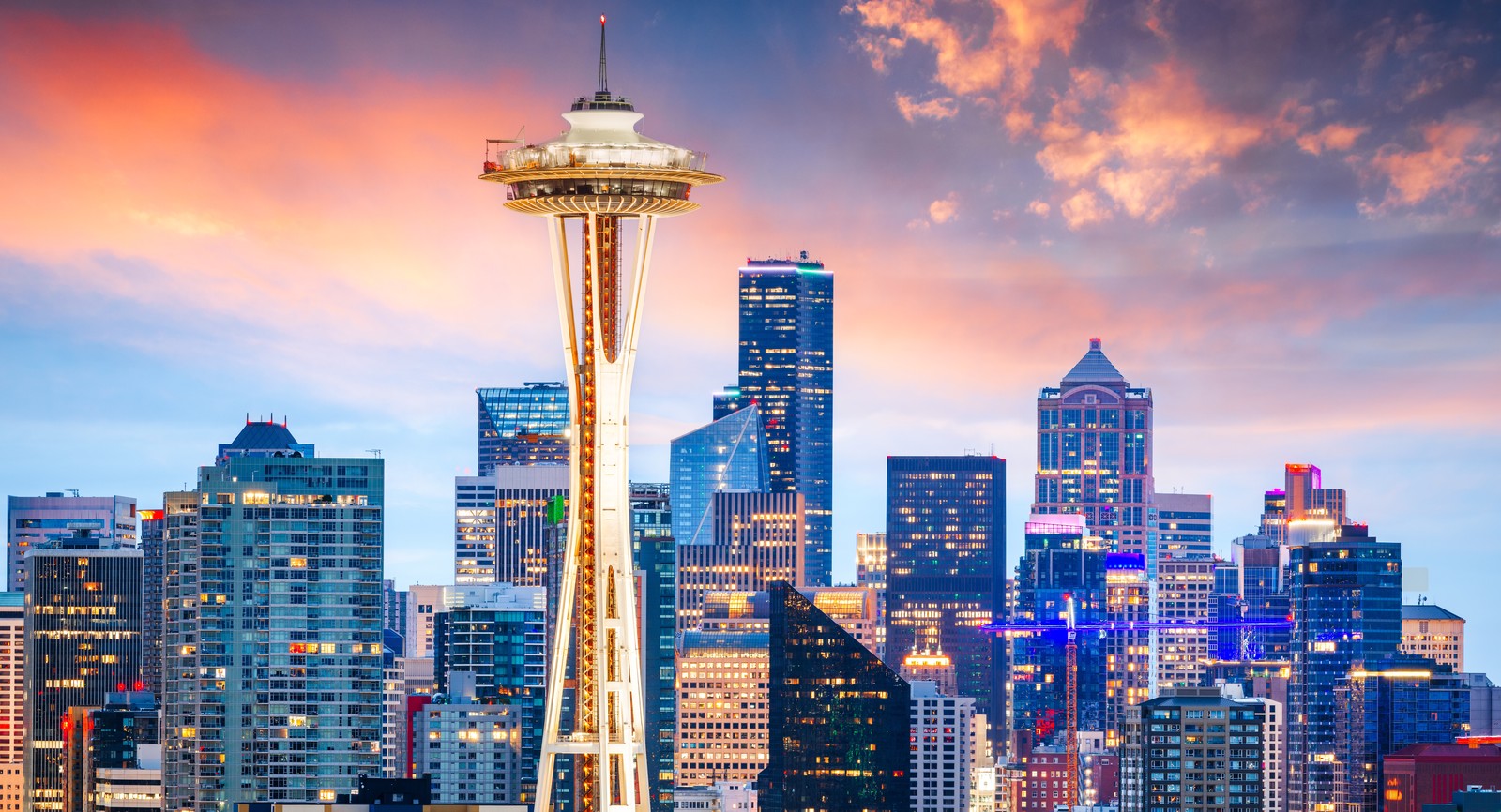
The Space Needle, Seattle, United States
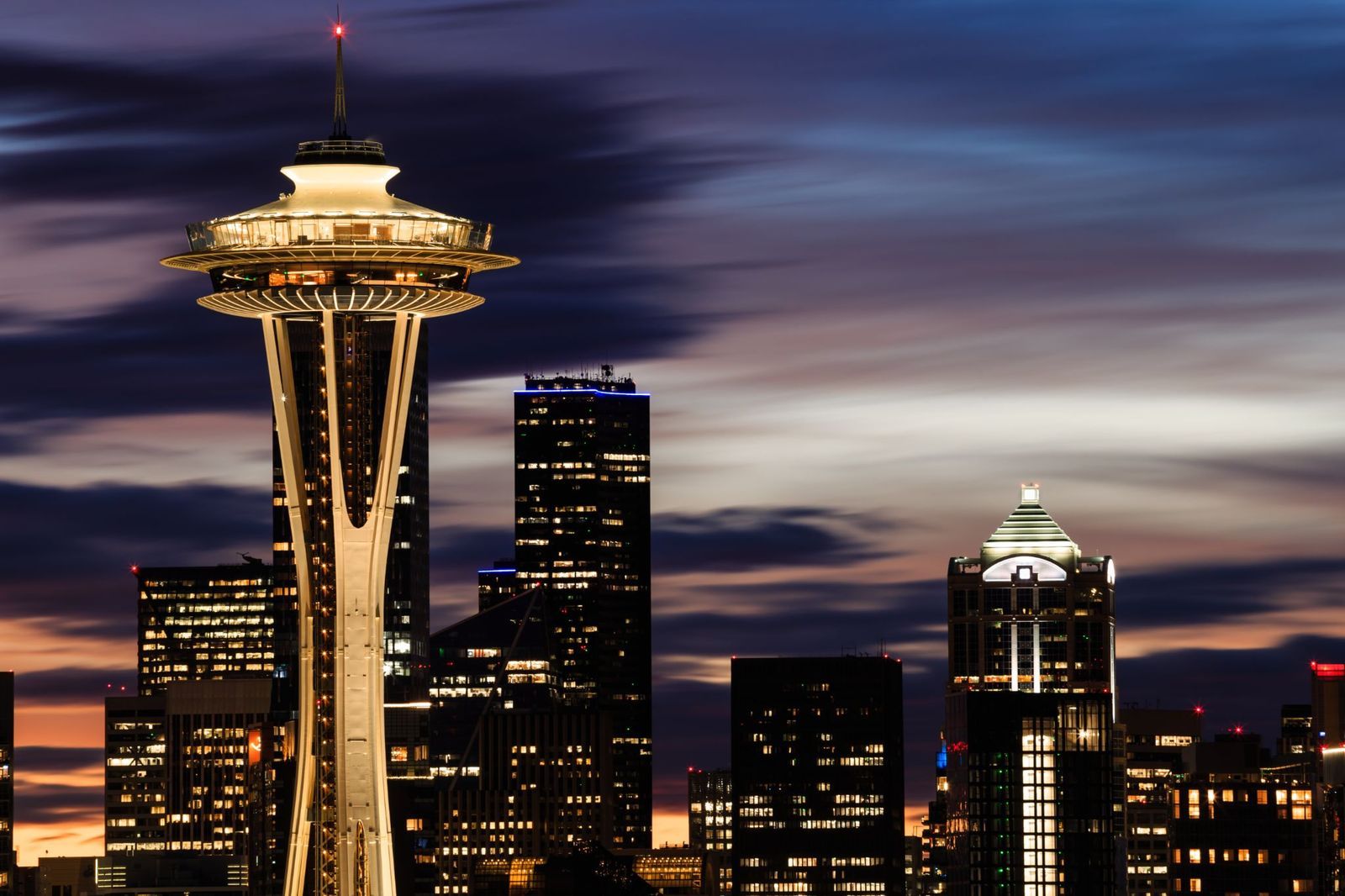
The theme of Seattle’s 1962 World’s Fair was "The Age of Space," which was hardly surprising, since advances in space exploration were all the rage and influenced many aspects of life at the time. Businessman Edward Carlson had seen a broadcast tower with a restaurant in Germany and, inspired by it, sketched what would later become the Space Needle on a napkin.
It was built in just 13 months, faster than many office buildings, and welcomed 2.65 million visitors before the fair ended. Today, the public can ride to the top for panoramic views of Mount Rainier and "The Loupe," the world’s first rotating glass floor that makes the city seem to move beneath your feet, which opened in 2018.
The Parthenon, Nashville, Tennessee
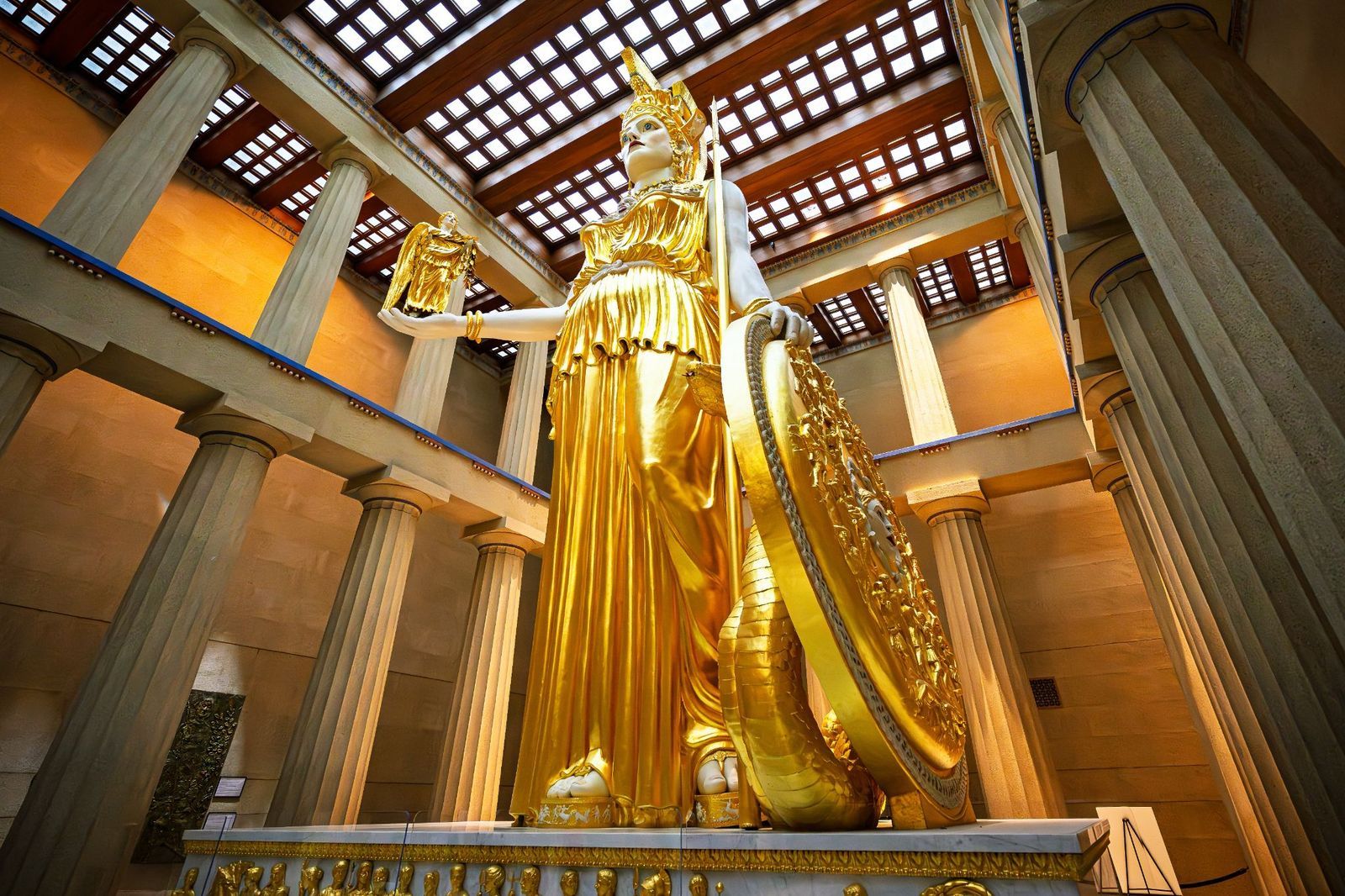
Long before it became known as Music City, Nashville was called the "Athens of the South" because of its strong reputation for education. When the city hosted the Tennessee Centennial Exposition in 1897, organizers decided to take that nickname literally. The fair celebrated 100 years since Tennessee joined the United States in 1796, and its centerpiece was a full-scale replica of the Parthenon in Athens.
Like the other fair buildings, it was made from inexpensive plaster, wood, and brick and was meant to be temporary. But the replica became so popular that Nashville decided to preserve it after the fair ended. As the original materials began to deteriorate, the city rebuilt the structure in permanent concrete during the 1920s. The Parthenon serves as Nashville’s art museum and contains a 42-foot replica of the ancient statue of Athena, completed in 1990.
The Eiffel Tower, Paris, France
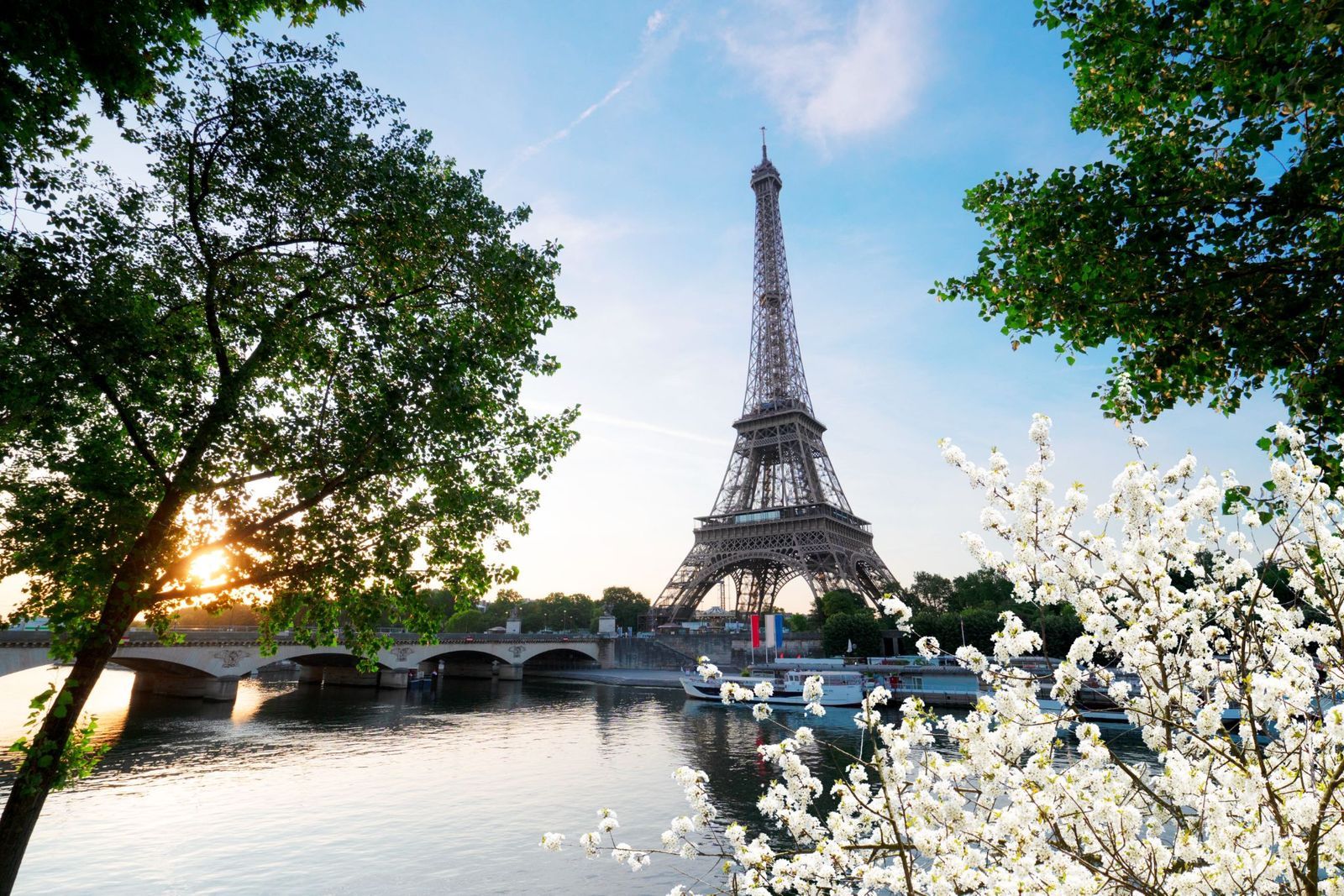
Nobody expected the Eiffel Tower to survive past 1909, since its permit was only for 20 years. It was constructed in 1889 as Paris's entrance to the World's Fair by Gustave Eiffel, whose design actually beat out over 100 others. The tower marked a century since the French Revolution. By 1909, it was set to be demolished, but its usefulness as a radio tower saved it. Now it represents the most recognizable symbol of Paris.
It can be visited in the Champ de Mars park, but the best views are found across the Seine River, in the Place du Trocadéro. Visitors can also ride an elevator or climb straight to the third floor, the top available for the public.
The Unisphere, New York City, United States
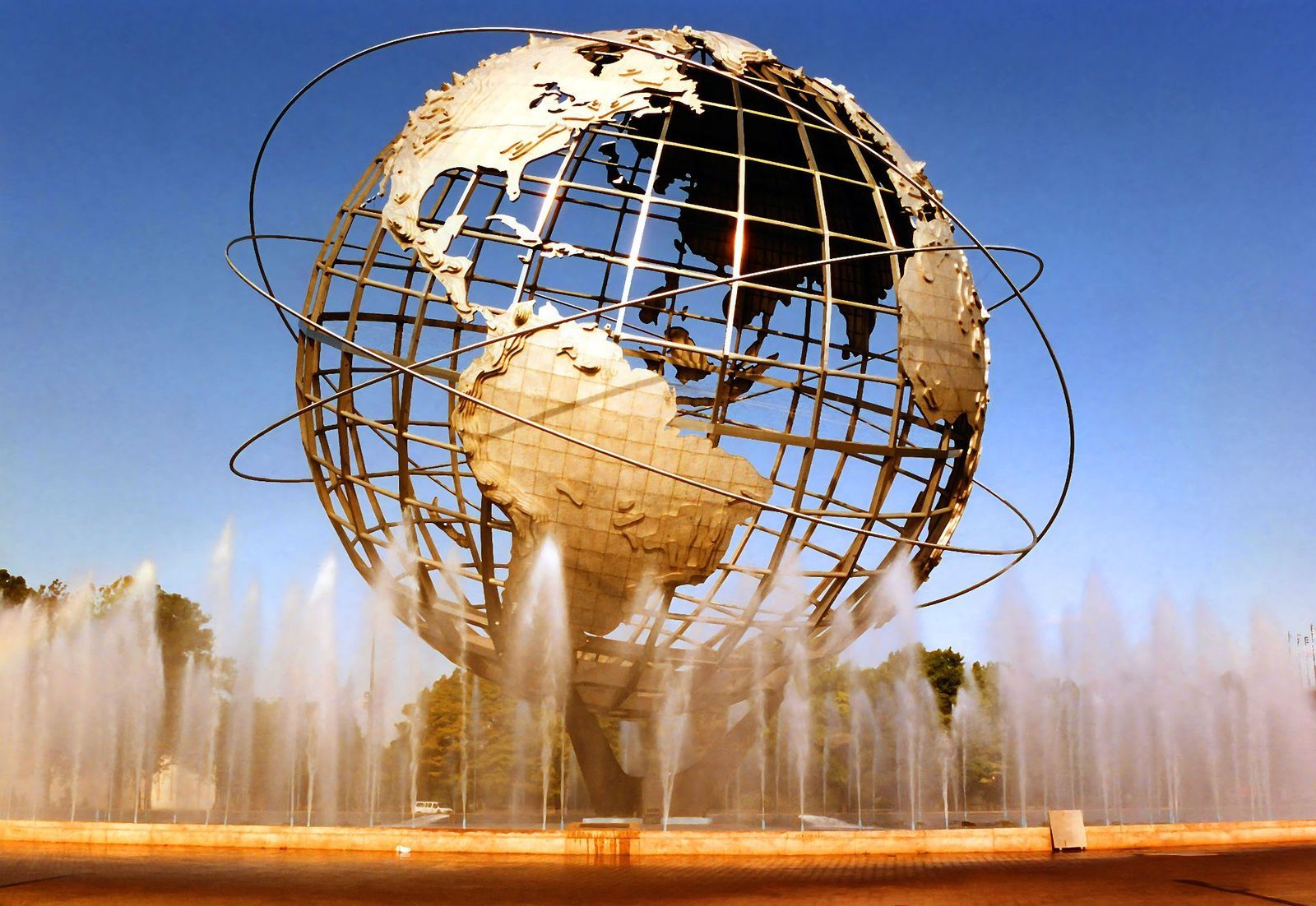
After the Space Needle rose for Seattle’s 1962 World’s Fair, New York held its own fair in Flushing Meadows-Corona Park. It ran for two seasons, from April to October in both 1964 and 1965, and attracted more than 51 million visitors. The main attraction was the Unisphere, a 140-foot stainless-steel globe built by U.S. Steel to represent the theme "Peace Through Understanding." It was given as a permanent gift, and its three rings recall the orbits of Yuri Gagarin, John Glenn, and the Telstar satellite.
The exhibitions introduced guests to new technology, including AT&T’s Picturephone, serving as an early commercial demonstration of video calling. Walt Disney also helped create four attractions for the fair, including "It’s a Small World" and an animatronic Abraham Lincoln.
The Palace of Fine Arts, San Francisco, United States
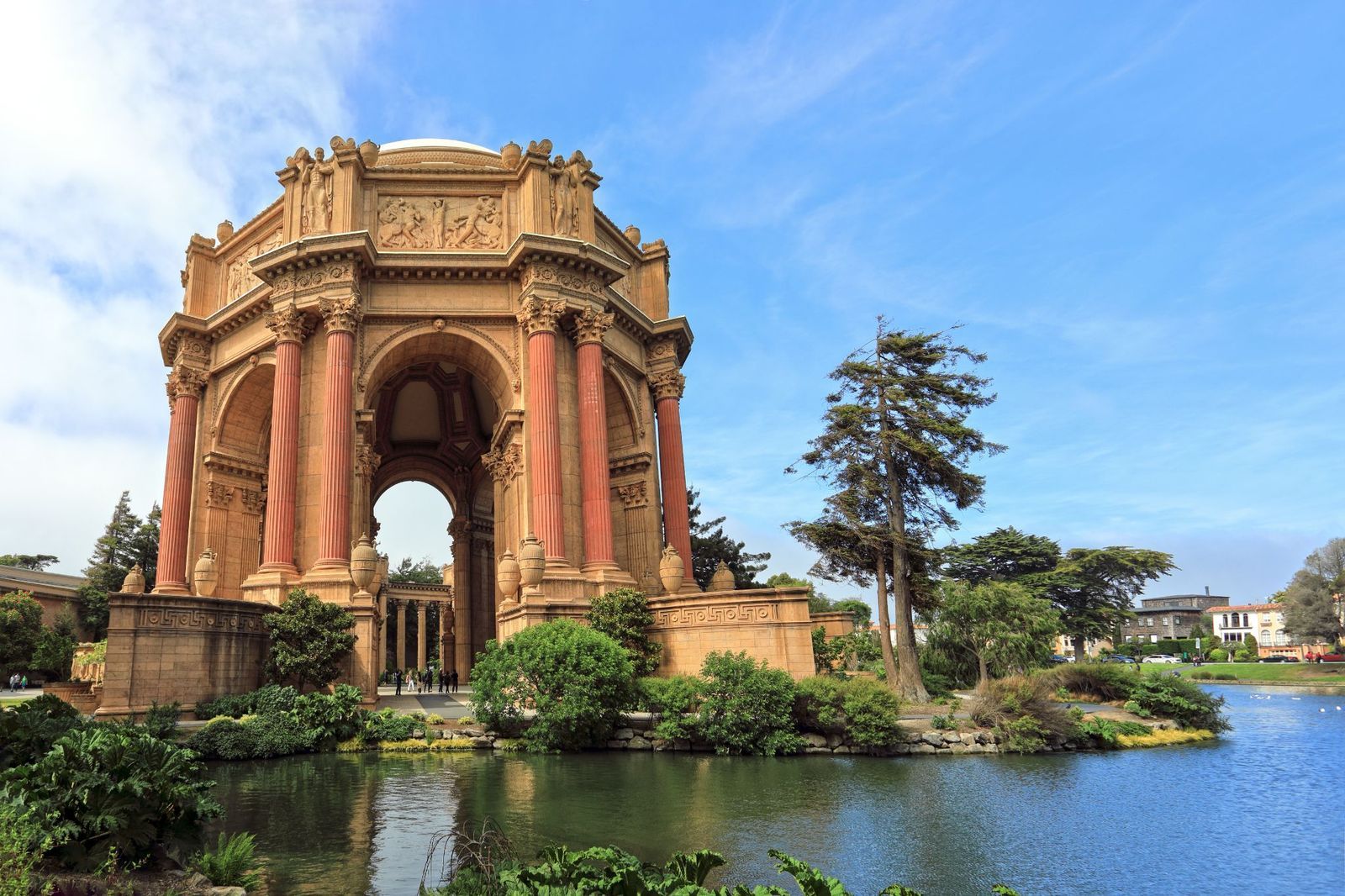
Two major events marked the Panama-Pacific Exposition of 1915: the inauguration of the Panama Canal and the recovery of San Francisco after the 1906 earthquake. The Palace of Fine Arts was meant to honor both events. Designed by architect Bernard Maybeck, it evokes the greatness and reflection of Ancient Roman ruins. It was also intended to offer a quiet, contemplative contrast to the energetic hustle of the World's Fair.
Because the original plaster structure deteriorated over time, it was rebuilt in permanent concrete during the 1960s and 1970s. The site actually serves as an event venue rather than a traditional museum, and visitors can freely explore the rotunda, colonnade, and lagoon.
The Atomium, Brussels, Belgium
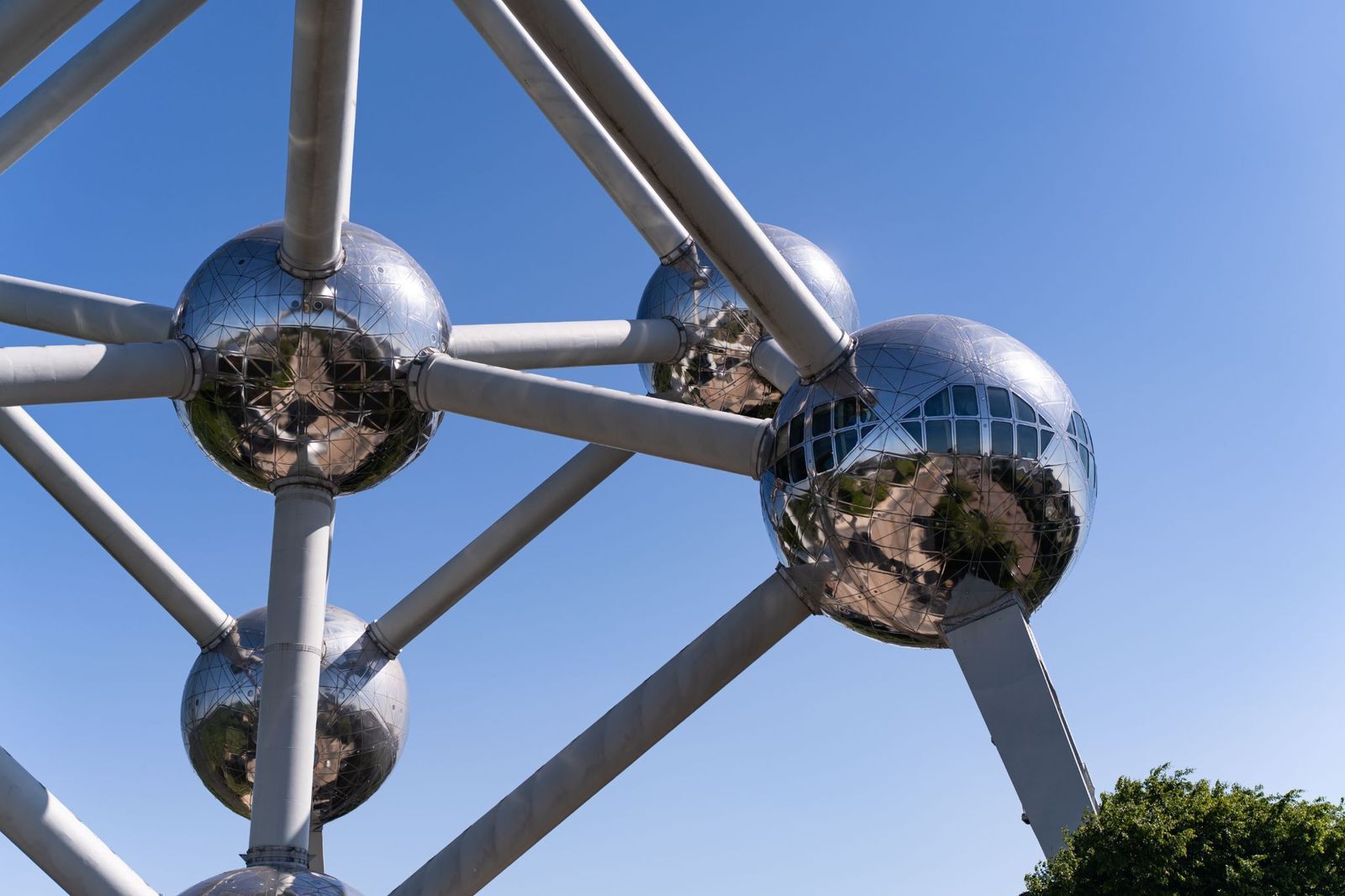
When visiting Brussels in Belgium, you may hear that the Atomium is a must-visit national landmark. And, today, it certainly is. But it was originally built for the first World Fair after World War II in 1958. The Atomium was the centerpiece of the exposition, designed by engineer André Waterkeyn, and its nine spheres form an iron crystal magnified 165 billion times. This design reflected the era’s optimism about science and the peaceful use of atomic energy.
When the fair opened in Brussels in April 1958, visitors could explore exhibitions inside the spheres and ride one of Europe’s fastest elevators to the restaurant and observation area at the top. Its popularity actually saved it from demolition. Renovated with a stainless-steel exterior from 2004 to 2006, it now offers exhibitions, panoramic views, and a restaurant at the top.
The Montreal Biosphere, Montreal, Canada
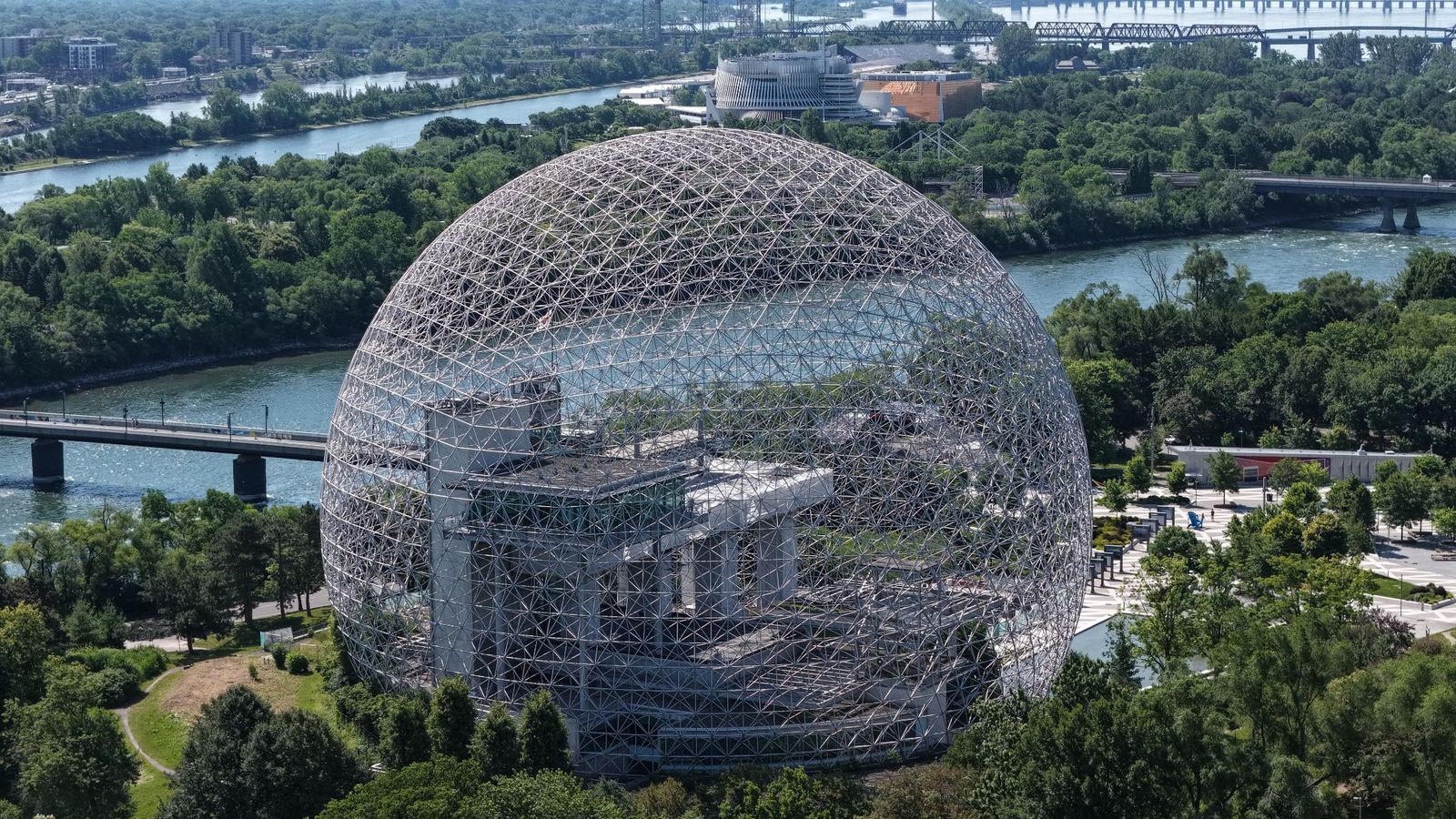
The Montreal Biosphere was built as the United States pavilion for Expo 67, the World’s Fair held in Montreal in 1967. Buckminster Fuller designed its futuristic geodesic dome to showcase American innovation, while the exhibits inside explored the Apollo missions, folk art, film, and popular culture. The structure formed two-thirds of a sphere, with a transparent acrylic shell covering its steel frame.
More than five million visitors stepped inside during the fair, and after Expo 67, the United States donated the pavilion to Montreal. In 1976, a fire sparked during renovation work destroyed the acrylic covering, but the steel frame survived. The structure remained closed for years until it reopened as an environmental museum in 1995. Dozens of exhibitions about nature, climate, and environmental solutions are held inside the dome.
The Tower of the Americas, San Antonio, United States
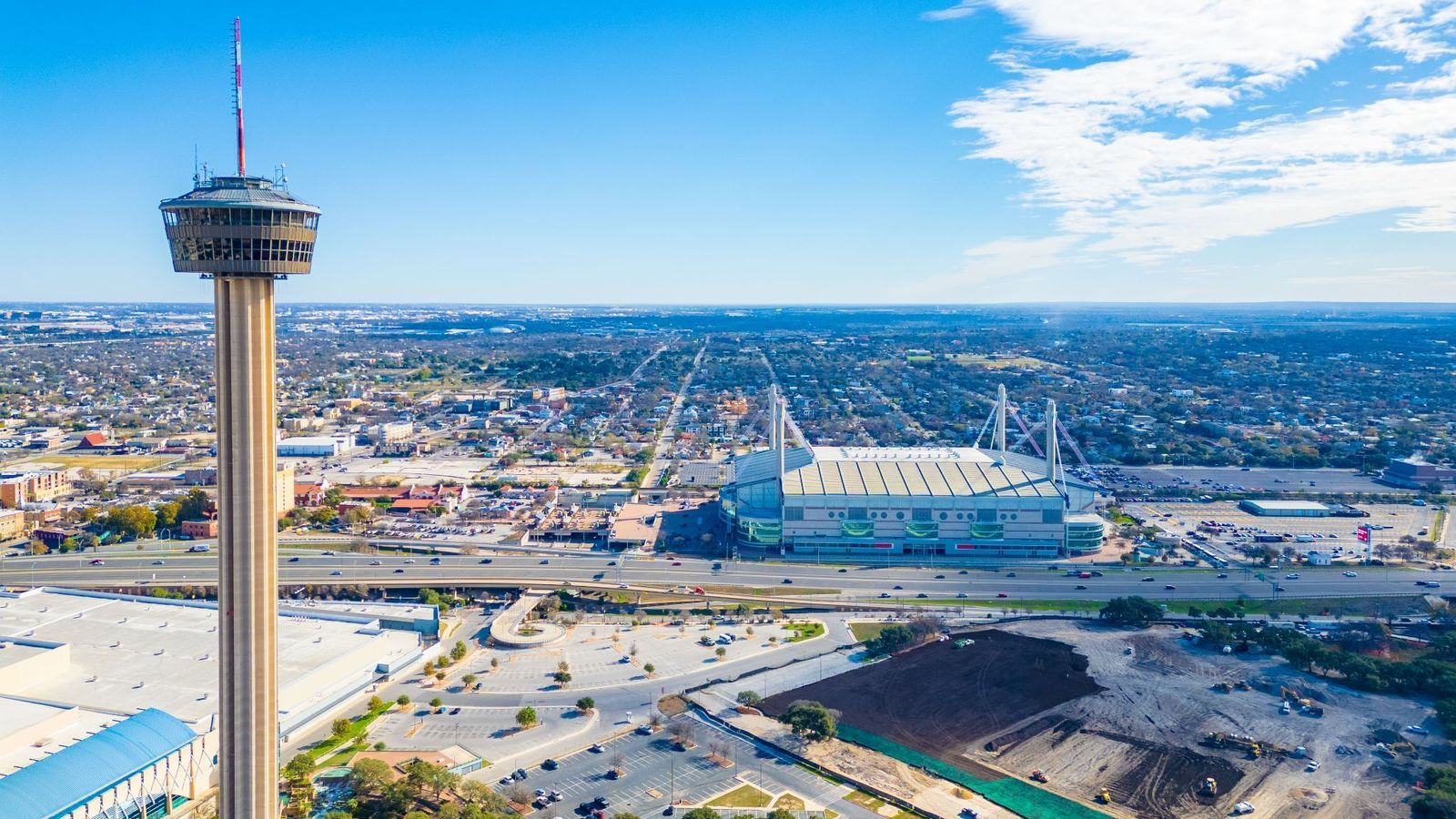
The same year Apollo 8 orbited the Moon, and Stanley Kubrick’s 2001: A Space Odyssey reached theaters, San Antonio unveiled the Tower of the Americas. Built to celebrate the city’s 250th anniversary, it became the centerpiece of HemisFair ’68. Architect O’Neil Ford designed the tower, which was completed in just 18 months. It remained the tallest observation tower in the United States until the Stratosphere Tower opened in Las Vegas in 1996. Today, visitors can dine in a revolving restaurant near the top or experience a 4D theater at ground level.
The Sunsphere, Knoxville, Tennessee
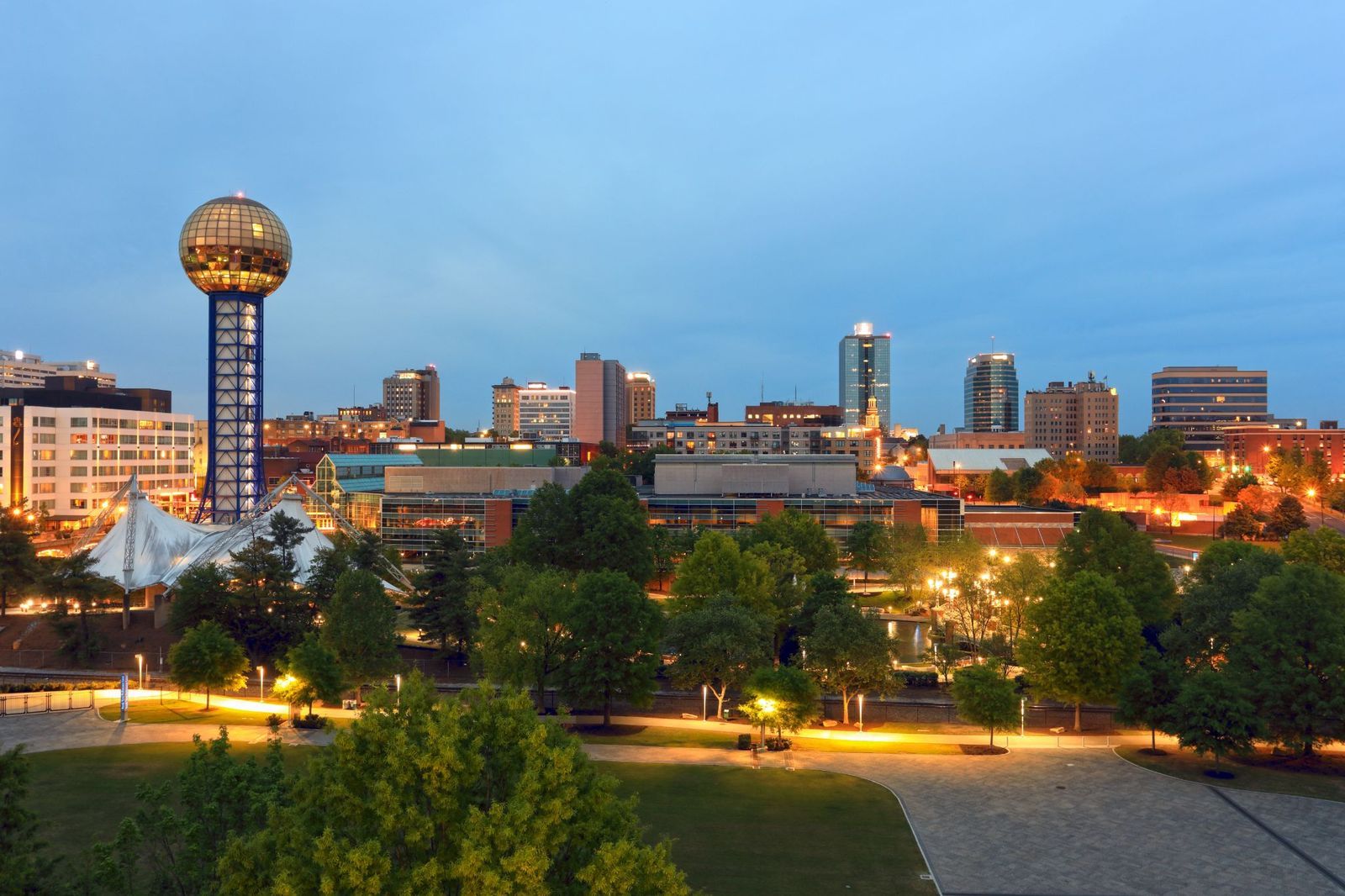
"Energy Turns the World" was the theme of Knoxville’s 1982 World’s Fair, and the Sunsphere brought that idea to life as it was the first spherical building constructed in the United States. A blue steel tower supports its 23-meter golden sphere, creating the illusion of a sun suspended in the sky. After the fair ended, the Sunsphere stood mostly empty for years, apart from a brief reopening in 1999.
The observation deck finally reopened in 2007 and was updated in 2014. It closed again during the pandemic, but welcomed visitors back with new displays in 2022. The building offers panoramic views and allows visitors to explore exhibits and memorabilia from the fair.
Plaza de España, Seville, Spain
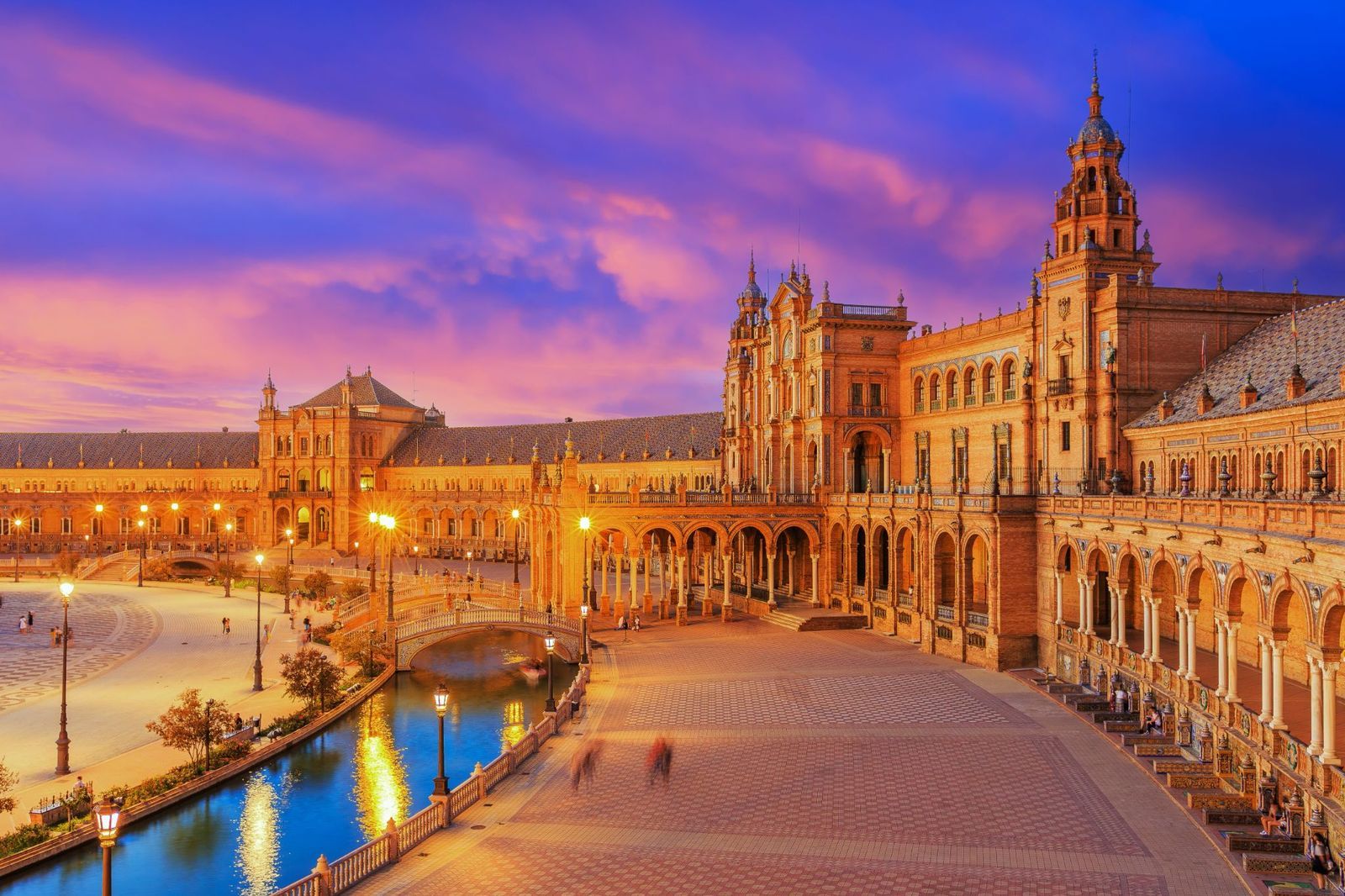
Seville’s Plaza de España was built in María Luisa Park between 1914 and 1928 for the 1929 Ibero-American Exposition. The event aimed to bring Spain closer to its former colonies in the Americas through stronger cultural and commercial ties. Architect Aníbal González even gave the plaza its wide semicircular shape to suggest Spain opening its arms toward America. It was built from brick, stone, and colorful ceramic tiles so it could remain long after the event ended.
A canal follows the curve of the plaza, while four bridges represent the historic kingdoms of Castile, León, Aragón, and Navarre. Hollywood eventually took notice. The plaza stood in for Cairo in David Lean’s Lawrence of Arabia (1962), while George Lucas transformed it into the planet Naboo in Star Wars: Episode II – Attack of the Clones (2002).
Discover 10 countries with unreal (but Expensive) traffic laws
Would your vacation budget survive a speeding ticket? 10 foreign fines
Many travelers mistakenly assume that traffic rules are more or less universal. While a red light means "stop" everywhere, the nuances of parking, speed limits, and mandatory equipment vary wildly from border to border. Before you put the key in the ignition, here is a guide to the traffic rules and potential fines you might unexpectedly encounter in 10 popular destinations.
France
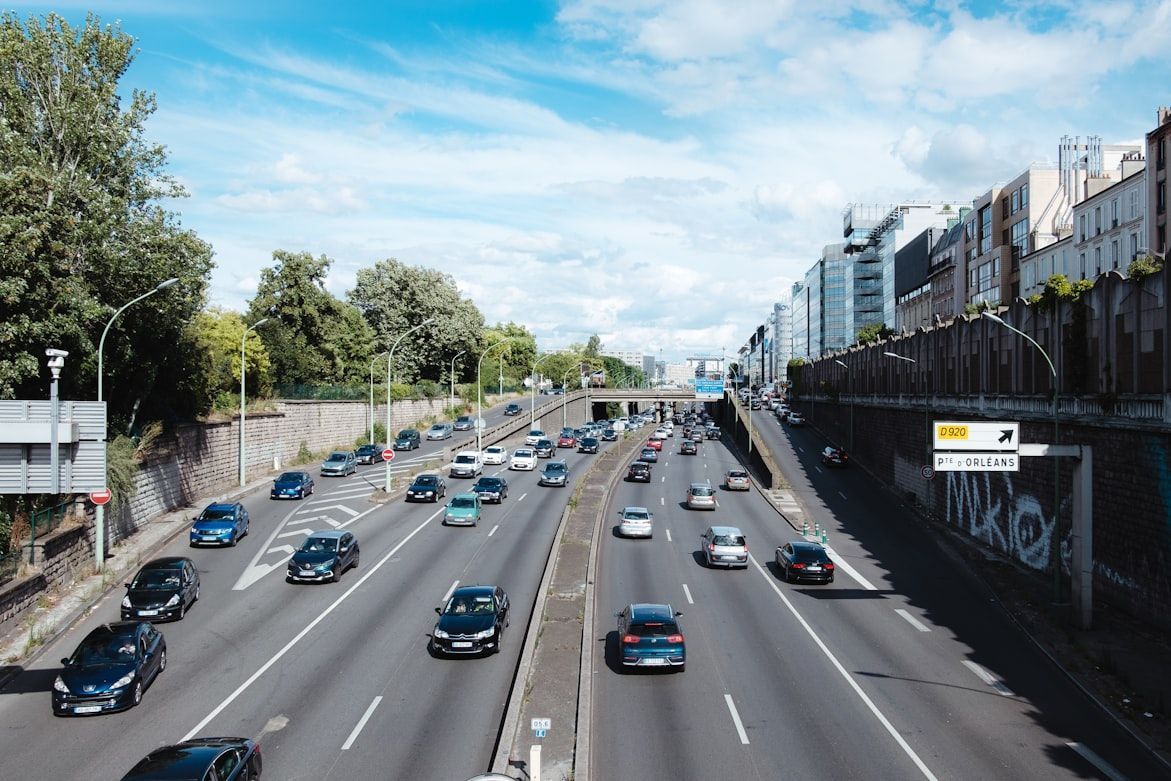
France has some of the strictest rules regarding technology. For example, it is illegal to have any device that alerts you to the position of fixed or mobile speed cameras. This includes standalone GPS units or even apps like Waze. If you don’t abide, the fine is a staggering €1,500 (1,763.68 USD), and the device can be confiscated.
Germany
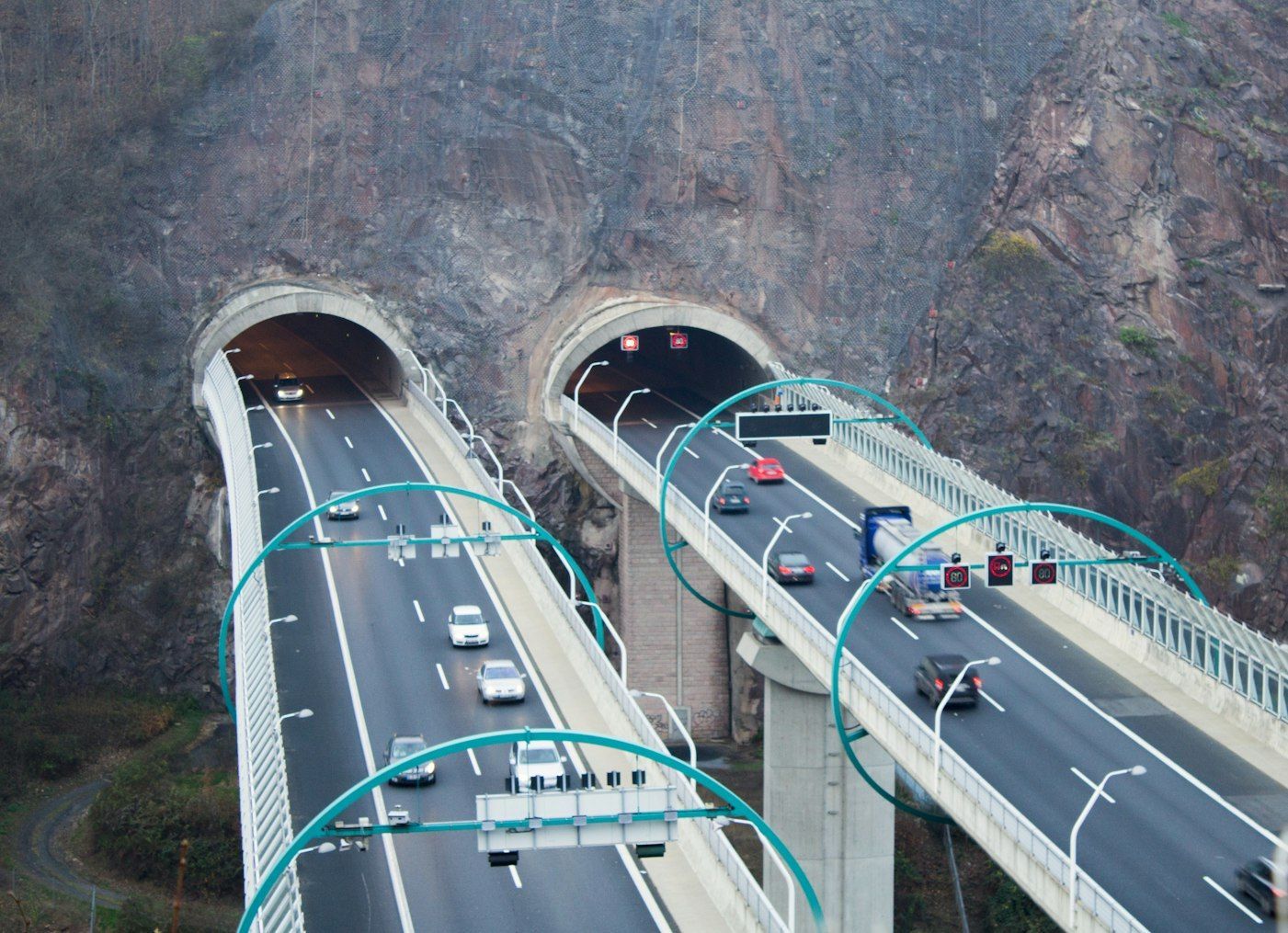
In Germany, devices are heavily penalized as well. Using a mobile phone while driving—even while stopped at a red light—will land you a €100 fine plus a negative point on your license. Also, this is important: While sections of the German Autobahn famously have no speed limit, the recommended speed is 130 km/h.
Italy
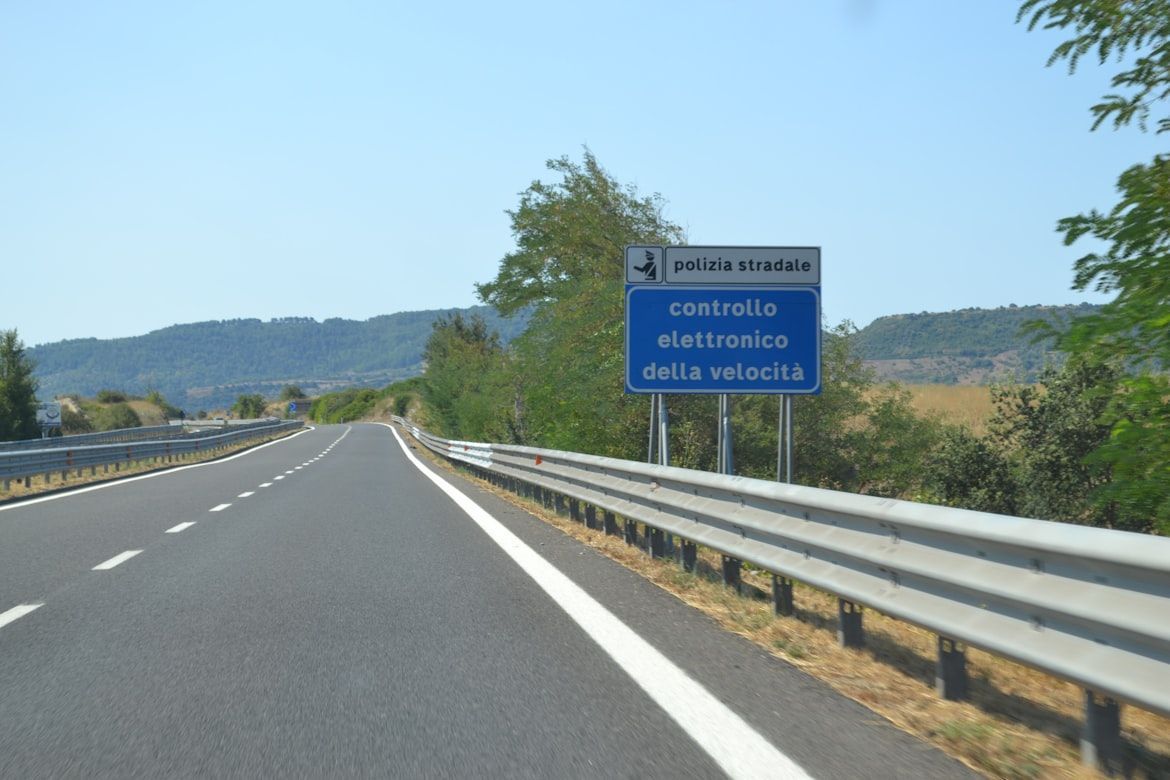
Italy is perhaps the most common place for tourists to receive surprise fines months after their trip ends. Most Italian city centers (Rome, Florence, Milan, Pisa) have restricted areas where only residents or authorized vehicles can drive, and cameras catch every unauthorized plate. Fines are usually around €100 per entry, meaning that if you take three wrong turns and pass the camera three times, you'll get three separate fines.
United Kingdom
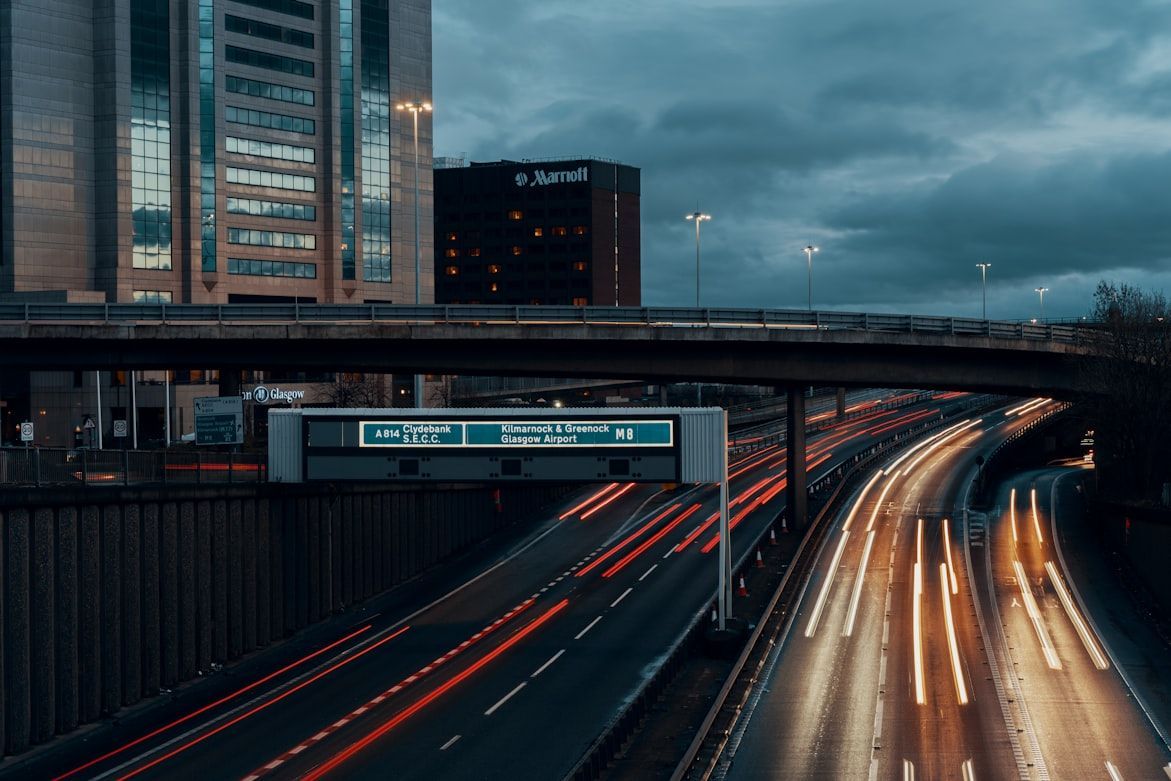
The most obvious challenge in the UK is driving on the left, yet there are other quirks to be aware of. For example, in London, there is a Low Emission Zone. Certain diesel vehicles, like older motor homes, can be charged if they don’t meet emissions standards. If you fail to pay this charge, you can face a penalty of £500 (679.55 USD) to £2000 (2718.20 USD).
Austria
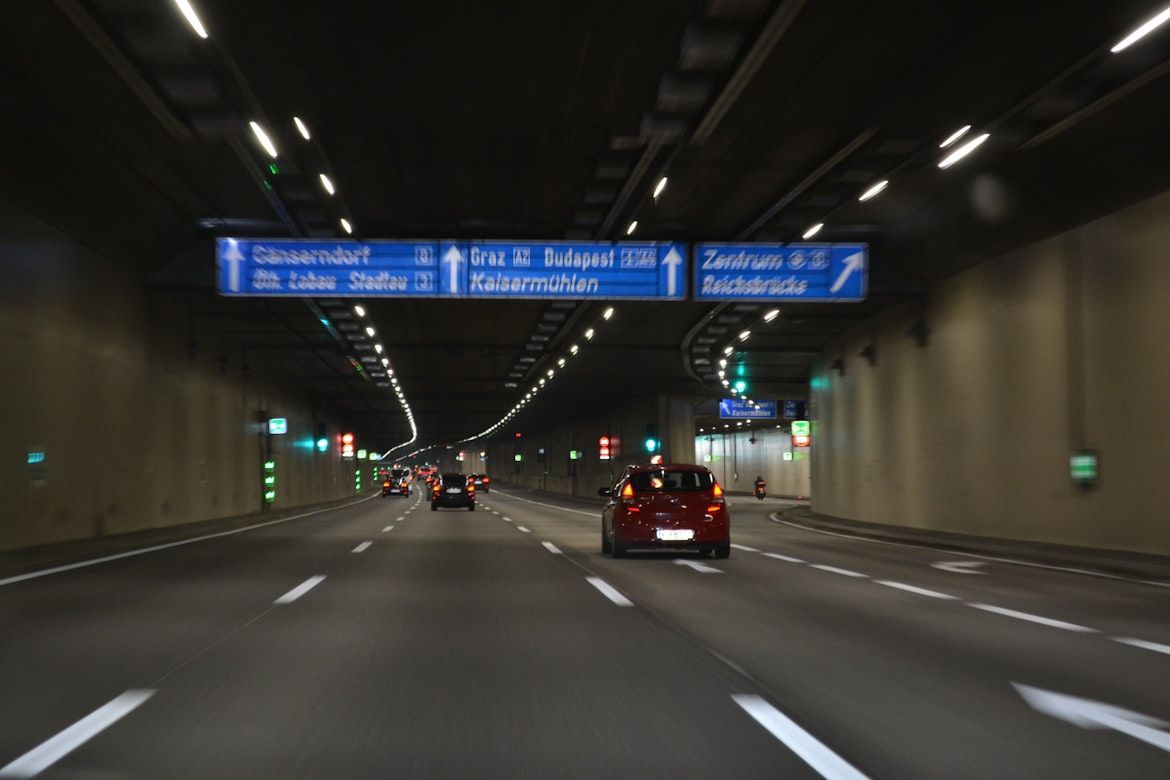
First rule to be aware of: Austria is famous for its impeccably maintained motorways, but they aren't free. All vehicles up to 3.5 tons must display a toll sticker on the windshield or have a registered digital version before entering a motorway. If you are caught without one, expect an on-the-spot fine of €120. Also, from November 1 to April 15, winter tires are mandatory in wintry conditions. If you cause a traffic obstruction without them, fines can soar to €5,000.
Spain
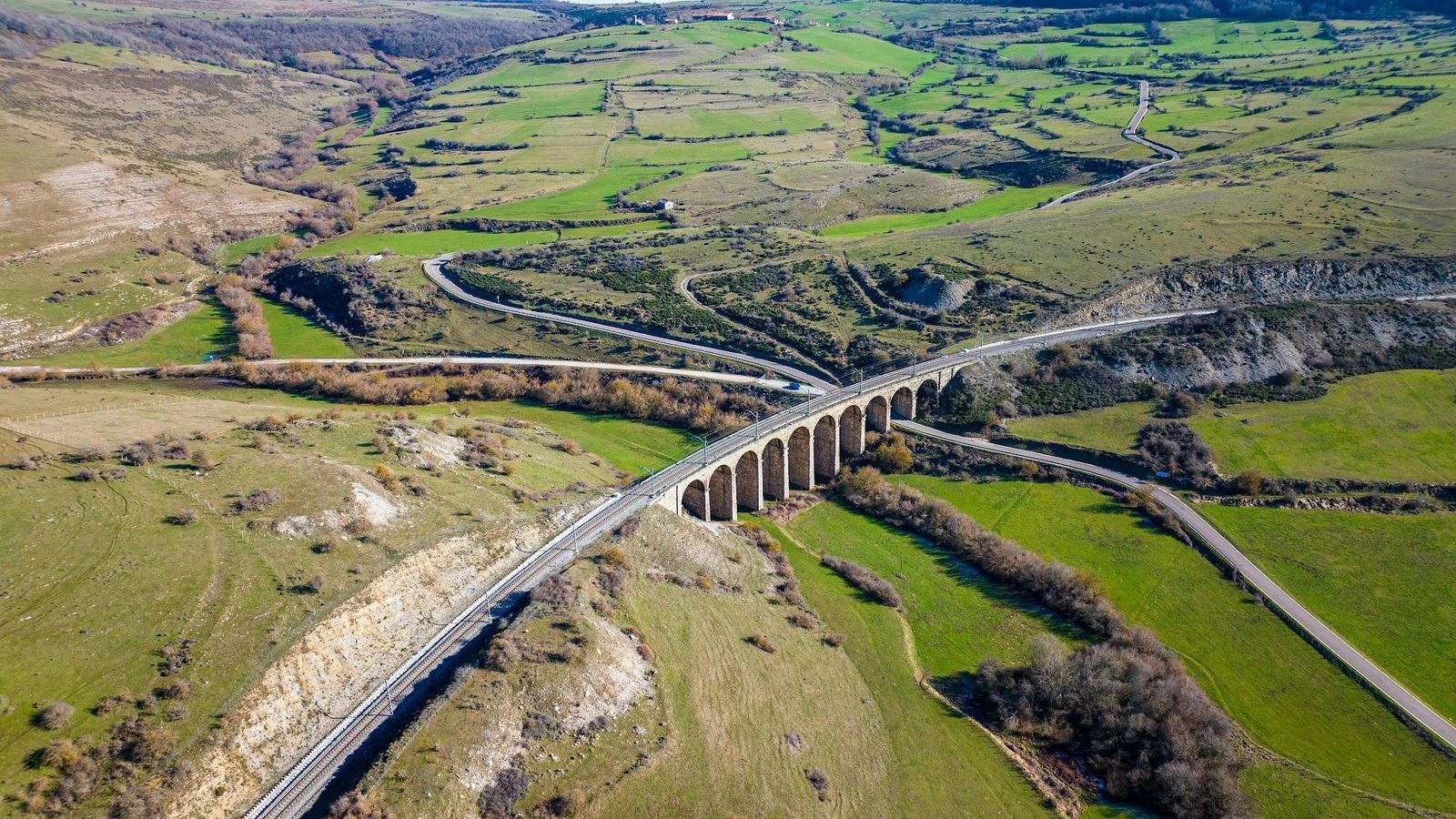
Spain has several unique rules designed to keep the driver’s attention entirely on the road. For instance, wearing headphones or earbuds while driving is strictly prohibited and carries a €200 fine. Also, Spanish police can fine you for driving in flip-flops or barefoot. Last but not least, this country requires drivers who wear glasses to carry a spare pair. Failing to wear your corrective lenses altogether is a major offense.
Netherlands
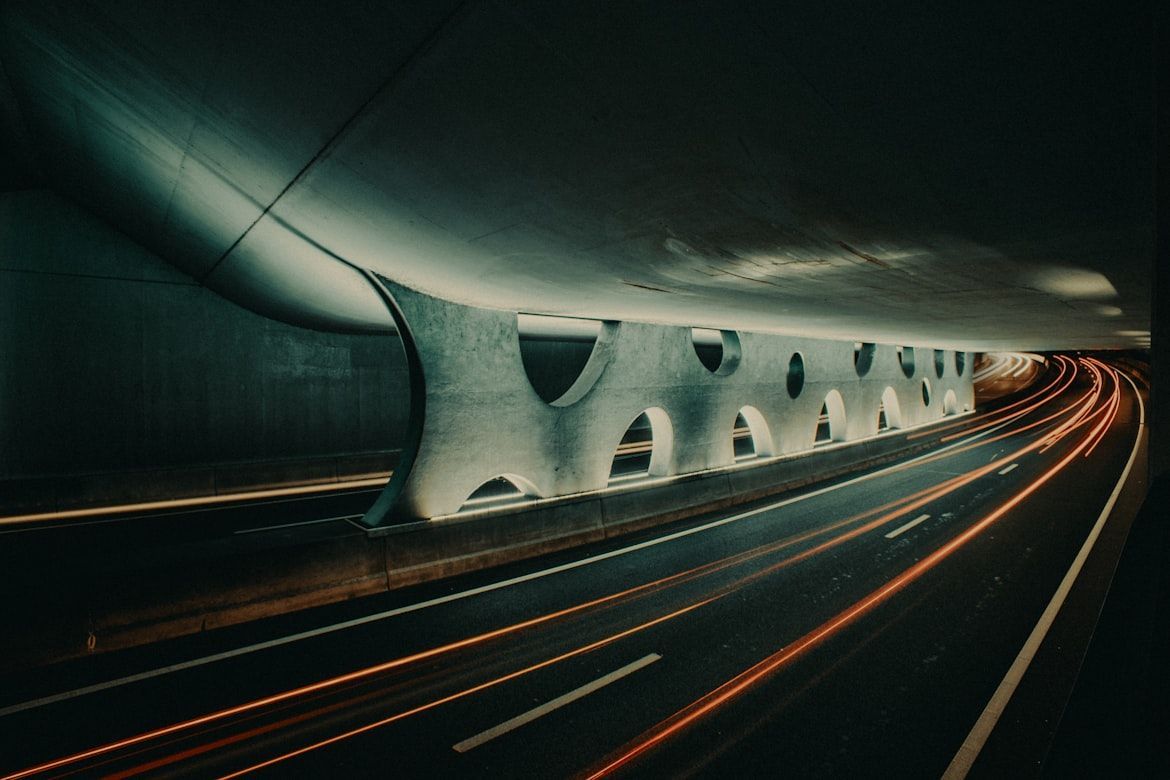
In the Netherlands, the hierarchy of the road is clear: cyclists come first. If you fail to give way to a cyclist where they have priority, expect a fine of at least €250. Also, take into account that parking fines in cities like Amsterdam are notoriously high, and wheel clamps are frequently used.
Portugal
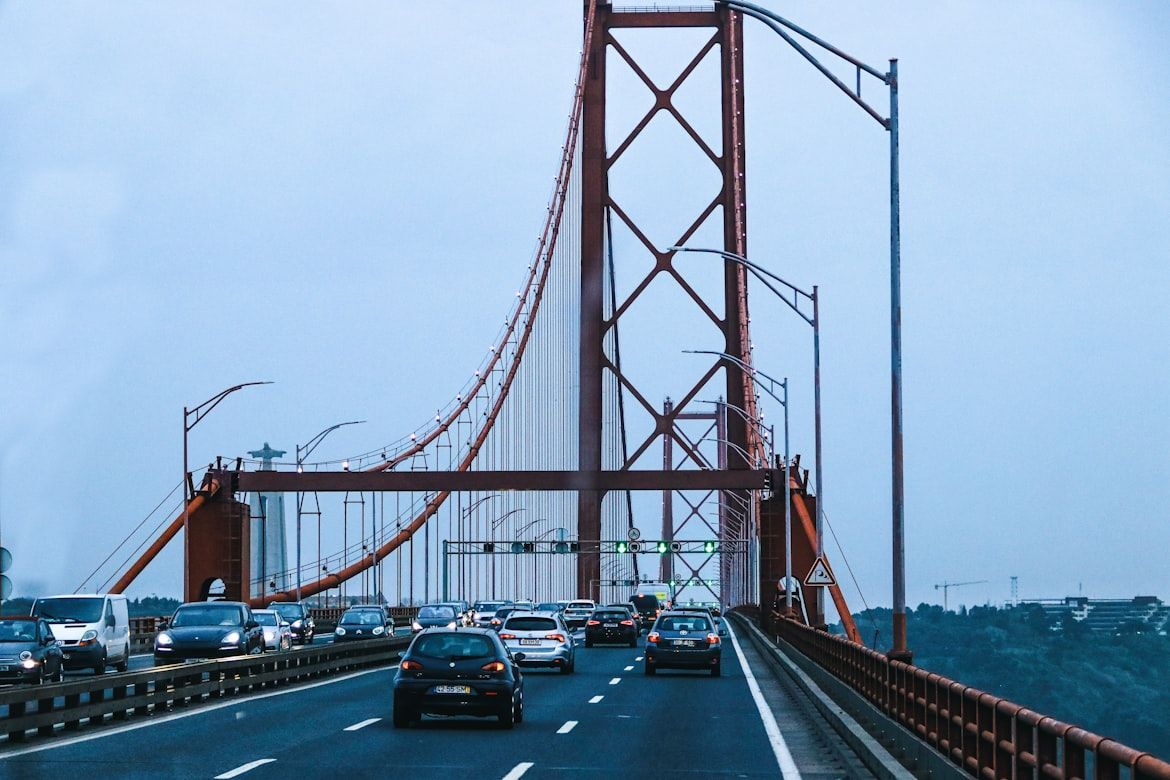
Portuguese traffic police are known for their efficiency and their demand for immediate payment. In fact, many police vehicles are equipped with portable ATMs. If you are a non-resident, they may demand that you pay the fine on the spot. If you refuse or cannot pay, they have the legal right to seize your vehicle. Common violations include speeding, mobile phone use, and failing to pay tolls. Fines range from €60 to €2,500.
Switzerland
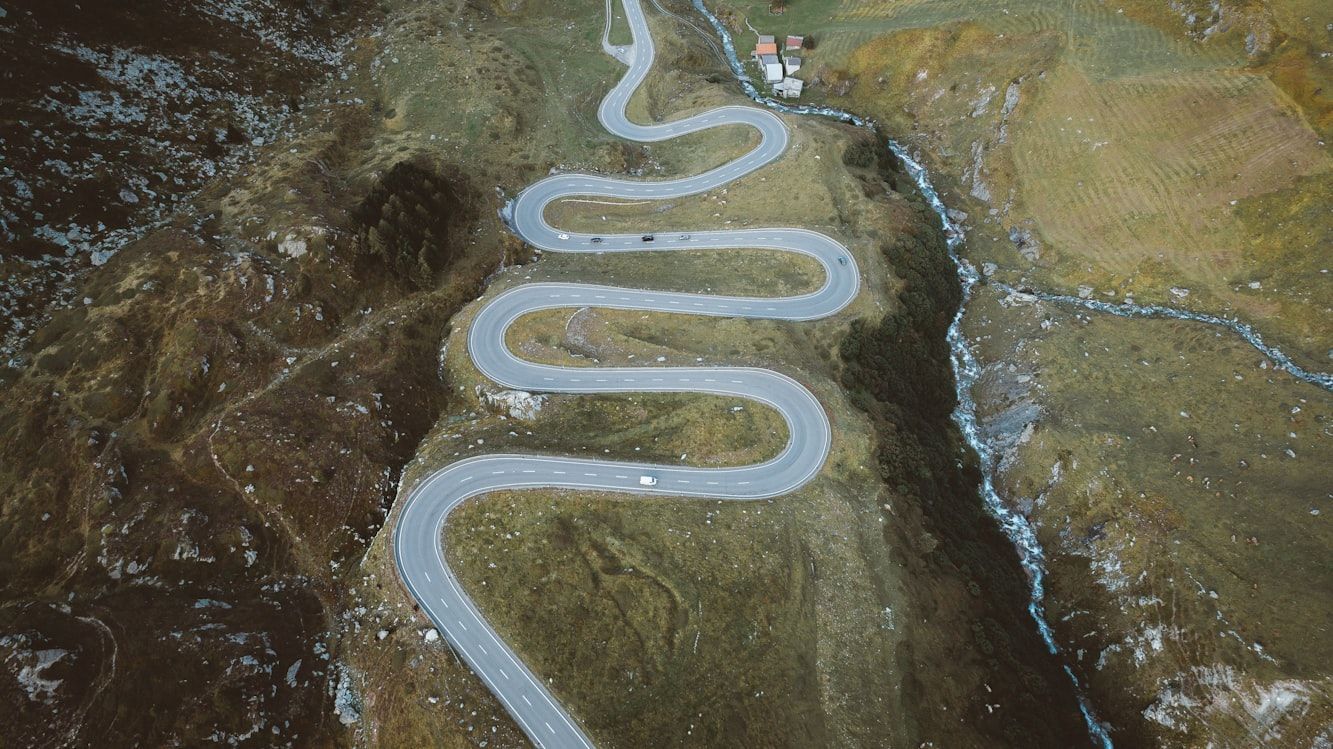
Switzerland is the most expensive place in the world to get a ticket. For minor speeding (1-3 m/h over), fines are fixed. However, for serious speeding, fines are calculated based on your daily income. In one famous case, a millionaire was fined nearly $300,000 for a single speeding offense. Also, have your headlights on during the day. Forgetting this results in a CHF 40 fine (51.38 USD).
Croatia
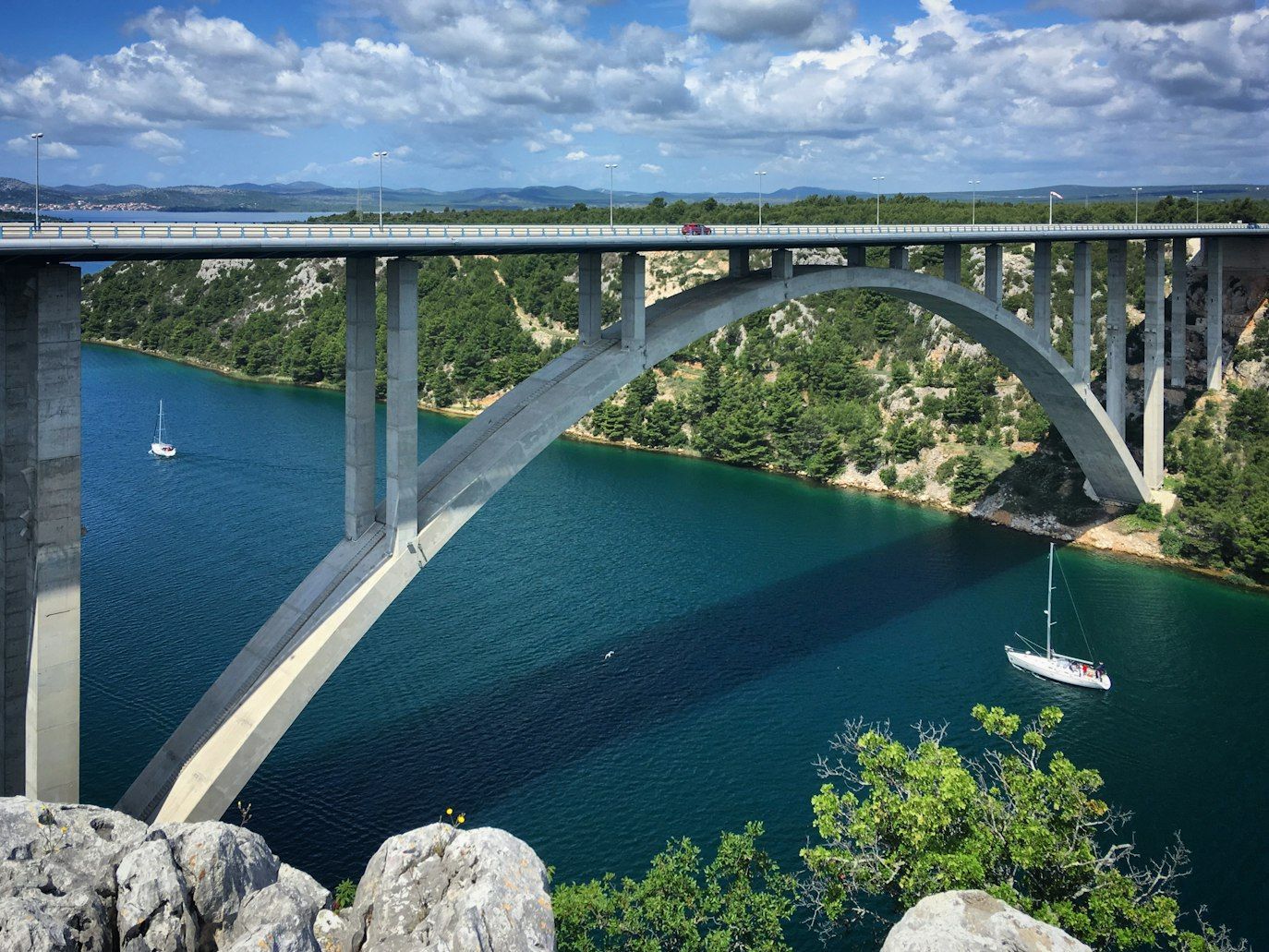
Croatia is a popular summer destination, but beware, its rules change with the seasons. From the start of November to the end of March, daytime running lights or dipped headlights are mandatory. Fines for forgetting are around €30. For drivers under the age of 24, the legal blood alcohol limit is 0.00%. Even a small beer can lead to a fine of €90 to €2,000 and a suspended license.
Keep wandering
There’s always
more to explore
How one package of macadamia nuts made the pilot turn the plane around
5 min.
Read Now
Nearly everyone in this town lives in one 14-story building
6 min.
Read Now
 Culture

Can too many visitors change a town forever? The truth about tourism
6 min.
Read Now
Chernobyl: the residents were told they’d be back in three days
6 min.
Read Now