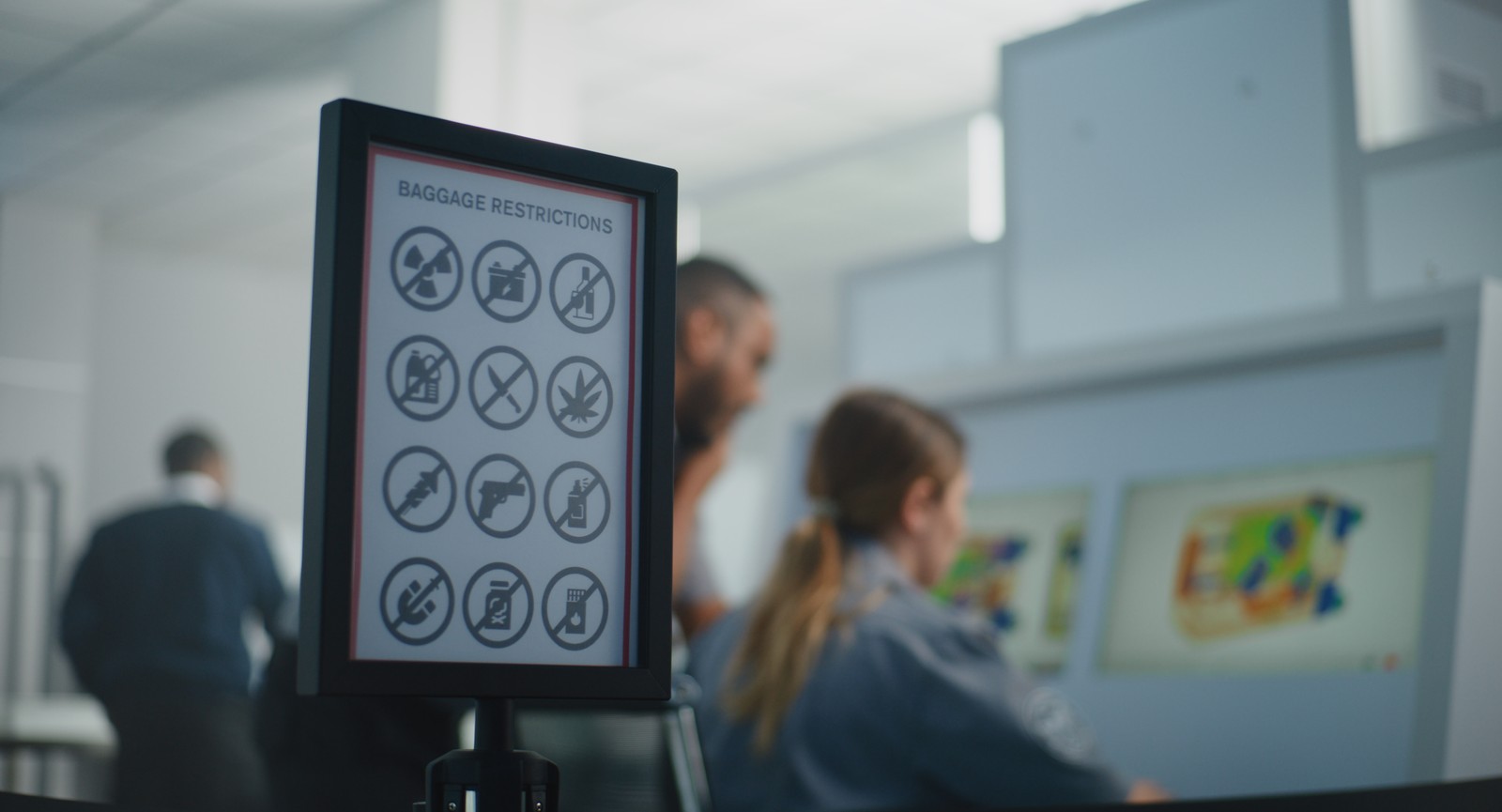
10 full-size liquids you can legally take on a plane
 General
10 full-size liquids you can legally take on a plane
While few fliers know it, you are not necessarily bound to tiny 3.4-ounce containers for every liquid in your carry-on. Despite TSA’s well-known 3-1-1 rule, airport security grants surprising exemptions for medical needs, childcare, specialized items, and duty-free purchases. As long as you know how to declare them at the checkpoint, these ten liquids get a free pass no matter their volume.
Prescription liquids, gels, and aerosols
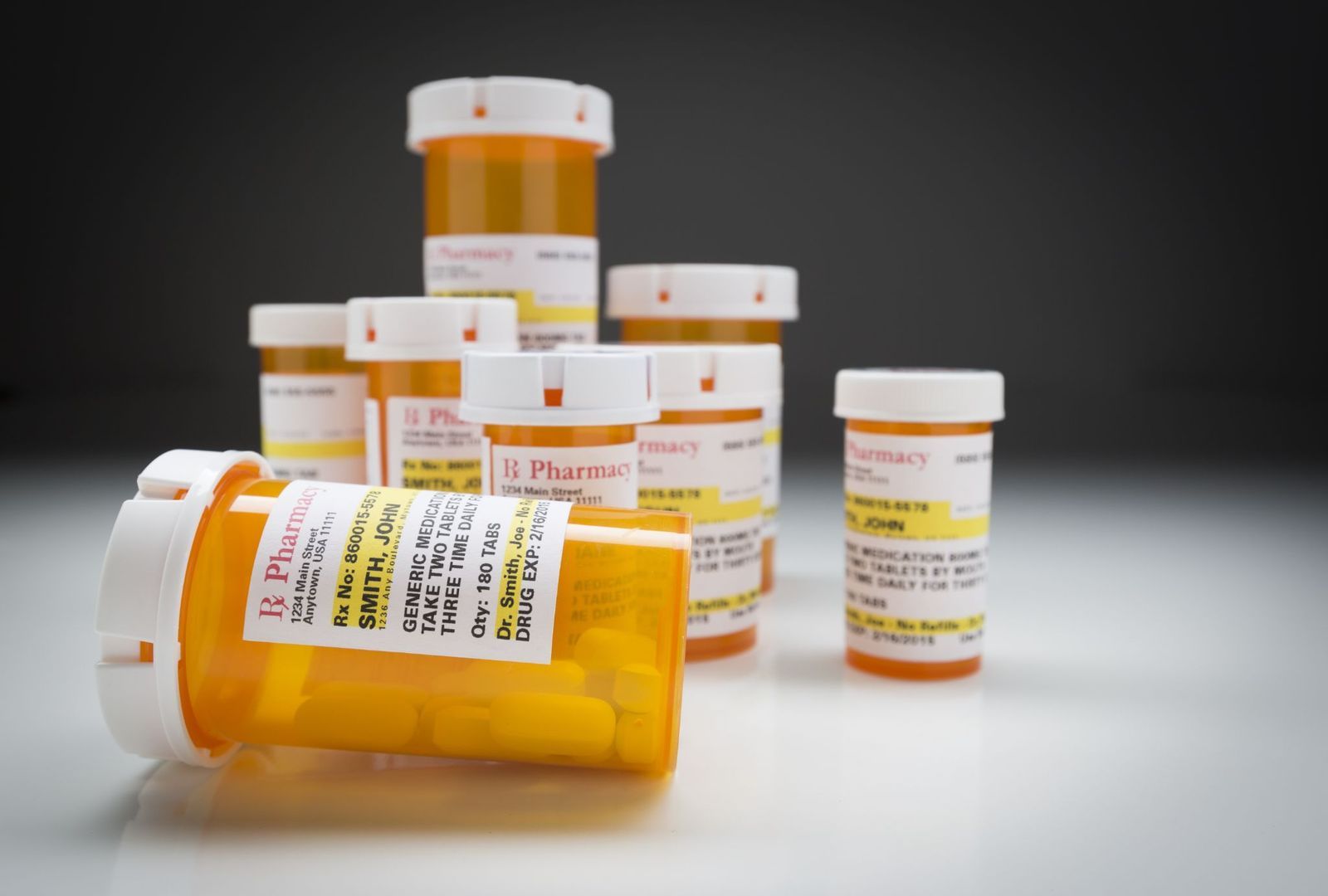
If you rely on prescription liquid medications, intravenous (IV) fluid, or specialized topical gels, you are not bound by the 3.4-ounce limit. TSA allows reasonable quantities required for your travel duration.
You don’t need to pack these items inside a plastic bag, but you must remove them from your carry-on luggage and declare them to the screening officer at the beginning of the security line. Keeping medications in their original pharmacy containers with printed labels speeds up the process.
Liquid medications and contact lens solution
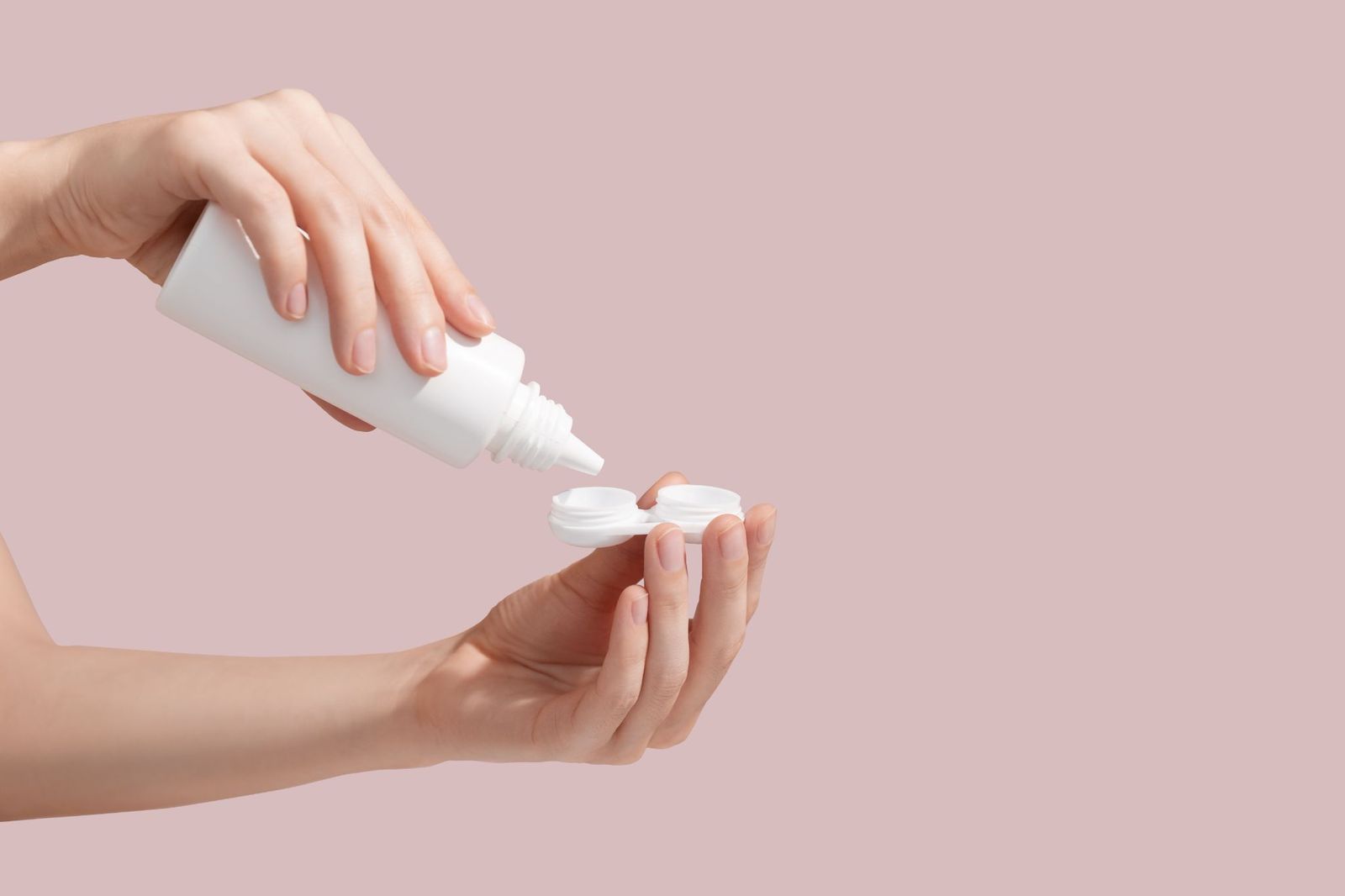
Over-the-counter liquid medications (including cough syrups, liquid pain relievers, eye drops, and contact lens solutions) fall under TSA’s "medically necessary liquids" classification.
Because contact lens solution is considered medicine rather than a cosmetic, you can bring full-size bottles through security. Like prescription drugs, these items must be declared to officers before screening and will go through a separate inspection.
Cooling accessories
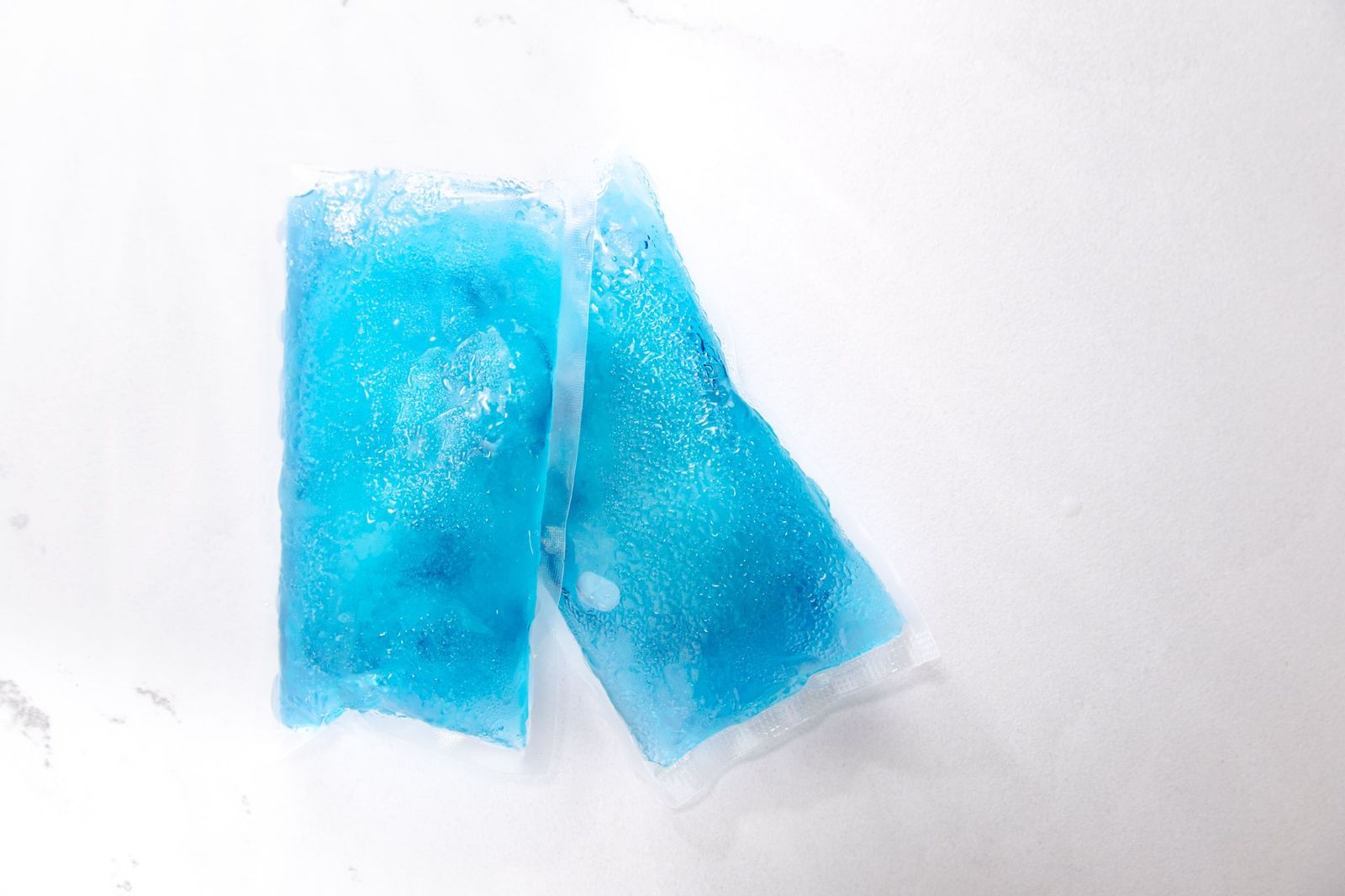
Ice packs, gel packs, freezer bricks, and ice blocks used to keep medically necessary items, breast milk, or infant food cold are allowed through security checkpoints.
Yet, there is one exception: the cooling accessories must be frozen solid when passing through the X-ray scanner. If gel packs are partially thawed, they must comply with the standard 3.4-ounce restriction.
Breast milk and infant formula
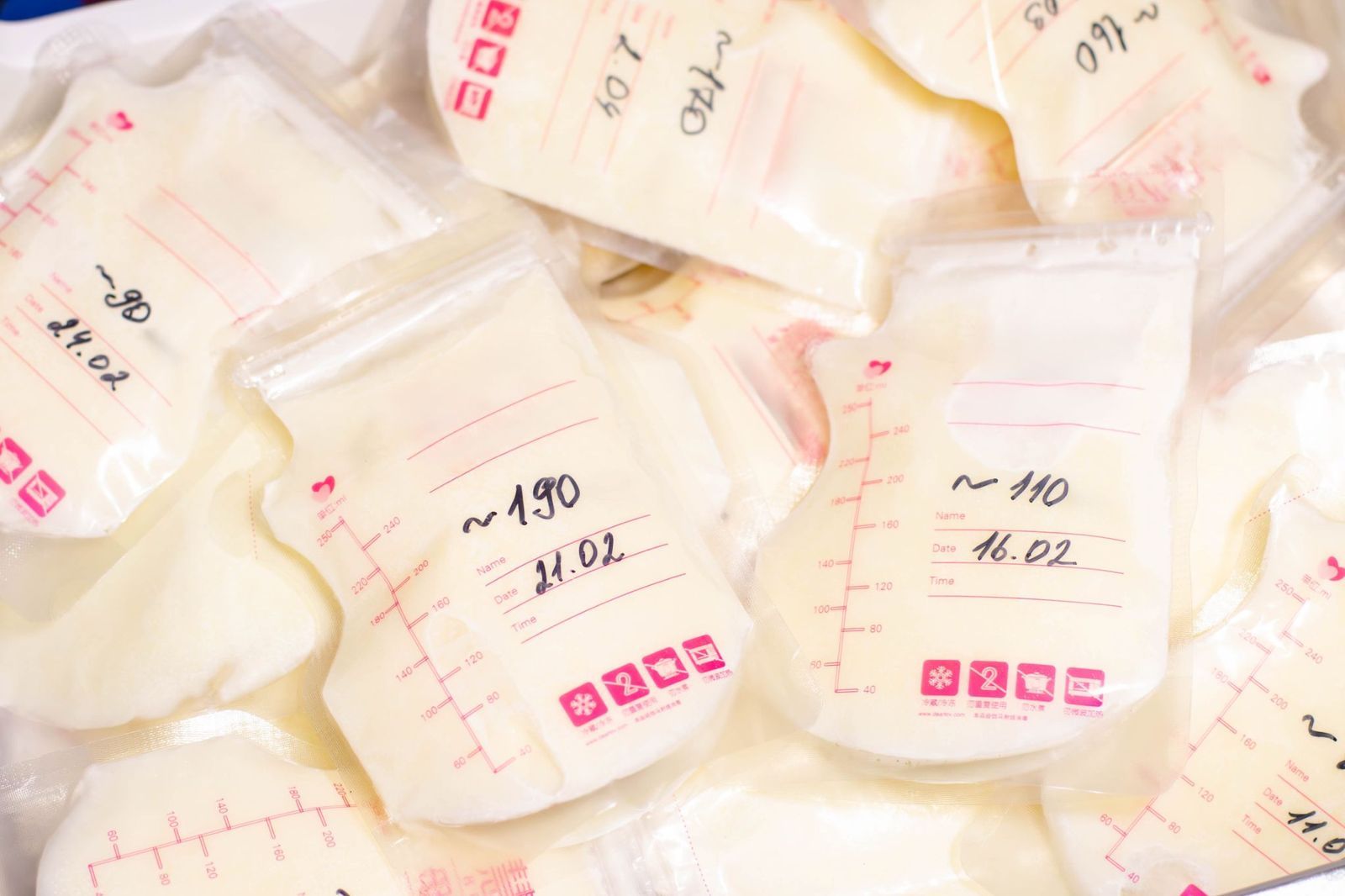
Breast milk, liquid infant formula, and purified water used to mix powder formula are fully exempt from the 3.4-ounce container rule. You are allowed to carry larger quantities in your hand luggage.
Nursing mothers or parents travelling without their child present are still entitled to carry breast milk, cooling packs, and pumping equipment through security.
Baby and toddler food and drinks
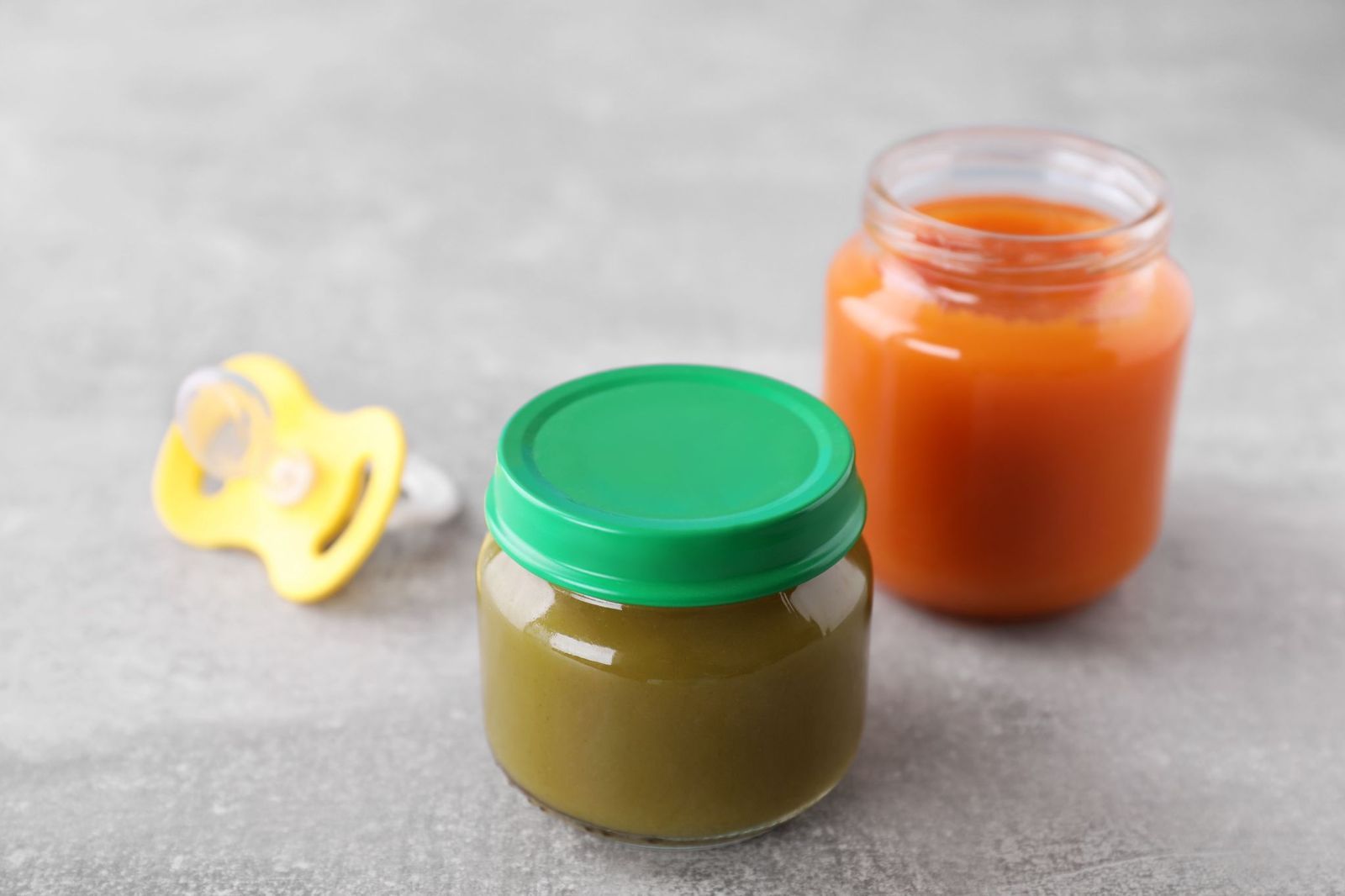
TSA considers baby food jars, squeeze pouches, teething gels, and toddler juices to be medically necessary items for young children.
As long as you declare these items at the start of the screening process, you can pack them in reasonable quantities for your itinerary. Because these items cannot always be scanned easily by standard X-ray machines, allow an extra 10 to 15 minutes for security officers to perform extra tests.
Non-spillable wet batteries
Passengers travelling with wet batteries (such as gel-cell or Absorbed Glass Mat batteries used to power electric wheelchairs, mobility scooters, or specialized equipment) can carry them through security.
The battery must not exceed 12 volts or 100 watt-hours. To pass inspection, the battery housing must be clearly marked "NON-SPILLABLE" by the manufacturer, and the electrical terminals must be insulated or protected to prevent accidental short circuits.
Fresh eggs

As a surprising quirky exception in TSA policy, fresh, raw eggs in their intact shells are allowed through carry-on security checkpoints in unlimited quantities.
Although an egg contains liquid albumen and yolk, the liquid is natural food enclosed in a solid shell, meaning it escapes standard fluid restrictions. Keep them in a sturdy egg carton inside your carry-on bag to prevent breakage during handling, as cracked eggs that spill liquid will be confiscated.
Live fish and coral in water
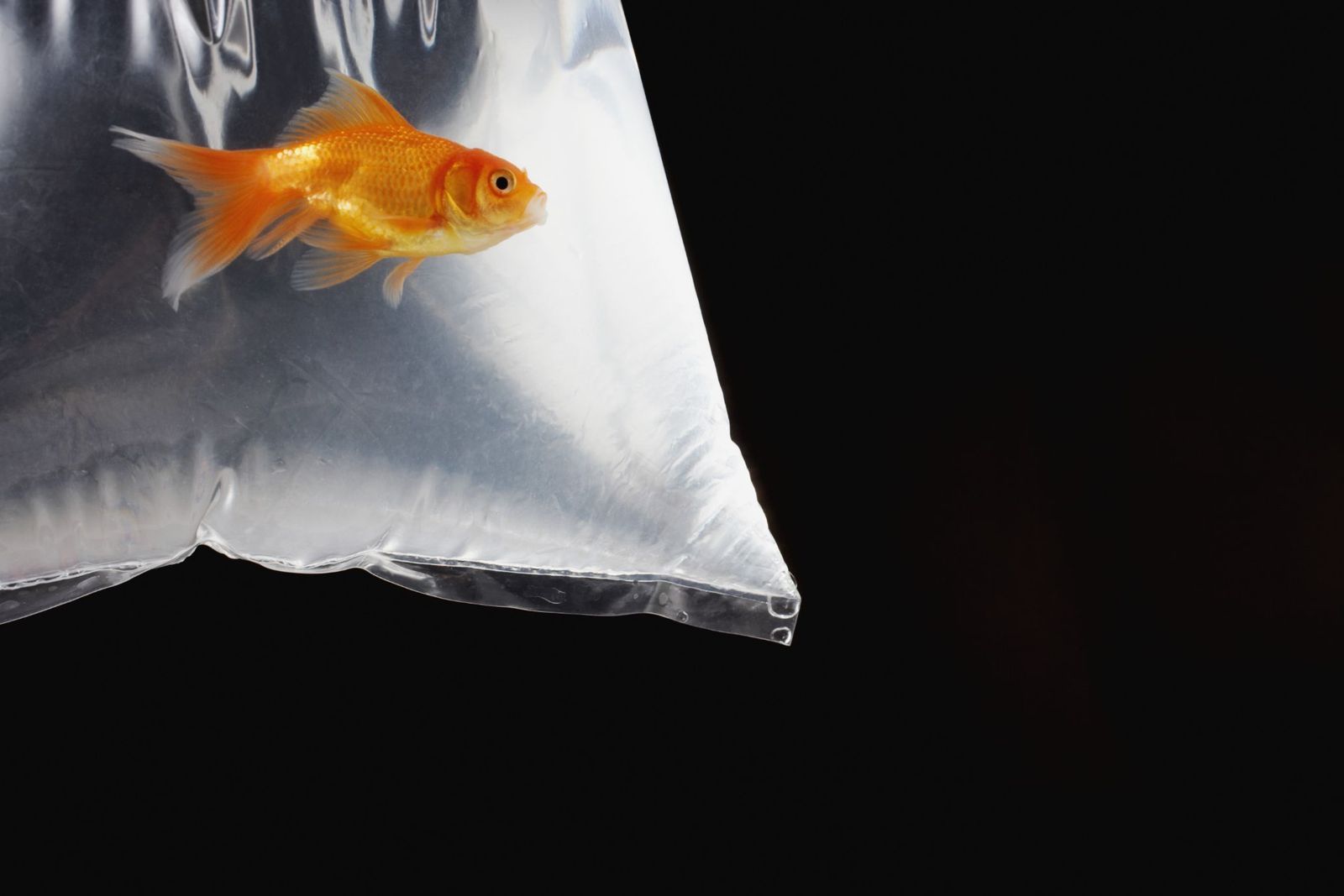
If you need to transport live fish or live marine coral, TSA allows them in your carry-on luggage even when submerged in more than 3.4 ounces of water. To qualify for this exemption, the aquatic animal must be alive and swimming in a clear, spill-proof plastic or glass container.
The volume of water must be enough to keep the fish or coral alive during the flight. Security officers will inspect the container and perform special tests without disturbing the specimen.
Biological specimens
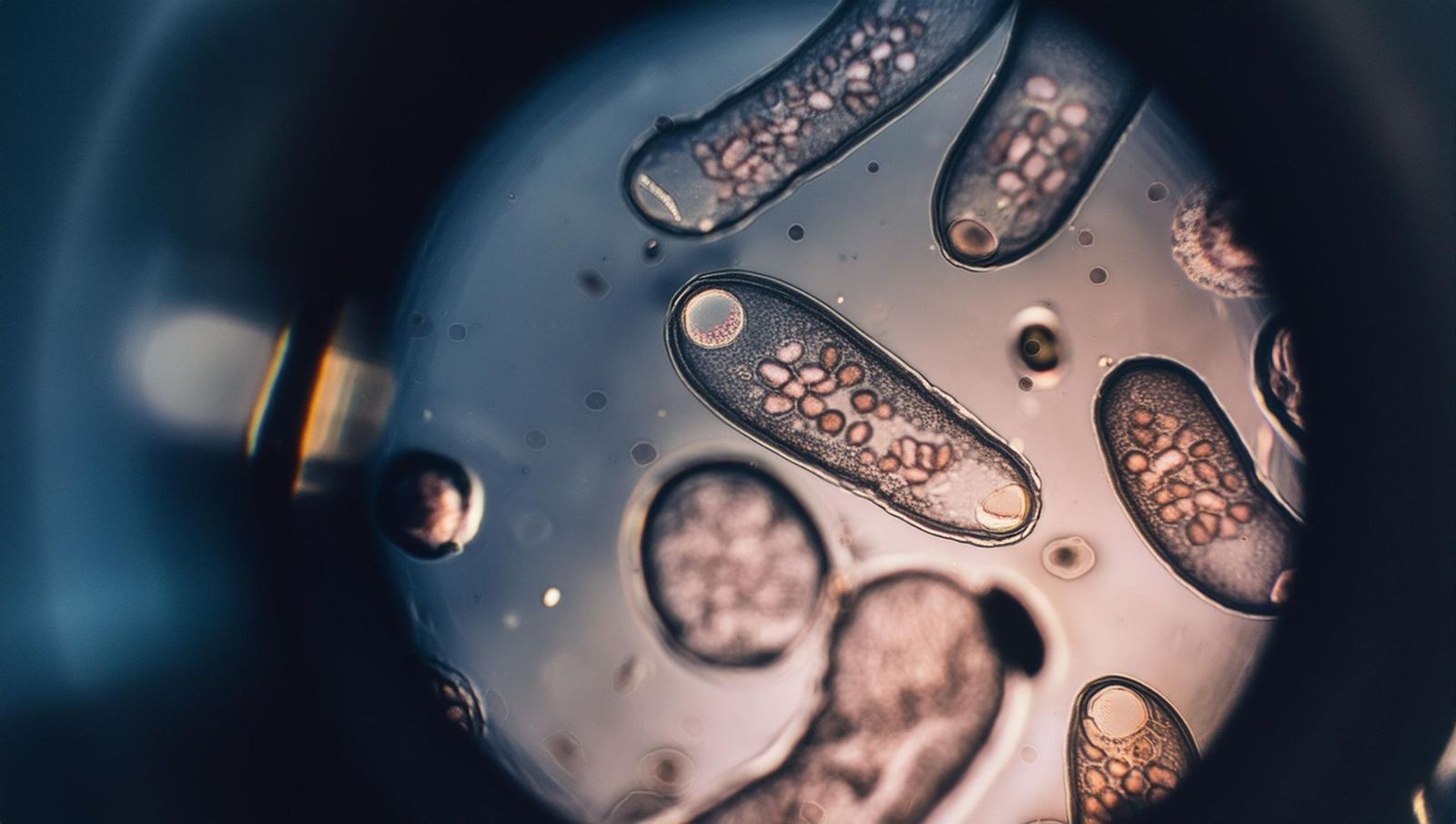
Non-infectious biological specimens (such as research samples, tissue cultures, or medical testing specimens preserved in small amounts of liquid) are exempt from standard passenger liquid restrictions.
These items must comply with Department of Transportation hazard regulations, be clearly labeled, and be accompanied by official documentation verifying their scientific or clinical purpose.
Duty-free items in officially sealed bags
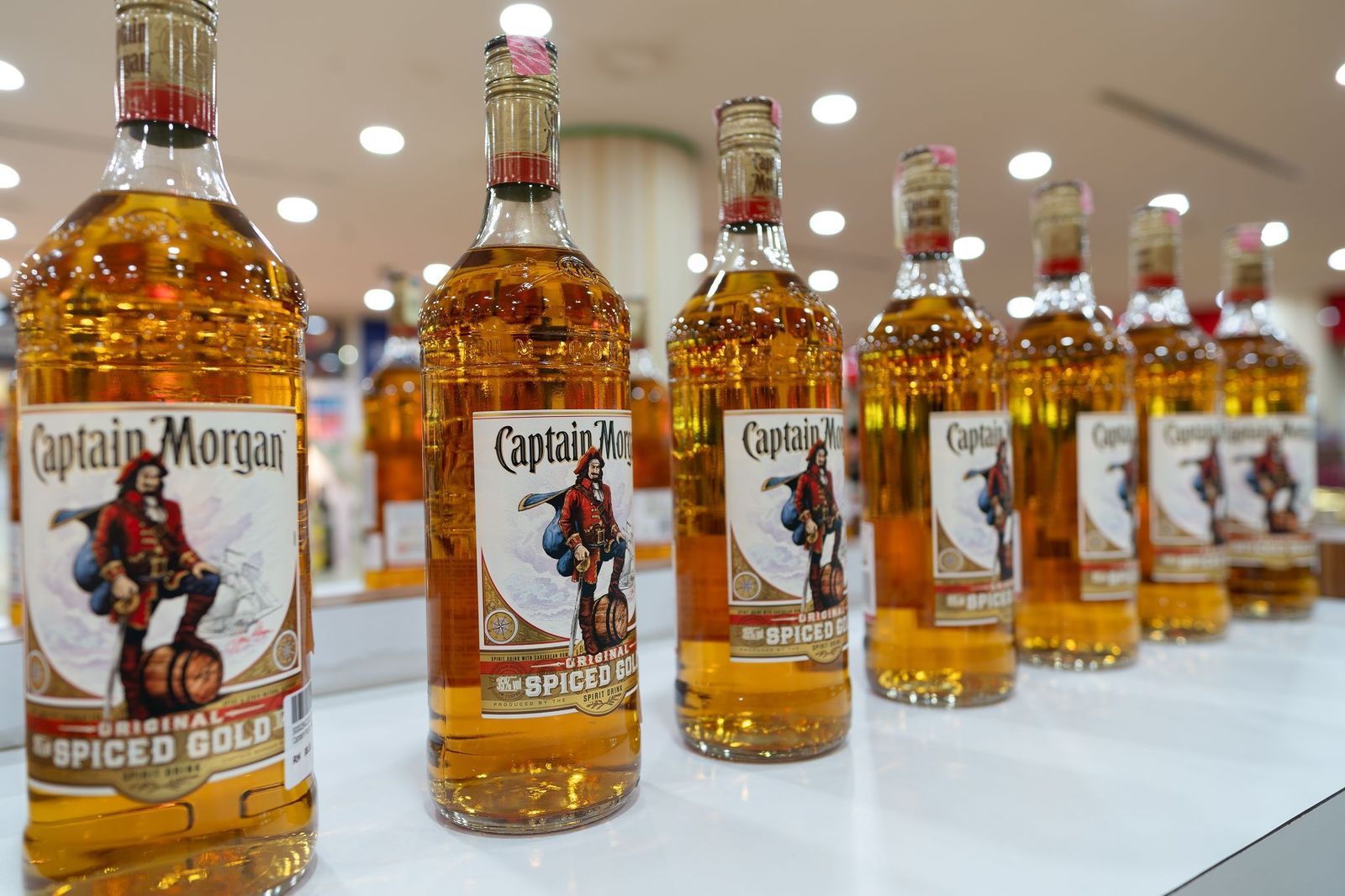
If you buy duty-free liquids (such as spirits, perfume, or specialty oils) larger than 3.4 ounces at an international airport or aboard an international flight, you can carry them through TSA checkpoints even when connecting to a domestic flight in the United States.
That said, the items must meet these specific conditions: they were purchased within the last 48 hours; the liquids are packed in a transparent sealed bag; the paper receipt is clearly visible inside the sealed bag.
What is a "skillcation", and why is it the hottest travel trend right now
What is a skillcation, and why is it the hottest travel trend right now
Traditionally, the golden standard of a great vacation was packing a bag, flying to a scenic location, and spending a week doing absolutely nothing. Lately, though, there’s been a shift in the way we travel. Increasingly, travelers are trading passive sightseeing for active personal growth. This movement even has its own name: skillcation—a blend of talent cultivation and relaxation. If you’re ready to reinvent how you see the world, here are ten incredible skillcation experiences across the United States to start your next learning adventure.
Beekeeping in Michigan
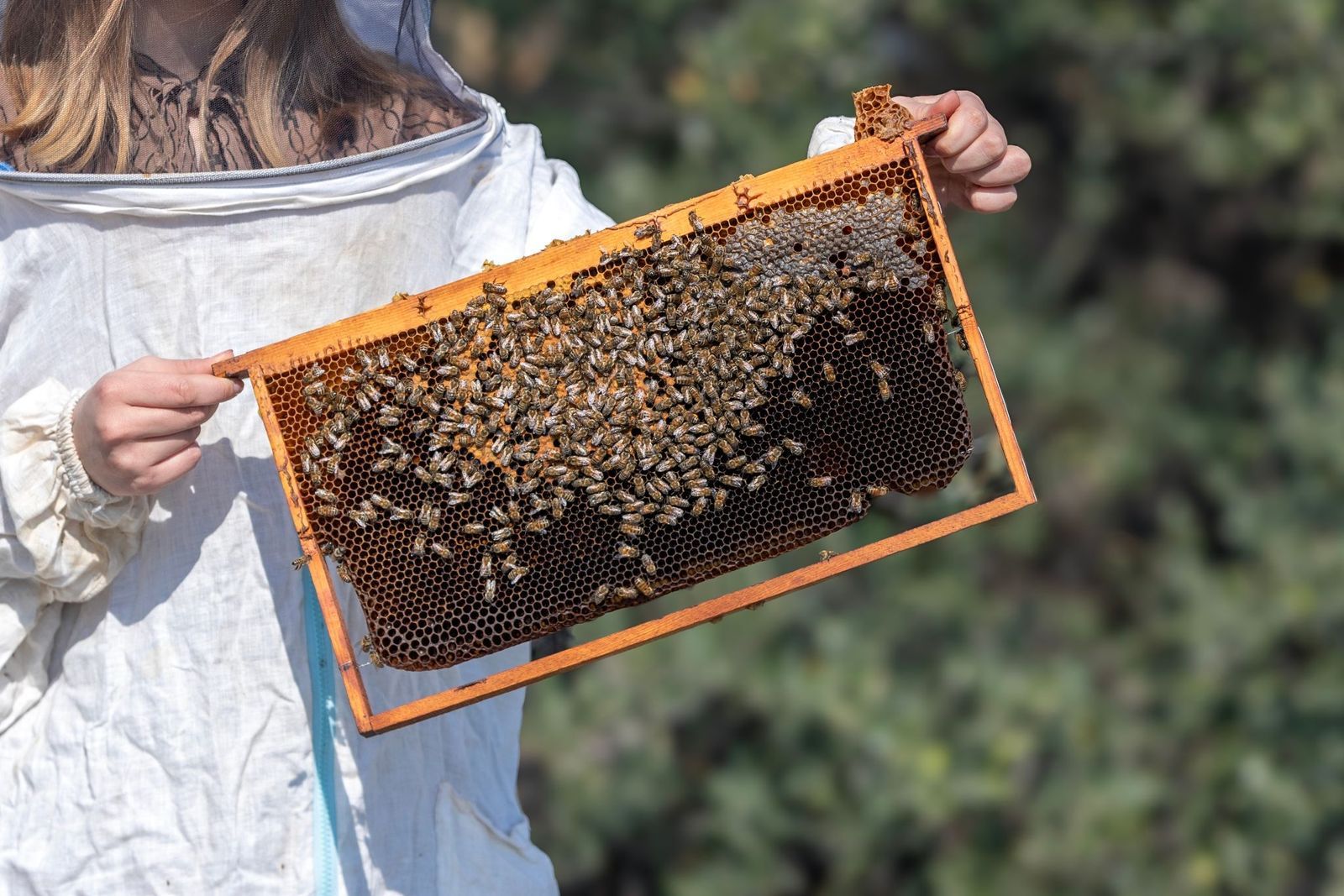
For a gentler, nature-centered approach, the historic Inn at Stonecliffe on Mackinac Island, Michigan, invites travelers into the buzzing world of the honeybee. Led by local beekeepers, this experience allows guests to wear full protective gear and work on hives located in the property’s apple orchard.
You will learn the intricate dynamics of a hive, from the social hierarchy of worker bees to the science of how nectar is transformed into honey. In addition to acquiring a new skill, tasting raw honey right from the comb deepens your appreciation for local ecology and agricultural preservation.
Setting sail on the Chesapeake Bay
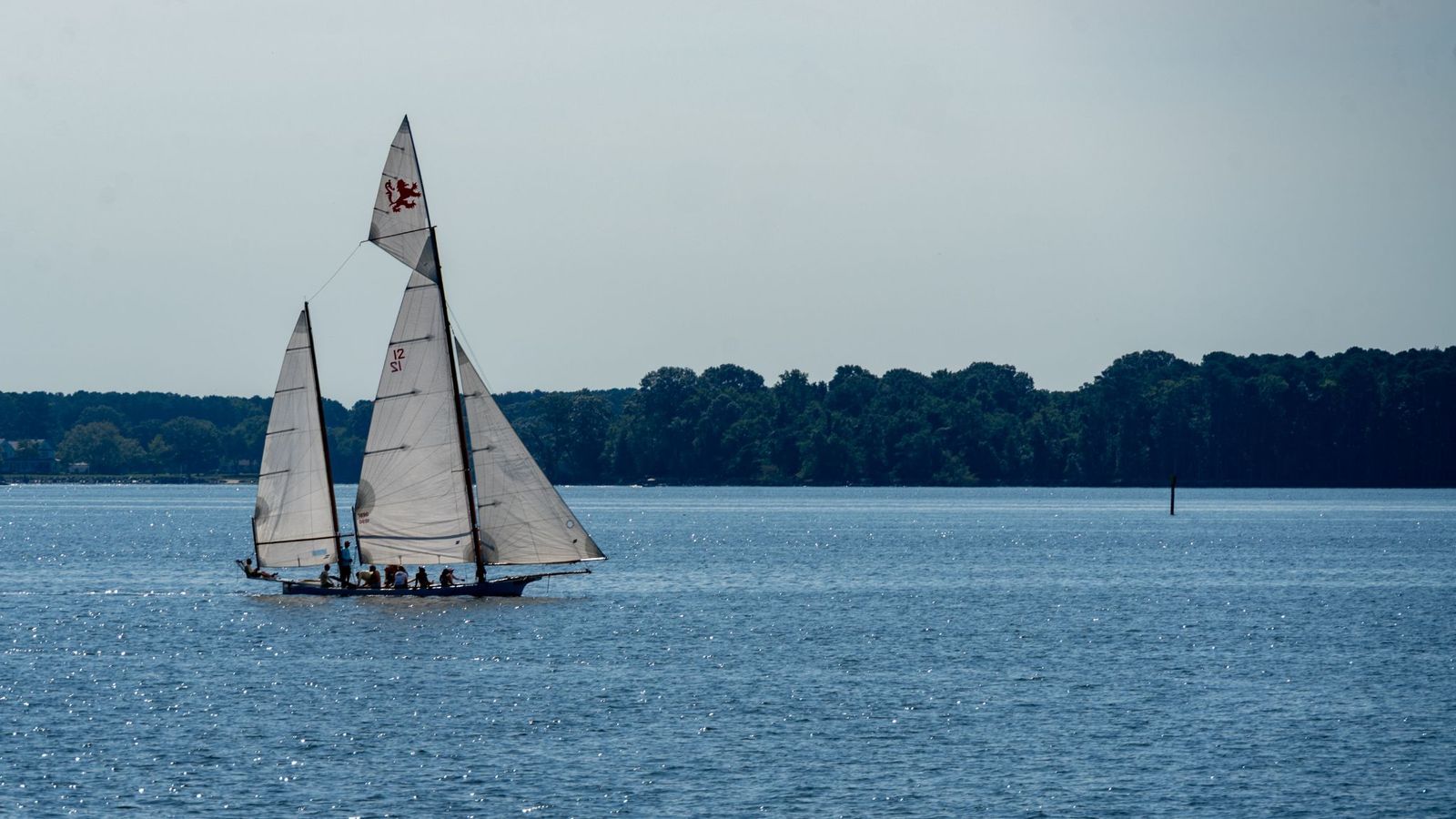
Infused by a rich maritime history, St. Michaels, Maryland, offers the ultimate classroom for anyone looking to learn the ropes of sailing. At the historic Inn at Perry Cabin, beginners can book the "Sailmate Experience," which provides private lessons directly on the Miles River and the expansive Chesapeake Bay.
Sailing requires a blend of mental focus and physical coordination. In a single weekend, you will learn the fundamentals of rigging (setting up the ropes and chains that support the mast and sails), basic navigation, tracking wind patterns, and steering the vessel. Learning how to adjust the mainsail and jib to harness the wind is a classic nautical skill that stays with you forever.
Regional music in Hawaii
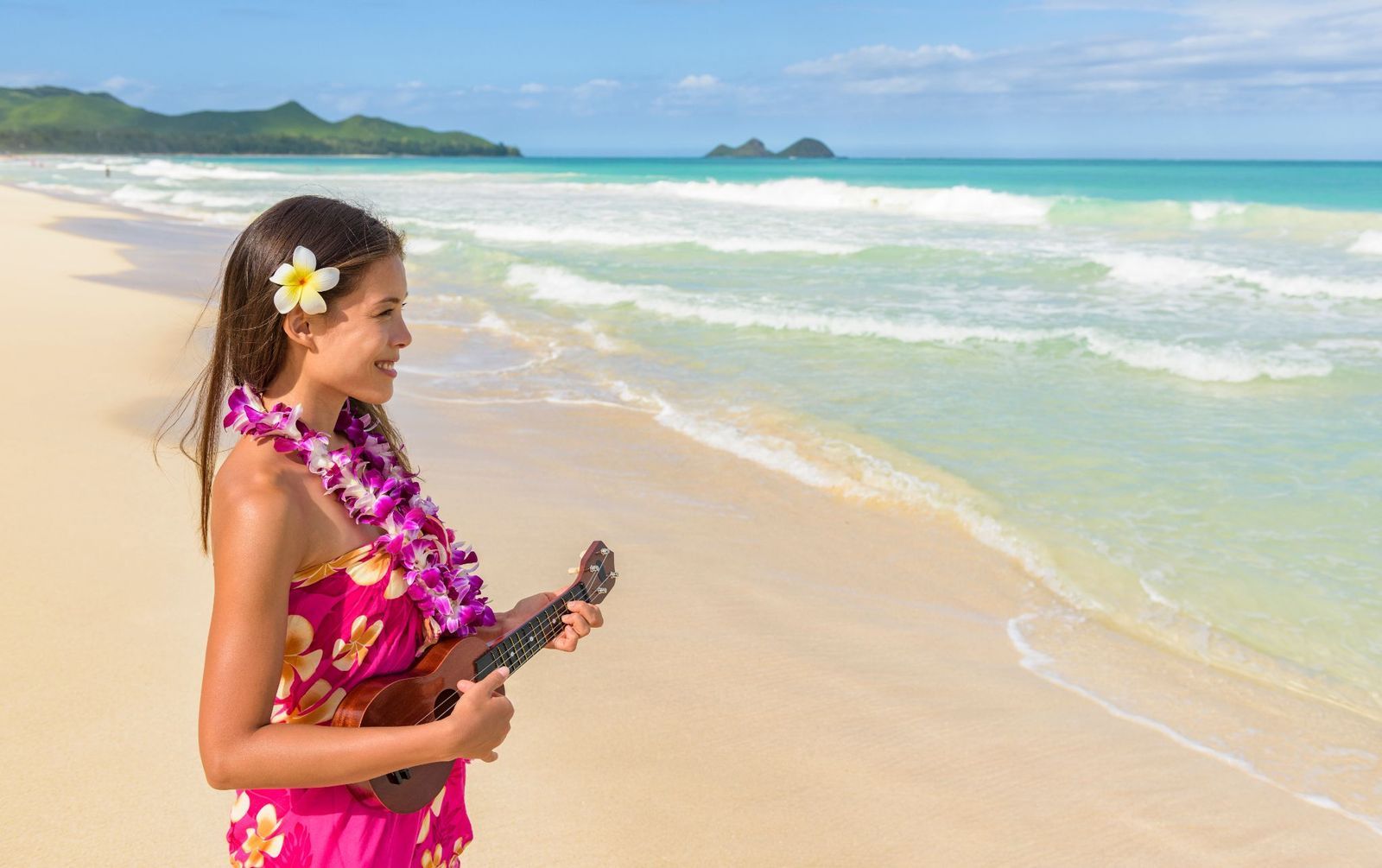
Truly connecting with a destination sometimes means tuning into its unique culture. On the shores of Maui and Kauai, resorts like the Grand Wailea and the Sheraton Kauai Coconut Beach Resort encourage guests to take a piece of the authentic aloha spirit with them through traditional ukulele classes.
Guided by local musicians, in these lessons you will learn the history of the instrument, the meanings behind traditional songs, and the rhythmic patterns that define Hawaiian music. Returning home with the ability to strum a cheerful song ensures your connection to the islands stays alive long after your tan fades.
Learn to be a cowboy in Arizona
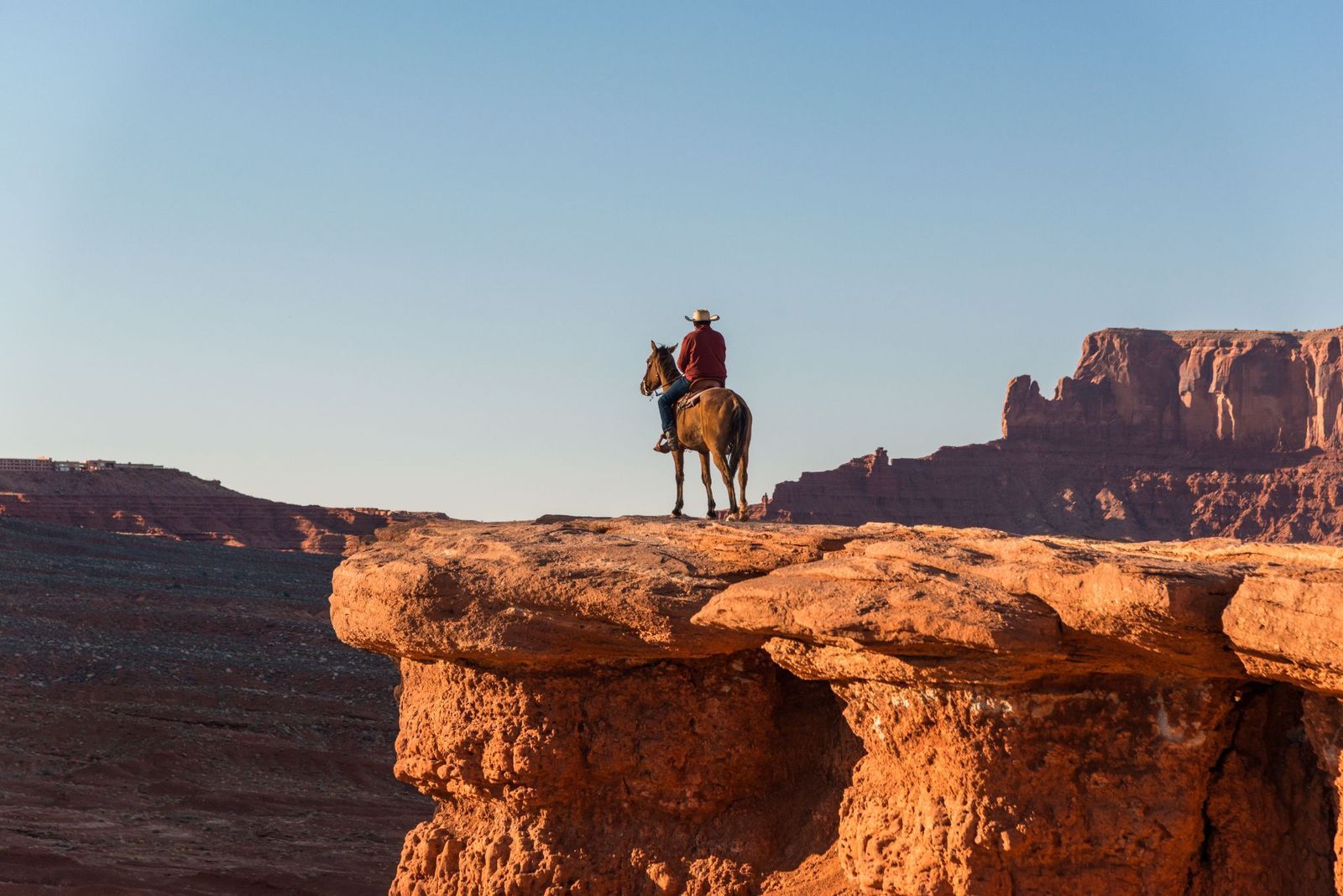
If you’ve ever dreamed of leaving modern life behind and stepping into the Old West, Scottsdale, Arizona, is the answer. The Arizona Cowboy College offers fully immersive ranching sessions designed to teach you exactly what it takes to live life as an authentic American cowboy or cowgirl.
From sunrise to sunset, you’ll be learning horse grooming, cattle management, roping, horseshoeing, and how to safely set up a traditional cow camp. Working closely with ranch experts forces you to slow down and develop a functional skill set.
Culinary arts in Las Vegas
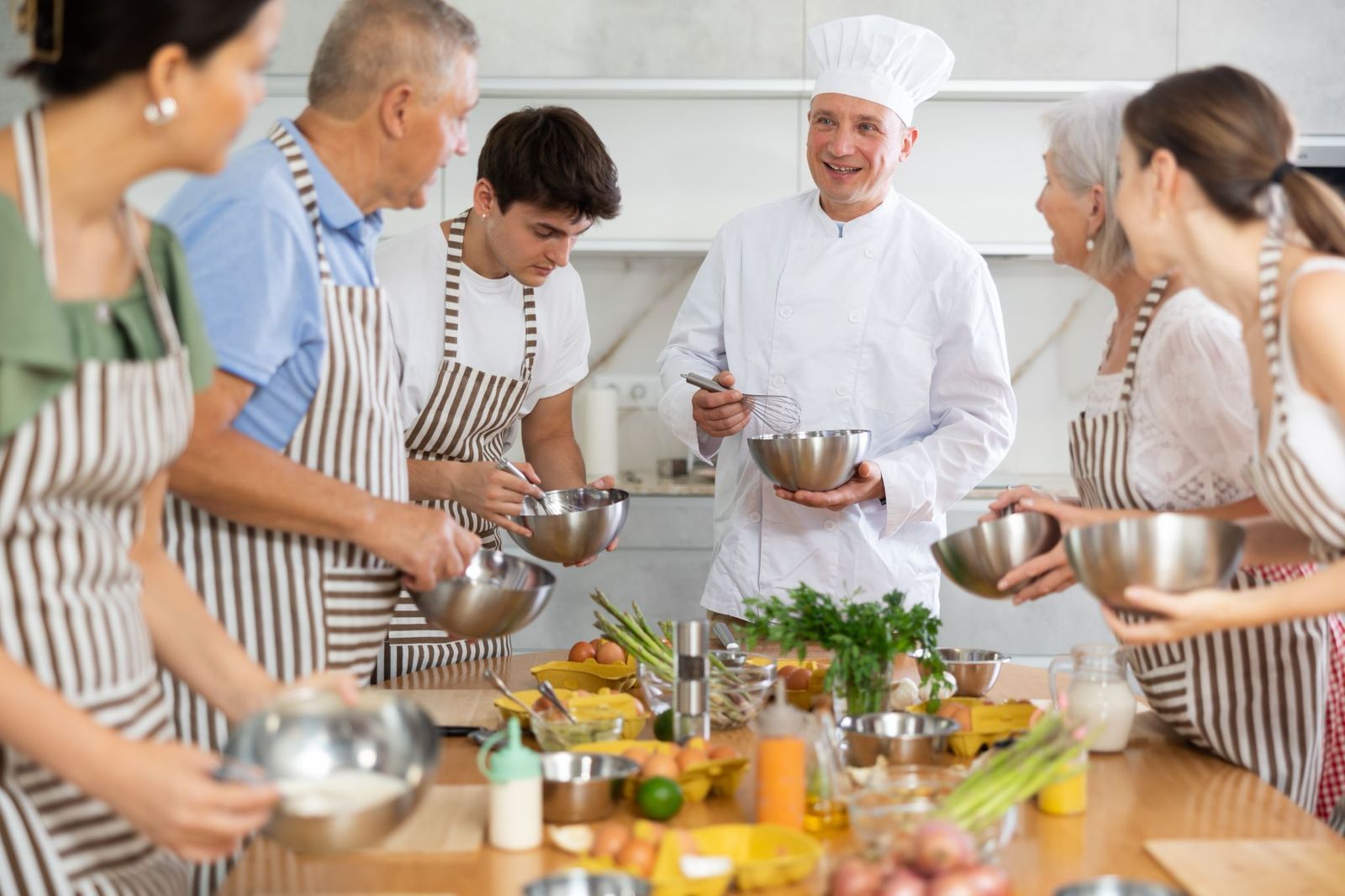
We all know Las Vegas is famous for its entertainment, but it’s also a culinary capital of the world. In addition to eating at Michelin-starred restaurants, you can learn from the best chefs in the business.
At Paris Las Vegas, "The Bedford by Martha Stewart" offers curated cooking classes where guests work alongside culinary minds to perfect classic dishes. Over at the Wynn, the "Connoisseur Series" allows you to study under elite culinary figures who teach their distinct styles, from barbecue to Malaysian, Chinese, and American dishes.
Backcountry skiing in Montana
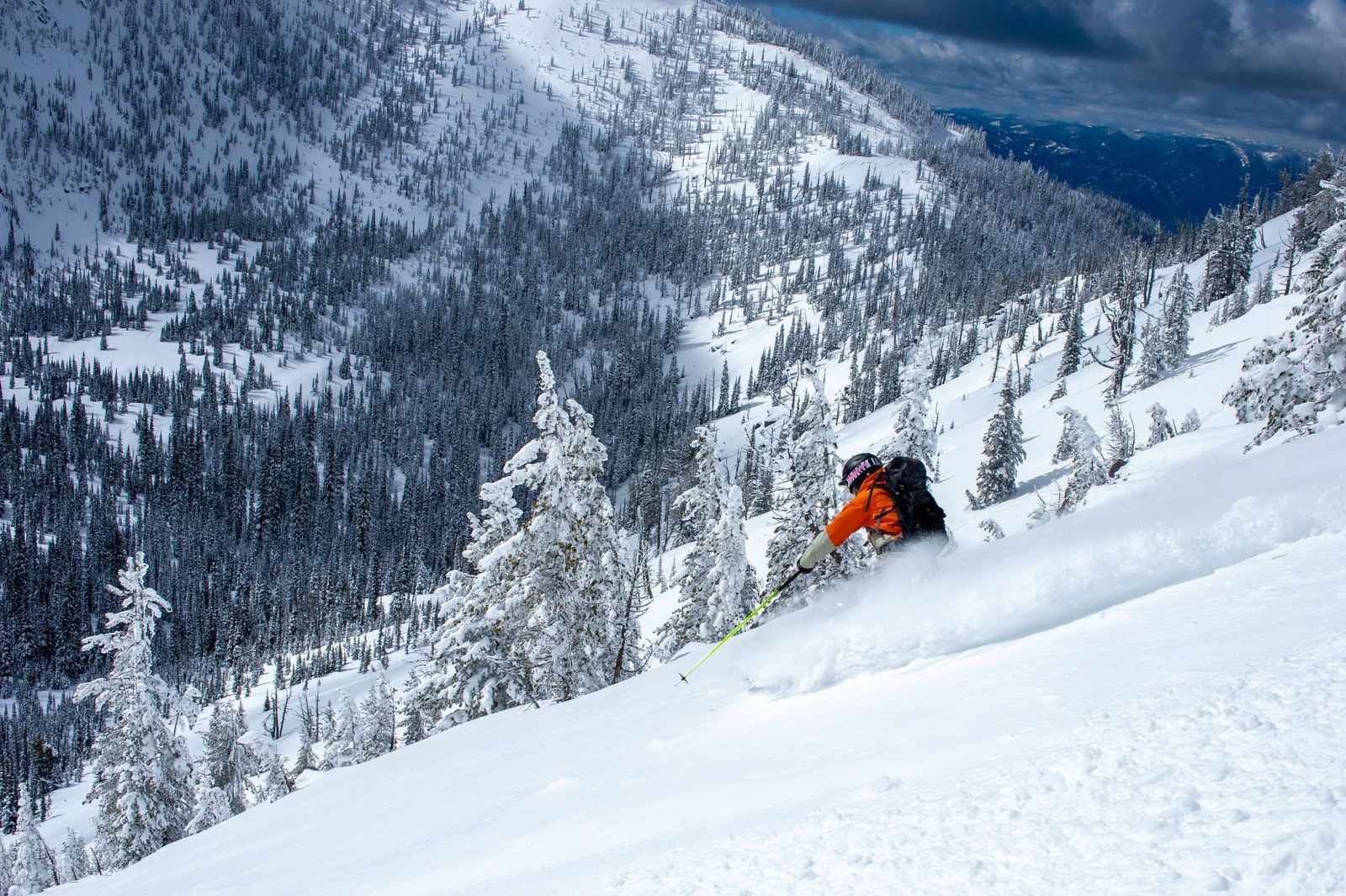
For advanced resort skiers looking to avoid chairlifts and crowded slopes, a backcountry skiing clinic is the ultimate winter skillcation. And the towering peaks of Montana are the perfect background for doing just that.
Based out of specialized mountain lodges near the Big Sky region, these courses focus on avalanche safety and snow science. You will learn how to read snow packs, use an avalanche beacon and probe, navigate uncharted terrain, and use traction strips to climb up mountains before skiing down pristine snow.
Drawing and painting in Joshua Tree
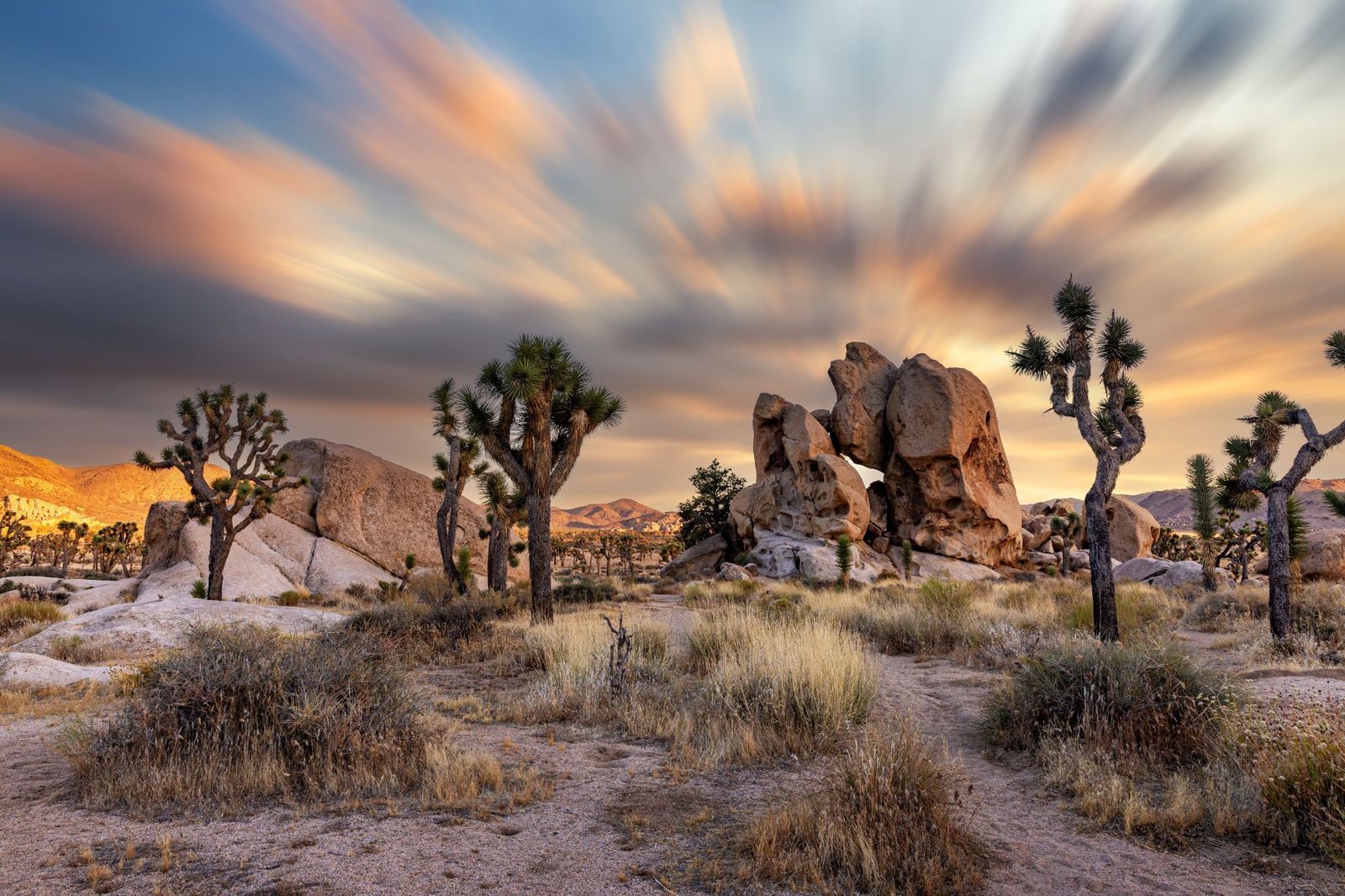
The dramatic landscape of Joshua Tree, California, has long drawn artists and musicians. The unique rock formations and surreal trees create a playground of colors, light, and shadows, making it a spectacular location for outdoor painting and drawing clinics.
Led by resident artists, these workshops teach you the principles of plein air painting. You will learn how to capture the changing hues of the desert sun and mix colors that reflect the sand and sagebrush. Spending hours quietly observing the desert landscape creates a mindful connection to the environment that camera photos simply can’t replicate.
Scuba diving in the Florida Keys
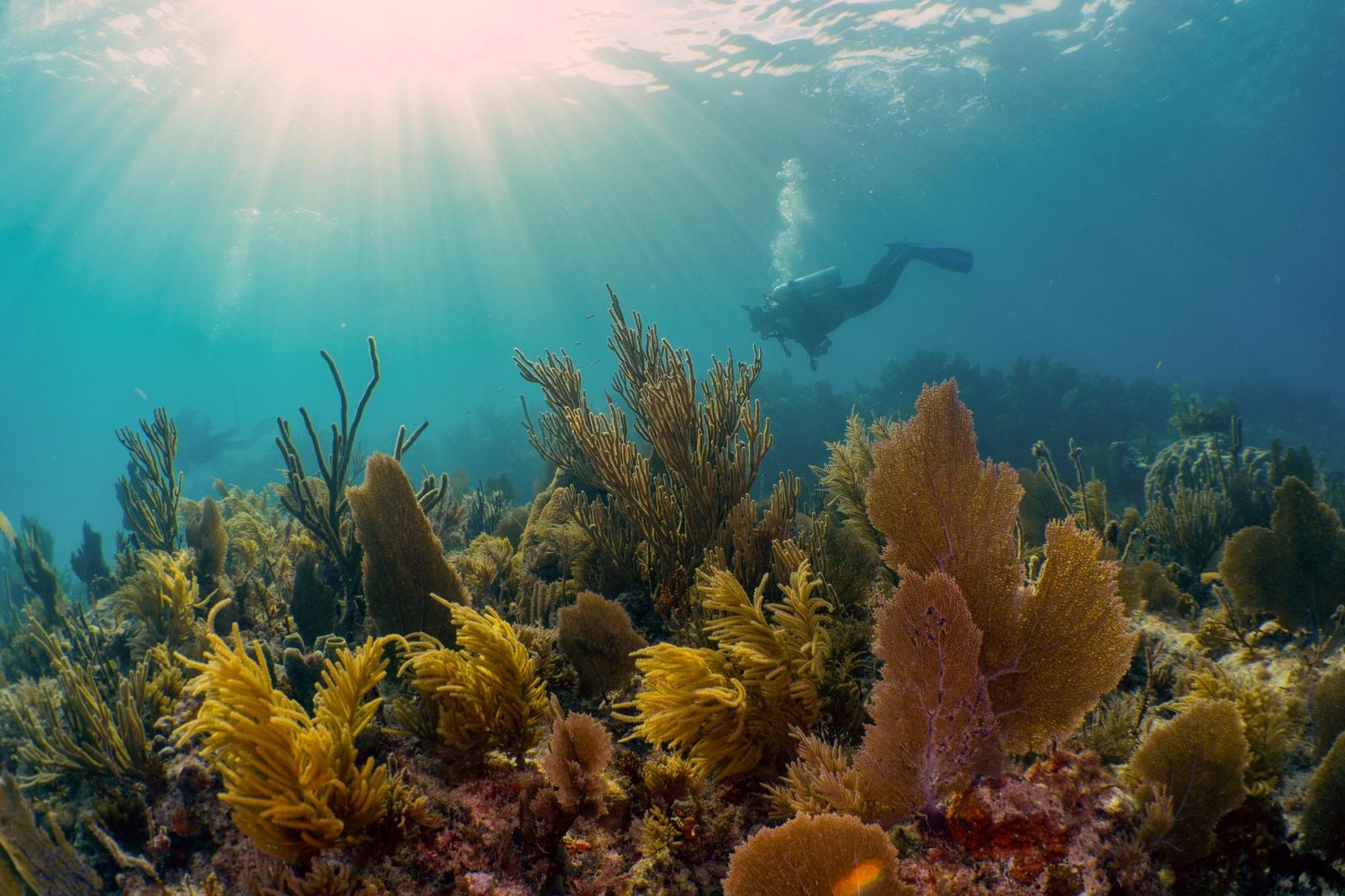
For an unforgettable underwater skillcation, head down to the Florida Keys. This group of islands is home to the only living coral reef barrier in the continental United States, making it the perfect backdrop to earn your scuba diving certification.
Acclaimed dive centers like Looe Key Reef Resort, Islamorada Dive Center, and Captain Hook’s Marina guide you through the process step-by-step. You’ll start with pool instructions to master breathing techniques and regulator safety, before advancing to open ocean dives. Graduating from a novice to a certified diver while swimming alongside sea turtles, eagle rays, and coral structures turns a standard beach vacation into a transformative experience.
Glassblowing in Burlington, Vermont
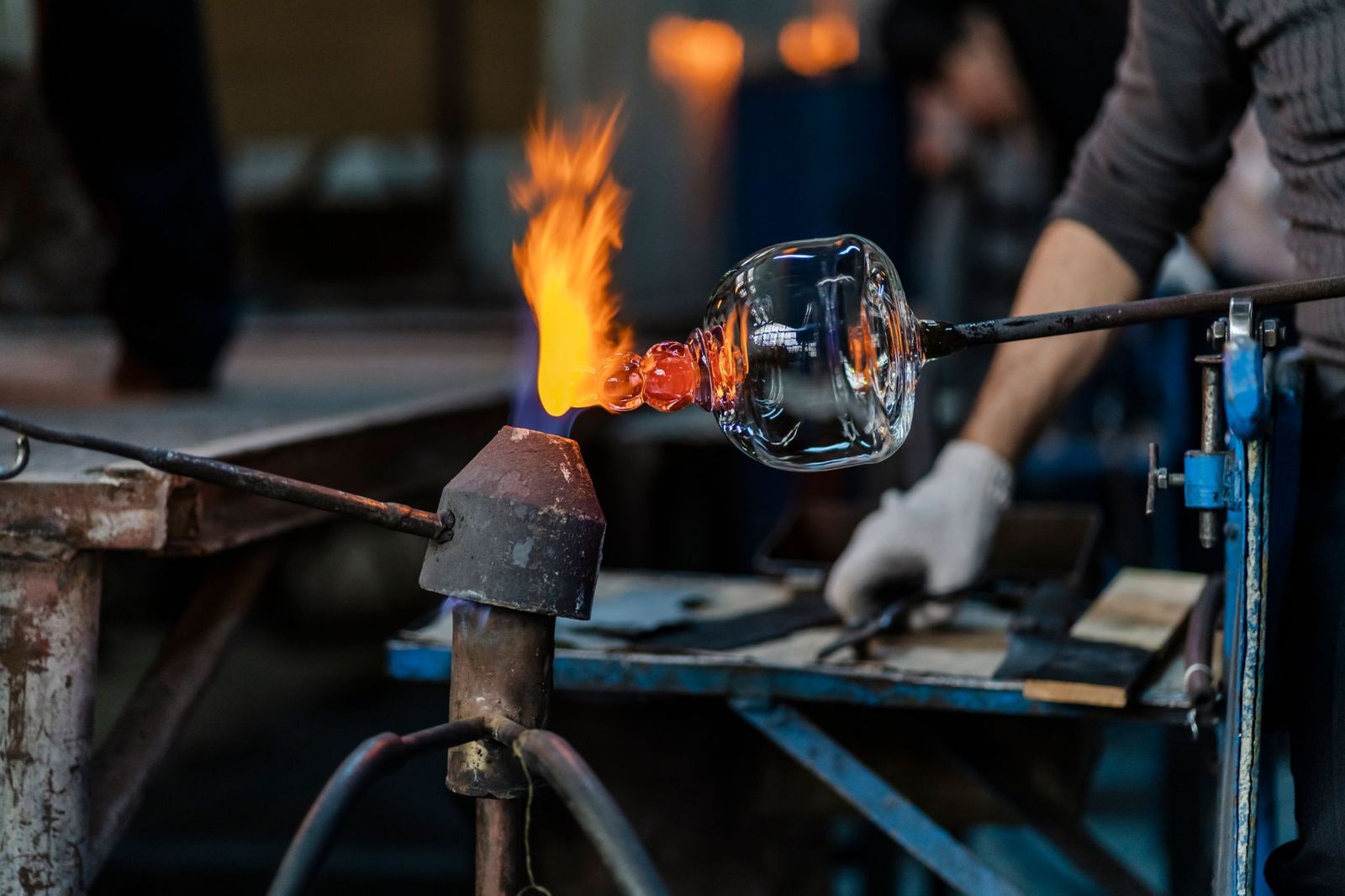
The shores of Lake Champlain, Burlington, Vermont, boast a thriving, creative community of world-class artisans. It’s also an ideal place to step into a hot shop and try your hand at the ancient craft of glassblowing.
Local glass studios offer intensive weekend workshops where you learn to work alongside a molten furnace operating at over 2,000 degrees Fahrenheit. Instructors teach you how to gather liquid glass onto a blowpipe, use breath control to expand the piece, and use traditional wooden tools to shape beautiful glass art you can take home as a unique souvenir.
Kitesurfing in Baja
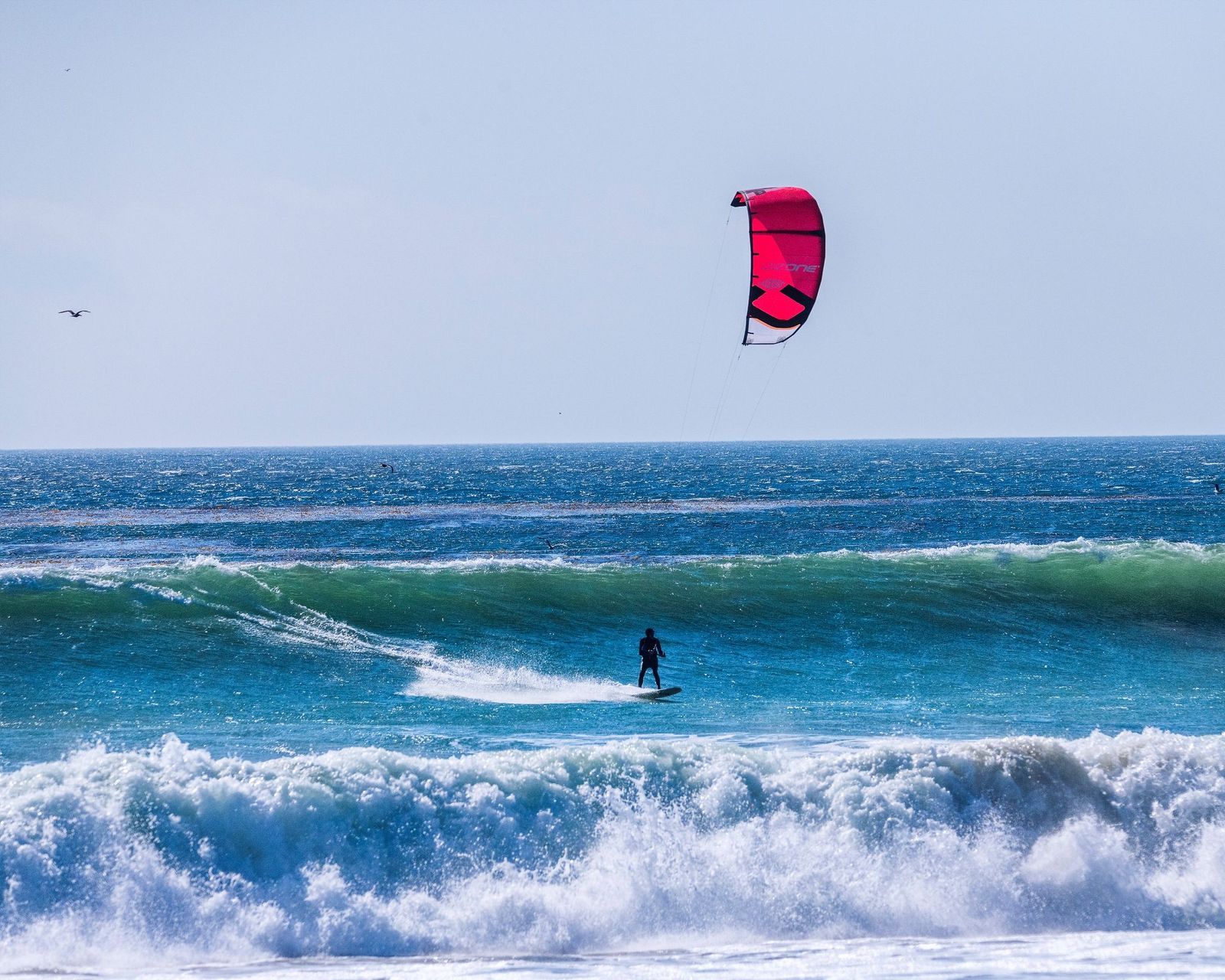
If your idea of a perfect getaway involves water sports, look no further than the shores of Baja California Sur. About 45 minutes south of La Paz sits La Ventana, a small beach town that has grown into one of North America’s premier destinations to learn kitesurfing.
During the winter months, the El Norte winds create a playground of consistent breezes. For a fully immersive trip, some glamping resorts pair lessons from expert instructors with comfortable beach lodging. You’ll spend your days mastering wind theory, learning how to launch and control your kite, and finally glide across the blue waters of the Sea of Cortez.
Keep wandering
There’s always
more to explore
 Geography

This mountain isn't one volcano, it's actually three
7 min.
Read Now
10 surprising Disneyland secrets even diehards don’t know about
4 min.
Read Now
 History
Has air travel improved or worsened? These 10 facts will change your mind
4 min.
Read Now
Built to disappear: 10 World’s Fair landmarks that stayed
7 min.
Read Now