These phone tricks can make you save money and so much more
 General
Your travel buddy
These phone tricks can make you save money and so much more
When you're traveling, your phone is the ultimate Swiss Army knife in your pocket, and knowing the right tricks can turn a stressful trip into a breeze.
Did you know that a quick call to your carrier before you board could save you from coming home to an expensive bill? Or that you can download entire city maps before you leave so you’ll never be lost, even without a cell signal? These and other tricks will help you use that device in your hand to travel smarter, safer, and with much more confidence.
Download your maps before you leave home
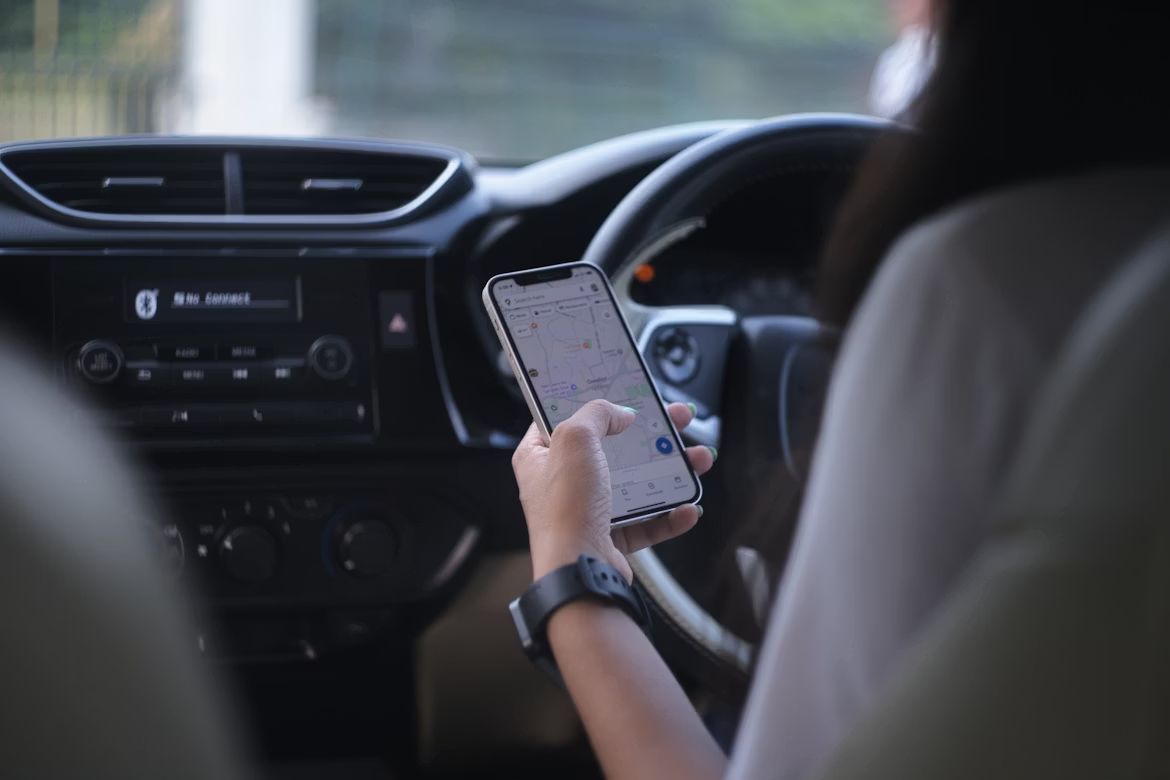
You can save Google Maps for offline use before your trip, meaning you can navigate even when you have zero cell service. Just open Google Maps, search for the city or region you're visiting, tap the three dots in the corner, and hit "Download offline map."
Data roaming abroad can cost you a small fortune, and even domestically, rural areas have spotty coverage at best. With your map saved offline, you can still find that charming diner on Route 66 without burning through your data plan.
Set up your phone for international traveling
Before you board that flight, call your carrier and ask about an international plan. Most carriers offer temporary add-ons that let you use your phone abroad for $10–$15 a day without coming home to a bill that looks like a ransom note.
If you’re feeling more adventurous, you can also pick up a local SIM card when you land. It’s cheaper for longer trips, and locals at the airport kiosks are usually happy to help you swap it in.
Use your phone as a safety net
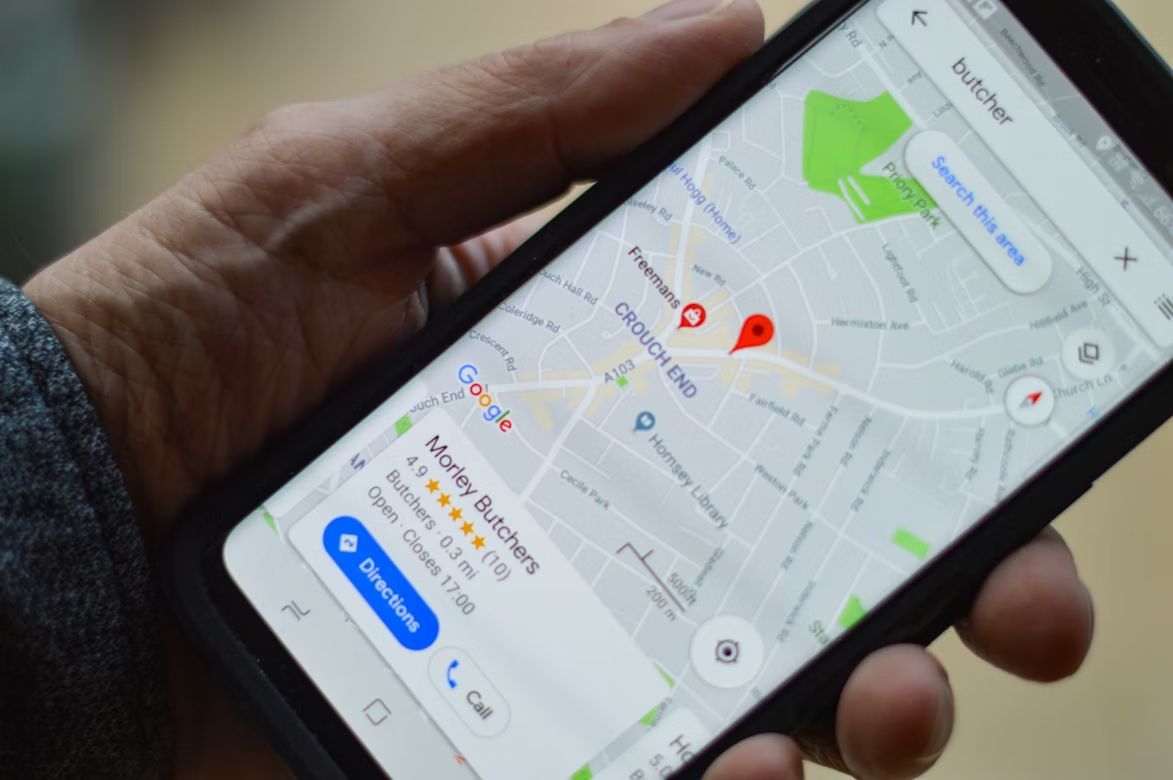
Share your itinerary with a family member back home using a simple app like "Find My" (iPhone) or "Google Maps location sharing" (Android). It lets someone you trust see where you are in real time, which is genuinely reassuring for everyone involved.
Also, take a photo of your passport, travel insurance info, and hotel address, and store it in your phone's photos or email it to yourself. If your wallet gets stolen or you just can't find things in a panic, having those details one tap away is pure gold.
Keep your boarding passes and tickets in your phone’s wallet
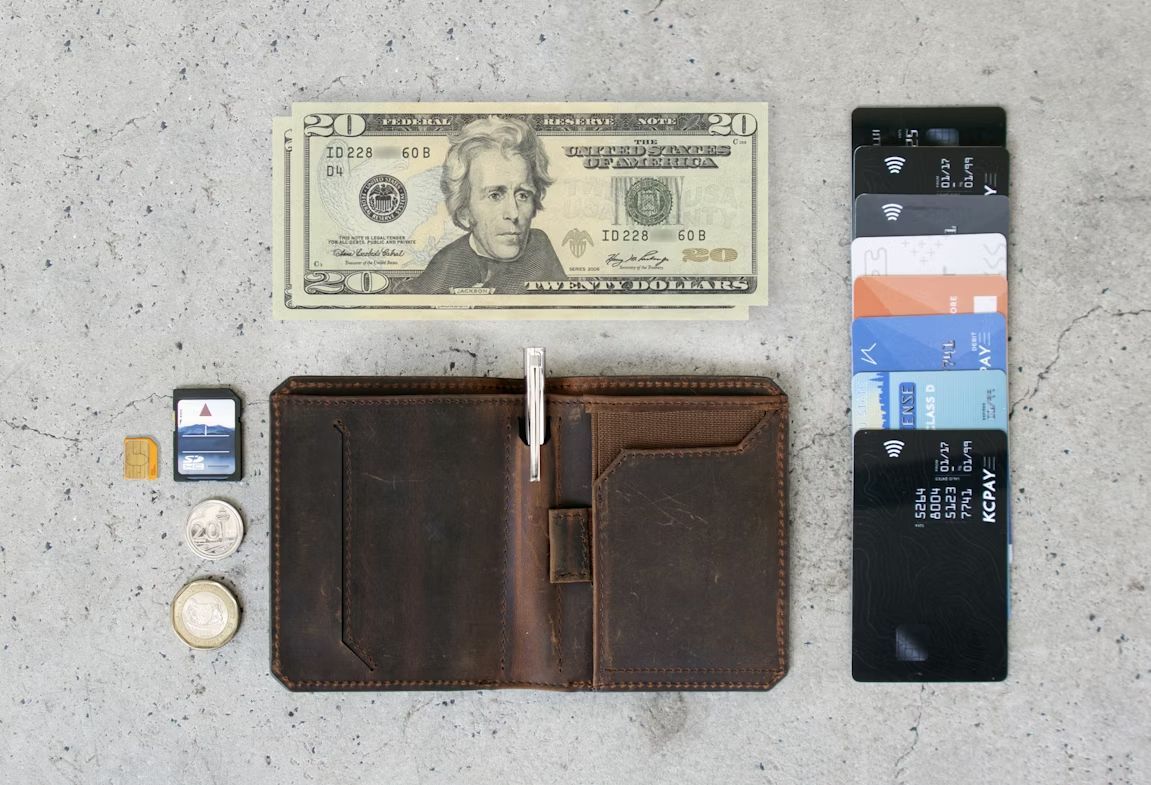
Both iPhone and Android phones have a built-in "Wallet" or "Google Pay" app where you can store digital boarding passes, hotel confirmations, museum tickets, and more. Airlines and most booking apps will offer you an "Add to Wallet" button. Tap it. Done.
It sounds like a small thing, but having everything in one place makes airports and train stations so much less stressful. Still, it’s worth keeping a physical backup, since your phone can run out of battery, lose signal, or glitch at the worst possible moment.
Take better photos
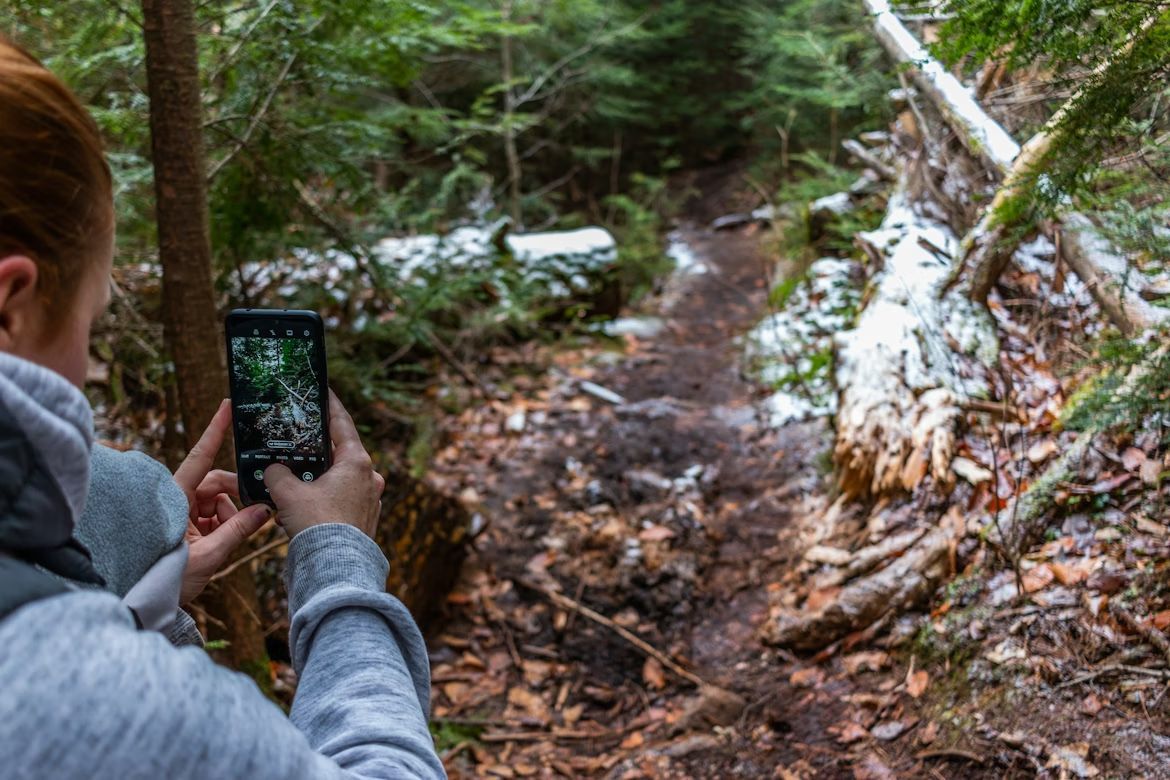
Your smartphone camera is probably better than you think. A few simple habits make a huge difference: tap the screen to focus on what matters, hold the phone steady with both hands, and when possible, shoot with the light in front of you, not behind your subject. Cloudy days actually make for beautiful, soft photos.
Also, remember to clean your lens. A quick wipe with your shirt before a big shot removes the fingerprint smudges that quietly ruin your vacation photos.
Use your phone to find restaurants like a local

TripAdvisor and Yelp have "Locals’ Picks" filters, which can steer you away from tourist traps and toward places where actual residents eat. Just search the area you're in, filter by rating and distance, and read a few recent reviews.
Bonus tip: Google Maps offers photos taken by real customers, not just the restaurant's glossy marketing shots.
Back up your photos automatically
Nothing ruins a trip memory quite like losing all your photos because your phone fell in the hotel pool. Turn on automatic cloud backup before you leave. iPhone users should check that iCloud Photos is turned on. Android users should enable Google Photos backup.
With this turned on, every photo you take uploads to the cloud whenever you're on WiFi.
Use a translation app
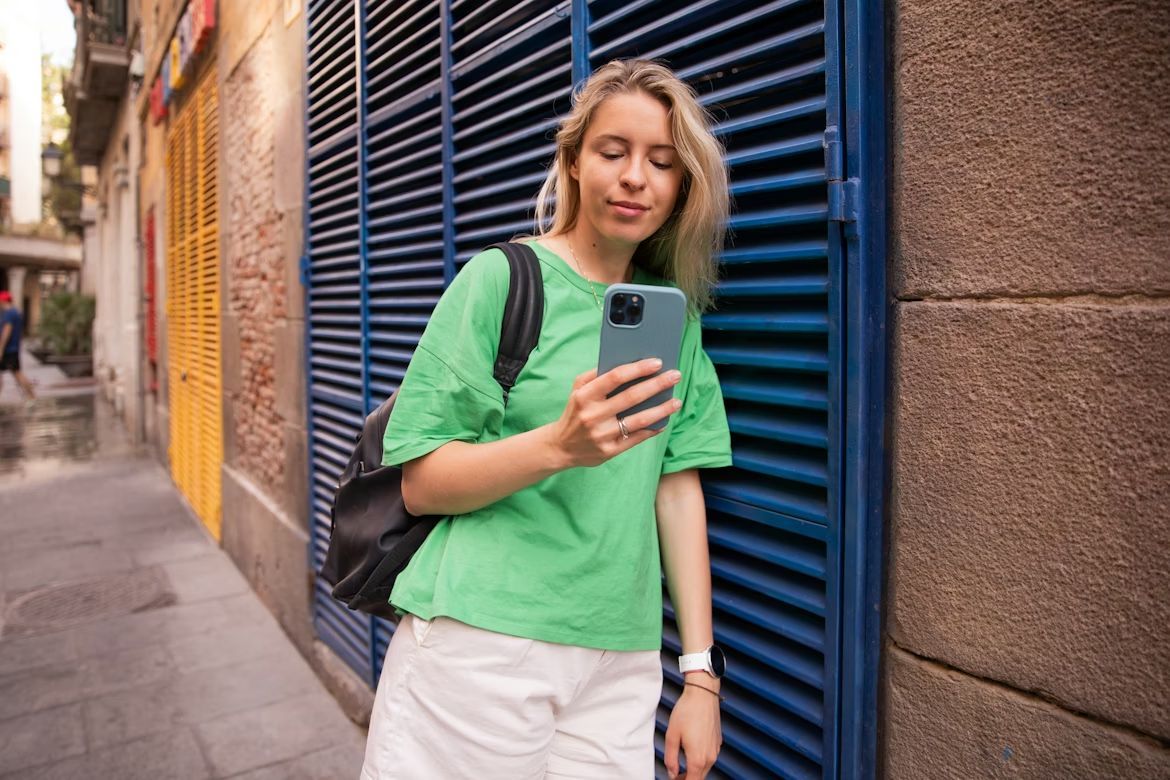
Google Translate is free, surprisingly good, and genuinely fun to use. You can type words, speak into it, or point your camera at a sign or menu and watch it translate the text in real time right on your screen.
Download the language you need for offline use before your trip (same idea as the maps). That way, even if you’re in a cute restaurant in Tuscany with no WiFi, you can still read the menu.
Use "Do Not Disturb" so notifications don’t ruin your vacation
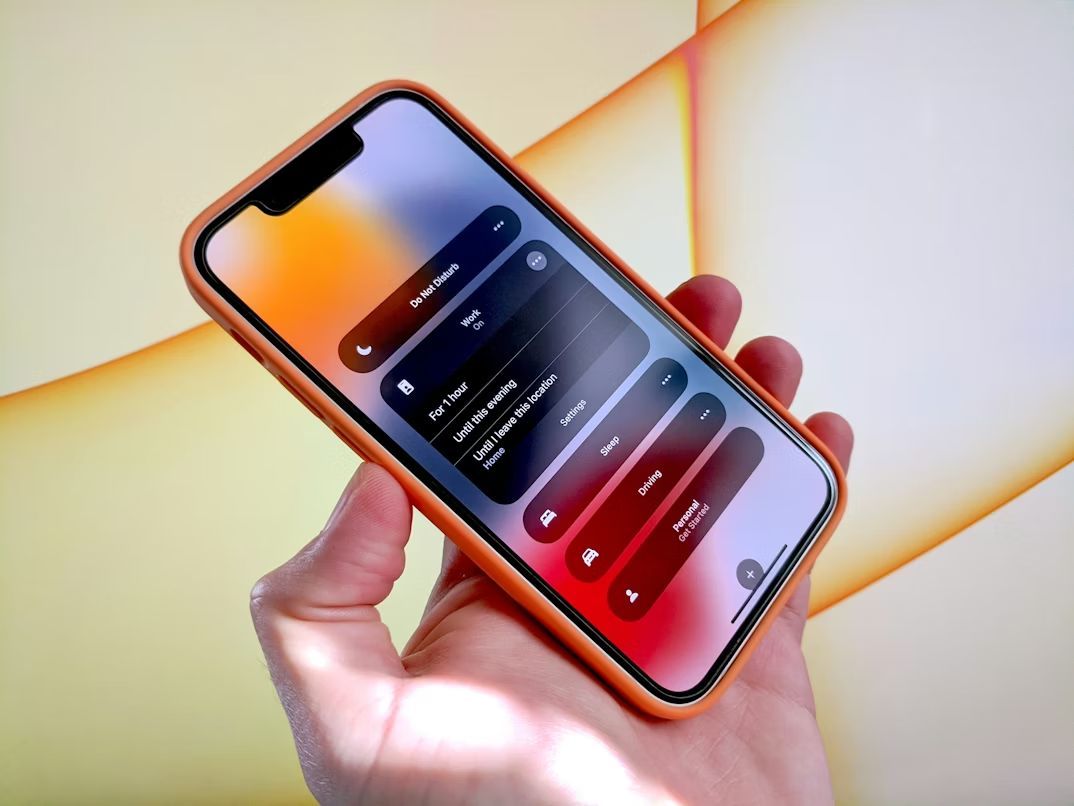
Your nephew's group text about fantasy football and those promotional emails from every store you've ever visited need not interrupt your gondola ride in Venice. Turn on "Do Not Disturb" mode, which silences all notifications except calls from people you designate as favorites.
On an iPhone, swipe down from the top right and tap the crescent moon icon. On Android, it's usually in the quick settings panel (swipe down twice).
Charge smart: Your battery is more fragile than you think

Cold weather, heat, and heavy use all drain your battery faster than normal. Travel with a portable charger: they're inexpensive, small enough to fit in a purse or jacket pocket, and they've saved many a traveler stranded in an airport with a dead phone and no gate information.
Also, put your phone in "Low Power Mode" (iPhone) or "Battery Saver" (Android) when you’re out exploring and know you won’t be near an outlet for hours.
This item could save your life on your visit to a national park
Trail essentials
Hitting a national park? Don’t leave home without these 10 items
So you’ve finally decided to head out to one of America's incredible national parks. Whether you've been meaning to visit Yellowstone for 20 years or just got inspired by a documentary on the Grand Canyon, there's no better time. But before you throw anything into a backpack willy-nilly, be sure to get your hands on the America the Beautiful Pass, which will save you a lot of money at the gate, and pick up a pair of sturdy boots: your old sneakers are not going to cut it on the trail. Here's a rundown of the ten things you really don't want to leave home without.
America the Beautiful Pass
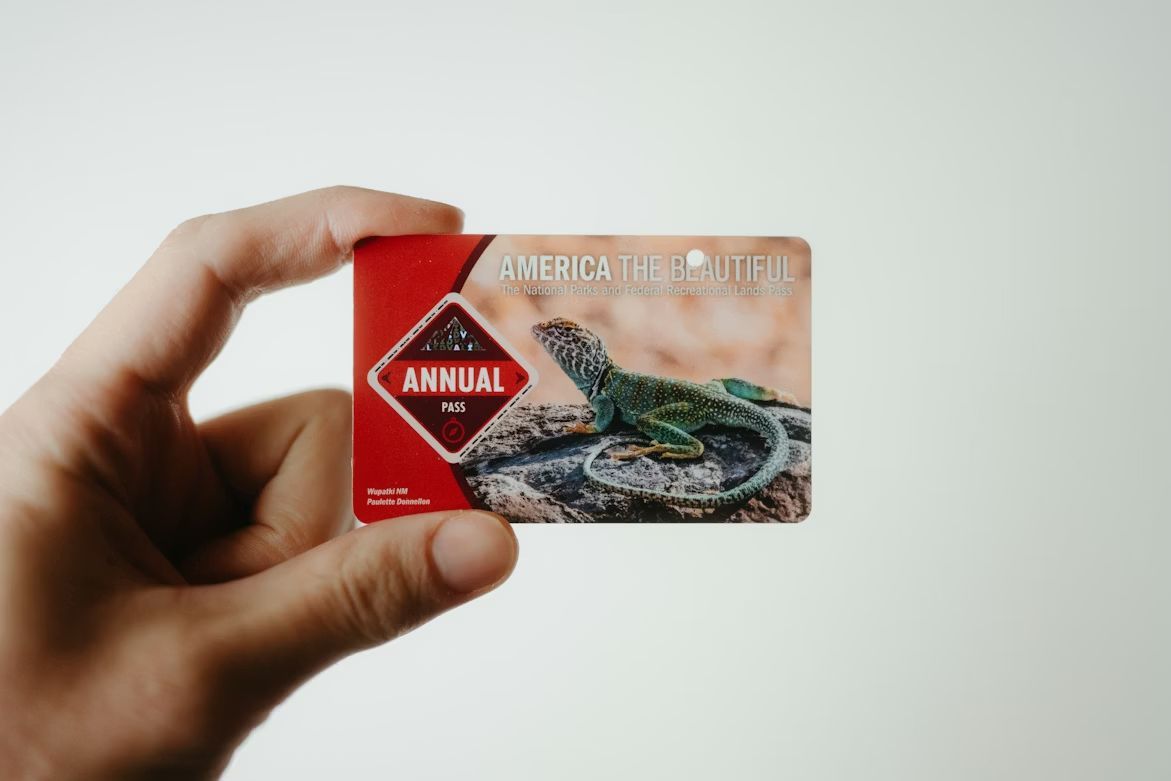
The America the Beautiful Pass is essentially an annual membership card to over 2,000 federal recreation sites across the country, including all national parks. You pay once—currently $80 a year—and you're in everywhere, no per-visit fees.
Picture this: you've driven hundreds, if not thousands, of miles to the entrance of Grand Teton National Park in Wyoming, and the line of cars stretches back a quarter mile. With your pass, you sail right through the annual pass lane, skip the fee booth entirely, and you're on your way to Jenny Lake before the folks behind you have even reached their wallets.
Sturdy hiking boots
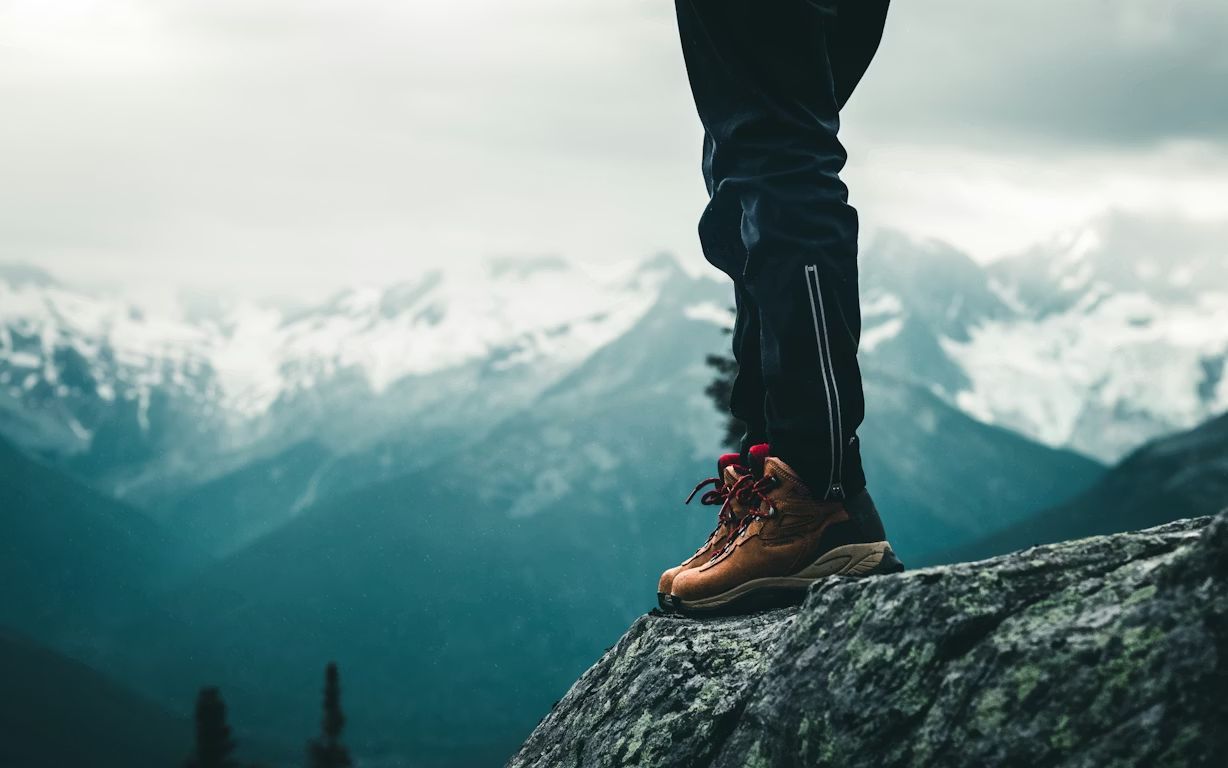
A good pair of hiking boots isn't just about comfort; it's about keeping your ankles stable on uneven ground, your feet dry when you cross a stream, and your knees happier at the end of the day. Look for boots with solid ankle support, a grippy rubber sole, and waterproofing.
Imagine you're hiking the Emerald Pools Trail in Zion National Park, Utah. The path starts easy enough, but before long, you're navigating rocky switchbacks and slick sandstone near the water. In old running shoes, one wrong step and you're sliding. In proper boots with ankle support and traction, you walk it confidently, stop for photos, and make it back to the trailhead without a single stumble or aches and pains the next day.
High-SPF sunscreen & lip balm
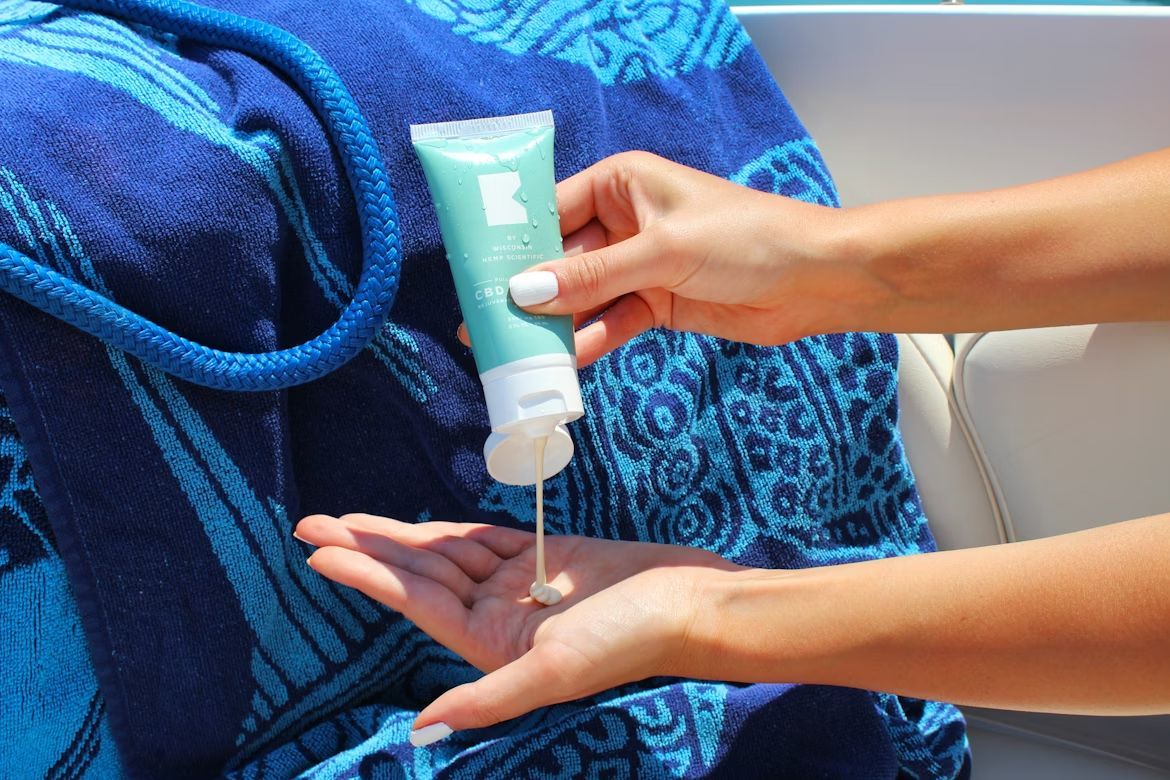
At altitude, UV radiation is significantly stronger than at sea level — about 4% more intense for every 1,000 feet of elevation gain. That means if you're hiking at 8,000 feet, you're dealing with roughly 32% more UV exposure than on the beach. SPF 50 sunscreen, reapplied every couple of hours, plus an SPF lip balm, are essentials you should pack without thinking twice.
Imagine a full day of exploring the geothermal basins at Yellowstone in Wyoming—you're out in the open, no shade, surrounded by white mineral deposits that reflect sunlight right back at you. With sunscreen and lip balm in your pocket, you can spend the day marveling at the geysers without worrying about a painful sunburn.
Bear canister or bear spray
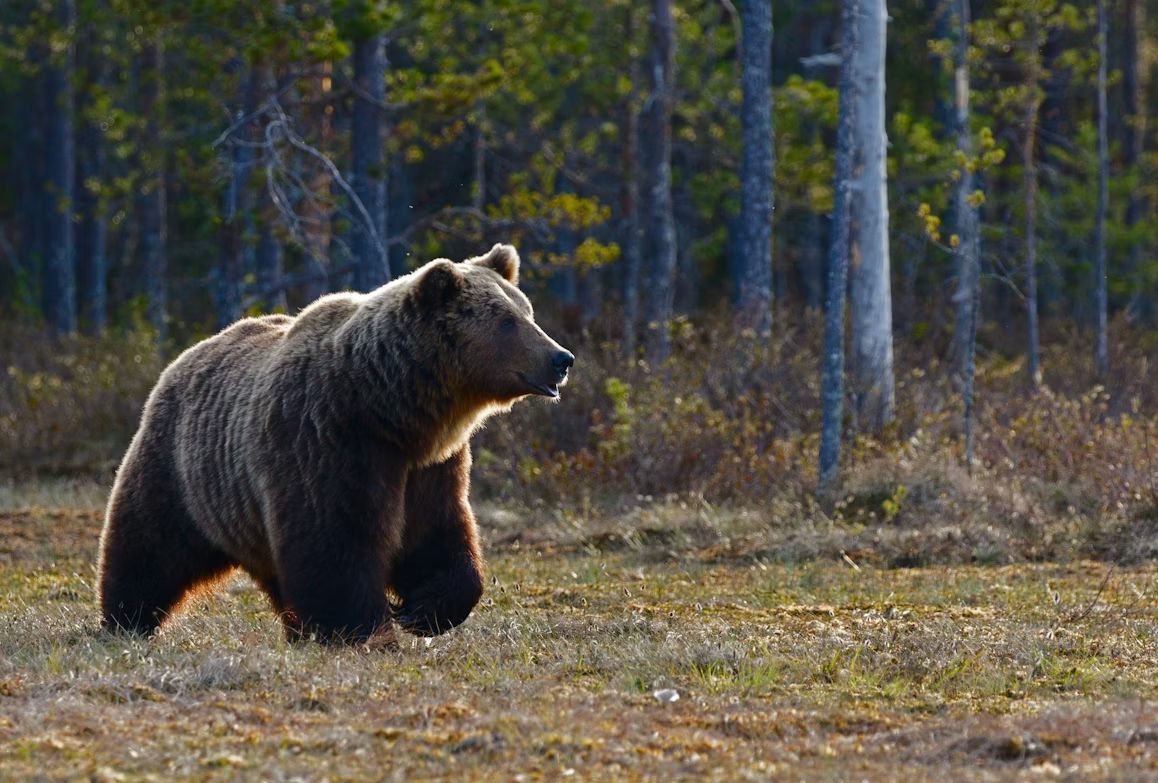
In bear country, which includes Yellowstone, Glacier, the Great Smoky Mountains, and many other national parks, you need to take wildlife safety seriously. Bear spray—a kind of extra-powerful pepper spray designed specifically to deter bears—should be on your hip and accessible, not buried in your pack.
Imagine hiking out of your campsite in Glacier National Park in Montana. On the trail out of your tent, you round a blind corner and a grizzly is just 20 yards away, startled by your sudden appearance. It huffs, pops its jaw, and starts moving toward you. You stand your ground, pull the safety clip off your bear spray, and when it closes within 30 feet, you deploy a short burst. The cloud stops the bear cold; it veers off and disappears into the trees.
Headlamp with extra batteries
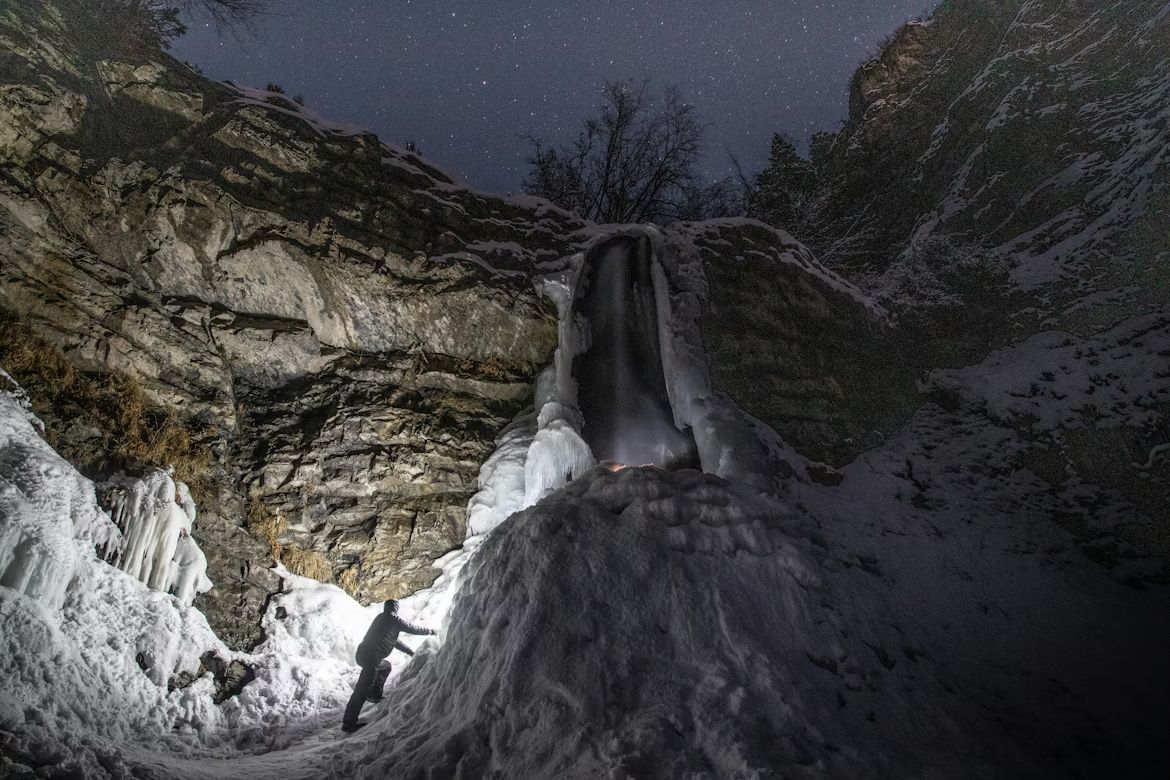
A headlamp is one of those things you hope you never need and will be incredibly grateful for if you do. Hikes run long, sunsets are faster than you expect, and having both hands free beats holding a flashlight every single time.
Consider a late-afternoon hike to see the sunset at Acadia National Park in Maine. You're at the summit of Cadillac Mountain, and the view is so stunning you stay longer than planned. By the time you start back down the carriage roads, it's dark. With a headlamp strapped to your forehead, you walk calmly back to the parking lot.
First aid kit
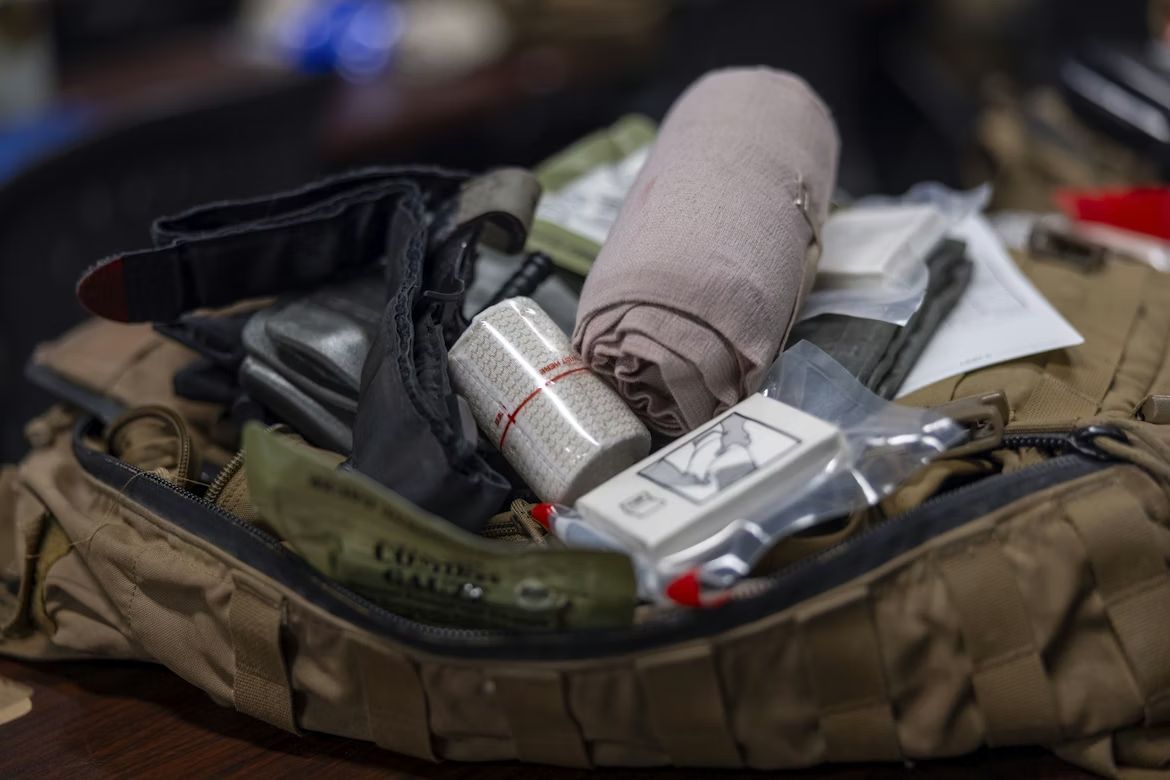
A basic first aid kit doesn't take up much space, and on a trail miles from the nearest road, it can make a real difference. At minimum, pack adhesive bandages, blister pads, antiseptic wipes, moleskin, pain relievers, and any personal medications.
Picture this: you're on the Appalachian Trail section running through Shenandoah National Park in Virginia, and about four miles in, a hot spot on your heel has turned into a full blister. Without moleskin or blister pads, that four-mile return hike becomes excruciating. With a small first aid kit in your daypack, you stop, treat it properly, pad it up, and finish the hike without a second thought.
Snacks & high-energy food
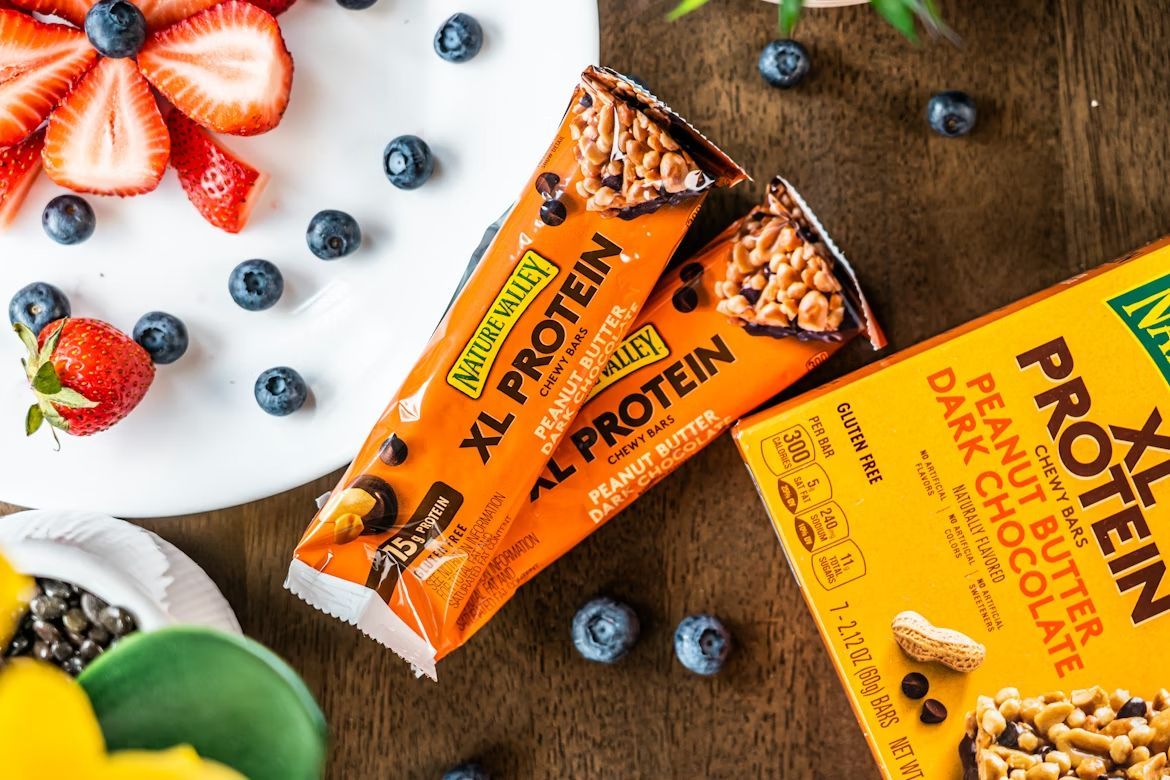
Hiking burns more calories than most people expect, and your energy levels drop faster when you're running on empty. Trail mix, energy bars, jerky, nuts, and dried fruit are lightweight, calorie-dense, and don't require refrigeration.
Say you're exploring the otherworldly hoodoos of Bryce Canyon National Park in Utah on the Navajo Loop Trail. It's more strenuous than it looks on the map, and by the time you've climbed back out of the canyon, you're genuinely spent. You sit down on a bench, pull out a handful of trail mix and a granola bar, and within fifteen minutes, you feel like a person again.
Detailed trail map or offline GPS app
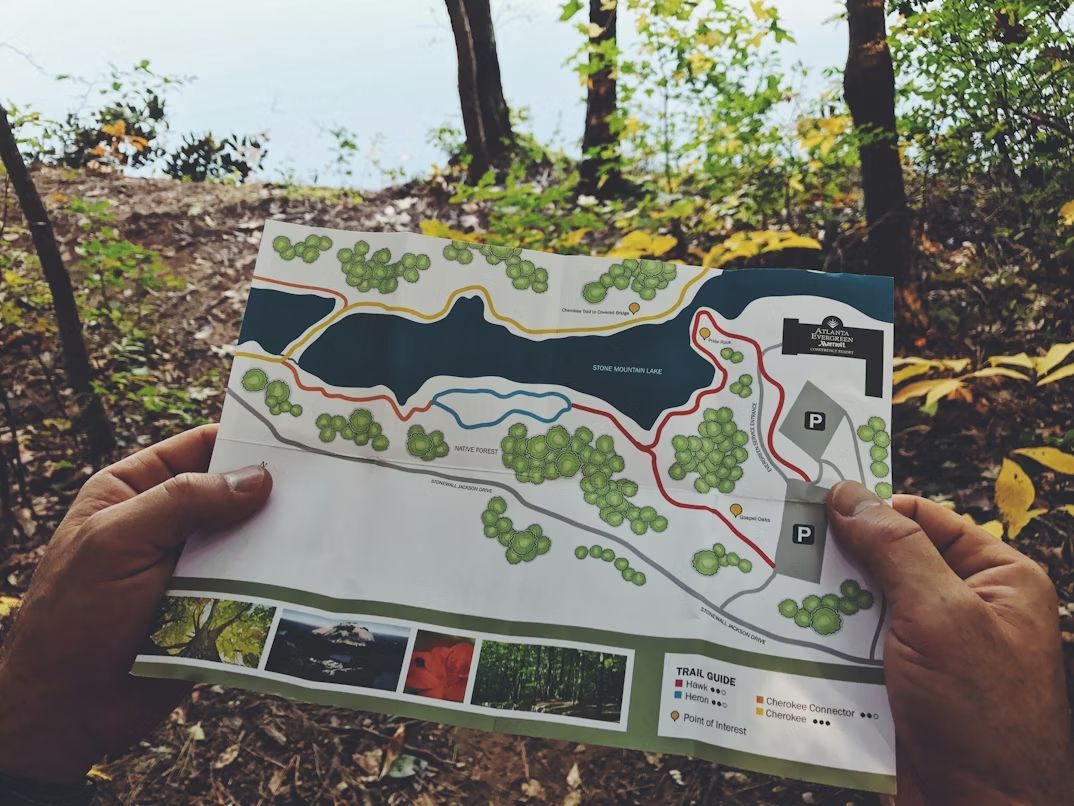
Cell service is unreliable in most national parks. Before you head out, download an offline map through an app like AllTrails or Gaia GPS, or pick up a printed trail map at the visitor center. Knowing where you are and where the trail goes gives you confidence and keeps you safe.
Let's say you're hiking in Olympic National Park in Washington, a massive and often foggy wilderness where trails can look surprisingly similar. You take what seems like the right fork and realize fifteen minutes later that the path is narrowing into overgrowth. With an offline GPS app, you can check your location instantly, see exactly where you went wrong, and backtrack.
Layered clothing
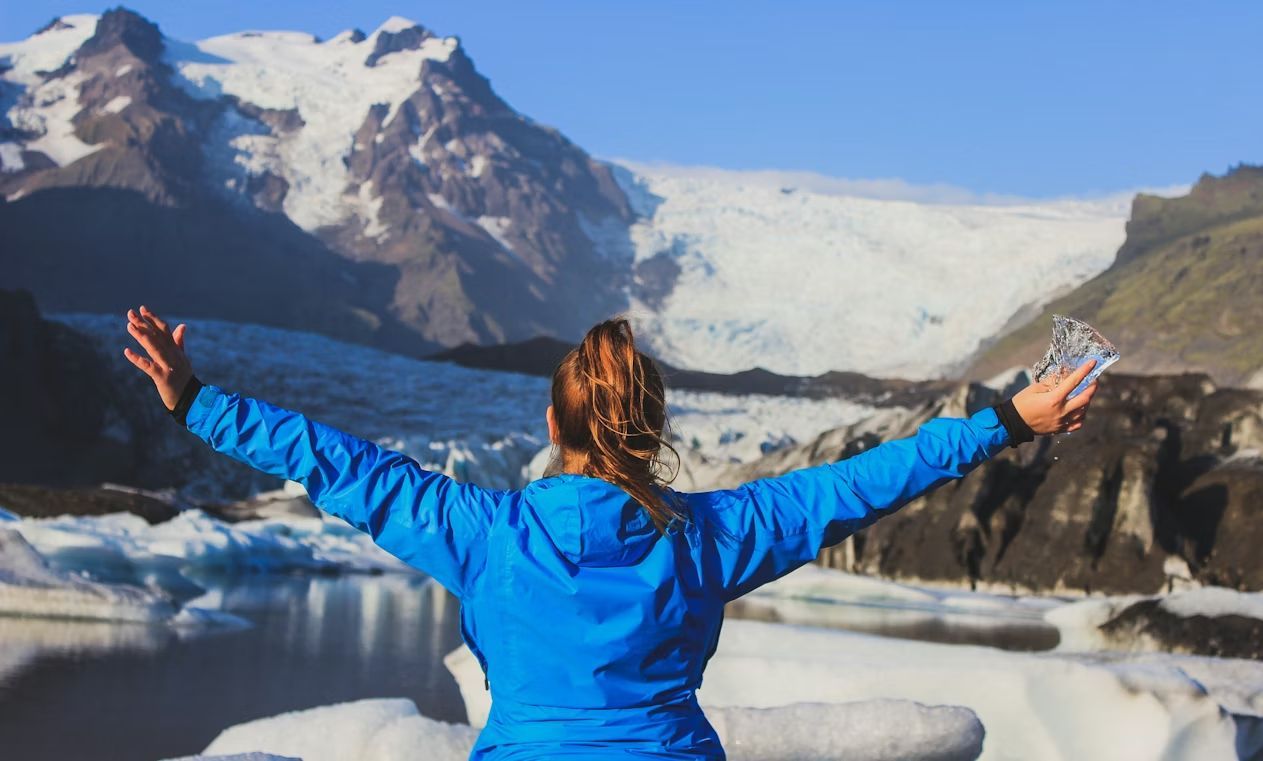
Mountain weather doesn't care about your plans. Temperatures in national parks can swing 30 degrees between morning and afternoon, and an afternoon thunderstorm can roll in out of nowhere. The solution is layers: a moisture-wicking base layer, a fleece or light insulating mid-layer, and a wind- and rain-resistant outer shell.
Say you're starting a morning hike at Rocky Mountain National Park in Colorado at 7 a.m.—it's 45°F and you're glad you have that fleece. By noon, you've peeled down to your base layer because the sun is blazing. Then at 2 p.m., a fast-moving storm rolls over the peaks, and you zip your shell right back on. One bag, three layers, and you've handled everything the Rockies threw at you.
Reusable water bottle or hydration pack
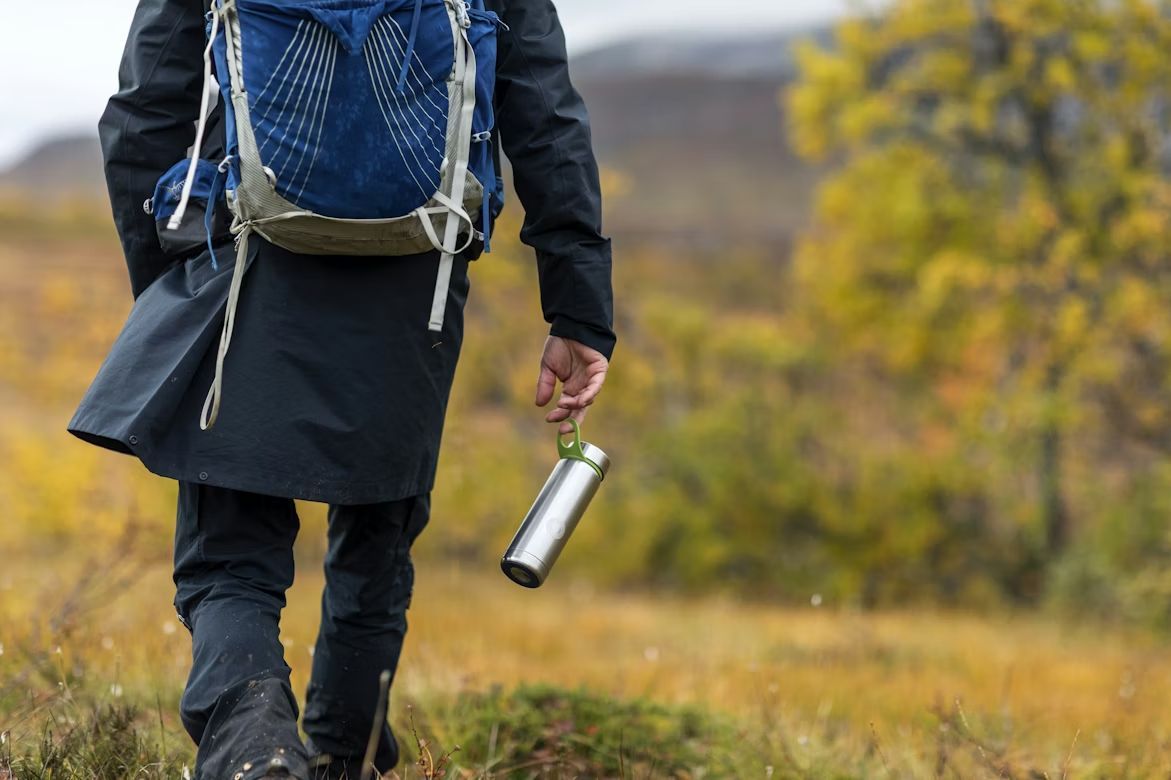
Staying hydrated on the trail is non-negotiable. A reusable 32-oz water bottle is the minimum; a hydration pack—the kind you wear like a small backpack with a drinking tube—is even better for longer hikes because you can sip without stopping.
Think about hiking the Bright Angel Trail down into the Grand Canyon in Arizona. It's one of the most popular trails in the country, and also one of the most dangerous for dehydration: the descent feels easy, but the climb back up in the heat is brutal. Rangers post signs reminding hikers to drink a liter of water per hour in summer. Having a full hydration pack means you're sipping regularly the whole way, and you make it back out feeling tired but fine.
Keep wandering
There’s always
more to explore
How one package of macadamia nuts made the pilot turn the plane around
5 min.
Read Now
Nearly everyone in this town lives in one 14-story building
6 min.
Read Now
 Culture
Can too many visitors change a town forever? The truth about tourism
6 min.
Read Now
Chernobyl: the residents were told they’d be back in three days
6 min.
Read Now