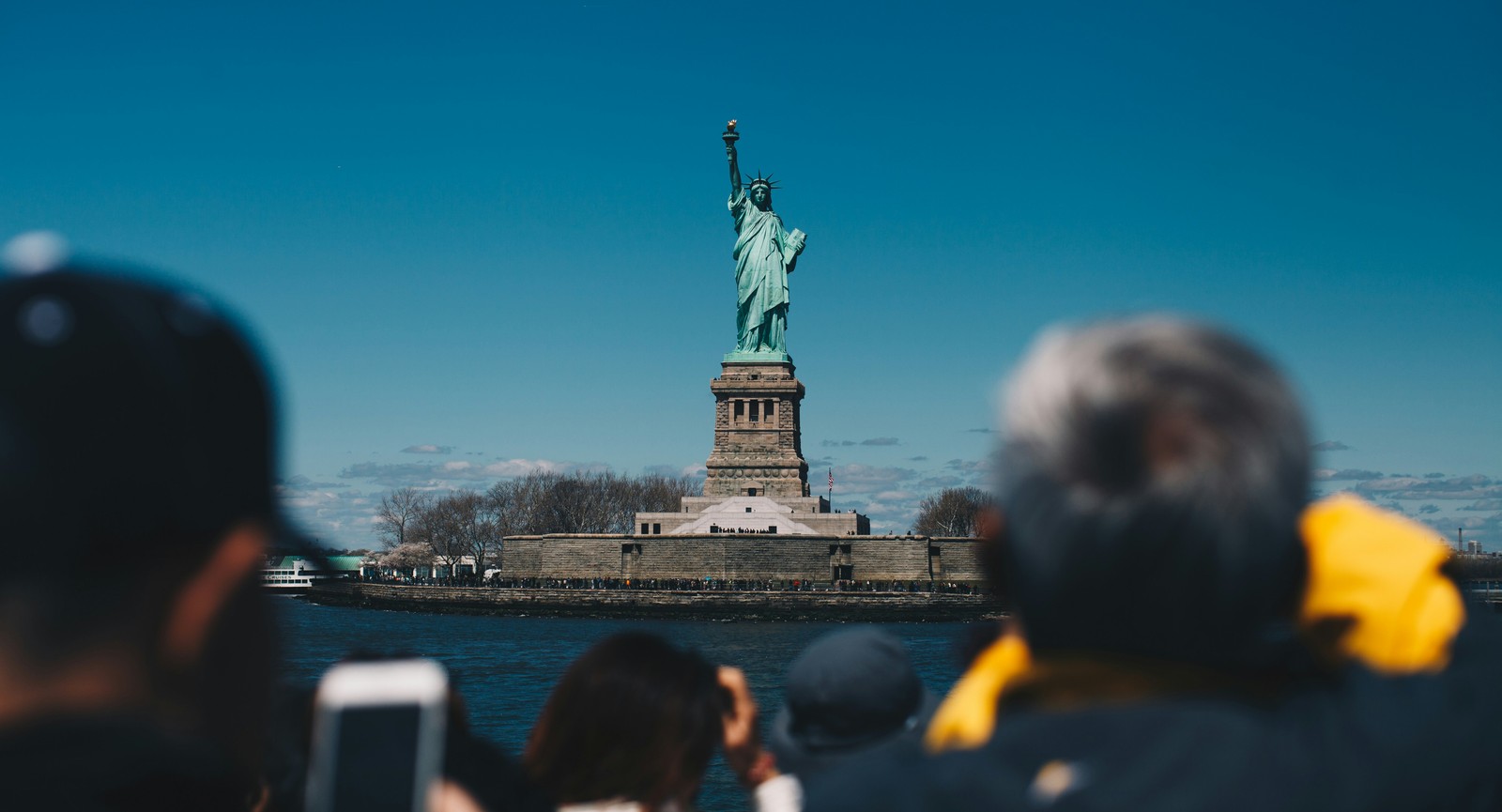
These are the 11 most shocking things for a foreigner visiting the U.S.
 General
It’s not that obvious to outsiders
These are the 11 most shocking things for a foreigner visiting the U.S.
Traveling to the U.S. can feel familiar, until it suddenly doesn't. Even seasoned travelers can be caught off guard by small cultural differences that affect everyday situations and transactions. From paying at restaurants to how far apart cities really are, many situations that Americans take for granted take first-time visitors by surprise.
Tipping in restaurants
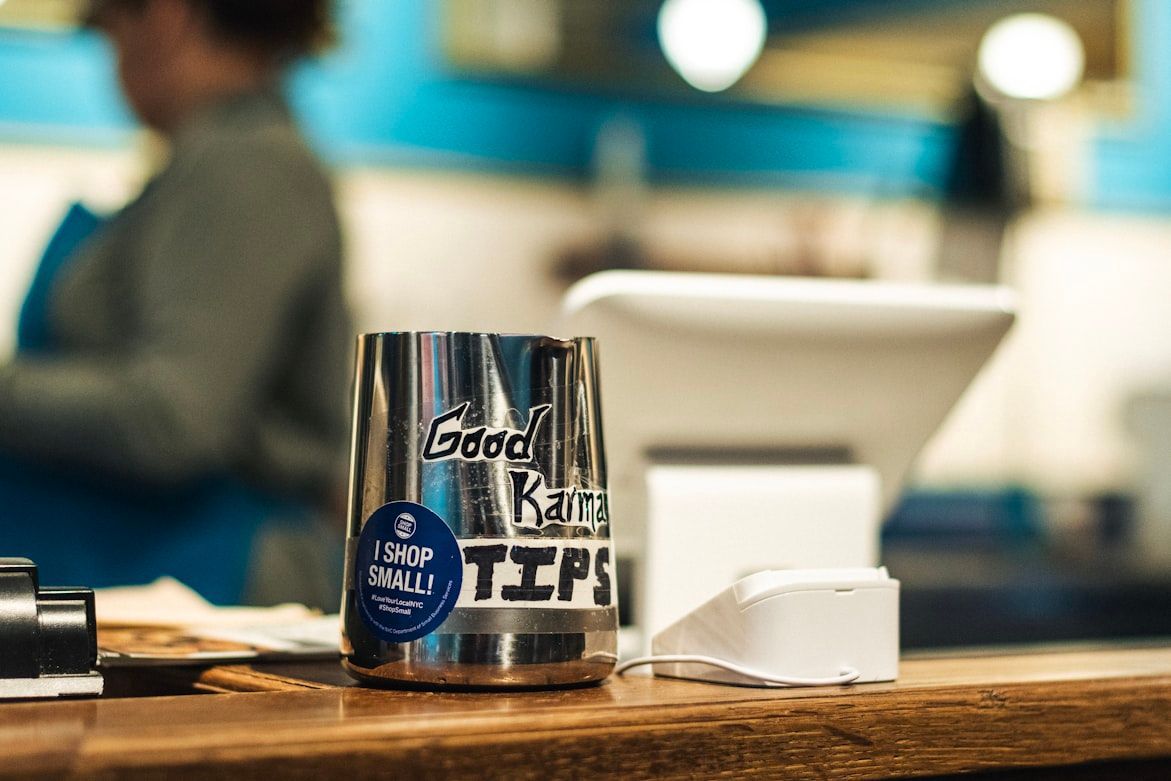
In the U.S., tipping isn’t just polite, it’s expected in many situations. Restaurant servers, taxi drivers, and hotel staff rely heavily on tips as part of their income, unlike many countries where service is included.
At restaurants, leaving around 18-20% of the bill is considered standard. Skipping a tip can be seen as dissatisfaction with the service, even if that wasn’t your intention.
Sales tax is not included in the displayed prices

One of the most confusing moments for non-American visitors happens at checkout. The price seen on the shelf is not the final price, and shoppers. pay more at the register due to sales tax.
This tax varies by state and even by city, so totals can differ depending on location. It’s a small detail, but it often catches travelers off guard when budgeting purchases.
Large portion sizes in restaurants

Food portions in the U.S. are famously generous. Meals are often large enough to share, and to-go boxes are common for leftovers.
For many first-time visitors, this can be overwhelming. Ordering multiple courses or sides without realizing portion sizes can quickly lead to oversized meals, wasted food, and higher bills.
Ice in drinks and free refills

In most American restaurants, drinks come filled with ice, sometimes more than liquid. For visitors from countries where this is uncommon, it can feel excessive.
Another surprise: free refills. Many places will refill soft drinks, coffee, or tea at no extra charge, which is not a standard practice in much of the world.
Differences between states
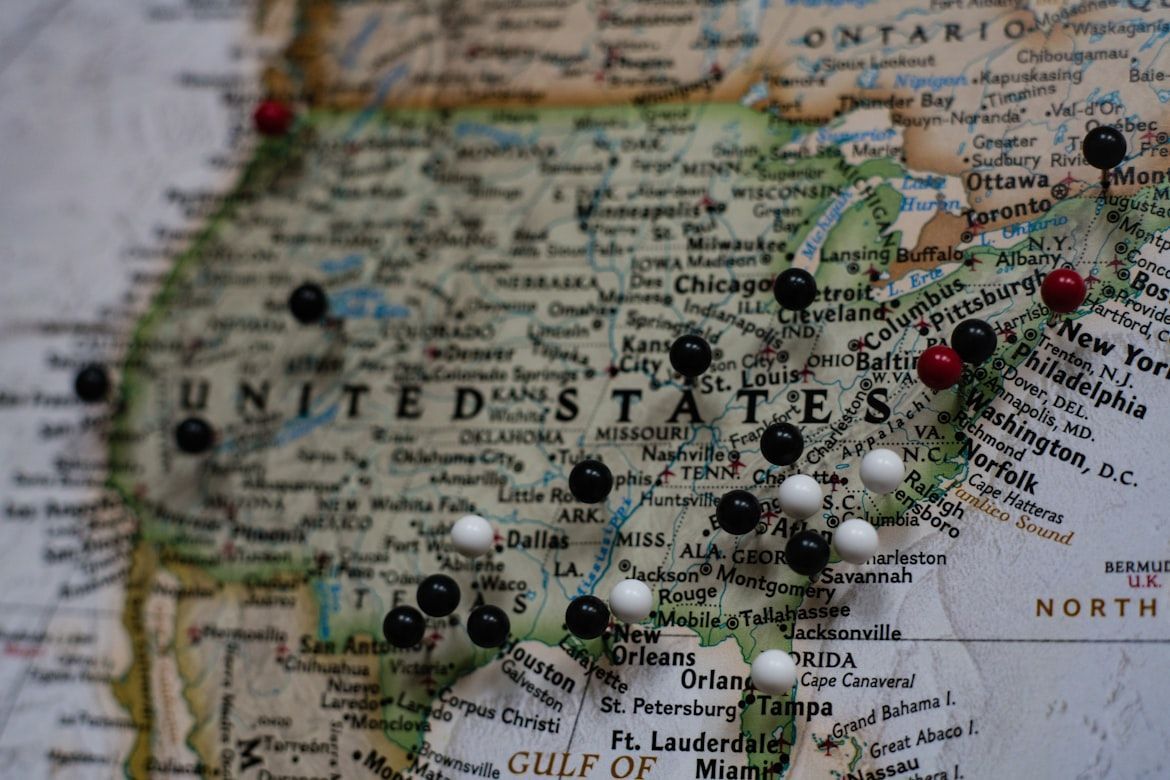
The U.S. is one country, but it often feels like many. (It does stretch across 3.8 million square miles, after all.) Laws, taxes, driving rules, and cultural norms can change significantly from one state to another.
For example, alcohol laws, smoking rules, and tipping expectations may vary. Travelers who assume uniformity across the country can easily run into confusion.
The distance between cities
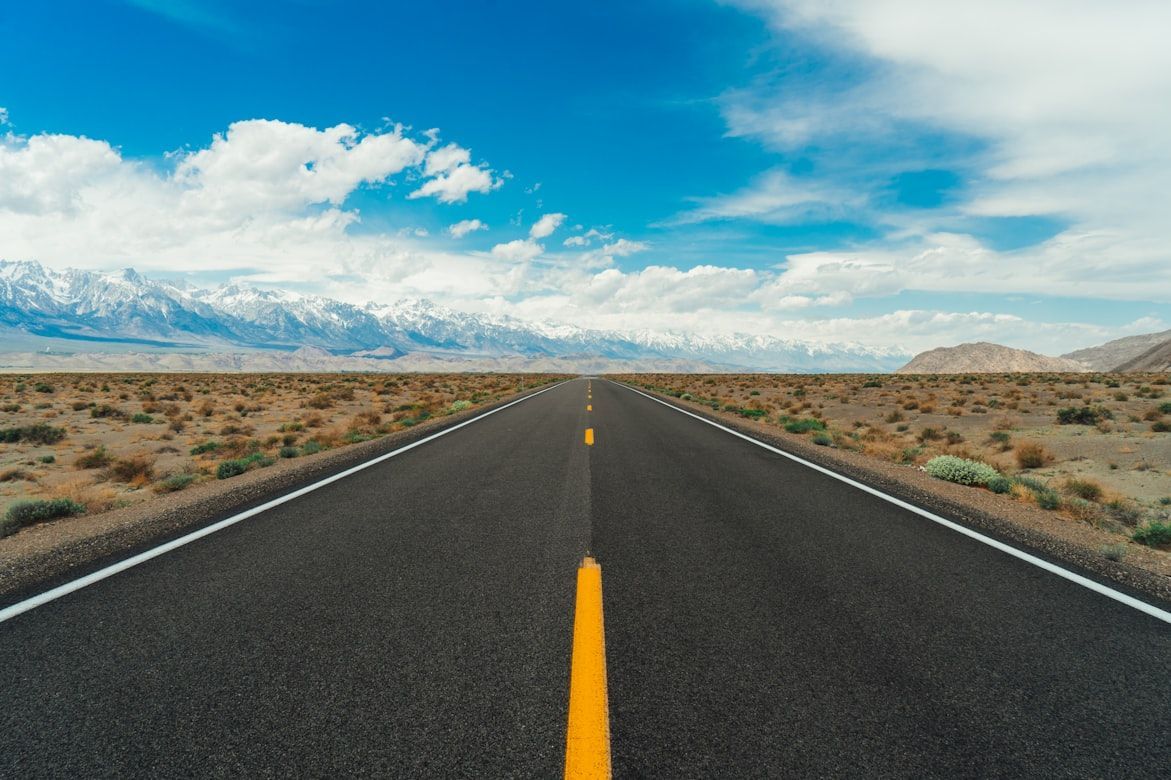
Looking at a map can be misleading. What seems like a short trip between cities can actually take several hours, or even require a flight.
The U.S. is vast, and distances between major destinations are often much greater than in Europe or other regions. Planning travel time carefully is essential.
Car dependency
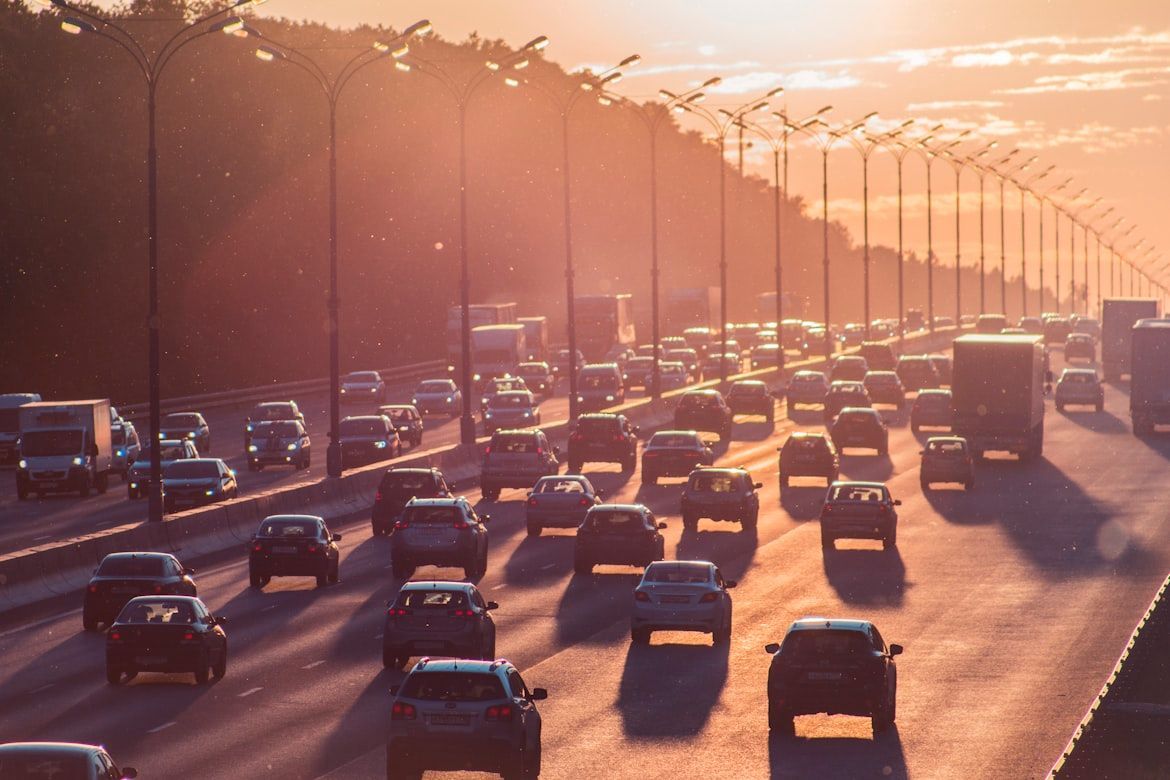
Outside of major cities like New York or Chicago, public transportation can be limited. In many parts of the country, having a car is almost essential.
This surprises travelers used to extensive train or bus systems. Renting a car often becomes necessary to explore beyond urban areas.
Hotel taxes and additional fees

Hotel prices in the U.S. don’t always tell the full story. Extra charges such as local taxes, resort fees, or service fees may be added at checkout.
These additional costs can significantly increase the final price, especially in tourist-heavy destinations. Visitors should always check the full breakdown before booking.
Credit cards are used more than cash
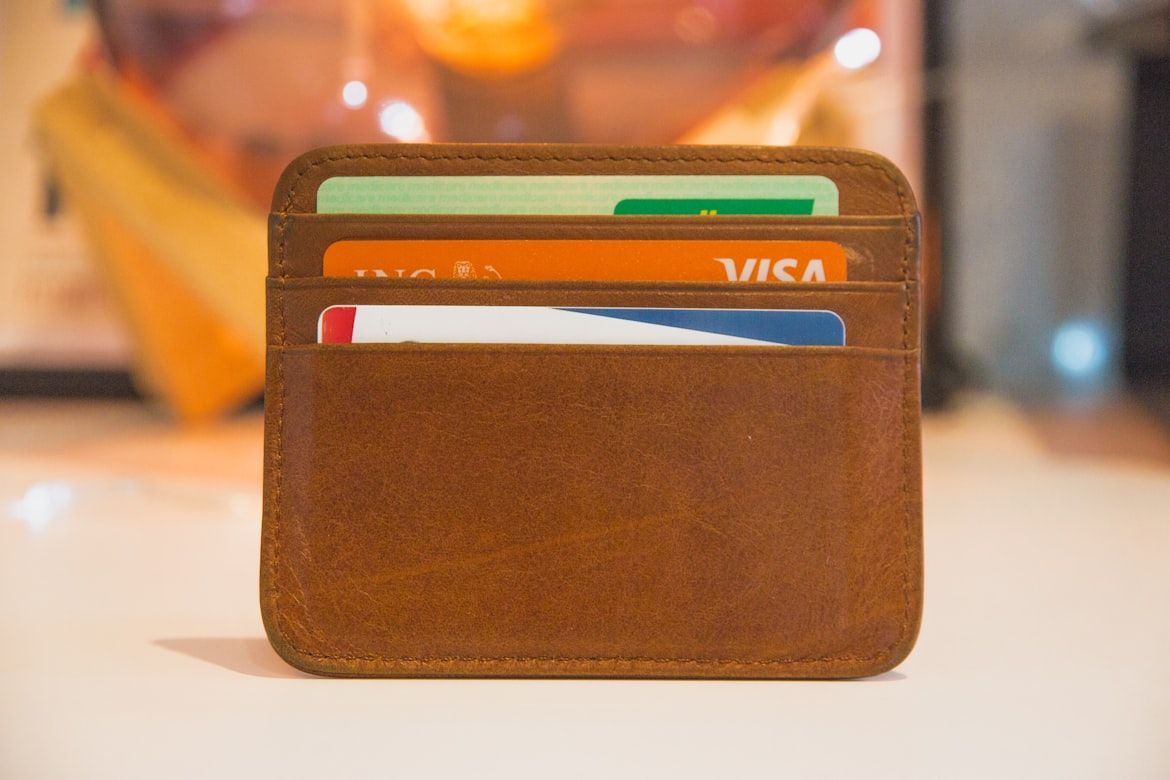
While cash is accepted, credit and debit cards are widely preferred. Many places, even small businesses, expect card payments.
Travelers relying on cash may find it inconvenient, especially in cities when using services like rideshare apps. Having a card is almost essential for smooth travel.
Informal customer service interactions

American customer service is often friendly and informal. Staff may introduce themselves, check in frequently, or engage in small talk.
For visitors from more reserved cultures, this can feel unusual or overly familiar. However, it’s simply part of the service style and not meant to be intrusive.
Drive-thru culture
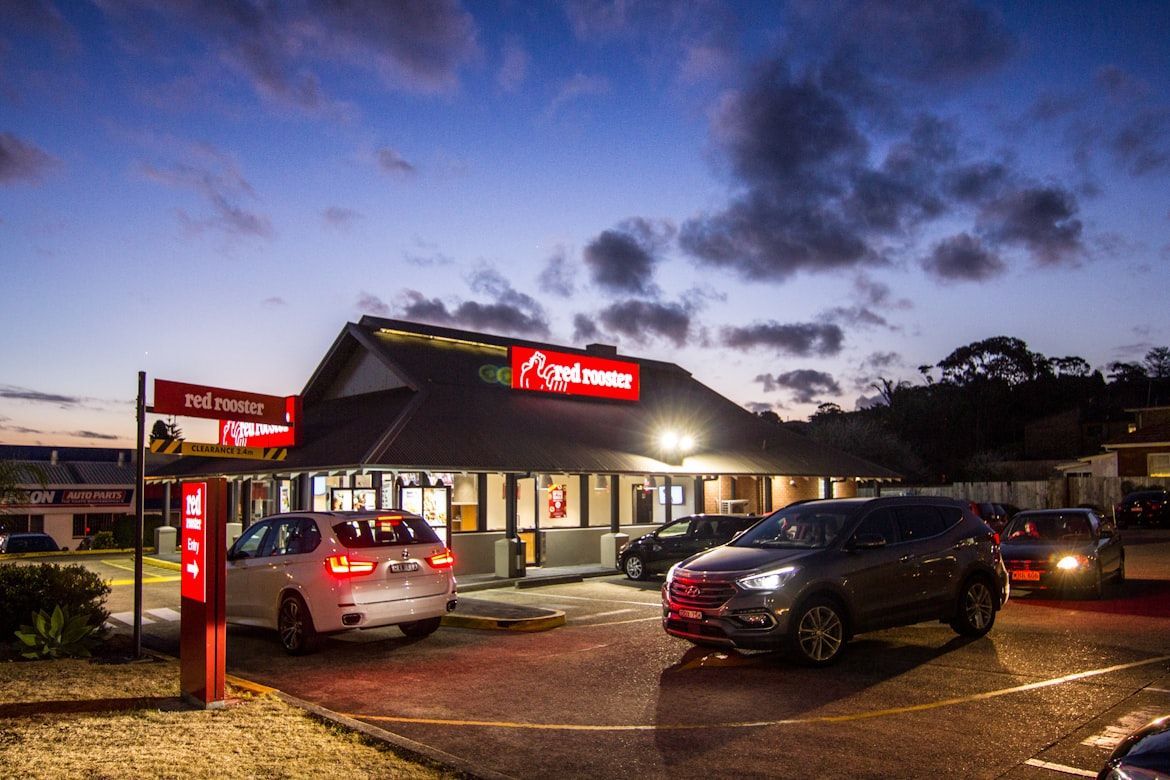
Drive-thrus in the U.S. go far beyond fast food. You’ll find them at pharmacies, coffee shops, banks, and even some dry cleaners.
This car-centered convenience can be surprising for first-time visitors, especially those from places where such services are rare or nonexistent.
Never do this in a hotel: 10 mistakes travelers make
Smart reminders
The small travel mistake that can end up costing you a lot of money
Although traveling may seem easy, there are many details passengers often overlook. From the day you pack your suitcase to the moment you board your flight back home, here we’ll walk you through the 10 most common and costly mistakes. And, of course, how to avoid them.
Overpacking

You’ve probably packed your suitcase hundreds of times, but there are common mistakes we all seem to forget. We understand: you’d love to bring all your favorite T-shirts, and you don’t want to leave behind your everyday essentials. But when it comes to traveling, a few sacrifices are necessary, and one thing is certain: Overpacking will only bring you headaches. Extra luggage means higher costs, more stress, and more fatigue from carrying a heavy suitcase. Plus, you probably won’t even wear all those clothes.
Traveling only during high season

Orlando hits its peak in the summer, just as Aspen shines in the winter. But while the high season shows each place at its best, many travelers find it overrated. Think about it: more crowds, packed attractions, long lines everywhere, and higher prices on everything from flights to meals. Try traveling in the low season instead; not only for your wallet, but also for your peace of mind.
Booking tight connections
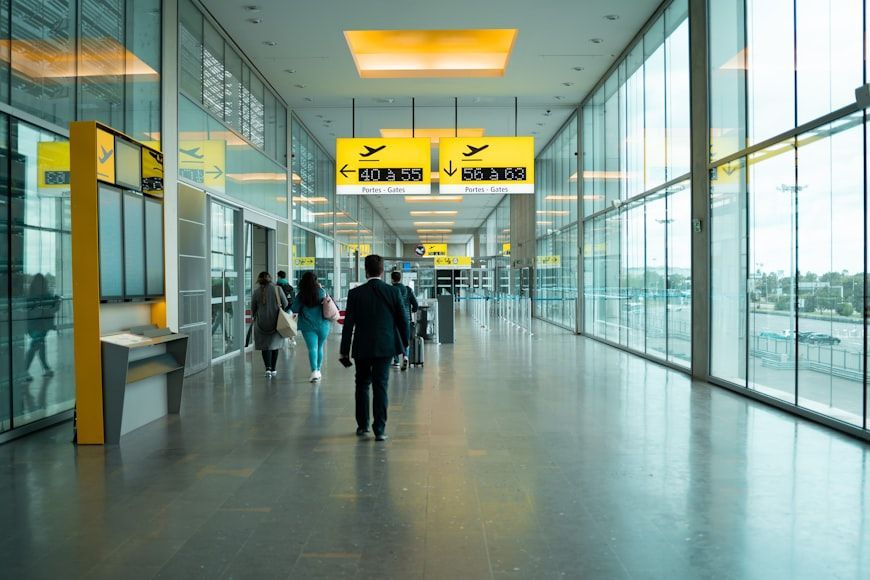
Some might think that tight flight connections are an advantage, since there’s less waiting around. However, that’s a mistake. Why? Because flight delays are incredibly common, and if your first flight is even slightly late, you’ll likely miss your second one if the connection is too short. And even if you do make it, tight connections are one of the leading causes of lost luggage. No one wants that!
Skipping travel insurance

Experienced travelers always agree on one thing: health comes first. And even if nothing has happened to you in the last 15 years, when you’re traveling, anything is possible, so it’s always better to be cautious. In other parts of the world, healthcare systems can work very differently from what you’re used to, so that’s why you should never forget travel medical insurance. Both your body and your wallet will thank you!
Forgetting to notify your bank
If your trip is coming up, don’t forget to notify your bank! If you plan to use your credit card away from home, it’s best to give them a heads-up. Otherwise, the bank may flag what it sees as unusual activity and block your card due to suspected fraud. To avoid being stuck without a way to pay, a quick call to the bank can save you a lot of trouble.
Booking too late
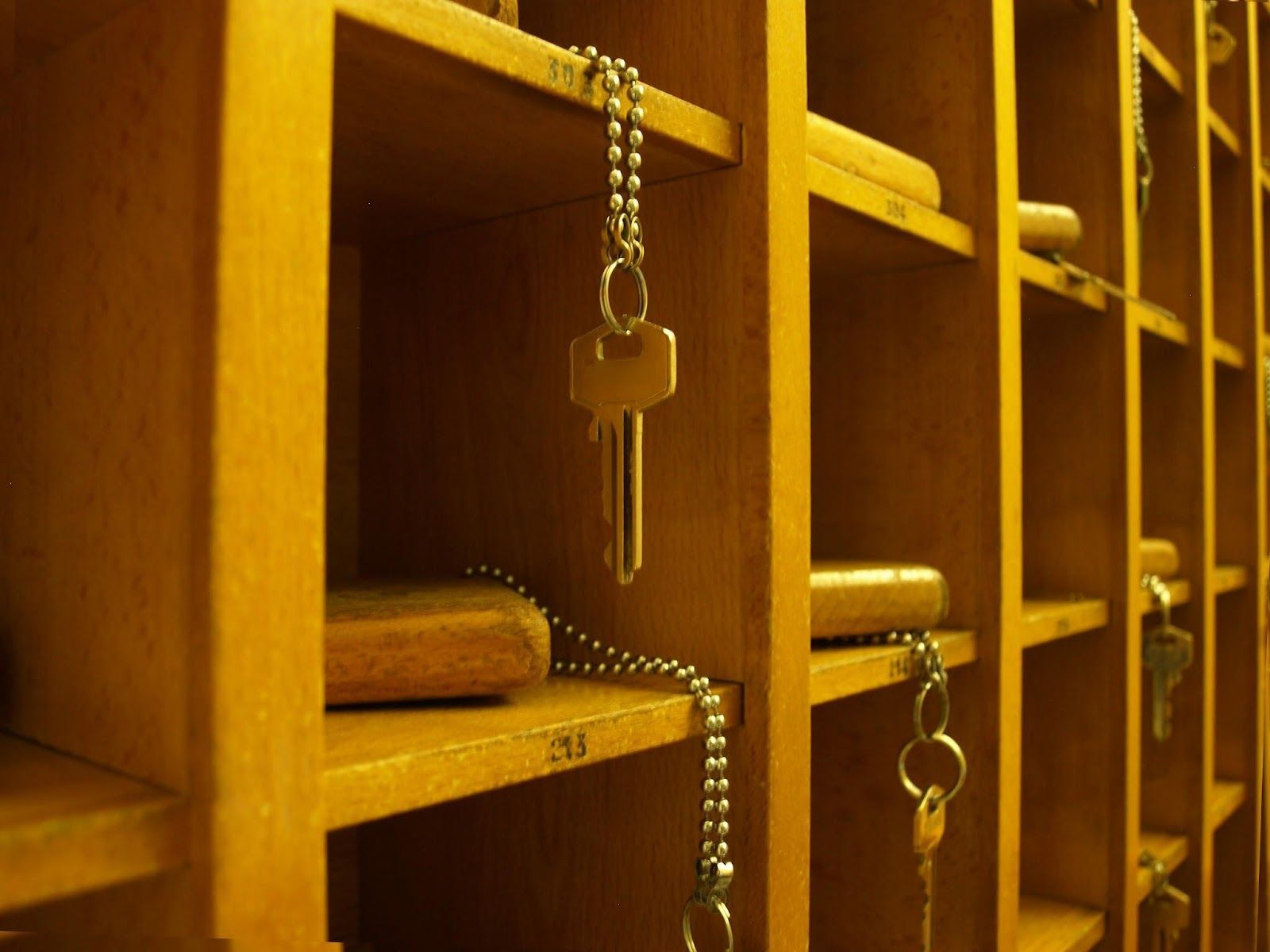
Whether you travel all the time or only once in a blue moon, there’s one golden rule to keep: don’t book your hotel room or plane ticket at the last minute. As the departure date gets closer, prices climb, options are reduced, and the best deals are usually gone. If you want to save both money and stress, booking well in advance is always smarter.
Being rude to hotel staff

Both frequent travelers and long-time hotel employees share an interesting tip: always be considerate toward the staff. Yes, it’s basic human decency, but some people forget to be kind when they’re frustrated by a booking error or a last-minute cancellation. Still, it’s always better to stay friendly, as this often leads to better service and a more helpful response. Kindness is usually repaid with kindness.
Exchanging money at airports and hotels
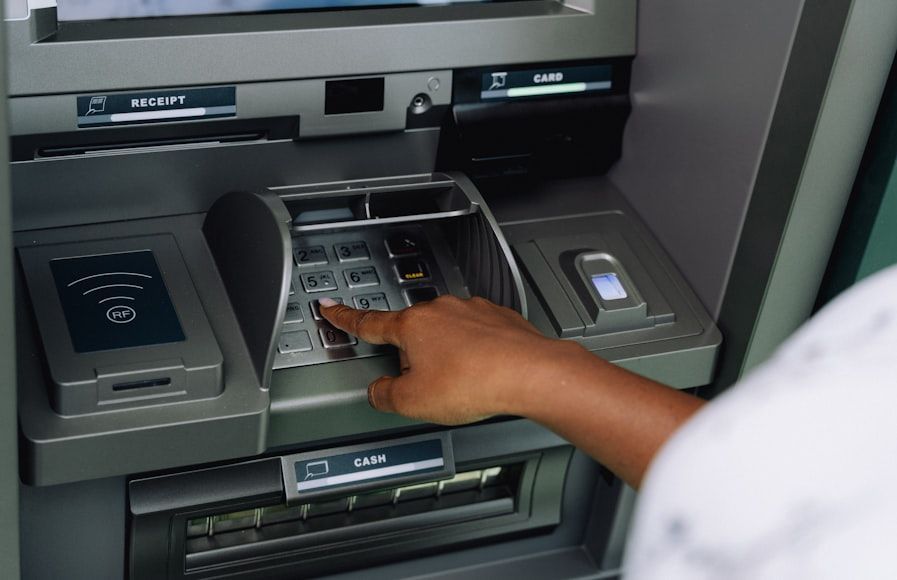
Even if you’re carrying a credit card, it’s smart to have some cash on hand for emergencies. But if you’re traveling abroad, the site where you exchange your money matters. One of the most common mistakes is doing it at the airport or the hotel. These spots usually have the worst rates and highest fees, often costing travelers 10 to 15% more. For a better deal, local bank ATMs are usually the best option.
Booking nonrefundable hotels

We’ve already mentioned a great hotel hack: booking well in advance comes with many benefits. While that’s totally true, there’s also one detail you should never forget. Make sure your tickets and, above all, your hotel reservation are refundable. The future is unpredictable, and having the option of a refund can save you a lot of stress if you need to cancel or change your plans.
Driving on your own
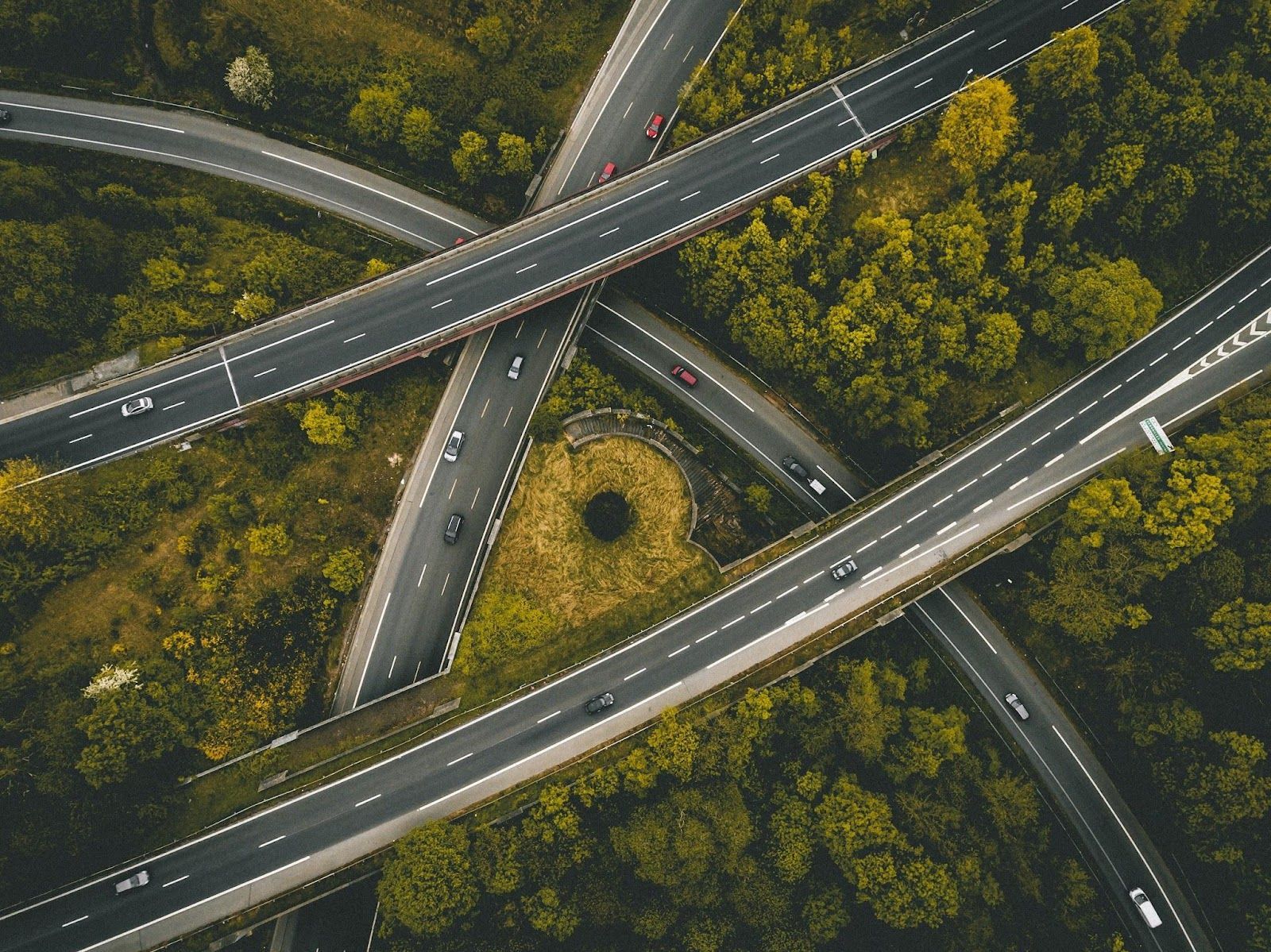
No matter how experienced a driver you are, getting behind the wheel in an unfamiliar city can bring you a lot of trouble. You don’t know the roads, the driving habits, or which areas to avoid, and all that can turn a simple trip into a stressful one. It’s better to use public transportation or grab a taxi. You’ll get where you need to go more easily, avoid unnecessary headaches, and save your energy for actually enjoying the trip.
Keep wandering
There’s always
more to explore
 Culture

What happens to tourist towns after everyone goes home?
5 min.
Read Now
 Landmarks

The construction mistake that made this tower famous
5 min.
Read Now

Why did San Antonio move an entire hotel through downtown?
6 min.
Read Now
Ever wonder why there’s a tiny hole in airplane windows?
6 min.
Read Now