Places around the world that still pose unexplained mysteries
 Culture
Unanswered questions
Places around the world that still pose unexplained mysteries
Some corners of the world are hiding secrets beneath the surface. How does a fire keep burning behind a rushing waterfall? What’s up with the area in the Bermuda Triangle, where planes and ships have vanished without a trace? And how were the Egyptian Pyramids built? Some of the mysteries on this list were solved by experts, whether world citizens accepted their answers or not; others still await thorough explanations.
Bermuda Triangle, North Atlantic Ocean
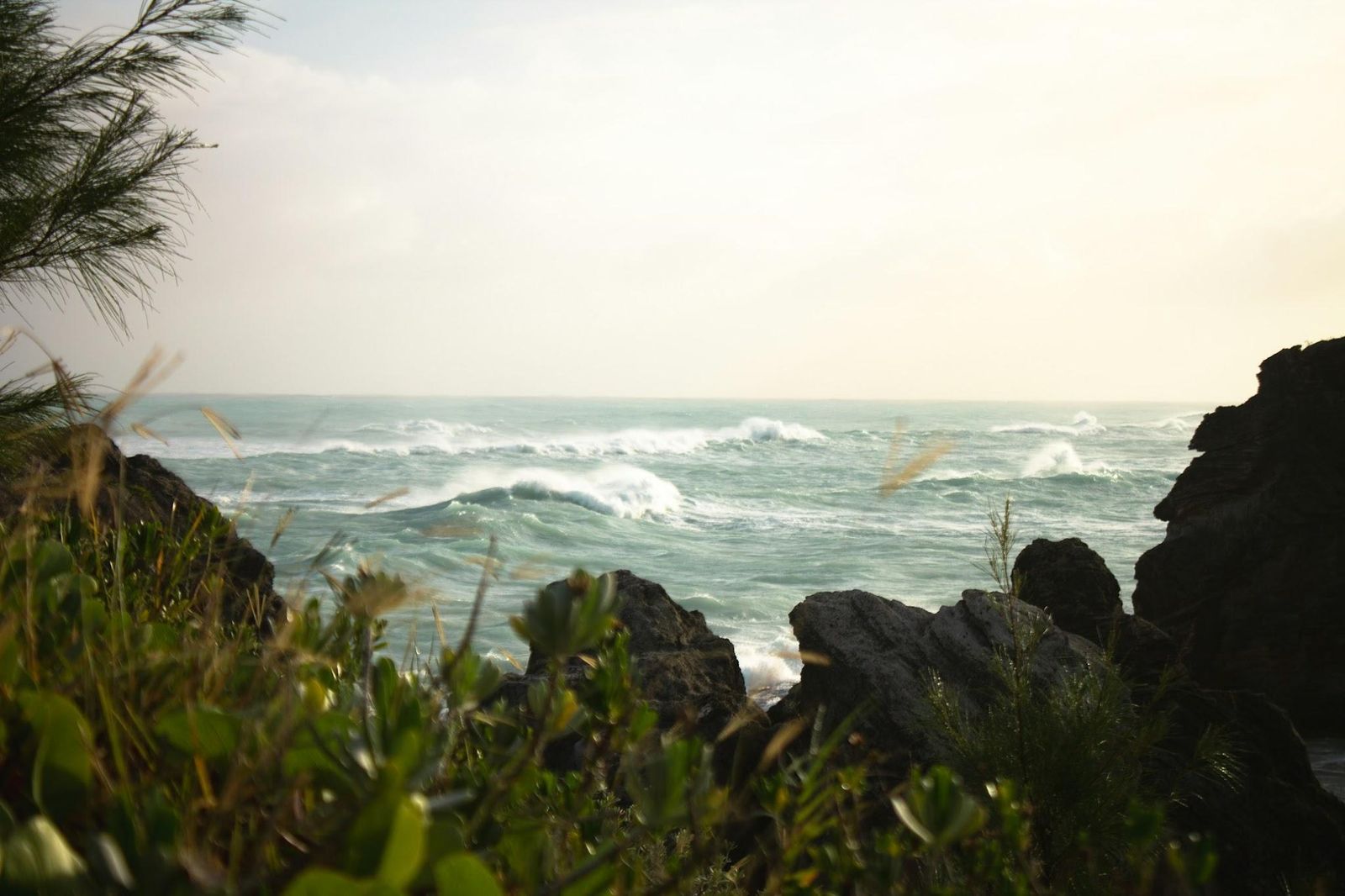
It stretches across 500,000 square miles between Florida, Bermuda, and Puerto Rico. This area has been fueling maritime lore for over a century. It started gaining widespread attention after a 1945 incident known as the "Flight 19 disappearance," when five US Navy bombers vanished during a training exercise.
Other puzzling stories surround the region: strange compass readings, electronic fog, and vanishing ships. It was an article by writer Vincent Gaddis that coined the term "Bermuda Triangle" in 1964. A similar case of a ship disappearing with no trace in 1918 was retroactively linked to the area.
Many studies concluded that the incidents occurring in the area are just as frequent in regions of such heavy traffic: more ships mean a greater likelihood of accidents —an answer that the general audience found anticlimactic.
Michigan Triangle, Michigan
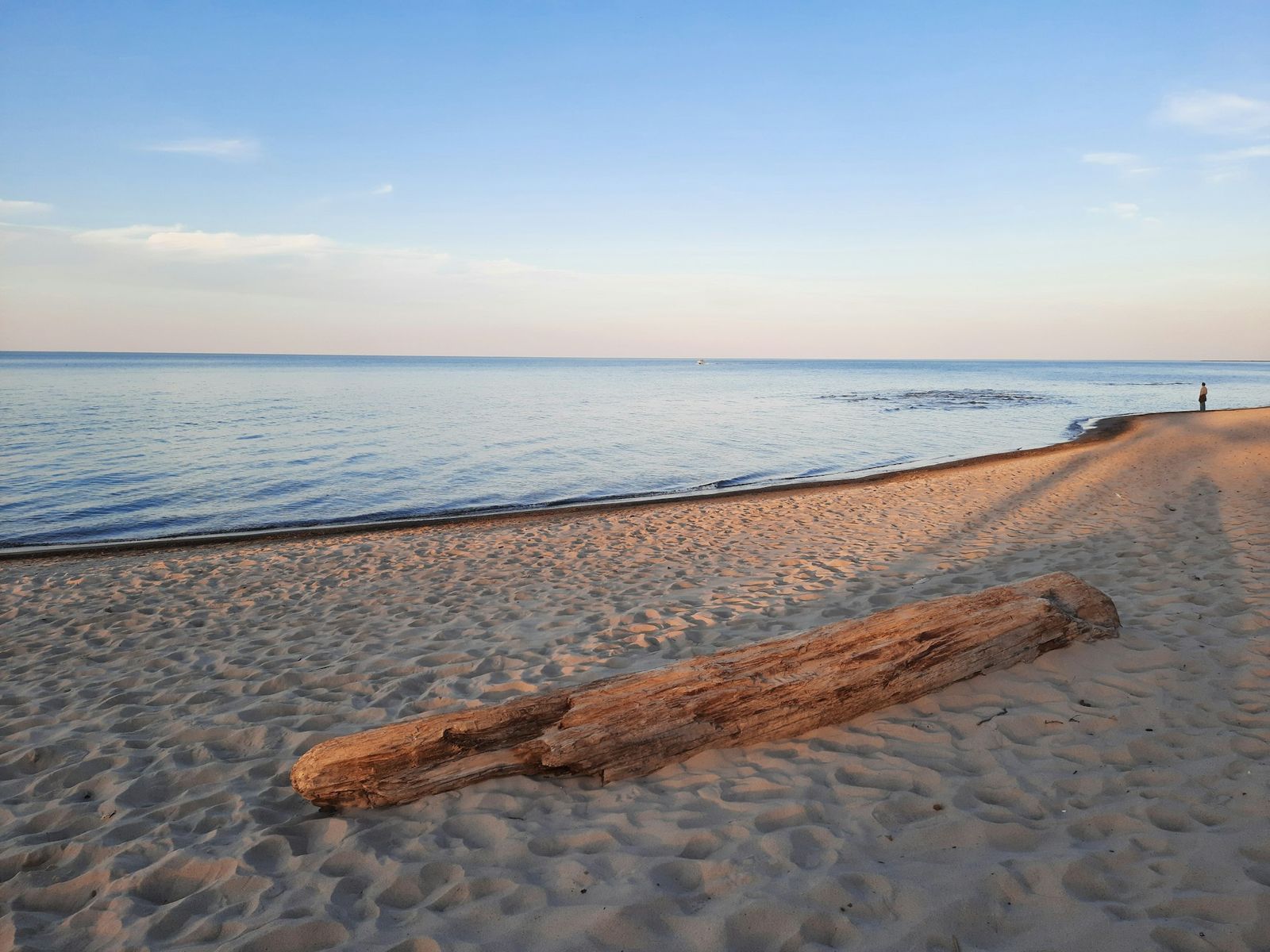
In colder waters than the Bermudas’, equally puzzling tales taint an area of Lake Michigan, roughly bounded by the cities of Ludington, Michigan, Benton Harbor, Michigan, and Manitowoc, Wisconsin. This is known as the Michigan Triangle.
An early mystery dates to 1891, when the schooner Thomas Hume vanished without a trace while sailing from Chicago. In 1937, Captain George R. Donner reportedly disappeared from his locked cabin aboard the freighter O.M. McFarland. In 1950, a plane carrying 58 people crashed into the lake during a storm. Another myth refers to ancient submerged stone structures discovered at the bottom of the lake. These might have been natural formations, or, some believe, traces of a sunken civilization.
These might be isolated incidents, but people enjoy imagining that there’s an explanation stringing them together.
Eternal Flame Falls, New York, United States
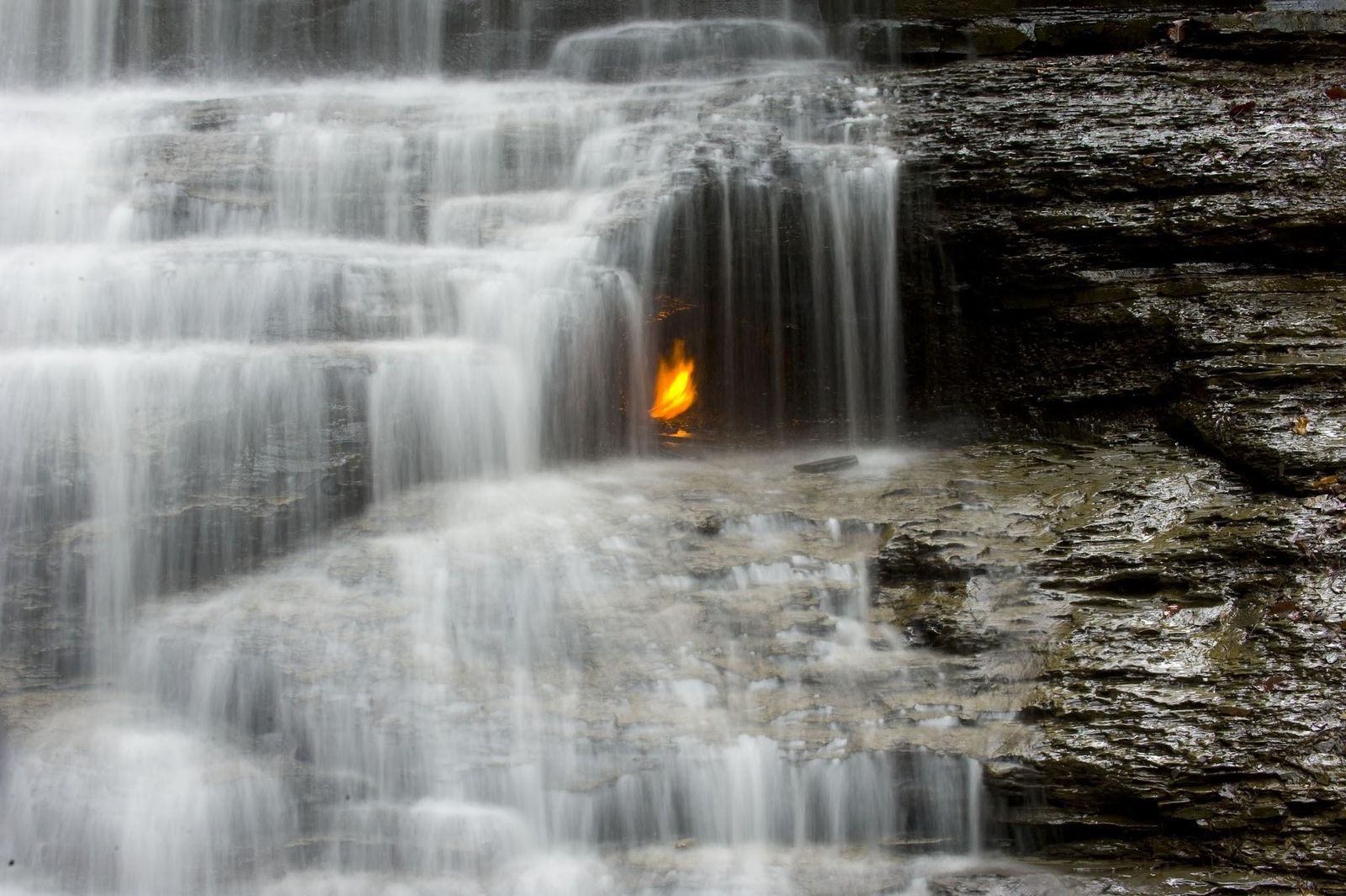
If geologists weren’t around to explain this phenomenon, we would easily attribute it to some form of magic or deity. How does a fire stay constantly lit behind a rushing waterfall? Does the water not reach it?
Tucked inside Chestnut Ridge Park, about 15 miles south of Buffalo, New York, there is a flickering flame burning year-round, even through rain and snow. It’s safely hidden inside a shallow grotto, and it has been there for generations, though scientists began studying in the early 2000s.
The cause: a natural gas seep fuels this flame constantly. A 2013 study found that the emission contains high concentrations of ethane and propane, gases associated with deeper rock formation. Geologists estimate that this might be the consequence of hundreds of millions of years, but how the flame was formed, exactly, remains debated.
Pyramids of Giza, Egypt
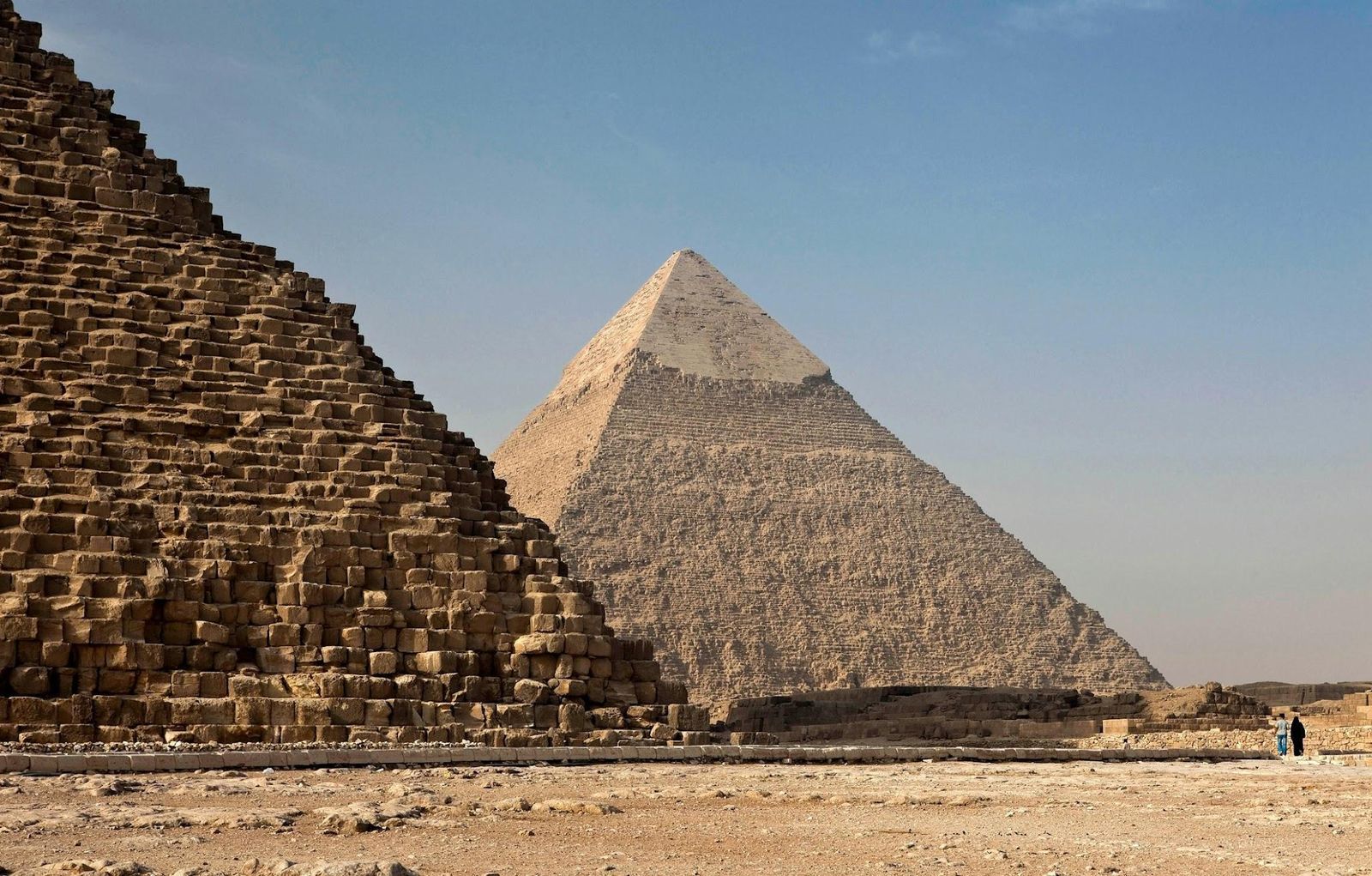
One of the world’s favorite, most popular intrigues is the mechanism by which the pyramids of Giza were built. Rising from the desert plateau just outside Cairo, these three main pyramids were built around 2500 bC. Their construction has been studied for centuries, but many explanations remain pending.
An estimated 2.3 million limestone blocks, many weighing several tons, were transported and placed with remarkable precision to build them. How was this achieved, without modern machinery? Experts suggest competing theories involving ramps, levers, and complicated labor schemes. Of course, unlikely theories still circulate, linking them to lost technologies and even alien help.
Nazca Lines, Peru
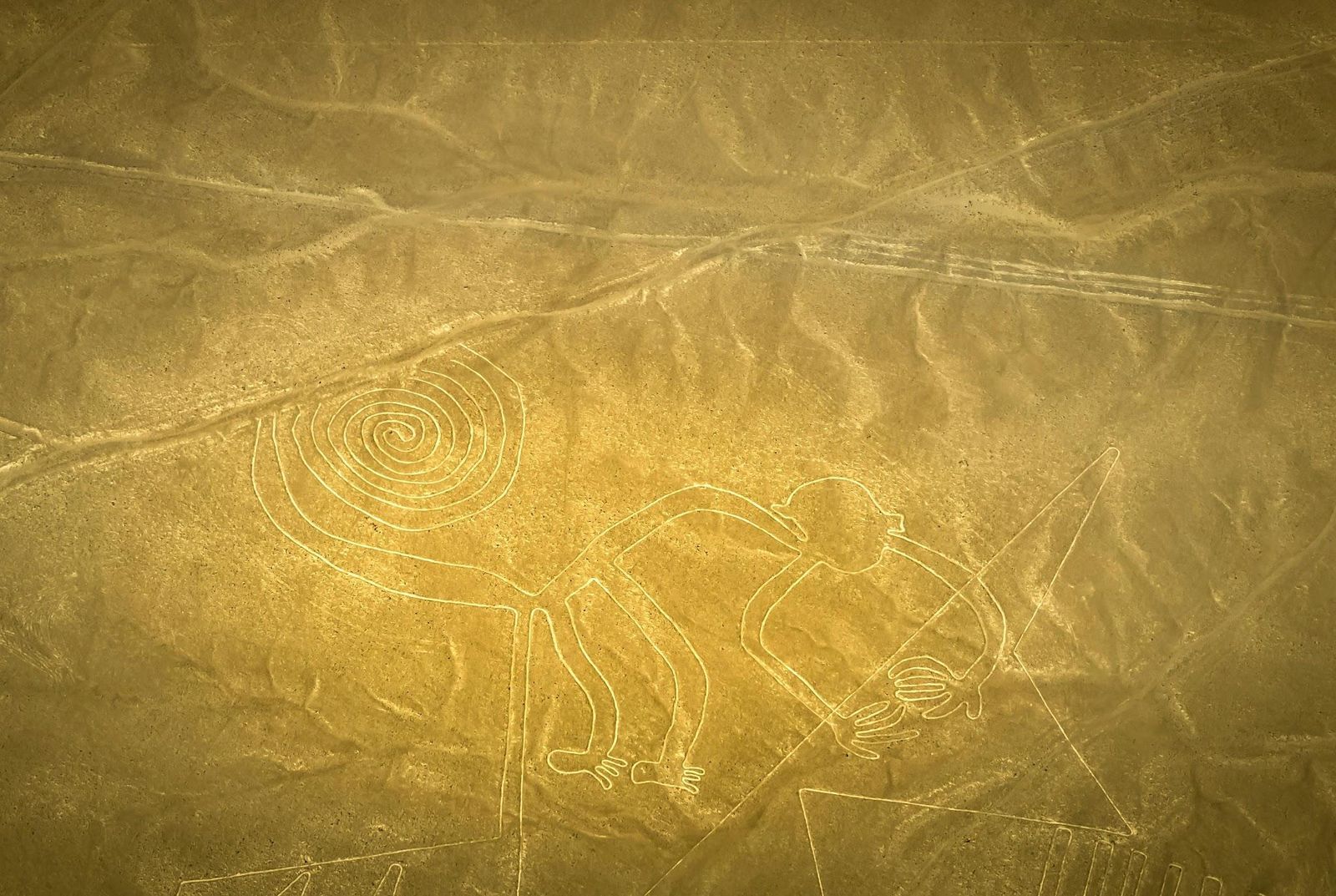
What you see in this picture is not an old trace in some piece of parchment. It’s not even carved out on a rock inside a cavern. That drawing of a monkey with an endlessly curled tail is, in fact, 305 feet long.
Etched in the arid plains of southern Peru, these lines were created between 500 bC and 500 CE. These geoglyphs stretch across 170 square miles of desert and include around 70 recognizable figures, one of them being a 1,200-foot-long pelican.
The lines were formed by removing the surface stones to reveal lighter soil beneath. Their scale suggests that they were meant to be seen from above. Which begs the question: Why, or who, were they traced for? This is still not clear. Some explanations lean toward ritual or astronomical purposes.
Door to Hell, Turkmenistan
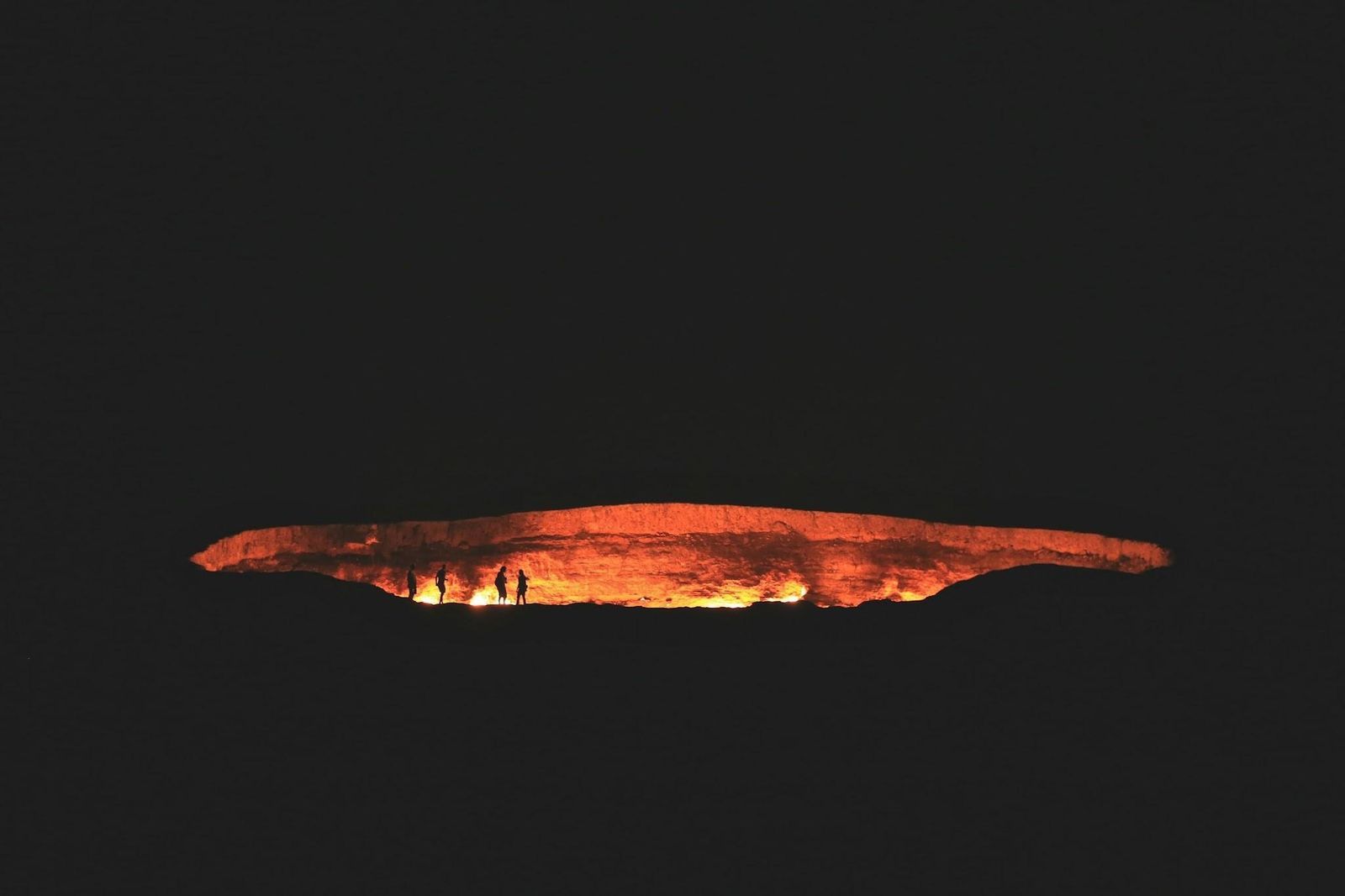
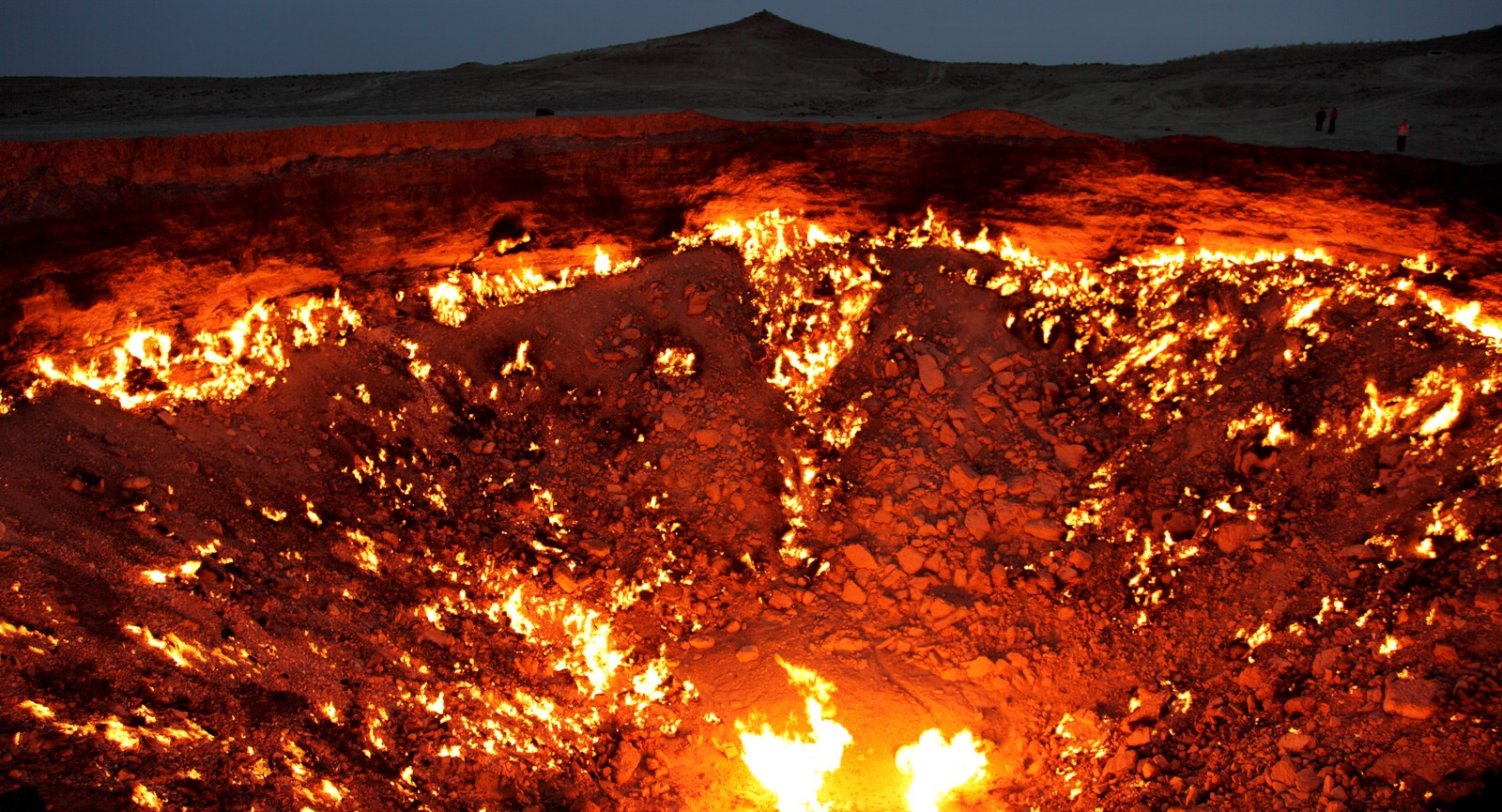
Since this burning crater originated in the 1970s, its cause is documented. This doesn’t mean that visitors and curious minds from around the world aren’t intrigued by the eerie phenomenon.
In the middle of the Karakum Desert, about 160 miles north of the country’s capital, Ashgabat, there is a massive crater that has been burning almost continuously for over 50 years. Not subtly, this spot was nicknamed "Door to Hell". The pit measures 230 feet in diameter and 65 feet in depth.
It started when Soviet geologists drilling for natural gas accidentally collapsed a cavern. Fearing this would release toxic methane gas, they set it on fire. The flames kept going, and the crater has been ablaze ever since. The real mystery is how long the gas will continue to burn.
Loch Ness, Scotland, United Kingdom
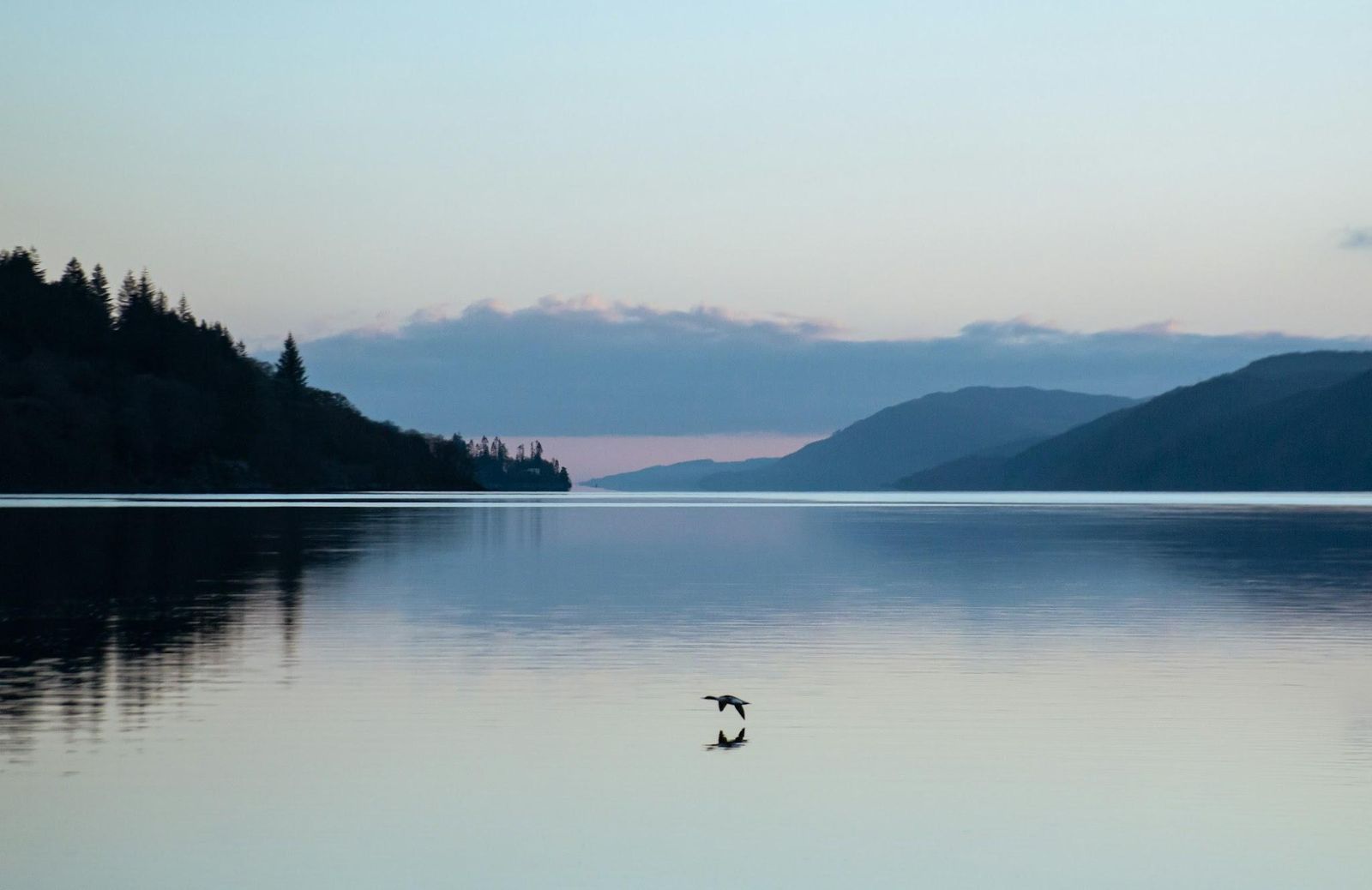
One of the most popular legends of the world is that surrounding the Loch Ness. It stretches for 23 miles through the Scottish Highlands, which makes it the largest freshwater body in the United Kingdom. But that’s not what made it famous.
The legend of the Loch Ness Monster, affectionately called "Nessie," dates back as far as 565 CE, when Irish monk Saint Columba reportedly encountered a "water beast" there. In the 1930s, a road was built along the loch, which brought more people to the area and increased the legend’s visibility.
Sonar scans, underwater cameras, and even environmental DNA studies have been conducted to find out more about this fabled creature or species. But no evidence has been found to explain those sightings.
Crooked Forest, Poland
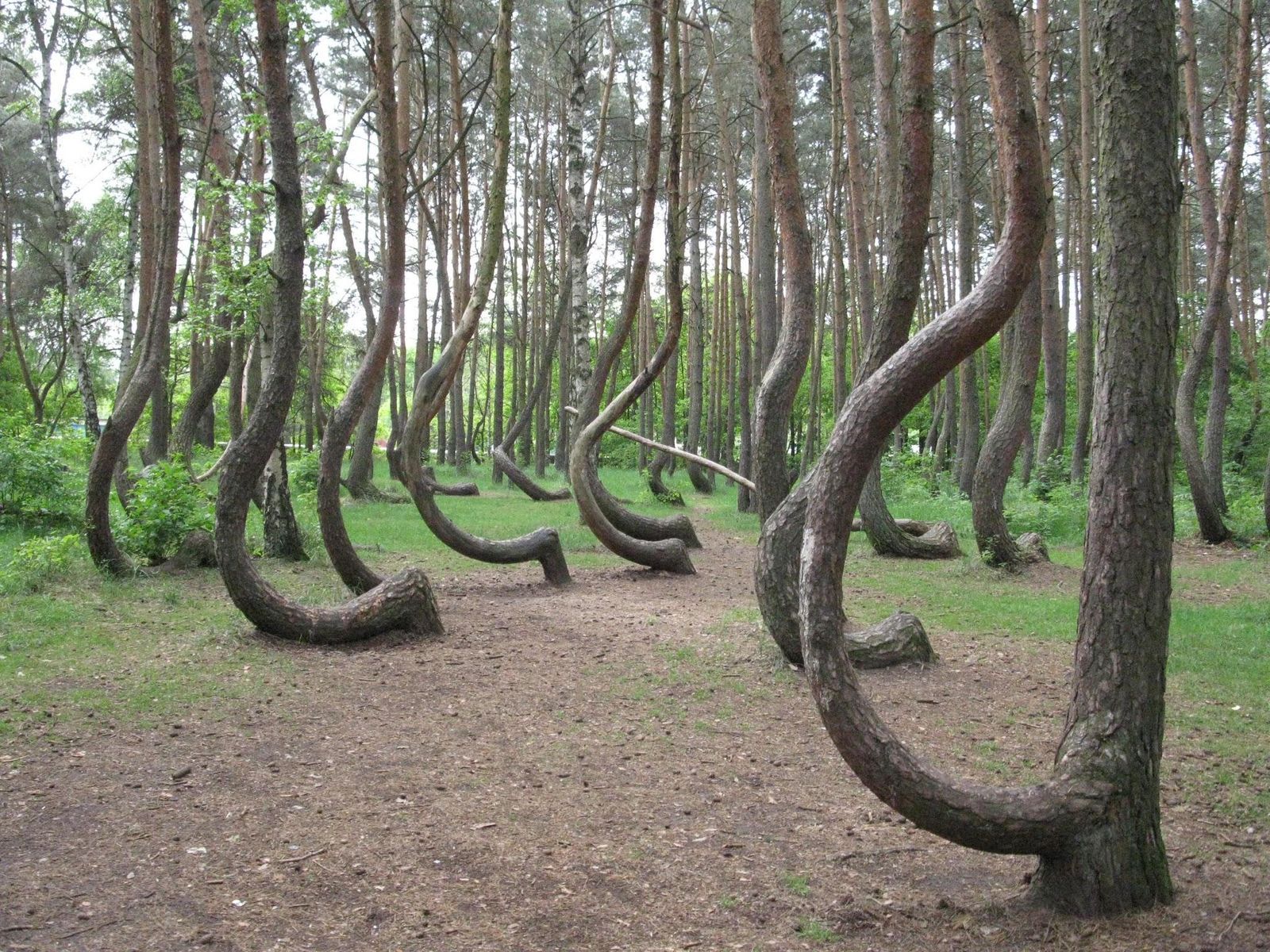
Near Poland’s border with Germany lies one of Europe’s most visually baffling landscapes: the Crooked Forest. Here, around 400 pine trees grow with a dramatic 90-degree bend at their base, all curving northward before straightening upward. These trees were planted around 1930, but no definitive explanation has been confirmed.
One leading theory is that farmers deliberately shaped the saplings to create curved timber for furniture or boatbuilding. But no records survive to confirm this. The outbreak of World War II shortly after may have disrupted whatever plan was in place for them. Other versions try to link it to gravitational anomalies or heavy snowfall.
Easter Island, Chile
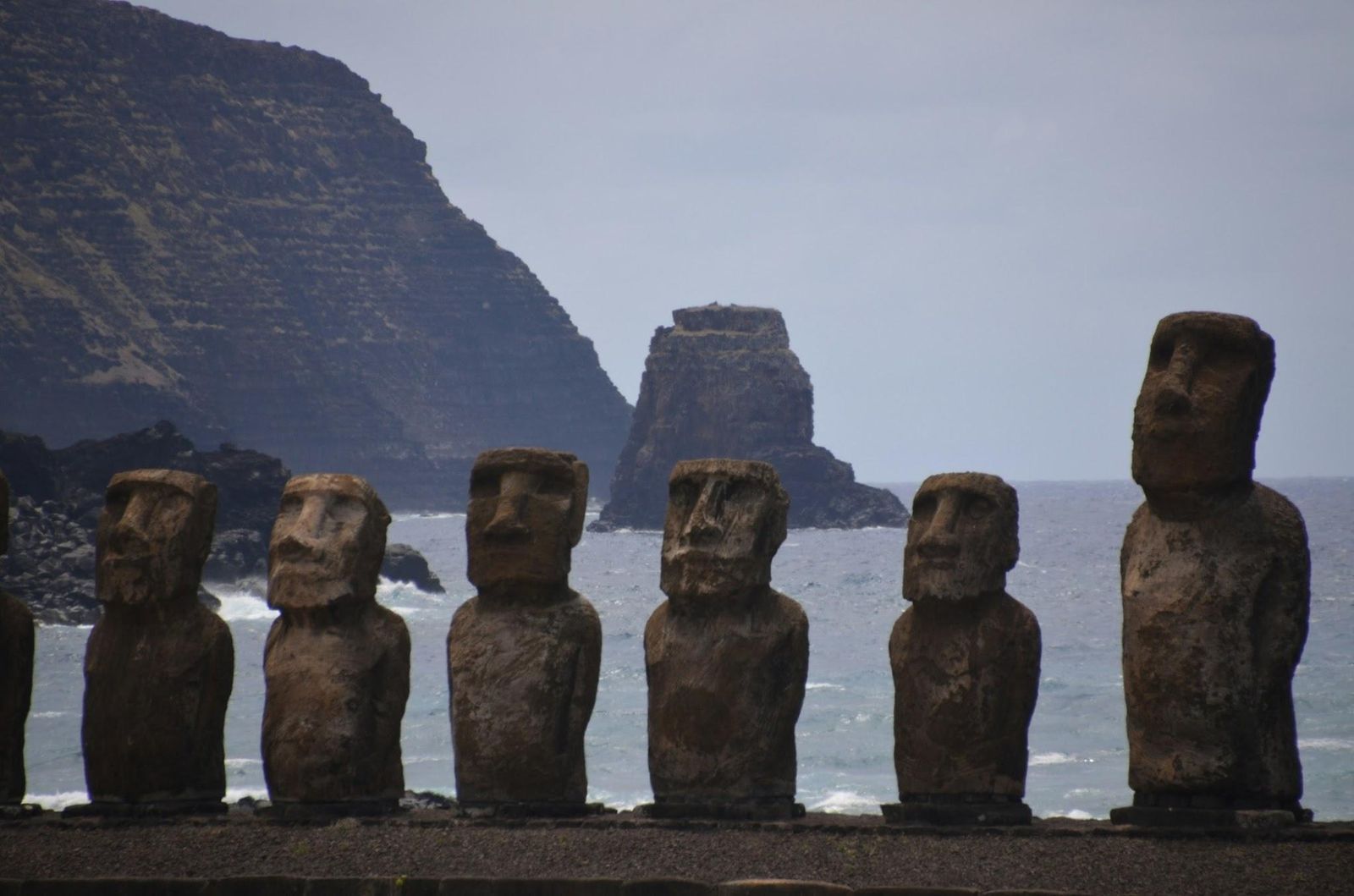
Located more than 2,000 miles off the coast of Chile in the southeastern Pacific Ocean, Easter Island, also known as Rapa Nui, is one of the most isolated inhabited places on Earth. Yet it is home to nearly 1,000 massive stone statues called moai, carved between about 1250 and 1500 CE by the island’s early Polynesian settlers. Some of these figures stand over 30 feet tall and weigh more than 70 tons.
The statues were quarried at Rano Raraku and then transported across the island, sometimes miles away, without the use of wheels or large animals. Their construction remains as undocumented and mysterious as the decline of the civilization that made them.
Plain of Jars, Laos
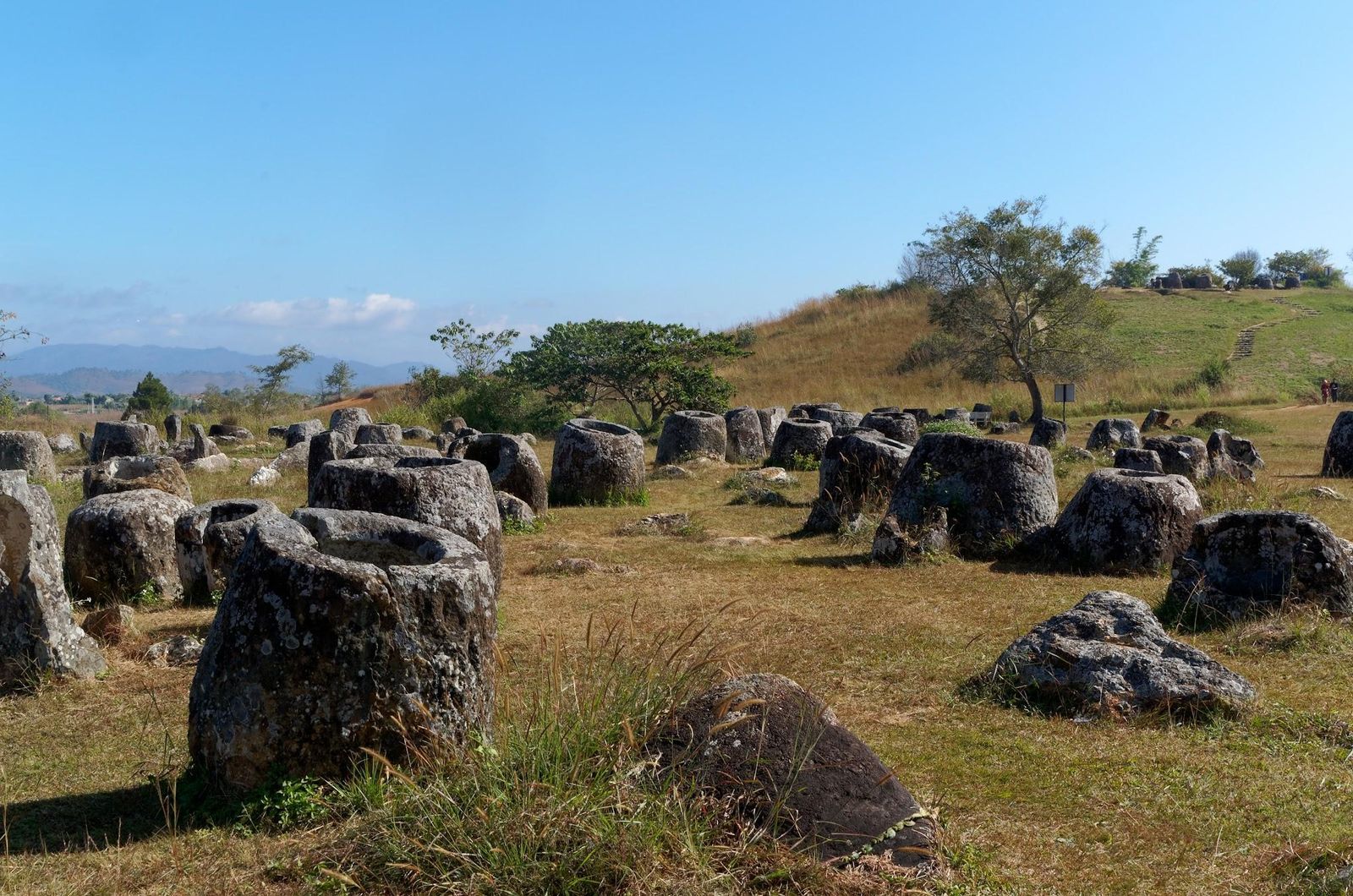
In the highlands of central Laos, the landlocked country in Southeast Asia, thousands of massive stone jars lie spread across dozens of sites. They are collectively known as the Plain of Jars, relics that date back roughly 2,000 to 2,500 years, likely to the Iron Age. The jars were carved from sandstone, granite, or limestone, and some stand over 10 feet tall and weigh several tons.
Their purpose remains uncertain, however. One explanation links them to burial practices, as excavations have revealed human remains and burial goods. Research has been limited, however: The area was left with unexploded ordnance after the Vietnam War, which limits the excavation today.

10 American museums you might not have heard about
There’s a lot to see
10 American museums you might not have heard about
America has no shortage of museums to visit. Big names such as The Met, the Smithsonian, or the MoMA—to name a few—are well-known to everyone. However, the American museum scene is larger and more diverse than many would imagine, as museums dedicated to all sorts of topics can be found all across the country. Here are 10 museums that might warrant a visit!
Museum of Flight (Seattle)
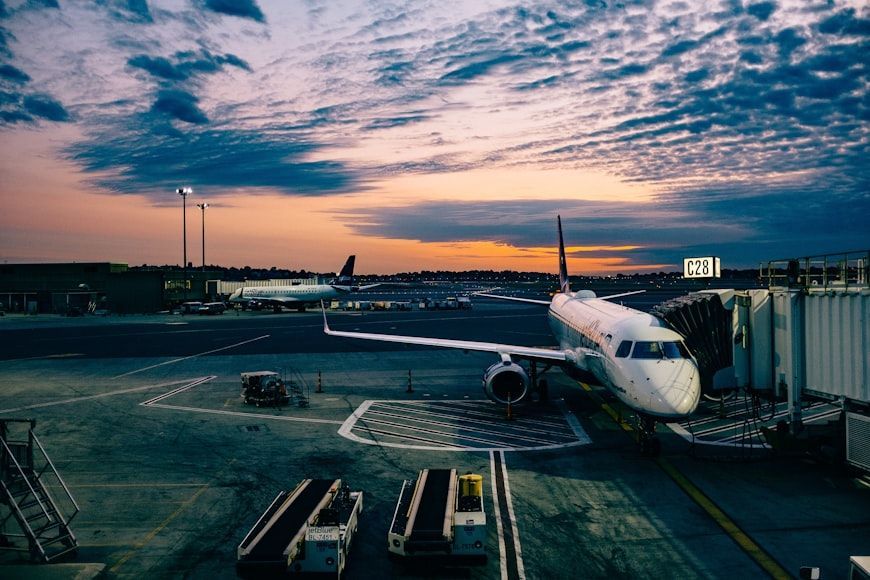
Considered one of the most significant air and space museums in the world, the Museum of Flight is located at King County International Airport and houses more than 160 historic aircraft. In addition to the historical displays, it also offers the chance to try out a flight simulator!
The Circus Museum (Sarasota)
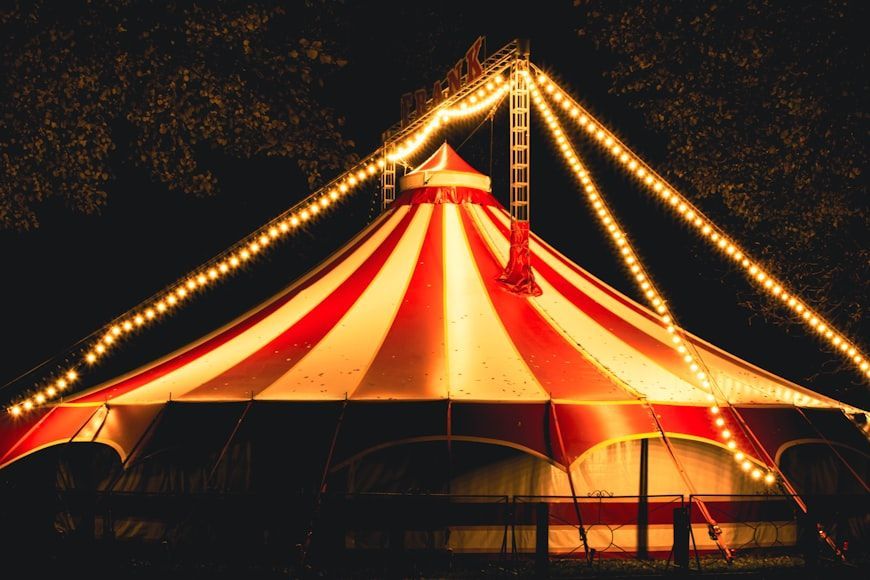
The circus is not just a mere topic here. This museum in Florida has an exact scale replica of a circus, complete with wagons, tents, and even 7,000 miniature folding chairs. Housed within the John and Mable Ringling Museum of Art, the circus museum also offers several permanent circus exhibits.
The Mammoth Site (Hot Springs)
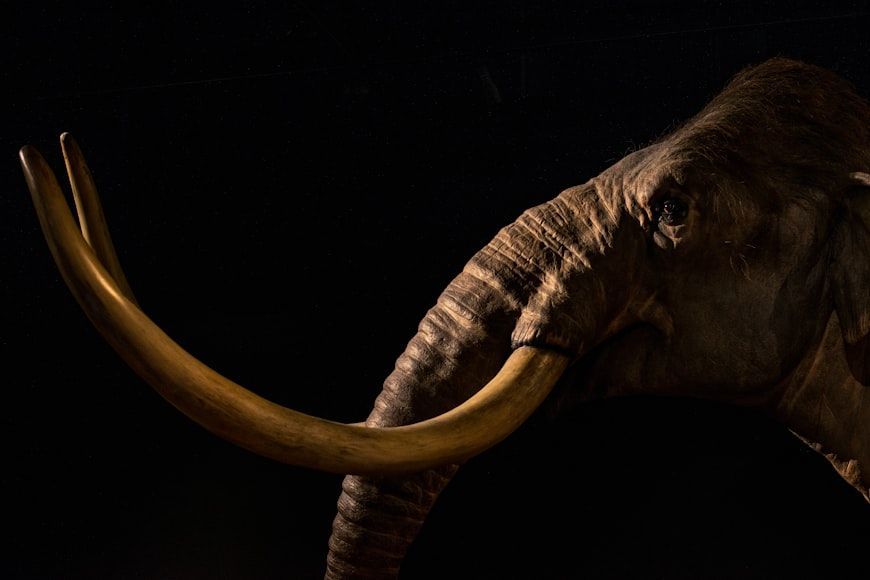
If you are planning a trip to South Dakota, consider adding Ice Age fossils to your itinerary. This museum is an active excavation site and one of the largest research facilities of its kind in North America. In addition to tours and educational experiences, this museum also hosts summer programs.
Dali Museum (St. Petersburg)
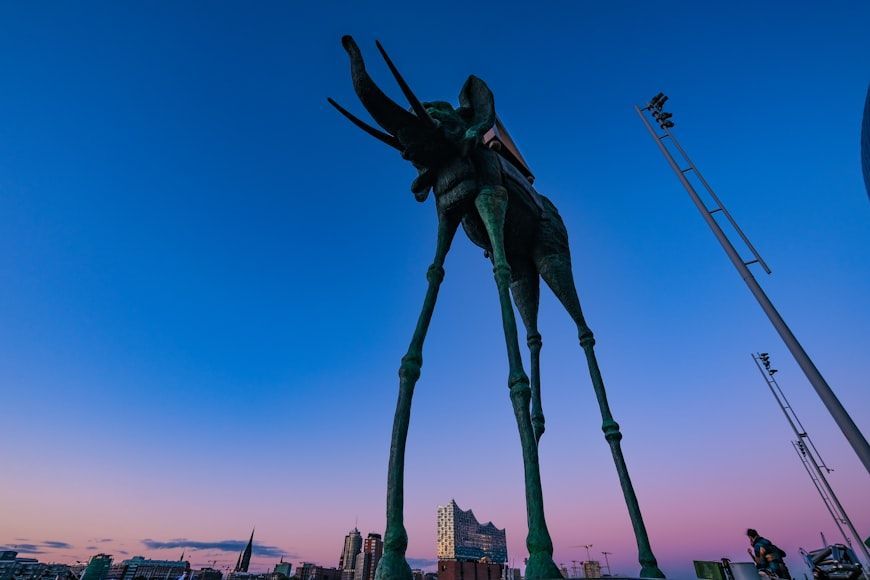
The location of this museum is not accidental. St. Petersburg, Florida, was chosen due to its similarities with Cadaques, Salvador Dali’s hometown in Spain. In addition to the more than 2,400 works by Dali kept here, the museum building is an architectural masterpiece in itself and has been named one of the most interesting museums in the world.
National Constitution Center (Philadelphia)

It only makes sense that a museum focused on the Constitution would be based in the place where it was written and signed, but did you know this institution was established by the U.S. Congress? Its main purpose is to provide non-partisan information about the Constitution to all Americans. It features historical documents, interactive exhibits, and more.
International Spy Museum (Washington, D.C.)

You can find this museum just a walk away from the White House. It houses one of the largest collections of international espionage artifacts available to the general public, and offers information about espionage history, interactive displays, and the chance to live the spy experience for one day.
The Mob Museum (Las Vegas)

While this is not the only mob-centered museum, it is certainly unlike any other. It’s officially named the ‘National Museum of Organized Crime and Law Enforcement’, and here, you can not only learn about organized crime, but also see artifacts and common objects that were part of famous mob events.
Henry Morrison Flagler Museum (Palm Beach)

One of John D. Rockefeller’s business partners, Henry Morrison Flagler, played a huge part in developing Florida, building hotels, funding a railroad throughout the state's east coast, and helping develop the tourism industry. This museum is what once was Whitehall, his Gilded Age manor in Palm Beach. Besides touring the magnificent building, you can also visit Flagler’s personal railcar.
Anchorage Museum (Anchorage)
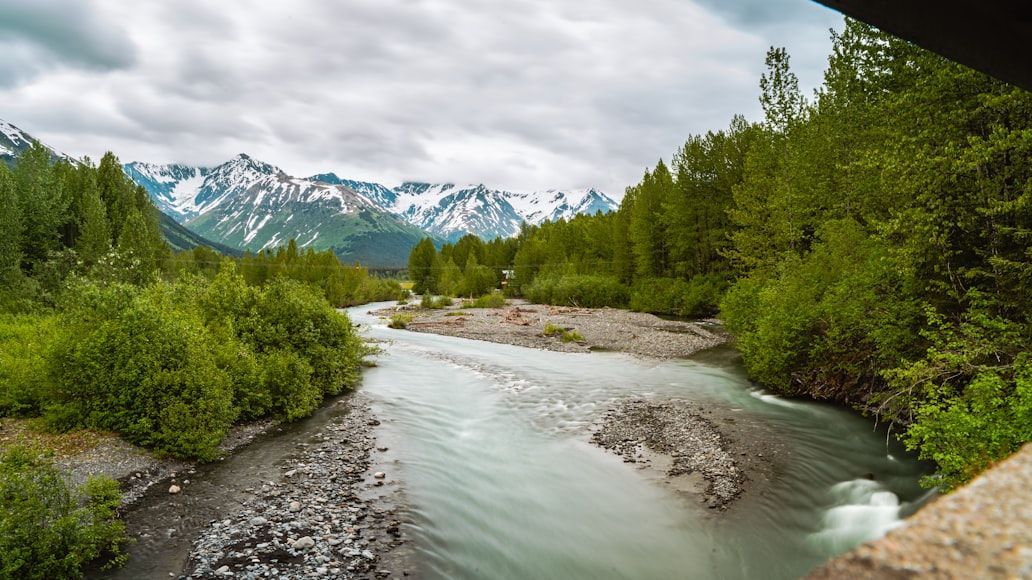
If you want to know more about Alaska, this is the place to go. You can learn about Alaskan history and what life was like in the Last Frontier through displays that include hundreds of native pieces, paintings, photographs, and interactive exhibits.
Musical Instrument Museum (Phoenix)

Located in the Arizona desert, this museum is home to an incredible collection: more than 8,000 musical instruments from around the world are on display, and you can hear their sound through headphones offered by the museum. Besides the exhibits and the interactive experiences, this museum also houses instruments that belonged to famous musicians, such as Johnny Cash!
Keep wandering
There’s always
more to explore
What happens to tourist towns after everyone goes home?
5 min.
Read Now
 Landmarks

The construction mistake that made this tower famous
5 min.
Read Now
 General
Why did San Antonio move an entire hotel through downtown?
6 min.
Read Now

Ever wonder why there’s a tiny hole in airplane windows?
6 min.
Read Now