Why you shouldn't take sleeping pills and 9 other jet lag no-no's
 General
Why you shouldn't take sleeping pills and 9 other jet lag no-no's
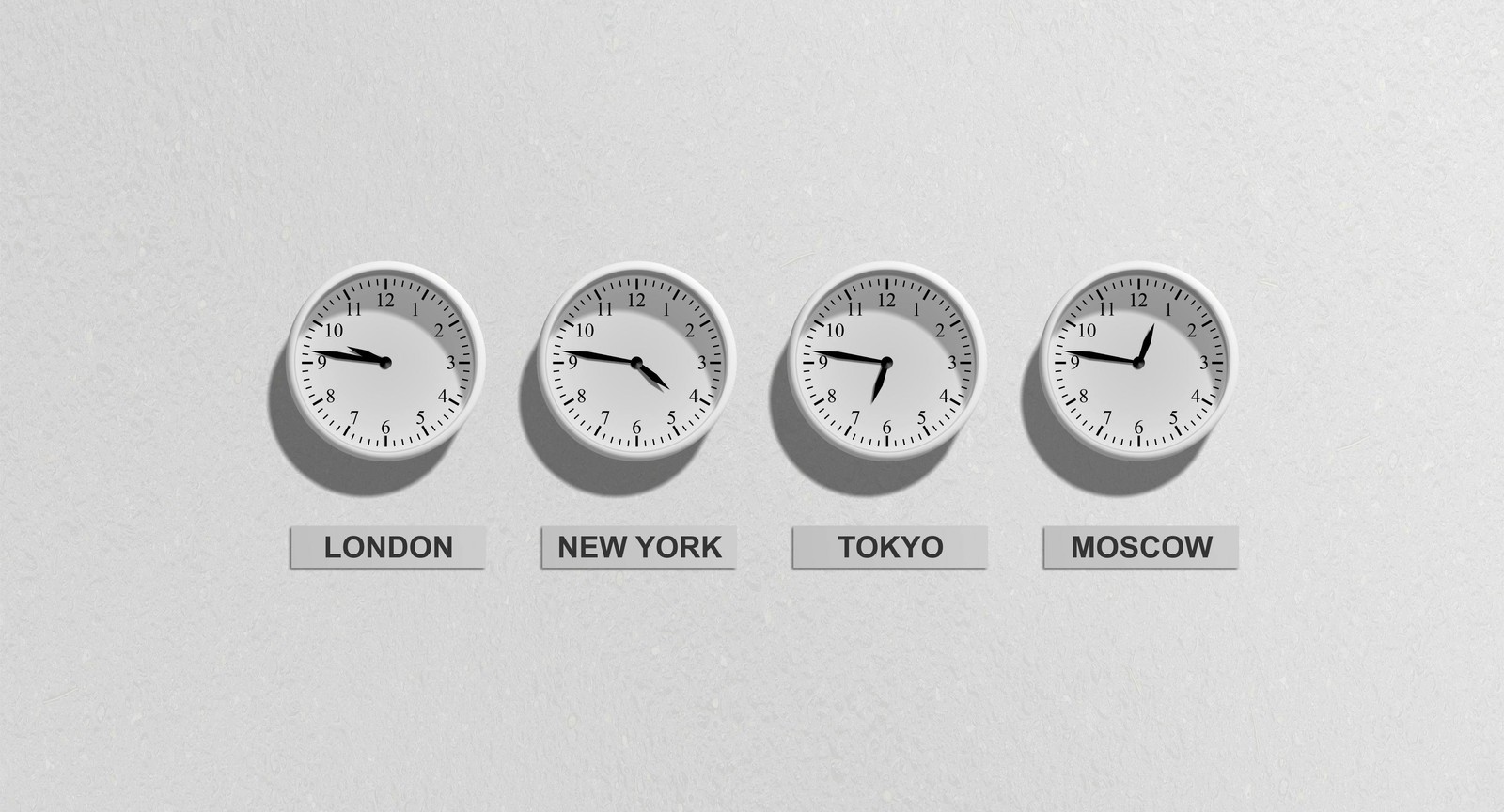
Traveling across time zones is one of the closest things we have to magic, but it comes with a steep biological price. This desynchronization, colloquially known as jet lag, is more than just feeling tired; it’s a full-body rebellion affecting your digestion, mood, and cognitive function. Fortunately, you don't have to spend the first three days of your vacation in a hazy fog. Here are 10 definitive tips to outsmart your internal clock and hit the ground running.
Modify your sleep routine
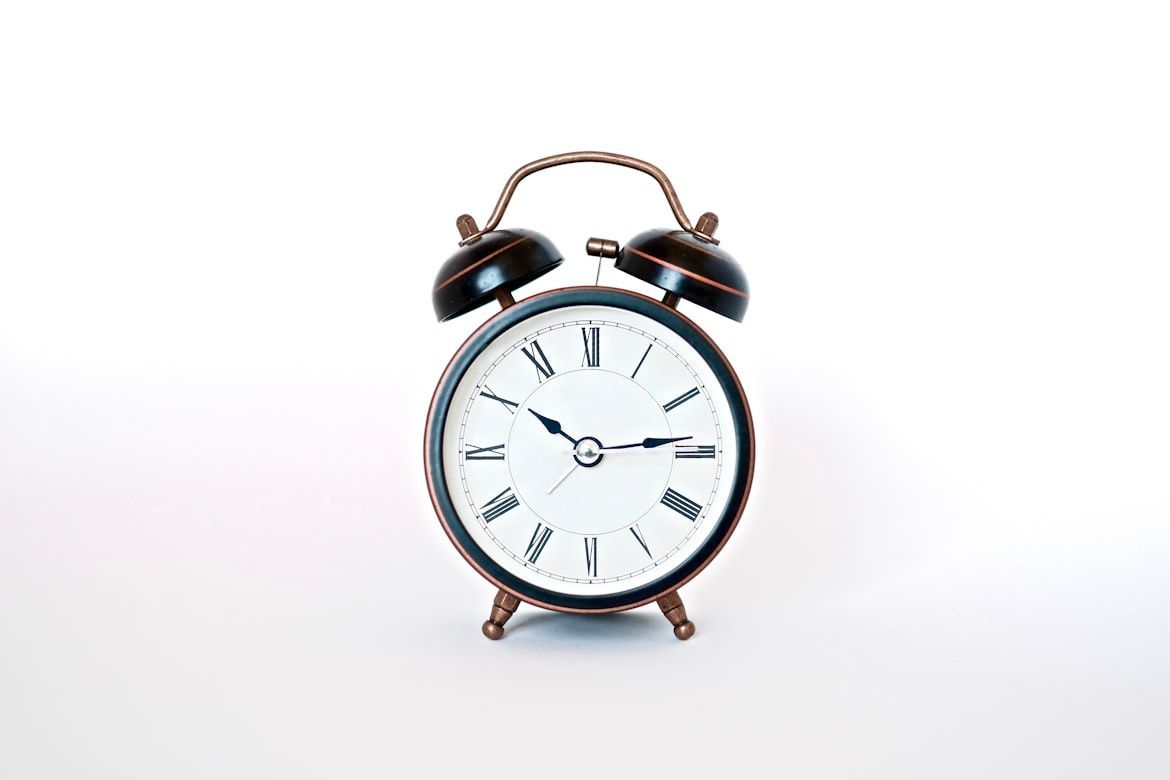
Don't wait until you’re at 35,000 feet to start thinking about the time change. Your body can typically only adjust its internal clock by about an hour per day. To give yourself a head start, begin shifting your bedtime two to three days before your departure. If you are traveling East, go to bed an hour earlier each night; if you’re travelling West, stay up an hour later.
In the digital age, you don’t have to do the math yourself. Apps like Timeshifter use personalized neurobiology to create a jet lag plan based on your sleep pattern and flight itinerary. Another great tool is Entrain, which uses mathematical models to find the fastest way to adjust to new time zones. By the time you board, your brain should already be halfway to your destination.
Keep yourself hydrated

The humidity in an airplane cabin usually hovers around 10% to 20%, which is drier than many deserts. This lack of moisture causes your mucous membranes to dry out, leading to headaches and fatigue, which amplify the symptoms of jet lag.
Carry a reusable water bottle and aim for at least 8 ounces of water for every hour you are in the air. Proper hydration ensures your blood volume stays consistent and your body can continue to regulate its temperature.
Avoid coffee and alcohol
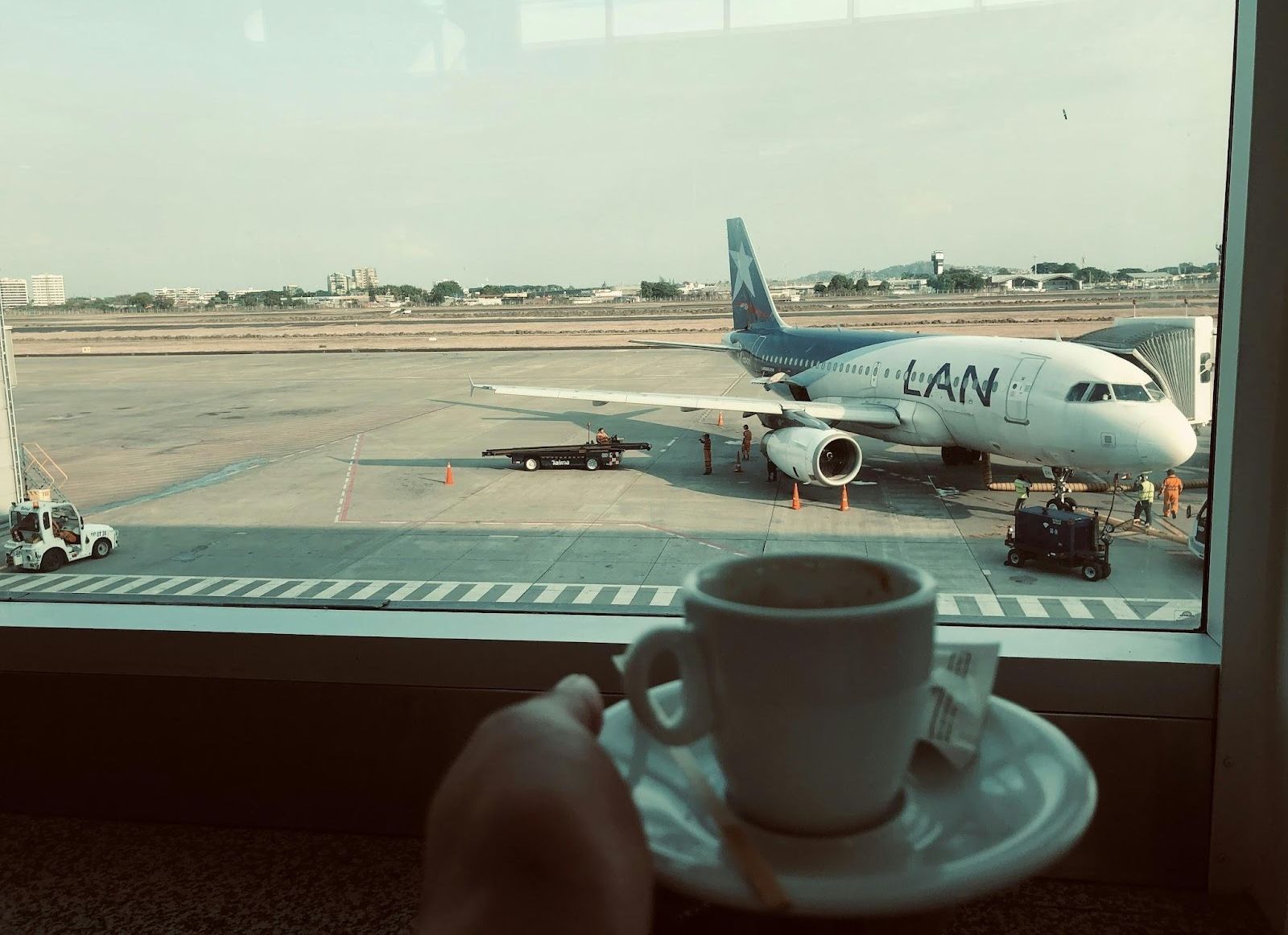
It’s tempting to use the beverage cart as a pharmacy: coffee to stay awake and wine to pass out, but resist the urge.
While it provides a temporary boost, caffeine lingers in your system for up to six hours, potentially blocking your ability to sleep when you actually need to. On the other hand, higher altitudes increase the effects of alcohol, and while it might help you drift off, it severely disrupts the quality of your REM sleep. Trust us, you’ll wake up feeling more dehydrated and disoriented than if you had stayed sober.
Make light and healthy food choices
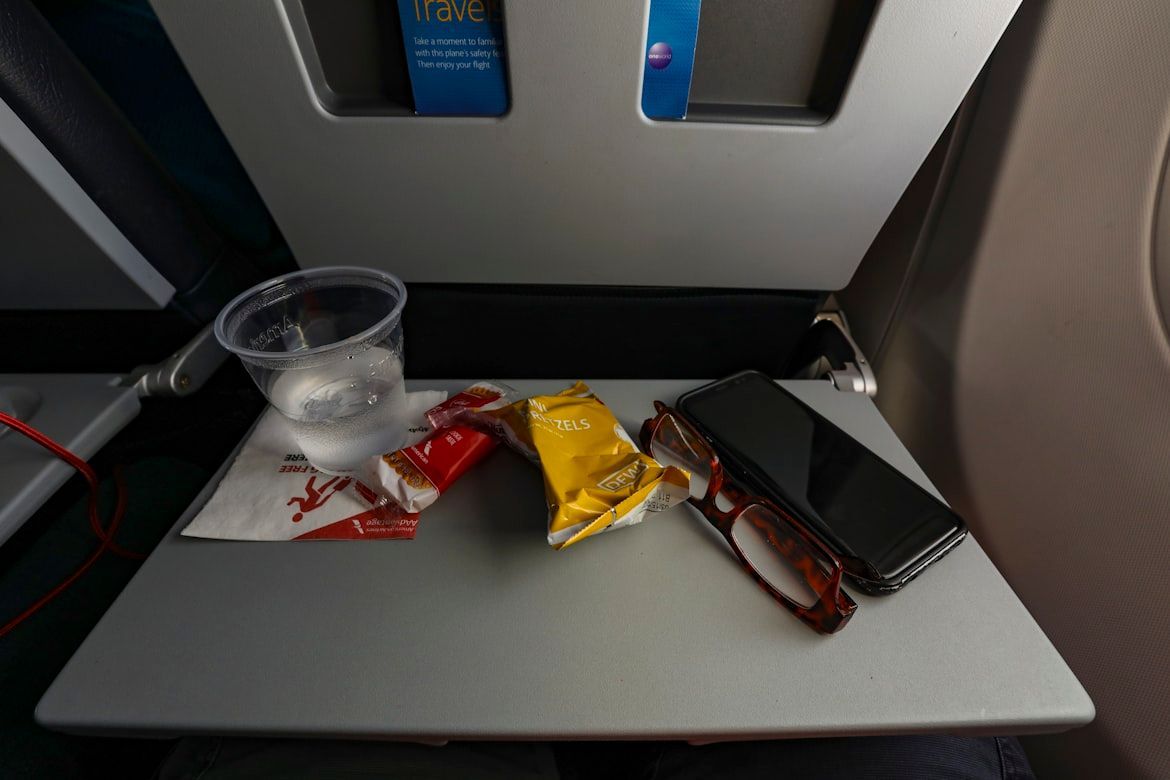
Digestion is key to your body’s overall health. When you eat a heavy, three-course meal in the middle of what your body thinks is 3:00 AM, you’re essentially telling your stomach to wake up while your brain is trying to sleep.
Opt for light, protein-rich snacks during the flight. Avoid salty foods that cause bloating and water retention. Many frequent flyers swear by the "Anti-Jet Lag Diet," which involves eating sparingly during the flight and having a high-protein breakfast once you land in the new time zone to signal morning to your metabolism.
Be careful when using sleeping pills
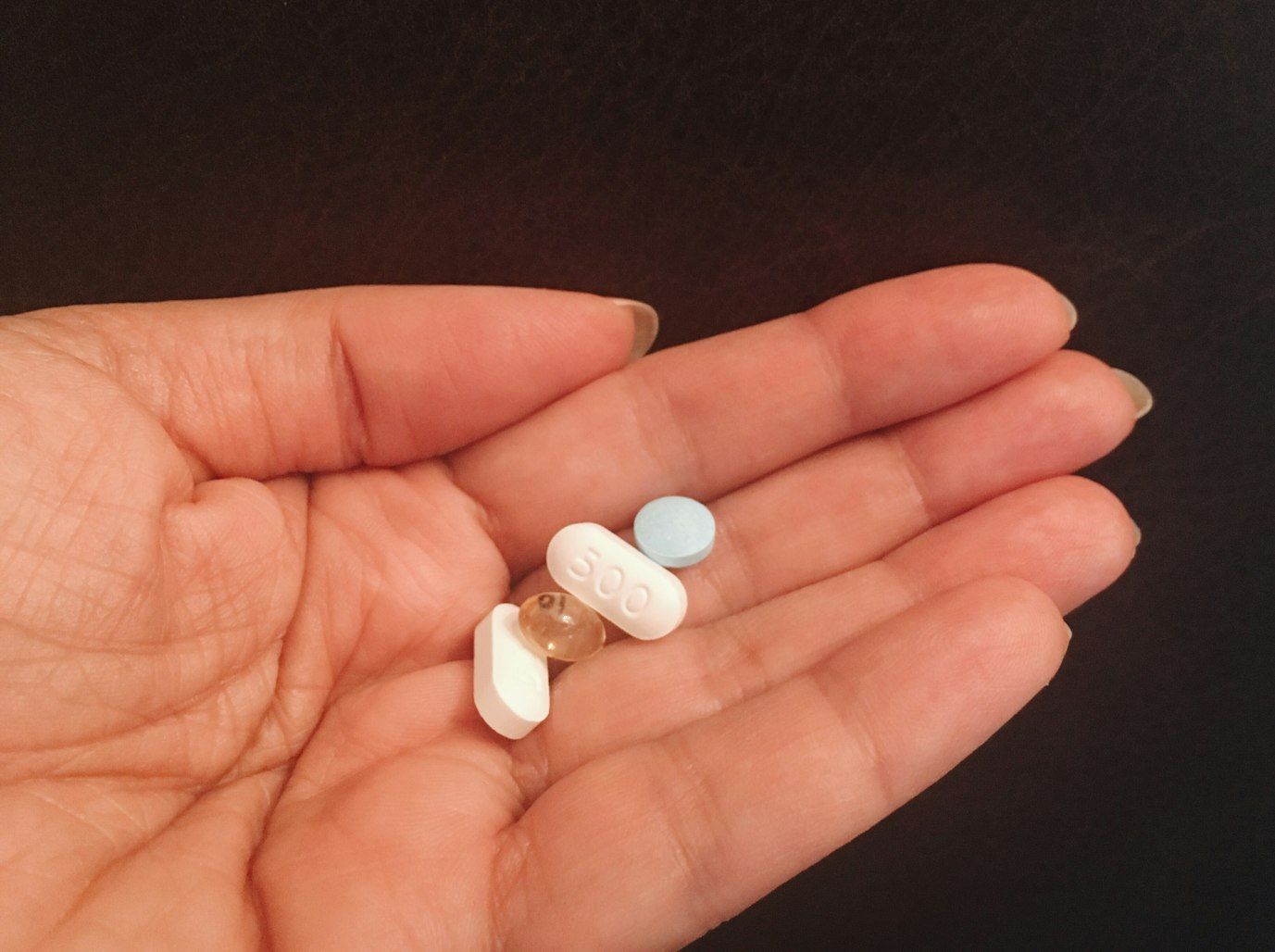
Knocking yourself out for eight hours sounds like a dream, but prescription sleeping pills can be a double-edged sword. If there is an emergency on the plane, you need to be alert. Furthermore, staying in a deep, drug-induced sleep without moving increases the risk of blood clots.
If you must use an aid, consider Melatonin, a hormone your body naturally produces to signal sleep. Taking a low dose at the local bedtime of your destination can help nudge your clock in the right direction without the heavy grogginess of sedative-hypnotics.
Get up and move about
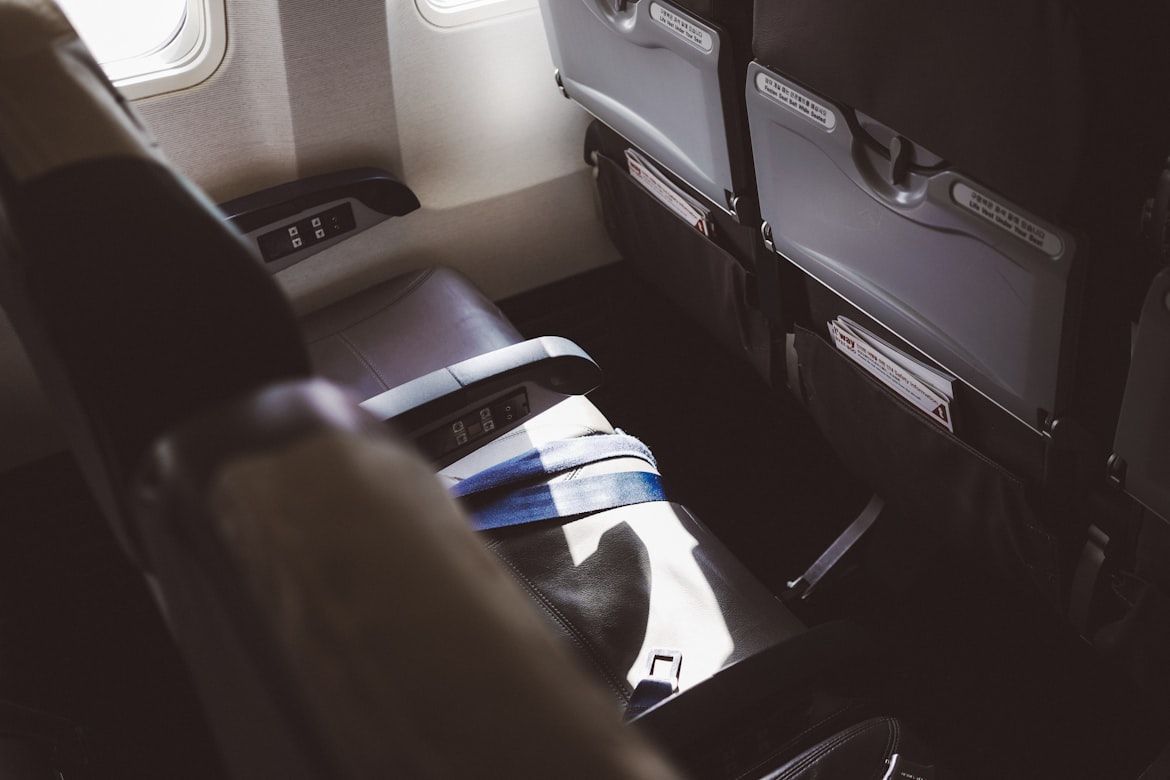
Physical activity during the flight isn't just about preventing Deep Vein Thrombosis (DVT); it’s about circulation and energy regulation. Every couple of hours, walk the length of the aisle or perform some seat yoga.
Stretching your calves and rolling your shoulders helps keep your lymphatic system moving and prevents that sluggish, heavy-limbed feeling that makes jet lag feel so much worse.
Make sure you get enough sunlight

Sunlight is the single most powerful tool for resetting your circadian rhythm. Your eyes have specific receptors that detect blue light from the sun, which then signals the brain to stop producing melatonin.
If you traveled East, get as much morning light as possible to advance your clock. If you traveled West, stay outside in the late afternoon to delay your clock. If you arrive and it’s daytime, don't hide in your hotel room with the curtains drawn. Go for a walk. Even a cloudy day provides significantly more light intensity than the brightest indoor lighting.
Make smart use of short naps

The "No Napping" rule is common advice, but it can be brutally difficult to follow. If you are truly crashing, a 20-minute power nap can provide a cognitive boost without causing sleep inertia, that heavy, confused feeling you get when waking from a deep sleep.
Set an alarm and do not let it turn into a two-hour slumber. If you sleep too long during the day, you will never consolidate your sleep at night, effectively extending your jet lag by another 24 hours.
But take a power nap in the morning

There is a specific scenario where a nap is highly recommended: the dreaded flight that lands at 7:00 AM. If you haven't slept on the plane, trying to stay awake until 9:00 PM is a recipe for a meltdown.
Once you check in, take a controlled 90-minute nap. This allows you to complete one full sleep cycle. Wake up, take a cold shower, and get outside into the sun immediately. This emergency reset can give you just enough fuel to make it to a reasonable local bedtime.
Get used to local time

The moment you step onto the plane, set your watch to the destination time. This is a psychological trick that helps you start living in the new zone before you even arrive.
Once you land, adhere strictly to local meal times. Even if you aren't hungry, eat a small lunch at 1:00 PM. If you feel like you're starving at 4:00 AM, try to hold out until a light breakfast. By forcing your metabolic processes to sync with the local clock, the rest of your body’s systems will eventually follow suit.
Keep wandering
There’s always
more to explore

Did you know travelling helps strengthen your relationships?
3 min.
Read Now
 Landmarks

Avoid surprises: You could go to jail if you do this in a national park
4 min.
Read Now

11 things that confuse first-time travelers in the U.S.
3 min.
Read Now
Don't do this at airport security: Common behaviors that draw attention
4 min.
Read Now