The Franklin and Shackleton expeditions: 2 poles, 2 different outcomes
 History
Chilling tales ahead
The Franklin and Shackleton expeditions: 2 poles, 2 different outcomes
Polar exploration produced few stories as dramatically different as the Franklin and Shackleton expeditions. Both set out with ambitious goals, both saw their ships trapped by ice, and both eventually forced men onto a frozen wilderness far from help. Yet Sir John Franklin's 1845 Arctic expedition ended with all 129 men dead, while all 28 members of Ernest Shackleton's Endurance party survived their Antarctic ordeal seven decades later, in their 1914 expedition. Their stories unfolded in different places, eras, and circumstances, but following them side by side reveals just how differently a polar disaster could develop.
The Franklin Mission: two ships entering the Arctic to find the Northwest Passage

When Sir John Franklin sailed from England on May 19, 1845, he wasn't leading a poorly prepared gamble into the unknown. HMS Erebus and Terror were reinforced veterans of Antarctic exploration, equipped with steam engines, heating systems, and enough provisions for at least three years. After five men were sent home from Greenland, 129 officers and crew continued into the Canadian Arctic.
Their goal was to navigate the remaining unknown sections of the Northwest Passage between the Atlantic and Pacific. The expedition spent its first winter at Beechey Island, where three men died, before sailing south toward King William Island. What happened next transformed a celebrated British expedition into one of exploration's greatest mysteries.
The Shackleton Mission: one ship transporting men who would cross the Antarctic continent

By 1914, explorers had already reached the South Pole, but Ernest Shackleton had another prize in mind: the first crossing of the Antarctic continent. His plan called for Endurance to reach the Weddell Sea coast, from where a party would travel across Antarctica toward the Ross Sea, passing through the South Pole along the way.
The expedition left South Georgia on December 5, 1914. It never reached its intended landing place. On January 19, 1915, Endurance became locked in pack ice in the Weddell Sea. Shackleton's grand continental crossing was effectively over before it had begun. What replaced it would become an extraordinary fight simply to get everyone home.
Franklin Mission: Trapped by ice, the Erebus and Terror stopped moving

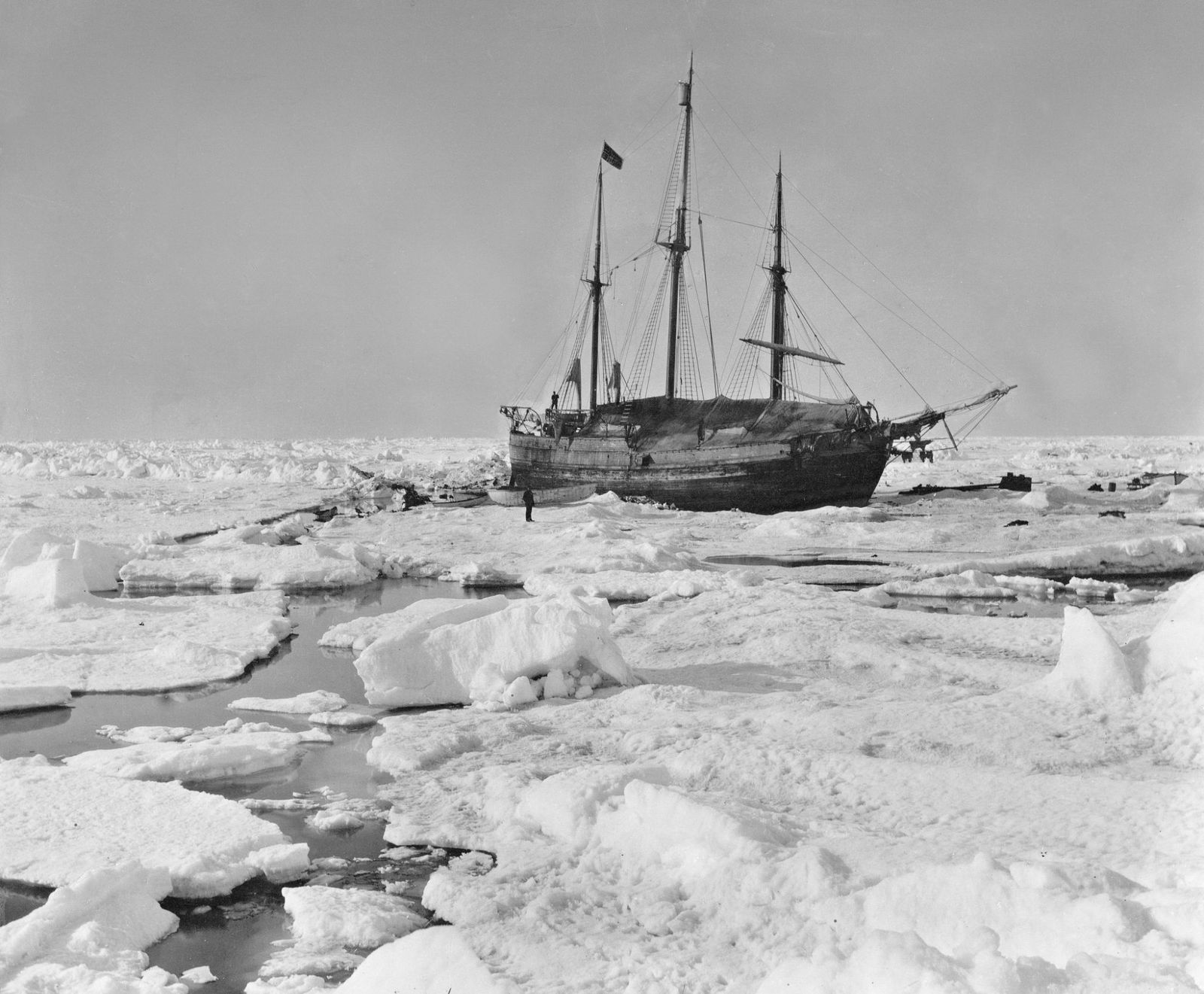
In September 1846, Erebus and Terror became trapped in ice northwest of King William Island. One winter passed, and then another. During that long imprisonment, Franklin died on June 11, 1847, leaving Francis Crozier in command. By the following spring, the ships still hadn't escaped.
Much of what we know comes from the Victory Point Note, one of the expedition's most important surviving records. An earlier message had reported that all was well. Later additions told a grimly different story: Franklin was dead, other men had died, and the ships had remained trapped since 1846. After nearly two years without freedom, the survivors were preparing to leave them behind.
Shackleton Mission: Trapped by ice, the Endurance was crushed by ice
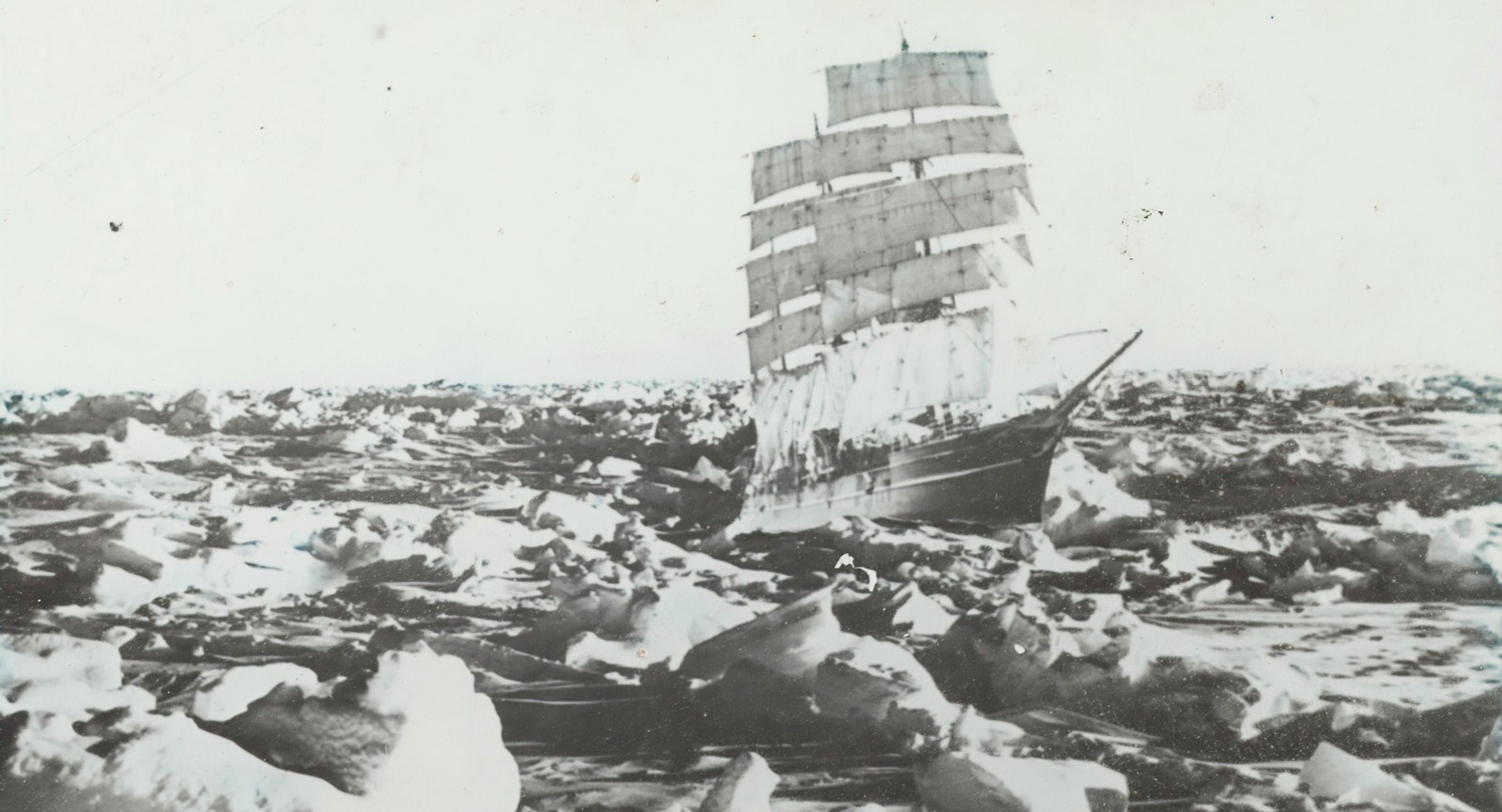
Endurance also became immobilized, but the pack ice carrying her continued moving through the Weddell Sea. For roughly nine months, Shackleton and his men lived aboard their trapped ship as it drifted with the frozen ocean. At first, there was still hope that changing conditions might release it.
Instead, the pressure increased. Massive forces within the pack began squeezing and twisting the wooden hull. On October 27, 1915, Shackleton finally ordered his men off the ship. They watched from the ice as the vessel that had been their home was gradually destroyed. Unlike Franklin's crews, they hadn't abandoned a ship that might continue sheltering them: the ice was taking Endurance away from them.
Franklin Mission: 105 survivors abandoned ship and attempted a retreat to the continent
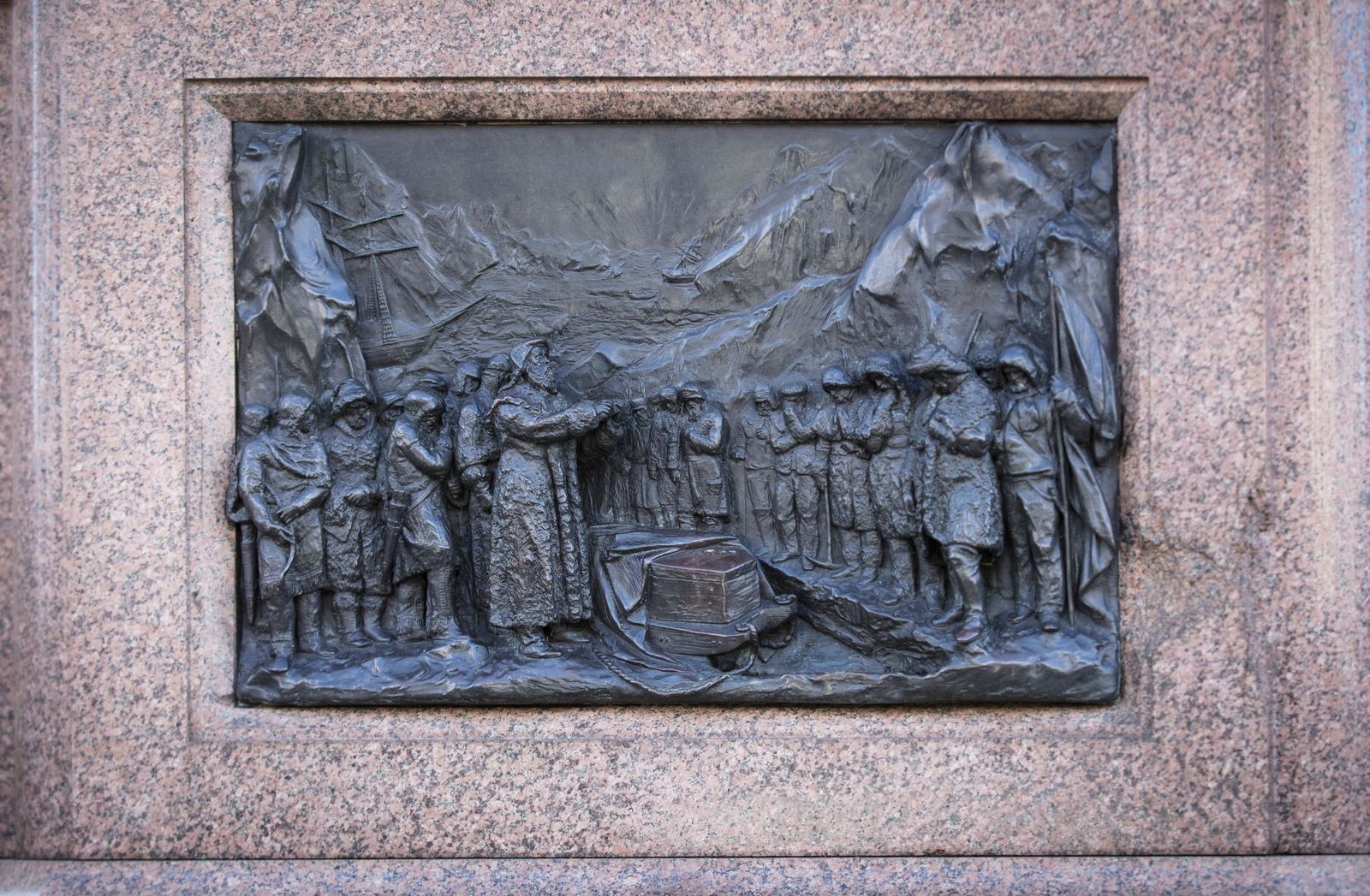
On April 22, 1848, the surviving Franklin men abandoned Erebus and Terror. By then, only 105 of the original 129 remained alive. Their apparent plan was to head south toward the Back River and eventually reach assistance connected with the Hudson's Bay Company.
It meant exchanging the protection and stores of their ships for an enormous journey through Arctic terrain. What happened afterward remains frustratingly incomplete. Later searchers found bodies, equipment, abandoned possessions, and other traces of the retreat.
Shackleton Mission: The crew waited on the ice after abandoning their ship
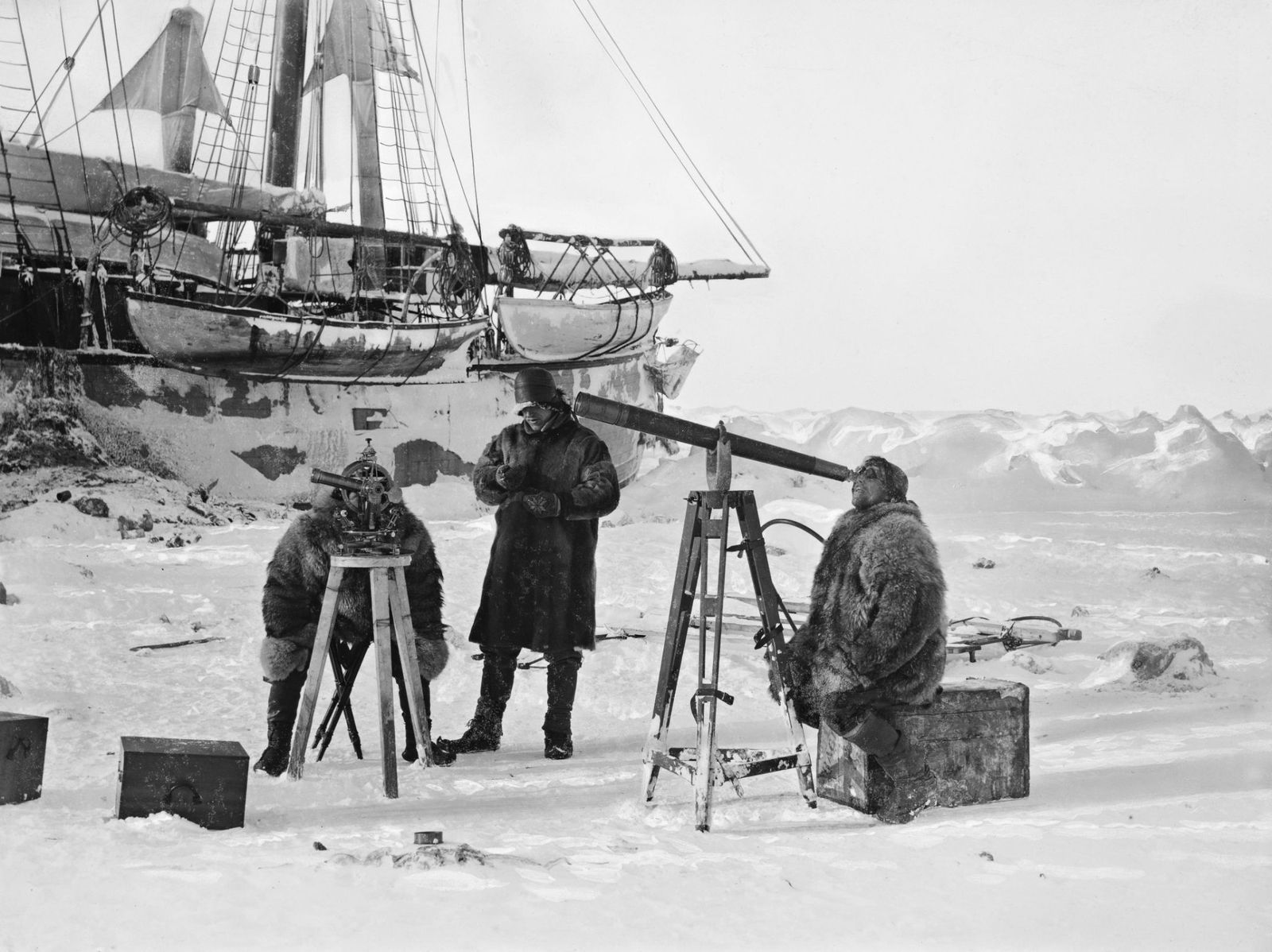
After leaving Endurance, Shackleton's 28 men found themselves camping on floating sea ice. They salvaged food, equipment, and, crucially, the expedition's three lifeboats: James Caird, Dudley Docker, and Stancomb-Wills. Those small craft would eventually become their route out.
Attempts to haul the boats and supplies across the ice proved exhausting and impractical. Instead of forcing a long march, Shackleton eventually chose to camp and allow the drifting pack to carry the party. When the ice finally broke apart in April 1916, the men launched the boats. After a grueling journey through freezing seas, all 28 reached remote Elephant Island. For the first time in about 497 days, they stood on solid ground.
Franklin Mission: The journey for survival
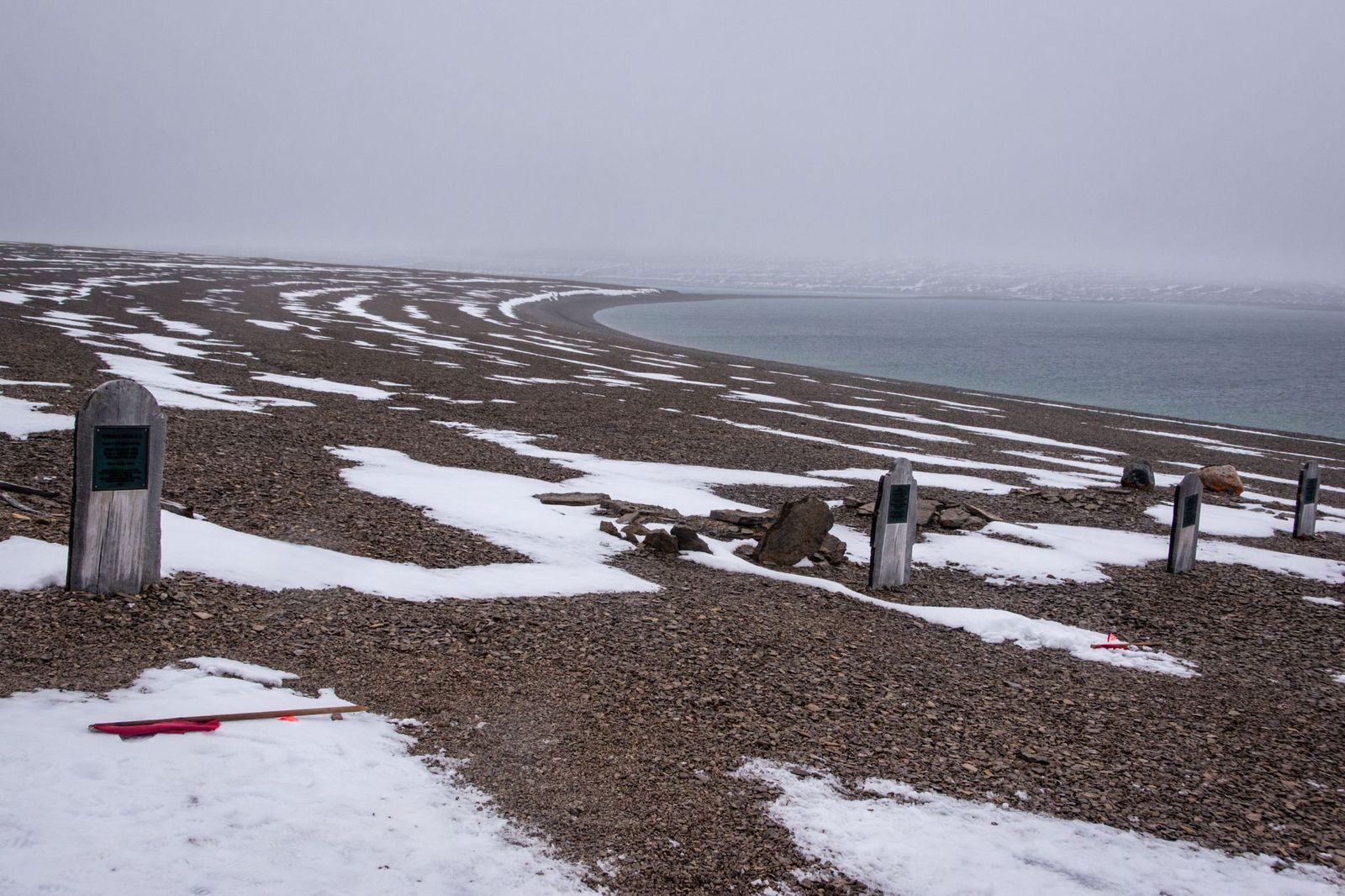
Years passed before searchers began piecing together what had happened to Franklin's men. In 1854, explorer John Rae collected testimony from Inuit who had encountered or heard about starving Europeans travelling south. Inuit also described finding bodies farther along their route and provided objects that had belonged to Franklin's expedition.
The testimony included a horrifying detail: some of the desperate survivors appeared to have resorted to cannibalism. Victorian Britain reacted with outrage, and even Charles Dickens attacked the credibility of the Inuit accounts. Later archaeological evidence supported those reports. Exactly what killed each man remains uncertain, but cold, hunger, illness, exhaustion, and the enormous distances involved created a catastrophe from which nobody returned.
Shackleton Mission: two impossible trips, one after the other
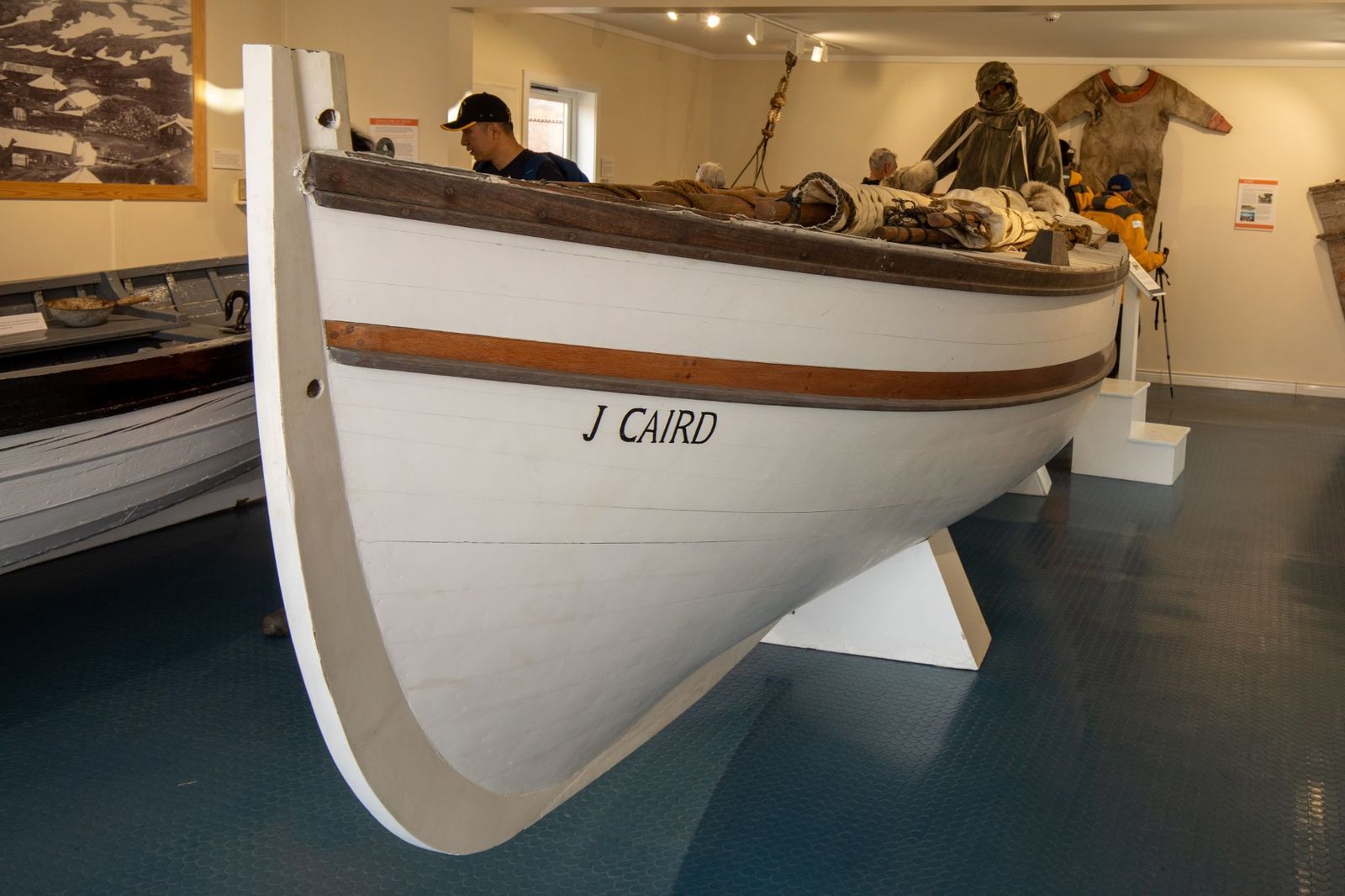
Reaching Elephant Island was an achievement, but it didn't mean rescue. The island was uninhabited and far from normal shipping routes, so Shackleton decided that someone would have to go looking for help. On April 24, 1916, he and five companions climbed aboard the 22-foot James Caird and aimed for South Georgia, roughly 800 miles away across notoriously violent seas.
Seventeen days later, they reached it, but on the wrong side. Shackleton, navigator Frank Worsley, and sailor Tom Crean then crossed South Georgia's mountainous interior on foot. On May 20, they staggered into the whaling station at Stromness. They had finally reached civilization, but Shackleton's men on Elephant Island were still waiting.
Franklin Mission: The final outcome

No member of Franklin's expedition came home. His disappearance triggered an enormous series of searches, many encouraged and financed by his determined wife, Lady Jane Franklin. Search parties discovered graves, documents, artifacts, and testimony that gradually revealed fragments of the expedition's fate, but Erebus and Terror themselves remained missing.
Then, nearly 170 years after Franklin sailed, the story changed again. Parks Canada located Erebus in 2014 and Terror two years later. Inuit knowledge had played an important role in guiding the search, vindicating testimony that earlier generations had too often dismissed. Archaeologists are still studying the wrecks today.
Shackleton Mission: The final outcome
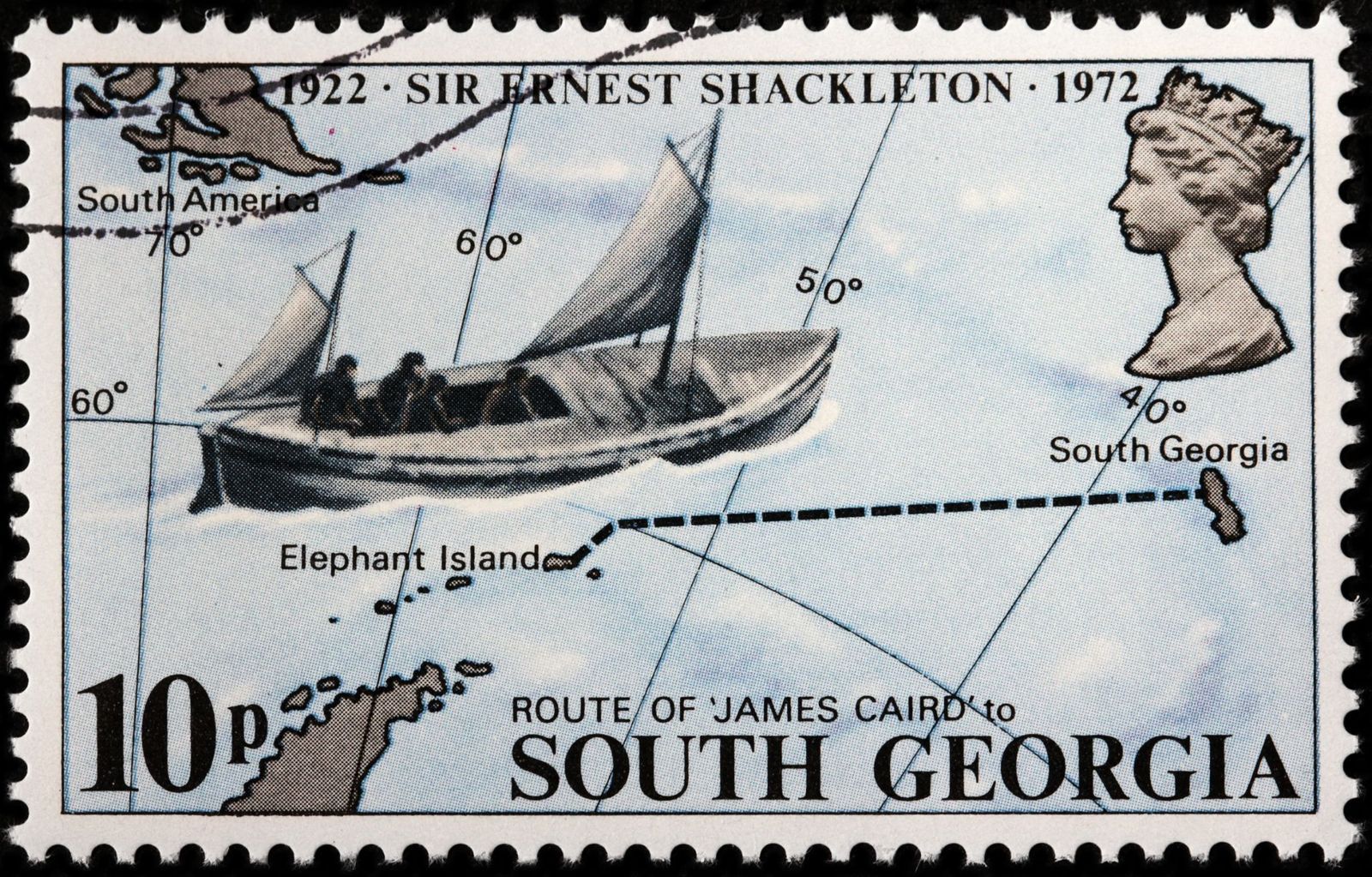
Shackleton still had to return for the 22 men waiting on Elephant Island. Sea ice and weather defeated several rescue attempts before the Chilean vessel Yelcho finally reached them on August 30, 1916. When Shackleton approached the island, he discovered something remarkable: every member of the Endurance party was still alive.
The familiar claim that everyone in Shackleton's entire expedition survived needs one qualification. A separate group, the Ross Sea Party, had been laying supply depots from the opposite side of Antarctica, and three of its members died. But all 28 men who had sailed aboard Endurance survived. The expedition achieved none of its original geographical objective, yet its failure became one of history's most celebrated survival stories.

Checked bag vs carry-on: What should go where?
 General
The art of packing
Are you a frequent flyer? Always pack this in your carry-on
Packing for a flight is complicated in itself, but once you factor in baggage rules, it can be a headache. Airport security regulations and airline policies might seem overwhelming, but knowing some main guidelines will make the process much less stressful. Let’s have a look at what you should keep in your hand luggage, what is not allowed, and what always has to go in your checked bag.
Keep a change of clothes with you

Keeping extra clothes handy might seem less important than other items in this list, but several situations warrant it. Think lost luggage, accidental spills, or a totally different weather upon arrival. It might seem a waste of space, but it can be a lifesaver.
Careful with your wallet

As a general rule, it’s always advisable to keep valuables such as money, jewelry, or electronics with you, as most airlines’ travel insurance will only cover items in your hand luggage. If you need to pack valuable objects in your checked luggage due to size or safety restrictions, make sure to check the airline’s insurance or consider getting special coverage to safeguard them.
What about liquids?

If you wish to pack liquids in your carry-on—this includes gels, creams, and permitted aerosols—, they must be packed in 3.4-ounce (or less) containers. Most airports will also require these containers to be placed inside a transparent, resealable bag. While there are no set restrictions for the amount of liquids in the checked luggage, there might be an established limit for alcoholic beverages or hazardous liquids.
Be mindful of fragile items

Like with valuables, it’s always better to pack fragile items, such as ceramic souvenirs or prescription glasses, in your hand luggage. However, this is not always possible due to size restrictions—imagine a work of art or a musical instrument. While you can request special stickers to be placed on the item at check-in, this won’t always guarantee the item will be safe. For extremely delicate objects, you might need to consider special shipping.
Where do toiletries go?

There are no restrictions on the toiletries you can carry in your checked luggage. However, if you want to pack toiletries in your carry-on, remember that all creams, serums, gels, pastes, and aerosols are considered liquids and will have to be packed in 3.4-ounce containers and placed in a transparent, resealable bag.
If it's personal, keep it close

Where would you keep your personal documents when travelling, if not with you? While this is obvious for IDs, passports, and other travel-related documents, it is less so for other kinds of documents. Important paperwork that is not travel-related should be treated as any other valuable item. If losing or damaging it will result in significant trouble, it should be kept with you.
Not a fan of plane food?

Most airlines will allow you to bring your own snacks and solid food on the plane, but it’s always best to double-check the company’s policy. For beverages, all drinks are usually allowed, provided that they follow the guidelines for liquids we mentioned above—although alcoholic drinks can’t be consumed during the flight. Yet, these rules don’t apply to the food and drinks that you buy after going through the security check.
Baby on board

Baby items are not bound by other rules, such as the liquid restriction. Formula, frozen breast milk, and baby food are always allowed (in reasonable amounts) even if they are packed in containers bigger than 3.4 oz. However, it’s always best to check the airport and airline’s specific policies regarding these items and their storage.
Traveling with tools

Tools vary widely in size, shape, and purpose, so there are several rules regarding what you are allowed to keep in your hand luggage. Some guidelines to consider: power tools and sharp objects must always go in your checked baggage, though some smaller scissors are sometimes allowed in your carry-on. In the U.S., other tools are generally allowed, provided they are 7 inches or less in length—though this rule varies in other parts of the world. When in doubt, always check the airline’s safety regulations.
Health comes first

Similar to baby stuff, medical items are not bound by rules regarding liquids or sharp objects, but they should be declared at the security checkpoint so they can be properly inspected. This applies to medical devices and machines as well. For essential medication, it’s always best to keep it in your carry-on.
Where should electronics go?

While it’s always safer to keep your electronics with you, these items can be kept either in your checked or hand luggage. The only exceptions are power banks and spare batteries, which should always be kept in the hand luggage to avoid potential fire risks.
Keep wandering
There’s always
more to explore

Why do hotels have bed scarves, two peepholes, and bathroom phones?
6 min.
Read Now

Your feet do what!? No one tells you what outer space does to your body
6 min.
Read Now

These towns look fake, but they're real: Too pretty to be true
3 min.
Read Now
The dirtiest spot on your plane isn't the bathroom
6 min.
Read Now