Reading this article before going trekking can save you a lot of trouble
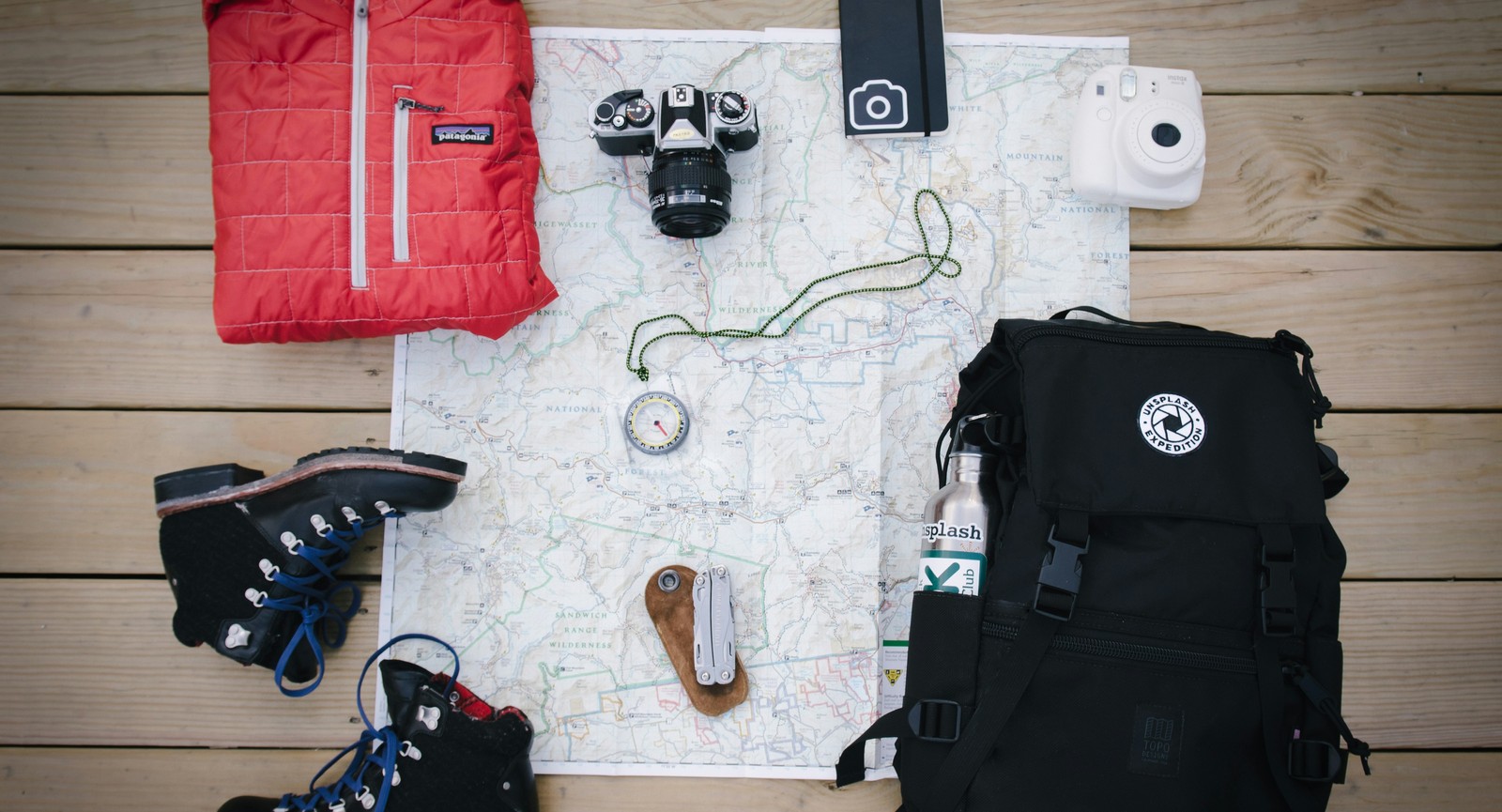
Going on an adventure?
Reading this article before going trekking can save you a lot of trouble
Few experiences feel as refreshing as a recreational trek through America’s forests, deserts, or mountain trails. But even the most scenic route can turn stressful if you forget a key item. Seasoned hikers follow trusted packing checklists for good reason: preparation equals peace of mind. Here are 12 essentials no trekker should leave behind.
Backpack
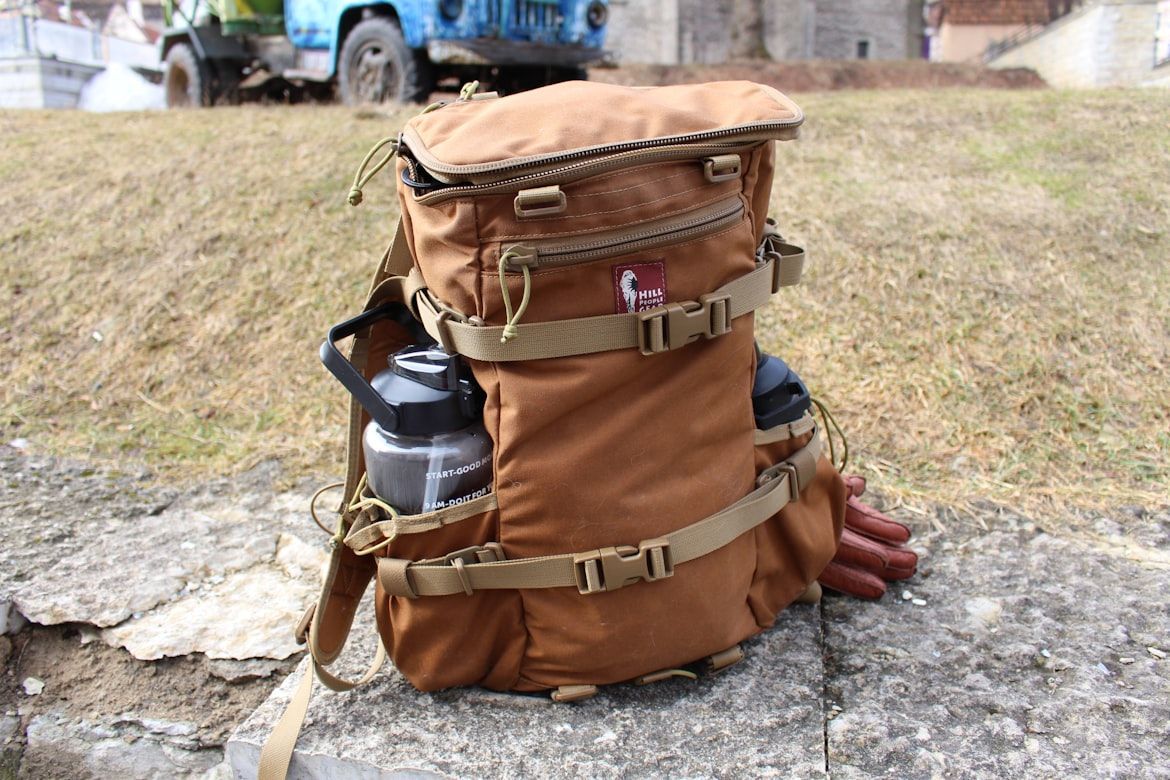
First things first: a properly fitted backpack is the foundation of any trekking adventure. For short day hikes, a 1,200 to 1,800 cubic inches daypack (20 to 30 liters) is usually enough, while overnight treks may require 2,400 cubic inches (40 liters) or more. Adjustable shoulder straps and a padded hip belt help distribute weight comfortably.
Look for breathable back panels and multiple compartments to organize gear. A well-balanced pack reduces strain on your shoulders and back, allowing you to enjoy the trail instead of constantly adjusting your load.
Sturdy hiking footwear
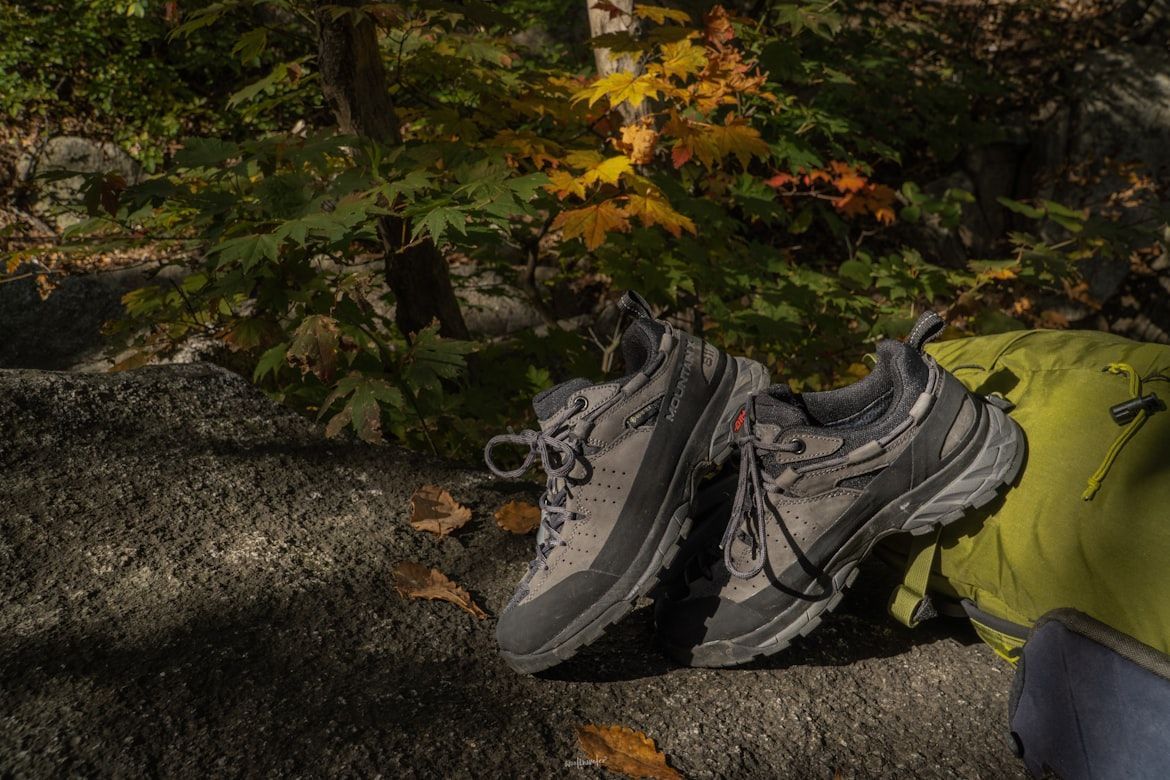
Reliable footwear protects your feet from rocks, roots, mud, and uneven terrain. Hiking boots offer ankle support for rugged trails, while lightweight trail shoes work well on maintained paths. Good tread prevents slipping, especially after rain.
Comfort matters just as much as durability. Break in new footwear before your trip to avoid blisters. Pair your boots with moisture-wicking socks to keep your feet dry and reduce friction during long miles.
Navigation tools
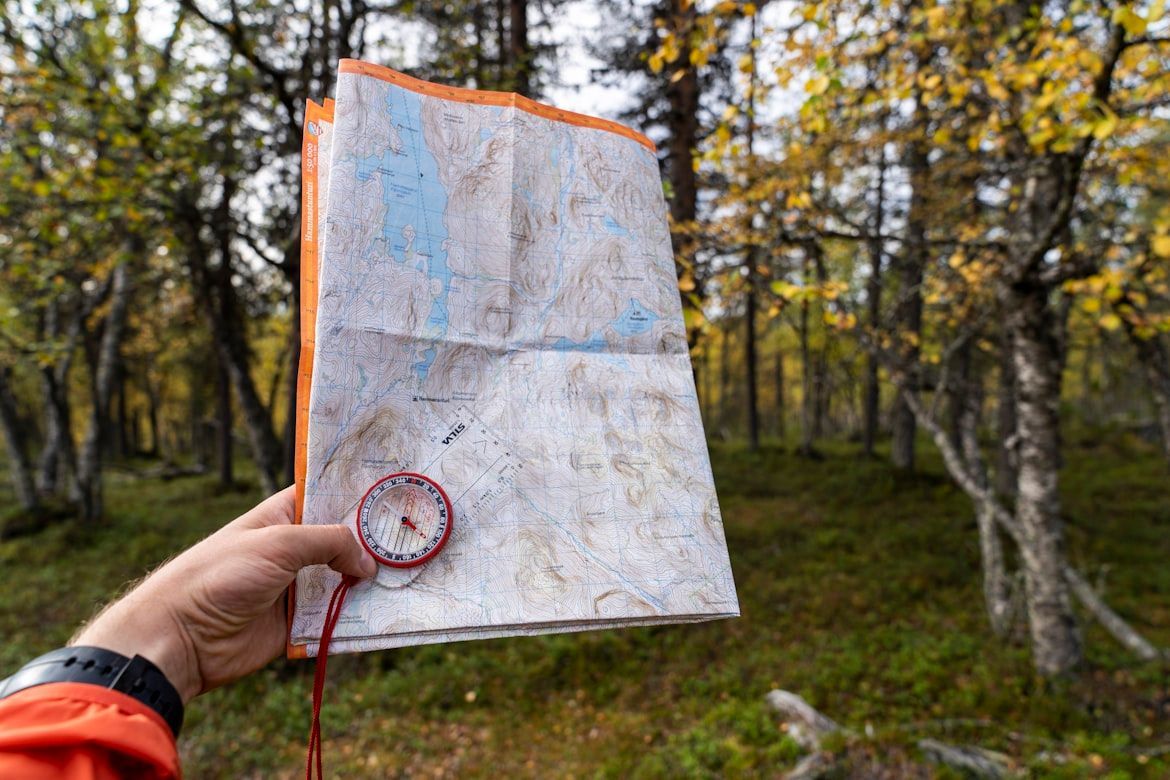
Even well-marked trails can be confusing. Carrying a physical map and compass ensures you can orient yourself if cell service disappears or your battery dies. A GPS device or smartphone app adds convenience but should never replace traditional tools.
Knowing how to use your navigation gear is just as important as packing it. Reviewing the route ahead of time and checking trail junctions regularly helps prevent wrong turns that could cost valuable daylight.
Water and water treatment
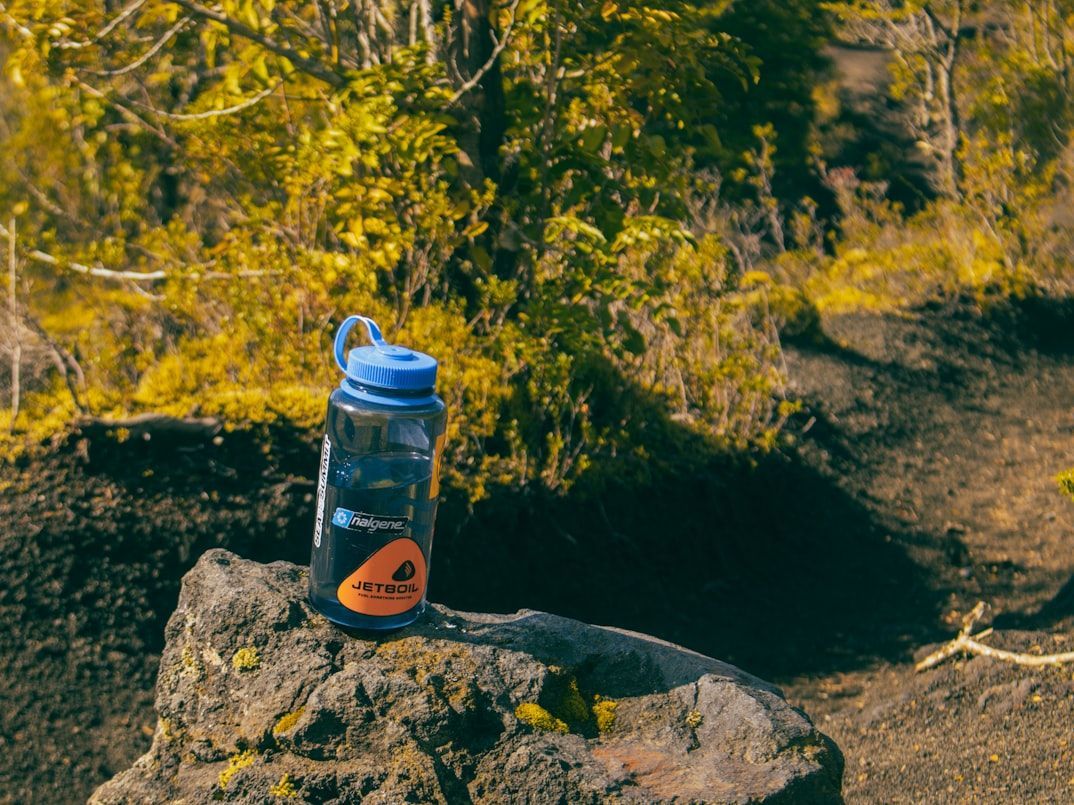
Staying hydrated is critical, especially in hot or high-altitude environments. Most hikers need at least 17 fluid ounces of water per hour (0.5 liters) for moderate activity. Carry bottles or a hydration reservoir that fits comfortably in your pack.
For longer treks, include a water filter or purification tablets. Natural water sources may look clean, but can contain harmful microorganisms. Treating your water allows you to refill safely and travel lighter.
Extra food and snacks
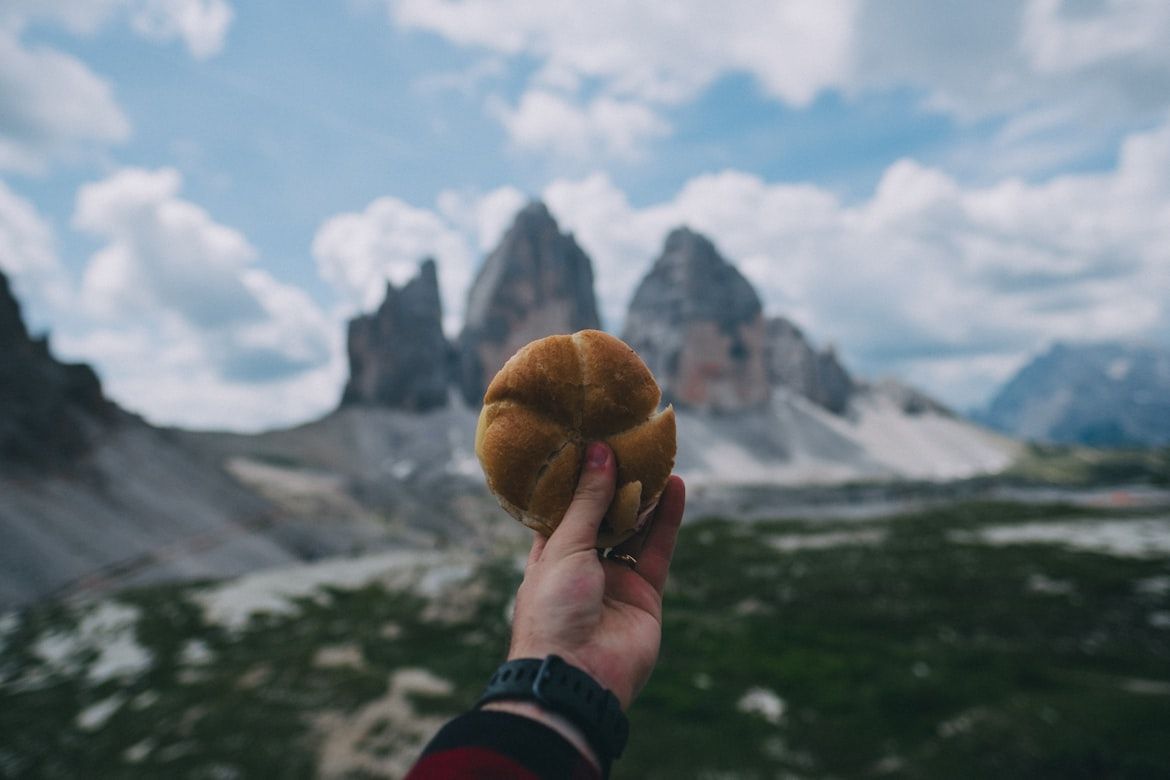
Energy levels can drop quickly during a trek. High-calorie snacks like nuts, dried fruit, and energy bars provide fuel without taking up too much space. Even short hikes warrant more food than you think you’ll need.
Packing extra portions prepares you for delays caused by weather or slow progress. A little surplus can make the difference between a pleasant hike and an exhausting struggle back to the trailhead.
Weather-appropriate clothing
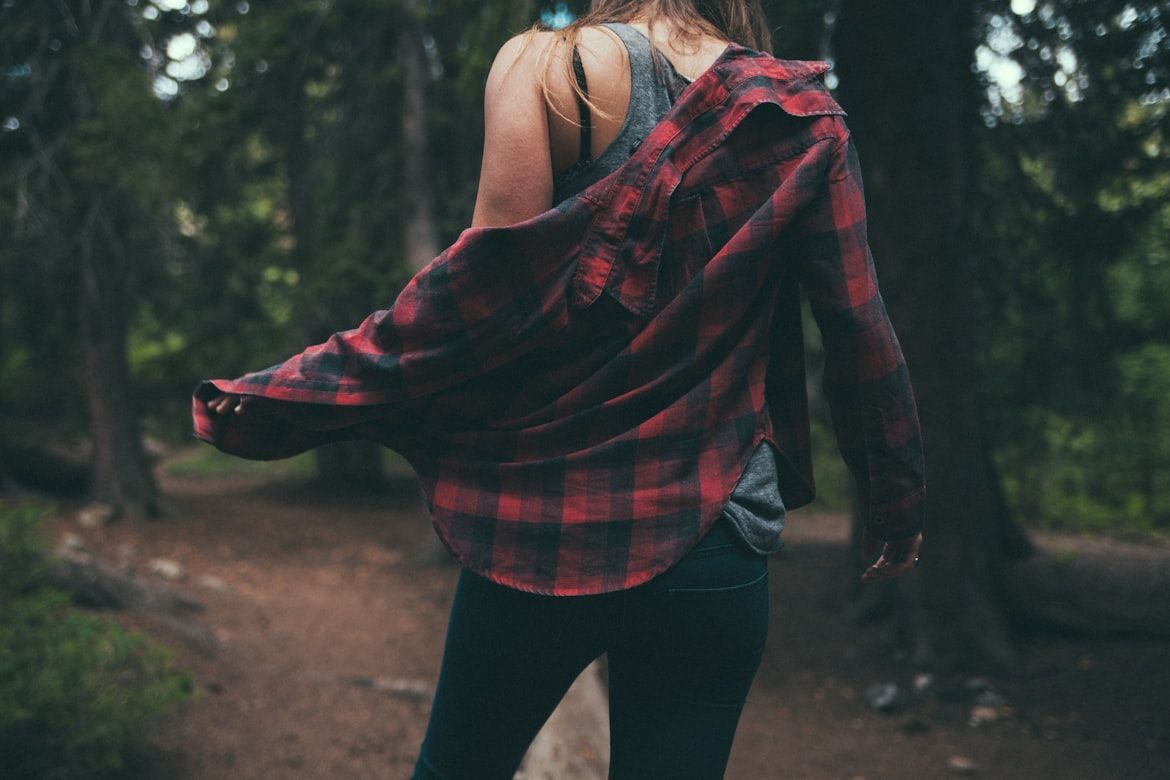
Trail conditions can change fast. Layering is key: a moisture-wicking base layer, an insulating mid-layer, and a protective outer shell help regulate body temperature. Avoid cotton, which traps moisture and can chill the body.
Pack lightweight gloves or a hat in cooler seasons. Even summer treks can turn breezy at higher elevations. A waterproof, wind-resistant jacket also shields you from sudden showers and gusty ridgelines.
Sun protection and bug repellent
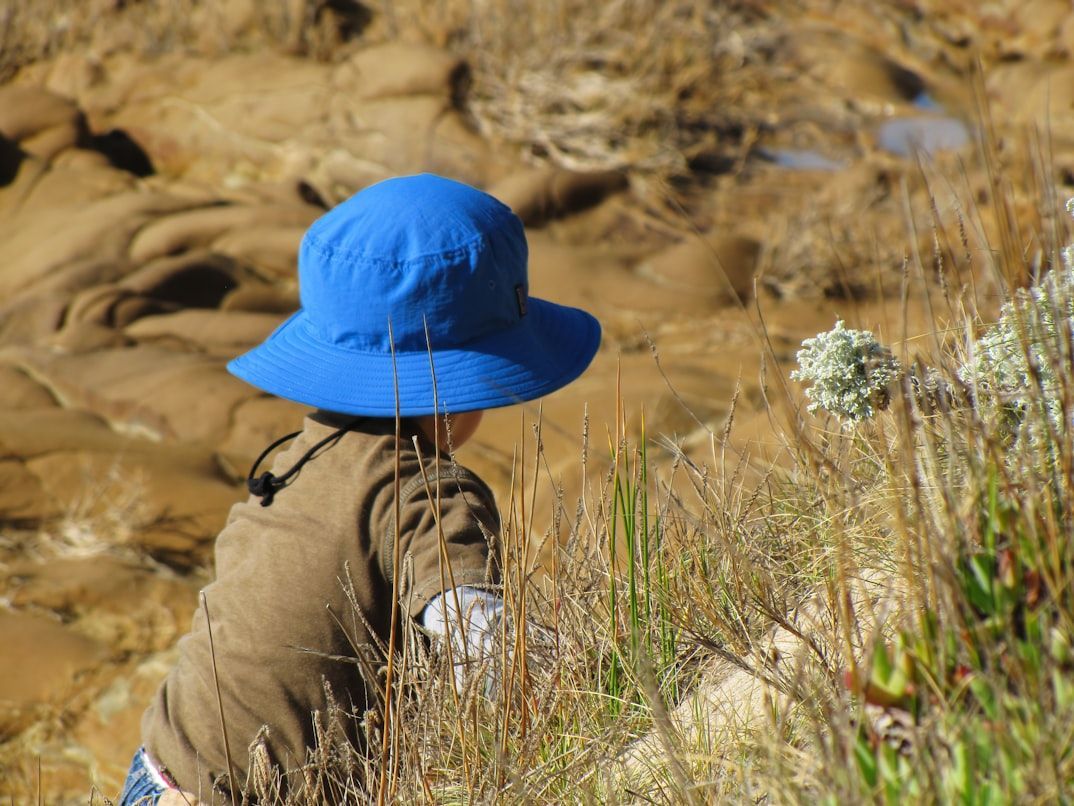
Sun exposure increases with elevation and in open terrain. A wide-brimmed hat, UV-blocking sunglasses, and sunscreen with adequate SPF help protect your skin and eyes from harmful rays.
Insect repellent is essential in wooded or marshy areas, especially during warmer months. Mosquitoes and ticks can quickly turn a pleasant hike into an uncomfortable experience.
First aid kit
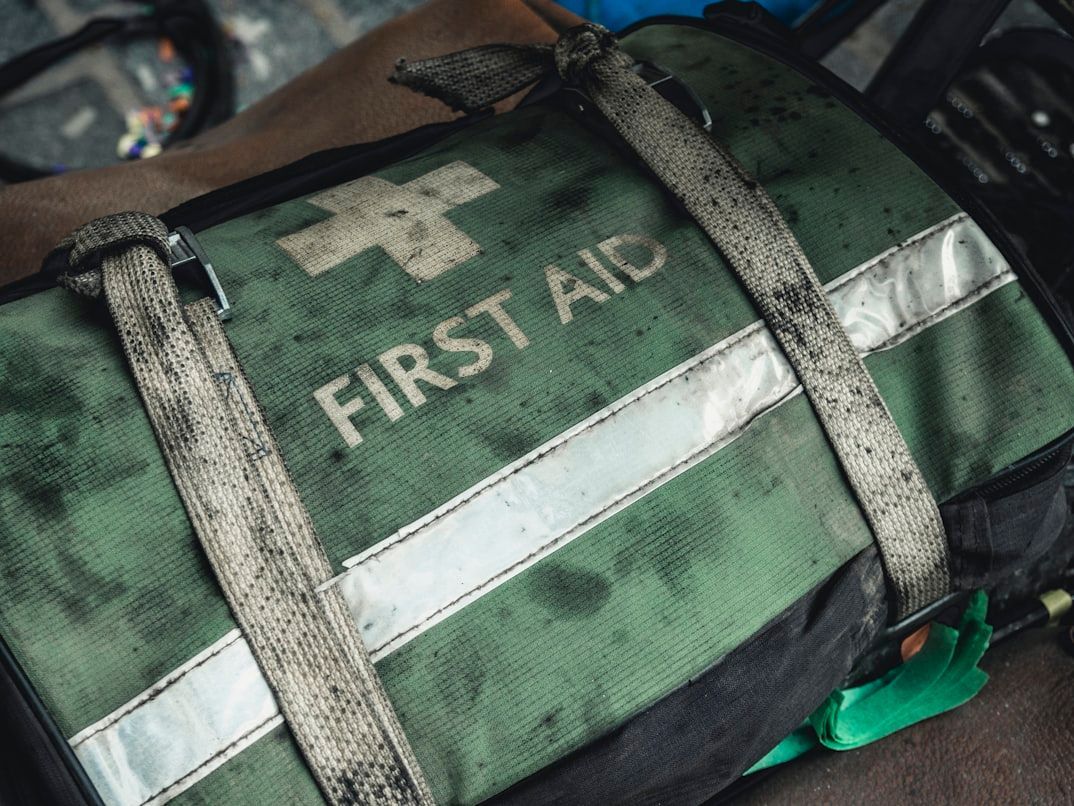
Minor injuries are common outdoors. A compact first aid kit should include bandages, blister treatments, antiseptic wipes, and basic medications. Tailor your kit to your personal medical needs.
Knowing how to use your supplies is essential. Treating a blister early can prevent it from worsening. Preparedness allows you to handle small problems quickly before they affect your ability to continue safely.
Headlamp or flashlight
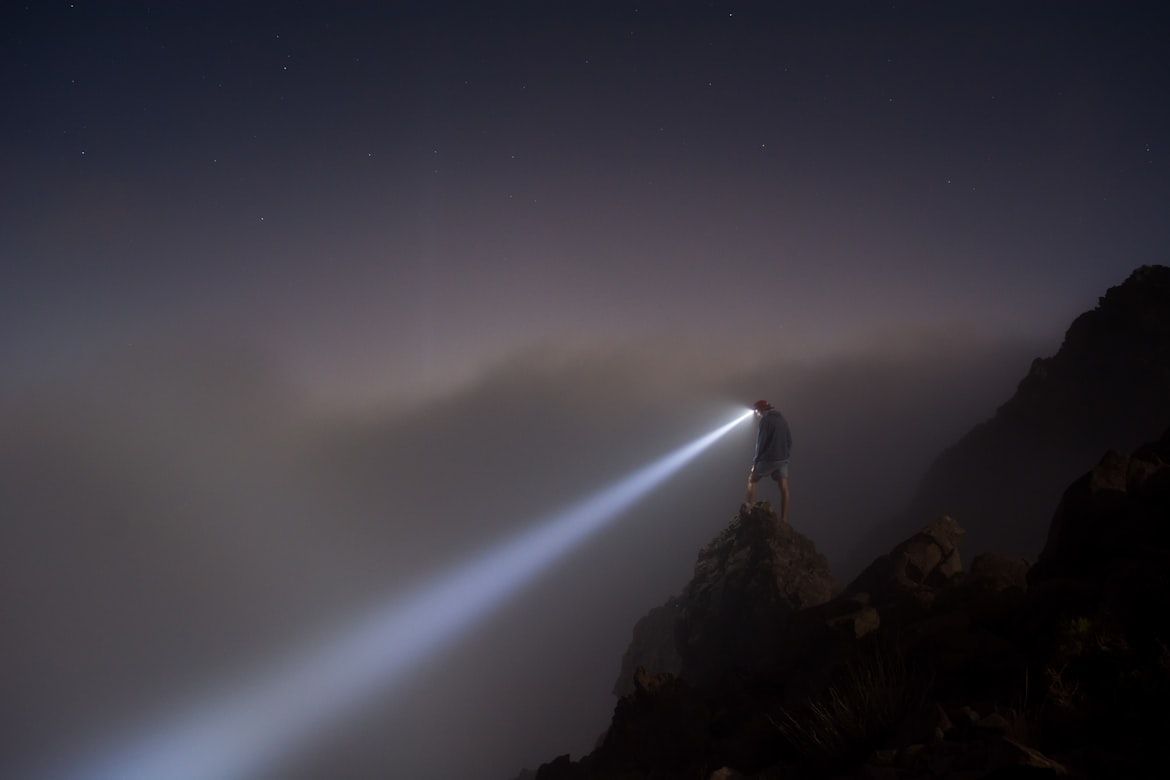
Even if you plan to return before sunset, delays happen. A lightweight headlamp keeps your hands free while navigating low-light conditions. Choose one with adjustable brightness settings.
Carry spare batteries or ensure the device is fully charged. Darkness falls quickly on wooded trails, and dependable lighting helps you move confidently and avoid tripping hazards.
Multi-tool knife and fire starter
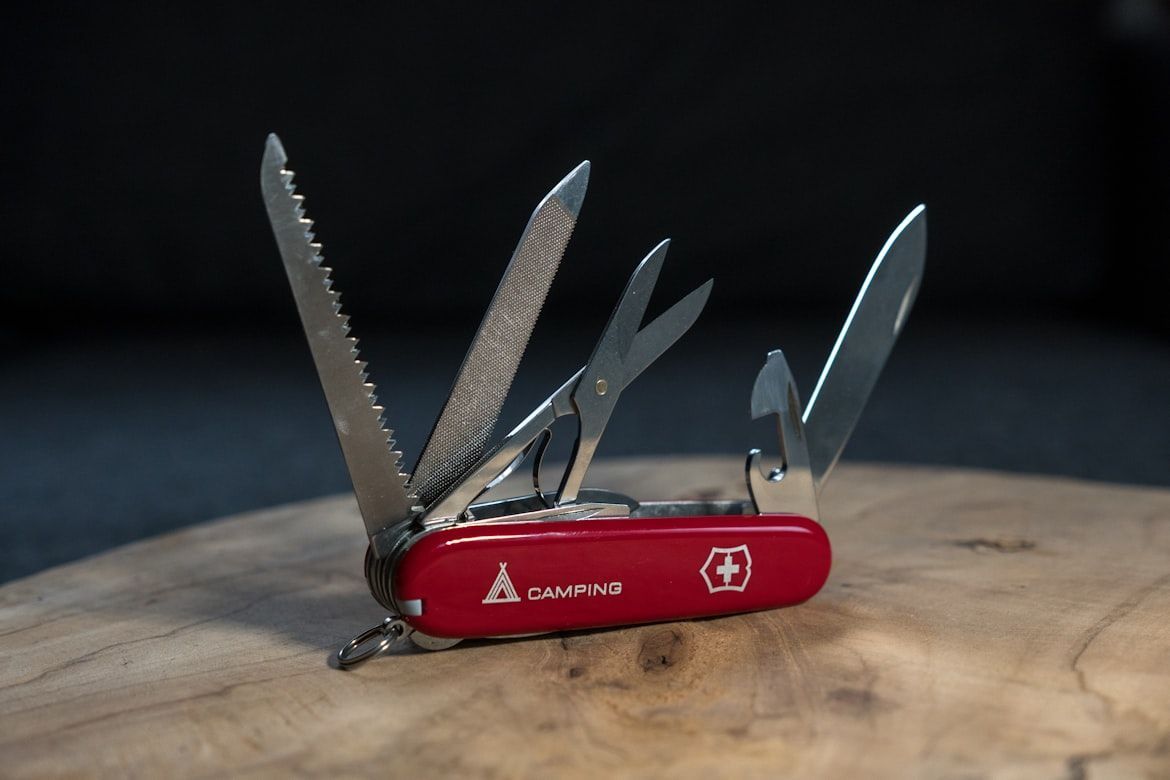
A compact multi-tool can handle small gear repairs, cut cordage, or open food packaging. It’s a versatile piece of equipment that takes up minimal space.
A waterproof lighter or matches sealed in a dry container can also help in emergencies. Fire provides warmth, light, and a way to signal for help if needed.
Emergency shelter
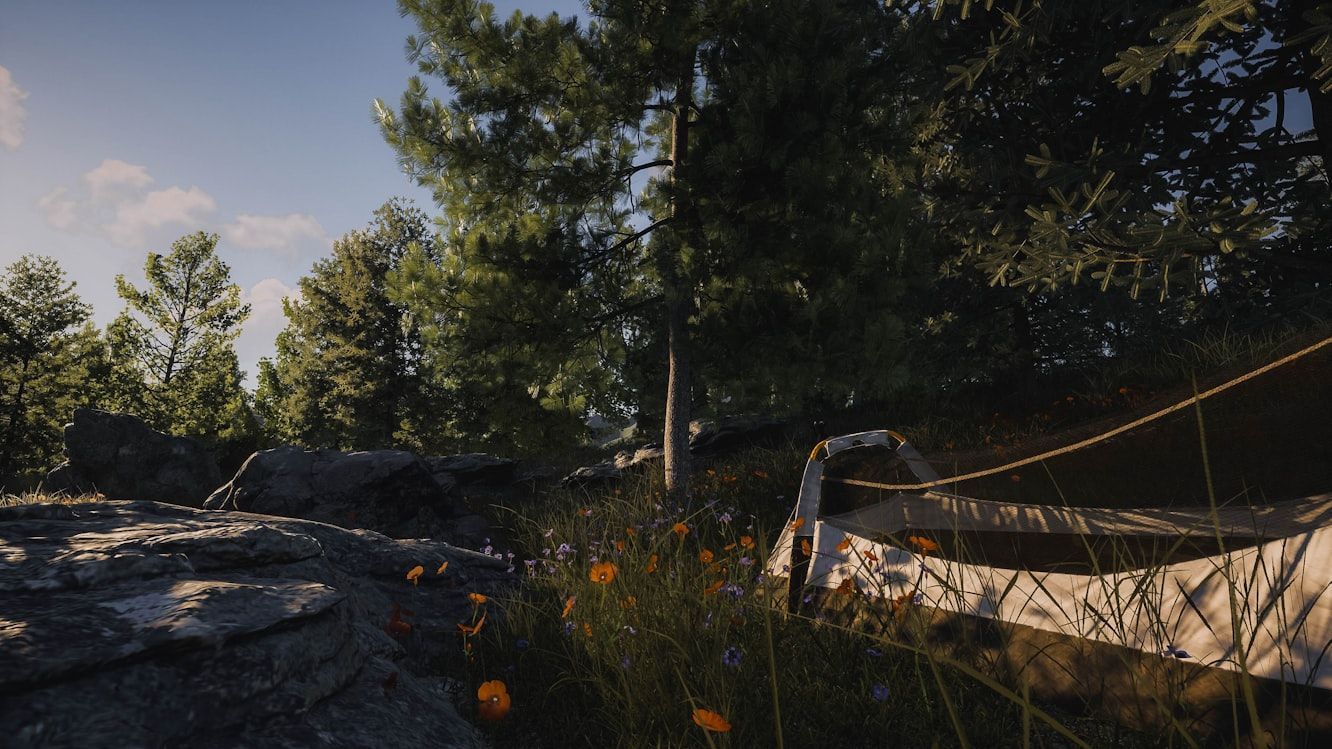
A lightweight bivy, tarp, or space blanket provides critical protection if you must stop unexpectedly. Weather shifts, injuries, or fatigue can force an unplanned overnight stay.
These compact shelters help retain body heat and shield you from wind or rain. They weigh little but can make a dramatic difference in maintaining warmth and safety.
Trekking poles
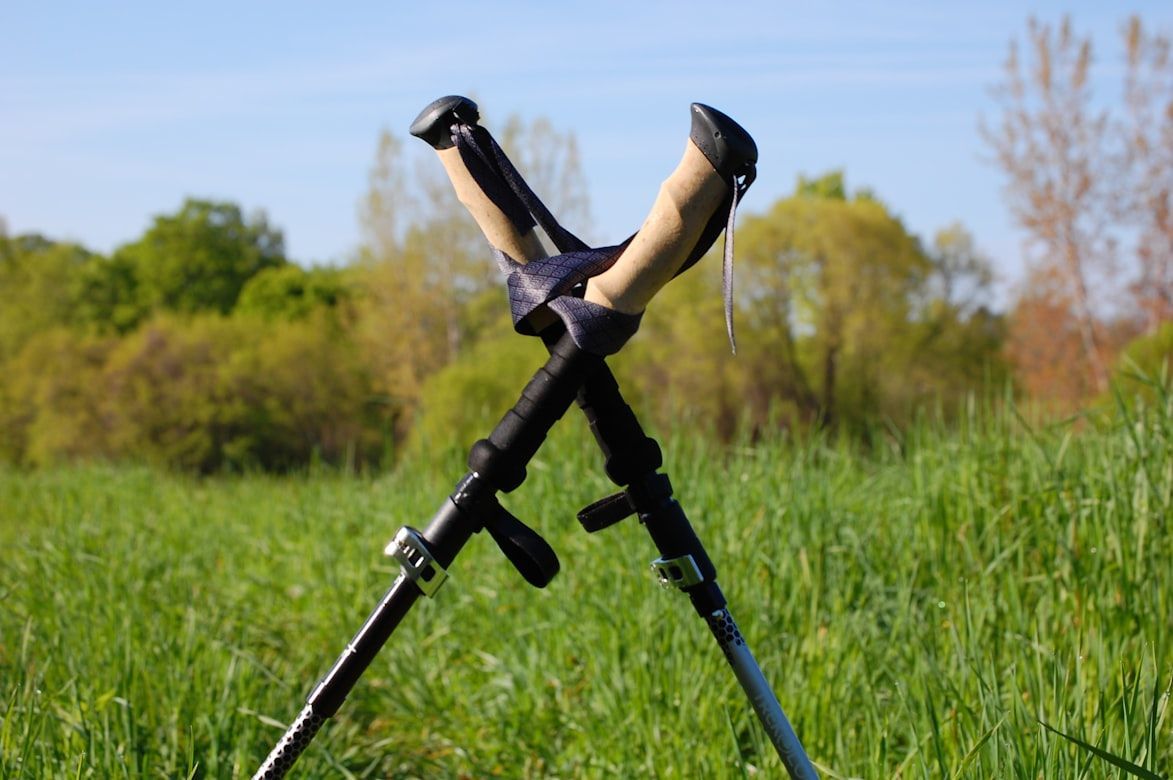
Trekking poles improve balance on uneven or steep terrain. They reduce strain on your knees during descents and help maintain a steady rhythm on longer hikes.
Adjustable poles adapt to uphill and downhill sections. For hikers concerned about joint comfort, especially on rocky trails, poles can significantly enhance endurance and stability.
More to explore
6 min read
She survived three shipwrecks—including the Titanic
Read Now
3 min read
Airplane air is cleaner than you think - and other comforting facts
Read Now

5 min read
Track 61 is just the tip of the iceberg. NYC underground uncovered
Read Now

5 min read
10 concerts that changed American cities forever
Read Now