Passport secrets: 10 Hidden features inside those little blue books
 Culture
Passport secrets: 10 Hidden features inside those little blue books
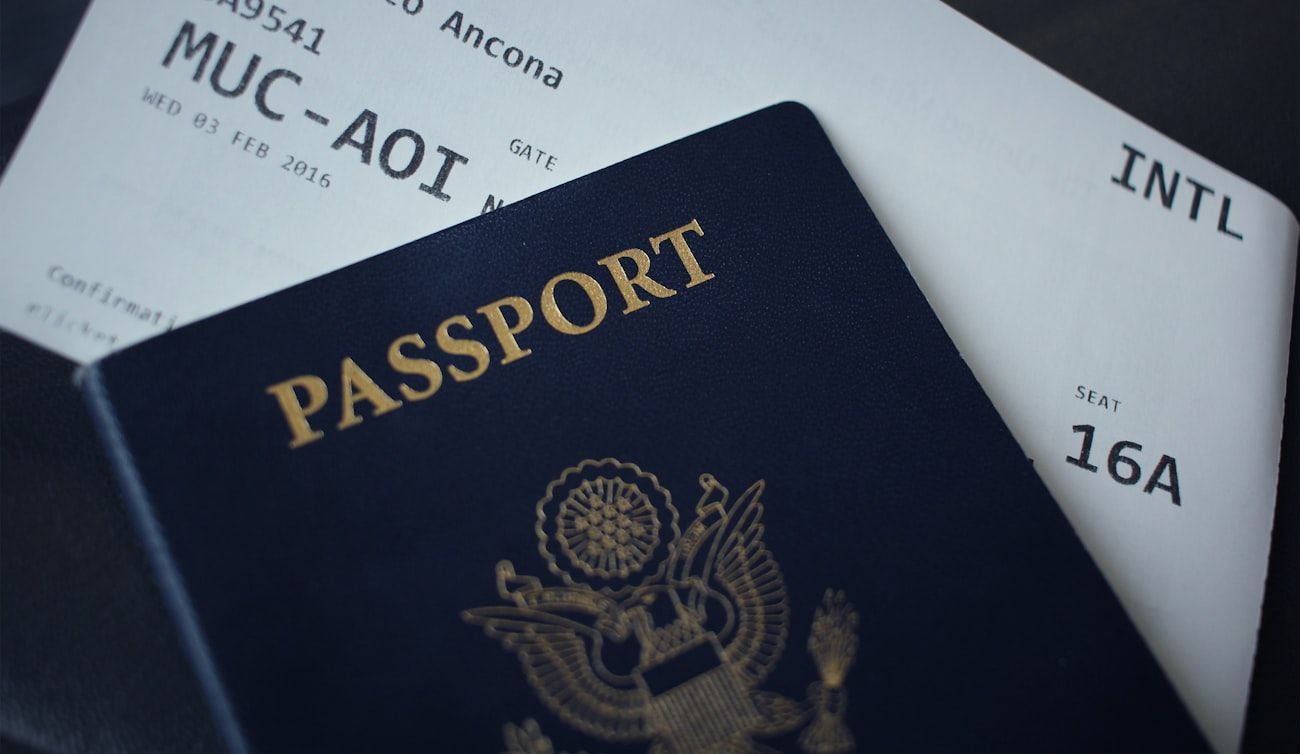
Most of us have that one little blue book tucked away in a "safe place", the spot we swear we’ll remember but always seem to forget up until the last minute before heading to the airport. When we finally find it, we do the same thing every time: flip straight to the first two pages. Those opening pages do far more than just list your name and photo. They’re filled with codes, hidden symbols, and subtle markings that help verify your identity and prevent fraud. Here we’ll decode the secrets behind those official-looking details tucked inside your passport.
The Great Seal's secret numbers
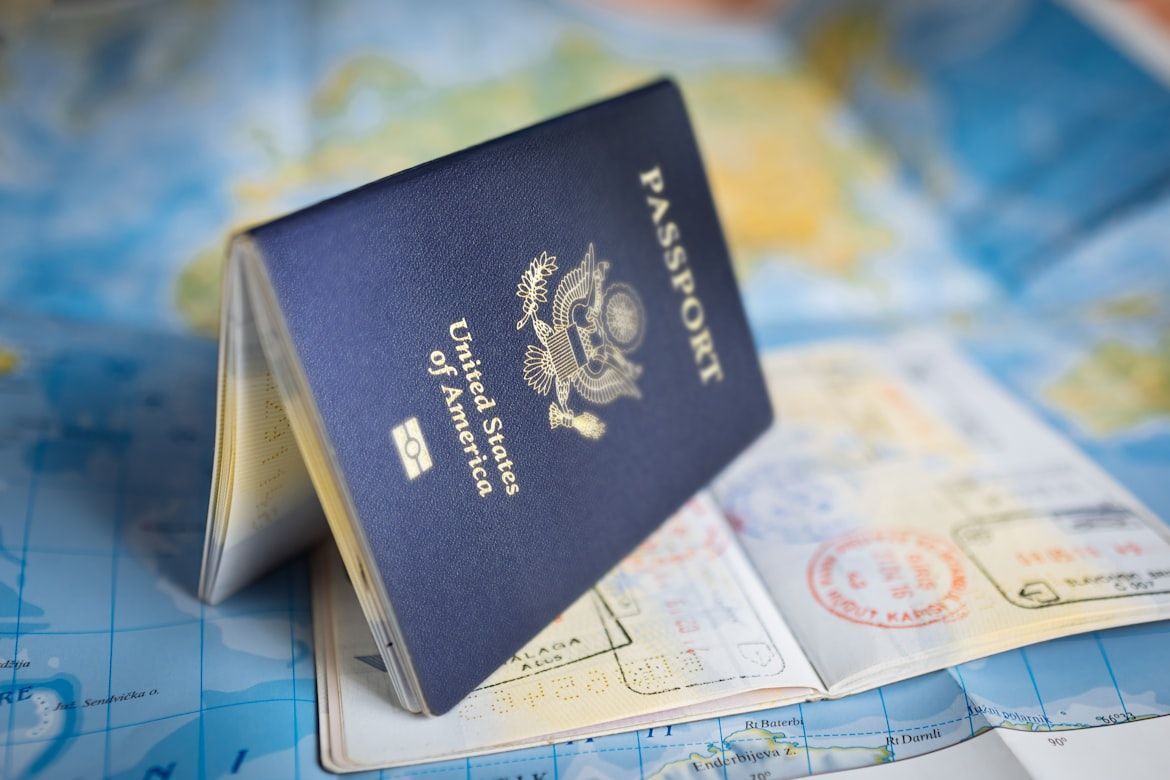
It all begins with the document's inside cover, where the Great Seal of the United States is located. On the reverse side of the seal, there is a pyramid with 13 steps, which represent the original 13 colonies. Moving towards the very base of the structure, there are Roman numerals: MDCCLXXVI. This sequence translates to 1776, marking the historic year of American independence.
Invisible ink and UV light
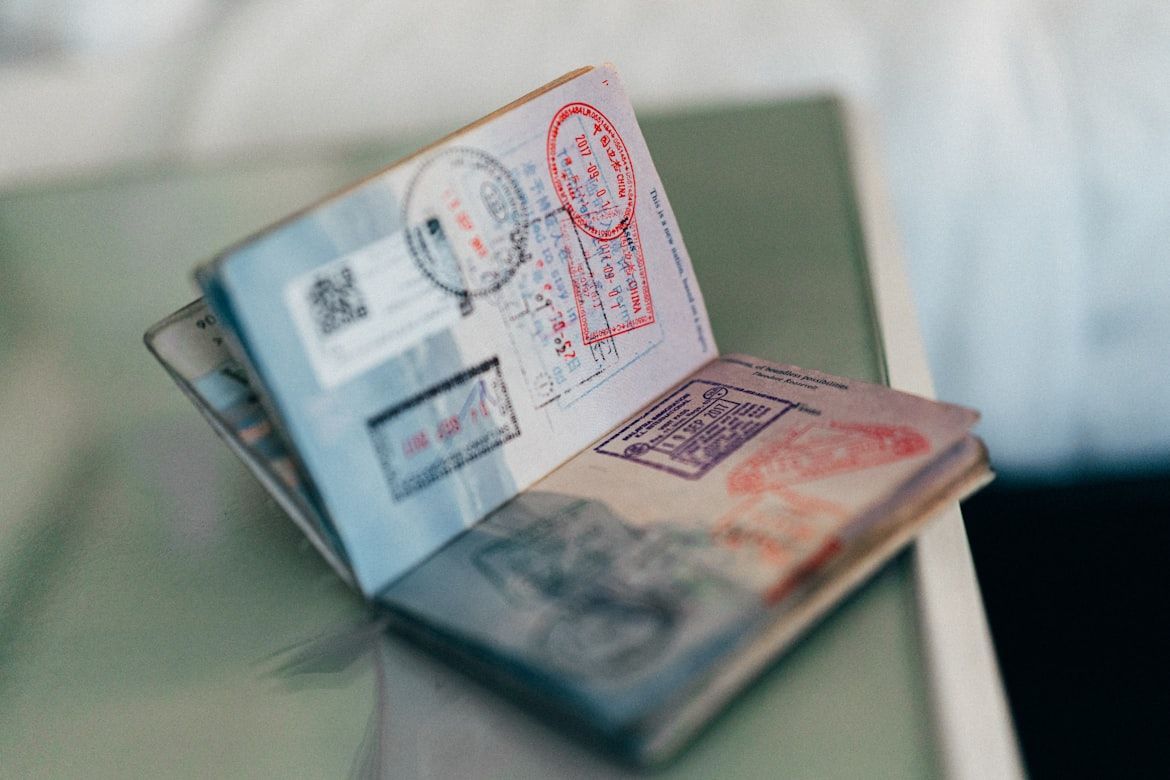
Another aspect you might not know about is the security features that only emerge under specific conditions, for example, the layers that involve ultraviolet (UV) light. Under a UV lamp, hidden images and complex patterns light up across the pages. These include intricate designs, flags, and portions of famous landmarks that remain completely invisible to the naked eye under normal lighting and become incredibly tough for a common copier or a local print shop to replicate.
The page numbers are a security grid
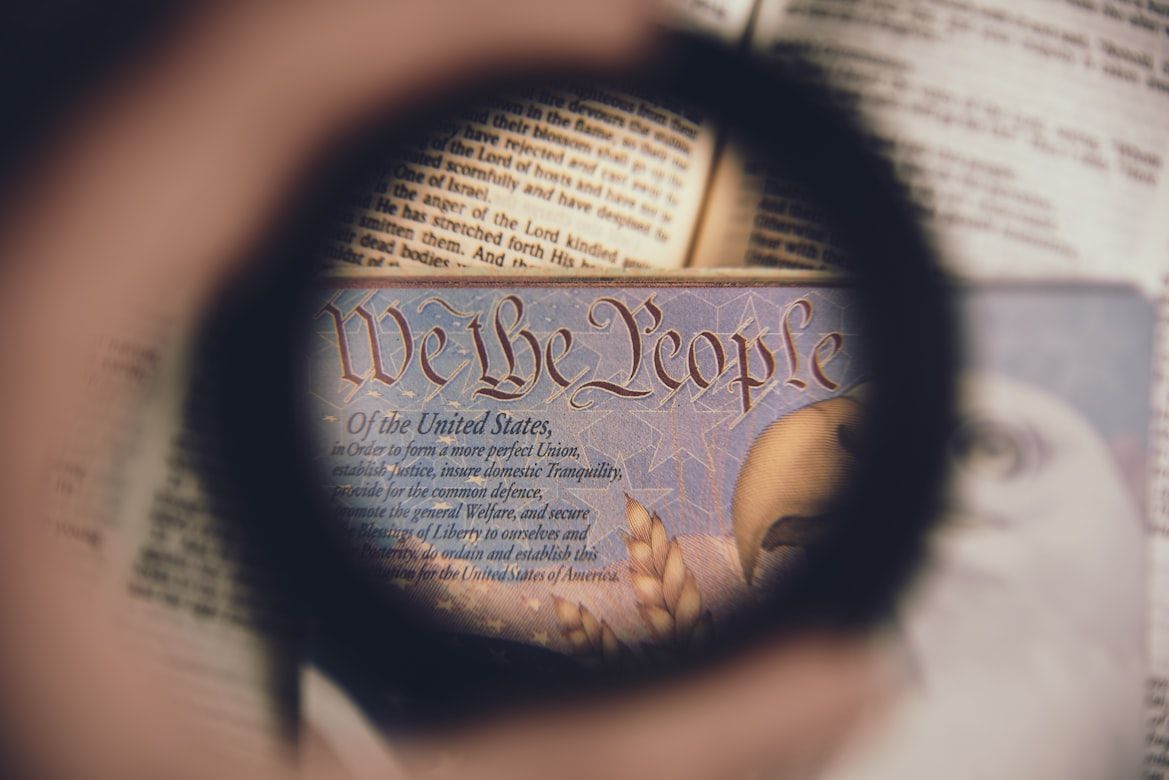
The numbers on the pages are not just for keeping track of how many you have left. In newer passport versions, these numbers are integrated directly into the background artwork of each page. This makes the document harder to alter.
But there’s more. In some sections, there is a subtle change in font or style from one page to the next. This detail ensures that swapping pages or changing the sequence is nearly impossible without making the tampering obvious to an official authority.
Historical quotes and patriotic symbols
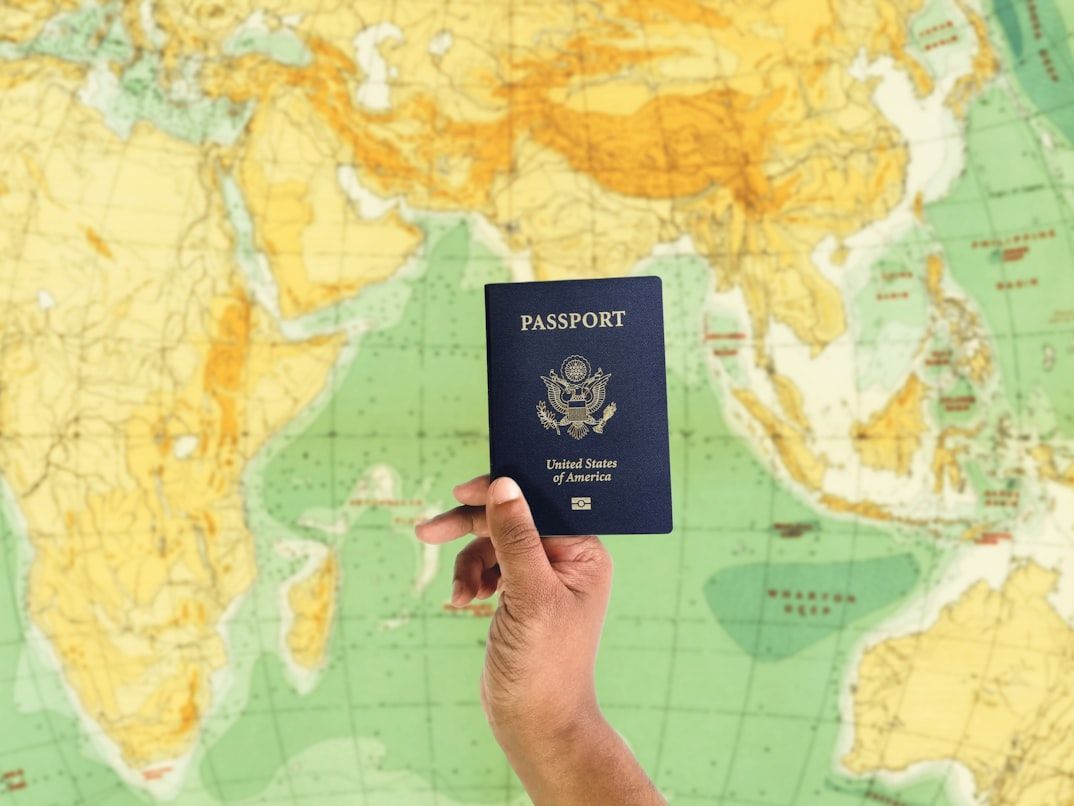
Throughout the pages, there is a collection of inspiring quotes from distinguished American figures such as Martin Luther King Jr., Abraham Lincoln, and George Washington, along with excerpts from historical documents.
There is a specific intention behind each choice to reflect national values and ideals, for example, Abraham Lincoln’s reminder that "government of the people, by the people, for the people, shall not perish from the Earth," and George Washington’s call to "raise a standard to which the wise and honest can repair." It functions like a mini anthology of American philosophy, providing something to read while waiting in a long line at a foreign border.
The evolution of the American Eagle
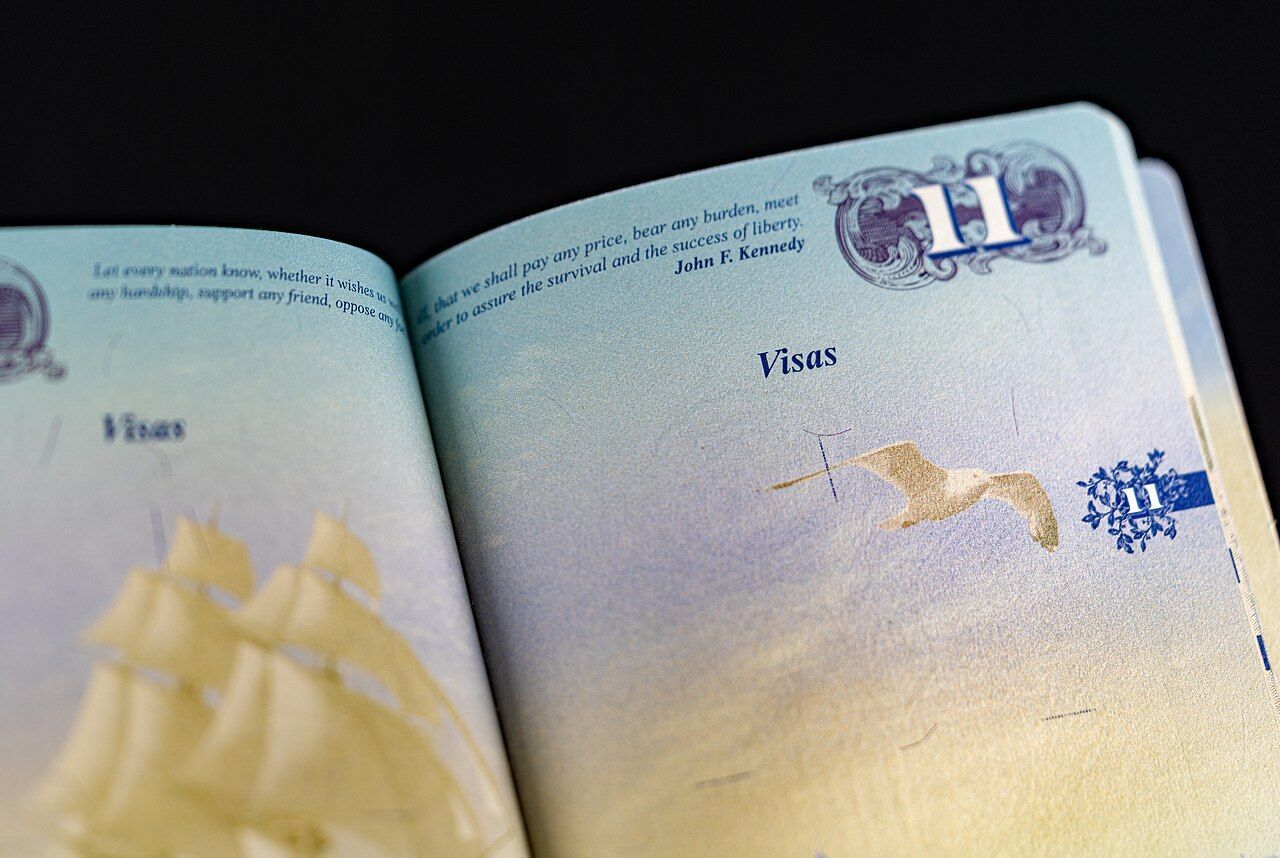
The eagle’s design on the cover and inside the passport is not always identical. Over the decades, there has been a subtle evolution in how the eagle is depicted, reflecting new artistic styles or more advanced security printing techniques.
Some differences can be found in feather details, posture, or in the surrounding background elements. Although it always represents a clear symbol of strength.
The secret language of microprinting
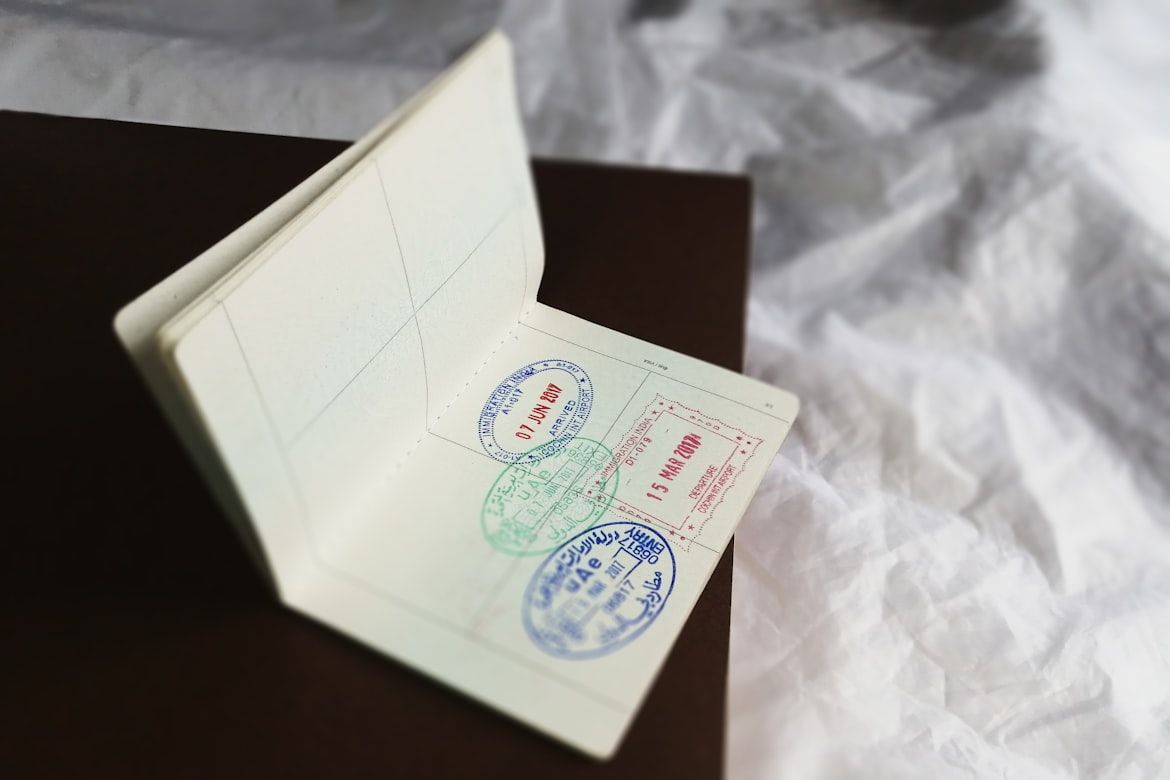
There is a feature called "microprinting" used on almost every page. This involves lines of text so incredibly tiny that they appear to be simple decorative lines to the naked eye. In reality, there is a repetition of words like "United States of America" and other specific security phrases.
Because it is nearly impossible for counterfeiters to replicate this level of microscopic detail without specialized industrial equipment, it remains one of the most effective ways to verify a genuine document.
Artwork symbolism
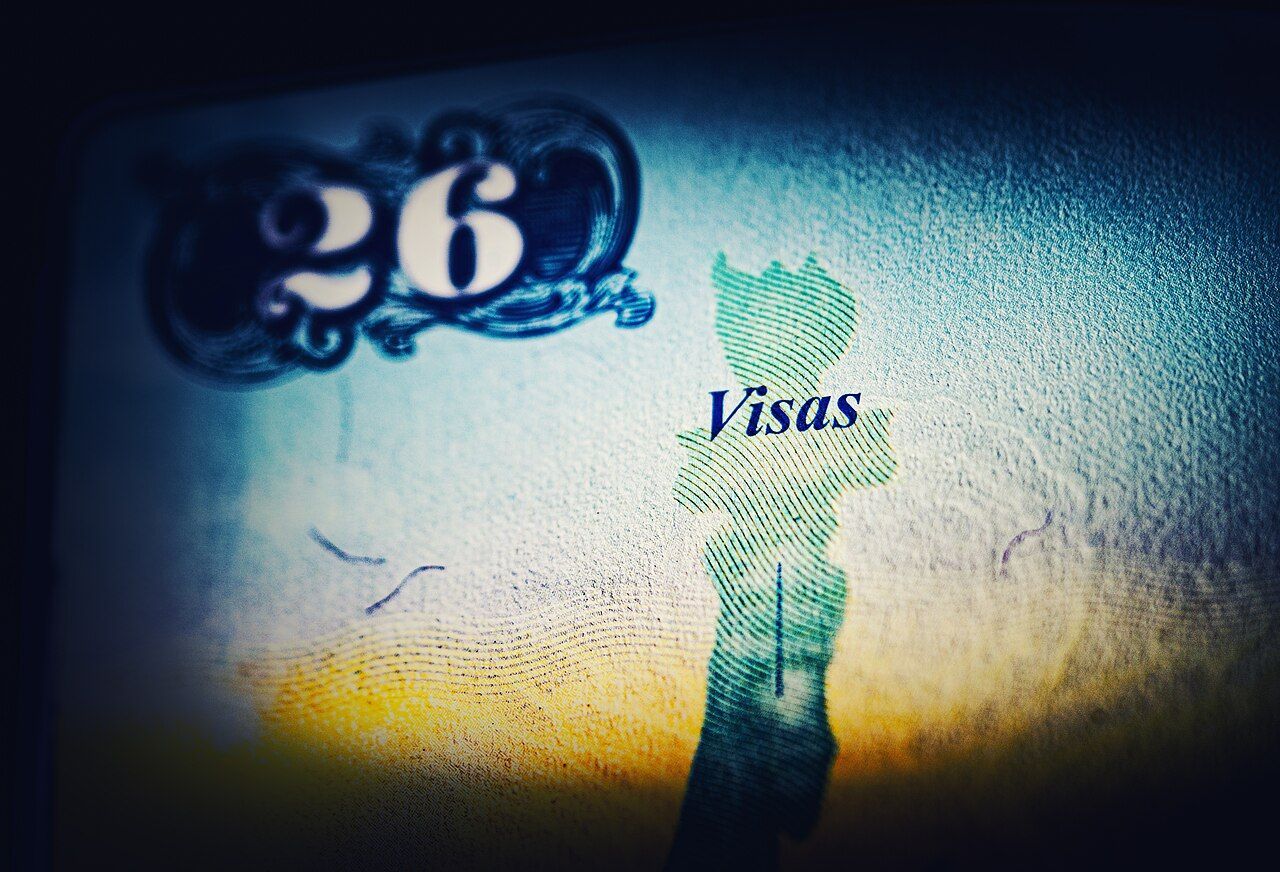
Beyond the text, we can see the US History represented in images. Many pages feature iconic American landscapes, historical monuments, or symbols of American innovation, such as the Liberty Bell and Independence Hall, Mount Rushmore, the Statue of Liberty, or old sailing ships and classic scenes of the West. These images are curated to celebrate different facets of the country's culture and geography.
The NFC chip that keeps the information safe
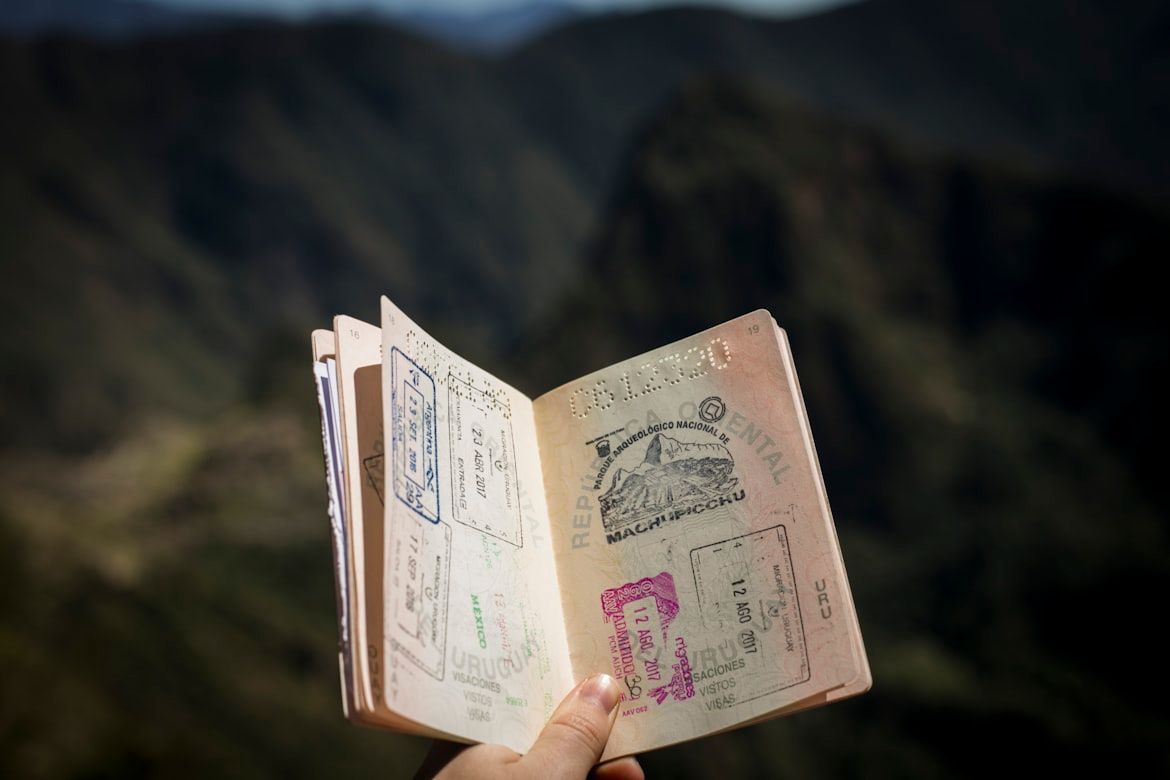
In every passport issued after 2007, there is a small symbol on the front cover that looks like a rectangle with a circle inside. This indicates the presence of an embedded electronic chip, also known as an NFC chip. This technology securely stores biometric data, including a digital version of the photo and personal information. The chip is encrypted and is designed to be read only by authorized scanners, adding a digital layer of protection to the physical book. Have you ever seen that icon before?
Paper security features
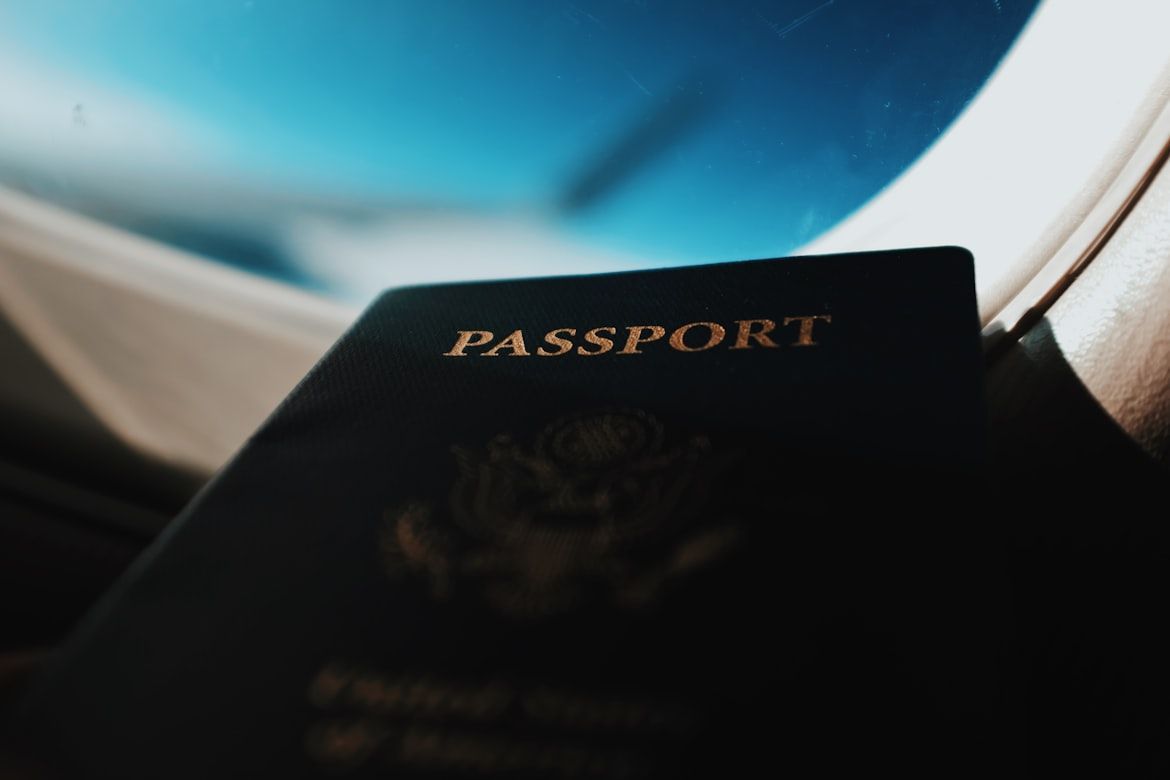
If it still wasn’t obvious, everything is calculated in a passport’s design, starting with the paper itself. The paper used for a passport is not a standard commercial product. It is a highly regulated material that acts as a fortress for the owner's identity. Within the fibers of the paper, there are security threads, watermarks, and other specialized fibers that are only visible under certain light.
These features are added during the manufacturing process, making the paper itself an integral part of the security system. It is a material designed to be durable enough for years of travel while remaining difficult to duplicate.
The evolution of color: from red to blue
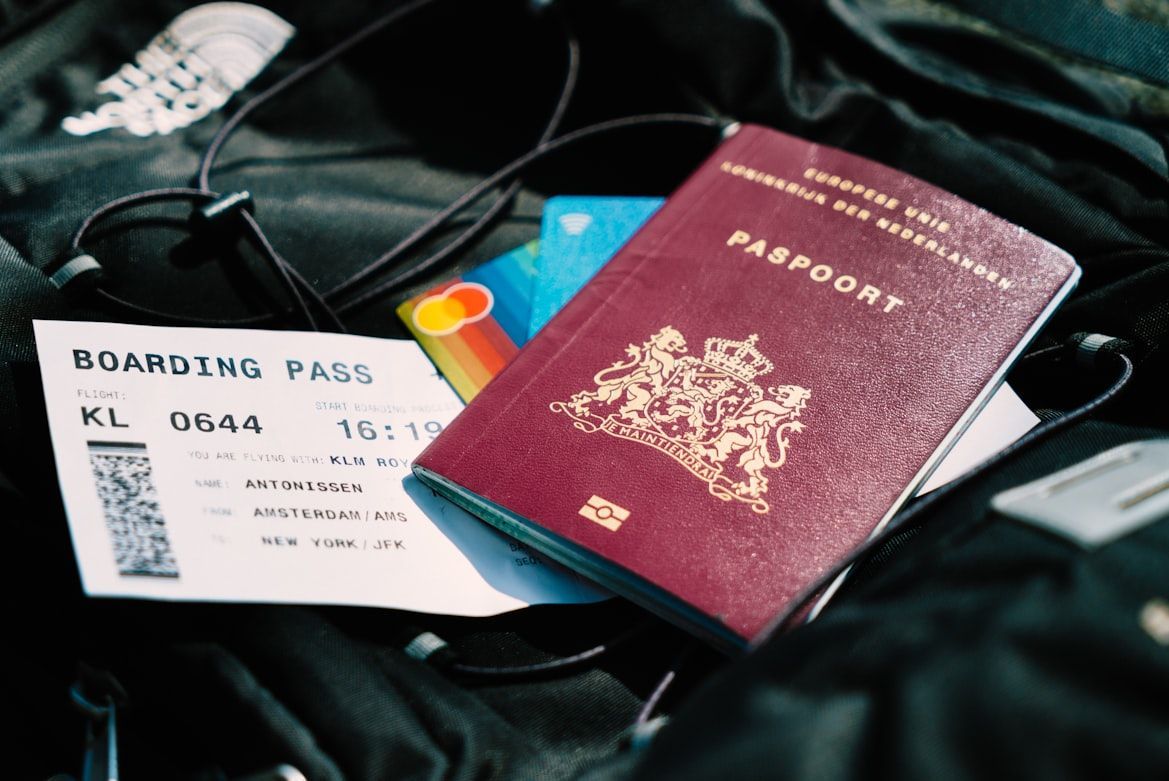
Last but not least: we have to mention the passport‘s color history. Modern U.S. passports are known for their navy blue covers, but that was not always the case. There have been red, green, and even tan versions of the document.
The U.S. passport switched to the blue cover in 1976, tied to the country’s Bicentennial. Passport cover colors aren’t set strictly by global law, so each country can choose its own. When a government changes the color, it often means the passport is getting a refreshed version with newer security features added at the same time.

Be always travel-ready with these 10 tips from seasoned travelers!
 General
Travel ready
Be always travel-ready with these 10 tips from seasoned travelers!
All seasoned travelers agree on one thing: comfort can make or break your trip. Long flights, busy airports, unfamiliar beds, and hours on the road can quickly turn an exciting vacation into an exhausting chore. Experienced wanderers learn early that a few carefully chosen items will dramatically improve any trip, helping you reach your destination relaxed instead of worn out. And now, with this list, you can share in their knowledge!
A high-quality neck pillow

One uncomfortable flight too many is all you'll need to know that having a supportive, high-quality neck pillow can do wonders for your travel comfort. Experts recommend skipping those flimsy inflatable versions and instead choosing memory foam and ergonomic designs that properly support your head and neck.
Whether traveling by plane, train, or enduring a road trip with long stretches of sitting, proper support will help you prevent stiffness and soreness that will endure long after arrival. A good neck pillow that you can easily compress into a carry-on bag is an investment that you won't regret.
Compression socks

Not the most exciting item on this list at first glance, but experienced travelers swear by them. Especially on longer journeys, sitting for long periods of time can cause swelling and fatigue that will take a toll on your travelling experience. Compression socks improve circulation and help legs feel lighter when you finally stand up.
Investing in a good pair of compression socks, as prosaic as it may seem, will make you arrive at your destination more energized, feeling less sore, and ready to enjoy the first days of your trip.
Earplugs (or noise-cancelling headphones)

Noise is one of the most mentioned pain points reported by frequent travelers. Loud conversations, overhead announcements, the hum of engines, etc., can make resting nearly impossible and are one of the biggest sources of travel fatigue.
For light packers, a simple pair of earplugs can easily and effectively do the trick, but for those who require an extra layer of isolation, noise-cancelling headphones work wonders. They create a quiet space that allows travelers to relax, listen to music, or nap more easily and comfortably.
A refillable water bottle

Dehydration is a hidden enemy when on the road, as seasoned travelers know all too well. Waiting times and long stretches without drinking water can quickly leave you feeling tired, sluggish, and unrested. A refillable water bottle keeps hydration easy and avoids constant purchases at kiosks. Many travelers choose insulated versions that keep drinks cool throughout long travel days.
If you are flying, just remember that your bottle should be completely empty before you pass through the Transportation Security Administration, or you will be asked to pour it out. At most airports, you will be able to refill your bottle at a water station once you've cleared the security checkpoint.
Slip-on shoes

Having a nice pair of slip-on shoes for travel days is not only comfortable: this easy-to-overlook travel tip will save you time and headaches at the airport. Slip-on shoes simplify security checkpoints and allow travelers the opportunity to relax their feet during long flights.
Supportive shoes also reduce fatigue when walking through terminals or while exploring new cities. Seasoned travelers recommend packing at least one reliable pair that works both during transit and at the destination.
An eye mask

Next to loud noise, stray light is one of the most frequently reported sources of travel fatigue. Whether it's bright cabin lamps or an early sunrise leaking through hotel curtains, a soft eye mask will help you create the darkness you need for your mind and body to fall asleep.
Frequent travelers often choose padded masks that do not press hard against the eyes. Even small naps benefit from completely blocking out the light, and you will rise feeling more refreshed and energized.
A lightweight zip-up jacket

Temperatures change constantly during travel, from cold airplanes to warm destinations to air-conditioned interiors and so forth. A lightweight zip-up jacket will allow you to adjust quickly without unpacking luggage.
Experienced travelers always keep a lightweight jacket within reach rather than packed away: some models can be folded to fit within a pocket! Even if you are not wearing it, a jacket can easily double up as a pillow or comfort blanket in a pinch during long waits.
Healthy snacks

Getting food while on the road is not always convenient or affordable, and rarely healthy. Packing familiar, healthy snacks will help you keep your energy levels steady while avoiding long waits and overspending.
Nuts, protein bars, or simple homemade snacks will keep hunger at bay and prevent the trip from feeling more stressful than it needs to be. If you are flying, solid foods are usually allowed, but you can always check the TSA website for updated information.
A portable phone charger

There's nothing more stressful than having your phone die out on you when you need it the most. Especially nowadays, when boarding passes, reservations, and navigation all depend on it. Frequent travelers have learned the hard way that a compact power bank is less of a gadget and more of a travel necessity.
When flying, it's important to remember that the TSA prohibits portable charges in checked luggage for safety reasons. However, they are allowed in the cabin, so you can take your power bank with you in your carry-on bag.
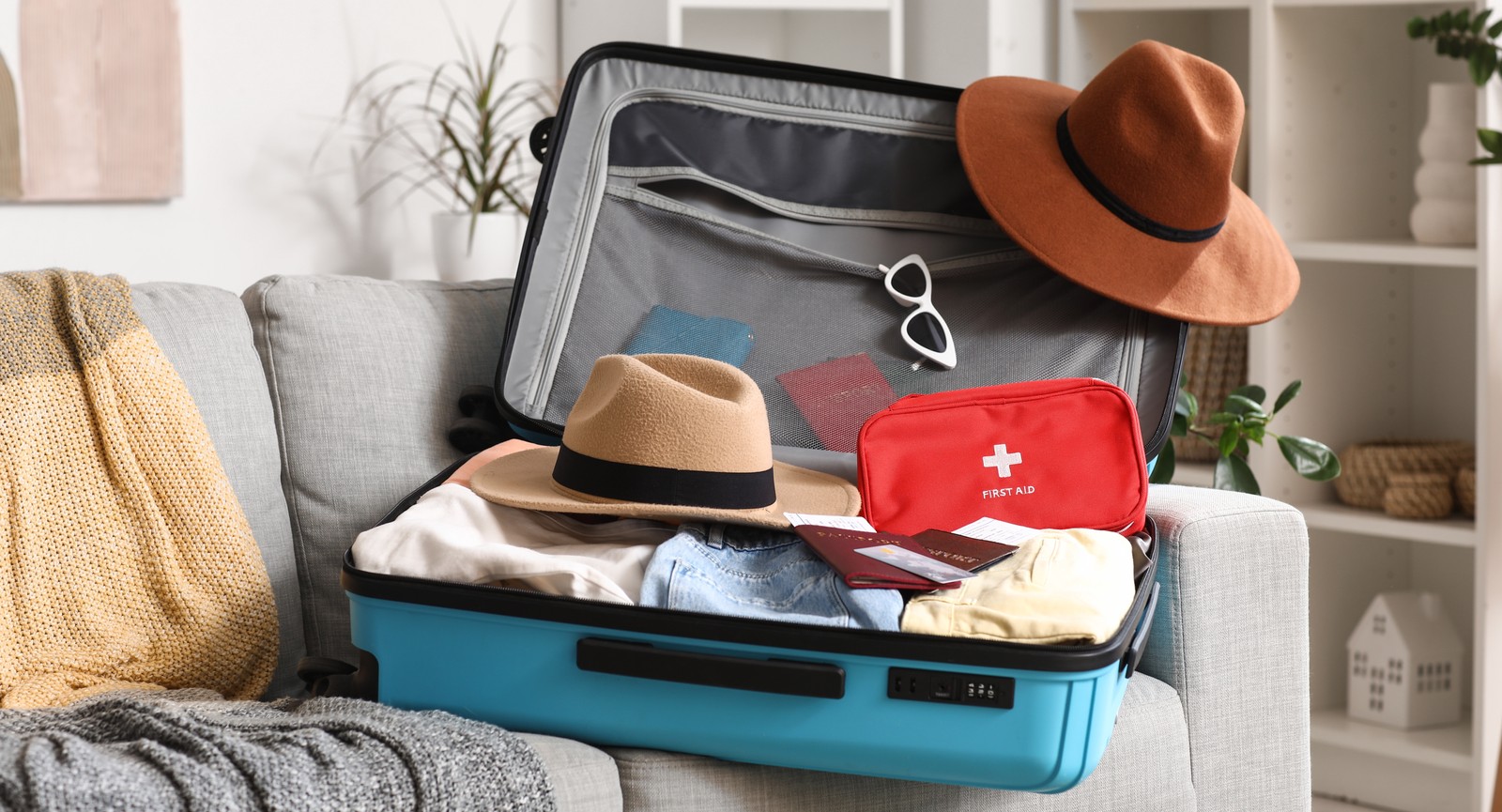
A small first aid kit

When you are far from home, even minor discomforts can quickly become major annoyances. Having your essentials on hand avoids late-night pharmacy searches and allows you to handle small problems immediately, keeping your trip running smoothly.
Seasoned travelers always carry a small kit with bandages, wipes, and basic medications. If you need to fly with liquid or aerosol medications, you will need to declare them to TSA officers if they exceed the 3.4 oz limitation.
Keep wandering
There’s always
more to explore

Nearly everyone in this town lives in one 14-story building
6 min.
Read Now
 Landmarks

10 mysterious wonders you can only see from the sky
4 min.
Read Now
Can too many visitors change a town forever? The truth about tourism
6 min.
Read Now
Why toasting with a glass of water could get you into serious trouble
6 min.
Read Now