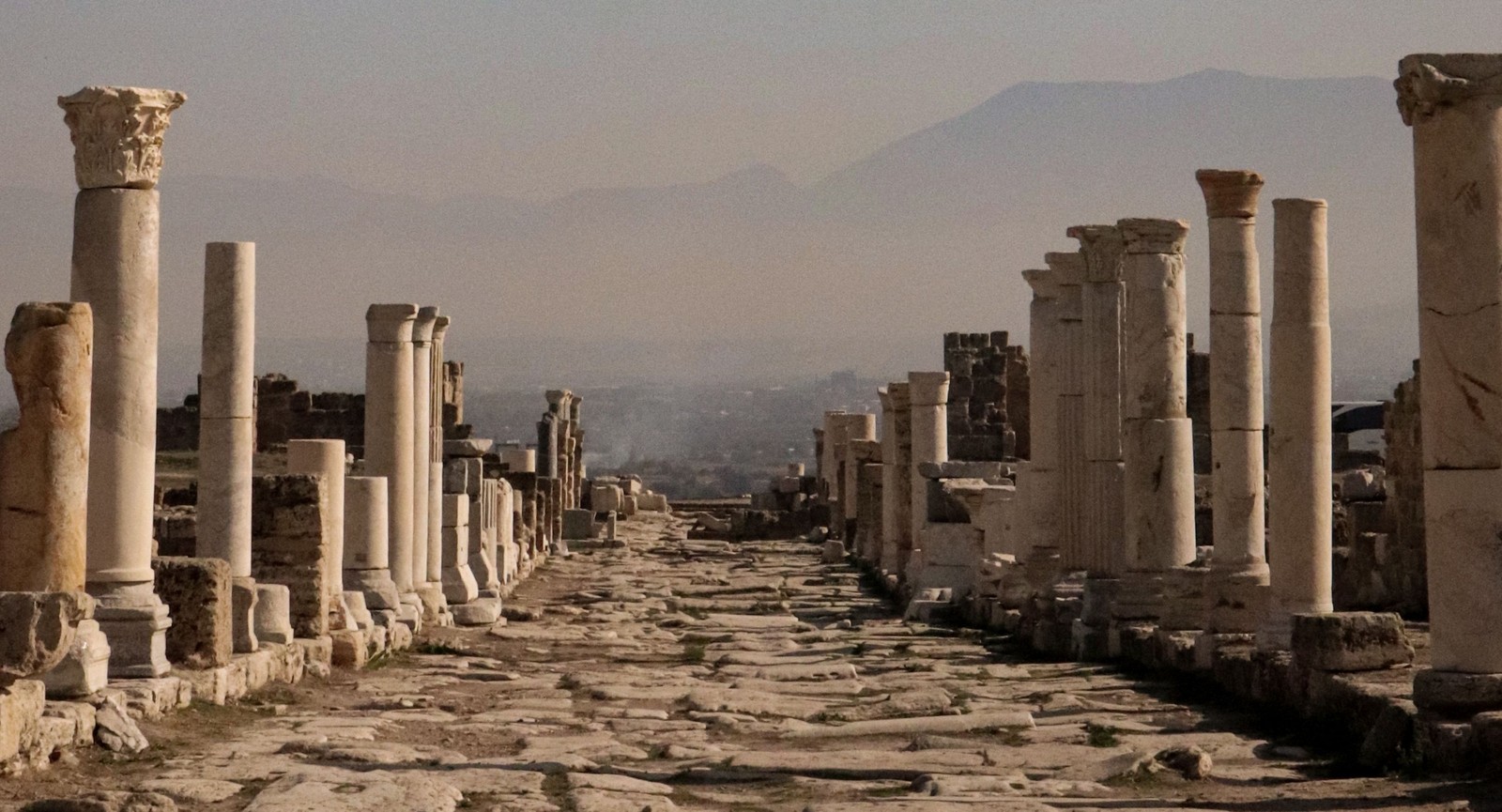
Most of these cities were already ancient when Cleopatra was born
 History
Echoes of history
Most of these cities were already ancient when Cleopatra was born
Some cities have disappeared into history. Others never left. For thousands of years, these remarkable places have survived wars, natural disasters, changing empires, and the rise and fall of civilizations. Today, people still walk their streets, visit their markets, and live among monuments that were already there centuries ago. From Europe to the Middle East and Asia, these living treasures continue to connect the modern world with humanity's distant past.
Athens: The city that shaped Western civilization
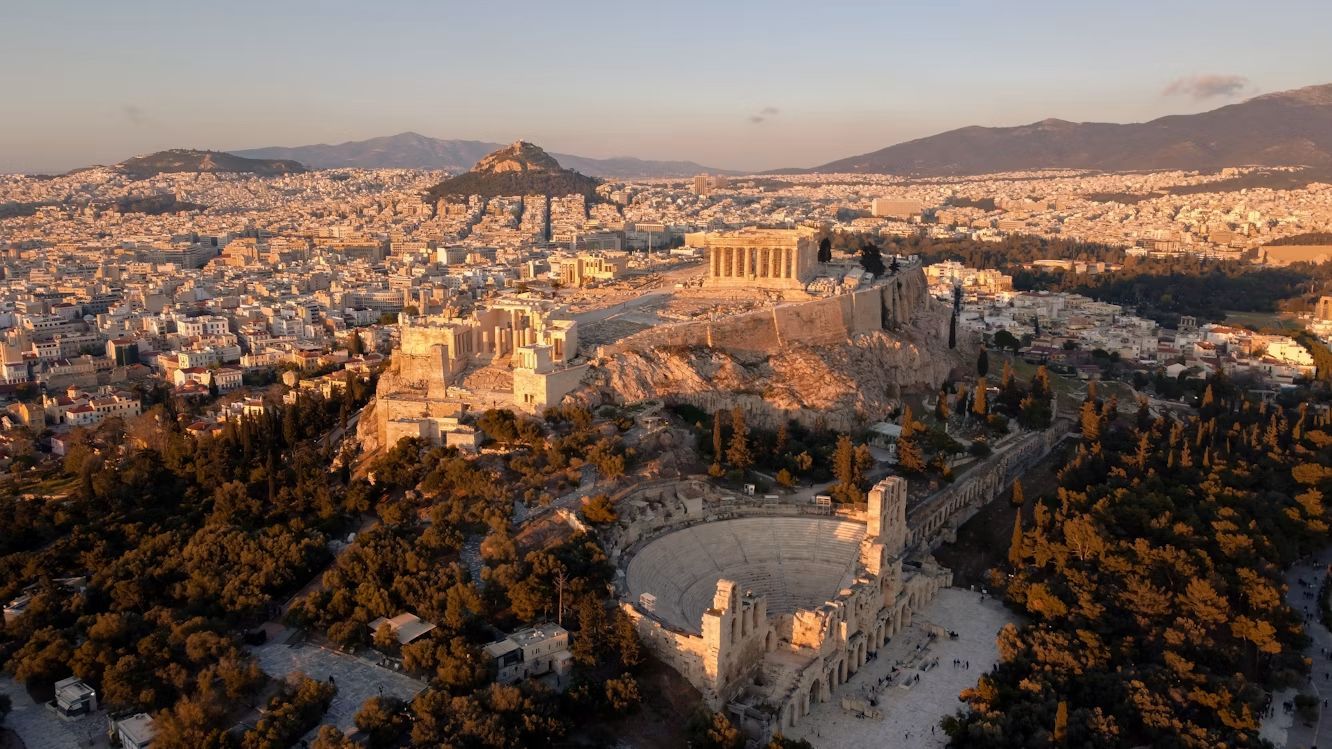
Few cities connect the ancient and modern worlds like Athens. Human settlement in the area dates back to the Neolithic Period, before 3000 BCE, giving the city more than 5,000 years of history.
The Greek capital has remained continuously inhabited while witnessing the rise and fall of countless civilizations. Modern cafés, shops, and neighborhoods surround legendary landmarks like the Acropolis and the Parthenon, where the foundations of democracy, philosophy, and Western thought first took shape. Today, visitors can experience those ancient roots while exploring one of Europe's most vibrant capital cities.
Rome: Where ancient history meets modern life
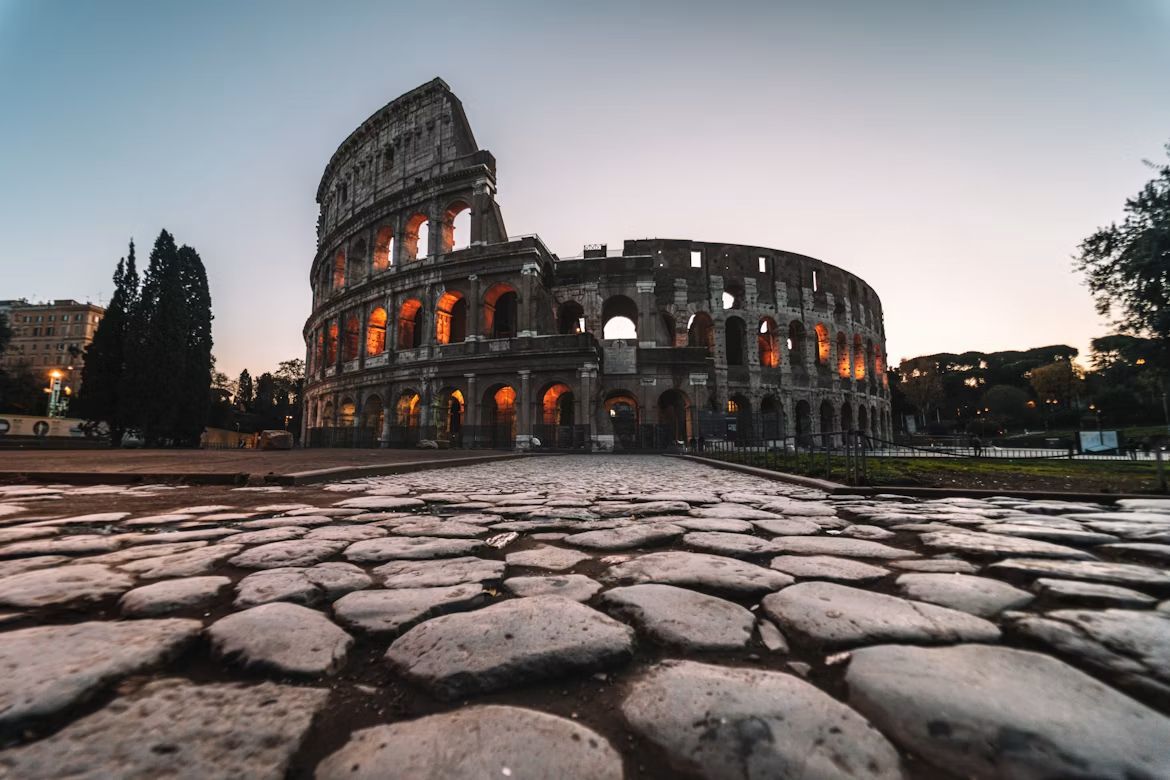
In Rome, the past is never far away. Founded in 753 BC, the Eternal City grew from a small settlement into the center of the Roman Empire. It has remained one of the world's most influential urban centers since the days of the Roman Empire.
Walking through the city often feels like traveling back to the ancient world, as centuries-old streets lead to landmarks like the Colosseum, the Pantheon, and the Roman Forum. The Colosseum, opened nearly 2,000 years ago, once hosted gladiatorial games and other massive public spectacles for Roman crowds. Yet beyond these remarkable monuments, Rome is a thriving modern capital where cafés, shops, and everyday life coexist with nearly 3,000 years of history.
Istanbul: The city where ancient empires meet
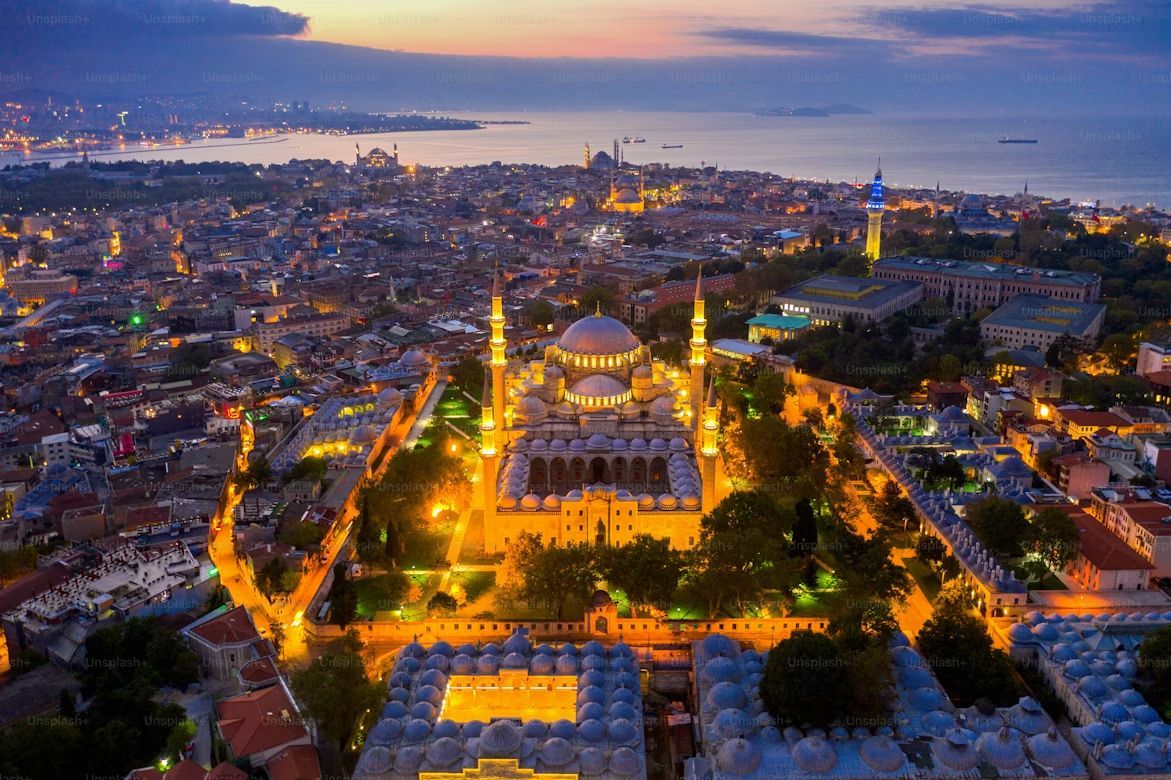
Straddling Europe and Asia, Istanbul has stood at the crossroads of civilizations since its founding as Byzantium around 660 BC. Located along the Bosphorus Strait, where Europe and Asia meet, it has served as the capital of the Roman, Byzantine, and Ottoman Empires. In 1453, Sultan Mehmed II conquered Constantinople, bringing the Byzantine Empire to an end.
The city preserves centuries of history through magnificent landmarks like Hagia Sophia, the Hippodrome, and the Grand Bazaar. Today, ferries cross the Bosphorus between the city's European and Asian sides, while bustling markets, cafés, restaurants, and neighborhoods surround its historic landmarks. Few cities blend thousands of years of history with the energy of modern life as seamlessly as Istanbul.
Jerusalem: A sacred city shared by three faiths
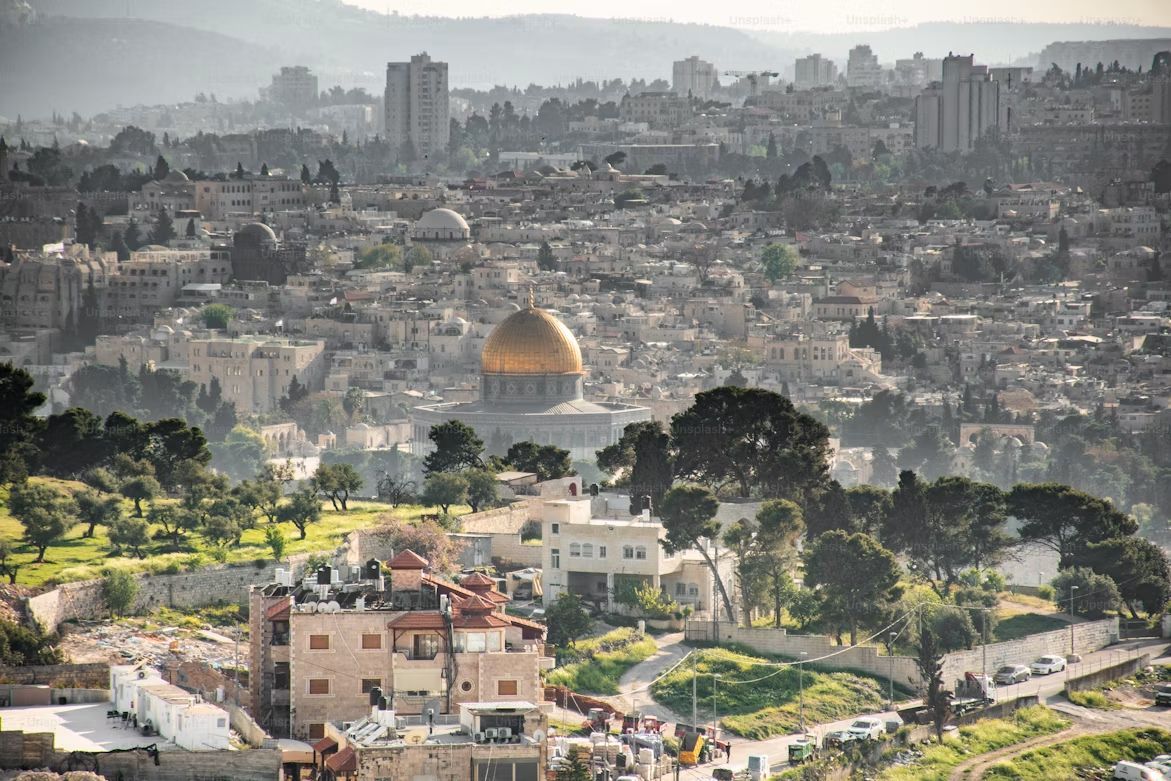
Few cities have shaped history as profoundly as Jerusalem. Founded more than 3,000 years ago, it has remained one of the world's oldest continuously inhabited cities. Located in the Judean Mountains between the Mediterranean and the Dead Sea, the city is home to some of the world's most sacred sites for Judaism, Christianity, and Islam, including the Western Wall, the Church of the Holy Sepulchre, and the Dome of the Rock.
In AD 70, Roman forces destroyed the Second Temple, a pivotal event that profoundly shaped Jewish history and left its mark on the city. Today, Jerusalem remains a vibrant city where everyday life unfolds alongside more than three millennia of history, with modern neighborhoods, markets, restaurants, and businesses surrounding its ancient Old City.
Alexandria: The legendary city of ancient Egypt
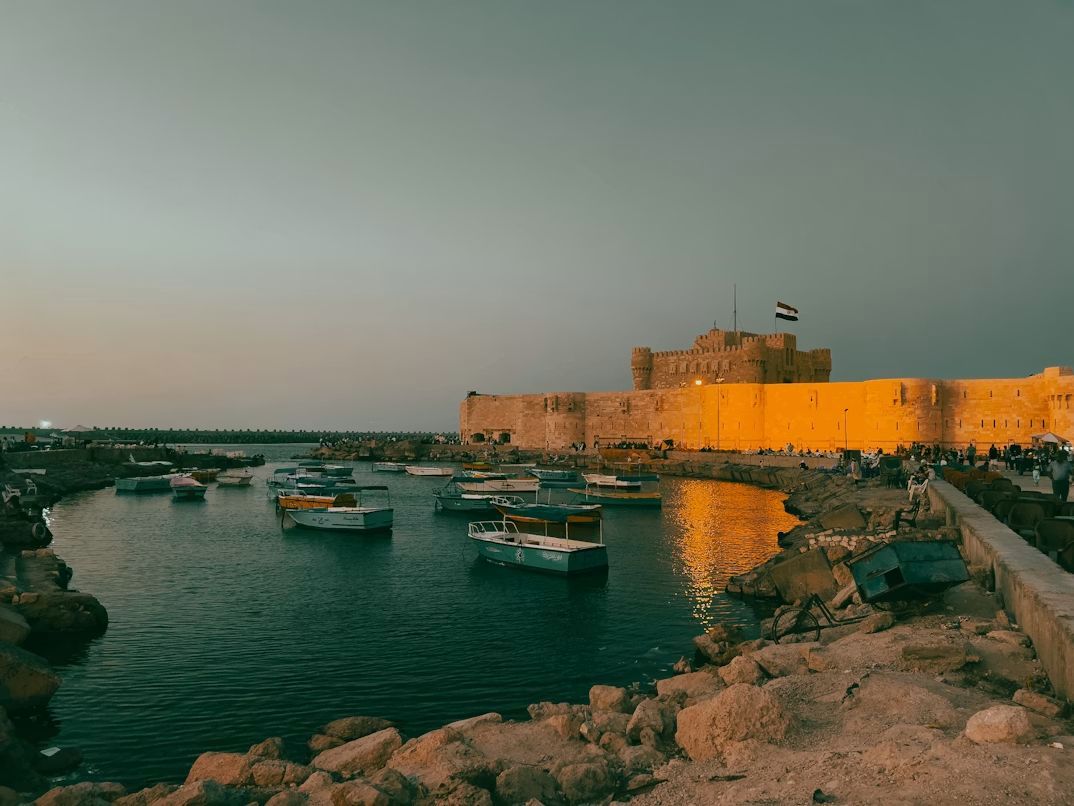
Founded by Alexander the Great in 331 BC on Egypt's Mediterranean coast, Alexandria quickly became one of the ancient world's greatest centers of learning and culture. Built as part of Alexander's vision for a major city, it later flourished under the Ptolemaic dynasty. It was once home to the famous Library of Alexandria and the towering Lighthouse of Alexandria, one of the Seven Wonders of the Ancient World.
More than 2,300 years later, Alexandria remains Egypt's second-largest city and one of its most important cultural and economic centers. Today, its busy waterfront and modern neighborhoods stretch along the Mediterranean, surrounding a city whose story began more than two millennia ago.
Damascus: A city with thousands of years of stories
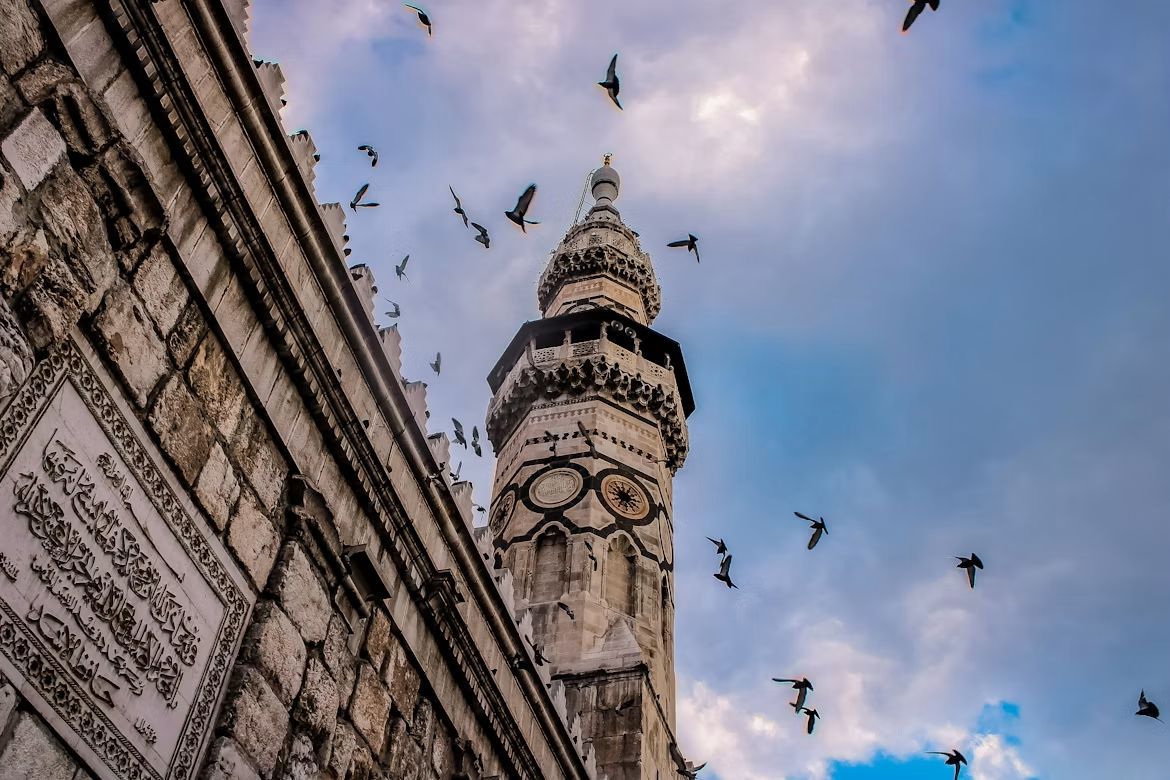
Widely considered one of the world's oldest continuously inhabited cities, Damascus has been home to people for at least 4,000 years. Located in southwestern Syria at the foothills of the Anti-Lebanon Mountains, the city has welcomed generations of traders, travelers, and civilizations throughout its long history. Its maze-like Old City, ancient mosques, traditional markets, and historic buildings reflect its long history as an important crossroads between Asia, Europe, and Africa.
Damascus also played a major role in the early history of Islam: in the 8th century, it became the capital of the Umayyad Caliphate, one of the largest empires of the medieval world. Today, many of these centuries-old streets and bustling souks, or traditional marketplaces, remain at the heart of daily life, alongside modern neighborhoods and businesses.
Jericho: One of the world's oldest continuously inhabited cities
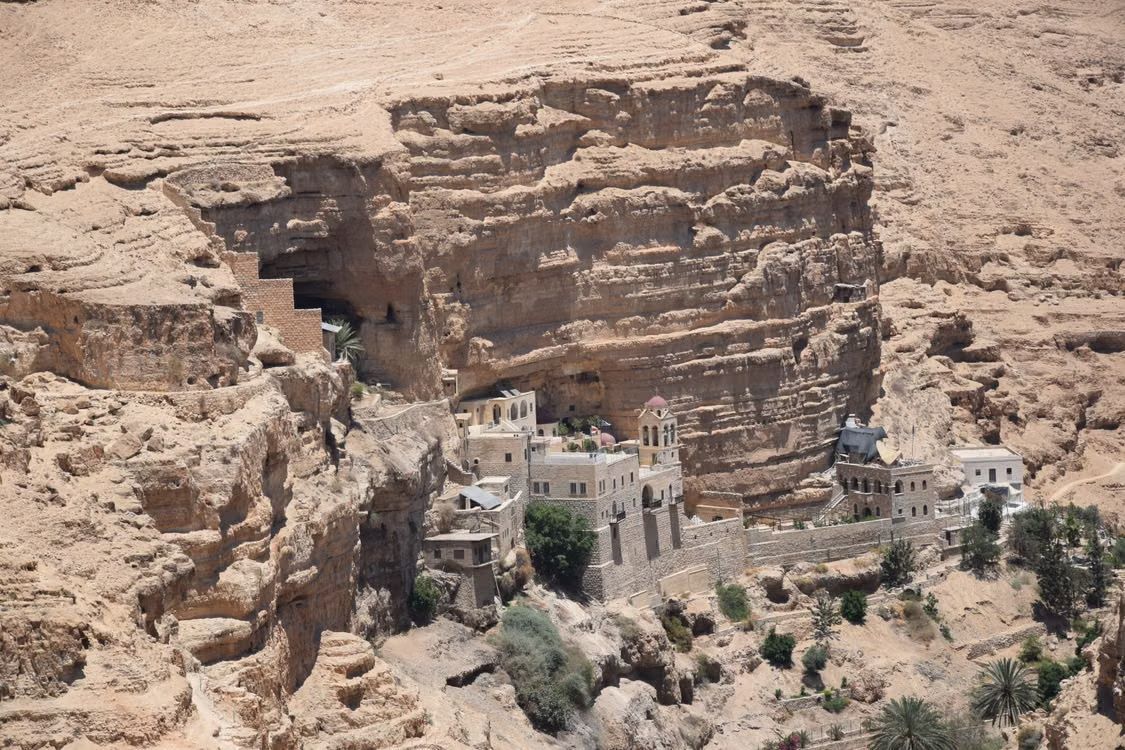
Located in the Jordan Valley, near the Dead Sea, Jericho is among the world's oldest continuously inhabited cities, with evidence of human settlement dating back more than 10,000 years.
Ancient walls, towers, and archaeological sites reveal its extraordinary past, including Tell es-Sultan, the archaeological site of ancient Jericho, where archaeologists uncovered a massive stone tower built around 8000 BC, one of the world's earliest known monumental structures. The tower offers evidence of the sophisticated communities that lived here thousands of years before ancient Egypt and Mesopotamia.
Today, modern Jericho is a functioning city where residents, shops, restaurants, and visitors live alongside archaeological sites preserving some of humanity's earliest urban history.
Byblos: The ancient city connected to the birth of the alphabet
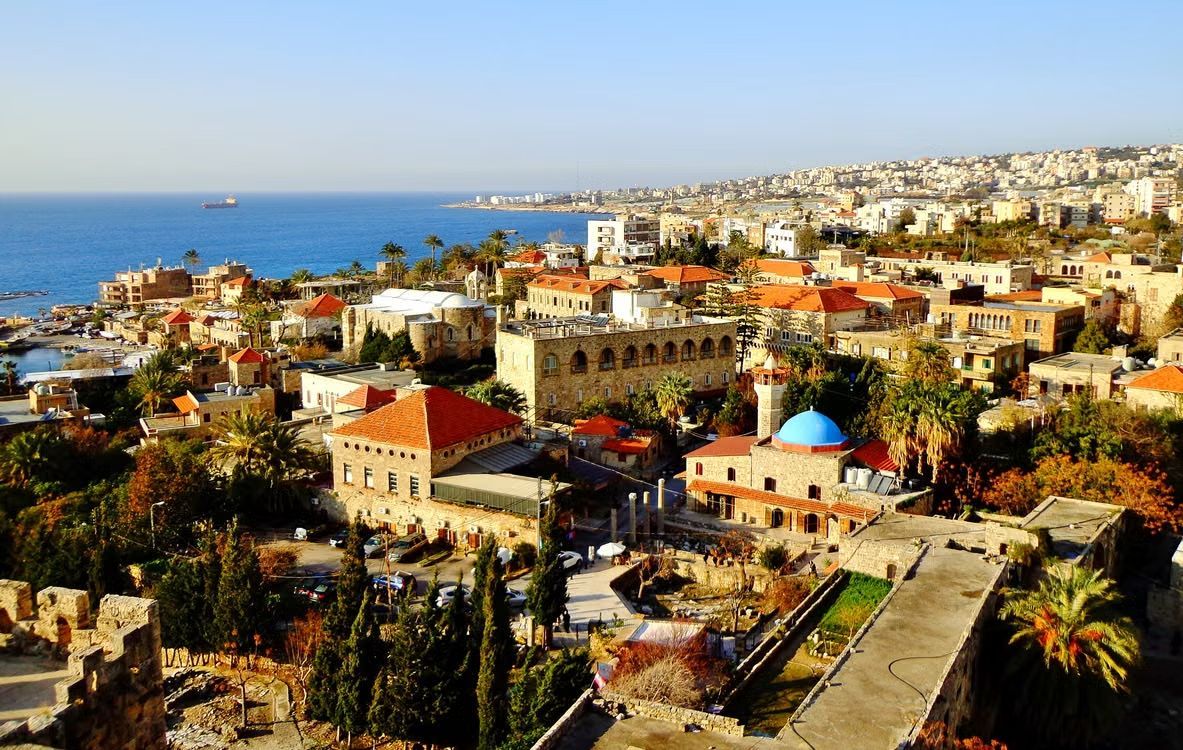
Today known locally as Jbeil, Byblos is another one of the world's oldest continuously inhabited cities, with roots dating back to the Neolithic period, around 8800-7000 BCE. Located on Lebanon's Mediterranean coast, it became a major Phoenician trading hub, particularly important for the papyrus trade.
Its commercial connections also helped spread the Phoenician alphabet, developed in the city around the second millennium BC. This 22-consonant phonetic system revolutionized communication and became the basis for the Greek, Latin, and modern alphabets.
Today, this UNESCO World Heritage Site welcomes visitors to its picturesque harbor, medieval streets, and ancient ruins, while modern cafés, restaurants, and shops bring everyday life to a city with thousands of years of history.
Cádiz: One of Europe's oldest coastal cities
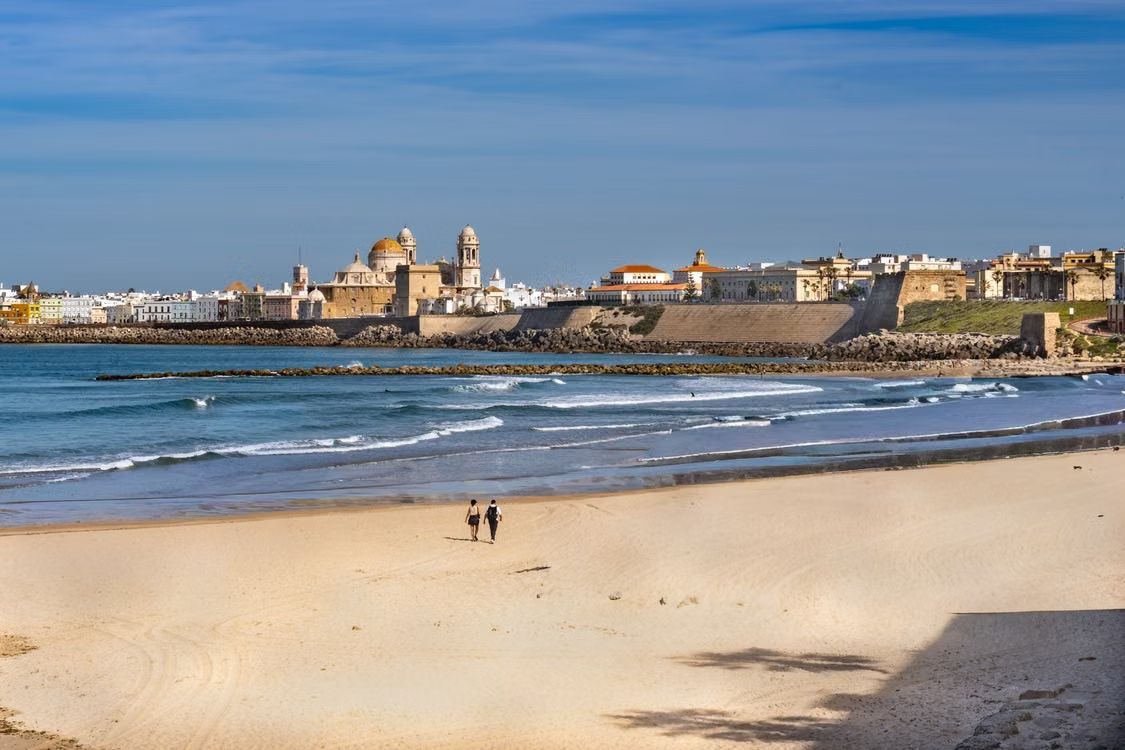
Founded by Phoenician sailors from Tyre more than 3,000 years ago on Spain's Atlantic coast, traditionally dated to 1100 BCE, Cádiz has remained an important port throughout much of its history.
Located in the region of Andalusia in southwestern Spain, the city sits on a narrow peninsula near the mouth of the Mediterranean Sea. It was from here that the Carthaginian general Hannibal set sail on his campaign to conquer Italy, cementing the city's place in ancient military history. Surrounded by the Atlantic Ocean, the city combines ancient ruins, historic fortifications, charming plazas, and beautiful beaches, offering visitors a unique glimpse into Spain's maritime past.
Varanasi: A sacred city that has lasted for millennia
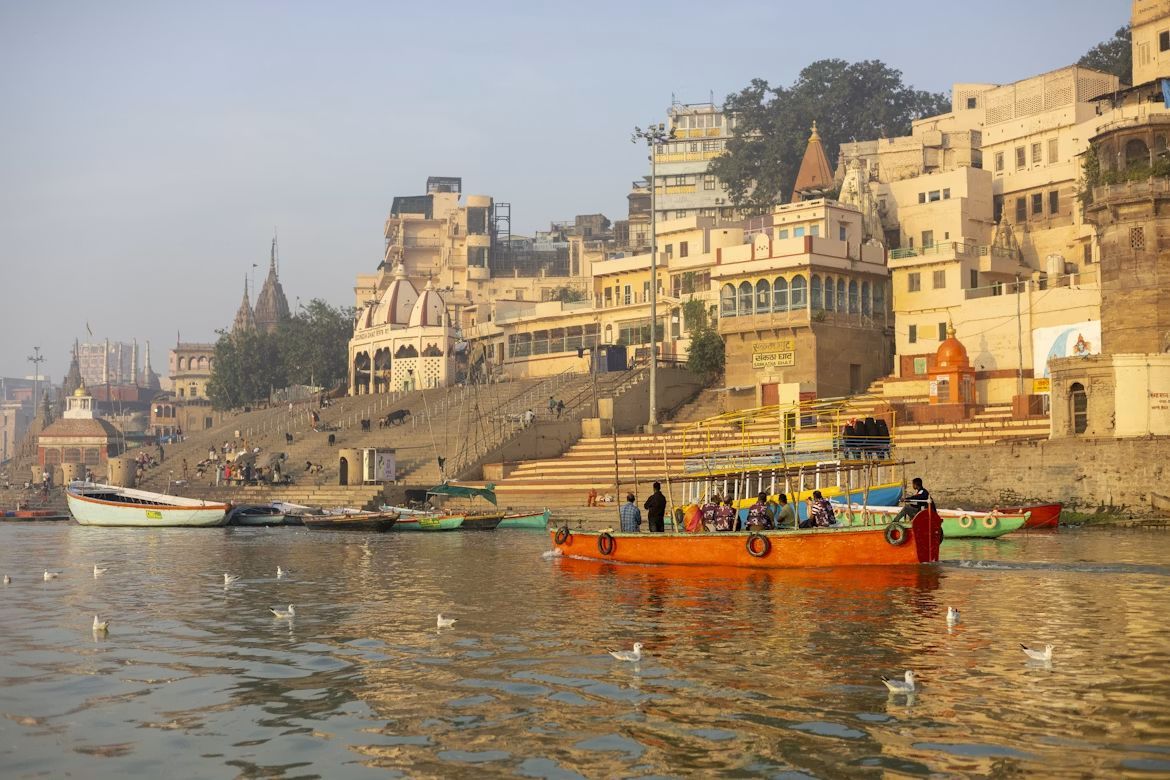
One of the world's oldest living cities, Varanasi has been continuously inhabited for more than 3,000 years, with roots dating back to around 1200 BCE. It has served as the spiritual heart of Hinduism throughout much of its history and, by the 6th century BCE, was the capital of the ancient kingdom of Kashi.
Located in the northern Indian state of Uttar Pradesh, on the banks of the sacred Ganges River, it’s a major pilgrimage destination where religion, daily life, and centuries-old traditions come together in a way found almost nowhere else. The city has long been revered as the earthly abode of Shiva, drawing sages and pilgrims for millennia. Today, its ghats, or stone steps leading down to the Ganges, still bustle at dawn with worshippers bathing in the Ganges, even as silk shops, cafés, and university life keep the city firmly rooted in the present.
Plovdiv: Europe's ancient city still full of life
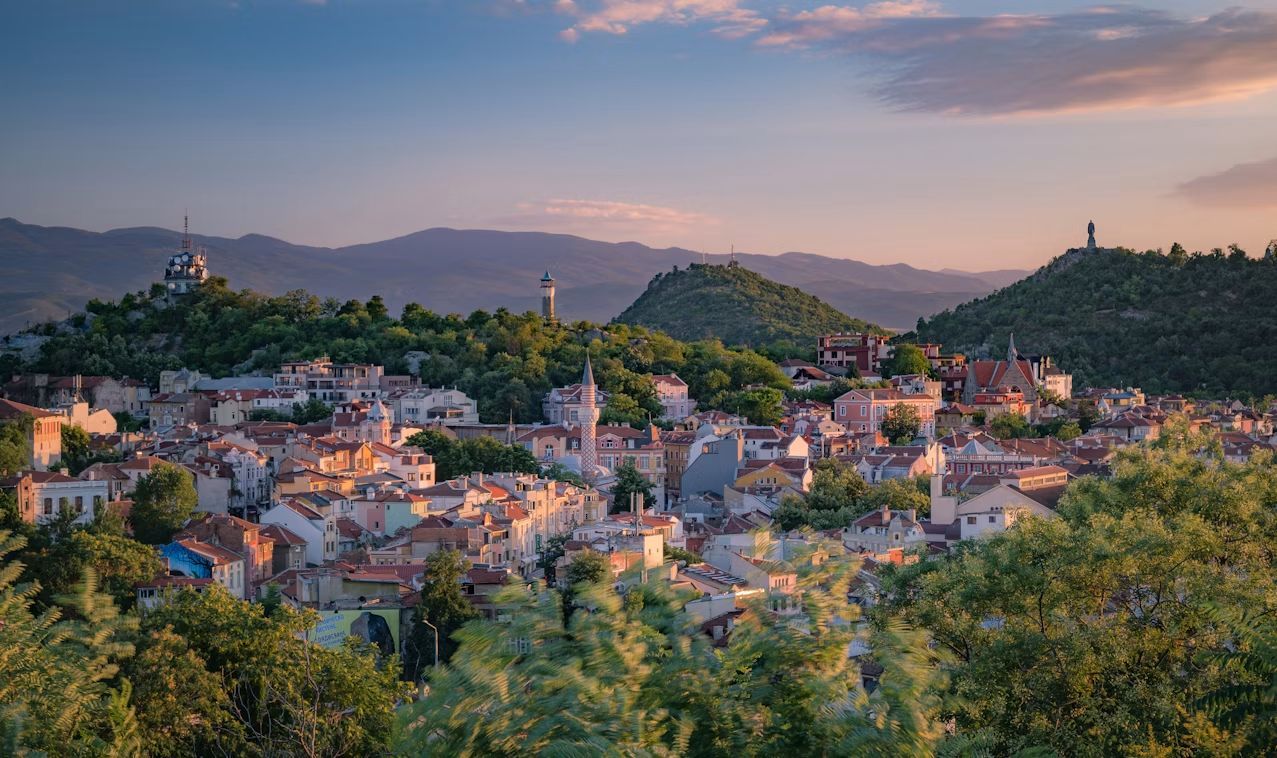
Built across seven hills in southern Bulgaria, Plovdiv has been continuously inhabited since Neolithic settlements first appeared here around 6000 BC, making it one of the oldest cities in Europe. In 342 BC, the Thracian settlement was conquered by Philip II of Macedon, father of Alexander the Great, who renamed it Philippopolis after himself.
Its remarkably preserved Roman Theater, once capable of seating around 6,000 spectators, still hosts concerts, operas, and cultural events today. Throughout the city, ancient ruins stand alongside colorful neighborhoods, while museums and archaeological sites reveal more than 8,000 years of history.

What should you do if your passport and hotel key vanish all of a sudden?
 General
Travel safer and smarter
People learn these travel safety tips the hard way... will you?
Picture this: You're wandering through a crowded spot in Barcelona, and before you know it, a pickpocket slips away with your wallet: your driver's license and passport are now gone, and you have no backups. Or you take an impromptu detour to Baker, Nevada, your phone goes radio silent for two days, and nobody back home has any idea where you actually are should anything happen to you. That's the mess smart travelers avoid by putting a few quick safeguards in place before they leave. Whether you're traveling at home or abroad, here are 10 tips that could save your trip.
Share your itinerary
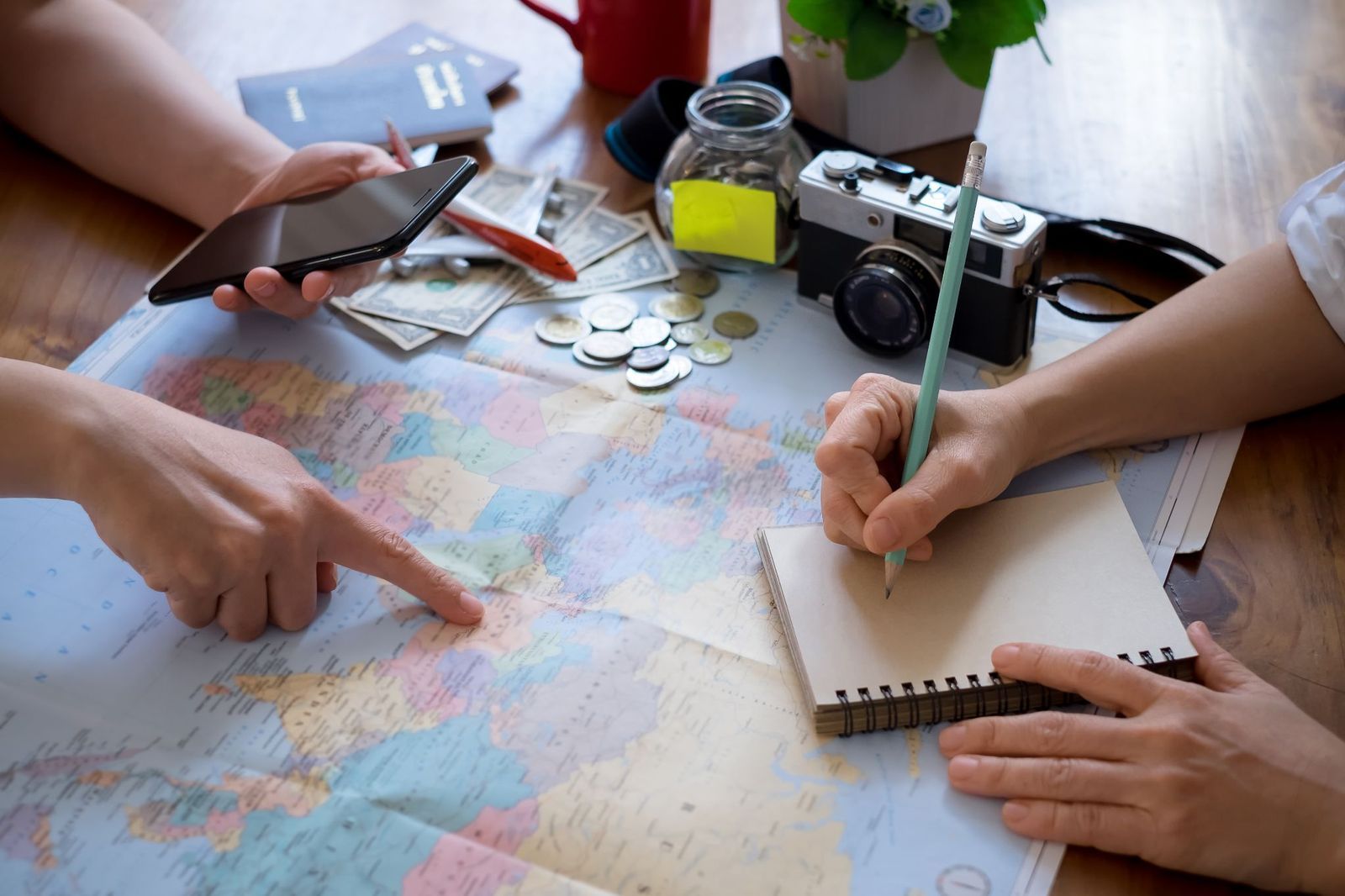
Say you take a spontaneous detour to some tiny farming town in rural Iowa nobody's heard of, then go silent for two days. No calls, no texts, nothing. If something goes wrong, your family wouldn't know where to start looking. But if you've shared your itinerary with someone back home, they know your flights and plans. That safety net means help can find you fast if you go quiet, and it gives everyone real peace of mind.
Keep document copies separate

Imagine your wallet and passport all vanish in one fell swoop because a pickpocket got lucky in Barcelona’s crowded Boqueria market. Without backups, you're stuck at a foreign embassy, burning vacation days untangling red tape. But with photocopies or phone photos of important documents stashed separately, you can prove who you are and speed up the replacement process.
Register with the STEP program

Say a hurricane, earthquake, or protest erupts near where you're staying in Mexico City, and the U.S. embassy has no idea you're even in the country. That's a scary gap when you might need evacuation help or emergency updates fast. Registering with the State Department's free Smart Traveler Enrollment Program (STEP) closes that gap, sending alerts and letting officials track you down if disaster strikes. It costs nothing and takes five minutes, but could mean everything.
Research common scams

You're sipping coffee near the Louvre when a stranger asks you to sign a "petition," distracting you while their buddy lifts your phone off the table. It's a classic move, and tourists fall for it daily because they never see it coming. Spend twenty minutes online before your trip learning the local scam playbook, and you'll spot these setups instantly.
Know the local emergency numbers

Imagine someone trips and twists an ankle badly on a cobblestone street in Rome, and you're frantically dialing 911, but that number means nothing there. Precious minutes get wasted while panic sets in, and nobody knows who to call. Look up the local police, ambulance, and fire numbers before you land, and jot them down somewhere easy to find. Knowing exactly who to call turns a scary emergency into something you can handle calmly.
Choose accommodations with secure entry

Ever stayed somewhere where the front door barely locks, or anyone off the street can stroll through the lobby unchecked? That's an open invitation for trouble, especially late at night, walking back from dinner. Booking a place with keycards, secure entryways, or a staffed front desk means strangers can't just wander up to your room.
Use the hotel safe

Picture leaving your good jewelry, extra cash, and fancy camera on the dresser while you're out enjoying the day. Anyone with a master key could wander off with your stuff, and hotels often aren't liable for items left in plain sight. Toss your valuables in the room safe instead, and spend the day worry-free instead of mentally cataloging your belongings every five minutes.
Don't flaunt jewelry or electronics

Flashing a diamond ring or a brand-new iPhone practically paints a target on your back in many popular tourist destinations. Thieves are watching for exactly that shine, making you an easy mark in any crowd. Dress down a little, keep electronics tucked away, and you'll blend in like a local instead of a walking ATM.
Stay alert in crowds

Crowded plazas and busy markets are a pickpocket's dream because everyone's distracted, snapping photos, and bumping shoulders. One second your bag's zipped shut, the next it's wide open and noticeably lighter. Staying alert, keeping bags zipped and in front of you, and glancing around occasionally makes you a much harder target.
Trust your gut

That nagging feeling when a "helpful stranger" offers unsolicited directions or insists on walking you somewhere? That's your gut waving a red flag, and ignoring it has gotten travelers into real trouble. Trust that instinct, even if it means seeming rude by walking away or simply saying "no, thanks".
Keep wandering
There’s always
more to explore

10 unbelievable cons from around the world
4 min.
Read Now
10 travel myths debunked
4 min.
Read Now
 Landmarks

The Blues Road: Every blues fan should visit these 12 spots at least once
5 min.
Read Now
The parking trick that could save you $40 a night in California
3 min.
Read Now