
10 travel myths debunked
 General
Don’t believe everything you hear
10 travel myths debunked
From arriving super-early at the airport to the gastrointestinal dangers of street food, when it comes to travel, there’s no shortage of assumptions that need debunking. Naturally, the more one travels, the more likely one is to have a bad experience, but this doesn't mean these experiences are universal and applicable to all. Here are 10 widely accepted beliefs about travel that are more myth than truth.
There’s a special trick for cheap airfare

"The way to get a good price is by booking your plane tickets for a Tuesday, or midnight, or in incognito mode". You might hear this idea floating around as an established truth, but in reality, airline rates shift all the time according to demand, availability, and trends. However, there are some things that you can do to ensure a better price, like booking your ticket early, avoiding high-demand days (like Sundays), and setting internet price alerts.
The airport has the best currency rates
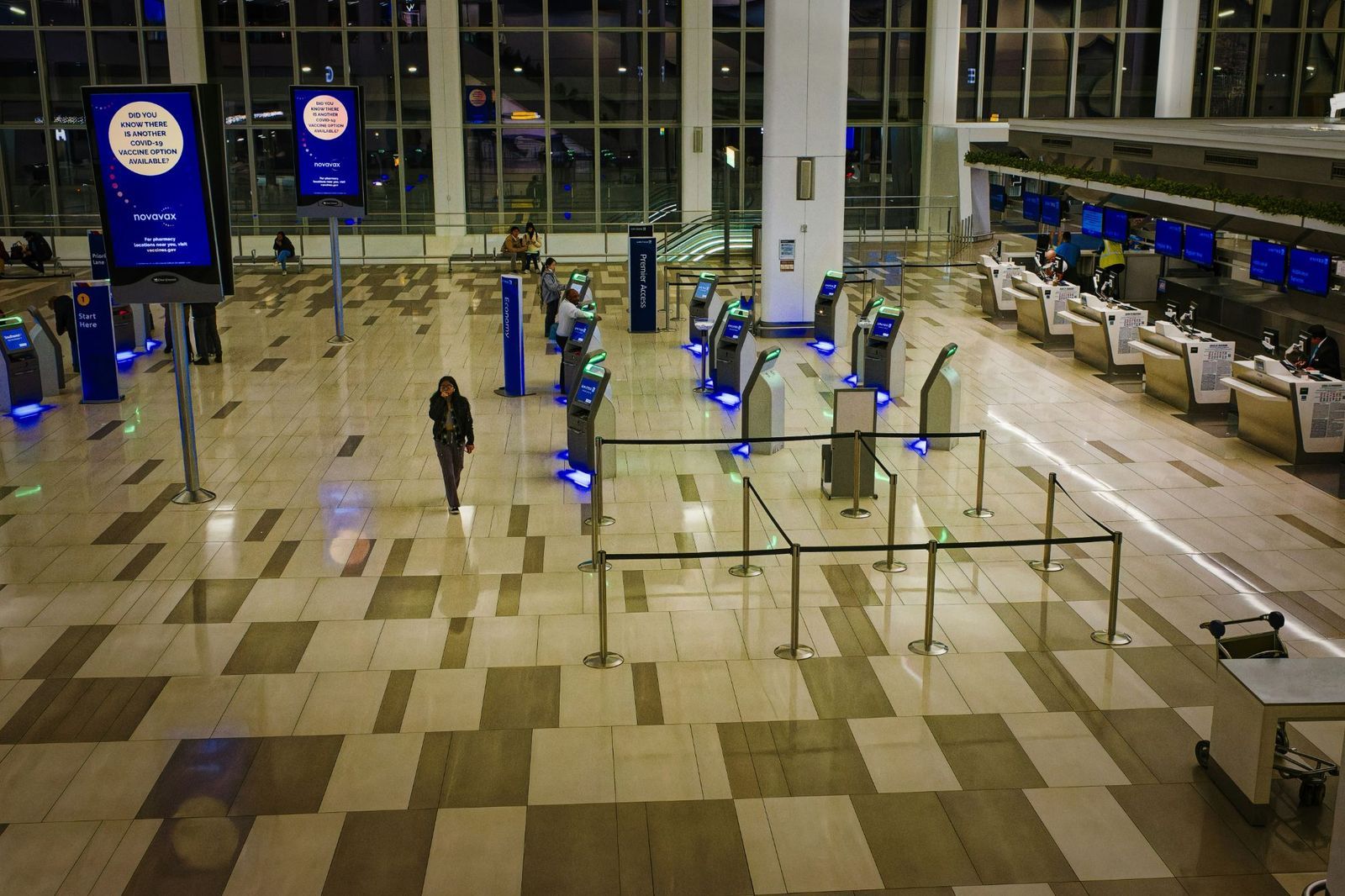
This idea is not only a myth, but the opposite is actually true. Airport currency exchange rates are notorious for being highly marked up, as they rely on a captive audience that needs a last-minute exchange. Airport kiosks might be a good choice to exchange small amounts upon arrival or in an emergency, but not for larger sums of money. You most certainly will find better rates withdrawing money at an ATM, using a foreign card —a pre-loaded card issued by your bank that carries foreign currency— or in an exchange shop outside the airport.
Solo travel is too dangerous

This one comes down to common sense. While in certain cases and destinations traveling solo is not recommended, statistically there’s no safety difference between traveling solo or in a group. Travel safety is more dependent on preparation, awareness, and your own personal circumstances. Traveling solo involves a higher degree of alertness because safety is dependent on one person instead of multiple people, but it is not intrinsically unsafe.
Tourist hotspots are a waste of time

Overcrowded, underwhelming tourist hotspots are common, but these places are popular for a reason. The truth is this: there’s a 50/50 chance that a hotspot is worth the wait or a complete waste of time and money —and most of the time the only way to find out is through personal experience. Doing some research in advance and speaking to locals can help you decide if the waiting in line and the crowds are worth it.
Travel insurance is a waste of money

If there’s a travel fact that is proven, it is that travel insurance seems like an unnecessary expense until an emergency happens. While no one goes on vacation hoping for an illness, lost luggage, or a natural disaster, in the end it is always cheaper to get the insurance and not use it than it is to pay for emergencies out of pocket.
Always pay in your home currency abroad

This popular myth is responsible for more than a credit card-induced headache after returning from a foreign trip. The Dynamic Currency Conversion (DCC) that allows you to pay in your home currency in a foreign country has higher exchange fees, while still including your bank’s foreign fee. While paying in your home currency feels safe and familiar, it is always better to select the local currency.
Last-minute bookings save money

There is some truth to this one, but only in the sense that many airlines and hotels might offer a last-minute discounted price on empty seats and rooms. In general, last-minute bookings are much more expensive, as people are willing to pay more when they need an emergency booking. On average, you will get a much better deal with early bookings.
You need to speak the local language

Speaking the local language, or at least being able to say a few common phrases, is a huge plus when traveling, but it’s not a requirement. Popular destinations are usually prepared for tourists who don’t speak the local language, and many tools are available to help bridge the linguistic gap. While it’s true that people in smaller and more remote places are less likely to speak multiple foreign languages, body language, kindness, and translation tools can go a long way.
There’s a best time for travel

Is it possible to enjoy a destination outside of its recommended traveling season? "Best times" or "peak seasons" usually revolve around a destination’s best weather and cultural attractions, but they have their downsides, such as higher prices, larger crowds, and overtourism. Traveling outside of the peak season might mean that the weather is unpredictable or that some attractions might not be available, but you might find better prices and less crowding. In the end, the best time for travel is the one that better fits your schedule, interests, and budget.
You should avoid street food

The problem with blanket statements is that they tend to take a singular case and make it universal. "Safe street food" can mean vastly different things depending on your destination, your country of origin, the particular type of food, and even your personal circumstances. While in some cases you might have to avoid street food due to dietary restrictions, medical history, or cultural differences (if you’re not used to certain ingredients or spices, for instance), you can also enjoy it without concerns by following some guidelines: pick vendors that use fresh ingredients, prioritize food that is cooked in front of you, and choose stalls where locals are eating.
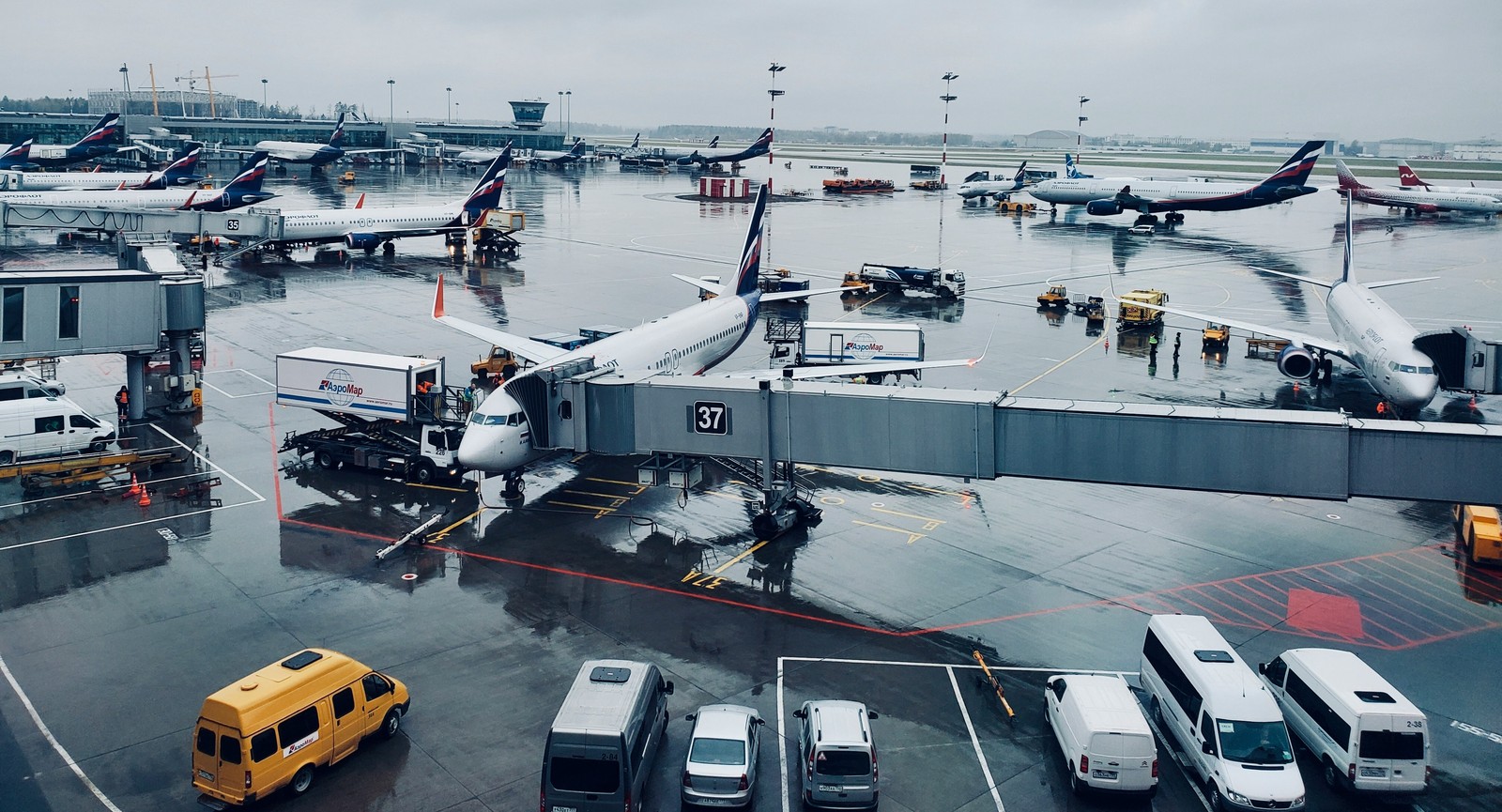
Most passengers never notice these 10 crucial airport tasks. Do you?
Terminal secrets
What goes on behind the scenes at the airport? 10 surprising secrets
Most travelers see airports as places to check in, grab a coffee, and board a flight. But, behind the scenes, thousands of professionals and systems work together every hour to keep aircraft moving safely and efficiently. Take a look at these highly coordinated functions — at least a few will surprise you.
Inspect runways and taxiways for hazards
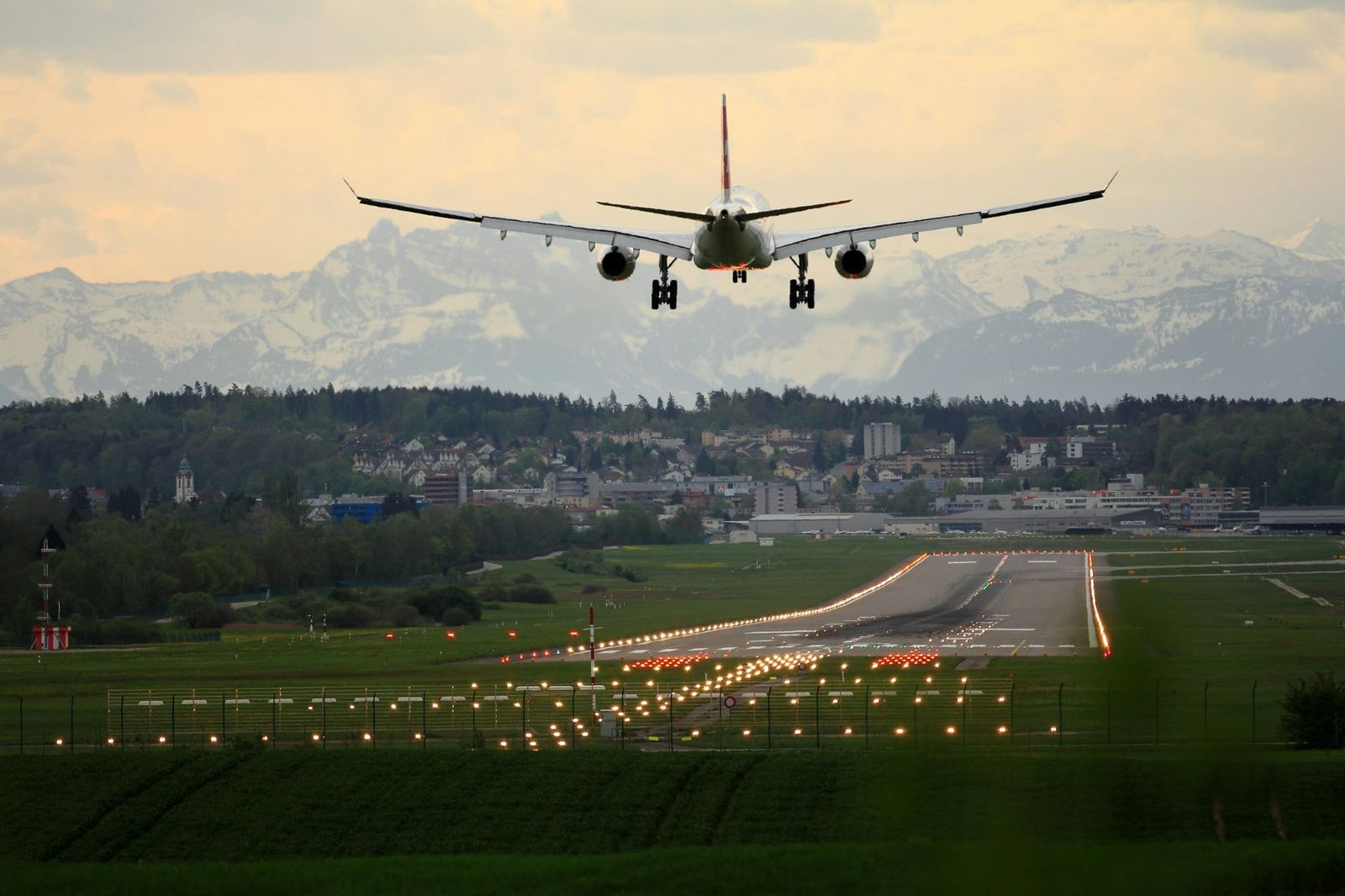
Before pilots can use a runway or taxiway, airport operations teams must ensure the surface is safe. Inspectors look for cracks, standing water, loose pavement, tire rubber buildup, and anything else that could affect aircraft operations. These checks happen repeatedly throughout the day.
Even tiny objects can become dangerous at high speeds. A loose bolt or piece of metal may damage a tire or get pulled into a jet engine. Regular inspections help airports identify problems early and keep aircraft moving safely from gate to runway.
Keep birds and wildlife away from aircraft

Birds and airplanes are a risky combination. Airports operate wildlife-management programs designed to reduce the chance of bird strikes and other animal-related incidents. Depending on the location, teams may use patrol vehicles, noise devices, habitat management, or trained birds of prey.
The goal is not to harm wildlife but to keep it away from areas of aircraft movement. Airports study local animal behavior, monitor migration patterns, and constantly adjust their strategies to reduce hazards while maintaining a safe environment for both aviation and wildlife.
Manage access to secure airport zones
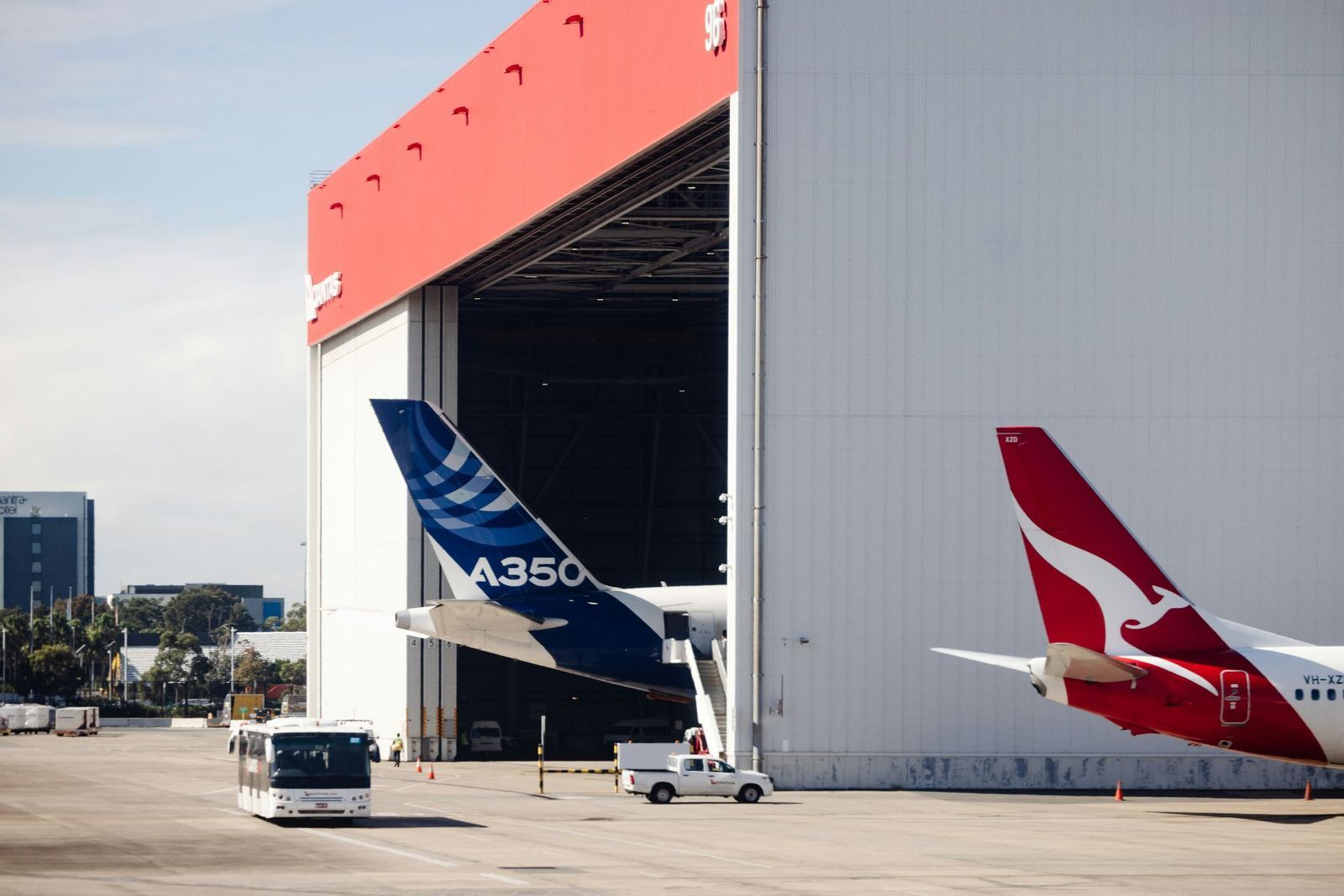
Many parts of an airport are off-limits to the public. Areas such as ramps, baggage facilities, maintenance zones, and runways require strict access controls. Airports continuously monitor who enters and exits these locations throughout the day.
Employees typically need security badges, background checks, and authorization for specific areas. Cameras, gates, and electronic systems help prevent unauthorized access. These controls are a critical part of airport security and help protect passengers, aircraft, and airport operations.
Coordinate dozens of ground-service teams around every flight
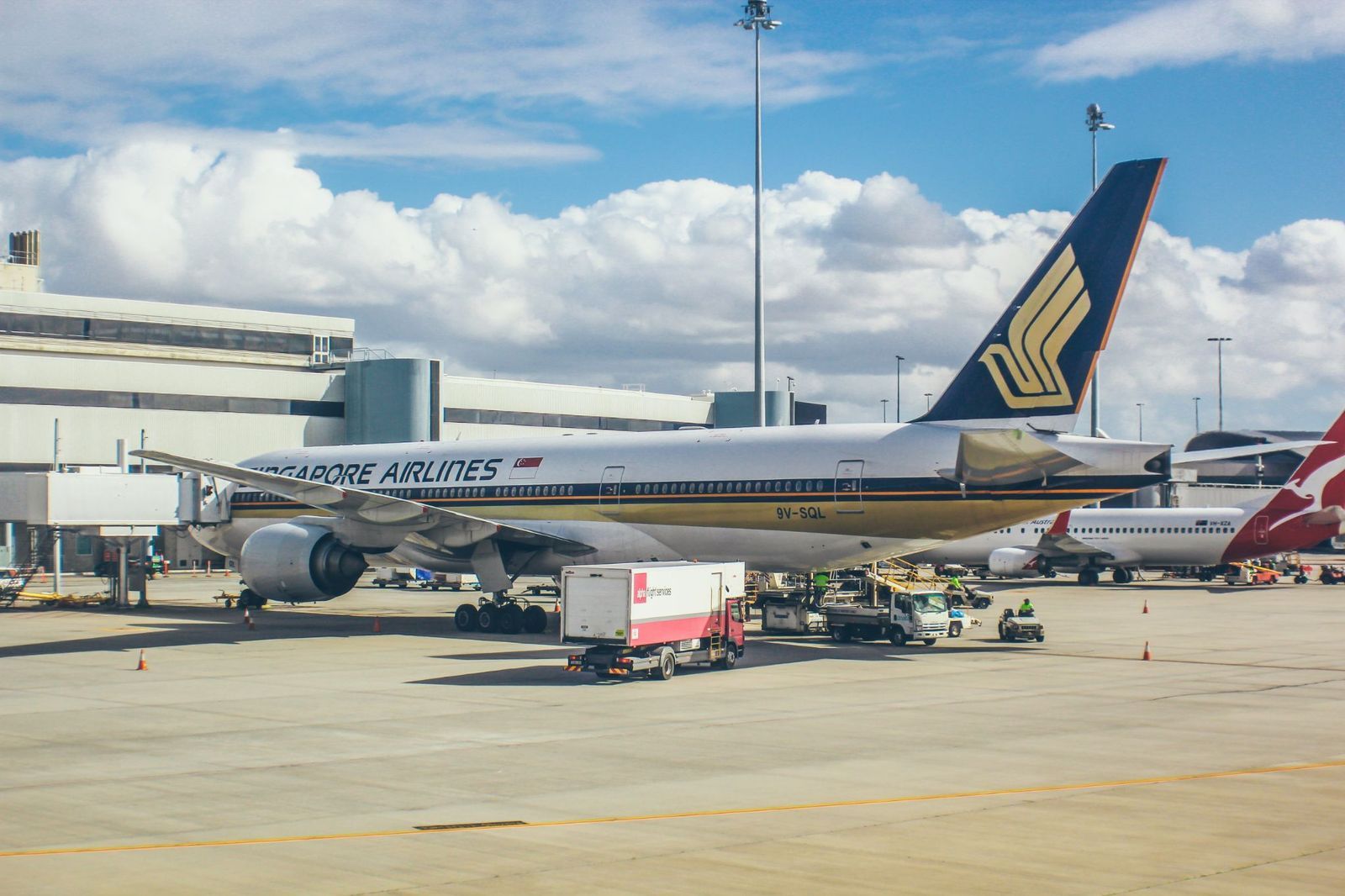
When an aircraft arrives, a number of teams immediately get to work. Baggage handlers unload luggage, fuel crews refuel the aircraft, cleaners prepare the cabin, caterers restock supplies, and maintenance personnel inspect equipment.
Many of these tasks occur simultaneously during a short turnaround period. Because every minute matters, airports and airlines coordinate closely to keep operations on schedule. A delay affecting one team can quickly impact the aircraft’s next departure and many flights beyond it.
Decide exactly where every aircraft will park
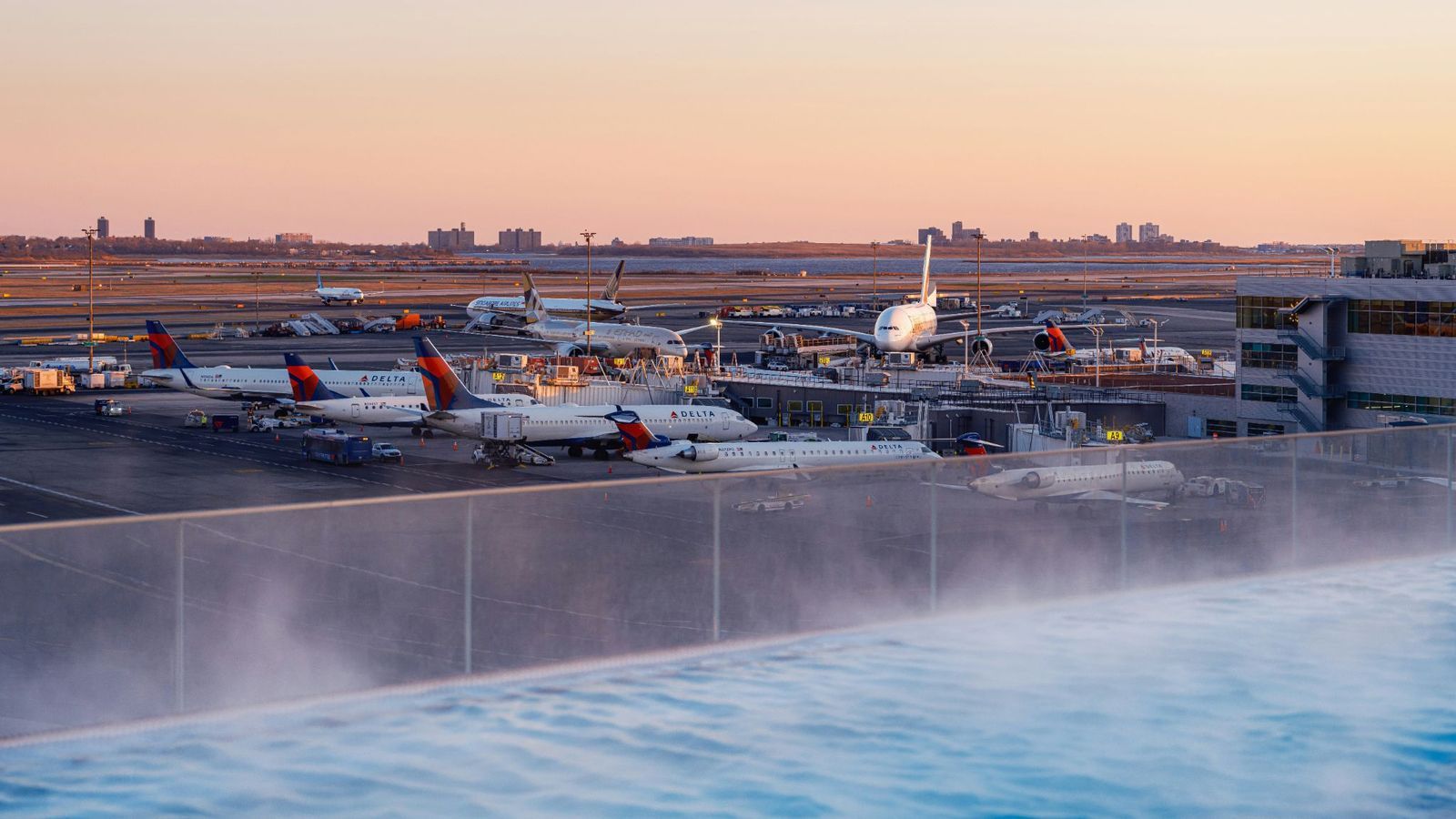
Assigning a gate involves far more than finding an empty parking space. Airport operations teams consider aircraft size, airline requirements, connecting passengers, equipment availability, and nearby departures before making a decision.
Schedules change constantly due to weather, delays, and operational needs. As a result, gates may be reassigned throughout the day. Sophisticated software helps airports manage these adjustments while minimizing disruptions for airlines and travelers moving through the terminal.
Use airport operations centers to predict problems

Many large airports operate centralized Airport Operations Centers, often called AOCs. These facilities bring together specialists who monitor weather, flight schedules, staffing levels, security issues, equipment status, and many other factors in real time.
The goal is to identify potential disruptions before passengers notice them. If a storm, equipment failure, or traffic surge appears likely, teams can begin coordinating responses immediately. This proactive approach helps airports reduce delays and maintain smooth daily operations.
Inspect thousands of airfield lights

At night or during poor weather, pilots rely heavily on airport lighting systems. Runway lights, taxiway lights, centerline lights, approach lights, and illuminated signs all help aircraft navigate safely around the airfield.
Large airports may have thousands of individual lighting fixtures spread across many miles of pavement. Maintenance teams inspect, repair, and replace lights continuously. Keeping these systems functioning properly is essential for safe operations during darkness and low-visibility conditions.
Monitor every flight’s turnaround timeline

Airports and airlines closely track what happens between an aircraft’s arrival and departure. Every activity follows a schedule, including unloading baggage, cleaning the cabin, refueling, boarding passengers, and completing inspections.
Operations systems compare real-time progress against planned milestones. If one task begins falling behind, teams can intervene before delays spread through the schedule. Careful monitoring helps airports maintain on-time performance and use aircraft as efficiently as possible.
Calculate future capacity and monitor obstacles
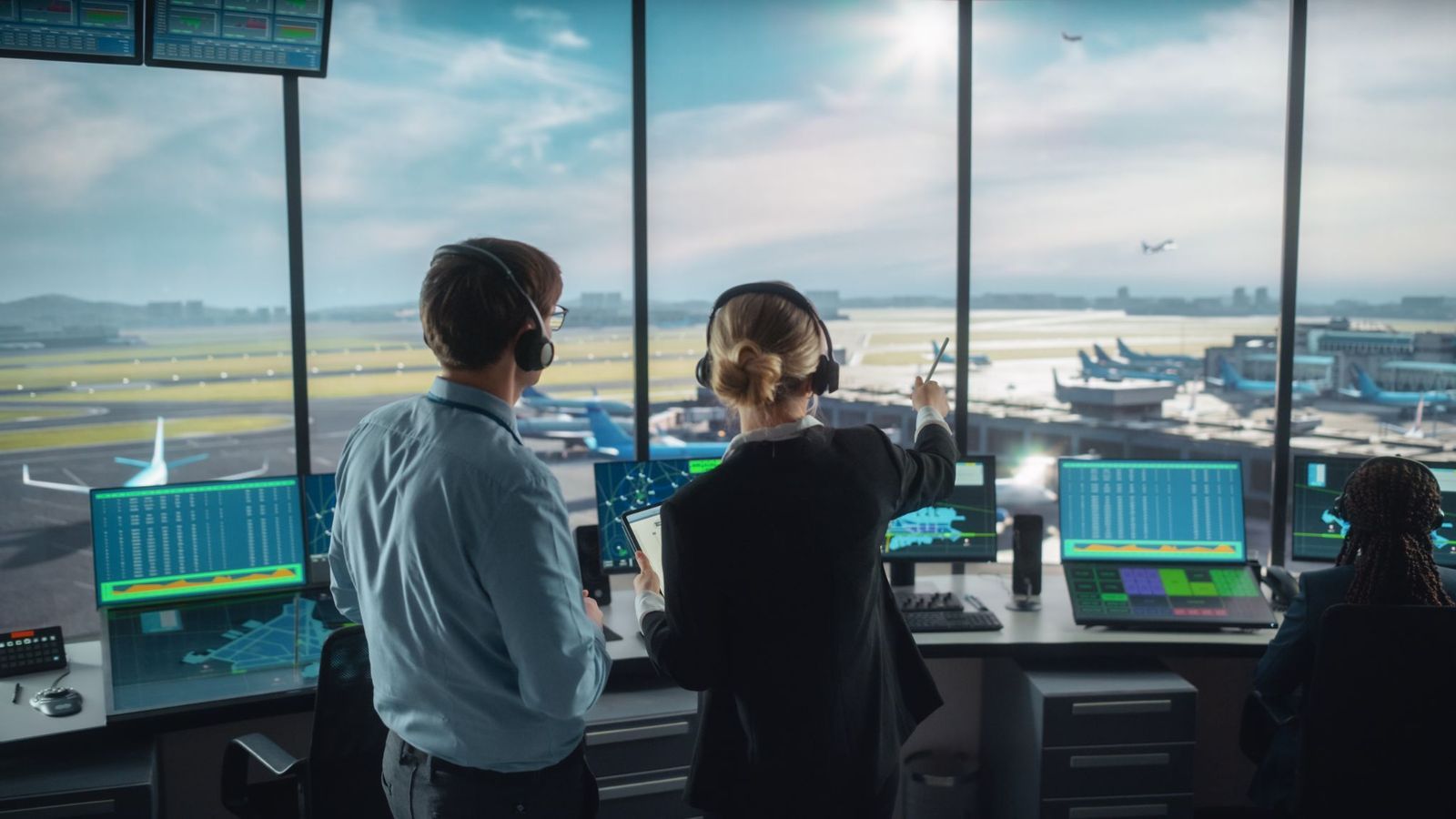
Airports constantly analyze future traffic levels. They study runway availability, gate usage, weather forecasts, and airline schedules to estimate how many flights can be handled safely and efficiently in the hours and days ahead.
They also monitor potential obstacles near the airfield. New buildings, construction cranes, communication towers, and even growing trees can affect protected airspace. Tracking these changes helps airports preserve safe flight paths and support future growth without compromising safety.
Prepare for severe weather before it arrives
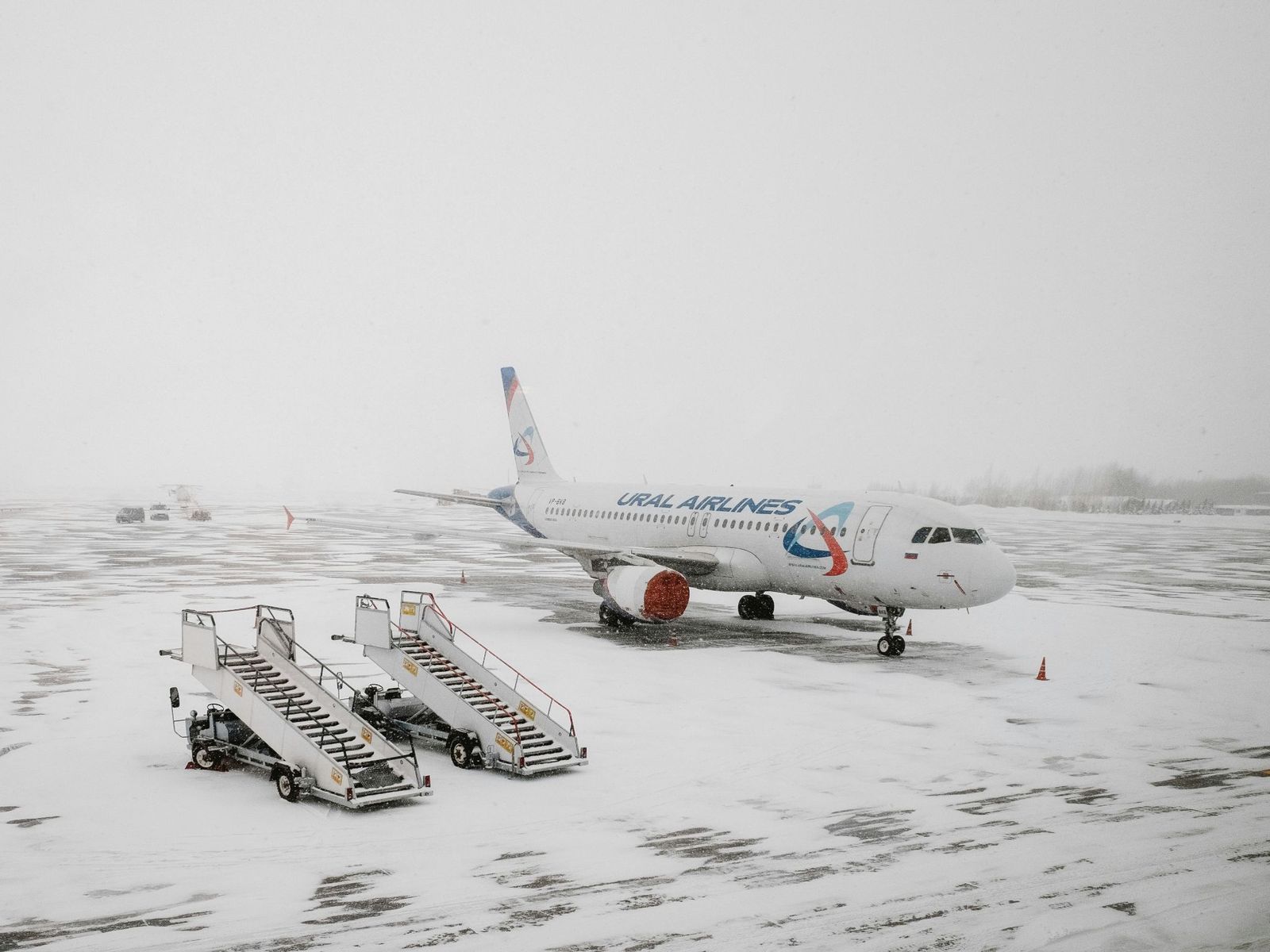
At airports in colder regions, winter operations usually begin before any snow actually falls. Specialized teams monitor forecasts, inspect equipment, stock de-icing materials, and position snow-removal vehicles in strategic locations around the airfield. Some major airports even activate dedicated winter operations centers when severe weather is expected.
The goal is to keep aircraft and runways safe while minimizing disruptions. Crews may work around the clock clearing snow, treating pavement, measuring runway conditions, and coordinating aircraft de-icing procedures. Much of this preparation happens long before passengers notice any weather-related challenges at the airport.
Keep wandering
There’s always
more to explore
 Geography

You've heard about tourist traps: these destinations are the opposite
4 min.
Read Now
Your carry-on may get flagged according to this new rule
6 min.
Read Now
Entry denied: What's behind the places you will never get to visit
7 min.
Read Now
 Culture

The town that changed its name over a ghost story: Best Halloween cities
7 min.
Read Now