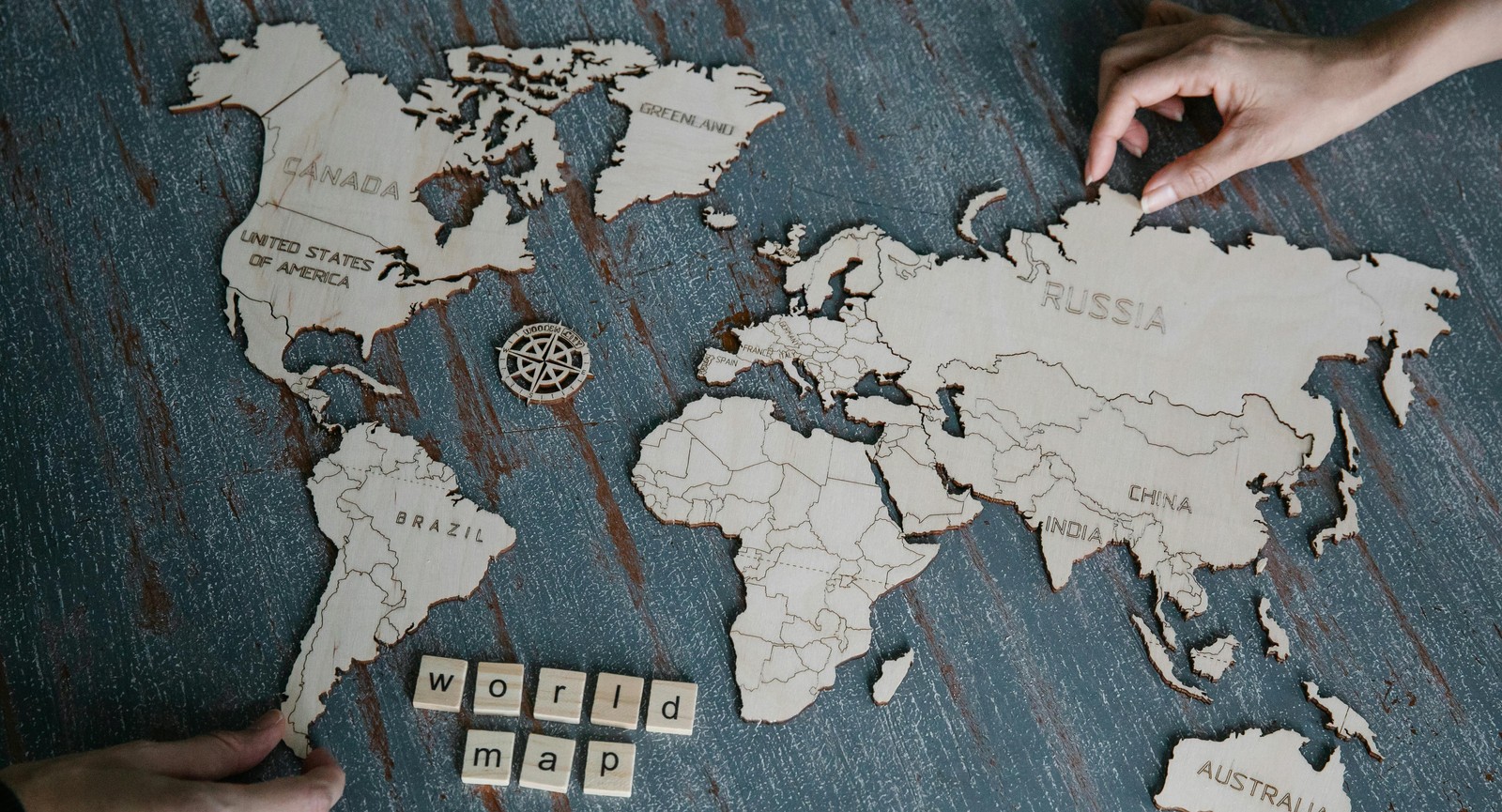
Maps might be lying to you: 10 geographic truths that will blow your mind
 Geography
Maps might be lying to you: 10 geographic truths that will blow your mind
Maps often serve as our first glimpse into the world, but they can also be misleading. Because it’s mathematically impossible to flatten a 3D sphere into a 2D rectangle without stretching reality, most of us grew up with a distorted view of continents, distances, and even time. From islands that exist in two hemispheres at once to a tiny country with multiple time zones, the true layout of our planet is far more paradoxical than your wall map might suggest. Get ready to set aside what you learned at school as we explore 10 geographic facts that prove our world is much weirder than it looks.
Australia is wider than the Moon
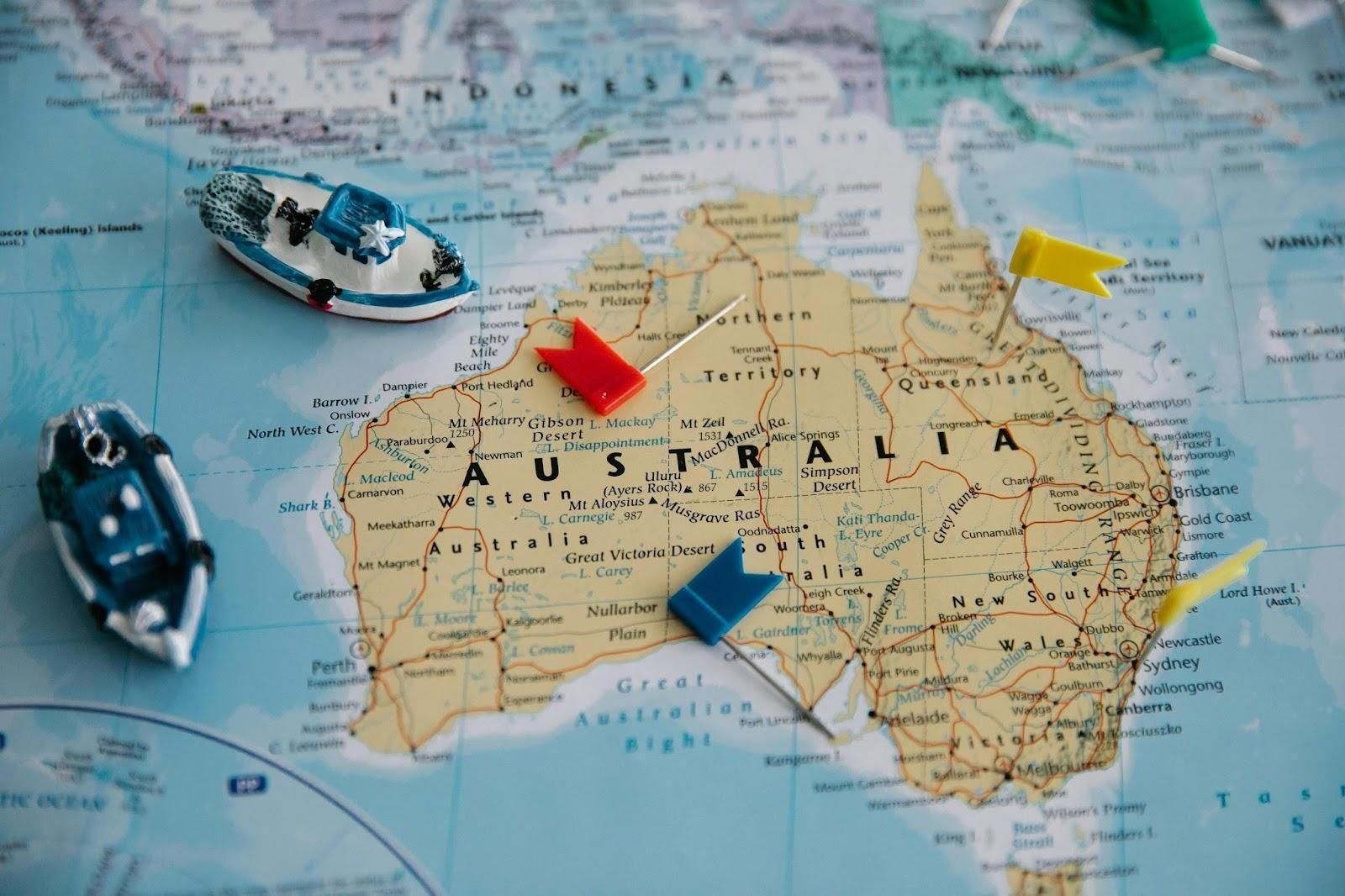
From east to west, Australia spans roughly 2,500 miles, slightly wider than the Moon’s diameter of about 2,160 miles. This means Australia is wider than the Moon across a straight line. However, because the Moon is a sphere, it has a much larger surface area overall. This comparison highlights how large Australia is across its width, even if it’s hard to picture on a flat map.
Alaska is both the easternmost and westernmost state
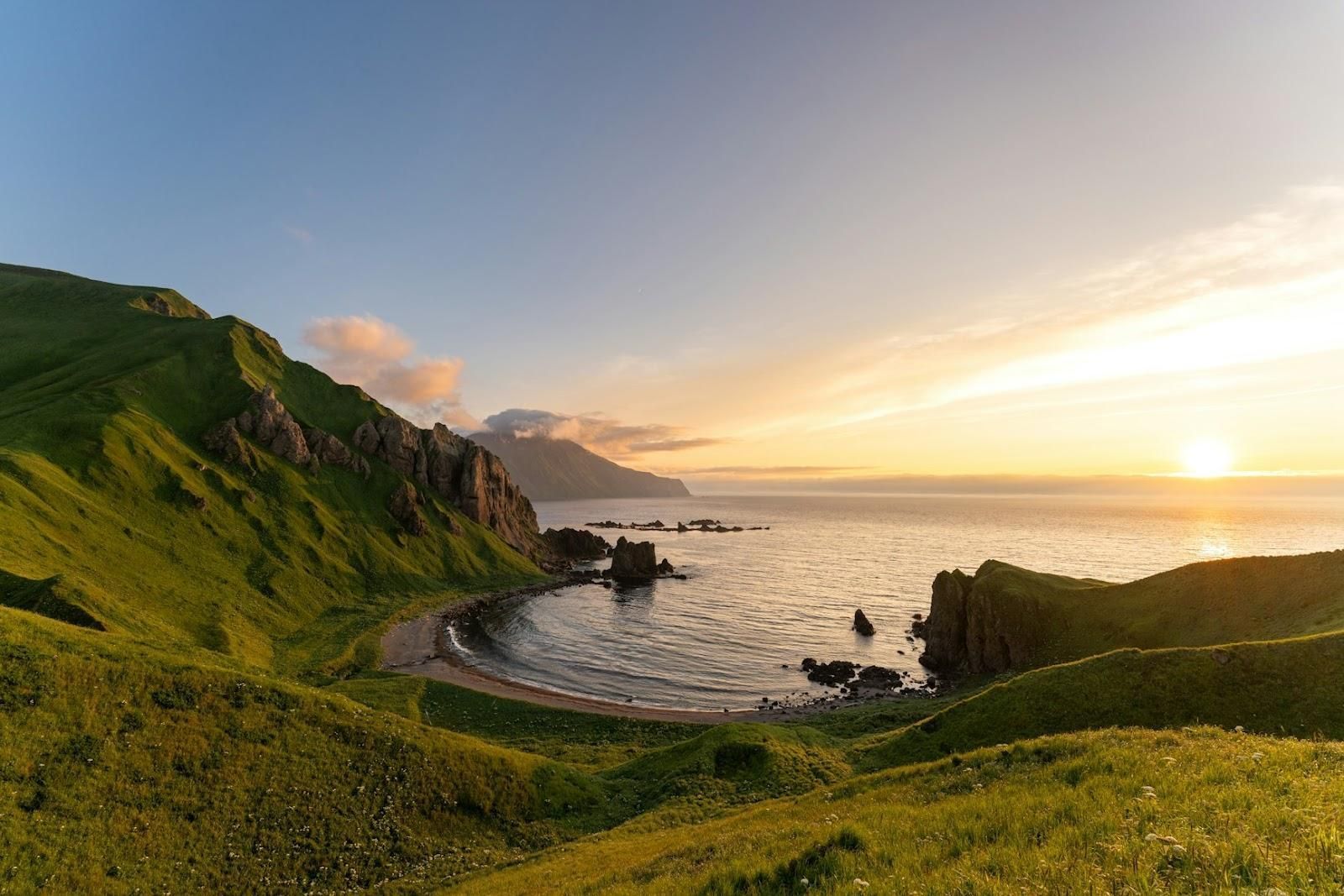
Here’s a fact that sounds wrong until you look at a globe. We all know Alaska extends far west, but its Aleutian Islands continue past the 180th meridian, the line used to separate eastern and western longitudes. Since longitude resets at that meridian, land just beyond it is considered a part of the Eastern Hemisphere. As a result, Alaska contains both the westernmost point of the United States and, by longitude, the easternmost point too.
A country with 12 time zones
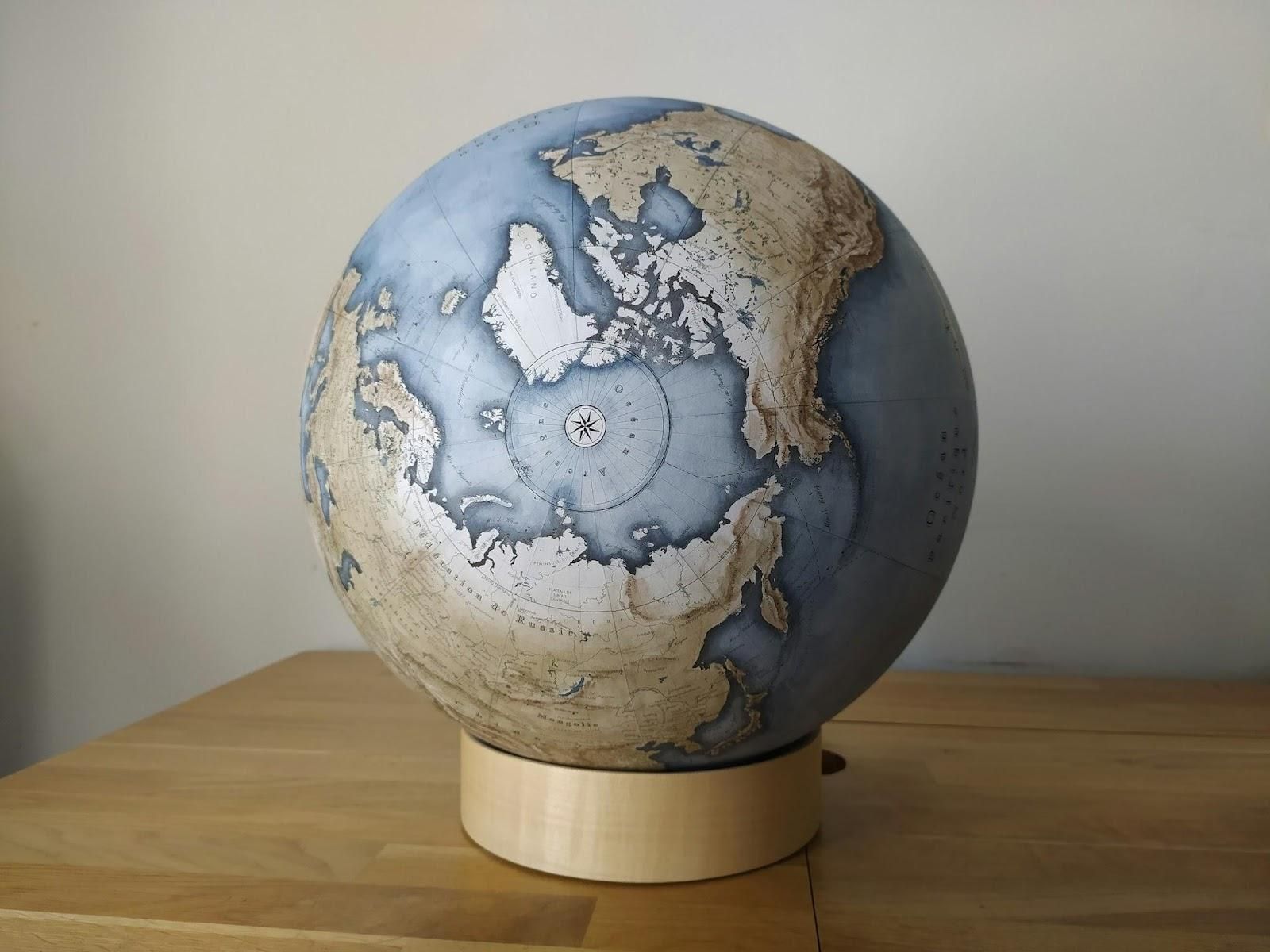
Do you know which country has the most time zones? At first thought, Russia might seem like the obvious answer, but actually, France holds the record for the most time zones. The European country officially spans 12 time zones, even though mainland France uses only one. The extra zones come from overseas territories located in several parts of the world, such as the Caribbean, South America, the Indian Ocean, and the Pacific. These territories are governed by France, which is why their local time zones are included in the national count.
Eastern Russia serves breakfast when Western Russia has dinner
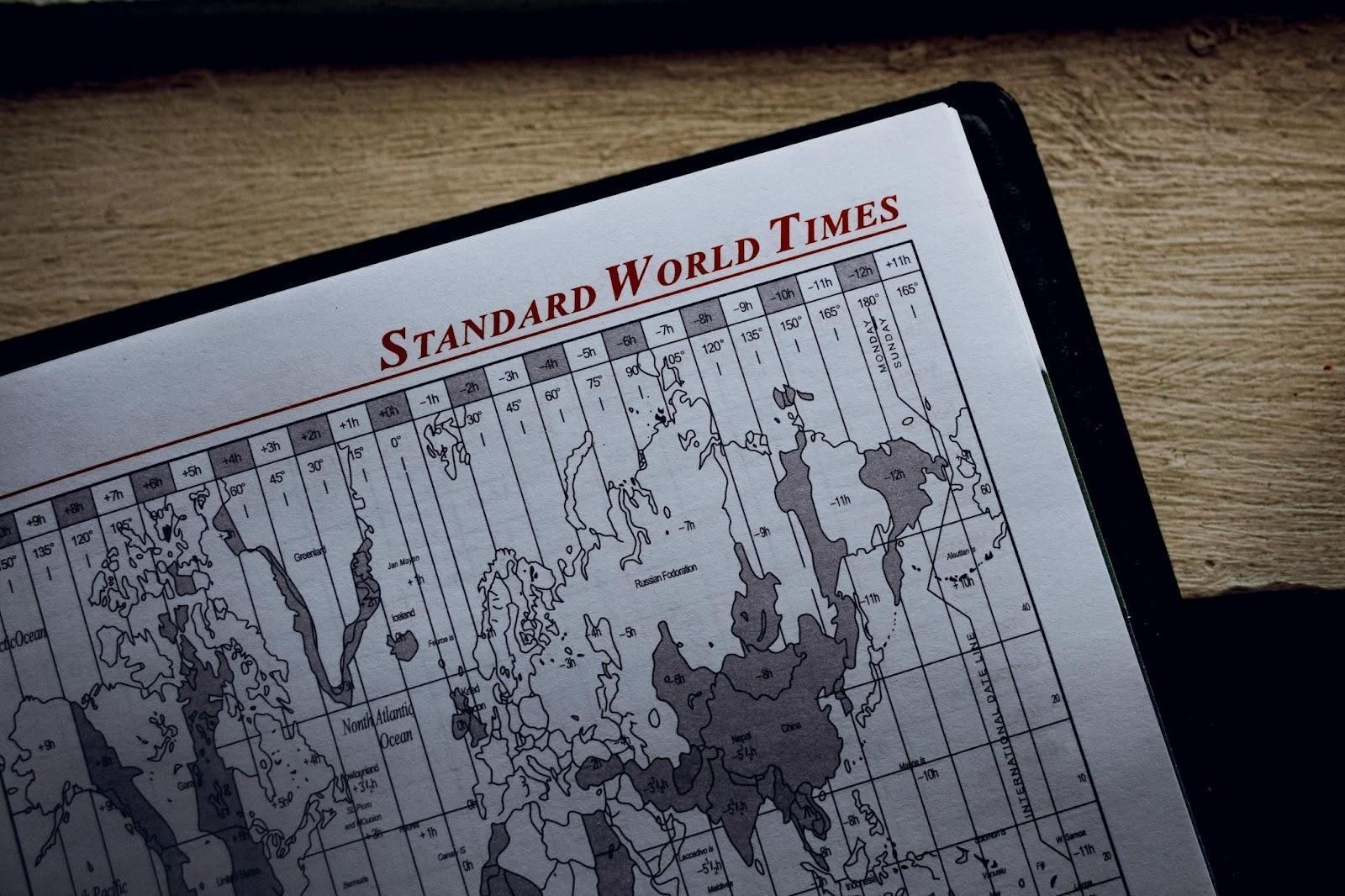
Okay, France has the most time zones, but Russia isn’t that far behind. In fact, Russia covers a huge area with 11 official time zones stretching about 5,600 miles from east to west. This means daily life can look very different depending on where you are. When people in the far eastern city of Petropavlovsk-Kamchatsky start their workday, people in Moscow are likely finishing theirs. Pretty amazing, right?
Maine is the closest U.S. state to Africa
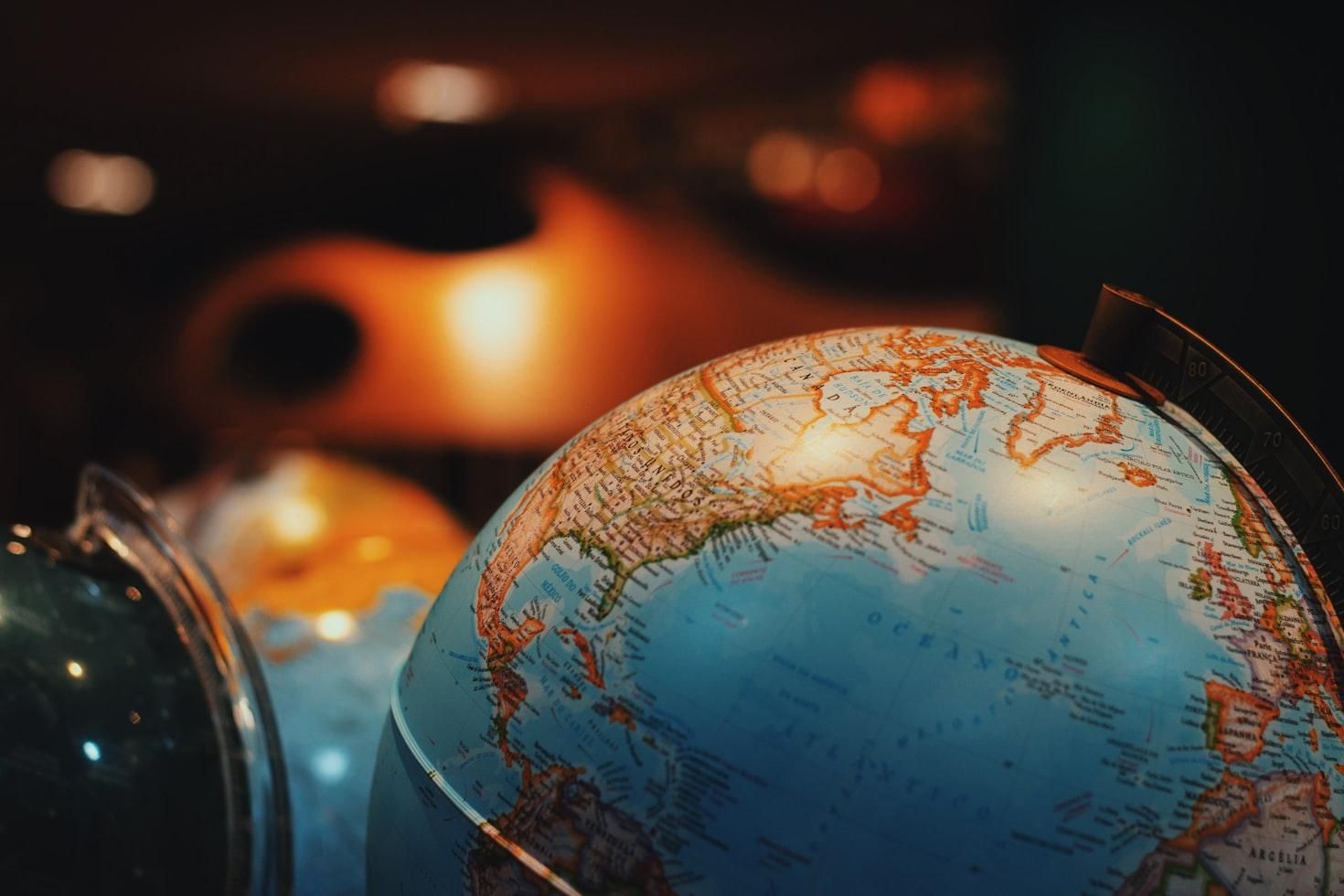
Flat maps can be misleading because they distort distance and direction. When viewed on a globe, Maine’s easternmost point, West Quoddy Head, clearly extends farther east than Florida. If you draw a straight line across the Atlantic Ocean, Maine is closer to parts of North Africa than any other U.S. state. Although Florida lies farther south, in terms of direct distance across the ocean, it is actually farther away.
Most Canadians live south of Seattle

Canada is often thought of as mostly northern, but its population tells a different story. About 60 percent of Canadians live south of Seattle’s latitude, which is roughly 47.6 degrees north. Major cities such as Toronto, Montreal, and Ottawa are all located below that line. Much of northern Canada has harsh weather, long winters, and limited infrastructure, which explains why so few people live there. Have you ever thought about that?
China uses just one time zone
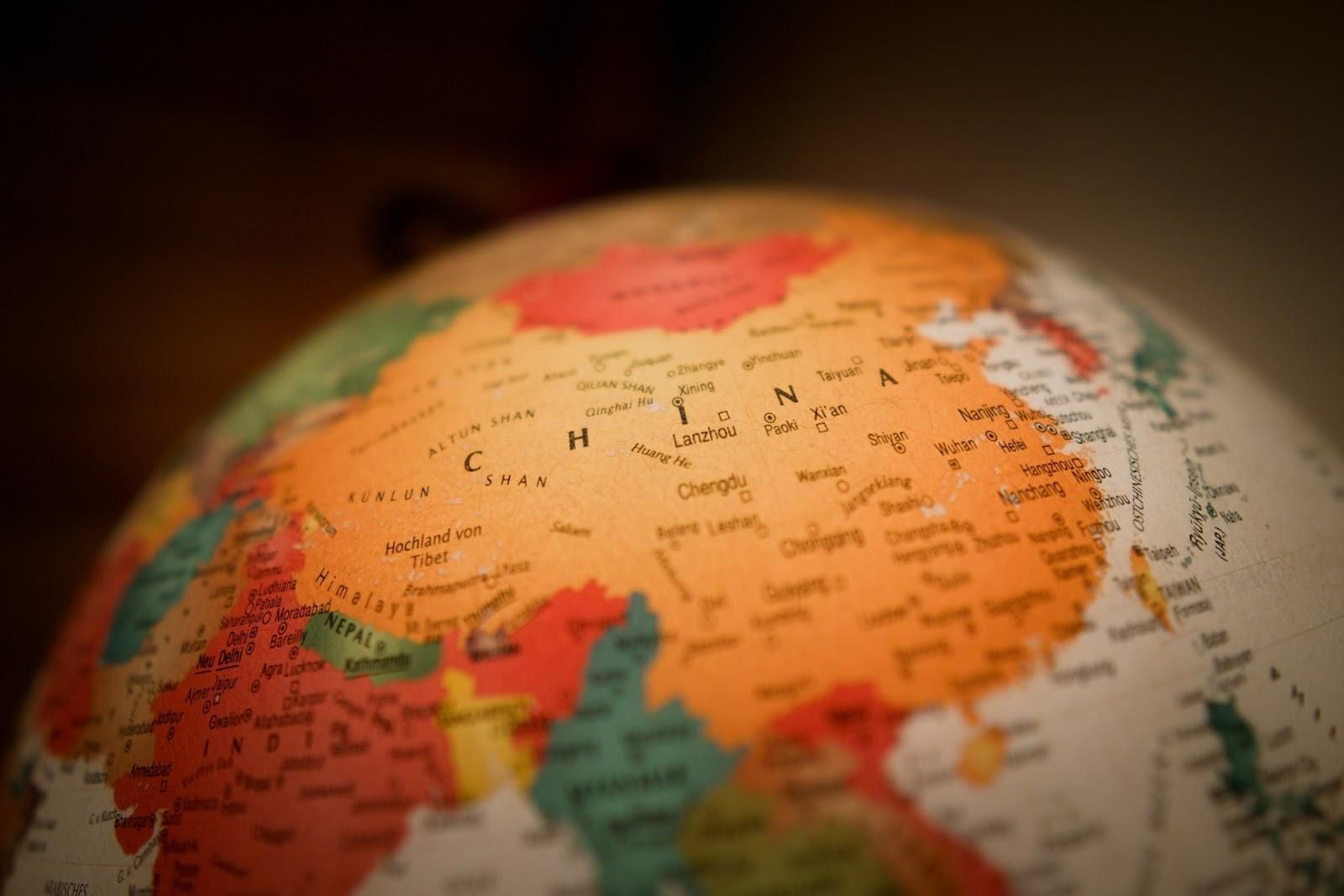
Wait, what? Though China stretches across nearly the same east-to-west distance as the continental United States, the entire country officially follows a single time zone known as Beijing Time. This system has been in place since 1949, when the government unified the country’s clocks. In far western regions like Xinjiang, the sun might not rise until late in the morning. Because of this, many residents adjust their routines and use unofficial local times for work, school, and social activities, even though Beijing Time remains the official standard.
Norway has a longer coastline than Russia
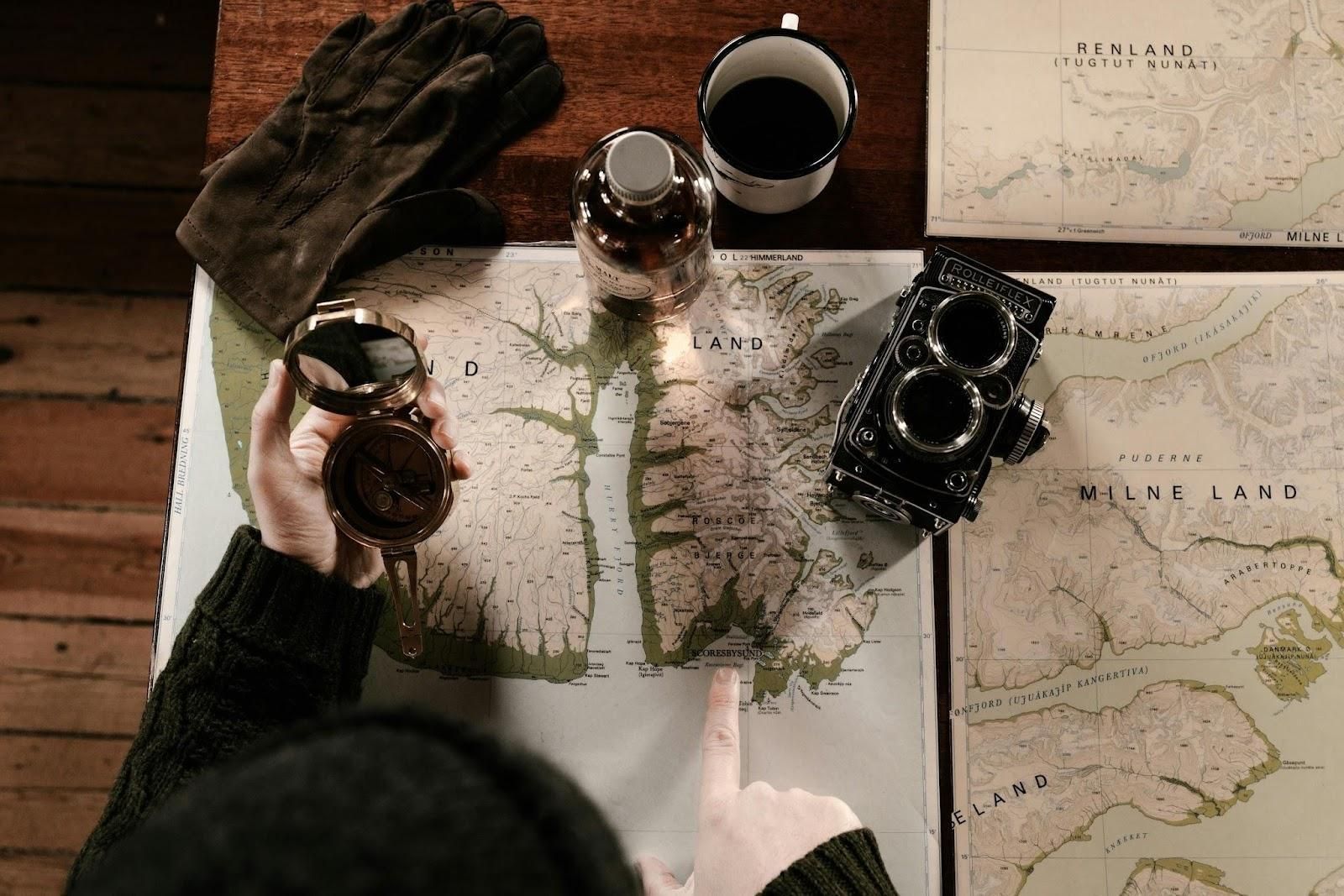
Size alone doesn’t always determine coastline length. Norway’s deeply indented shores, shaped by fjords, islands, and inlets, create many curves and narrow waterways that increase the total length. When measuring these features, Norway’s coast totals around 64,000 miles. Russia’s coastline spans across several oceans and seas but is generally smoother, with fewer deep inlets. Because standard measurement methods count fewer small bends, Russia’s total coastline appears shorter despite the country’s much larger land area.
The world’s population could fit in Texas
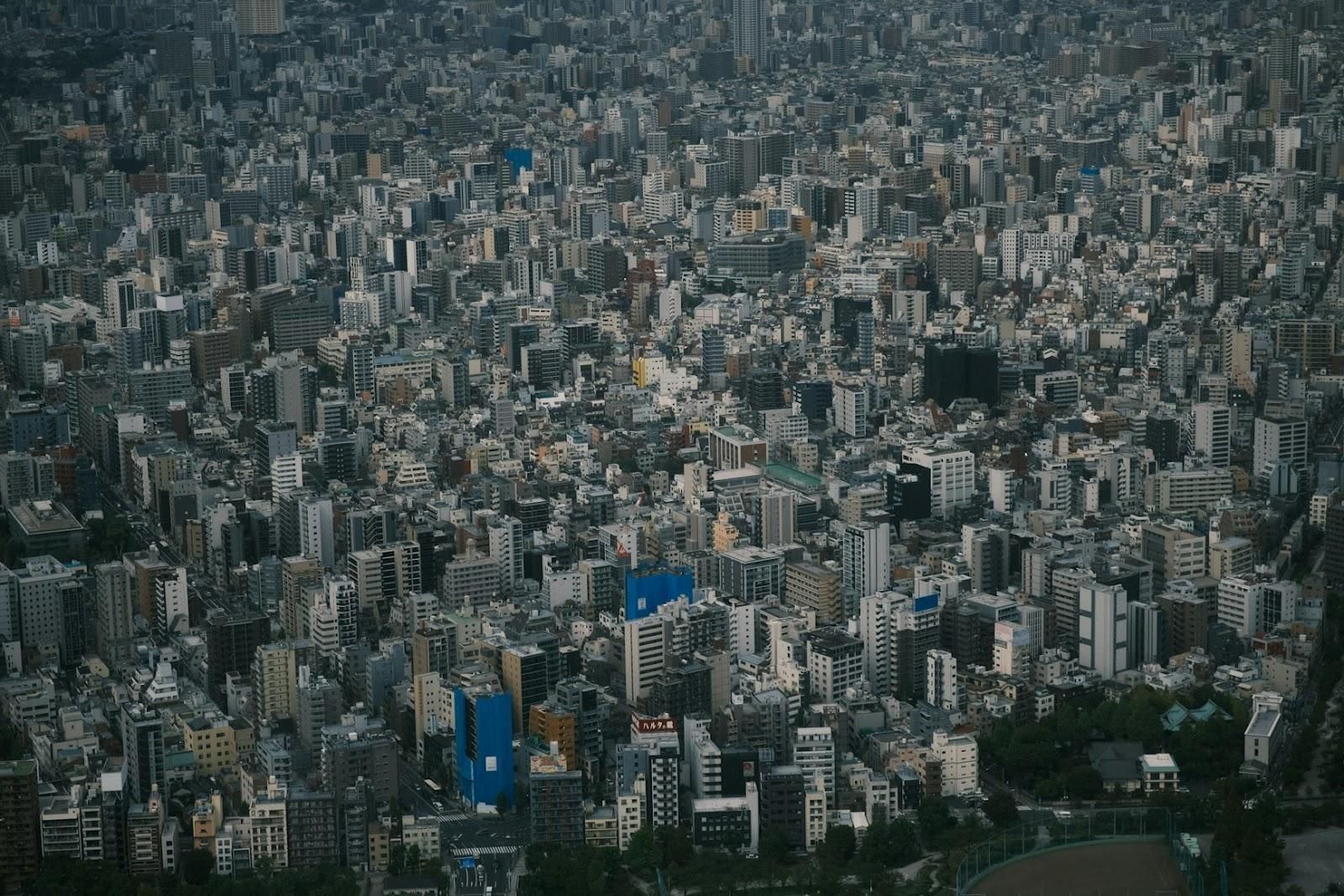
Texas covers about 268,000 square miles, making it one of the largest states in the United States. When people say the world’s population could fit in Texas, they are comparing the average population density of major U.S. cities to the state’s land area. At dense urban population levels, Texas could theoretically hold billions of people. Of course, that’s not a realistic living scenario, but it shows how population density, infrastructure, and settlement patterns matter more than land size alone.
Samoa is among the first and last places to celebrate New Year’s
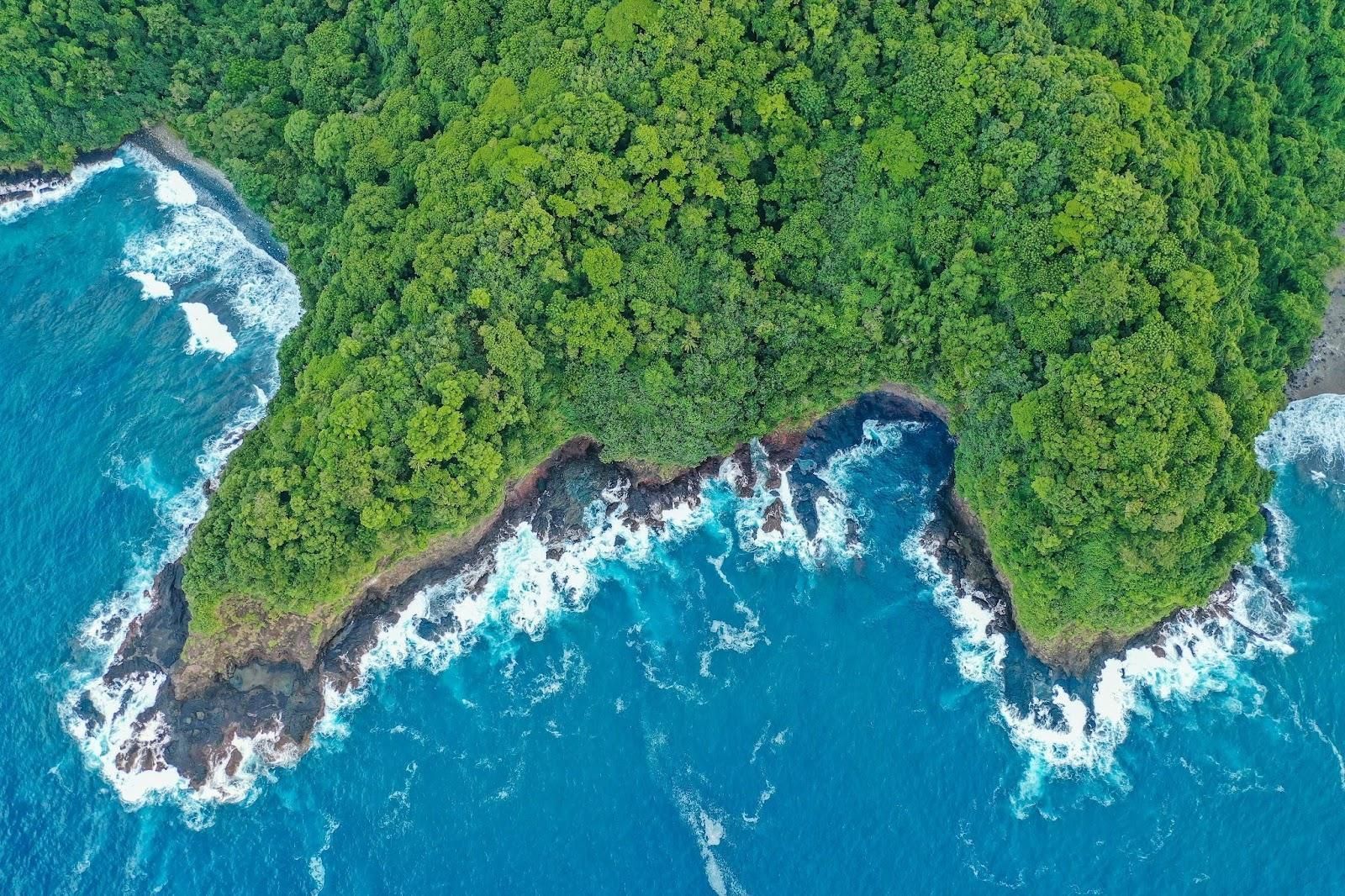
How can two locations less than 100 miles apart be nearly a full day apart? Samoa and American Samoa sit on opposite sides of the International Date Line, which marks the change from one calendar day to the next. In 2011, the nation of Samoa shifted its position relative to the Date Line to better align its workweek with major trading partners in Asia and Australia. This decision caused Samoa to skip a day on the calendar. Since then, Samoa has been among the first places to enter the New Year, while American Samoa remains among the last.

10 legendary roads and trails meant to be explored on foot
 Landmarks
Step by step
10 legendary roads and trails meant to be explored on foot
Before the invention of automobiles, most people traveled on foot. Horses carried messages quickly, and carts transported goods, but daily life still depended largely on walking. From that era, we inherited trails and roads that have survived centuries of use, erosion, and reinvention. They cross deserts, mountains, coasts, and cities, offering walkers a direct encounter with geography and history. Take a walk with us and discover some of the world’s most beautiful trails, one step at a time.
Inca Trail, Peru
 Image: Juan Carlos
Built in the 15th century, this stone-paved trail connected Cusco to Machu Picchu through cloud forests and high Andes passes. Its engineering includes stairways, tunnels, and drainage systems that are still functional today.
The classic route is about 26 miles long and reaches approximately 13,830 feet at Dead Woman’s Pass (locally known as Warmi Wañusqa). Access is tightly regulated to protect archaeological sites and limit erosion.
Camino de Santiago, Spain
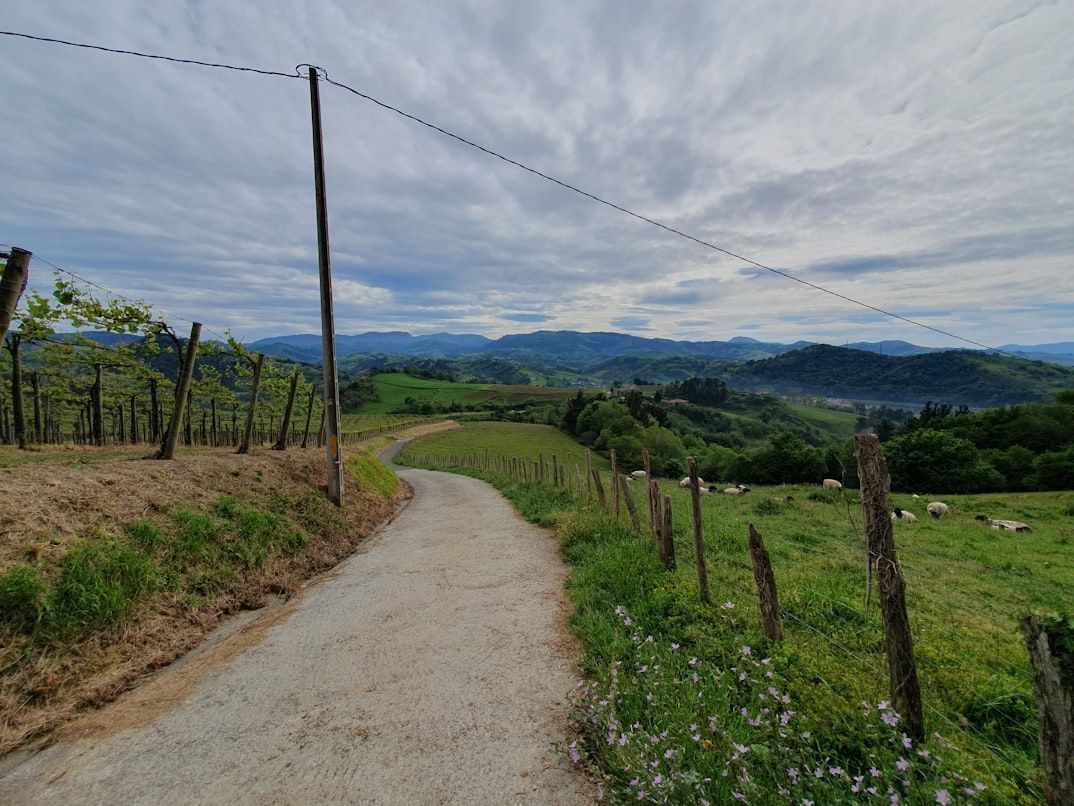 Image: Jarl Panzeri
This medieval pilgrimage network leads to Santiago de Compostela, with bucolic routes spanning Spain, France, and Portugal. Walkers have followed it continuously for over 1,000 years.
The Camino Francés alone covers nearly 485 miles. Waymarking, hostels, and town infrastructure make it one of the world’s most accessible long-distance walks.
Appalachian Trail, USA
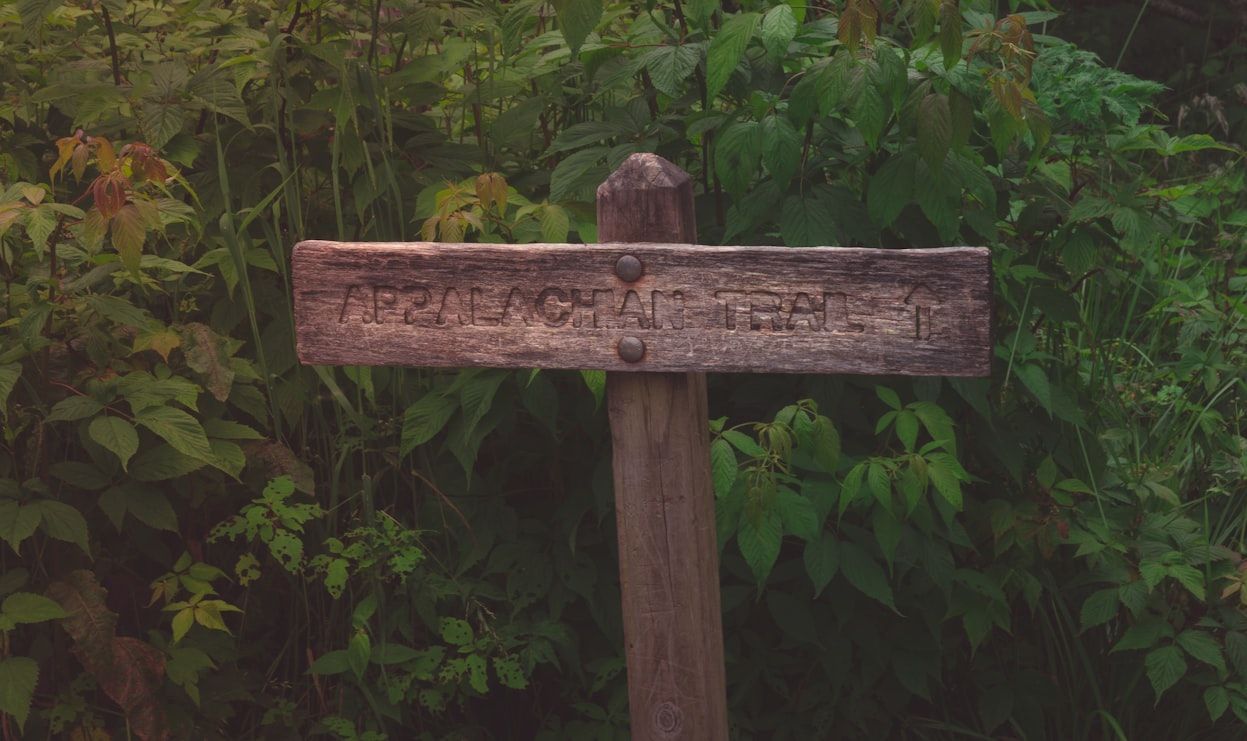 Image: Jeff Ackley
Stretching 2,175 miles from Georgia to Maine, the Appalachian Trail crosses 14 U.S. states and multiple ecosystems. It is maintained largely by volunteer organizations.
Despite its length, the trail avoids roads wherever possible. It passes through over 75 wilderness areas and national parks.
Great Wall Walks, China
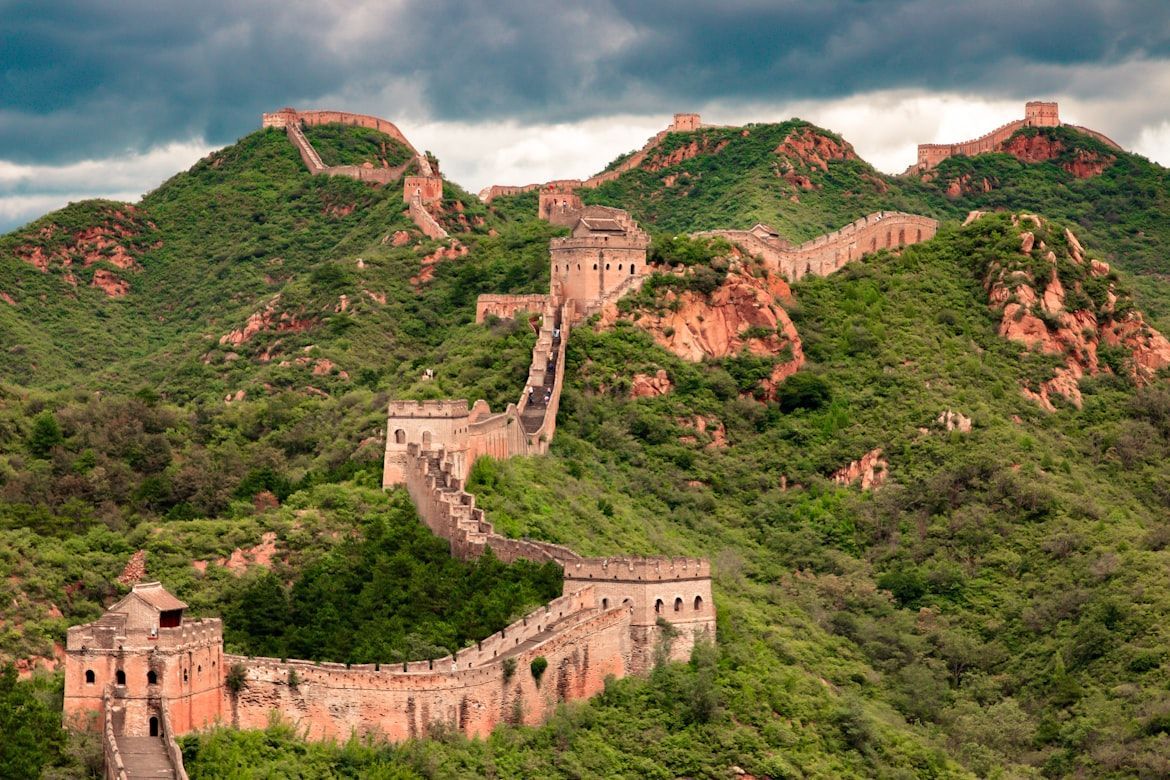 Image: William Olivieri
Several restored and unrestored sections of the Great Wall are open to walkers, especially near Beijing and Hebei. Some segments date back over 2,000 years.
Hiking the wall reveals its military logic—watchtowers, steep gradients, and narrow parapets—built to control movement across northern China.
Milford Track, New Zealand
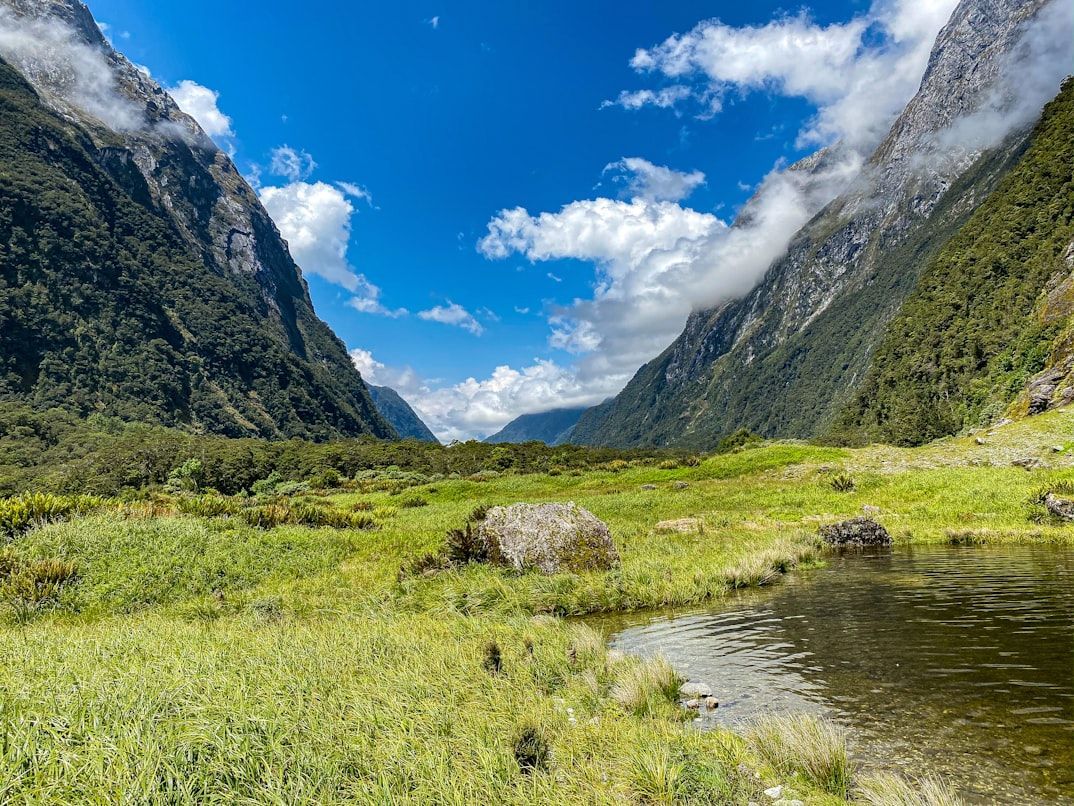 Image: Mac Gaither
Often called "the finest walk in the world," this winding 33-mile trail runs through Fiordland National Park in New Zealand. It crosses glacial valleys, rainforests, and alpine passes.
Annual rainfall exceeds 275 inches in some places. The track operates seasonally with controlled numbers to protect the fragile terrain.
Tour du Mont Blanc
 Image: Ana Frantz
This circular route loops about 106 miles around Mont Blanc, passing through France, Italy, and Switzerland. It connects alpine villages via historic trading paths.
The trail reaches elevations above 8,200 feet. Typically, it can be completed in 7–11 days, thanks to its extensive hut infrastructure.
Via Appia Antica, Italy
 Image: Hasmik Ghazaryan Olson
Rome’s ancient Appian Way was built in 312 BCE and paved with basalt stones. Amazingly, large sections remain walkable today within and beyond the city.
Designed with military needs in mind, the road’s straight alignment and durability influenced Roman road construction across Europe.
Laugavegur Trail, Iceland
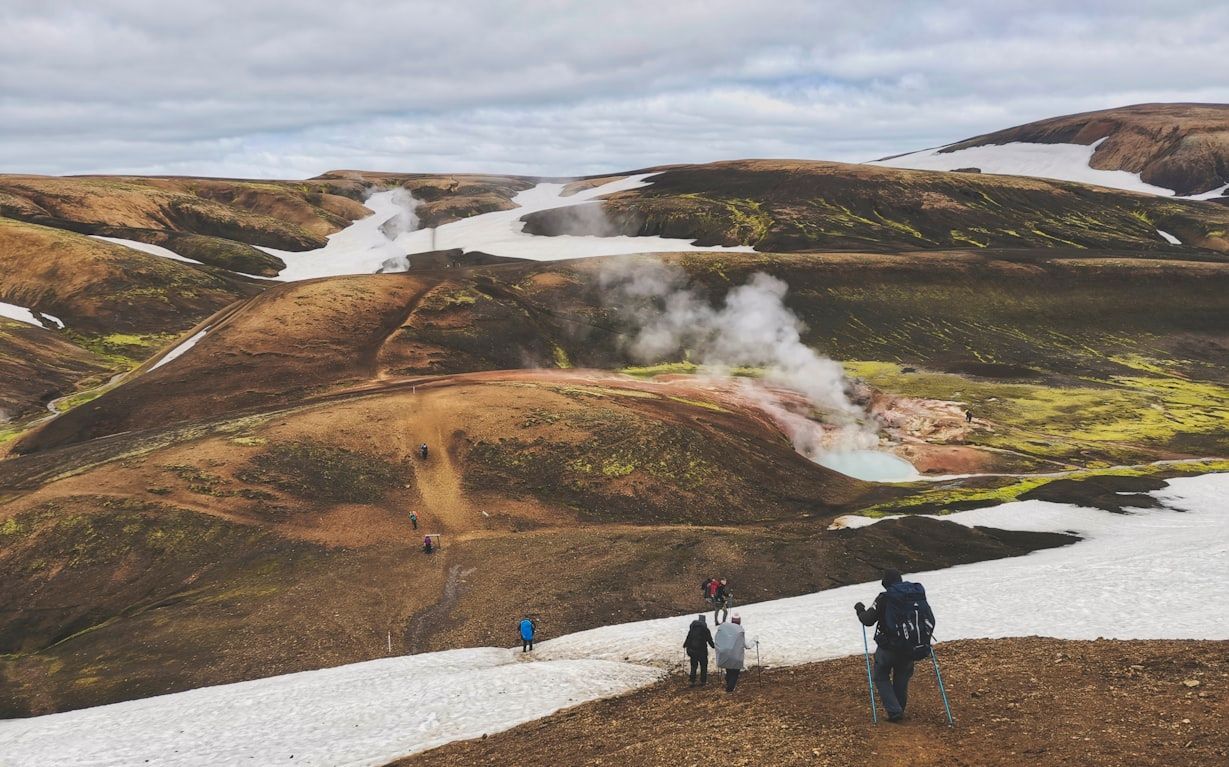 Image: Krisztián Korhetz
This 34-mile trail links Landmannalaugar to Þórsmörk in Iceland, crossing a seemingly alien landscape of contrasts made up of volcanic deserts, hot springs, and glaciers.
Marked routes and hut systems support hikers, but weather can change rapidly due to Iceland’s exposed, treeless terrain.
Hadrian’s Wall Path, England
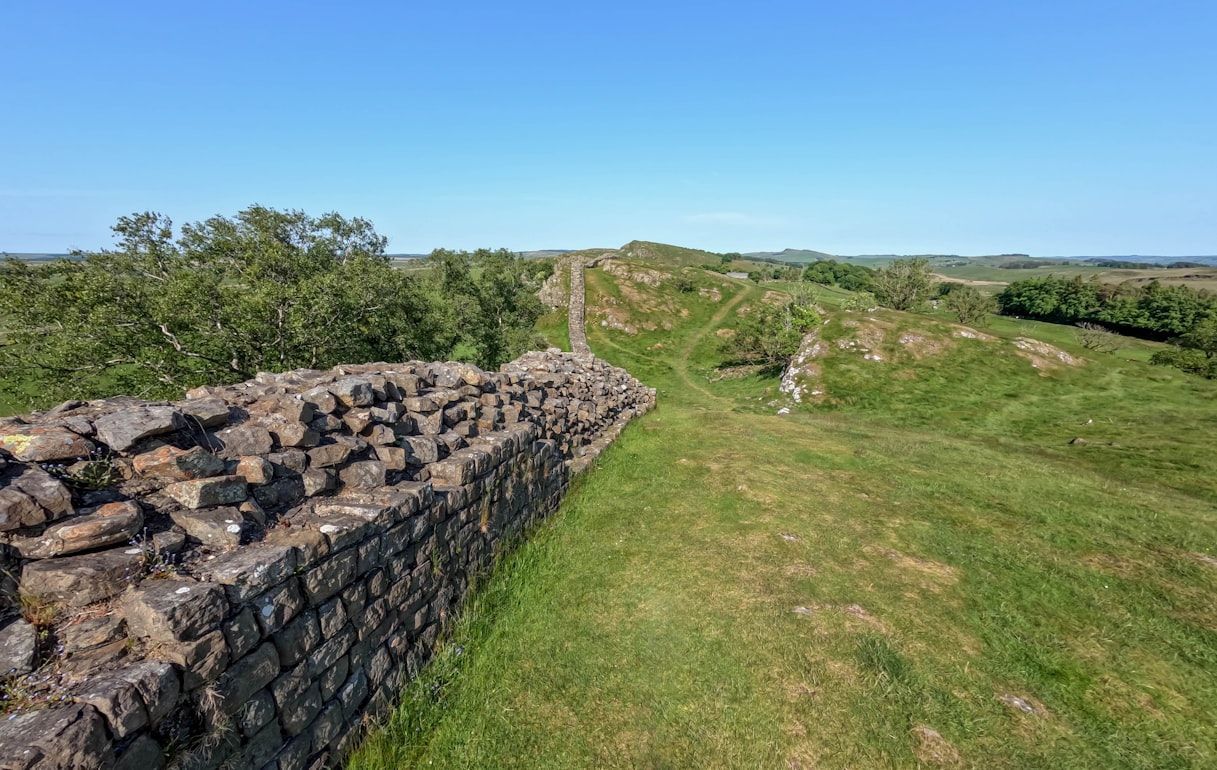 Image: Ray Harrington
This 84-mile trail follows what was once the northern boundary of Roman Britain, built under Emperor Hadrian in the 2nd century CE.
The route runs alongside surviving sections of the original wall, allowing walkers to pass forts and milecastles. Combining archaeology with open moorland walking, it is one of the most unique long-distance experiences in the British Isles.
Pacific Crest Trail, USA
 Image: Olivier M
Running about 2,650 miles from Mexico to Canada, the Pacific Crest Trail crosses deserts, the Sierra Nevada, and the Cascade Range.
Snowpack, elevation, and remote sections define the challenge. Elevations range from roughly 110 feet above sea level near the Bridge of the Gods on the Oregon–Washington border to 13,153 feet at Forester Pass in the Sierra Nevada.
Keep wandering
There’s always
more to explore
 General

You've watched these movies 100 times... Go stand where they were filmed
3 min.
Read Now
 Culture

The bizarre reason there are no restrooms within Disney's Liberty Square
6 min.
Read Now
This trench could swallow Everest, with room to spare
6 min.
Read Now

How many time zones does the United States have?
5 min.
Read Now