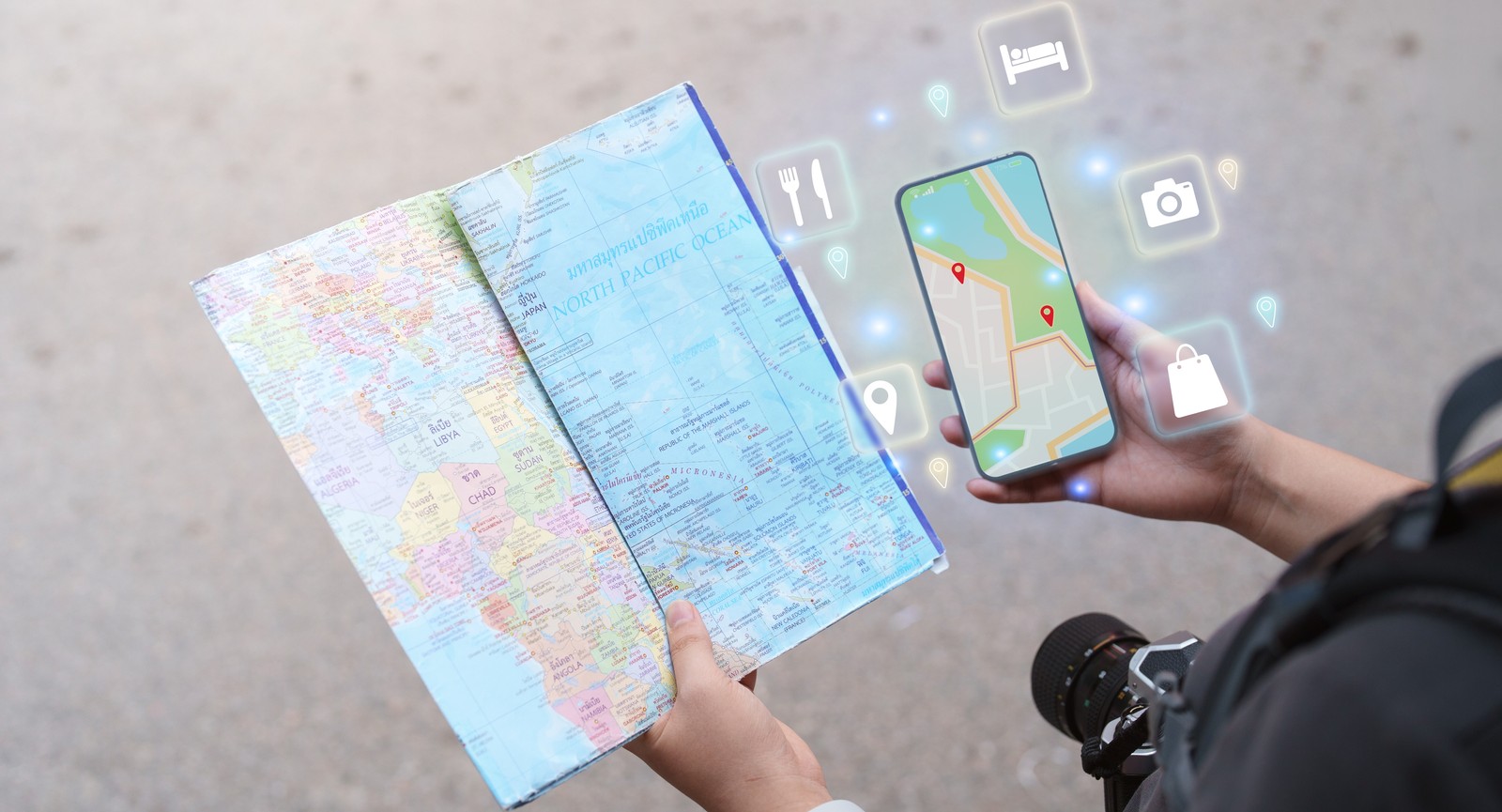
Map and compass, or smartphone? Old vs. new tech for travelers
 General
Which one is best for you?
Map and compass, or smartphone? Old vs. new tech for travelers
Whether old or new, travel has always required a little technology. What changed is what we mean by "technology." Not long ago, a well-prepared traveler carried maps, paper tickets, a phrasebook, an alarm clock, and perhaps a few rolls of film. Today, one small device can replace nearly all of them. Here are 10 travel routines that have changed dramatically.
Paper road maps and road atlases vs. GPS navigation
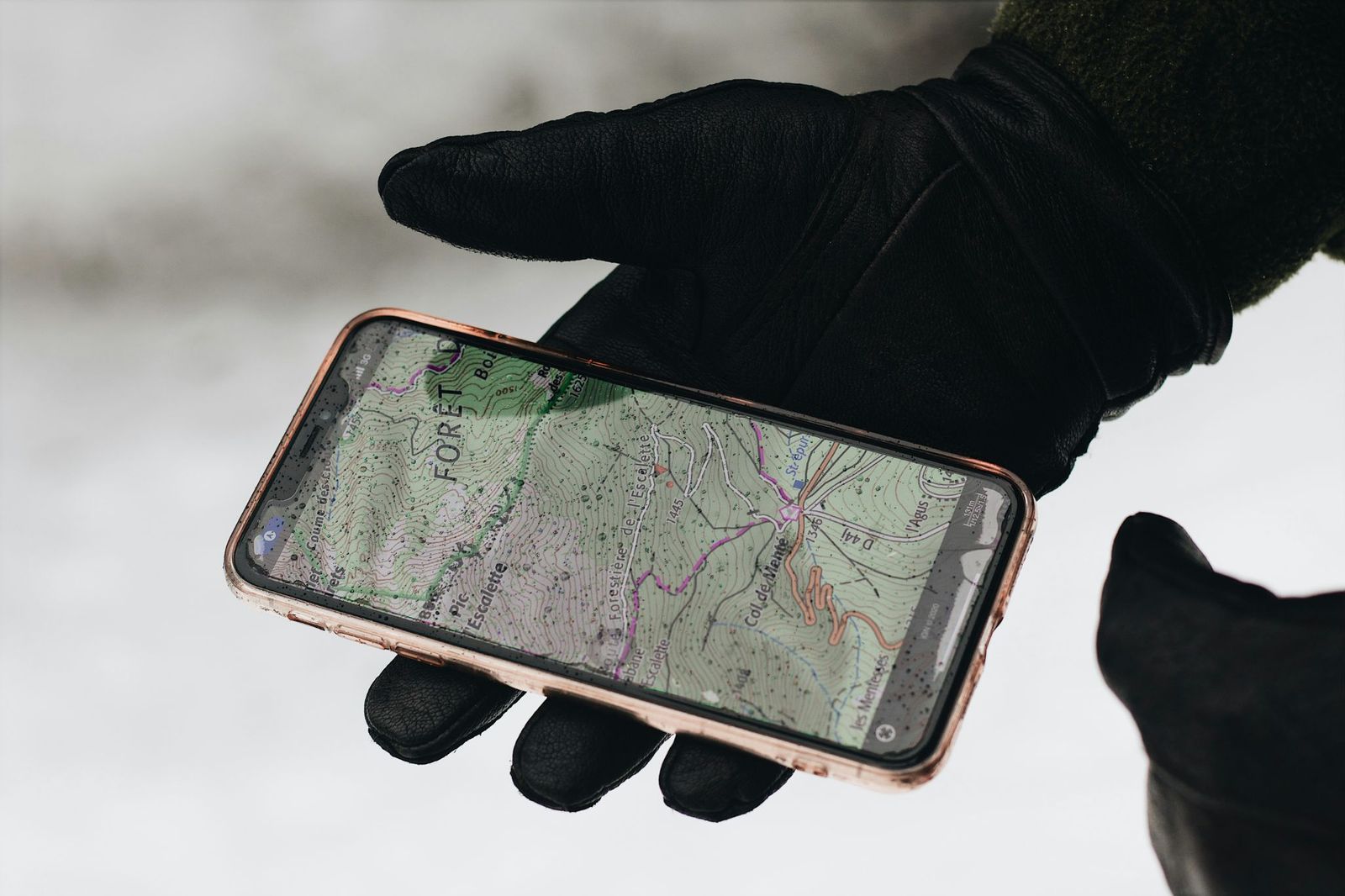
For generations, an American road trip meant unfolding a map large enough to cover half the dashboard. AAA issued its first map in 1905 and later became famous for TripTiks, customized routes that helped motorists navigate unfamiliar highways. Taking a wrong turn wasn't corrected by a friendly voice; you had to figure out where you were first.
GPS made navigation almost effortless. A major turning point came in 2000, when the U.S. government stopped deliberately degrading civilian GPS accuracy, greatly improving its usefulness. Today's navigation apps can reroute us within seconds and warn of traffic ahead.
Film cameras vs. digital cameras
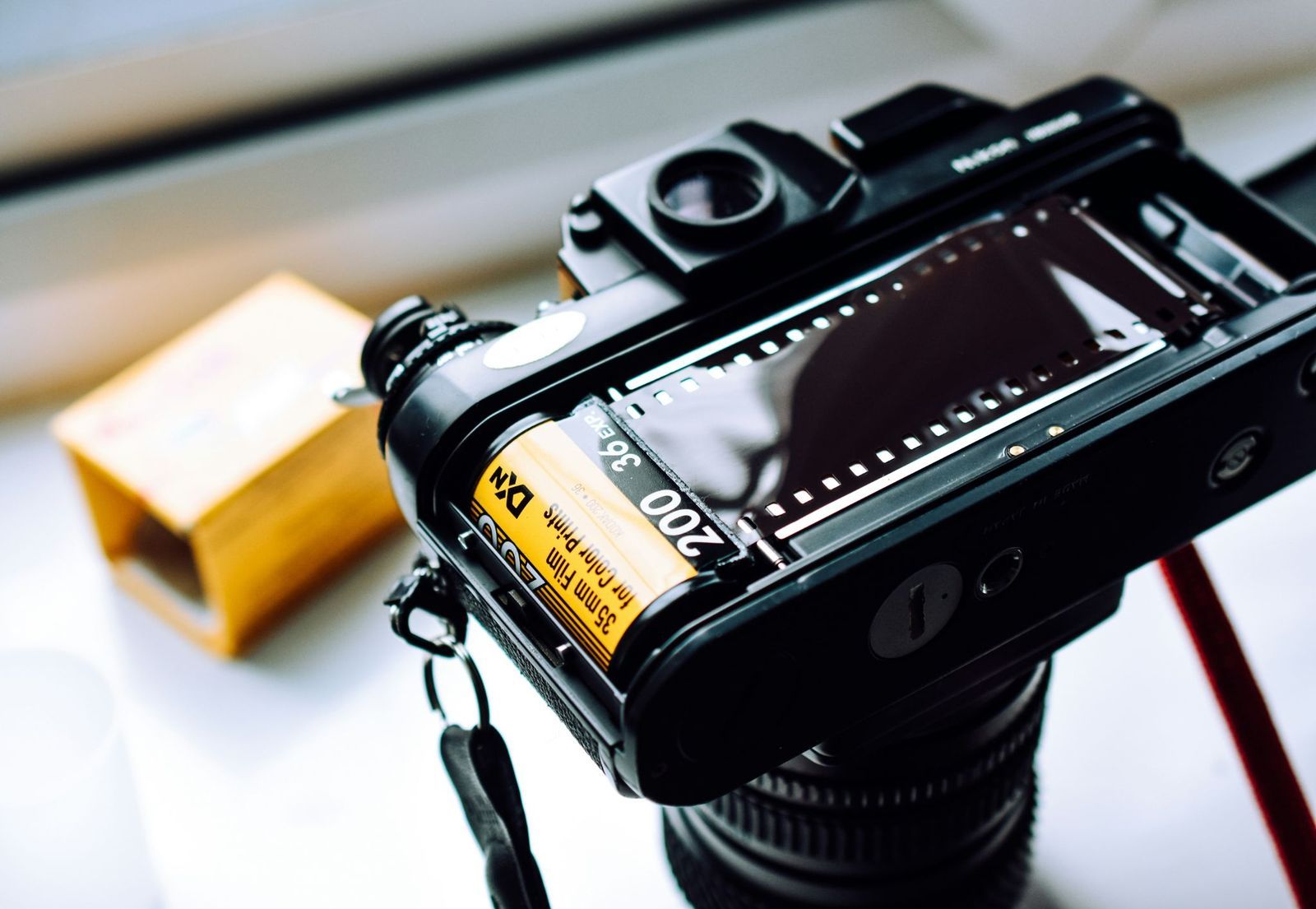
Vacations once came with a strict photographic budget: 12, 24, or 36 exposures per roll. You couldn't instantly check whether someone's eyes were closed or your thumb had wandered into the frame. Instead, exposed film traveled home with you, and only after developing it did you discover whether those once-in-a-lifetime pictures actually worked.
Digital cameras changed that ritual completely. By the 1990s, cameras were appearing that allowed photographers to preview images, while increasingly affordable models soon brought the technology to vacationers.
Traveler’s checks vs. debit/credit cards
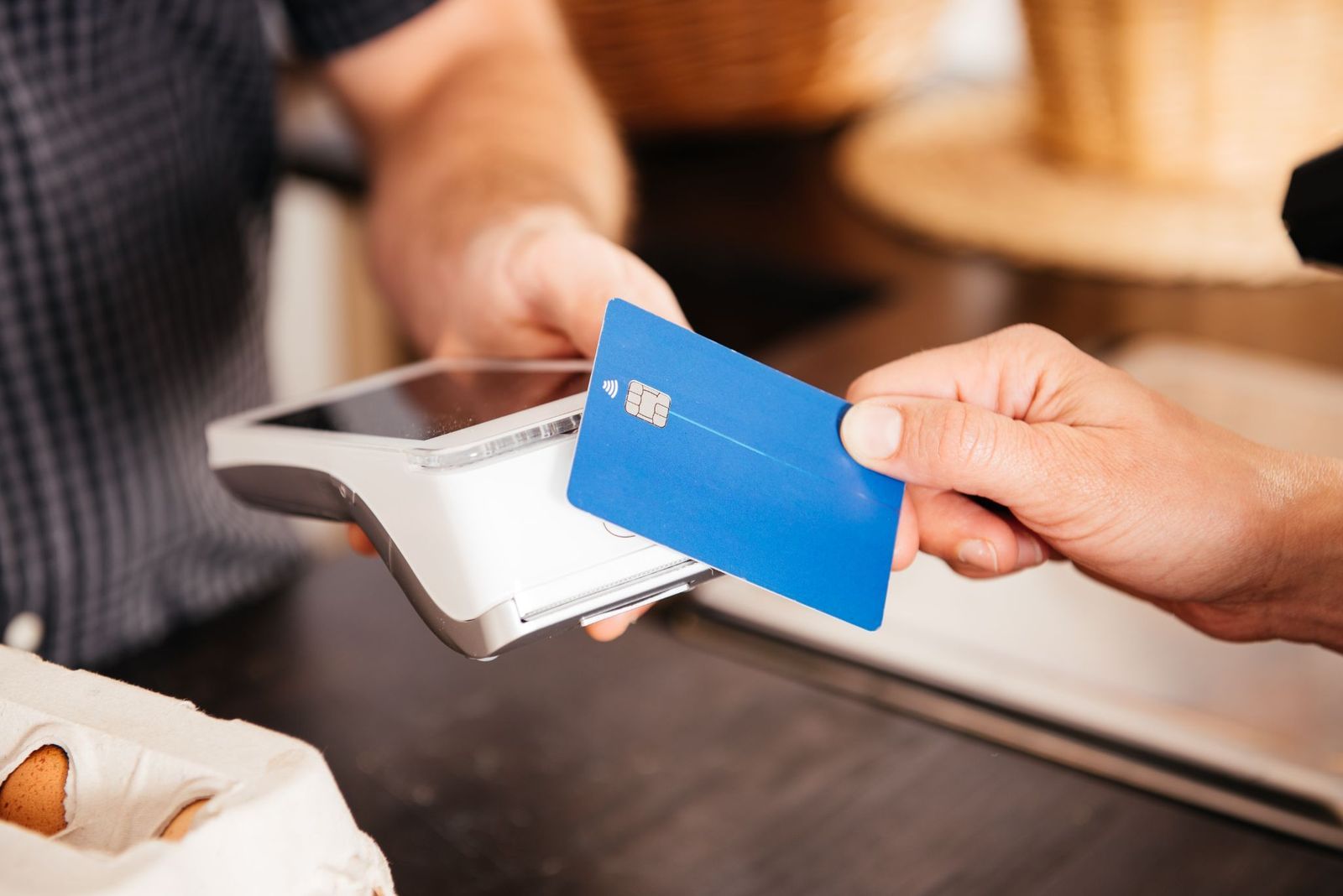
For much of the 20th century, traveling abroad often meant buying traveler's checks before leaving home. American Express introduced its Travelers Cheque in 1891 after company president James C. Fargo experienced the difficulties of accessing money overseas. Unlike cash, the checks could generally be replaced if lost or stolen.
Using them involved a small ceremony. Travelers signed each check when purchasing it, then countersigned it when spending or cashing it so the signatures could be compared. Credit and debit cards gradually made that routine seem antiquated. Now a small piece of plastic, or even a phone, can handle purchases that once required carrying a carefully guarded stack of signed paper.
Printed guidebooks vs. online travel information
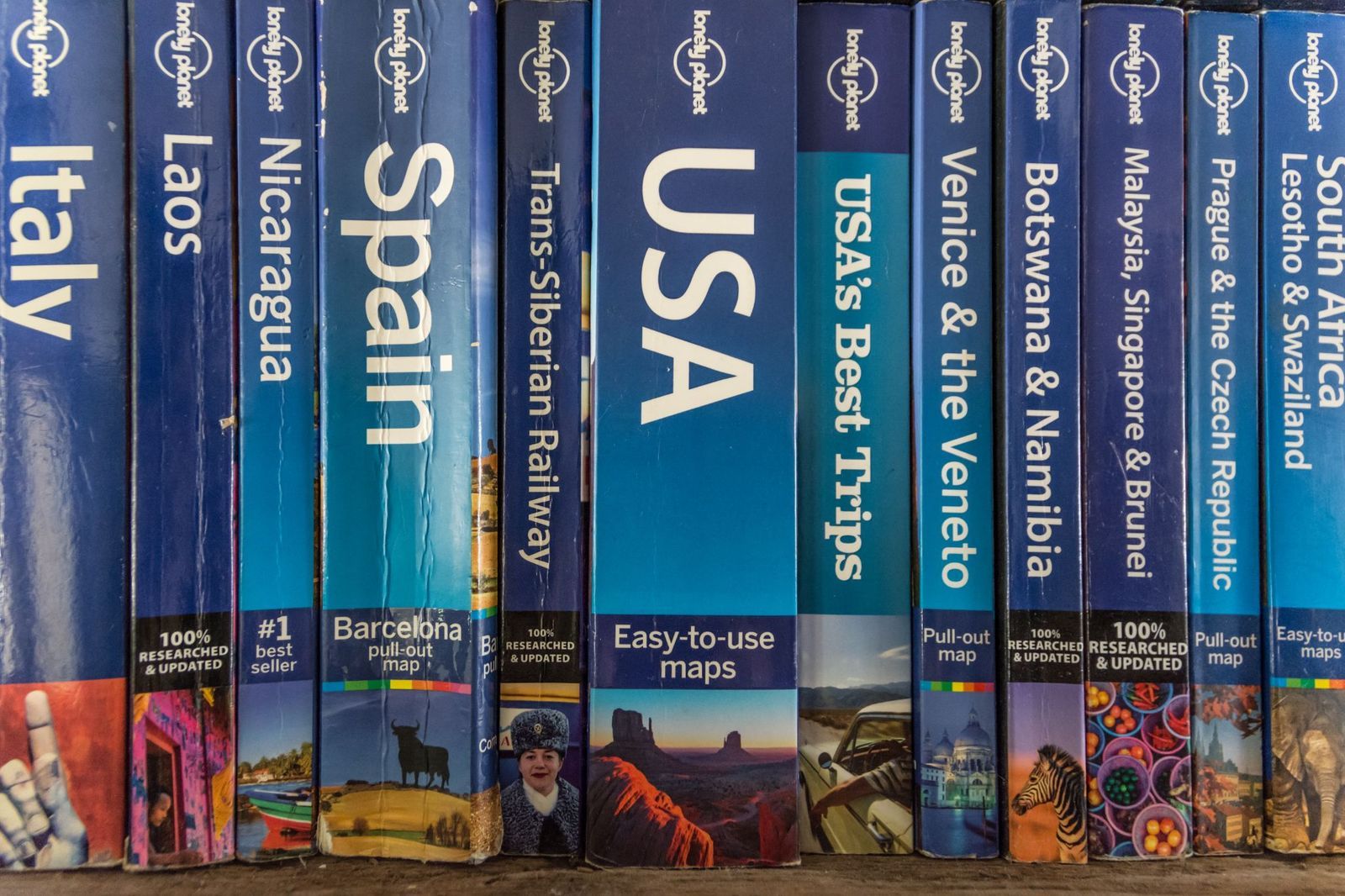
Before travelers could search for "restaurants near me," somebody had to investigate for them. Arthur Frommer's Europe on $5 a Day, published in 1957, showed Americans how to travel abroad without luxury budgets. Lonely Planet had similarly humble beginnings: Tony and Maureen Wheeler's first guide was assembled after an overland journey to Australia.
A good guidebook could become a trusted traveling companion, filled with folded corners, underlining, receipts, and handwritten discoveries. Its weakness was unavoidable: information could become outdated before the book did. Online guides, maps, reviews, and opening hours can change almost instantly.
Paper airline tickets vs. e-tickets
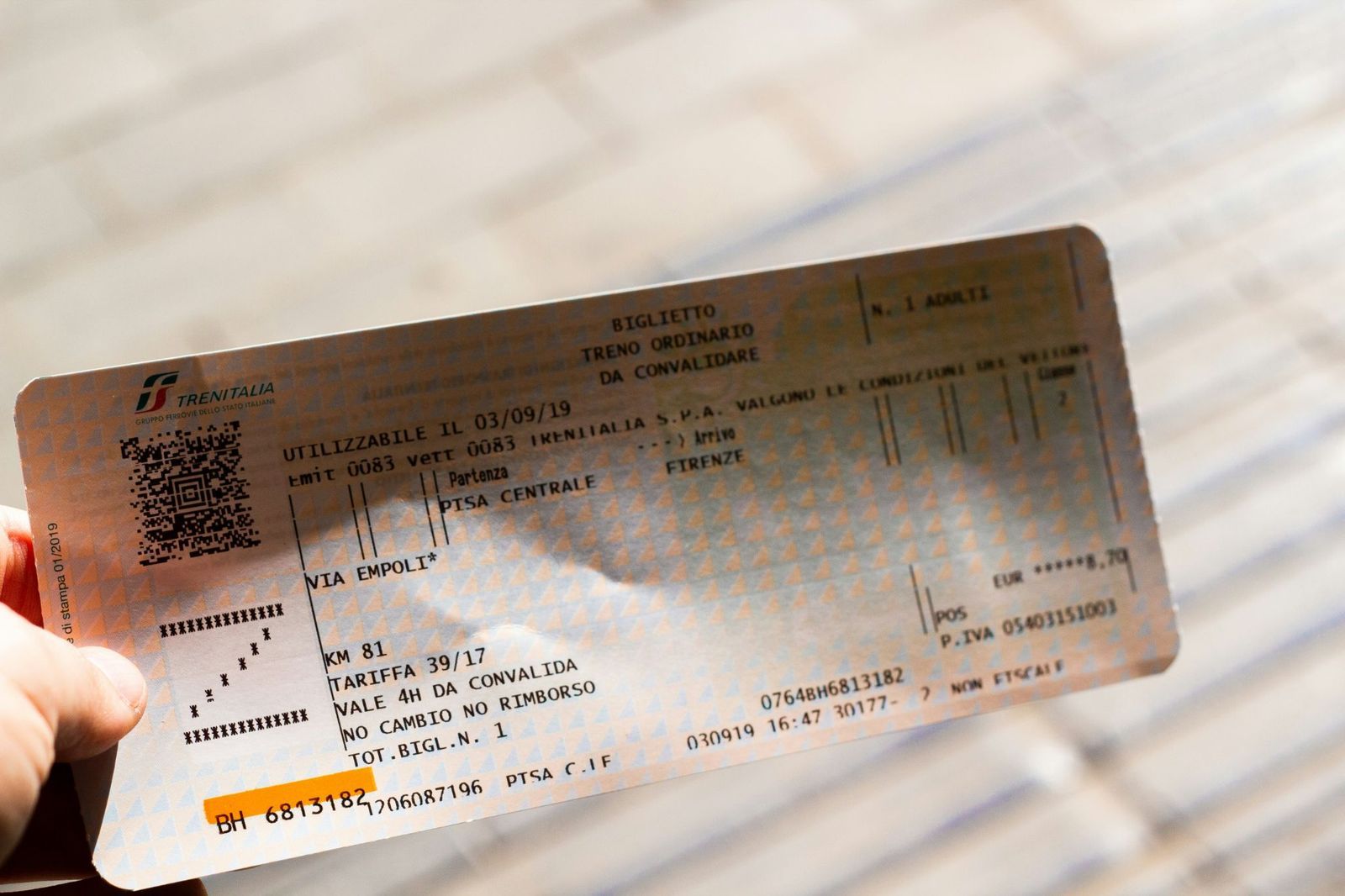
An airline ticket was once a genuinely valuable physical object. Those familiar paper documents contained flight coupons, and losing one could mean far more trouble than simply printing another copy. Travelers guarded their tickets alongside passports, cash, and traveler's checks, and probably checked their pockets repeatedly on the way to the airport.
Electronic ticketing rapidly swept that system away. By 2006, e-tickets already represented 74% of tickets processed through IATA settlement systems, and IATA estimated that eliminating paper tickets could save airlines billions of dollars. In 2008, its industry system became fully electronic. Now the ticket can live in a database while the boarding pass lives on your phone.
Hotel metal keys vs. electronic keycards
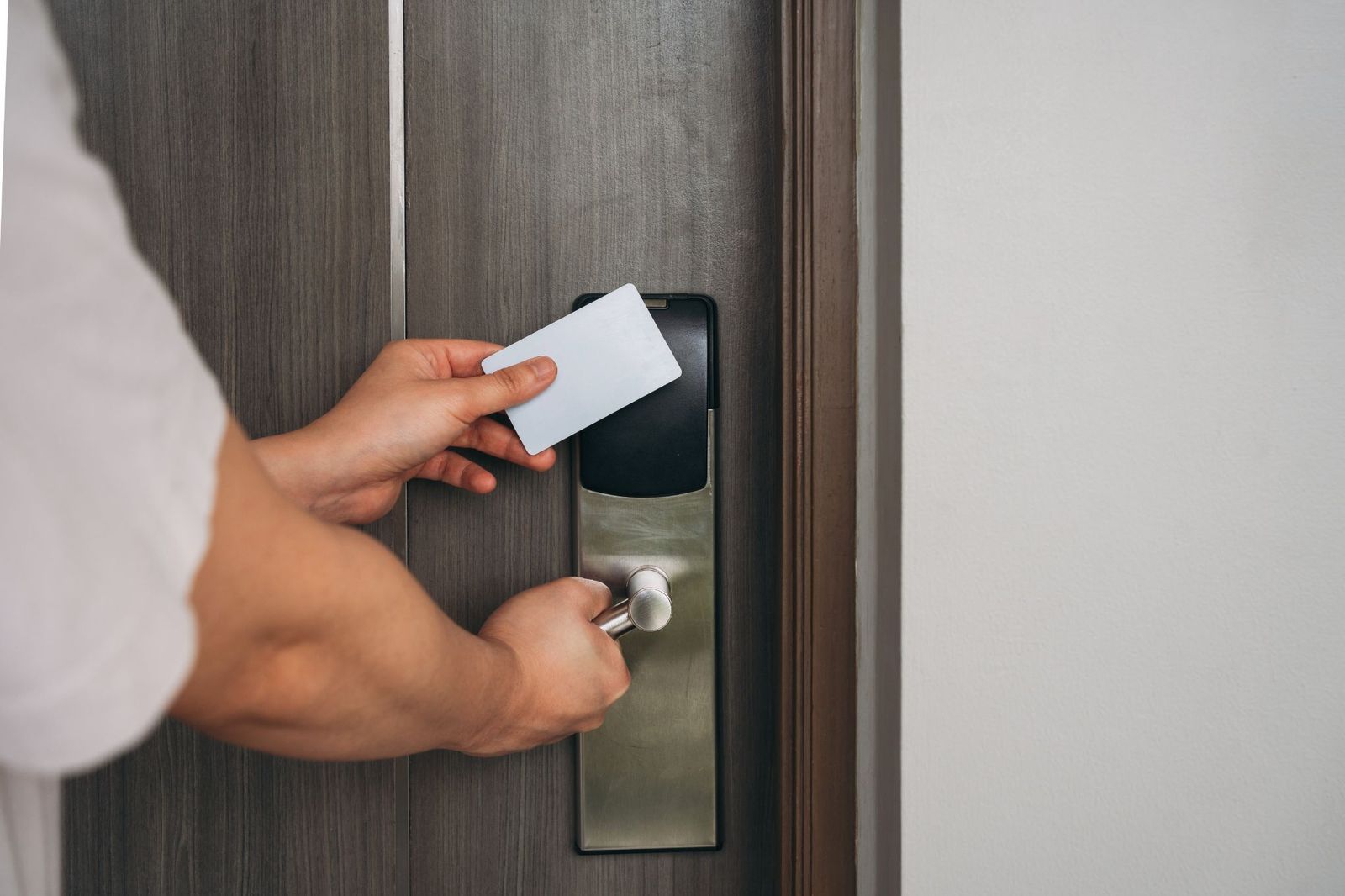
Traditional hotel keys weren't subtle. Many came attached to hefty numbered fobs that made them harder to lose, or "accidentally" carry home. But metal keys had a more serious weakness: if one disappeared or was copied, it could potentially keep opening the same room until the hotel changed the lock.
Norwegian inventor Tor Sørnes helped transform hotel security in the 1970s. His work led to VingCard, introduced in 1976 as a recordable hotel keycard locking system. Later electronic versions allowed hotels to give each guest temporary access that could simply expire or be replaced.
Payphones and hotel phones vs. cellphones
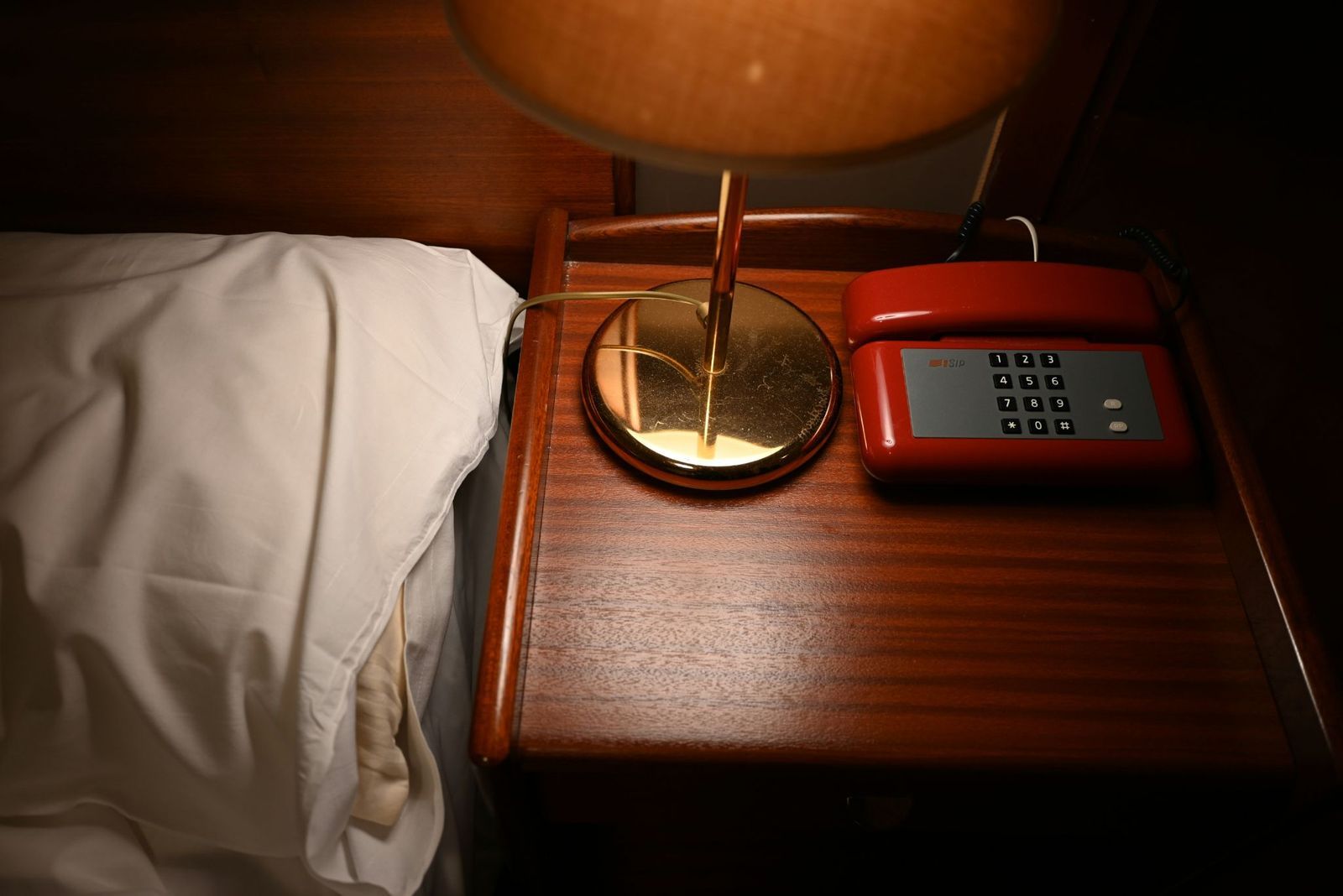
Before cellphones, "call me when you arrive" involved finding an actual telephone. Travelers used hotel phones, airport booths, calling cards, coins, and occasionally collect calls to stay connected. In 1999, FCC statistics counted more than 2.1 million payphones in the U.S., a reminder of how essential public phones once were.
Mobile phones didn't just make those booths unnecessary. They changed travel planning itself. Friends separated in a strange city can now text their locations; delayed travelers can send updates instantly; families can call from almost anywhere. Previously, missing an agreed meeting place could become a miniature crisis. If your companion wasn't beneath the clock tower at 3:00, you waited and hoped.
Printed airline timetables vs. online flight searches
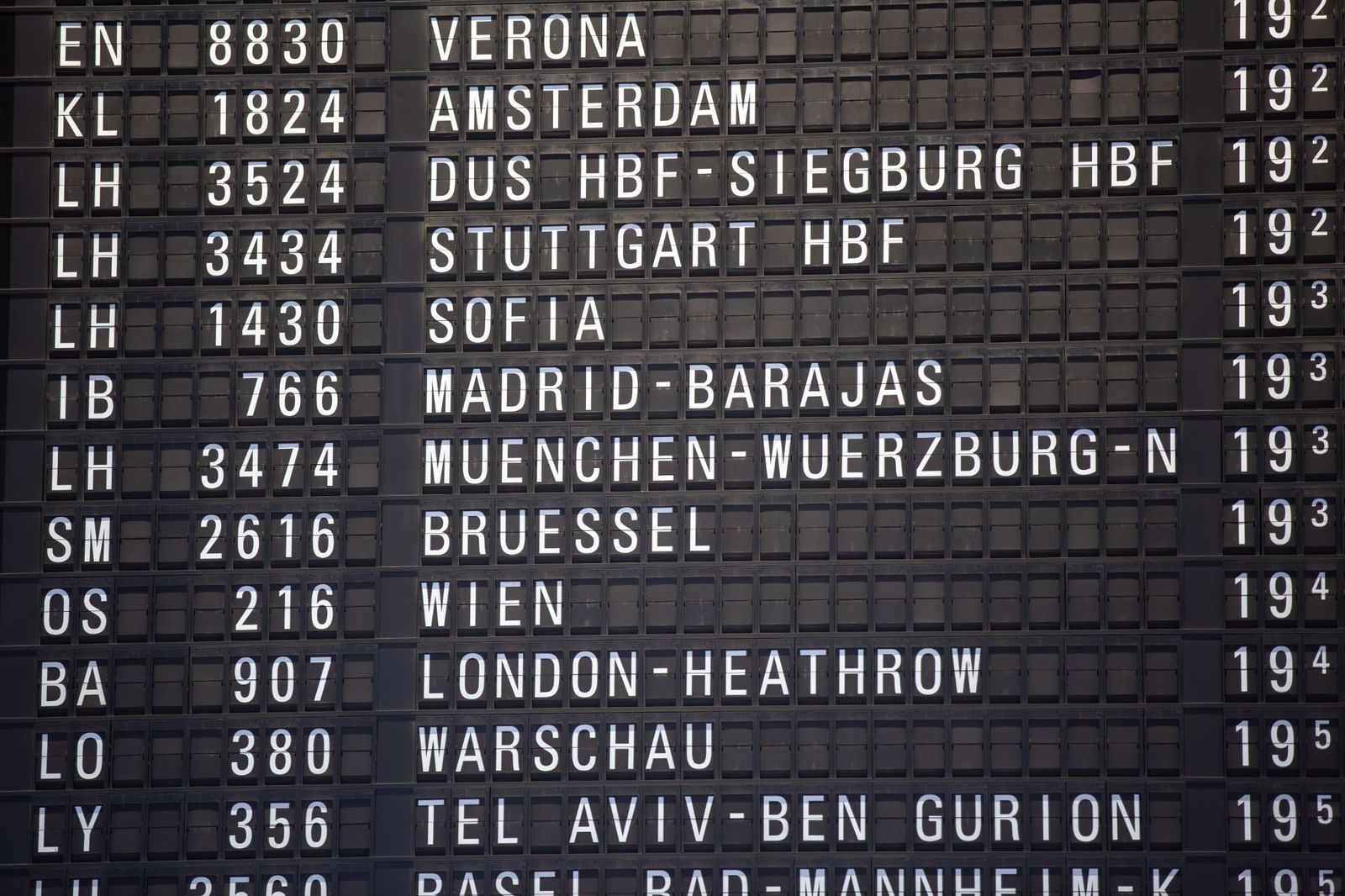
Comparing flights once required considerably more patience. Airlines published printed schedules, while travel professionals relied on enormous references such as the Official Airline Guide. First published in 1929, the OAG brought flight information together in one place at a time when passengers couldn't simply type two cities into a search box.
Computers began making the process easier decades before the internet became commonplace. By 1958, schedules could be organized by city pair, simplifying comparisons between flights serving the same route. Today, an online search can compare airlines, departure times, connections, and prices in seconds.
Travel alarm clocks and hotel wake-up calls vs. phone alarms

Catching a 6 a.m. flight once required a little more preparation. Frequent travelers often packed compact folding alarm clocks, while hotels offered another reassuring solution: call the front desk, request a wake-up time, and trust that the room telephone would ring the next morning.
The cellphone made the travel alarm clock largely unnecessary. It lets us set multiple alarms, carry familiar sounds across time zones, and schedule reminders without asking anyone for help.
Phrasebooks and pocket dictionaries vs. electronic translation

Travelers carried pocket dictionaries and phrasebooks organized around useful situations: hotels, restaurants, train stations, emergencies. If pronunciation failed, there was always the universal fallback: find the right sentence and point at it.
Google Translate arrived in 2006, initially working between Arabic and English, and electronic translation has since become astonishingly sophisticated. Modern tools can translate typed words, spoken conversations, and even text viewed through a phone camera. That's an enormous advantage when facing an unfamiliar menu or sign.
You can no longer do that in Rome: Old and new norms in popular cities
Always do as the Romans do
Put that pretty rock back: Odd rules you must follow in these locations
Have you ever dreamed of sitting in the Spanish Steps of Rome and enjoying some gelato while you take in the spirit of the ancient city? Well, you can’t anymore. Nor can you fly kites in the residential streets of London, as did the characters of Mary Poppins. And, in case you were wondering, you can’t fly a drone around the Eiffel Tower in Paris, either. Here’s a list of things that are forbidden at 10 iconic locations, and why.
Taking rocks from National Parks in the United States

Taking pebbles from beautiful places is a deep-seated instinct. You’ll find shiny, smooth stones in Yellowstone, and unique pieces of sandstone in the Grand Canyon, and you might be tempted to take them home as mementos. But you’d be incurring in a federal offense.
Collecting rocks, minerals, fossils, sand, or any other natural material is a federal offense in all the units of the US National Park system. It might disappoint some visitors, but it has its logic. The National Parks were assigned that category to preserve the pristine state of the protected areas. If each of the yearly hundreds of millions of visitors pocketed a single stone or seashell, the impact on the landscapes would be staggering.
Fines for taking valuable material from National Parks can be around $500, and perpetrators could be punished with 6 months or more in prison.
Flying kites in certain parts of London
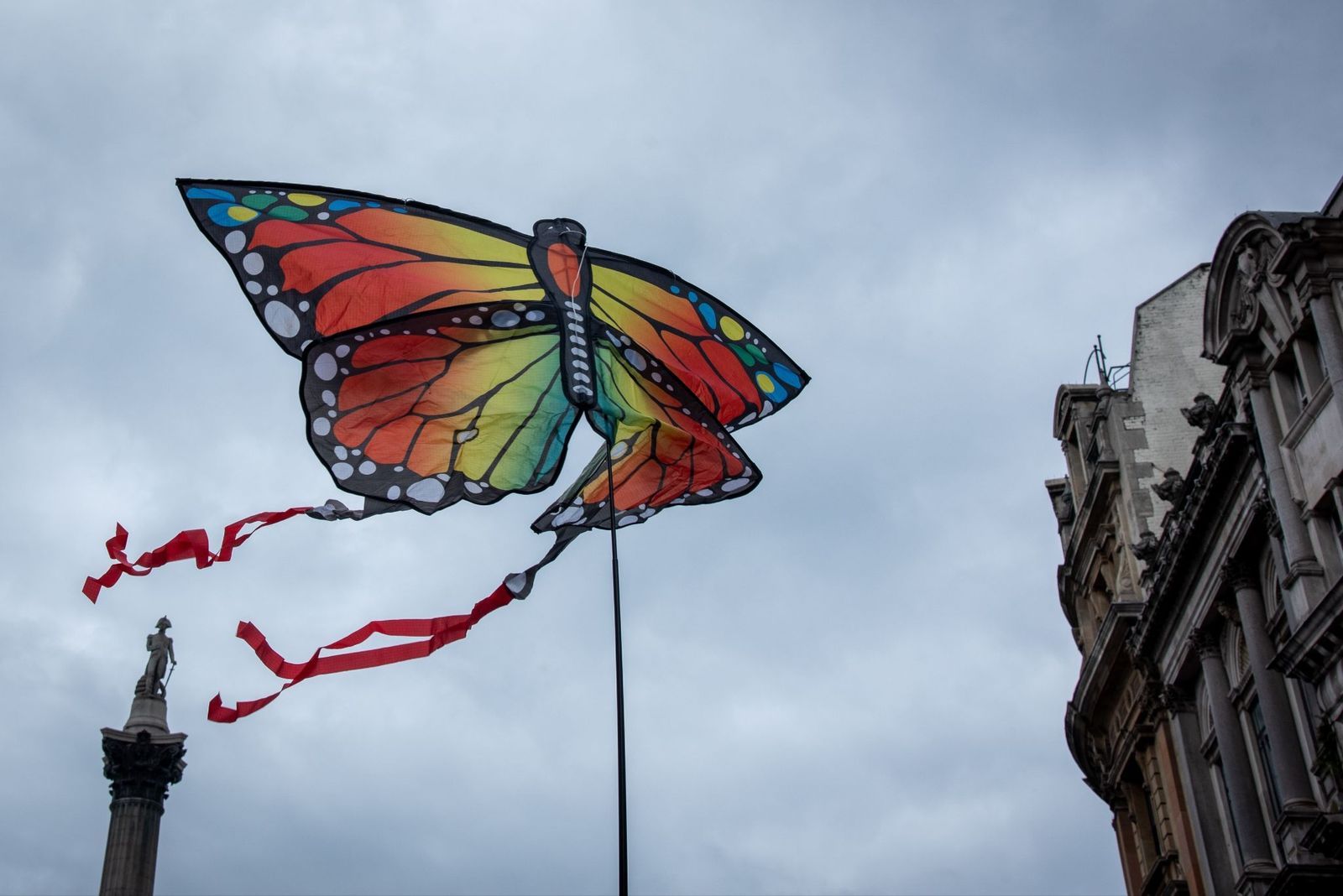
A Metropolitan Police Act drafted in 1839 makes it illegal to fly a kite in a public space in London if it causes annoyance to other pedestrians. That means it was already illegal in 1964, when the Mary Poppins film came out with its famous scene where the family sings "Let’s Go Fly a Kite."
The law was designed for a pre-Victorian city packed with narrow streets, horses, and foot traffic, where a kite string at eye level was a genuine hazard. Old as it may be, this law has never been repealed. The same Act prohibits carrying a plank of wood down a public street, or shaking a doormat after 8 am.
Feeding birds in Venice (or dipping in its canals)

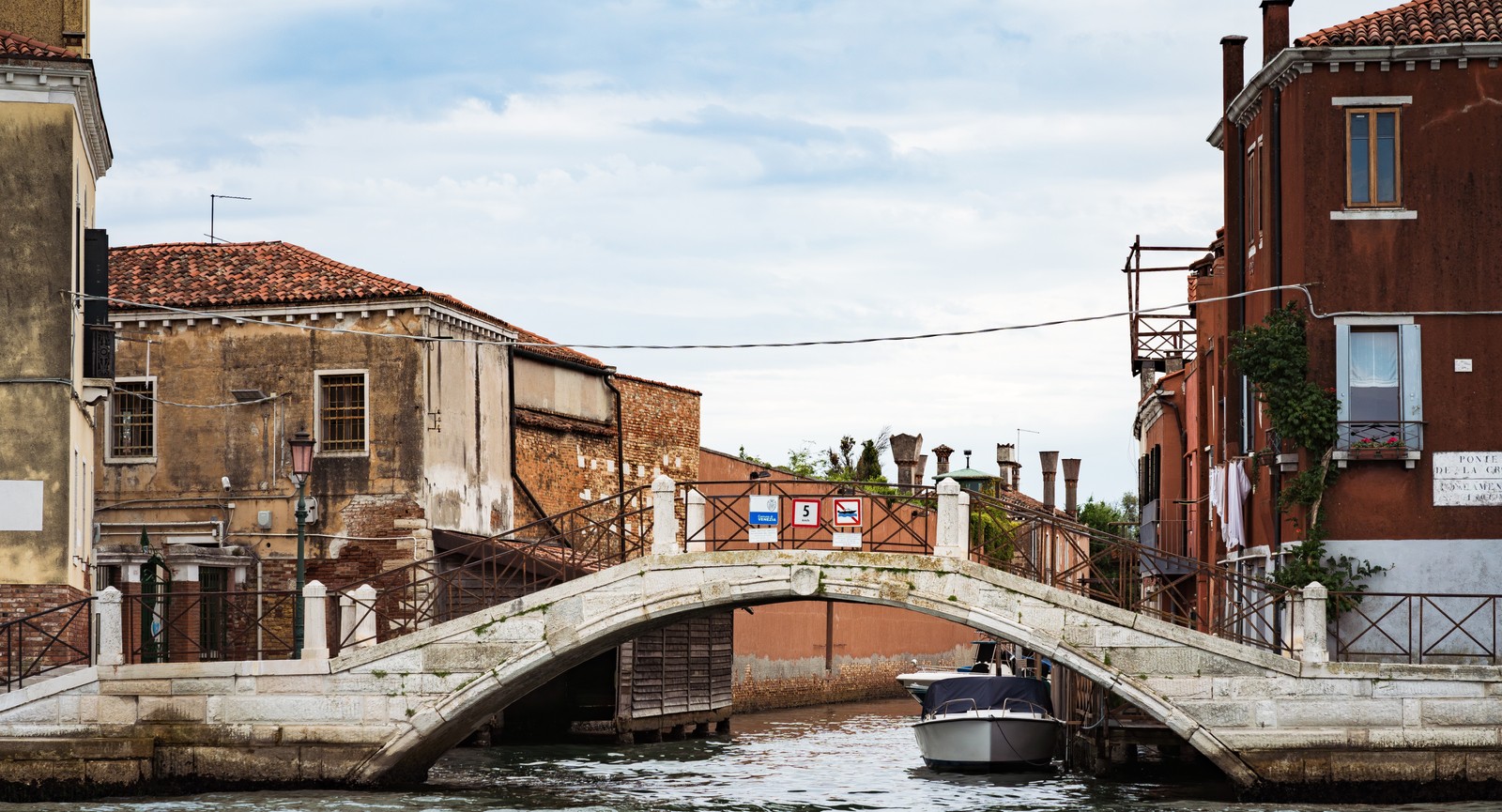
The city of Venice has strived for centuries to preserve some of the most irreplaceable architecture on Earth, and it has to accomplish this while receiving roughly 30 visitors each year. That requires strict rules.
Feeding pigeons in and around St. Mark's Square has been prohibited since 2008, with fines of up to €700. In the past, the city itself encouraged the practice and even had vendors selling bags of seeds to tourists. This was until they realized that the droppings from thousands of birds were chemically eroding the nearby buildings, and ultimately ruining them.
Many visitors instinctively know this, but civilians aren’t supposed to touch the canal water, either. The waterways may look romantic, but they are designed for traffic, and the water is unsanitary. Swimming, diving, or bathing are strictly prohibited, and could result in fines up to €500.
Sitting on the ground or eating near monuments in Rome
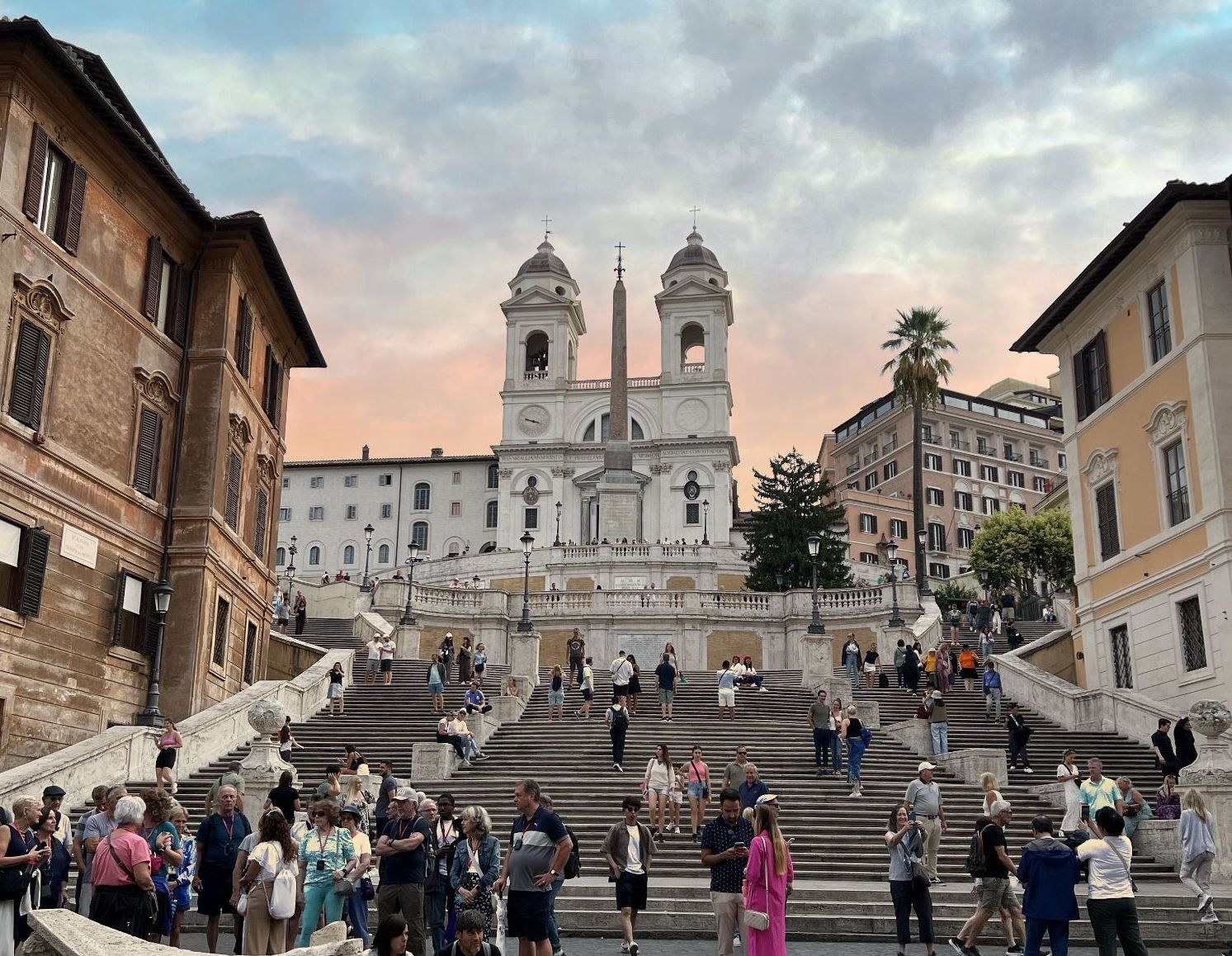
There used to be a beloved tradition for tourists in Rome; they’d sit in the Spanish Steps, overlooking sweeping views of Rome's rooftops, having a break, perhaps some gelato. But, since 2017, it became illegal to sit in these steps, to eat near monuments, to roll wheeled suitcases down historic staircases, or to wade in any historic fountain, including the world-famous Trevi Fountain.
This means that the scene in Roman Holiday (1953) where Audrey Hepburn and Gregory Peck sit on those very steps eating gelato would earn them a fine of between €250 and €400 today. Officials explain that these rules had to be put in place to protect the 18th-century marble structures which were being damaged by heavy tourism.
Wearing high heels at ancient sites in Greece

In 2009, the Greek Culture Ministry banned the wearing of high-heeled shoes at ancient Greek archeological sites like the Acropolis and at the ancient theatre of Epidaurus. The reason is not cultural as much as it is structural. The pointed tip of a stiletto concentrates a person’s body weight in too small an area, generating pressure intense enough to cause micro-fractures in marble surfaces that are 2,500 years old.
Violations can result in fines of up to €900, which makes it one of the steepest "dress code" fines in European tourism. Although here, as in most tourist hotspots, flat, comfortable shoes are the wisest pick if you plan on spending the whole day sightseeing.
Flying a drone near the Eiffel Tower in Paris

The magnificent and exclusive views from atop the Eiffel Tower shall remain exclusive; there’s no legal way to get aerial footage of Paris. The entire metropolitan area of the French capital has been designated a permanent no-fly zone for recreational drones, without exception. Flying a drone near a landmark like the Eiffel Tower can result in fines of up to €75,000.
The ban was put in place around 2012, in part for security, in part to protect the heritage of the city. But the restrictions were tightened between 2014 and 2015 responding to a wave of mysterious drone flights over important Paris locations like the Élysée Palace, which were never explained. Now, even drone models under 0,5 pounds, which are typically exempt under EU regulations, are prohibited within the Paris metropolitan zone.
Selling chewing gum in Singapore
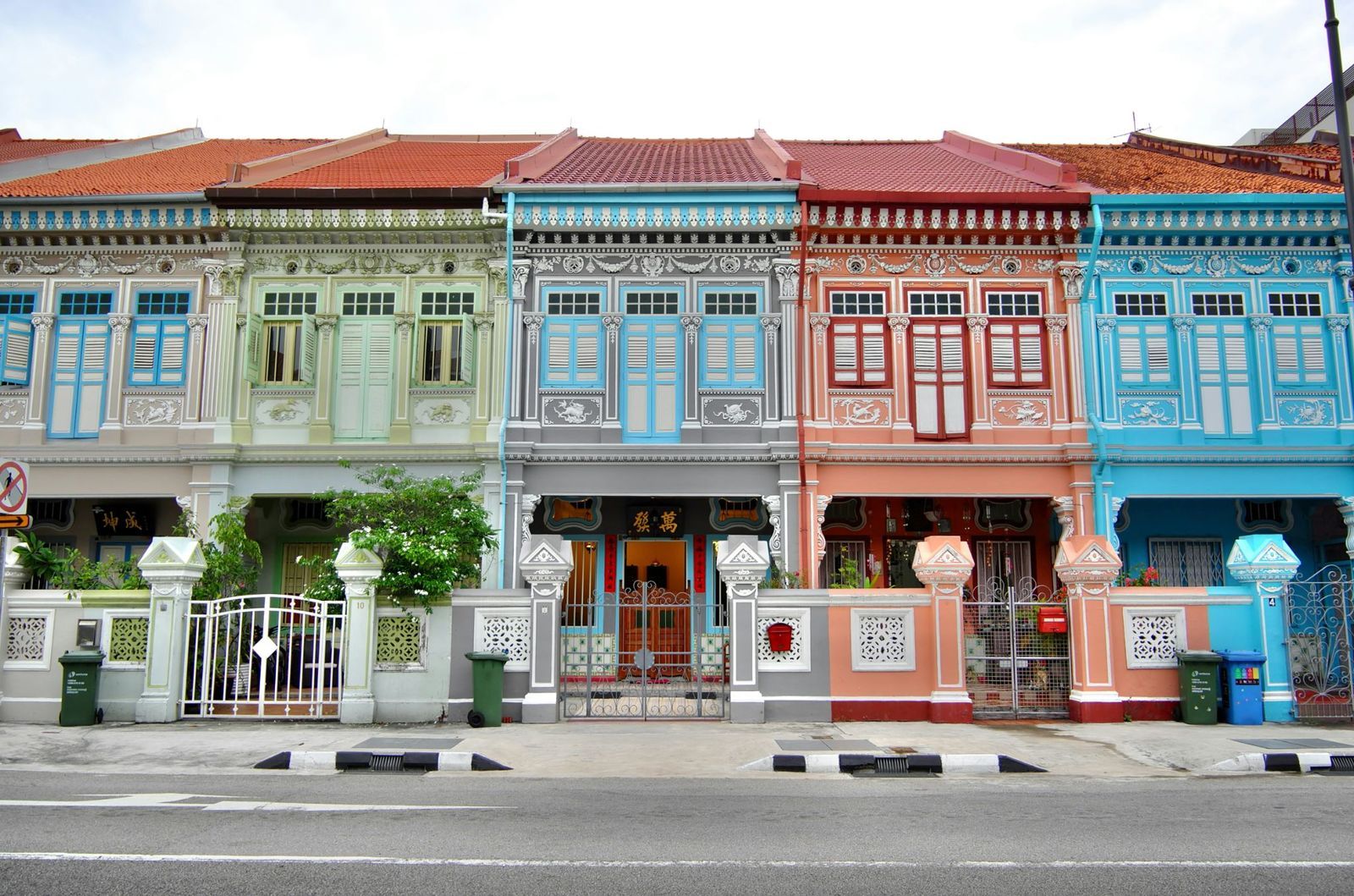
The city-state of Singapore, in Southeast Asia, has strong feelings about tidiness. But that was not what triggered the chewing gum prohibition in the 90s. It was an array of vandalism problems: troublemakers had been sticking chewed gum onto the sensors of train doors, causing them to malfunction. They had also used it to block elevator buttons, clog mailbox slots, and foul park benches. The Housing Development Board estimated that repairs rose to $150,000 each year.
So, starting in 1992, the sale, importation, and manufacture of chewing gum became banned. Within two weeks, enforcement officers had confiscated over five million packets of gum. One year later, gum-related complaints had dropped from over 500 cases a day to 2.
Here’s the caveat: You can chew gum in Singapore. Tourists can bring a small amount for personal use. But if you run out, that’s it; you won’t find any stores selling chewing gum until you leave the country.
Wearing swimwear outside of the beach in Spain
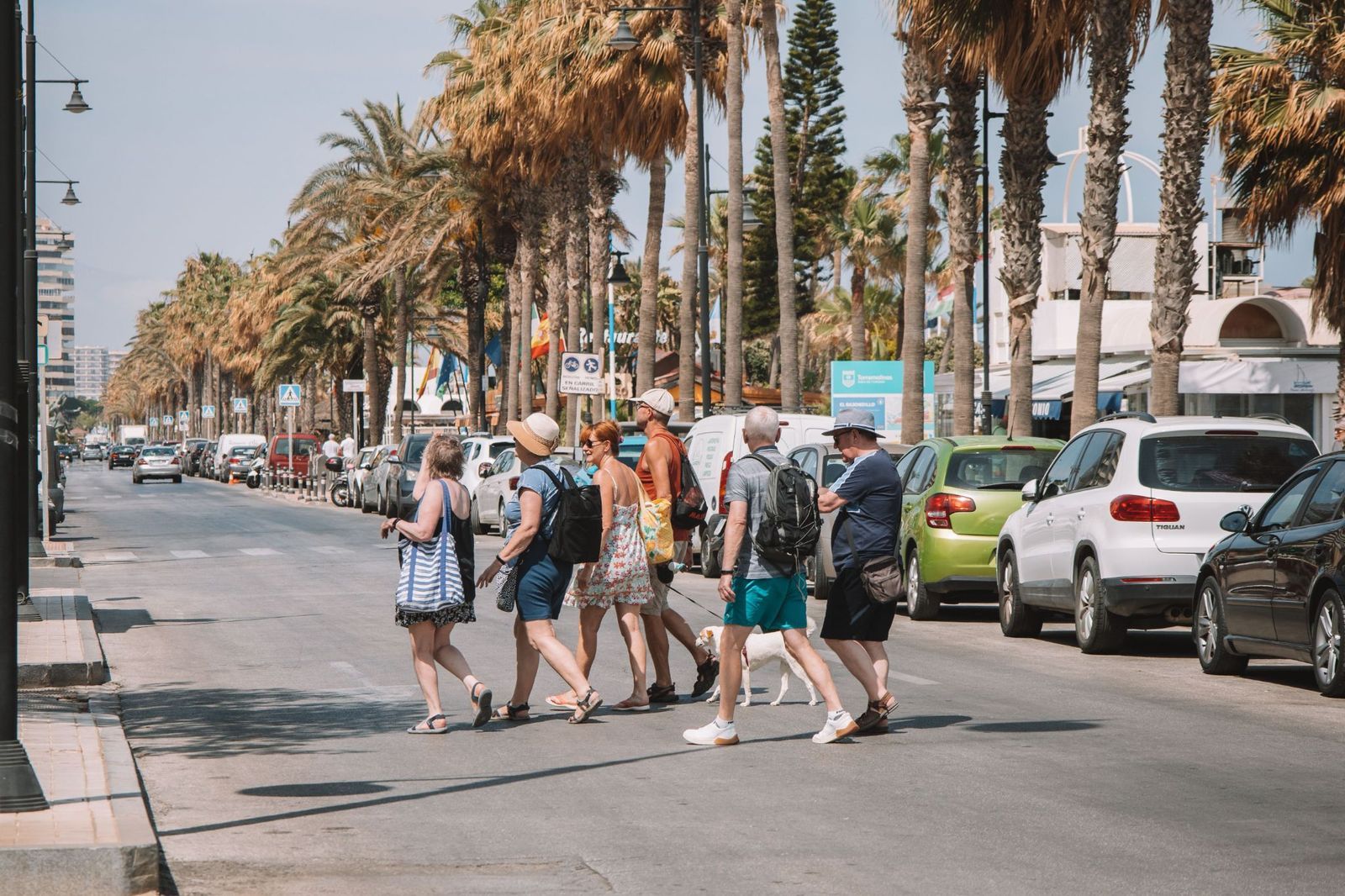
Spain’s beach culture is world-famous, but that doesn’t mean that beach clothing is embraced beyond the edge of the sand. In Barcelona, walking shirtless or in a bikini on city streets can result in fines between €120 and €300. In Málaga and Alicante, the fines rise to €750 for the same offense in the city centers.
This rule applies city-wide, not just near monuments like Las Ramblas or Passeig de Gracia. Markets, restaurants and ordinary streets will not welcome any bare-torso tourists, and venues could entirely refuse entry to customers in swimwear.
Stepping on currency in Thailand

Every Thai banknote and coin carries a portrait of the king. In Thai culture, the foot is considered the lowest and most spiritually impure part of the body. Placing the lowest part of your body onto the face of the monarch combines two forms of disrespect, and it falls under the very strict Thailand lèse-majesté laws, in place since 1908.
So, deliberately defacing, damaging, or stepping on Thai currency is a criminal offense punishable by up to 15 years in prison. However, the practical risk for tourists accidentally dropping a coin and stepping on it is low. Context and intent do matter. But the appropriate reaction to a dropped coin in Thailand is to pick it up carefully, not to stop it rolling with your foot.
Whistling in Petrolia, Canada, along with yelling, shouting, or hooting
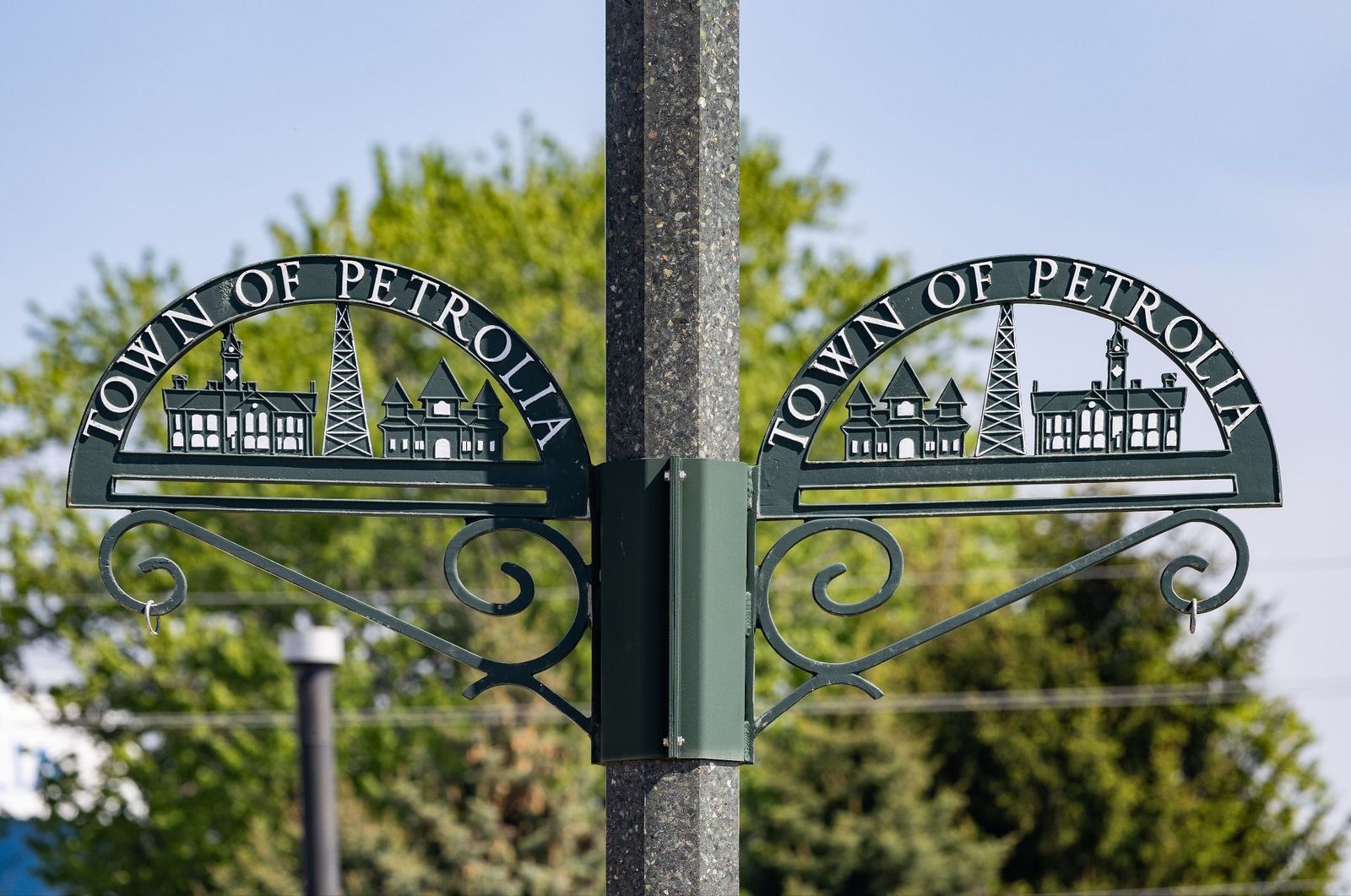
Petrolia is a small town of about 5,000 people in southwestern Ontario, Canada, best known as the birthplace of the North American petroleum industry. It was also, for around 30 years, home to one of the most comprehensive noise regulations ever written.
The town’s bylaws, as written originally, stated: "Yelling, shouting, hooting, whistling or singing is prohibited at all times." The law was introduced in the 1990s to address noise complaints around late-night parties.
Officials later clarified that the enforcement was intended for late-night hours, but, as it was written, the law appeared to also ban whistling to your dog, or shouting hello to a neighbor across the street, or singing while washing the dishes by the window. The bylaw was amended in 2009 to rescind the "all-day" prohibition.
Keep wandering
There’s always
more to explore
What should you do if you lose your passport while traveling?
4 min.
Read Now
 Landmarks

The whole town moved underground, and other stories that cities hide
6 min.
Read Now
The rooftop sign welcomes you to Cleveland; the plane lands in Milwaukee
6 min.
Read Now
 Culture
Maps lie: 10 famous cities that love to trick tourists
6 min.
Read Now