
Lost your passport abroad? Here is what to do step by step
 General
Navigating embassies and consulates
Lost your passport abroad? Here is what to do step by step
Few scenarios are as alarming as reaching into your pocket or bag and realizing your passport isn’t there. Losing your primary identity document in a foreign country can ruin your entire trip. However, although the situation is stressful, it’s entirely manageable if you stay calm and follow these 10 vital steps.
Step one: Search thoroughly before assuming it's gone

Before initiating an official replacement process, conduct an exhaustive search. Panic often causes travelers to overlook obvious spots. First, retrace your recent steps: contact the last restaurant you visited and local transport offices. Then, check hidden compartments, pockets, money belts, and hotel room safes.
Once a passport is officially reported as lost or stolen to embassy authorities, its electronic record is permanently canceled for security reasons. Confirming it’s surely lost saves you significant time and money.
Step two: File a police report

If you still can’t find your passport after your thorough search, your next stop must be the local police station. Requesting a formal police report is a vital legal safeguard. For one, filing a report creates an official record in case an identity thief attempts to use your stolen passport. Also, U.S. consular officers frequently ask for a local report as supporting evidence when issuing an emergency replacement.
Ensure you receive a written copy of the report or at least an official case number written on police letterhead.
Step three: Contact the U.S. embassy or consulate
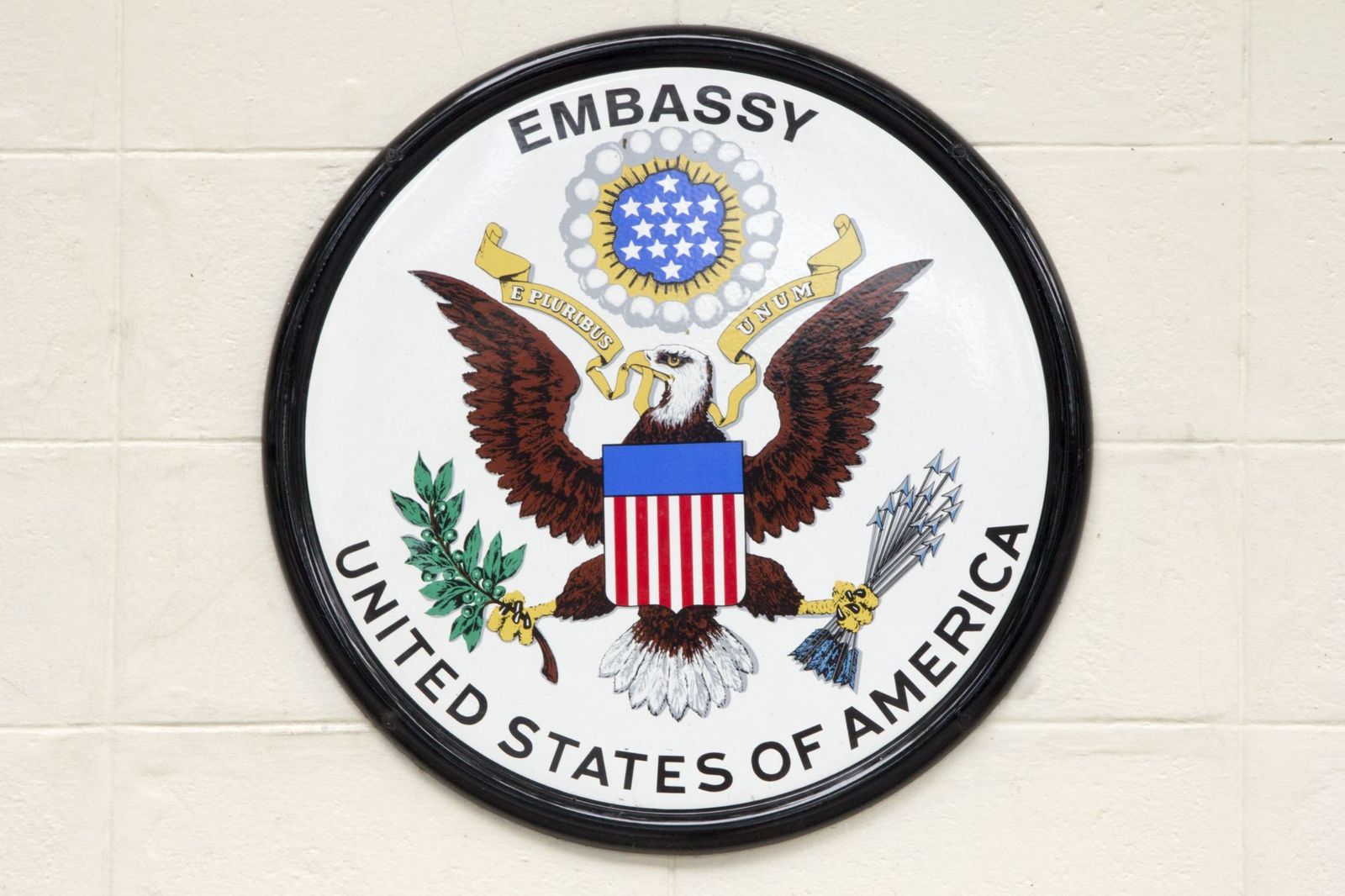
With your police report in hand, locate the nearest U.S. embassy or consulate. You will need to ask for the Consular Section / American Citizen Services (ACS) unit. Most embassies allow walk-ins for urgent travel emergencies, but booking an appointment online beforehand can speed up the process.
When visiting the embassy, it’s best if you bring proof of citizenship and identity, a 2x2-inch color photo, a travel itinerary, and the replacement fee (usually payable by cash or credit card).
What is an emergency travel document?
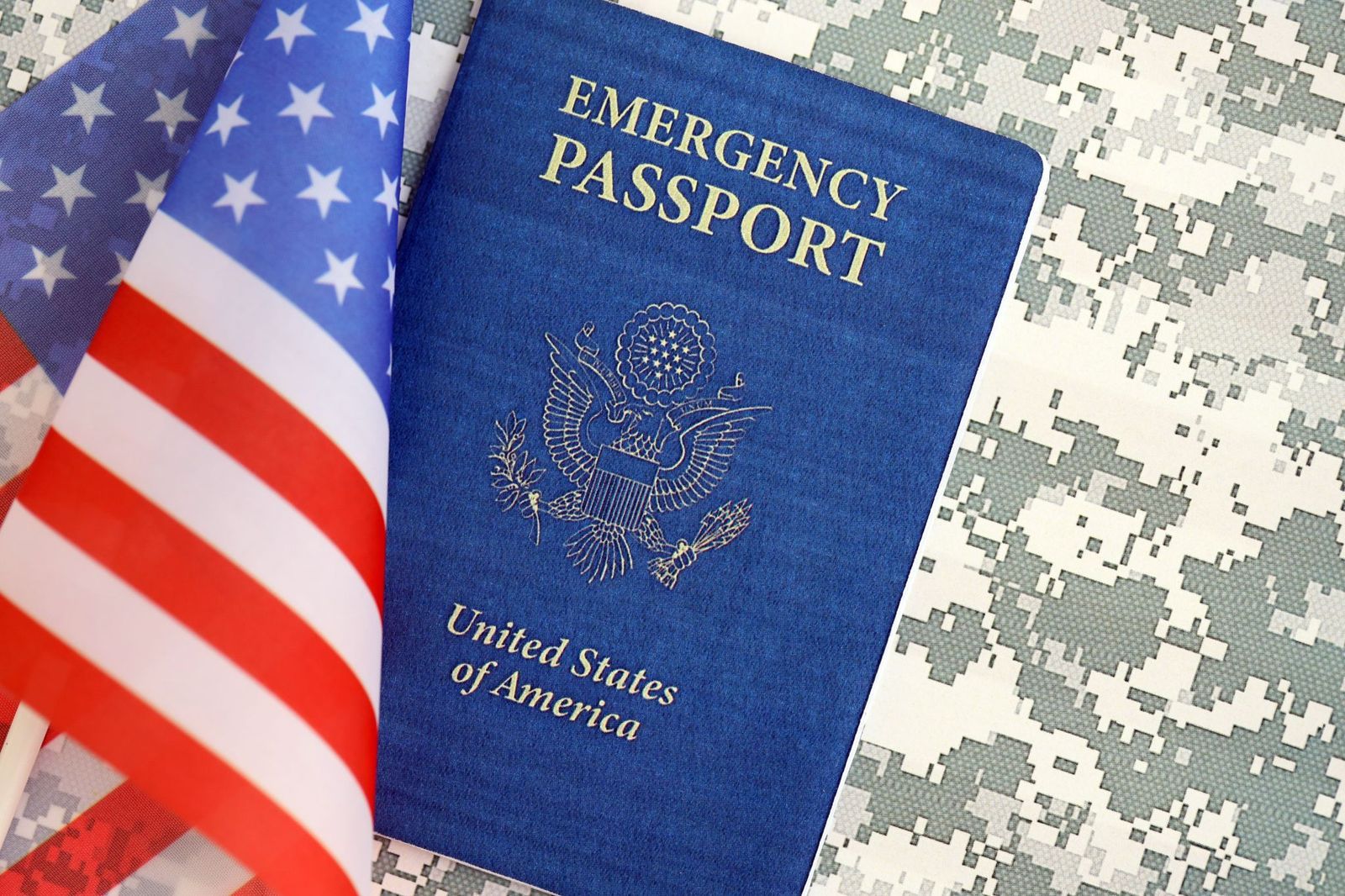
If you have to keep traveling or return home, the consulate will issue an Emergency Passport (sometimes called a Limited-Validity Passport).
Unlike a standard passport, an emergency passport is typically valid for 12 months or less. It contains fewer pages and comes with a warrant indicating its limited validity. Once back in the United States, you can apply for a replacement passport without paying additional fees, provided you do so within the next year.
Can you get compensation for a lost passport?

Although the U.S. government does not reimburse you for a lost passport, a travel insurance policy may help you financially. Depending on your coverage, insurance may compensate you for consular fees and expenses for delayed flights or extra hotel nights.
Keep all receipts (including local transportation and government fees) and submit them along with your police report to your insurance provider when you return home.
Navigating visa complications
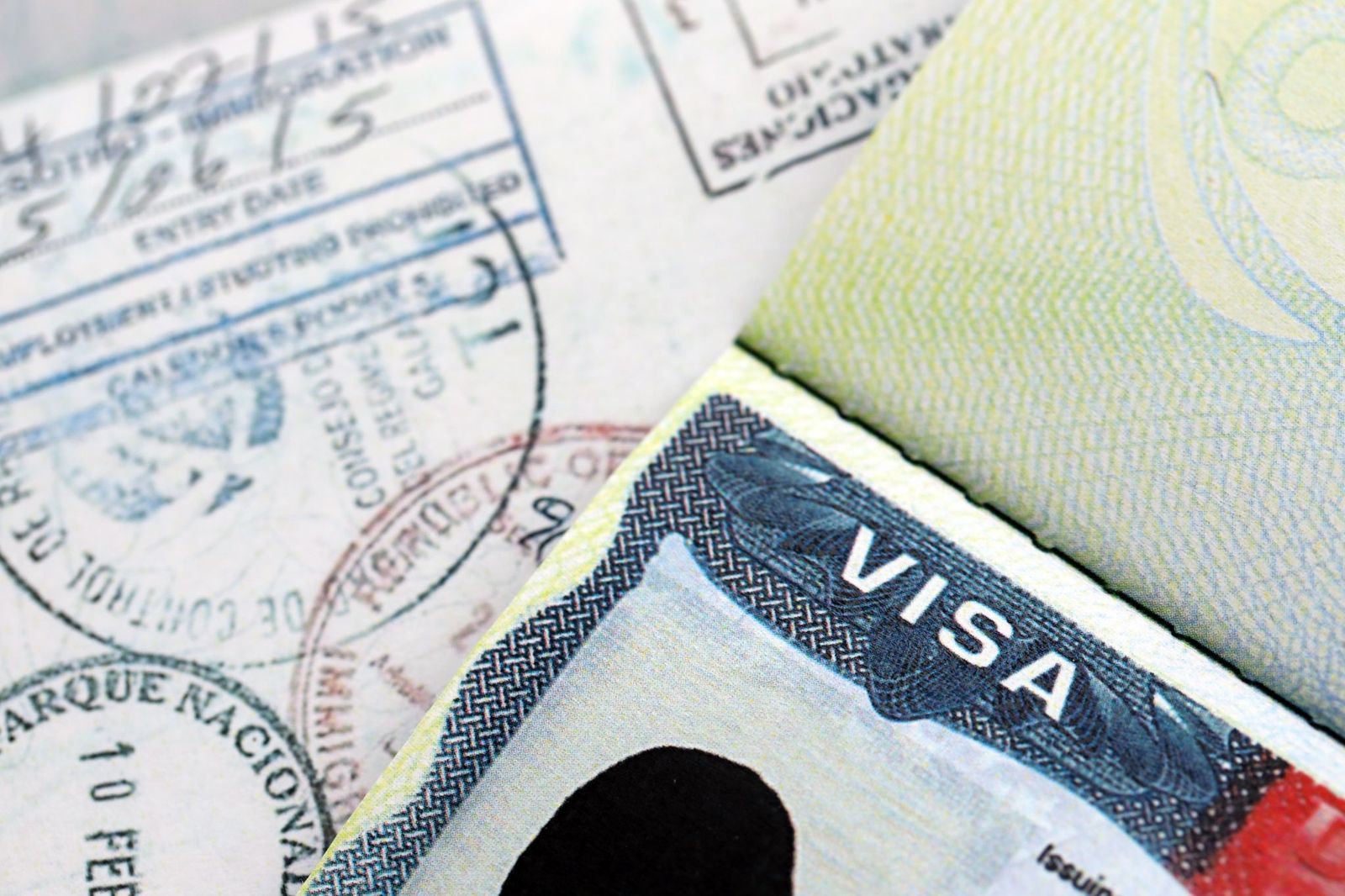
Losing your passport also means losing any entry or visa stamps. This introduces a few legal hurdles with local immigration authorities when trying to exit the country.
Certain countries require an exit visa or replacement entry stamp before allowing you to go through border control. You may need to visit the host country’s immigration department after receiving your emergency passport to have your entry status verified.
Managing money and practical logistics
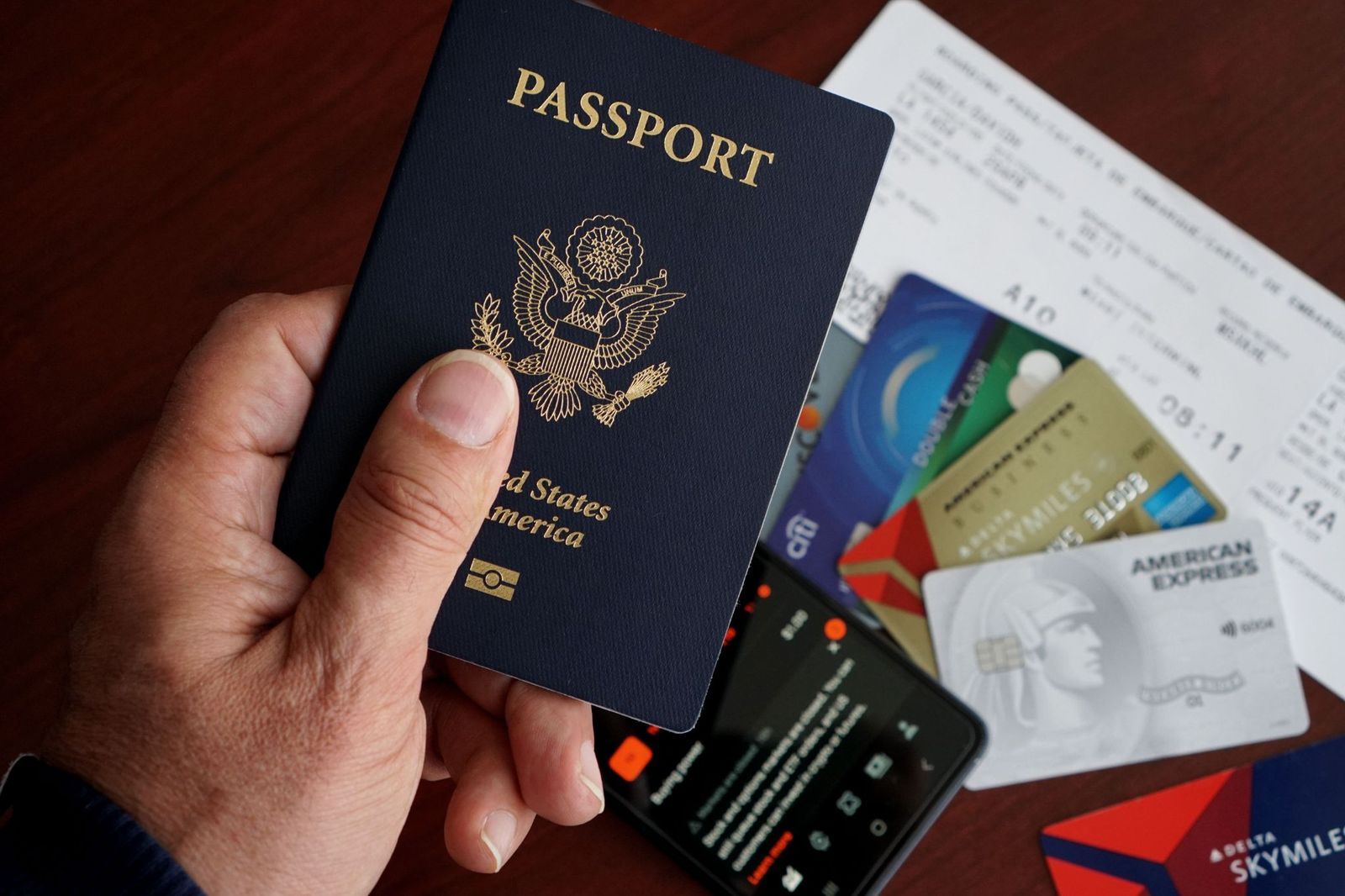
Losing a passport often coincides with losing a wallet or bag containing cash and credit cards. If that happens, the first thing you have to do is contact your bank as soon as possible to freeze your cards and request an expedited replacement card delivered to your hotel.
If you need cash, family or friends can transfer funds to you via services like Western Union or MoneyGram, which allow money pickup using secondary ID or embassy verification.
I found my lost passport; can I still use it?

The short answer is no. Once you report a passport as lost or stolen to the Department of State or an embassy, that passport is permanently invalidated in global databases.
If you happen to find your lost passport after reporting it to the police, don’t attempt to travel with it. Border agencies will flag the document as fraudulent or stolen, leading to confiscation, interrogation, denied entry, or even detention. Best to safely destroy the invalid document.
Getting home: Booking flights with an emergency document

Once you have an emergency passport, you must update your flight details. Contact your airline to update your Advanced Passenger Information (APIS) with your new passport number, expiration date, and issue date.
Also, be careful when booking layovers. Some countries don’t accept limited emergency passports for transit without a visa. Whenever possible, book direct flights back to your home to avoid border complications.
Before you travel: Prevention and preparation
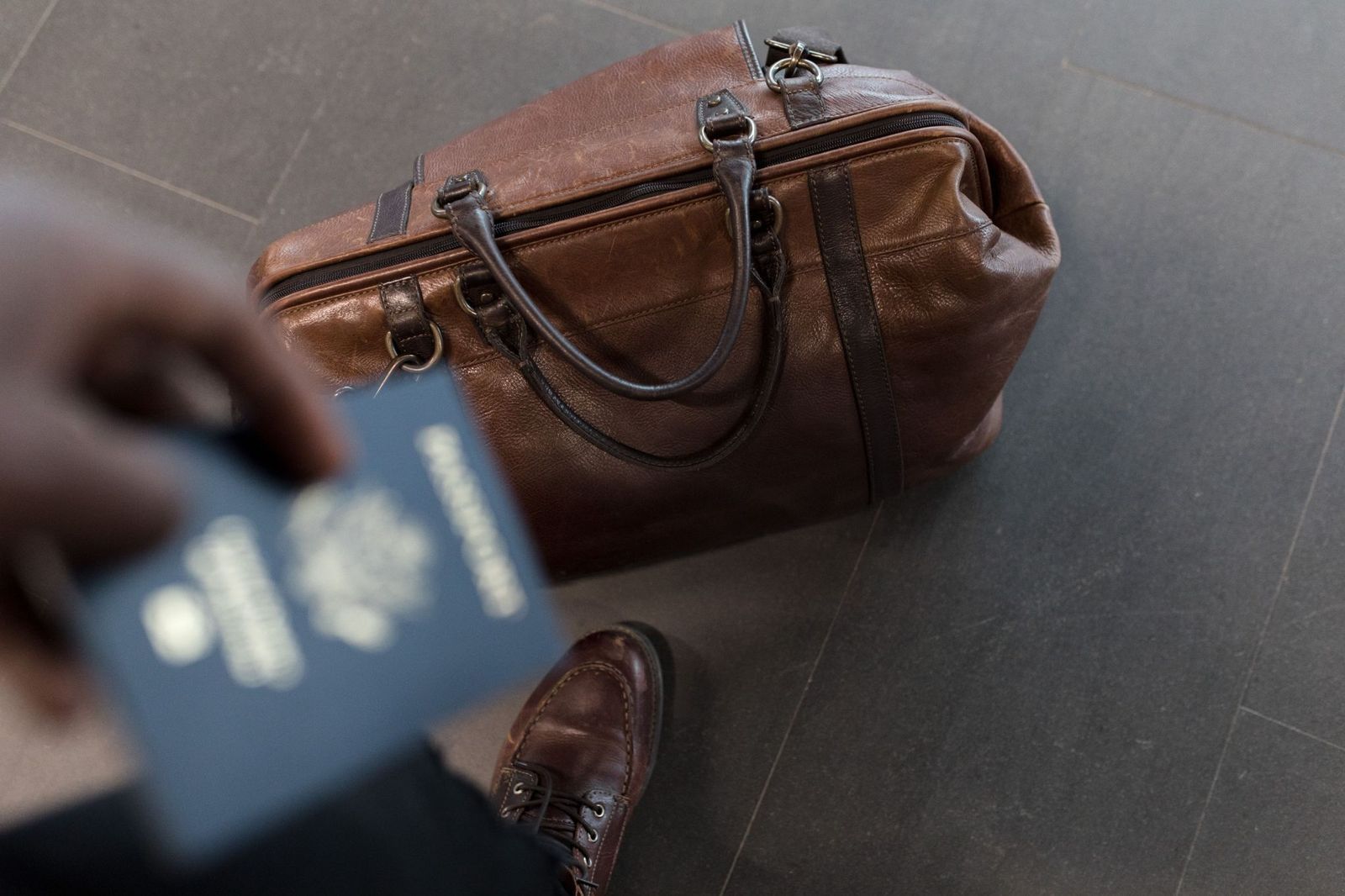
A few proactive steps before departure can turn a potential nightmare into a minor inconvenience. For instance, you can keep scanned copies of your passport photo page, driver’s license, travel insurance policy, and birth certificate in cloud storage accessible from any device.
Also, keep two printed copies of your passport in separate bags from the physical passport. Register your trip through the U.S. Department of State’s Smart Traveler Enrollment Program (STEP). This makes it easier for the nearest embassy to locate and assist you in an emergency.

This Northern Irish city has resisted a name change for 400 years
 History
Evolving identities
Did you know the original names of these famous cities?
Names are a big part of identity, which is why some people decide to adopt a new name after overcoming a challenging time or to begin a new chapter in their lives. This is also true for places whose names can change to reflect historical events, new influences, or even to reclaim an original identity. Here are 10 famous cities that went through a name change.
New York City, USA

The most famous city in America was always ‘New’, but not always ‘New York’. Established in 1624 as the seat of the Dutch New Netherland Colony, it was built around Fort Amsterdam and called New Amsterdam. In 1664, British forces under the command of the Duke of York seized the New Netherland territory, which was renamed the Province of New York, with New Amsterdam renamed as New York City.
Mumbai, India

The renaming of Bombay as Mumbai in 1995 was not a mere fancy, but a return to the city’s origins. Before European colonial rule, the inhabitants of the seven islands that make up the city worshipped their patron deity Mumba Ai or Mother Mumba, and the place was known to locals and foreigners as Mumbai. After the territory was ceded to the Portuguese Empire, it was renamed Bom Bahia (‘Good Bay’), later anglicized as Bombay under British rule. Though some still call it Bombay, the name remains a source of controversy.
San Francisco, USA

Though the name ‘San Francisco’ is older than the city itself, it is not the original name. The current San Francisco was settled in 1834 under the name Yerba Buena, after a mint herb abundant in the region. The name ‘San Francisco’ was already in use for a prison and a Catholic mission since 1776, and the neighboring bay had been named after it. When California became an American territory, the name was changed from Yerba Buena to San Francisco to unify the names of the city and the bay.
(London)Derry, Northern Ireland

One might think that the change from Derry to Londonderry is recent, given that many locals refuse to accept it, but this Northern Irish city has been officially called Londonderry since 1613. Originally called Daire (‘oak wood’) in Irish, it was anglicised as Derry, and renamed Londonderry after many wealthy Londoners moved to the area in the 17th century in an effort to increase Protestant influence. More than four centuries later, choosing to call the city Derry or Londonderry remains a political declaration.
Ho Chi Minh City, Vietnam

Ho Chi Minh is one of the wealthiest and largest cities in Vietnam, but many might still refer to it as Saigon. Originally named Krŭng Prey Nôkôr (‘Forest Kingdom City’) in the Khmer language, it was renamed Saigon during French colonial rule. The capital of South Vietnam during the Vietnam War was renamed Ho Chi Minh City after the reunification in honor of North Vietnamese leader Ho Chi Minh, though locals typically use Saigon for the city center and Ho Chi Minh for the metropolitan area.
Istanbul, Turkey

A bustling tourist destination in modern-day Turkey, Istanbul boasts a rich and complicated history, and its names are proof of it. First known as Byzantium, it was refounded as Constantinople in 324 CE by Roman emperor Constantine the Great. After the fall of the Eastern Roman Empire, the name Constantinople remained under Ottoman rule. In the early 20th century, Turkish authorities pushed for the use of the popular name Istanbul (derived from the Greek eis ten polin, ‘to the city’) as the official name.
Toronto, Canada
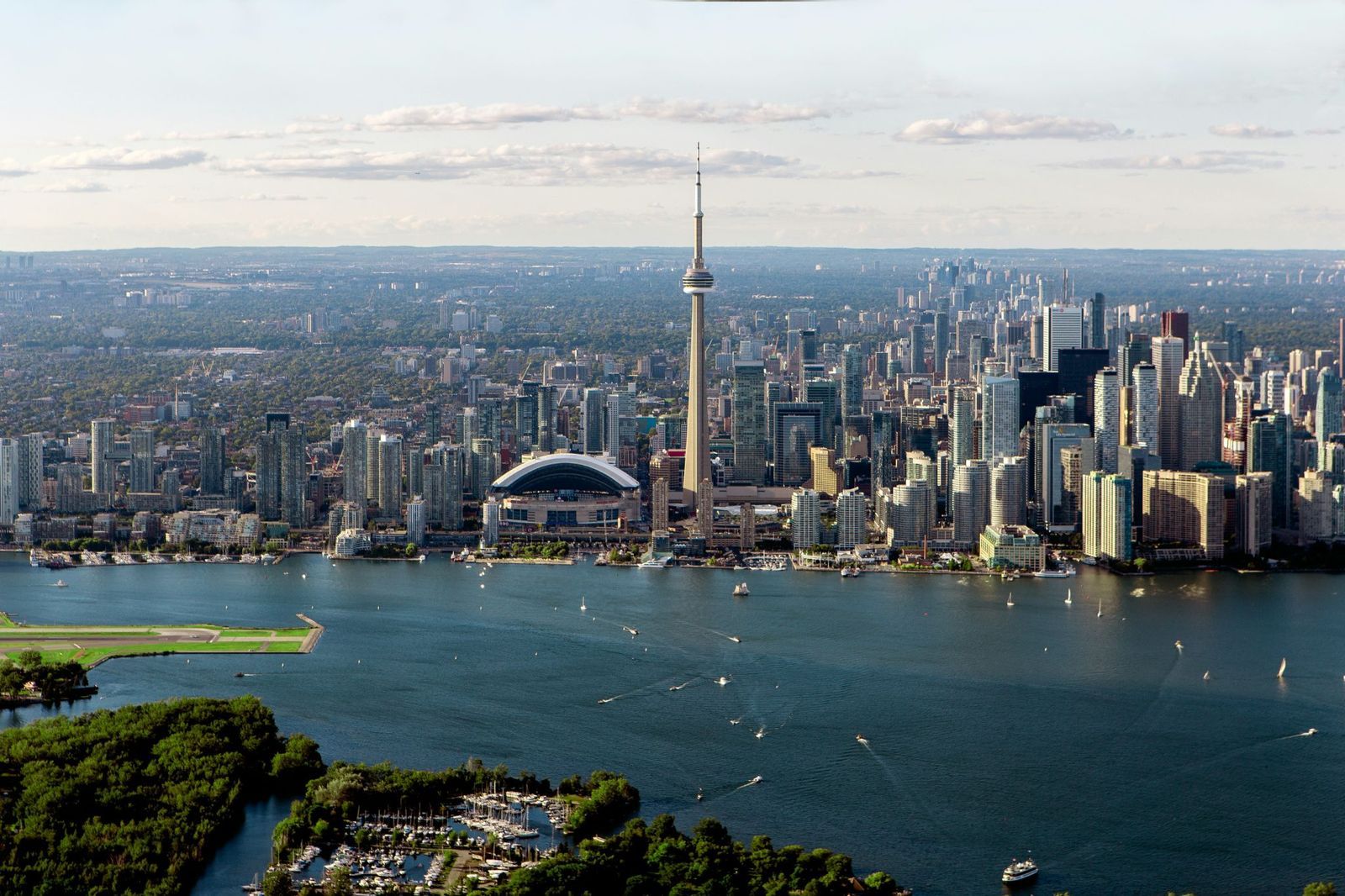
Although the area has been known as Toronto for more than four centuries, the city of Toronto received its name only 200 years ago. Derived from the Mohawk tkaronto, meaning ‘where trees are standing in the water’, it was also the name of the first European fort in the area. The city, however, was founded in 1786 under the name York — nicknamed Little York to avoid confusion with York and New York—and it was not until 1834 that it was renamed Toronto.
St. Petersburg, Russia

St. Petersburg might have been founded under that name in 1703, but it has been renamed several times since then. Established by Czar Peter the Great and named in honor of the Apostle St. Peter, the ending -burg (meaning ‘city’) is of German origin, influenced by the Prussian origins of Peter the Great. During WWI, the name Petrograd —with the Russian suffix -grad for ‘city’ already used by locals— was officially adopted, but in 1924 was changed to Leningrad in honor of Vladimir Lenin. In 1991, the city held a referendum on restoring the historical name, and more than half of the residents voted in favor of St. Petersburg.
Beijing, China

One could argue that the change from Peking to Beijing was not a renaming, but a restoration of the Chinese pronunciation of the name. Although this city has had many names in its more than 3,000 years of history, Beijing, meaning ‘Northern Capital,’ is the most famous and has been used since the 1400s. Why was Peking so popular, then? This romanized form of Beijing was widely used in Western countries, but it didn’t match the Pinyin romanization system adopted by China in 1979. The "new" name has a more accurate phonetic pronunciation, so China has pushed, with great success, for its adoption at an international level.
Oslo, Norway

The Norwegian capital is another example of a full-circle name change. Founded as Ánslo or Óslo by the Vikings in 1040, it kept that name even when Norway was united with Denmark in the 16th century. In 1624, however, Oslo was destroyed in a fire, and the newly rebuilt city was renamed Christiania (sometimes spelled Kristiania) after King Christian IV of Norway. Norway separated from Denmark in the early 19th century, but only in 1925 would the capital regain its original name.
Keep wandering
There’s always
more to explore

10 destinations that are nearly impossible to visit
3 min.
Read Now
 Landmarks

Mount Rushmore almost had torsos, not just faces
4 min.
Read Now

Hotel staff can tell these 10 things about you almost immediately
6 min.
Read Now

Did the three men who escaped Alcatraz in 1962 actually survive?
7 min.
Read Now