Japan 101: How to be the best tourist possible
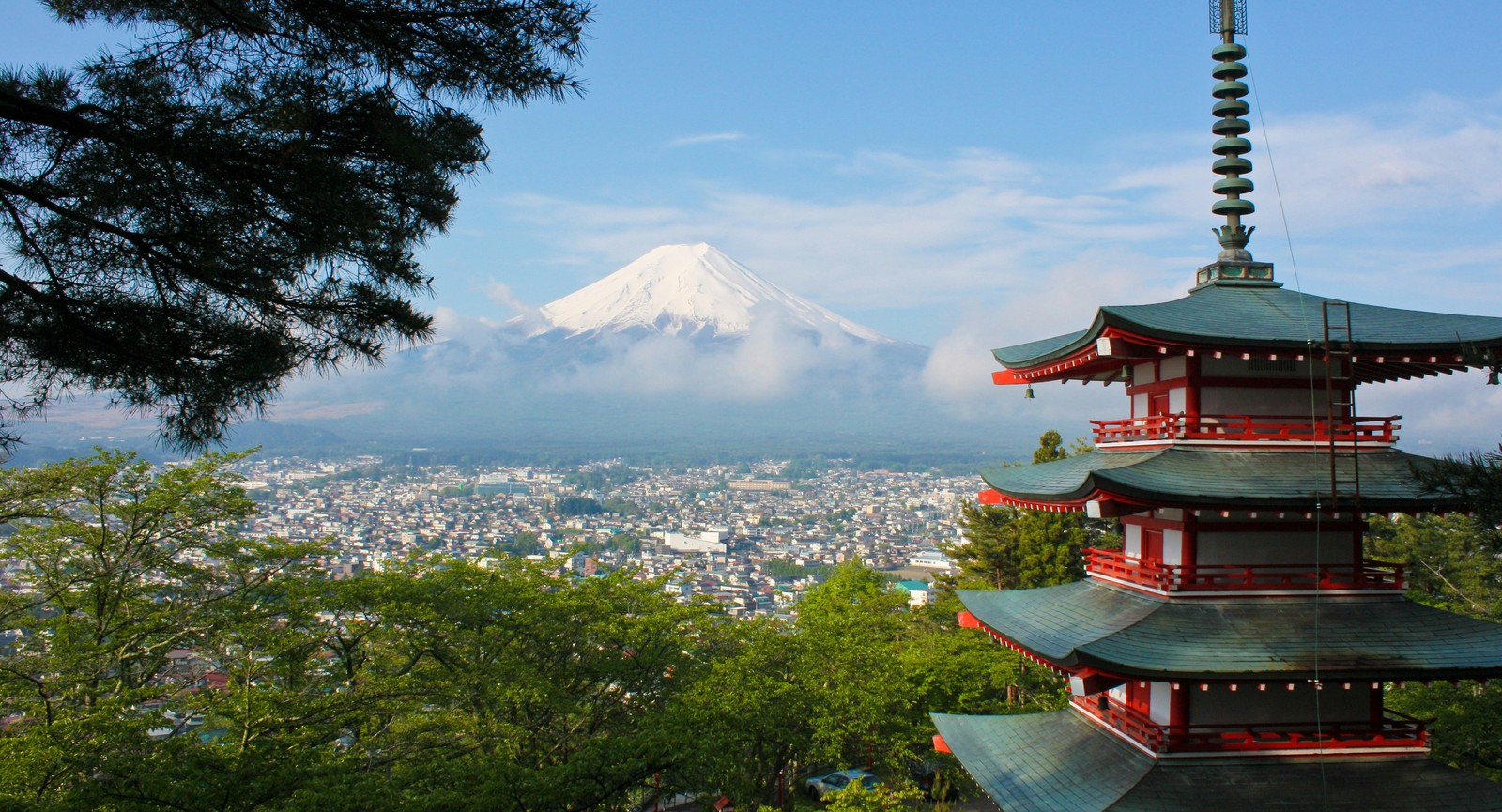
When in Japan…
Japan 101: How to be the best tourist possible
Japan has always fascinated Western travellers, and has of late become one of the top destinations to visit worldwide. And while visiting a foreign country is an excellent way to experience a different culture firsthand, it also comes with its own set of challenges. The bigger the cultural breach, the more chances of unknowingly breaking a rule we didn’t know existed, and if Japanese people love something, it’s their rules. If a trip to Japan is in your calendar, here are some tips that will help you avoid a cultural faux pas.
Avoid being loud on public transport
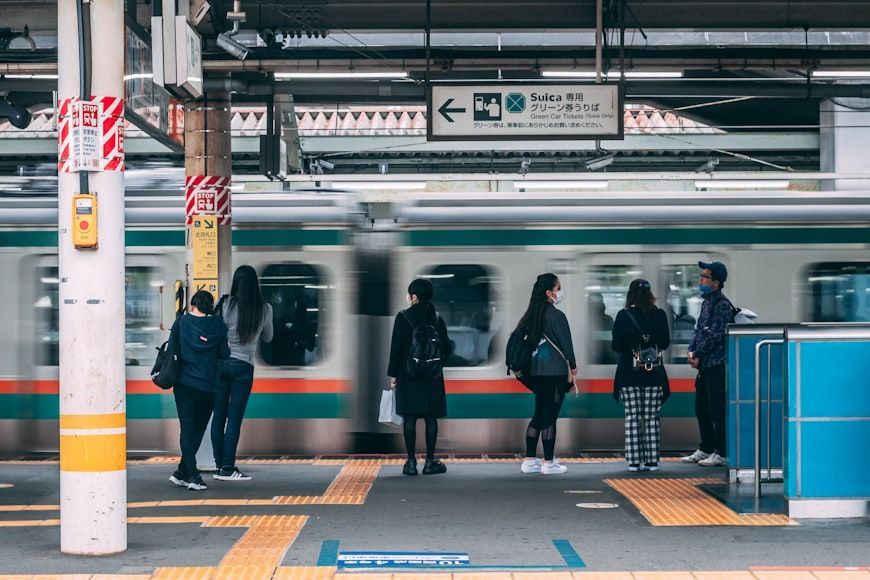 Image: Kanchan Raj Pandey
You will notice that people on public transportation are quiet, even during rush hours. There is no music, no loud chatting, and no talking on the phone. While many passengers take advantage of long commutes to rest, Japanese people are always mindful of avoiding any public disturbance. If you have to talk, keep your voice down and avoid loud noises.
Carry your trash
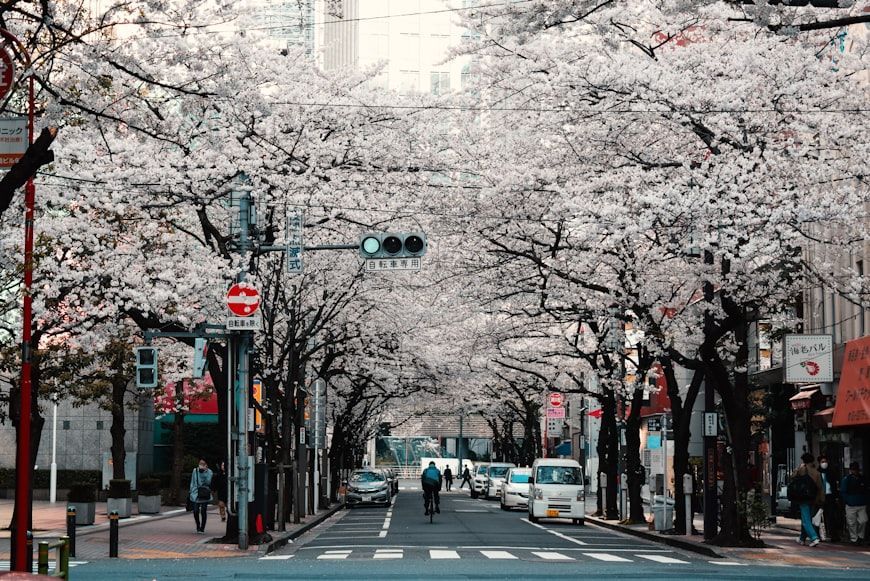 Image: Agathe
While clean and orderly streets are the norm in Japan, there is a surprisingly low number of public trash cans available. This means that you will likely end up carrying your trash with you, so make sure to be prepared for this. When in doubt, the one place that will always have a trash can is the convenience store.
Money etiquette
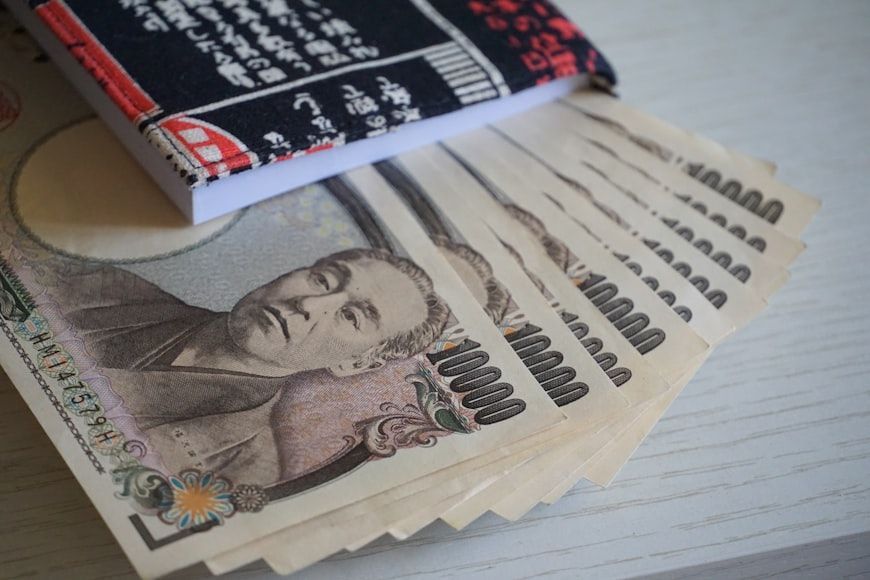 Image: Cullen Cedric
Japanese people regard personal space and physical contact in a different way than most Westerners, so instances like paying with cash have their own etiquette. Money is never directly handed over; instead, bills, coins, and receipts are placed on a small tray or koin tore, and picked by the other person. Also, make sure to avoid paying with folded or crumpled bills to make counting them easier.
Don’t walk and eat
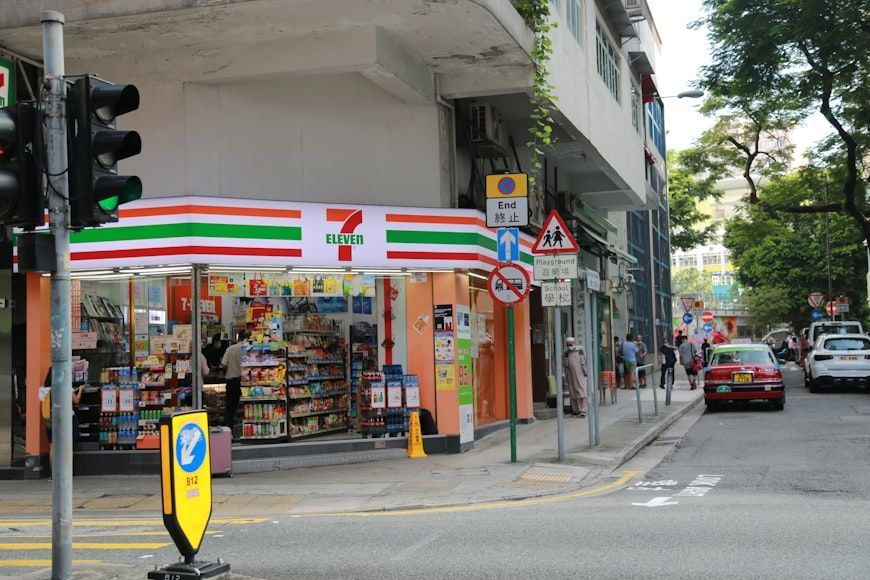 Image: Alison Pang
In Japanese culture, eating involves gratitude and respect towards the food, so it’s not something to be rushed. There are no laws against eating while walking, but it is frowned upon and a potential source of mess and litter. If you purchase food or drinks to go, take a moment to consume them outside the convenience store, on a park bench, or at the designated spots near food stalls and vending machines.
Don’t tip
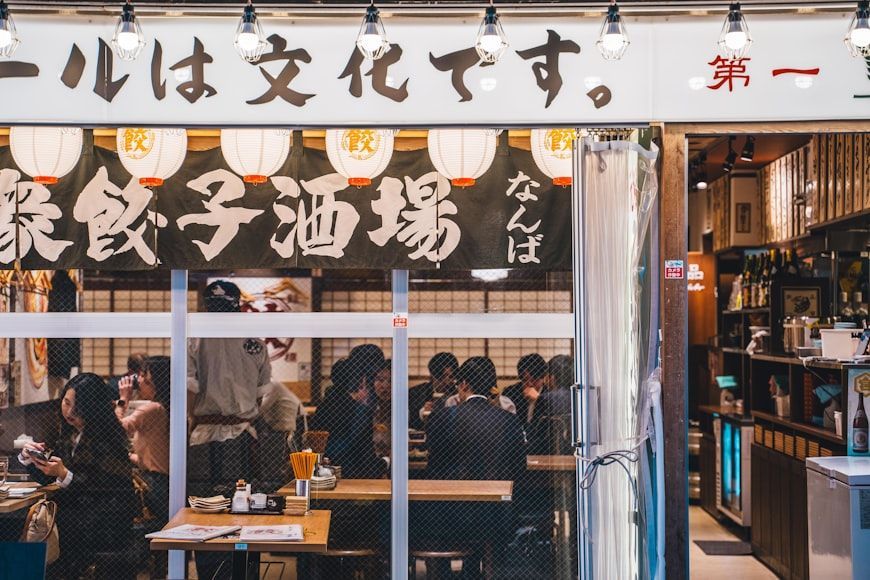 Image: Roméo A.
To the joy of Westerners, tipping is not required nor expected in Japan, and can even be considered rude. While we consider tipping either as a reward or as an extra income, Japanese staff don’t rely on tips and consider excellent service to be the standard. If you want to show your appreciation, make sure to give a polite bow and a sincere arigato gozaimasu.
Be mindful of street directions
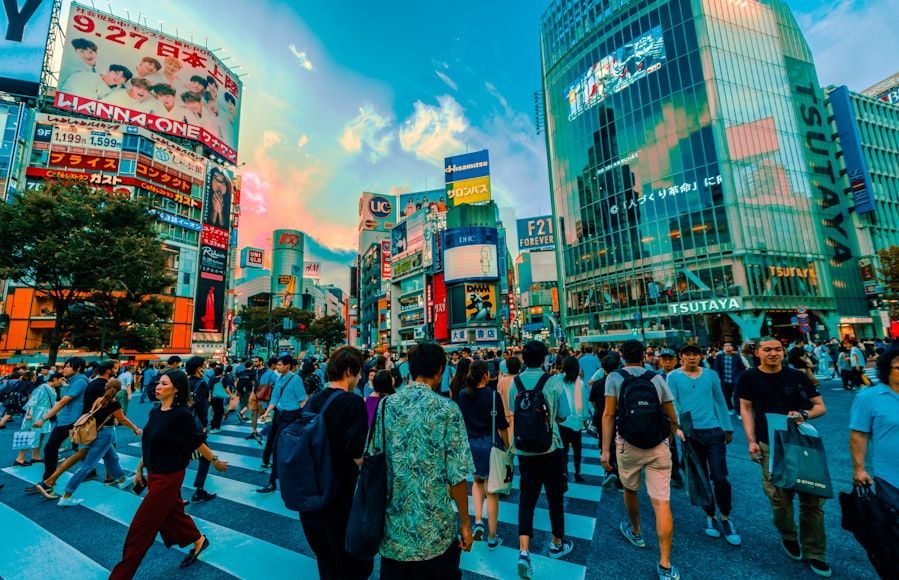 Image: Jezael Melgoza
While there is no set Western etiquette regarding which side of the street to walk on, most people tend to walk on the right side. In Japan, walking on the left side is customary, especially if you want to avoid collisions in crowded areas. The city of Osaka is the exception to this rule: there, walking on the right side is the norm. When in doubt, follow the traffic and stick to the left.
Always carry cash
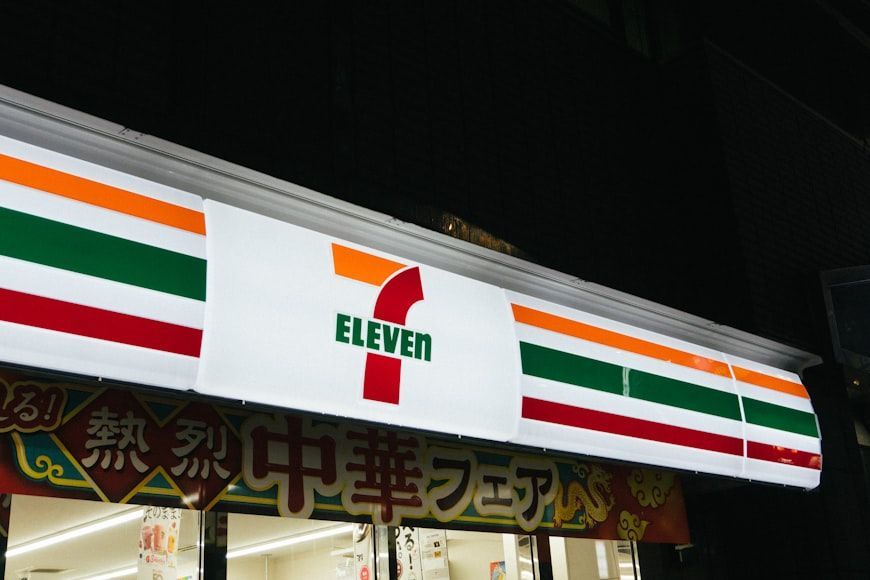 Image: James Butterly
Although paying with a card is common in Japan, make sure to always carry cash with you, especially if you plan to visit outdoor markets, food stalls, temples, or rural areas. ATMs are few and far between, so keep that in mind when withdrawing money. You can usually find ATMs at post offices, airports, and 7-Eleven convenience stores.
Take off your shoes
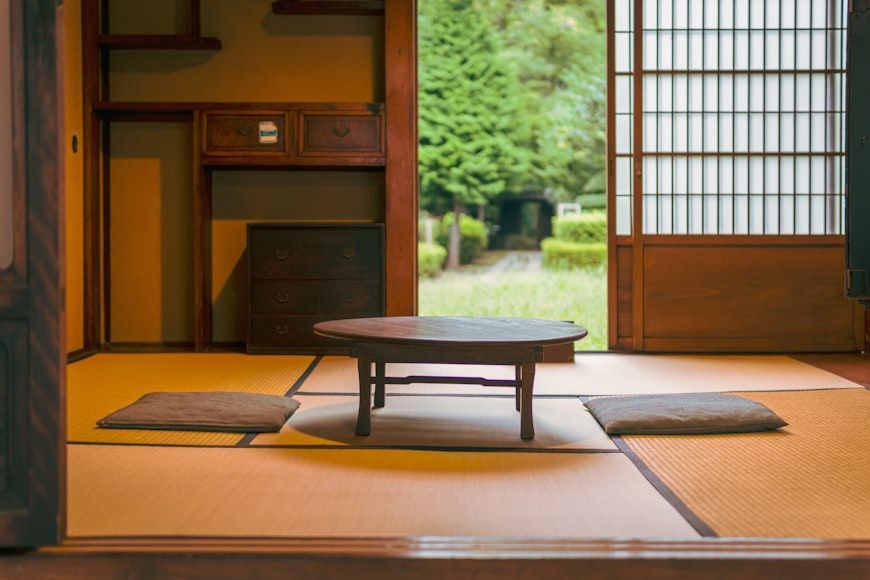 Image: Se. Tsuchiya
If there is something that will get you scolded by Japanese grannies, it’s not removing your shoes before entering the house. Shoes carry dirt from the outside, so they should never be worn in inside clean spaces. Instead, they should be left on the genkan, a small area at the entrance for this purpose. This rule applies to all houses (especially traditional houses with tatami flooring), but also to traditional inns and restaurants, temples, and stores’ fitting rooms.
Slippers: yes or no?
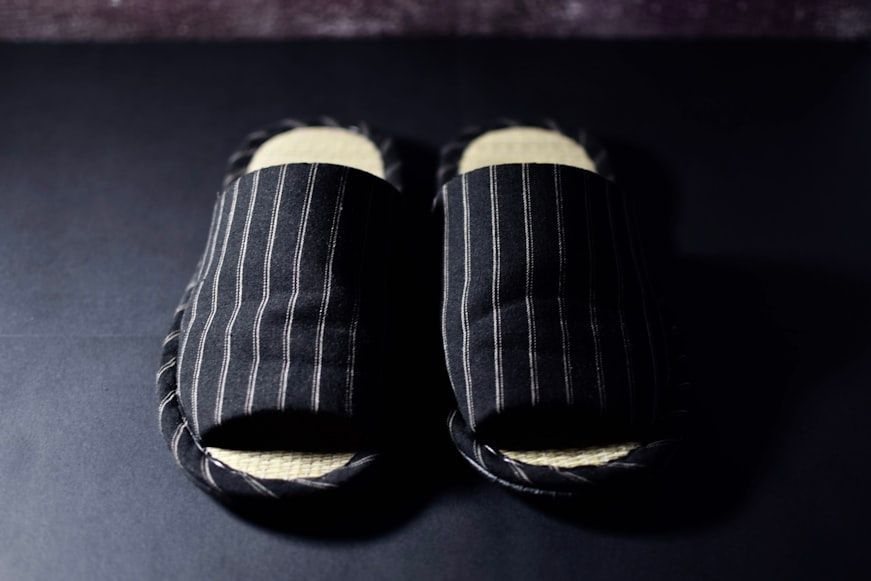 Image: Hitomi Bremmer
While wearing clean socks or being barefoot is acceptable in places where shoes are removed, slippers will often be provided, especially in hotels and private houses. There are some exceptions, though: Slippers should never be worn on a tatami floor. Also, toilet spaces will have their designated slippers, so make sure to change into them before entering the bathroom.
Onsens are baths, not baths
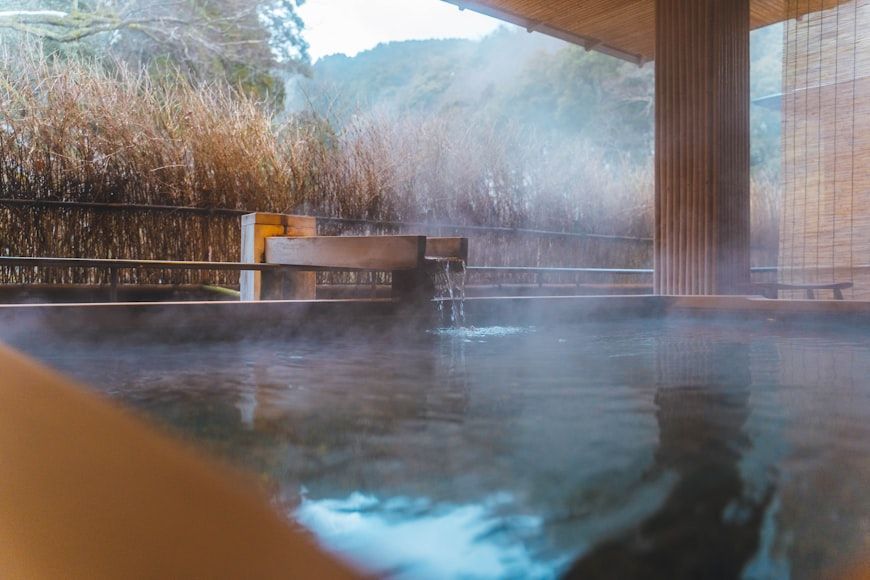 Image: Roméo A.
Traditional Japanese baths or onsens are a place for relaxation, so they naturally have their own etiquette. It is mandatory to shower before entering the bath, and you will need to be fully naked, so keep this in mind if you are considering going to a public bathhouse. If there are other people, keep your voice down, leave your phone outside, and be mindful of personal space.
Chopsticks 101
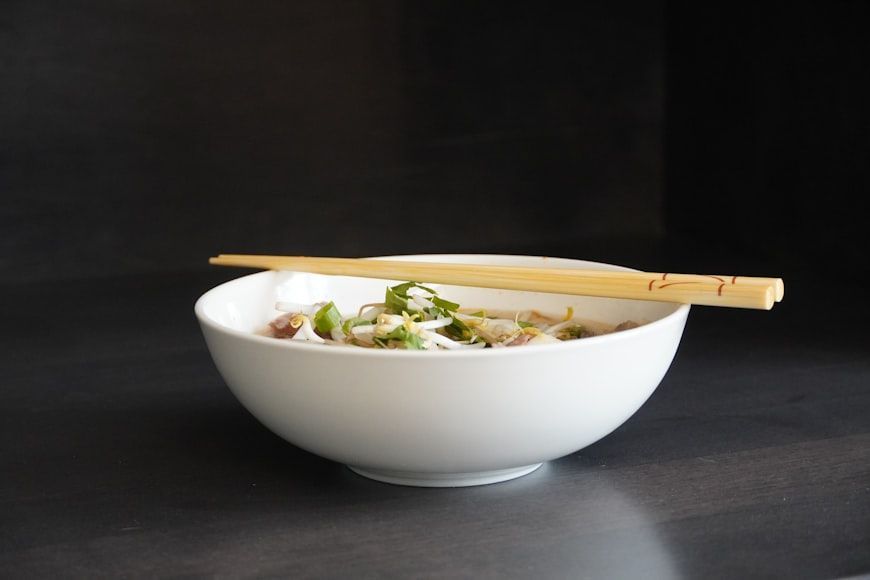 Image: Caleb Wright
There is a high chance that Western cutlery will be offered to you, and sometimes directly provided. If you decide to use chopsticks, here are some rules to consider: avoid using your chopsticks to point at things, pass food directly to the plate if you want to share, and don’t stick your chopsticks upright in the food. Instead, use the chopstick rest or place them across the bowl.
Be polite and respectful
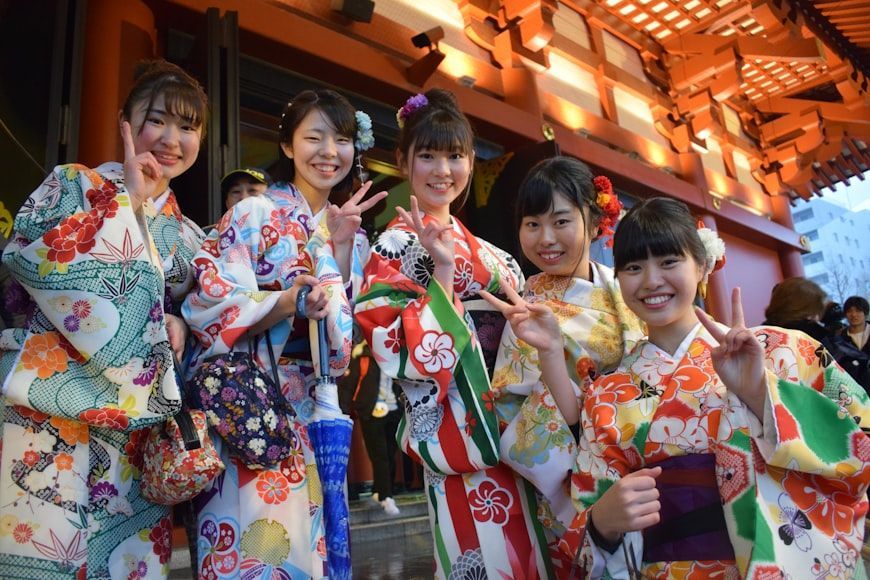 Image: Sofia M
We can’t always learn everything about a new place, but we should give it our best try. You will most likely misstep somewhere, but politeness and goodwill can make up for it. Japanese people will always appreciate you making an effort, even if it’s something small like bowing or using a basic Japanese phrase. So, brush up on your ohayo gozaimasu, your sumimasen, your arigato goizaimasu, and your oneigaishmasu, because they will take you a long way.
More to explore

4 min read
These are the coziest places to visit in the United States
Read Now
4 min read
The staff has spoken: 10 Hotel secrets most guests never notice
Read Now
5 min read
U.S. road trips everyone should do at least once
Read Now
4 min read
What to do with your hotel room key and 9 other infallible safety tips
Read Now