
Hotel staff know: They notice far more about you than you realize
 General
How do they know?
Hotel staff know: They notice far more about you than you realize
Think hotel staff only know what you tell them? Think again. From the moment you make a reservation to the moment you check out, you’re leaving behind little clues about yourself, often without realizing it. The way you talk, what you ask for, how you behave, and even how you use your room can tell experienced hotel staff surprisingly much about you. From whether you’re a light sleeper to how particular you are about cleanliness, here are 10 things hotel staff notice about you.
Whether you’re a light sleeper

If you’re the type of person who takes forever to fall asleep and wakes up at the slightest noise or hint of light, hotel staff may figure that out before you even arrive.
It’s not just about noticing when you go to bed; your room requests can give you away, too. Asking for a high floor, a room away from the elevator, or somewhere especially quiet tells experienced staff that noise and foot traffic can make a big difference to your sleep. In other words, they may already know you’re a light sleeper before you’ve even unpacked your suitcase. That means staff may take extra care around your room, moving quietly when they need to enter, keeping noise to a minimum, and being mindful when they pass your door so they don’t disturb you.
How much you care about cleanliness
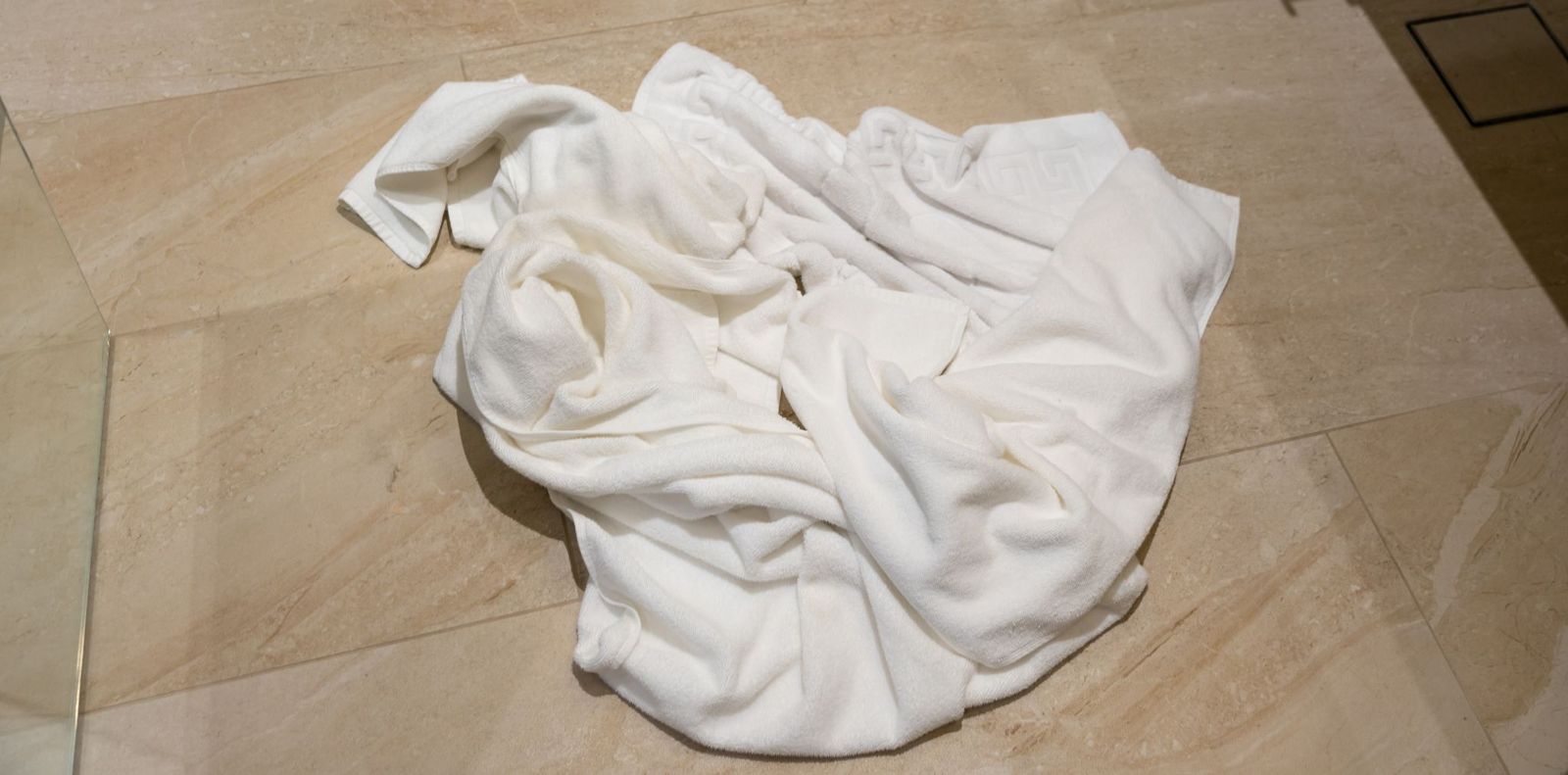
One of the clearest examples here is how much you care about cleanliness.
Guests who are particular about it may check the bathroom, sheets, and towels almost as soon as they arrive, and quickly ask for something to be replaced or cleaned if it doesn’t meet their standards. More laid-back guests, on the other hand, may barely notice those details, or might not notice a cleaning issue until they’ve been in the room for a while.
Whether you’re easygoing or know exactly what you’re entitled to

A front-desk employee can often tell when a guest is excited, stressed, in a hurry, or likely to have specific expectations.
If you walk into the lobby and immediately say, "I had a terrible experience at another hotel," staff may realize that you’re someone who wants things done a certain way. They’ll likely pay closer attention from the start, hoping to make sure your stay goes smoothly. The same goes for guests who arrive with a long list of detailed questions. It’s not a bad thing; it simply tells experienced staff that the details matter to you.
How much privacy you really want
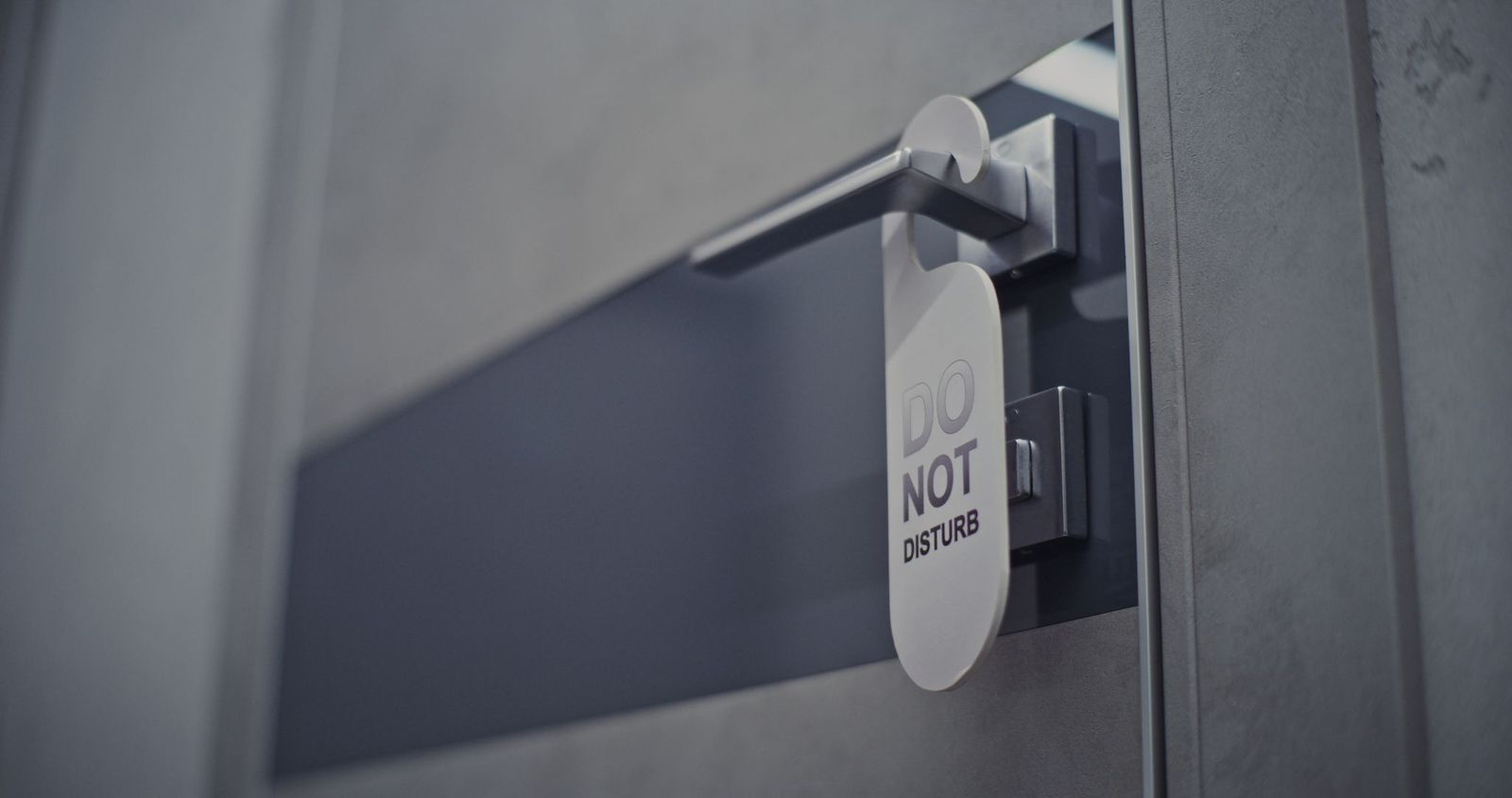
Even if you never say it outright, hotel staff can often tell how much privacy you want during your stay.
Experienced staff pay attention to simple social cues: Do you linger at the front desk, chat with employees, share stories about your trip, or take photos around the hotel? Those little behaviors suggest you’re comfortable with interaction. But if you prefer a quick key handoff, simple directions, no small talk, and a discreet exchange of your room number, staff will usually understand that you’d rather have your space.
Whether you’re likely to leave a tip

One of the things hotel staff may be able to anticipate about you is something they definitely care about: tips. Even before you decide how much to leave, your behavior may already give staff a rough idea of what to expect. But how can they tell?
A lot comes down to how you interact with the staff. Guests who converse with employees, ask for help with their luggage, or leave notes with special requests may signal that they’ll be more likely to leave a generous tip. Guests who keep things simple, make few requests, and barely interact with staff may be less likely to tip, or may leave a smaller amount. Where you’re from can matter, too: tipping is ingrained in American culture, while guests from countries where tipping isn’t customary may simply be less familiar with the practice.
Whether you’re a regular hotel traveler

If you’re a frequent hotel traveler, you probably know a few things that occasional guests tend to overlook or learn the hard way.
Experienced travelers often stand out to hotel staff almost immediately: They know exactly what to ask for, understand how check-in and other hotel routines work, and may already have preferences about rooms, floors, breakfast, or checkout. They also tend to arrive at the front desk prepared, with the documents they know they’ll need, rather than figuring everything out as they go. And because they’ve done it many times before, they often have a calm, confident air that tells staff they know their way around a hotel.
Whether you’re traveling for business or pleasure

A hotel can be filled with dozens of guests, all there for completely different reasons. And even if you never tell the staff why you’re in town, they may be able to figure it out anyway.
Your luggage, schedule, requests, and even the way you use your room can give you away. A guest with several bags, casual clothes, and a flexible schedule may look like they’re there for a vacation. A business traveler, meanwhile, might arrive with a smaller bag, work clothes, a laptop, and a much tighter schedule, perhaps asking about Wi-Fi, a quiet room, early check-in, or a place to work. To experienced hotel staff, those little clues can make the purpose of your trip surprisingly easy to spot.
If you’re a morning person

Are you the type who’s up with the sun, or would you rather sleep a little longer? Either way, the hotel staff will know.
Housekeeping and breakfast staff often get a pretty good sense of a guest’s routine simply from when they leave the room, when they request service, or when they show up for breakfast. Early risers may be out the door by 7 a.m., sometimes leaving a room ready for housekeeping before the busiest part of the morning. Late sleepers, meanwhile, may still have the "Do Not Disturb" sign up when housekeeping makes its rounds, request service later in the morning or late at night, or be among the last guests to appear at breakfast, if they go at all.
Whether you’re using the room mainly as a place to sleep

Even when they’re not in the room with you, hotel staff can often tell whether you’re using the room mainly to sleep or actually spending more time there. But how?
The clues are often surprisingly simple. Housekeepers may notice that a room is barely touched, the coffee maker hasn’t been used, the mini-fridge is intact, and the bed looks almost exactly as it did when the guest arrived. That can suggest the guest has been out most of the day, sightseeing, visiting family, or attending events and is mainly using the room as a place to sleep. A room that shows more signs of use tells a different story: extra towels, more room requests, used amenities, or an empty item from the minibar can all suggest a guest has been spending more time there. None of these clues tells the whole story, of course, but experienced housekeepers learn to read the room.
If you read the hotel information or ignore it
Are you one of those who read every sign, check the hotel information, and like to know how everything works? Or do you prefer to go with the flow and figure things out as you go? Either way, the front desk can often tell.
From the moment you check in, staff notice the questions you ask… or don’t ask. Some guests arrive wondering about breakfast hours, checkout time, parking, Wi-Fi, or the pool, while others have already read the information and simply ask the front desk to confirm what they know. Neither approach is better than the other, but experienced staff can use these clues to know how much information you need and tailor their service.

Who empties airplane toilets? Meet the airport's oddest workers
Hidden in plain sight
Who empties airplane toilets? Meet the airport's oddest workers
Airports are staffed by pilots, flight attendants, clerks, and baggage handlers — but that’s only part of the workforce. Airports run on a smoothly coordinated routine featuring a cast of workers you’ve probably never heard of. There’s a person whose job is to chase birds away from runways, experts who calculate the exact balance of an aircraft, and crews who inspect every inch of pavement for tiny hazards. The next time you’re waiting at the gate, take a look out the window, and you’ll spot one of these surprising airport professionals quietly keeping everything on track.
Lav man
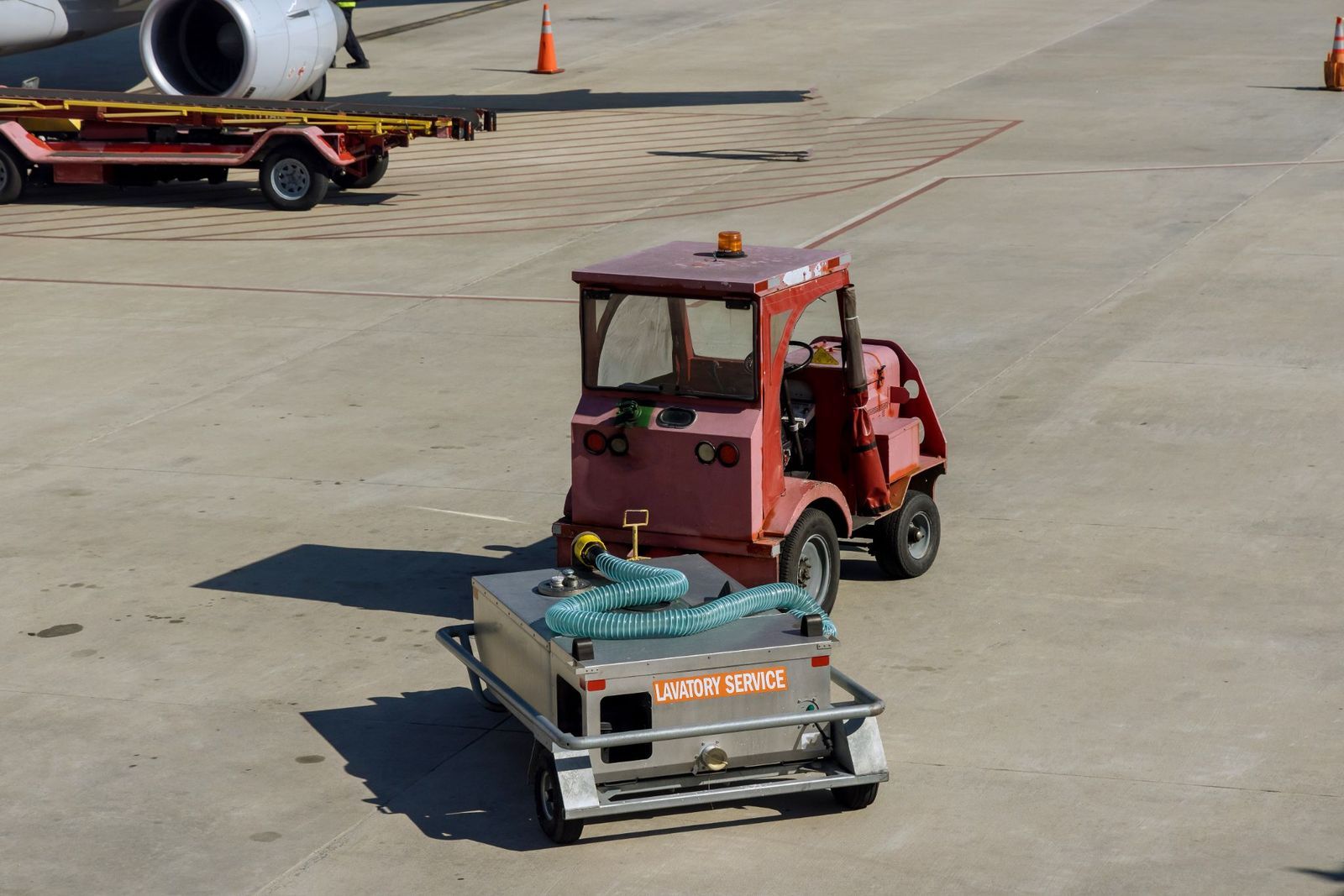
If you've ever used an airplane restroom during a long flight, you’ve probably been grateful it was clean and working properly. Few people stop to think about what happens after hundreds of passengers have used it. That’s where the "lav man" comes in.
A lav man, short for lavatory service man, is a member of the crew in charge of emptying aircraft waste tanks and replenishing the sanitation fluid that keeps the system functioning properly. They use specialized service trucks and, even if it’s not a glamorous job, it certainly is an important one. The process requires protective equipment, careful handling procedures, and attention to detail. In colder climates, crews may even have to deal with frozen components that need to be thawed before servicing can continue. While passengers rarely see these workers, flights couldn’t operate without them.
Birdman
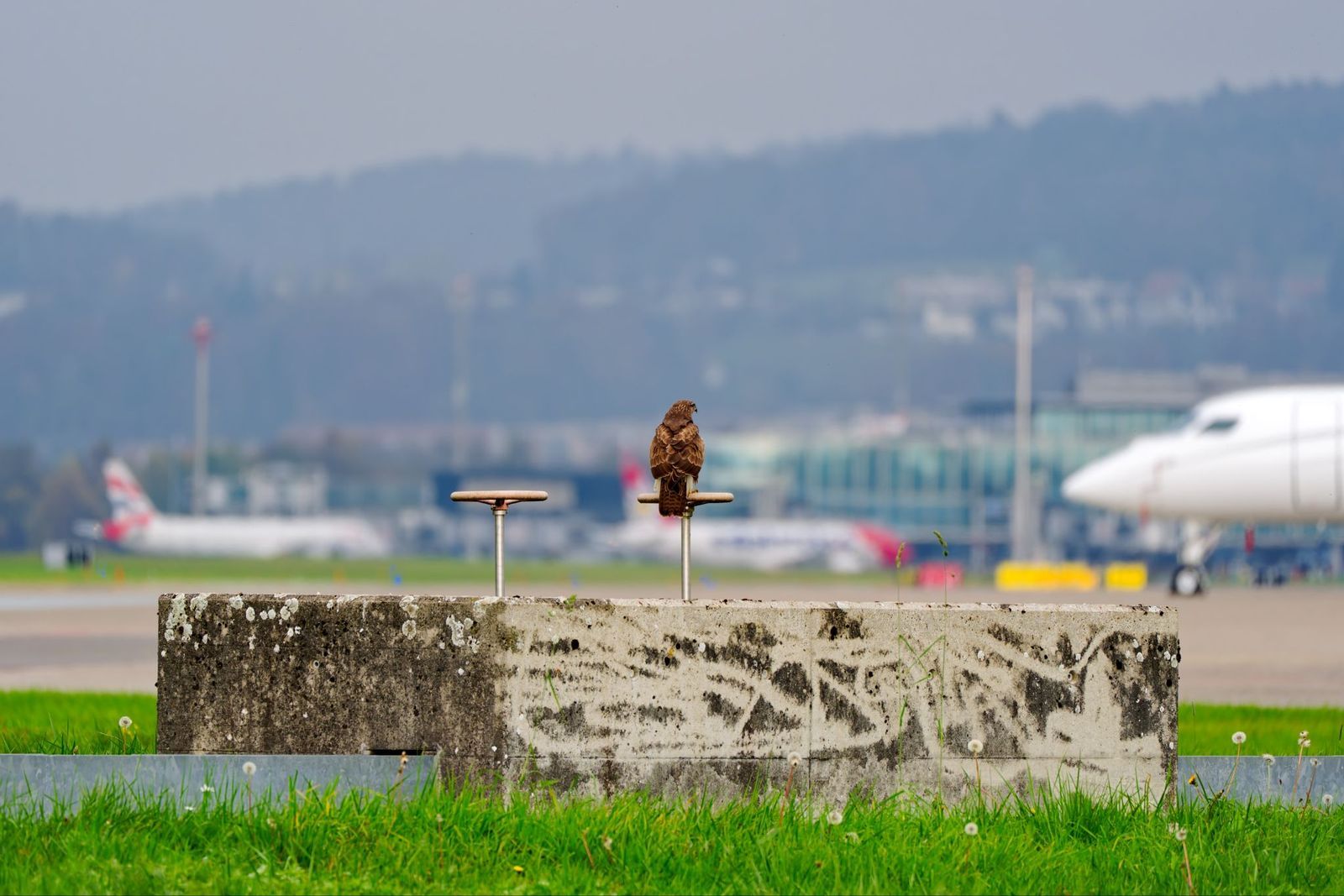
Picture yourself settling into your seat as the plane begins rolling toward the runway, looking out the window and spotting all those birds on the runway, strolling by, nonchalantly. What you probably don’t see is the person who may have spent the last hour making sure birds stay far away from your flight path.
Many airports employ a "birdman," that is, a wildlife specialist whose primary responsibility is reducing the risk of bird strikes. Birds and aircraft are a dangerous combination, particularly during takeoff and landing when planes are flying at lower altitudes. Federal aviation authorities consider wildlife management a critical safety function because bird strikes can damage engines, windshields, and other components. Before your flight even begins rolling toward the runway, a birdman may have already spent hours making sure the area is clear.
De-icer
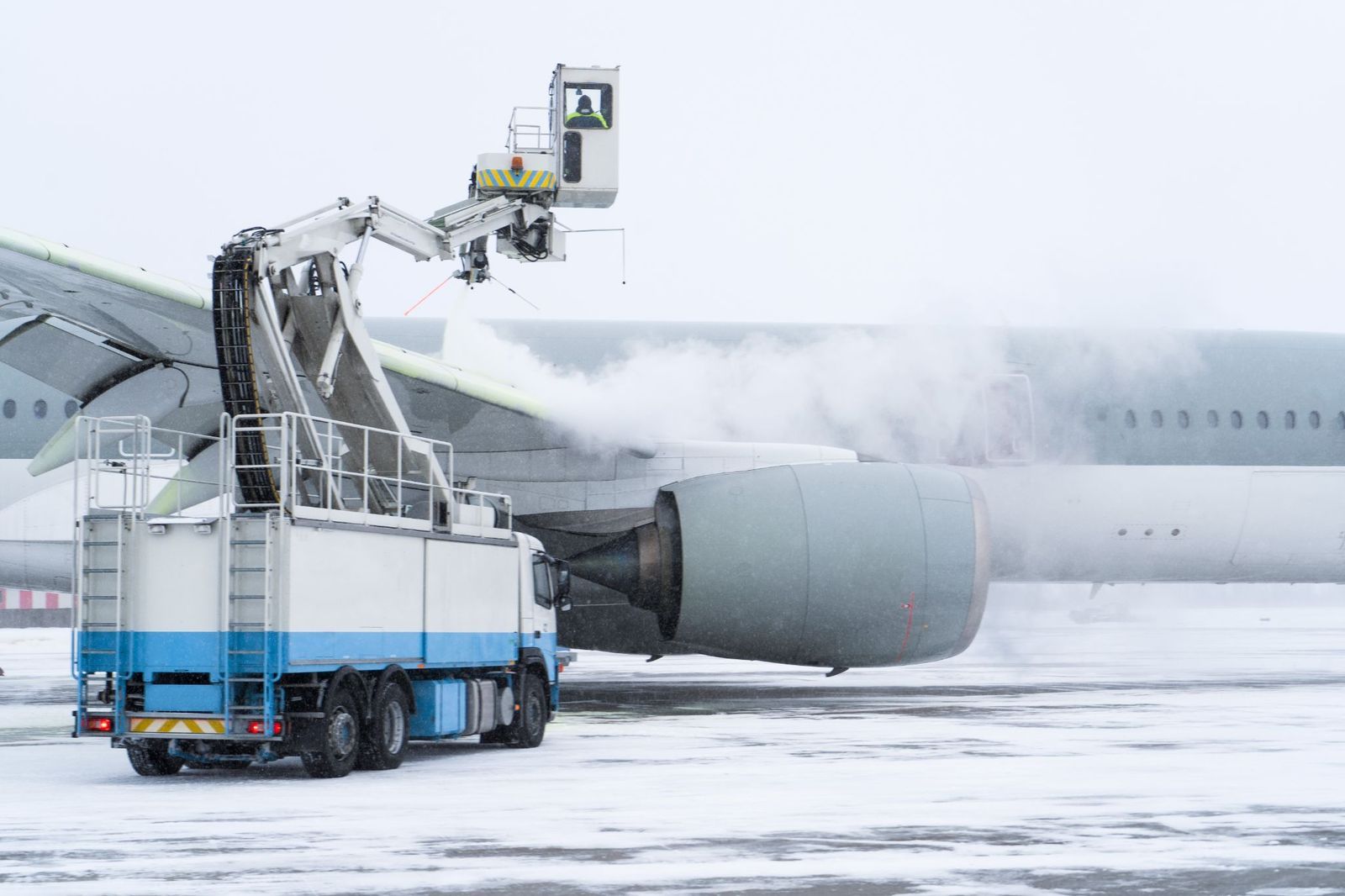
Anyone who has scraped ice off a car windshield knows how stubborn winter weather can be. Now imagine removing ice from a jetliner.
Aircraft de-icers perform one of the airport’s most critical cold-weather jobs. Before the departure, they inspect the aircraft and, with the help of specialized trucks, spray heated de-icing fluid onto wings, tails, and other surfaces where ice may have accumulated. Even a small amount of ice can alter the aerodynamic shape of a wing and affect how an aircraft flies; that’s why de-icing is taken so seriously throughout the aviation industry.
Aircraft load controller
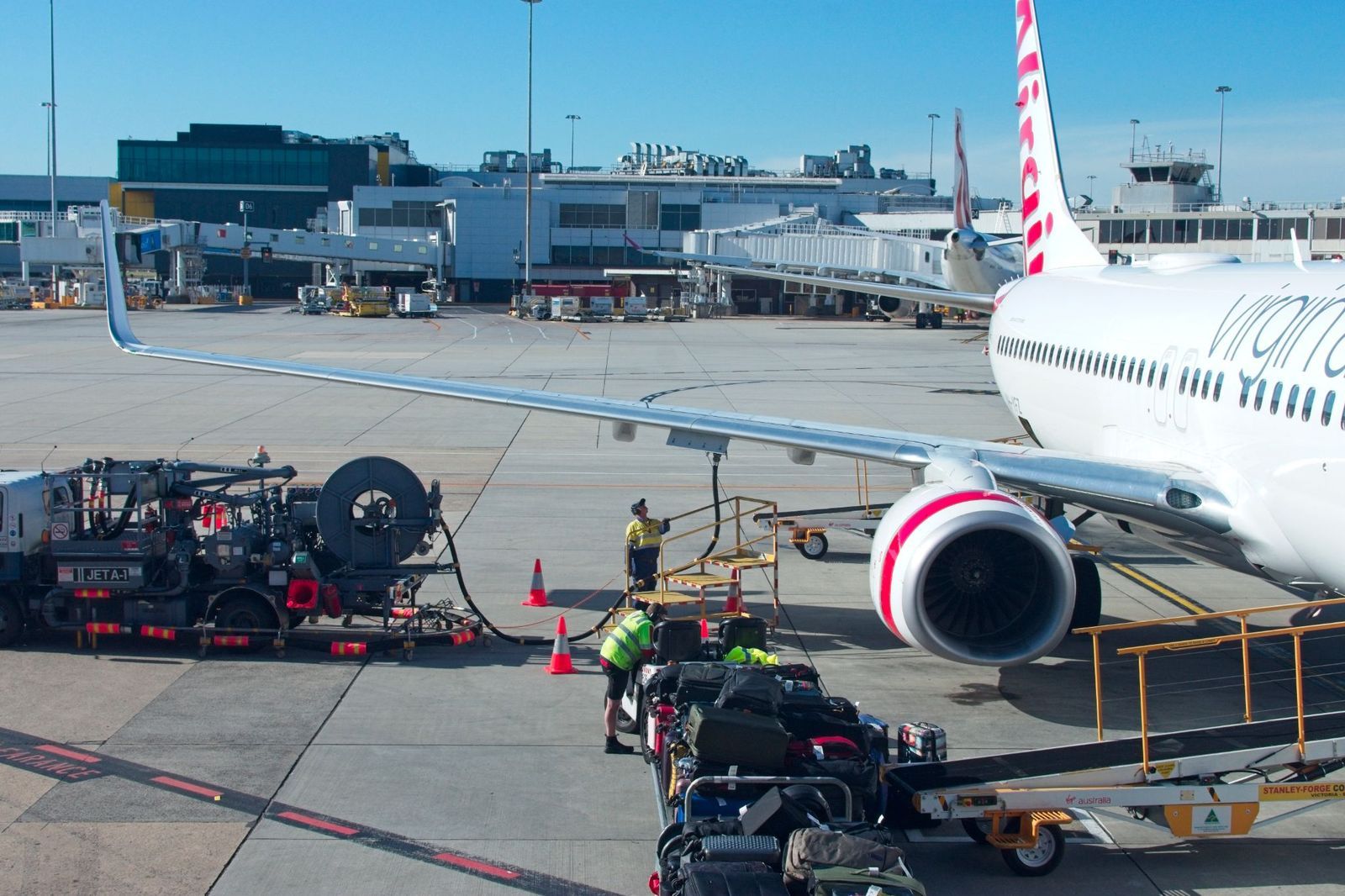
Airlines not only fit hundreds of passengers and their suitcases, but they also carry cargo containers and fuel. Long before a plane leaves the gate, someone has already been doing the math behind the weight of all that it carries. Aircraft load controllers determine exactly how weight should be distributed throughout the aircraft. Passengers, luggage, cargo, fuel, water, and other supplies all have to be carefully balanced.
A plane that is improperly loaded can experience handling problems and reduced performance. That’s why load controllers use sophisticated calculations and specialized software to ensure everything is placed where it belongs. When the plane lands safely, part of the credit belongs to this worker who, behind a computer, made sure the numbers added up.
Foreign object debris inspector
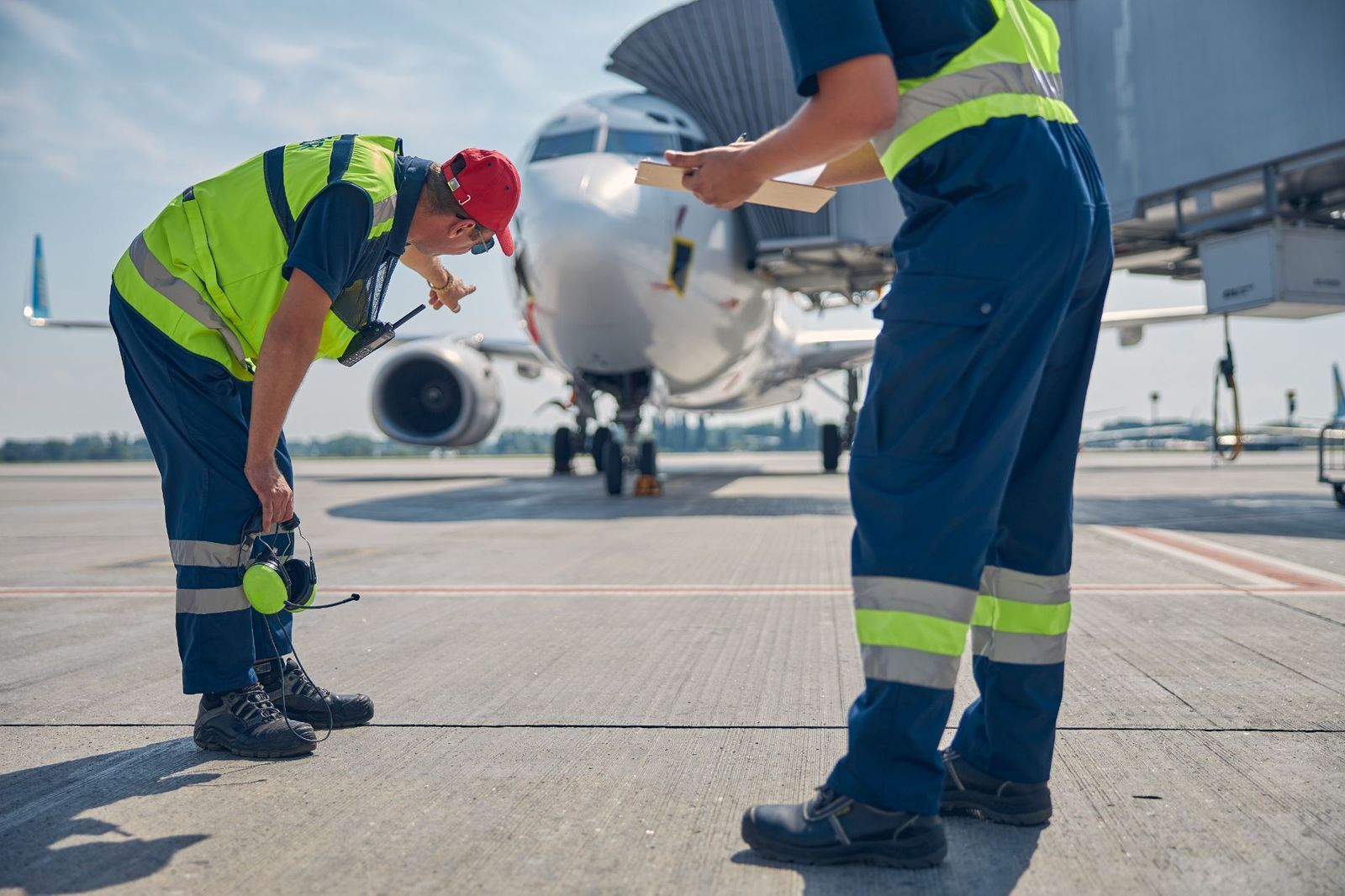
Think about how often you've walked through a parking lot without thinking twice about a small pebble, loose screws, or bits of litter. On a runway, though, that same object can become a serious hazard. That’s why there’s a "foreign object debris inspector."
FOD inspectors spend their days searching for anything that doesn’t belong on airport surfaces. That includes loose bolts, broken pavement, scraps of metal, and other debris that could damage aircraft tires or be sucked into the jet engines. Some airports use radar systems and advanced monitoring technology, while others rely on regular inspections conducted by trained personnel. Finding a single misplaced object may not seem exciting, but removing it could prevent thousands of dollars in damage and avoid delays.
Crew scheduler

Most travelers have experienced a delayed flight because of bad weather, mechanical issues, or congestion somewhere in the airline network. What many don't realize is that a delay often creates challenges far beyond the aircraft itself.
Airline schedules look neat and orderly on paper, but reality is often another story. Crew schedulers coordinate pilots and flight attendants while complying with regulations governing rest periods and duty hours. When weather delays, mechanical issues, or staffing shortages occur, they must quickly adjust plans. A single delayed flight can create a chain reaction affecting crews across an entire airline network. Schedulers spend their days solving these moving puzzles, often under significant pressure. When your flight still departs after a hectic day of disruptions, a crew scheduler may be one of the reasons.
Airfield lighting technician
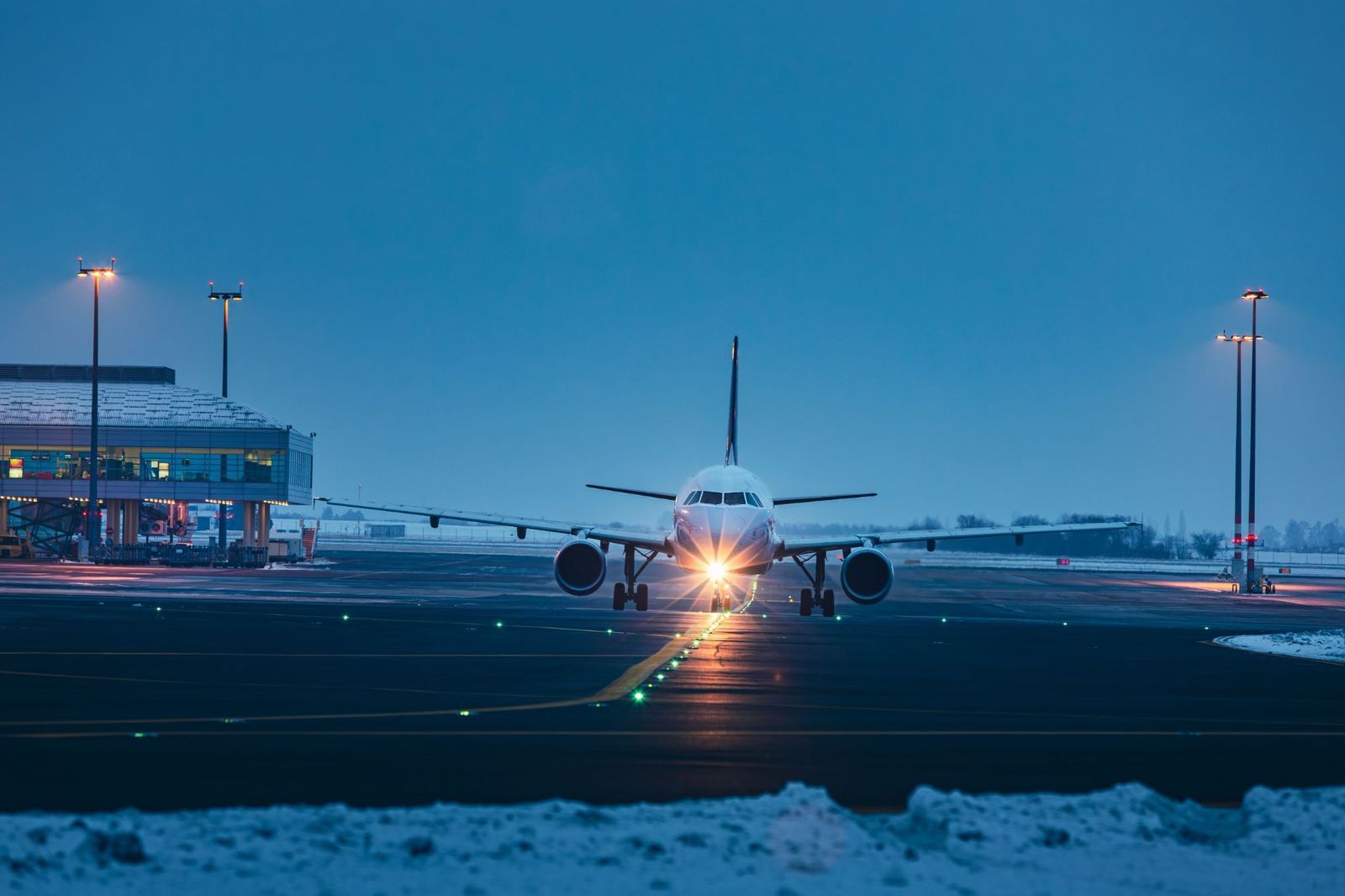
If you've ever landed after dark, you've benefited from the work of an airfield lighting technician, and you know how reassuring those bright runway lights can be. Airfield lighting technicians maintain the intricate network of runway lights that guide aircraft during nighttime operations and poor visibility conditions.
A major airport can contain thousands of lights, each serving a specific purpose. Technicians inspect equipment, repair failures, and ensure systems meet strict safety standards. When fog rolls in or darkness falls, pilots depend on those lights to navigate safely. One burned-out bulb might seem minor, but in aviation every detail matters.
Water guy

Most travelers expect water to flow when they wash their hands on an airplane, but that water doesn't magically appear.
Airport water service operators make sure every aircraft leaves with an adequate supply. Driving specialized service vehicles around the airfield, they refill onboard water tanks before departure. They connect hoses, monitor tank levels, and verify that enough water is available for passengers and crew throughout the journey. Nobody thinks of this job, yet everyone benefits from it during the flight.
Pillow replacer

If you’re lucky enough, you’ve at least once settled into a premium cabin seat and found a fresh pillow waiting for you. Somebody made sure that the pillow was not only fluffy, but clean, and that’s because, believe it or not, airlines have a person in charge of changing the pillows you typically see in first-class seats.
These workers handle one single, repetitive task: They remove used pillowcases and replace them with fresh ones so the next passengers arrive to a clean and comfortable seat. On a busy travel day, that can mean handling thousands of pillows in a single shift. Even if it’s a bit monotonous, this task is important for maintaining cleanliness and passenger comfort.
Flight permit coordinator

Imagine organizing paperwork for countries scattered across the world, all while flight schedules continue changing. That’s life for a flight permit coordinator.
These professionals secure the permissions airlines need to fly through foreign airspace or land in other countries. International aviation involves a maze of regulations, government agencies, and operating requirements. Coordinators often communicate with authorities in multiple countries and time zones to ensure every necessary approval is obtained before departure. Without these specialists, many flights simply wouldn’t be allowed to leave.
Keep wandering


 Geography

 Culture