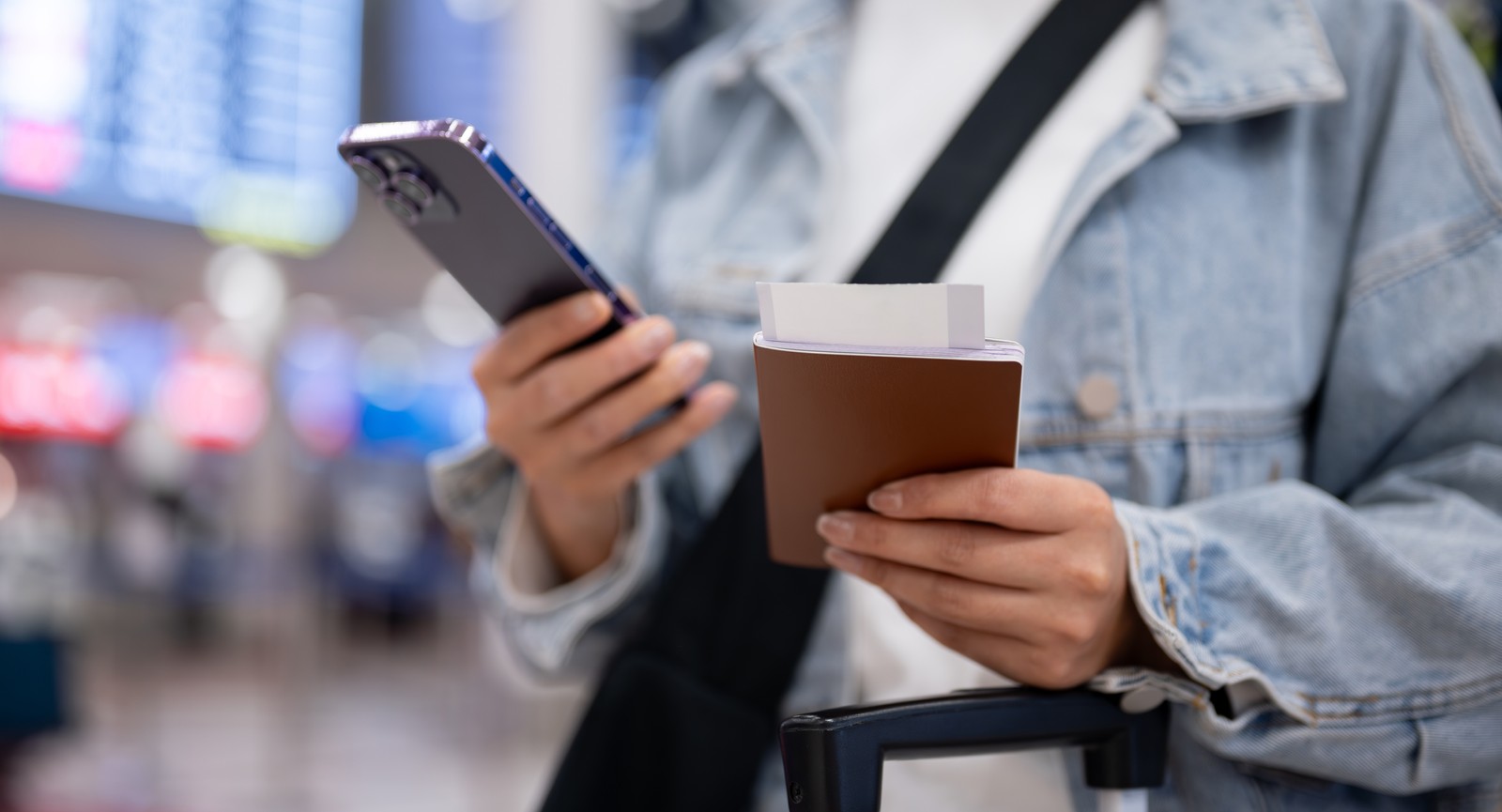
Here's everything your phone or tablet can do for you while traveling
 General
Smart traveling
Here's everything your phone or tablet can do for you while traveling
Most travelers use maybe a third of what their phone can actually do. But smartphones and tablets can easily become the most valuable tool for a tourist who has studied how to use their features to the max. Read on to learn how a dead phone can still get you through a subway turnstile, how a tracker clipped to your bag can let you locate it using a stranger’s phone, and how to reach emergency help with zero cell signal at all.
This is how to make your phone your most powerful tool while you travel
Download offline maps before traveling
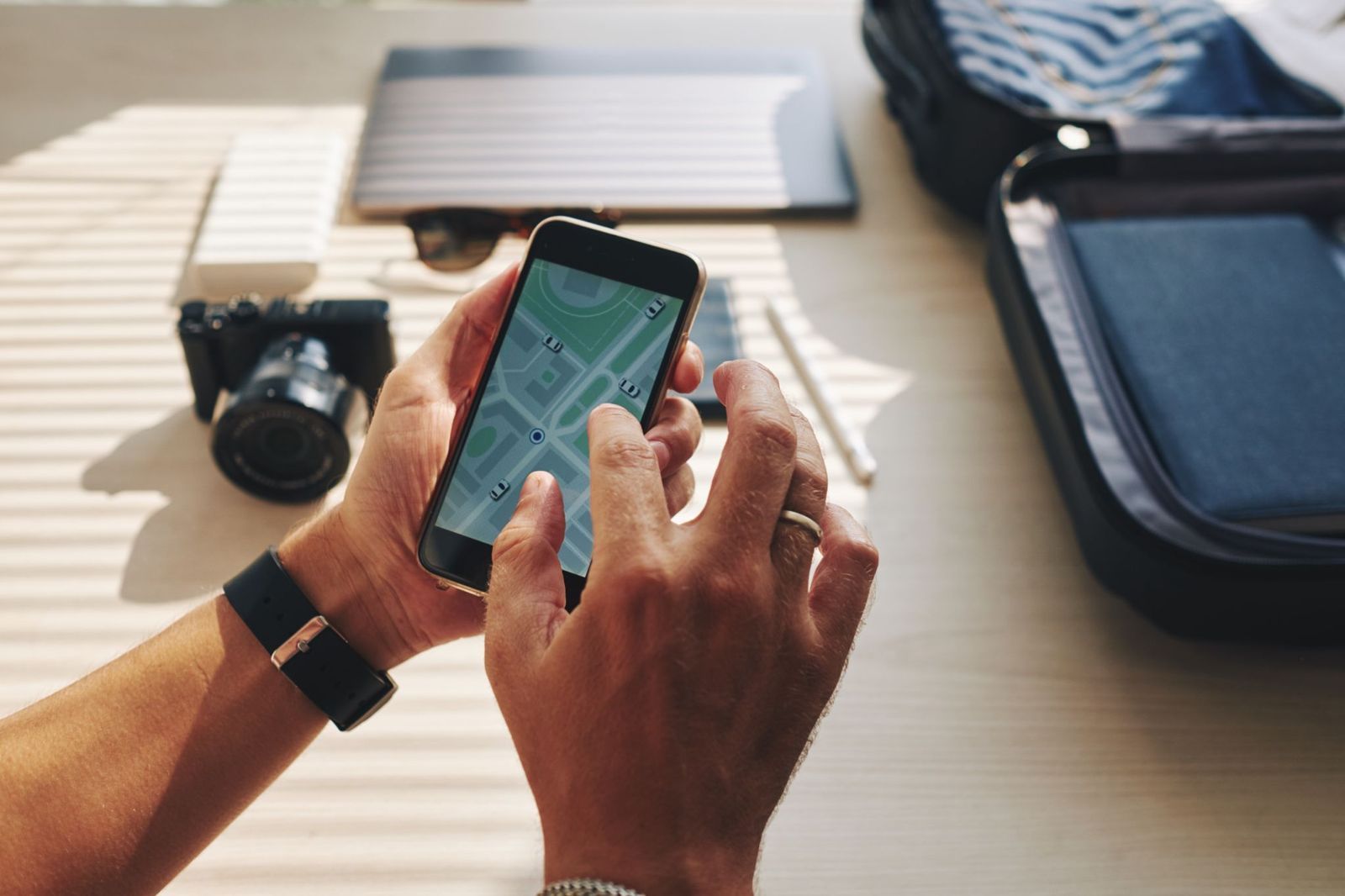
Before you land, or even before you leave home, open your maps app and download the region you're visiting while you still have Wi-Fi. Once saved, the map keeps working even with zero signal, tracking your GPS position and giving turn-by-turn driving directions inside the downloaded area. It's a lifesaver in mountain passes, rural roads, or anywhere you have to navigate without speaking the local language.
Just know the limits: offline maps don't include live traffic, and walking, cycling, or public transit directions typically require a connection. An extra tip is to star or save your hotel and other key stops beforehand; starred places stay accessible offline and load instantly.
Use real-time camera translation
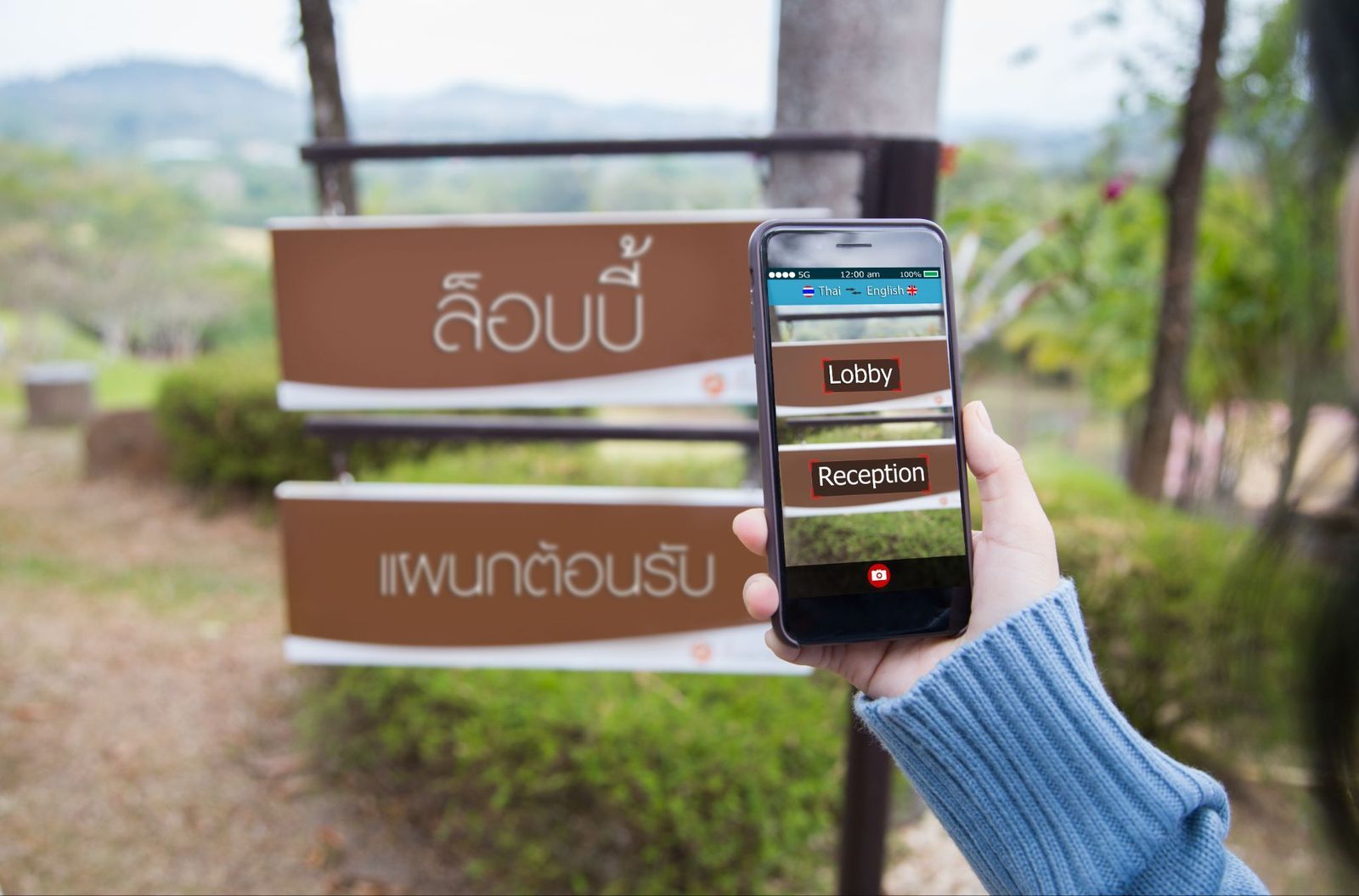
Menus, street signs, museum plaques: your phone's camera can turn all of them into readable text in seconds. Apps like Google Translate can convert text between as many as 249 languages. Most work fully offline once you download the language packs you need, so shaky hotel Wi-Fi won't leave you stuck. Google Translate also has a phrasebook feature that saves phrases you translate often for quick offline reference later.
Apple's own Translate app has a similar first approach, translating speech and text without an internet connection once its language packs are installed, though its lineup covers fewer languages than Google's.
Rely on your digital wallet
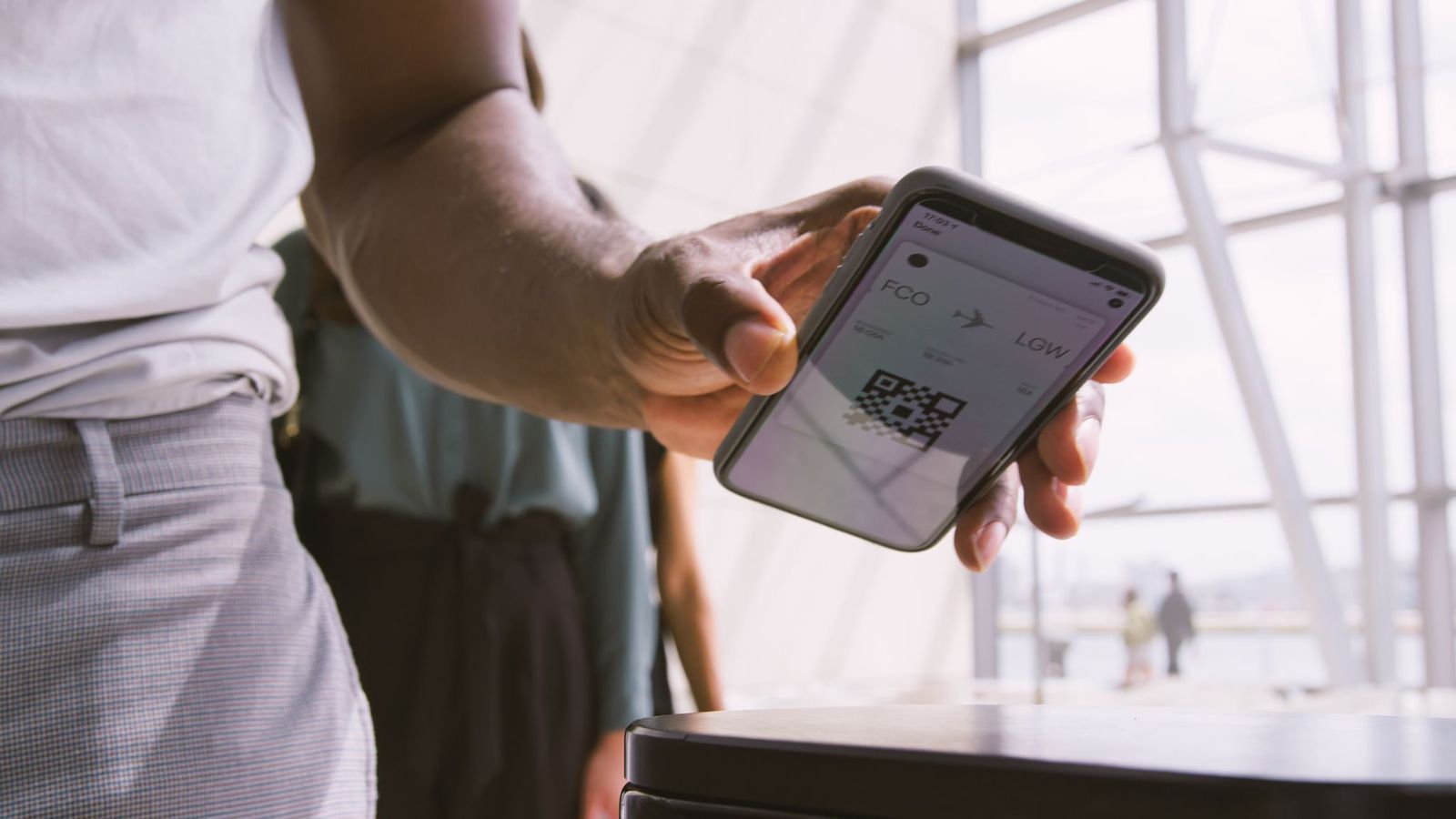
Your phone can replace a surprising stack of things you'd otherwise spend a couple of minutes digging for: boarding pass, credit card, subway card, even your hotel room key. Once added to your digital wallet, these work with a simple tap at the gate, turnstile, or door, using NFC or Bluetooth instead of a mobile signal, so they function even in airplane mode.
Apple devices reserve a slice of battery specifically for transit cards, so even if your iPhone dies mid-journey, that card keeps working for up to five hours. Just remember to add every pass before you travel, since some airlines and transit systems block additions once check-in closes.
Set an automatic cloud photo backup
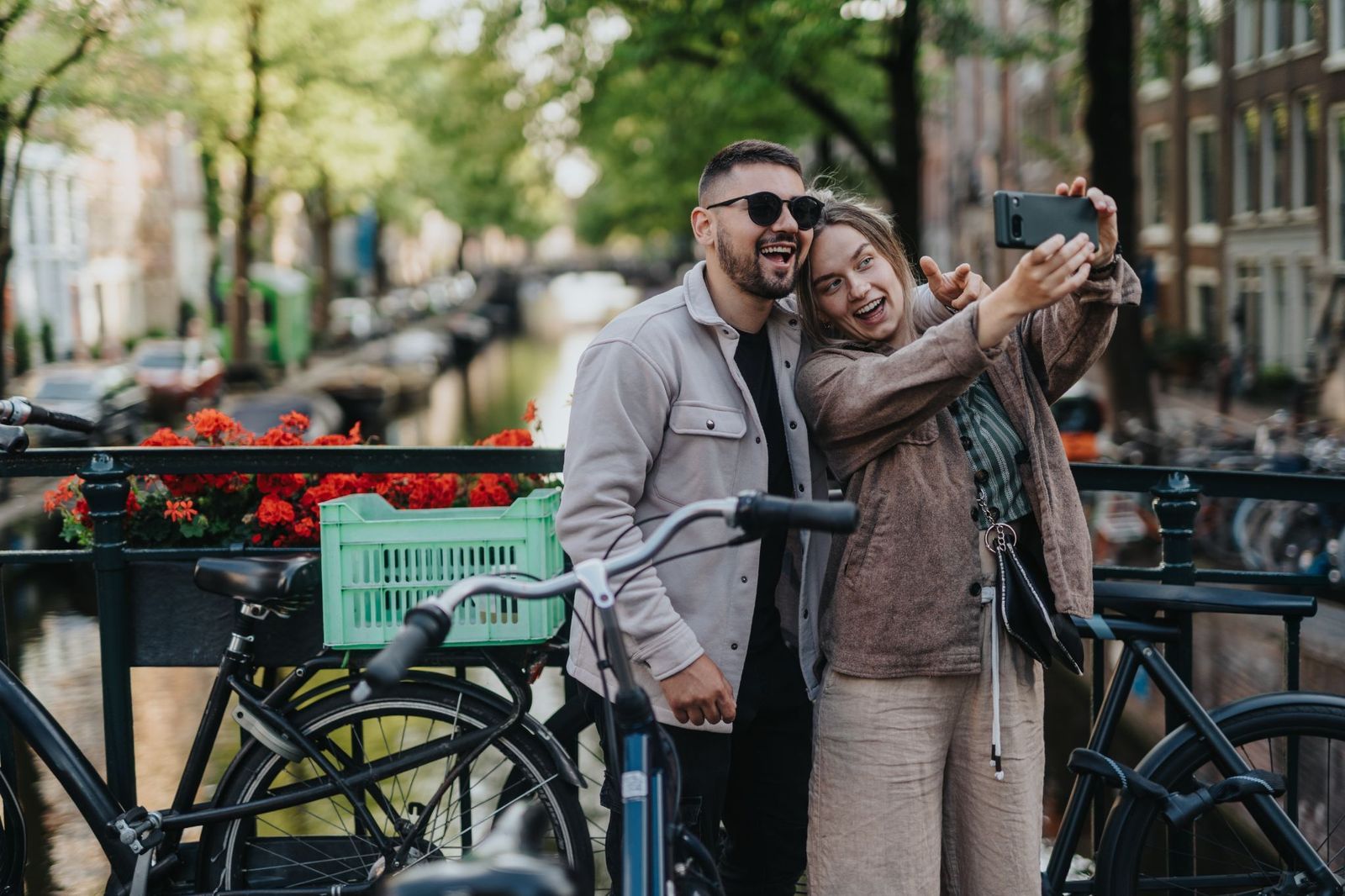
Nothing ruins a trip faster than a lost or cracked phone taking two weeks of photos down with it. A simple solution is to turn on automatic cloud backup (like that of iCloud Photos or Google Photos). This will upload every picture or video you take whenever you’re on Wi-Fi, so that your camera roll survives even if your device doesn't.
It can also be used to share a link to an entire album of select photos, so that anyone you send the link to can view or download them.
Tidy up your packing and planning lists with notes and reminders apps
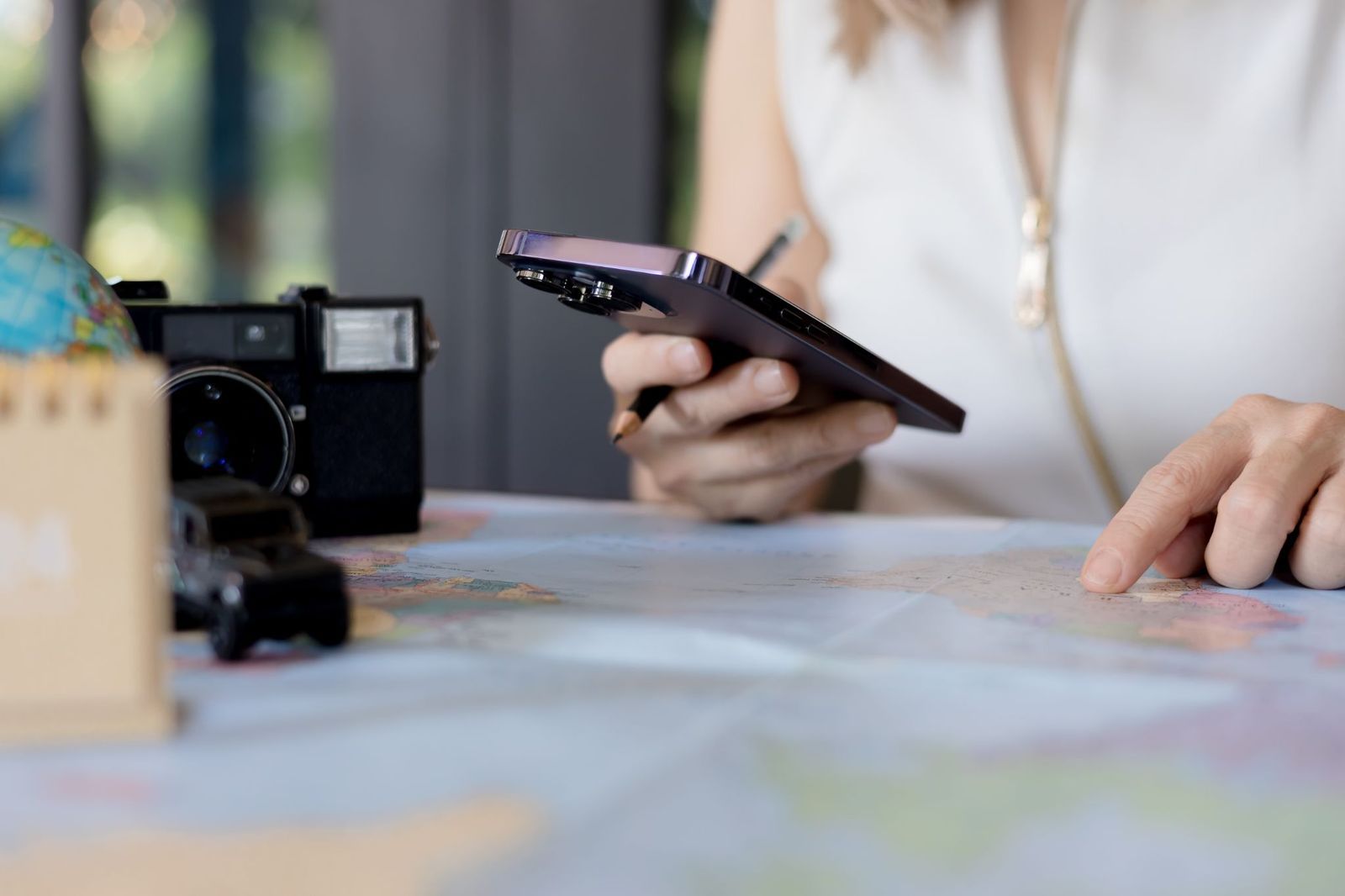
On the days prior to a trip, a traveler’s mind can become overwhelmed with chaotic, fragmented mental lists. Packing checklists, must-see spots, timetables and dates, restaurant recommendations… For this, apps that let us neatly group notes and program reminders are powerful helpers.
They make it easy to create a checklist for packing, drop in scanned copies of passports or reservations, and share the lists and documents with fellow travelers who can also edit them. Usually, notes and reminders can sync automatically across devices, so a packing list started on your laptop shows up on your phone at the airport.
Keep an eye on your belongings with item trackers
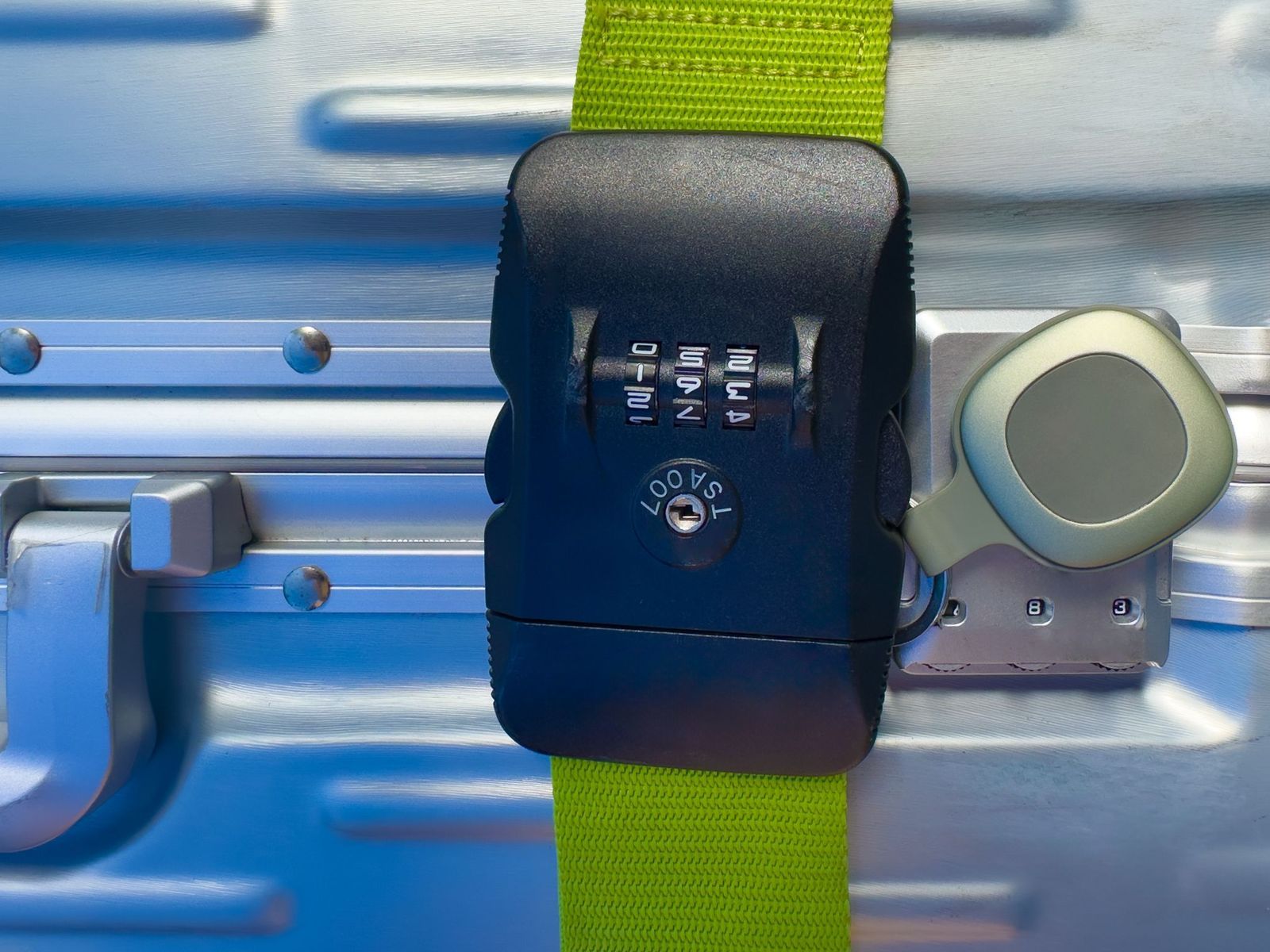
The ugly truth is that luggage handlers lose bags every day. New technology offers a solution: a small Bluetooth tracker clipped to your bag can turn that nightmare into a minor inconvenience. They broadcast a low-power signal that nearby phones, over a billion of them on each network, pick up and relay back to you. That means your tracker can surface a location anywhere near foot traffic, from a busy airport to a taxi back seat, even though its own Bluetooth range only reaches a room or two.
Download offline entertainment for long trips
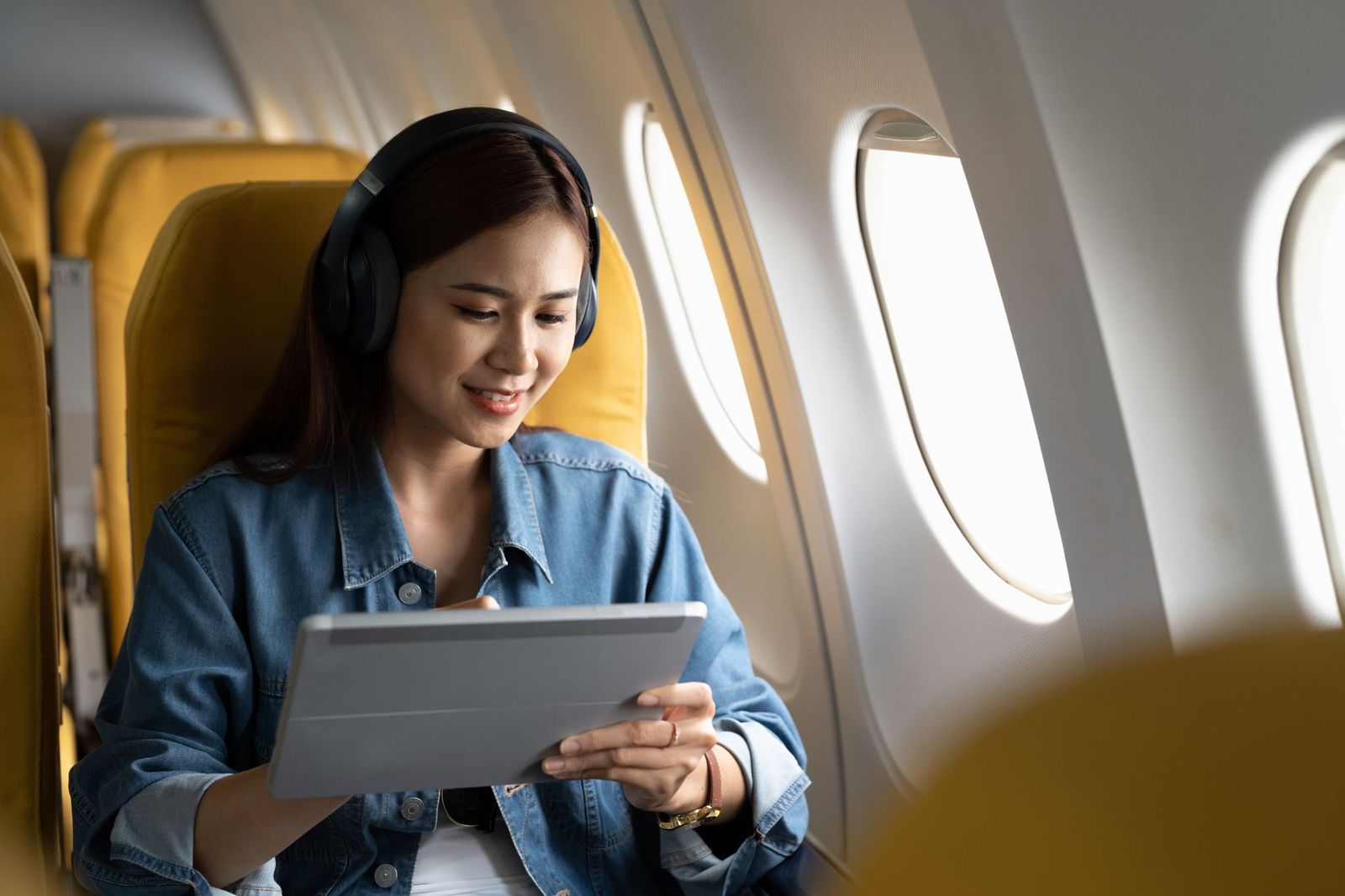
Most major streaming apps, Netflix, Spotify, Apple Music, and Apple TV, among them, let you download shows, playlists, and movies directly to your phone or tablet while you still have Wi-Fi, so you can watch or listen with zero signal and without burning through data later. It's especially worth doing before flights with no entertainment system, or overnight buses through dead zones.
The habit costs nothing extra if you're already subscribed; it just means opening the app to browse and download your favorites the night before departure. Just remember to have your charger handy; a two-hour movie might drain your battery.
Use the curated guides built into the map apps
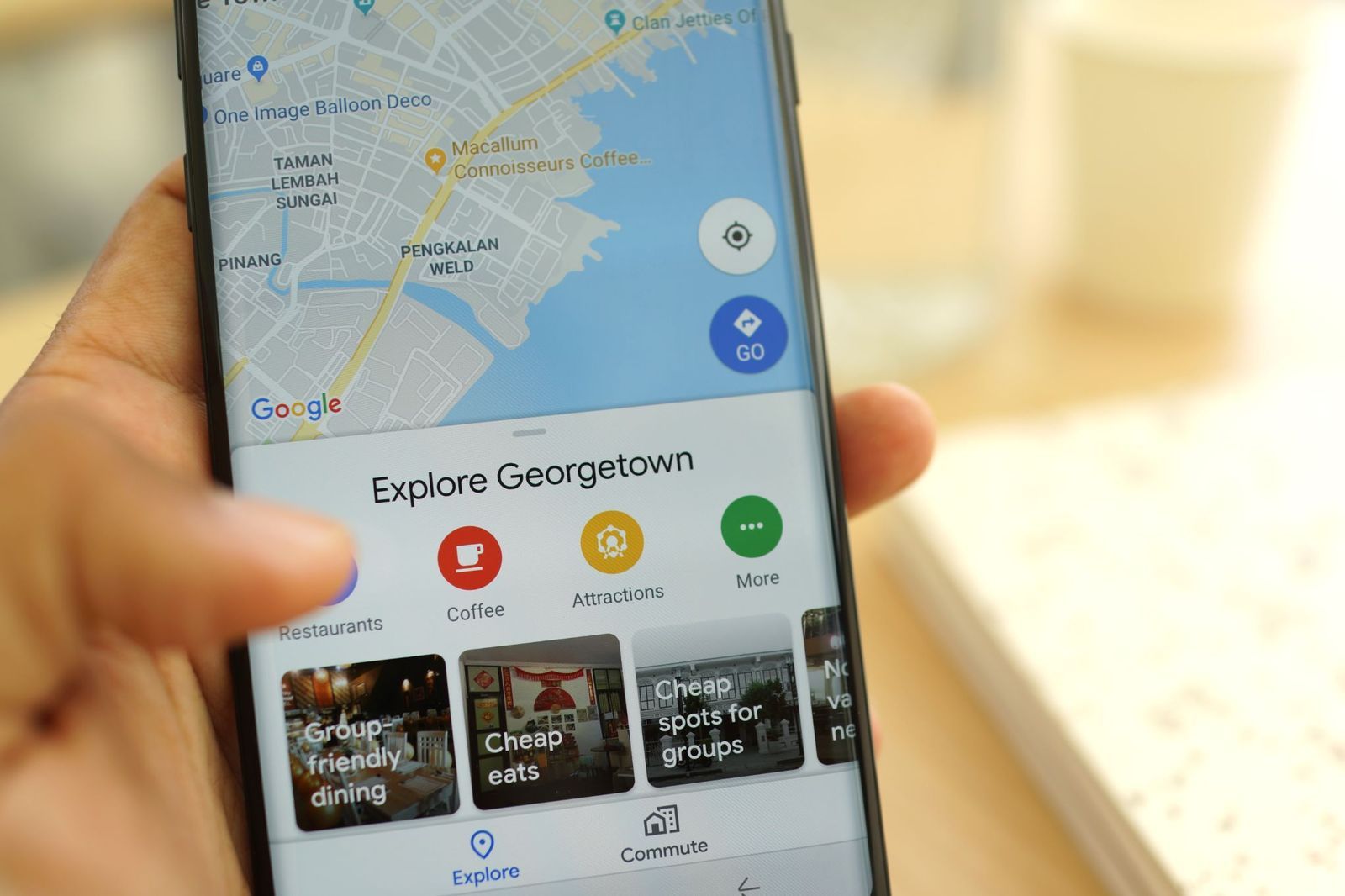
Few people know that map apps have built-in curated guides about any area you search. They usually cover popular restaurants, trails, cultural activities, neighborhoods, and they update automatically as new places get added.
Google Maps offers lists that let users browse recommendations sorted by theme, like "best coffee" or "kid-friendly," rather than raw star ratings. Often, these guides can be saved for offline reference.
Turn on low data mode
Both iPhones and Android phones have a built-in low data (or data saver) mode that prevents background tasks from eating your allowance. The last thing you need while you are traveling abroad is an automatic update for an app you never use, or having your latest collection of photos synced to the cloud using up precious data.
Flipping the single toggle of low-data mode will guarantee that you save it for what matters most: using maps, or receiving messages or calls. You can easily switch it back off once you're home on your own Wi-Fi.
Remember, you can use the satellite emergency SOS
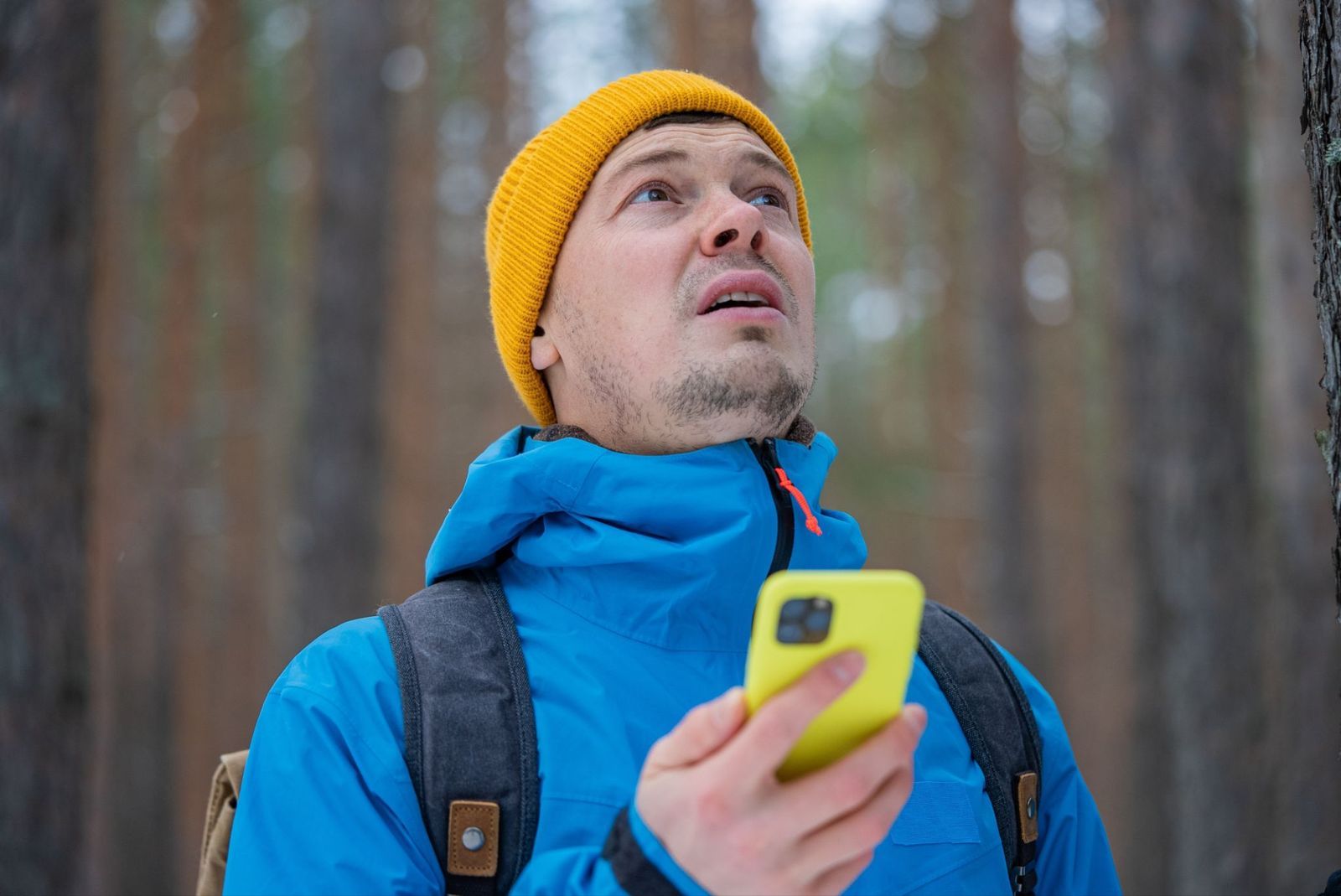
For travelers who are hiking, driving through mountains, or anywhere else cell towers don't reach, phones may still be able to summon emergency help. Modern smartphones can connect directly to satellites for ‘’Emergency SOS,’’ or have their own version built with Garmin.
In February 2026, six skiers caught in an avalanche near Lake Tahoe used this exact feature to stay in contact with rescuers for hours, despite having no cell service at all. Users must point their phone toward open sky, answer a few quick prompts about their emergency and their location, and the message goes out. It's worth testing once at home so you're not learning it under pressure.
10 travel myths debunked
Don’t believe everything you hear
10 travel myths debunked
From arriving super-early at the airport to the gastrointestinal dangers of street food, when it comes to travel, there’s no shortage of assumptions that need debunking. Naturally, the more one travels, the more likely one is to have a bad experience, but this doesn't mean these experiences are universal and applicable to all. Here are 10 widely accepted beliefs about travel that are more myth than truth.
There’s a special trick for cheap airfare
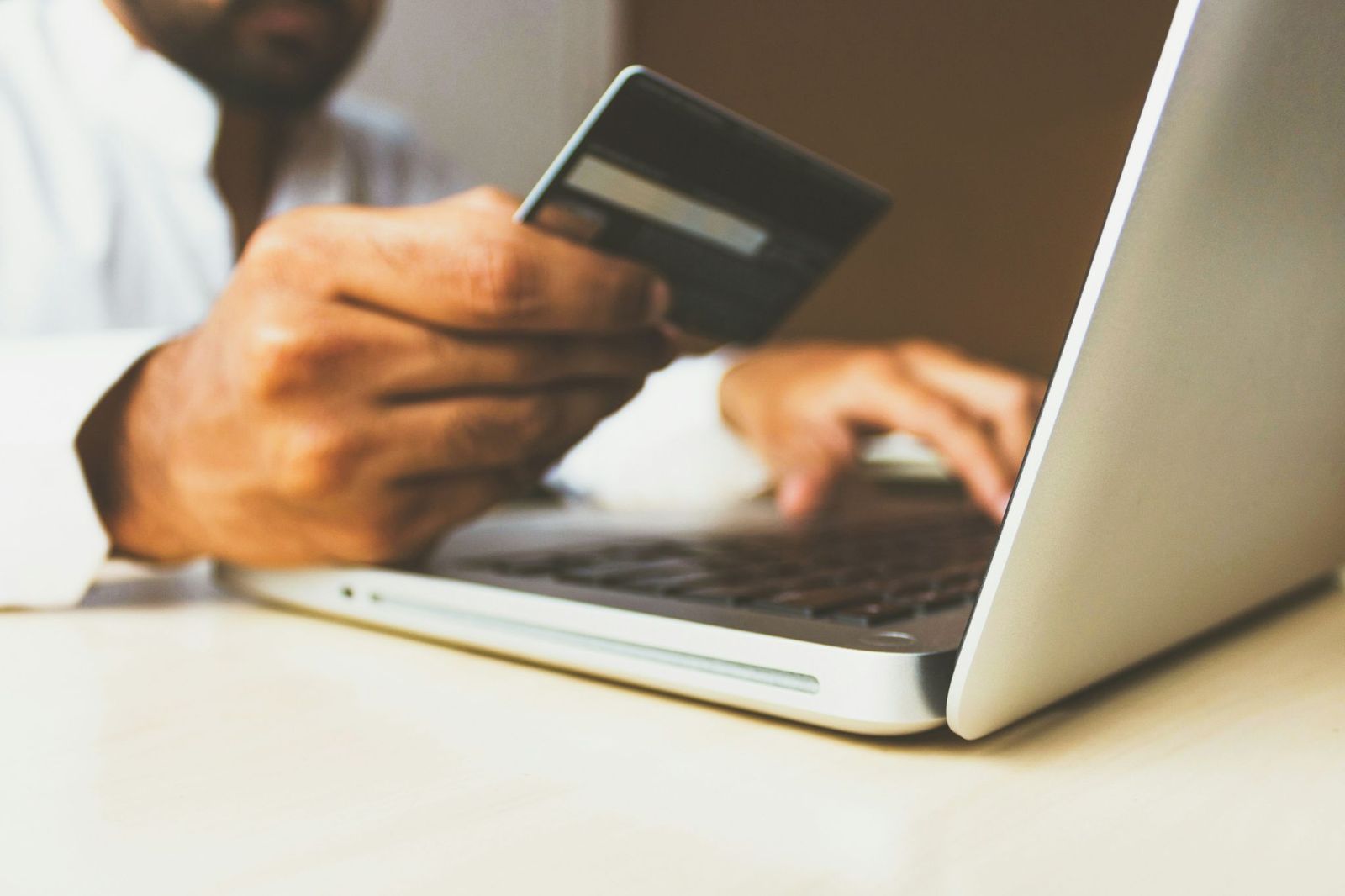
"The way to get a good price is by booking your plane tickets for a Tuesday, or midnight, or in incognito mode". You might hear this idea floating around as an established truth, but in reality, airline rates shift all the time according to demand, availability, and trends. However, there are some things that you can do to ensure a better price, like booking your ticket early, avoiding high-demand days (like Sundays), and setting internet price alerts.
The airport has the best currency rates
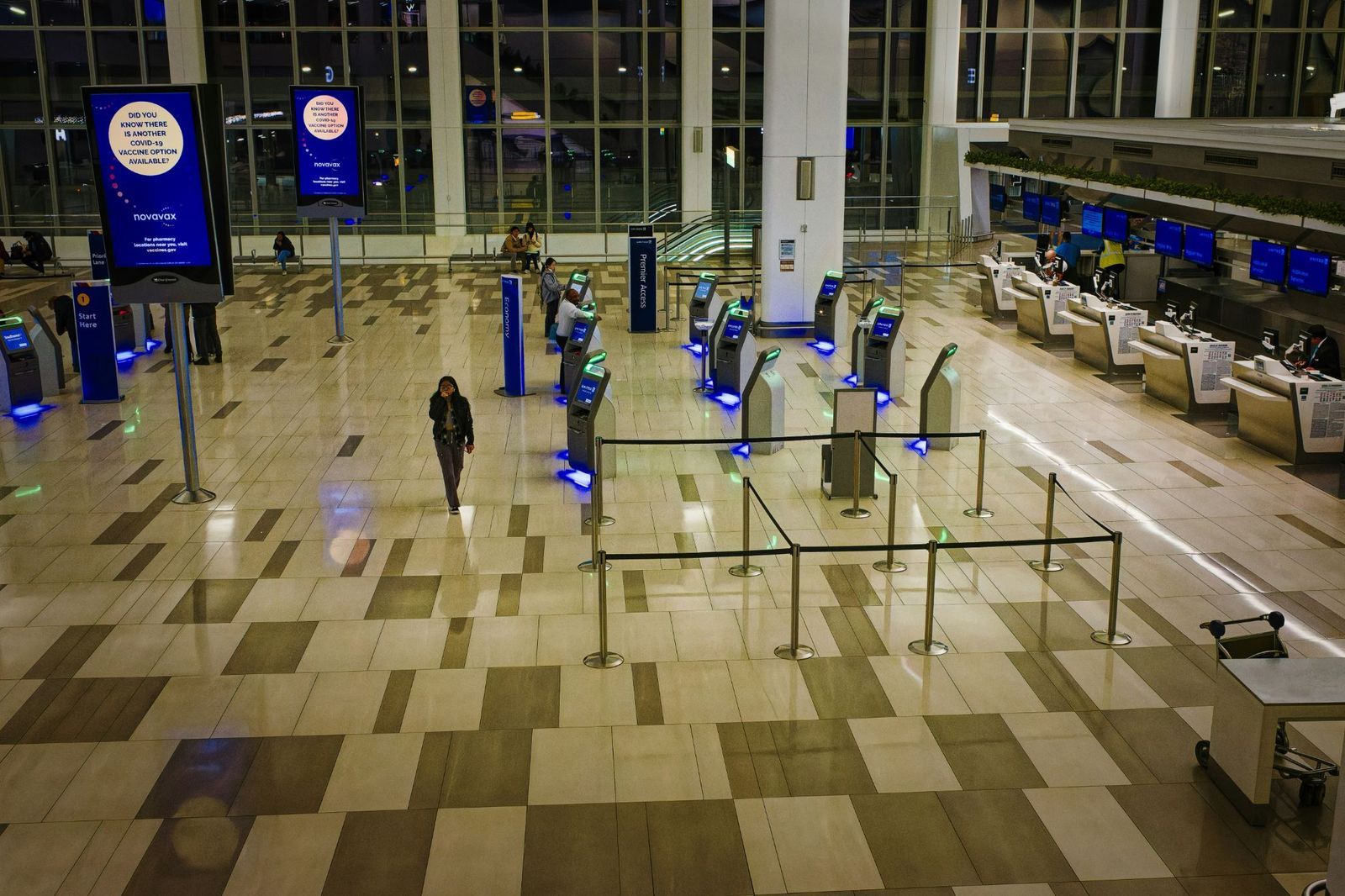
This idea is not only a myth, but the opposite is actually true. Airport currency exchange rates are notorious for being highly marked up, as they rely on a captive audience that needs a last-minute exchange. Airport kiosks might be a good choice to exchange small amounts upon arrival or in an emergency, but not for larger sums of money. You most certainly will find better rates withdrawing money at an ATM, using a foreign card —a pre-loaded card issued by your bank that carries foreign currency— or in an exchange shop outside the airport.
Solo travel is too dangerous
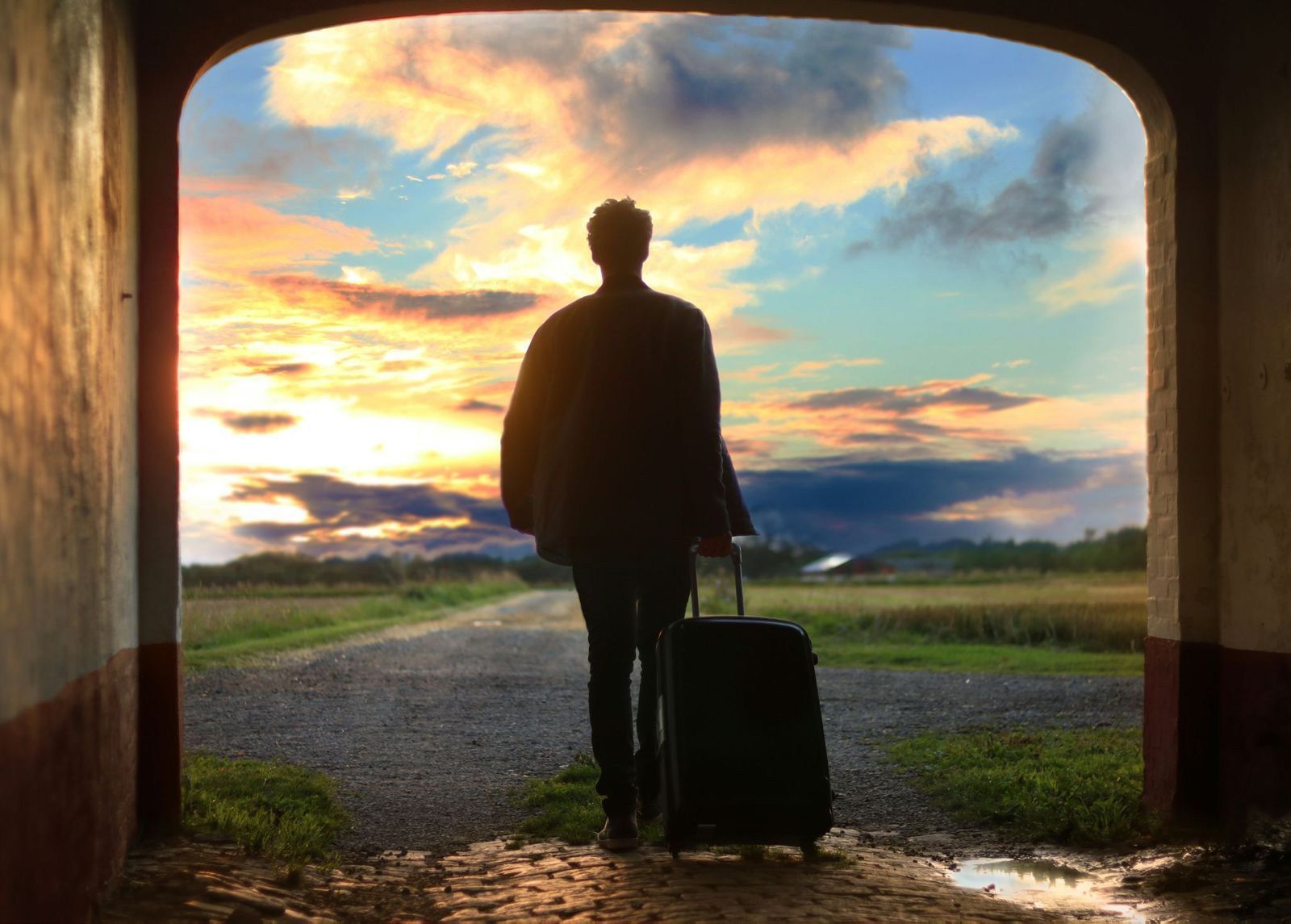
This one comes down to common sense. While in certain cases and destinations traveling solo is not recommended, statistically there’s no safety difference between traveling solo or in a group. Travel safety is more dependent on preparation, awareness, and your own personal circumstances. Traveling solo involves a higher degree of alertness because safety is dependent on one person instead of multiple people, but it is not intrinsically unsafe.
Tourist hotspots are a waste of time

Overcrowded, underwhelming tourist hotspots are common, but these places are popular for a reason. The truth is this: there’s a 50/50 chance that a hotspot is worth the wait or a complete waste of time and money —and most of the time the only way to find out is through personal experience. Doing some research in advance and speaking to locals can help you decide if the waiting in line and the crowds are worth it.
Travel insurance is a waste of money
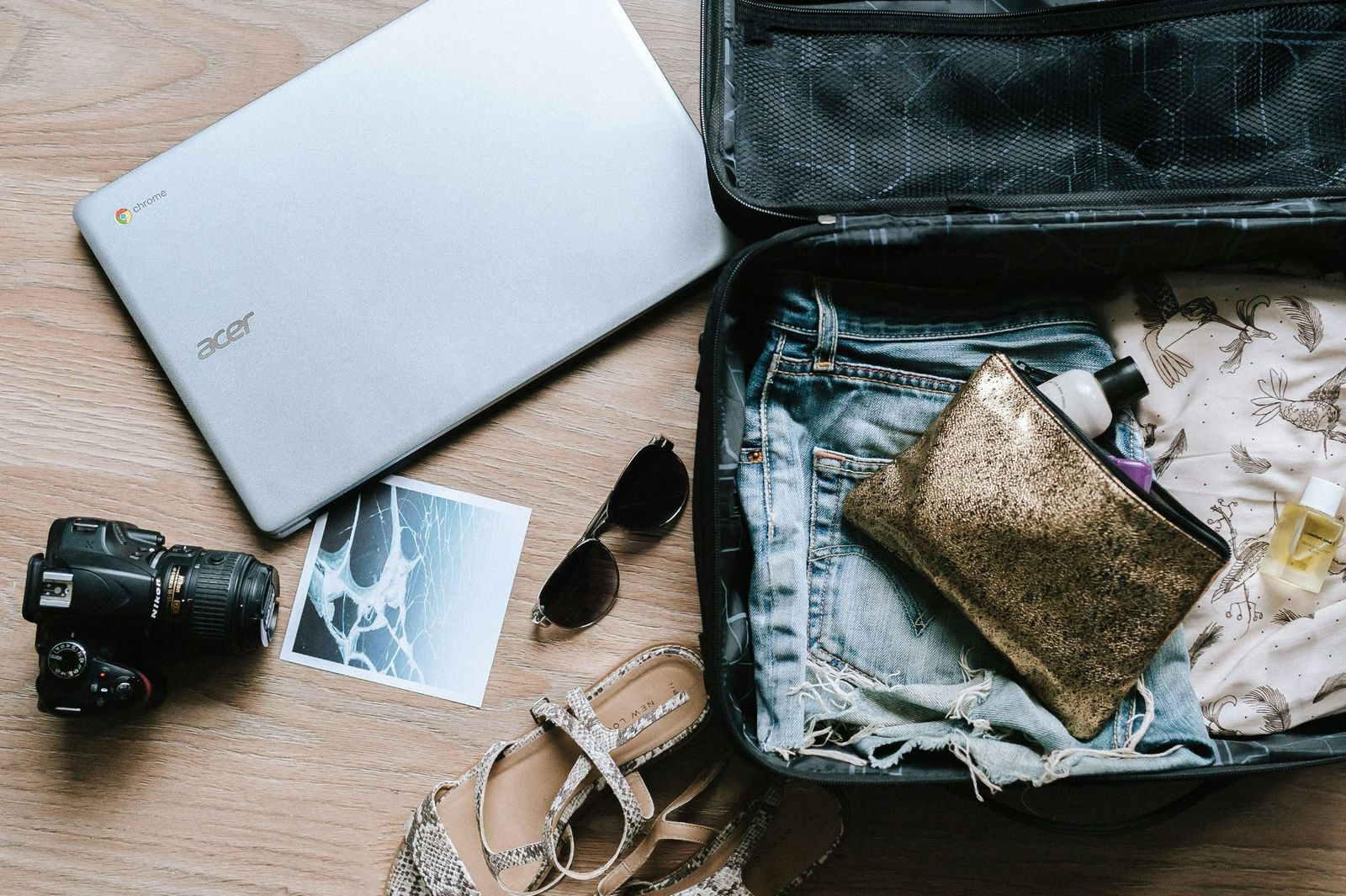
If there’s a travel fact that is proven, it is that travel insurance seems like an unnecessary expense until an emergency happens. While no one goes on vacation hoping for an illness, lost luggage, or a natural disaster, in the end it is always cheaper to get the insurance and not use it than it is to pay for emergencies out of pocket.
Always pay in your home currency abroad
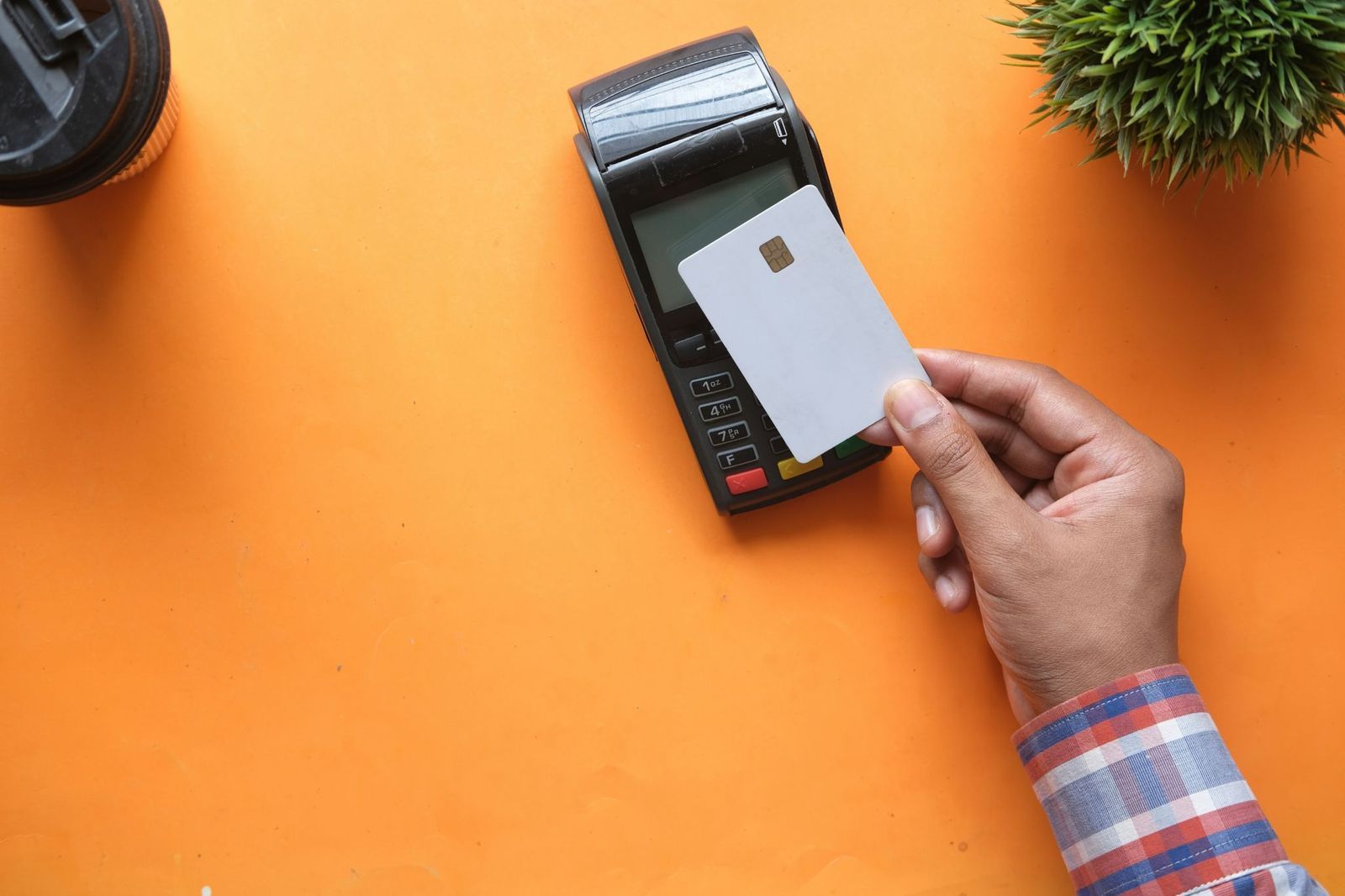
This popular myth is responsible for more than a credit card-induced headache after returning from a foreign trip. The Dynamic Currency Conversion (DCC) that allows you to pay in your home currency in a foreign country has higher exchange fees, while still including your bank’s foreign fee. While paying in your home currency feels safe and familiar, it is always better to select the local currency.
Last-minute bookings save money

There is some truth to this one, but only in the sense that many airlines and hotels might offer a last-minute discounted price on empty seats and rooms. In general, last-minute bookings are much more expensive, as people are willing to pay more when they need an emergency booking. On average, you will get a much better deal with early bookings.
You need to speak the local language
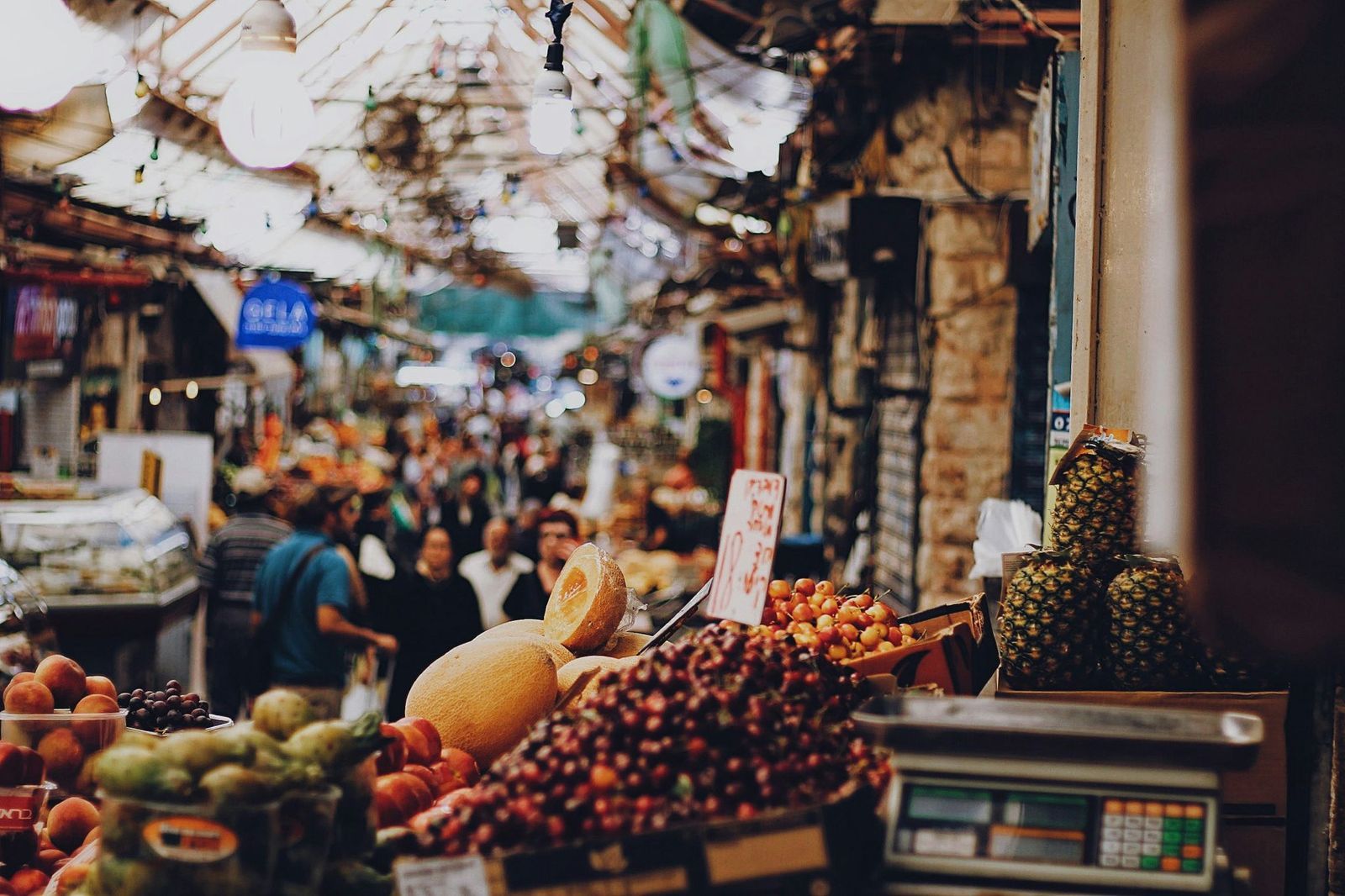
Speaking the local language, or at least being able to say a few common phrases, is a huge plus when traveling, but it’s not a requirement. Popular destinations are usually prepared for tourists who don’t speak the local language, and many tools are available to help bridge the linguistic gap. While it’s true that people in smaller and more remote places are less likely to speak multiple foreign languages, body language, kindness, and translation tools can go a long way.
There’s a best time for travel

Is it possible to enjoy a destination outside of its recommended traveling season? "Best times" or "peak seasons" usually revolve around a destination’s best weather and cultural attractions, but they have their downsides, such as higher prices, larger crowds, and overtourism. Traveling outside of the peak season might mean that the weather is unpredictable or that some attractions might not be available, but you might find better prices and less crowding. In the end, the best time for travel is the one that better fits your schedule, interests, and budget.
You should avoid street food

The problem with blanket statements is that they tend to take a singular case and make it universal. "Safe street food" can mean vastly different things depending on your destination, your country of origin, the particular type of food, and even your personal circumstances. While in some cases you might have to avoid street food due to dietary restrictions, medical history, or cultural differences (if you’re not used to certain ingredients or spices, for instance), you can also enjoy it without concerns by following some guidelines: pick vendors that use fresh ingredients, prioritize food that is cooked in front of you, and choose stalls where locals are eating.
Keep wandering
There’s always
more to explore
 Culture

11 movies that made millions want to pack their bags
6 min.
Read Now
Ten airports where you will actually want to arrive early
3 min.
Read Now

11 more beautiful U.S. towns you’ll want to visit
3 min.
Read Now

The 10 best chocolate desserts in the world
5 min.
Read Now