
Google Earth is so much more than a map: these features are game-changers
 Geography
Spin the world with your mouse
Google Earth is so much more than a map: these features are game-changers
If you’ve used Google Earth at all, chances are high you’ve just searched for a view of your house. But Google Earth is so much more than that. It’s packed with amazing features that let you explore every corner of the globe. You can walk streets 12 time zones away, fly on an airplane, dive into the oceans, or look up at the skies with a level of precision that was unimaginable just a few years ago. Take a look at the following 12 tips and prepare to be blown away.
Travel back in time with historical imagery
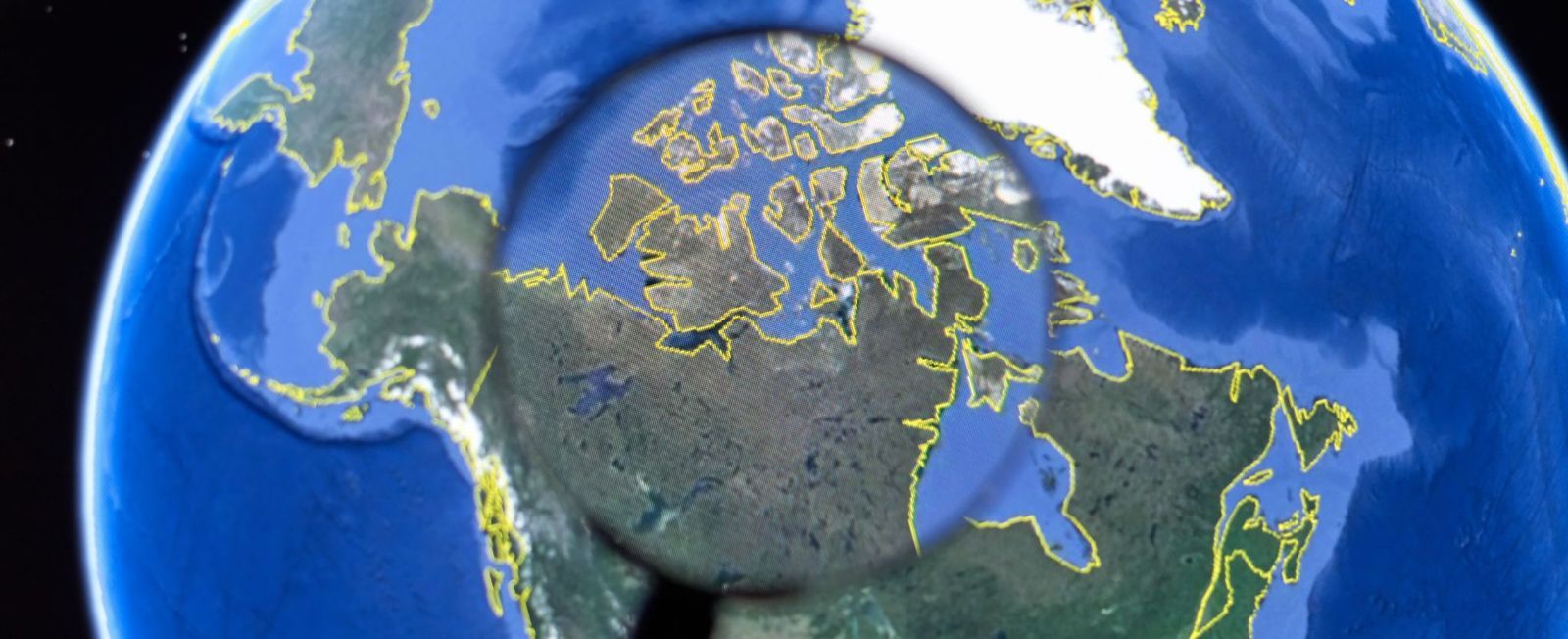
Ever wondered what your hometown looked like 20 years ago? Google Earth's Historical Imagery feature lets you compare older satellite and aerial photos with current ones, revealing how cities, forests, coastlines, and even glaciers have changed over time. In some places, the available imagery stretches back to the mid-20th century, offering an incredible visual record of the past.
Available on Google Earth Pro (the desktop version), the feature is easy to use: search for a location, click the clock-shaped Historical Imagery button, and move the timeline slider through the available years. It's a fascinating way to watch neighborhoods grow, rivers shift, airports expand, and famous landmarks gradually take shape.
Use time-lapse to watch decades in seconds
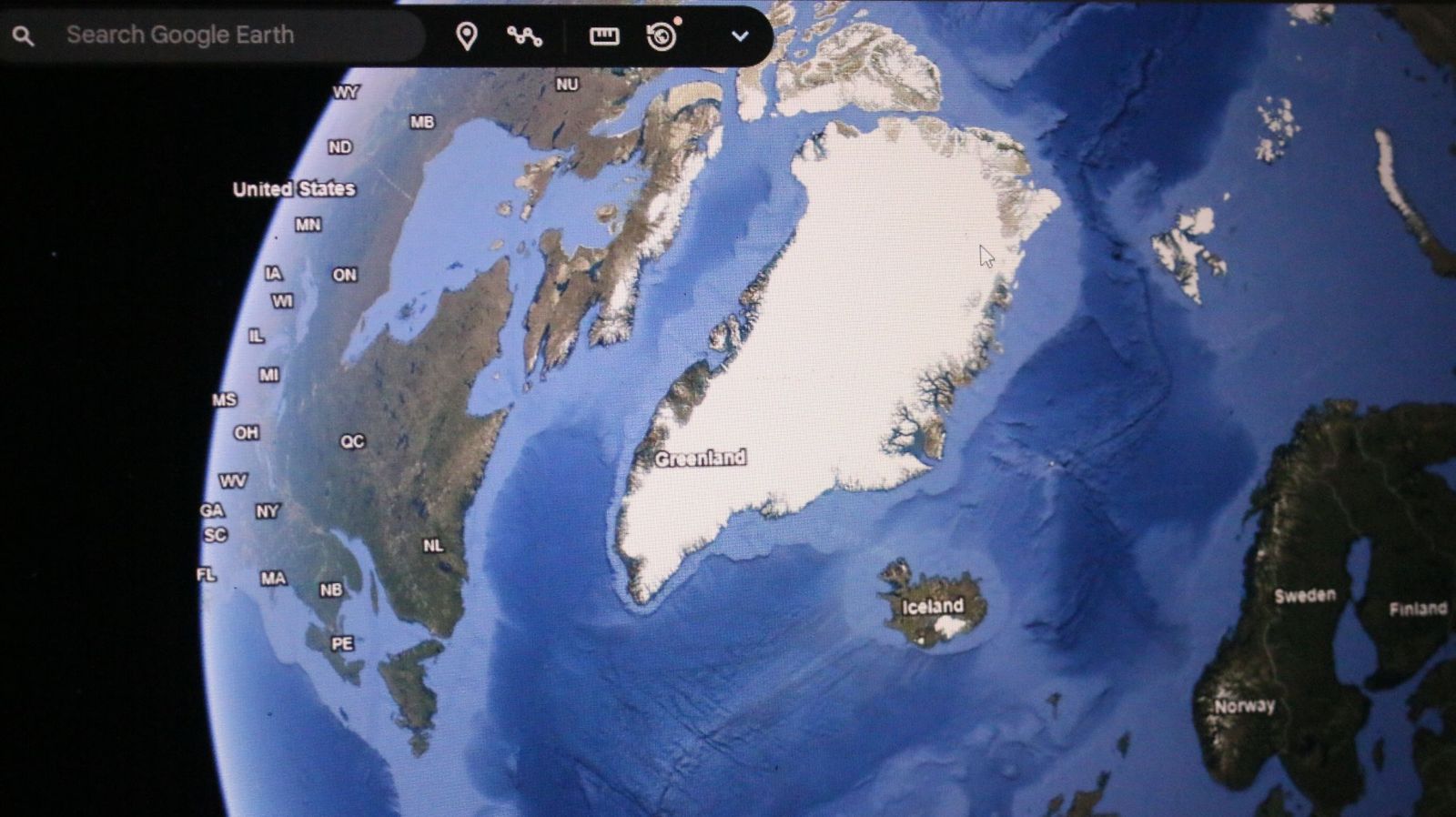
If still images aren't enough, Google Earth's Timelapse feature compresses nearly four decades of planetary change into smooth animated sequences. Created from more than 24 million satellite images collected by NASA, the USGS Landsat program, and the European Copernicus satellites, it allows users to witness years of transformation in just moments.
The results can be astonishing. You can watch Dubai emerge from the desert, Las Vegas spread across Nevada, glaciers retreat in Alaska, or sections of the Amazon rainforest gradually disappear. Besides being visually captivating, Timelapse has become an important educational tool for understanding climate change and urban development.
Explore the world in 3D

Flat maps are useful, but Google Earth's photorealistic 3D mode makes exploring feel far more immersive. Using advanced aerial photography and photogrammetry, the platform recreates buildings, bridges, cliffs, mountains, and entire city skylines that users can tilt, rotate, and fly around from almost any perspective.
Major cities like New York, Paris, Tokyo, and Sydney look especially spectacular in 3D, while natural landmarks such as the Grand Canyon, Yosemite National Park, and Mount Everest become even more dramatic when viewed from different angles. It often feels closer to taking a helicopter tour than simply browsing a map.
Drop into Street View from space
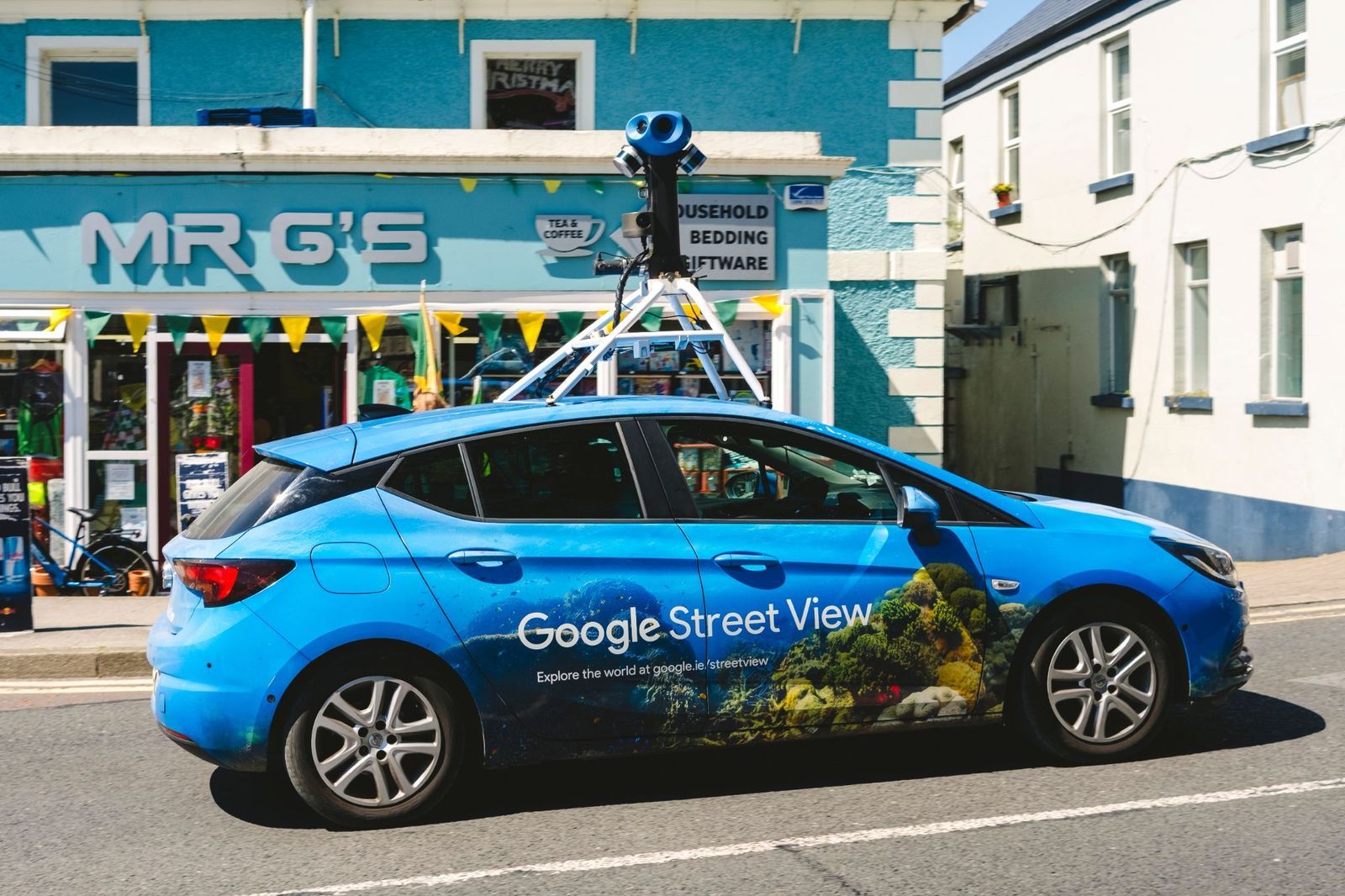
One of Google Earth's most enjoyable and well-known tricks is seamlessly switching from a satellite view to standing on the ground. After locating almost any city or landmark from space, simply drag the Street View Pegman onto a highlighted road to instantly explore the area at eye level.
This combination makes it easy to preview hotels, neighborhoods, hiking trailheads, or famous attractions before traveling. Street View also covers many parks, museums, university campuses, and UNESCO World Heritage Sites, allowing users to enjoy surprisingly realistic virtual walks in destinations across the globe.
Let the "I’m Feeling Lucky" button choose your destination
Can't decide where to explore? Google Earth's dice-shaped "I'm Feeling Lucky" button solves that by teleporting you to a randomly selected destination anywhere on the planet. Along with the new location, you'll see a brief description explaining what makes it interesting, turning every click into a miniature geography lesson.
One moment you might be admiring a volcanic island in the Pacific, and the next you're soaring above an ancient castle, a colorful salt lake, or a remote desert. It's a fun way to discover remarkable places that rarely appear on typical travel itineraries, and a great cure for virtual wanderlust.
Take guided journeys with Voyager

Google Earth's Voyager feature replaces aimless browsing with expertly curated adventures. Working with organizations such as NASA, National Geographic, BBC Earth, and the Jane Goodall Institute, Google has created interactive tours that combine maps, photos, videos, narration, and fascinating stories from around the world.
The topics are incredibly diverse, covering wildlife migrations, Indigenous cultures, famous architecture, marine ecosystems, climate science, and world history. Instead of simply looking at places, Voyager helps explain why they matter, making every virtual journey both entertaining and educational.
Measure distances like a real explorer
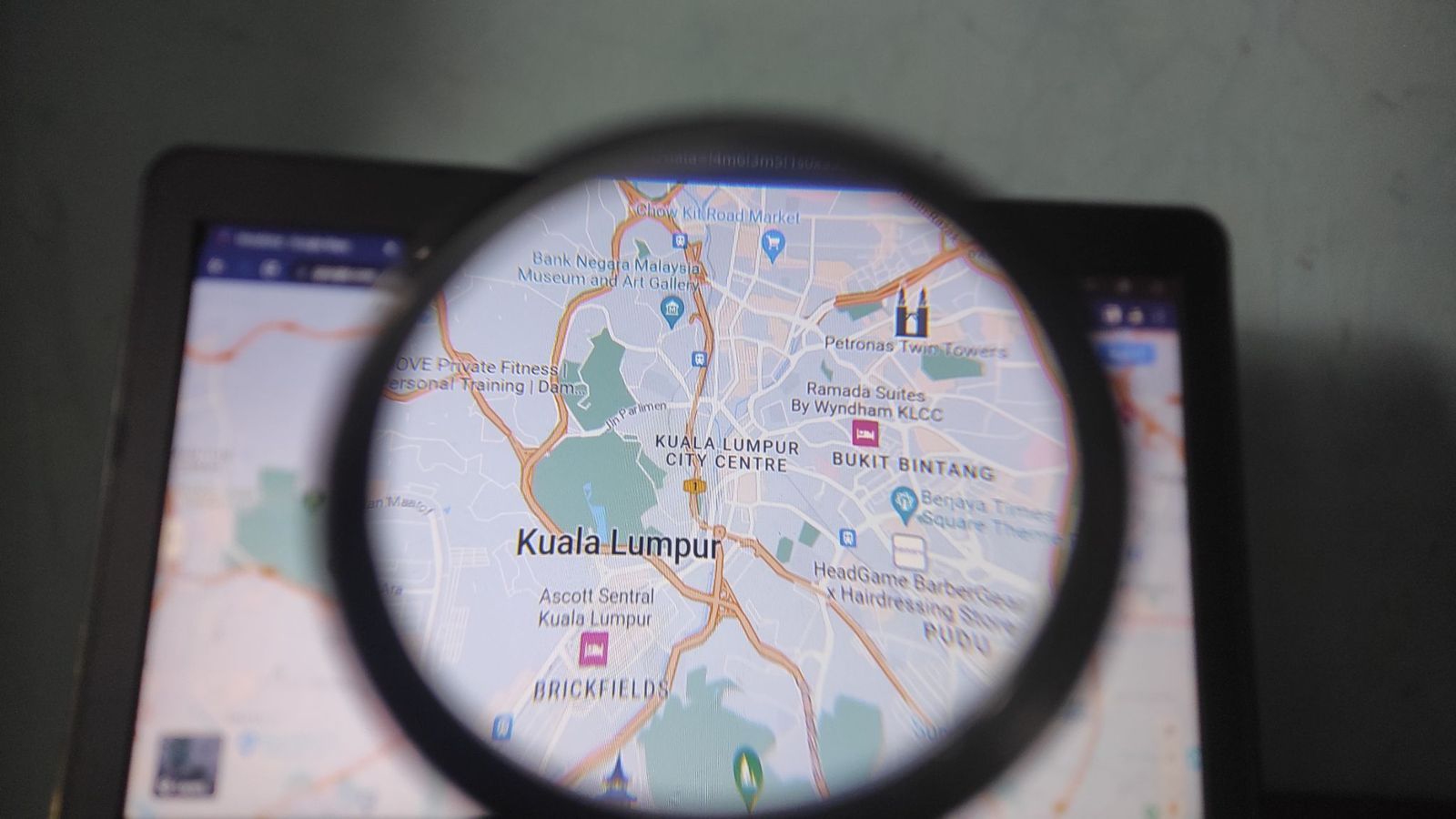
Ever wondered how far a hiking trail stretches or how long a famous bridge really is? Google Earth's Measure tool lets you calculate precise distances between points almost anywhere on the globe, making it useful for travelers, hikers, cyclists, photographers, and anyone planning an outdoor adventure.
Measurements can be displayed in miles, kilometers, meters, feet, or even nautical miles. Whether you're tracing a scenic coastline, estimating the length of a mountain trek, or comparing the size of two famous roads, the tool offers surprisingly accurate results with just a few clicks.
Calculate the size of lakes, parks, and islands

The Measure tool can also calculate area, making it easy to discover just how large natural and man-made places really are. By drawing a simple outline around a lake, island, forest, neighborhood, or city park, Google Earth estimates its total surface with impressive accuracy.
It's a surprisingly addictive feature for curious travelers. You can compare the size of famous parks, estimate the footprint of sports stadiums, measure tropical islands, or see how your hometown stacks up against cities around the world—all without needing any specialized mapping experience.
Build your own travel projects

Google Earth isn't just for exploring—it's also a surprisingly useful planning tool. Its Projects feature allows you to create personalized interactive maps filled with saved destinations, notes, photos, videos, custom routes, and highlighted areas, all organized in one convenient place.
Whether you're planning a cross-country road trip, mapping out a dream vacation, or creating a walking tour of your favorite city, Projects help keep everything together. You can even store them in Google Drive and share them with family, friends, or fellow travelers for collaborative trip planning.
Explore the ocean floor
Most people use Google Earth to explore continents, which makes a lot of sense. But the platform also lets you venture beneath the waves. Introduced as part of Google Ocean, this feature combines scientific bathymetric data with satellite imagery to reveal underwater mountain ranges, deep-sea trenches, submarine volcanoes, and vast continental shelves. Click View in the top menu bar, then click Water Surface to turn it on.
You’ll also find information about coral reefs, marine protected areas, and regions known for famous shipwrecks. Although much of Earth’s oceans remain only partially mapped, this feature offers an incredible glimpse into landscapes that few people ever get to see in person.
See the night sky with Sky Mode

Google Earth doesn’t stop at our planet. Sky Mode transforms the familiar globe into a digital observatory, allowing users to explore constellations, galaxies, nebulae, planets, and breathtaking images captured by the Hubble Space Telescope from the comfort of their home.
Developed with assistance from the Space Telescope Science Institute, the feature includes educational overlays that identify celestial objects and explain what you’re seeing. It’s a newer, interactive way to learn basic astronomy.
Use the Flight feature to soar through cities and landmarks

One of Google’s newest additions is its Flight experience, which replaces abrupt jumps between locations with smooth, cinematic flyovers. Instead of instantly appearing at your destination, you glide naturally across mountains, coastlines, skylines, and famous landmarks, creating a much more immersive sense of travel.
The feature shines when exploring 3D cities or mountainous areas. The fluid motion makes virtual sightseeing feel remarkably close to riding in a helicopter or piloting a drone above some of the world’s most spectacular places.

This NFL stadium is so loud its crowd noise registers on seismographs
 General
Sports pilgrimages
Think you know how loud a crowd of sports fans can get? Think again
There is something that no sports broadcast can ever fully capture: the feeling of being there. The roar of 40,000 strangers becoming one voice. The electricity in the air. The sight of Fenway Park's iconic Green Monster looming over left field, or the crowd noise at Seattle's Lumen Field shaking the ground hard enough to register on seismographs. These 10 cities are more than stops on a map: they are temples to the games we love. Whether you are a football, baseball, basketball, or ice hockey fan—or someone who enjoys a great live atmosphere, each one has something special to offer.
Boston, Massachusetts

Boston sports venues are shrines. Fenway Park, opened in 1912, is the oldest Major League Baseball stadium still in use, and the Green Monster—the 37-foot-2-inch-high left-field wall—is one of the most recognizable sights in all of American sports. The Red Sox faithful are among the most passionate in the country.
TD Garden, in the heart of downtown, packs in fans of both the Celtics and the Bruins. Gillette Stadium, about 30 miles south in Foxborough, is where the Patriots built their dynasty through six Super Bowl titles. Here is something worth knowing: on game days, the neighborhood around Fenway transforms into one long, joyful block party, with fans spilling out of bars and onto Yawkey Way hours before the first pitch.
Seattle, Washington

Lumen Field, home of the Seahawks, was once certified by Guinness World Records as the loudest outdoor stadium on earth: the crowd noise has actually been known to register on local seismographs. T-Mobile Park, where the Mariners play, is one of the most visually striking ballparks in America, with views of the downtown skyline and Puget Sound beyond the outfield.
The city also welcomed the Kraken into the NHL in 2021, adding hockey to an already passionate sports calendar. Imagine standing in the south end zone at Lumen Field during a Seahawks playoff run, surrounded by the famous 12th Man fans in full roar: an experience you’ll keep remembering long after you leave.
Chicago, Illinois

Chicago may be the most complete sports city in America. On the North Side, Wrigley Field, built in 1914 and still one of the most beloved ballparks in the world, is home to the Cubs. Walking through its ivy-covered outfield walls feels like stepping into baseball history itself. On the South Side, Guaranteed Rate Field hosts the White Sox.
The United Center, one of the largest arenas in the NBA, is home to both the Bulls and the Blackhawks, and carries the memory of Michael Jordan's six championships in every rafter. Soldier Field, along the lakefront, hosts the Bears with one of the most dramatic settings in the NFL. Imagine sitting in the bleachers at Wrigley on a warm July afternoon, with the wind blowing out toward Waveland Avenue, and a fly ball sailing over the wall right in front of you. That moment alone is worth the trip.
New York City, New York
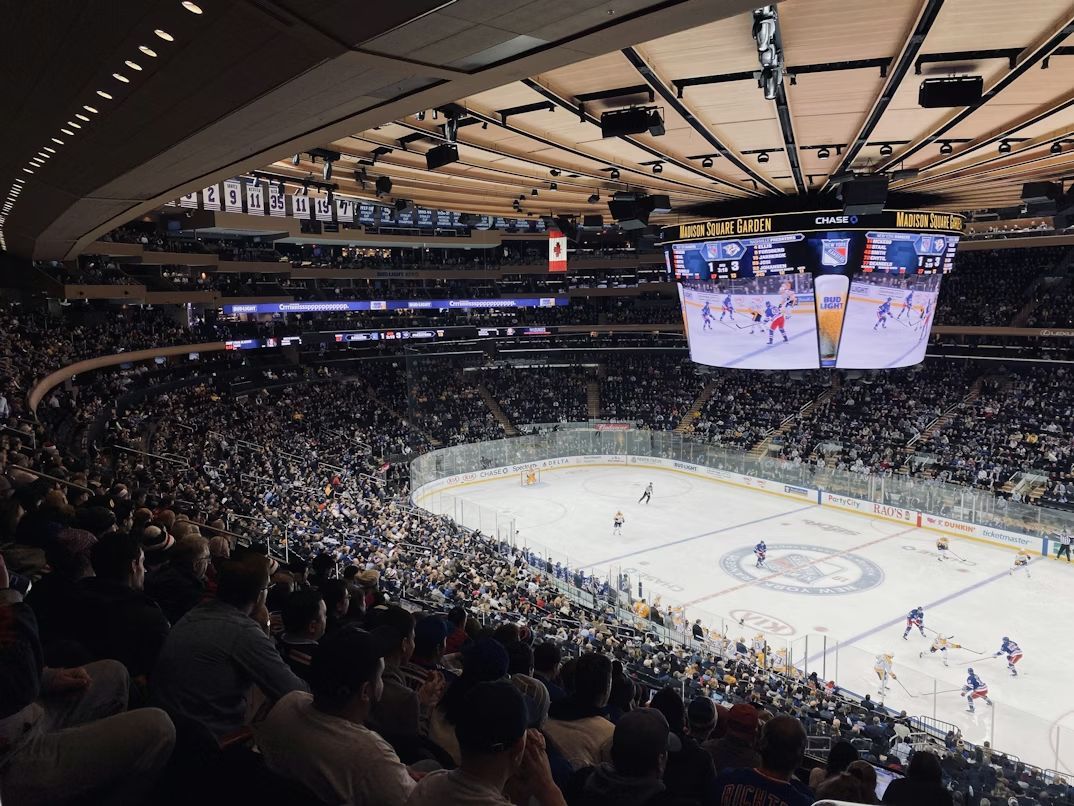
No city on earth offers as much major-league action as New York. The Yankees and the Mets cover baseball, the Giants and the Jets handle football, the Knicks fill Madison Square Garden for basketball, and the Rangers bring the ice.
Madison Square Garden—"The World's Most Famous Arena"—sits in the middle of Midtown Manhattan and has hosted everything from heavyweight championship bouts to Elton John farewell tours. Yankee Stadium in the Bronx is a monument to baseball greatness. Picture yourself watching a Yankees–Red Sox game in October, with the playoff atmosphere crackling through every row: one of the most intense sporting experiences you can have.
Los Angeles, California

Los Angeles is a sports city that delivers on every front. The Dodgers play at one of the most beautiful ballparks in the country: Dodger Stadium, perched in Chavez Ravine with mountain views beyond the outfield. SoFi Stadium in Inglewood, home to both the Rams and the Chargers, is widely considered the most technologically advanced NFL venue ever built.
Crypto.com Arena hosts the Lakers and Clippers, and carries decades of magic from the Showtime era to LeBron James. Two-time World Series champion Shohei Ohtani—the most gifted baseball player of his generation—now wears Dodger blue, making this one of the most exciting rosters in the sport. Imagine watching Ohtani launch a home run on a perfect Southern California evening, with the San Gabriel Mountains glowing in the distance. That is Los Angeles sports at its best.
Green Bay, Wisconsin

With a population of just over 100,000, it is by far the smallest market in the NFL, and yet it is home to one of the league's most storied and beloved franchises. Lambeau Field, built in 1957 and expanded many times since, is a place of pilgrimage for football fans. The Packers are the only community-owned franchise in major American professional sports, meaning the team belongs to the city itself.
The waiting list for season tickets is over 100,000 names long: some families have been waiting for decades and pass their spots down to their children. Attending a Packers game in December, with 80,000 fans in cheese-shaped hats bellowing into the cold Wisconsin air, is a bucket-list experience that has no equal in American sports.
Pittsburgh, Pennsylvania

Pittsburgh packs an astonishing amount of sports passion into a relatively small city. PNC Park, widely praised as the most beautiful ballpark in America, sits right on the Allegheny River with a skyline view that is genuinely breathtaking. Acrisure Stadium, home of the Steelers, hosts one of the most devoted fan bases in the NFL: the Terrible Towel-waving crowds are a sight to behold.
PPG Paints Arena brings Penguins hockey into the mix, completing a trifecta of venues all within walking distance of downtown. Here is the remarkable thing: on a Pittsburgh Sunday in the fall, you can tailgate on the Roberto Clemente Bridge over the river, walk to the stadium, and watch the Steelers—then catch the highlights back at a South Side bar with fans who will talk football with you until midnight.
Philadelphia, Pennsylvania
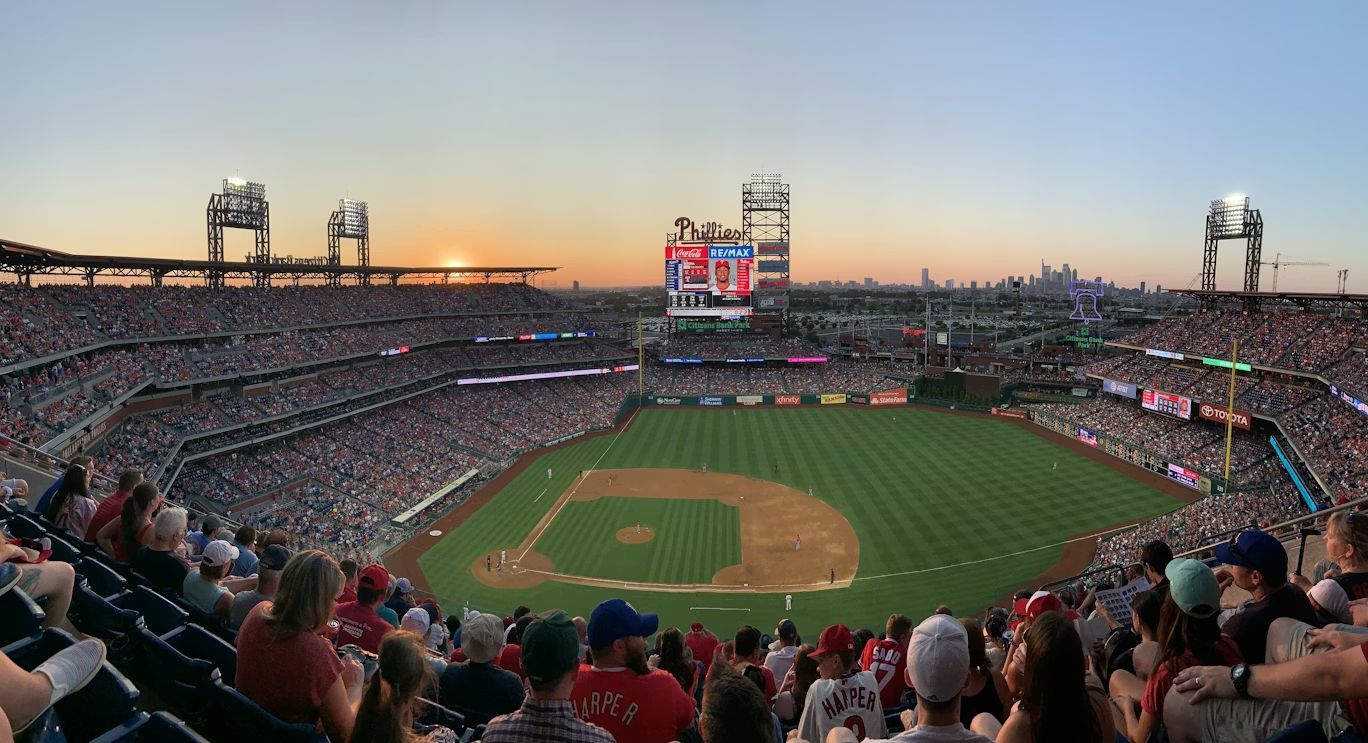
Passionate, loud, demanding, and fiercely loyal, Philadelphia fans are among the most engaged fans in professional sports, and they will let you know when they are not happy. The Eagles, Phillies, Sixers, and Flyers all play within a short drive of one another in South Philly, making it one of the most concentrated sports districts anywhere in the country.
Citizens Bank Park is an excellent baseball venue with great sightlines and terrific food. Lincoln Financial Field hosts Eagles games with a ferocity that visiting teams dread. Joel Embiid, the dominant Sixers center, has made Philadelphia one of the most exciting NBA cities in recent years. If you want to understand what it truly means to be a sports town, spend a game day in Philadelphia.
Dallas, Texas

Everything is bigger in Texas, and Dallas sports venues prove the point. AT&T Stadium in Arlington—home of the Cowboys—seats over 80,000 and has a video board so enormous it became a talking point in its own right. Globe Life Field, also in Arlington, is where the Rangers play under a retractable roof that keeps the Texas summer heat at bay. The American Airlines Center in downtown Dallas hosts both the Mavericks and the Stars.
The Cowboys remain the most valuable sports franchise in the world, and their games draw fans from across the country. Imagine settling into your seat at AT&T Stadium for a Sunday night Cowboys game, with the stadium lights blazing and 80,000 people on their feet: big doesn't even begin to cover it.
Denver, Colorado
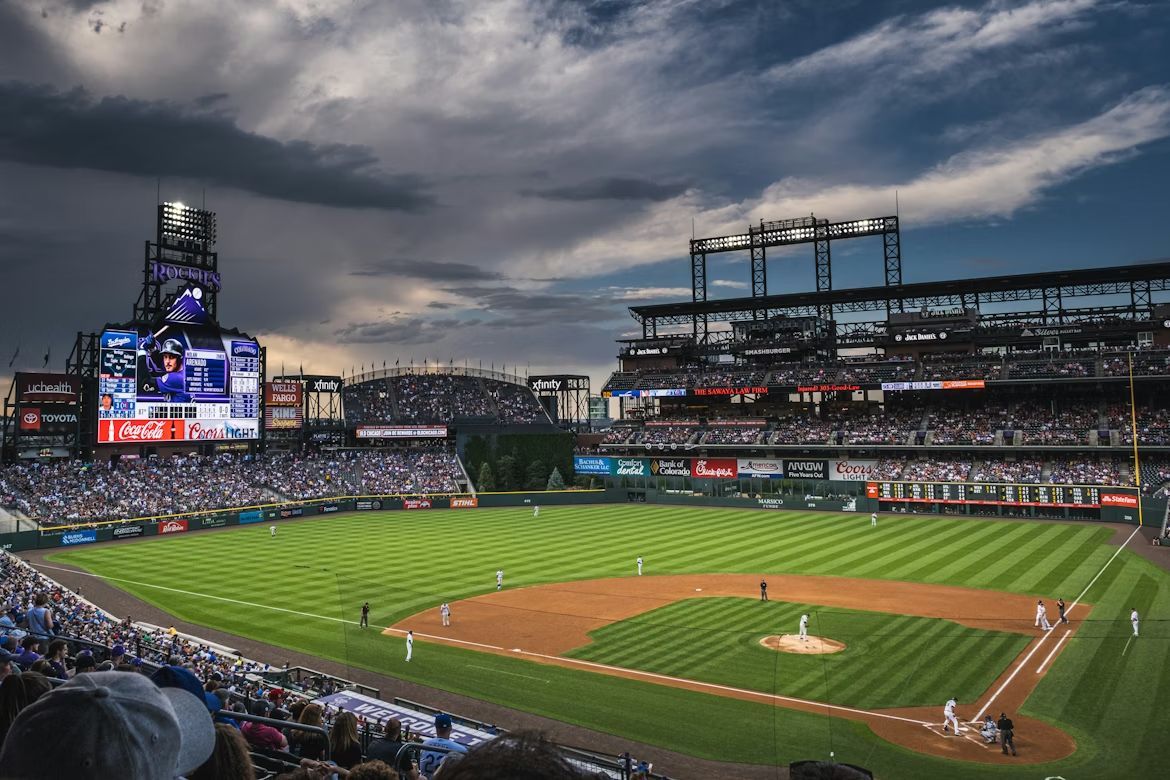
Denver gives you four major professional sports teams in a compact, walkable city, all of it set against the stunning backdrop of the Rocky Mountains. Beyond the upper deck of Empower Field at Mile High—where the Broncos play—lies a spectacular view of the Front Range. Coors Field, home of the Rockies, sits right in Lower Downtown (LoDo), surrounded by some of the best sports bars in the West.
Ball Arena hosts both the Nuggets and the Avalanche. Nikola Jokić, the three-time MVP center for the Nuggets, is one of the most entertaining players in the NBA today. Picture watching him orchestrate a fourth-quarter comeback in the playoffs while the Denver crowd goes absolutely electric: the moment and the mountain scenery combine perfectly.
Keep wandering