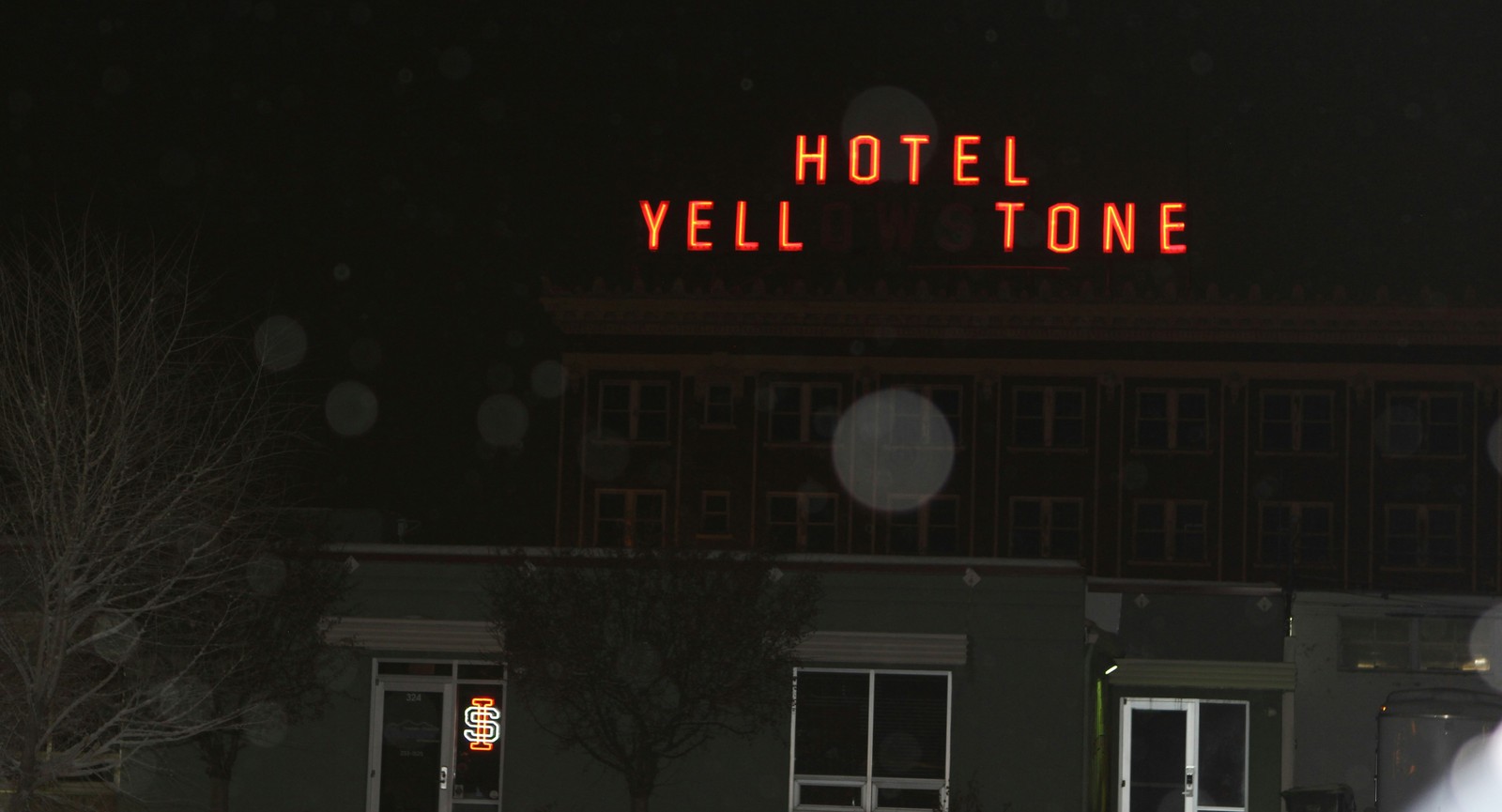
Do you dare check in? 12 American haunted hotels for a spooky stay
 Landmarks
Do you dare check in? 12 American haunted hotels for a spooky stay
Whether you are a seasoned paranormal investigator or just a traveler who enjoys a side of "spooky" with your room service, America’s historic hotels have plenty to offer. These grand buildings aren't just architectural landmarks; many are home to restless spirits and tales of tragedy that have lingered for decades. Here is a guide to 12 of the most haunted hotels in America, where the history is as rich as the hauntings.
The Casa Monica Resort (St. Augustine, Florida)
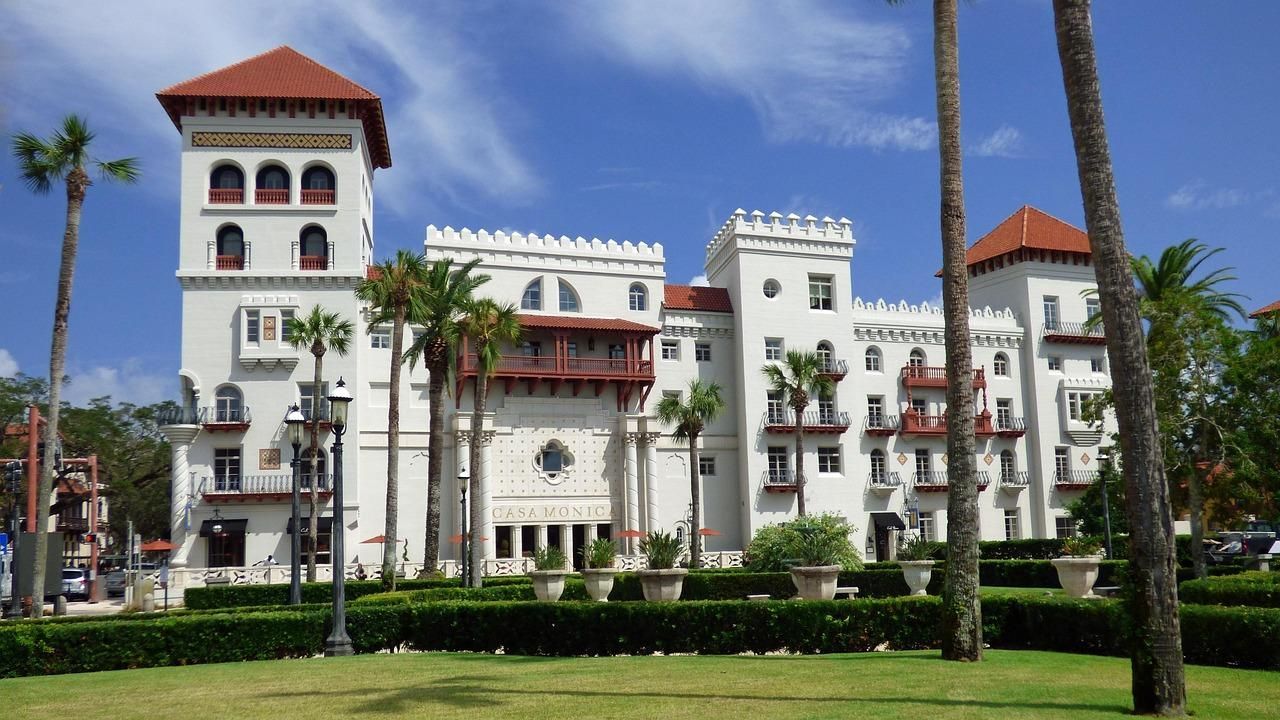 Image: ArvidO
Located in America’s oldest city, the Casa Monica is said to be haunted by a woman in a white dress and a man in a black 1920s-style suit. Guests frequently report the sound of phantom footsteps and children’s laughter echoing through the hallways, even when no children are staying there.
The fourth floor is known for the most activity. Visitors claim a child's handprint appears on the bathroom mirror of the Flagler Suite. Yet, the most spooky spot in Casa Monica is the Ponce de Leon Suite, which is haunted by a "lady in white," with radios turning on by themselves. Would you dare stay in this hotel?
The Driskill (Austin, Texas)
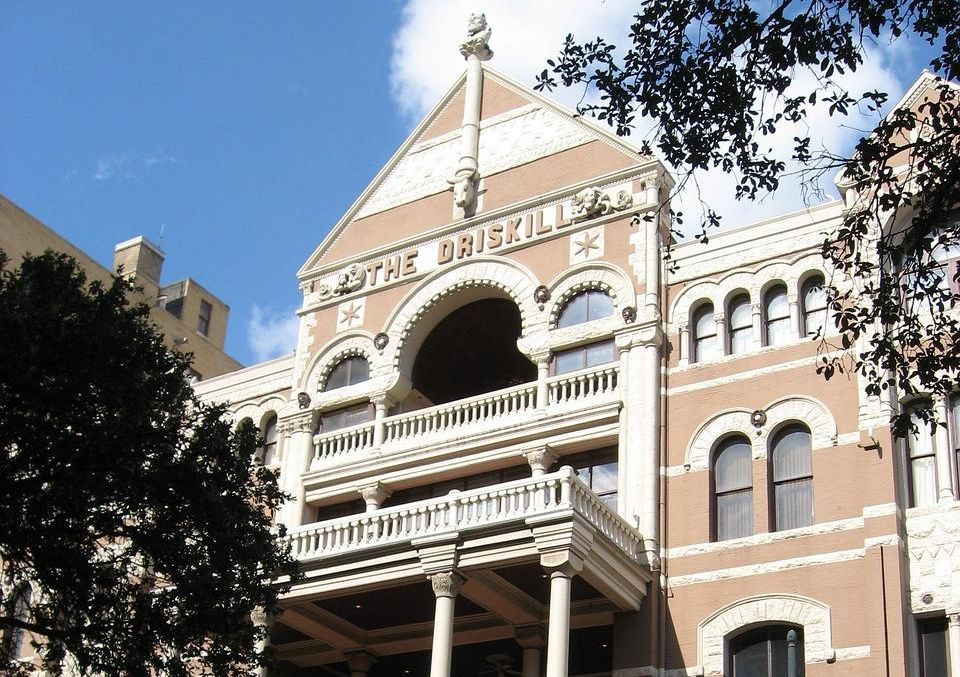 Image: southerndaydreamer
Built in 1886 by cattle baron Jesse Driskill as the "Finest Hotel South of St. Louis," this Romanesque building is not only the undisputed grande dame of Austin hospitality but also its most haunted spot. The Driskill has hosted presidents, rock stars, and high society, but its permanent residents are the ones who draw the most attention.
The spirit of Colonel Driskill himself is said to still supervise the property. Staff and guests regularly report the distinct smell of his favorite cigar smoke. But perhaps the most famous sighting occurs on the grand staircase leading to the mezzanine. Visitors often report seeing a small girl in a period dress holding flowers or chasing a ball, only for her to vanish into thin air when approached.
The Mayflower Hotel (Washington, D.C.)
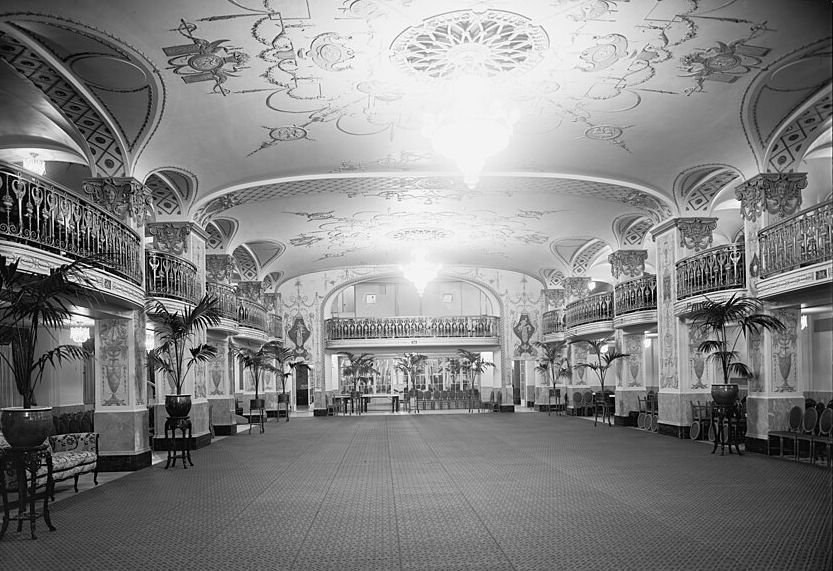 Image: National Photo Company Collection, Public domain, via Wikimedia Commons
Known as the "Grande Dame of Washington," The Mayflower has been the scene of D.C. power brokering, scandals, and high-society events since opening in 1925. Given its proximity to the White House, it’s no surprise that its most famous ghost is presidential.
President Calvin Coolidge’s inauguration ball was held at the hotel in 1925, but he didn’t attend; he was still in deep mourning over the recent death of his teenage son. It is said that Coolidge’s spirit attempts to make up for the missed party by returning to the hotel every year on the anniversary of the ball. Staff reports the grand ballroom lights flickering inexplicably, while visitors have smelled the distinct scent of Coolidge’s favorite cigars, a lingering reminder of a grieving president finally trying to enjoy his night.
The Queen Mary (Long Beach, California)
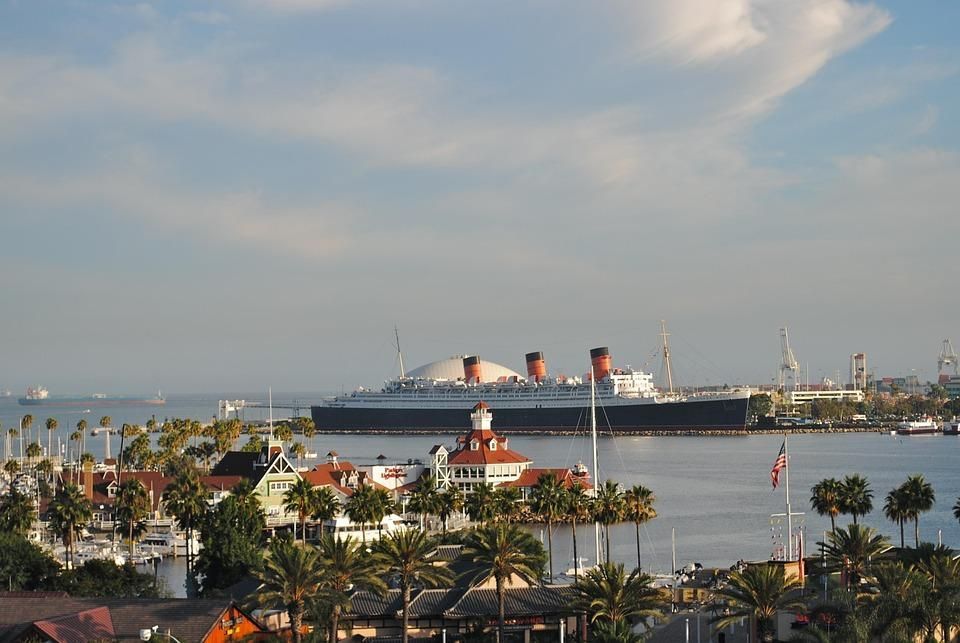 Image: larsen9236
While technically a retired ocean liner, The Queen Mary serves as a hotel and is widely considered one of the most haunted places on Earth. During her time at sea, from 1936 to 1967, the ship carried royalty and Hollywood icons, but it also served as a troopship during WWII.
Today, the ship is a hotbed of paranormal activity. Guests frequently report the sounds of splashing water in the now-drained First-Class Swimming Pool area, wet footprints appearing on the dry deck, and sightings of "Jackie," a little girl who supposedly drowned decades ago. But if you are seeking a truly intense experience, Stateroom B340 is legendary. The room has a history of supernatural events, including faucets turning on by themselves, covers being ripped off beds, and a dark figure looming over guests at night.
The Seelbach Hilton Louisville (Louisville, Kentucky)
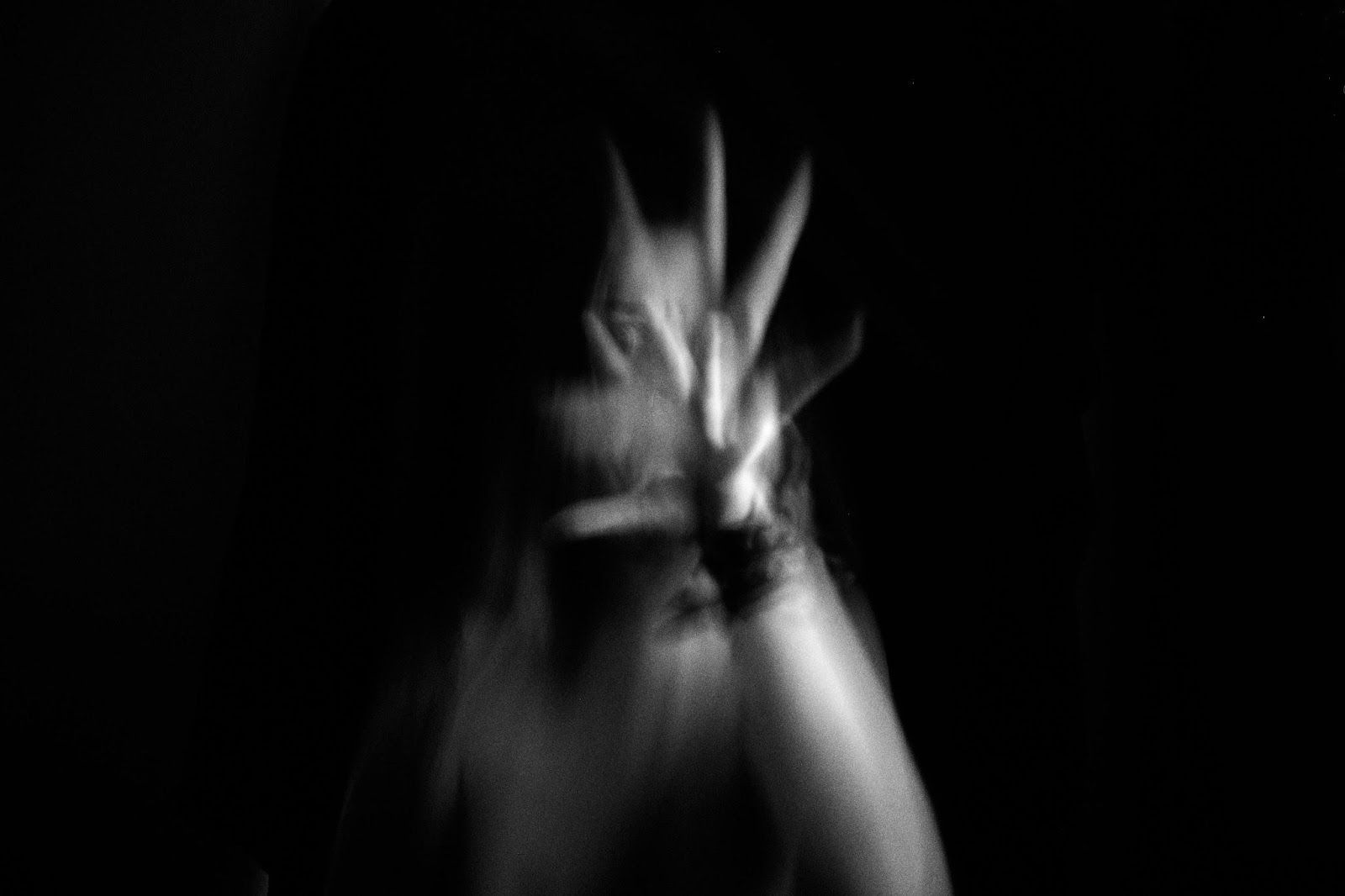 Image: Mariana Montrazi
This Beaux-Arts masterpiece in downtown Louisville is steeped in Jazz Age glamour; F. Scott Fitzgerald was a regular guest and used the hotel as inspiration for the backdrop of Tom and Daisy Buchanan’s wedding in The Great Gatsby. But beneath the glitz lies a tragic tale that has generated ghost stories for nearly a century.
The Seelbach’s most famous haunt is the "Lady in Blue." According to lore, in 1936, Patricia Wilson was awaiting her recently divorced lover at the hotel so they could finally marry. When he was tragically killed in a car accident on his way to her, Patricia was so distraught that she threw herself down an elevator shaft. Guests today report seeing a woman with dark hair in a long blue chiffon dress walking into the elevator doors, still waiting for the arrival that will never happen.
The Hotel del Coronado (Coronado, California)
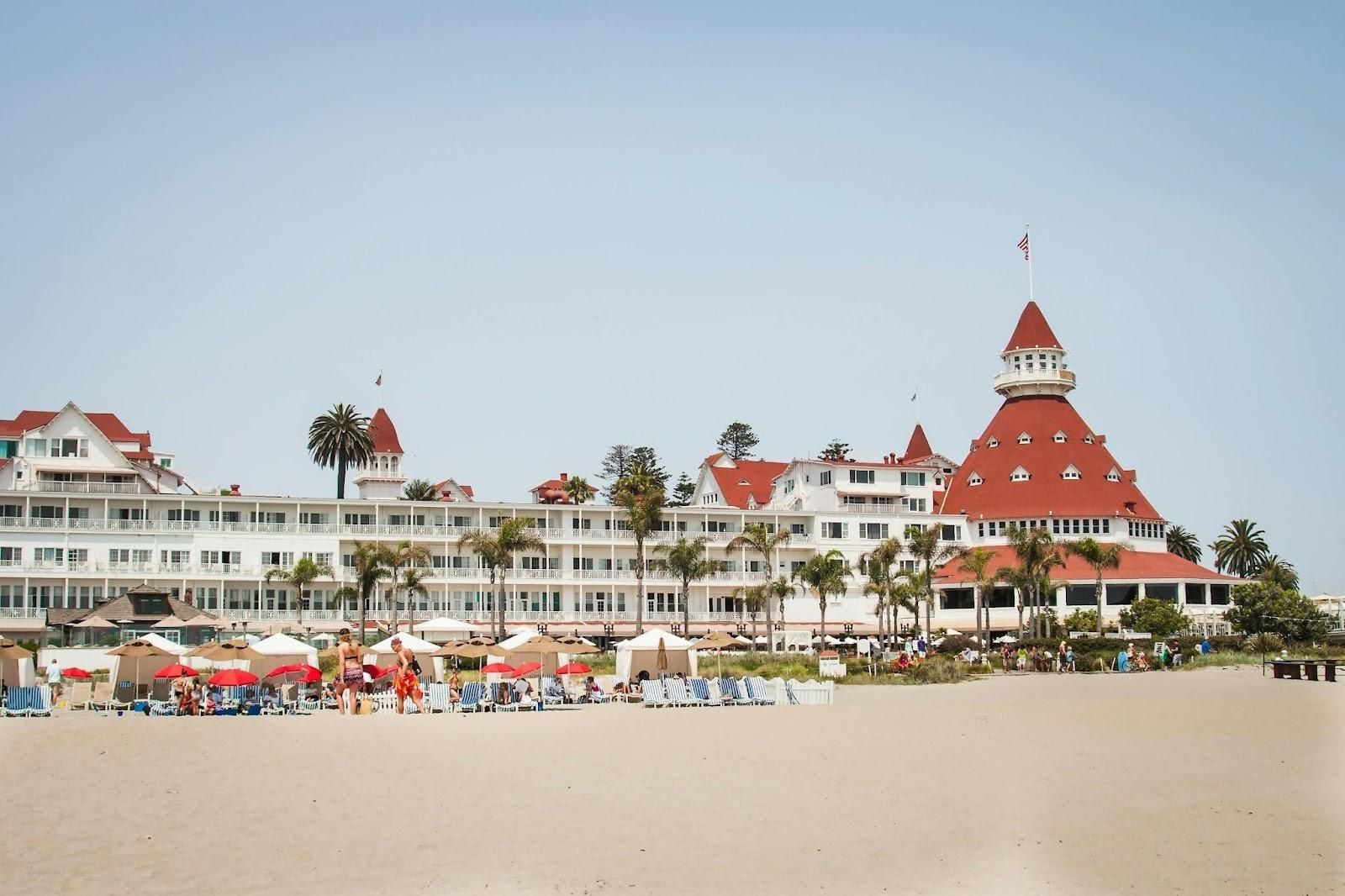 Image: Christy Rice
With its iconic bright red turrets and sprawling Victorian wooden architecture, "The Del" sits just across the bay from San Diego, looking like a fairytale seaside resort. However, its sunny exterior hides one of America’s most enduring ghost stories: the legend of Kate Morgan.
In 1892, a beautiful young woman checked into the hotel under a false name. She was visibly distressed, reportedly waiting for a lover who never arrived. Five days later, her body was found on the hotel steps leading to the beach. Known today as the "Beautiful Stranger," her spirit is most often associated with her former room, now numbered 3327. Guests staying there report flickering lights, gentle breezes in closed rooms, items moving on their own, and even the faint reflection of a Victorian woman in the mirror.
The Brown Palace (Denver, Colorado)
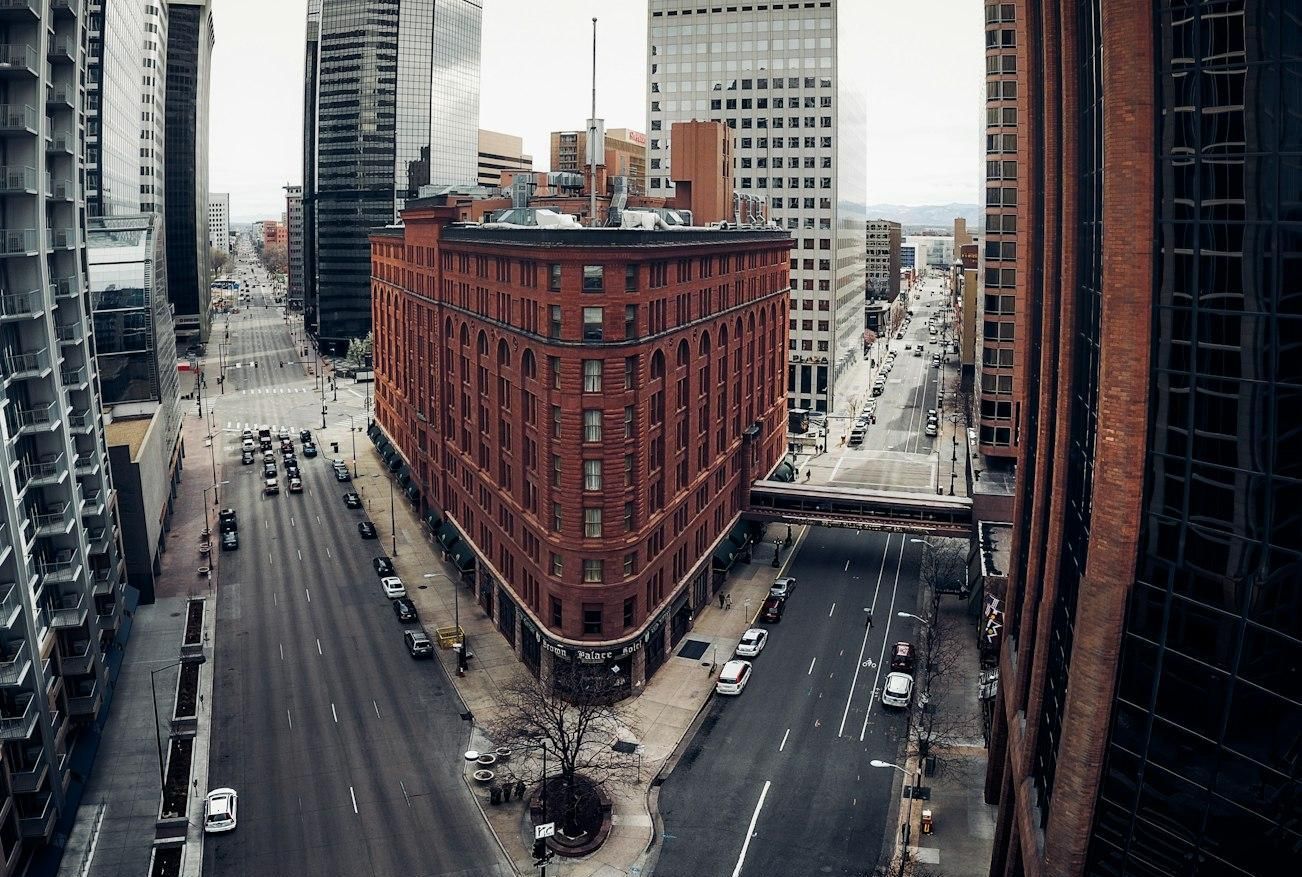 Image: Henry Desro
This Denver icon has never closed its doors since 1892. Known for its unique triangular shape and opulent lobby, this historic Italian Renaissance landmark was built by Henry Cordes Brown, a real estate pioneer who donated land for the State Capitol. It was once Denver's grandest hotel, hosting presidents and famous guests like Molly Brown and Helen Keller, while also earning a reputation as one of America's most haunted hotels.
Its most famous ghost is Louise Crawford Hill, a socialite who lived in the hotel for more than 10 years. After her death, the hotel began receiving "phantom telephone calls" from her old room, even though the telephone lines had been disconnected during renovations. She is also said to linger through the hallways, especially near her former room, the 904.
The Hollywood Roosevelt (Los Angeles, California)
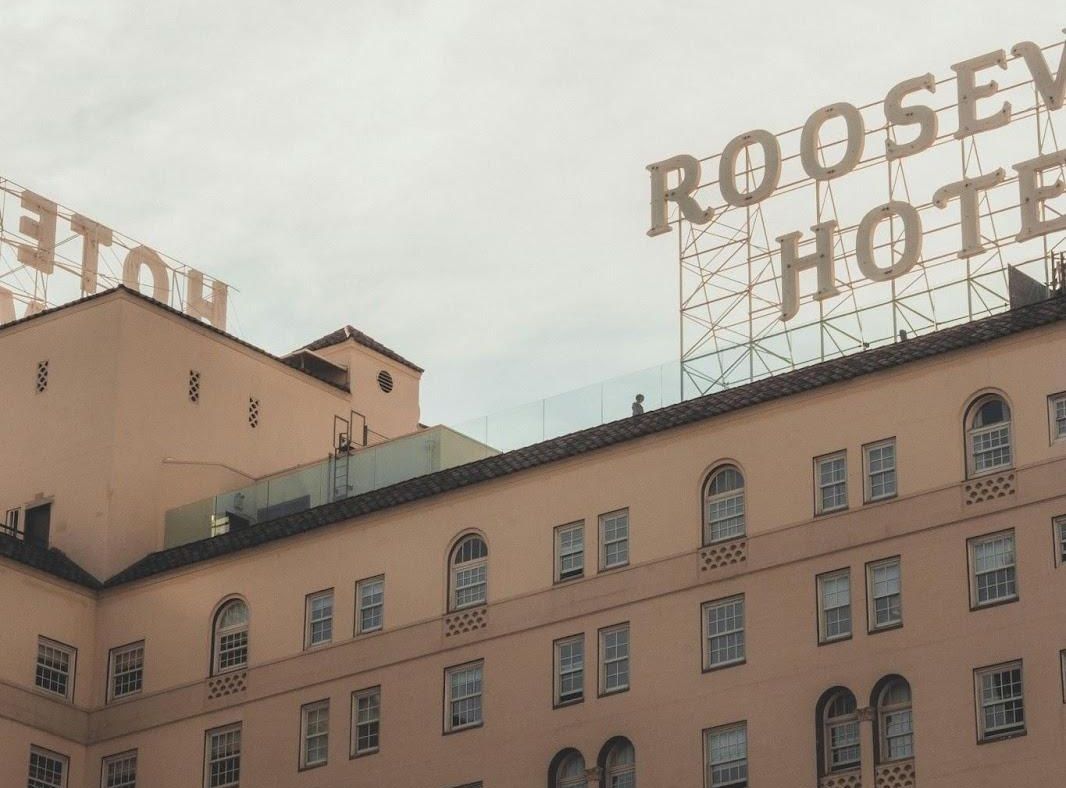 Image: Luc Marshall
The Hollywood Roosevelt Hotel opened in 1927 by film pioneers and is known for its Spanish Colonial architecture, lavish parties, and persistent ghost stories. It famously hosted the first Academy Awards in 1929 and now serves as a frequent haunt for legends like Clark Gable, Carole Lombard, and Errol Flynn.
Although it is no longer what it used to be, Old Hollywood glamour never truly dies here. Guests have reported seeing the reflection of Marilyn Monroe in a mirror that once hung in her favorite suite (room 1200). Others claim to hear the ghost of Montgomery Clift playing his trumpet in Room 928 while practicing for his role in From Here to Eternity. True or not, you shouldn't miss The Hollywood Roosevelt if you ever travel to Los Angeles.
La Fonda on the Plaza (Santa Fe, New Mexico)
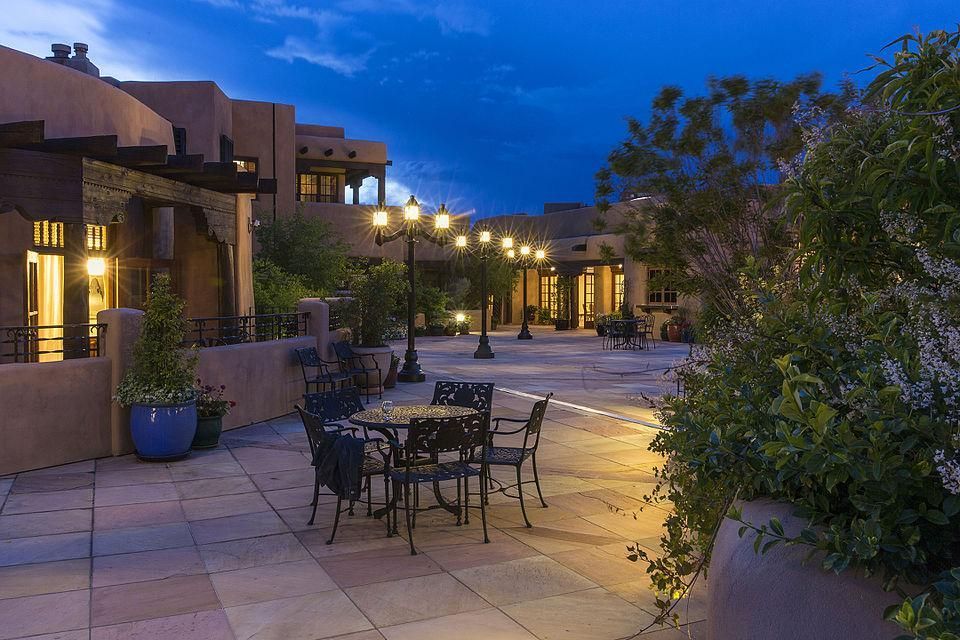 Image: Atakra, CC0, via Wikimedia Commons
Santa Fe’s history is violent and vibrant, and La Fonda is a true reflection of that heritage. The hotel sits on a site that has hosted inns since the 1600s, evolving from a stop on the Santa Fe Trail to a landmark hotel designed in the Pueblo Revival style. It has become a cultural hub, famous for its distinctive architecture, art, and role in local history, including hosting Manhattan Project figures.
As expected, it is also said to be haunted. The most common sighting is Judge John P. Slough, who was shot in the lobby in 1867. Guests also report seeing a "distraught businessman" who jumped into the hotel well after losing his fortune in a high-stakes card game.
The Emily Morgan (San Antonio, Texas)
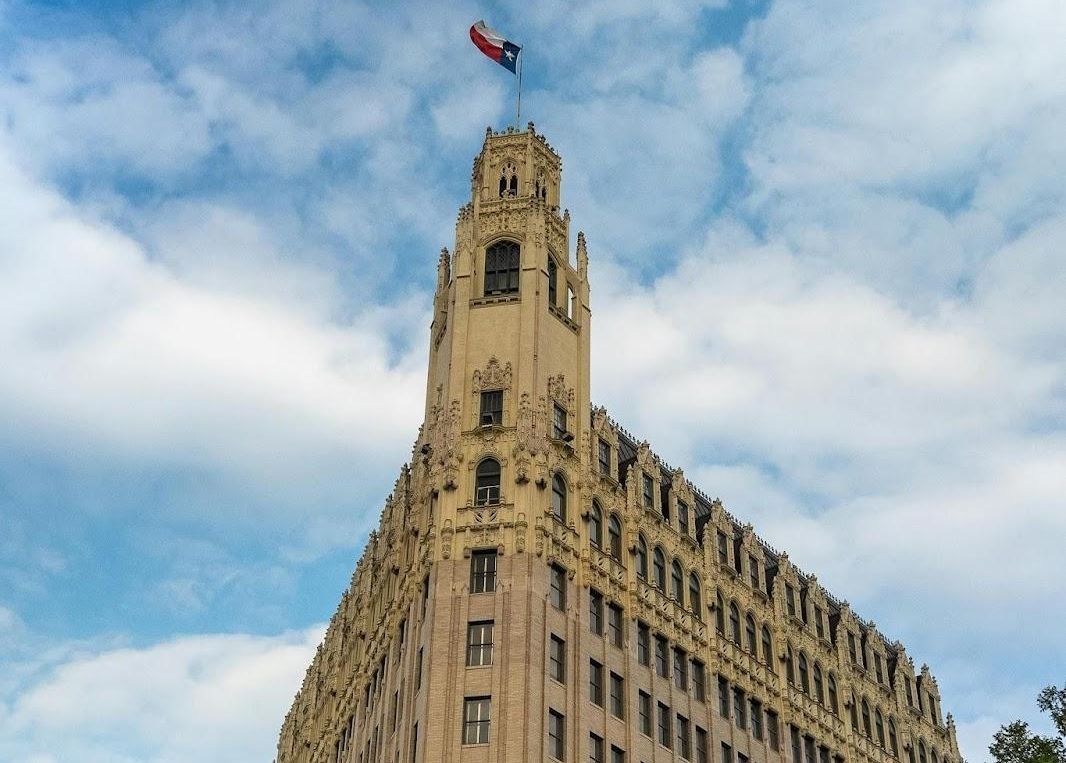 Image: Corbin Klesken
Located right next to the Alamo, the Emily Morgan Hotel is a 1924 Gothic Revival towering skyscraper that first hosted the Medical Arts Building. Known for its unique gargoyles depicting medical ailments, it later operated as offices, and in 1984 became the Alamo Plaza Hotel, renamed the Emily Morgan Hotel for folk heroine Emily West (Yellow Rose of Texas).
It's no surprise that a hotel located in a former hospital and crematorium is considered one of America's most haunted hotels. Due to the deaths that occurred in this medical facility, especially on the 7th, 12th, and 14th floors, guests have reported the smell of antiseptic, the sound of gurneys rolling down halls, and sightings of a woman in a white gown. Really spooky, don’t you think?
The Elms Hotel (Excelsior Springs, Missouri)
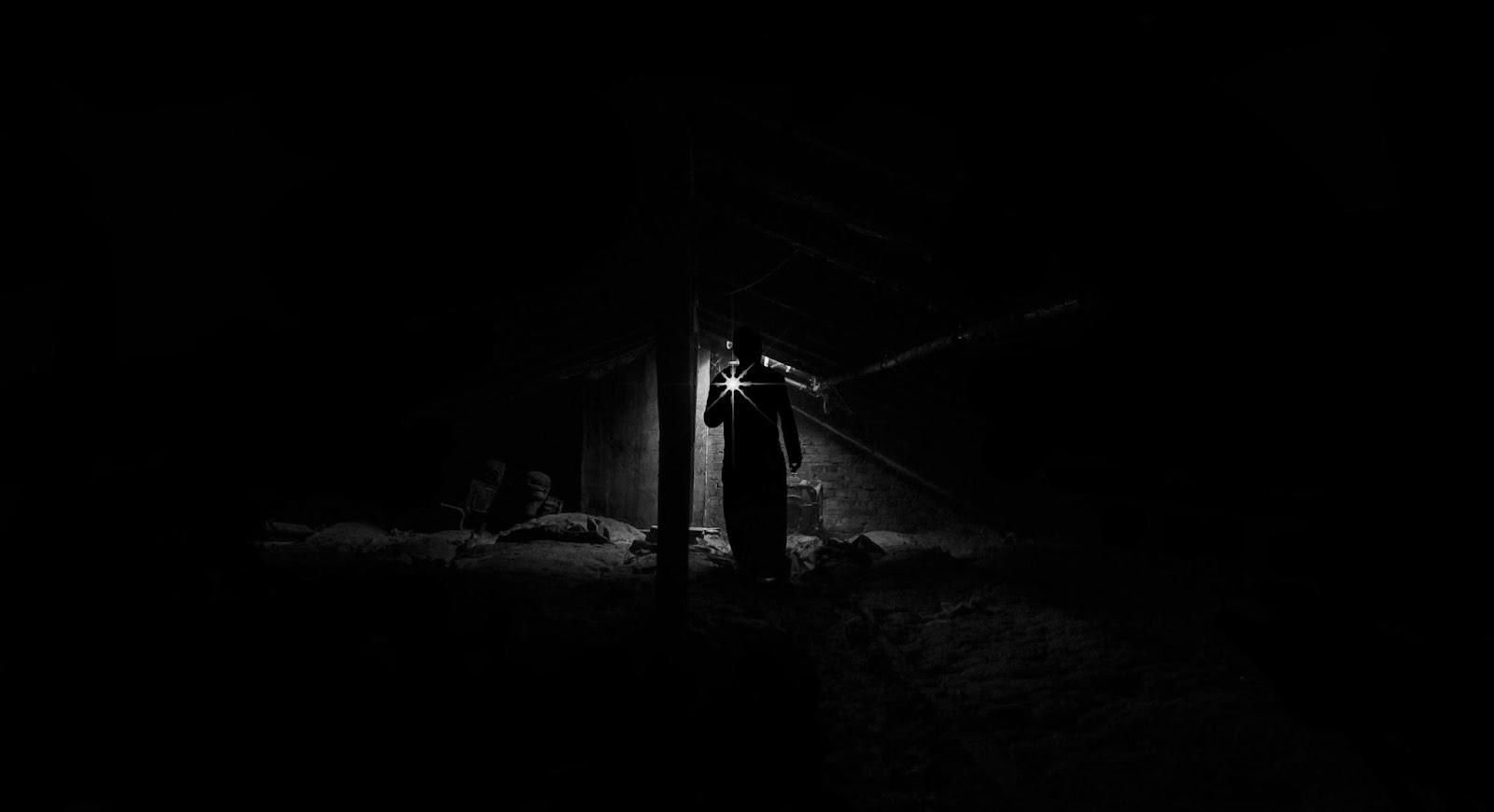 Image: Lennart Wittstock
The story of The Elms began in the 1880s due to local mineral springs, with the first wooden hotel opening in 1888. Famous for its healing waters, Prohibition-era speakeasies, and gangster guests like Al Capone, it hosted President Harry S. Truman in 1948 and has undergone major renovations, maintaining its legacy as a historic resort with paranormal lore.
Since its inauguration, The Elms Hotel has burned down twice, and spirits related to those fires are said to linger. One of the most famous ghosts is "The Gambler," a man from the hotel's speakeasy days who was allegedly killed by the mob. He is often seen in the lap pool area, appearing as a protective but silent figure.
The Omni Mount Washington (Bretton Woods, New Hampshire)
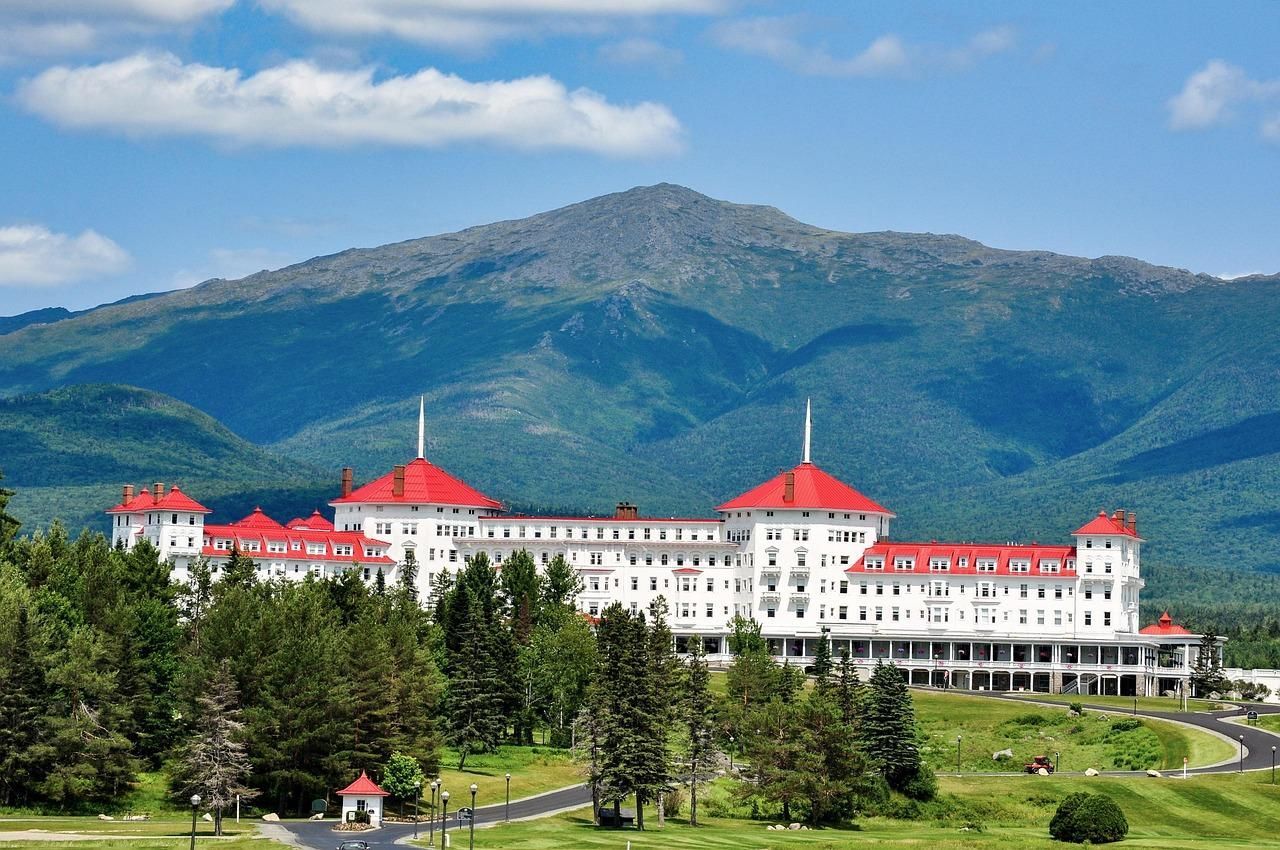 Image: meganzopf
The Omni Mount Washington, a grand hotel opened in 1902 by Joseph Stickney, is famous for its Spanish Renaissance Revival architecture, being the largest wooden structure in New England. It's a National Historic Landmark and a major destination, known for its luxury, innovation, and association with historical figures and legends, including ghost stories.
The "Princess" Carolyn Stickney is the resident ghost here. She was the widow of the hotel's builder, who famously remarried a European prince. She is often seen in her private suite (Room 314), where her original four-poster bed still sits. Guests often wake up to find a woman brushing her hair at the foot of the bed. Not a lodge recommended for those faint of heart!
The best desserts to try in these cities, according to tourists
 Culture
For sweet-toothed travelers
The best desserts to try in these cities, according to tourists
When in Rome, do as the Romans do: you must have some gelato! The same applies to Turkish baklava, Parisian macarons, and Austrian sachertorte. If you’ve never heard of these delicious desserts, don’t worry, that’s exactly what this article is here to fix. Let’s dive into the desserts you absolutely shouldn’t miss when visiting these 14 cities.
Gelato
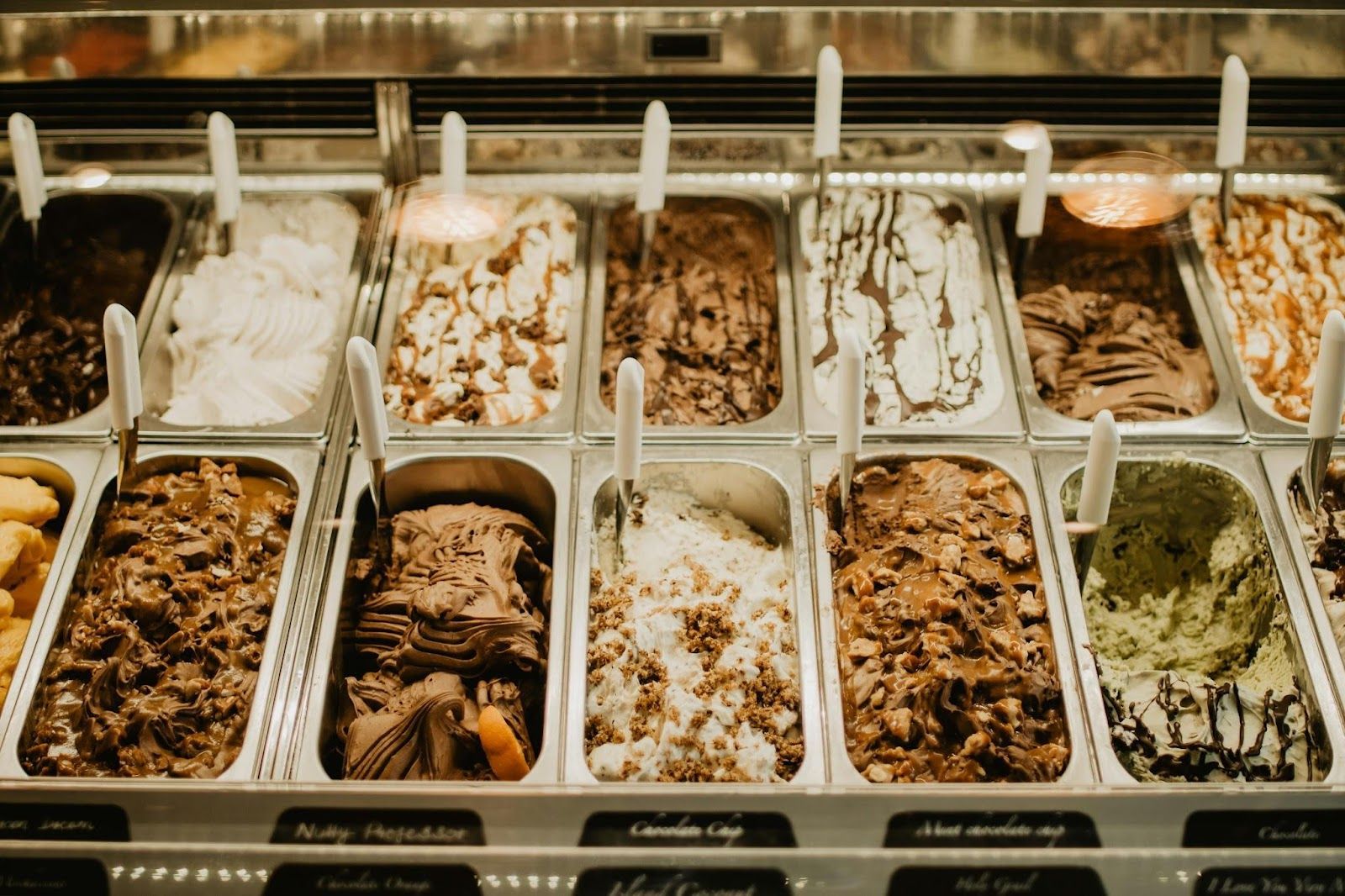 Image: ROMAN ODINTSOV
Gelato has been part of Italian culture for centuries, but Rome has elevated it to an everyday ritual. Made with less fat and churned more slowly than American ice cream, gelato has a denser texture and a more intense flavor.
It’s not just a summer treat, either! Italians enjoy it year-round, often in the evening while strolling through piazzas. What makes Roman gelato special is its freshness: many shops make small batches daily using seasonal ingredients.
Baklava
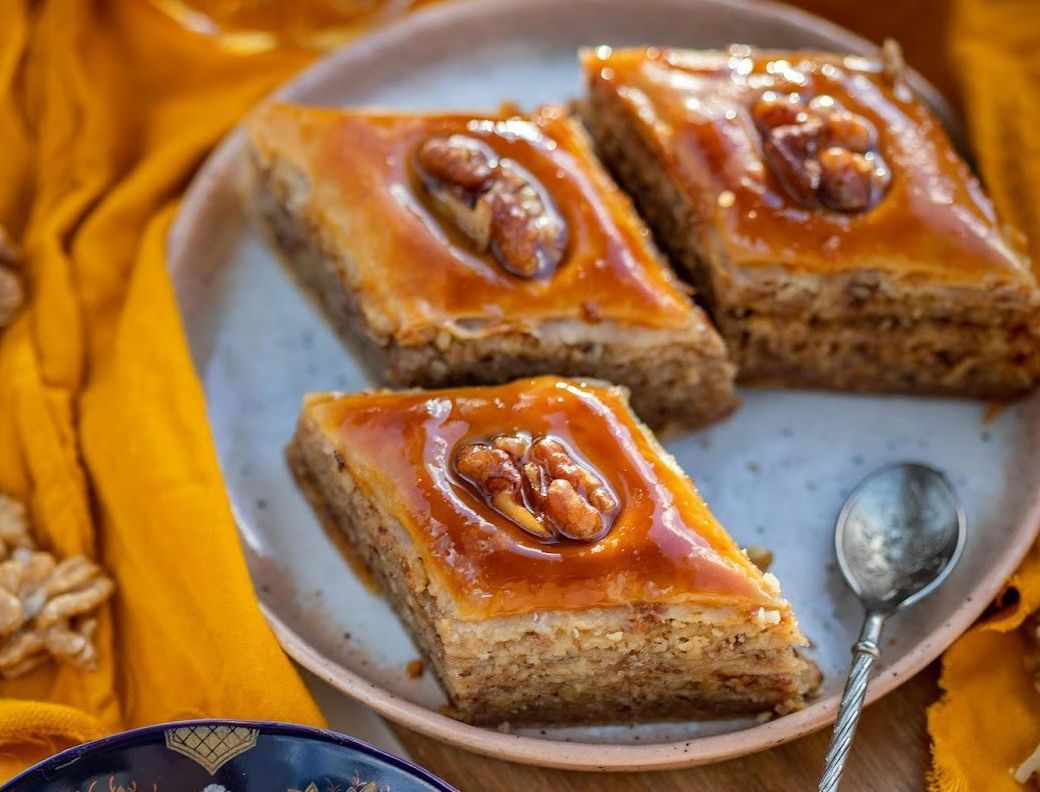 Image: Valeria Boltneva
When in Istanbul, one should definitely try baklava! It’s a layered pastry made with ultra-thin sheets of dough, finely chopped nuts, and fragrant syrup or honey.
It has been enjoyed in the region for centuries and was especially prized in the kitchens of the Ottoman Empire. In Istanbul, baklava is often eaten after lunch or dinner, paired with strong tea to balance the sweetness.
Mochi
 Image: Alina Matveycheva
What is it, you may be wondering? Mochi is a soft, chewy rice cake made from glutinous rice that has been pounded into a smooth, elastic dough. It’s unlike anything found in Western desserts!
Mochi has been part of Japanese culture for over a thousand years and is deeply tied to tradition and seasonal celebrations. In Tokyo, it is enjoyed year-round, though certain varieties appear specifically during festivals and New Year’s celebrations.
Apfelstrudel
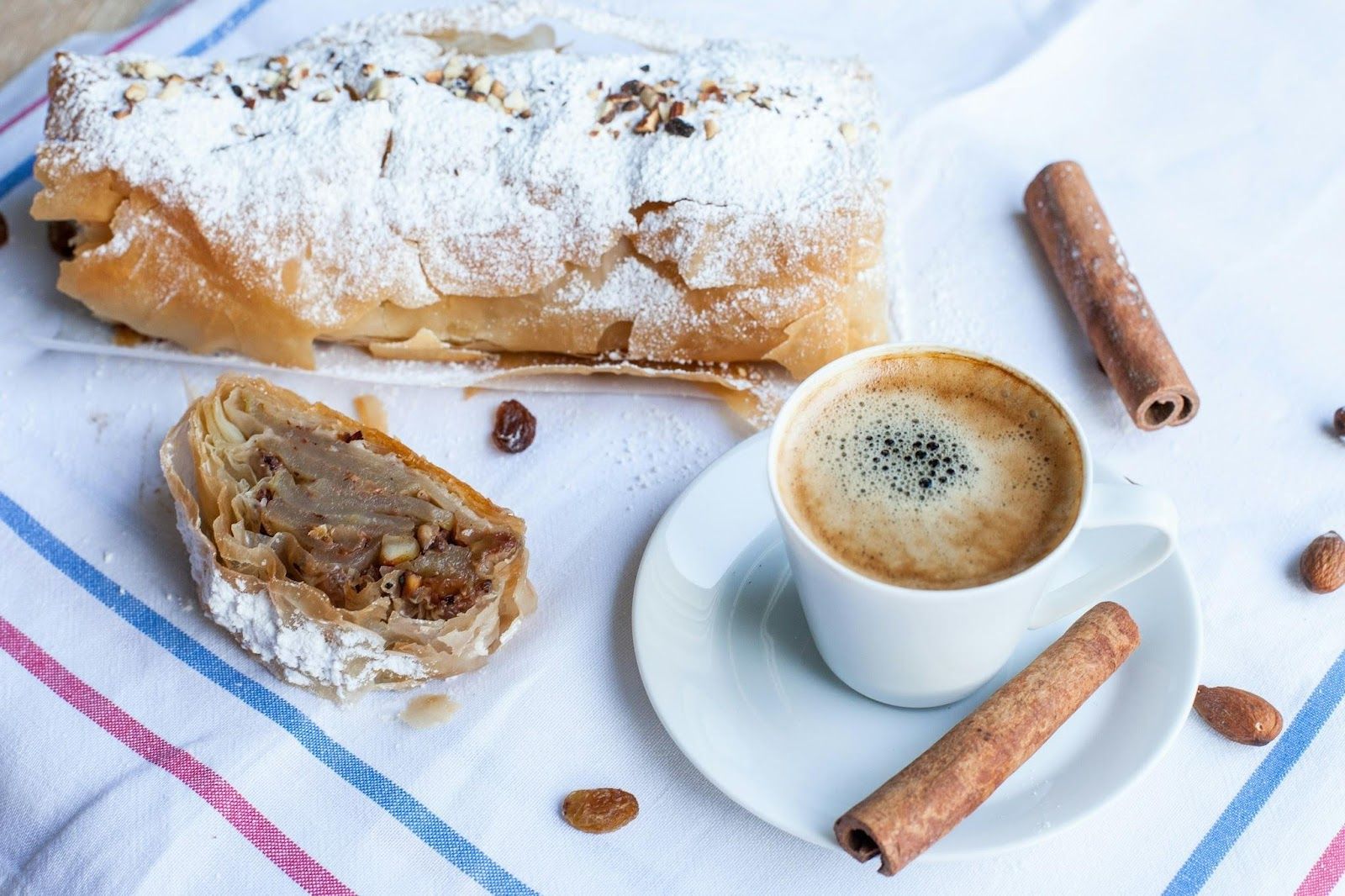 Image: ALEXANDRA TORRO
Apfelstrudel is a thin, flaky pastry wrapped around spiced apples, raisins, and sometimes nuts. It has been popular in Vienna since at least the 18th century and remains a cornerstone of Austrian café culture.
It’s traditionally served warm. What makes it truly special is the paper-thin dough, stretched so finely that legend says you should be able to read a newspaper through it.
Macarons
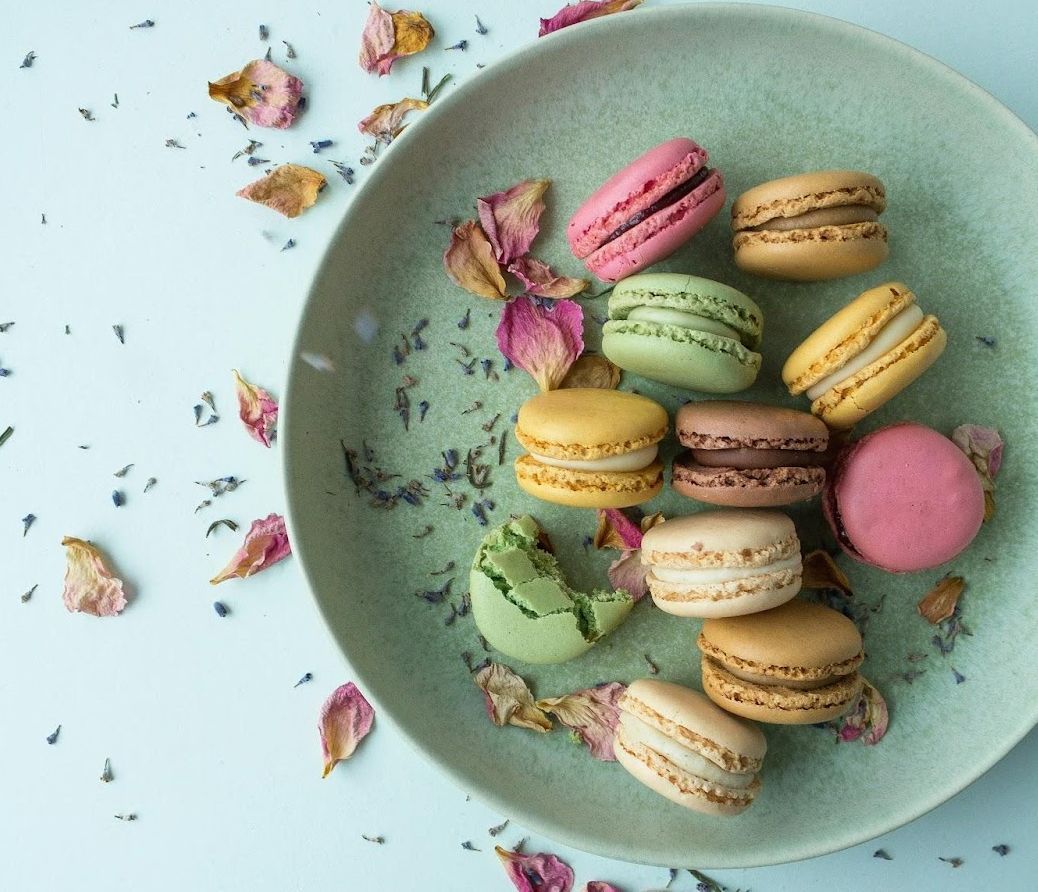 Image: Keila Hötzel
Macarons are delicate sandwich cookies made with almond flour, egg whites, and sugar, filled with ganache, buttercream, or jam.
While they trace their roots back several centuries, they became a Parisian icon in the early 1900s, when famous pastry houses began perfecting their modern form. Parisians usually enjoy them in the afternoon, often with coffee or tea. They’re a refined break rather than a heavy dessert.
Beignets
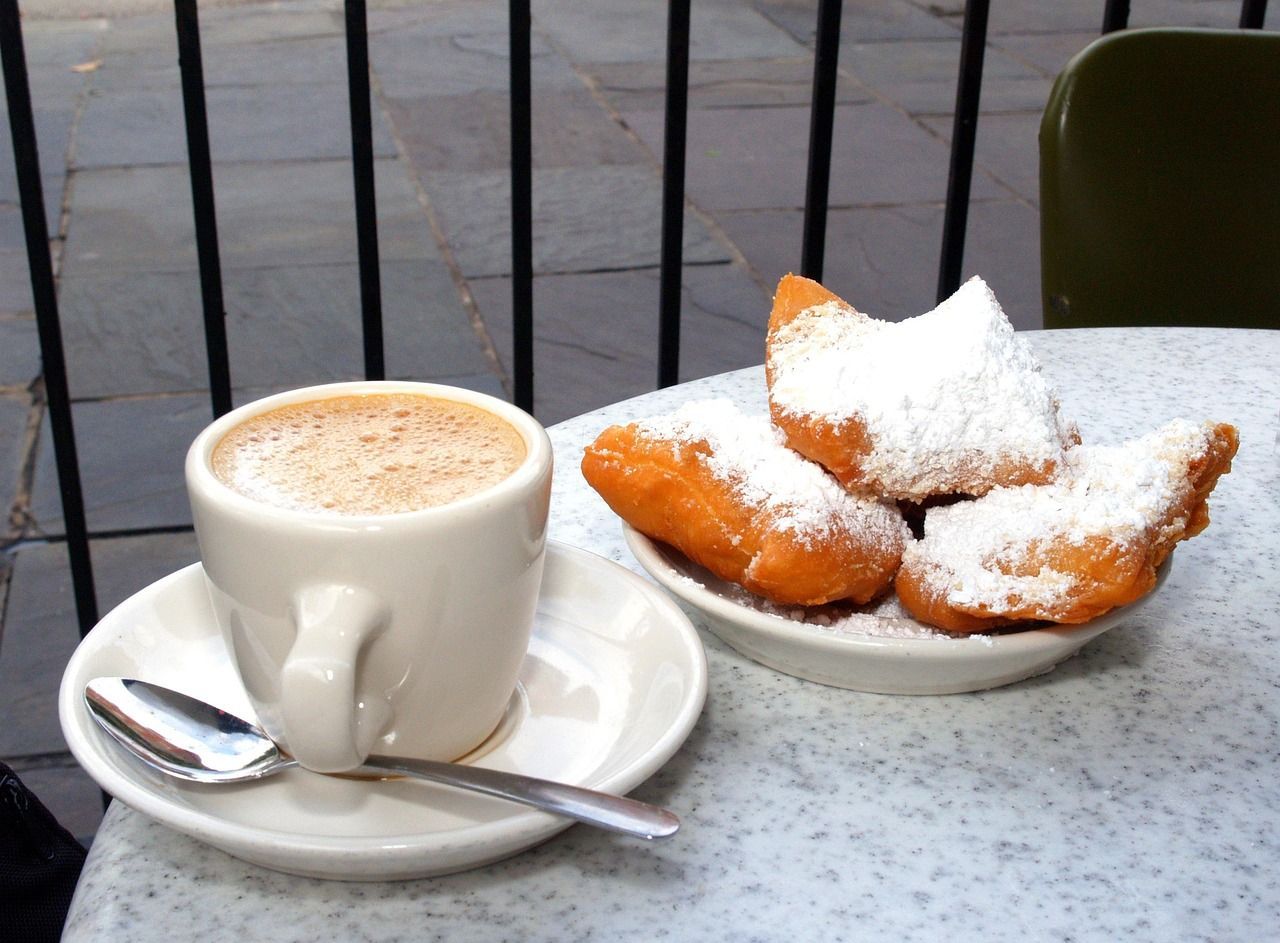 Image: raggio5
Do not leave New Orleans without trying the classic beignets! These square pieces of fried dough are served hot and buried under powdered sugar.
Introduced by French settlers, they became a beloved staple in the city. What makes beignets unforgettable is the experience: sticky fingers, clouds of sugar, and shared laughter at the table.
Belgian waffles
 Image: Robby McCullough
Belgian waffles are thick, airy, and crisp on the outside, designed to be eaten fresh and hot. They became famous worldwide in the mid-20th century, but in Brussels, they’re treated as an anytime street food.
Locals and visitors enjoy them mid-morning or as an afternoon snack, often topped with powdered sugar, chocolate, or fresh fruit.
Alfajores
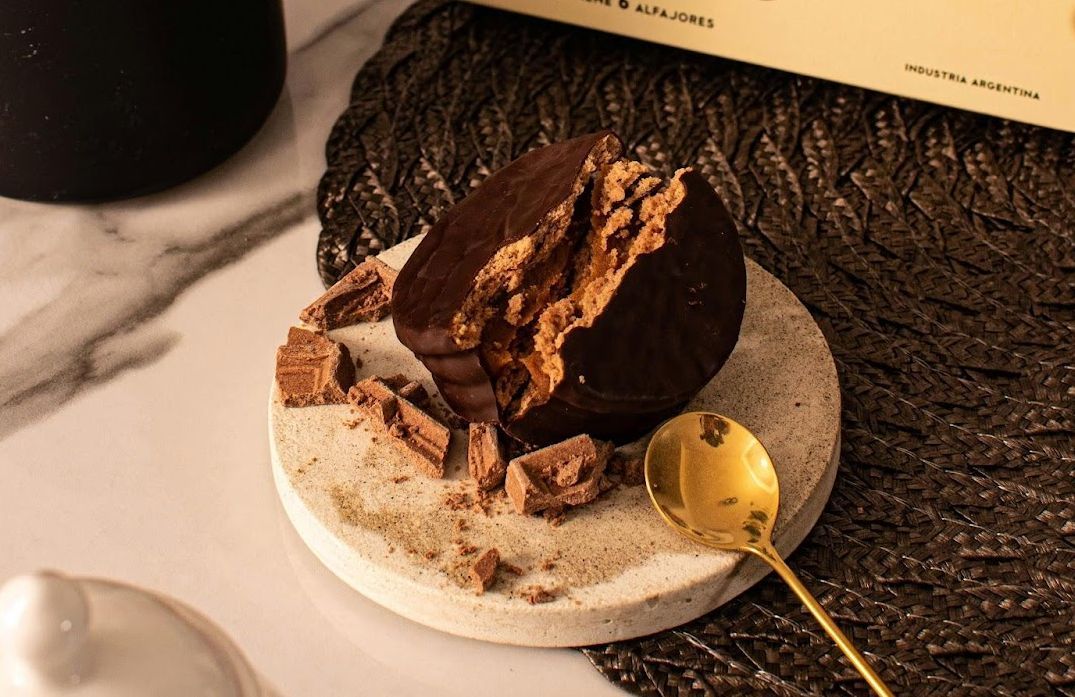 Image: Agustina R Street
Alfajores are soft cookie sandwiches filled generously with dulce de leche and sometimes coated in chocolate or dusted with powdered sugar. While their origins trace back to Spain, they became deeply rooted in Argentine culture in the 19th century.
In Argentina, alfajores are more than a dessert; they are nostalgia, comfort, and a national favorite.
Cheesecake
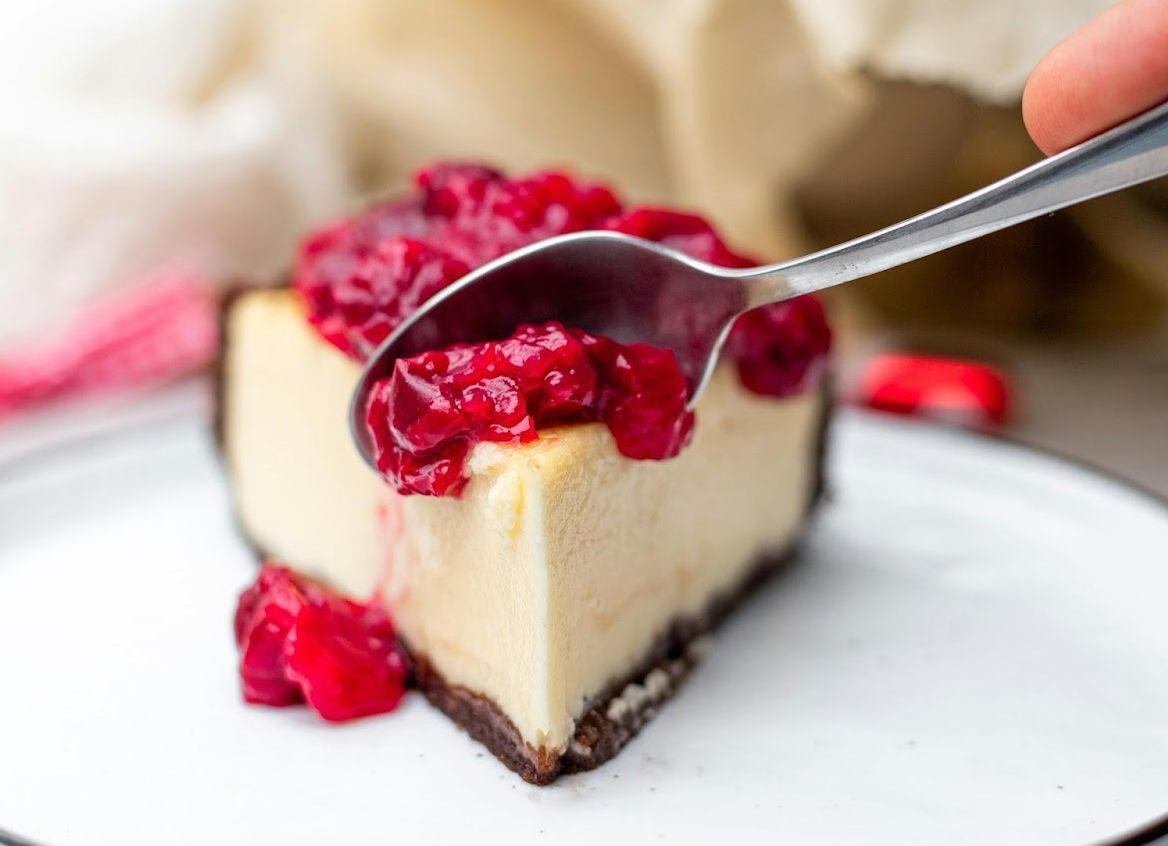 Image: Yulia Khlebnikova
New York cheesecake is known for its dense, creamy texture and rich flavor, made with cream cheese, eggs, and a simple crust. It rose to fame in the early 20th century and quickly became a defining dessert of New York City.
Black Forest cake
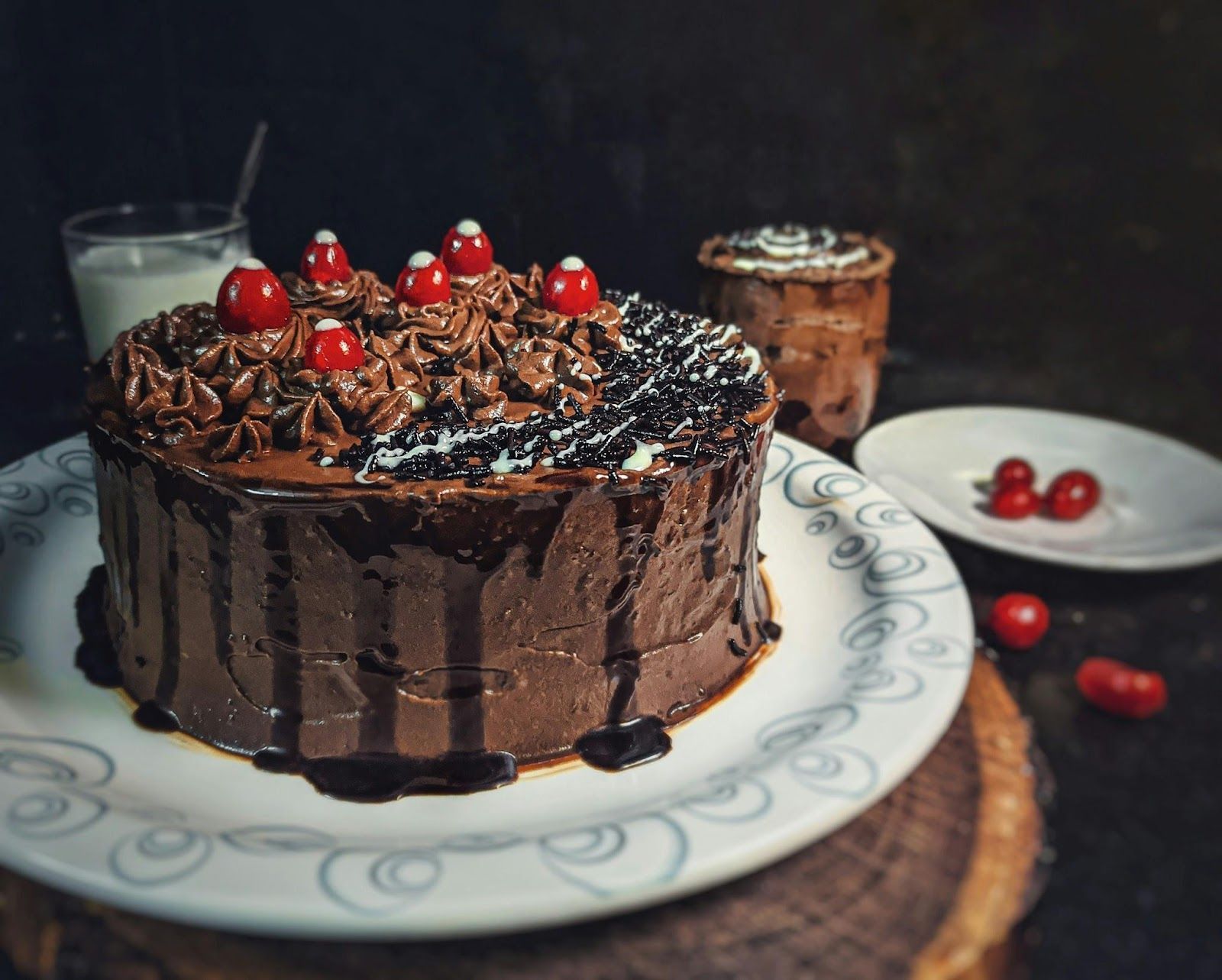 Image: Umesh Soni
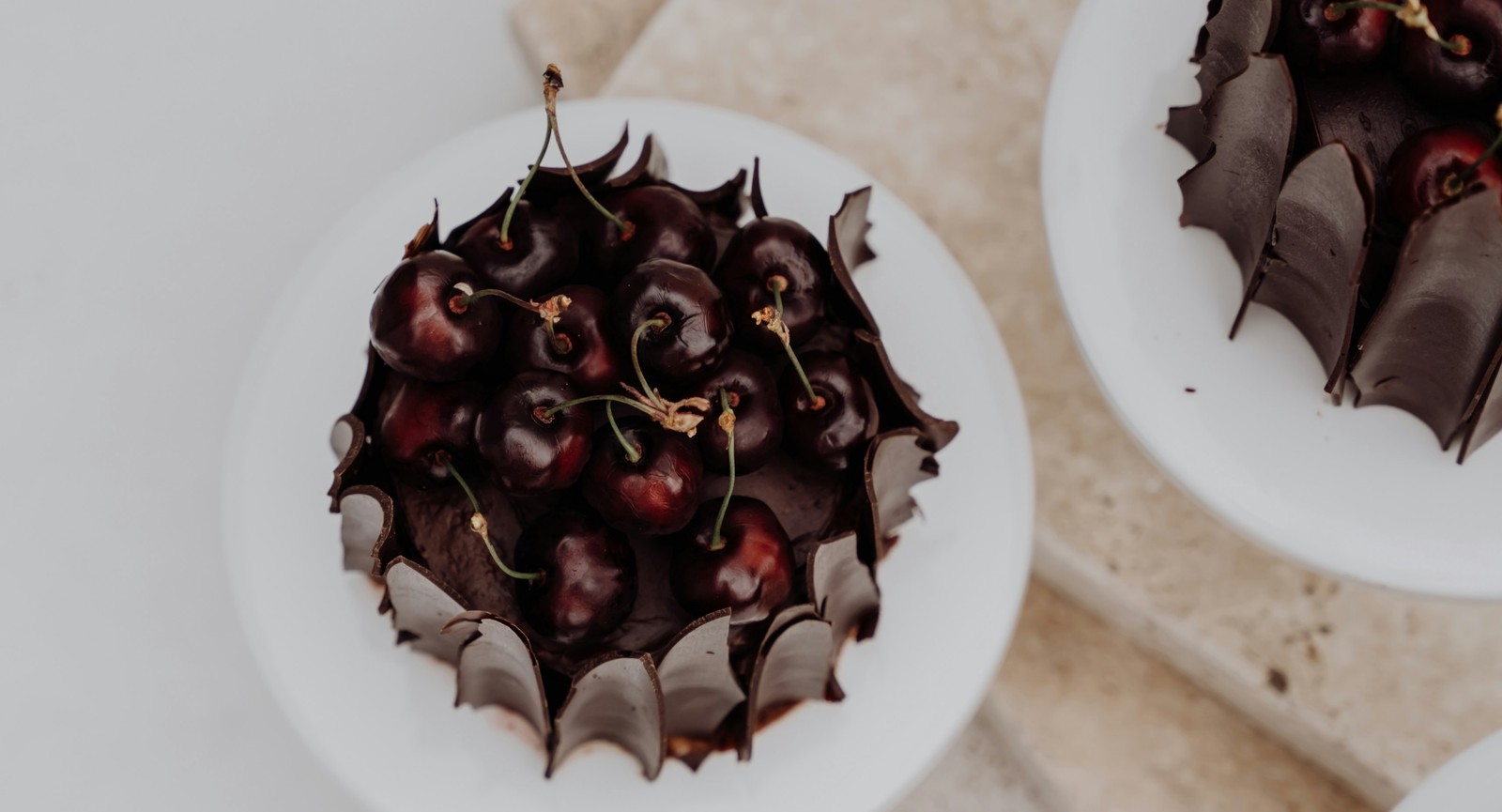
Black Forest cake is a rich combination of chocolate sponge, whipped cream, cherries, and a splash of cherry liqueur. While it takes its name from Germany’s Black Forest region, Munich bakeries helped popularize it as a classic café dessert throughout the 20th century.
It’s typically enjoyed in the afternoon with coffee, when Germans pause for Kaffee und Kuchen (coffee and cake).
Churros
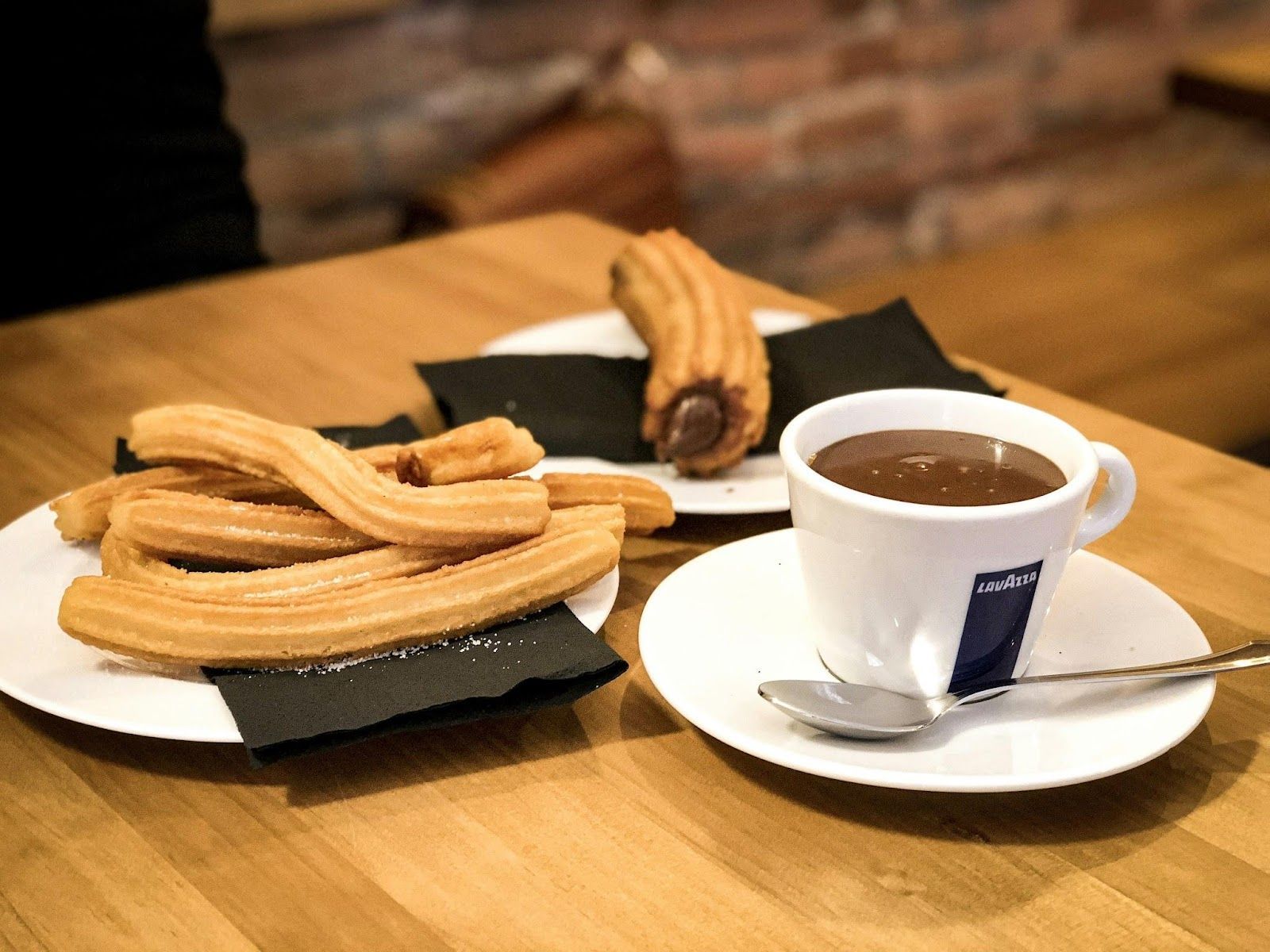 Image: Rosy Ko
You may have tried churros, but have you ever paired them with thick, hot chocolate? In Mexico City, churros are long, ridged sticks of fried dough, crisp on the outside and soft inside, often sprinkled with sugar. A tradition derived from Spanish heritage, the ritual of dipping churros in hot chocolate has been enjoyed for generations.
Sfogliatella
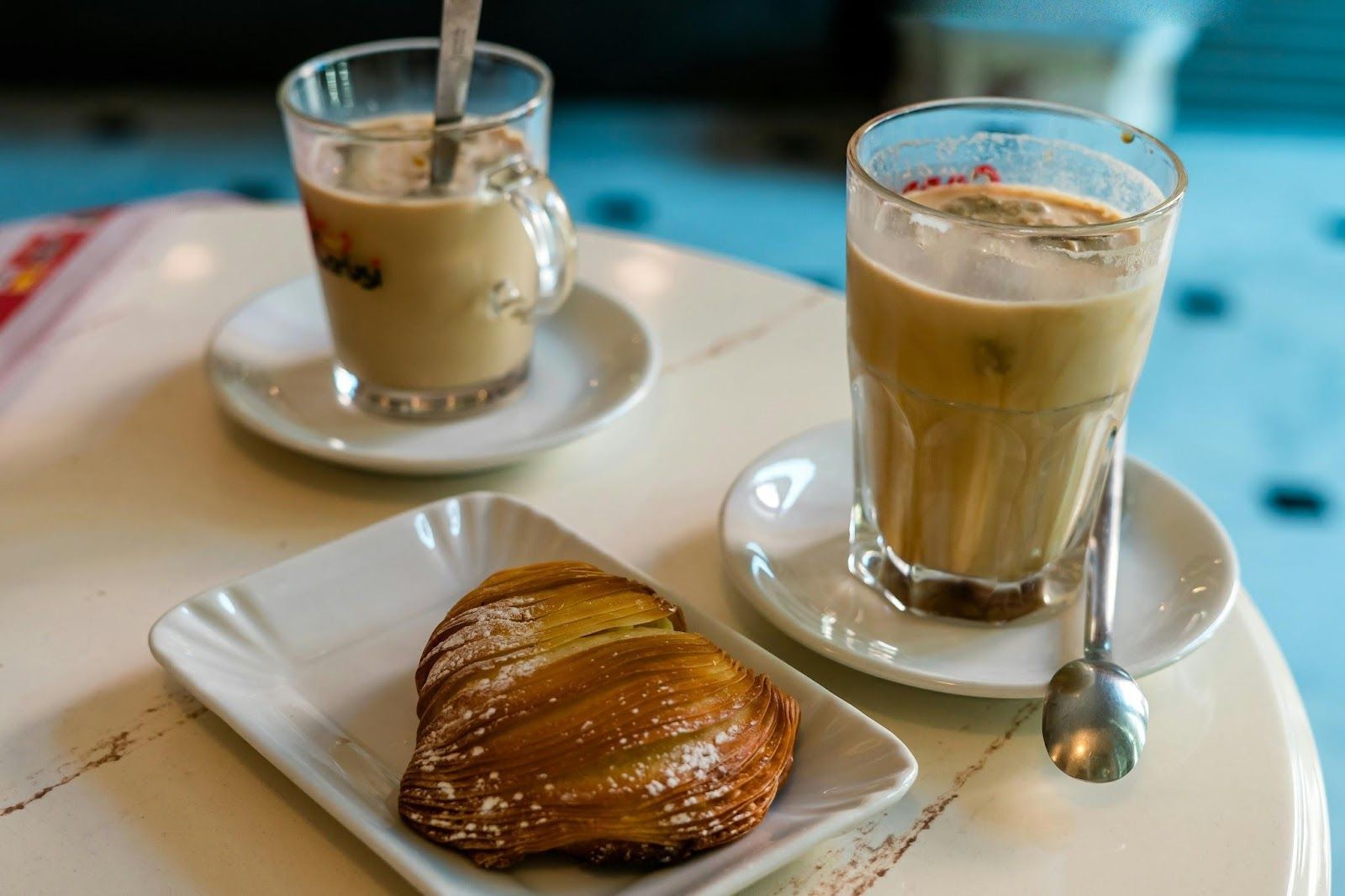 Image: Gabriella Clare Marino
Sfogliatella is a shell-shaped pastry made of many crisp layers, filled with sweet ricotta, citrus, and semolina. It dates back to the 17th century and is closely associated with Naples’ rich pastry tradition.
Locals typically enjoy it in the morning with espresso, though visitors happily savor it any time of day. What makes it unforgettable is the initial crunch followed by a creamy, fragrant filling.
Sachertorte
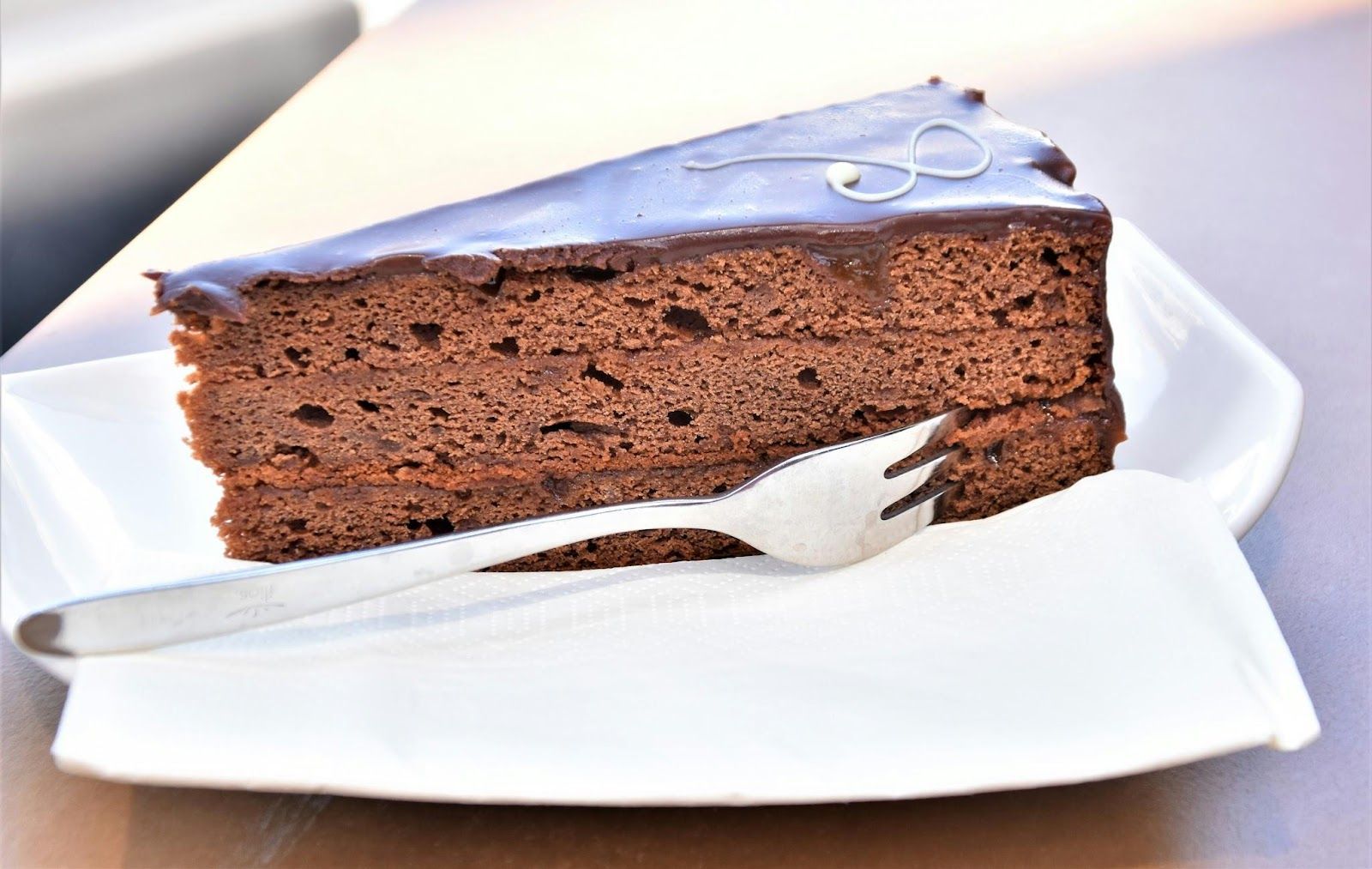 Image: Waldemar Brandt
This is a rich chocolate cake layered with apricot jam and coated in a glossy chocolate glaze. It was created in 1832 for an Austrian prince and has remained a symbol of Viennese café culture ever since. Traditionally, it is served with a dollop of unsweetened whipped cream.
Pastel de nata
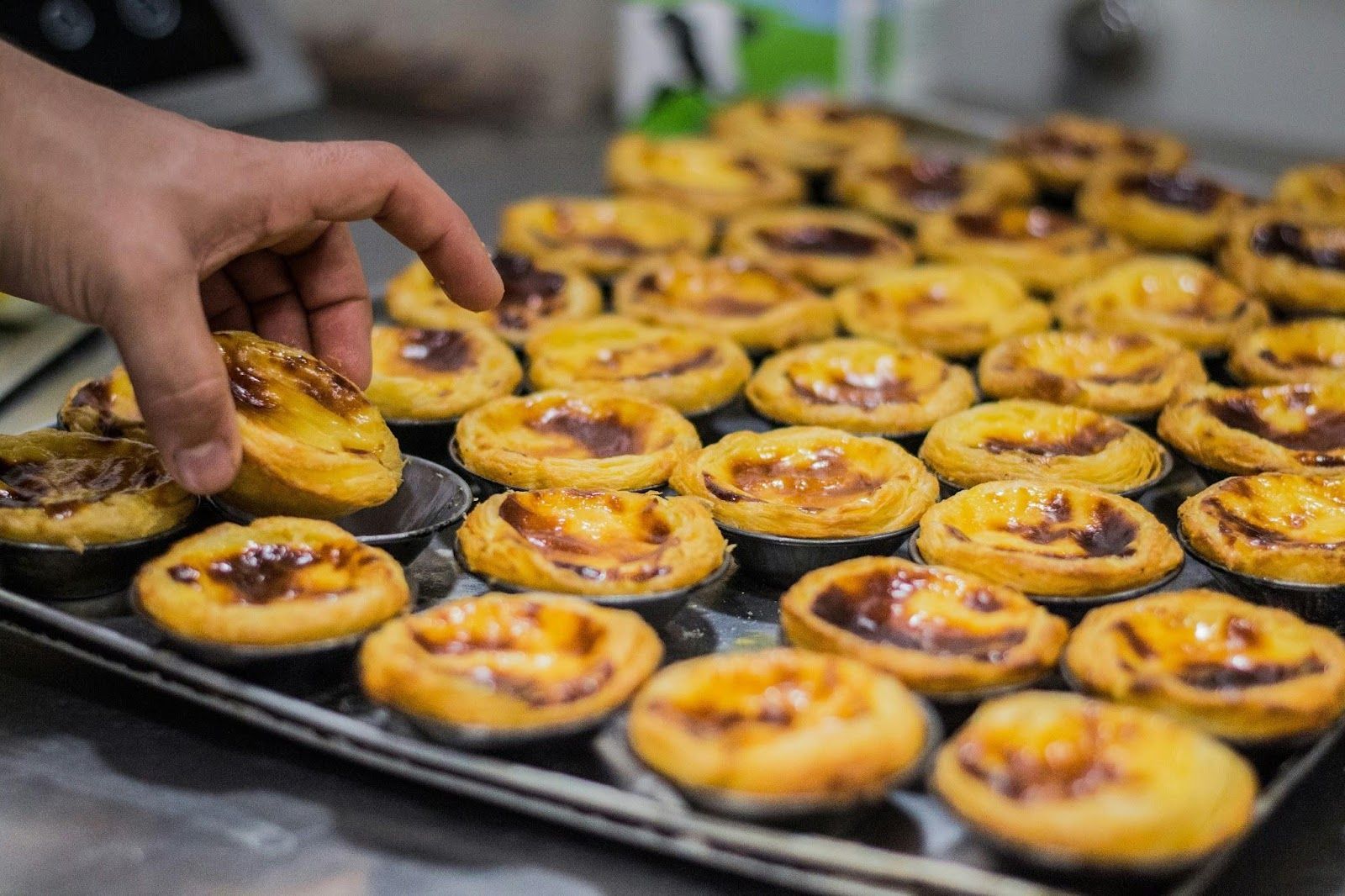 Image: Felix Kolthoff
Pastéis de nata are small custard tarts with flaky pastry shells and lightly caramelized tops. They were created in the 18th century by monks near Lisbon, who used leftover egg yolks from starching clothes. Today, they’re one of Portugal’s most beloved treats.
Keep wandering
There’s always
more to explore
 General
You've seen the Eiffel Tower, but you haven't seen this Paris
4 min.
Read Now
 Geography
Meet the world's strangest Christmas traditions and the tales behind them
6 min.
Read Now

How many time zones does the United States have?
5 min.
Read Now
You've watched these movies 100 times... Go stand where they were filmed
3 min.
Read Now