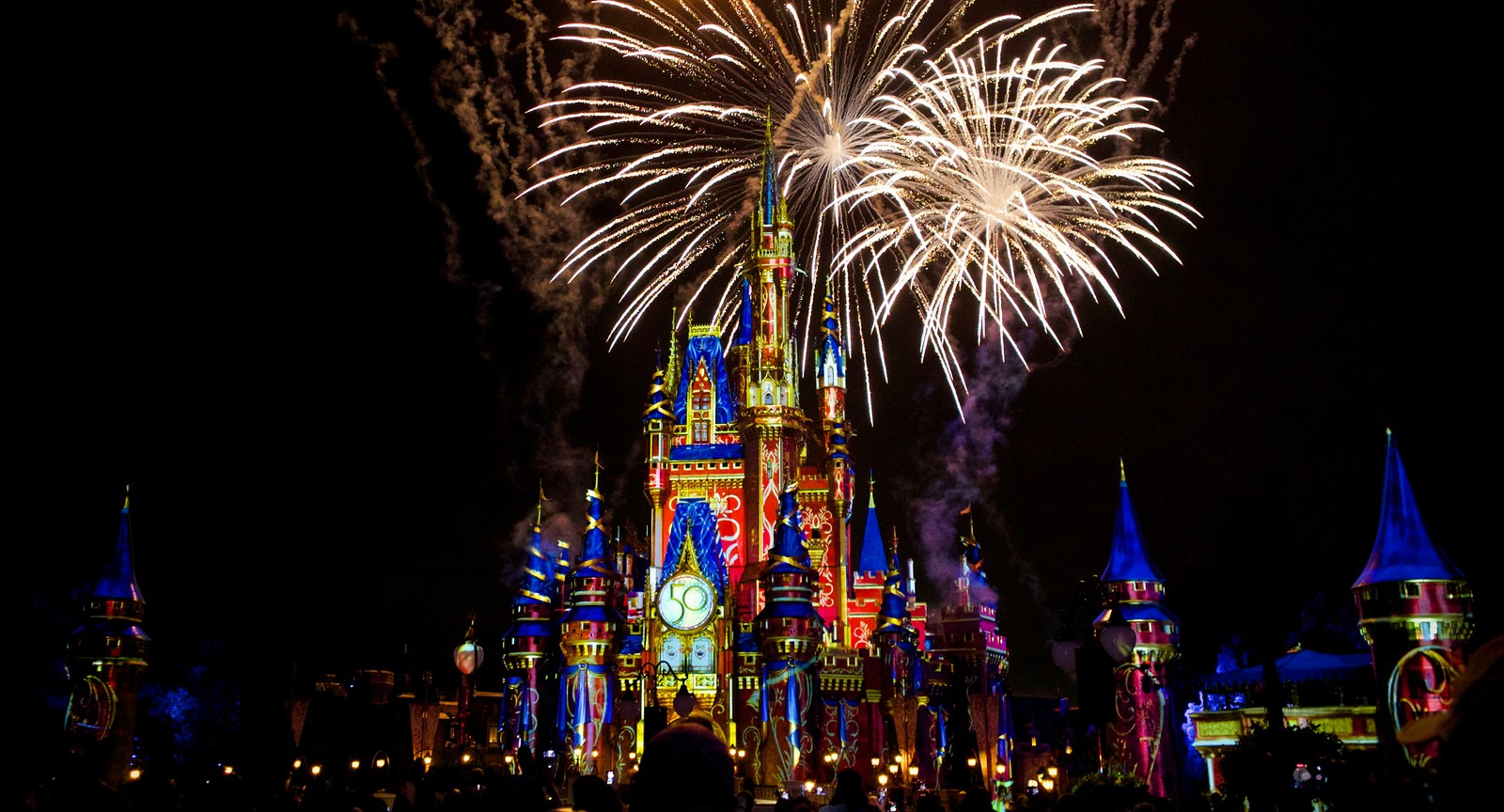
Do Disney parks close during typhoons?
 Landmarks
The happiest place(s) on Earth
Do Disney parks close during typhoons?
Disney is often synonymous with "theme parks." After all, it is the most visited theme park company in the world, with twelve theme parks across six resort locations. What started as a side project of a successful movie company has now evolved into a multibillion-dollar business recognized worldwide.
While all Disney parks share certain commonalities, each is also unique, whether due to its location—Florida, California, Tokyo, Paris, Hong Kong, and Shanghai—its themes, or the attractions it offers. Here are all the Disney theme parks explained!
Disneyland Park, California Resort
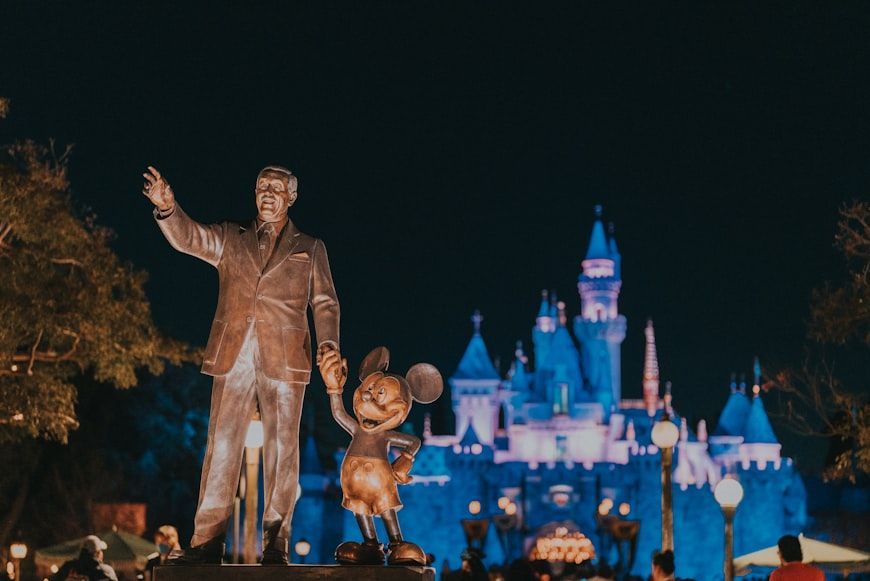
The first theme park opened by Disney in 1955, and the only one inaugurated by Walt Disney himself, Disneyland Park was originally conceived as a side attraction for tourists visiting the Disney Studios in Burbank. However, space limitations forced the company to relocate the project to Anaheim.
The park is divided into nine themed "lands," inspired by different regions of America, the world, and Disney’s own productions. Although many attractions have been added since its opening, the park holds a unique charm, blending nostalgia with innovation.
Disney California Adventure, California Resort
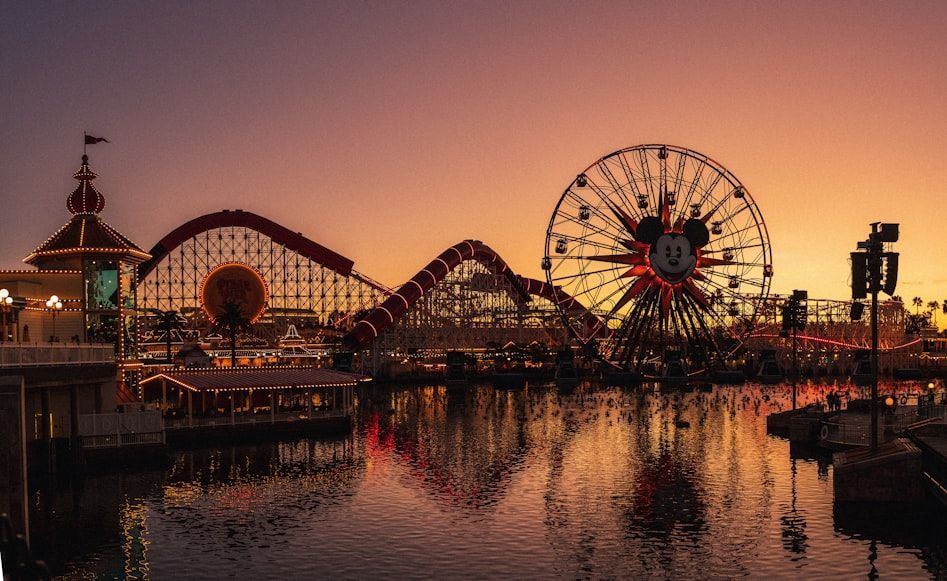
Opened in 2001, this park draws inspiration primarily from California and its culture, while focusing on Marvel, Pixar, and other newer Disney franchises. Often considered a more grown-up park compared to the family-friendly Disneyland Park, it features more thrilling attractions.
Disney California Adventure is also divided into themed lands, in this case inspired by California landmarks—such as Hollywood, Santa Monica, or the Yosemite National Park—as well as by successful movie franchises, including Marvel’s Avengers, and Cars.
Magic Kingdom Park, Florida Resort
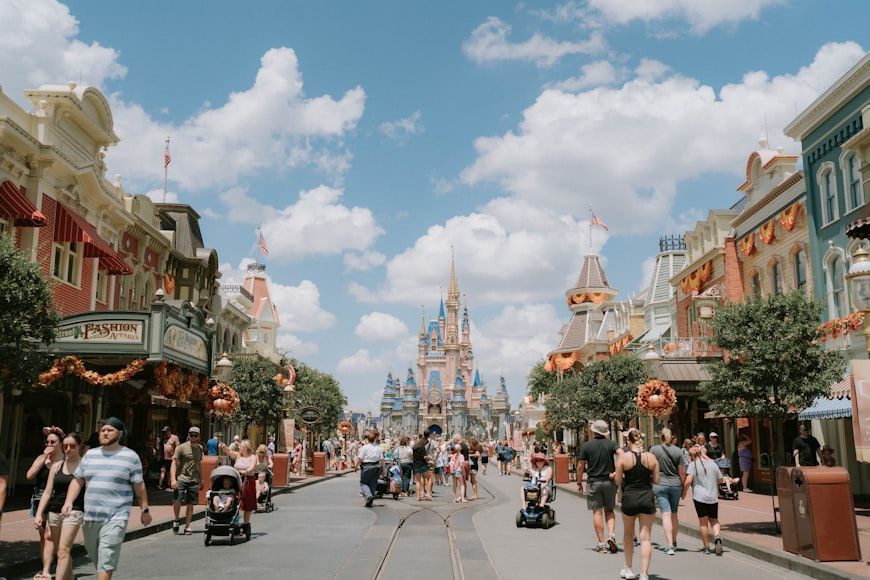
Probably the most recognizable Disney theme park, thanks to its iconic Cinderella Castle, it is also the most visited of the twelve parks. Planned as part of a larger resort complex, it was designed by Walt Disney to be a larger version of the original Disneyland park in California. Sadly, Walt Disney passed away before the park opened.
Magic Kingdom is divided into six themed lands inspired by American history, remote destinations, the space age, and classic Disney fairy tales. Its attractions include iconic rides such as Pirates of the Caribbean, Space Mountain, and Haunted Mansion.
EPCOT, Florida Resort
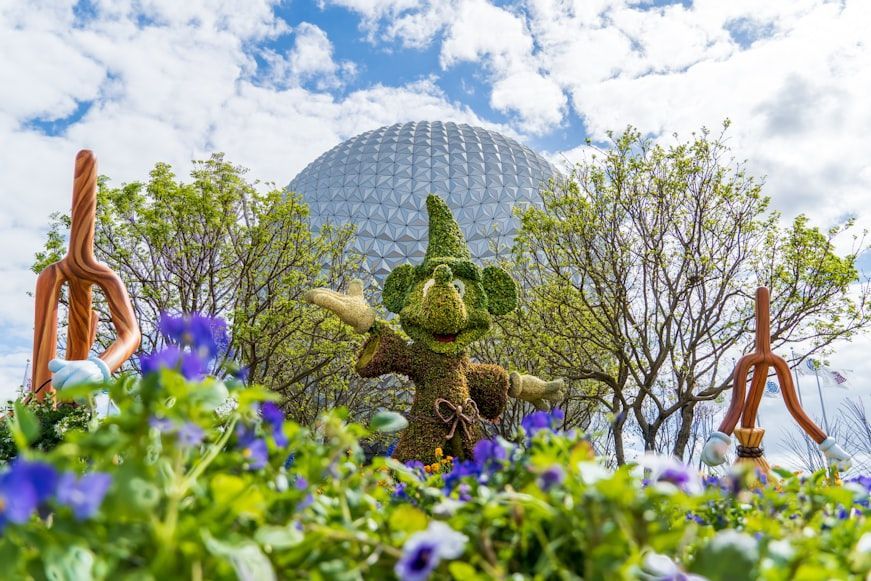
Often described as a "permanent world fair," EPCOT was designed to celebrate human achievements and technological advancements. Spaceship Earth, the park's most famous landmark, takes guests on a "time machine" ride through the history of human communication.
The park is divided into four neighborhoods that explore technology, science, creativity, architecture, and the natural world, and it also features Disney-themed rides related to these subjects. The park’s largest neighborhood, World Showcase, is dedicated to representing different cultures from around the world, with reproductions of famous landmarks such as the Eiffel Tower and Hampton Court Palace.
Disney's Hollywood Studios, Florida Resort
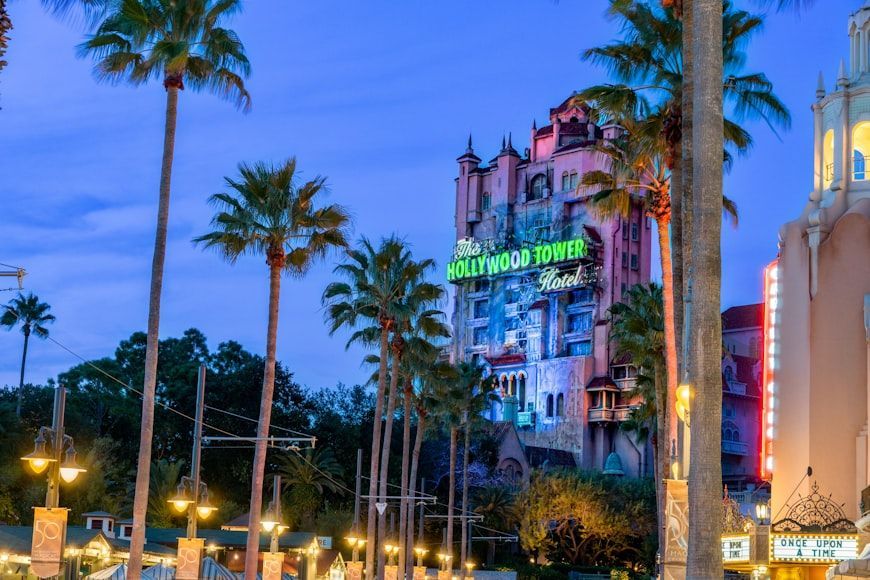
Opened in 1989, Disney's Hollywood Studios represents an idealized version of Hollywood, drawing inspiration from the Golden Age of cinema. The park originally included an operating production studio, which was later removed.
The different park areas are inspired by real Hollywood locations or famous Hollywood stories, often including buildings and attractions modeled after well-known landmarks. One of its most iconic attractions is the Fantasmic! show, which has been running since 1998.
Disney's Animal Kingdom, Florida Resort
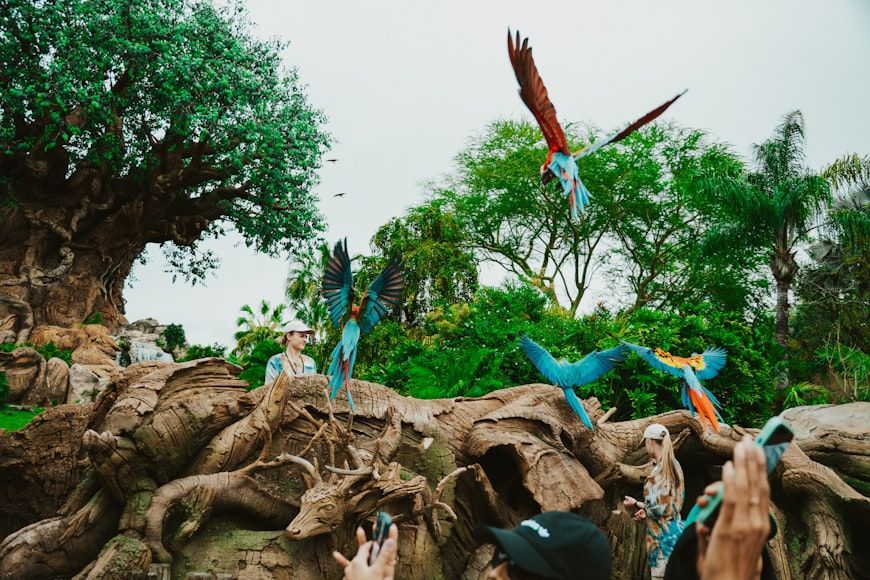
Opened on Earth Day in 1998, Animal Kingdom focuses on the natural environment and animal conservation. Unlike other Disney parks, Animal Kingdom features live animal exhibits alongside traditional rides and attractions. For this reason, the park is somewhat isolated from other resorts in the complex and avoids loud attractions or shows that could disturb the animals.
Divided into six themed areas, the park offers a mix of Disney-themed attractions and rides, with areas inspired by animals and their natural habitats. The park is officially accredited as a zoo and maintains high standards of research, conservation, and animal welfare.
Tokyo Disneyland, Tokyo Resort
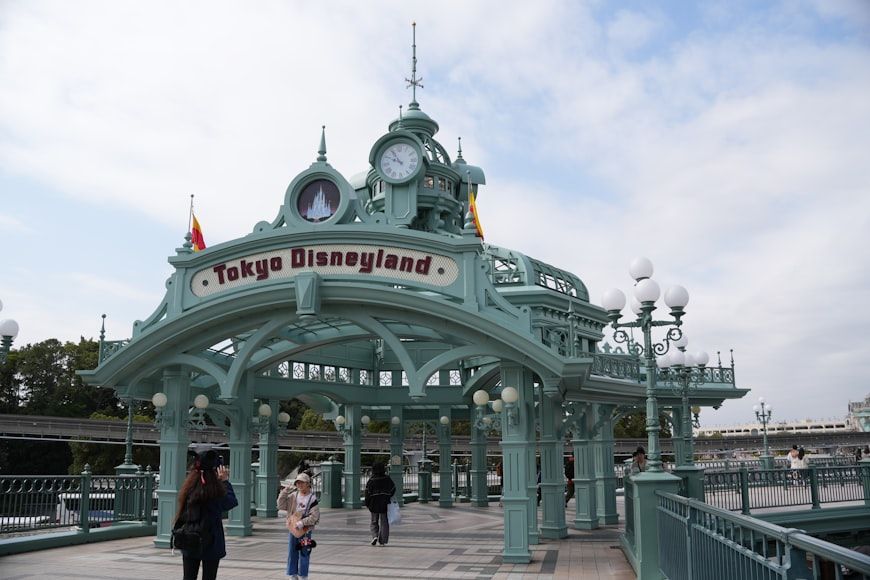
Although officially part of the Disney brand, this park and the rest of the Tokyo Disneyland Resort are not owned or operated by the Walt Disney Company. Tokyo Disneyland was the first Disney park to open outside the U.S., and its layout closely mirrors that of the original Disneyland park in California.
Divided into seven themed areas, most of the attractions are similar to those found in Disneyland and Magic Kingdom, though there are some exclusive rides and experiences. One of the most visited theme parks in Asia, Tokyo Disneyland is renowned for its extensive open spaces, designed to accommodate large crowds.
Tokyo DisneySea, Tokyo Resort
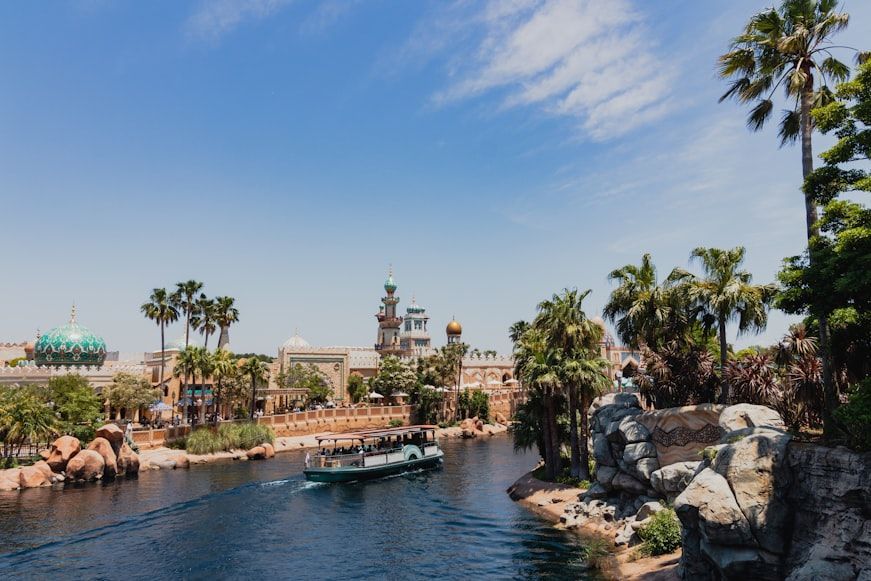
Initially conceived as a copy of Disney's Hollywood Studios, Tokyo DisneySea was ultimately developed with a nautical theme, taking advantage of the location of the resort in Tokyo Bay. The resort is known for remaining open during typhoon season—though opening hours may be reduced and some outdoor attractions may be unavailable—and has only fully closed due to weather conditions during the 2019 Typhoon Hagibis.
The park is divided into eight "ports of call," inspired by real and fictional maritime locations—such as the Mediterranean or the Arabian Coast—and by characters from Disney stories, including the Little Mermaid, Sinbad, or Indiana Jones.
Disneyland Paris, Paris Resort
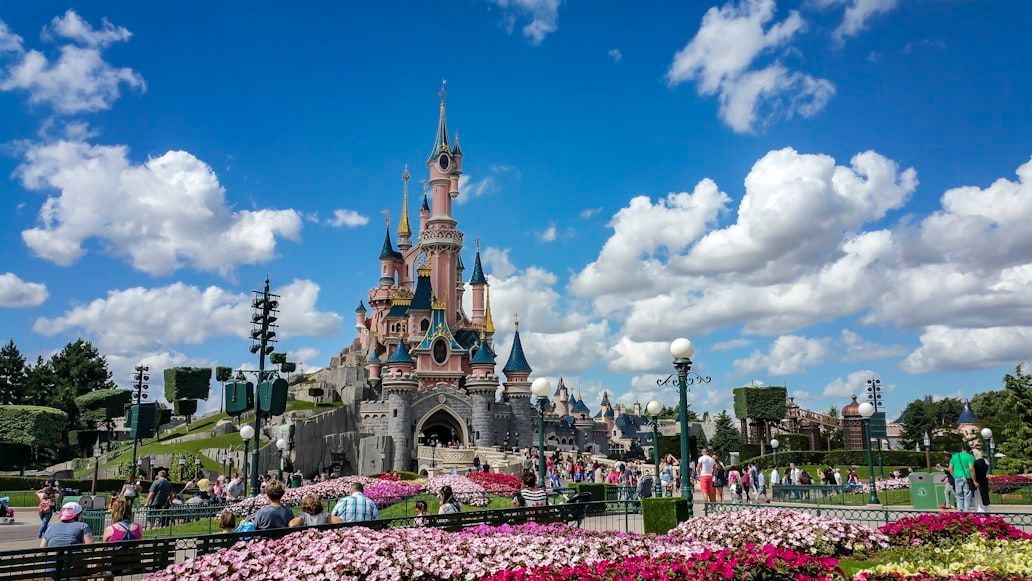
The second Disney park outside the U.S., Disneyland Paris, opened in 1992 as Euro Disneyland Park. Similar to Tokyo Disneyland, this park was also designed after the original Disneyland and the Magic Kingdom parks. Its most iconic landmark is the Sleeping Beauty Castle, a reimagined French version of the castle in Disneyland, California.
The park is divided into five themed lands, and many attractions are similar to those found in the California and Florida resorts. However, two areas—Fantasyland and Discoveryland—have been reimagined with European concepts and aesthetics.
Walt Disney Studios Park, Paris Resort
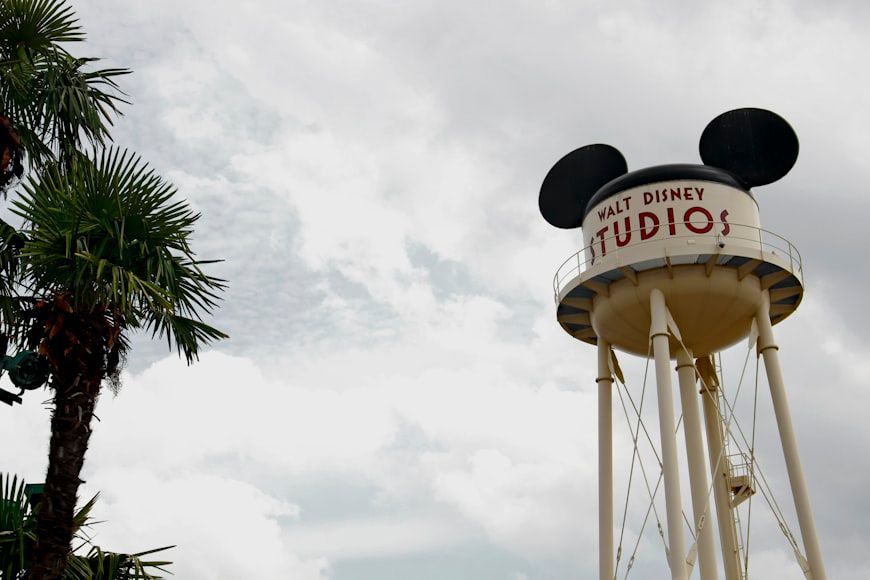
Although this park was initially conceived as a European counterpart to Disney's Hollywood Studios, it eventually shifted away from the movie-studio concept to focus more on Disney-themed attractions. The park is currently undergoing a major expansion, with plans to be renamed Disney Adventure World.
The park is divided into five "studio lots" that represent different aspects of film production. According to the expansion plans, these lots will be transformed into six areas, including new zones inspired by Frozen and Marvel’s Avengers, as well as the addition of a new lake.
Hong Kong Disneyland, Hong Kong Resort
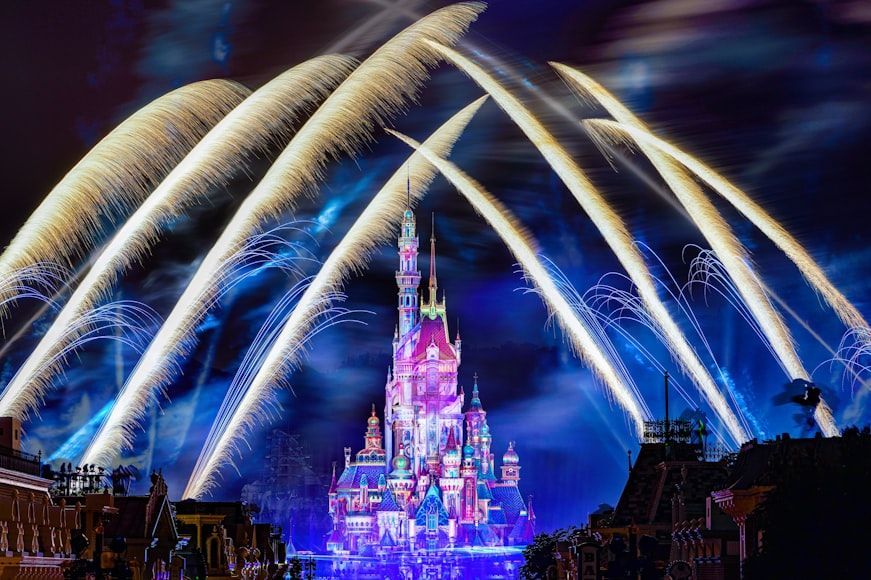
Opened in 2005, Hong Kong Disneyland was carefully designed to respect local culture and avoid potential controversies. To achieve this, the park was planned according to Feng Shui principles and with multiple allusions to Chinese culture and customs.
Hong Kong Disneyland is the smallest of all the Disney theme parks, and it’s divided into eight themed lands, similar to other resorts, with the distinction that each land is designed to be fully immersive and somewhat isolated from the others.
Shanghai Disneyland, Shanghai Resort
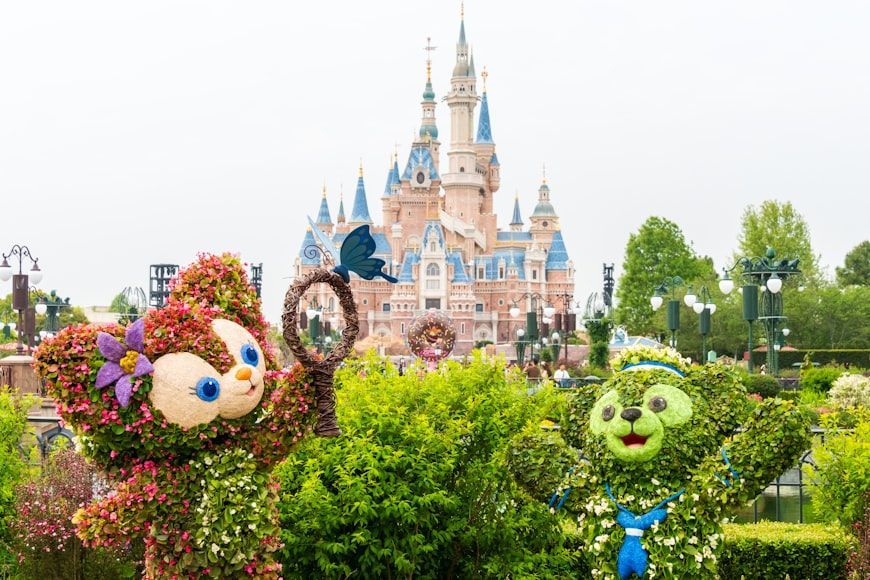
Opened in 2016, Shanghai Disneyland is the most visited theme park in China and the newest Disney park to date. It is the only Disney park without a steam railroad encircling the park, reportedly because train travel is quite common in China and therefore not considered a novelty.
At the center of the park is the Gardens of Imagination, inspired by the Chinese Zodiac. While areas of the park are similar to those found in other Disney resorts, the traditional layout has been adapted: some classic themed lands have been modified to avoid direct references to American culture.
Did you know these iconic landmarks were once considered mistakes?
History-filled walls
Believe it or not: These 10 beloved landmarks were hated at first!
Did you know that many of the buildings we now see as iconic were initially rejected? A country’s history can be understood, told, and even projected through its architecture. The way we design government institutions, museums, homes, parks, office buildings, and even shops and restaurants reveals what we value and how we express our identity. However, some architectural designs were simply ahead of their time. Today, we’re diving into the stories of 10 famous American buildings that were anything but loved at first sight. Let’s get started!
Guggenheim Museum - New York City
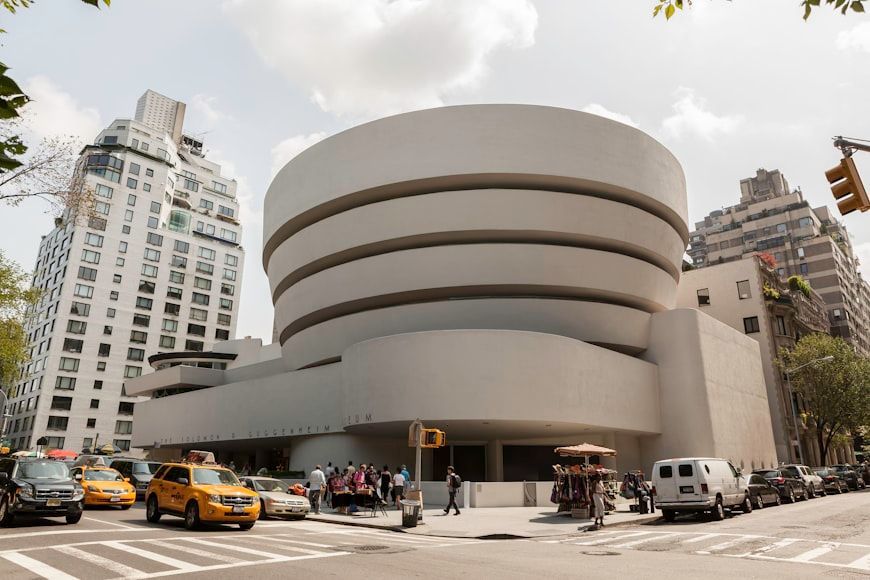 Image: Reno Laithienne
Today, it’s hard to imagine the Manhattan skyline without the Guggenheim Museum’s impressive presence. But when Frank Lloyd Wright first proposed its design, it was met with anything but praise. In the 1940s and 1950s, New York’s boxy buildings made the museum’s spiral form feel out of place, and some critics even called it "the upside-down washing machine". Others worried that its unusual shape would make displaying art nearly impossible. Time proved them wrong: the Guggenheim now stands proudly as a beloved icon, admired not just by New Yorkers but by Americans everywhere.
Transamerica Pyramid - San Francisco
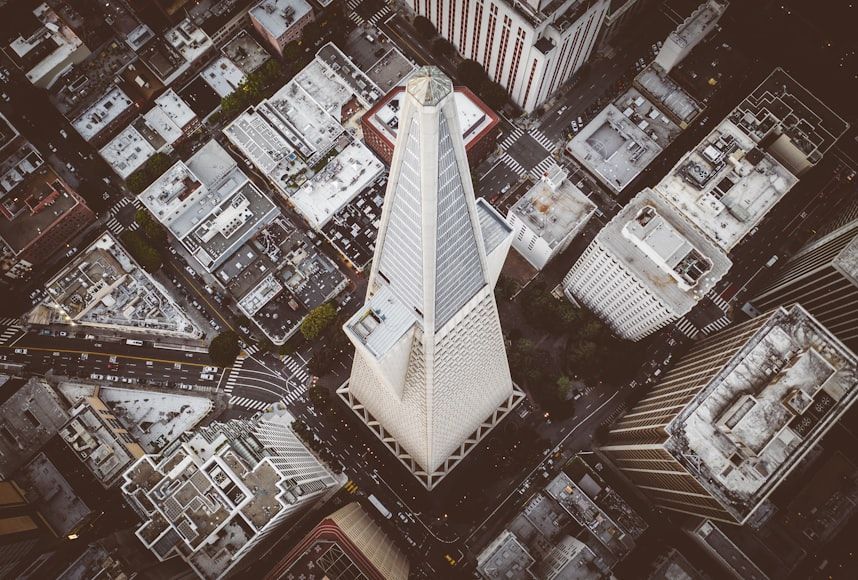 Image: Denys Nevozhai
At the end of the 1960s, construction began on what would become San Francisco’s famous Transamerica Pyramid, but not without controversy. Many residents, along with architects and critics, opposed it, expressing that its futuristic shape didn’t fit in with the city’s traditional architecture. Protests broke out in different parts of the city, with people wearing dunce caps to mock the building’s pointed form. However, time did its work: today, the Transamerica Pyramid is no longer debated and stands as one of San Francisco’s iconic landmarks.
Boston City Hall
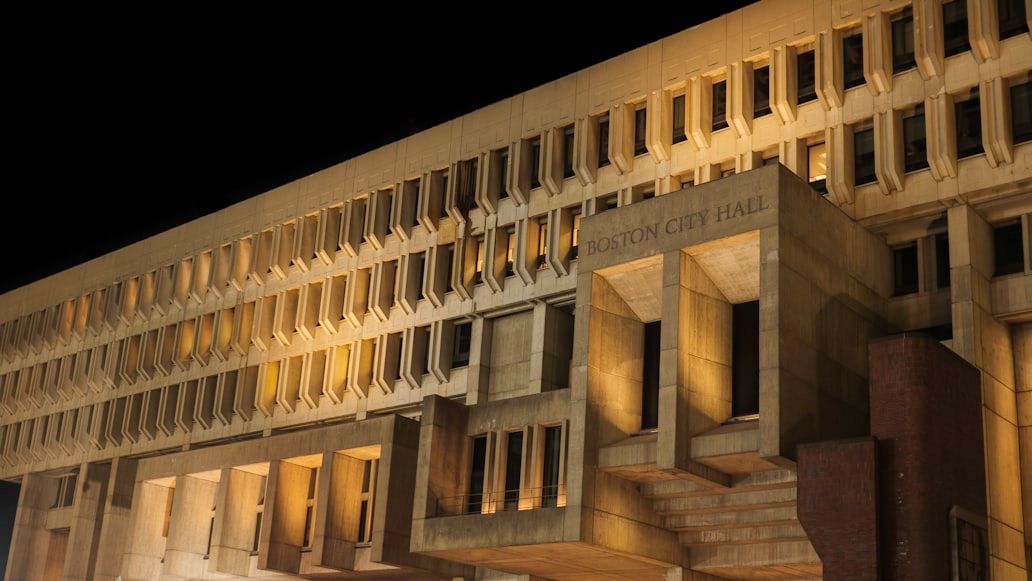 Image: Leon Bredella
Boston City Hall is undeniably a building with personality, as Brutalist architecture tends to be. When it was completed in the late 1960s, many felt its style contradicted the surrounding cityscape and that its massive concrete form made the space feel cold and soulless. Even today, its geometry and massive size still divide opinions. Over time, however, citizens, critics, and architects have come to recognize and appreciate Boston City Hall for its ambition and historical significance.
Empire State Building - New York City
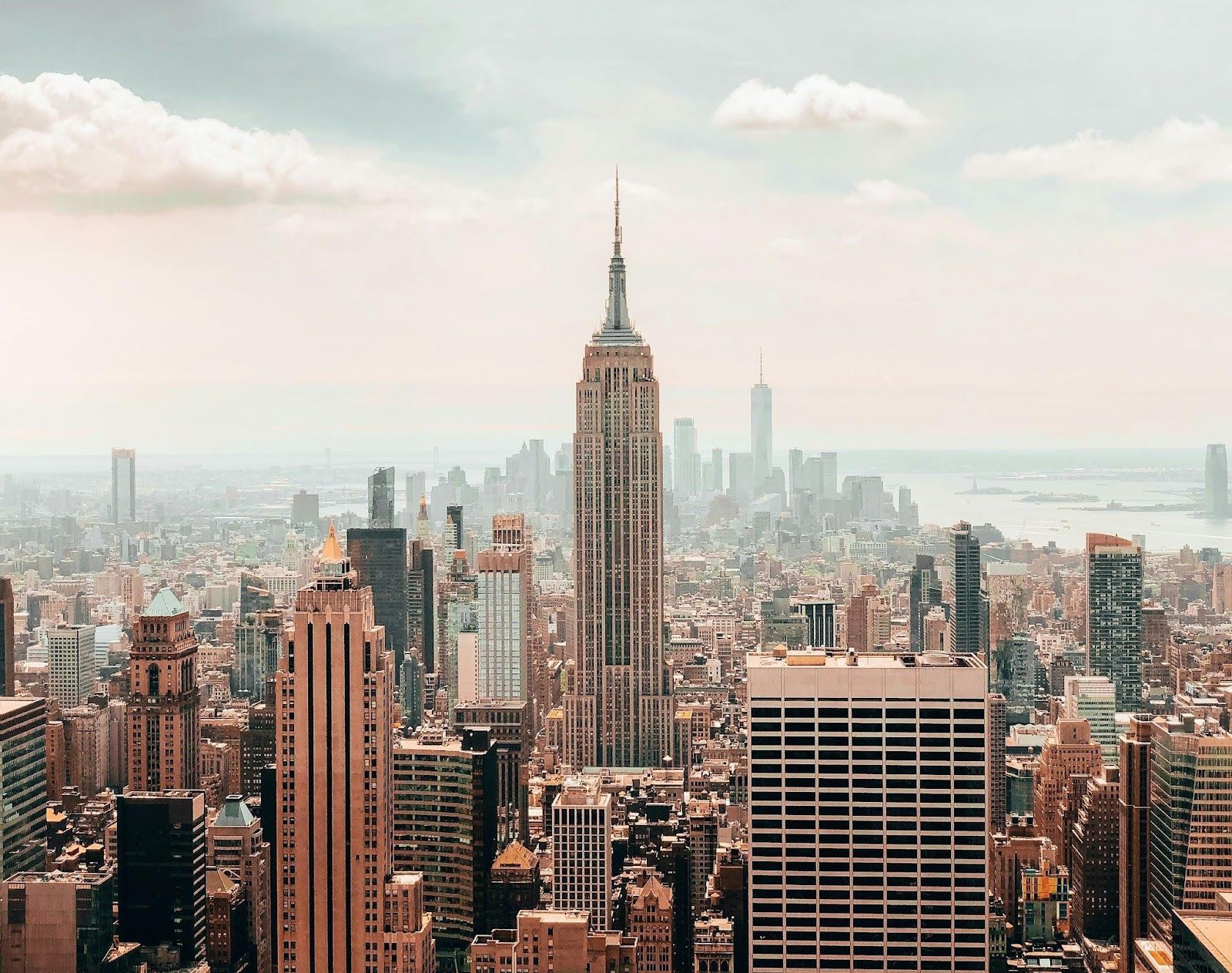 Image: Christian Ladewig
"Empty State Building" was the nickname critics gave to the Empire State Building when the iconic skyscraper, rising 1,250 feet, was completed in 1931, just one year and 45 days after construction began. But it wasn’t embraced as quickly as it was built. Opening during the Great Depression, it was initially seen as an extravagance and a failure, with 75% of its space empty. Over time, however, the nation’s economic recovery (and a boost from Hollywood, thanks to films like King Kong) helped attract tenants and attention, turning it into one of the most recognizable buildings in America.
Washington Monument - Washington, D.C.
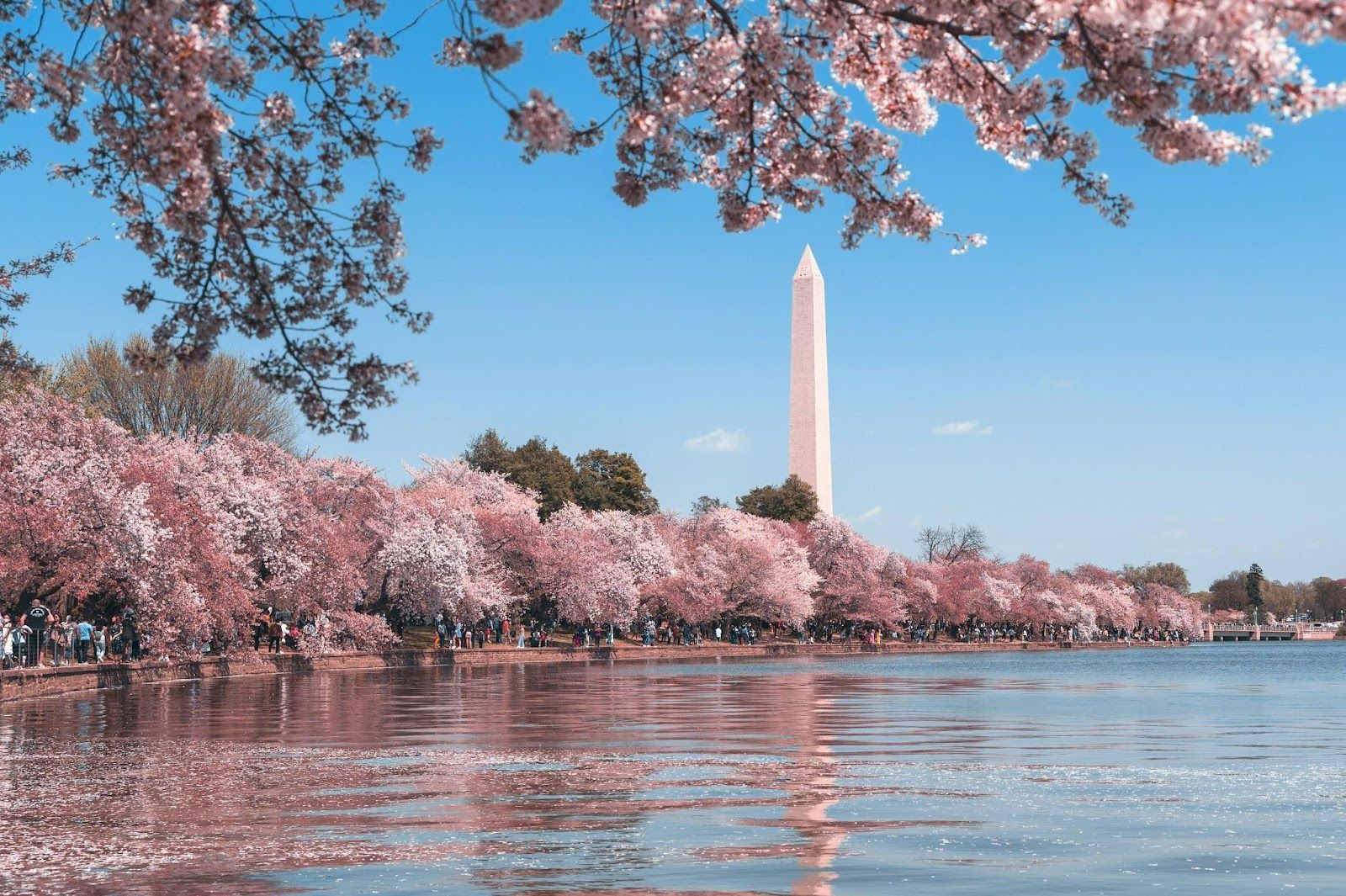 Image: Andy He
Designed by Robert Mills, construction of the Washington Monument in Washington, D.C., began in 1848 and took nearly 40 years to complete, with several long interruptions along the way. It wasn’t just a lack of funding that slowed its progress, but also public disagreement. Many felt the obelisk's shape failed to capture the spirit of the "Father of His Country," and others worried its height would disrupt the landscape near the Tidal Basin. But once the monument was finally completed and its full scale and magnificence could be appreciated, opinions began to change.
Rockefeller Center - New York City
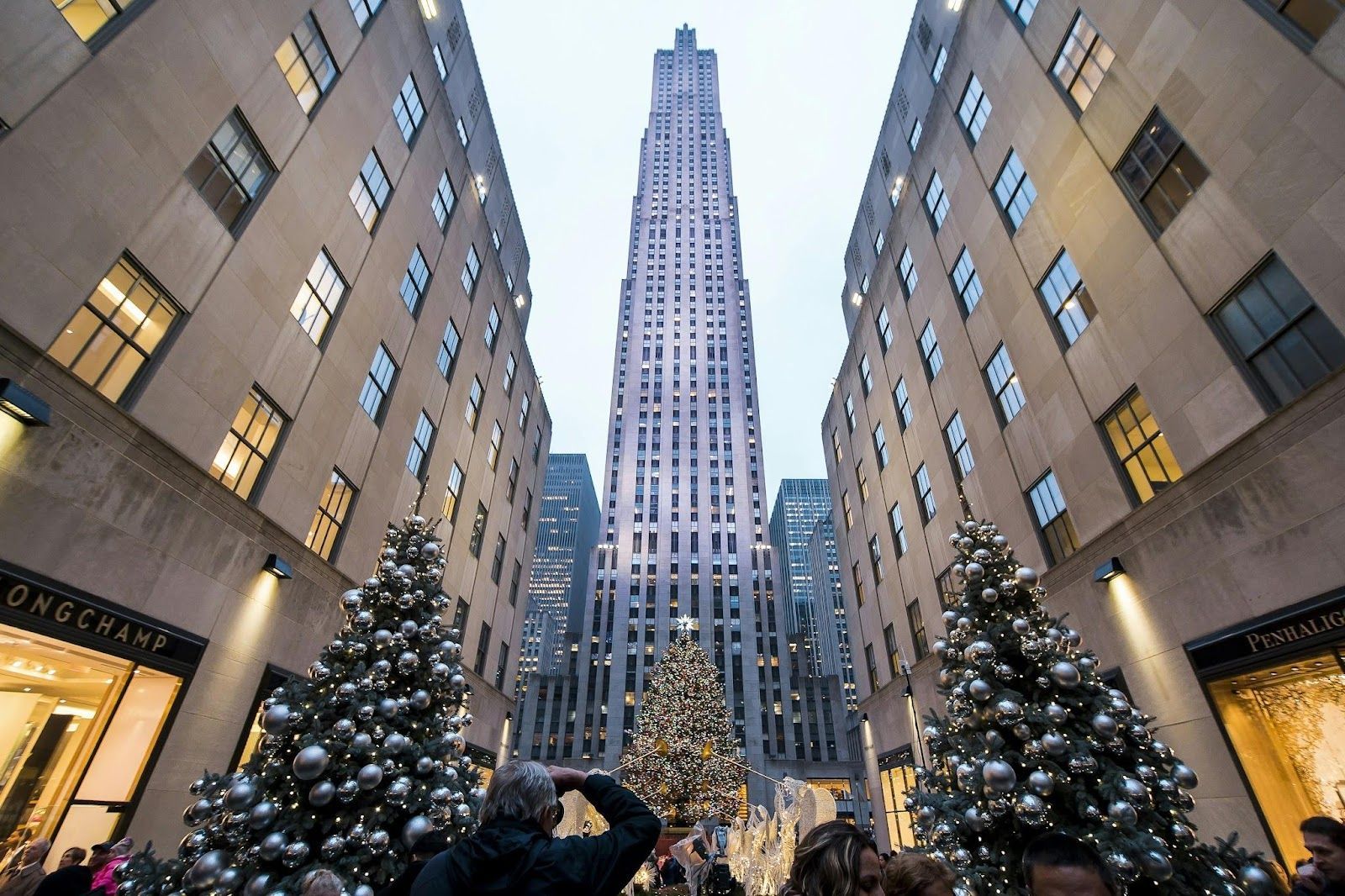 Image: Elias Andres-Jose
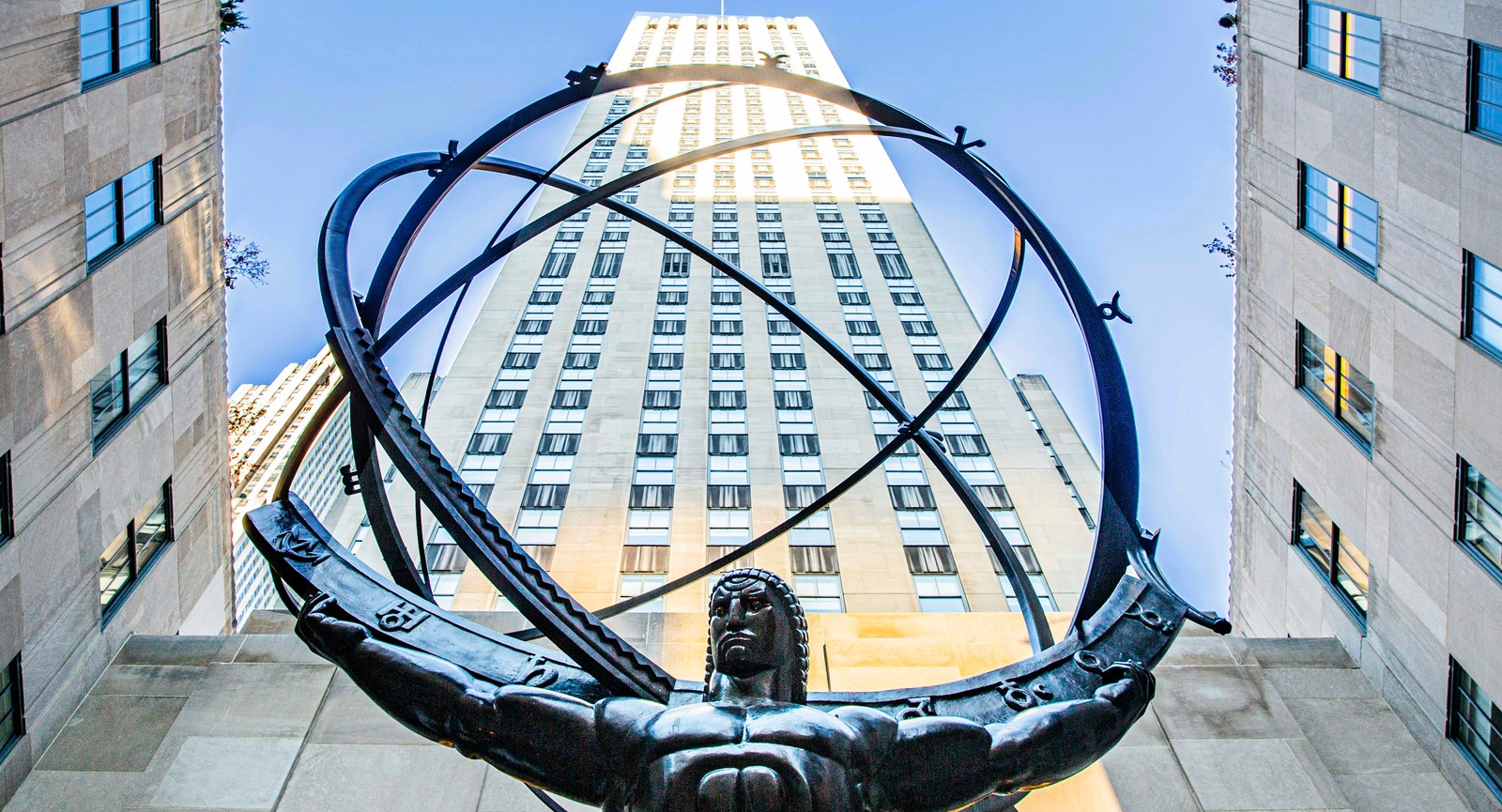
Although it is now a vital part of NYC, the Rockefeller Center was initially met with resistance. Developed during the Great Depression, the massive project was seen by many as an ostentatious waste of money. Its Art Deco design, still uncommon at the time, also drew criticism. However, once the complex became fully operational, it was quickly embraced by the city, evolving into a hub for business, culture, and entertainment.
Philadelphia City Hall - Philadelphia
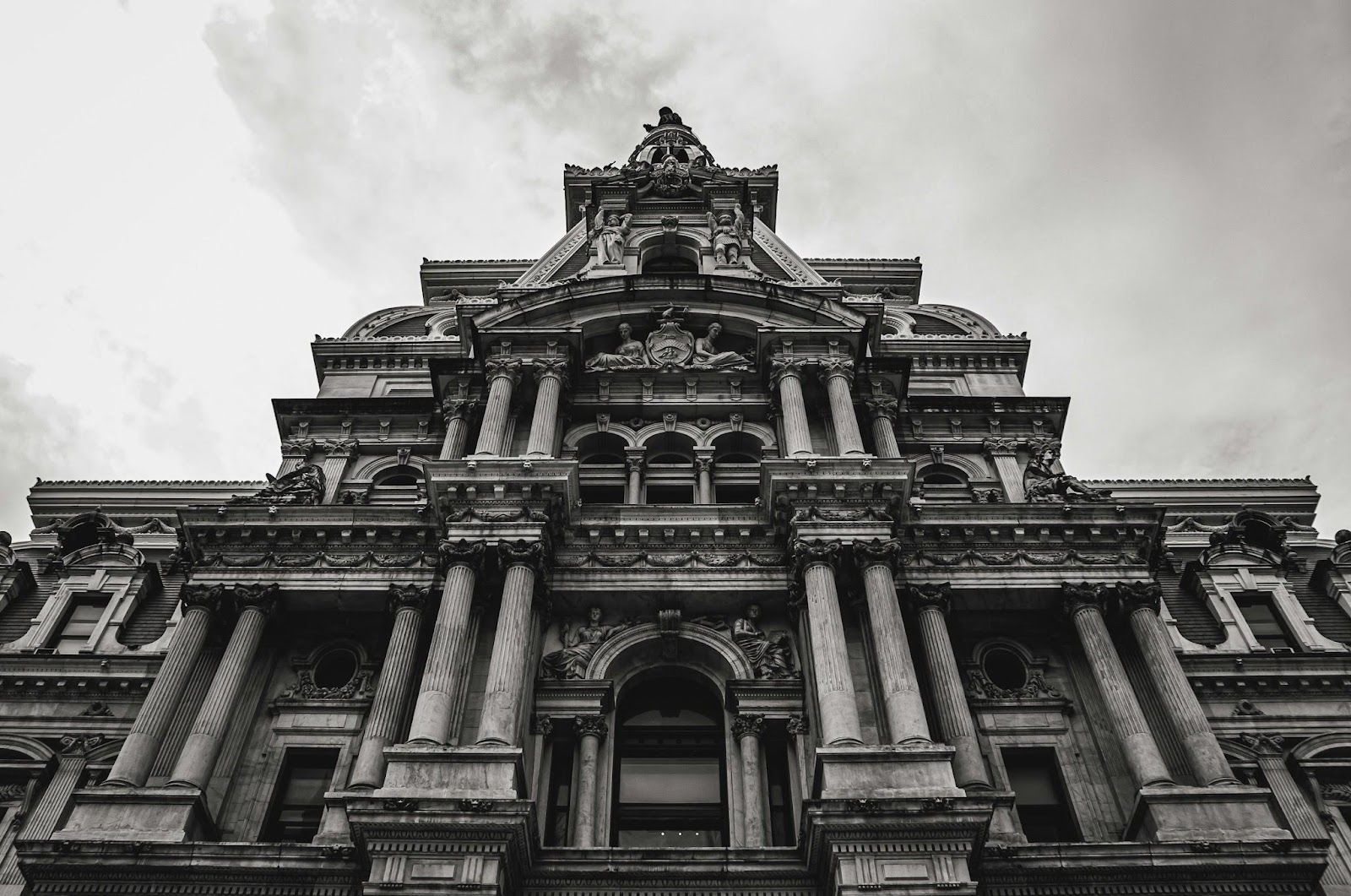 Image: Olga Müller
"When construction began, it was already out of fashion," that’s what the critics of Philadelphia City Hall claimed. Built between 1872 and 1901 in the French Second Empire style, architect John McArthur, Jr.'s design features grand forms, complex ornamentation, and, as if that weren't enough, a towering statue of William Penn atop the building. Ironically, the building is now celebrated and admired for the same features that were once hated and criticized.
The Gateway Arch - St. Louis
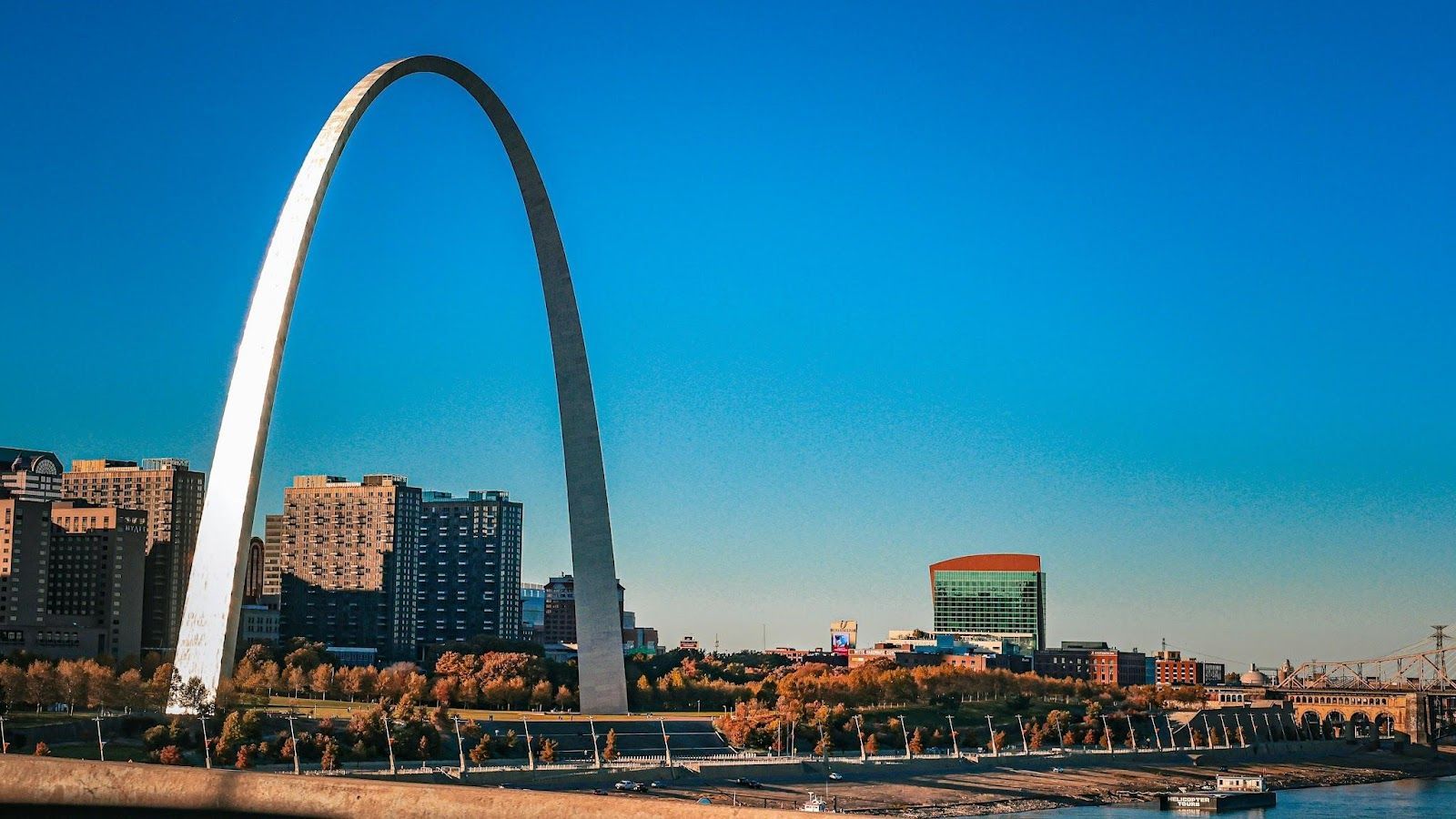 Image: Sara Kozak
We now take the iconic Gateway Arch in St. Louis for granted, and even love it. But imagine waking up today with no memory of the past; what would you think if you saw a 630-foot stainless steel arch rising in the middle of the city? Weird, right? That was exactly the reaction of St. Louis residents when the design first appeared in the early 1960s. Many disliked its unusual shape, and on top of that, they opposed the relocation of thousands of residents that the project required.
JFK Airport Terminals - New York City
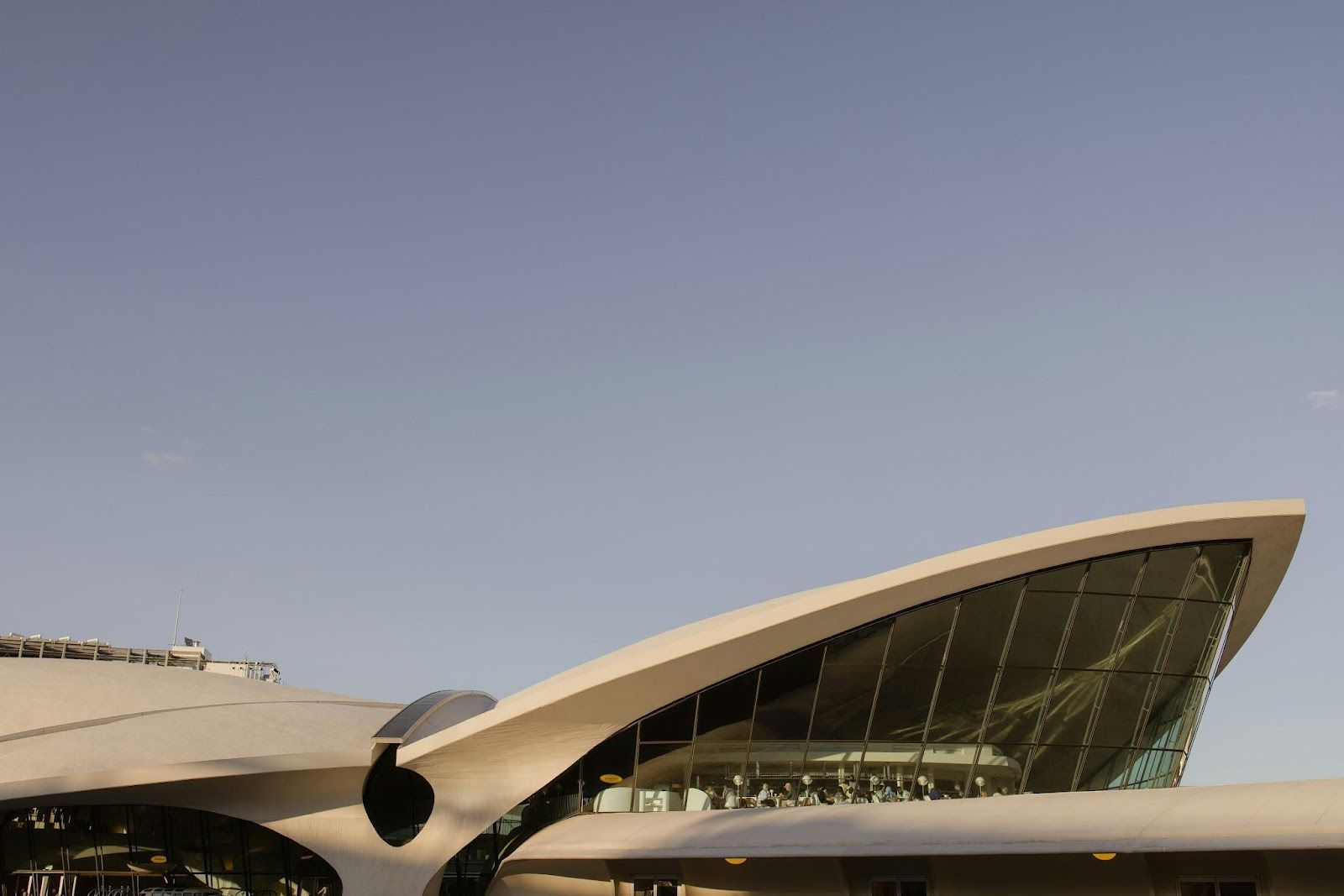 Image: Josh Withers
Many people struggle to accept something new at first, and that was certainly true when Eero Saarinen unveiled his design for the TWA Flight Center at JFK International Airport. Built between 1959 and 1962, its futuristic shape mimics the wings of a bird in flight. At the time, critics were harsh, arguing that its exterior didn’t match the more traditional interior. Today, however, the terminal is celebrated for its one-of-a-kind design, making it unlike any other airport in the world.
Seagram Building - New York City
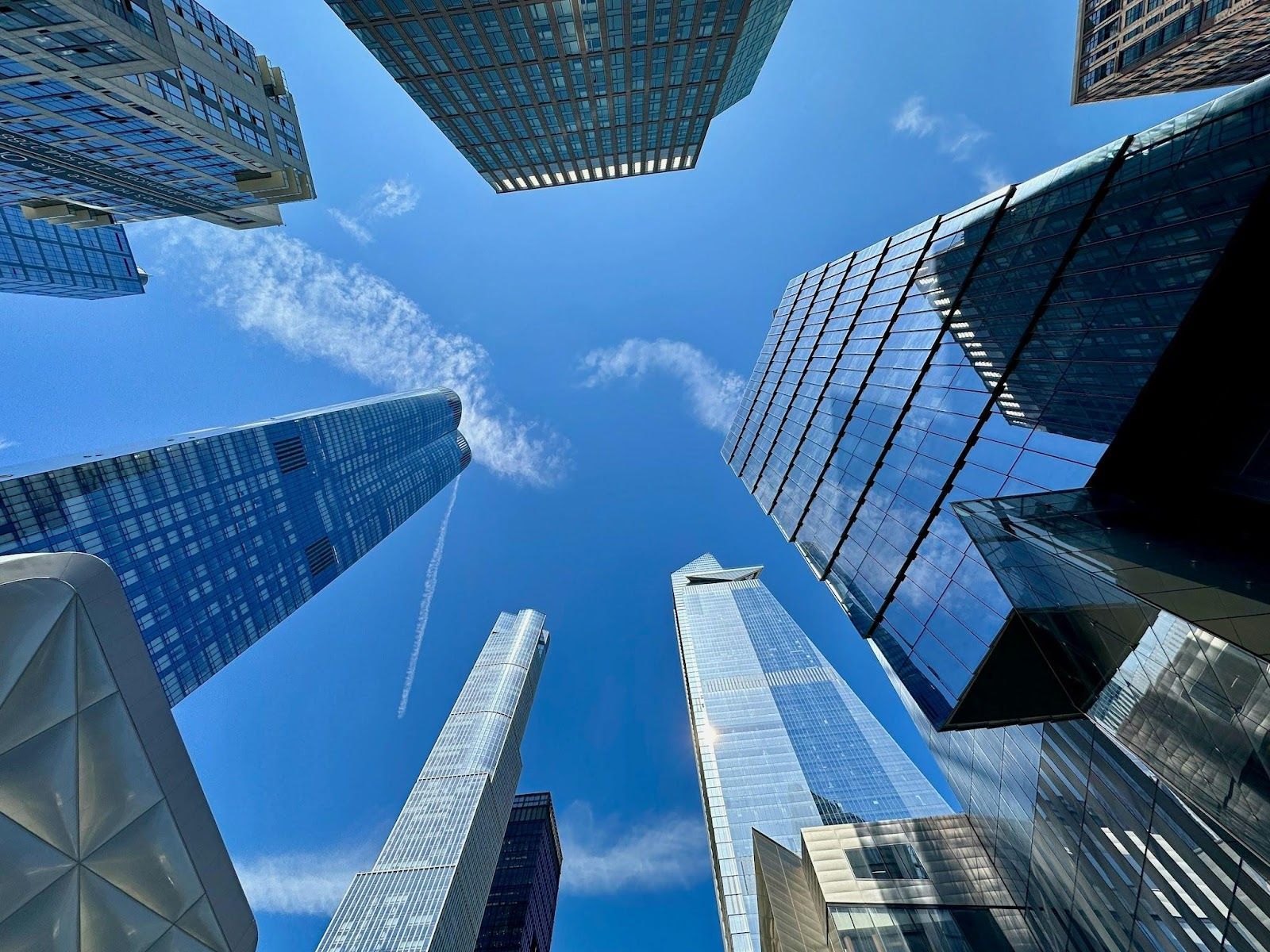 Image: Yaron Cohen
Today, New York City is filled with imposing glass skyscrapers, but it wasn’t always that way. Completed in 1958, the Seagram Building was the first skyscraper with fully glass walls. At the time, this design wasn’t widely accepted, and critics even called it "a soulless glass box." Its modern, minimalist style felt cold and impersonal to many, but over time, architects came to admire its high-quality materials and functional, groundbreaking design.
Keep wandering
There’s always
more to explore
 General
Why are hard landings sometimes the perfect landings?
6 min.
Read Now
 History

Was Moby-Dick a real whale? These marine stories have real backgrounds
6 min.
Read Now
What passengers never see after midnight on a cruise ship
4 min.
Read Now

These 10 mysteries were solved. So why do we still believe them?
6 min.
Read Now