Did you know these 10 modern cities are built on ancient empires?
 Landmarks
Did you know these 10 modern cities are built on ancient empires?
When we look at modern metropolises, it’s easy to assume that their towering skyscrapers are new inventions carved out of raw wilderness. In reality, many of our world’s busiest cities are built directly over the bones, temples, and plazas of disappeared empires. From underground subway stations that double as archeological digs to royal sarcophagi found in modern districts, here are ten cities you probably didn't realize are sitting on ancient ruins.
Rome, Italy
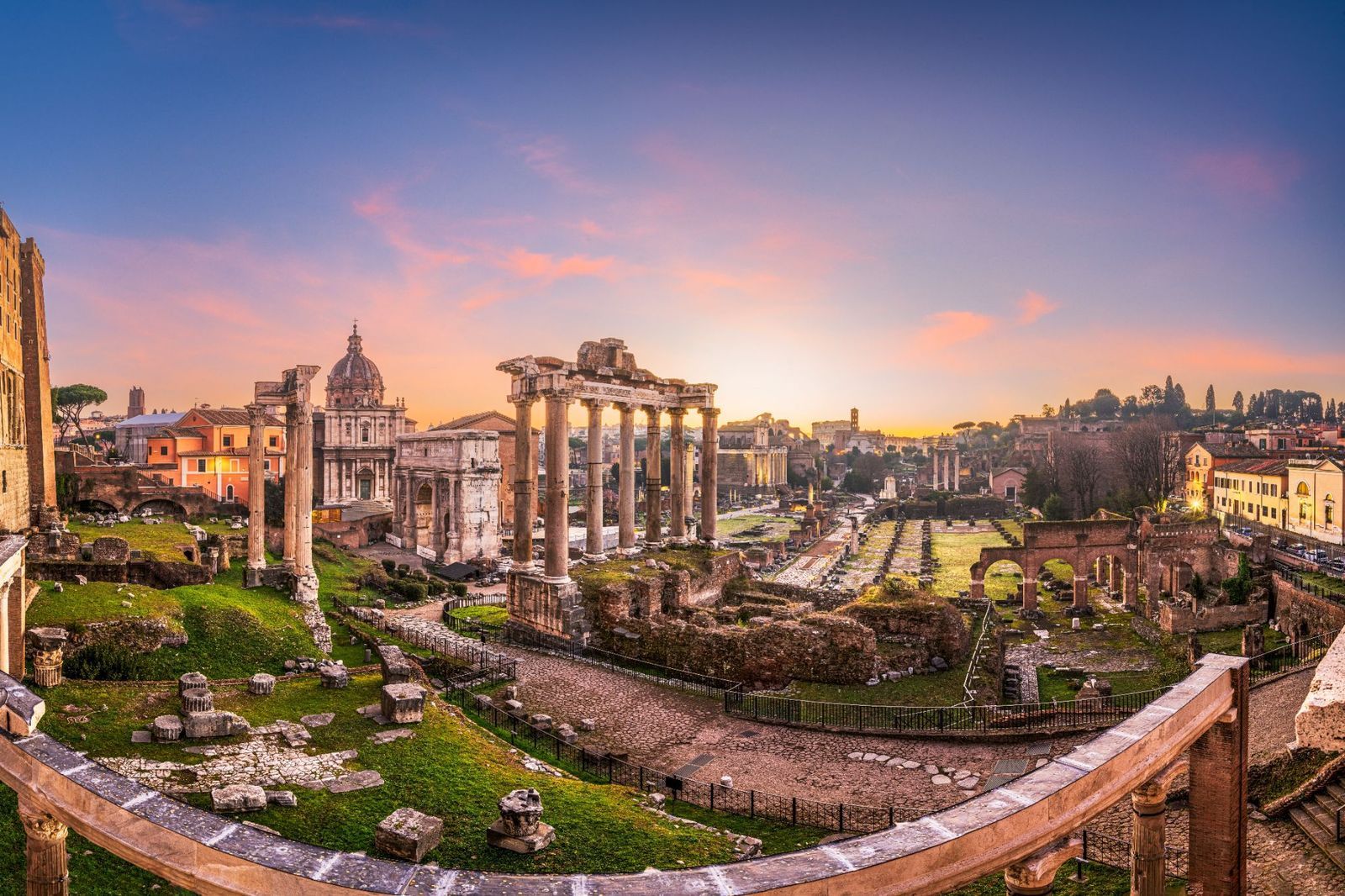
The modern capital of Italy sits many feet above the street level of the ancient Roman Empire. Over two millennia, fires, floods, and constant rebuilding projects caused the ground level to rise, sealing intact imperial structures beneath the modern asphalt.
For example, building a new subway line in Rome is a logistical nightmare. Whenever city engineers attempt to drill a new tunnel, they inevitably hit an underground archeological wall. Construction workers regularly stumble upon fully intact 2,000-year-old Roman military barracks, imperial villas, and ancient shopping centers deep beneath the modern traffic.
Istanbul, Turkey
Istanbul has served as the capital of three major global empires: the Roman, the Byzantine, and the Ottoman. Modern Istanbul was once Constantinople and, before that, the ancient Greek city of Byzantium.
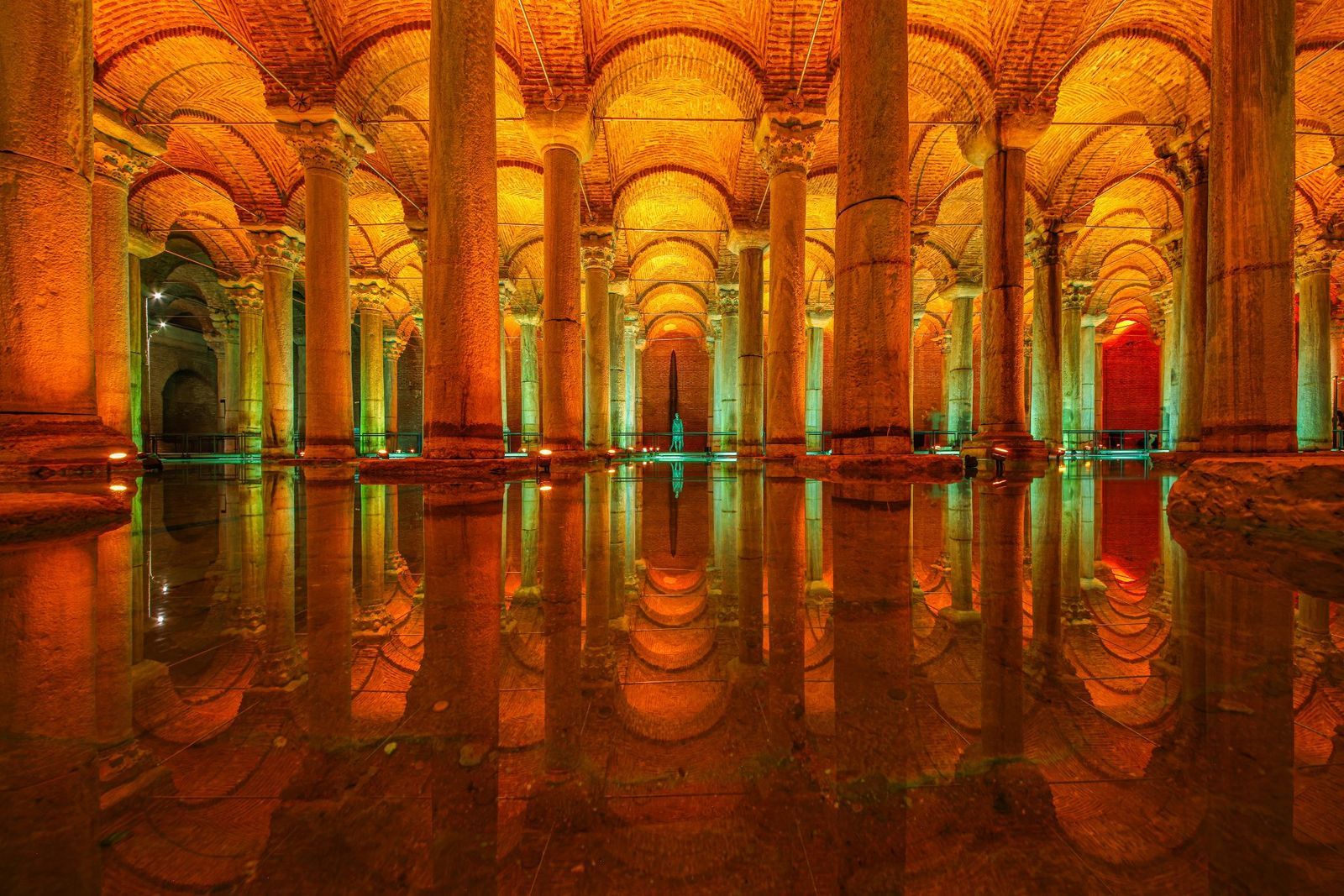
Because of this intense history, the city is literally hollowed out by ancient architecture. Beneath the busy streets of the Sultanahmet district lies a vast network of subterranean structures, the most famous of which is the Basilica Cistern. Built by Byzantine Emperor Justinian I in the 6th century, this cavernous underground water reservoir features 336 marble columns rising out of the water, sitting silently beneath the city’s bustling tram lines and markets.
Mexico City, Mexico
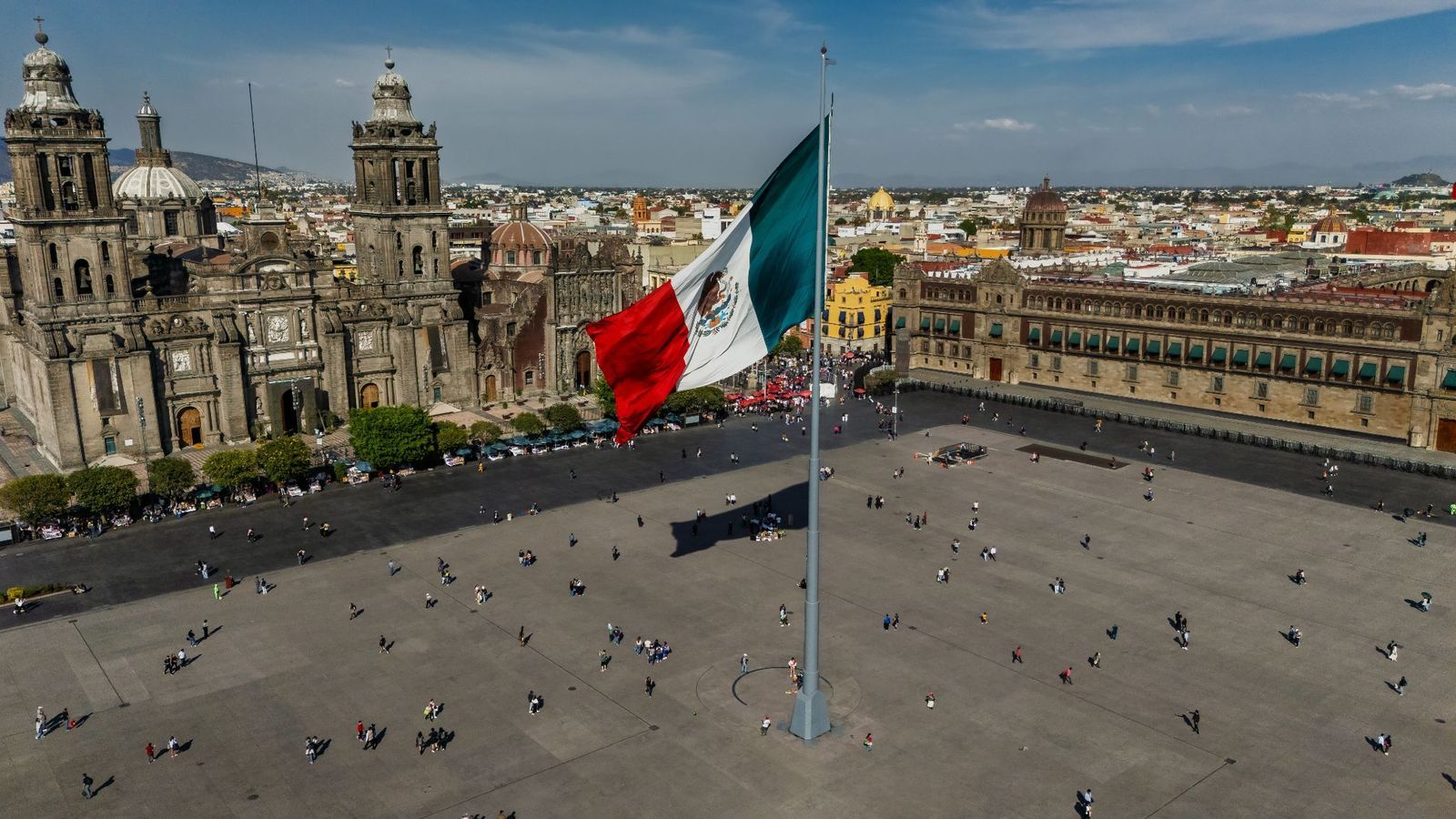
Mexico City is one of the clearest examples of a modern capital built directly on top of an ancient city. In the early 15th century, the Aztec Empire established its magnificent capital, Tenochtitlan, on an island in the middle of Lake Texcoco. When Hernán Cortés conquered the city in 1512, the Spanish drained the surrounding lake and used the stones of the demolished Aztec temples to build their own cathedrals and palaces.
If you visit the city’s central plaza, the Zócalo, you’re standing directly over the ceremonial heart of the Aztec world. Right next to the colonial Metropolitan Cathedral lie the excavated ruins of the Templo Mayot, which was completely lost under the city streets until electric company workers accidentally rediscovered it in 1978.
Athens, Greece
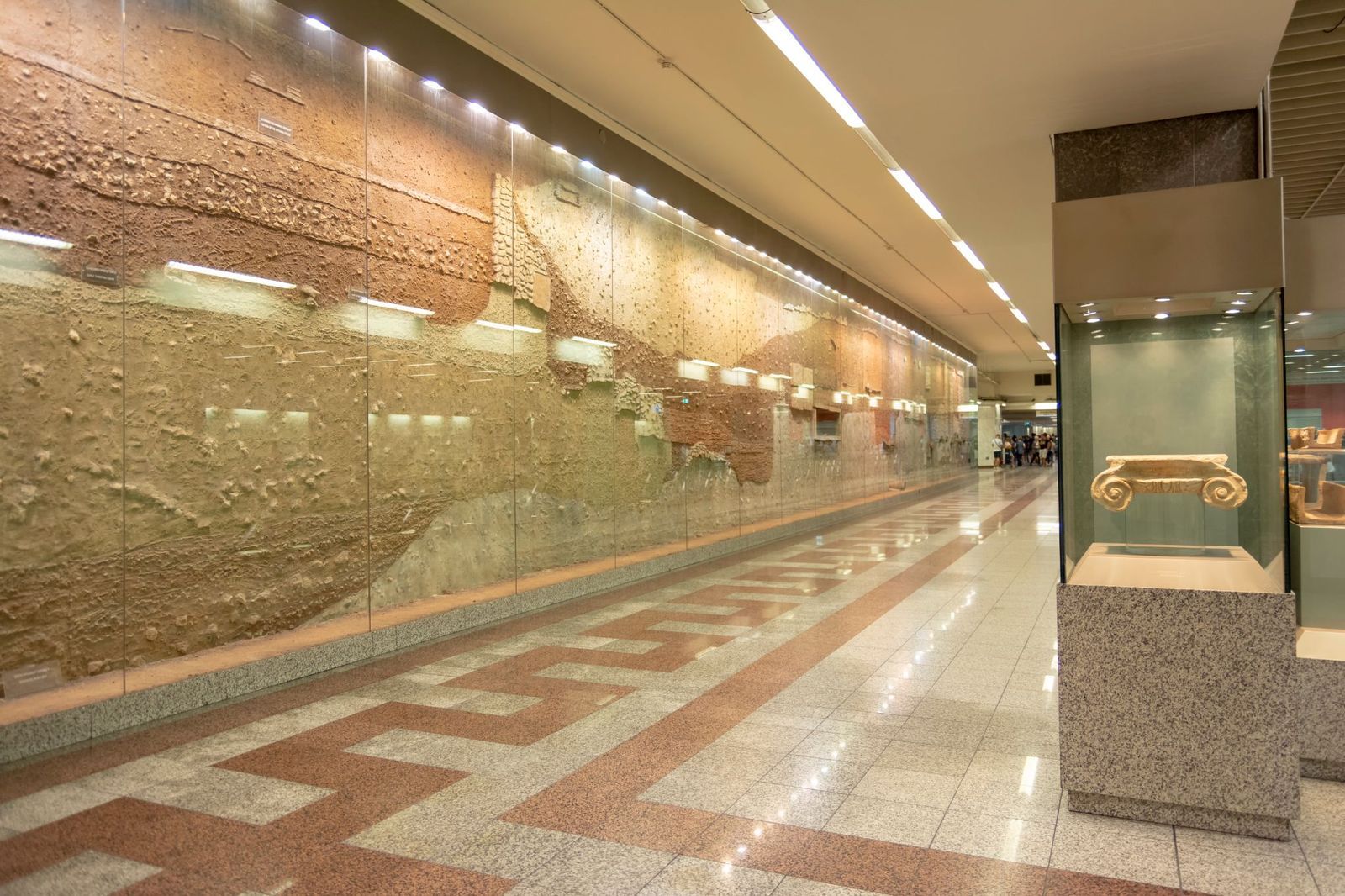
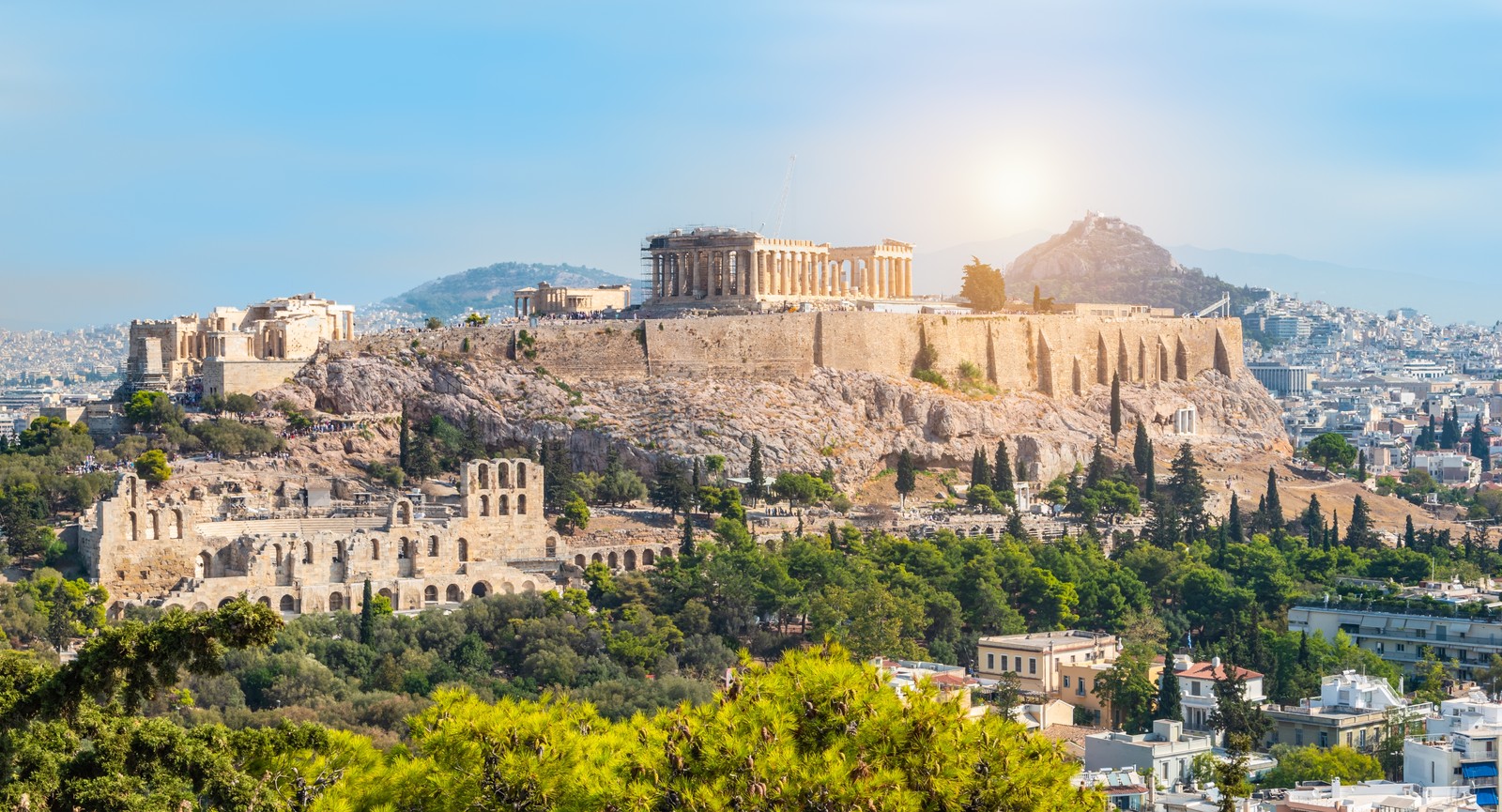
Much like Rome, the capital of modern Greece is a playground for urban archaeologists. During the early 21st century, as Athens prepared to host the 2004 Olympic Games, the city undertook a massive expansion of its underground metro system, which required digging through untouched subterranean layers of ancient history.
The excavation unearthed over 50,000 ancient artifacts, structural foundations, cemeteries, and ancient aqueducts. Instead of moving the items to distant museums, the city turned the subway stations themselves into galleries. If you catch a train at the Syntagma or Monastiraki stations, you can view ancient structural ruins and archaeological strata preserved alongside modern train platforms.
Kyoto, Japan
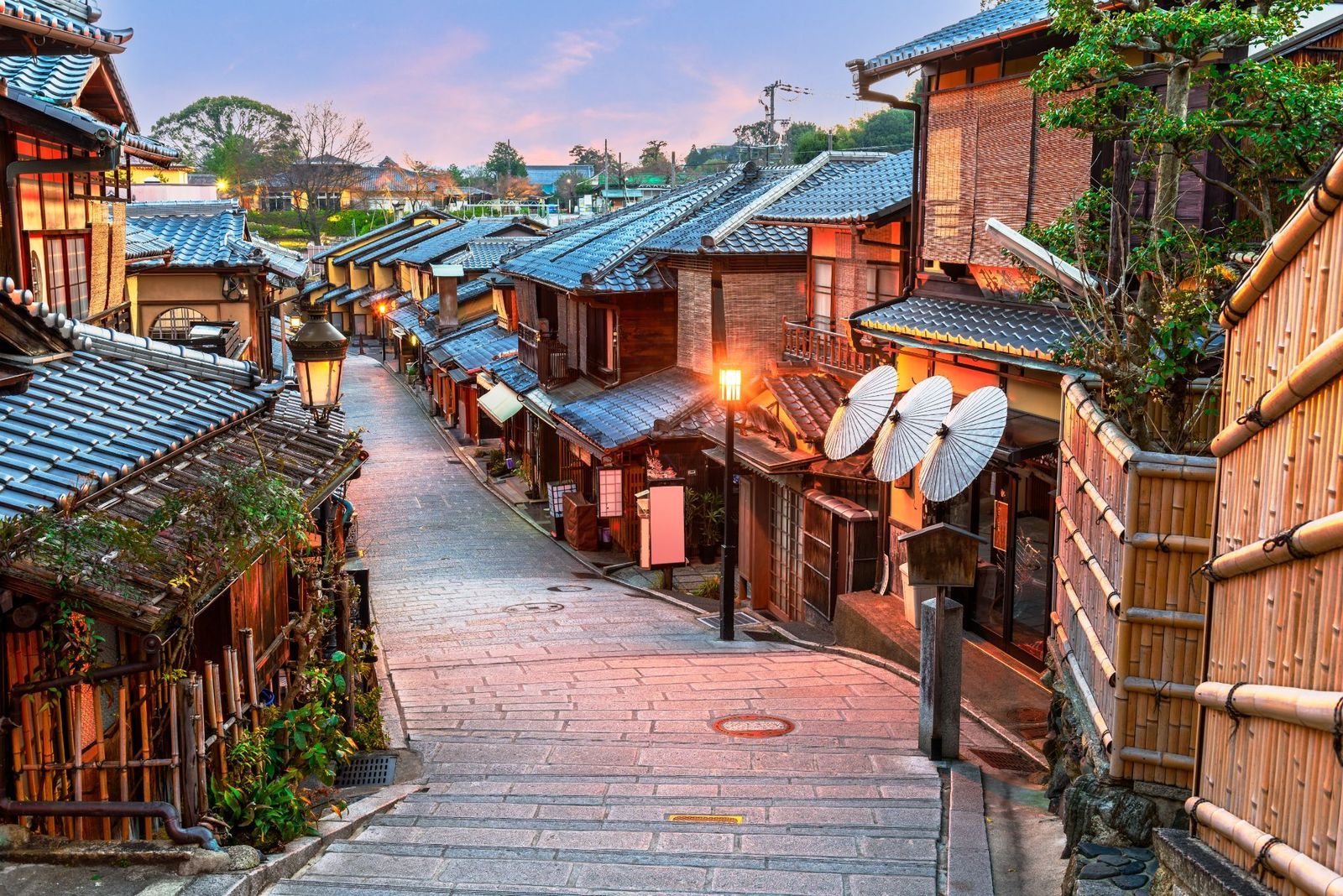
Kyoto is celebrated as the cultural heart of Japan, famous for preserving its historic wooden temples and geisha districts. The hidden secret of Kyoto, however, is that the entire grid of the modern city was laid out in the 8th century, when it was founded as Heian-kyō, the ancient capital of the Japanese Emperor. When utilities are upgraded beneath major thoroughfares like Karasuma Street, workers uncover buried wooden water pipes, old well systems, and pottery shards from the ancient Heian palace.
Cairo, Egypt
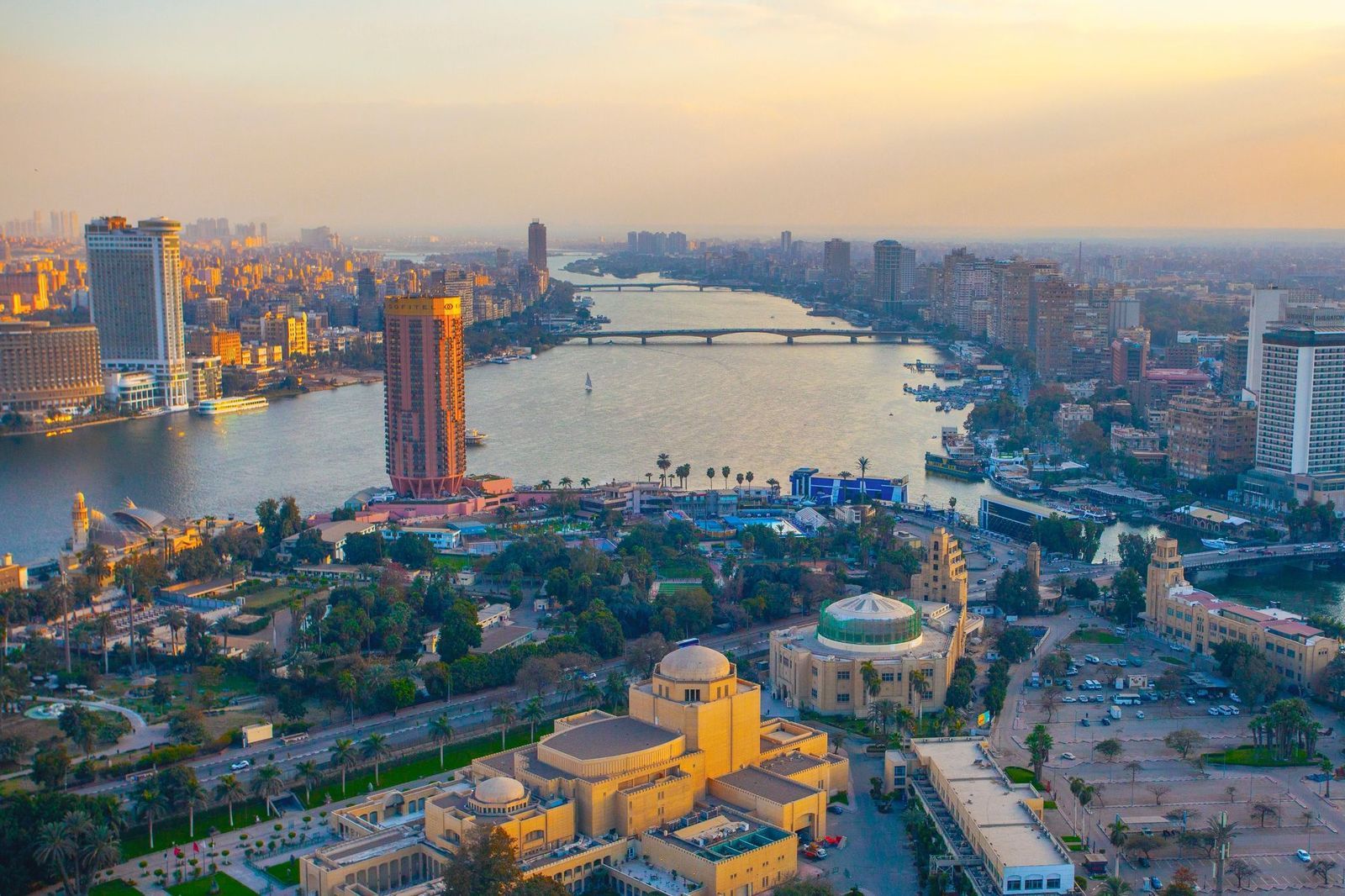
While tourists immediately look toward the Giza Plateau to see the pyramids, the city of Cairo sits on top of ancient Egyptian and early Islamic capitals.
Specifically, the northeast Cairo neighborhood of Ain Shams (meaning "Eye of the Sun" in Arabic) is built directly over the ruins of ancient Heliopolis, one of the oldest cities in ancient Egyptian history and the cult center of the sun god Ra. Because the modern neighborhood is densely populated, fully intact obelisks, temple columns, and royal sarcophagi are occasionally discovered by property developers digging out the basements for new residential apartments.
Madurai, India
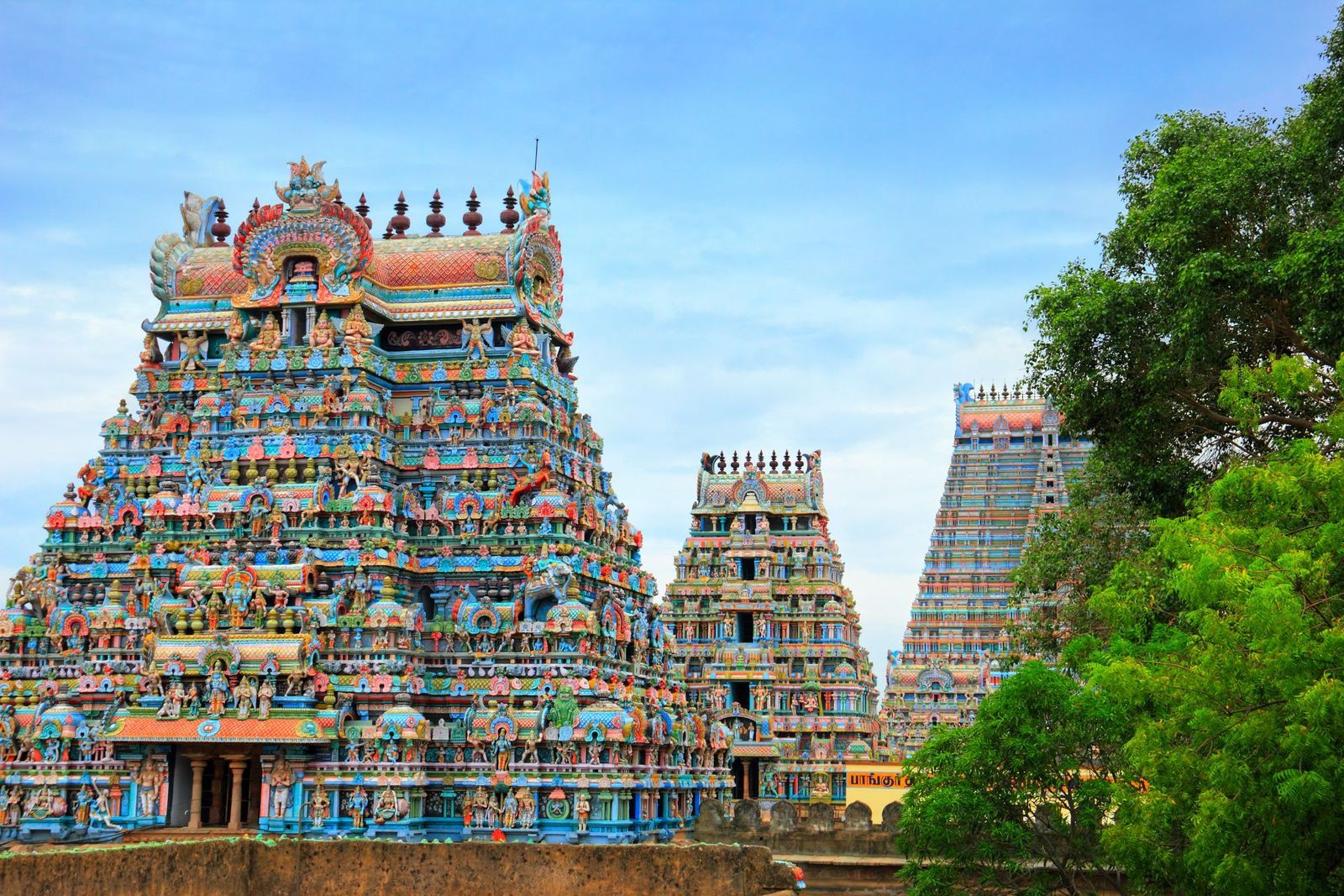
Located in the southern state of Tamil Nadu, Madurai is one of the oldest continuously inhabited cities in the world, with a recorded history of over 2,500 years. It was a major trading hub for the ancient Pandyan Dynasty that famously traded spices and silk with ancient Rome.
The modern city of Madurai is laid out in a series of concentric squares designed to mimic the shape of a lotus flower, radiating outward from the magnificent Meenakshi Amman Temple. Because the city has never been abandoned, modern shops, banks, and residences sit directly over the foundations of historic markets that have dictated the city’s geography for millennia.
Barcelona, Spain
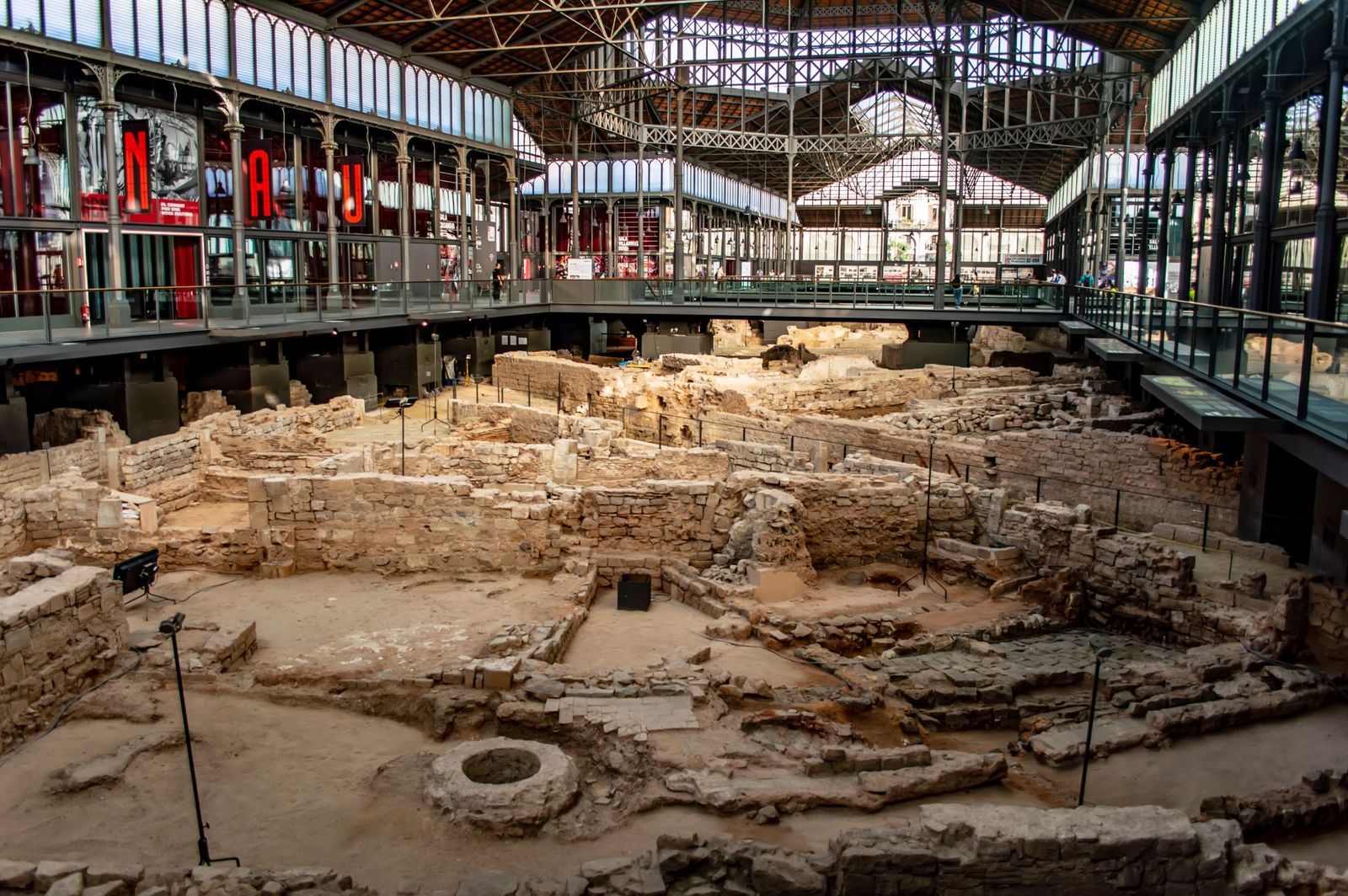
Today, Barcelona is synonymous with modern architecture and beach tourism, but the city was actually founded by the Roman Emperor Augustus around 15 BC as a modest military colony named Barcino.
If you walk into the Gothic Quarter, you can step inside the Museu d'Història de la Ciutat (MUHBA) and take an elevator down beneath the city streets. There, you’ll find yourself walking along elevated pathways over a 43,000-square-foot underground excavation of ancient Barcino. You can walk through 2nd-century Roman streets, inspect ancient laundry facilities, look at wineries, and touch the monumental defensive walls that still support the foundations of medieval and modern buildings above.
Xi’an, China
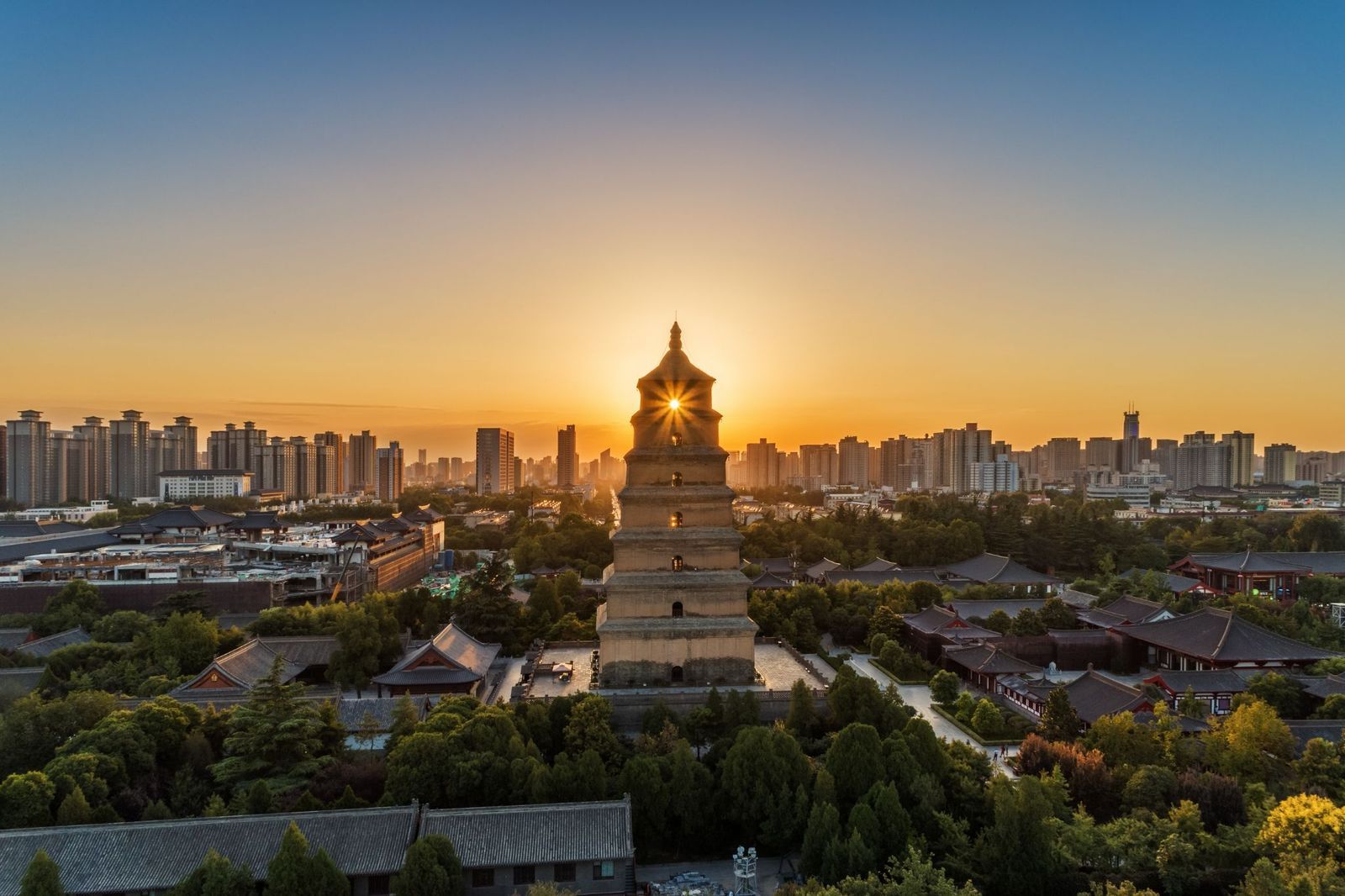
Today, Xi’an is a booming industrial and technological metropolis in western China. But during antiquity, this city was known as Chang'an, the eastern end of the Silk Road and the capital of 13 separate Chinese dynasties.
The intact Ming Dynasty city wall that surrounds downtown Xi'an sits on top of the much older foundations of the Tang Dynasty's imperial palace walls. Furthermore, when subways or new foundations are dug in the city’s outskirts, they usually find ancient tomb complexes, much like the famous discovery of the Terracota Army by local farmers in 1974.
Lima, Peru
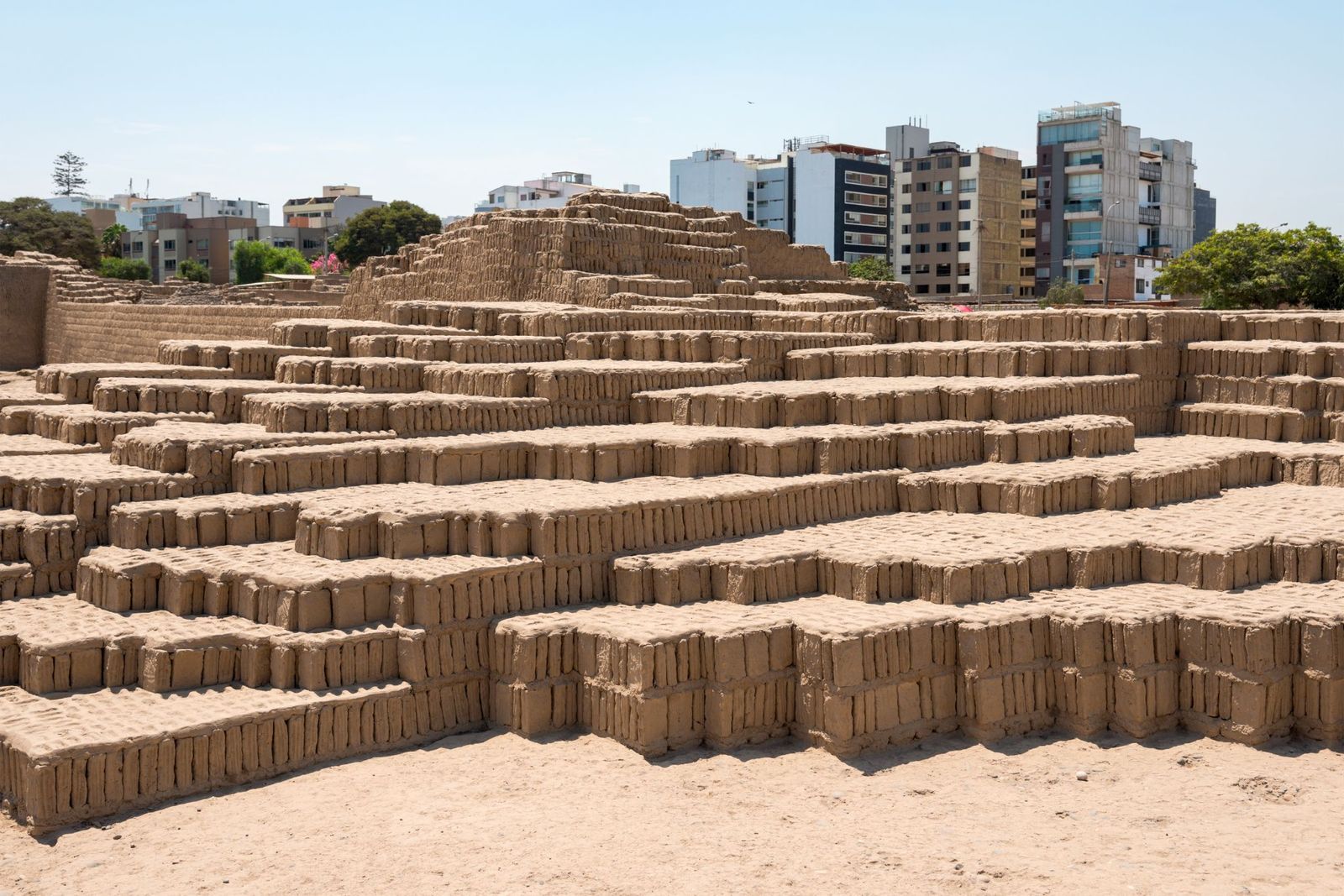
When travelers hear "Peruvian ruins", they picture Machu Picchu. Yet, Peru’s modern capital of Lima is home to a network of ancient archeological sites hiding in plain sight. Long before the Inca Empire rose to prominence, the Ychsma cultures constructed massive sacred complexes out of adobe bricks around the coastal Lima.
Today, these step pyramids, known as huacas, sit surrounded by modern life. If you walk through the wealthy financial district of Miraflores, you’ll run right into Huaca Pucllana, an enormous 1,500-year-old administrative and ceremonial complex. Rather than demolishing these sacred buildings, the city built its streets, restaurants, and apartments around them, creating an amazing architectural contrast.

Rolling your clothes instead of folding? Check out these traveling hacks
 General
Travel should be fun… and with a little planning, it can be stress-free too!
Make the most of your trips with these organization tips!
Whether you're finally taking that trip you've been putting off for years, or you're a seasoned traveler looking to make your next adventure a little smoother, good organization makes all the difference. With a few simple habits and a bit of foresight, you can spend less time stressing and more time actually enjoying your destination. Here are ten tips to help you do exactly that.
Start with a packing list
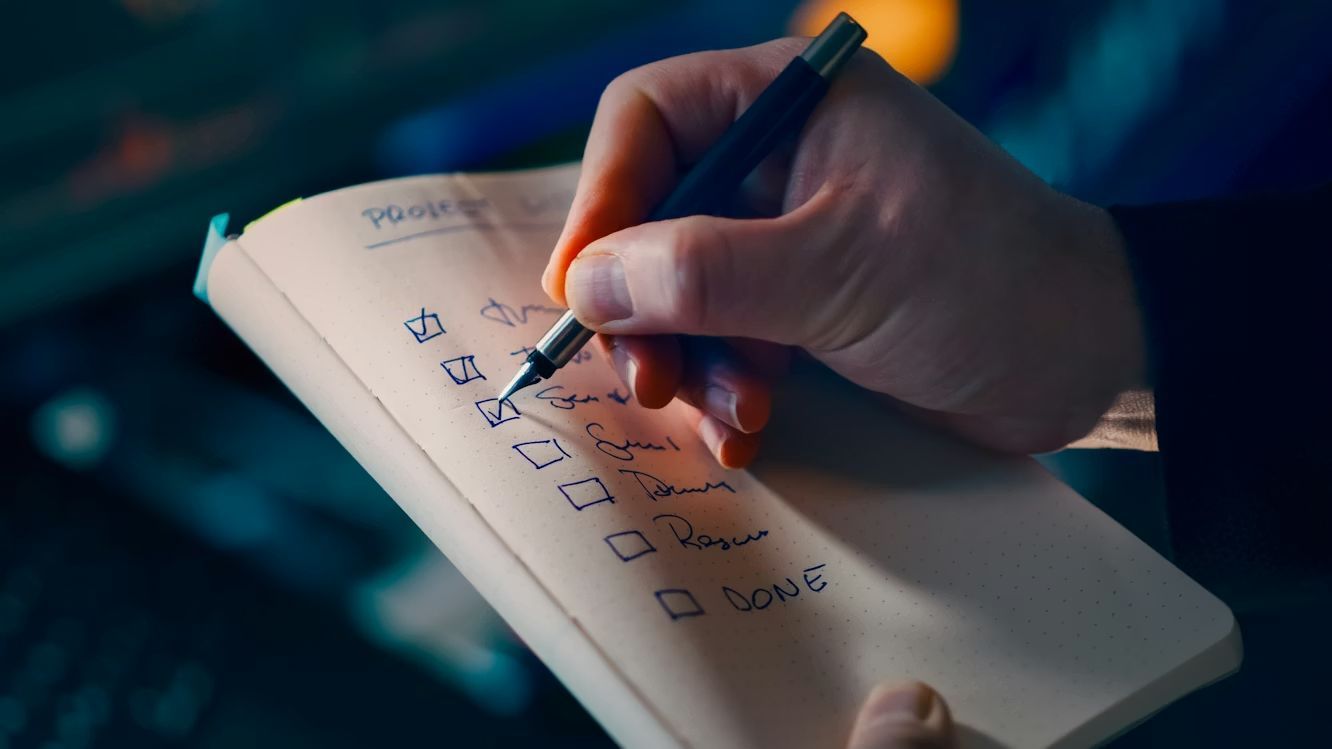
Before you toss a single item into that suitcase, grab a pen and paper (or your phone's notes app) and write down everything you’ll need. A comprehensive packing list saves you from that sinking feeling when you realize, usually mid-flight, that you left your favorite cardigan or essential charger at home. Start your list at least a week before you leave and add to it as things come to mind.
Roll, don't fold

To maximize every inch of your luggage, instead of folding your clothes flat, roll them up like little burritos. They take up way less space, and you can fit a surprising amount into your bag. As a bonus, this technique helps prevent the deep creases that come from traditional folding, meaning you'll spend less time hunting for a hotel iron and more time exploring.
Keep your documents in one place
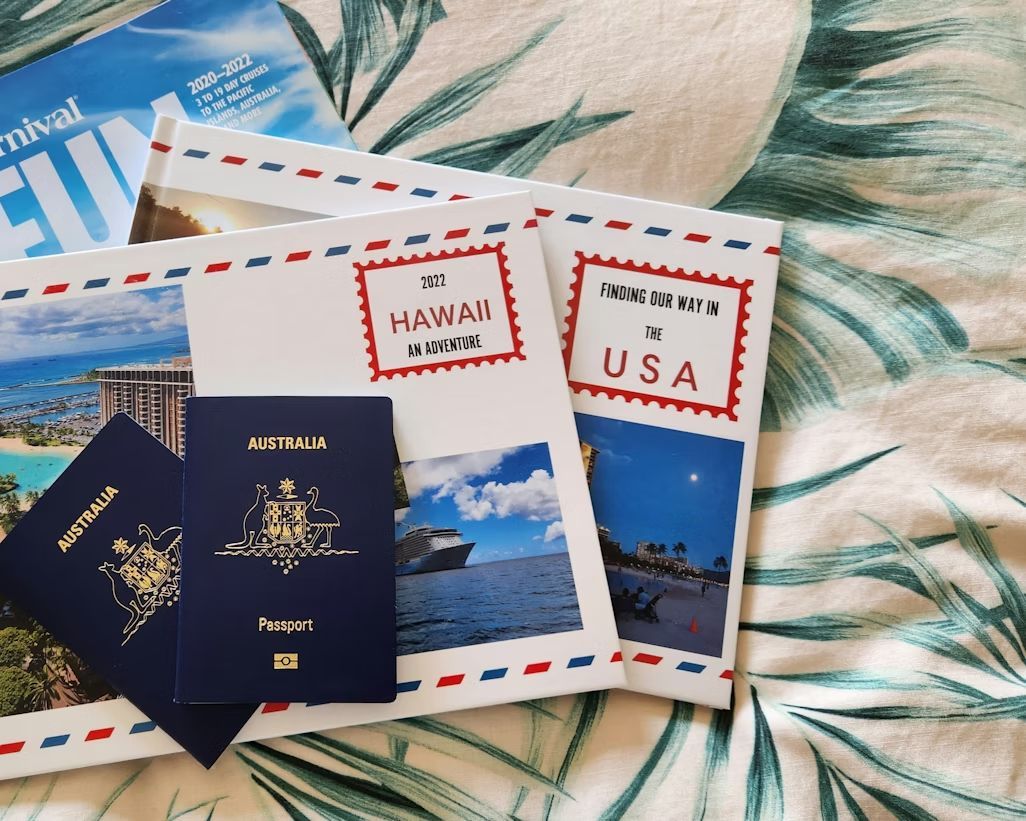
From your passport and boarding pass to hotel confirmations and travel insurance, keep all essential paperwork together in one folder or travel wallet. Nothing ruins the start of a trip faster than frantically digging through your carry-on at the airport while a line forms behind you. A simple accordion folder works great, and you can organize everything in the order you'll need it, ensuring your peace of mind is just one zipper away.
Take photos of important items

Before you leave home, take a quick photo of your passport, your driver's license, the back of your credit cards, and even the exterior of your luggage. If anything gets lost or stolen, you'll have a record at your fingertips. To keep your sensitive information safe, store these photos somewhere secure, like a password-protected folder or a cloud service.
Pack a carry-on essentials bag

Whether you're checking a luggage or not, always keep a small bag within reach with your most critical items, such as medication, a phone charger, a fresh change of clothes, and any valuables. Having your essentials close by means that even if your checked suitcase takes an unplanned detour, you'll still be comfortable and prepared for your first hours at your destination.
Use your phone's calendar

You don't need a fancy travel app to stay organized; your phone's built-in calendar works just fine. Add your flight details, hotel check-in times, restaurant reservations, and any tours or activities you've booked. Be sure to set alerts and include the time zones, so nothing sneaks up on you. Sharing the calendar with your travel companion is also a great way to make sure everyone's on the same page, and in the right place at the right time.
Research your destination ahead of time

Spend an hour or two before your trip looking up the basics about where you're going. What's the weather like? Are there any local customs to be aware of? What are the must-see spots? You don't need to plan every minute, but building a "menu" of must-see spots is key. Having a rough idea of what's available helps you make the most of your time without the frustration of wandering aimlessly or missing out on a local highlight.
Notify your bank before you go
If a bank detects "unusual activity" in a new city or country you've never visited, they might freeze your card, thinking it's fraud. A quick phone call or message through your banking app before you leave can prevent that awkward moment at a restaurant when your card gets declined. While you're at it, ask about any foreign transaction fees and daily ATM withdrawal limits to avoid any expensive surprises on your post-trip statement.
Build in strategic downtime

It's tempting to pack your itinerary with activities from "sunup to sundown," but trust us: your feet will beg for mercy by day two. Leave a few hours each day intentionally unscheduled. Often, that's when the best travel moments happen: stumbling into a charming little café, striking up a conversation with a local, or simply sitting in a park watching the world go by. Remember, a vacation shouldn't feel like a commute.
Do a "hotel room check" before you leave

Before you check out of every hotel room, do one final sweep. Peek under the bed, check the back of the bathroom door, open every single drawer, and look behind the nightstand. Small essentials like chargers, glasses, and jewelry have a way of hiding in the most unexpected places. A five-minute sweep can save you the headache of coordinating an expensive hotel shipment later.
Keep wandering
There’s always
more to explore
 Culture
What do these 10 American cities really celebrate every year?
6 min.
Read Now
Curious visitors only: Secrets hidden beneath famous cities
6 min.
Read Now
 History
Ancient cities that have stood the test of time
6 min.
Read Now
The parking trick that could save you $40 a night in California
3 min.
Read Now