Curious visitors only: Secrets hidden beneath famous cities
 General
Travel secrets
Curious visitors only: Secrets hidden beneath famous cities
You can walk through London, Paris, or Rome without realizing that another world exists beneath your feet. In many cases, these underground spaces were meant to stay out of sight. But as the years passed, archaeologists uncovered their stories. From catacombs and wartime command centers to ancient Roman stadiums, these 10 attractions reveal what lies beneath some of the world’s best-known destinations and how visitors can explore them today.
The Paris Catacombs, Paris, France
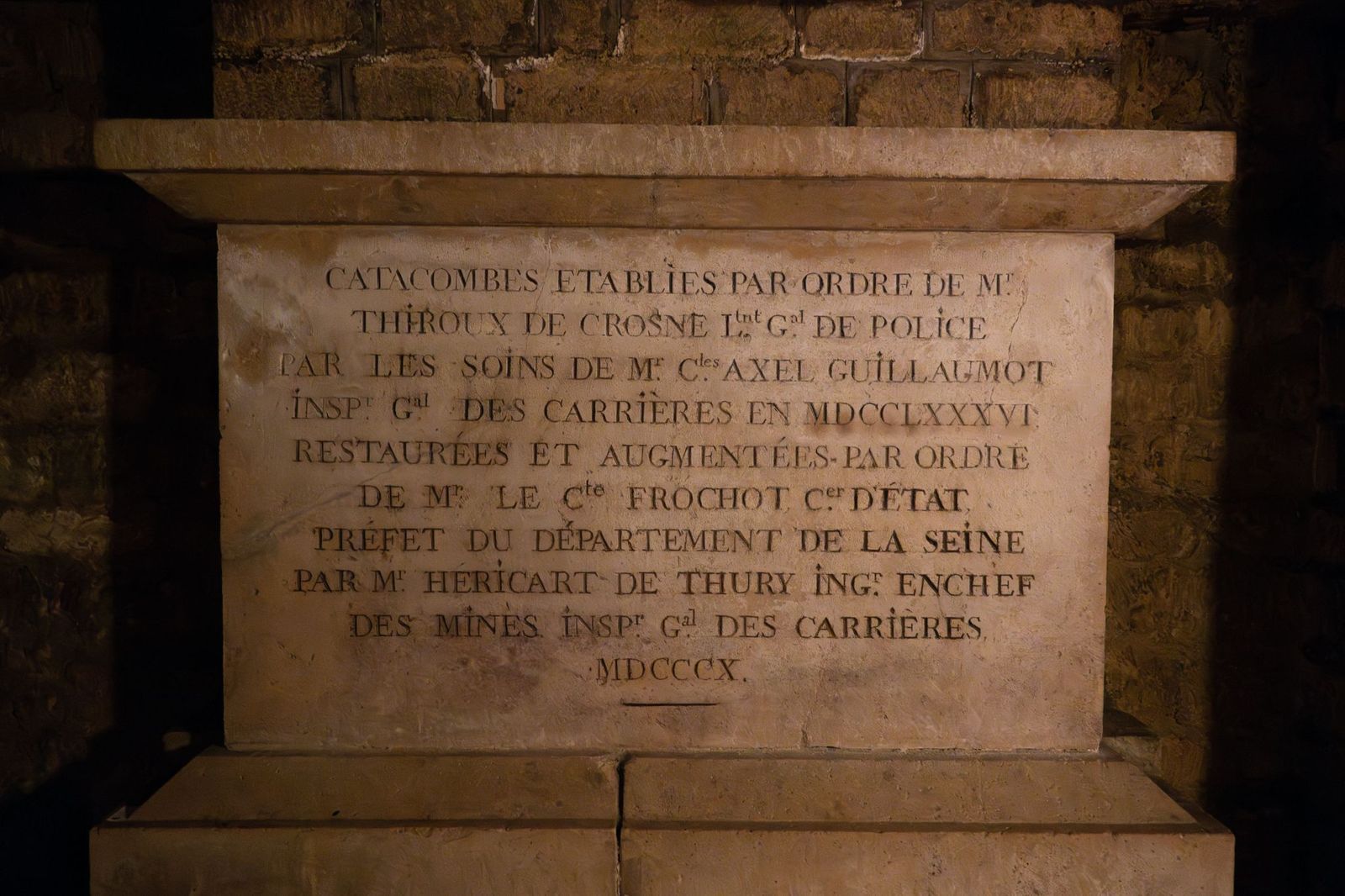
When you get to Paris, you probably aim to visit glamorous cafés, the Seine, and the iconic Eiffel Tower. But the City of Lights is more than meets the eye. About 65 feet below, old quarry tunnels run beneath the streets of Paris. These were originally used to build the city’s churches, homes, and monuments. But by the late 1700s, Paris cemeteries were dangerously overcrowded, so officials began moving bones into the old tunnels. The transfers continued for decades, creating the Paris Municipal Ossuary**.**
Visitors can now explore a 0.9-mile section of this underground network. The route has 131 steps down and 112 steps up, while the temperature stays near 57°F. The Catacombs aren’t wheelchair accessible, and large bags and strollers are prohibited. Visitors must reserve a timed ticket online.
The Churchill War Rooms, London, United Kingdom
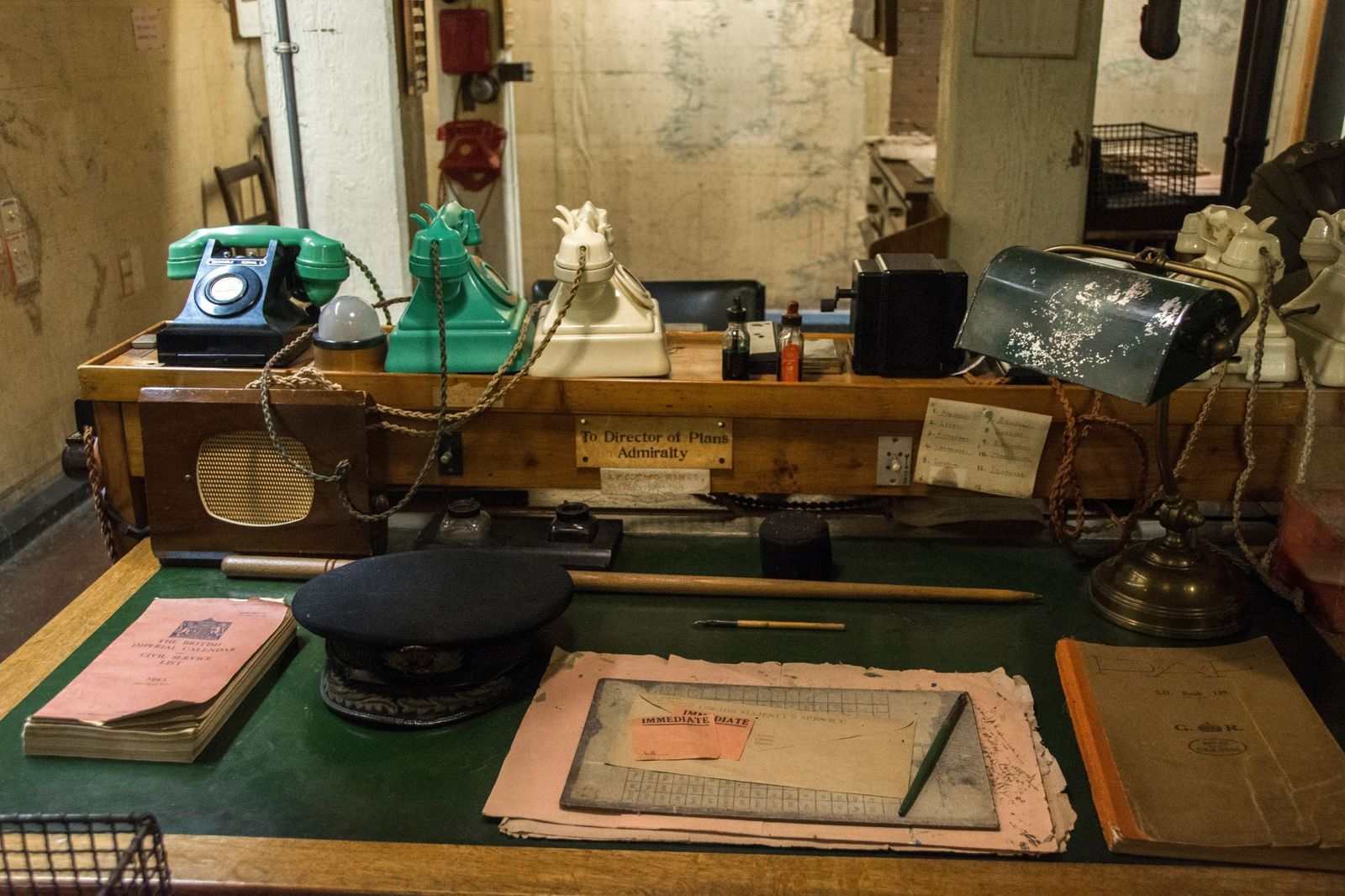
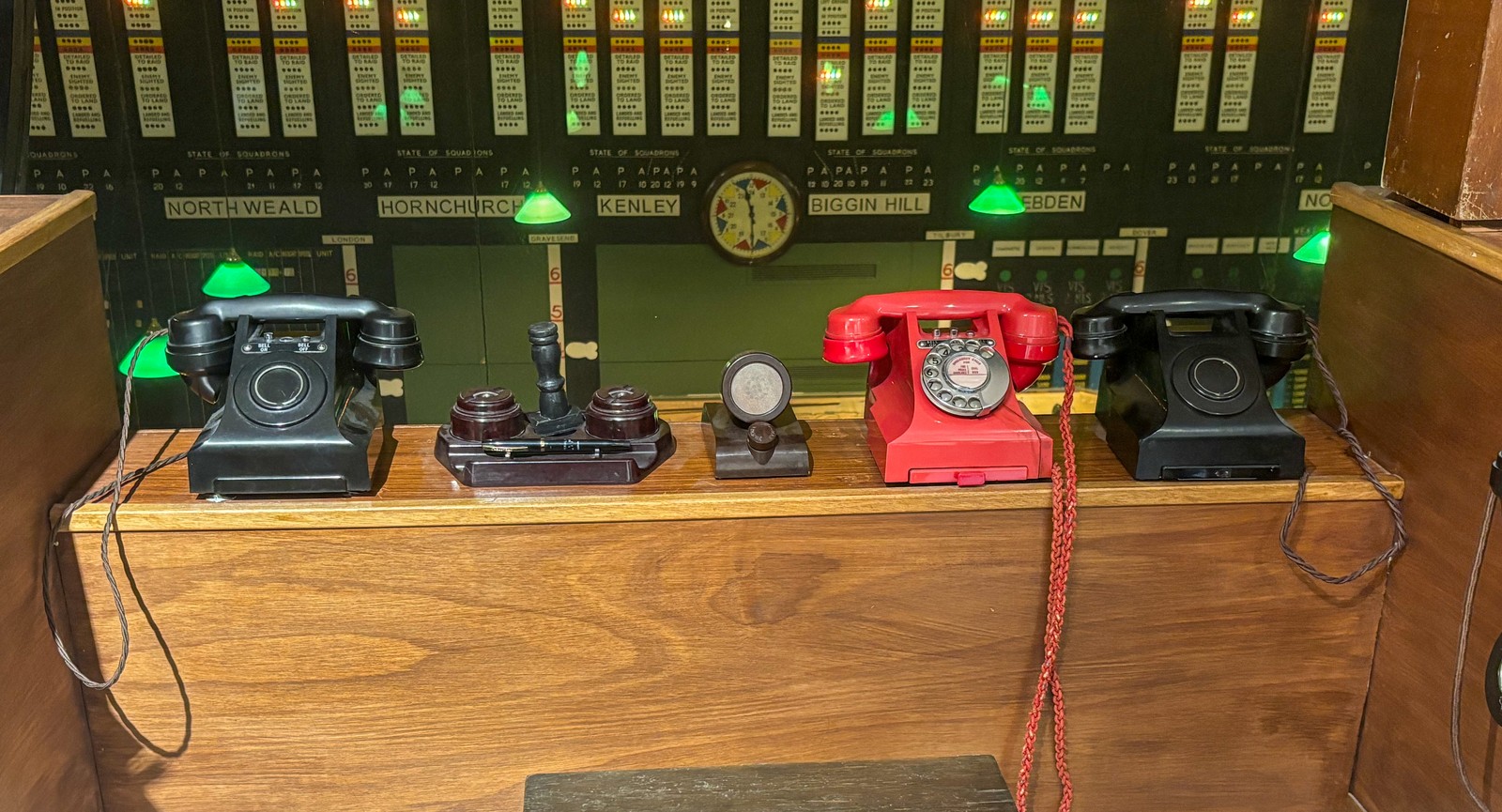
During World War II, the British government needed a safe place to make military decisions during air raids. They needed to be close to Parliament and 10 Downing Street, so officials chose to hide and work in the basement of a government building in Westminster. But the rooms were only one floor below the street, and this wasn’t safe enough, so workers added thick layers of concrete and steel above them. Some officials even worked underground for hours, so the complex had bedrooms, offices, and a kitchen.
Today, the Churchill War Rooms are a museum. Visitors enter on King Charles Street, near Parliament. Admission includes a multimedia guide, and booking ahead is a good idea. An elevator provides step-free access, but mobility scooters and large bags aren’t allowed.
Ancient Rome Beneath Modern Rome, Rome, Italy
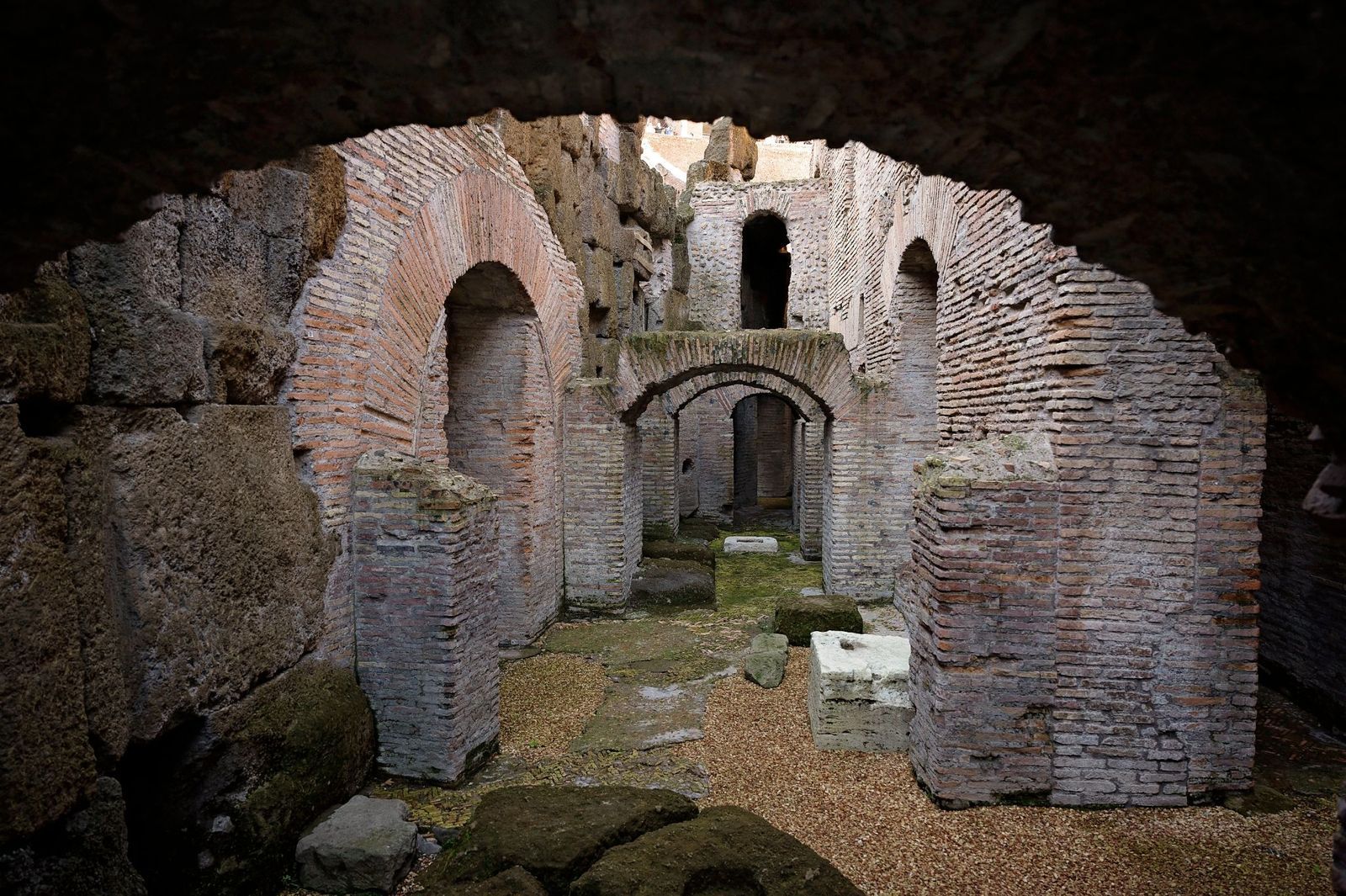
For centuries, Rome was one of the most powerful cities in the world. Its civic life, temples, and public buildings became models for later cities. But in fact, Rome has been rebuilt many times during its 2,700-year history. Major fires, floods, and invasions often forced residents to repair entire parts of the city. Also, as the ground level rose, many ancient parts of the city were buried. Piazza Navona, for example, was built over the remains of an ancient Roman stadium.
There is no single entrance to underground Rome, but several sites welcome visitors. At the Basilica of San Clemente, you can walk down from a 12th-century church to a 4th-century basilica. Below that, there are Roman buildings from around the first century. A ticket is required to visit the archaeological levels, and booking ahead is recommended.
The Seattle Underground, Seattle, Washington
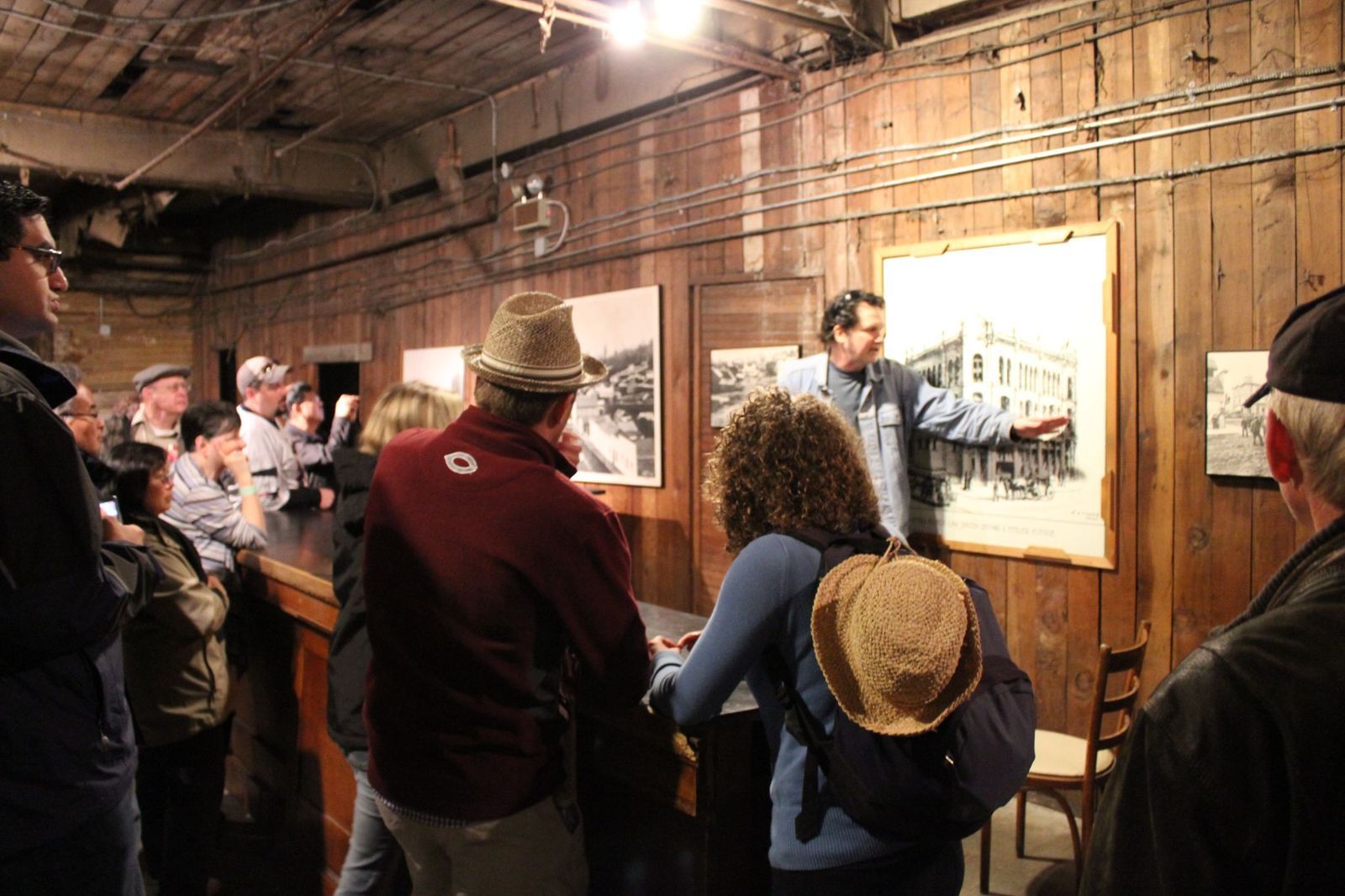
Pioneer Square is one of Seattle’s oldest neighborhoods. In 1889, a fire destroyed most of its wooden buildings and changed its downtown forever. As Seattle began to rebuild, officials raised the streets to improve drainage and prevent flooding, and new roads and sidewalks were built up above the old ones. So historic storefronts and sidewalks that once stood at street level were left below.
Visitors can explore sections of this buried neighborhood on a guided walking tour. Bill Speidel’s Underground Tour lasts about 75 minutes, and tickets can be booked in advance. The route includes stairs and uneven historic spaces, so it is not fully accessible.
The Basilica Cistern, Istanbul, Turkey
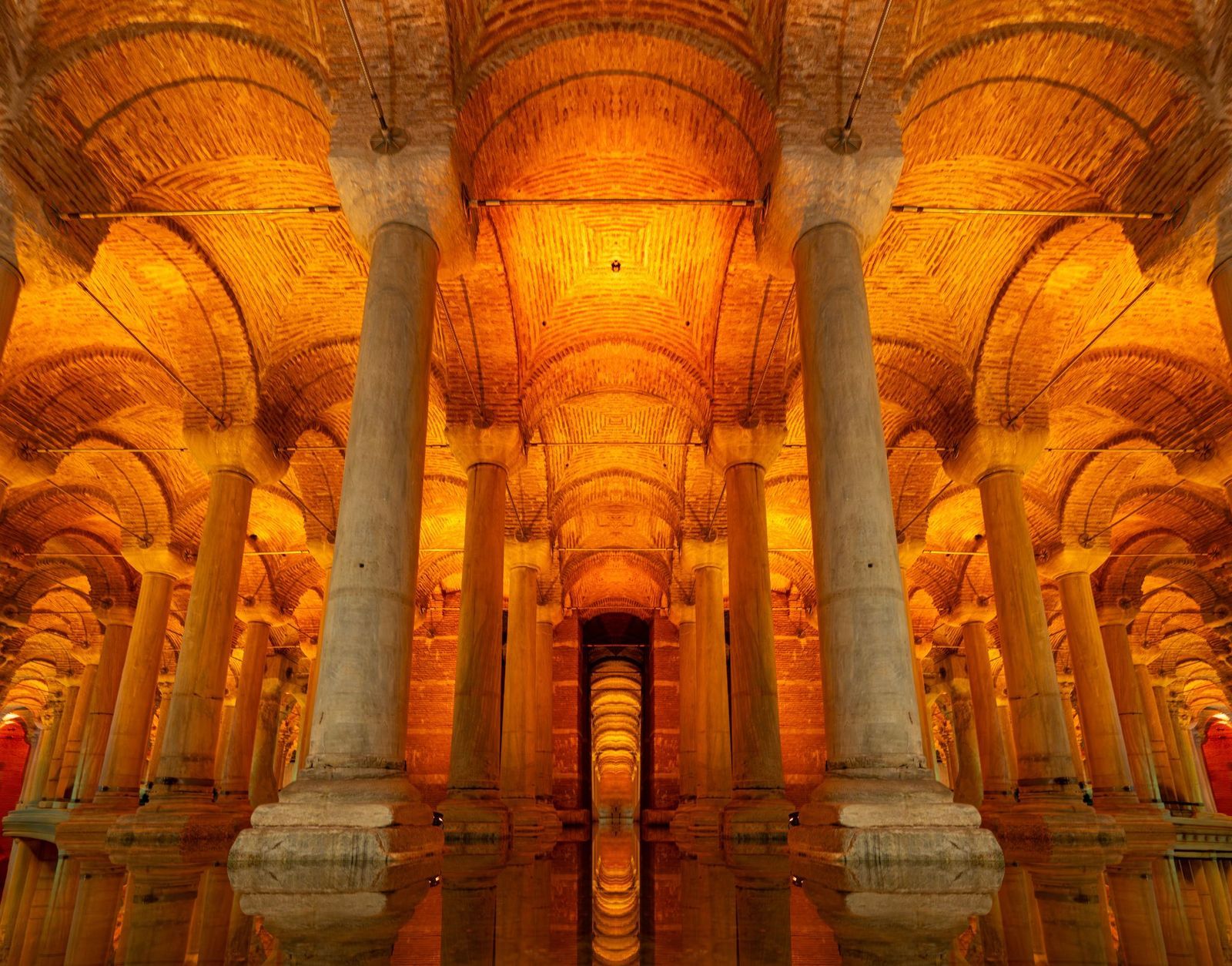
The first recommendations you’ll probably hear when arriving in Istanbul are to visit Hagia Sophia and the Blue Mosque. But just a short walk away, a staircase leads down to the Basilica Cistern, a huge underground water reservoir supported by 336 marble columns. Emperor Justinian I built the Basilica Cistern in the sixth century to store water for the Great Palace and nearby buildings. Aqueducts brought water from forests miles outside the city, and the cistern kept it ready for daily use.
Today, visitors can walk through the cistern on raised paths above the water. A ticket is required, and lines can be long during busy hours. Day and evening visits may require different tickets, so check the current schedule before you go.
Naples Underground, Naples, Italy
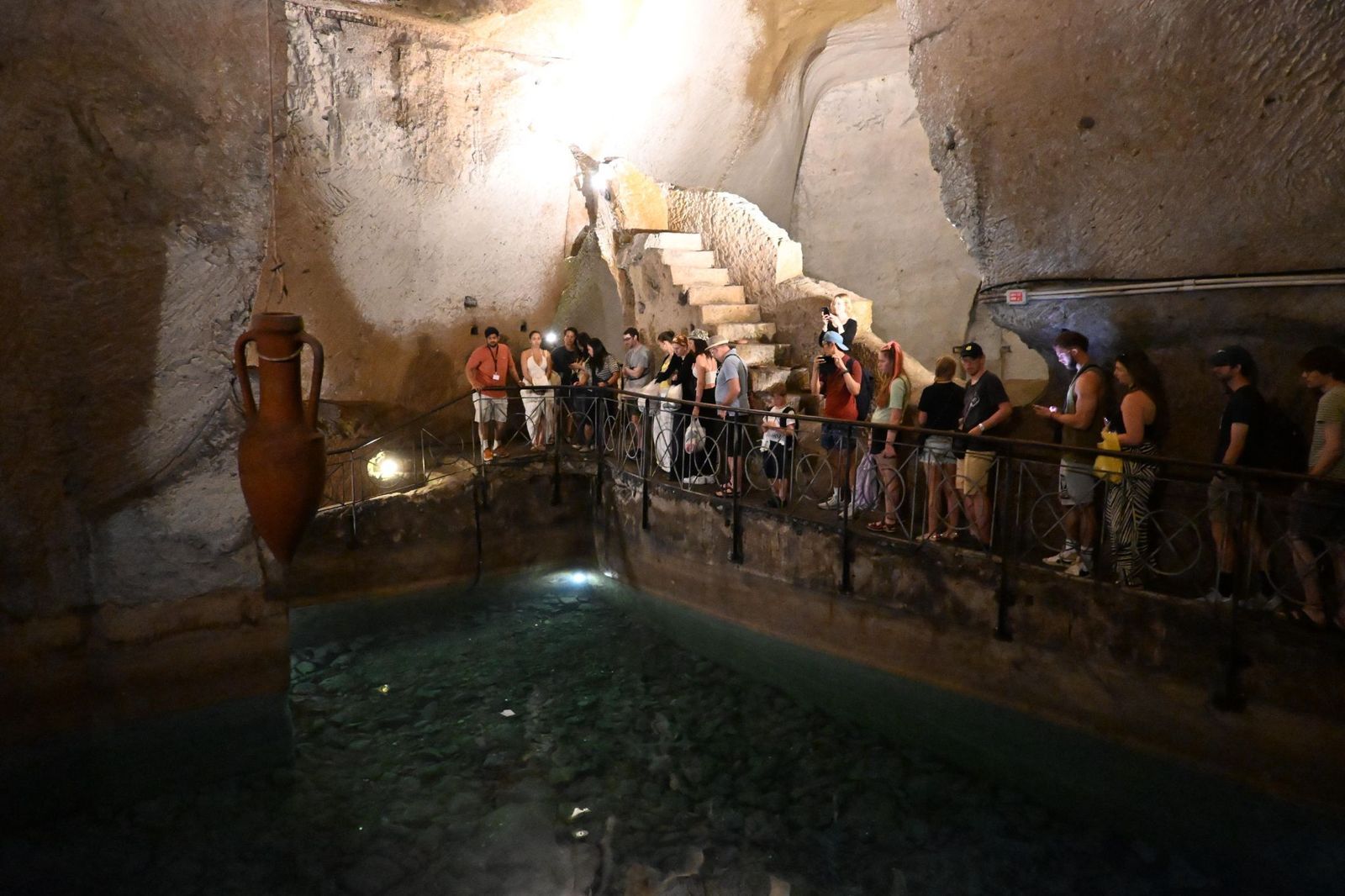
Naples may be famous for Neapolitan pizza, but its recipe isn’t the only secret the city keeps. Another one lies beneath its streets, where tunnels and chambers reveal more than 2,000 years of history. The story began when ancient Greek settlers founded Naples and dug underground for tuff, a soft volcanic rock used to build walls and temples. The Romans later connected many of the tunnels and turned them into aqueducts and water tanks. During World War II, thousands of residents returned to these and used them as air-raid shelters.
Today, you can explore Napoli Sotterranea on a guided tour. The standard route has 136 steps and several narrow passages. The tightest section is optional, but the main route is not wheelchair accessible. It may also be difficult for people with limited mobility.
Wieliczka Salt Mine, Near Kraków, Poland
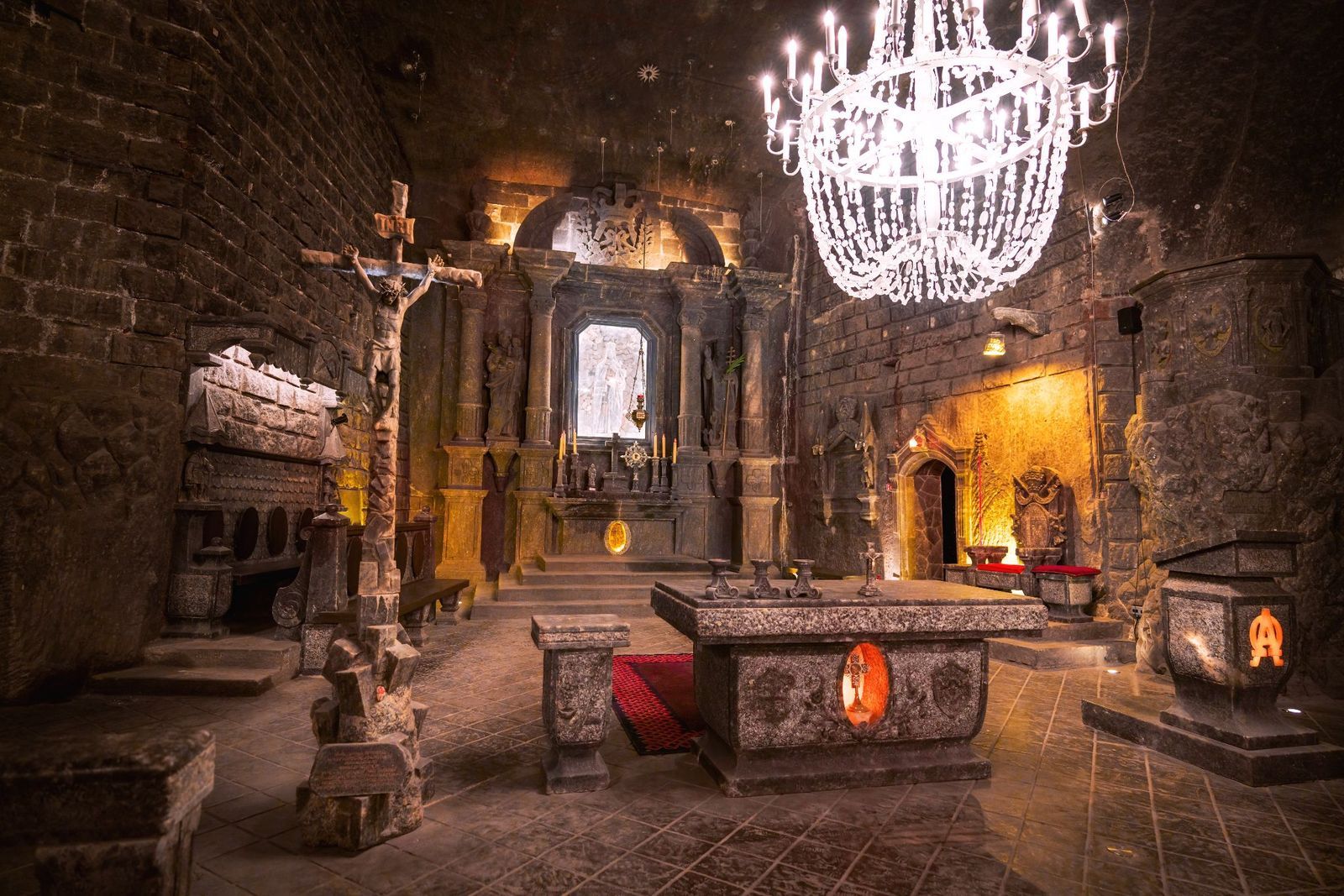
The Wieliczka Salt Mine sits just outside Kraków, reaching deep beneath the Polish countryside. Salt mining began there in the 1200s, leaving large chambers and tunnels underground. Since miners spent long and dangerous hours below the surface, they created chapels and religious statues where they could pray. The tradition continued for centuries. Work on the Chapel of St. Kinga began in 1896, and miners spent decades decorating it with salt floors, sculptures, and chandeliers made from salt crystals.
The mine can only be visited on a guided tour. Some areas are suitable for people with limited mobility, though these visits must be booked ahead. The temperature stays near 63°F, so wear comfortable shoes and bring a light layer.
The Edinburgh Vaults, Edinburgh, Scotland
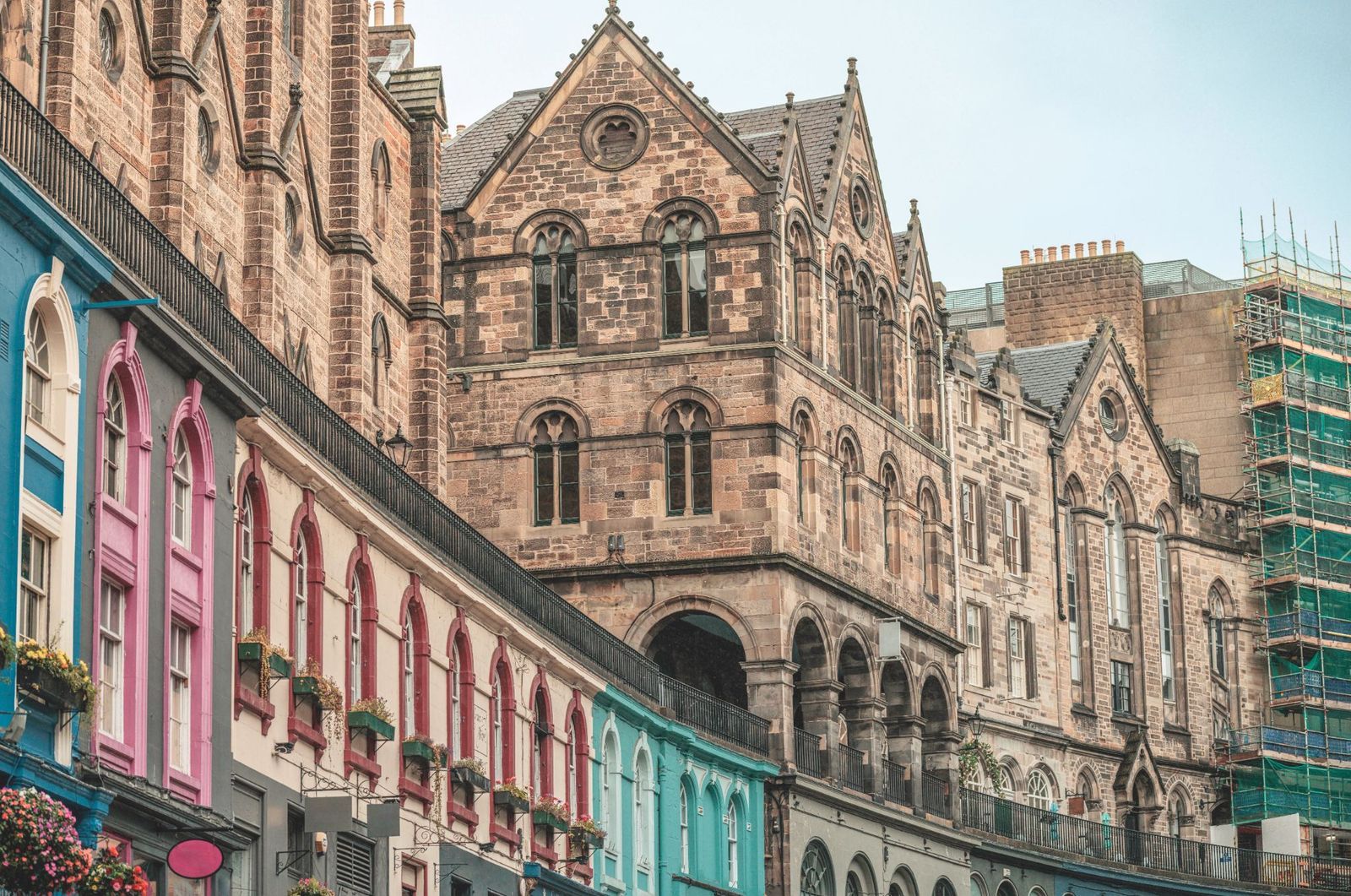
Edinburgh’s Old Town stands at the heart of Scotland’s capital, where the South Bridge crosses the historic center. Hidden inside, its stone arches are rows of enclosed rooms known as the Edinburgh Vaults. The bridge opened in the late 1700s, and as its arches created extra space below the street, local businesses soon turned these rooms into workshops and taverns.
However, water leaks and poor ventilation made the space uninhabitable. The dark, abandoned spaces later inspired the ghost stories told on tours today. The vaults are privately owned, and visitors can enter only with an authorized guided tour. Accessibility depends on the tour and the sections included.
Louisville Mega Cavern, Louisville, Kentucky
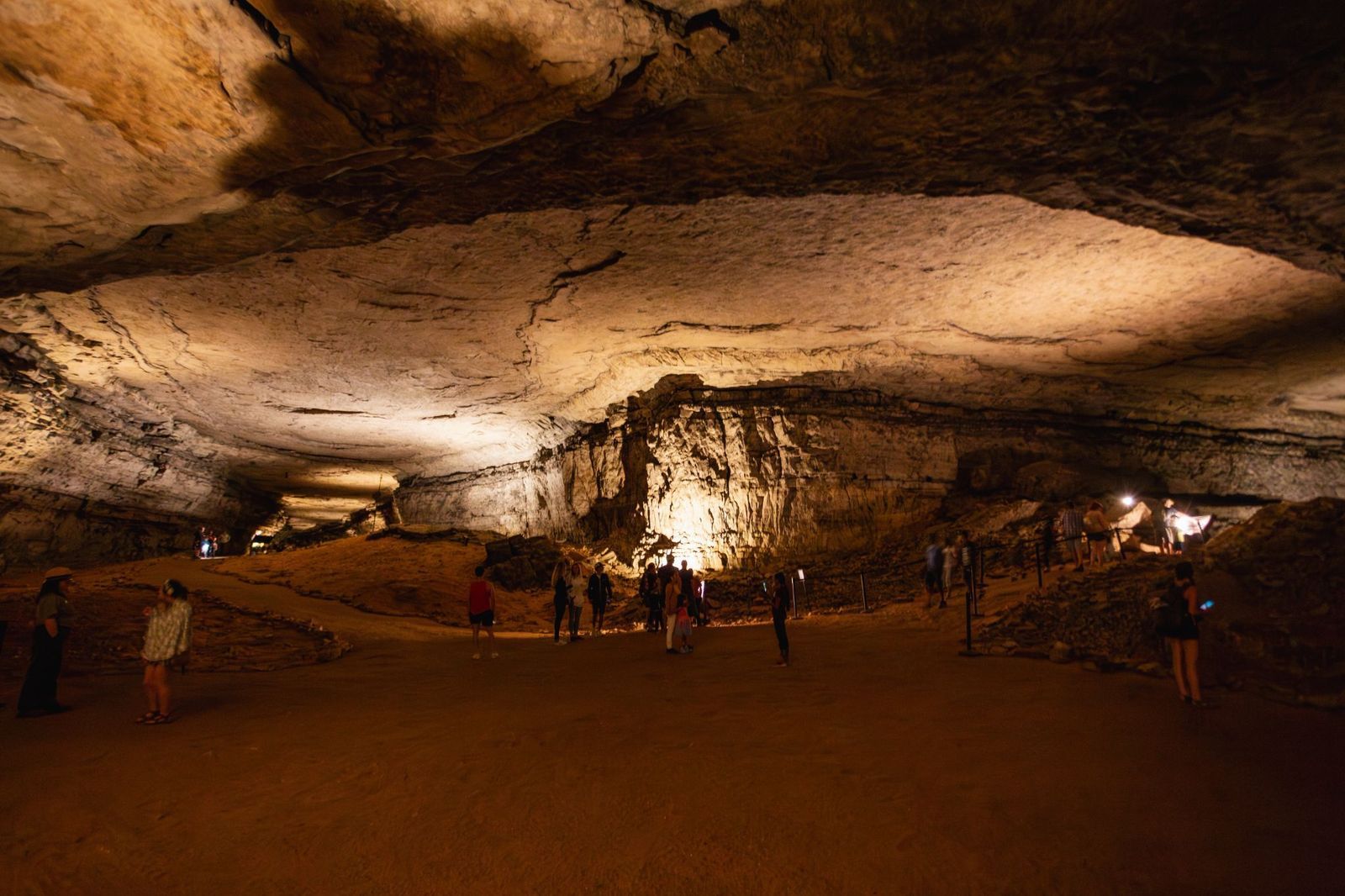
The Louisville Mega Cavern began as a limestone mine in the 1930s. Workers removed limestone there for more than 40 years, and the rock was used to build roads and bridges across the region. When mining ended, parts of the cavern were turned into storage and business spaces.
Walking tours and other underground activities are available for the public. The temperature stays near 58°F, so bringing a light jacket is a good idea. Walking-tour visitors must wear closed-toe shoes, be at least 7 years old, and be able to walk comfortably.
Montreal’s Underground City, Montreal, Canada
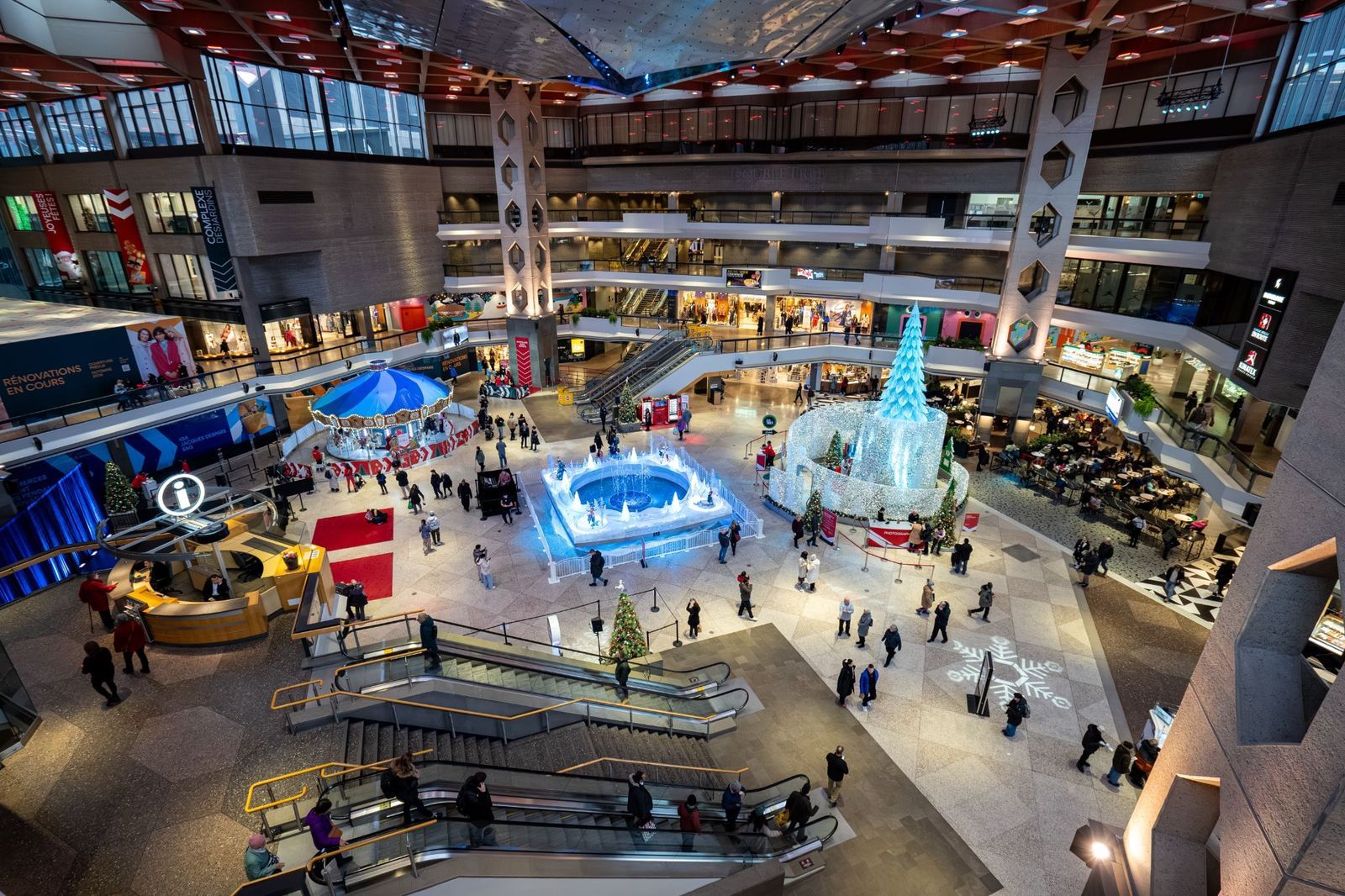
Montreal’s long, cold winters can make walking downtown difficult. But residents can avoid much of the snow and freezing weather by using RÉSO, a large indoor network that runs mostly beneath the city center. It connects subway stations, offices, stores, hotels, and restaurants, allowing people to move around without going outside. The first major connections opened in the 1960s around Place Ville Marie and Central Station. As Montreal built its subway system, more passages were added.
Although the network wasn’t created only because of the weather, it became a practical way to avoid winter cold, rain, and busy streets. RÉSO is a public pedestrian network, so visitors don’t need a ticket to enter. However, stores and buildings set their own hours, which means some passages may close at night.
Why Jimmy Carter never returned to Poland: A translation scandal
Semantic disasters
From awkward presidents to backward holidays: 10 epic translation fails
Believe it or not, an airline once nearly left all its passengers shirtless in the ‘80s, all because of a translation mistake. But how? In different languages, the same words can mean completely different things depending on the context: how it’s used, where it’s said, and who’s saying it. But when that context gets lost in translation, things can go absolutely wrong. That’s why it’s good to know the local customs, unless you want to end up like these 10 people and brands whose translation fails led to some embarrassing, costly, and sometimes hilarious moments.
Your lusts for the future

President Jimmy Carter was the protagonist of an awkward moment in December 1977, when a speech he gave in Poland was badly mistranslated. His interpreter, Steven Seymour, was strong in written Polish but struggled with live translation. At one point, the English word "wishes" was rendered as pożądam, a term that can imply intense, even carnal desire. As a result, what was meant as a polite expression of goodwill ended up sounding more like "I desire you." The looks on people’s faces must have been priceless.
Do nothing
For some, words don’t matter much, but HSBC would strongly disagree. In 2009, a major translation error led the bank to spend around $10 million correcting its advertising campaign. The original English slogan, meant to highlight HSBC’s unbiased, customer-focused approach, was "Assume Nothing." While it worked perfectly in English, translations into other languages (where the idiomatic usage of "assume" doesn’t have a direct equivalent) turned it into something like "Do nothing," giving the bank an irresponsible and careless image. Who would have thought that a literal translation could cost so much money?
Silver what?
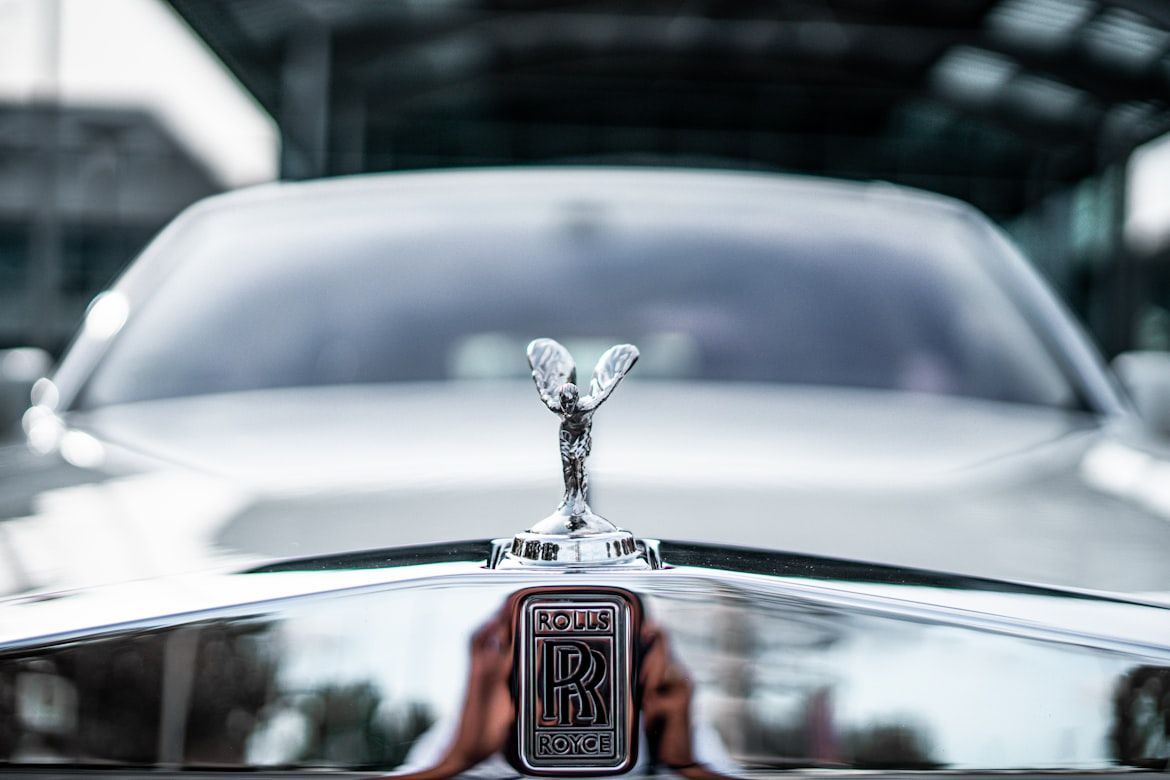
Sometimes the problem isn’t a bad translation, but not translating at all. In 1965, Rolls-Royce almost made a costly mistake with one of its most famous models, the Silver Shadow. The car was originally going to be called "Silver Mist" and launched across Europe under that name, but just in time, someone pointed out that mist means "manure" in German. That could’ve been a disaster, but they caught it just in time. Thanks in part to that catching, the Silver Shadow became the company’s most successful pre-modern model, with more than 30,000 units built between 1965 and 1980.
Life on Mars
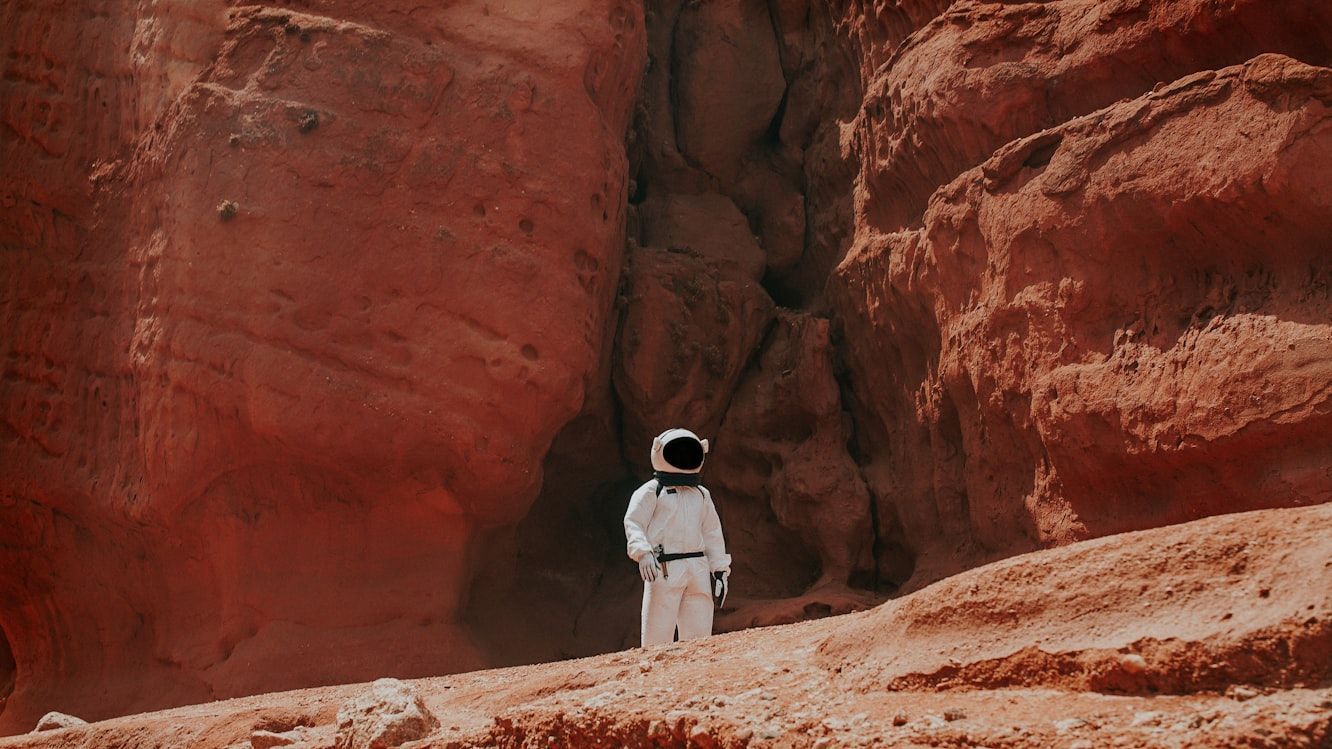
Giovanni Schiaparelli was an Italian astronomer who, in 1877, mapped the surface of Mars and described features he called canali, an Italian word that should have been translated as "channels", natural formations. But in English, it was rendered as "canals," a term that suggests something artificial. That small modification changed everything: suddenly, many people began imagining sophisticated waterways on Mars, evidence of intelligent life. The idea spread quickly and even influenced writers like H. G. Wells, author of The War of the Worlds (1898).
Fly in leather
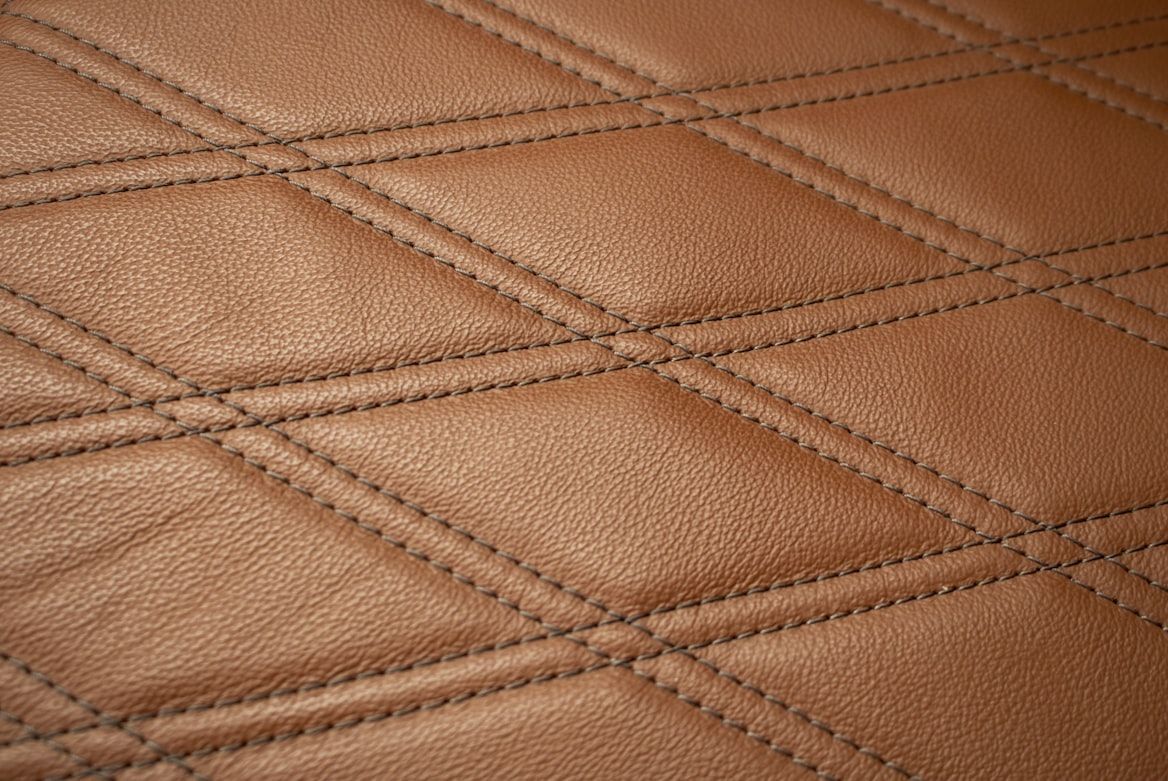
In the early 1980s, an American airline accidentally invited its Spanish-speaking passengers to "travel shirtless." Braniff International Airways was promoting its new all-leather seats with the slogan "Fly in leather!", a sign of luxury at the time. But in Spanish, the message didn’t translate so well, as they ended up with the slogan Viaje en cuero. While the word cuero does mean "leather," the phrase "en cuero/en cueros," applied to a person, can also mean "naked" or "shirtless." It gave everyone a good laugh, even though it was a costly mistake for the company.
Parker pens

"It won’t leak in your pocket and embarrass you" was the straightforward slogan used by The Parker Pen Company to highlight the reliability of its pens. But things got confusing when the line was translated into Spanish around the 1960s. It all comes down to a very common mistake: "embarrass" sounds really close to the Spanish verb embarazar, which means "to get someone pregnant." Because of that mess, the slogan is often said to have been translated as No te va a embarazar, literally "The pen won’t make you pregnant."
Upside-Down Valentine's Day
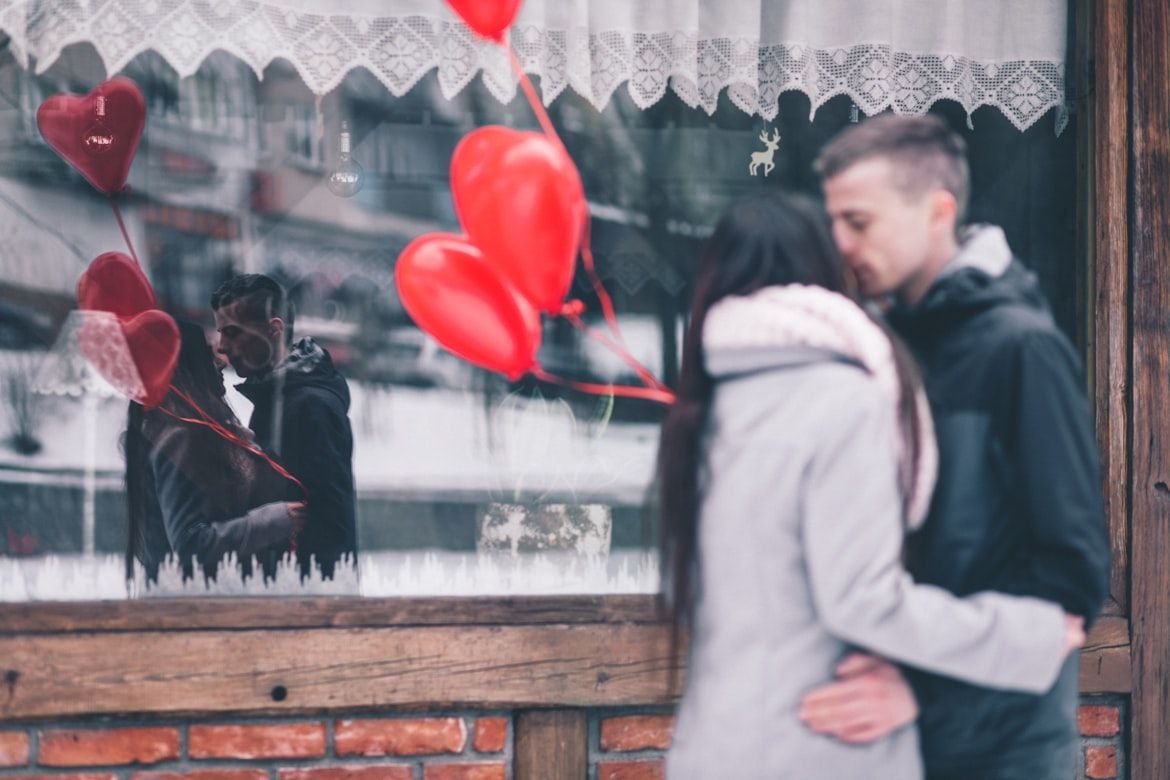
Valentine's Day in Japan works a little differently. There are still chocolates and romance in the air, but on February 14, it’s women who give gifts to men. So how did that happen? In the 1950s, companies like Mary Chocolate Co. helped introduce Valentine’s Day to Japan. But a mistranslation of how Valentine’s Day worked in the US led a Japanese executive to bring the idea back home… with the roles reversed. Surprisingly, the idea caught on, as it gave women a new way to express their feelings at a time when that wasn’t always easy. That’s the power of language.
Hello, Mr. Death
Even giants like Coca-Cola can be behind translation mishaps. In 2018, the company tried to connect with people in New Zealand by mixing English with the Māori language on its vending machines. The idea was simple: "Hello (in Māori), friend (in English)." They used the Māori kia ora ("hello") and paired it with the English term "mate," as in friend or buddy. But there was one problem; the word mate in Māori literally means "death". The campaign was heavily criticized, forcing the company to pull it.
Keep your fingers safe
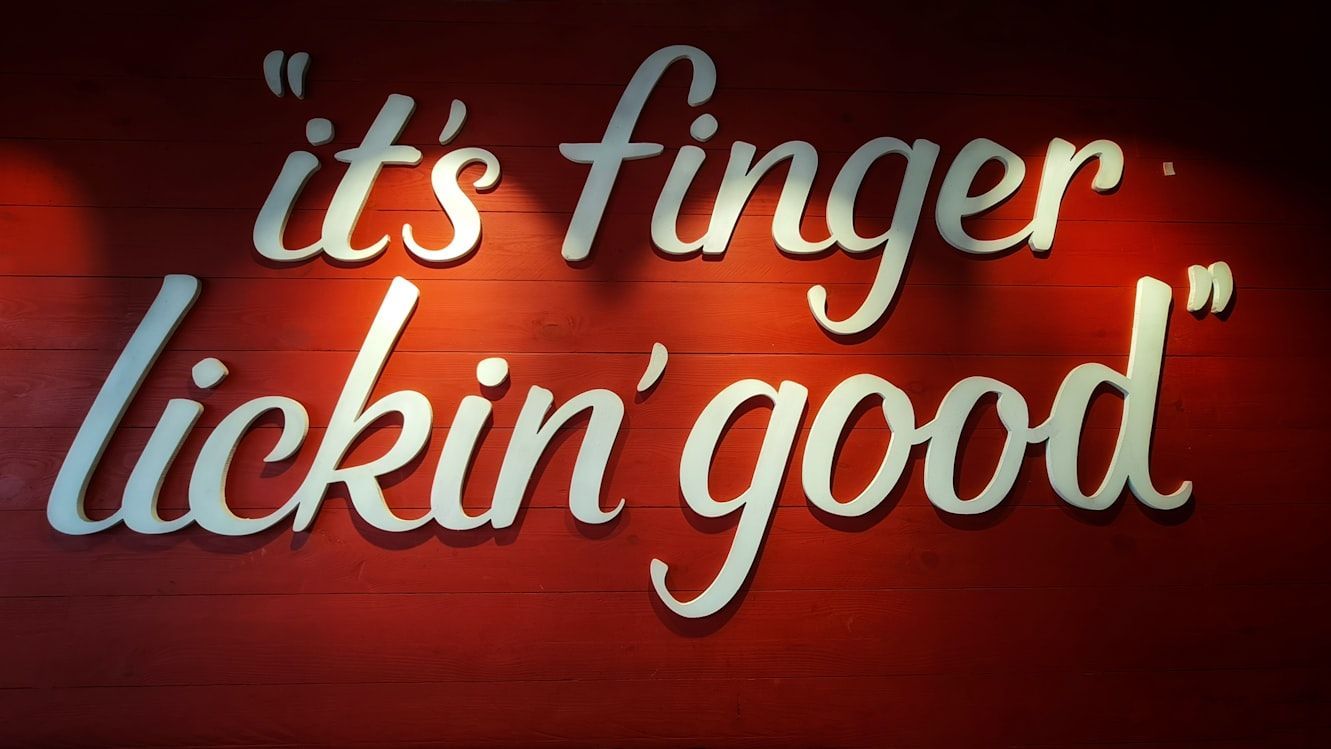
"Finger-Lickin’ Good" has been KFC’s signature slogan since the 1950s. But it wasn't as successful in China. When KFC entered Beijing in the late 1980s, the slogan was widely reported to have been launched as Chī diào nǐ de shǒuzhǐ, which literally translates to something like "Eat your fingers off," a monstrous idea. Even if the translation had been right, licking your fingers isn’t especially appealing in Chinese culture, which just shows how important context is for translation.
Turn it loose, but in English
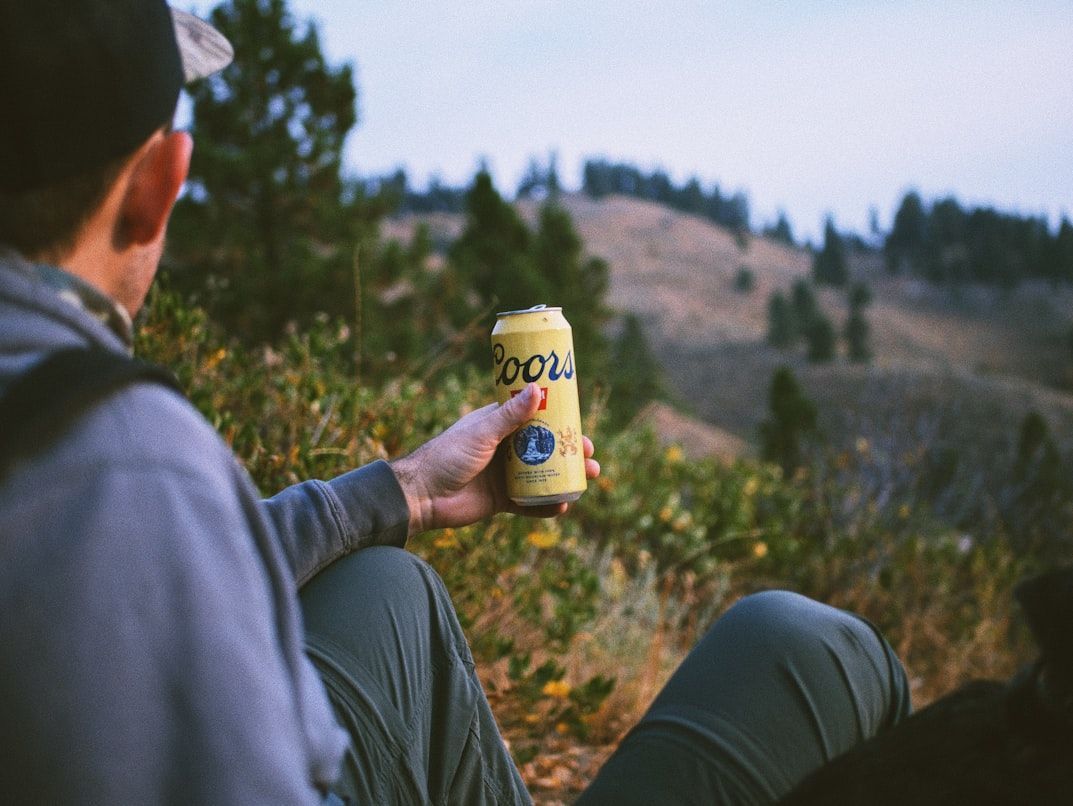
How did a fun, relaxing slogan end up causing stomach problems? When Coors launched its "Turn it Loose" campaign in Spain, things didn’t go as planned. In English, the phrase encouraged customers to relax and let go, but the literal Spanish translation, Ponte suelto, had disastrous results. While suelto does mean "loose", in Spain and other Spanish-speaking countries, it’s also commonly used to describe someone with diarrhea. Awkward, yes, but definitely funny.
Keep wandering
There’s always
more to explore
 Landmarks
The Blues Road: Every blues fan should visit these 12 spots at least once
5 min.
Read Now
Could you handle 162 steps inside the Statue of Liberty?
6 min.
Read Now
Here's why this particular airport worker can't be over 56 years old
6 min.
Read Now

Meet the 10 worst flight companions ever: Getting Kicked Off a Plane 101
5 min.
Read Now