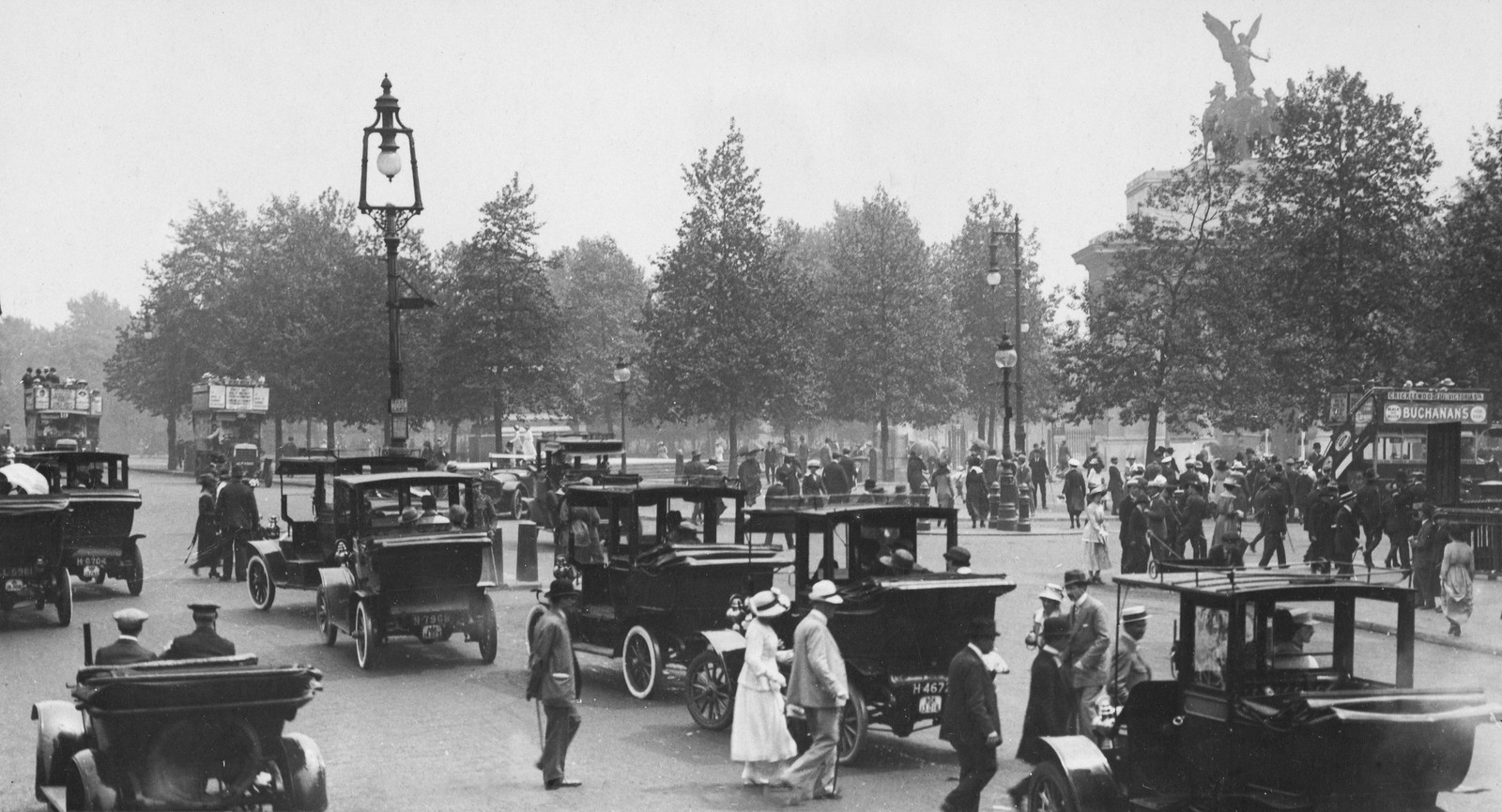
Compare these famous spots around the world, then and now
 History
Peeks into the past
Compare these famous spots around the world, then and now
Could you identify a picture of Sydney from before the construction of the Sydney Opera House? Or do you happen to know how, exactly, the exterior of the London Bridge ended up in Havasu Lake City, Arizona? Looking at photographs from the 19th or 20th centuries not only exposes the style of carts and hats used a hundred years ago, but it also gives us clues about the evolution of these popular destinations. Read on to dive into the stories of 5 cities.
London, U.K. (circa 1890)
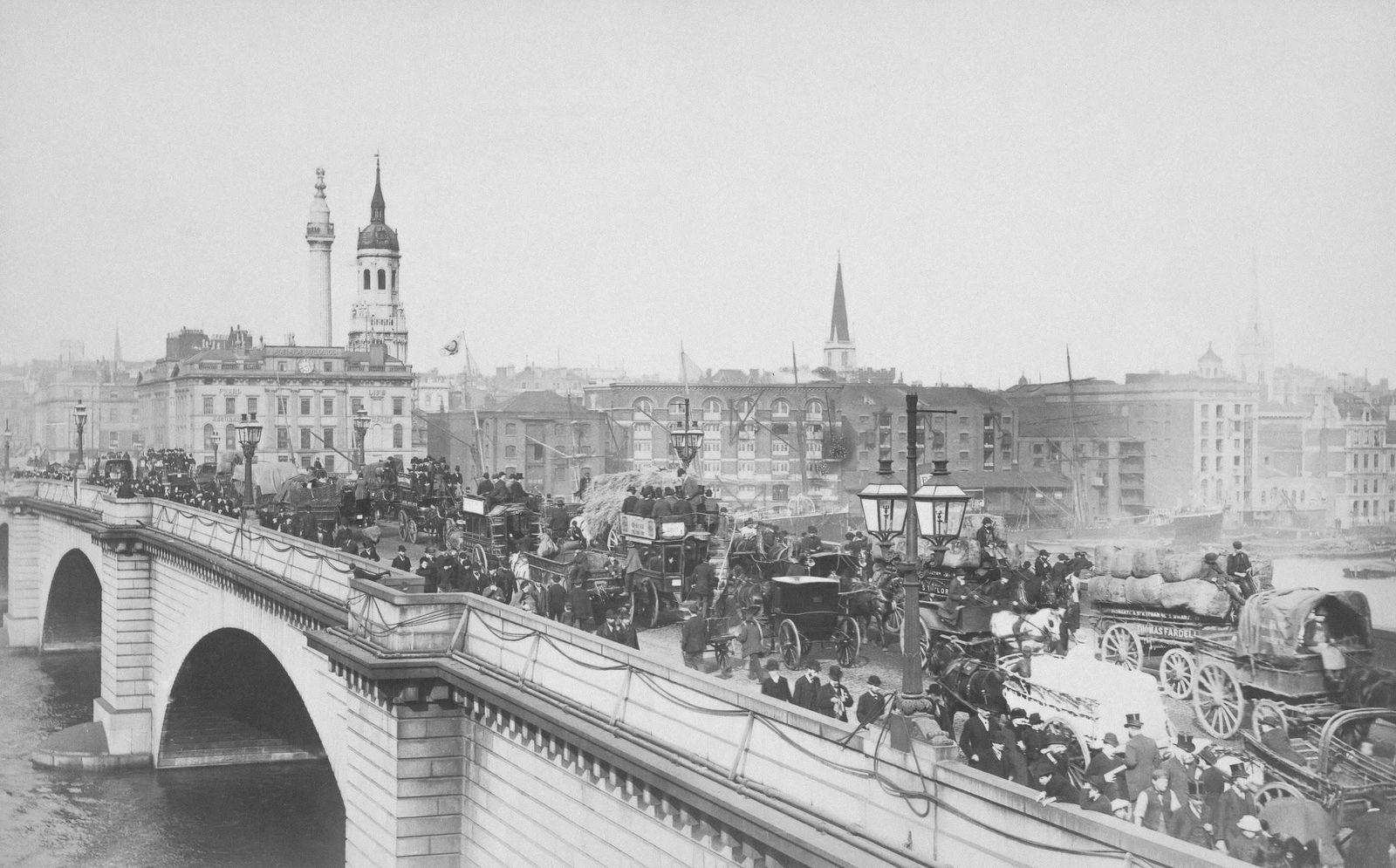
This picture of the bustling chaos on London Bridge was taken sometime between 1890 and 1900. That tall fluted Doric column starting from the left still stands today: that’s the Monument to the Great Fire of London, which occurred in 1666. Next to it, you can also see the steeple of the St. Magnus-the-Martyr church, which, at the time, sat right next to the bridge’s entrance.
But, of course, the most striking thing about this picture is the number of packed commercial carts, horses, and hordes of bowlers and top hats rushing across the River Thames.
London, U.K. Now (2017)
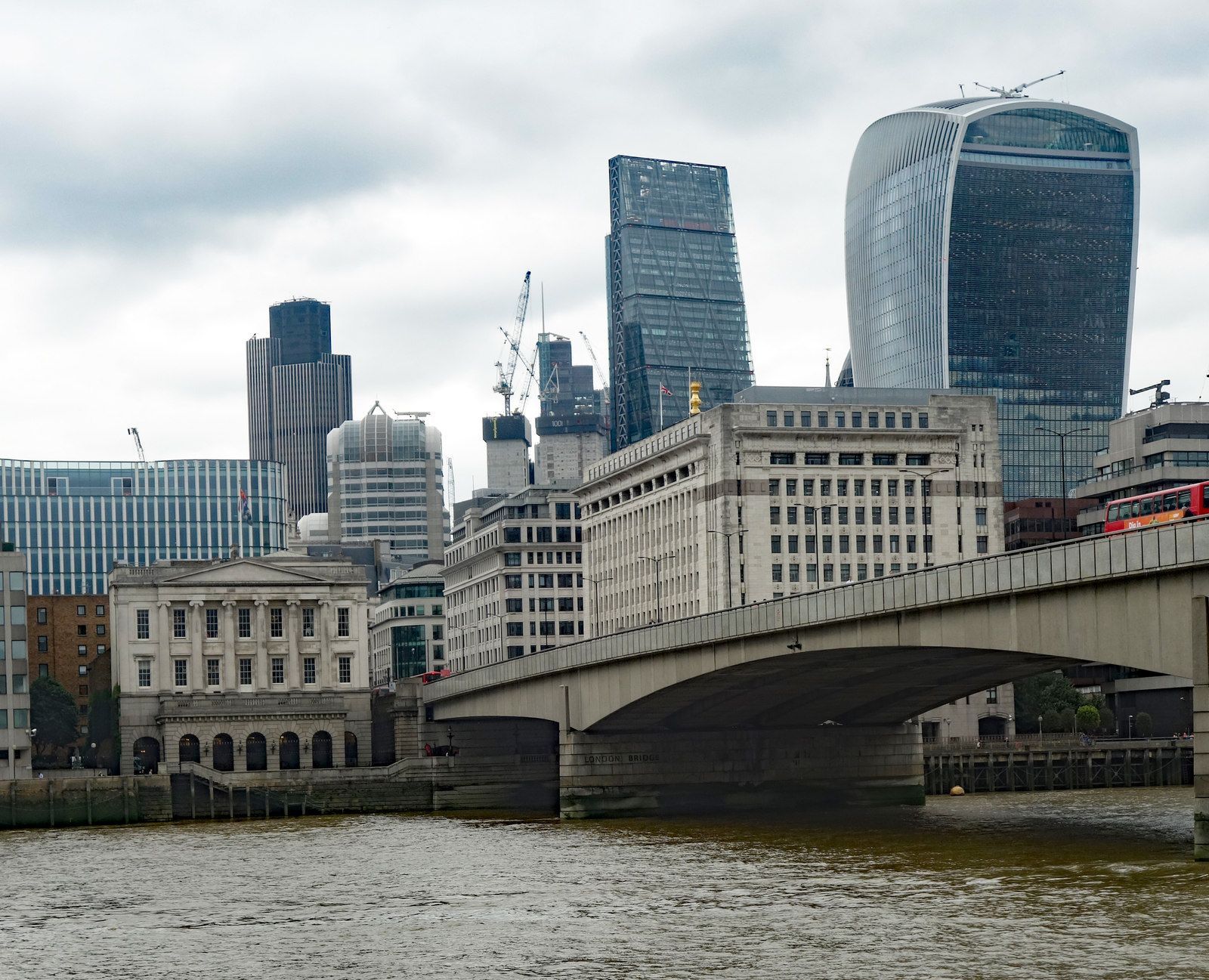
This spot of London looks unrecognizable over 100 years later. Behind the office block that is Adelaide House, the large rectangular building, you can still see the "urn of fire" from the same Great Fire monument. Not to mention all of the modern buildings built around them, among which stands out the distinctively shaped 20 Fenchurch Street, aka "The Walkie-Talkie."
The red double-decker on the bridge is also telling of the passing of time. If you are an acute observer, you’ll also notice that the bridge looks entirely different. You’d be correct; it had to be replaced in the 1960s by one that supported modern use. The City of London put it up for sale, an American entrepreneur bought it, and transported its exterior to be used in the construction of a new bridge in Lake Havasu City, Arizona.
Sydney, Australia (circa 1950)
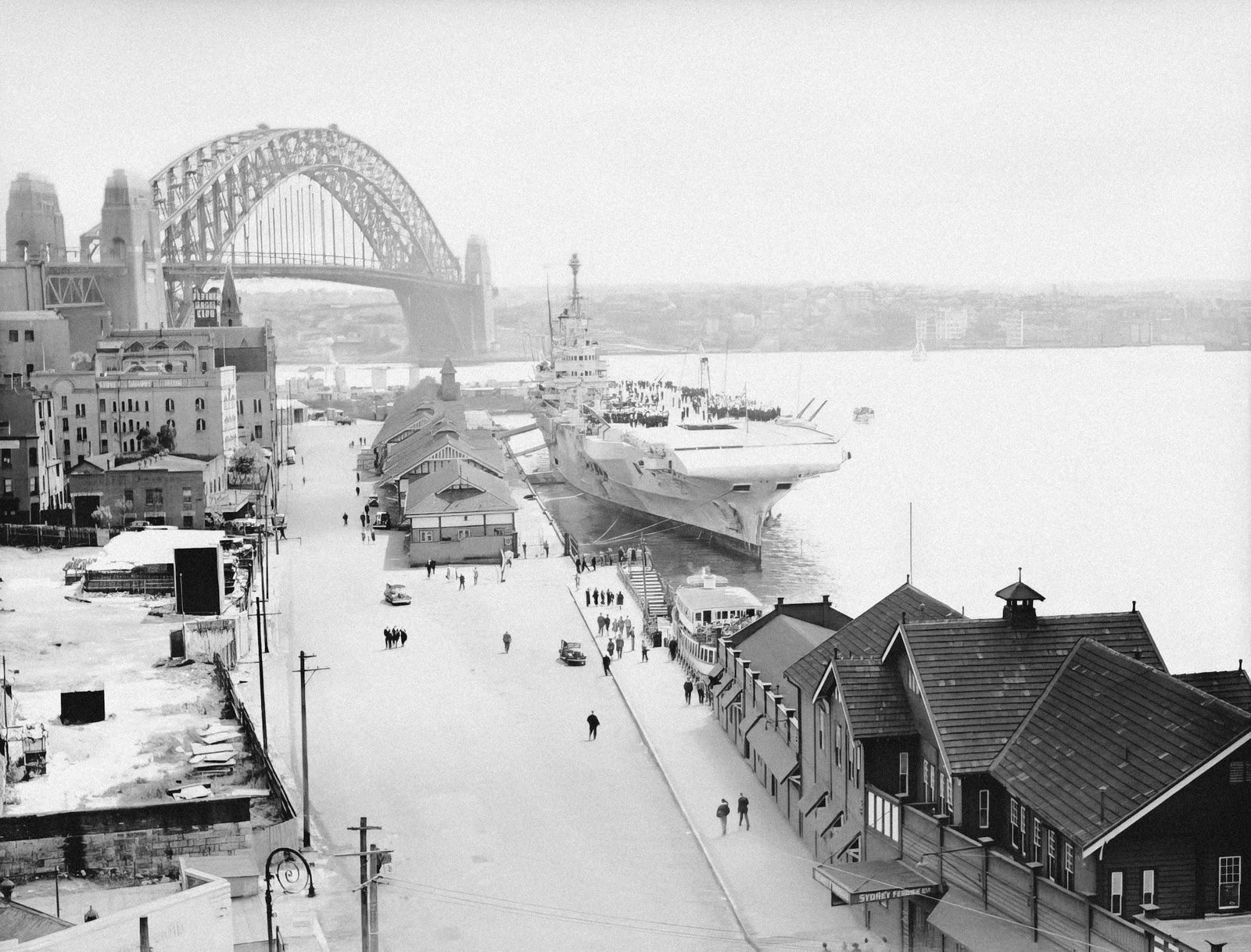
This picture shows a historic view of Sydney, Australia, taken from the Circular Quay West area. The presence of the aircraft carrier means this was taken shortly after WWII, towards the late 1940s. Back then, the Sydney Harbour Bridge, seen on the left, was probably the main icon of the city.
Of course, only a few years later, in 1959, the city would begin the construction of what was to become one of the most famous structures in the world: The Sydney Opera House, finally opened in 1973.
Sydney, Australia (2016)
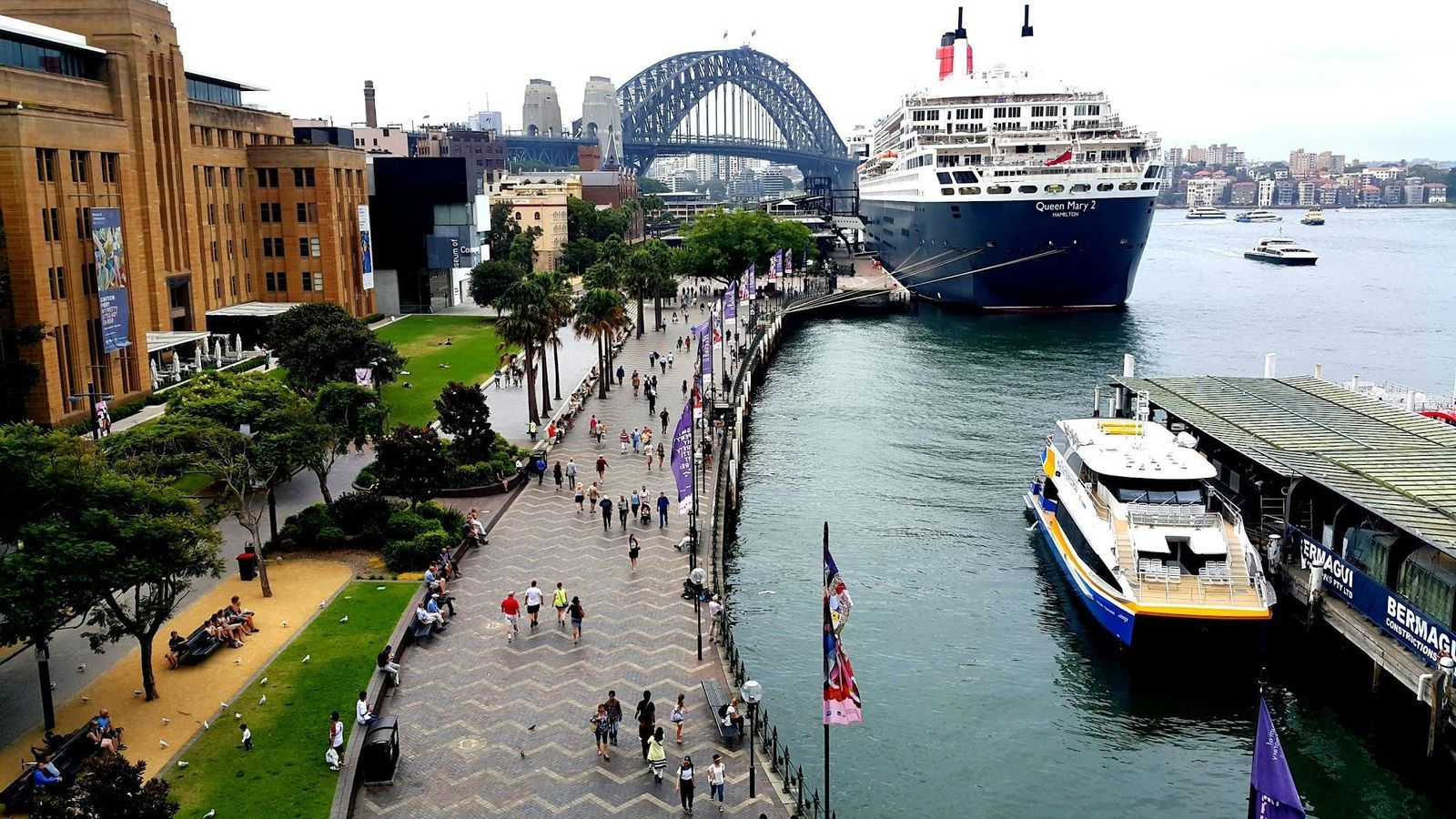
This picture was taken from nearly the same spot, around 70 years later. You can see that the bridge and some of the surrounding buildings are intact. The aircraft carrier has been replaced by a colossal cruise, like the ones that bring tourists to the city every day to the Overseas Passenger Terminal Site.
The sand-colored brick facade is the former Maritime Services Board building, which nowadays is famous as the Museum of Contemporary Art (MCA).
Valencia, Spain (circa 1920)
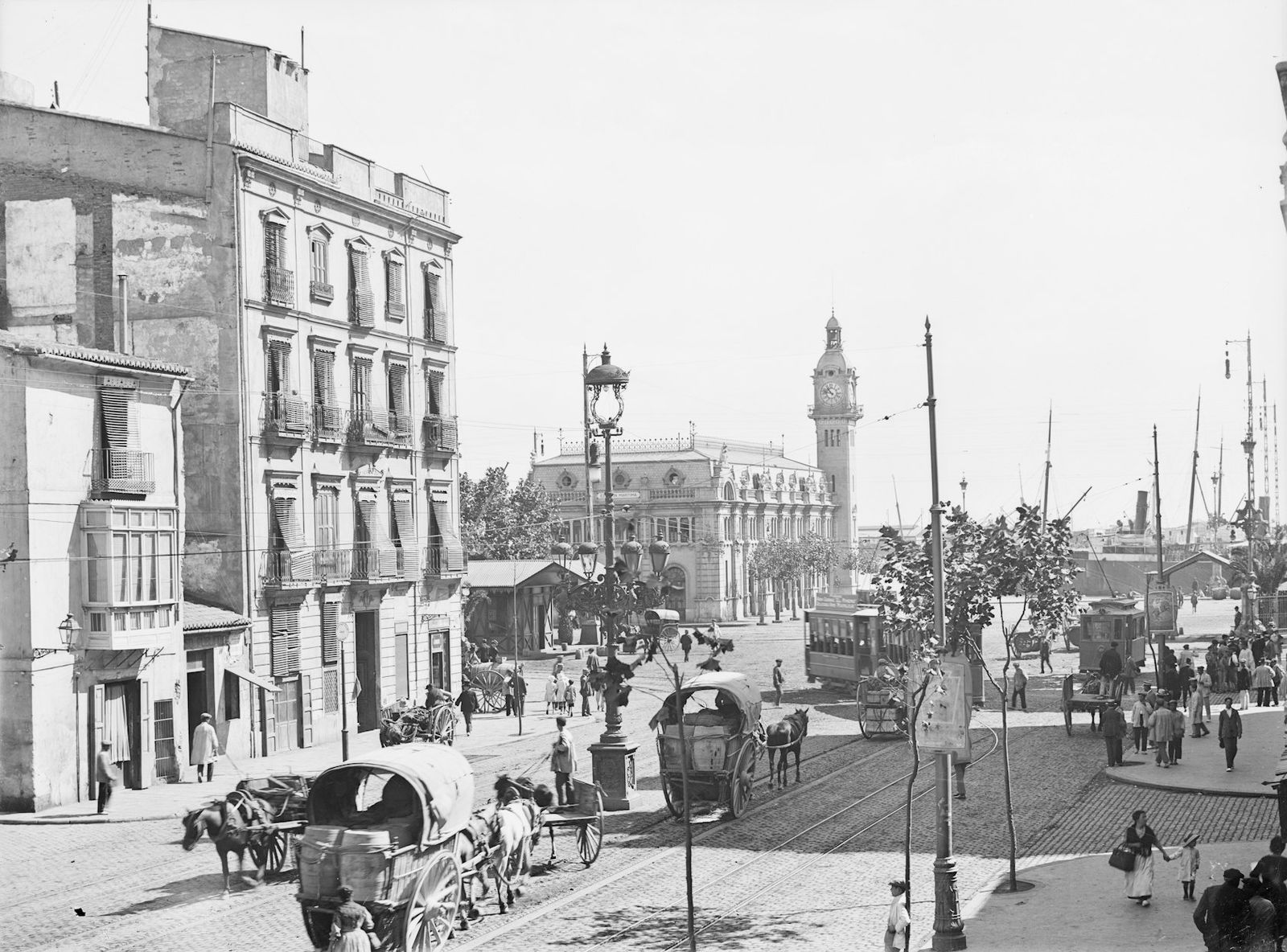
This is a view of the old Port of Valencia, a coastal city in the eastern Mediterranean coast of Spain. Prominent in the background, you can see the Clock Building, built in 1916, an example of the influence French architecture had in the area.
Early in the 20th century, Valencia was already a major hub for exports, which is why you can see its busy port where horse carts, streetcars, and ships converged.
Valencia, Spain (2022)
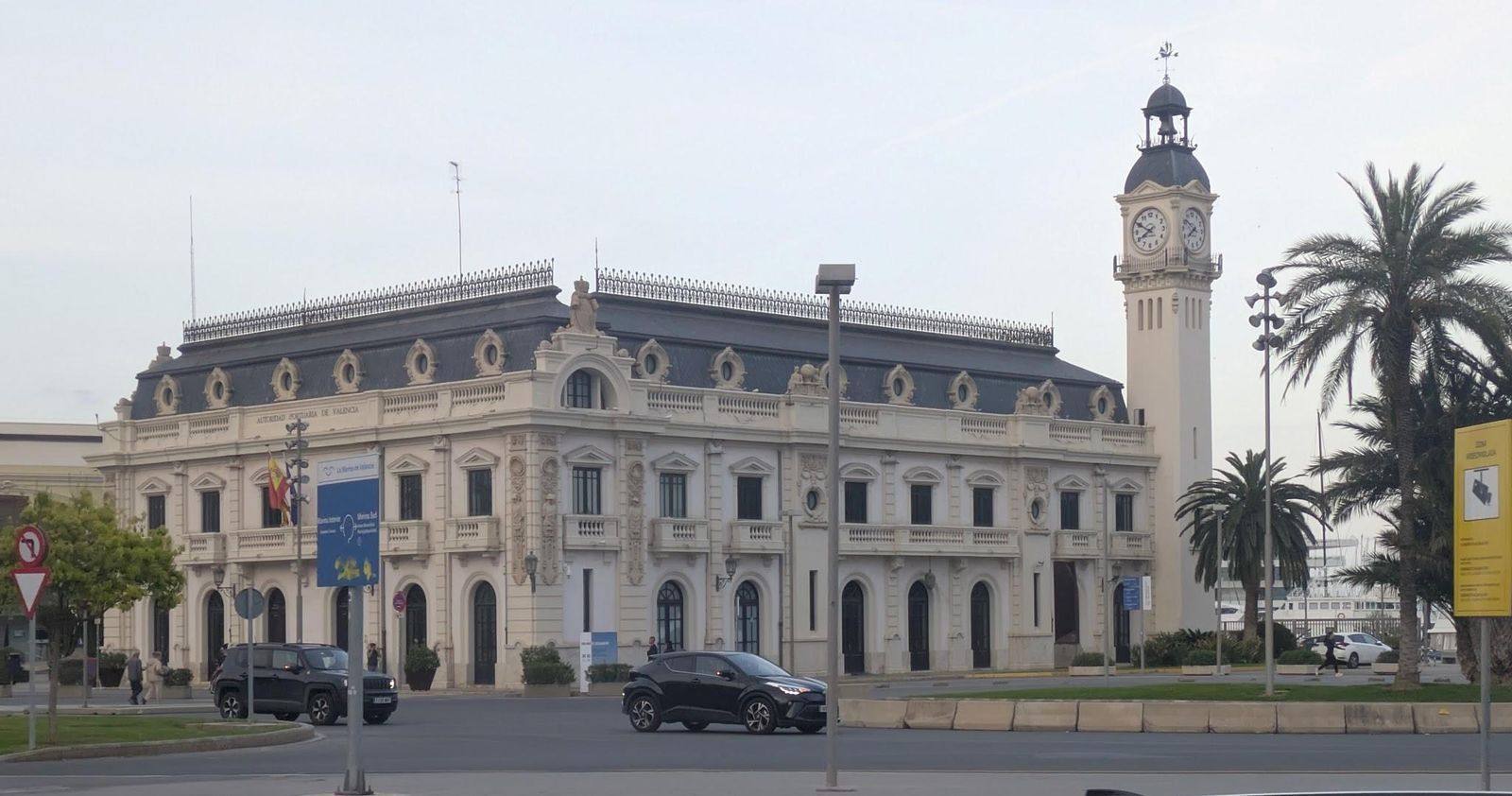
A century later, the port and its iconic edifice are just as important. But pay attention, and you’ll notice that the block contains far more windows and doors. The exponential growth of the city and its port in the mid 20th century meant that the house of the Valencian Port Authority needed expansion, so, over the decades, both its exterior and interior were modified. However, the neoclassical details were respected for their cultural and historical value.
Paris, France (circa 1890)
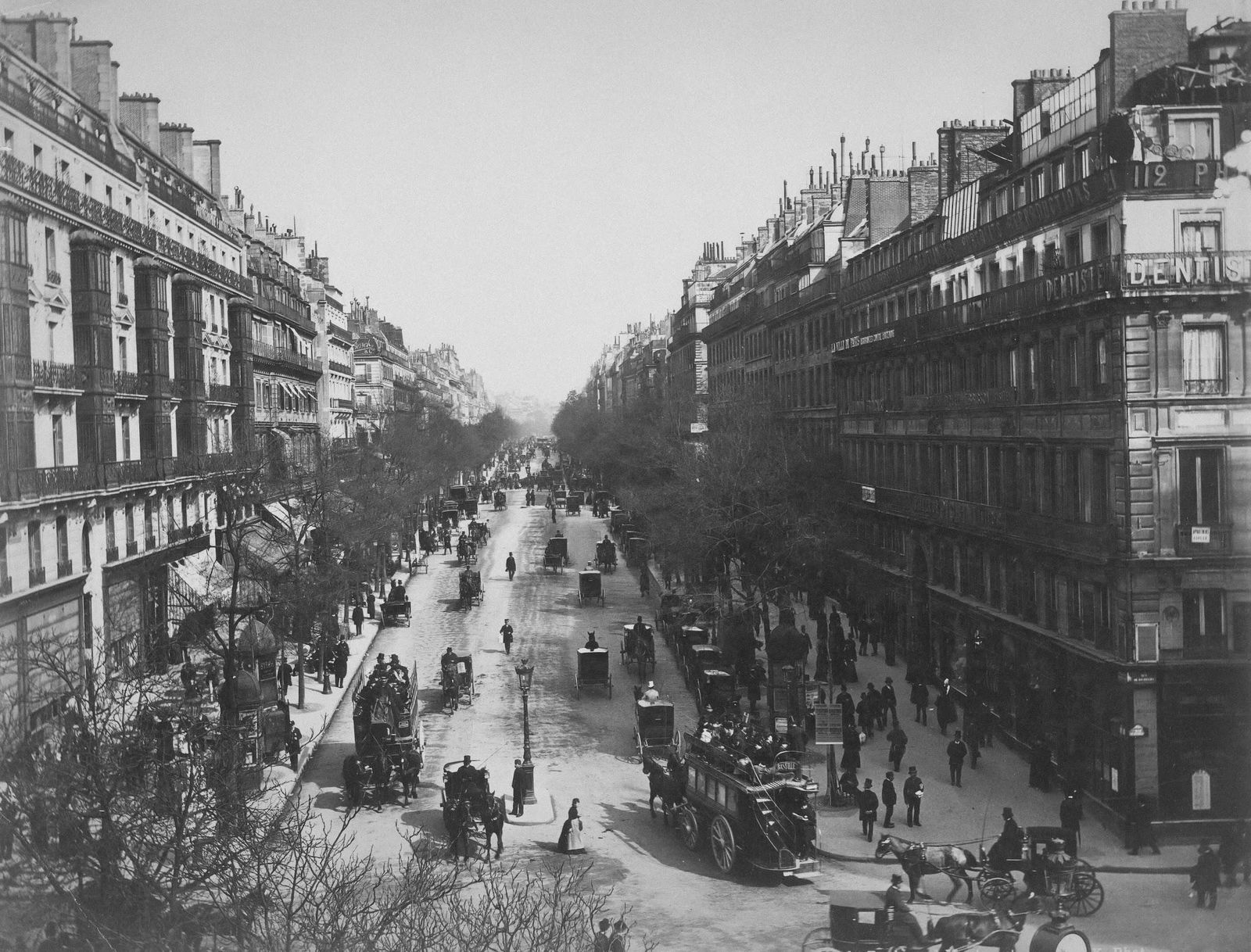
The streets of Paris, with their Haussmann-style architecture, are recognizable enough to identify the capital of France even when the Eiffel Tower isn’t in the frame. They are the result of Baron Haussmann’s massive renovation of Paris (1853–1870), which replaced cramped medieval alleys with these wide, airy boulevards. This specific corner was a very well-documented landmark in 19th-century street photography.
Paris, France (2011)
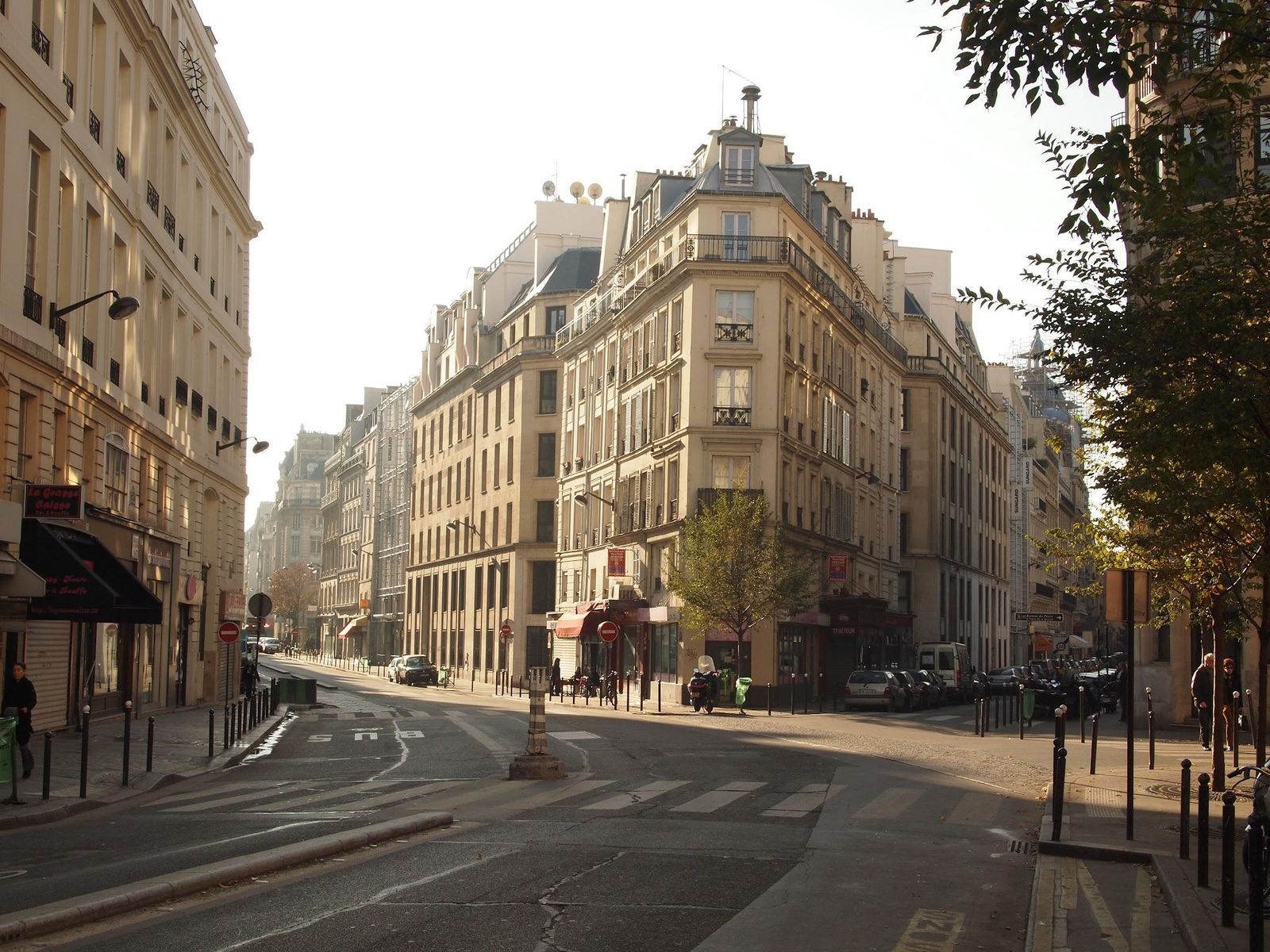
Very little has changed in the facades of the buildings in this Parisian area. The intersection of Rue Montmartre and Rue du Faubourg Montmartre would look the same if not for the modern cars and the updated pavement.
n the 2020s, many of the side streets branching off this intersection have been subject to increasing pedestrianization and traffic restrictions, or transformed into "Meeting Zones."
Venice, Italy (circa 1880)
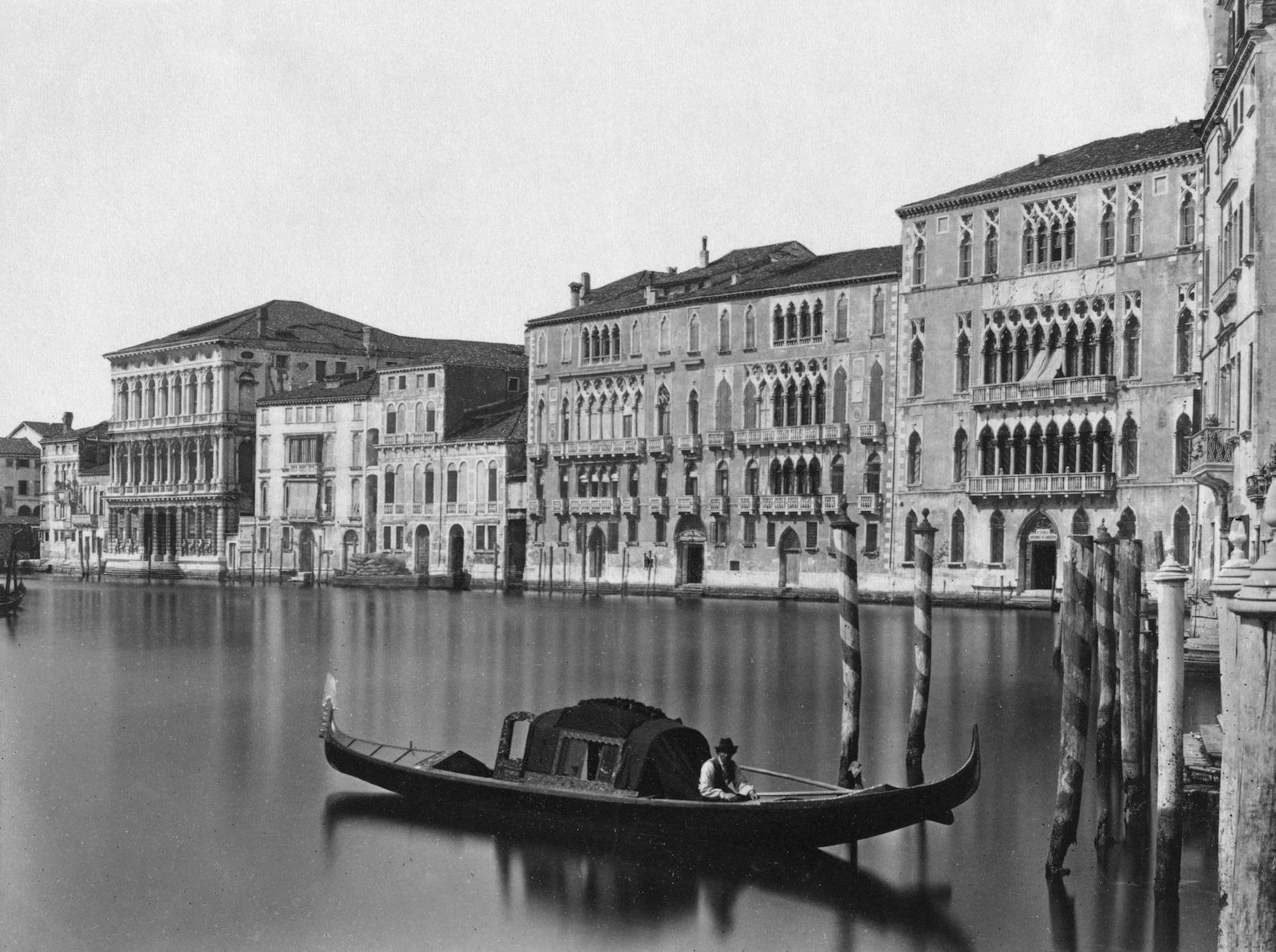
Since Venice, Italy, is bent on conserving its facades as loyally as possible, sometimes it’s very difficult to place old pictures in time. In this case, however, we can look at the water for clues. Its still, blurry appearance suggests long-exposure photography typical of the late 19th century.
The main buildings you can see towards the right side are the Ca' Foscari and the Palazzo Giustinian, both examples of Venetian Gothic Architecture from the 15th century, standing in front of the Grand Canal.
Venice, Italy (2021)
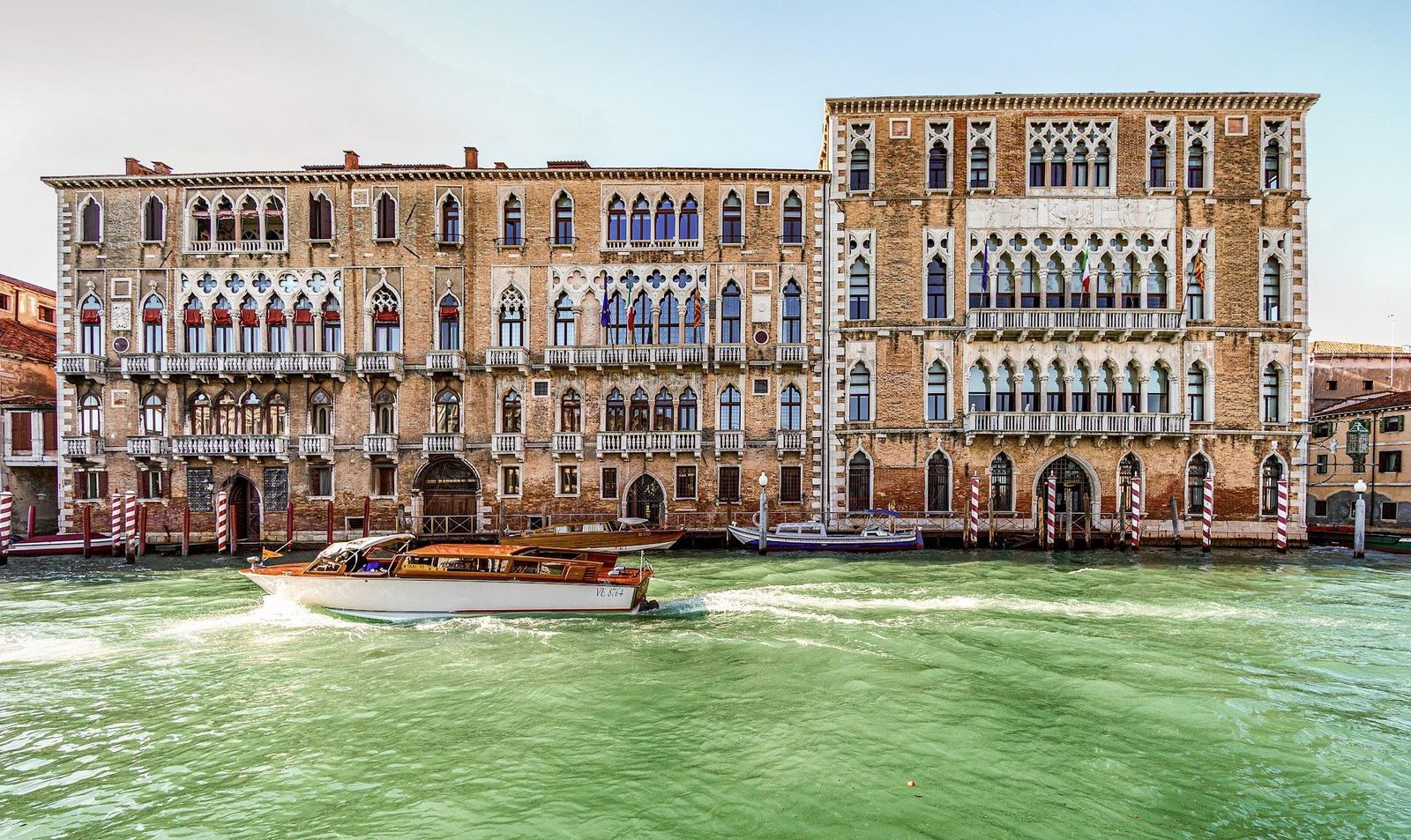
Don’t be fooled by the lack of gondolas in this shot; the thin rowing boats are an icon of Venice as much as they have been for hundreds of years, and any tourist will get their fair share of sightings upon arriving. But the modern motoscafo (water taxi) cutting through the green waters can only mean the 21st century.
The same buildings stand with their intricate decoration well preserved. Even the placement of the paline (the striped wooden poles where people tie their boats) has only shifted slightly through the decades.
Which countries drive on the left side of the road?
 General
Foreign driving
10 things to consider if you want to drive outside the U.S.
Contrary to what many think, renting and driving a car abroad is not so complicated. While it naturally requires being aware of some differences in regulations —such as speed limits— driving a car abroad is a great option, especially if you don’t like relying on public transport or want to visit more remote locations. Here are 10 things about driving a car abroad that are different from driving in the U.S.
Left vs. right-hand traffic
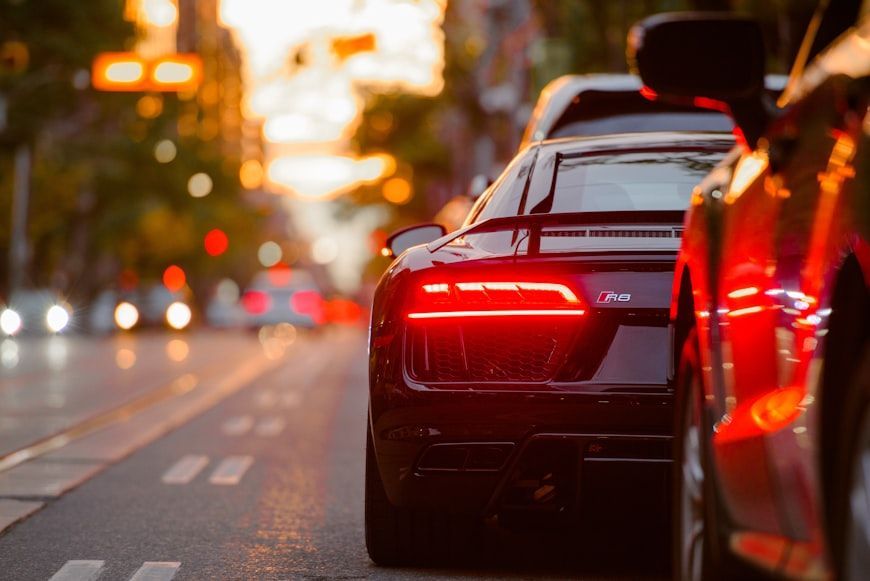
As in the U.S., many countries around the world follow right-hand traffic rules, meaning cars drive on the right side of the road. Right-hand traffic is the norm in most of the Americas, Continental Europe, and most of Africa and mainland Asia.
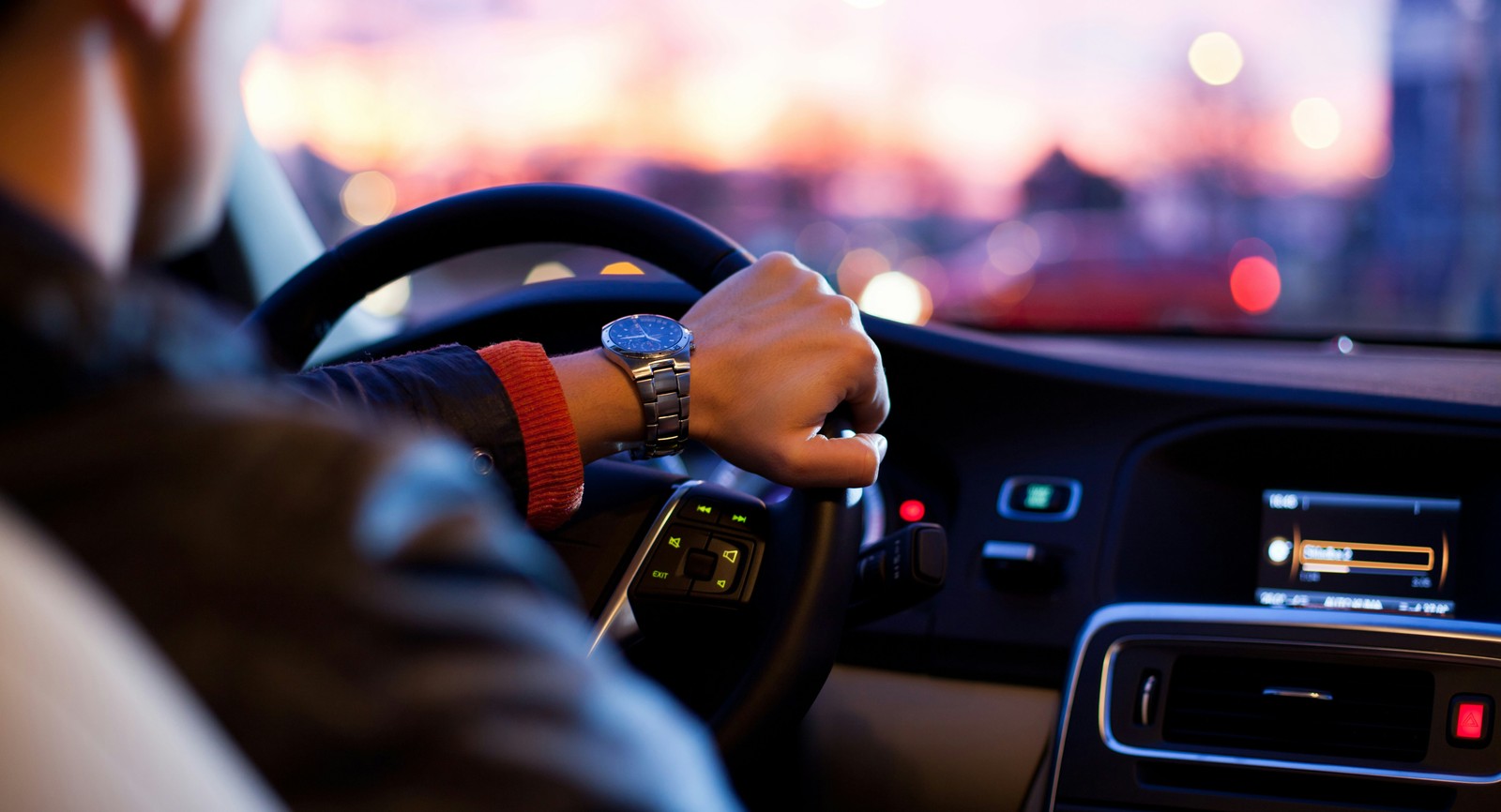
Countries that follow left-hand traffic rules—with cars driven on the left side of the road, and with the driver's seat on the right side—include the UK and Ireland, Japan, India and Southeast Asia, Australia, New Zealand, and other countries in the Pacific, and several countries in southern Africa and the Caribbean. If you’re thinking about renting a car with left-side driving, you’ll have to factor in time to get used to this new driving style.
Manual vs. automatic
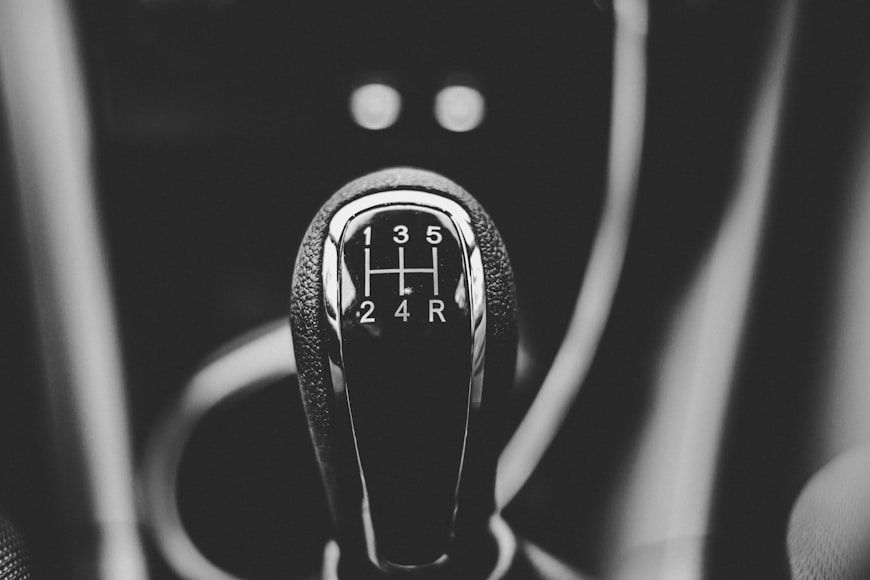
In the U.S., it’s exceedingly common to drive vehicles with automatic transmissions due to convenience and ease of use. While manual transmission vehicles are still used, the prevalence of automatic cars means that not all Americans can drive a stick shift, which can be an issue when renting a car abroad.
In Latin America, Europe, and most of Asia, manual transmission is much more common due to costs, fuel efficiency, and maintenance. Automatic vehicles are available, but are less common than in the U.S., which is something to consider if you’re thinking about renting a car.
Driver’s license
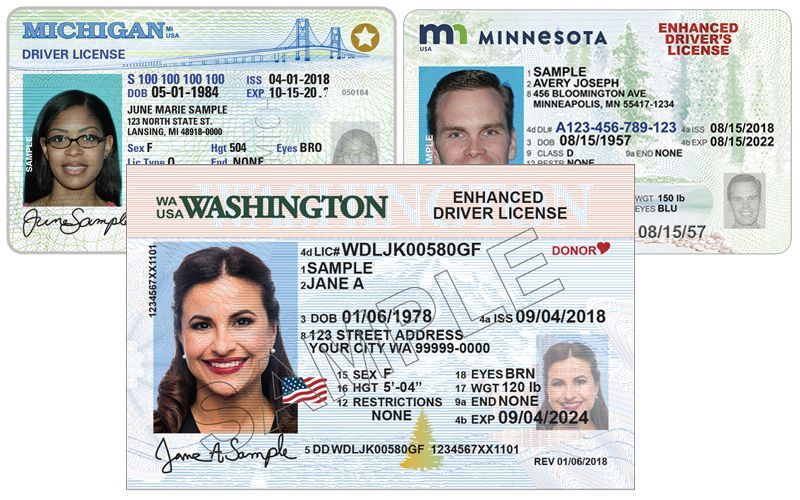
The question here is: Do I need an International Driving Permit (IDP)? In most cases, the answer is yes. An IDP is just an official translation of your license information into different languages, so you need a valid license to use it. You can request an IDP through the American Automobile Association (AAA) or the American Automobile Touring Alliance (AATA). It can take up to 10 days, depending on whether you are requesting it in person, online, or by mail.
While some countries (such as Canada, Mexico, France, or the UK) accept U.S. licenses without an IDP for up to 90 days, car rental companies might ask for an IDP for renting a vehicle. Other countries (especially non-English speaking countries such as Germany, Greece, Italy, Japan, Poland, Spain, or Thailand) will require it if you are on a tourist visa.
Speed limits
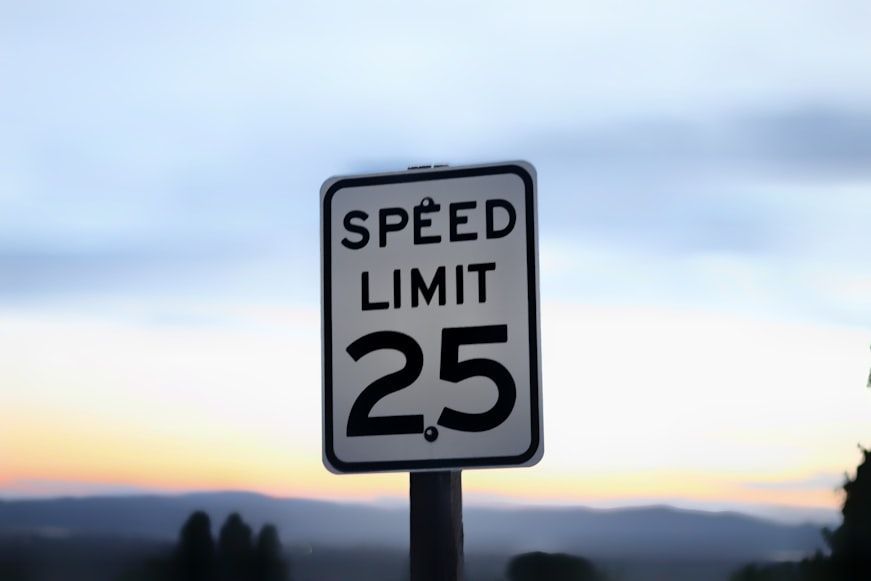
On average, global speed limits sit around 62–75 mph for highways and around 31 mph for urban areas, though these limits might vary depending on the region, weather conditions, or the specific city, town, or neighborhood.
Famous exceptions include the German Autobahn (with no speed limit), with other European countries such as France or Italy, which have a limit of around 80 mph on motorways. Latin American countries typically have a 70-80 mph limit for highways, while Asian speed limits tend to be on the lower end.
Traffic laws
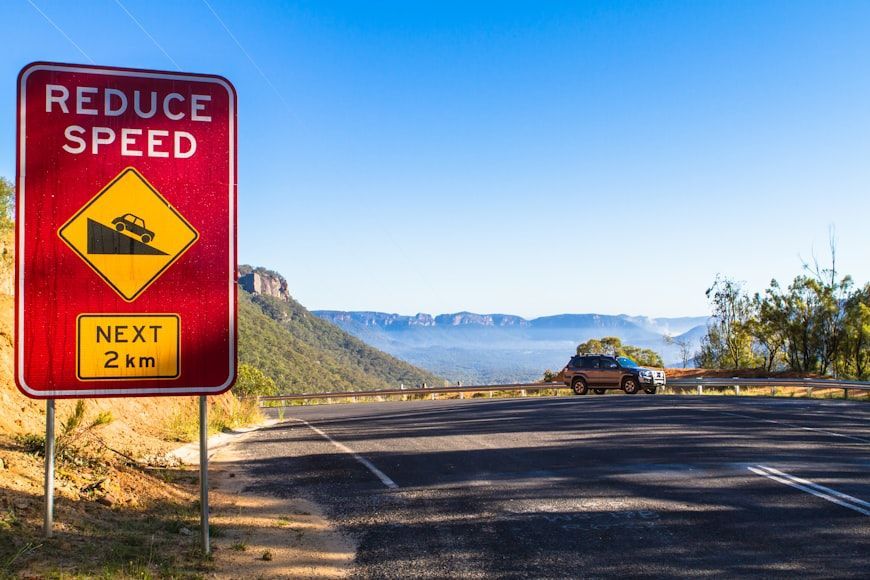
The driving side or the geographical characteristics of an area will naturally affect the way you drive, but it is also important to consider the differences in traffic laws. Some prime examples include no turning right on a red light (which is allowed in some parts of the U.S.), the use of roundabouts (instead of 4-way stop intersections), and the placement of traffic lights (positioned after the intersection in the U.S., but before in most other countries).
Another main difference is the legal Blood Alcohol Content (BAC) limit. In the U.S., the BAC limit is 0.08% in all states, while in most of Europe, Latin America, and Asia, it’s generally 0.05%. Countries with a zero tolerance policy include Poland, Sweden, Japan, Brazil, Uruguay, and countries with a general ban on alcohol. Traffic violations, especially in Europe and Asia, can result in much higher fines than in the U.S. and, in some cases, even jail time.
Driving in Canada and Mexico

Canada and Mexico have their own rules for U.S. citizens. A valid U.S. license will be acceptable without an IDP, but you will have to present your passport alongside it. If you want to drive your own car into Canada or Mexico, you will need proof of vehicle ownership or registration and a valid insurance policy.
While your U.S. insurance policy will generally cover you in Canada (provided you notify your insurer before travelling), it won’t in Mexico, where you will need to purchase a liability insurance issued by a Mexican company. Depending on which zones of Mexico you are visiting, you might also need a Temporary Import Permit (TIP), which can be requested online beforehand or in person at the border.
Tolls
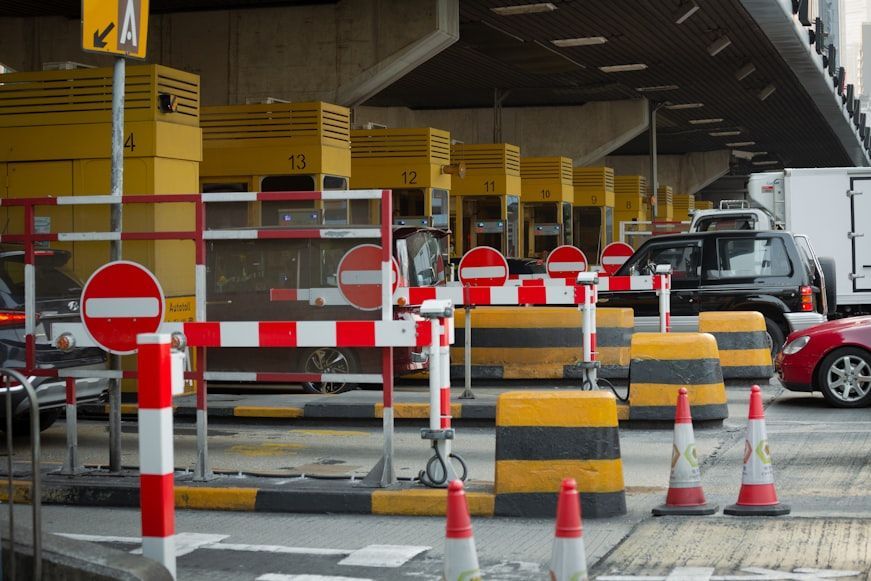
Toll systems vary vastly depending on the region. Europe mainly uses two different electronic systems: distance-based (in countries like France, Italy, Portugal, or Germany) or a vignette system, where you pay a fee for a certain amount of time (in countries like Austria, Switzerland, or the Czech Republic).
Asia and Australia mostly rely on electronic tolling, using cards, electronic tags, or sensors to identify and charge the vehicles. While many countries in Latin America and Africa have implemented electronic tolling, cash-based tolls are still common.
Mandatory equipment

Most countries around the world have similar requirements when it comes to mandatory safety equipment: a spare tire and the equipment to change it, a reflective jacket, a warning triangle, a fire extinguisher, and a first aid kit.
Some countries might have specific mandatory requirements, such as a breathalyzer (France) or snow equipment (Austria, Germany, or Switzerland), so checking local regulations beforehand is important to avoid potential fines.
Parking rules
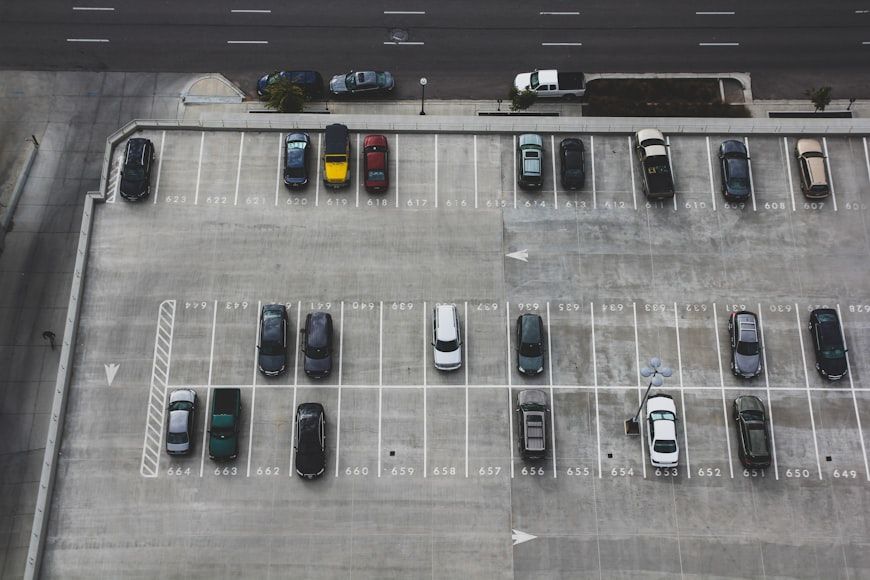
Knowing where and when to park while driving abroad is key to avoiding fines or returning to your car to find it was towed, especially in urban areas. Most European cities rely on color-coded areas to indicate free, paid, or restricted parking zones, while major Asian cities forbid street parking, relying on parking lots or vertical parking systems.
Major Latin American and African cities still mostly rely on street parking (many times also color-coded), but paid parking lots are common due to limited space, overcrowding, and security concerns.
Gas stations
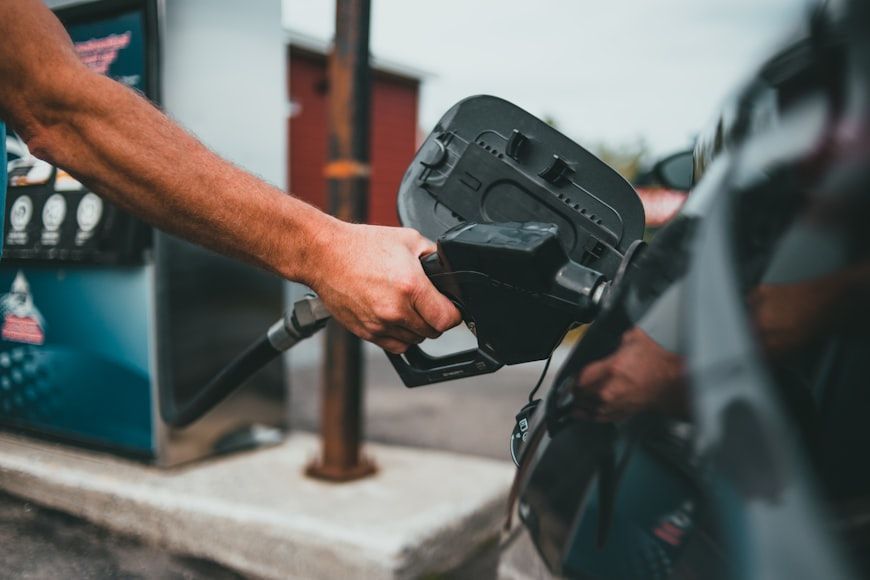
Except for New Jersey, gas stations in America are usually self-service stations, with pump nozzles including a lock for hands-free pumping. While self-service stations are common in Europe and Canada, hands-free pumps are usually banned due to safety concerns. Service stations in Latin America and Asia are mostly of the full-service variety.
Another main difference is the size and amenities associated with a gas station. While American gas stations offer a wide variety of services such as convenience stores, fast food service, and restrooms, in other countries, stations that are not on major highways are typically smaller, mainly focusing on fuel.
Keep wandering
There’s always
more to explore
 Culture
Don't dig into the breadbasket in Spain before checking the menu
5 min.
Read Now
 Landmarks

Here's why no flight ever goes over Disney World or Mount Vernon
7 min.
Read Now

You can no longer do that in Rome: Old and new norms in popular cities
7 min.
Read Now
This Northern Irish city has resisted a name change for 400 years
4 min.
Read Now