Chicago's O'Hare Airport hired some goats and sheep to do this task
 Landmarks
Quirks in U.S. airports
Chicago's O'Hare Airport hired some goats and sheep to do this task
Some airports have art installations, others have confusing signs. There are even some whose staff is not human at all. You’ve probably rushed through airports without noticing what’s right in front of you. A sleeping man, a flock of goats, and even a gate to Narnia. Some airports are hiding some genuinely strange secrets in plain sight, and once you see them, you’ll never forget about them. Here are 10 of the best airport quirks.
The seasonal groundkeepers
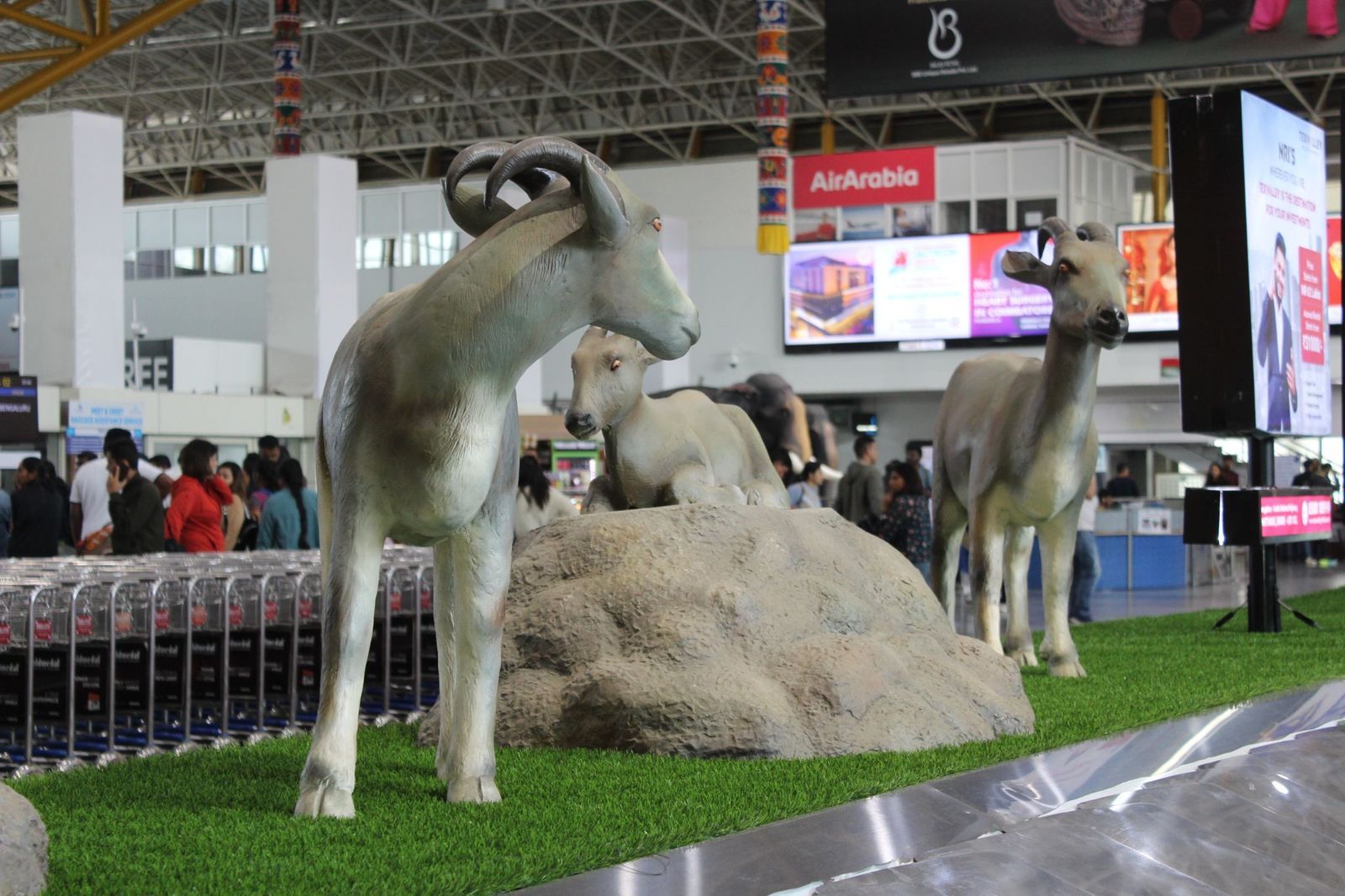
Chicago O’Hare International Airport is one of the busiest in the country, so it might be surprising to learn that human employees simply weren’t enough.
Since 20515, the airport has brought in a rotating crew of goats, sheep, and even a donkey each summer to handle the landscaping and maintenance of the grass near the runways. The animals work through overgrown vegetation in areas that are tricky and expensive to mow with regular equipment, and their grazing habits help control weeds without pesticides. Airport staff has grown fond of the herd, and the program has become such a hit that travelers now specifically look for the animals from the windows of taxiing planes.
The therapy llamas

Long lines, delayed flights, and cramped gates can easily wear on your nerves, which is exactly the problem Portland International Airport set out to solve in an unexpected way.
About twice a month, the airport welcomes a visiting herd of llamas and alpacas whose entire job is to help travelers relax. They join PDX’s existing roster of emotional support dogs, wandering the terminals so passengers can stop and pet them between flights. The program became so popular that passengers going through it actually timed their trips only to catch the llamas on duty. Few things break the tension of a delayed flight quite like an alpaca strolling past your gate.
The Cleveland sign
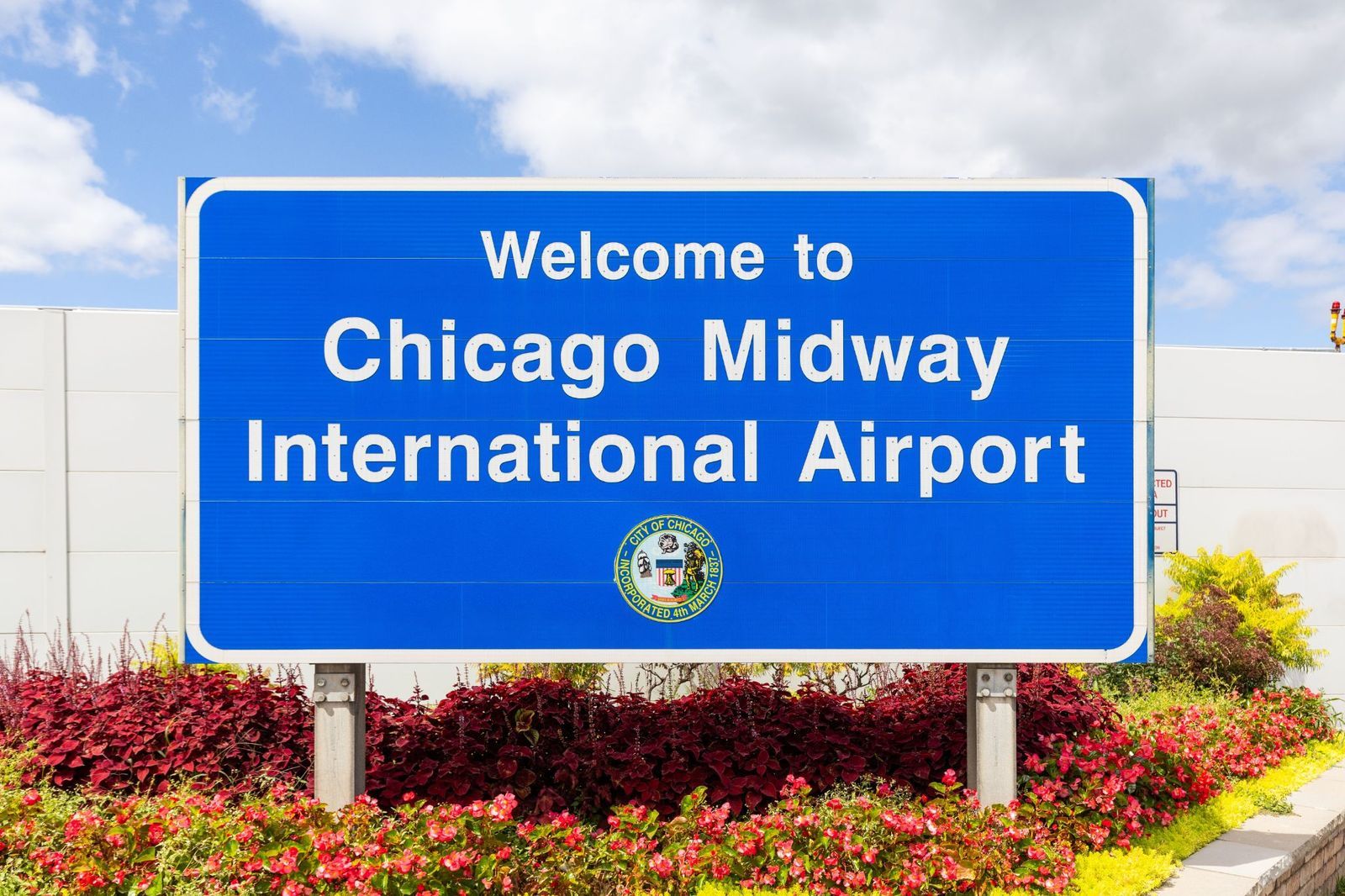
You fasten your belt and get ready for descent. When you look out the window, you read a sign that says "Welcome to Cleveland," which lines up almost perfectly with the flight path into runway 19. There’s nothing weird about that. Not until you remember you were heading for Milwaukee.
On a rooftop near Milwaukee Mitchell International Airport, the welcome sign has been confusing passengers for decades. It has nothing to do with the airport itself; the sign was painted by Mark Gubin in 1978 on the roof of his studio. He said there was no real purpose behind it beyond a bit ot harmless mischief. The prank worked exactly as he hoped, as more than one passenger panicked, convinced they somehow boarded the wrong plane and ended up in Ohio instead of Wisconsin. Gubin still owns the building and the sign, which, nearly five decades later, continues to receive attention.
Gate to Emerald City and more
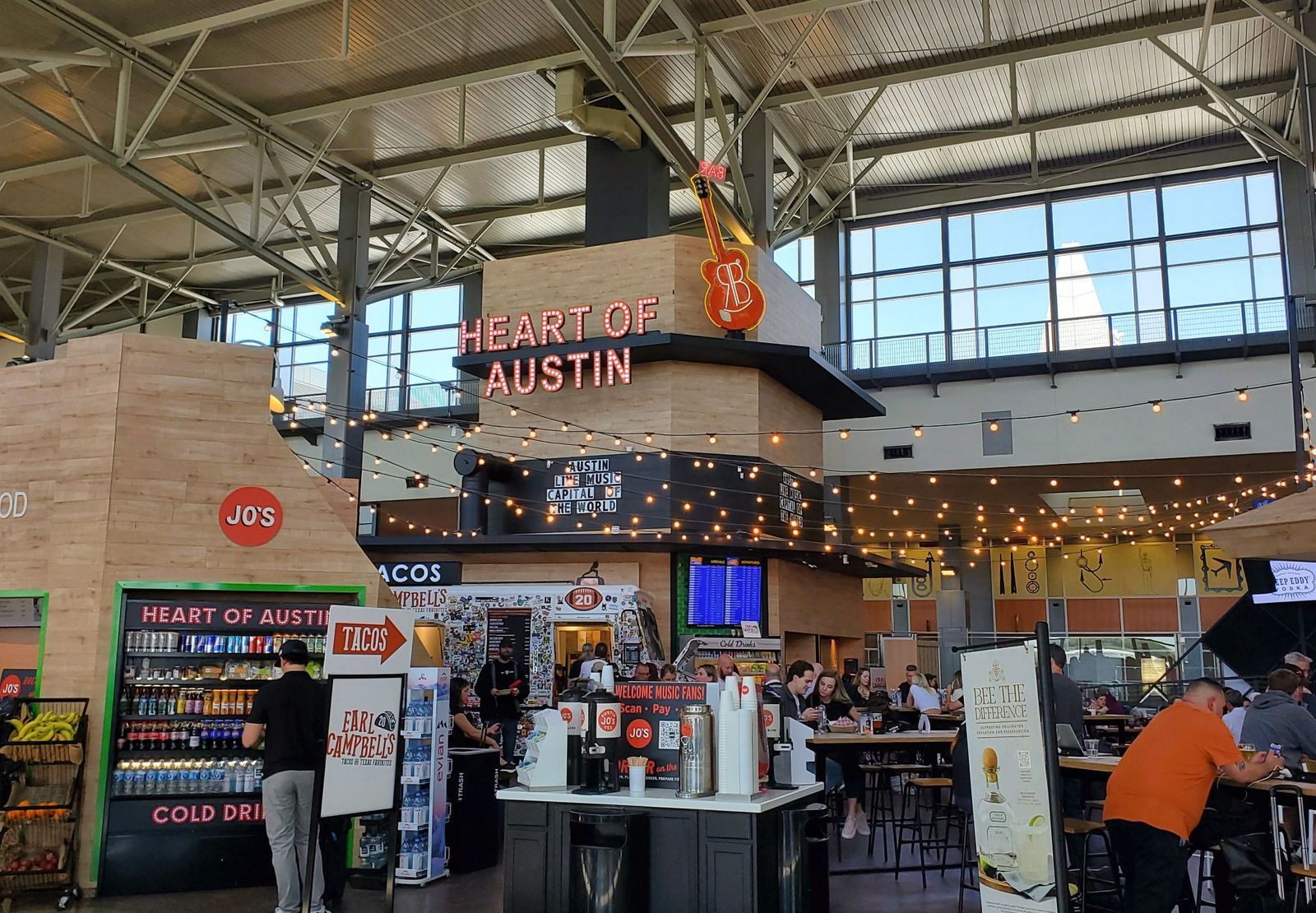
If you find yourself walking between gates 12 and 14 at Austin-Bergstrom International Airport, look closely, and you may notice something odd about the numbering. Tucked between them is a sign for the infinity gate, a lounge that doesn’t appear on any boarding pass.
The sign lists destinations like Narnia, Hogwarts, Panem, Middle-earth, the Emerald City, and the Hundred Acre Wood, pulled from beloved books, movies, and games that generations of travelers grew up with. The art installation was created by artist Janet Zweig in 2021, who called the piece "Interimaginary Departures" and designed it to mimic a real gate down to a working flight board.
The traveler
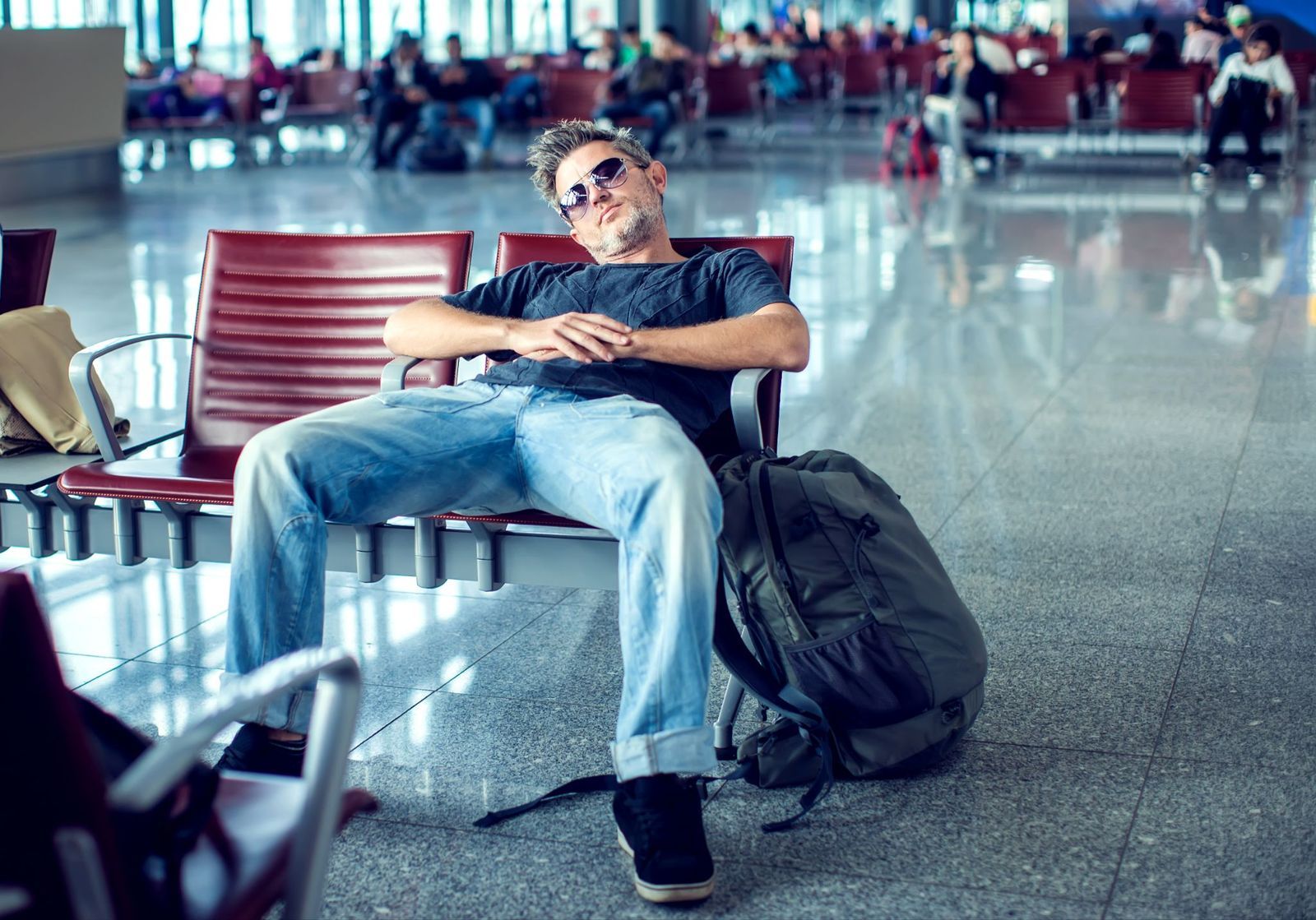
While you rush through Orlando International Airport, there’s a passenger slumped over his luggage, completely asleep, and he’s been there since 1985.
He’s not a person; he’s just a hyperrealistic sculpture called "The Traveler," created by American artist Duane Hanson, who built his reputation making eerily lifelike figures of everyday people using polyester resin, fiberglass, and real clothing. Hanson made two versions of this sleeping traveler. Orland’s version, dressed for a normal flight, sits behind glass in the Terminal A concourse. The second one, made two years later, shows the same pose but with his shirt hanging open.
The snake sanctuary
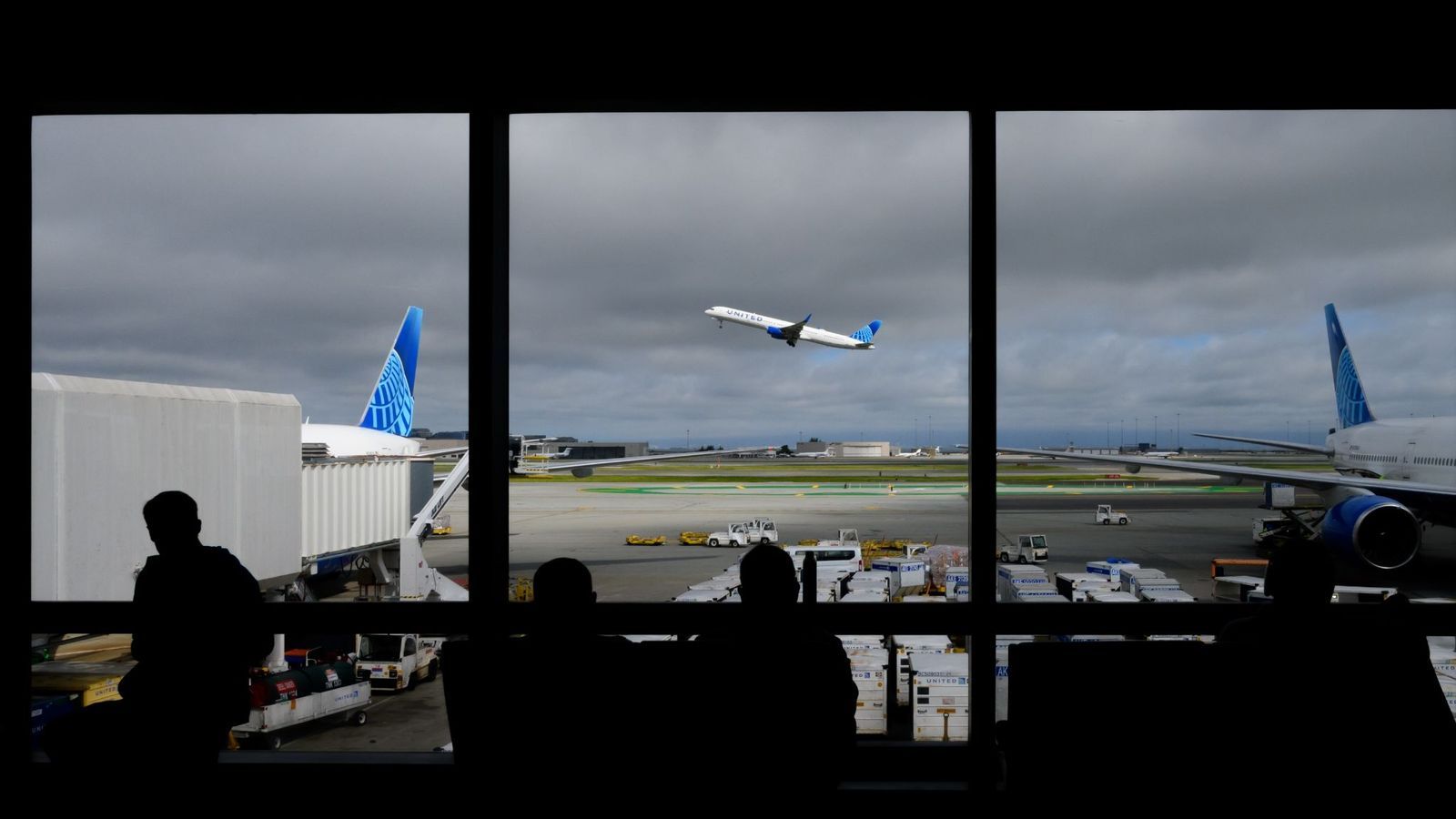
Passengers flying into San Francisco International Airport never think twice about the land they glide over on approach. But that 180-acre stretch happens to be home to one of the rarest reptiles in the country.
It is the largest known population of the San Francisco garter snake, a strikingly colored and highly endangered species found almost nowhere else in the world. The airport has worked with wildlife agencies to protect the habitat even as the surrounding area grew into one of the busiest transit hubs in the nation.
The recombobulation area
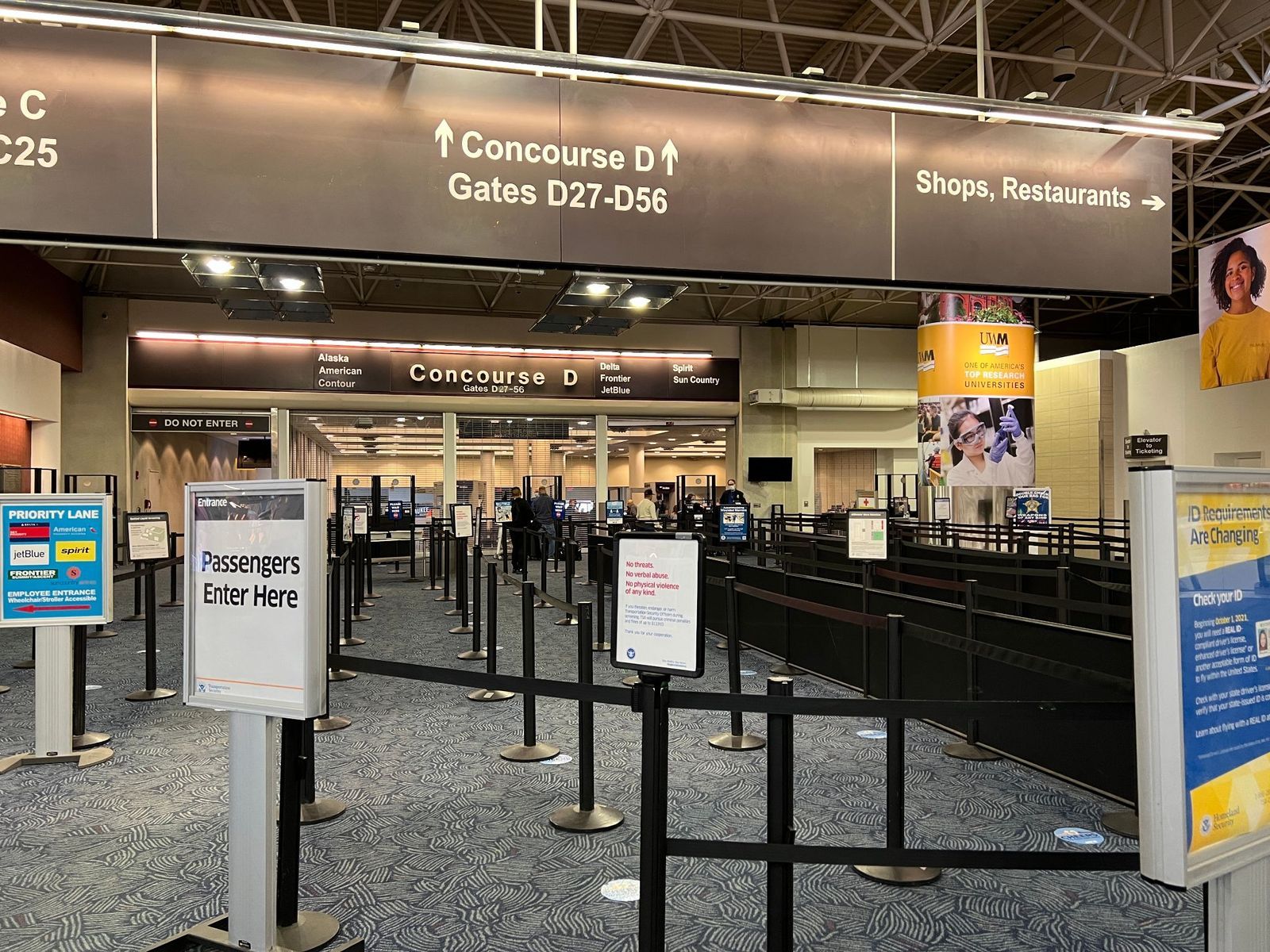
Annoying as it is, TSA agents may occasionally ask you to take off your shoes and belt as you go through the security checkpoint. The chaos comes afterwards. Shoes half on, belt in one hand, laptop sliding out of his bag, all while trying to keep the line moving.
Milwaukee Mitchell International Airport decided that the moment required a specific place. Right past the checkpoint, there’s a sign designating the Recombobulation Area, a spot specifically meant for travelers to put themselves back together after screening. It was created in 2008 by former airport executive Barry Bateman, who coined the word "recombobulation" as the playful opposite of "discombobulation," and it quickly became a local point of pride. Milwaukee remains the only airport in the world to officially name and mark this particular airport scene.
The peace sign
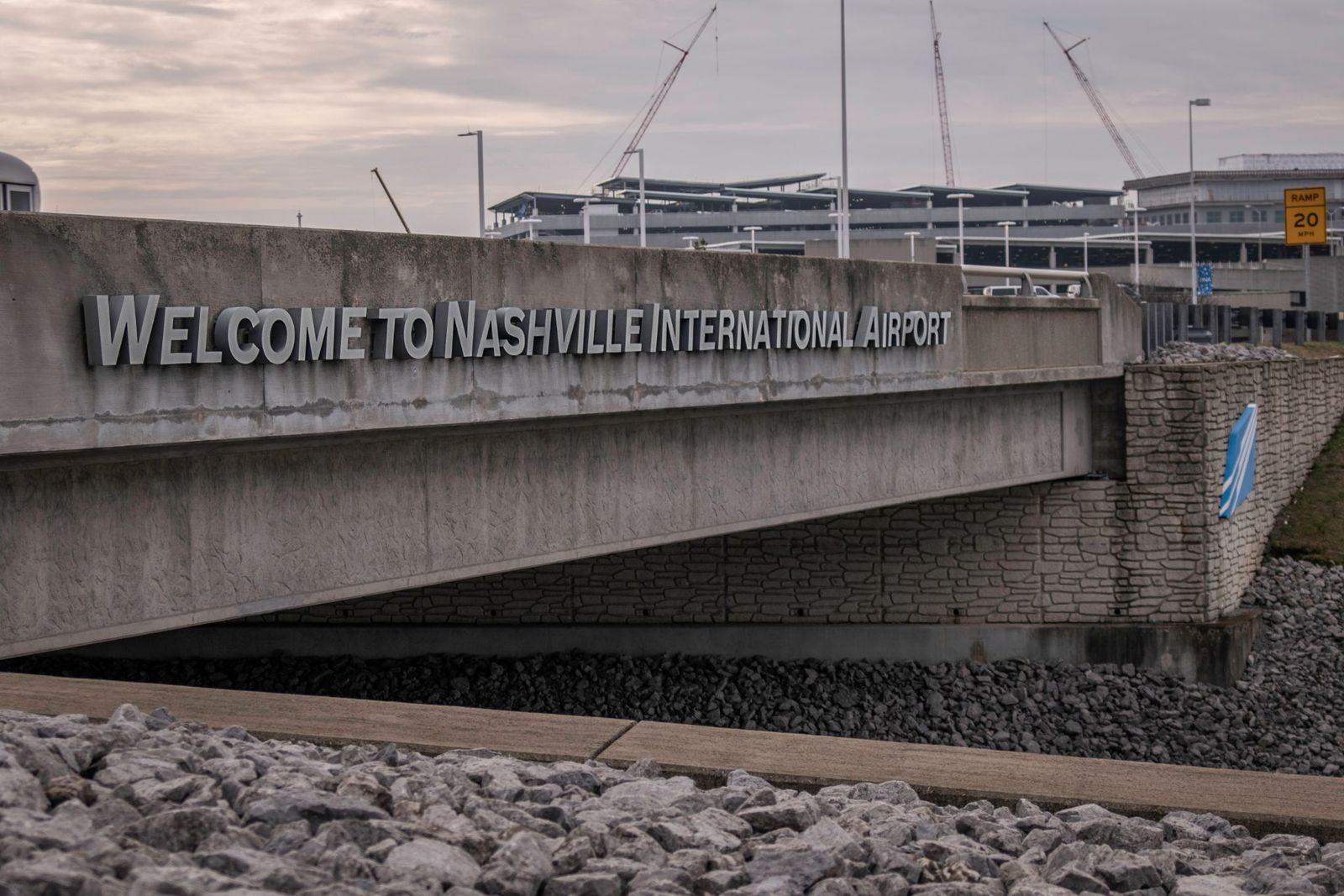
In the Southeast corner of Nashville International Airport, there’s a piece of art that most passengers only see from the sky. Earl Tuggle, a groundskeeper who described himself as an "old hippie," decided, seemingly on a whim, to mow a 400-foot-wide peace sign into the grass alongside the runway.
It started as a one-time idea, but it quickly turned into a tradition that has been kept up for 14 years, carefully fropping around the massive shape every time he mows. Passengers with a window seat can enjoy it during takeoff and landing, and it’s always a surprise for a new visitor who happens to be looking down just at the right moment.
Blucifer
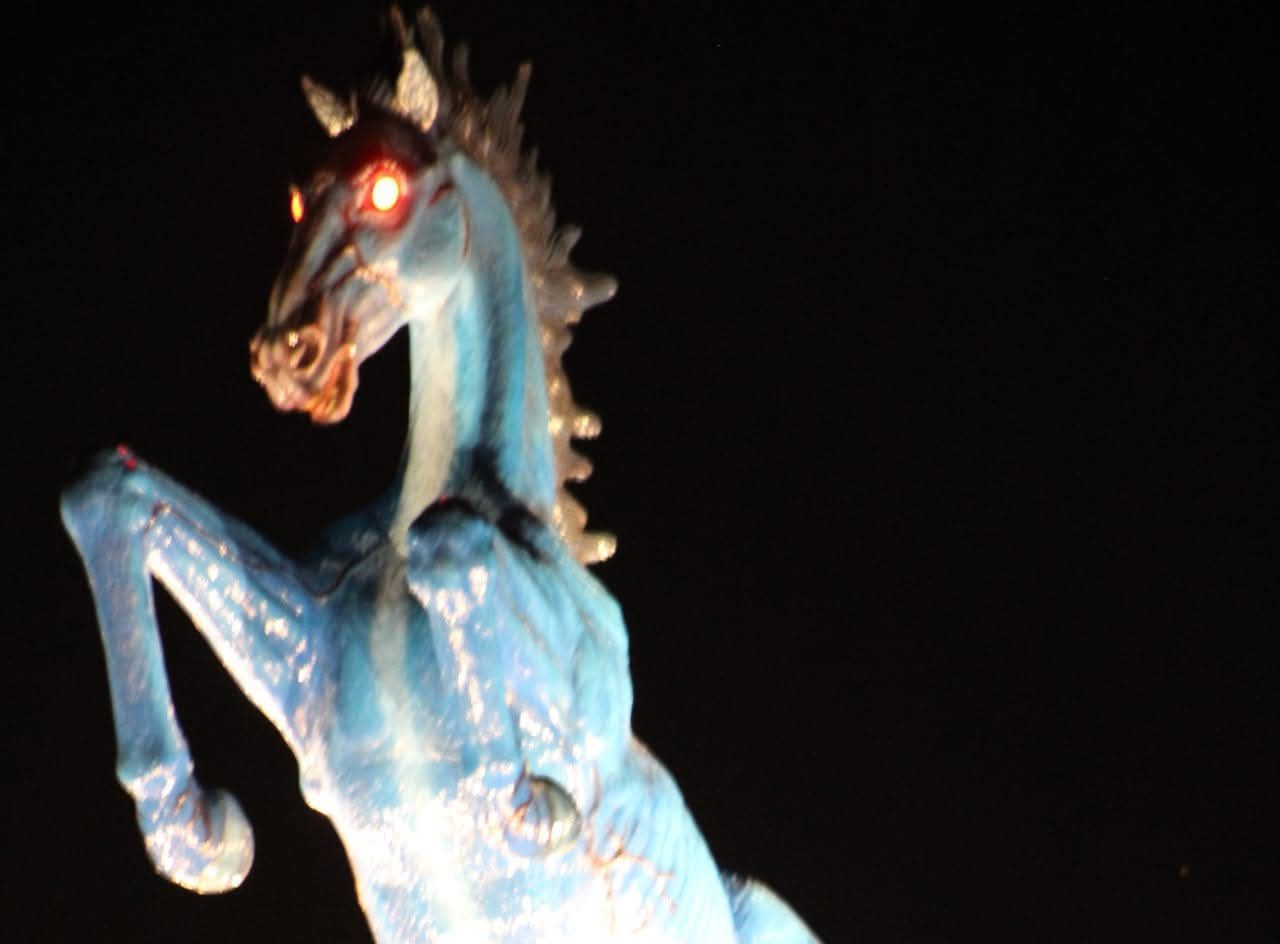
Driving toward Denver International Airport, an enormous blue horse is rearing up; you can hardly miss it. Standing 32 feet tall with glowing red eyes, the fiberglass sculpture located near the terminal entrance is officially named Blue Mustang, and it has been receiving unsettled passengers since 2008.
The statue’s nickname, Blucifer, caught on almost immediately among travelers who found the towering, wild-eyed horse more unsettling than welcoming. Its creator, sculptor Luis Jimenez, was tragically killed in his studio in 2006 when a section of the piece fell on him during construction, a detail that only added to the statue’s eerie reputation. Despite the controversy surrounding it over the years, Blucifer has become one of the most recognizable airport landmarks.
The light tunnel
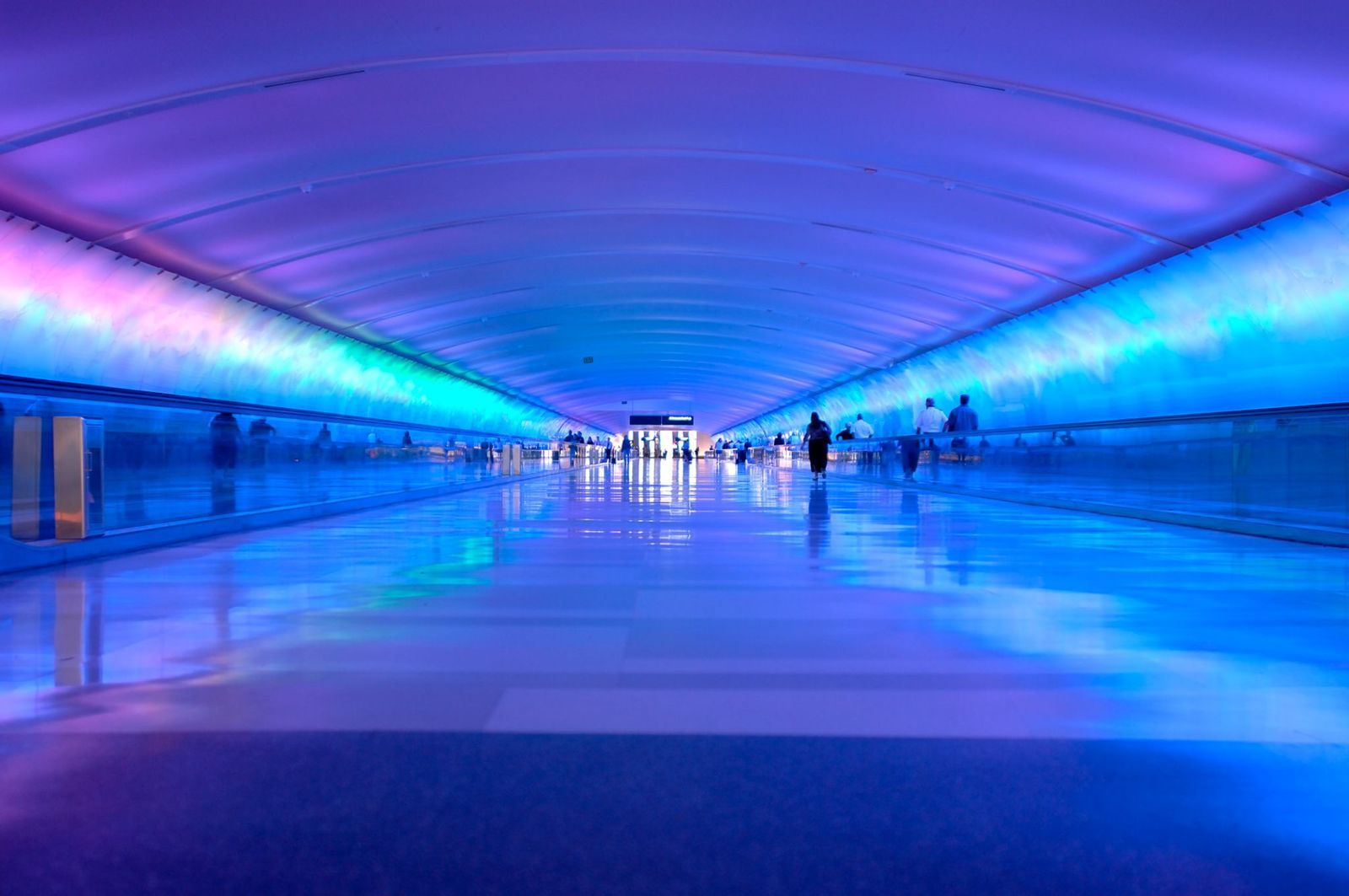
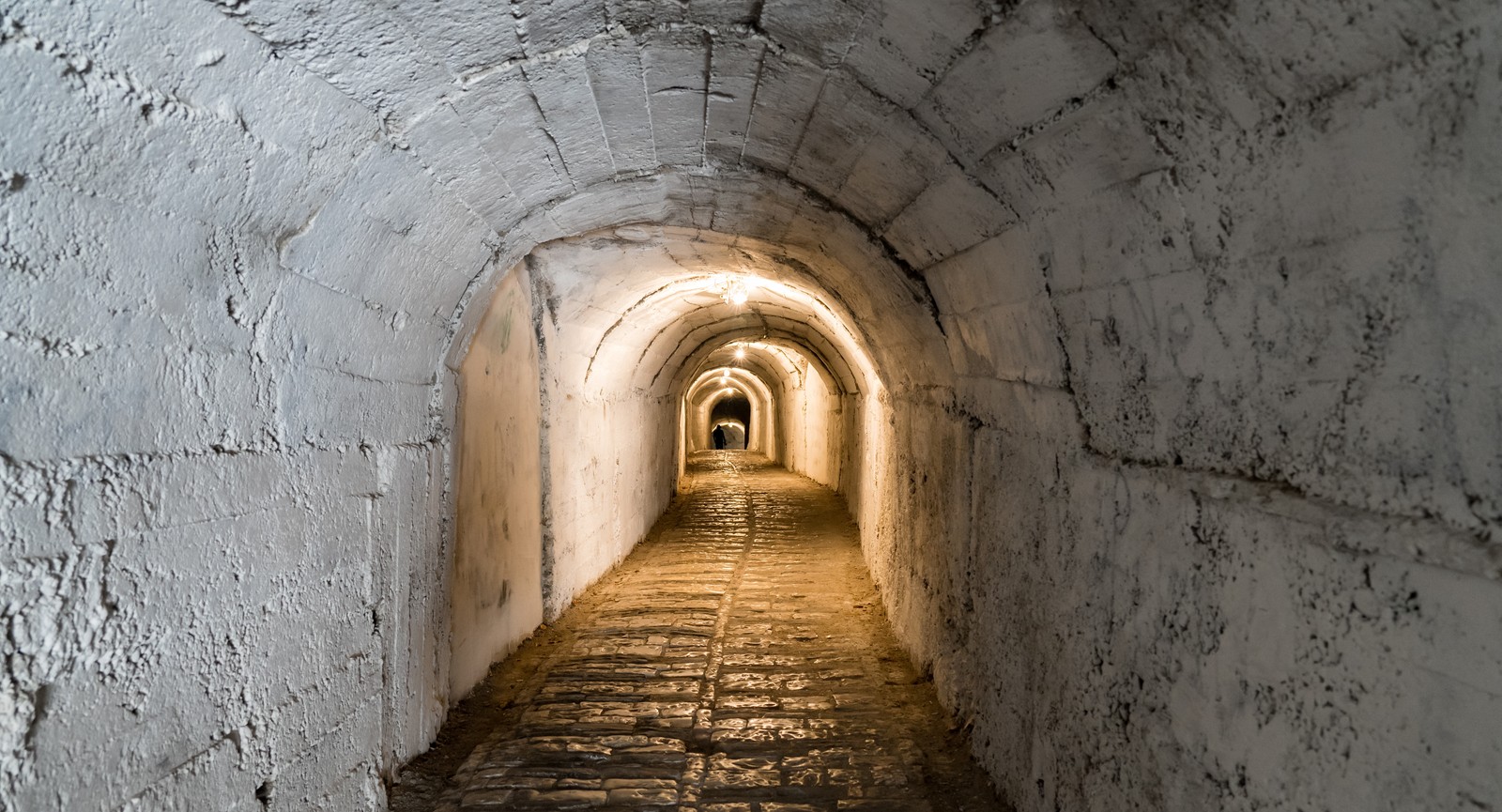
Deep beneath Detroit Metropolitan Airport, there’s a 700-foot underground tunnel connecting Concourse A to Concourse B and C that’s both a walkway and a piece of art. Passengers moving between gates find themselves surrounded by frosted glass panels lit in shifting rainbow colored LED sequences, all timed to a custom musical score playing overhead.
Created by artist Laure Fyfe and unveiled in 2001 as part of a brand new McNamara Terminal, the tunnel first opened as the Motown Music Tunnel, and the light show was timed to songs by hometown legends like The Temptations and The Supremes. Rather than a plain moving walkway, the tunnel turns what could be a tedious transfer between flights into an experience that makes passengers slow down.

Are you sure you want to eat that? Keep your best health while traveling
 General
Travel at your best
Tips to stay healthy and energized while traveling
Have you ever reached your dream destination only to feel unexpectedly tired or depleted? We want to avoid that. The last thing you wish after months of anticipation is to feel an achy body, to need a seat every 5 minutes, or to keep yawning between pictures. Water, routines, smart meals, and pre-trip health checks will help you to stay pepped up during your trip. Read more about it in this article.
Have a quick health check before you leave

It might not sound like an exciting chore when you are planning a vacation, but even a brief check-in with your doctor can save you a lot of trouble later. Are your prescriptions up to date? Vaccinations covered for your destination? Do you have any lingering dental issues or muscle pain? You don’t want those to trouble you when you’re on the move.
Travel means long walks, new foods, and disrupted routines; not the ideal moment for your body to surprise you. So, get ahead of it to be well prepared and relaxed for when the trip begins.
Have an essential kit with you

You want to be ready to face any minor inconvenience. Unfortunately, being away from home doesn’t make us invincible. Blisters, sprains, and sore muscles are usual consequences of all that tourist walking. And big shifts in your eating habits could cause digestive problems.
That’s why a small, well-thought-out kit can make all the difference. Are you prone to hay fever? Motion sickness? Colds? You know better than anyone which over-the-counter meds to pack. But pain relievers, antacids, band aids, sunscreen, and insect repellent should probably be in your basic setup.
Stay hydrated, but not just with water

By all means, do carry a water bottle with you to refill during the day. Flights, heat, and constant movement can dehydrate you faster than you realize. But remember: hydration is not just about drinking more water. Electrolytes, light meals, and even water-rich foods like fruits and vegetables help your body actually absorb fluids instead of losing them quickly.
A few more tips: mind your intake of dehydrating drinks like coffee and alcohol, and research the safety of local water –sometimes it’s better to avoid it and choose bottled water instead.
Stick to routines as much as possible
Exciting as travel might be, don’t forget that your body loves familiarity. The longer your trip is, the bigger its impact; consider the changes in sleep, nutrition, and movement you will go through. That’s why experienced travelers try to find small routines and maintain them as far as possible.
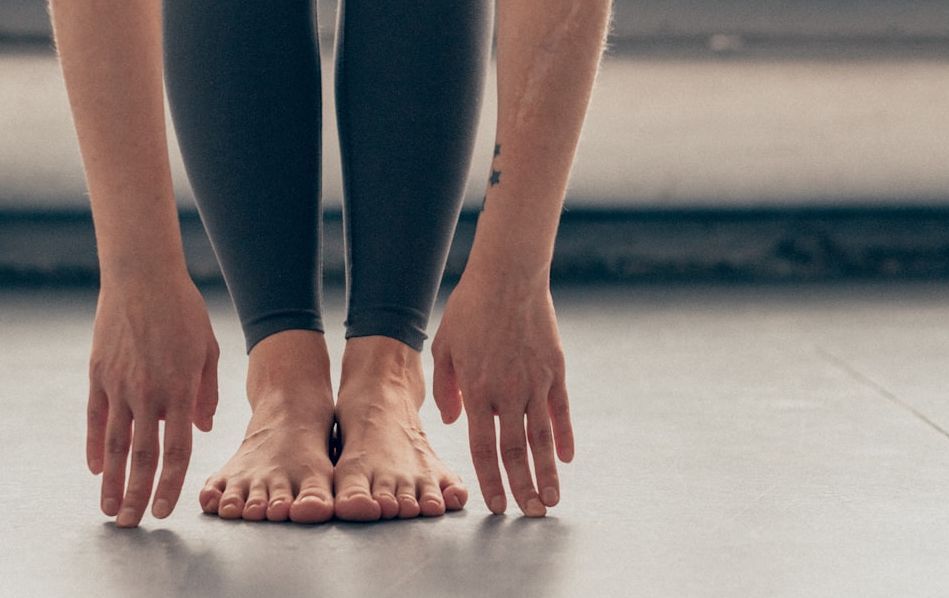
Maybe going to bed and waking up at consistent times, or having stable, healthy breakfasts, will help you stay on track. Stretching at the end of each long day is also a good idea. The goal is to carry into the trip your usual behaviors from home, in their adapted version.
Mind what you eat

Sure, we all want to try local foods and immerse ourselves in new flavors and recipes. But remember that you are what you eat, even when you are on holiday! So, while you will be free to indulge in culinary tourism, use the same judgment that you would at home: balanced meals, combining fiber, protein, and carbs, or as you usually would. Nothing in excess.
You could also take some trusty snacks from home to eat between meals. Something like trail mix or protein bars could be easy to pack and healthy for your gut.
Do get the rest you need

It sounds obvious, but travelers tend to ignore this piece of advice. It is tempting to sleep less when you are in an unknown city and have dreamy landmarks or streets to explore in the morning. But lack of rest will both make you sluggish and impact your mood negatively.
So give yourself —and your traveling companions— permission to slow down. Sleep in when you can, take short breaks, and don’t treat rest like wasted time.
Don’t neglect physical exercise
No one expects you to hit the gym every day on vacation. But if you have a weekly workout routine back home, and you leave for longer than a week, your body will certainly notice. That is, unless you keep up some degree of physical activity.
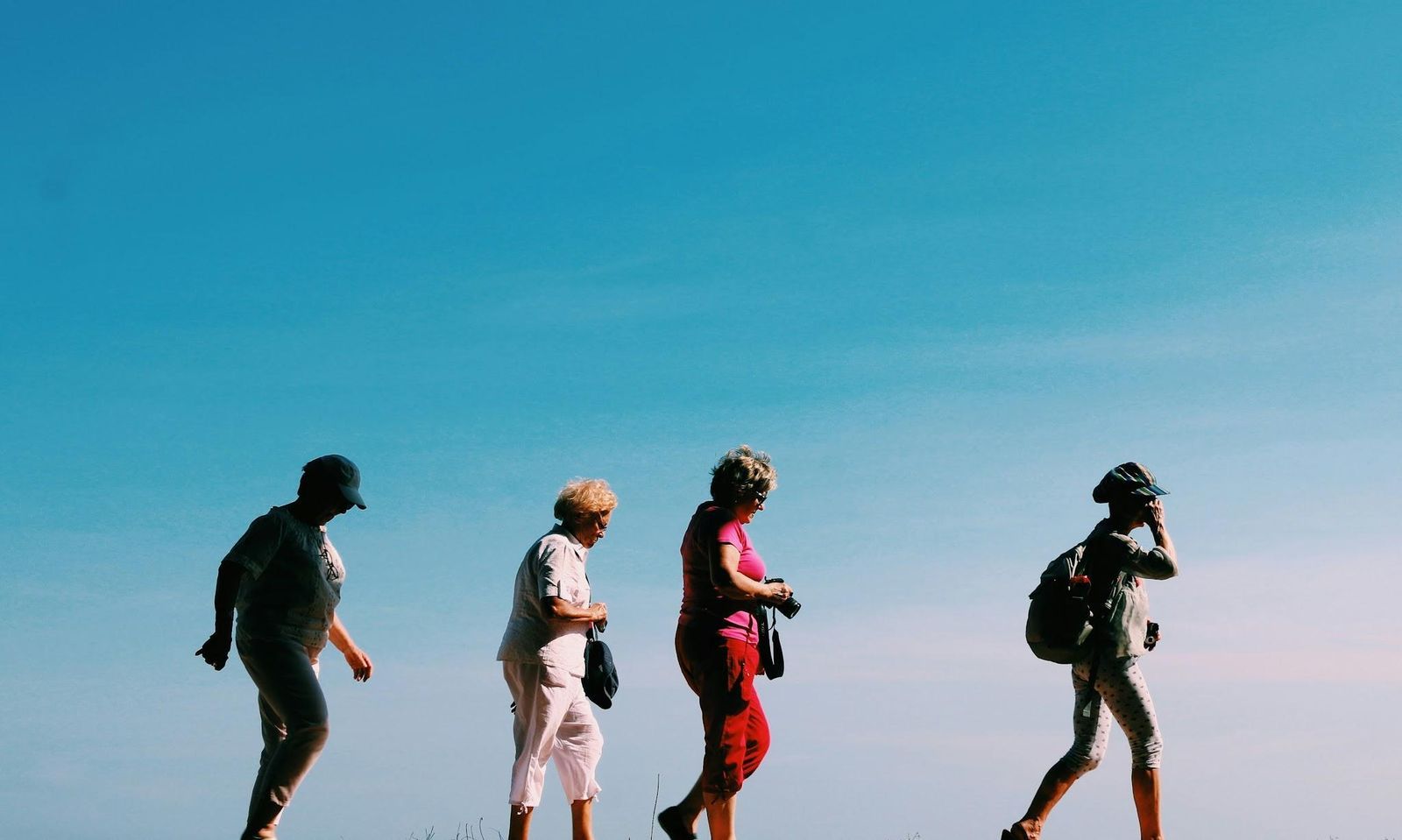
The good news is that travel gives you plenty of opportunities to move. Walking city tours, hikes, swimming, and even pacing 3 hours through a museum all count. Consistent movement will go a long way in keeping your energy up.
Be your immune system’s friend

Wherever you go, you will certainly enter new environments, which might also mean new pathogens. This doesn’t need to become a problem, but be mindful that fatigue and exposure might weaken your immune system.
There are ways to reduce your chances of infections, though. Wash your hands frequently, carry sanitizer with you, and avoid touching your face. If you choose to, or are advised to, wear a face mask in closed, crowded spaces. Also, talk to your doctor in advance to learn if you need any vaccines where you are headed.
Don’t carry more than you need to
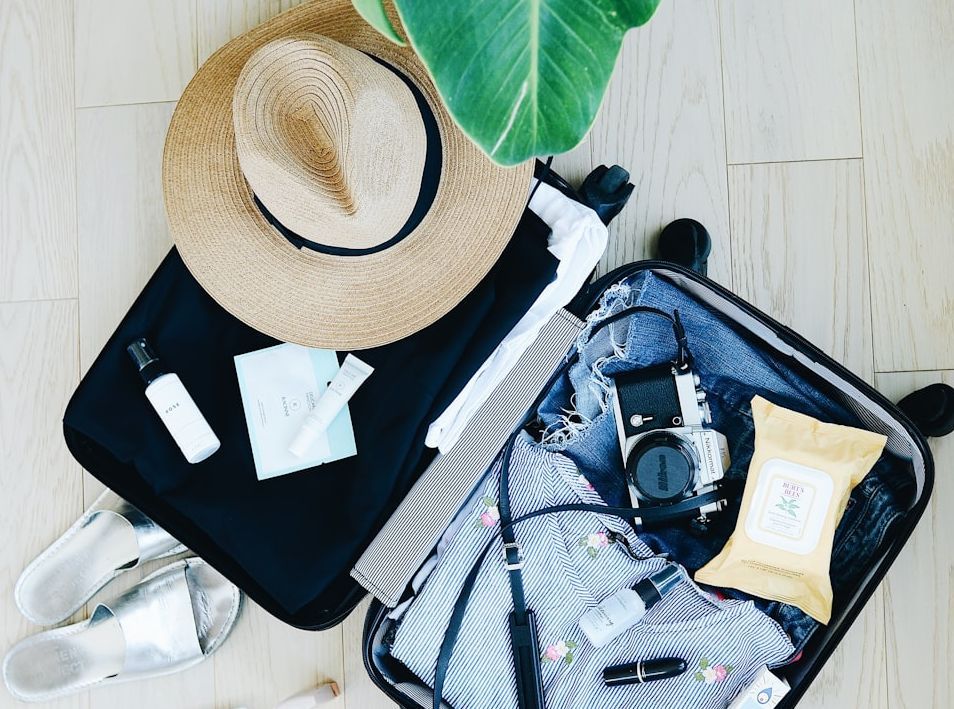
The anxiety of being away from home sometimes makes us pack twice as many items as we need. That is not the funny and inconsequential mistake you might think. It is you, after all, who will be dragging all that extra weight through airports, train stations, hotel hallways, and into excursions, if the over-packing carries to your backpack. That will soon become an unnecessary tax on your body and your energy.
So, be mindful and assess whether you're taking too little or too much. Carry only the essentials and, when in doubt about the importance of an object, opt to leave it behind.
Some extra tips for stress management

Wandering around new places can be thrilling, but not necessarily relaxing. Delays, crowds, foreign languages, unfamiliar places, and packed schedules can quickly build up until your eye begins to twitch. So, whatever strategies you have in place at home to wind down and reset, do your best to bring them along with you.
Do you like alone time? Journaling? Moments of taking long, deep breaths? Are there novels or music that help you decompress? Something as basic as sitting quietly for a while can help your mind catch up with everything you are experiencing and keep you shipshape to take things as they come during your journey.
Keep wandering
There’s always
more to explore
What should you do if you lose your passport while traveling?
4 min.
Read Now
10 destinations that are nearly impossible to visit
3 min.
Read Now
Mount Rushmore almost had torsos, not just faces
4 min.
Read Now
The whole town moved underground, and other stories that cities hide
6 min.
Read Now