
Are You Overpacking? Here’s How to Travel Lighter
 General
Are You Overpacking? Here’s How to Travel Lighter
Packing can feel like a small project all on its own, one that starts with good intentions and ends with a suitcase that barely closes. We tend to overpack because we’re trying to prepare for every possible scenario. The result? Heavier bags, less room for souvenirs, and more stress while moving from place to place.
Below are 12 practical, travel-tested tips to help you pack less, stress less, and move more freely, whether you’re heading out for a weekend getaway or a long-haul adventure.
Start With a Realistic Packing List

Before you even open your suitcase, write a list based on what you’ll actually do on the trip. Think in terms of activities and settings: walking all day, dinners out, beach time, chilly evenings; rather than vague categories like clothes or toiletries. This helps you avoid packing ‘just in case’ items that never leave the bag.
Once your list is done, trim it. Challenge each item with one simple question: Will I realistically use this? If the answer is "maybe," it probably stays home. A shorter list upfront saves you from overpacking later.
Build a Mix-and-Match Wardrobe

Choose clothes that work together in multiple combinations. Neutral colors and simple patterns allow you to create more outfits with fewer pieces, which is the secret to packing light without feeling repetitive. A capsule-style approach can cover a full week with surprisingly few items.
Focus on versatile layers rather than single-purpose outfits. A lightweight jacket that works for both casual days and cooler evenings earns its spot far more than a bulky coat you’ll wear only once.
Pack for the Weather, but Check the Forecast

It sounds obvious, but many people pack for every possible weather scenario instead of the most likely one. Check the forecast a day or two before you leave and pack accordingly. This keeps you from bringing unnecessary heavy layers, "just in case."
If your destination has unpredictable weather, pack adaptable pieces like a packable rain jacket or a thin sweater you can layer. Flexibility beats bulk every time.
Choose the Right Shoes (and Fewer of Them)

Shoes are some of the heaviest items in your bag, so choose wisely. Aim for one comfortable walking pair and one dressier or situational pair, depending on your plans. If your main pair works for most activities, you’re already winning.
Wear your bulkiest shoes during transit to save space. This simple habit can free up room for other essentials without adding any weight to your luggage.
Roll, Don’t Fold (and Use Packing Cubes)

Rolling clothes saves space and reduces wrinkles, especially for soft items like T-shirts and lightweight pants. It also makes it easier to see what you’ve packed without digging through your bag. Packing cubes add structure and help separate outfits or categories.
Using cubes also makes unpacking faster. You can slide them straight into drawers or shelves and keep your bag organized throughout the trip.
Minimize Toiletries With Travel Sizes

Full-size bottles take up space and add weight fast. Transfer what you need into travel-size containers (check TSA guidelines) or buy mini versions of your essentials. Most trips don’t require a week’s worth of shampoo in a giant bottle.
If you’re staying somewhere with basic amenities, plan to use what’s provided. You can also pick up toiletries at your destination if needed, which is often easier than hauling everything from home.
Pick Multi-Use Items Whenever Possible

Look for items that can serve more than one purpose. A scarf can double as a blanket on a flight, a beach cover-up, or an extra layer on cool nights. A compact tote can work as a day bag, grocery bag, or personal item.
The more roles one item can play, the fewer total items you need to bring. This mindset naturally leads to lighter, smarter packing.
Leave Room for What You’ll Bring Back

If you tend to buy souvenirs or clothes while traveling, pack with that in mind. Leaving some space in your bag prevents the dreaded "won’t close" moment on the return trip. It also means you won’t have to force items into awkward corners.
You can even pack a lightweight, foldable bag for overflow. That way, you’re prepared without committing to a larger suitcase from the start.
Digitize What You Can

Guidebooks, tickets, confirmations, and maps can all live on your phone. Taking digital versions reduces clutter and keeps important info easy to access. Just make sure key documents are available offline in case you lose signal.
Back up essentials like reservations and IDs in cloud storage or email. It’s lighter than carrying folders of paper and makes it much harder to lose everything at once.
Edit Your Bag One Last Time

Before you zip up, do a final review. Take out three items you feel unsure about and seriously consider leaving them behind. Most of the time, you won’t miss them at all.
This last edit is where a lot of unnecessary weight gets cut. If you’re debating between two similar items, pick one and move on.
Pack Based on How You Actually Travel

Think about how you move during trips. If you walk a lot, prioritize comfort and lightweight gear. If you’re mostly in taxis and hotels, you might afford slightly dressier pieces, but still keep it minimal.
Packing to match your real habits prevents you from bringing items for a version of yourself that doesn’t exist on vacation. Be honest about your travel style, and your bag will reflect it.
Learn From Each Trip

After you get home, note what you didn’t use. That list of unused items is gold for your next trip. Over time, you’ll develop a personal packing formula that works almost anywhere.
Packing smarter is a skill you build with repetition. Each trip is a chance to refine your system, lighten your load, and travel with less friction and a lot more freedom.

Cheese-rolling and other fun things that happen at these festivals
 Culture
Would you wanna be there?
These are definitely the strangest festivals around the world
Ever been to a festival and thought, "Well, this is… different"? Around the world, communities gather to celebrate everything from tomatoes and radishes to monkeys and giant wooden effigies set on fire. The festivals on this list prove one thing: humans are wonderfully creative when it comes to celebrating. Ready to discover some of the strangest festivals on the planet?
La Tomatina, Spain
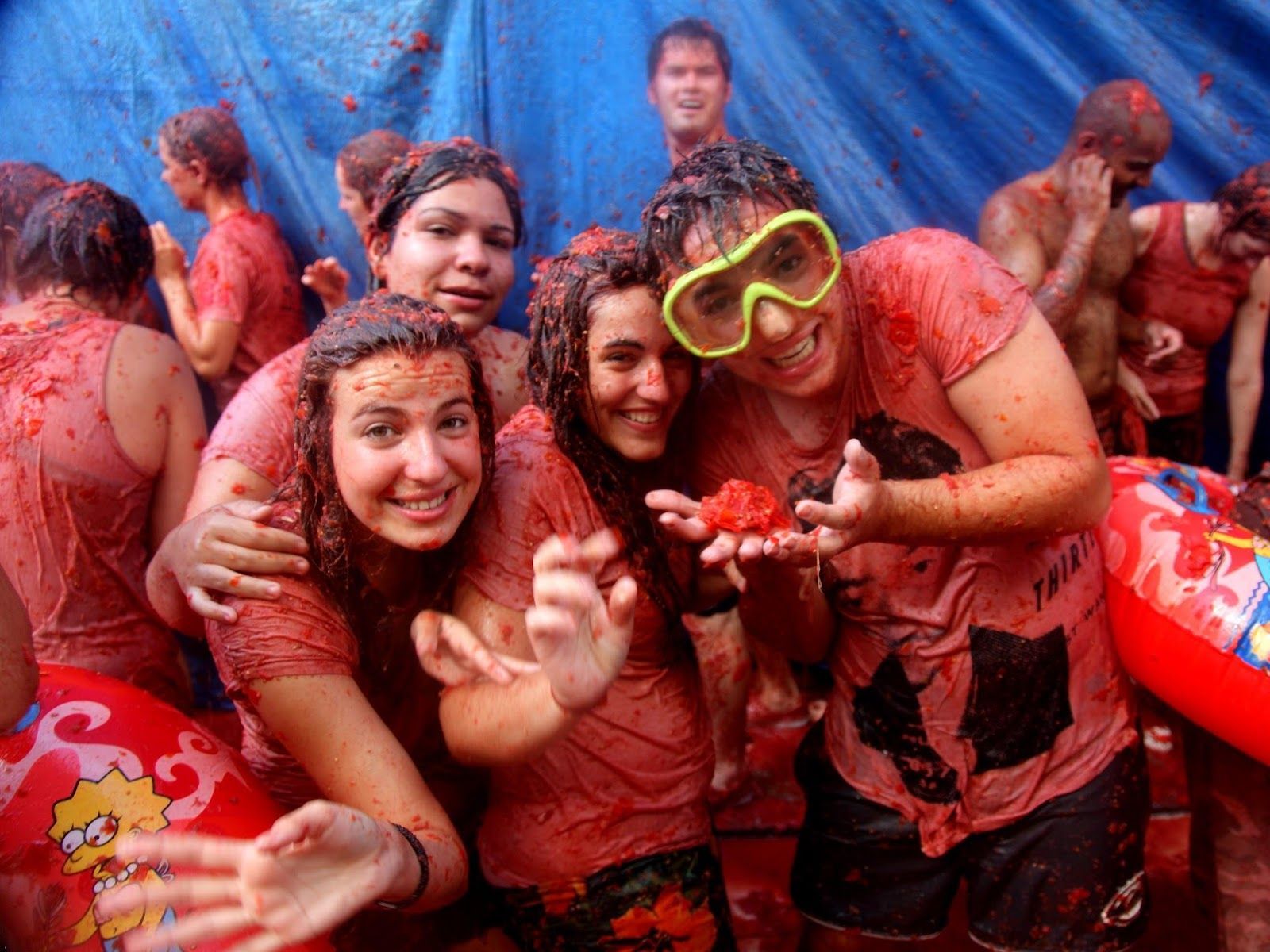
Every August in the small town of Buñol, Spain, thousands gather for one simple mission: to throw tomatoes at complete strangers. Why? No one fully agrees, and that somehow makes it better.
The hour-long food fight uses overripe tomatoes grown specifically for the event, and the streets turn into a red river of pulp. There are rules, yes, including squashing tomatoes before throwing them. But still, would you willingly step into a flying fruit battlefield?
Burning Man, USA
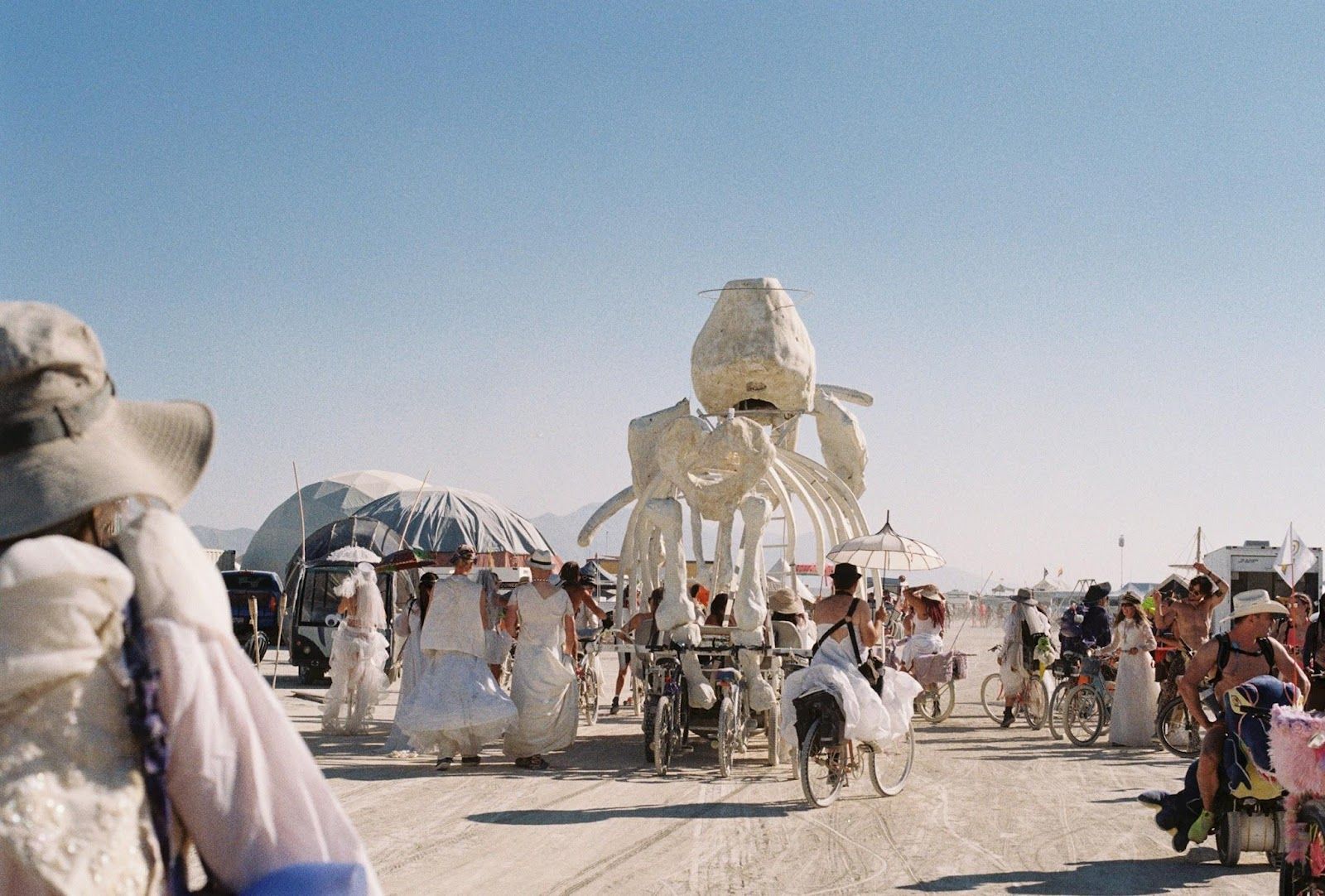
In Nevada’s Black Rock Desert, a temporary city rises from dust each year, built on art and radical self-expression. For one week, participants at Burning Man create massive art installations, themed camps, and experimental performances. There’s no money exchanged inside the event, only gifting.
It all culminates in the burning of a giant wooden effigy known as "The Man."
Day of the Dead, Mexico
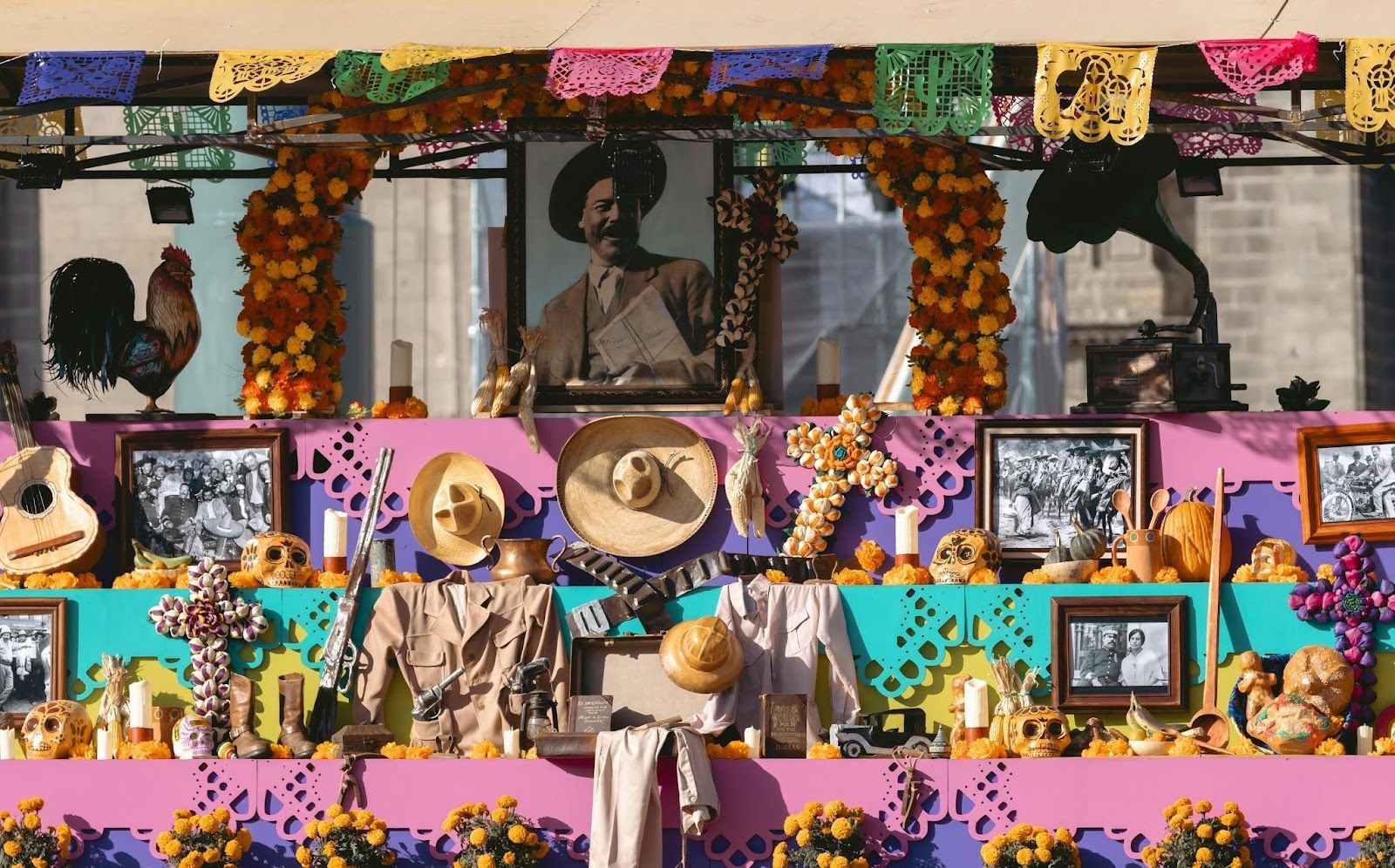
Celebrated primarily in Mexico on November 1 and 2, the vibrant Day of the Dead holiday honors loved ones who have passed away. Families build altars with photos, marigolds, candles, and favorite foods of the deceased.
Sugar skulls and painted faces may look spooky, but the mood is joyful rather than mournful. Cemeteries glow with candlelight and music throughout the night.
Harbin International Ice and Snow Sculpture Festival, China
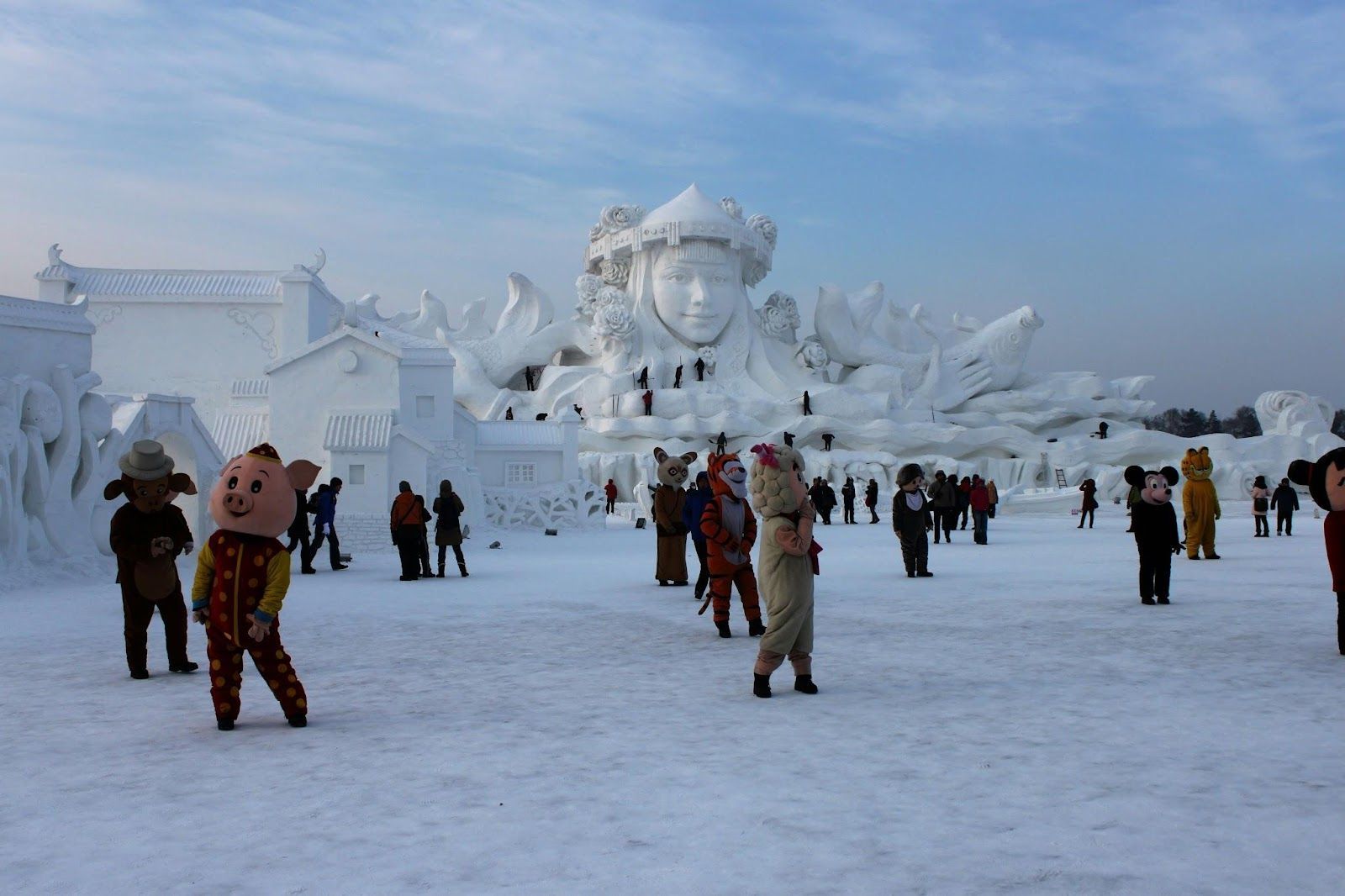
What’s the biggest snowman you’ve ever seen? It was probably nothing compared to this. Each winter in Harbin, China, sculptors carve massive castles, bridges, and mythical creatures from blocks of ice cut from the frozen Songhua River.
At night, colorful lights turn the sculptures into a neon winter wonderland. Some structures are large enough to walk through. How often do you get to explore a city made entirely of ice?
Monkey Buffet Festival, Thailand
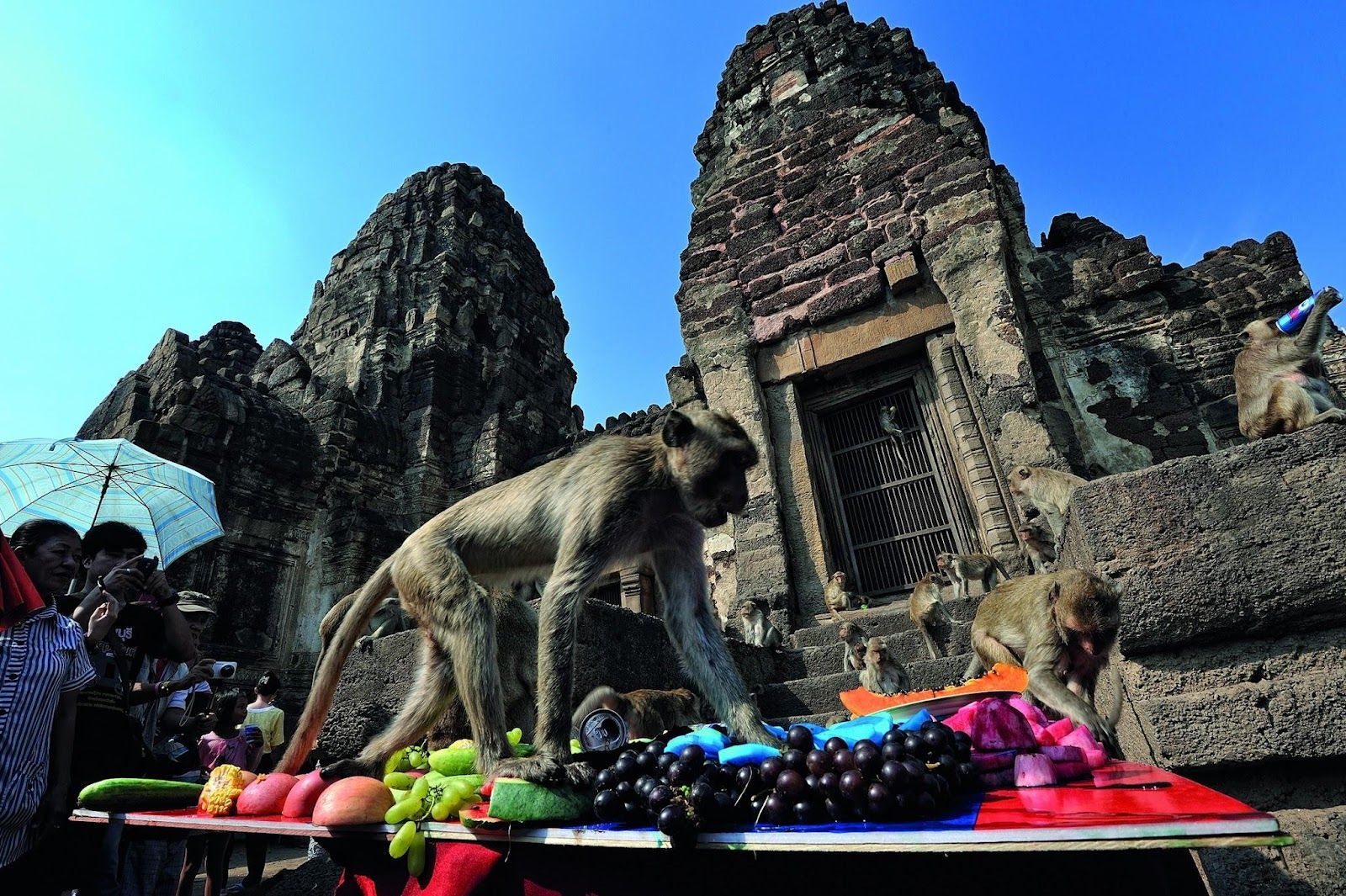
Once a year in Lopburi, Thailand, locals lay out massive fruit and vegetable feasts for the town’s thousands of macaques. We’re talking towering displays of watermelon, corn, and sticky rice, artfully arranged just for monkeys.
Why celebrate them? Because they’re believed to bring tourism and good fortune. During the Monkey Buffet Festival, the monkeys climb, grab, scatter, and feast while humans watch the chaos unfold.
Up Helly Aa, Scotland
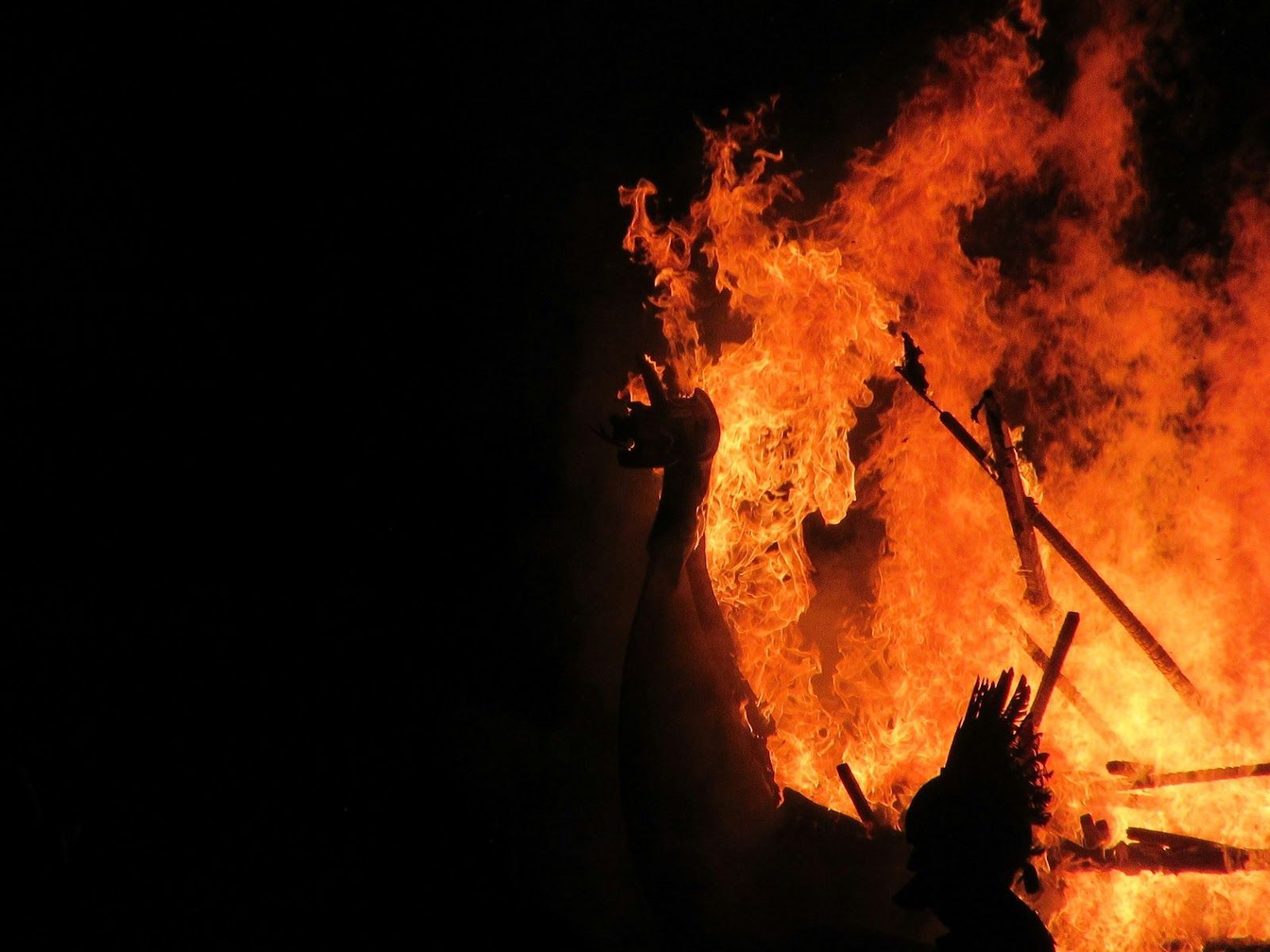
Picture this: hundreds of torch-bearing Vikings marching through the dark winter streets of Lerwick, Scotland. Every January, Shetlanders honor their Norse heritage by building and ceremonially burning a full-sized Viking longship.
The procession ends in a spectacular blaze that lights up the winter night. Afterward, the celebration continues indoors with music and dancing until morning. It's a chance for the community to step into Viking history for a day.
Cooper's Hill Cheese-Rolling and Wake, England
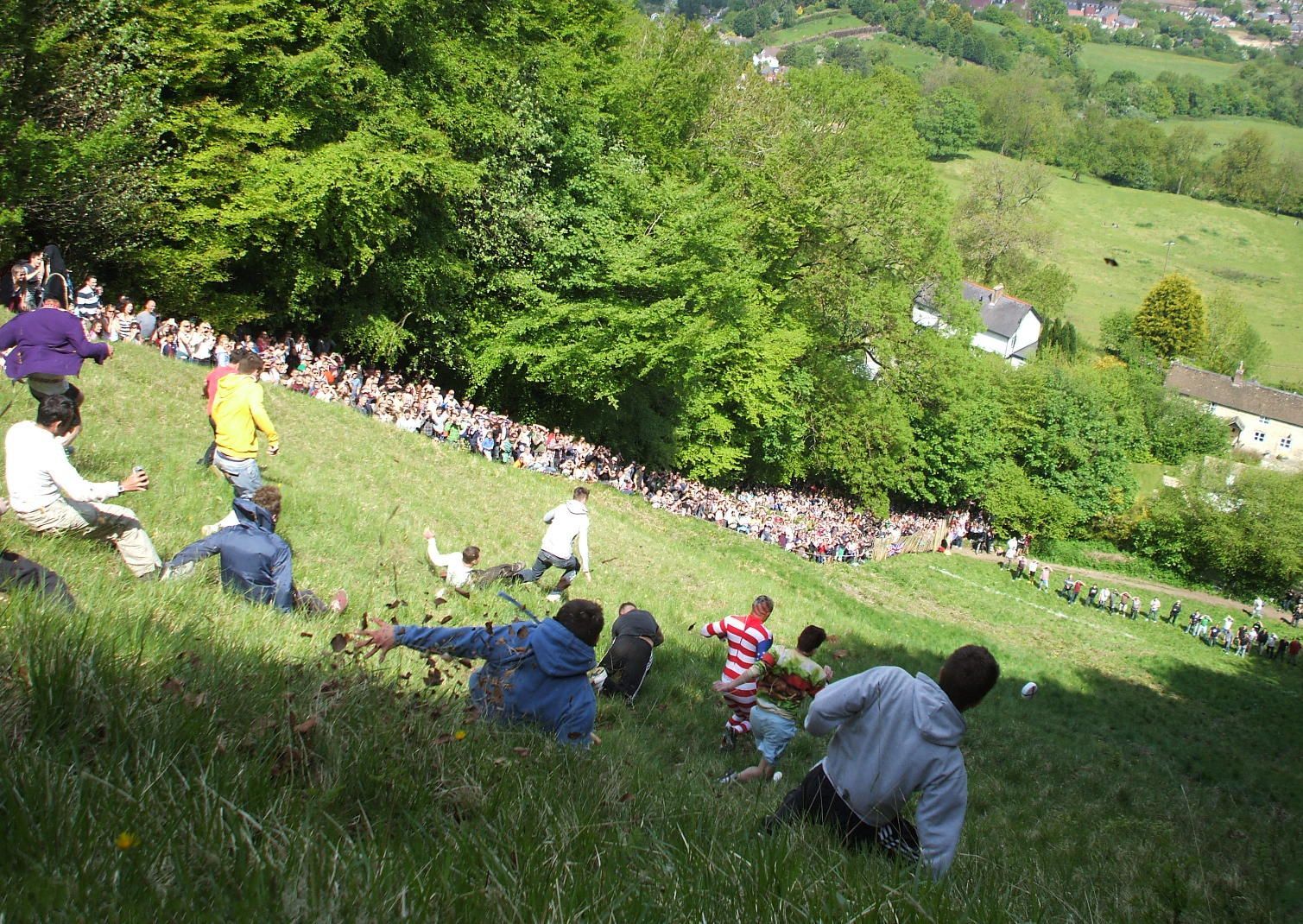
On a steep hill in Gloucestershire, England, competitors chase a rolling wheel of Double Gloucester cheese downhill at full speed. The prize is the cheese itself, naturally. The hill is so steep that injuries are common, yet participants return year after year. There’s no formal registration or safety briefing, just gravity and determination.
Ganzenrijden, Netherlands & Belgium
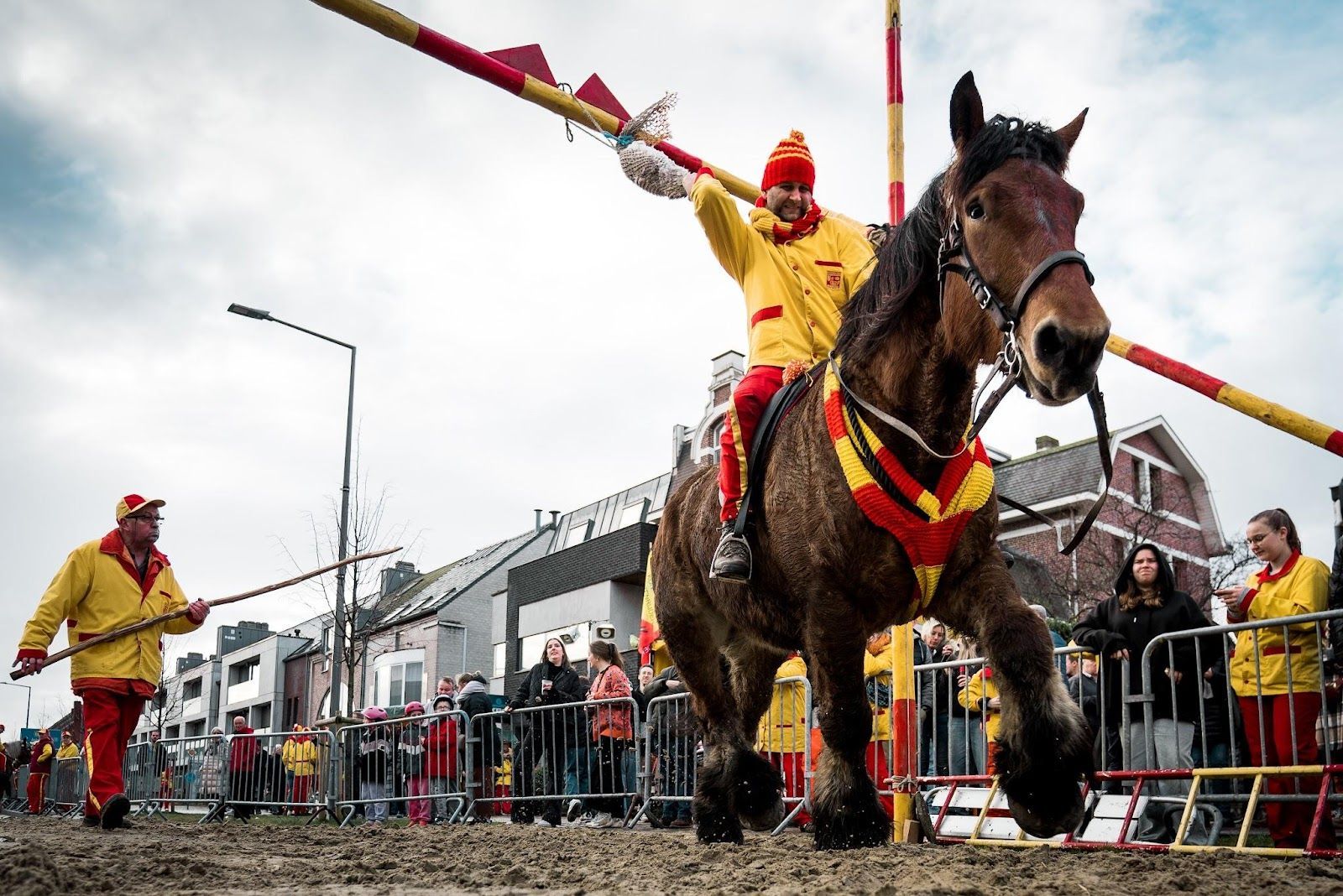
Known as "goose riding" or "goose pulling," Ganzenrijde is a centuries-old folk tradition involving riders on horseback trying to pull the head off a suspended goose while galloping beneath it. Historically, the goose was real, which understandably sparked controversy.
Today, in the Netherlands and Belgium, the practice has evolved, and most events use symbolic substitutes under strict regulation.
Night Glow Festival, Japan
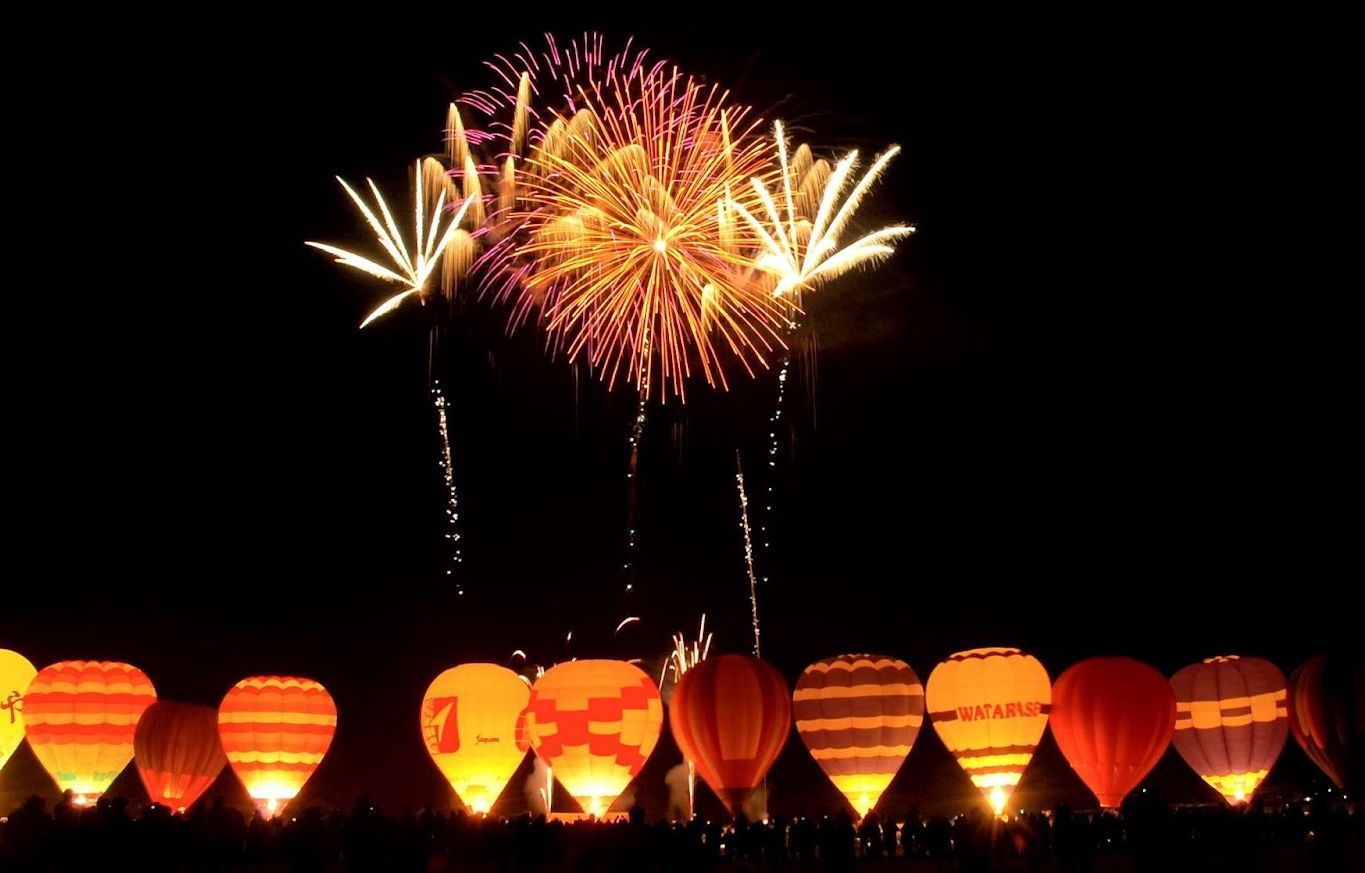
Every February in the small town of Kawazu, Japan, hundreds of sky lanterns are released at night along the river during the early cherry blossom season. As the pink blossoms bloom weeks before the rest of Japan, the glowing lanterns drift upward in quiet synchronization.
Cheung Chau Bun Festival, China
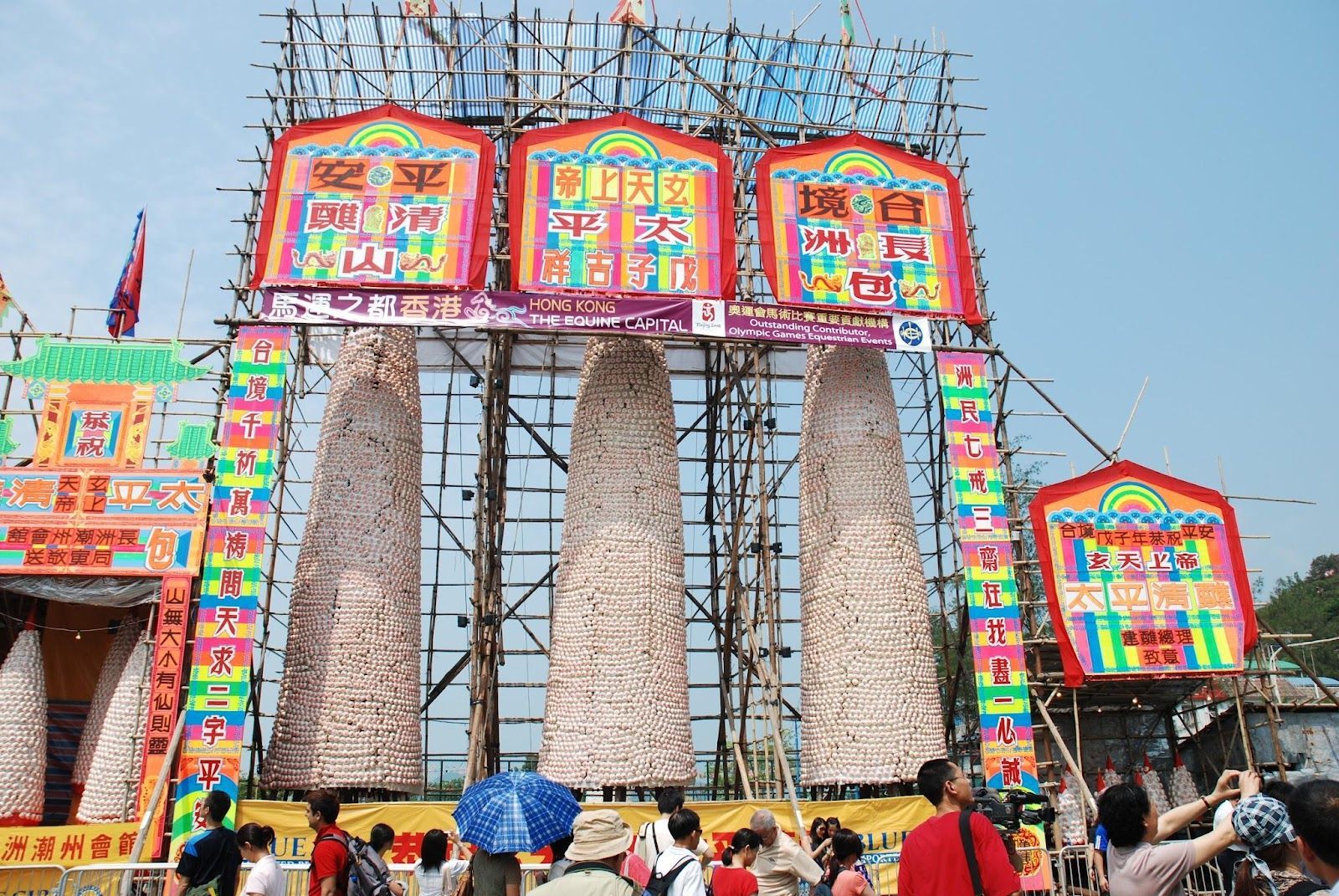
On the island of Cheung Chau, Hong Kong, competitors race to climb three giant 60-foot bamboo structures covered in replica buns, a traditional Hong Kong food. The goal is to grab as many lucky buns as possible before time runs out.
The tradition dates back to a 19th-century plague, when residents prayed for protection and peace. The festival is celebrated annually, usually in May, and also includes events like parades and lion dances.
Keep wandering
There’s always
more to explore
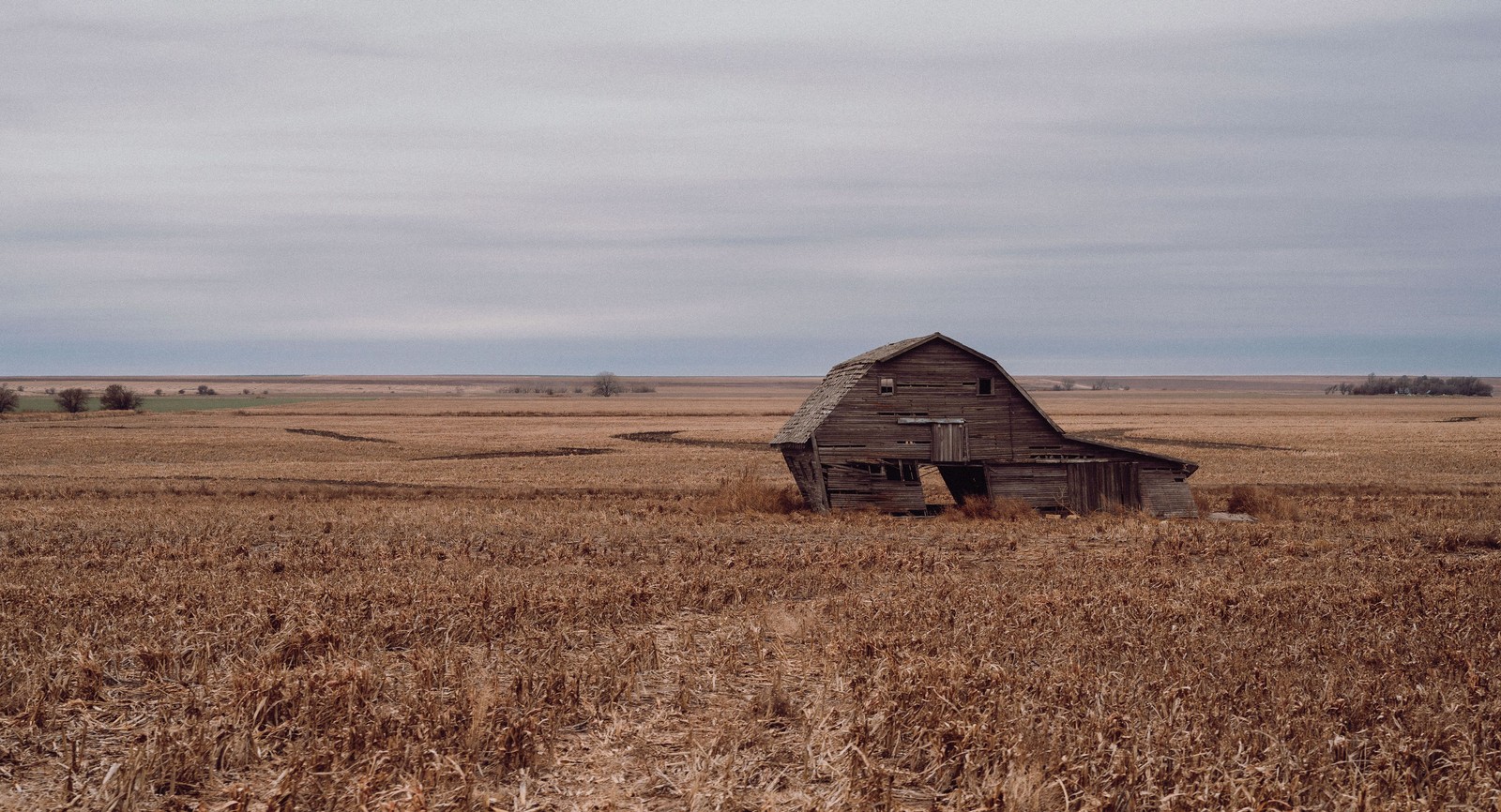
Nearly everyone in this town lives in one 14-story building
6 min.
Read Now
 Landmarks

10 mysterious wonders you can only see from the sky
4 min.
Read Now
Can too many visitors change a town forever? The truth about tourism
6 min.
Read Now

Why toasting with a glass of water could get you into serious trouble
6 min.
Read Now