Architectural destinations: Some extraordinary buildings around the world
 Landmarks
Unbelievable buildings
Architectural destinations: Some extraordinary buildings around the world
Would you cross an ocean just to stand near these buildings? Many travelers do. Whether it's for their mystery, as with the Giza Pyramids, or because of their convention-defying flamboyance, like Barcelona’s Sagrada Familia, tourists rarely regret the visit. Let’s explore some of the world’s mind-blowing structures that have become destinations in their own right.
Giza Pyramids - Egypt
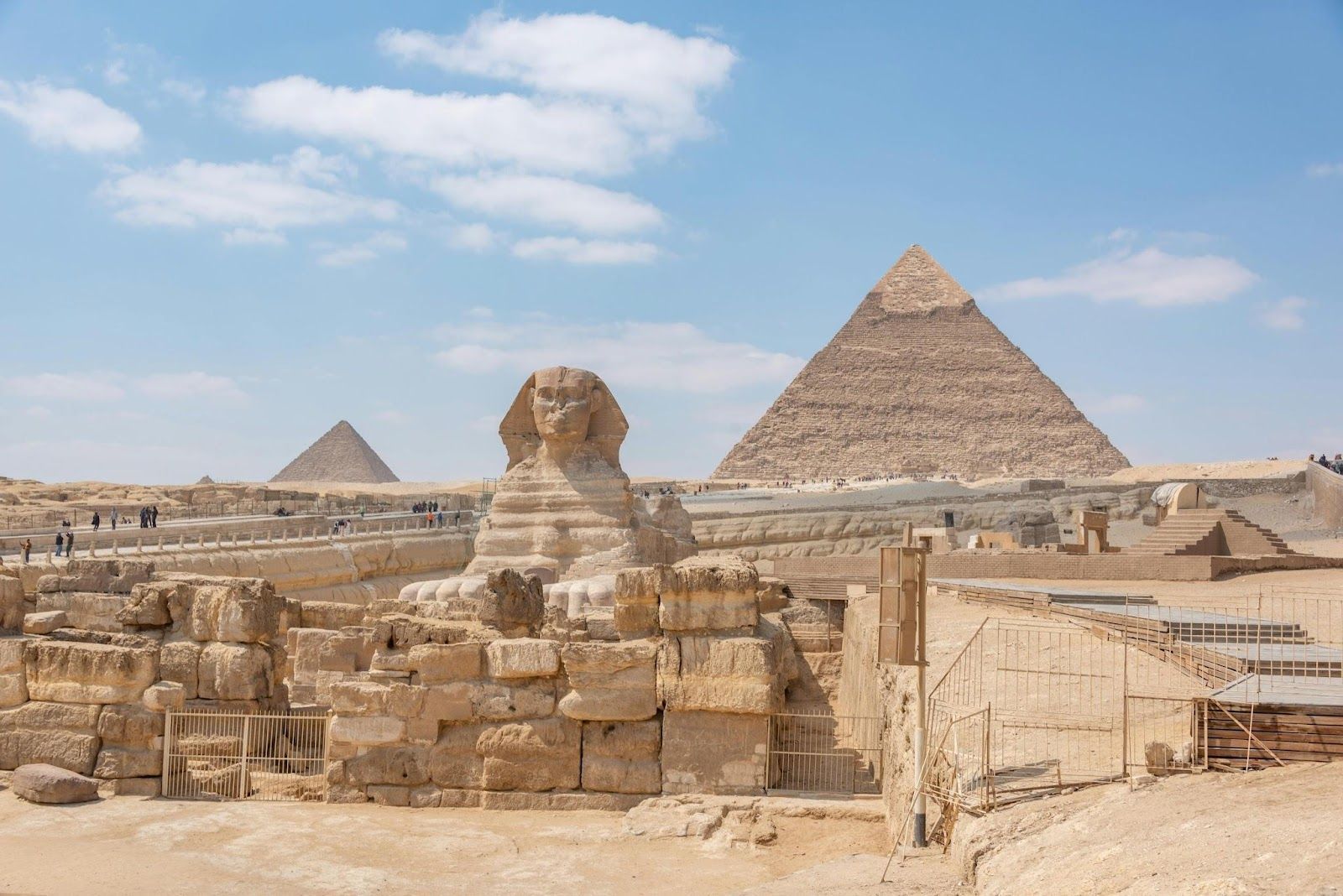
Few architectural achievements inspire as much awe as the Giza Pyramids. Rising in the desert just outside Cairo, these were built more than 4,500 years ago. Even today, scholars debate exactly how the ancient Egyptians managed to construct these structures using over two million stone blocks.
Visitors can still walk inside parts of the Great Pyramid of Giza, the largest of them, and navigate the narrow corridors that lead toward the king’s chamber.
Sagrada Família - Spain
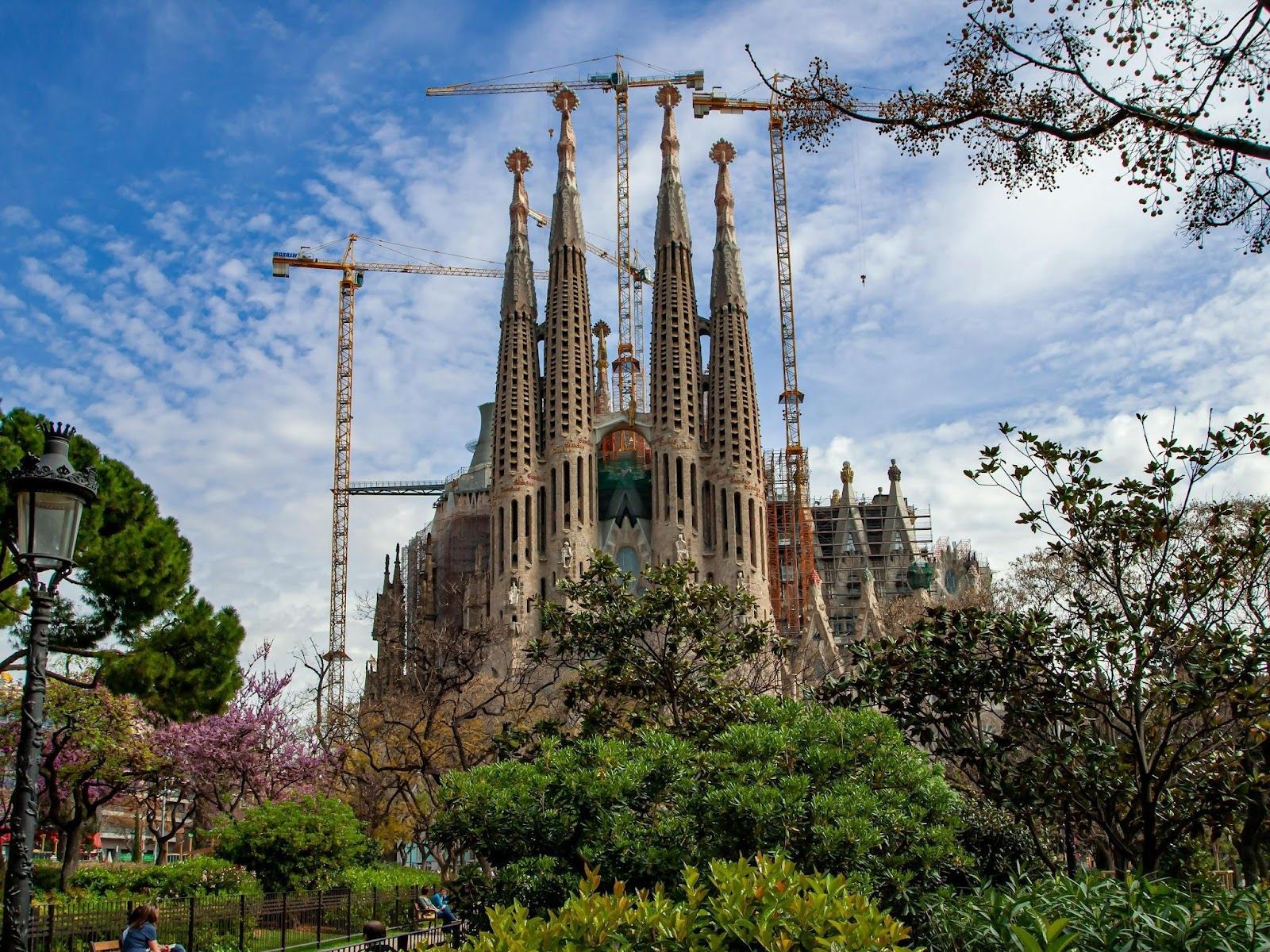
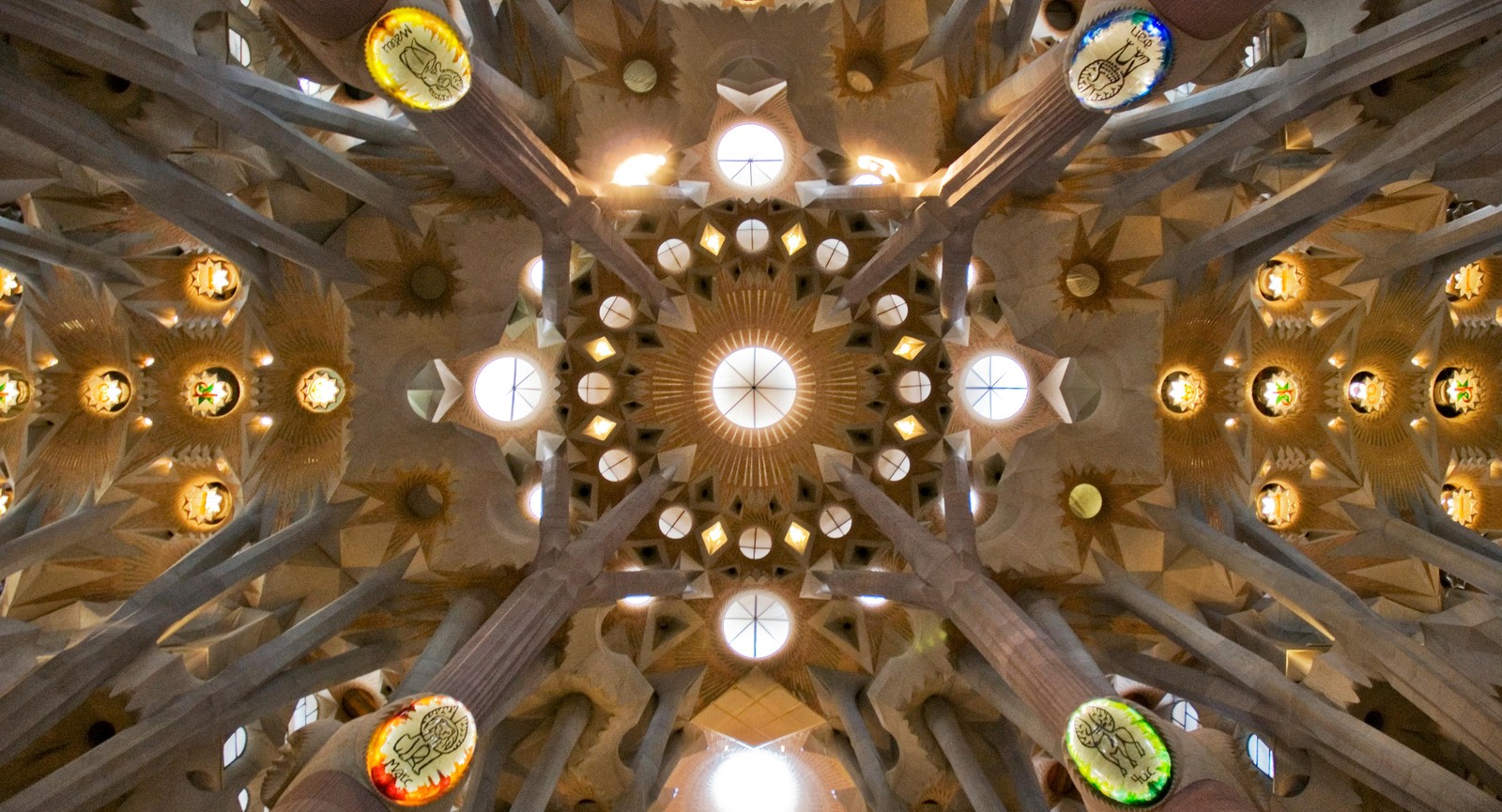
If a building has been under construction for over 140 years, you can rest assured it is worth visiting. Antoni Gaudí’s still-unfinished masterpiece is one of the most recognizable churches in the world. Construction began in 1882, and even then, its intricate towers, dazzling stained-glass windows, and Art Nouveau-inspired design were groundbreaking, to say the least.
Eiffel Tower - France
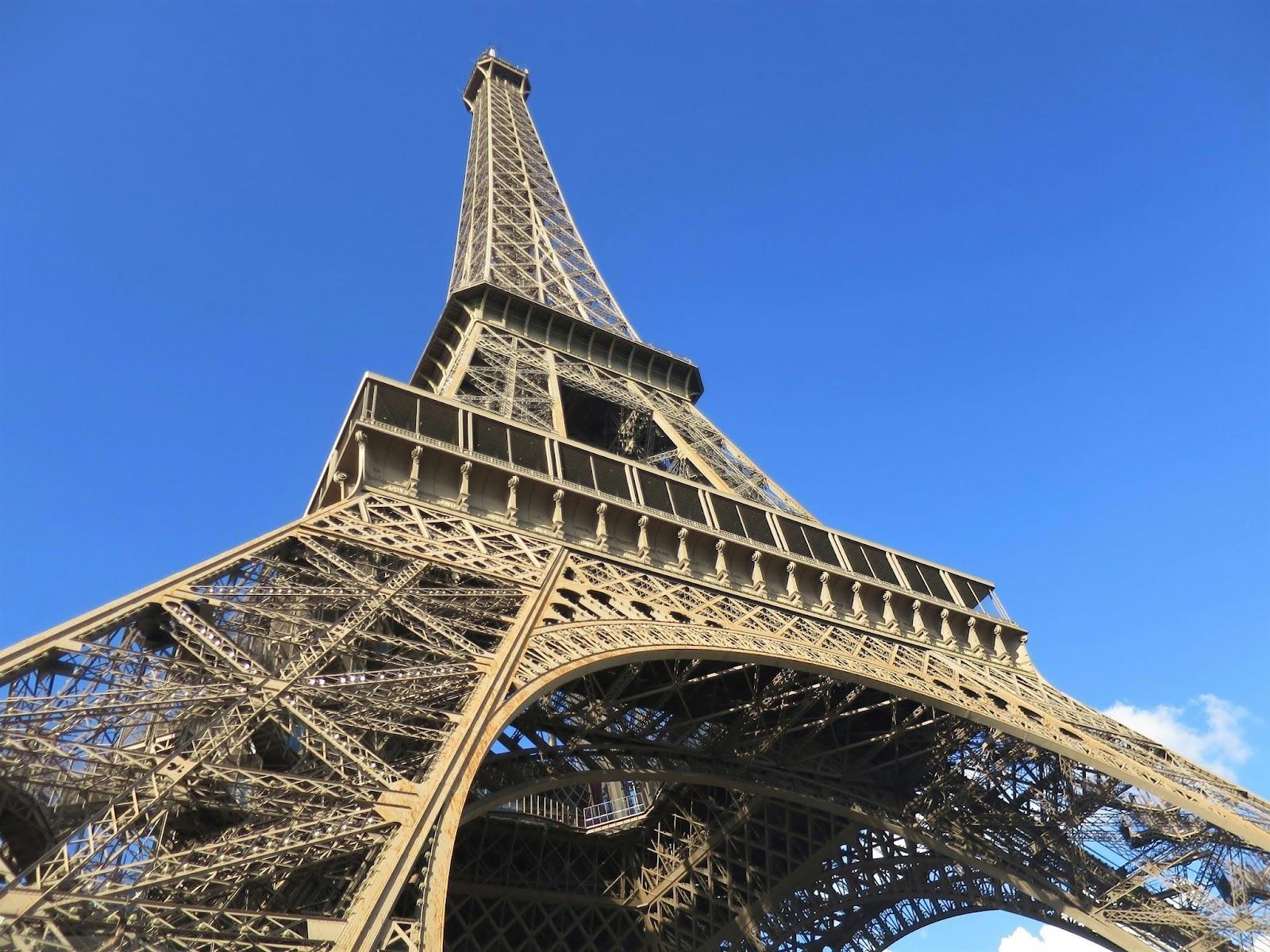
Paris’ most iconic structure was originally built for the 1889 World’s Fair. This 1,083-foot iron structure shocked the Parisians when it was erected. Many even signed petitions to dismantle it, calling the structure an "eyesore," because it contrasted sharply with the rest of the city’s Haussmannian architecture.
Eventually, though, the city fell in love with it. Today, it attracts millions of visitors each year, who take elevators to its observation levels and marvel at its engineering.
Sydney Opera House - Australia
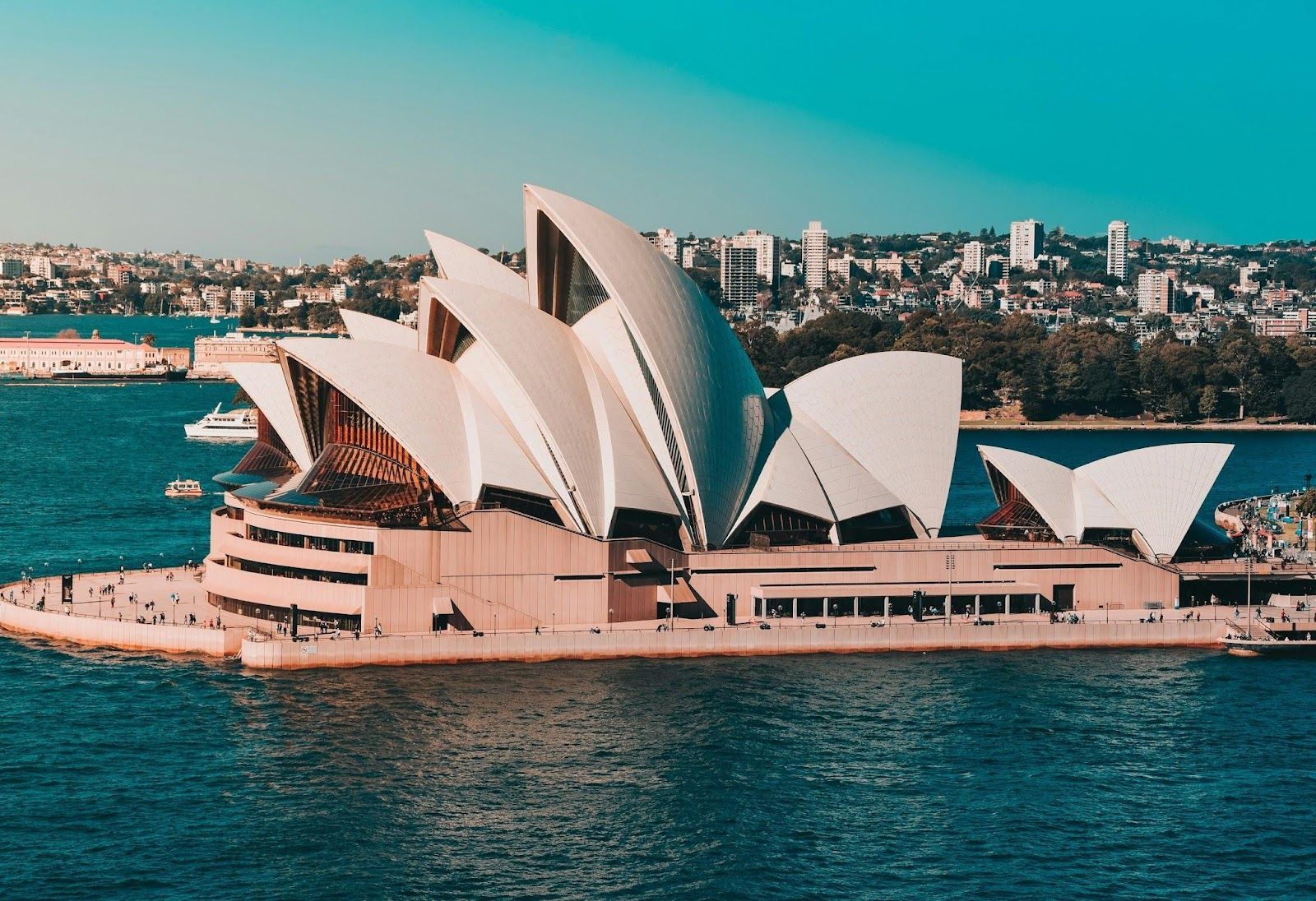
Did you know that this unique design was chosen after an international competition? Yes, the competition was launched in 1955, and the winner was the Danish architect Jørn Utzon.
Those white "sails" rising over Sydney Harbour have become one of the most easily recognizable buildings in the world. The Opera House opened in 1973 and quickly became a global icon. Its roof is made from over a million ceramic tiles arranged in elegant, shell-like curves.
Burj Khalifa - United Arab Emirates
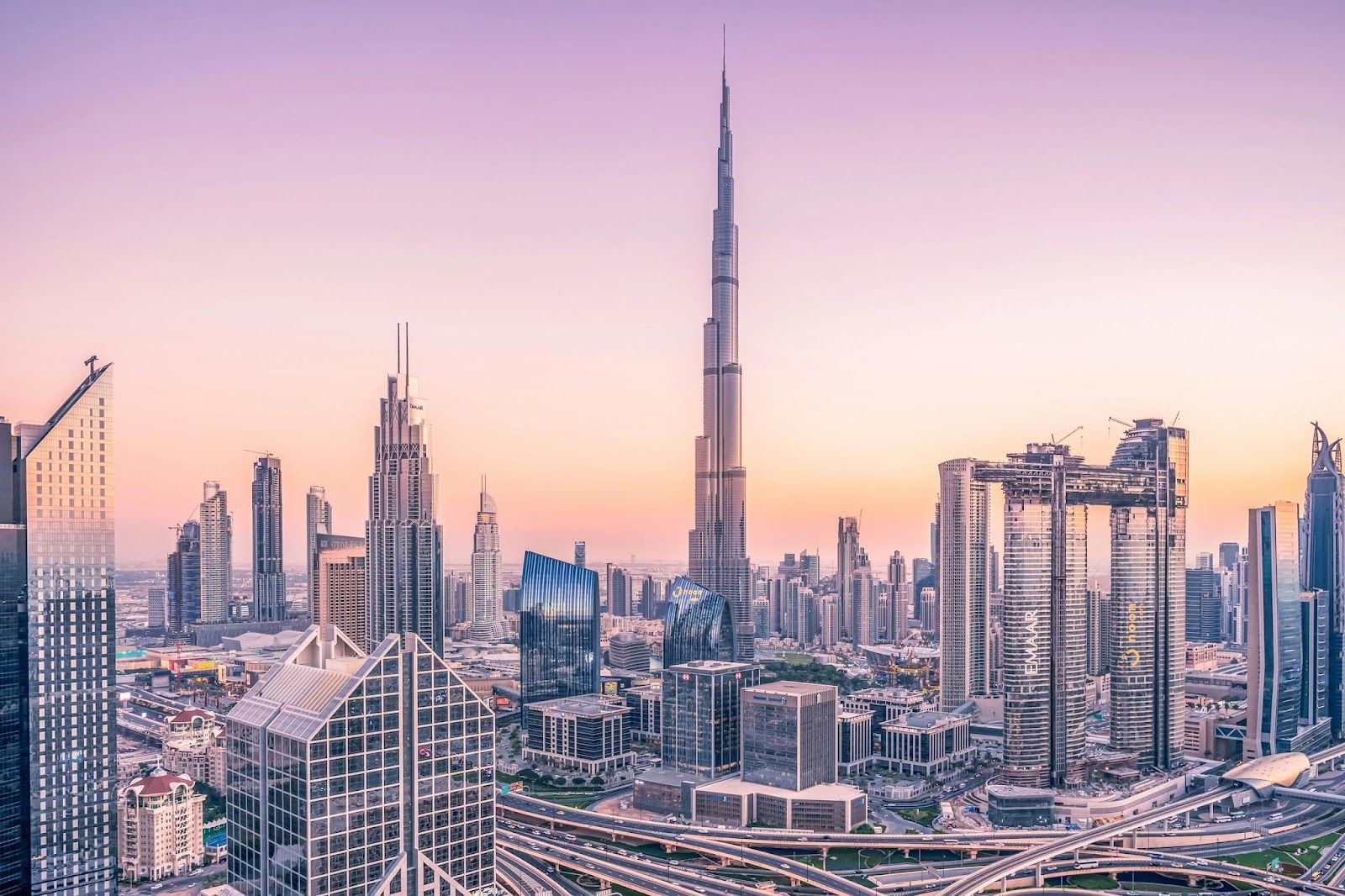
This skyscraper is the tallest building ever constructed—to date, that is. Its sleek, tapering design helps it withstand strong desert winds. Dubai’s tower, with its futuristic look, has become a symbol of 21st-century engineering.
Its scale is difficult to comprehend. It is more than twice as tall as New York’s Empire State Building, and nearly three times the height of Paris’ Eiffel Tower.
Taj Mahal - India
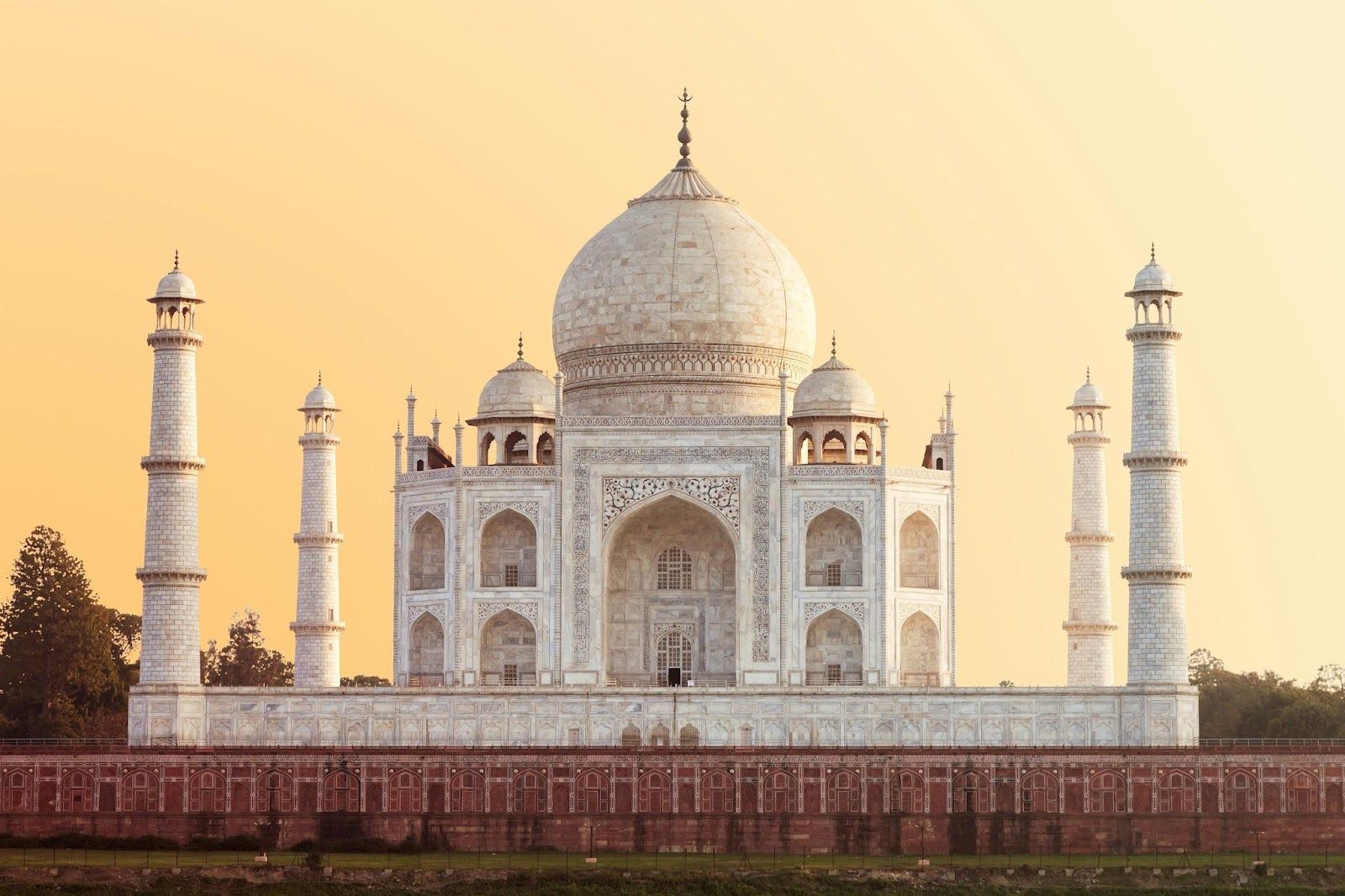
One of India’s most famous landmarks, the Taj Mahal is a white marble mausoleum built in the 17th century by Mughal emperor Shah Jahan. It was constructed to honor his wife, Mumtaz Mahal, and now it contains the burial chambers of both Shah Jahan and Mumtaz Mahal.
Often called the most beautiful building in the world, the Taj Mahal is celebrated for its perfect symmetry, elegant domes, and delicate stone appearance. Plus, the romantic love story behind it only helps to promote a visit.
Fallingwater - USA
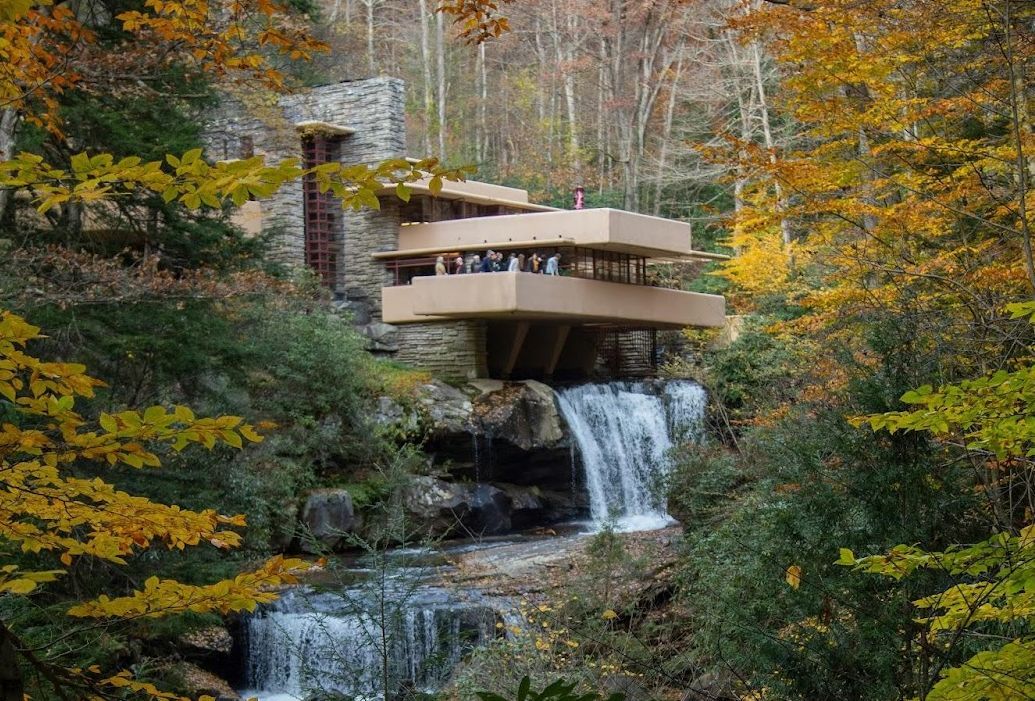
One simple image raises so many questions: "Is the water flowing out of the house? How did they build anything over an existing waterfall? This must be a very recent construction done with modern technology."
The famous American architect Frank Lloyd Wright designed Fallingwater directly over a waterfall in 1935. Of course, its cantilevered terraces, seemingly suspended in the midst of nature, made it revolutionary for its time. Many consider it one of the greatest architectural accomplishments of the early 20th century.
Neuschwanstein Castle - Germany
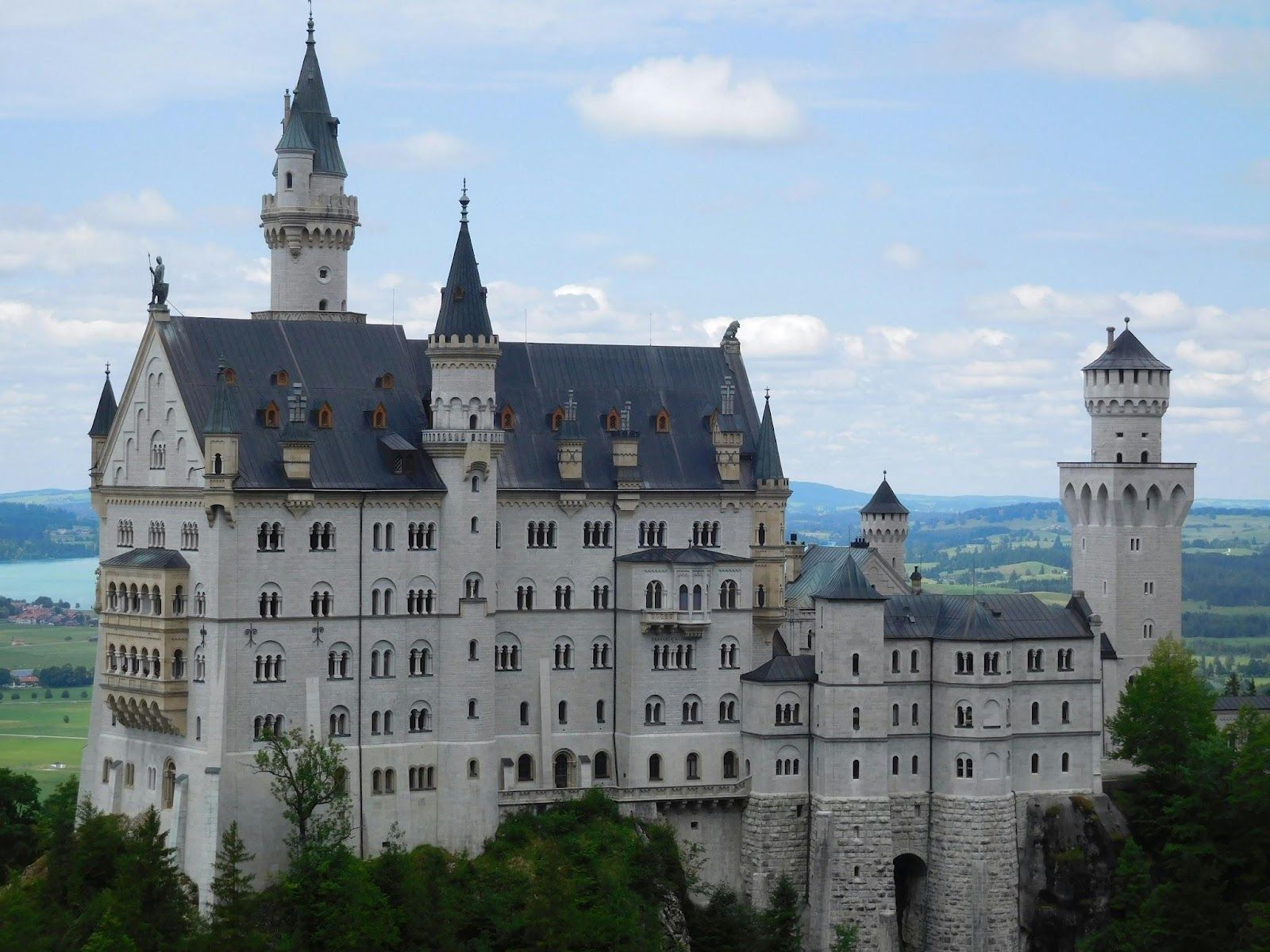
Built in 1869 in the Bavarian Alps, Neuschwanstein Castle looks like it belongs in a storybook—or a theme park. After all, it inspired the design of Disneyland’s iconic castle. Nearly 1.5 million visitors travel there each year to admire its romantic towers, spires, and limestone walls.
Angkor Wat - Cambodia
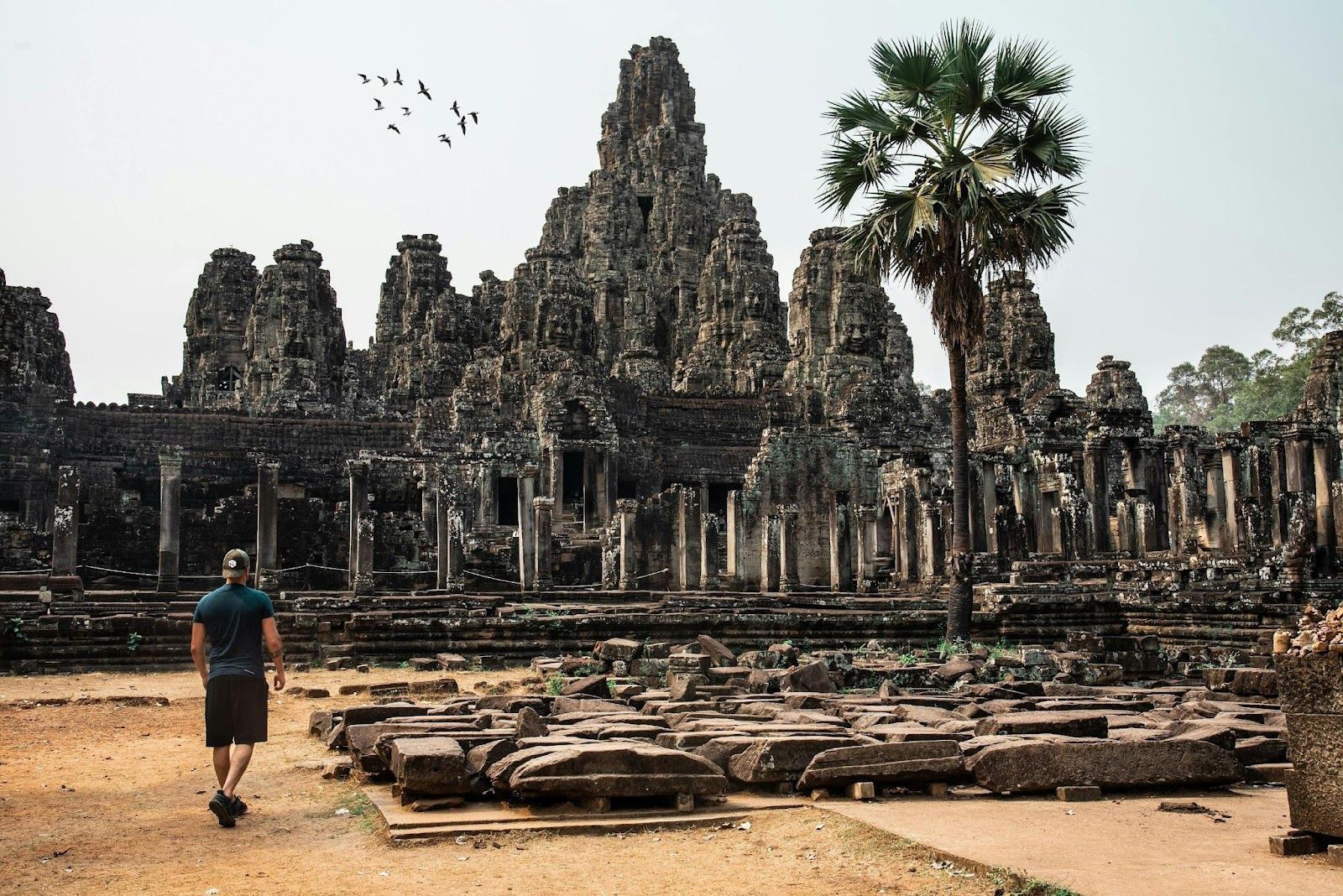
Built in the early 12th century, Angkor Wat is the largest religious monument ever constructed. The temple complex in Cambodia covers nearly 400 acres.
Its iconic towers and the overall layout symbolize Mount Meru, a sacred mountain in Hindu cosmology. The walls are covered with thousands of intricate stone carvings depicting mythological battles and royal processions.
Niterói Contemporary Art Museum - Brazil

Doesn’t this look like it belongs in a superhero cartoon? Perched dramatically above Guanabara Bay, across the water from Rio de Janeiro, the museum was designed by legendary Brazilian architect Oscar Niemeyer and completed in 1996.
People visit this museum for its contemporary exhibitions, futuristic architecture, and the sweeping views it offers of the Brazilian bay.
Skip the crowds: 10 national parks that shine in shoulder season
 General
The best national parks to explore in spring and fall
Skip the crowds: 10 national parks that shine in shoulder season
Forget fighting for parking spots and jockeying for the perfect photo with a hundred other tourists. Shoulder season—those magical windows in spring and fall—offers the same stunning views without the summer crowds. Here are ten national parks where fewer visitors mean more majesty.
Zion National Park, Utah (March-April, October-November)
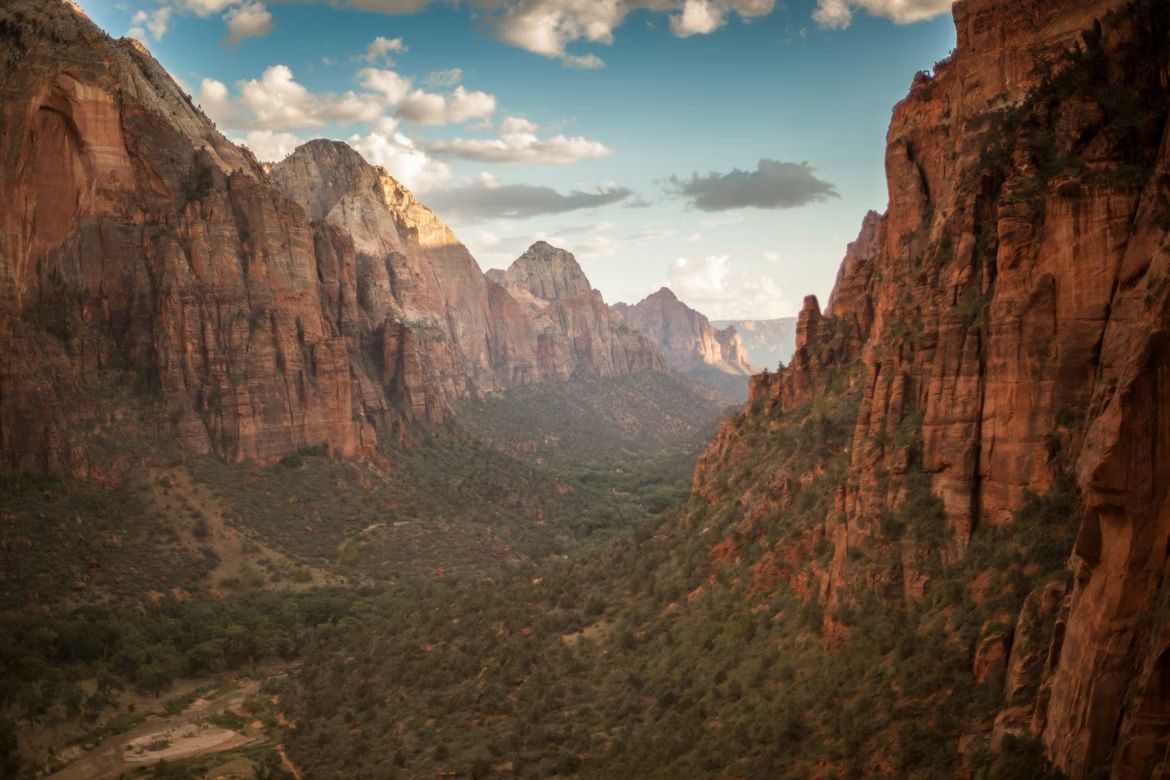 Image: Jamie Hagan
Those iconic red cliffs don't disappear when summer ends, but the tour buses sure do. Spring wildflowers add unexpected pops of color to the canyon walls, while fall brings golden cottonwoods that glow against rust-colored rock.
The Narrows hike is safer with lower water levels in the fall, and temperatures hover in the perfect 60s and 70s °F.
Acadia National Park, Maine (September-October)
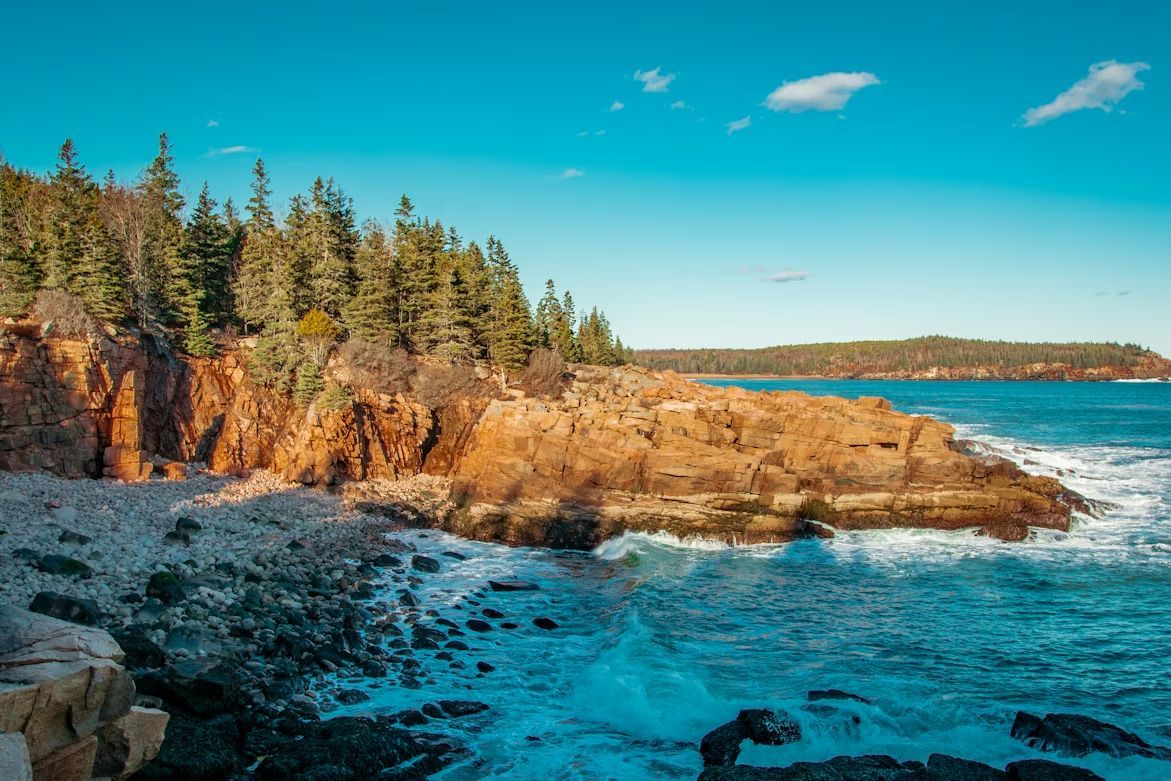 Image: Trevor Hayes
Sure, everyone knows about New England’s fall foliage, but experiencing it without the leaf-peeper traffic? That's the real treasure. Acadia's mountains, ablaze with autumn colors, meet the moody Atlantic coast for views that'll make you forget your phone exists.
The bugs have finally called it quits by September, and you can actually hear the waves crashing instead of the noise of crowds. Drive up Cadillac Mountain for sunrise without arriving at 3 a.m. to claim your spot.
Grand Canyon National Park, Arizona (March-May, September-November)
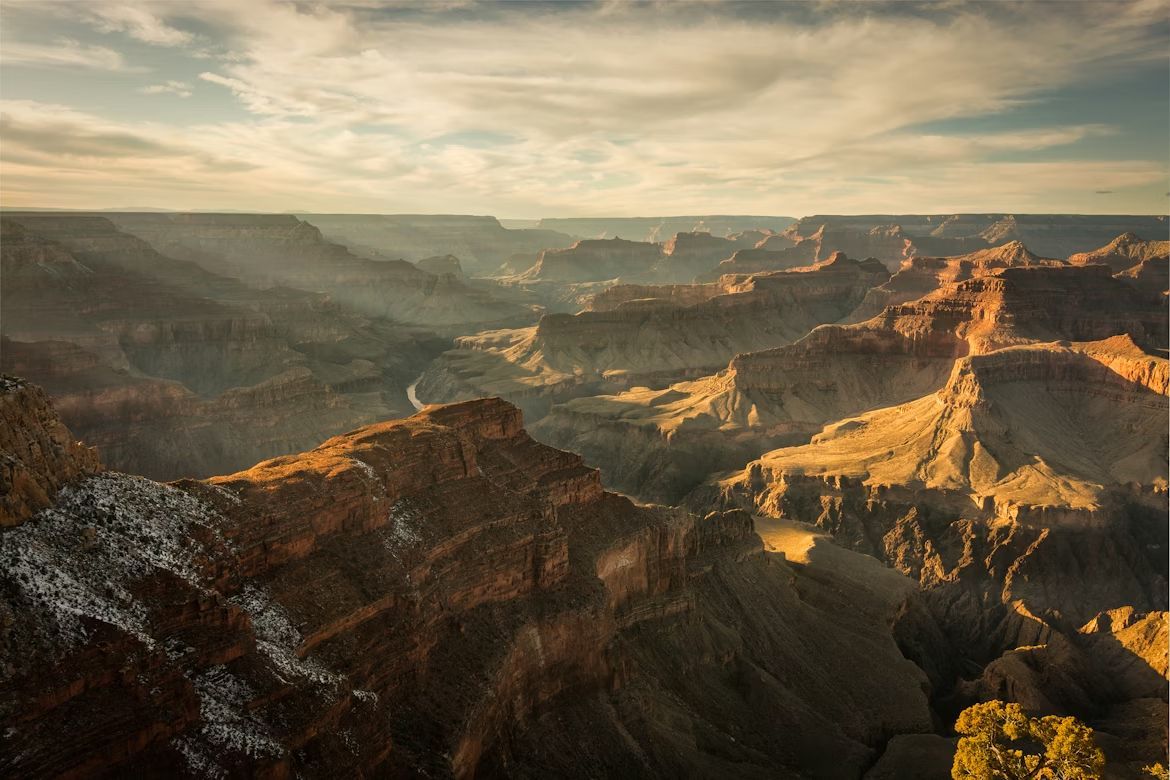 Image: Jason Thompson
Spring and fall bring comfortable hiking weather and the perfect light that makes the layered rock formations appear to glow from within. You'll actually find parking at the popular viewpoints, and the Rim Trail becomes a pleasant stroll instead of a shoulder-to-shoulder shuffle. Plus, lodging prices drop faster than a rock into the canyon.
Great Smoky Mountains National Park, Tennessee/North Carolina (Late April-May, October-November)
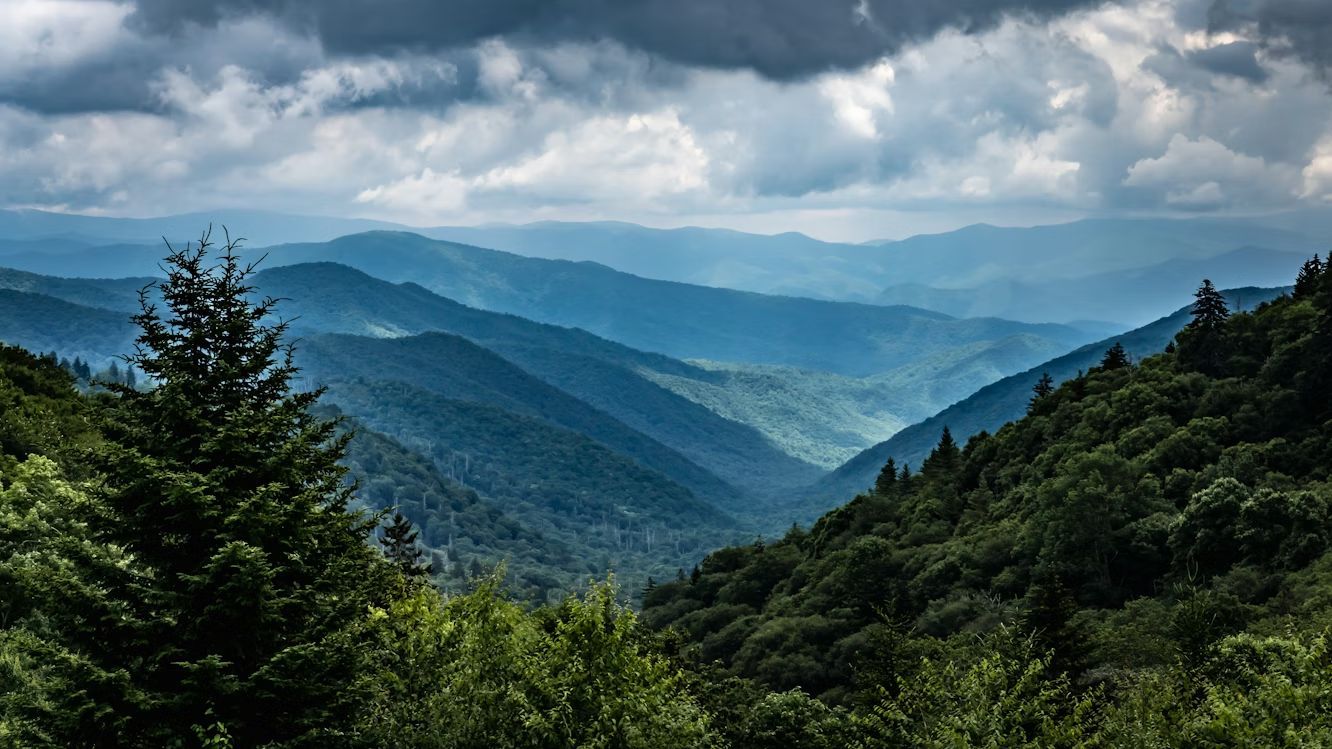 Image: Joshua Burdick
America's most visited national park becomes almost peaceful during shoulder season. Spring brings wildflowers carpeting the forest floor, while fall delivers that postcard-perfect mountain foliage without requiring you to sit in traffic for three hours.
In late May, the synchronous fireflies might steal the show, putting on a light display that makes Christmas decorations look tame. October means cooler temperatures for hiking and the chance to spot black bears fattening up for winter without a crowd of people scaring them off.
Yosemite National Park, California (Late April-May, September-October)
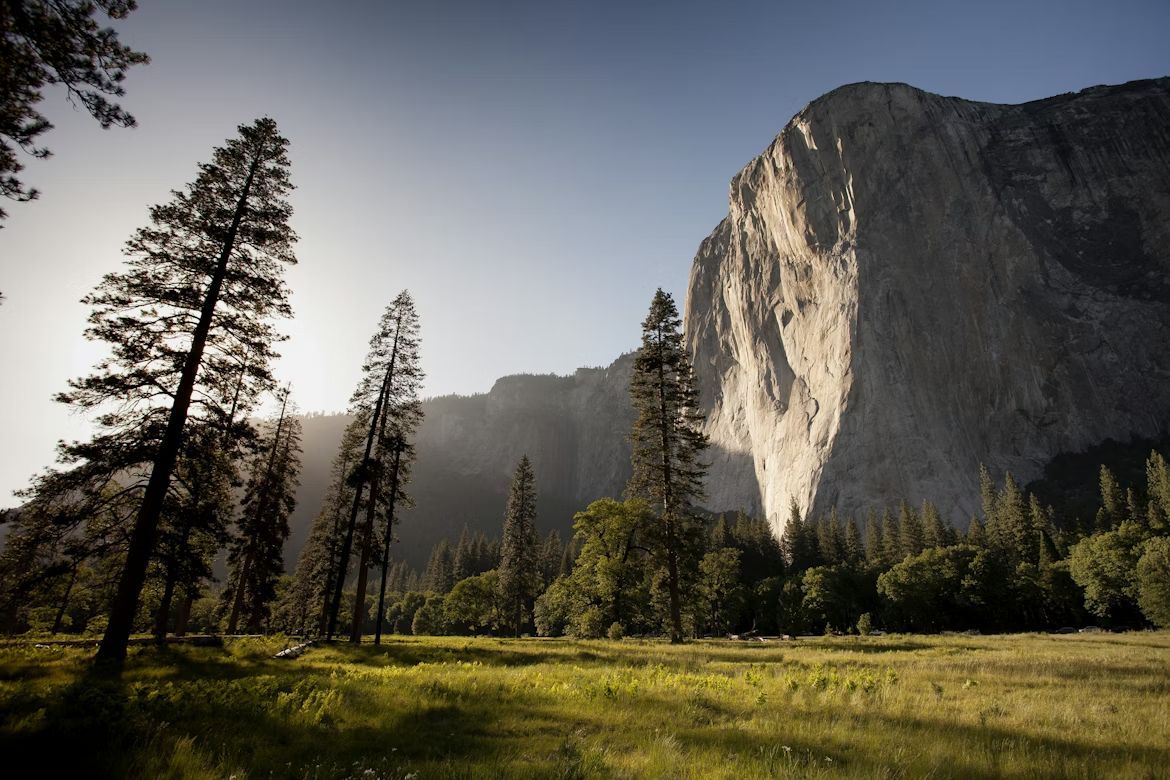 Image: Adam Kool
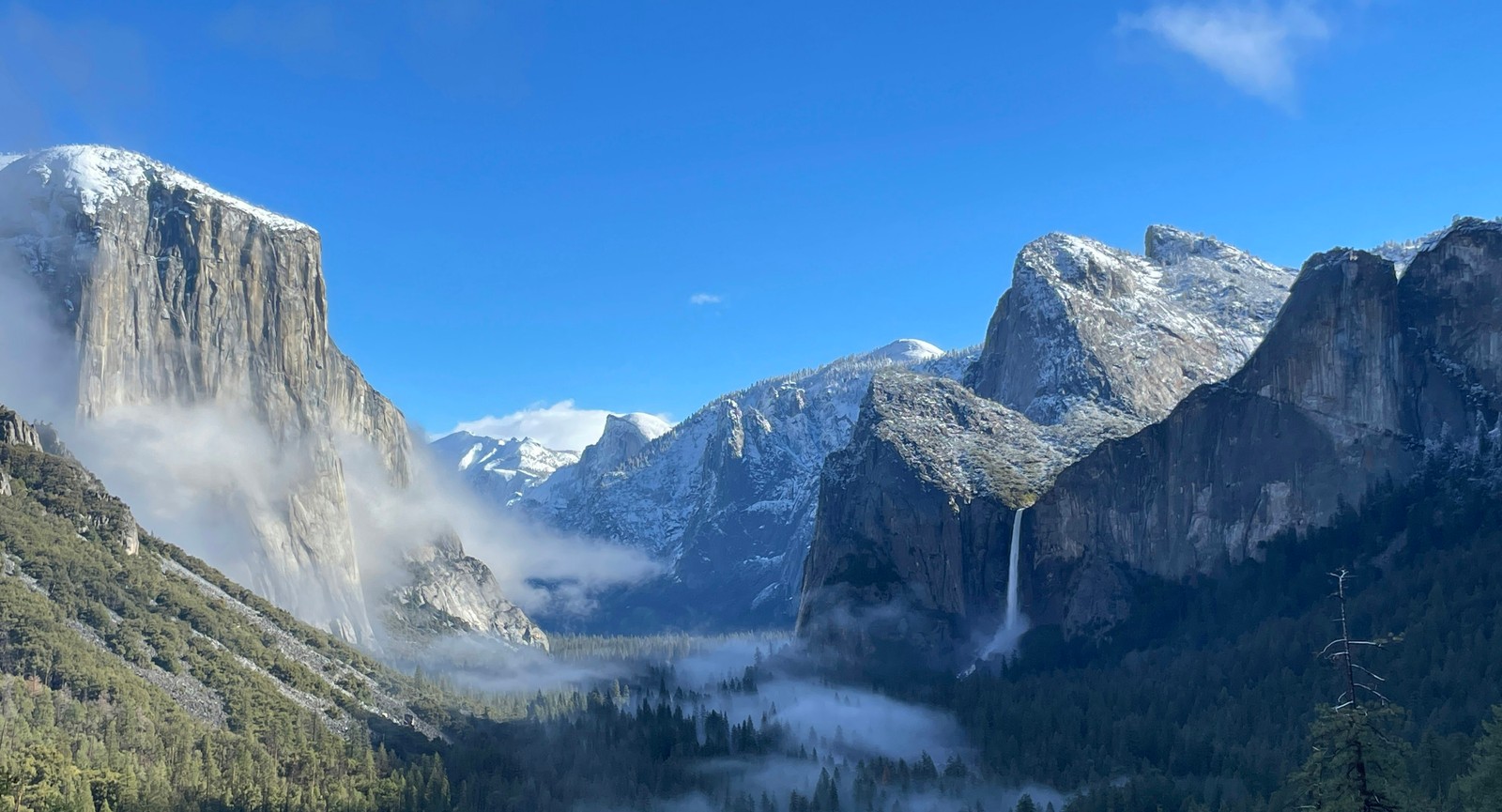
Half Dome looks just as impressive when you're not sharing the view with a thousand people. Spring brings thundering waterfalls fed by snowmelt—Yosemite Falls at full power is worth the trip alone. Fall offers crisp air, changing colors, and the rare treat of driving through the valley without white-knuckling it.
September and October provide warm days and cool nights, perfect for camping without freezing or melting. The granite cliffs and giant sequoias don't care what month it is, but your stress levels certainly will.
Olympic National Park, Washington (May, September)
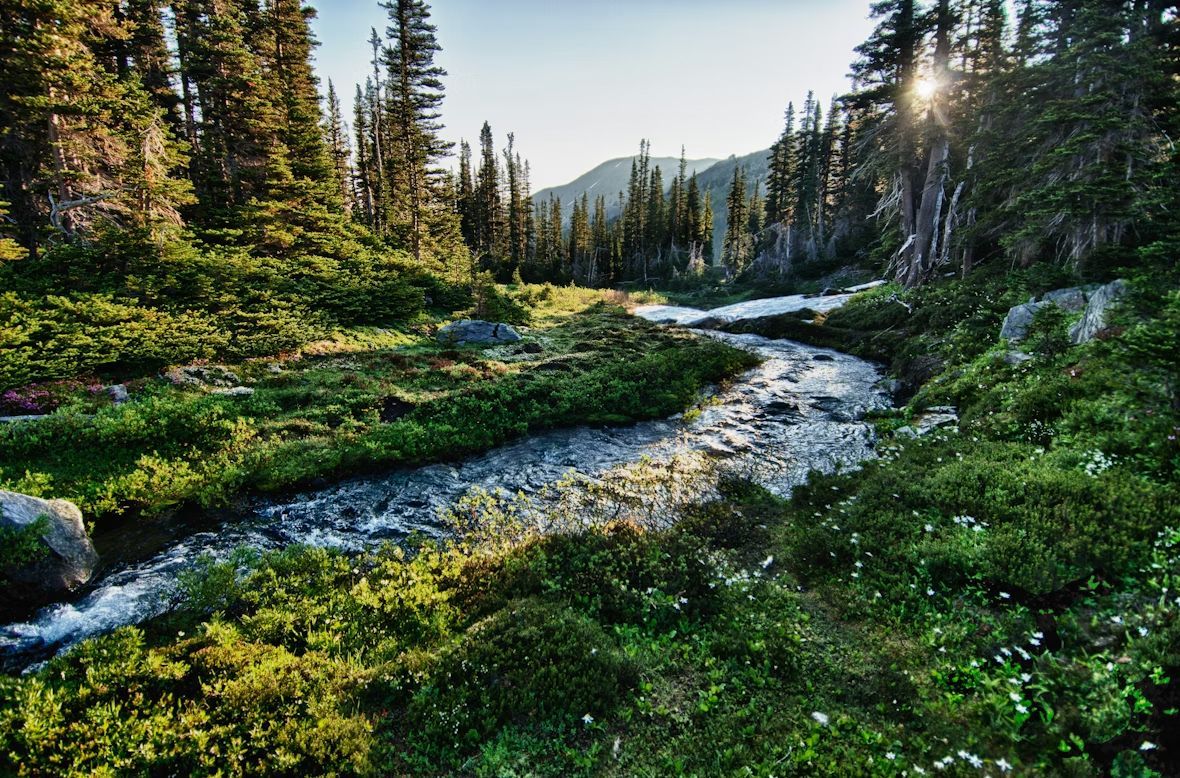 Image: Jachan DeVol
Yes, it's the Pacific Northwest, so rain is always possible, but shoulder season actually offers some of the driest weather. The temperate rainforests stay lush and green, the mountain views clear up, and the coastline feels like your own private beach.
Hurricane Ridge opens in May with wildflowers and occasional snow views, while September brings calm seas and better wildlife spotting. You can explore tide pools without an audience and actually experience the silence of the Hoh Rainforest.
Bryce Canyon National Park, Utah (May, September-October)
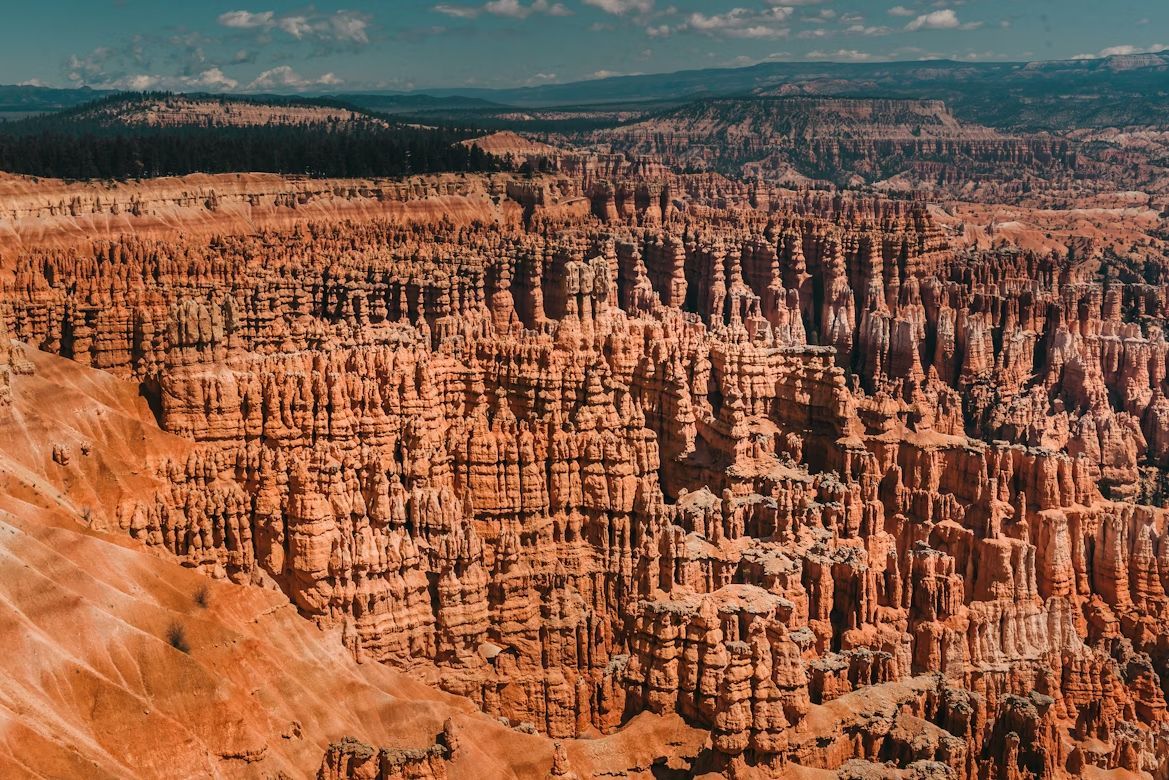 Image: Oleg Chursin
Those otherworldly hoodoos—the tall, thin rock spires—look even more dramatic with fewer people cluttering your photos. Spring wildflowers add vibrant contrast to the orange and red formations, while fall's cooler temperatures make hiking among the formations actually enjoyable.
The higher elevation means pleasant weather when the rest of Utah is baking. You can take your time on the Navajo Loop Trail and maybe even find a quiet spot to just sit and marvel at geology's weird sense of humor.
Glacier National Park, Montana (Mid-September to Early October)
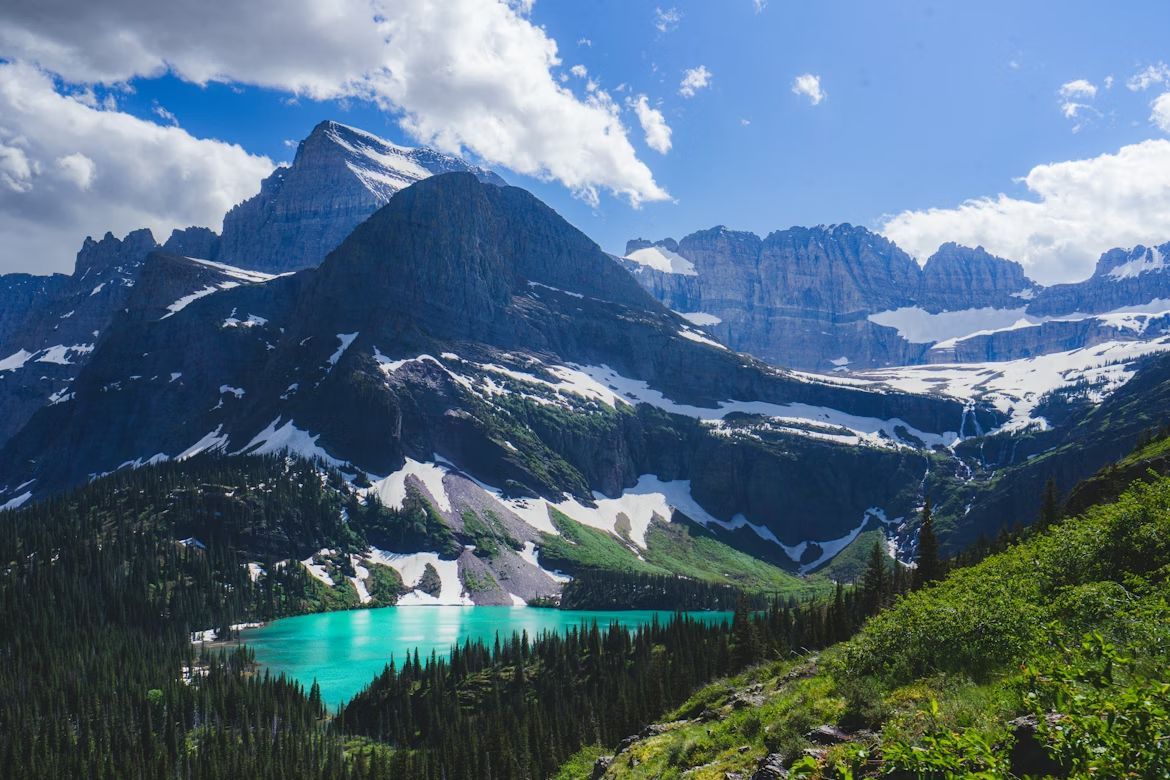 Image: Harrison Steen
Going-to-the-Sun Road stays open into early fall, but the crowds thin out faster than the snow melts. Alpine larches turn golden yellow against evergreens and gray peaks, and it's like nature decided to show off one last time before winter.
Wildlife viewing improves as animals become more active before winter. The air turns crisp, the light becomes magical, and you might actually secure a campsite without booking six months in advance.
Shenandoah National Park, Virginia (Late April-May, October)
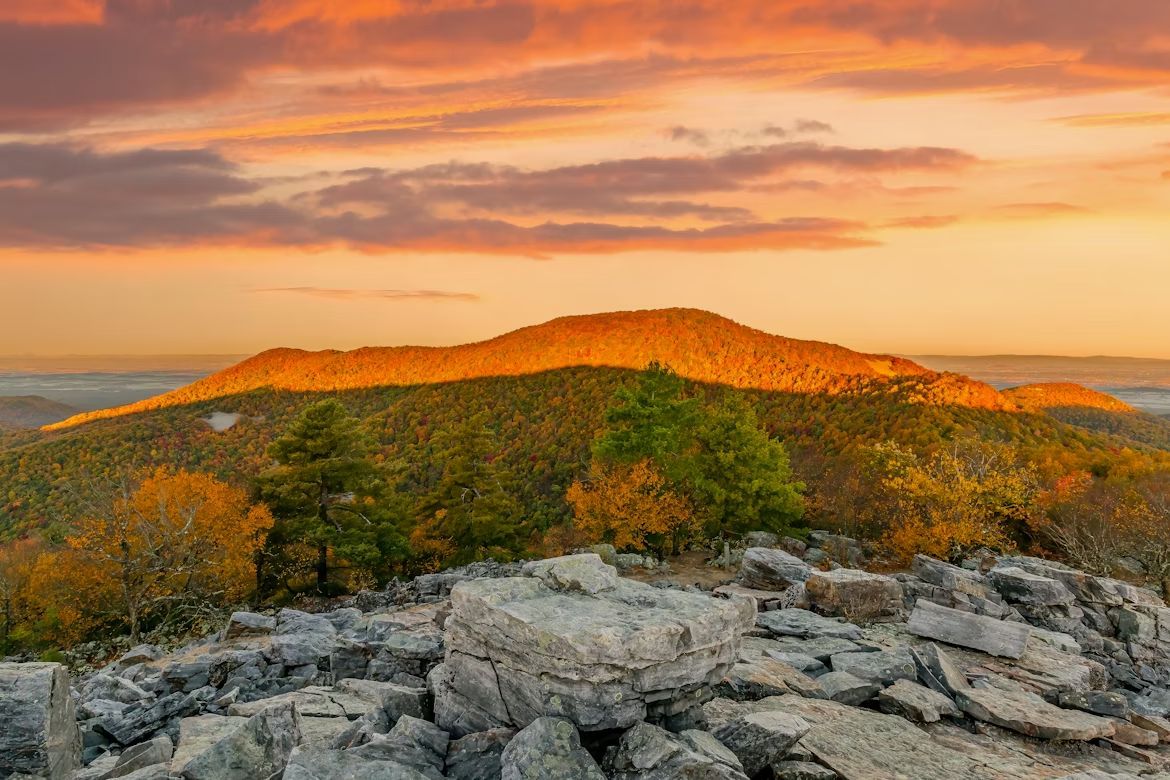 Image: durul dalkanat
Spring brings blooming dogwoods and redbuds, while fall delivers classic Blue Ridge Mountain color. The 105-mile scenic drive becomes actually scenic instead of a parking lot with a view.
Over 500 miles of trails are yours to explore, including portions of the Appalachian Trail where you won't feel like you're in a conga line. Pack a lunch, find an overlook, and enjoy the kind of peace that reminds you why you wanted to visit in the first place.
Rocky Mountain National Park, Colorado (Mid-September to Early October)
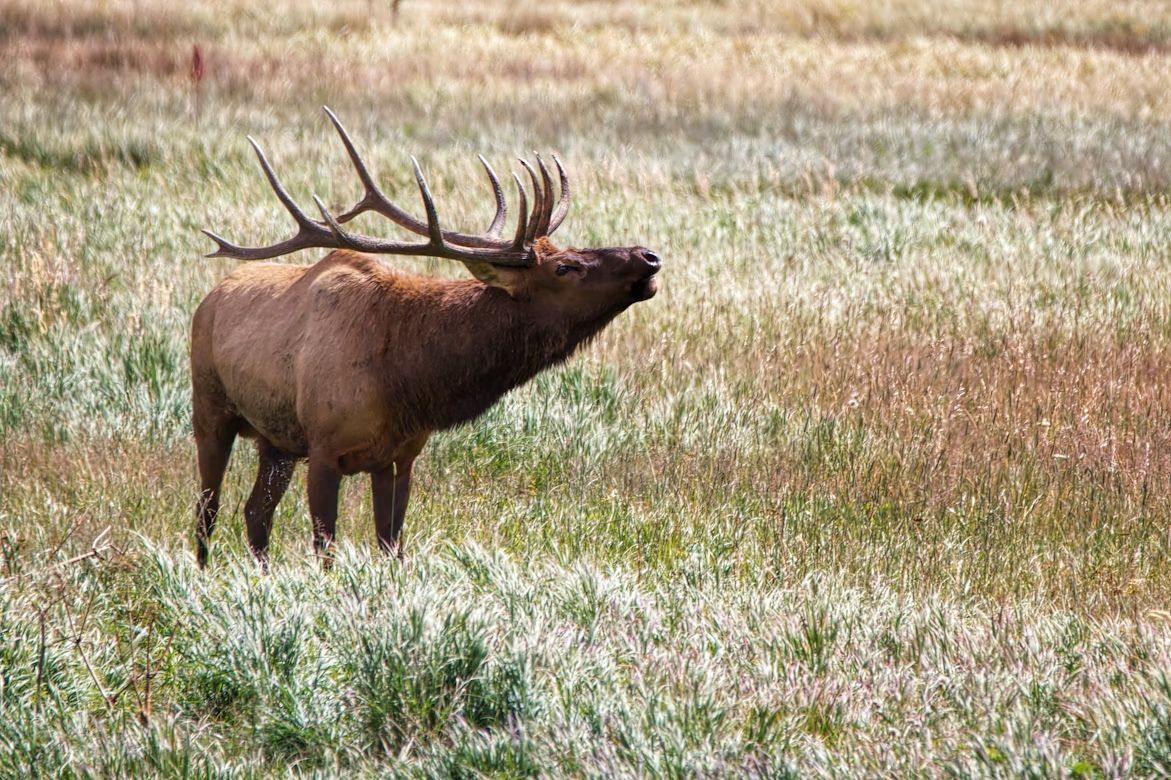 Image: Claude Richmond
Summer's great, but have you seen elk bugling during the rut? Fall transforms the park into a wildlife documentary, with elk filling valleys and aspen groves turning mountainsides gold.
Trail Ridge Road typically stays open through mid-October, offering high-altitude views without the usual afternoon thunderstorms. Wildflowers may be past their peak, but the soundtrack of bugling elk and the sight of snow-dusted peaks against autumn colors more than make up for it.
Keep wandering
There’s always
more to explore
Why are hard landings sometimes the perfect landings?
6 min.
Read Now
 History

Was Moby-Dick a real whale? These marine stories have real backgrounds
6 min.
Read Now

What passengers never see after midnight on a cruise ship
4 min.
Read Now

These 10 mysteries were solved. So why do we still believe them?
6 min.
Read Now