10 reasons why Iceland and its people are fascinating
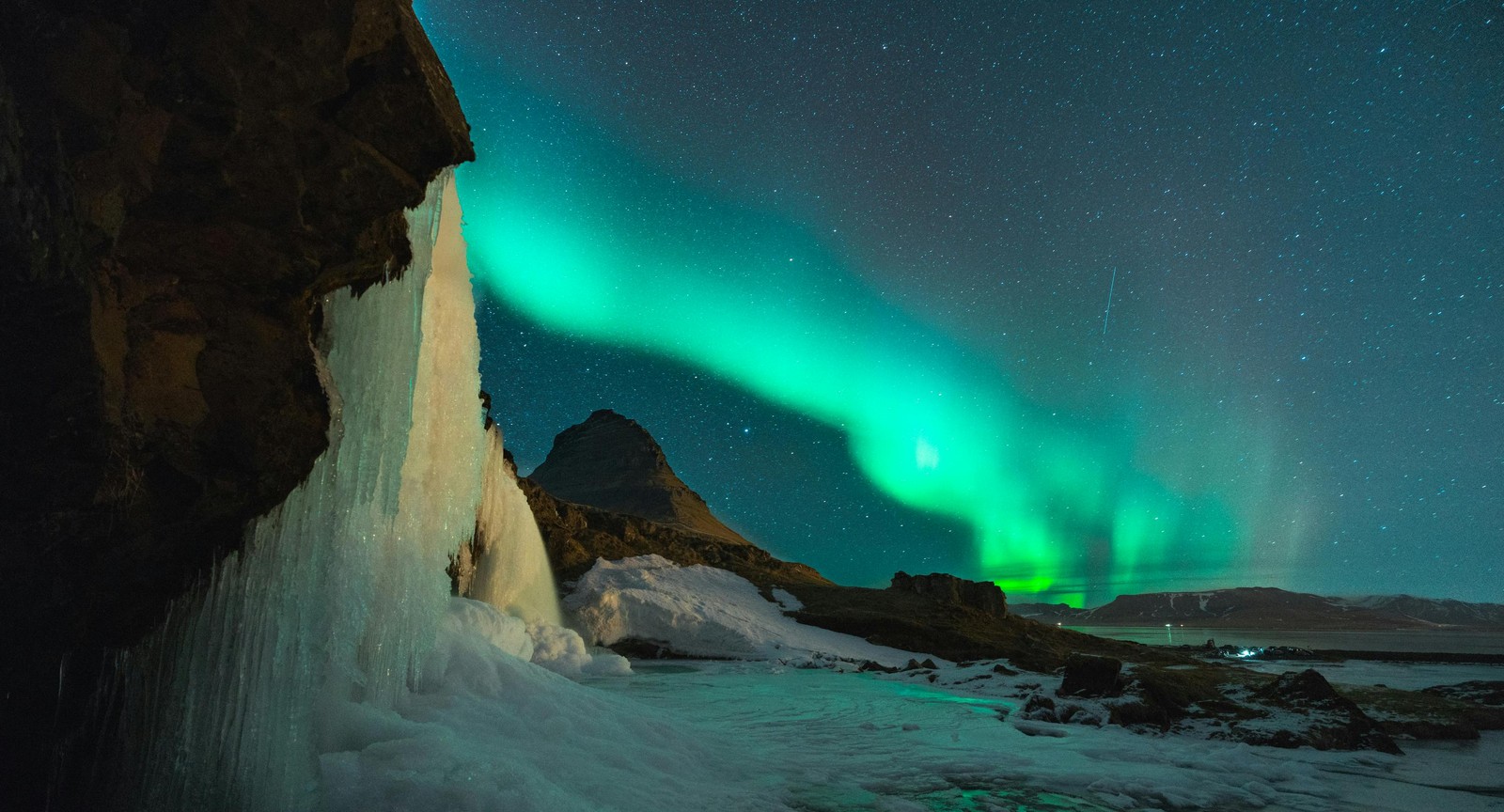
More than Northern Lights
10 reasons why Iceland and its people are fascinating
You see a picture of a beach with black sand, and it’s eye-catching. Then one showing neon-green moss next to icy-white cascades, and it’s breathtaking. Not to mention the images of the Northern Lights stretching over mountains! Can Iceland get more incredible than that? The answer is yes, and here we explore further reasons!
You can drive for hours and meet no one
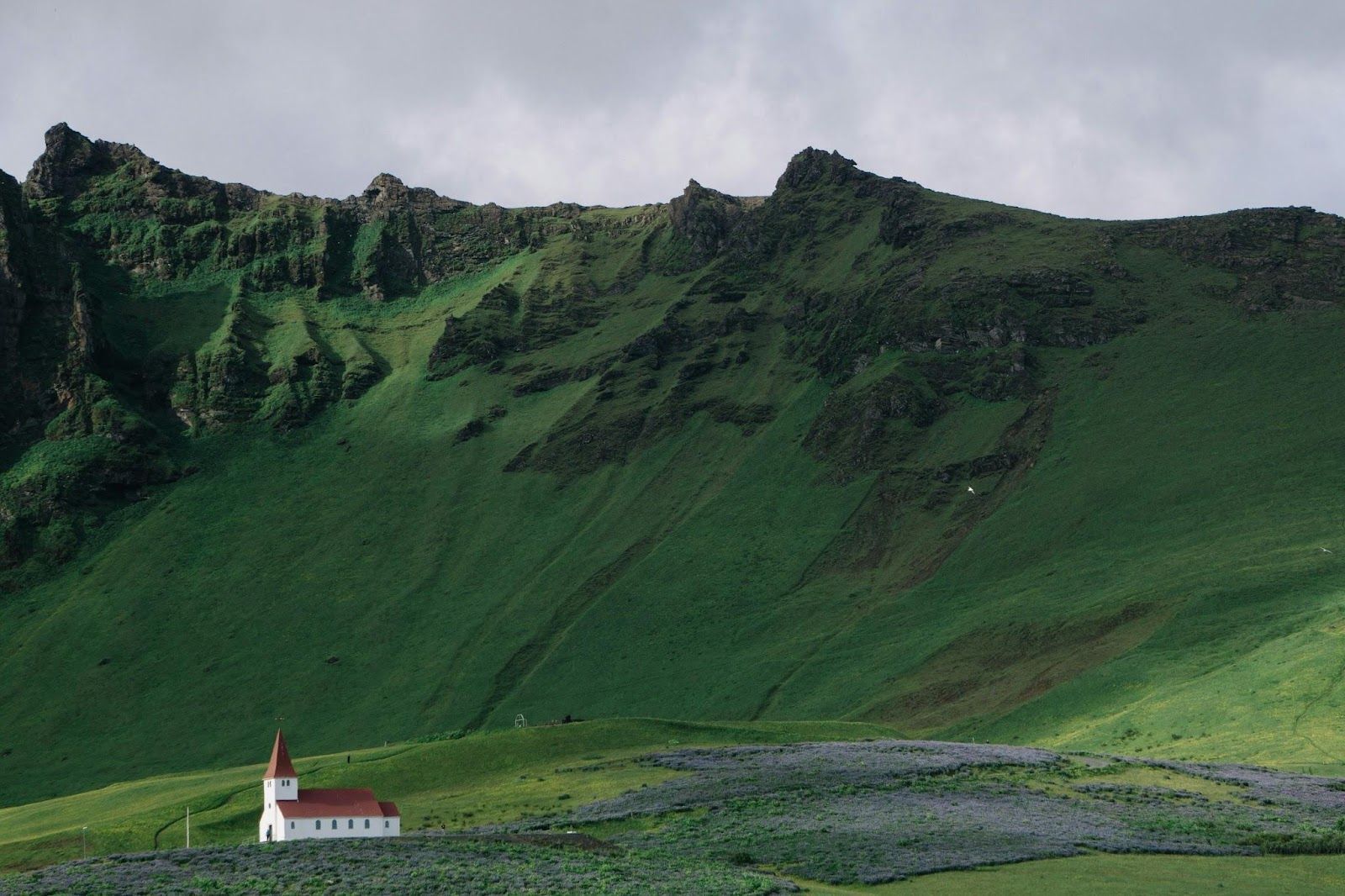 Image: Rex Pickar
Iceland’s population density is famously low; It’s one of the least populated countries in Europe. And 60% of them live in its capital, Reykjavik!
That means long drives through landscapes that go on forever, often with no other car in sight. The famous Ring Road circles the whole island, but even it can feel like a private road at times.
Waterfalls everywhere
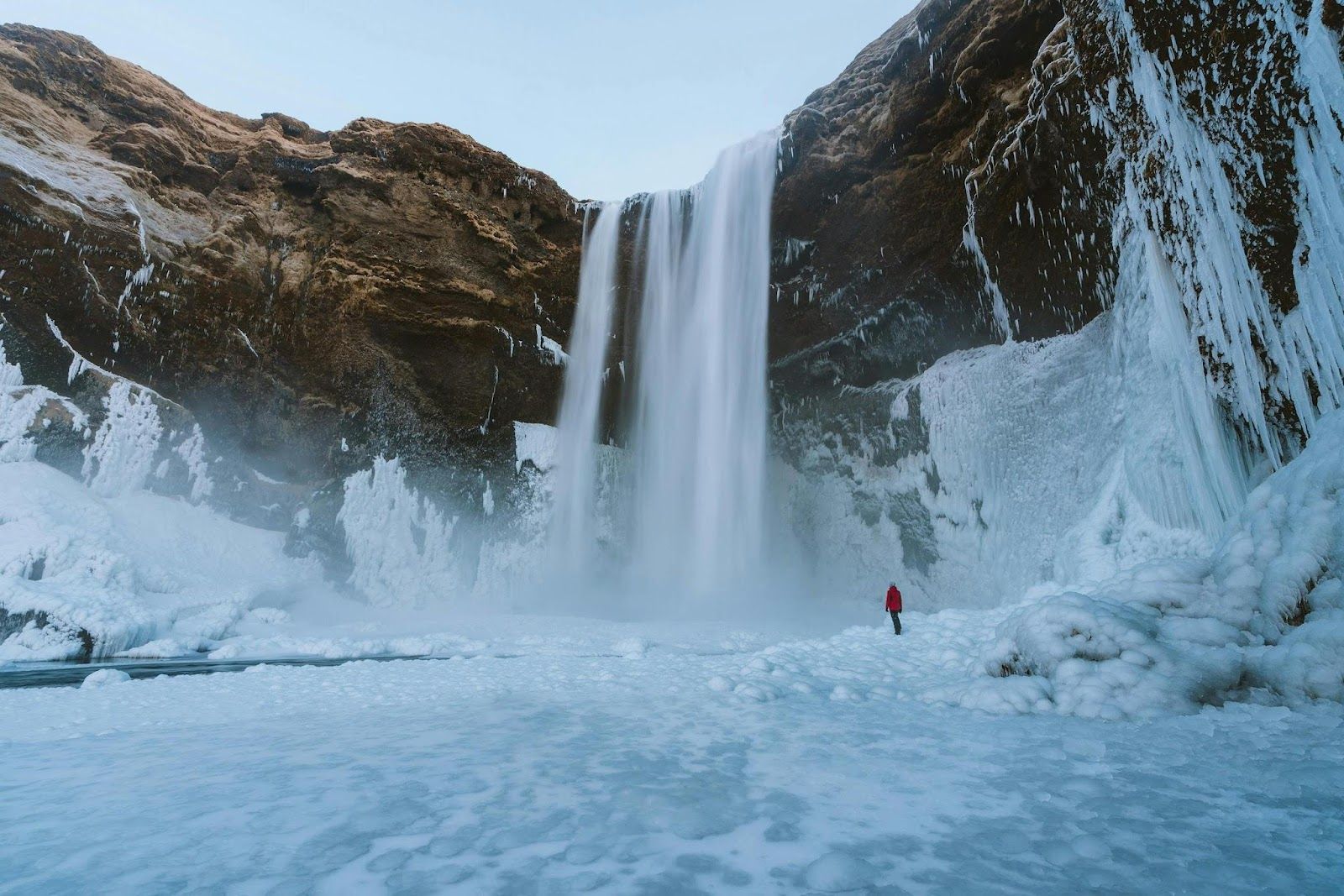 Image: Simon Migaj
It’s no exaggeration to say you could build an entire Iceland travel itinerary just around waterfalls. There’s no official count, but estimates suggest thousands of waterfalls are scattered across the island. There are so many that they are mostly unnamed.
Why so many? Iceland’s wet climate dumps a lot of rain and snow on its mountains, which quickly becomes run-off. Add glaciers melting into rivers and a landscape scarred by volcanic activity and steep valleys — and boom! Waterfalls are everywhere.
Homes with volcanic energy
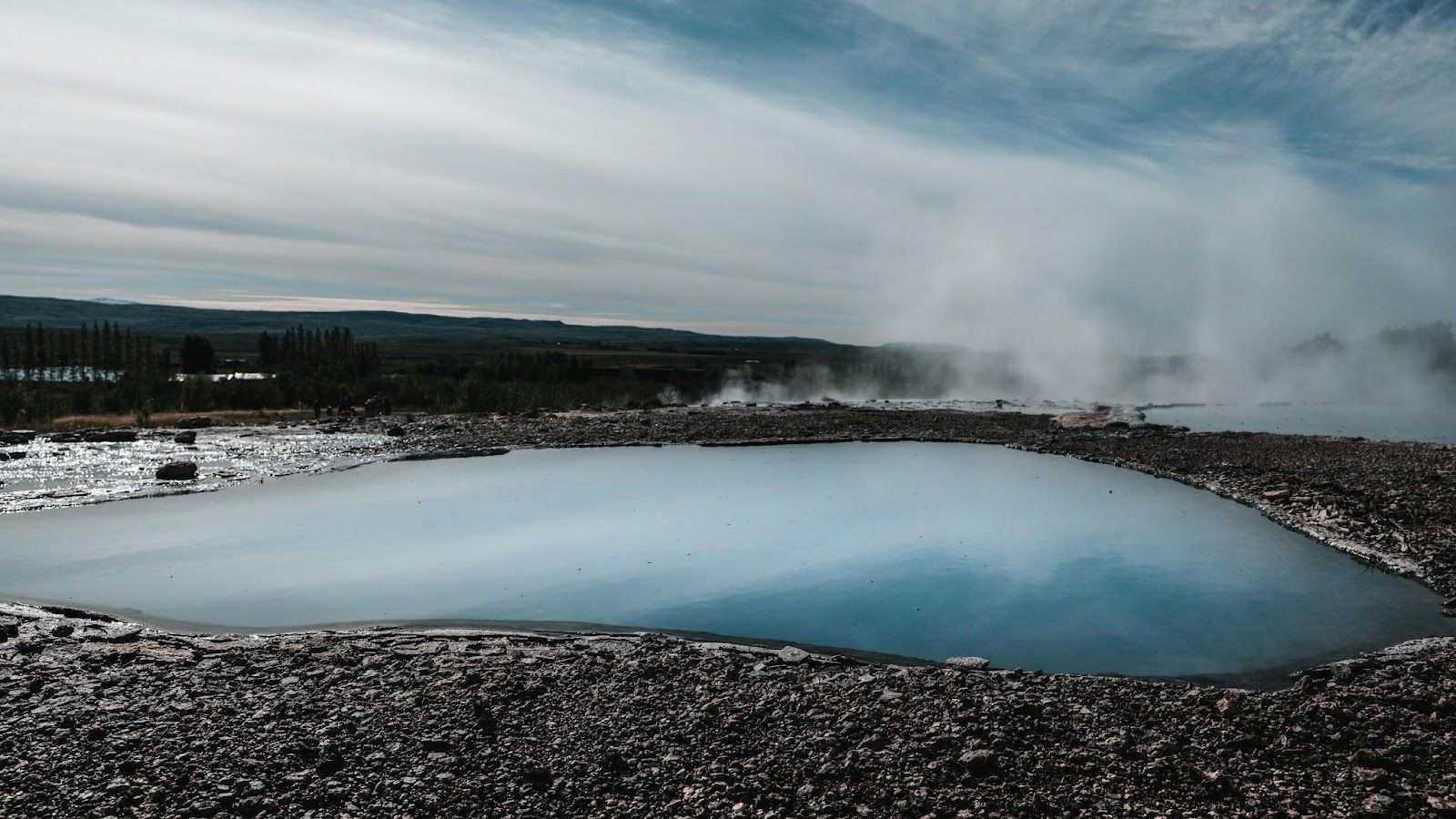 Image: Tetiana GRY
Thanks to intense geothermal activity, about 90% of homes are heated with geothermal water straight from underground.
What does that mean for visitors? Hot showers that feel endless. Warm streets in winter. Even many swimming pools and public buildings tap into these natural heat sources. Compared with most countries, where fossil fuels still dominate heating, Iceland’s setup feels futuristic and sustainable.
The last place on Earth settled by humans
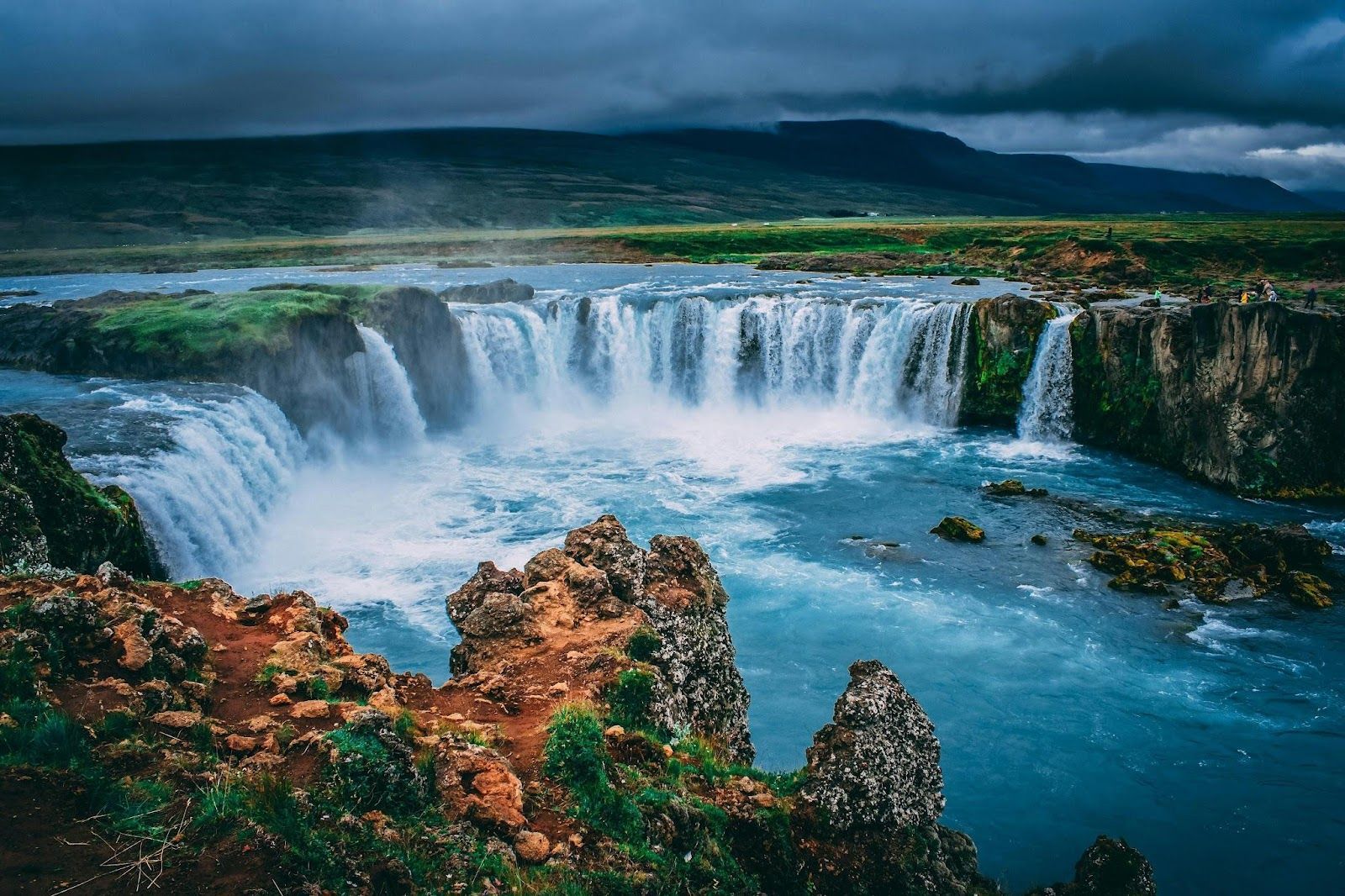 Image: Rudy Kirchner
Compared with other parts of the world, where ancient cities and civilizations go back millennia, Iceland was only settled by humans just over 1,100 years ago.
That makes Iceland one of the youngest places settled by humans in recorded history, which partly explains why so much of its terrain still feels wildly "untouched."
In summer, the sun never sets
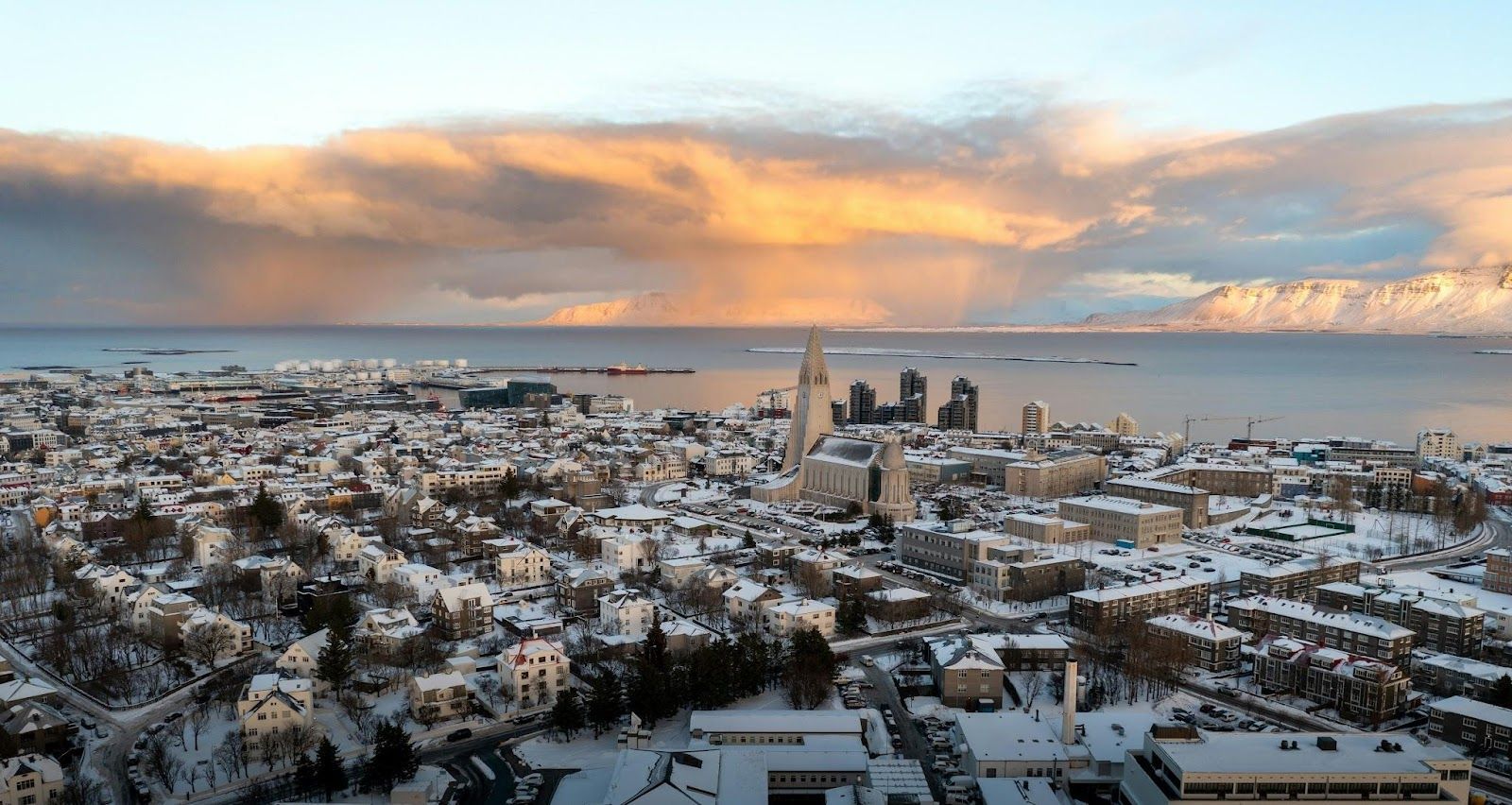 Image: Einar H. Reynis
From late May to early August, Iceland enters its famous midnight sun season. The sun dips toward the horizon… and then changes its mind.
Instead of darkness, you get long, glowing twilights that stretch well past midnight. Locals say it’s very disorienting, though you get used to it.
In winter, it’s all darkness
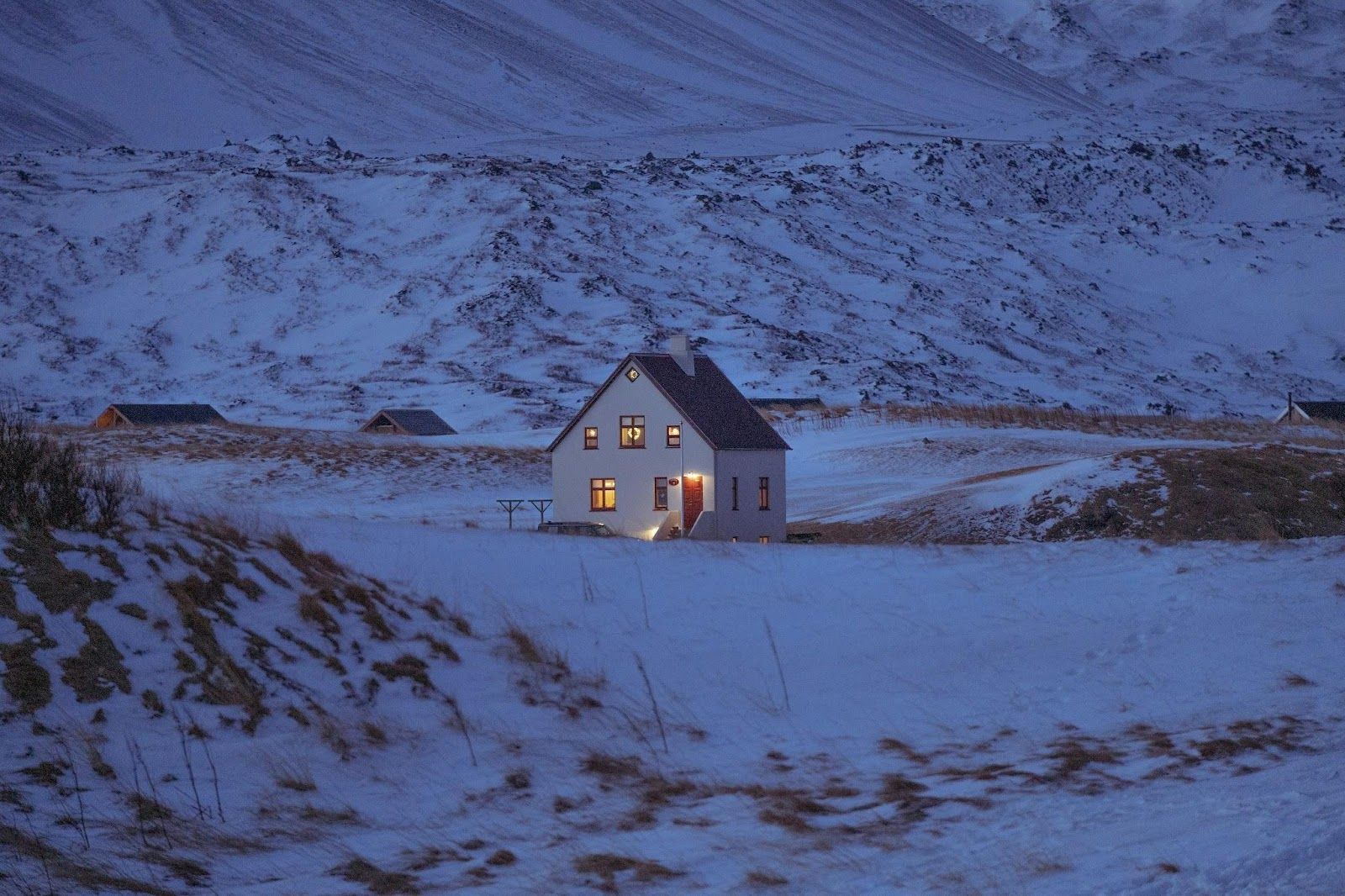 Image: changhui lee
Winter flips the script completely. Around December, Iceland gets just four to five hours of daylight, and even that light is soft, low, and bluish, like a perpetual golden hour.
Instead of fighting the dark, Icelanders lean into it. Homes glow with lamps and candles. Cafés feel cozier. Life slows down.
10% of the population are published writers
 Image: Karola G
Iceland really loves books. The country has one of the highest literacy rates in the world, and reading and writing are integral parts of daily life.
There’s even a famous Icelandic tradition called the Jólabókaflóð, or "Christmas Book Flood", where people gift books to each other and spend the holidays reading them.
About 1 in 10 Icelanders will publish a book in their lifetime!
The Northern Lights — from September to March
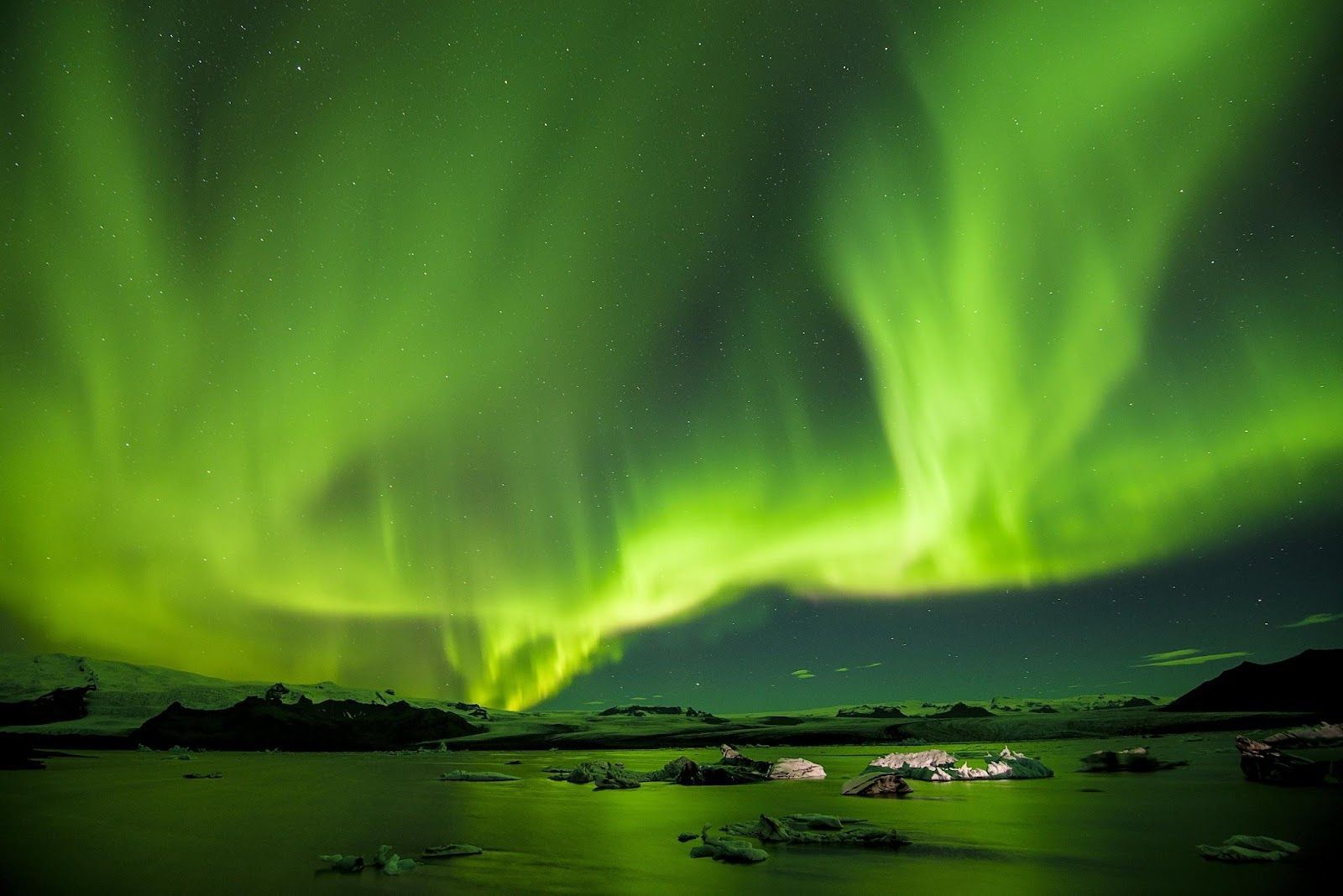 Image: v2osk
Iceland is one of the best places on Earth to see the Northern Lights, a.k.a. Aurora Borealis.
Because it sits under the auroral oval, dark winter skies often fill with green, purple, and sometimes red waves flickering overhead.
Compared with other aurora hotspots like northern Canada or northern Norway, Iceland’s advantage is accessibility: you can literally see the lights from the Ring Road, remote beaches, or even from geothermal hot springs if the conditions are right.
Europe’s largest glaciers
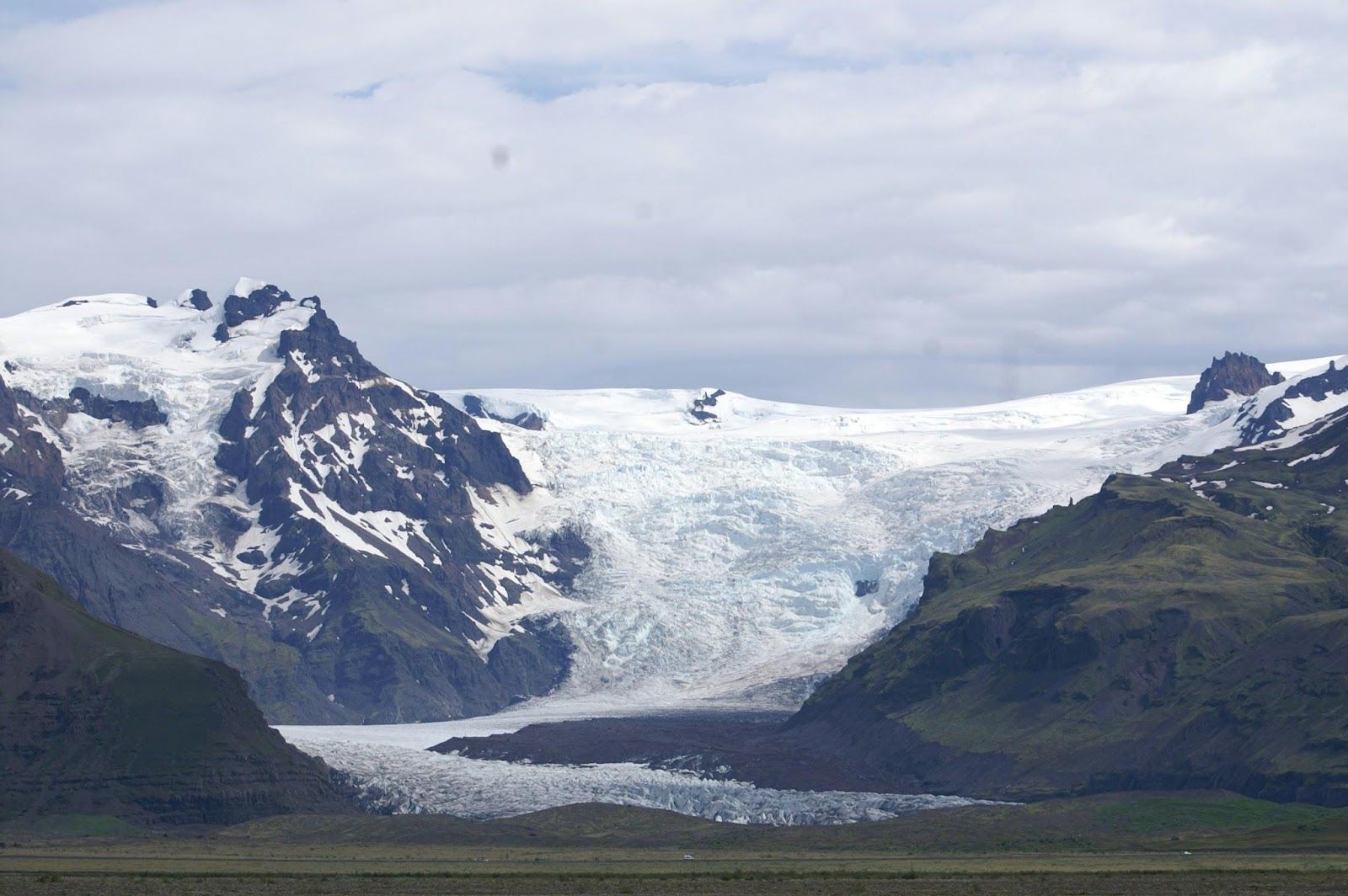 Image: yann behr
The biggest of them all is Vatnajökull, a colossal ice cap covering about 8% of the country’s land area. It’s the largest glacier in Europe by area (outside of Russia’s Arctic islands).
To put that in perspective: if you plopped Vatnajökull’s ice cap over an island like Corsica or Cyprus, it would cover it entirely. That’s how massive it is.
Black sand beaches that look unreal
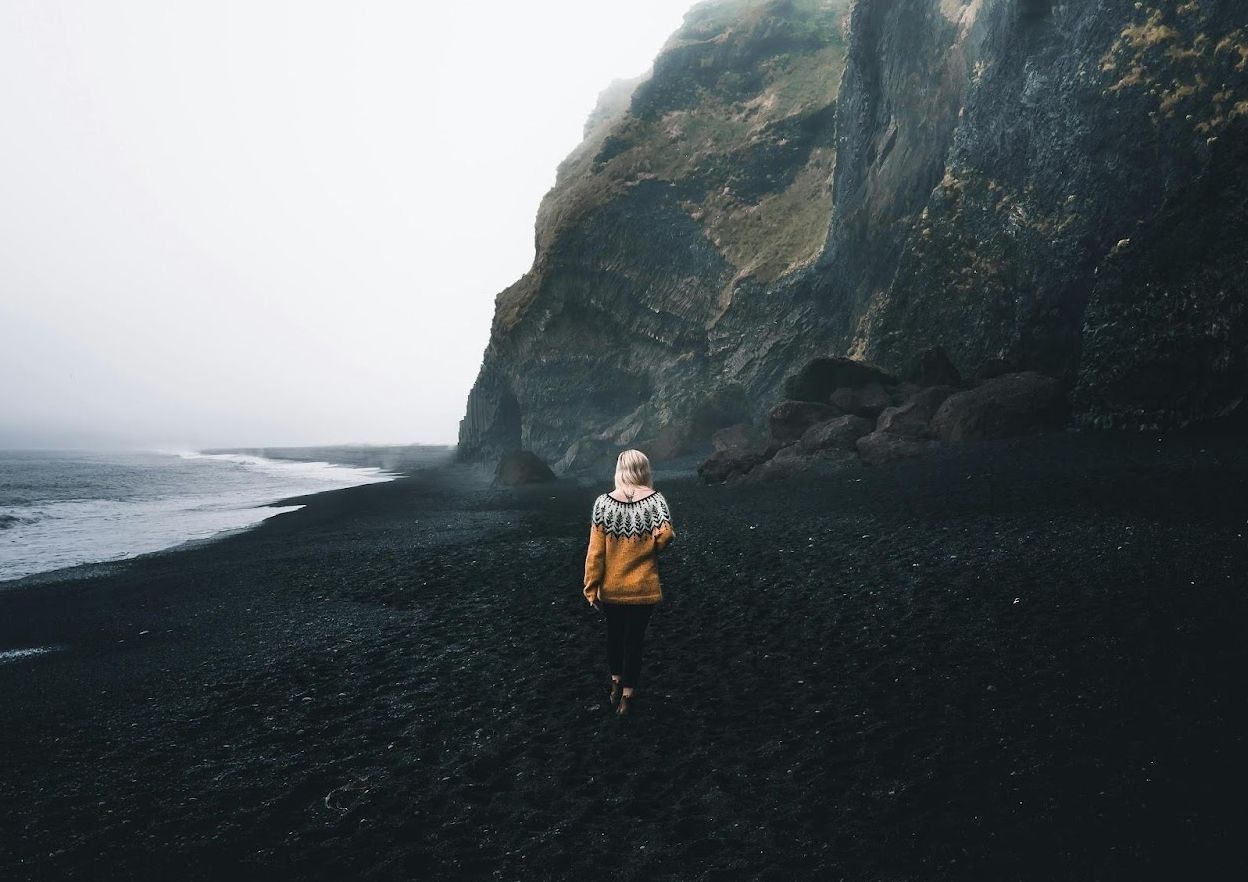 Image: Erik Chistov
Iceland’s beaches serve up black sand, dramatic surf, and otherworldly rock formations. The deep obsidian and basalt grains are the result of volcanic lava cooling rapidly when it meets the ocean.
Over time, the explosive interaction shatters it into these striking black beaches. The most famous one is Reynisfjara.
Moss that takes decades to grow
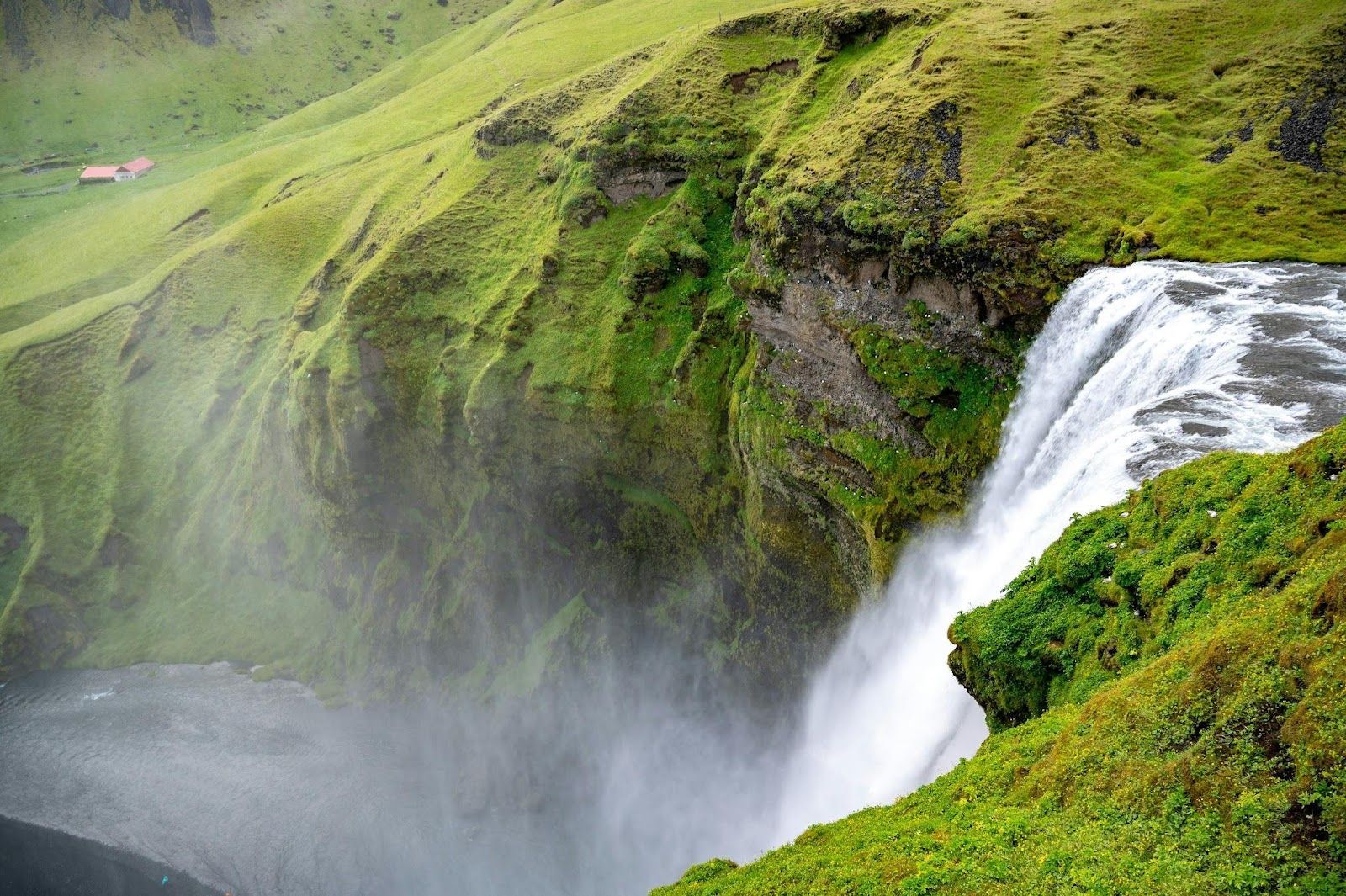 Image: Piotr Musioł
Those lush, neon-green moss fields that carpet lava flows look soft and fragile, but they’re far tougher and older than they appear. Moss on Icelandic lava fields grows incredibly slowly, and some patches take decades to fully establish.
That’s because fresh lava rock is harsh and nutrient-poor. Once moss sets, though, it clings tenaciously, turning rugged flows into soft green carpets.
Many Icelanders believe in elves
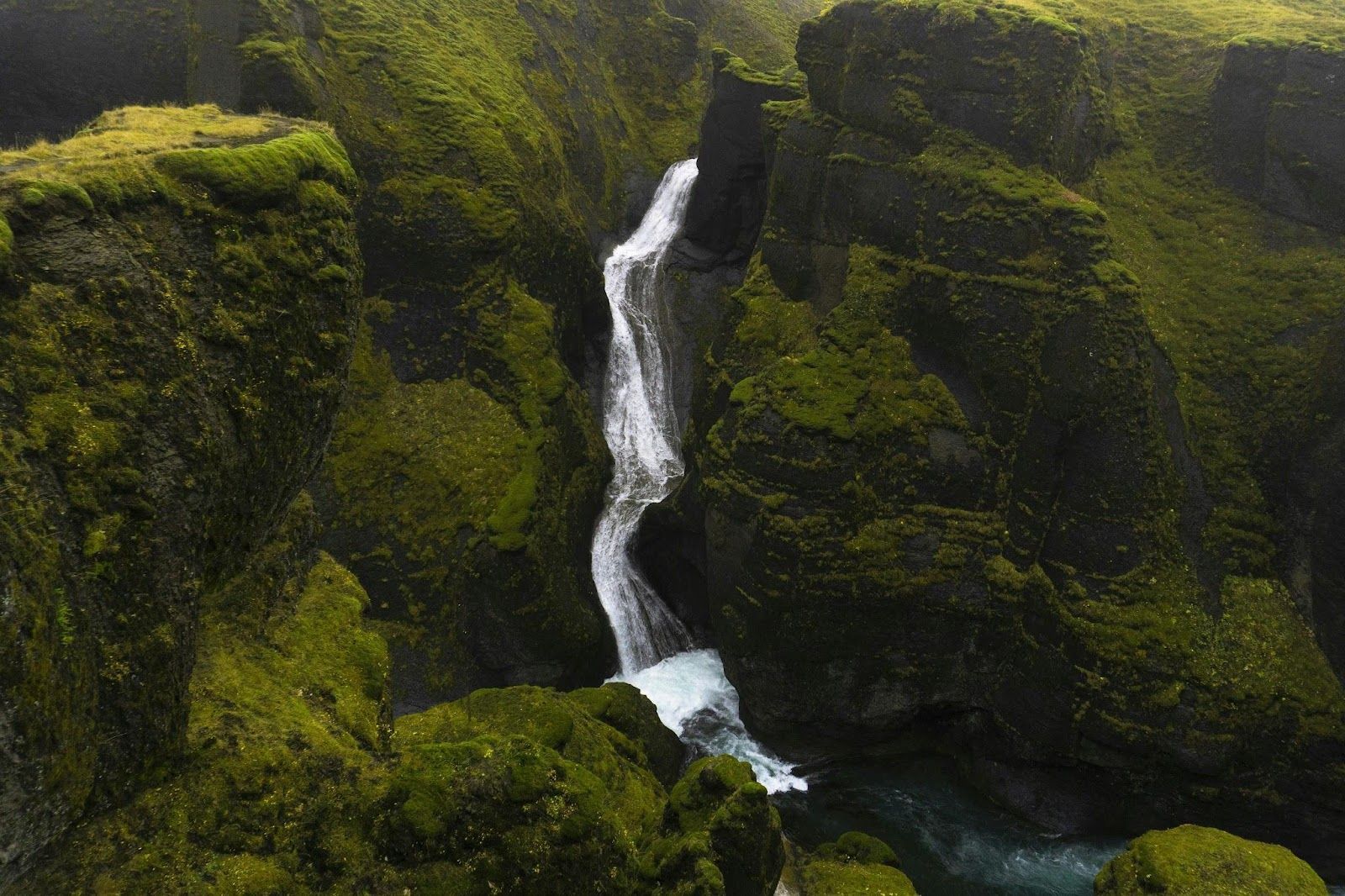 Image: Federica Galli
Ask an Icelander about elves and you probably won’t get a straight yes or no. What you’ll get is something closer to: "Well… you never know."
Belief in hidden people has deep roots in Icelandic folklore, and while not everyone claims literal belief, many respect the idea enough to take it seriously. There are documented cases of construction projects being altered or delayed to avoid disturbing rocks believed to be elf homes.
More to explore
4 min read
These are the coziest places to visit in the United States
Read Now
4 min read
The staff has spoken: 10 Hotel secrets most guests never notice
Read Now
5 min read
U.S. road trips everyone should do at least once
Read Now

4 min read
What to do with your hotel room key and 9 other infallible safety tips
Read Now