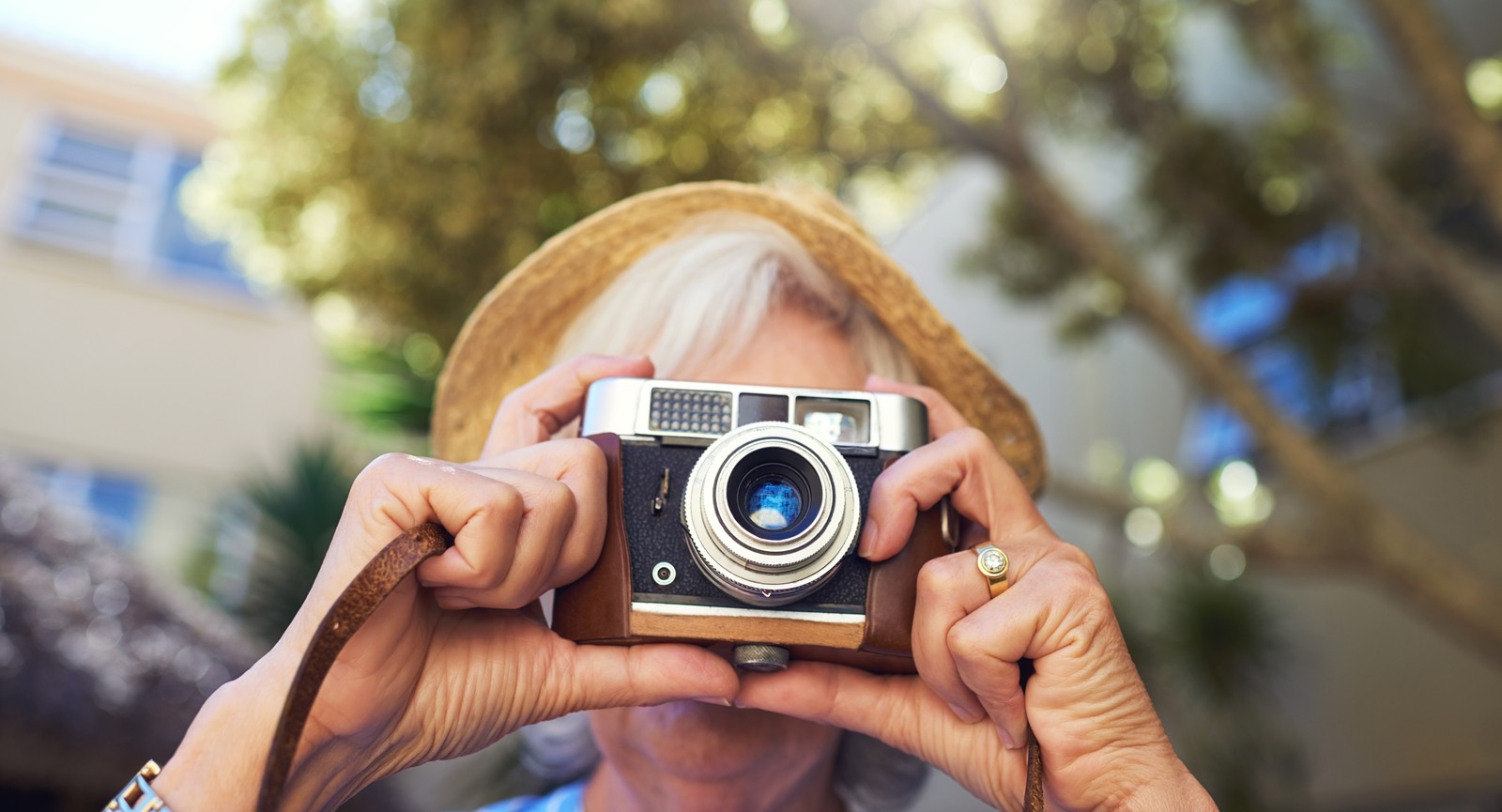
10 photography secrets every traveler needs to know
 General
10 photography secrets every traveler needs to know
Many travelers often return home with albums full of flat, blurry, or uninspired pictures that fail to match what their eyes actually saw. Contrary to what you may think, elevating your travel photos from basic tourist snaps to compelling storytelling doesn’t require thousands of dollars in gear; it requires a shift in approach. Whether you are shooting with a mirrorless camera or the smartphone in your pocket, here are ten essential tips to completely transform your travel photography.
Know how to use your camera
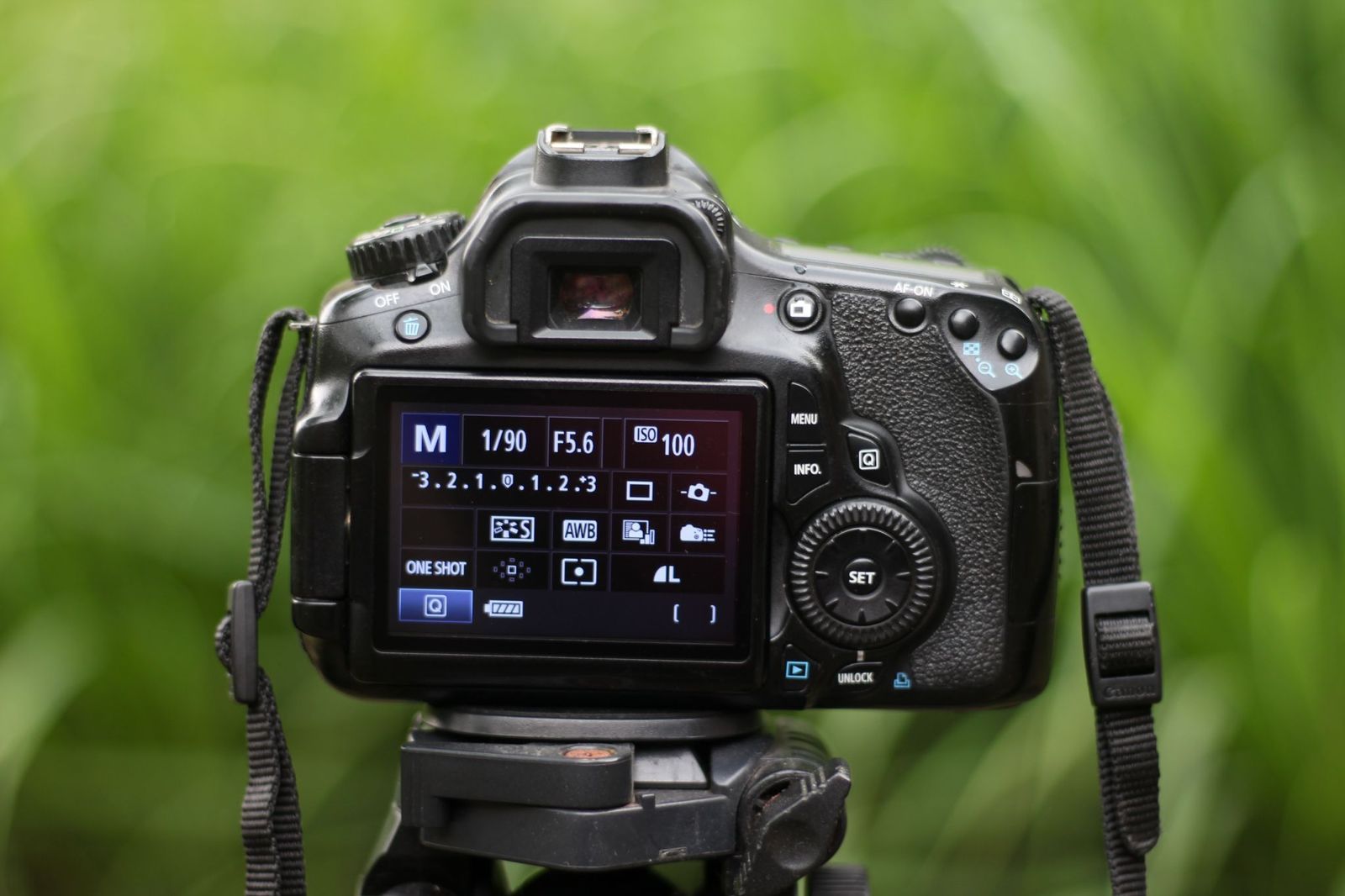
The Rockies at sunset or a crowded French Quarter in the middle of Mardi Gras are not the places to figure out how to change your ISO or adjust your exposure. If you spend crucial seconds going through digital menus, the fleeting moment you wanted to capture will be gone.
A few days before your trip, spend some time at home getting comfortable with your equipment. If you are using a dedicated camera, learn how to switch focus points and understand how light affects your sensor. If you rely on a smartphone, learn the camera shortcuts, manual focus taps, and exposure lock features. Muscle memory will be your best friend in fast-moving environments.
Choose the best time of the day
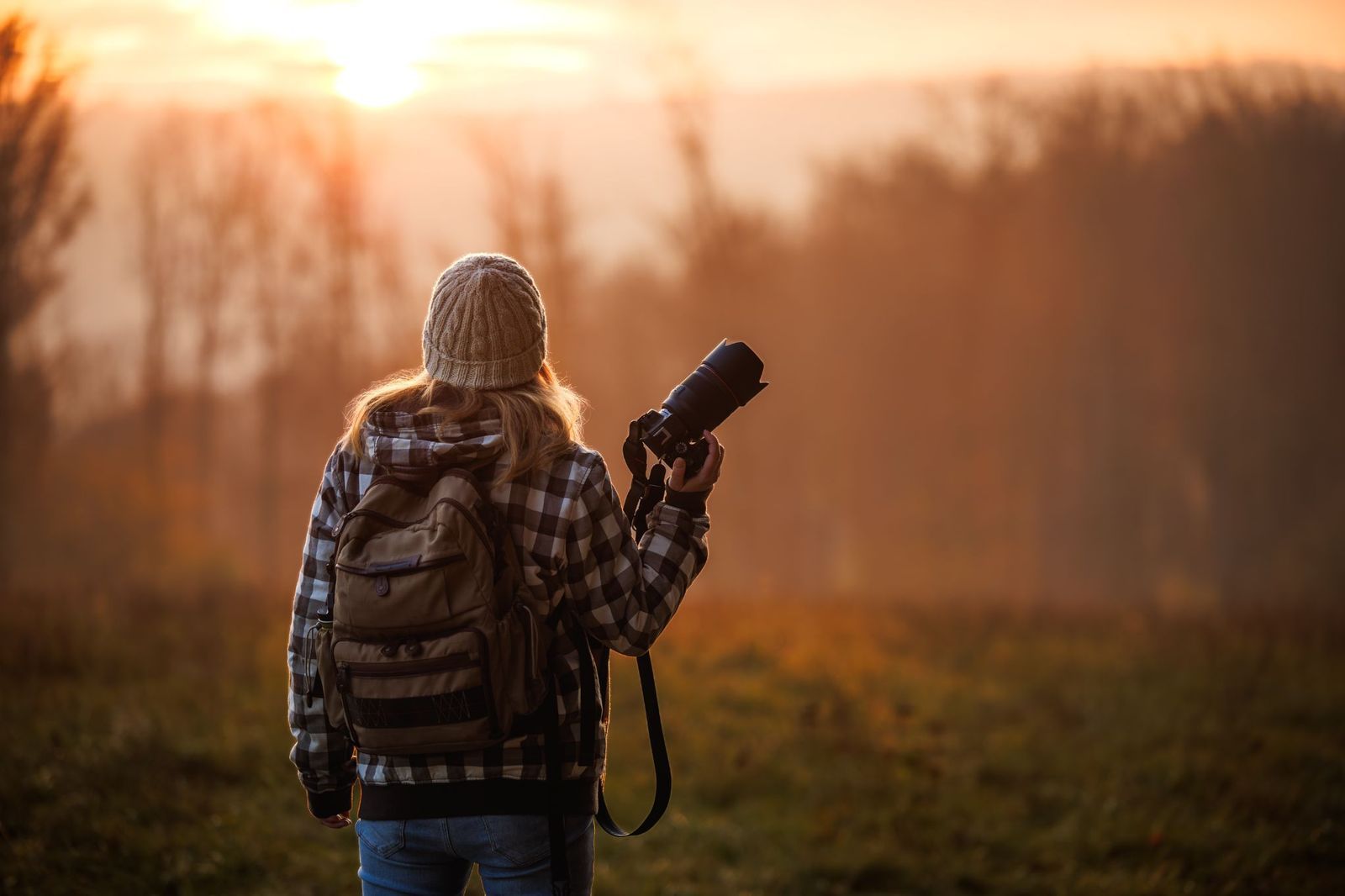
Lighting is the most important ingredient in photography, and midday sun is not the best time to take pictures. Direct, overhead sunlight creates harsh shadows, overexposed highlights, and squinting subjects.
Plan your photography sessions around the "Golden Hours", the period shortly after sunrise and right before sunset. During these windows, the sun sits low on the horizon, casting a soft glow that makes architecture pop and skin tones look radiant.
Do your research
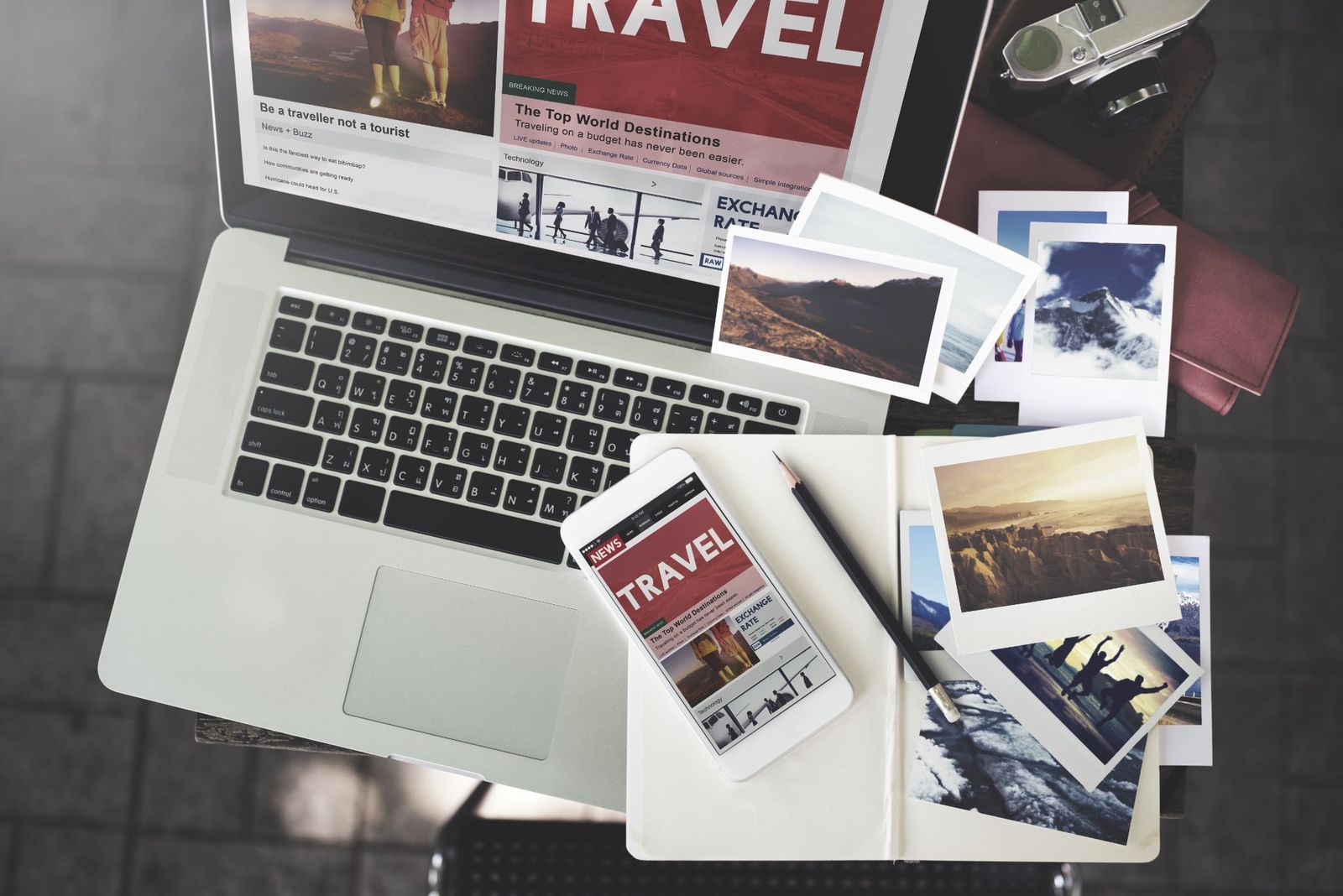
Before you get to your destination, dive into satellite maps, travel blogs, photography forums, and social media to scout potential locations and vantage points.
Look up where the sun sets at major landmarks, identify picturesque alleys away from main tourist areas, and check local guidelines. Researching also means understanding cultural norms: knowing whether photographing locals, government buildings, or religious ceremonies is welcomed, restricted, or forbidden.
Use a travel tripod
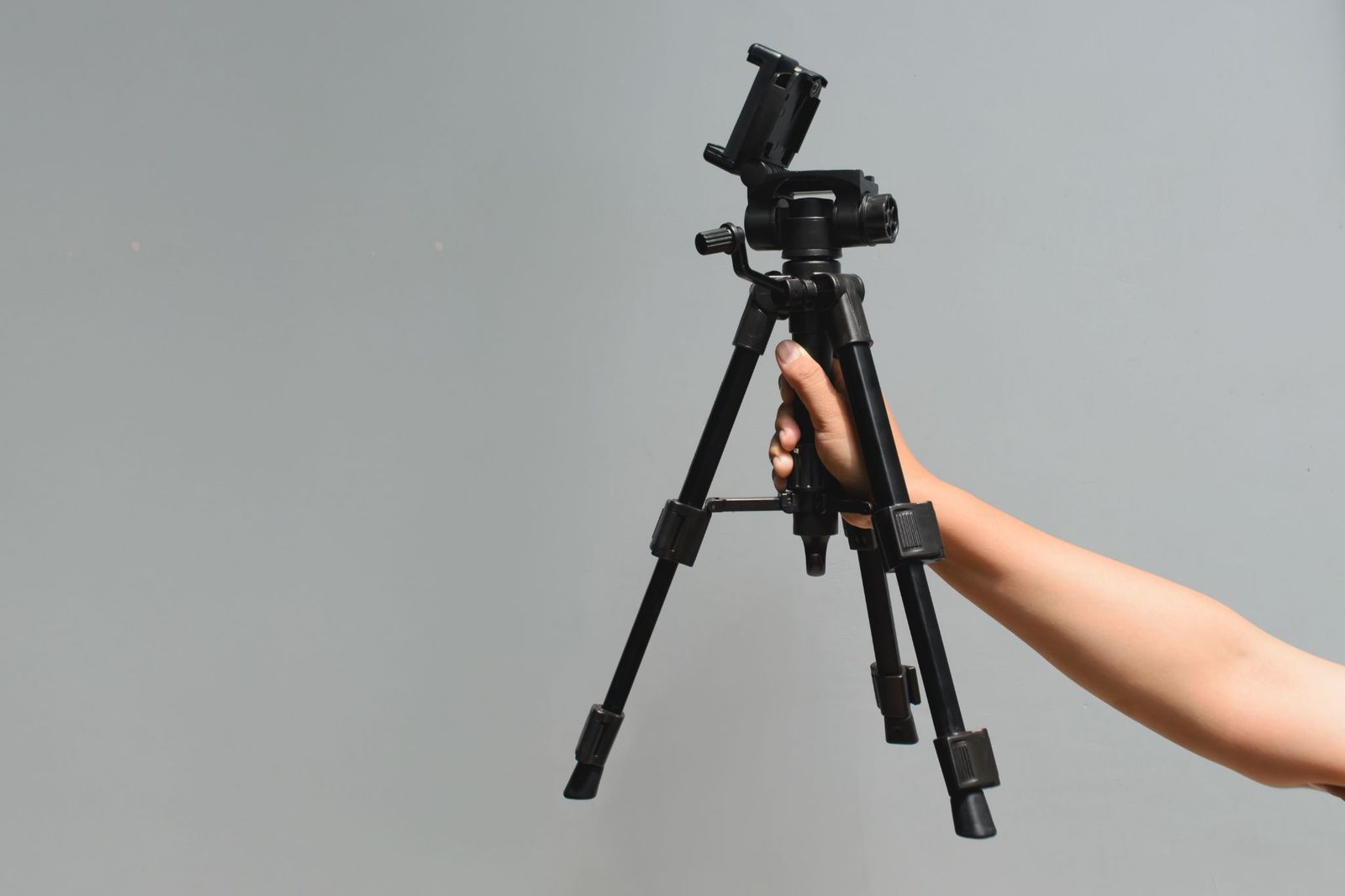
Many travelers leave tripods at home to save space, but a lightweight, compact travel tripod opens up an entire world of creative possibilities that handheld shooting never will.
A tripod is mandatory for low-light photography, long exposures (like rushing waterfalls), and starry skies. It also allows you to take well-composed self-portraits or group shots without having to hand your expensive gear to a stranger on the street. Modern carbon fiber travel tripods add minimal weight while elevating your image quality.
Follow the rule of thirds
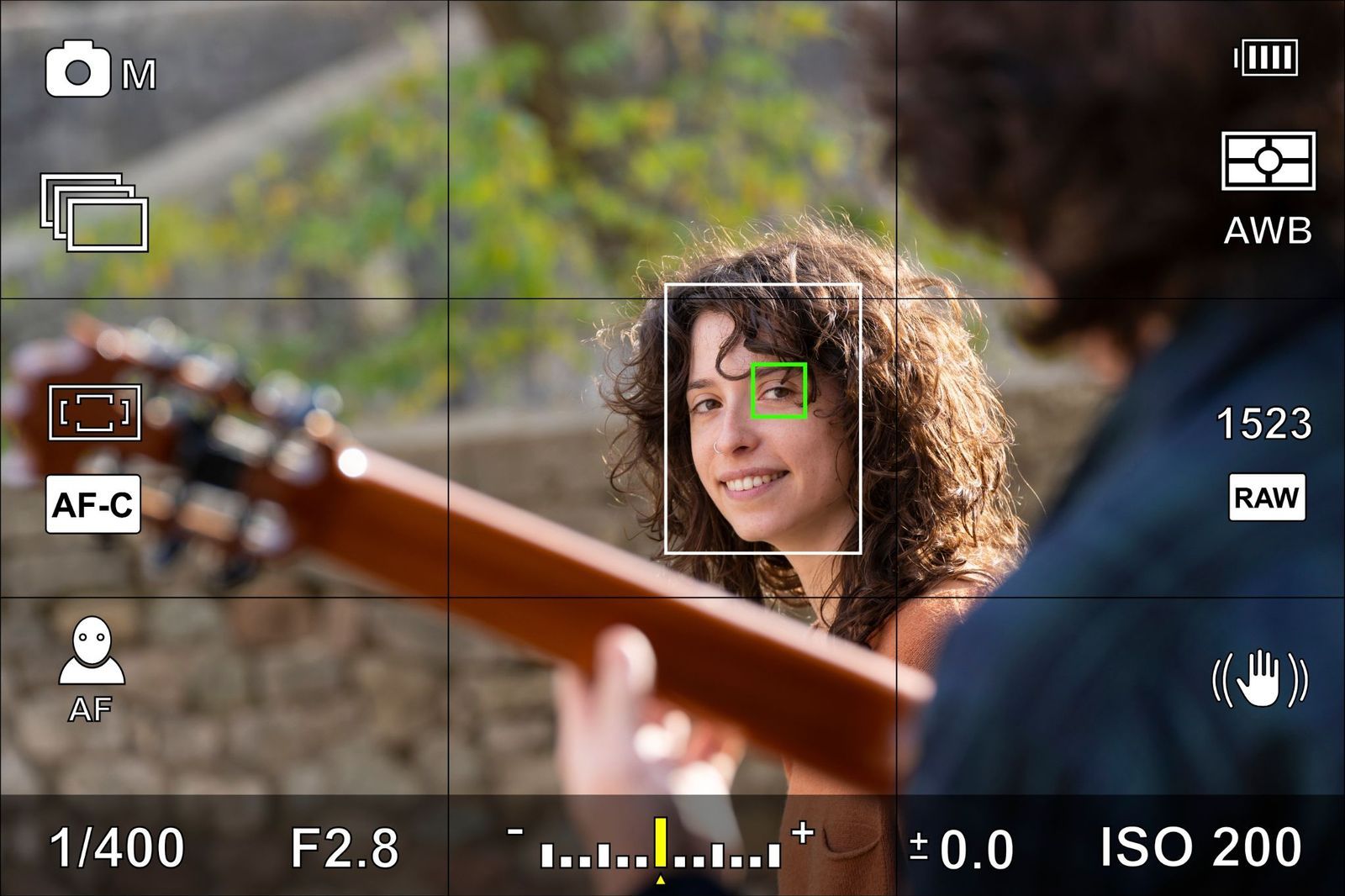
The Rule of Thirds is one of the most fundamental composition rules in visual art. If you follow it, your pictures will feel balanced, dynamic, and natural to the human eye.
Imagine breaking your image down into nine equal rectangles using two horizontal and two vertical lines. Instead of placing your main subject in the center of the frame, align key elements along the lines or at the four intersection points. For instance, place the horizon along the bottom third line when photographing the sky, or position a subject’s eyes on the top intersection point during a portrait.
Think outside the box
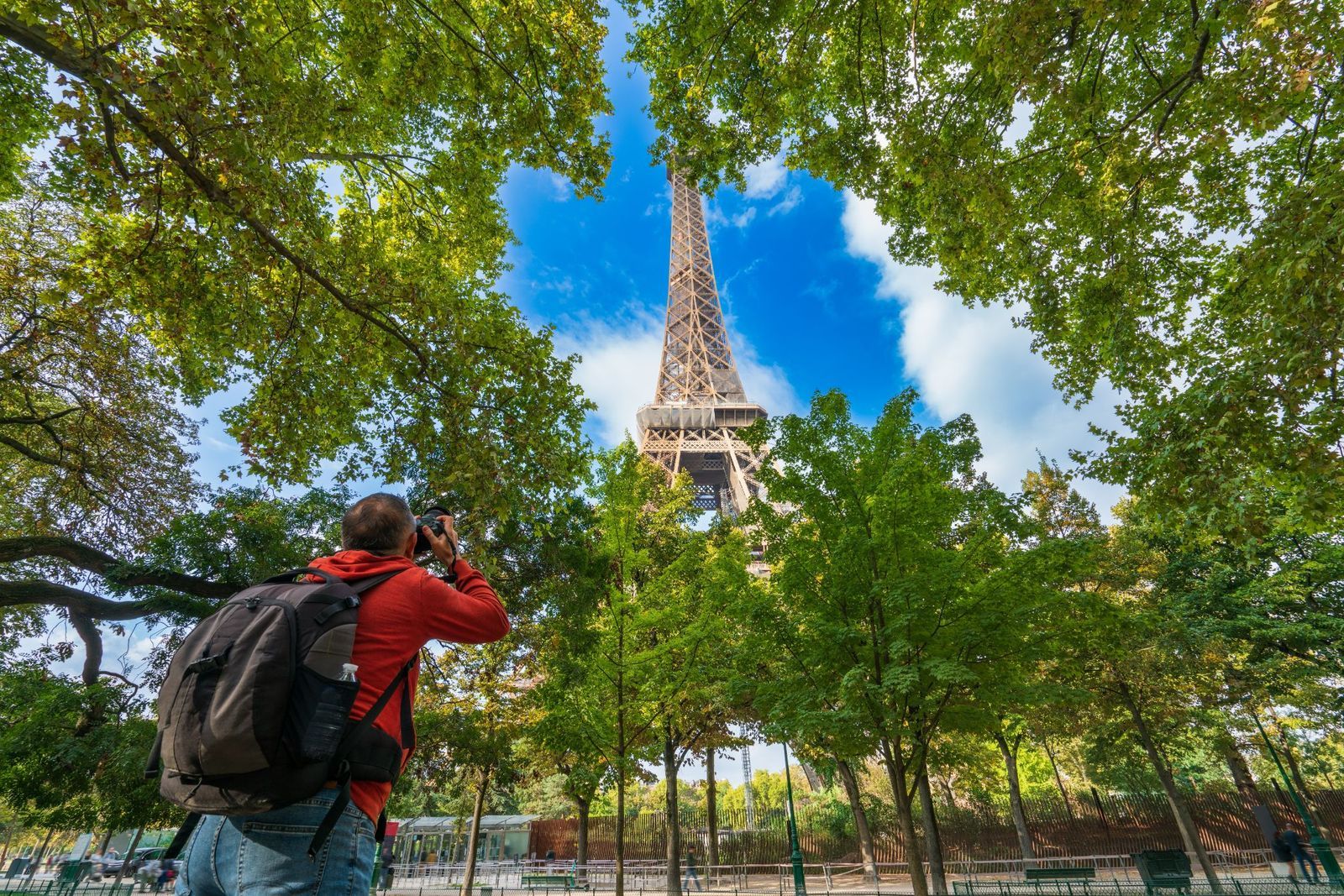
Every day, thousands of tourists stand in the exact same spot to take the exact same postcard shot of the Eiffel Tower, Grand Canyon, or Statue of Liberty. To create memorable travel photography, avoid the crowds and look for fresh perspectives.
Change your height: squat to the floor to capture dramatic angles, or find a high rooftop to shoot from above. Shoot through natural frames like archways, hanging foliage, or railings. Look for shadows, silhouettes, and mirror reflections. A slight shift in perspective can make an exhausted sight look completely new.
Don't rush, be patient
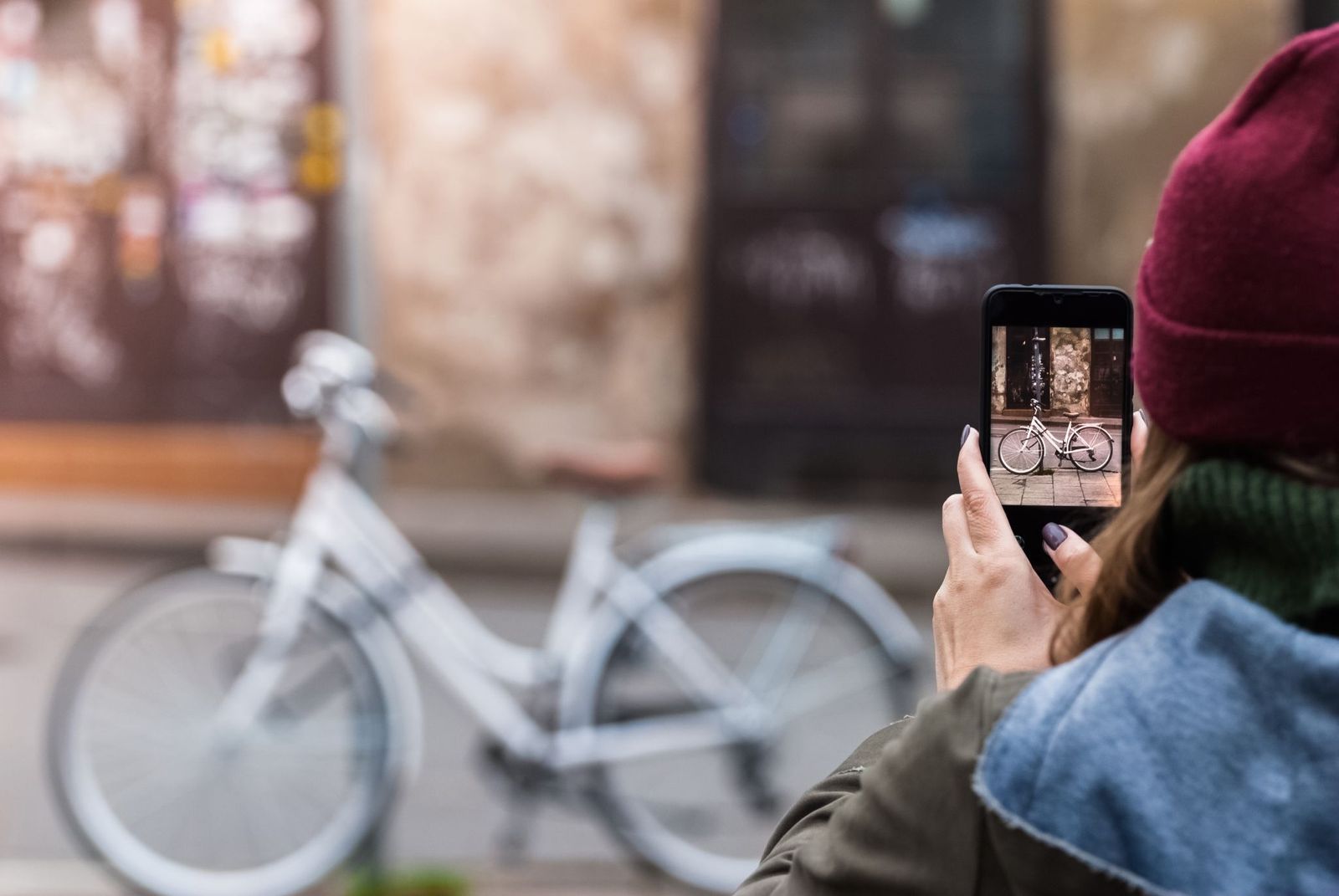
Travel itineraries are often packed, forcing people to rush from one attraction to the next, snapping pictures on the move. But speed is the enemy of unforgettable photos.
When you find a location with great light and a beautiful background, stop and relax. First, frame your composition, and then wait for the scene to unfold naturally. Wait for a local riding a bicycle to pass through your frame, for a flock of birds to take flight, or for a beam of sunlight to appear through the clouds. Patience allows you to capture living moments rather than rushed, static scenes.
Establish contact and get closer than you think
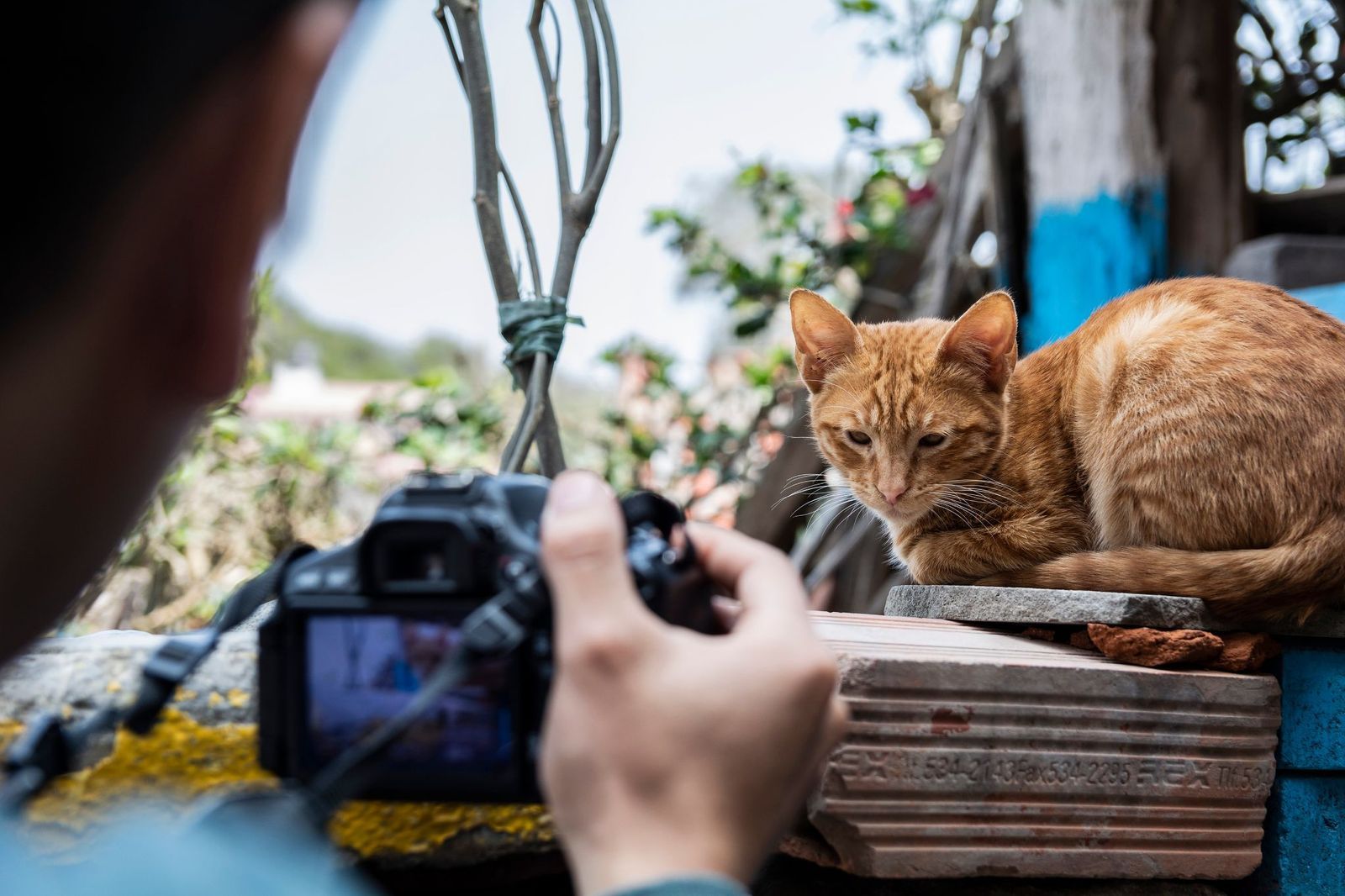
Famous war photographer Robert Capa once famously said, "If your pictures aren’t good enough, you aren’t close enough". This is particularly true for street and portrait photography while traveling. Long shots taken from across the street often feel disconnected.
When taking street portraits, don’t be afraid to interact. Smile, make eye contact, and learn a few basic phrases in the local language to ask for permission. Building a human connection brings genuine emotion to your subject’s eyes, and allows you to move in close enough to capture human stories.
Use grid lines
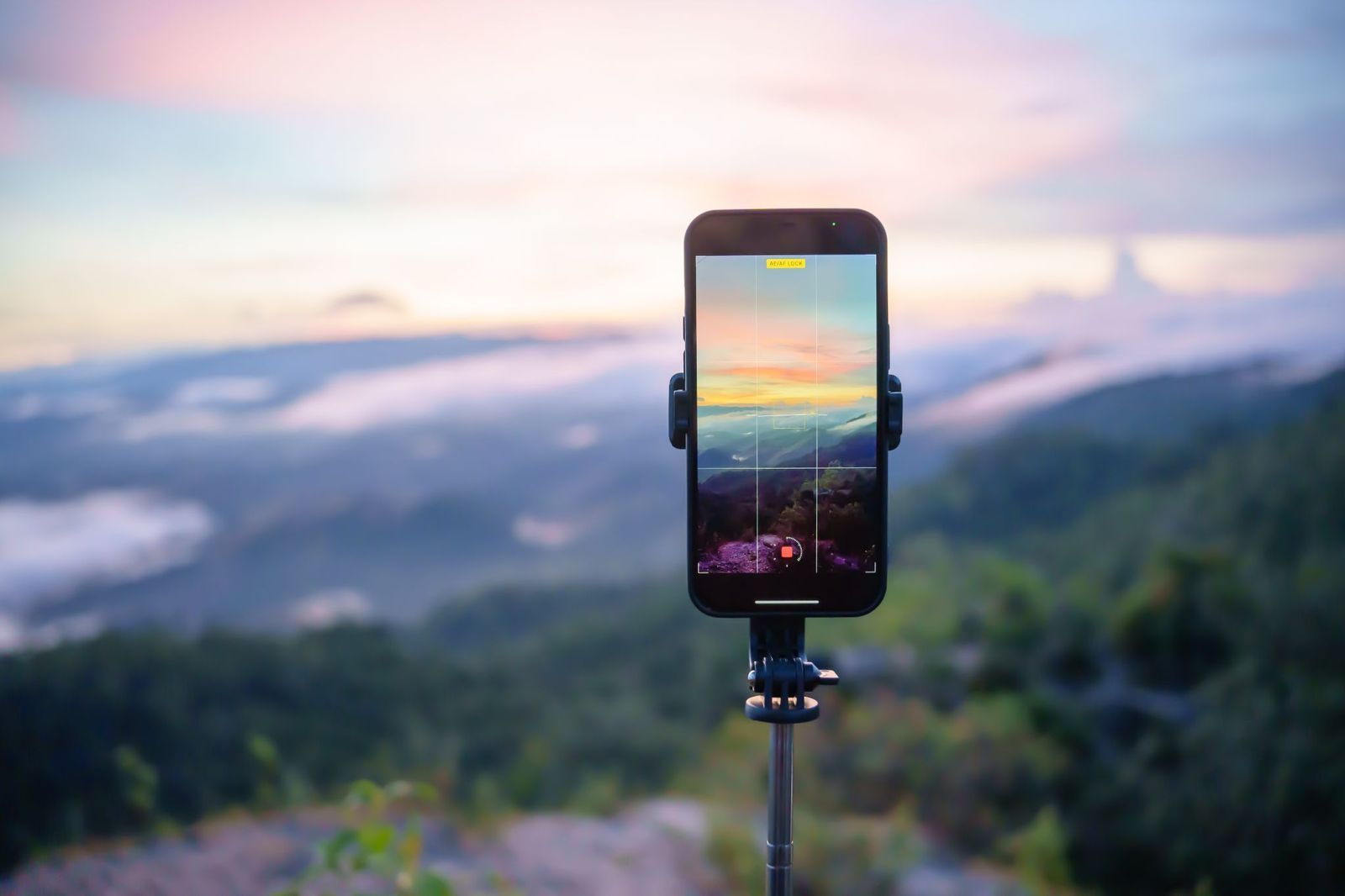
Almost every camera and smartphone includes an option to overlay a grid on your screen or viewfinder. Turn this feature on and leave it on permanently.
Grid lines are a simple tool that solves two travel photography issues. First, they make applying the Rule of Thirds easy. Second, they help you keep horizons straight and vertical building lines square. Cropping and straightening photos in post-production adds extra work; getting it right with your camera when you take the picture saves a lot of time and effort.
Focus on details
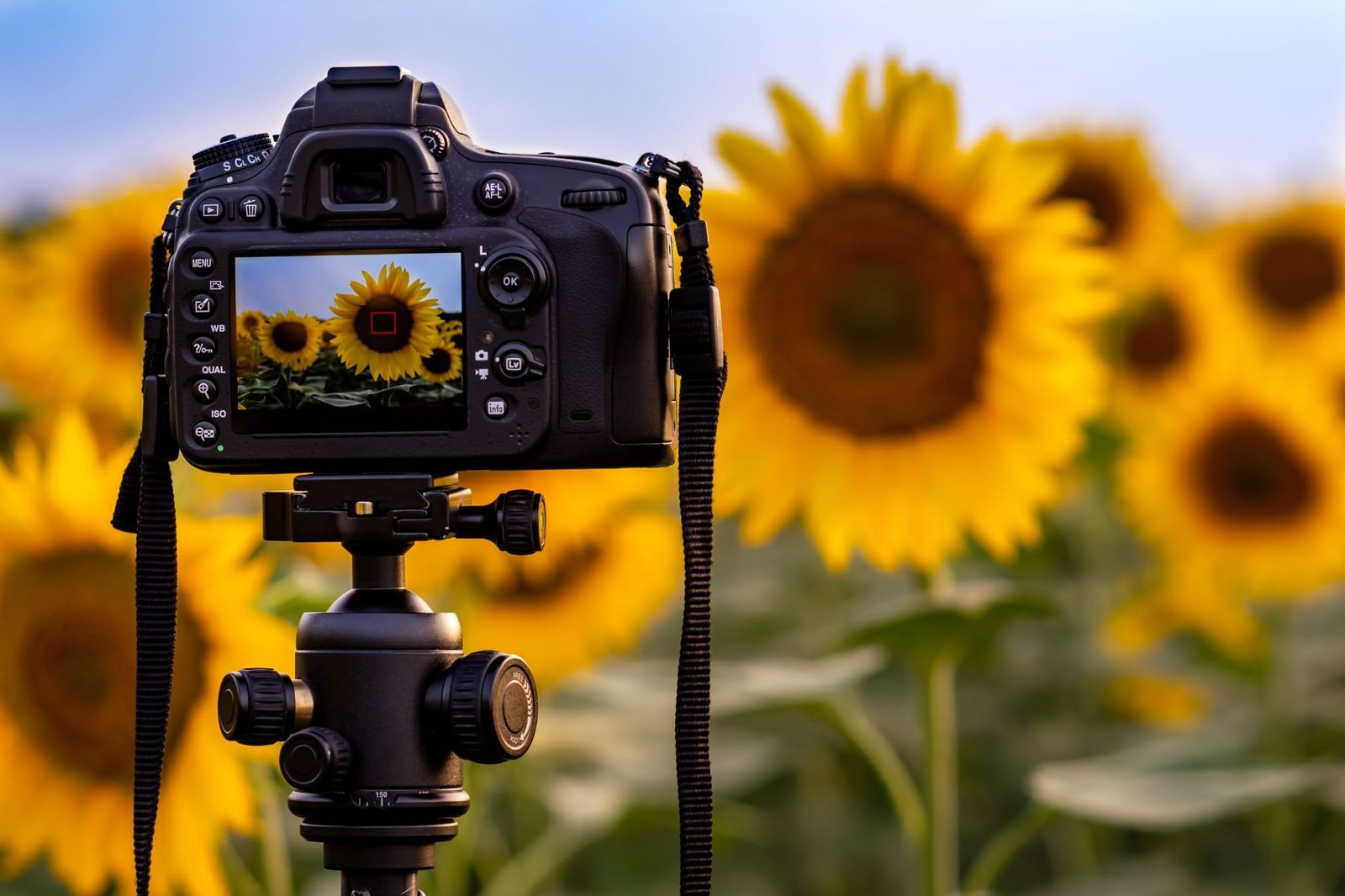
A great travel photo album is like a good book: it needs wide setting shots, medium interaction shots, and detailed close-ups to tell a complete story. While grand landscapes and iconic architecture are impressive, details often evoke the strongest memories of a place.
In a nutshell, point your lens toward the smaller elements that define your destination’s culture. These intimate details provide context, texture, and soul to your visual travelogue.
Do you know where the best place for watching whales up close is?
Beyond the zoo: 10 incredible travel experiences for animal lovers
For many of us, the ultimate travel bucket list isn’t defined by five-star resorts or Michelin-starred restaurants, but by the chance to share a moment with the other species that call this planet home. For that reason, we have prepared a list of 10 incredible and awe-inspiring travel experiences around the world perfect for the ultimate animal lover.
Swimming with sea turtles, sea lions & sharks – Galapagos
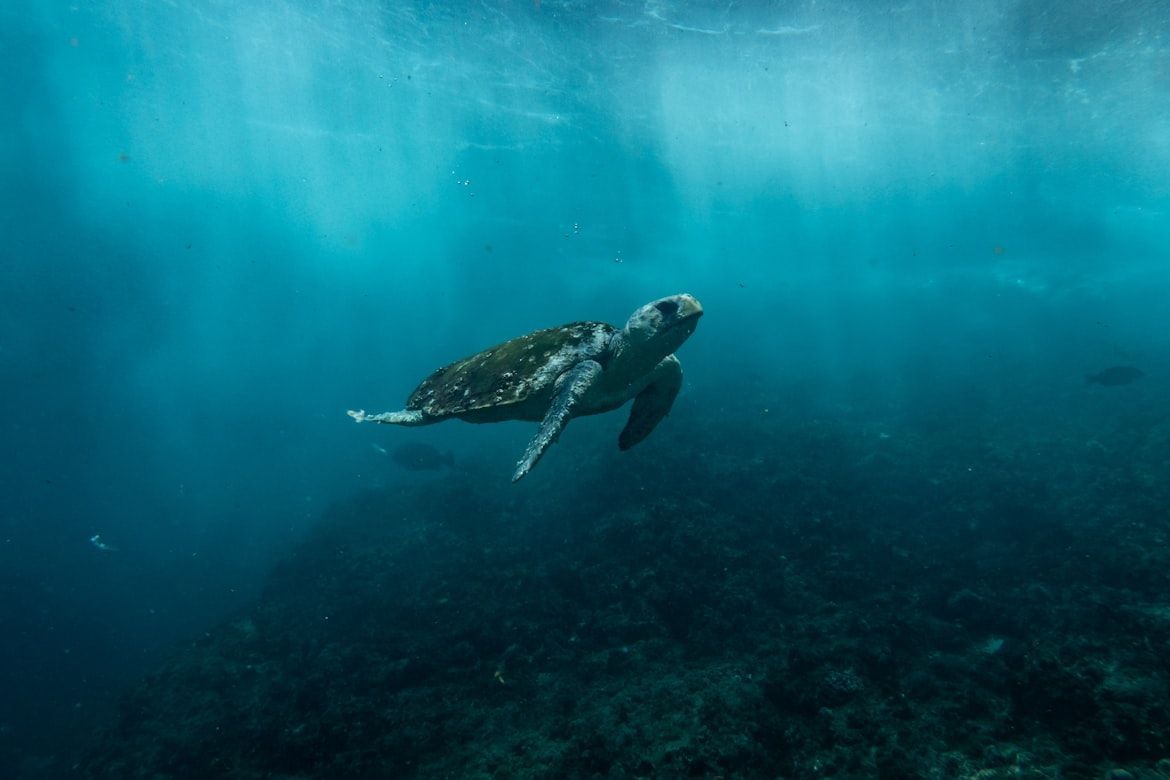
Charles Darwin’s living laboratory remains the gold standard for wildlife travel. Because the animals in Galapagos evolved without human predators, they exhibit a famous lack of fear.
Donning a snorkel in the waters of the Galápagos Marine Reserve is a unique experience. You might find yourself locked in a playful game of underwater twirls with a sea lion pup, watching a prehistoric-looking marine iguana graze on algae, or floating peacefully above a group of resting white-tip reef sharks.
Becoming a shepherd for a week – Finland
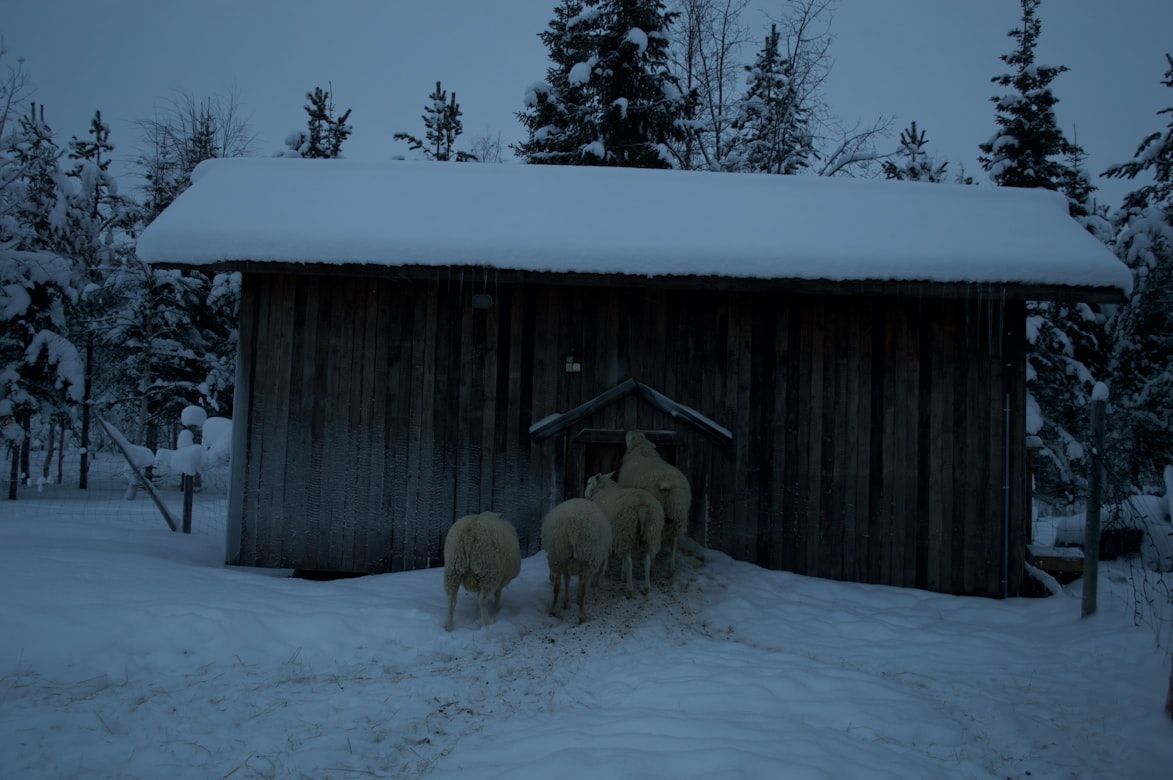
For a truly off-grid, grounding experience, Finland’s national parks offer something called "Shepherd Weeks." Visitors can rent a rustic cabin in breathtaking natural reserves and take on the responsibility of caring for a flock of native sheep.
Your duties include counting the sheep, ensuring they have fresh water, and moving them to fresh pastures. It is the ultimate digital detox that allows you to contribute directly to the maintenance of Finland's traditional heritage landscapes, which rely on sheep grazing to thrive.
Dolphin trainer-for-a-day – Roatan, Honduras
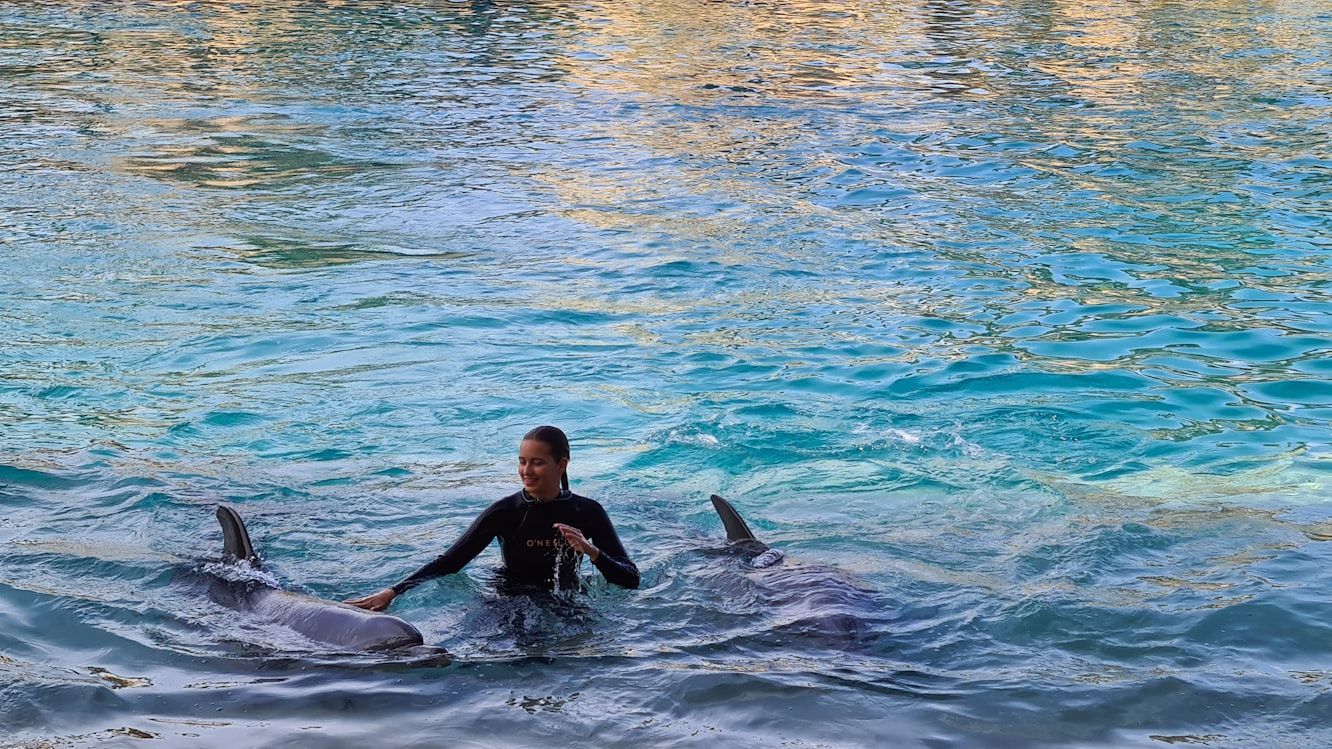
If you’ve ever watched a pod of dolphins and wondered what it would be like to actually understand their behavior, the Roatán Institute for Marine Sciences (RIMS) in Honduras offers a dream come true. Located at Anthony's Key Resort, this program goes far beyond the typical "kiss a dolphin" tourist trap.
As a trainer-for-a-day, you work alongside professional marine biologists. You'll learn about cetacean anatomy, the acoustics of echolocation, and the positive reinforcement techniques used to care for these highly intelligent mammals.
Walk with lions – Mauritius
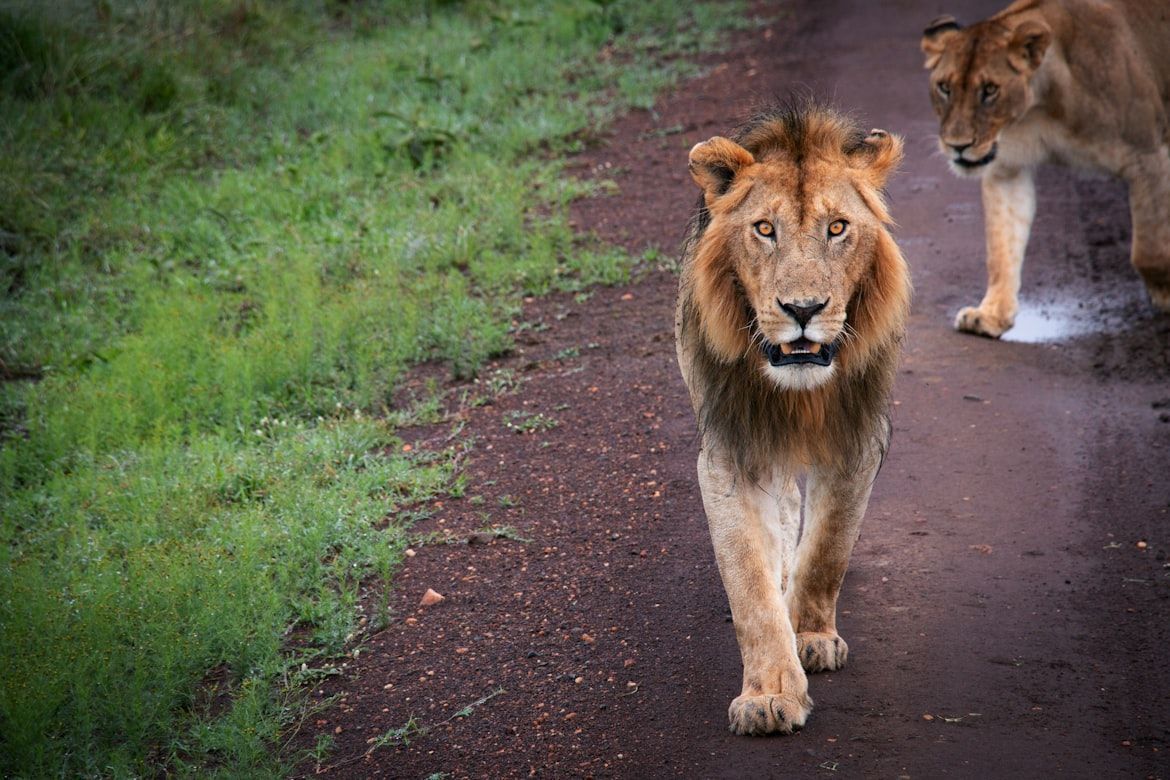
Mauritius is famous for its luxury resorts, but for animal enthusiasts, the real deal is Casela Nature Parks. Their "Walk with Lions" experience allows visitors to accompany these predators on foot through the reserve. Guided by expert handlers, you get to observe the natural instincts, raw power, and social dynamics of a pride.
Whale Watching – Puerto Pirámides, Argentina
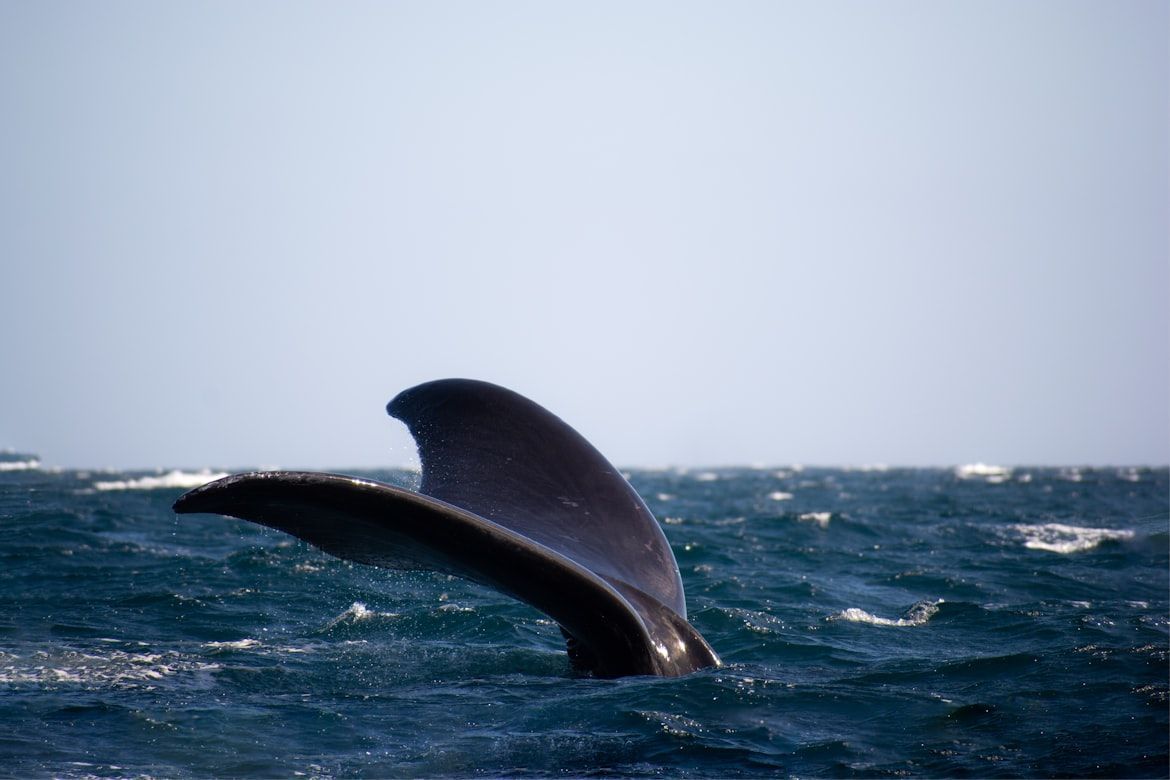
Located on the Península Valdés, Puerto Pirámides is one of the premier whale-watching destinations on Earth. Between June and December, the sheltered gulfs fill with Southern right whales who come here to mate and give birth.
These whales are known for their curiosity. It is not uncommon for a massive, 50-ton mother and her calf to swim right up to a boat to inspect the passengers. Witnessing the scale of these peaceful giants in their natural habitat is an emotional experience that leaves a lasting impression on anyone lucky enough to make the trip.
Visiting cat cafes – Tokyo, Japan
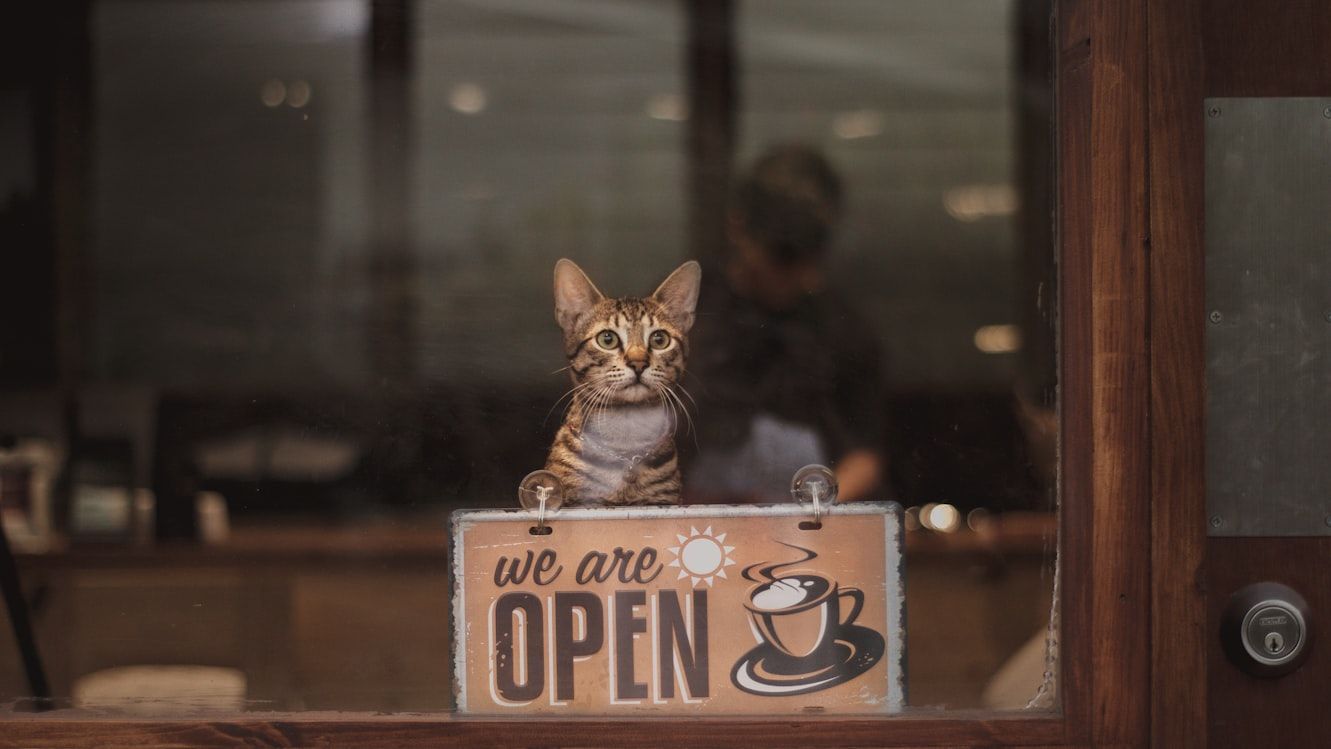
If you prefer your animal encounters with a side of cappuccino, Tokyo is your mecca. While cat cafés have spread across the globe, Japan perfected the art.
In a densely populated city where many landlords forbid pets, these cafés serve as vital stress-relief hubs for locals. For the traveler, they offer a cozy, quiet retreat to observe the quirky personalities of various feline breeds in meticulously designed, clean environments.
Visiting the Saint Bernard Dog Museum – Martigny, Suiza

High in the Swiss Alps, the Saint Bernard dog is a national icon. At Barryland in Martigny, visitors can explore the rich history of these legendary mountain rescue dogs.
The museum is named after Barry, a famous rescue dog who reportedly saved over 40 lives in the early 1800s. Not only do you get to learn about the incredible search-and-rescue genetics of the breed, but the museum also features a kennel where you can meet the dogs and, if you time it right, even cuddle with Saint Bernard puppies.
Discovering a hummingbird sanctuary – Mexico City, Mexico and Cochise County, Arizona
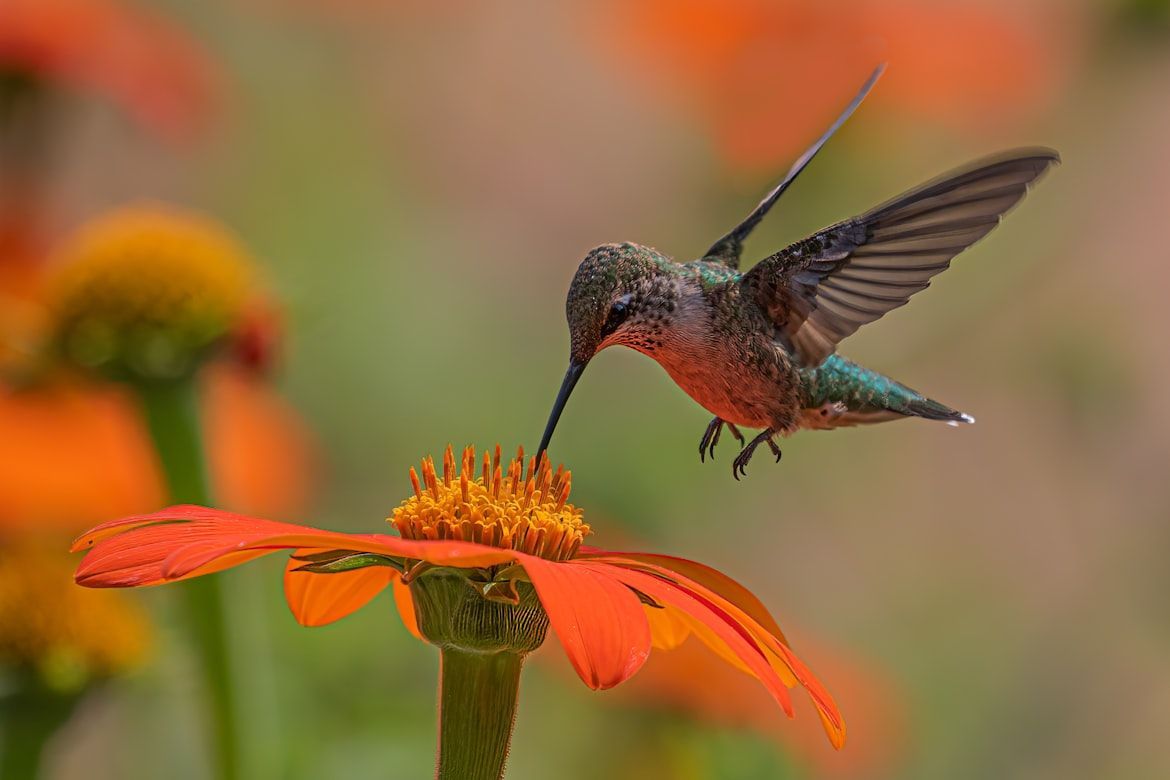
With heart rates that can exceed 1,200 beats per minute, hummingbirds are marvels of biological engineering. To see them in staggering numbers, animal lovers have two incredible hotspots.
For one, you can visit Catia, a sanctuary for injured hummingbirds in Mexico City run by a generous 73-year-old woman. Also, Cochise County, Arizona, known as the "Hummingbird Capital of the U.S.," has places like Ramsey Canyon Preserve, which hosts up to 15 different species during peak migration.
Swimming with millions of jellyfish – Jellyfish Lake, Palau
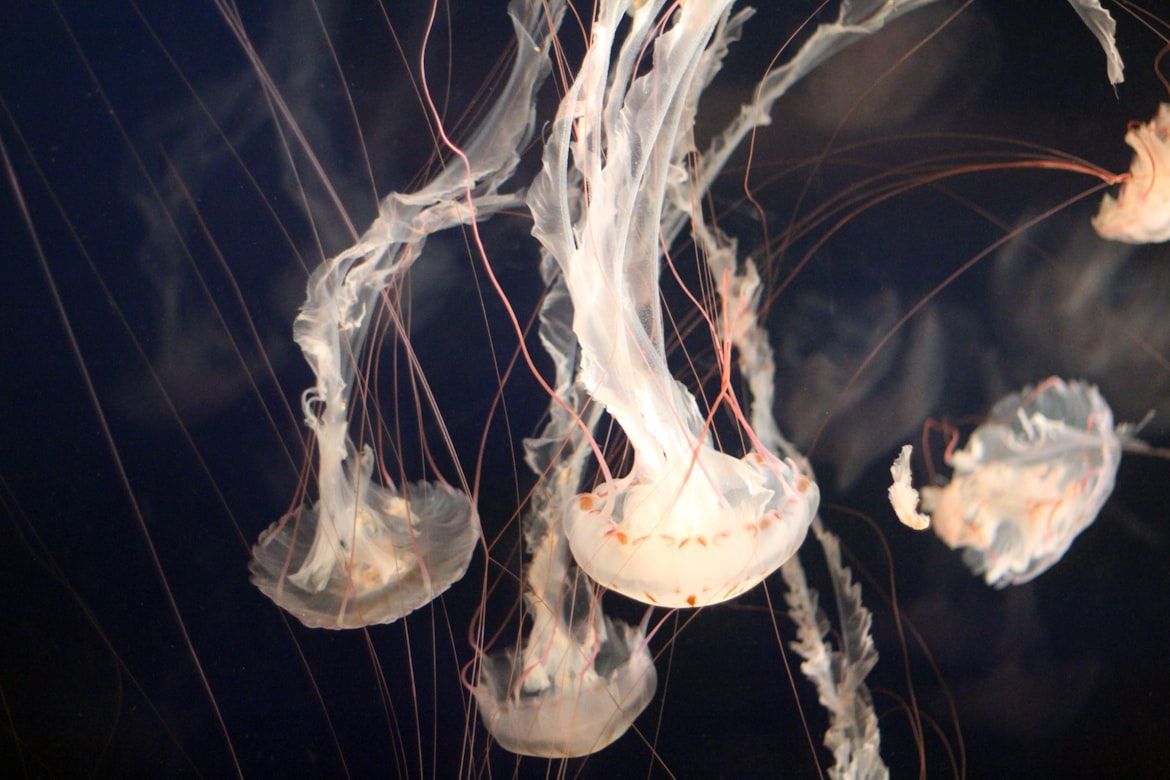
Imagine floating in a marine lake surrounded by millions of golden jellyfish. For anyone who has ever been stung at the beach, this sounds like the plot of a horror movie. But in Palau's famous Jellyfish Lake, it is pure magic.
Because this lake was isolated from the ocean thousands of years ago, the resident golden jellyfish lost their need for potent stingers to ward off predators. Today, their sting is so mild it cannot be felt by human skin. Swimming among them during their daily migration across the lake is a surreal, otherworldly experience.
Riding a camel around the Pyramids – Giza, Egypt
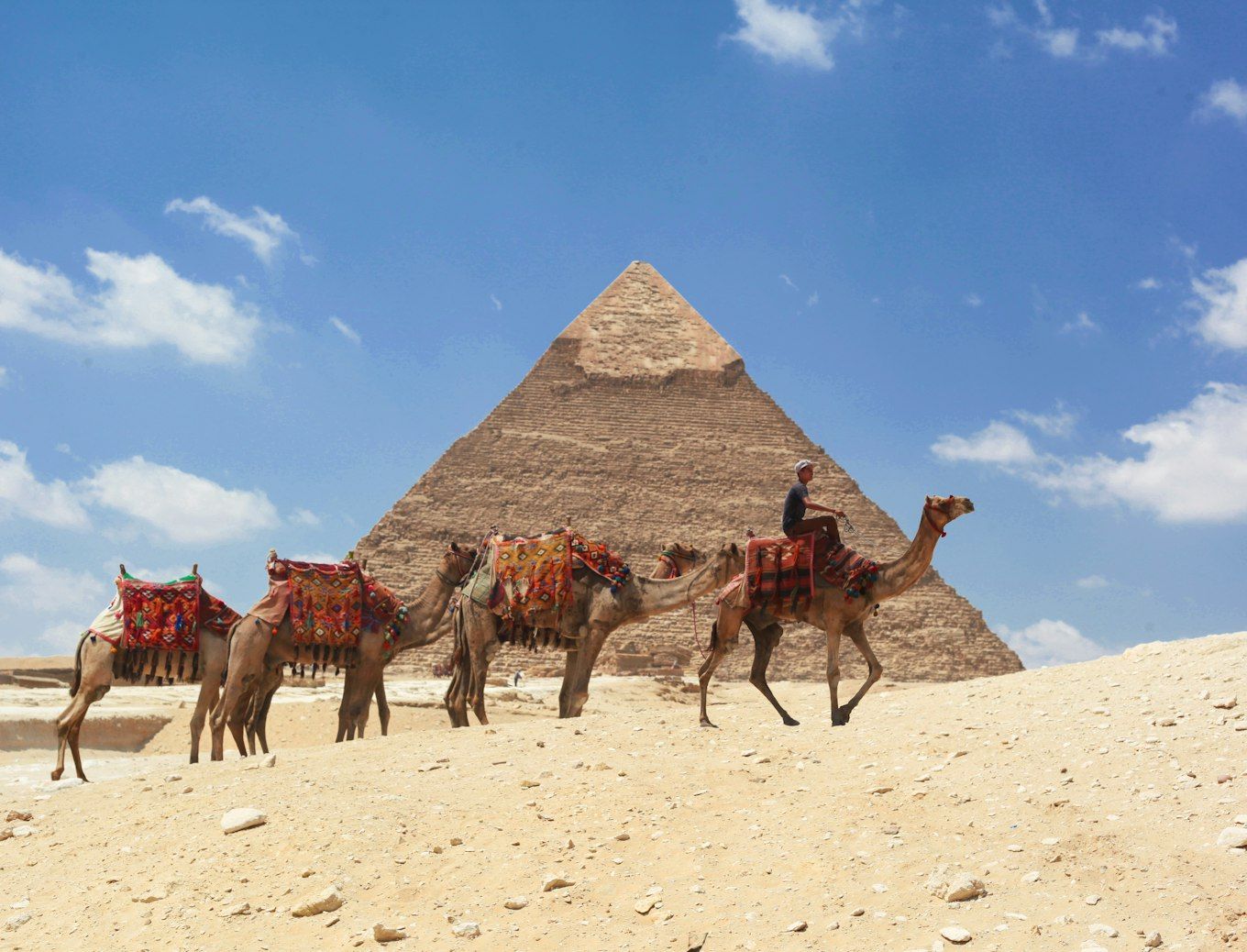
Riding a camel in front of the Great Sphinx is a classic travel trope. But to do this right, an animal lover needs to do their homework.
Camels feature specialized kidneys and blood cells that allow them to survive days without water. When riding one around the ancient pyramids, it is crucial to seek out ethical operators who treat their animals with respect, provide ample shade, and do not overload them. Experiencing the rolling gait of a dromedary while gazing at 4,500-year-old monuments is a powerful connection to human and animal history combined.
Keep wandering
There’s always
more to explore
No flights, no lines, no stress. A smart way to see the world from home
5 min.
Read Now

The minibar trick that charges you before you even open it
5 min.
Read Now
 Landmarks
Why is this island off limits? The stories behind 10 forbidden places
6 min.
Read Now

It’s not your imagination: Airplane legroom has shrunk, and here's why
6 min.
Read Now