10 TSA questions and answers for an easier airport experience
 General
10 TSA questions and answers for an easier airport experience
If you want to make flying less stressful, being familiar with the Transportation Security Administration (TSA) rules and recommendations goes a long way. Many delays at checkpoints happen simply because travelers are unsure about how early to arrive at the airport, what documentation to have close at hand, and what items are actually allowed in carry-on bags. We’ve compiled a list of frequently asked questions and answers to make your next airport experience faster and easier.
How early should I get to the airport?
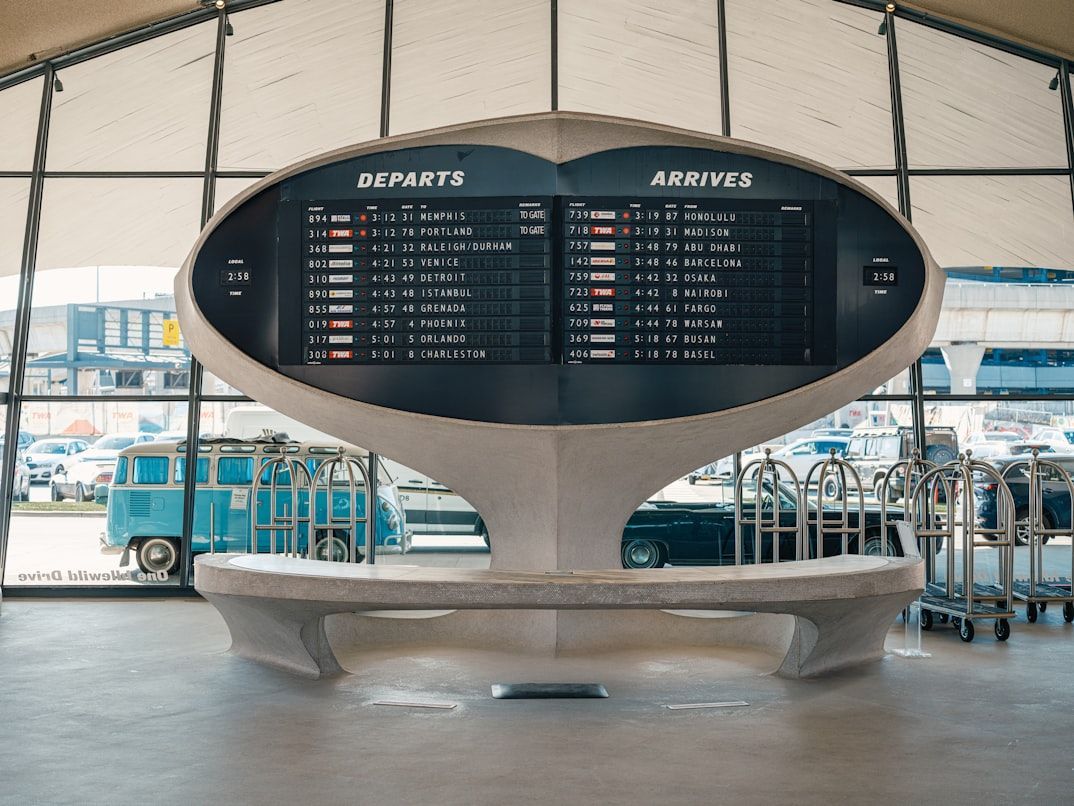
The TSA recommends arriving at the airport at least 2 hours before domestic flights, and 3 hours before international flights. Following their advice will give you ample time to check in, pass through security, and handle unexpected delays without feeling rushed.
Trusted flyers enrolled in TSA PreCheck often have access to faster lanes due to reduced checkpoint procedures. Still, it's recommended that they arrive at least 1.5 hours before domestic flights, and 2.5 hours before international flights.
What documentation should I bring?
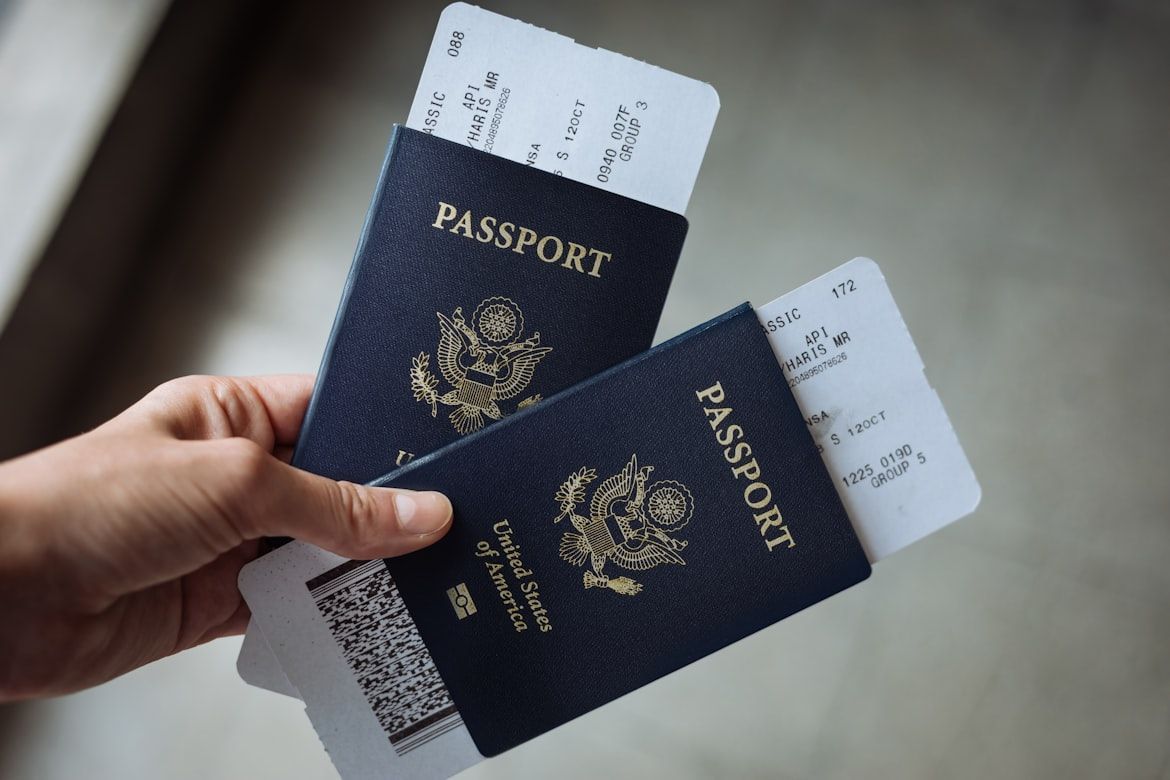
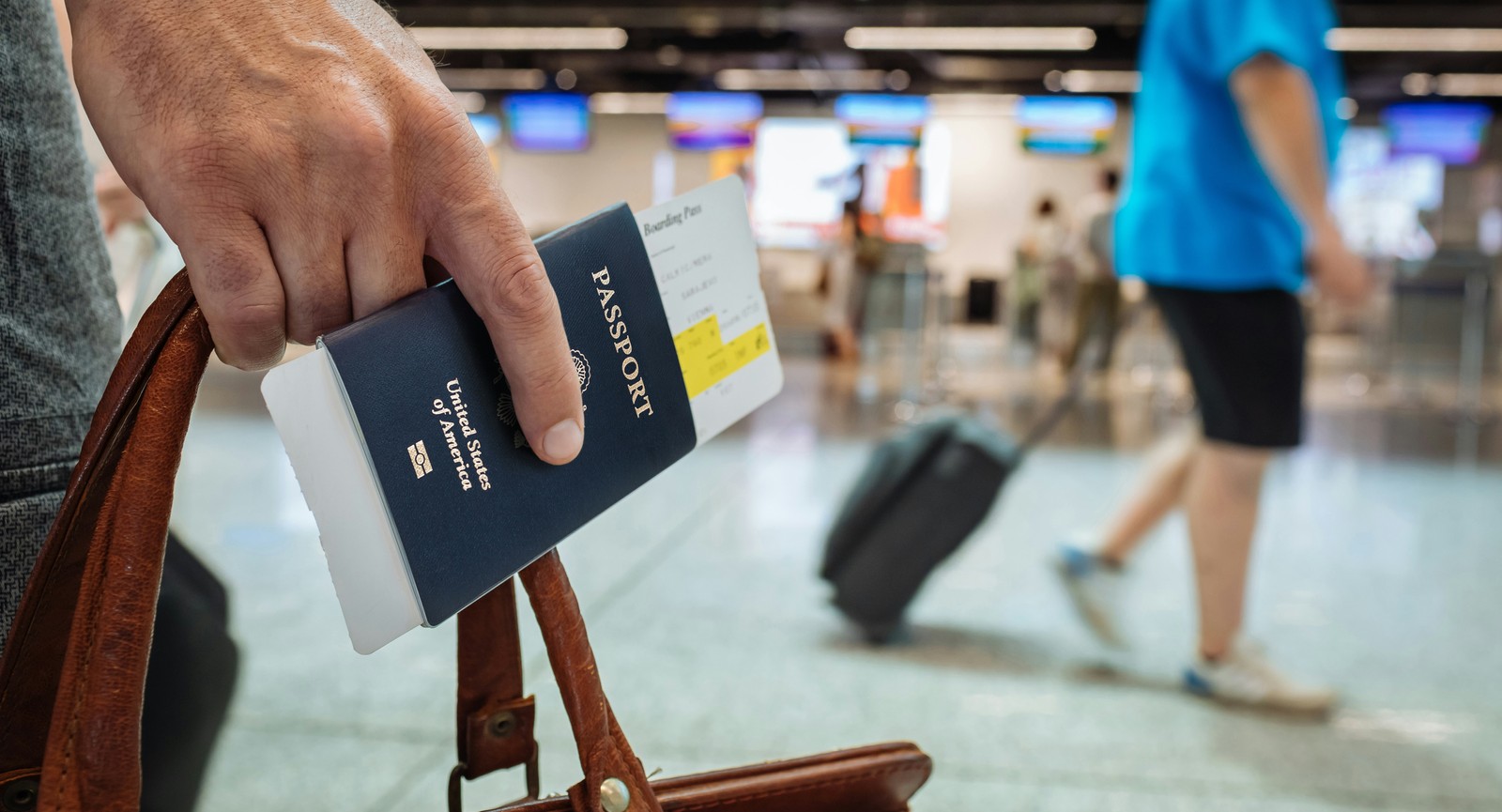
For domestic flights within the US, you'll need a government-issued ID, such as a driver's license or passport. Make sure that the name on your ID matches exactly the name on your boarding pass, as even small discrepancies will be investigated and can cause delays.
For international travel, you'll need a valid passport and, depending on your destination, a visa or additional entry documentation. It's a good idea to check entry requirements well in advance of your trip. Keeping your ID, passport, boarding pass, and any additional paperwork close at hand before reaching security will make the process faster and smoother.
What is the 3-1-1 rule?
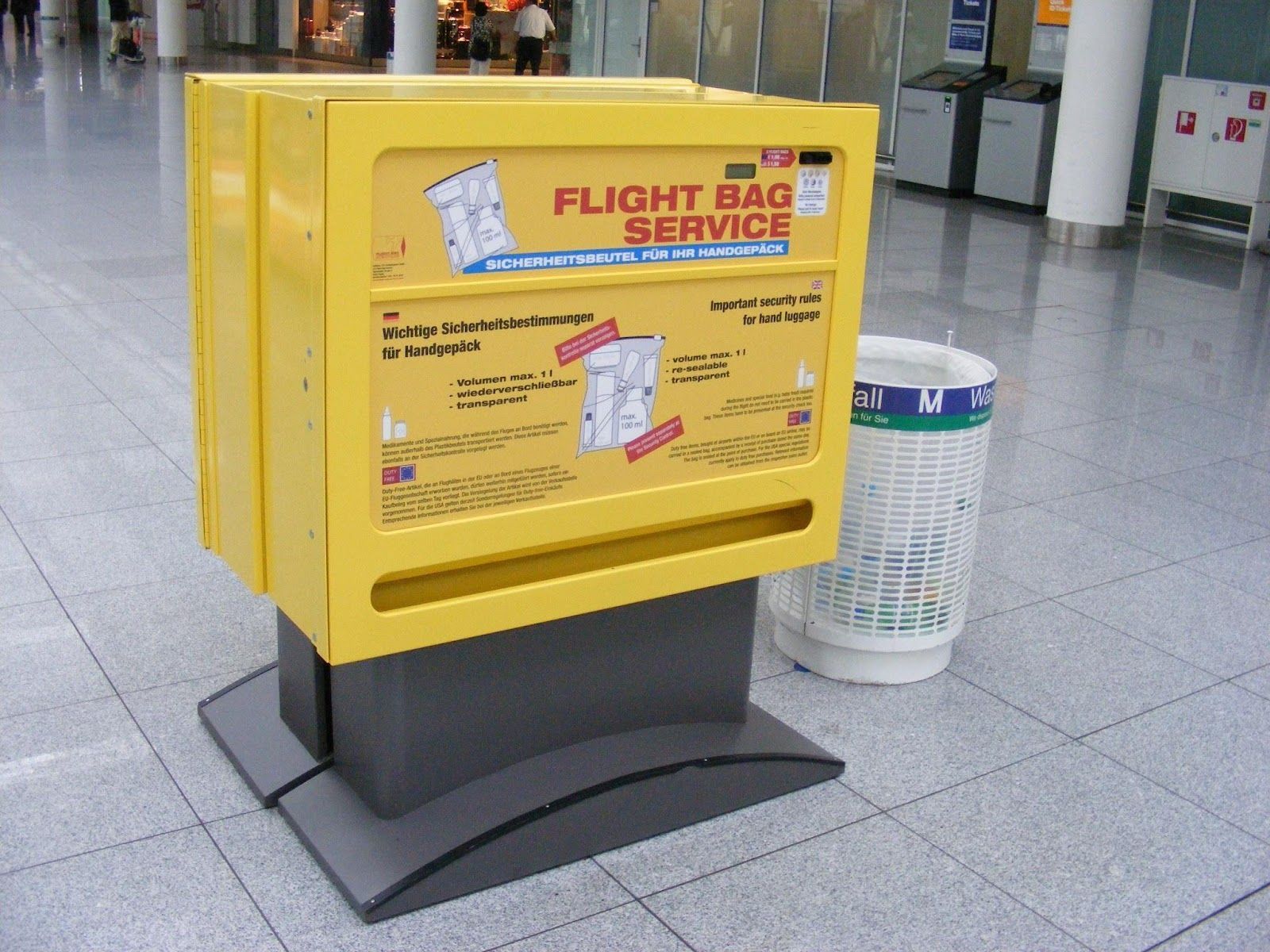
The TSA enforces limits on fluids in carry-on bags. The 3-1-1 rule states that all liquids, gels, and aerosols must be in containers 3.4 ounces or smaller, all containers must fit inside one resealable, clear, quart-sized plastic bag, and each traveler is only allowed one bag.
This requirement allows officers to quickly identify and inspect the contents. According to the TSA, common travel items that people often forget are also affected by this rule are: toothpaste, shampoo, mouthwash, and lotions.
Can I bring medications on the plane?

Medications in pill or tablet form aren't subject to strict quantity limits, as long as they are screened. The TSA recommends keeping your medications in their original packaging to facilitate screening, and packing them in your carry-on in case you need them in transit.
Liquid medications are exempt from the 3-1-1 rule as long as the quantities are reasonable for the flight. However, you must declare these medications to a TSA officer at the start of the security screening process. Additional inspection may be required, which can include being asked to open the container.
Can I bring food on the plane?

Most solid foods are allowed through TSA checkpoints, including sandwiches, snacks, and baked goods. These items typically pass through screening without issue.
However, spreadable or pourable foods, such as peanut butter, yogurt, or jam, are considered liquids and are subject to the 3-1-1 rule. When in doubt, pack these foods in 3.4-ounce containers or place them in your checked baggage to comply with TSA regulations.
Can I bring a portable charger on the plane?
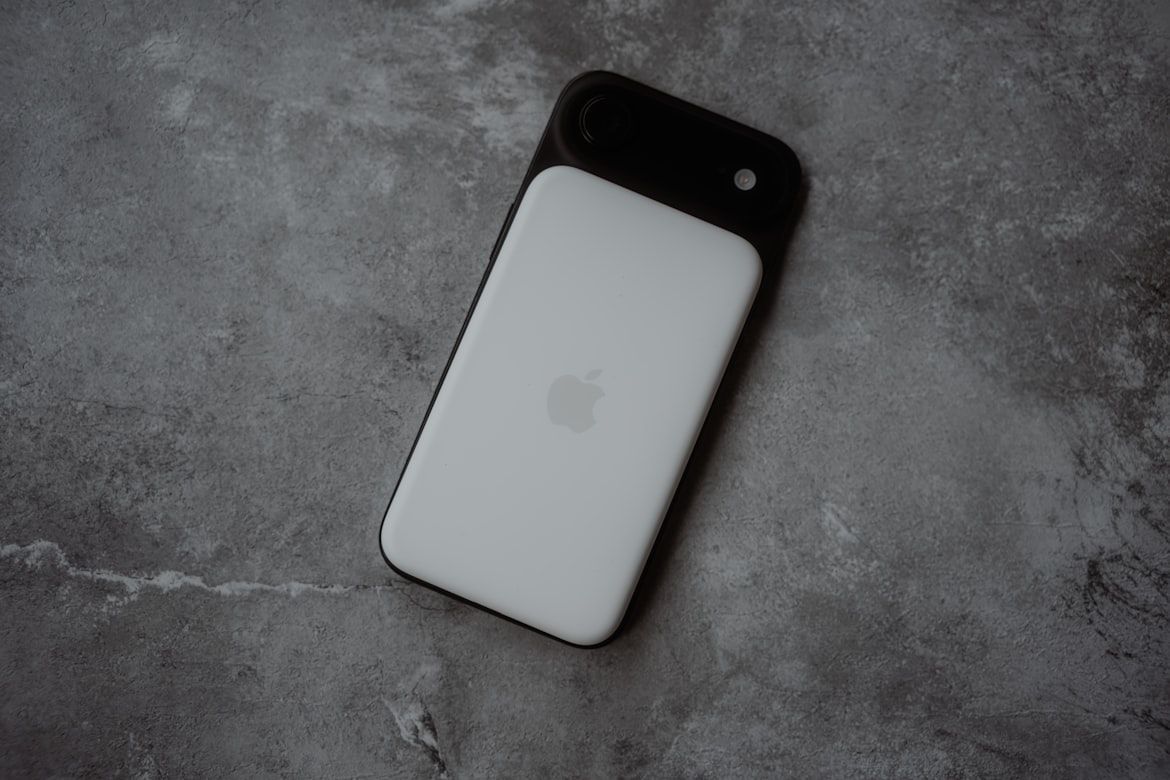
Spare lithium batteries of up to 100 watt-hours (Wh), including power banks and cellphone charging cases for personal use, are only allowed in carry-on baggage. Larger batteries require airline approval, and damaged or unlabeled batteries will be confiscated.
Batteries and power banks are not allowed in checked baggage, as they can be damaged or accidentally activate in the cargo hold, and they are considered a fire hazard. Keeping chargers in your carry-on baggage ensures they remain accessible and easy to screen.
Why do I need to unpack my electronics during screening?
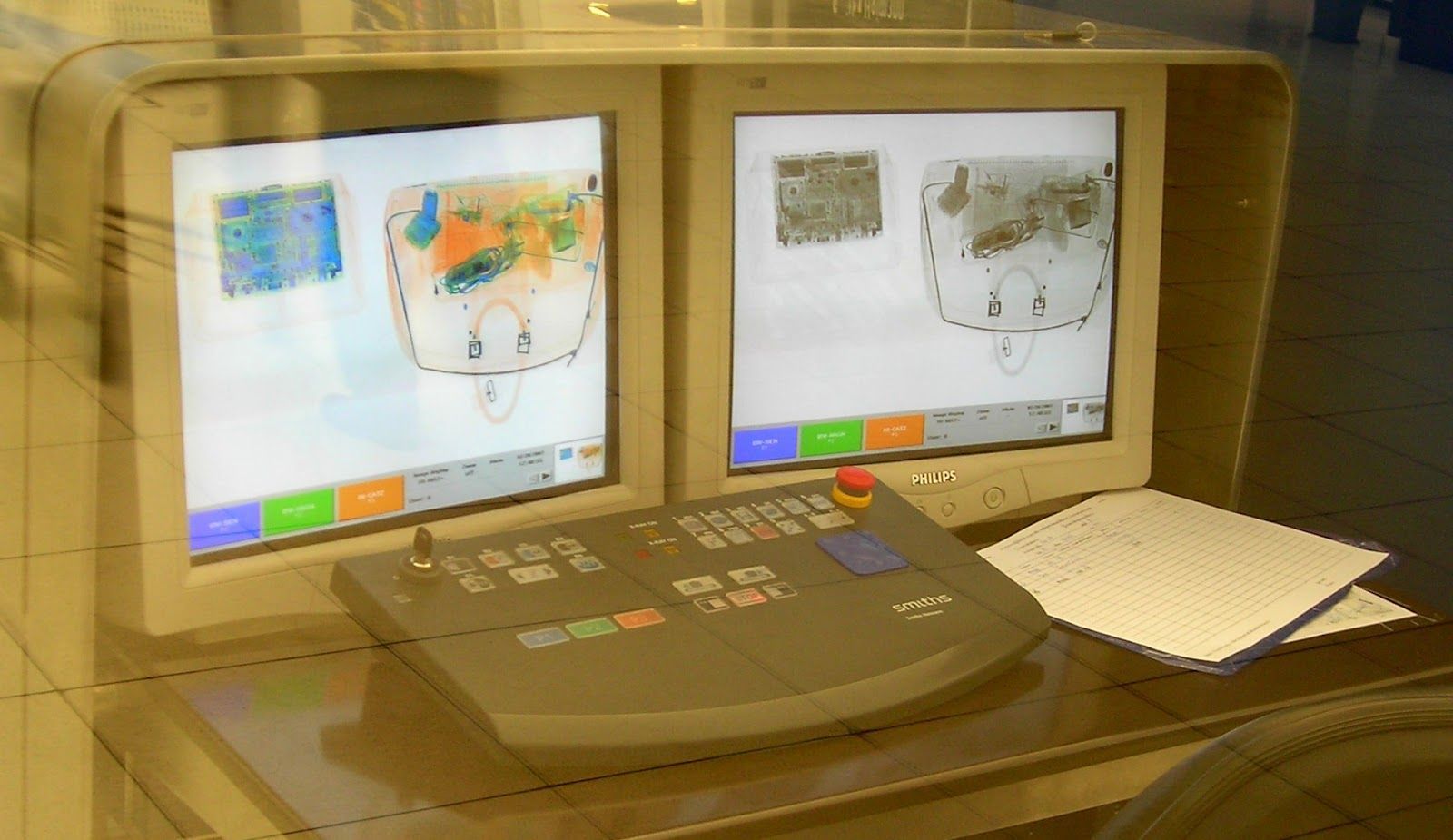
At most airports, laptops and large electronic devices must be removed from carry-on baggage and placed in a separate bin for screening. This can also apply to tablets, e-readers, and digital cameras. Packing your electronics near the top of your bag allows for quick removal and helps prevent unnecessary delays at the security checkpoint.
Electronic devices and their batteries contain dense components that can block X-ray machines from seeing other items in your bag. Removing them ensures a clear, unobstructed view of your bag's contents, reducing the likelihood of a physical search and speeding up the overall security process.
What should I do with full-sized bottles?
Under the 3-1-1 rule, liquids, gels, and aerosols larger than 3.4 ounces are not permitted in carry-on bags. Full-sized toiletries, such as shampoos and deodorants, must be packed in checked baggage to comply with TSA regulations.
Unless you absolutely need to bring large bottles, we recommend transferring products into travel-sized containers before packing. Otherwise, comply with the rules by placing full-sized containers in sealed plastic bags inside your checked baggage to prevent leaks during transit.
Can I bring a reusable water bottle?
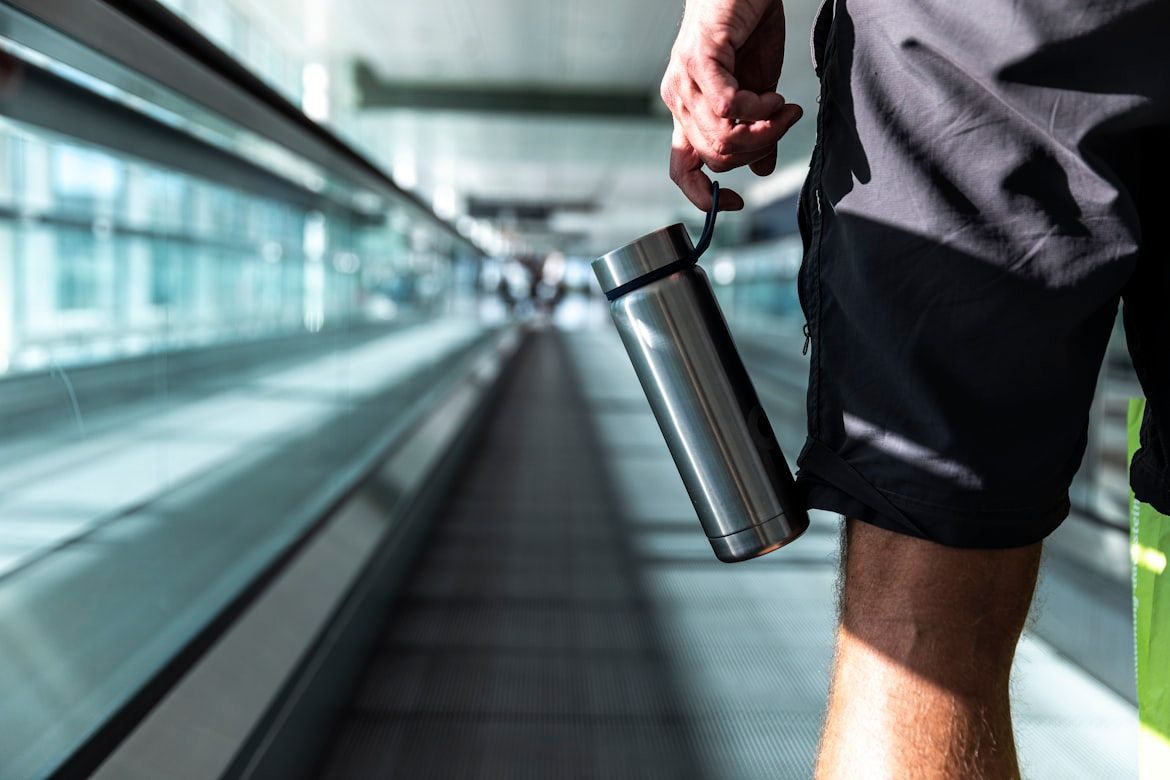
Reusable water bottles, thermoses, and travel mugs are allowed through TSA checkpoints as long as they are completely empty during screening.
Bringing a reusable water bottle is a great way to stay hydrated while avoiding unnecessary expenses. Just be sure to drink or pour out any contents before going through security, and your bottle can pass through security without issue. At most airports, you will be able to refill it after the checkpoint.
What is TSA PreCheck?
TSA PreCheck is a paid program that allows trusted, low-risk travelers departing from American airports access to dedicated security lanes and a simplified screening experience. Members are often allowed to keep their shoes and jackets on and leave laptops and liquids in their carry-on bags.
Enrollment requires an application, background check, and in-person identity verification. Travelers interested in applying can find details, including pricing and eligibility requirements, on the official TSA website.
Is your U.S. license valid in other countries?
Foreign driving
10 things to consider if you want to drive outside the U.S.
Contrary to what many think, renting and driving a car abroad is not so complicated. While it naturally requires being aware of some differences in regulations —such as speed limits— driving a car abroad is a great option, especially if you don’t like relying on public transport or want to visit more remote locations. Here are 10 things about driving a car abroad that are different from driving in the U.S.
Left vs. right-hand traffic
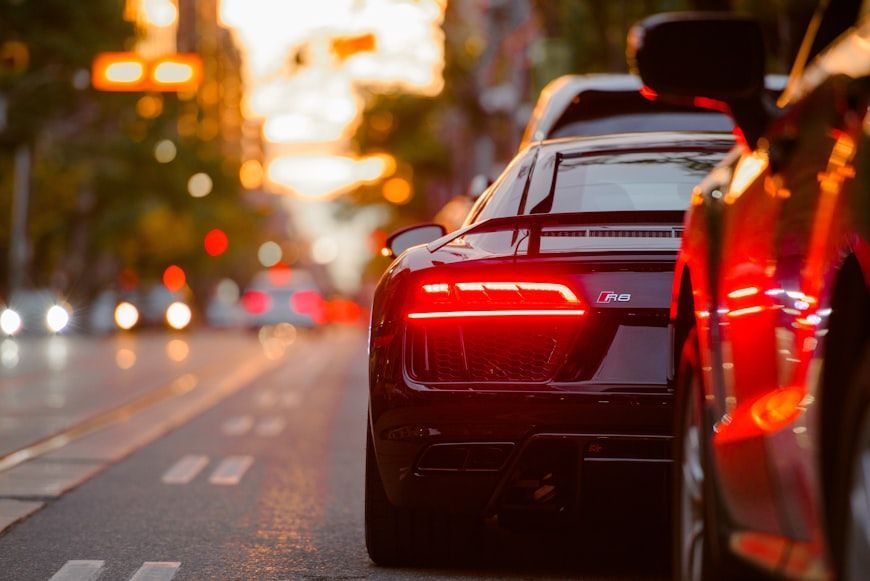
As in the U.S., many countries around the world follow right-hand traffic rules, meaning cars drive on the right side of the road. Right-hand traffic is the norm in most of the Americas, Continental Europe, and most of Africa and mainland Asia.
Countries that follow left-hand traffic rules—with cars driven on the left side of the road, and with the driver's seat on the right side—include the UK and Ireland, Japan, India and Southeast Asia, Australia, New Zealand, and other countries in the Pacific, and several countries in southern Africa and the Caribbean. If you’re thinking about renting a car with left-side driving, you’ll have to factor in time to get used to this new driving style.
Manual vs. automatic
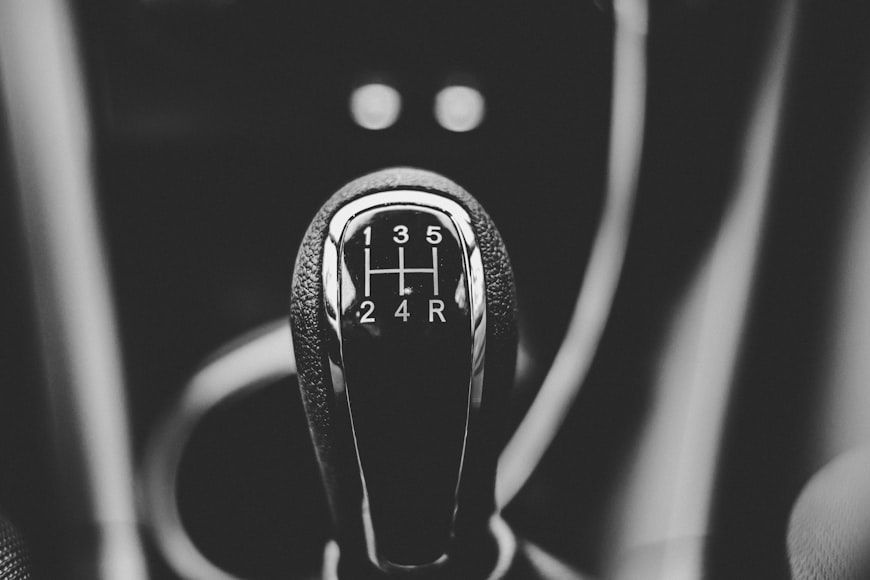
In the U.S., it’s exceedingly common to drive vehicles with automatic transmissions due to convenience and ease of use. While manual transmission vehicles are still used, the prevalence of automatic cars means that not all Americans can drive a stick shift, which can be an issue when renting a car abroad.
In Latin America, Europe, and most of Asia, manual transmission is much more common due to costs, fuel efficiency, and maintenance. Automatic vehicles are available, but are less common than in the U.S., which is something to consider if you’re thinking about renting a car.
Driver’s license
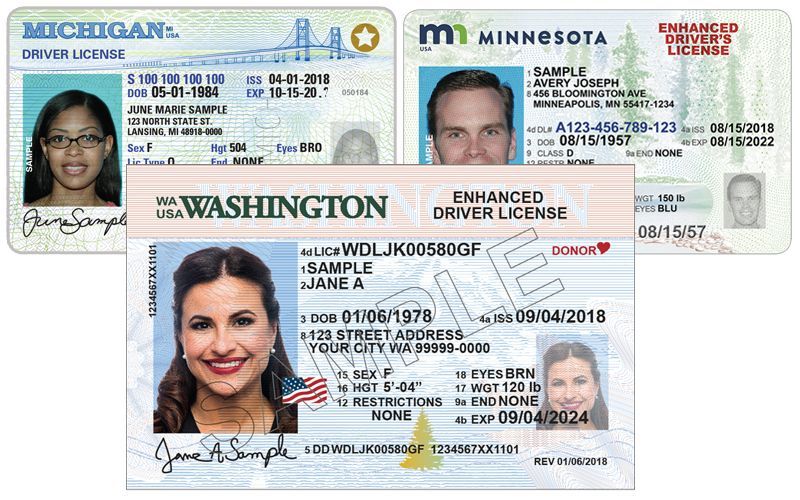
The question here is: Do I need an International Driving Permit (IDP)? In most cases, the answer is yes. An IDP is just an official translation of your license information into different languages, so you need a valid license to use it. You can request an IDP through the American Automobile Association (AAA) or the American Automobile Touring Alliance (AATA). It can take up to 10 days, depending on whether you are requesting it in person, online, or by mail.
While some countries (such as Canada, Mexico, France, or the UK) accept U.S. licenses without an IDP for up to 90 days, car rental companies might ask for an IDP for renting a vehicle. Other countries (especially non-English speaking countries such as Germany, Greece, Italy, Japan, Poland, Spain, or Thailand) will require it if you are on a tourist visa.
Speed limits
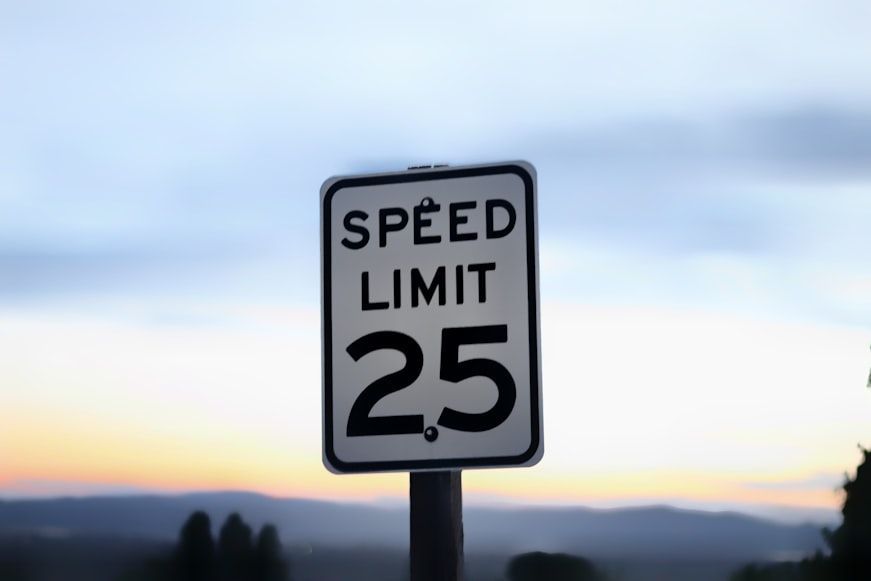
On average, global speed limits sit around 62–75 mph for highways and around 31 mph for urban areas, though these limits might vary depending on the region, weather conditions, or the specific city, town, or neighborhood.
Famous exceptions include the German Autobahn (with no speed limit), with other European countries such as France or Italy, which have a limit of around 80 mph on motorways. Latin American countries typically have a 70-80 mph limit for highways, while Asian speed limits tend to be on the lower end.
Traffic laws
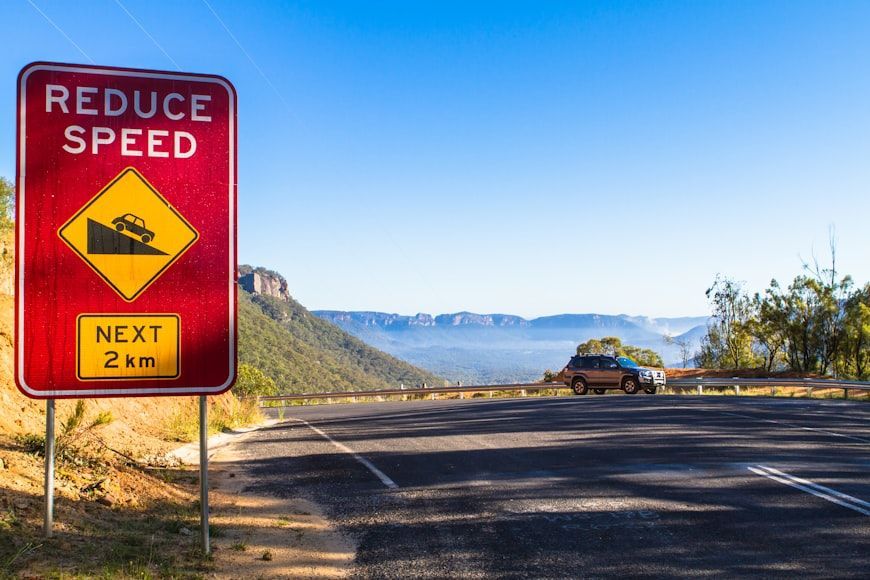
The driving side or the geographical characteristics of an area will naturally affect the way you drive, but it is also important to consider the differences in traffic laws. Some prime examples include no turning right on a red light (which is allowed in some parts of the U.S.), the use of roundabouts (instead of 4-way stop intersections), and the placement of traffic lights (positioned after the intersection in the U.S., but before in most other countries).
Another main difference is the legal Blood Alcohol Content (BAC) limit. In the U.S., the BAC limit is 0.08% in all states, while in most of Europe, Latin America, and Asia, it’s generally 0.05%. Countries with a zero tolerance policy include Poland, Sweden, Japan, Brazil, Uruguay, and countries with a general ban on alcohol. Traffic violations, especially in Europe and Asia, can result in much higher fines than in the U.S. and, in some cases, even jail time.
Driving in Canada and Mexico
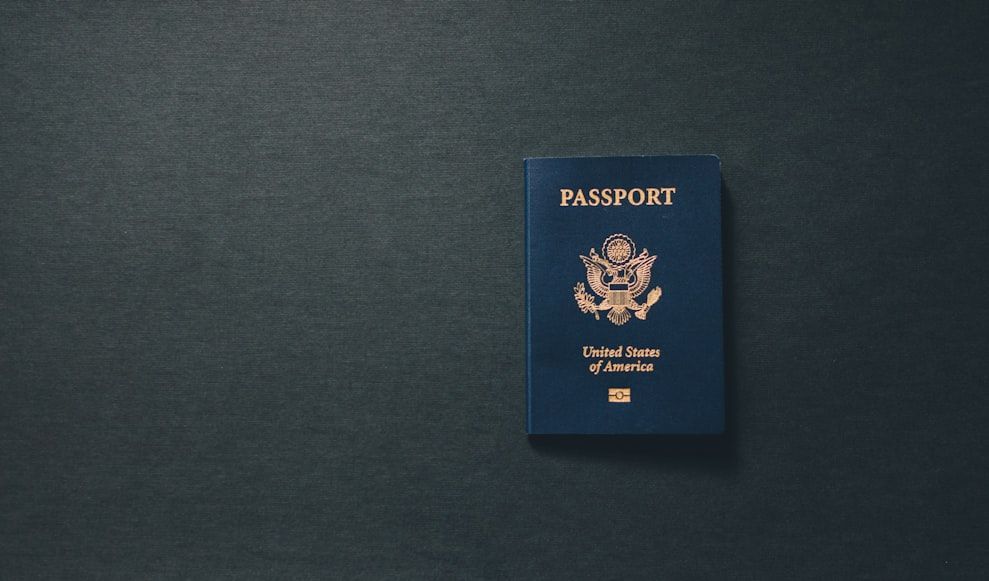
Canada and Mexico have their own rules for U.S. citizens. A valid U.S. license will be acceptable without an IDP, but you will have to present your passport alongside it. If you want to drive your own car into Canada or Mexico, you will need proof of vehicle ownership or registration and a valid insurance policy.
While your U.S. insurance policy will generally cover you in Canada (provided you notify your insurer before travelling), it won’t in Mexico, where you will need to purchase a liability insurance issued by a Mexican company. Depending on which zones of Mexico you are visiting, you might also need a Temporary Import Permit (TIP), which can be requested online beforehand or in person at the border.
Tolls
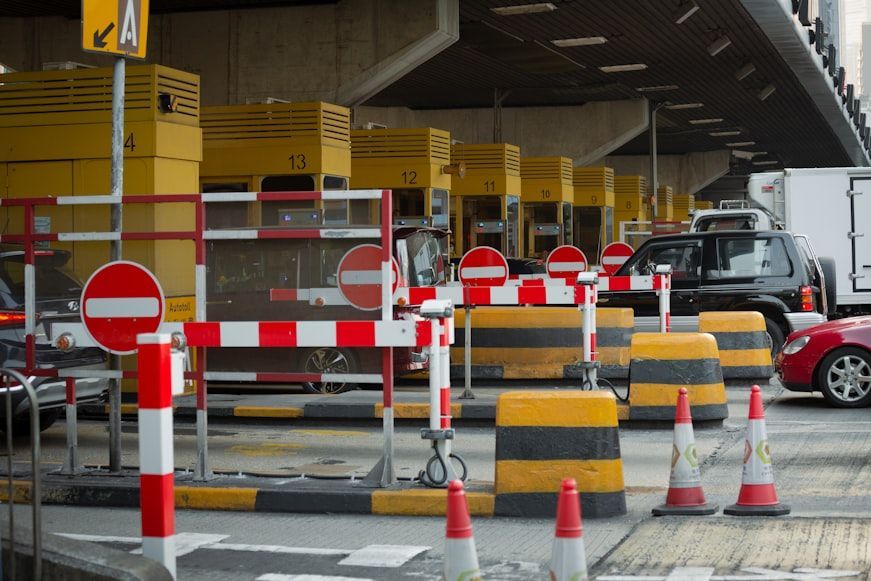
Toll systems vary vastly depending on the region. Europe mainly uses two different electronic systems: distance-based (in countries like France, Italy, Portugal, or Germany) or a vignette system, where you pay a fee for a certain amount of time (in countries like Austria, Switzerland, or the Czech Republic).
Asia and Australia mostly rely on electronic tolling, using cards, electronic tags, or sensors to identify and charge the vehicles. While many countries in Latin America and Africa have implemented electronic tolling, cash-based tolls are still common.
Mandatory equipment
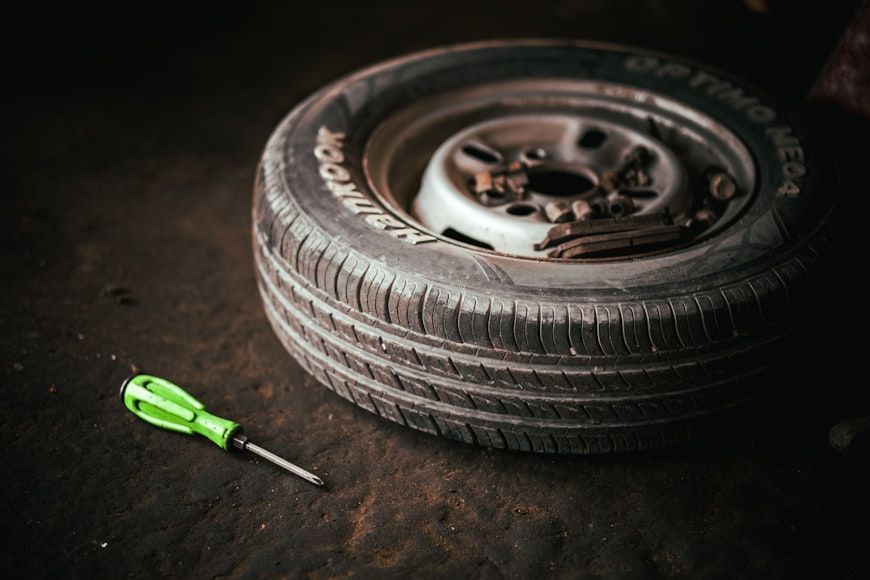
Most countries around the world have similar requirements when it comes to mandatory safety equipment: a spare tire and the equipment to change it, a reflective jacket, a warning triangle, a fire extinguisher, and a first aid kit.
Some countries might have specific mandatory requirements, such as a breathalyzer (France) or snow equipment (Austria, Germany, or Switzerland), so checking local regulations beforehand is important to avoid potential fines.
Parking rules
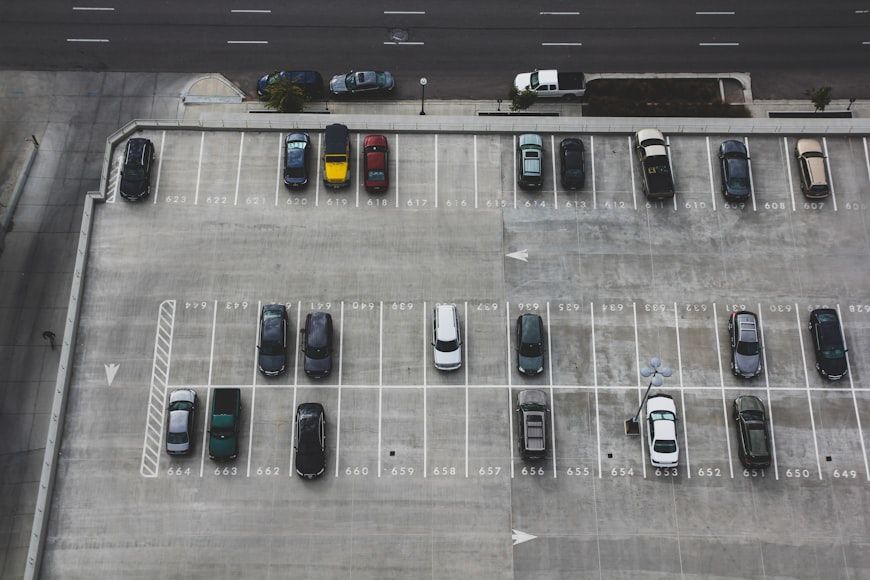
Knowing where and when to park while driving abroad is key to avoiding fines or returning to your car to find it was towed, especially in urban areas. Most European cities rely on color-coded areas to indicate free, paid, or restricted parking zones, while major Asian cities forbid street parking, relying on parking lots or vertical parking systems.
Major Latin American and African cities still mostly rely on street parking (many times also color-coded), but paid parking lots are common due to limited space, overcrowding, and security concerns.
Gas stations
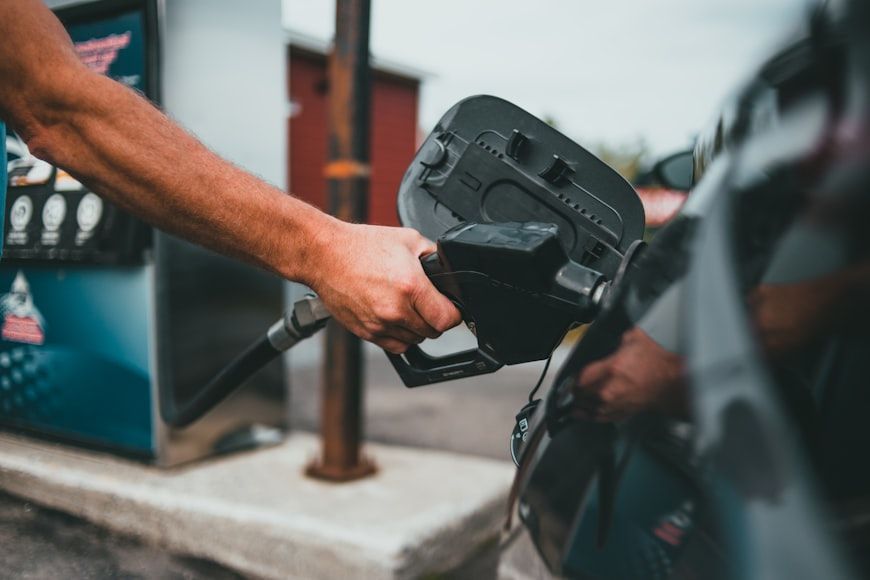
Except for New Jersey, gas stations in America are usually self-service stations, with pump nozzles including a lock for hands-free pumping. While self-service stations are common in Europe and Canada, hands-free pumps are usually banned due to safety concerns. Service stations in Latin America and Asia are mostly of the full-service variety.
Another main difference is the size and amenities associated with a gas station. While American gas stations offer a wide variety of services such as convenience stores, fast food service, and restrooms, in other countries, stations that are not on major highways are typically smaller, mainly focusing on fuel.
Keep wandering
There’s always
more to explore
How one package of macadamia nuts made the pilot turn the plane around
5 min.
Read Now
Nearly everyone in this town lives in one 14-story building
6 min.
Read Now
 Culture
Can too many visitors change a town forever? The truth about tourism
6 min.
Read Now

Chernobyl: the residents were told they’d be back in three days
6 min.
Read Now