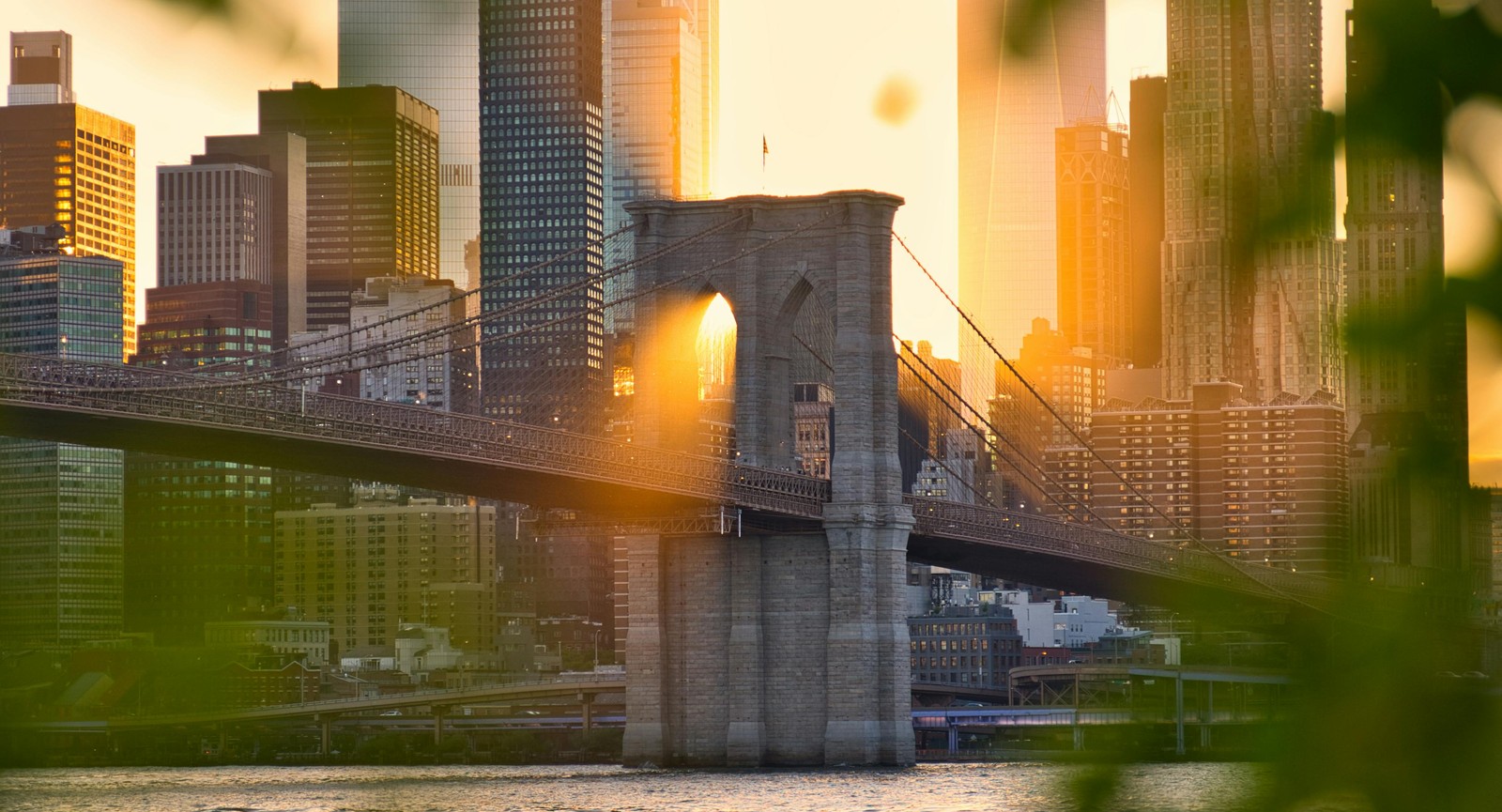
Is NYC a happy place? These city happiness rankings might surprise you
 Culture
Finding the happiest spots
Is NYC a happy place? These city happiness rankings might surprise you
What makes a city a happy place to live? Is it the weather? The culture? How happy are the citizens of New York City? Are those in San Francisco better off? What about Paris, or Helsinki? The Happy City Index is the result of global research that measures the conditions that encourage happiness across certain categories, like education, culture, environment, economy, health, or mobility. Let’s look at how these 10 cities rank, and why.
New York City, US (#207)
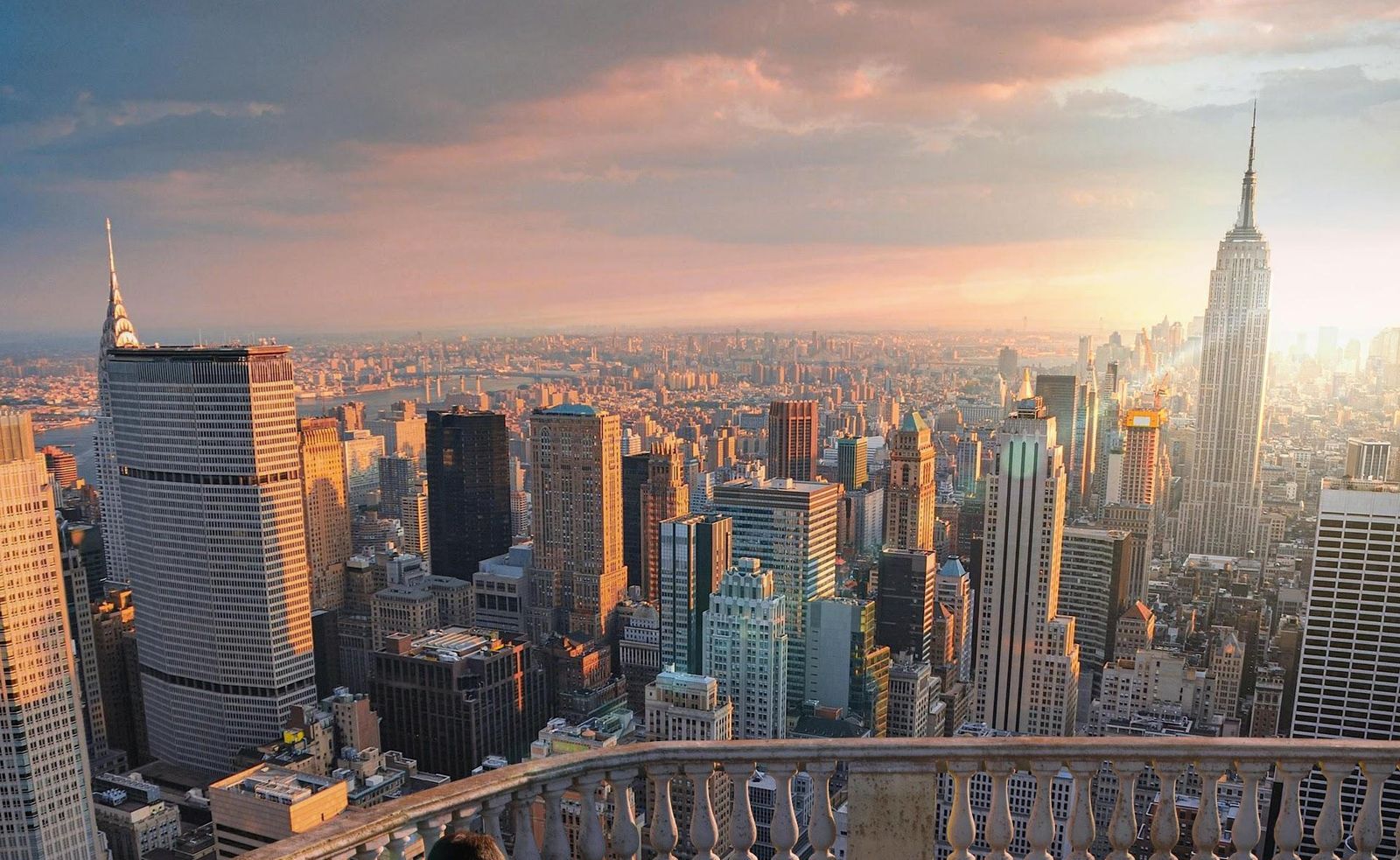
Are you surprised that New York City ranks almost at the bottom of this 250-city list? Its position is due to a mix of strengths and trade-offs. Look closely: the city excels in access to culture, top-tier healthcare, and economic opportunity, with one of the largest economies in the world. But daily life there can be demanding.
The high costs of living and crowded infrastructure can certainly play against joy levels. The city’s public transit is extensive, but long commutes eventually weigh in on work-life balance. Also, while green spaces like Central Park offer relief, they’re limited compared to the city’s density.
San Francisco, US (#45)

At place 45, San Francisco seems pretty low. But that makes it the top-performing city in the US on this ranking. The city Anchors Silicon Valley, with companies like Google and Apple nearby, which make it a global hub for innovation and drive economic opportunity.
Getting around in the city is easy, with BART trains and iconic cable cars connecting areas. And you have green spaces like Golden Gate Park and the Presidio to take a break from the dense city, alongside sweeping bay views.
Looking at this list, California would appear to be the happiest state, since next come San Diego, CA (at #155), San Jose, CA (#172).
Chicago, US (#243)
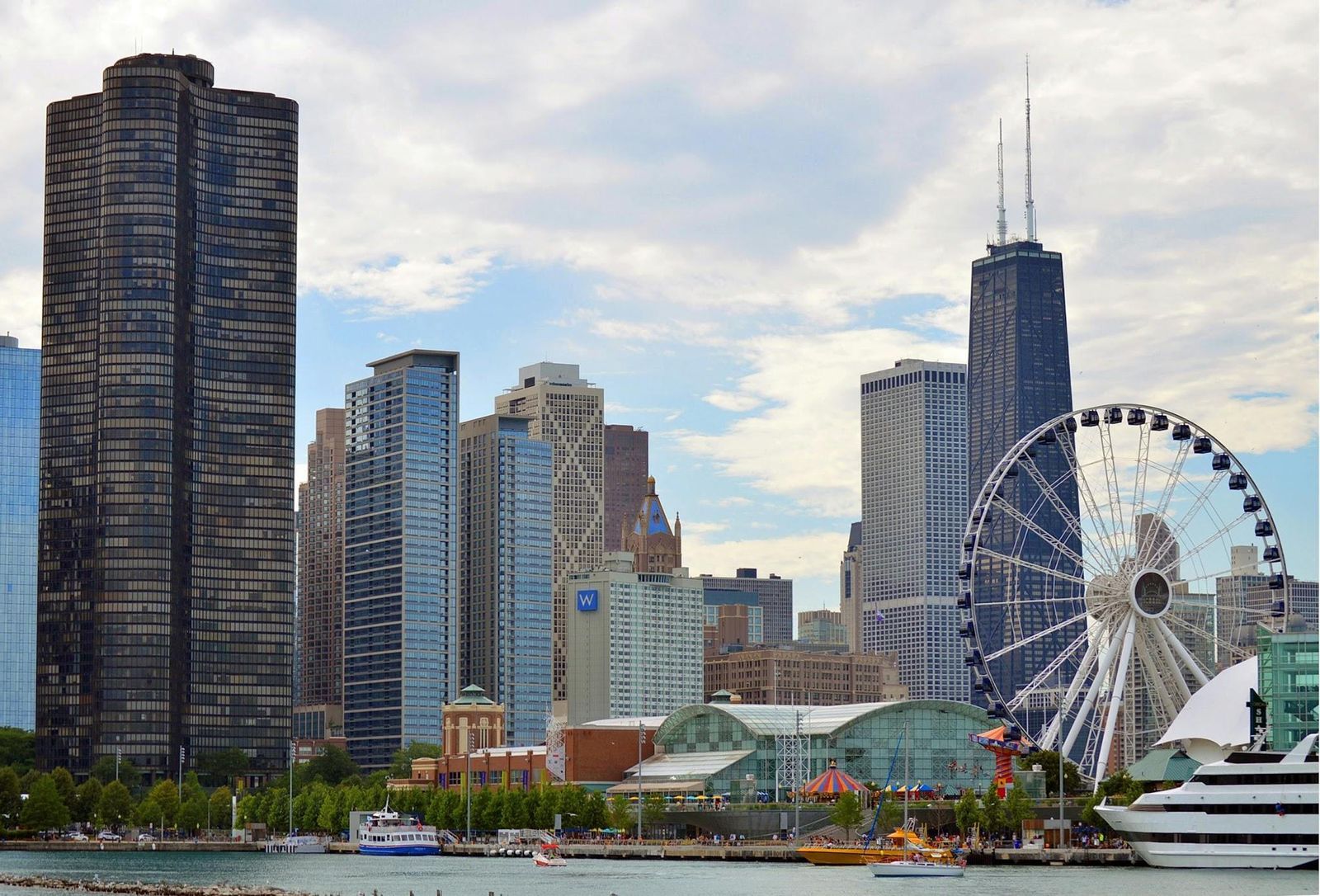
Chicago appears lower on the list at #243. The city offers a rich cultural life: think of the Art Institute of Chicago, shows in The Loop, and music roots in neighborhoods like Bronzeville. You’ll also find beautiful green spaces in parks and trails along Lake Michigan, while the Chicago "L" train keeps the city connected.
However, it has its challenges, which weigh on its ranking. Public safety concerns and aging infrastructure affect daily life in some areas. The experience of the city’s strengths will vary greatly depending on where in Chicago you live.
London, United Kingdom (#48)
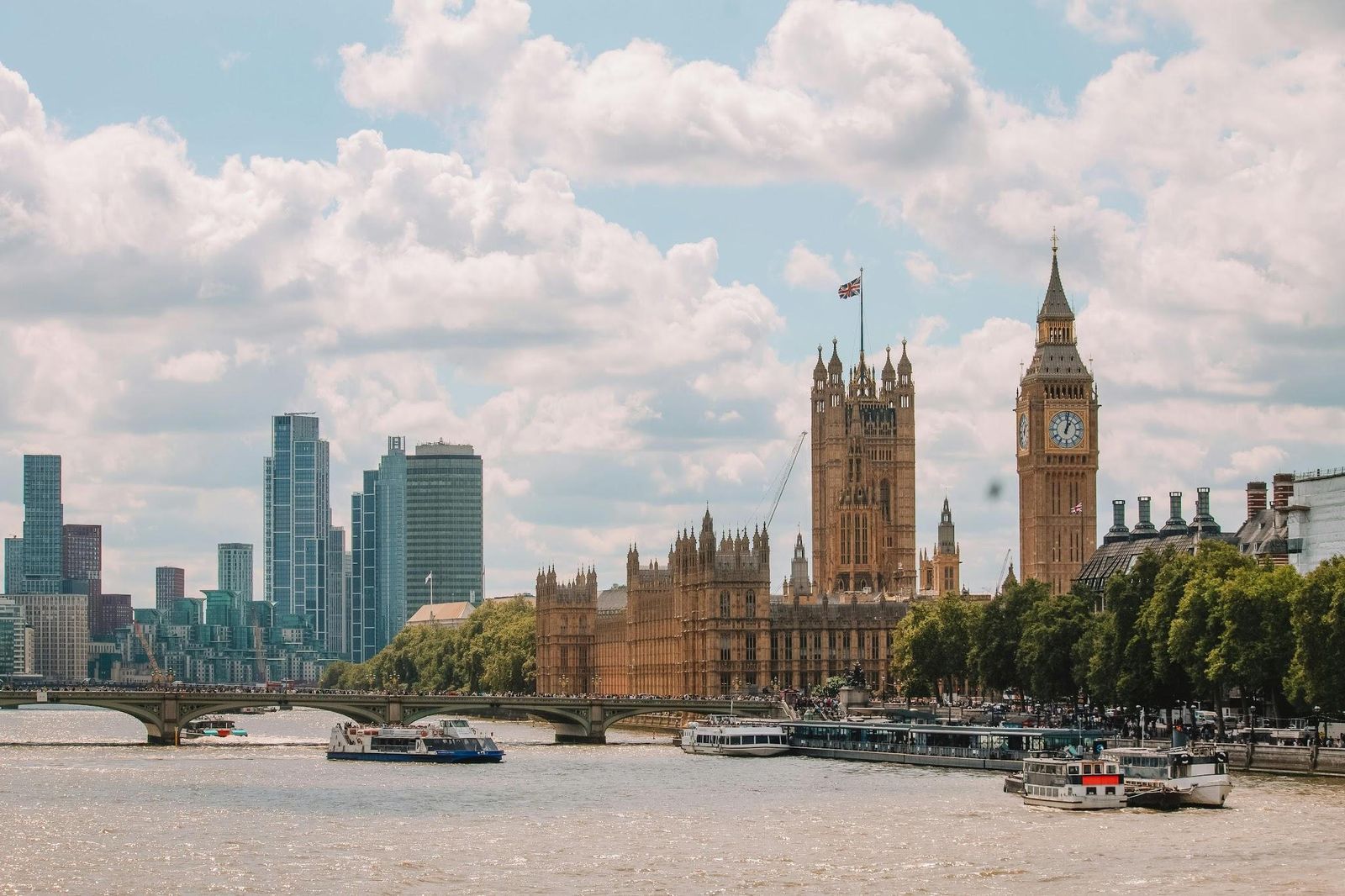
London, capital of the United Kingdom, shines in healthcare access, cultural life, and public transportation, with one of the most connected transit systems in the world. But even with its Undergrund, its West End, and its Hyde Park, life can feel intense there. High living costs, crowded housing, and long commutes affect citizens here as well.
This might be why Edinburgh, Scotland’s capital city, ranks one step higher; it offers many of the same cultural and public service strengths, but on a smaller, more manageable scale, with easier access to a slower pace of life.
Vancouver, Canada (#39)
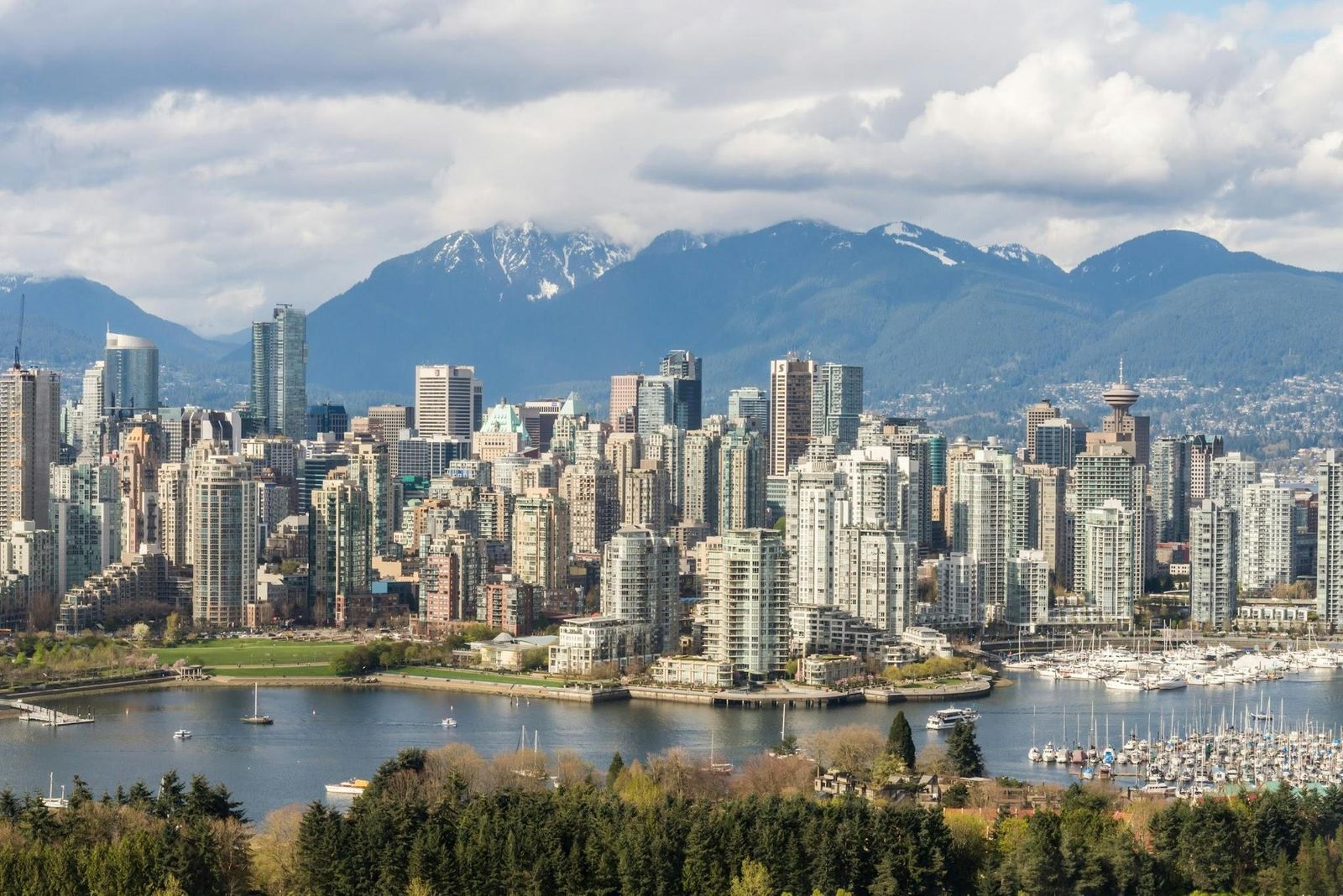
The top Canadian city on this list is Vancouver, at #39. Just a look at one picture and you can tell that its natural setting plays a big role. Stanley Park stretches along the waterfront, while the North Shore Mountains rise just across the bay. Outdoor life is built in, from seaside walks to nearby ski slopes.
But there’s a catch. Housing in areas like Downtown Vancouver ranks among the most expensive in North America. Vancouver is clean, active, and scenic, but it’s not exactly affordable for everyone.
Paris, France (#25)
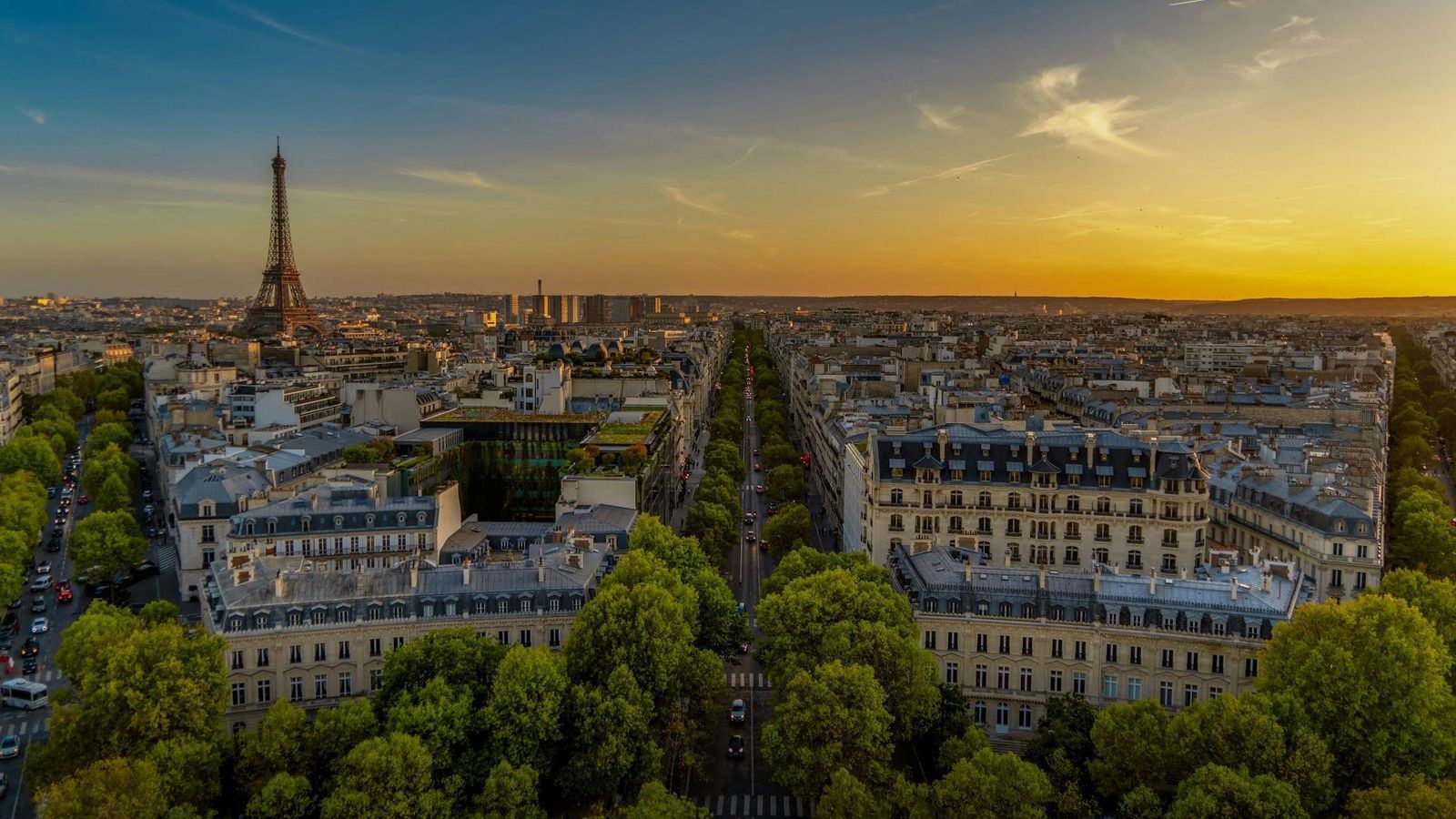
The architectural style and cultural richness of Paris are endlessly imitated across the world. For a major city with approximately 2.1 million residents, it shows up remarkably high on the happiness index list. It might have to do with its extensive public transport system, or its quaint cafés that spill onto sidewalks, and neighborhoods that are built for walking.
Life near the Seine River seems idyllic, but it has its caveats; dense districts and rising costs, especially in central areas like Le Marais, can make the city feel crowded and expensive.
Barcelona, Spain (#12)
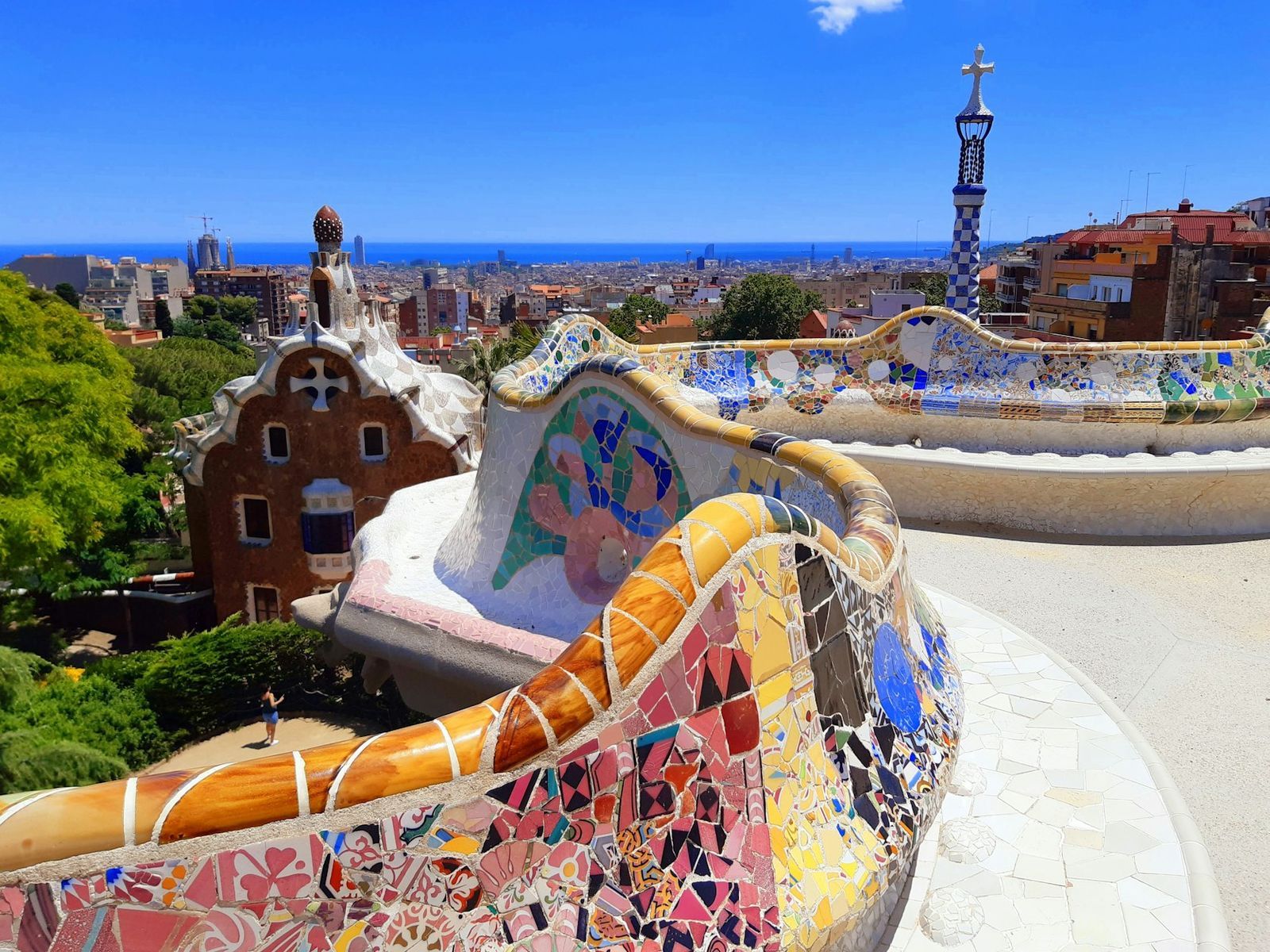
Barcelona ranks at #12, and it’s easy to see why. Look closely: the city opens directly onto Barceloneta Beach, while green spaces like Park Güell add color and elevation. Wide avenues and pedestrian zones make daily life feel outdoors, especially in districts like the Eixample. Public transportation, including metro and tram lines, keeps the city well-connected.
However, if there is one thing residents complain often and loudly about, it's the heavy tourism and rising housing costs.
Tokyo, Japan (#5)
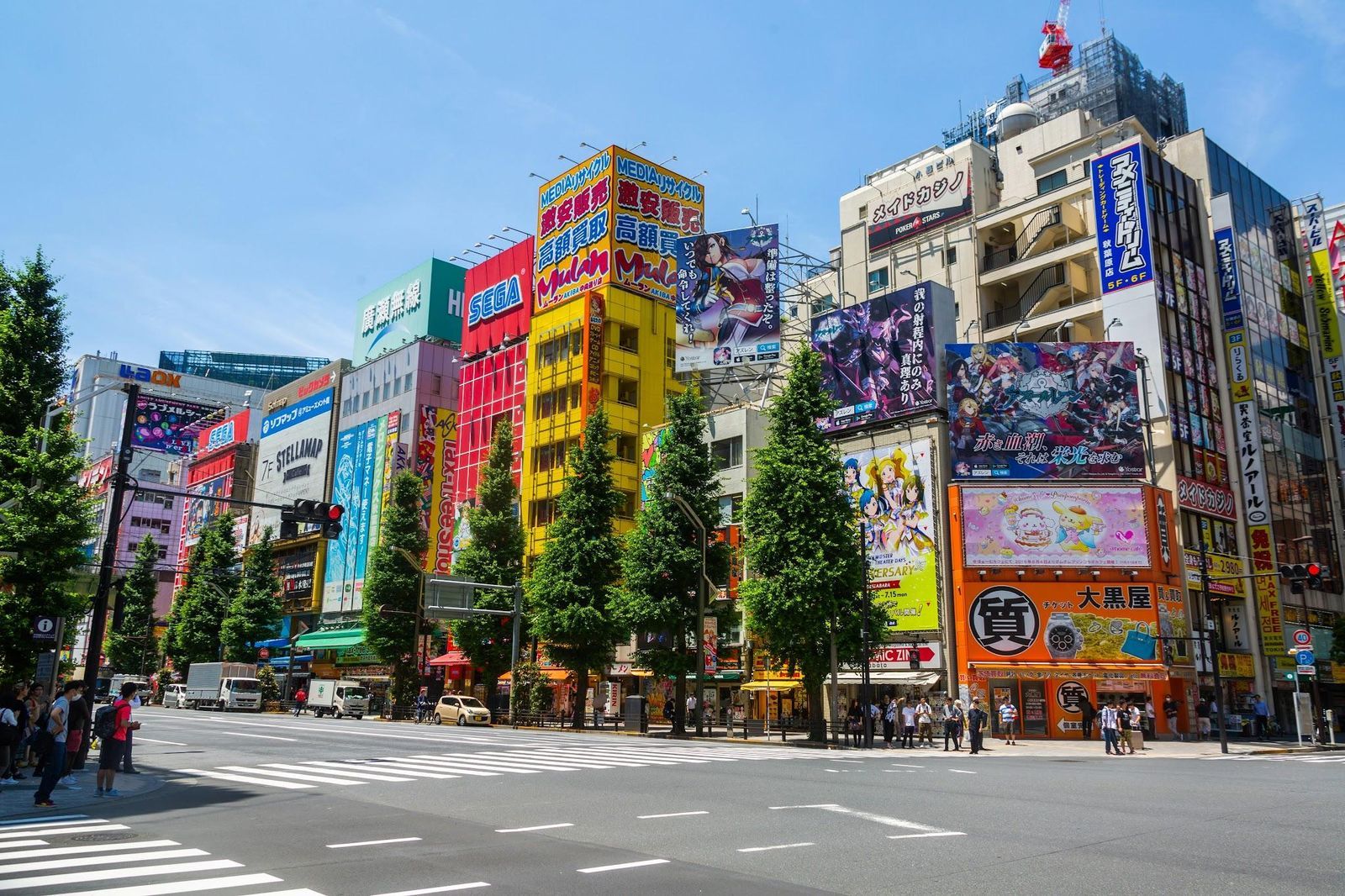
Japan’s Tokyo nears the top of this list. It is in part thanks to systems that run with remarkable precision, which visitors often comment on. The city moves on rail networks like the Tokyo Metro and JR Yamanote Line, where trains arrive almost to the minute.
Neighborhoods such as Shinjuku and Shibuya stay active yet orderly. Healthcare access here is strong, and even dense areas include pockets of calm like Shinjuku Gyoen.
Helsinki, Finland (#2)
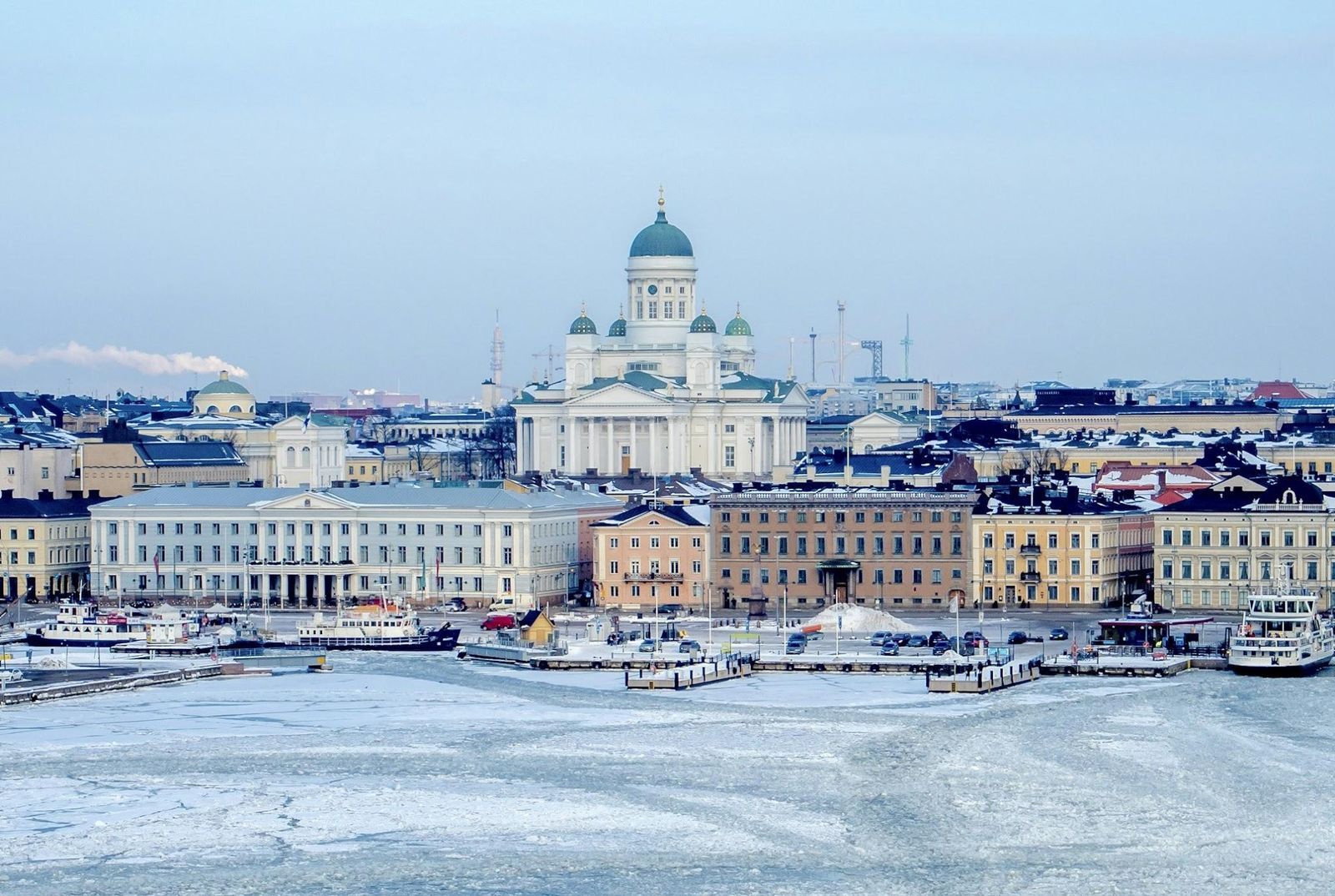
The enchanting Baltic shoreline is never far away in Finland’s capital city. Of course, if you were to move there, you would have to get used to the long, dark winters. But it may be worth the trade-off.
The pace there is calm, with shorter workweeks and strong public services. There’s universal healthcare and education, and green spaces such as Central Park stretch into the city, while cultural landmarks like Helsinki Central Library Oodi double as community hubs.
Copenhagen, Denmark (#1)
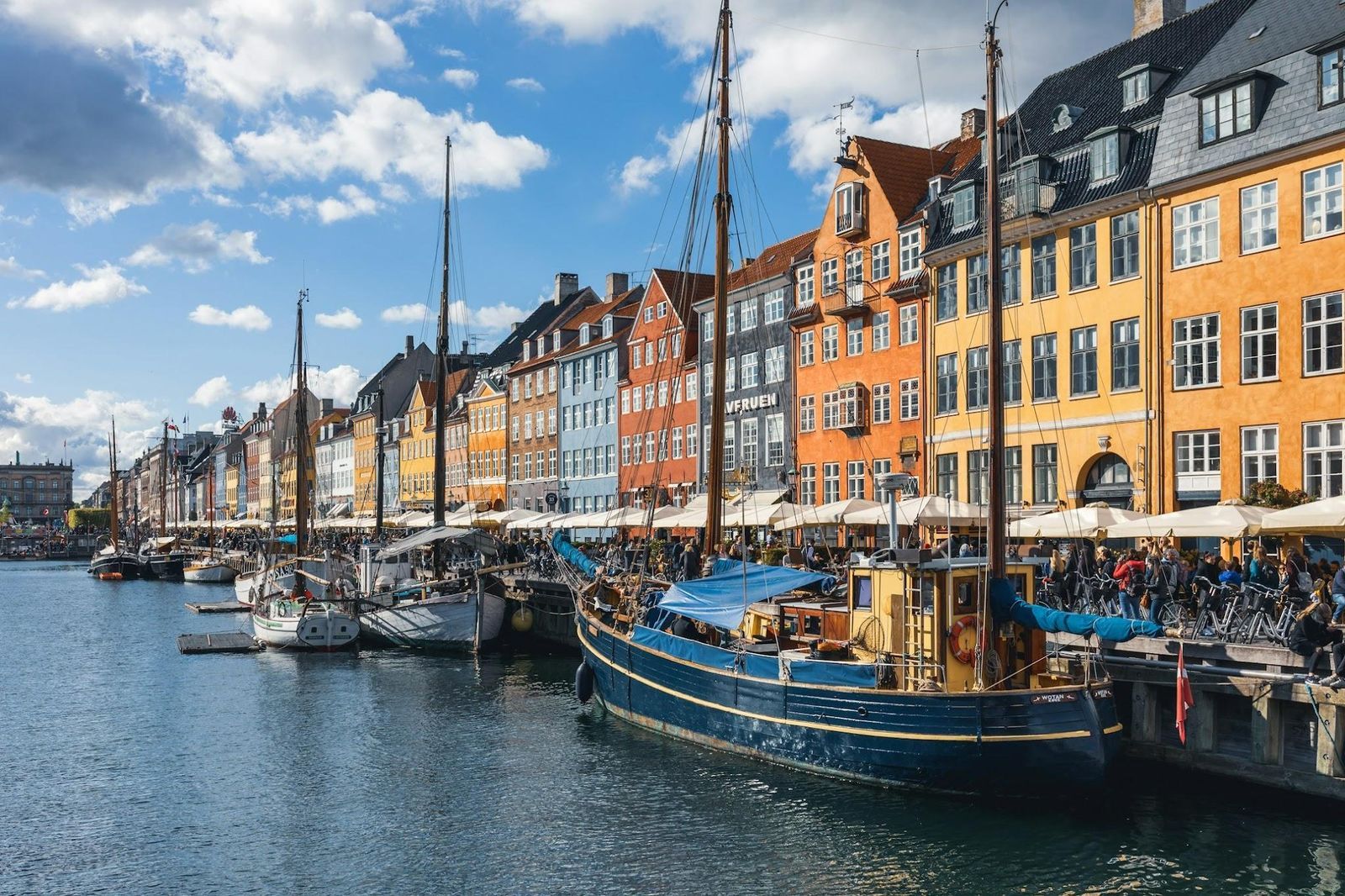
Copenhagen takes the top spot, and it shows in the details of its daily life. Think of bike lanes that span the city, with routes like the Cycle Superhighways making cycling a primary way to get around.
Along the Nyhavn, its historic port, colorful houses and antique wooden boats strike a lively impression on visitors. Denmark is the leading country according to this list, occupying not only the 1st place but the 4th (Aarhus), 15th (Aalborg, and 26th (Roskilde).
From coast to coast: 10 US cities that transport you to past centuries
 Geography
Portals to the past
From coast to coast: 10 US cities that transport you to past centuries
Many major American cities are defined by towering skyscrapers and sleek modern buildings, symbols of the contemporary world. But across the United States, there are places that have preserved their history so well they feel as if they belong to another time or continent. From castles and cobblestones to gas-lit streets and historic squares, join us as we explore 10 US cities that will transport you far from home.
Boston, Massachusetts
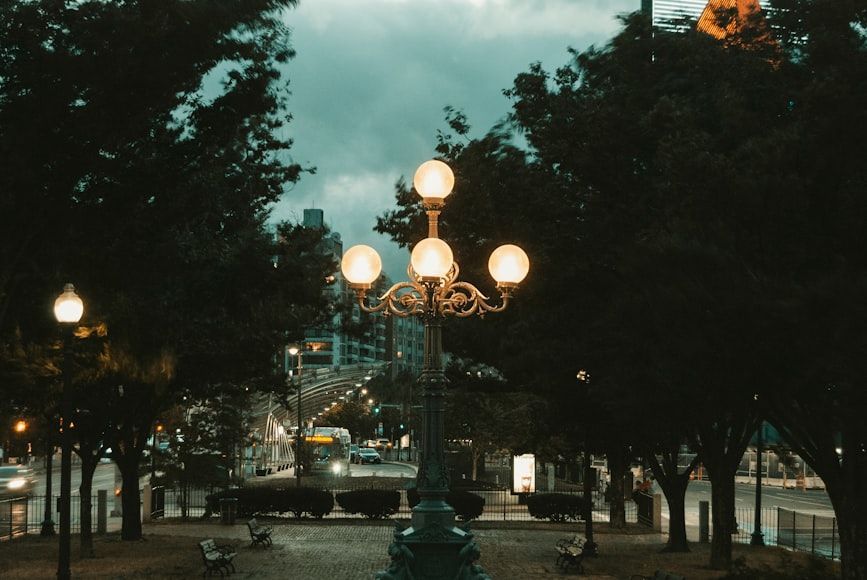 Image: Aman Nagpal
On the Atlantic coast of Massachusetts, you’ll find Boston, the largest city in New England. Founded in 1630 by English Puritans, it played a central role in the American Revolution, and its architecture still reflects layers of English, Irish, and Italian influence. Neighborhoods like Beacon Hill preserve early street patterns, with narrow lanes and brick sidewalks, while landmarks such as King’s Chapel (1754) showcase the British colonial architecture.
St. Augustine, Florida
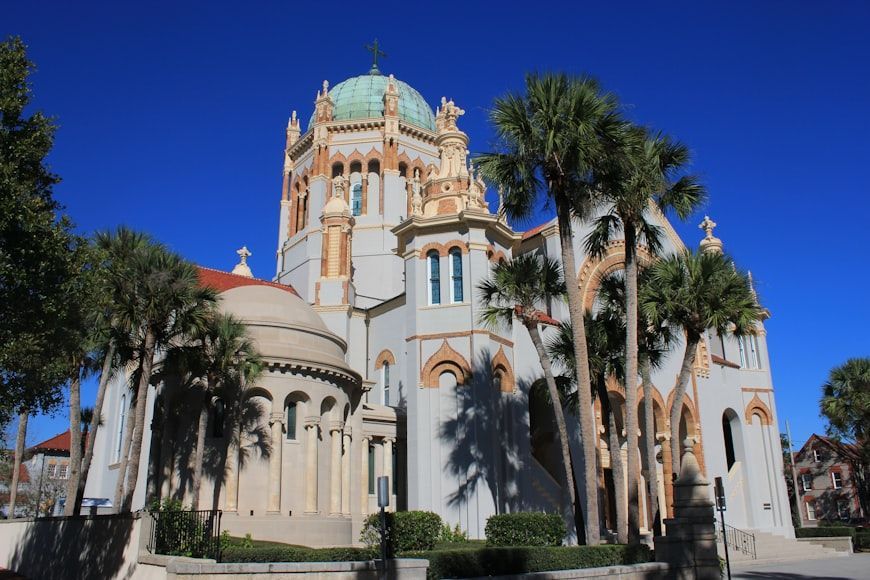 Image: Mr. Great Heart
On Florida’s northeast coast, along the Atlantic Ocean, about 40 miles south of Jacksonville and 100 miles north of Orlando, you’ll find the charming town of St. Augustine. Founded by the Spanish in 1565, it is the oldest continuously inhabited European-founded city in the continental United States. Spanish forts and castles, narrow lanes, and cobblestone streets make it feel like a portal to the colonial era, enriched by layers of Spanish, British, and early American history.
New Orleans, Louisiana
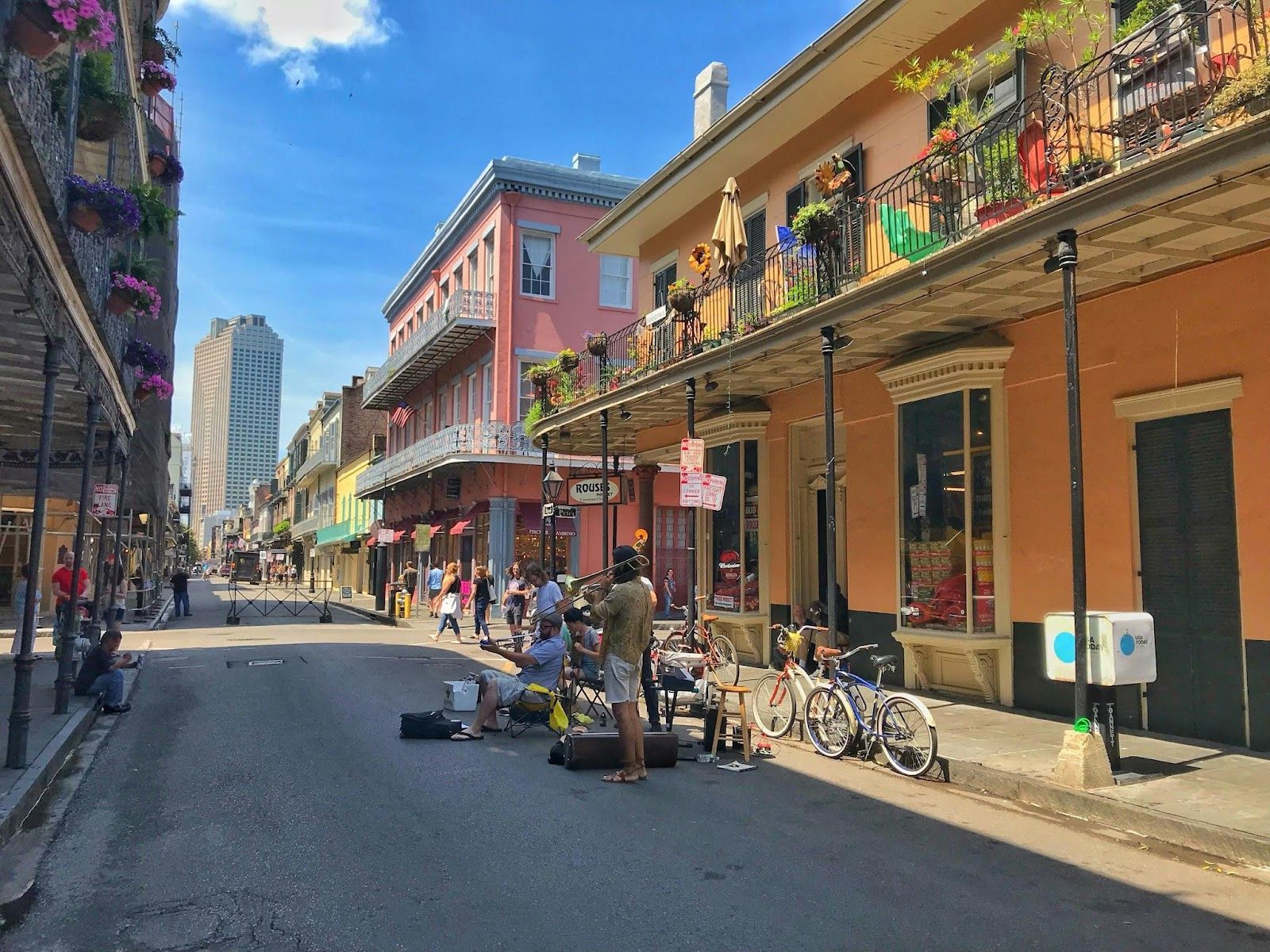 Image: João Francisco
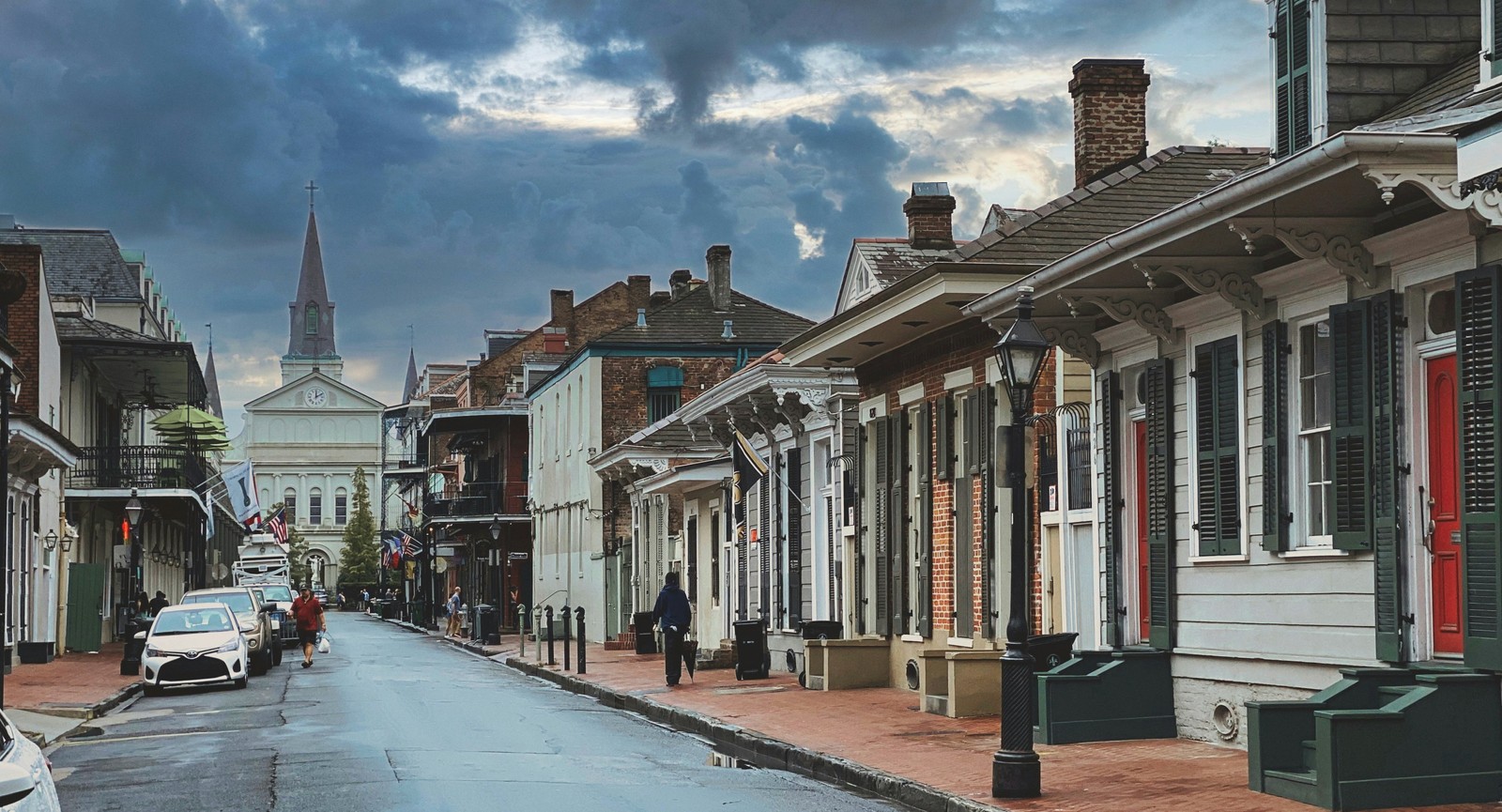
The vibrant city of New Orleans was founded in southeastern Louisiana in 1718 by the French Mississippi Company. And that’s why today, its architecture reflects a unique blend of French, Spanish, and Creole culture, influencing much of city life. European influences are visible in its historic churches, plazas, and fountains, but nowhere more so than in the French Quarter, with its winding streets and iconic cast-iron balconies.
Williamsburg, Virginia
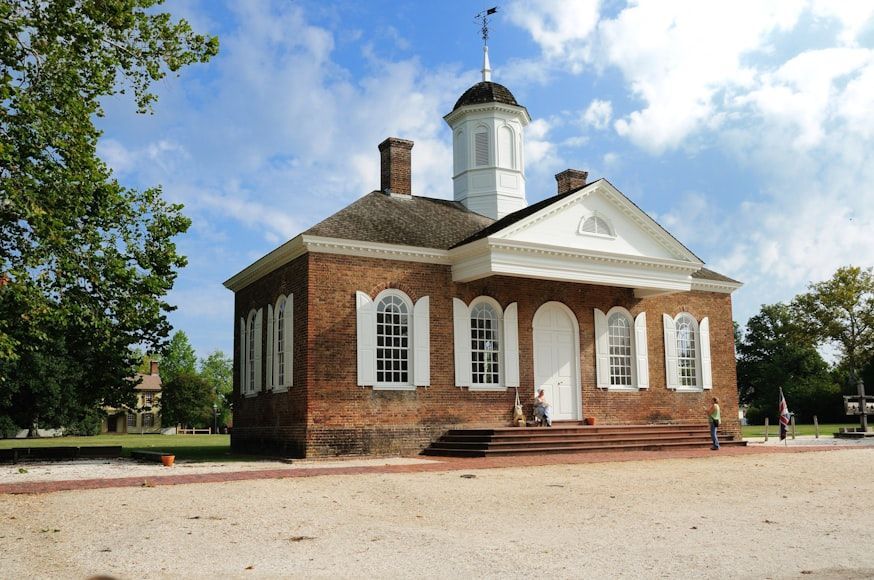 Image: Anthony DeWitt
Williamsburg, a city in southeastern Virginia about 50 miles east of Richmond, feels like a trip back in time. Founded in 1632, it served as the capital of colonial Virginia from 1699 to 1780. Its Georgian-style buildings, with symmetrical designs, brick façades, and steep roofs, showcase its British colonial heritage and make strolling through the town feel like walking through the 18th century.
Savannah, Georgia
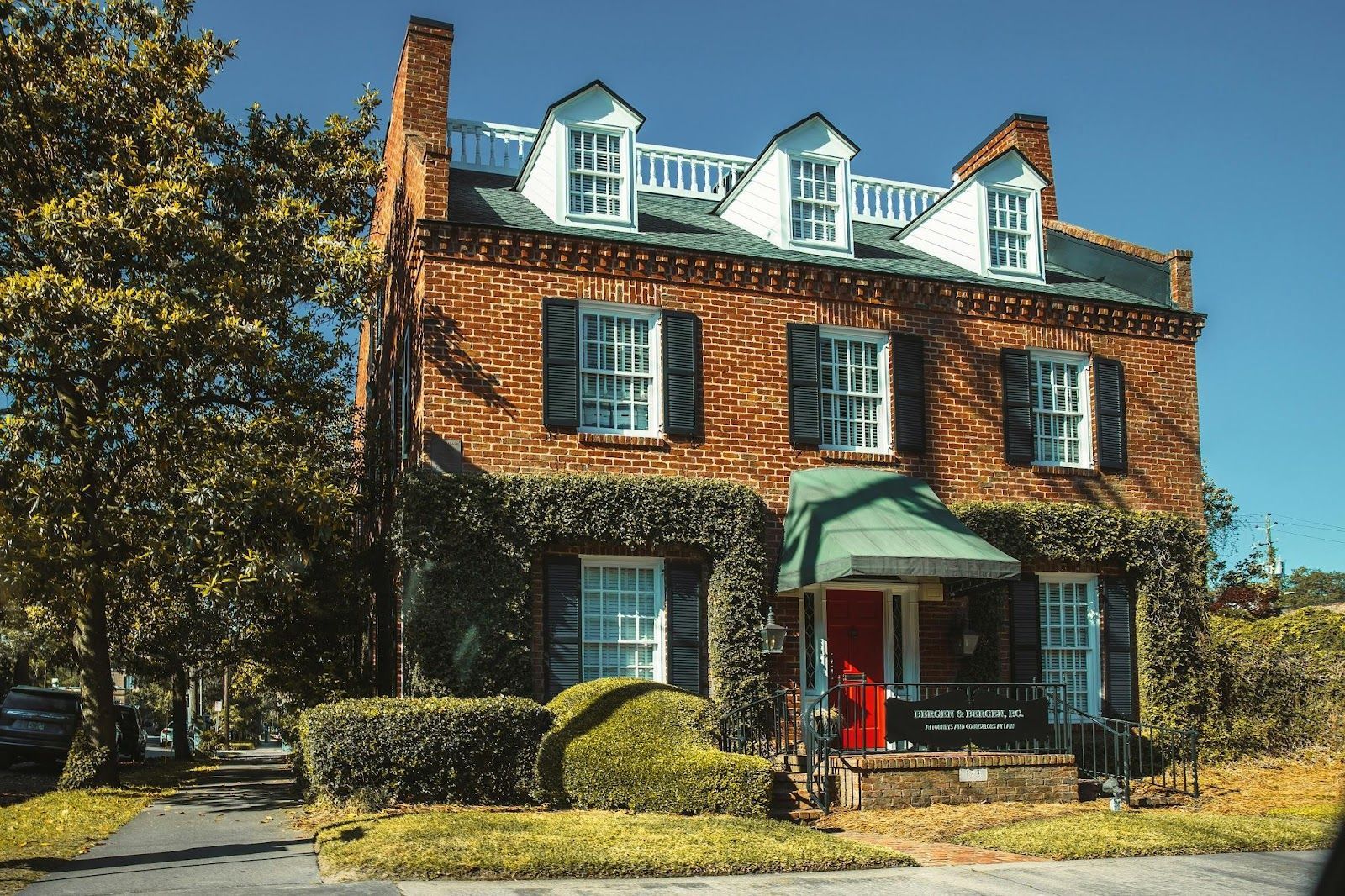 Image: Diane Picchiottino
Along the Savannah River, on the southeastern coast of Georgia, lies the city of Savannah. Founded in 1733 by General James Oglethorpe, it became one of the earliest planned cities in the United States. With a current population of roughly 150,000, its historic squares arranged in a grid show reminiscences of European town planning. The Colonial and Federal styles can be seen in its typical houses with wrought-iron balconies and its brick sidewalks.
Newport, Rhode Island
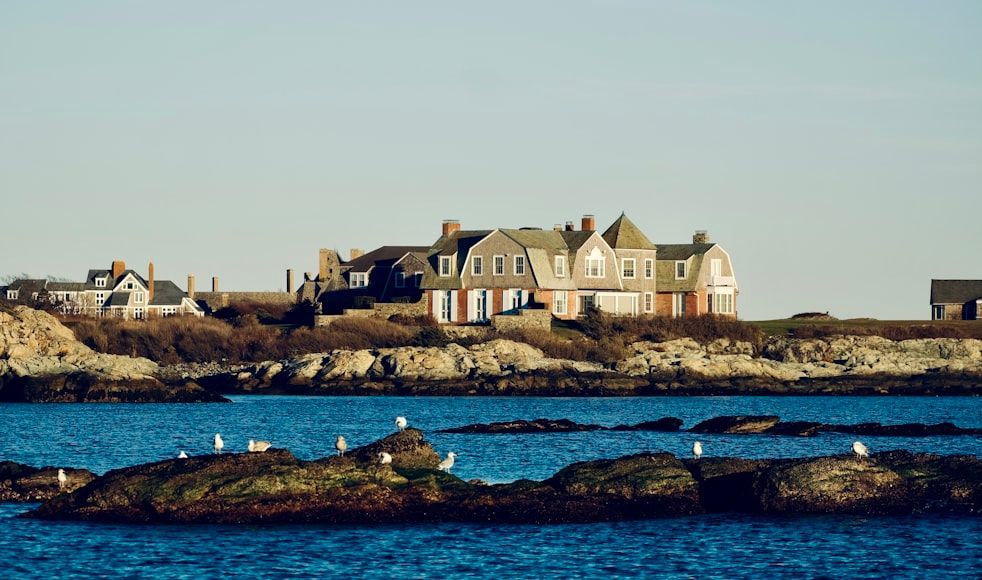 Image: Radu Lin
Founded in 1639, Newport, Rhode Island, is renowned for its maritime history, sailing culture, and Gilded Age mansions. Originally a colonial port, the city later became a favored summer retreat. Today, its brick streets and waterfront are filled with impressive European-inspired mansions that preserve centuries of architectural heritage and design.
Santa Fe, New Mexico
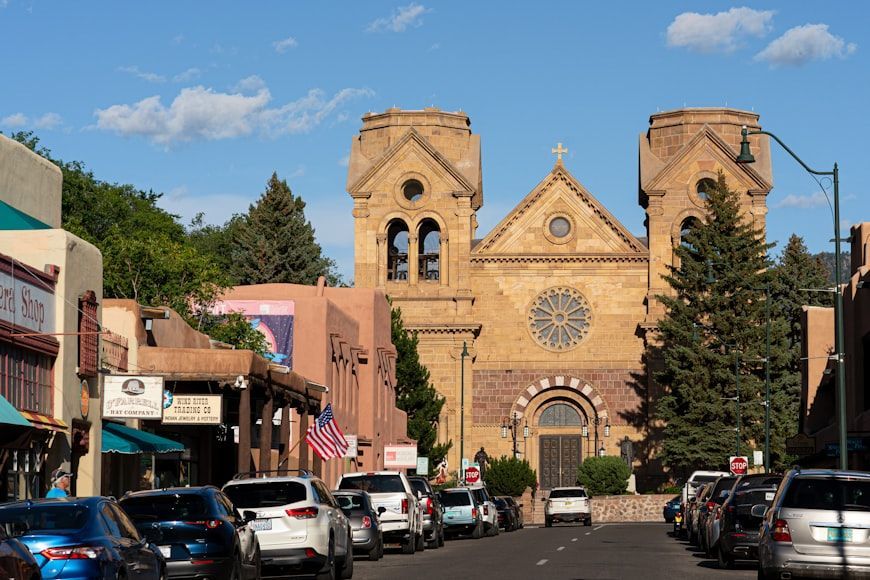 Image: Nick Castelli
At the base of the Rocky Mountains lies the beautiful city of Santa Fe, in north-central New Mexico. Founded in 1610 by Spanish colonists on the site of earlier Pueblo Native American settlements, the city has a current population of about 85,000. Its adobe buildings give Santa Fe a unified style, with the heart of its historic center, the Plaza, as a hallmark of Spanish colonial town planning.
Helen, Georgia
 Image: Tolga Ahmetler
Much newer than the other mentioned cities, Helen, Georgia, was founded in 1913 as a lumber mill town. But in the late 1960s, it took a completely new direction: the town was redesigned as a Bavarian-style Alpine village to attract tourism. Today, Helen feels old-world, but it’s entirely modern, inspired by the charm of European mountain towns.
Charleston, South Carolina
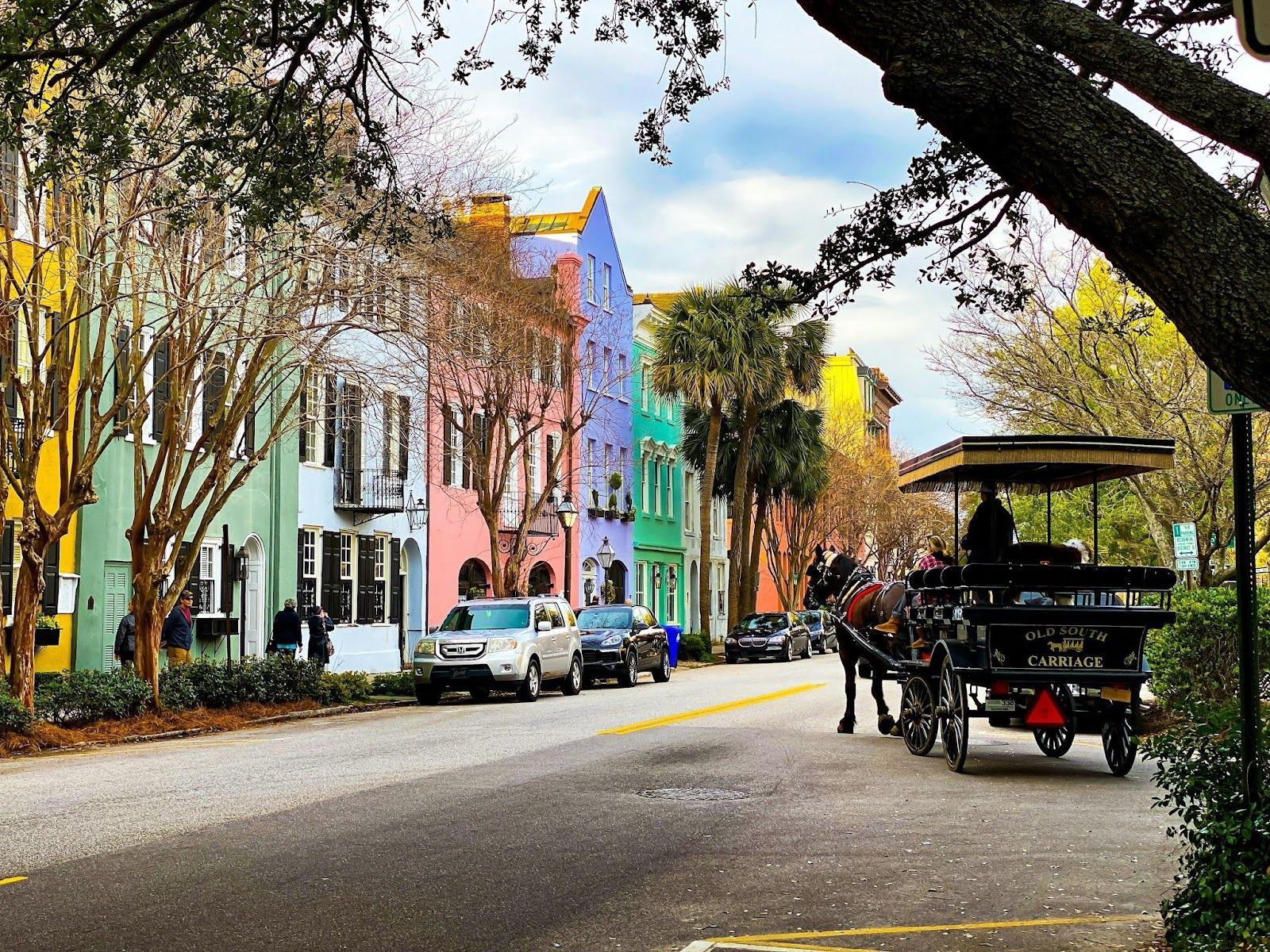 Image: Leo Heisenberg
South Carolina is home to the beautiful city of Charleston, founded in 1670 as "Charles Town" after King Charles II of England. Its picturesque cobblestone streets, illuminated by romantic gas-lit lanterns, run between historic homes in Georgian, Federal, and Colonial Revival styles, alongside plantation-style mansions and pastel-colored row houses. As a result, the city feels distinctly old-world, with the unique charm of the American South.
Annapolis, Maryland
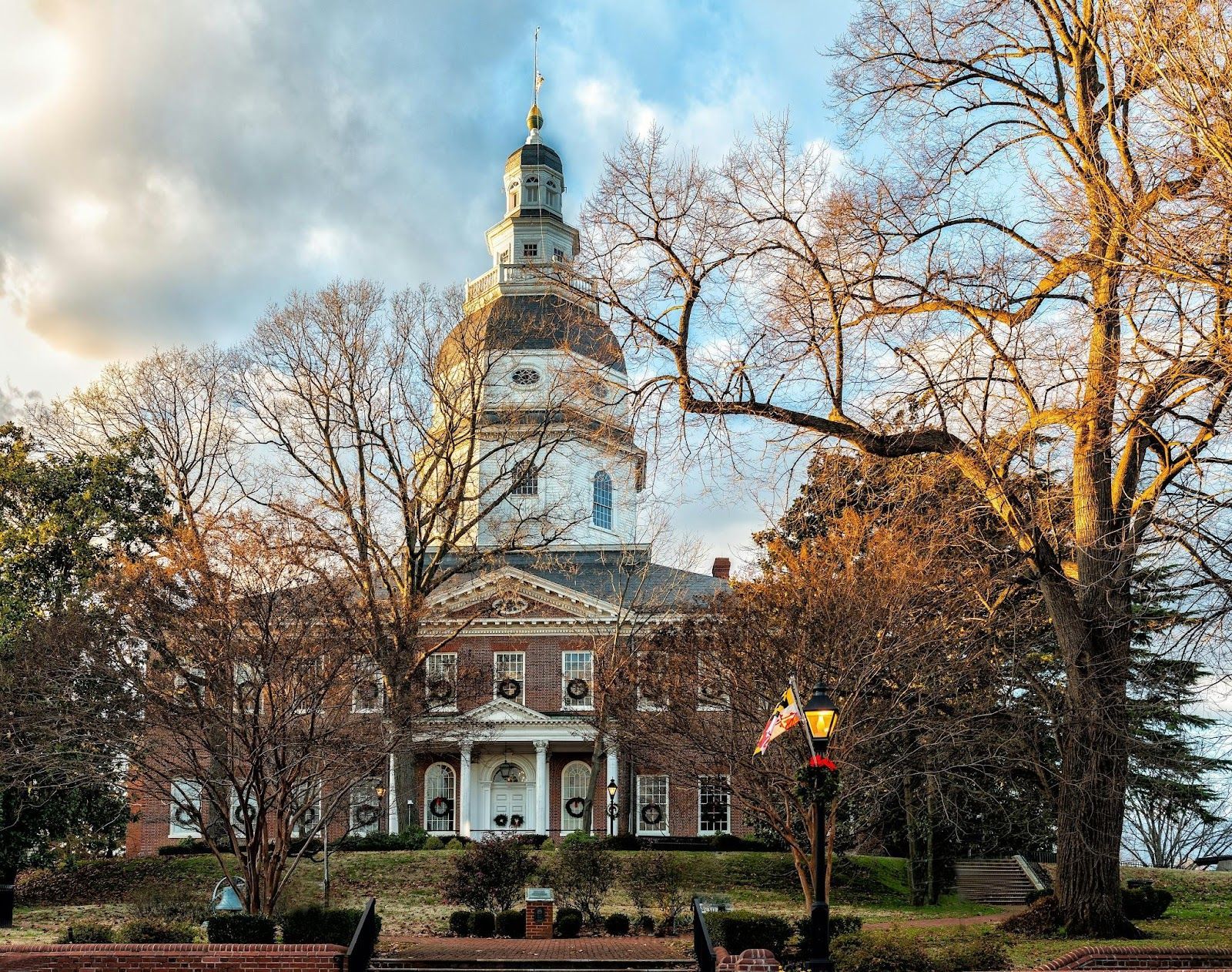 Image: Terry Granger
Annapolis sits on the western shore of the Chesapeake Bay in Maryland, at the mouth of the Severn River. Founded as Providence in 1649 by Puritan exiles from Virginia and renamed in 1694 after Princess Anne of England, the city’s downtown preserves its history very well. In Annapolis, we can enjoy 17th- and 18th-century European-influenced architecture and urban design, with the Maryland State House, built in 1772 in Colonial/Georgian style, standing as a prime example.
Keep wandering
There’s always
more to explore
 General

The day the music died: The song that said goodbye to early rock 'n' roll
6 min.
Read Now

Can you guess where Tutankhamun's golden mask is actually kept?
7 min.
Read Now

The 10 best chocolate desserts in the world
5 min.
Read Now

Ten airports where you will actually want to arrive early
3 min.
Read Now