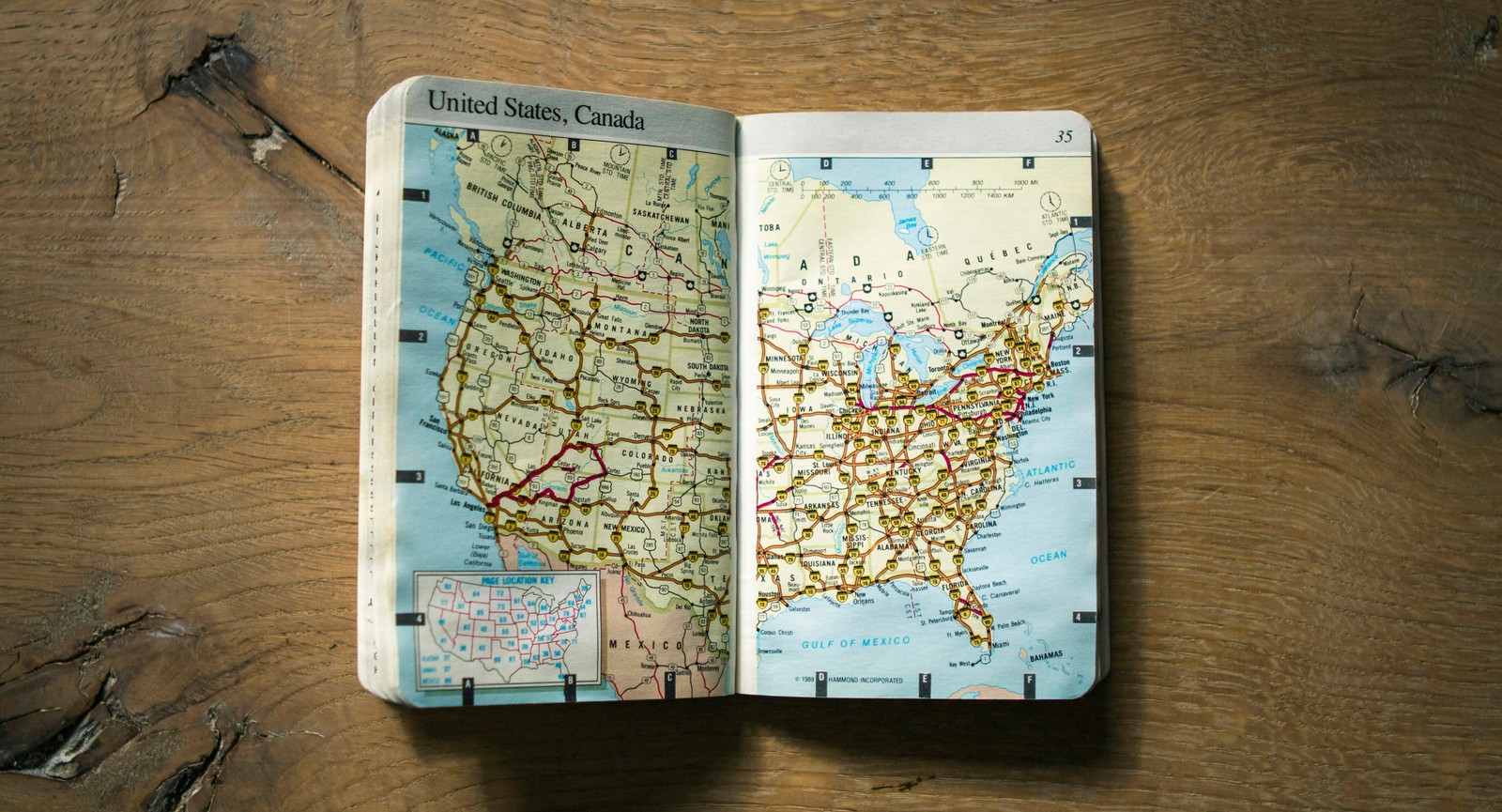
10 perfect weekend getaways across the United States
 General
Quick escapes
10 perfect weekend getaways across the United States
Sometimes you don’t need a long vacation to recharge; you just need a change of scenery. Weekend trips are the perfect way to break out of routine without the hassle of extensive planning. Across the United States, there are countless destinations that offer great food, beautiful landscapes, and memorable experiences within a short trip. These destinations are perfect for a Friday-to-Sunday adventure, giving you just enough time to explore, relax, and return home re-energized.
Sedona, Arizona
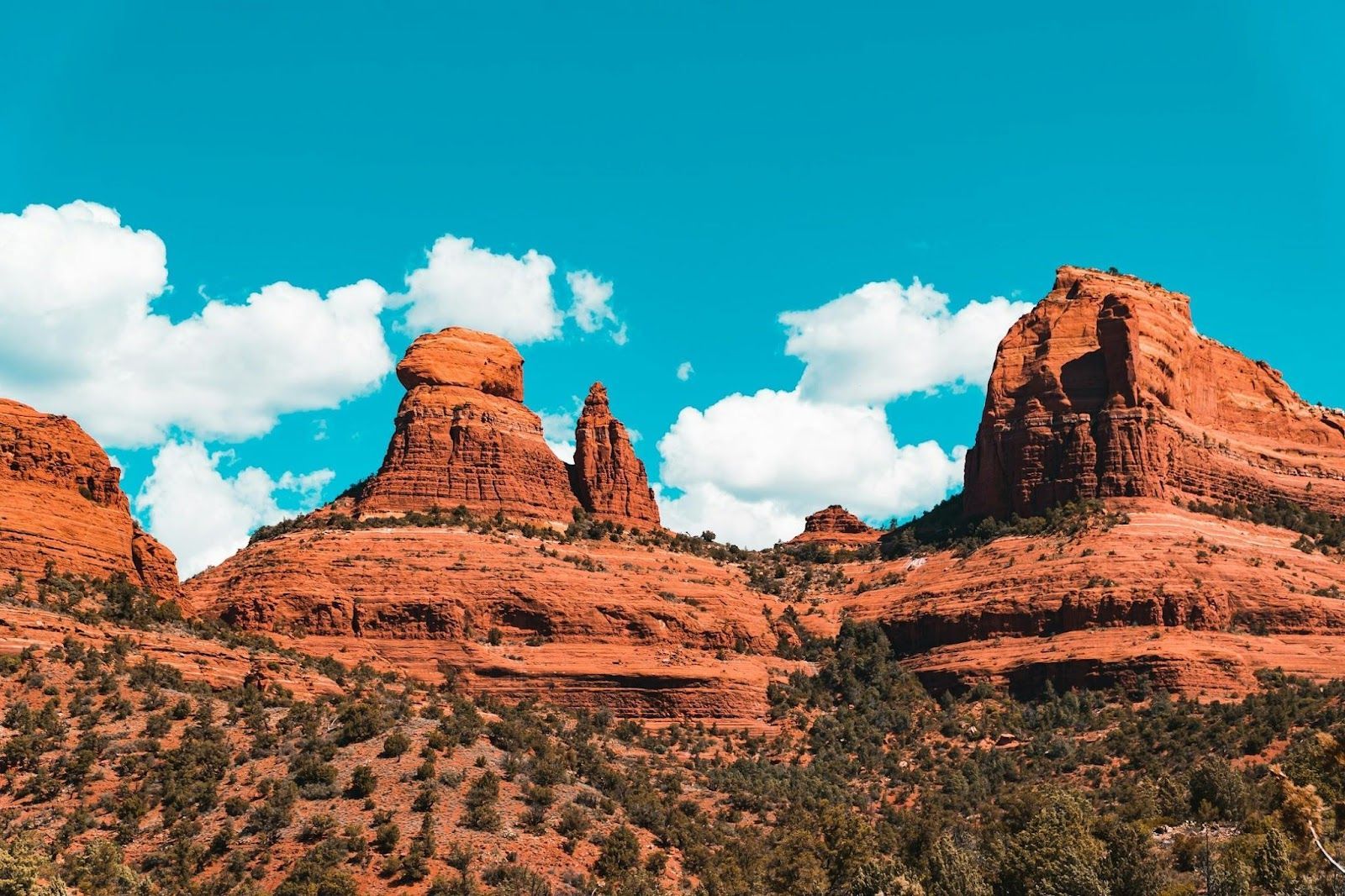
Sedona is famous for its dramatic red rock landscapes and peaceful desert atmosphere. It’s a great choice for a quick escape into nature, with scenic hiking trails and breathtaking viewpoints just minutes from town.
Many visitors also come for the relaxing side of Sedona: spas, art galleries, and quiet sunset views over the rock formations make it a perfect place to slow down for a couple of days.
Charleston, South Carolina
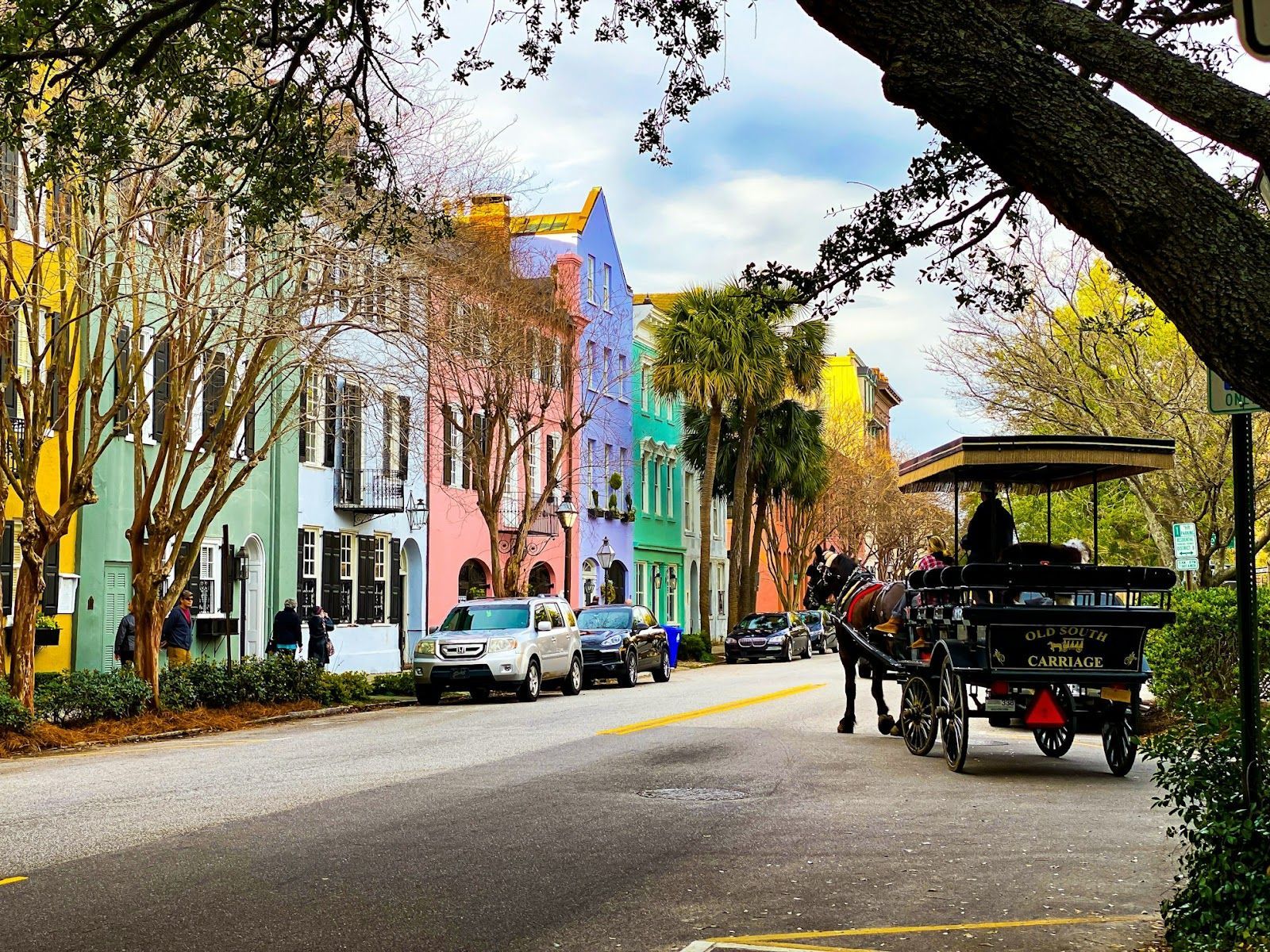
Charleston is one of the most charming cities in the South, known for its pastel-colored houses, historic streets, and relaxed coastal vibe. A weekend here can easily be filled with walks through the historic district, waterfront views, and visits to beautiful plantations.
Food is another major draw. From classic shrimp and grits to modern Southern cuisine, the city’s restaurants make Charleston a dream destination for anyone who loves to eat well while traveling.
Napa Valley, California
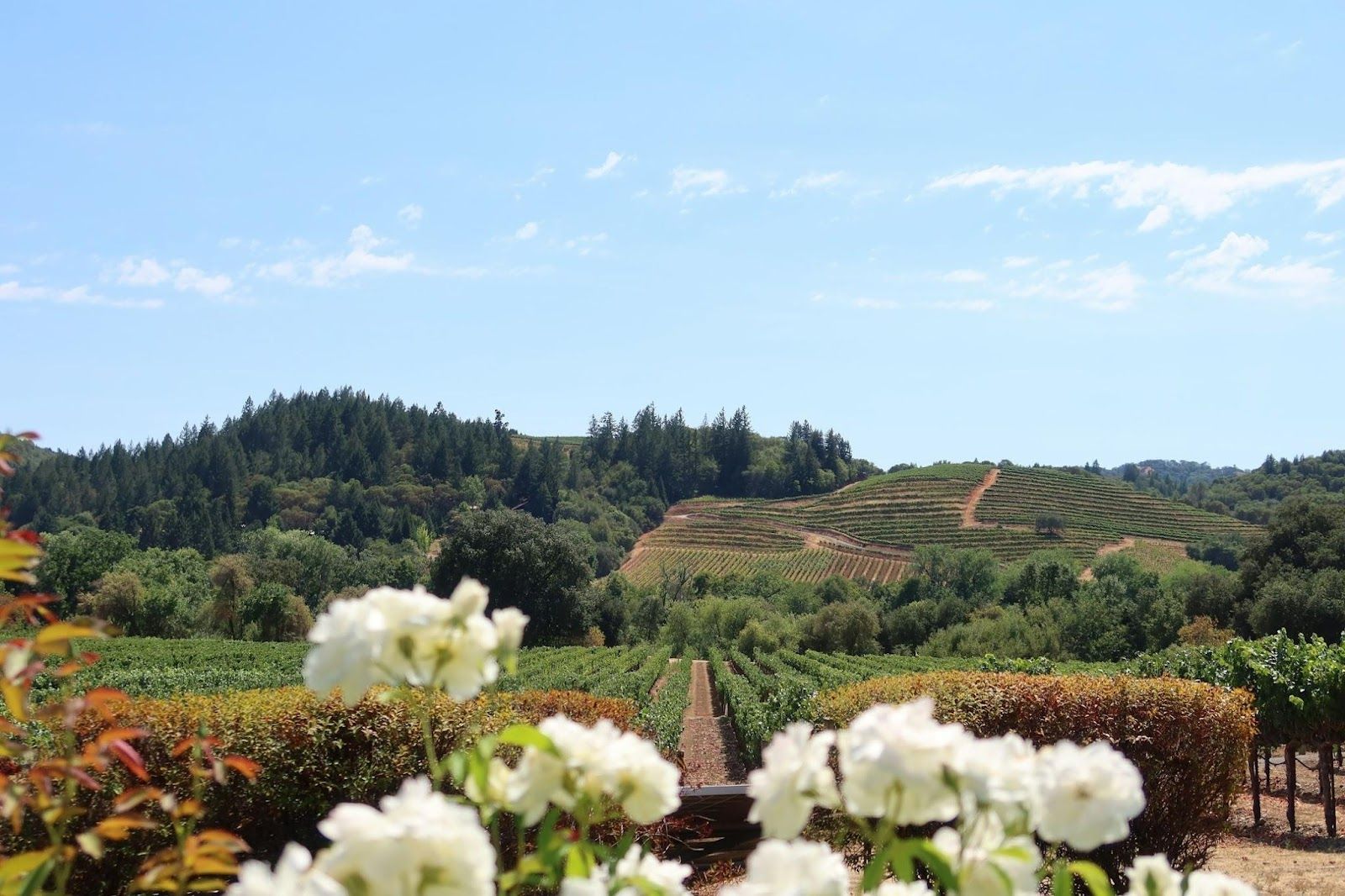
For a relaxing and indulgent weekend, Napa Valley is hard to beat. Rolling vineyards, scenic countryside roads, and world-famous wineries create a peaceful atmosphere just a short drive from San Francisco.
Wine tastings, gourmet restaurants, and charming small towns like Yountville or St. Helena make it easy to fill a weekend with memorable experiences.
Asheville, North Carolina
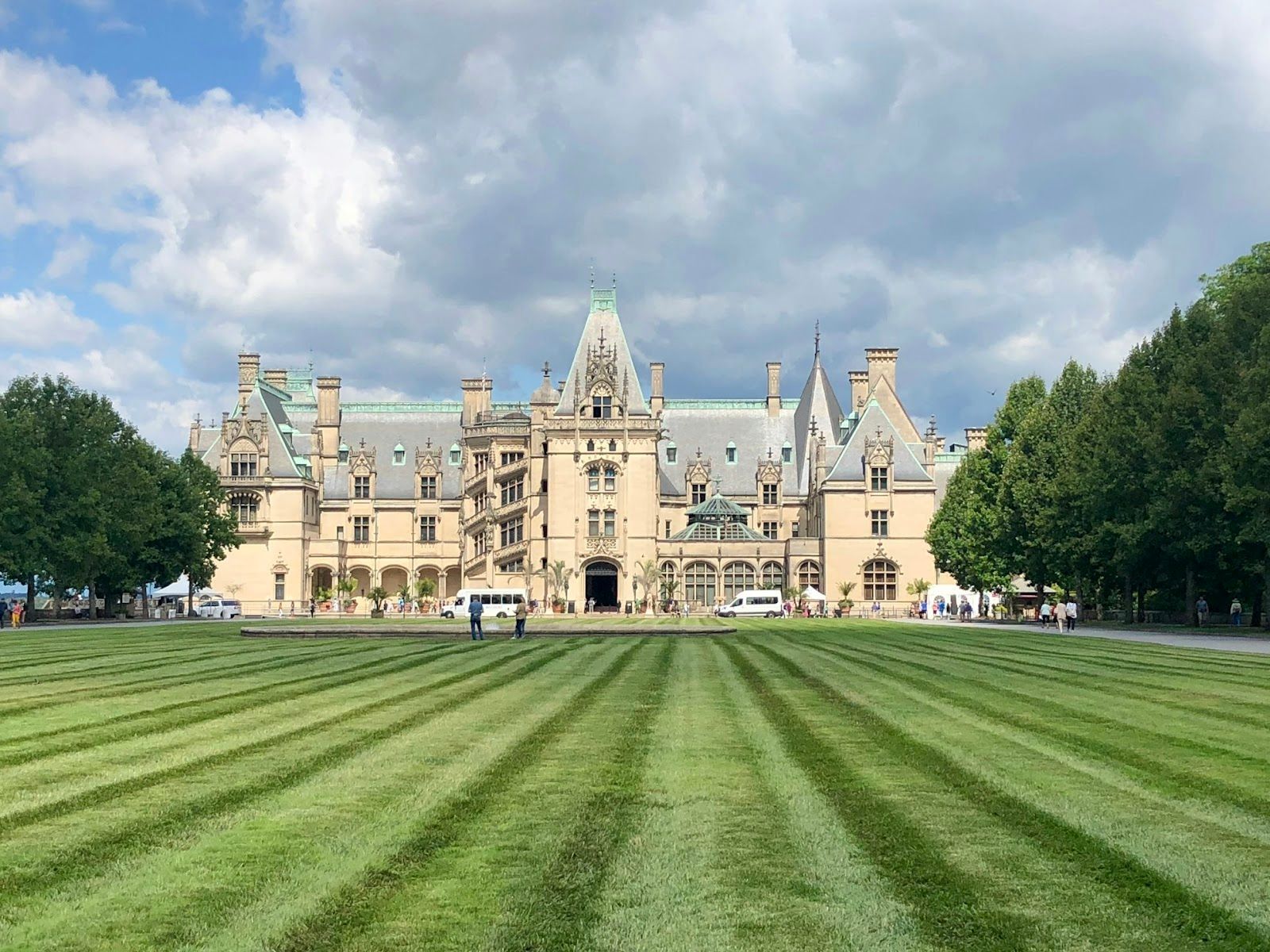
Nestled in the Blue Ridge Mountains, Asheville is a favorite for travelers who love both nature and creative culture. The surrounding mountains offer beautiful hiking trails and scenic drives, especially during the fall.
Downtown Asheville adds a lively arts scene with independent shops, street performers, craft breweries, and local restaurants that give the city a unique personality.
Savannah, Georgia
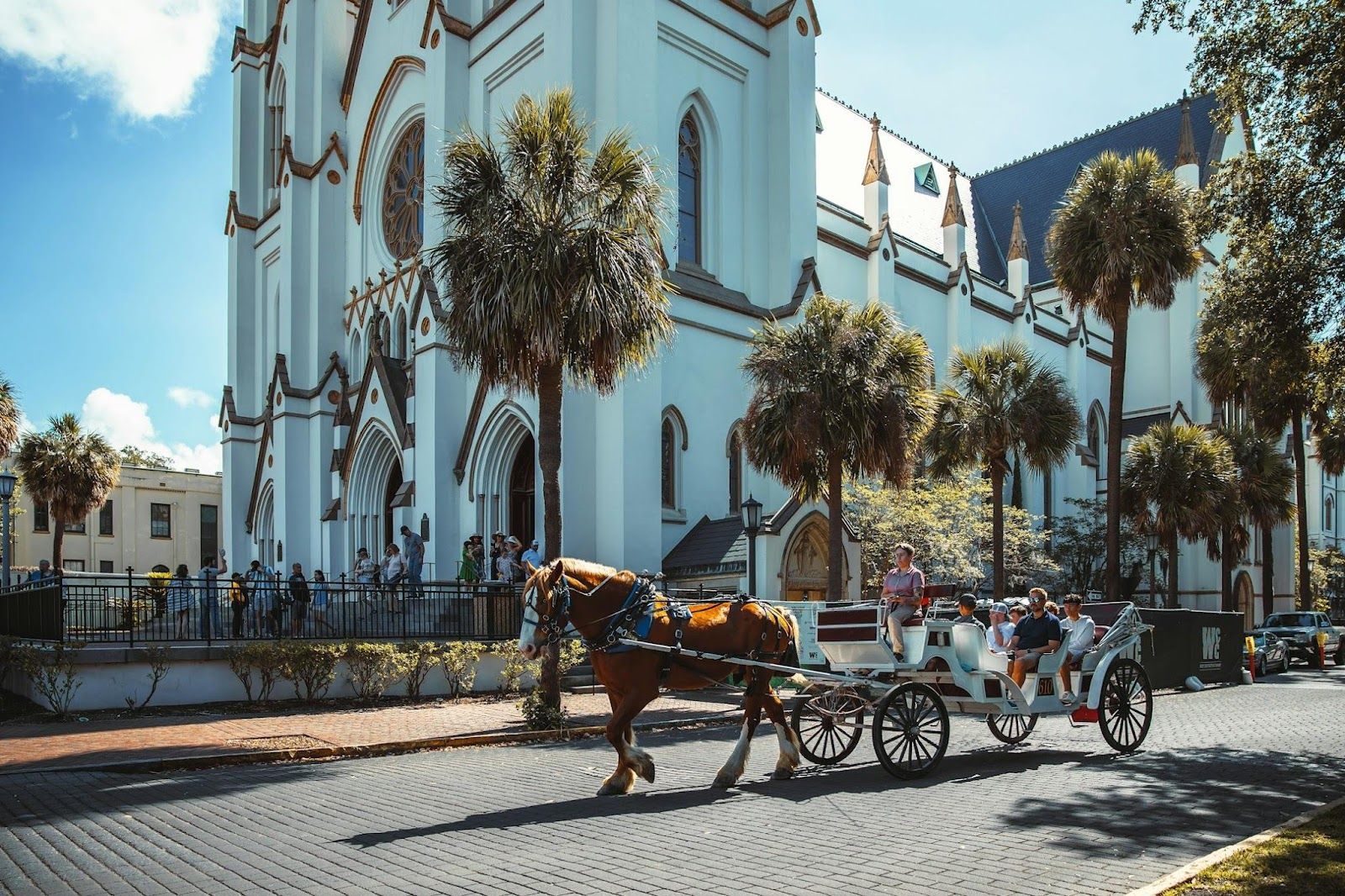
Savannah offers a slower pace and a distinctive Southern charm. Moss-covered oak trees, historic squares, and elegant architecture create one of the most picturesque city centers in the country.
A weekend here is perfect for strolling through the historic district, exploring museums, and enjoying the city’s welcoming restaurants and cafés.
Lake Tahoe, California & Nevada
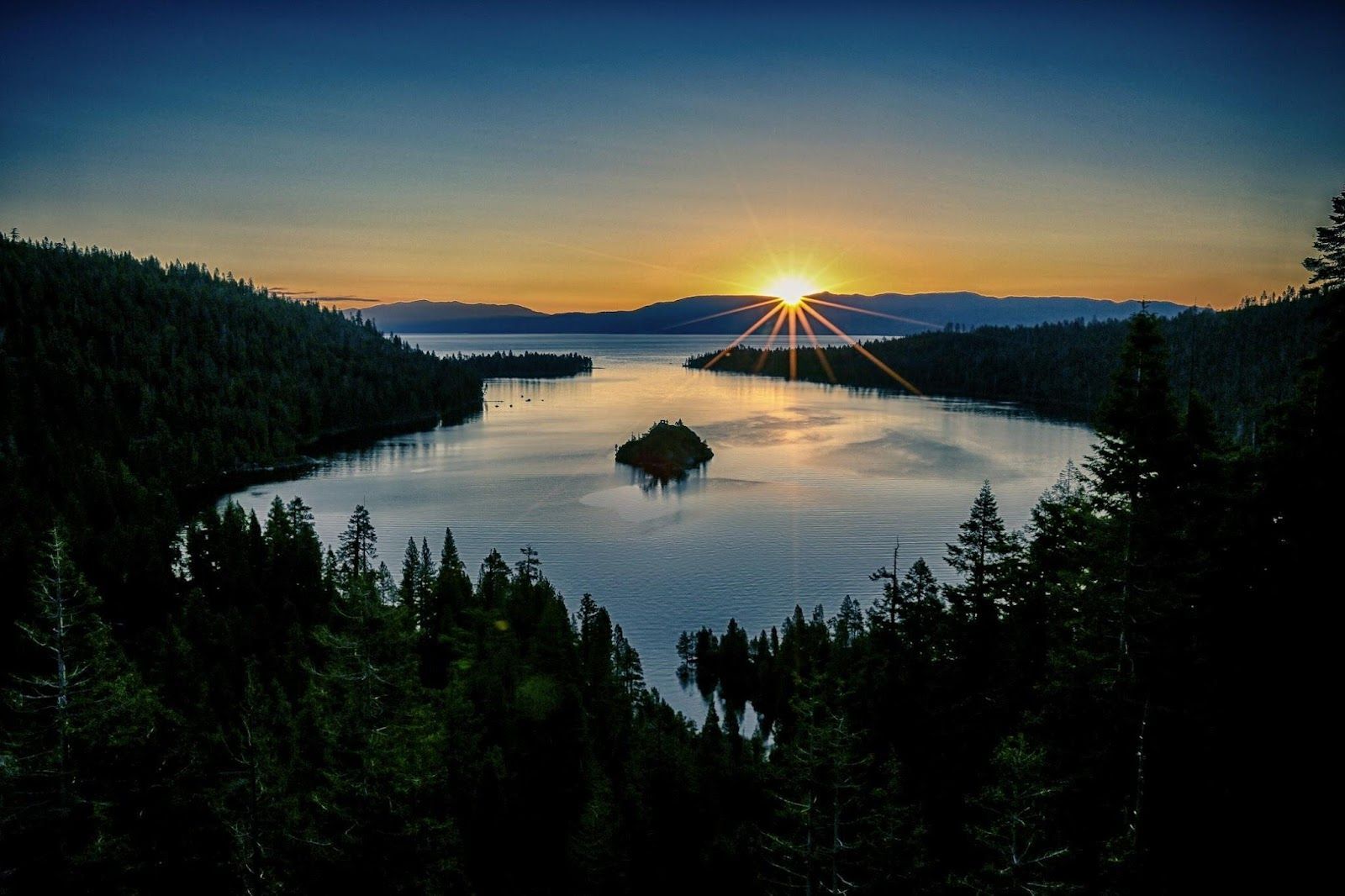
Lake Tahoe is a fantastic year-round destination. In winter, it’s a popular spot for skiing and snowboarding, while summer brings kayaking, swimming, and hiking around the lake.
The scenery alone makes it worth the trip. Crystal-clear water surrounded by forested mountains creates a peaceful escape that feels far from city life.
Austin, Texas
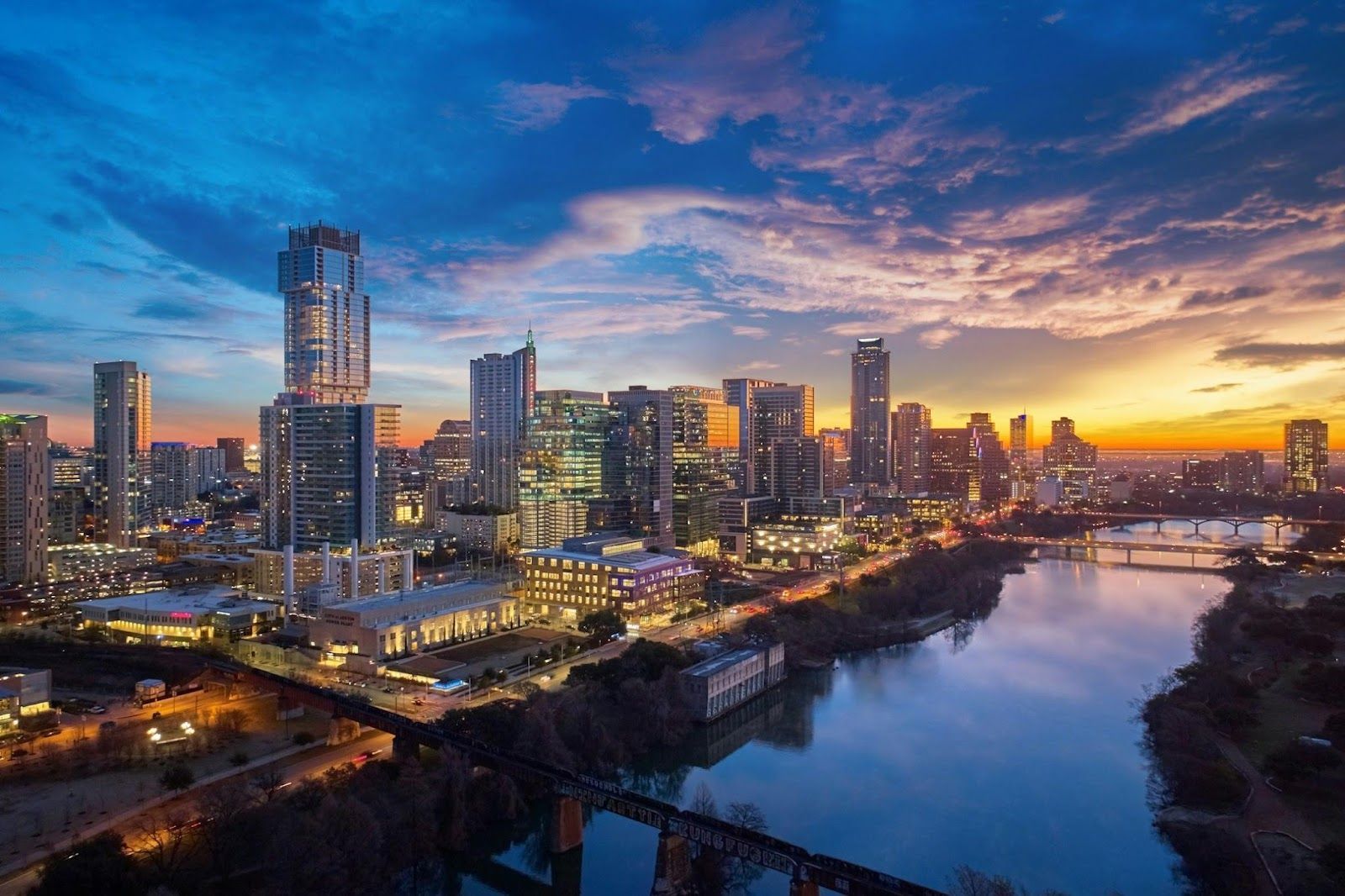
Austin is known for its lively music scene, creative culture, and excellent food. A weekend here might include live music performances, food truck hopping, and exploring the city’s many parks and lakes.
The city’s laid-back atmosphere makes it easy to enjoy yourself without rushing. It’s the kind of place where every neighborhood seems to have something interesting to discover.
Bar Harbor, Maine
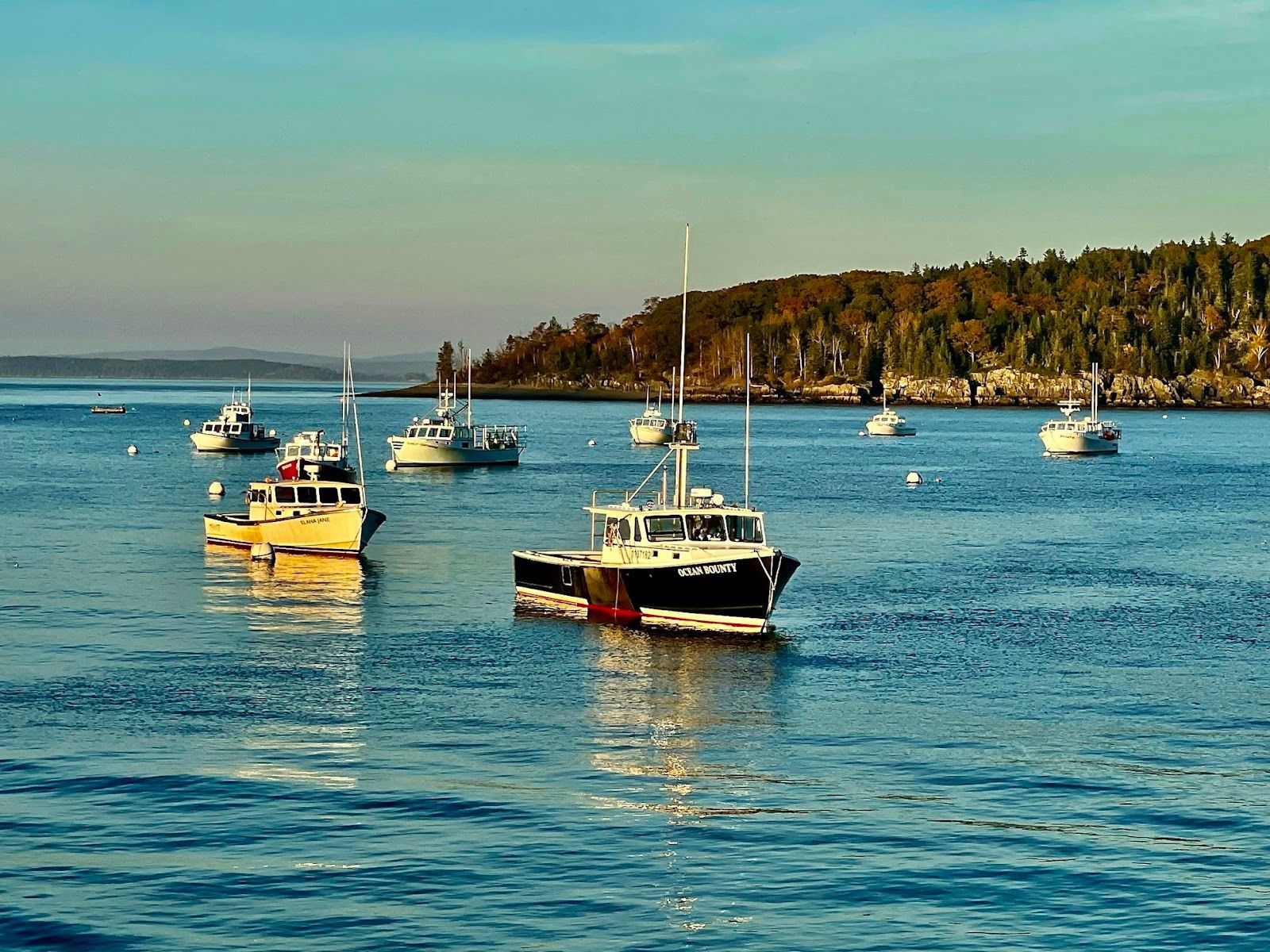
Bar Harbor is the gateway to Acadia National Park and one of the most beautiful coastal towns in New England. Rocky shorelines, forested trails, and ocean views make it a paradise for outdoor lovers.
A short visit can include hiking in the national park, watching the sunrise from Cadillac Mountain, or simply enjoying fresh seafood in a harborfront restaurant.
Santa Fe, New Mexico
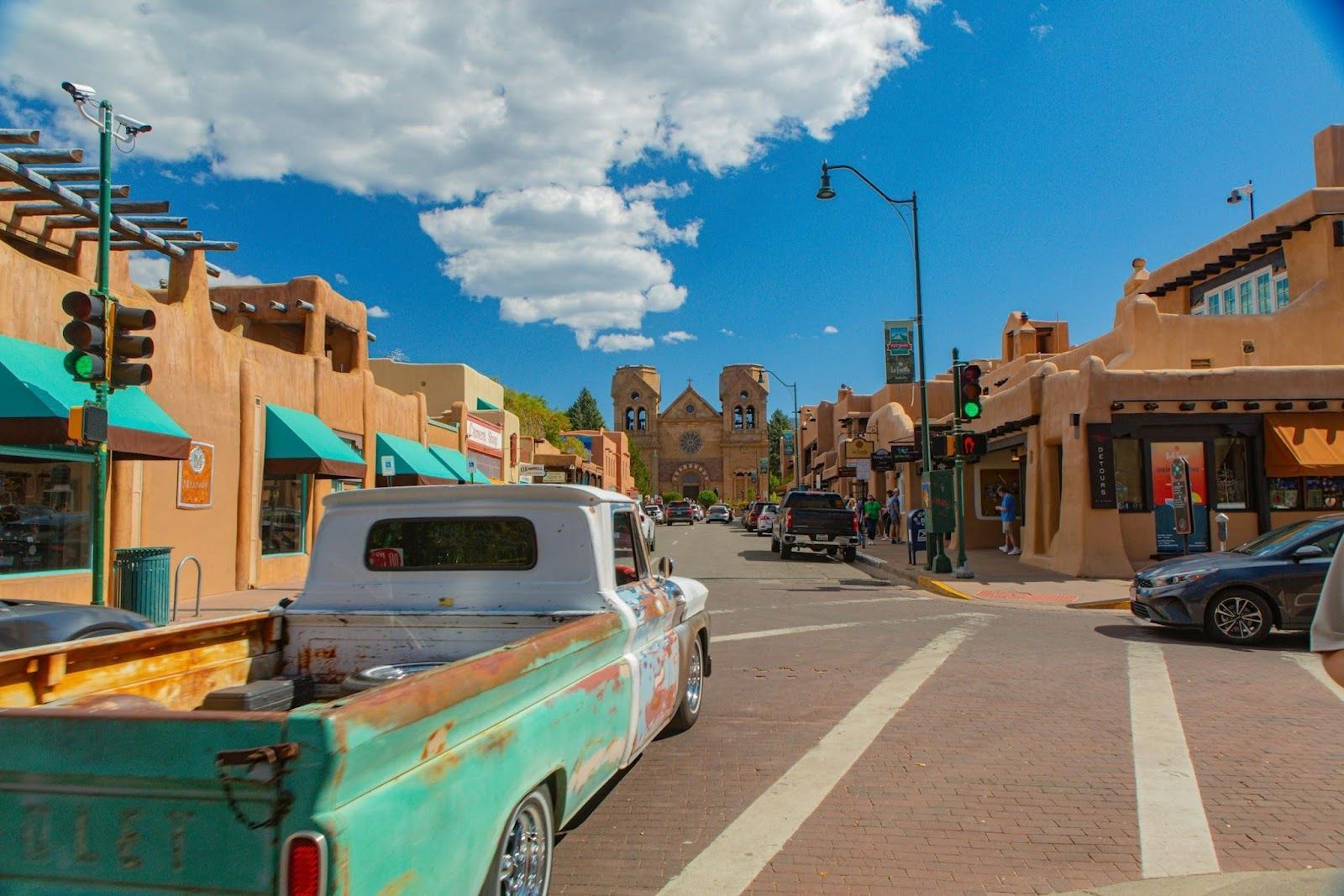
Santa Fe stands out for its unique blend of Native American, Spanish, and Southwestern culture. Adobe architecture, colorful markets, and art galleries give the city a distinctive look and feel.
Visitors can explore museums, try regional dishes like green chile stew, or take short trips into the surrounding desert landscapes for scenic drives and hiking.
Door County, Wisconsin
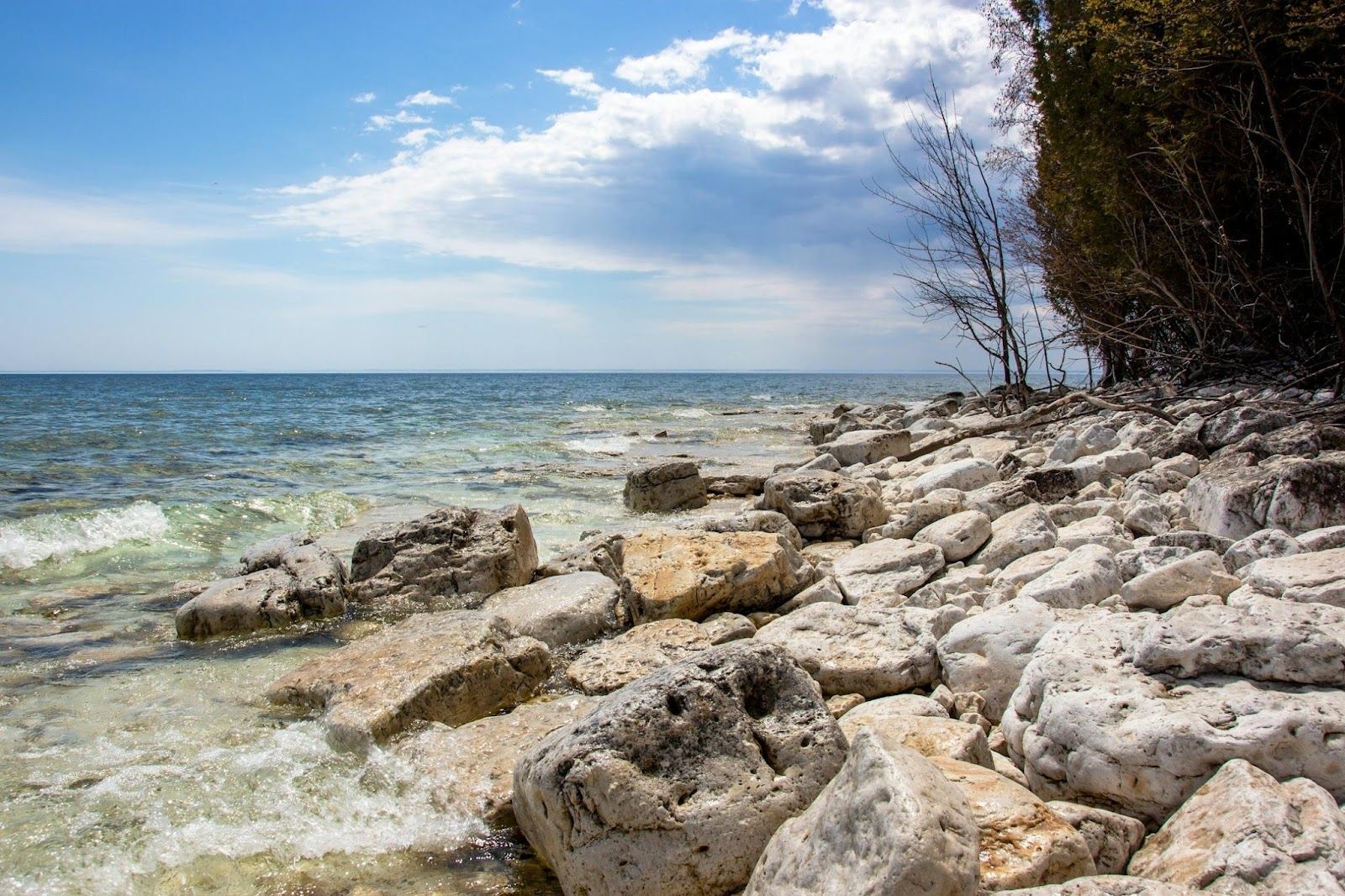
Door County is often called the "Cape Cod of the Midwest," thanks to its charming small towns and scenic shoreline along Lake Michigan. It’s a relaxing destination filled with lighthouses, beaches, and waterfront views.
A weekend here might include biking along quiet roads, visiting local orchards, and watching the sunset over the lake, simple pleasures that make for a refreshing getaway.
Cruise control was invented by a blind man: 10 car stories you never knew
Behind the wheel
Cruise control was invented by a blind man: 10 car stories you never knew
Did you know cruise control was invented by a man who couldn't see? Or that cars weren’t required to come with seatbelts until 1968? Cars are such a big part of everyday life that we rarely stop to ask how certain features came to be. Some answers are surprising, like the carmaker that handed its best safety design to its rivals for free. Here are the stories behind some of the things we now take for granted on the road.
The blind engineer behind cruise control
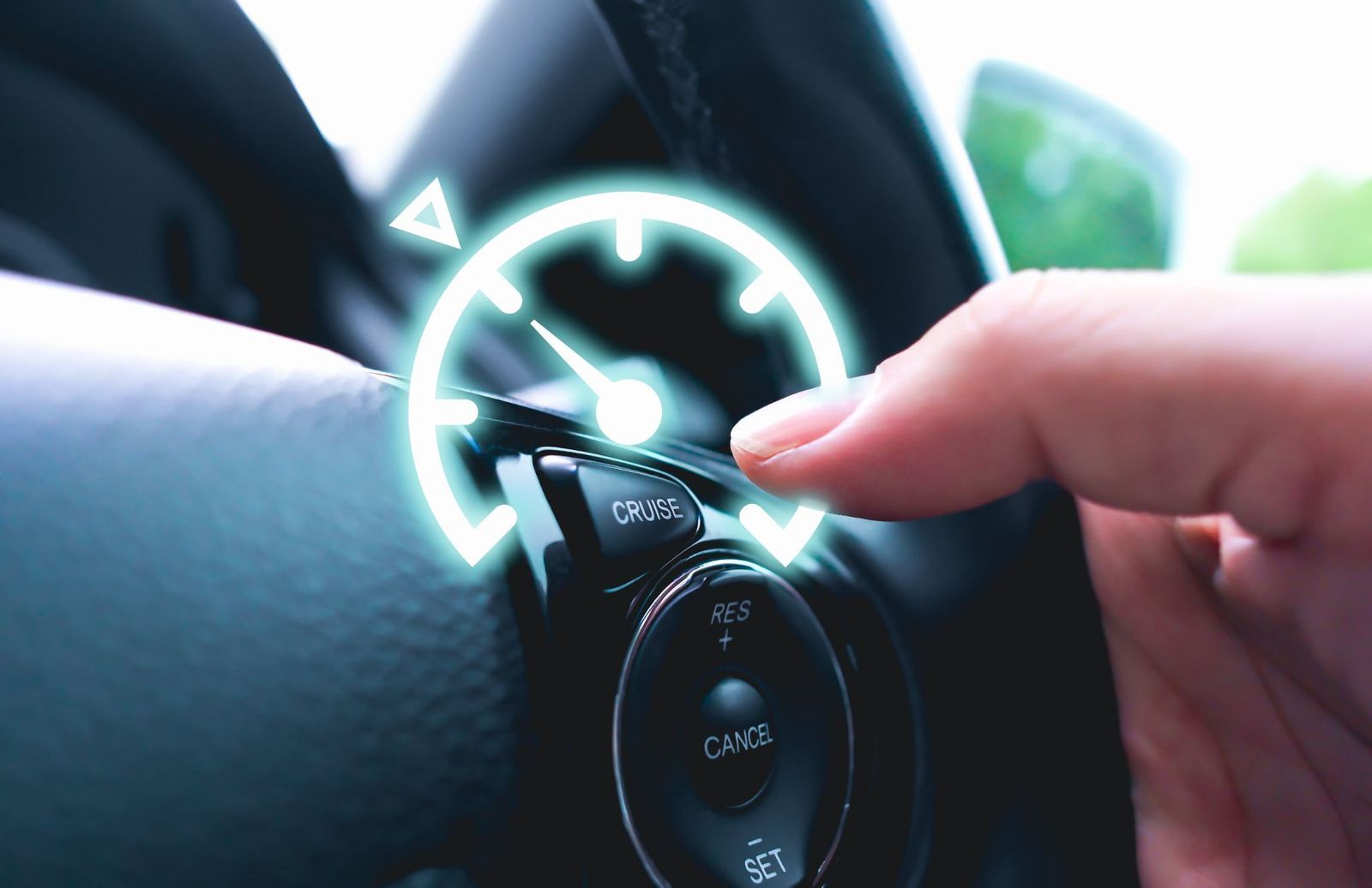
When Ralph Teetor was about six years old, he hurt his eyes in a knife accident and lost his sight. But this accident didn’t stop his ingenuity. At 12, he made a car using an engine from his father's machine shop. And in 1912, he graduated in mechanical engineering from the University of Pennsylvania.
Around 1936, he was a passenger riding with his patent lawyer, Harry Lindsey, who had the habit of slowing down when talking and speeding up when listening. Those rough movements annoyed Teetor enough that he decided to fix the problem. After 10 years, he created what’s now known as cruise control. He got the patent in 1950. In 1958, Chrysler put it in its Imperial, New Yorker, and Windsor models, with the name "Auto-Pilot." Cadillac later named it "Cruise Control," and that one stuck.
Why seatbelts weren't required until 1968
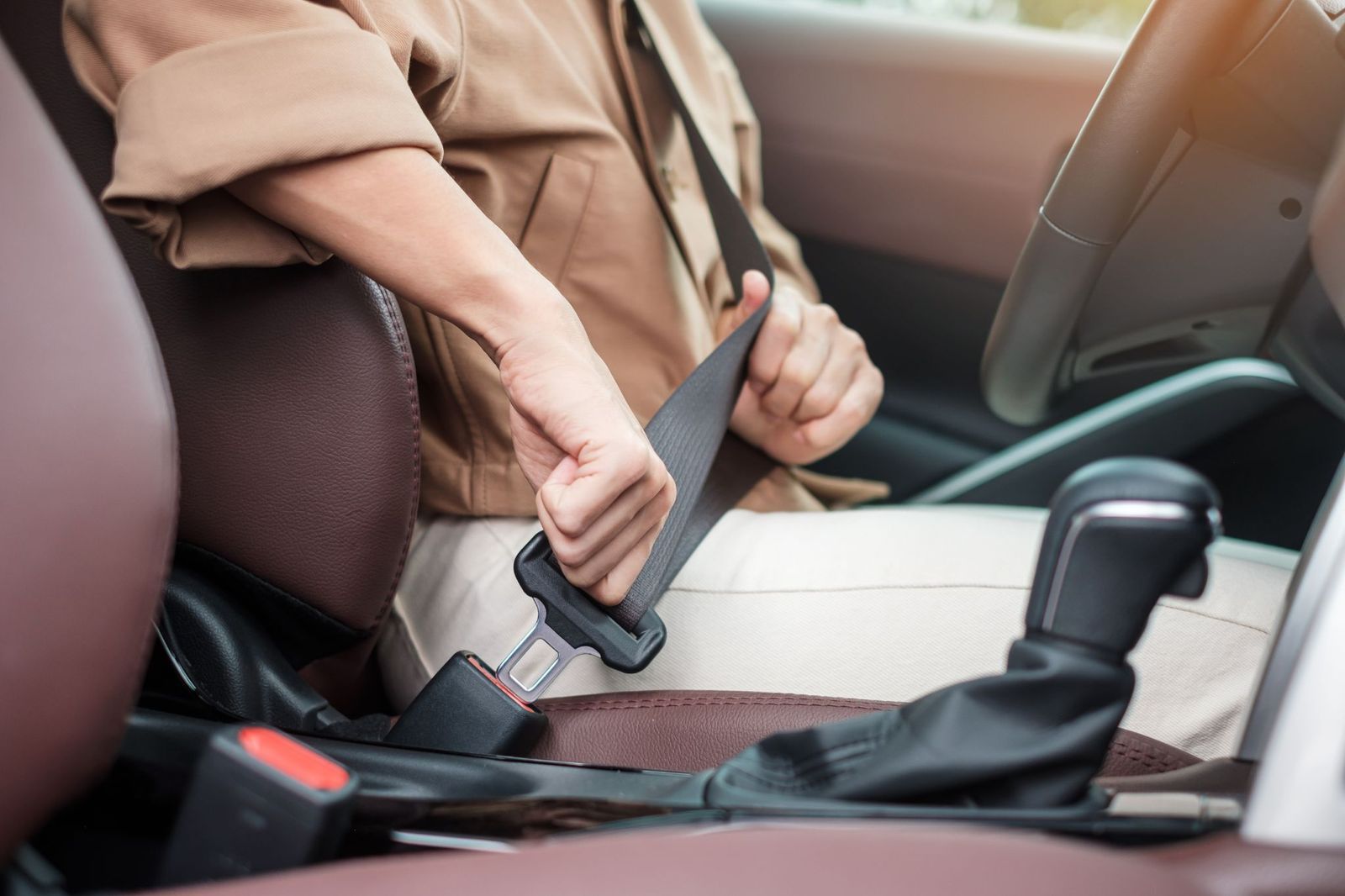
Seatbelts weren't very popular at first. Some car companies, such as Nash and Ford, offered them in their 1956 "Lifeguard" safety package, but only about one in five buyers ordered them.
Everything changed when President Lyndon B. Johnson signed the National Traffic and Motor Vehicle Safety Act in 1966. Under this law (starting on January 1, 1968), every new car had to have seatbelts, including lap-and-shoulder belts in the front seats next to the doors.
However, having seatbelts in the car didn't mean people wore them. That came later, in the 1980s. Because too many people were still dying in car accidents, New York stepped up and became the first state to make buckling up the law. It worked: more people started wearing their belts, and other states and countries soon followed.
Why Volvo gave away its seatbelt design for free
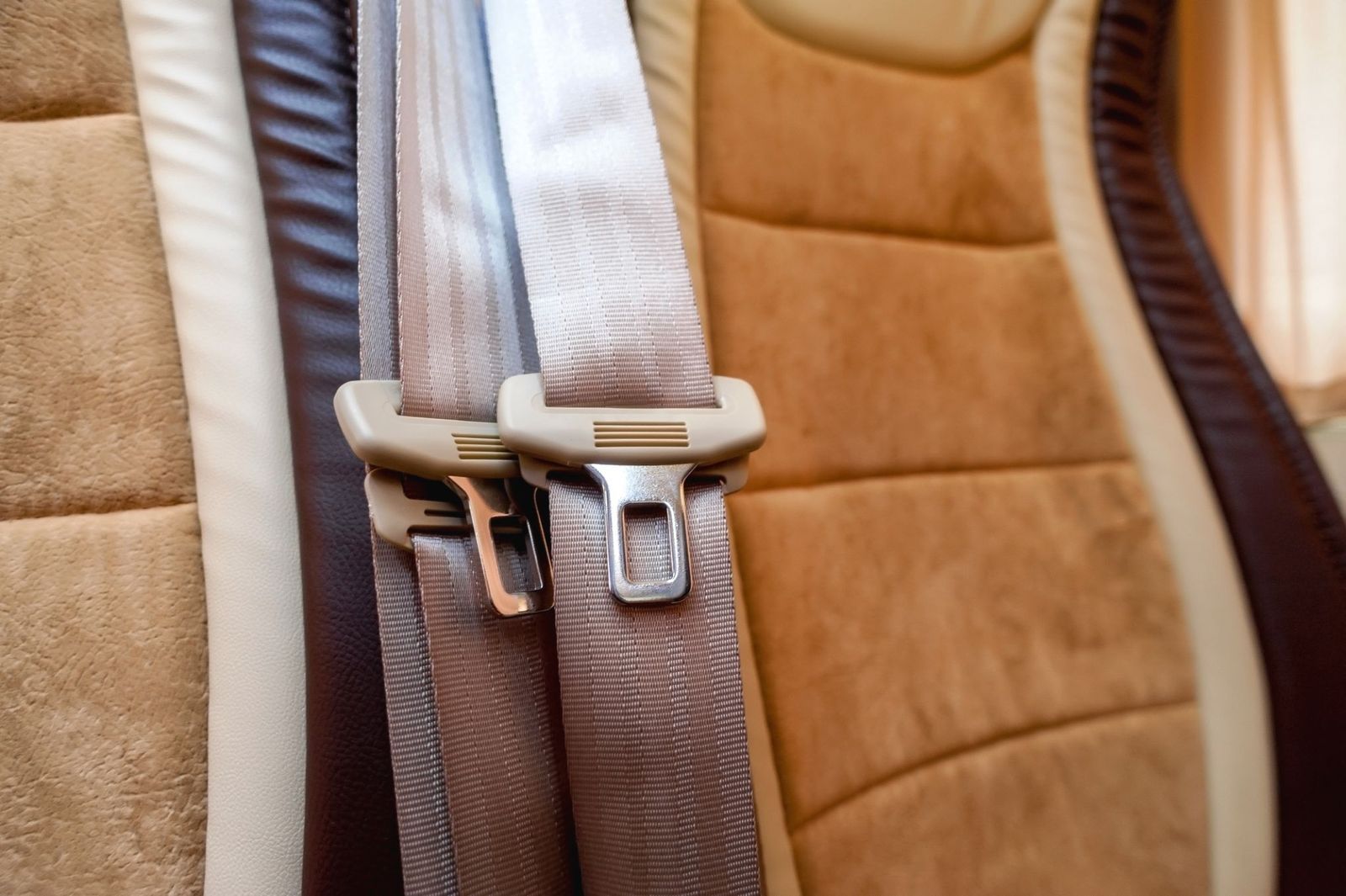
Did you know that the car seatbelts we use every day first appeared in 1959? They were designed by Swedish engineer Nils Bohlin, who, before cars, designed ejection seats for airplanes. In 1958, he joined the Swedish carmaker Volvo and created the three-point belt. It combined a lap belt and a shoulder belt, joined at one low point beside the seat, so it held both the upper and lower body in place during a crash. It was also simple enough to buckle with one hand.
The design was patented; still, Volvo made a surprising choice: it let other car companies use it for free, because it believed safety mattered more than profit. The company now estimates the three-point belt has saved at least one million lives worldwide.
How the first drive-in movie theater started in 1933
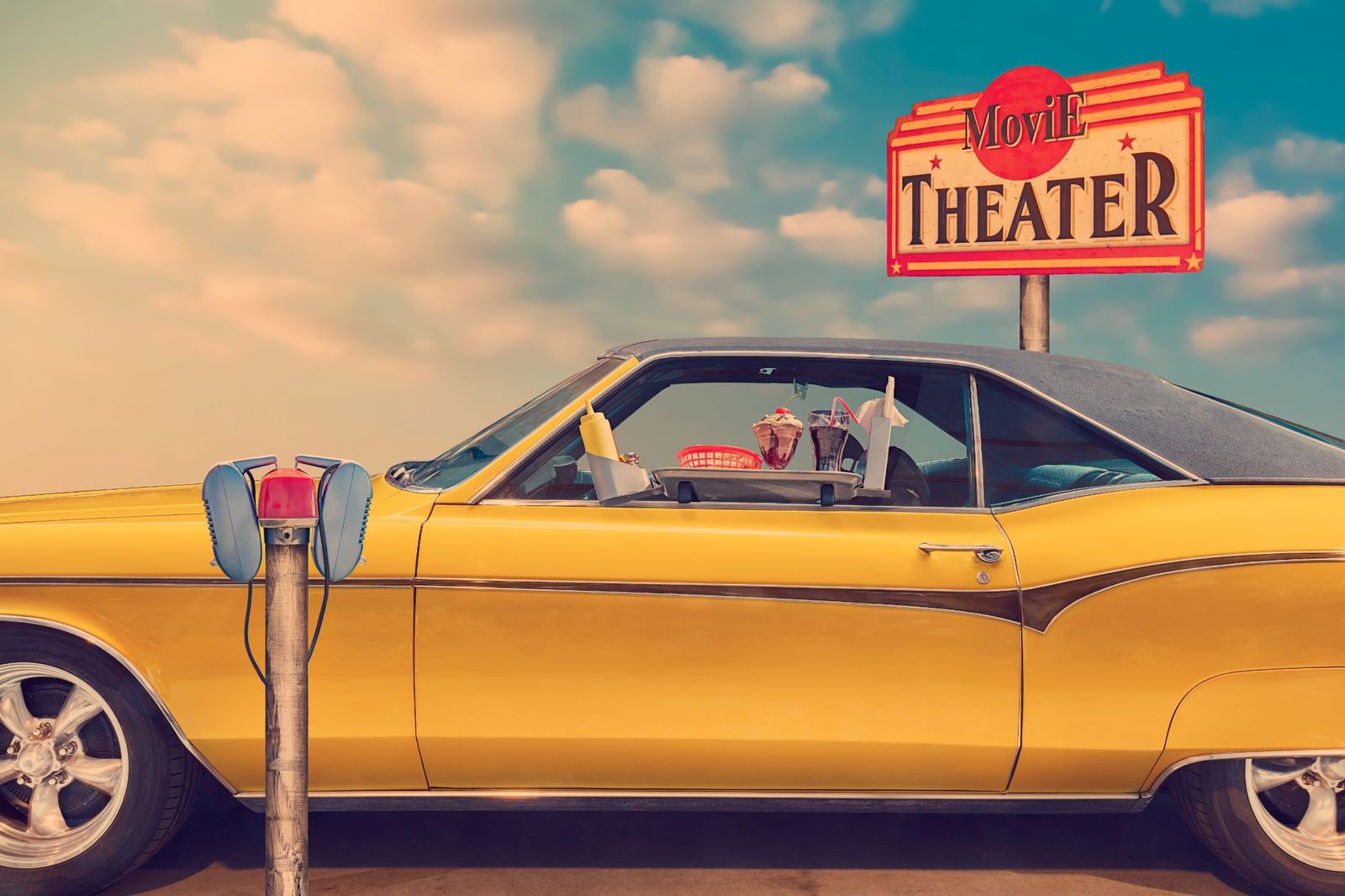
Richard Hollingshead came up with the idea for the first drive-in movie theater because his mother, who was overweight, had trouble fitting into regular theater seats. He was a sales manager at his family's auto parts company in Camden, New Jersey, and he started testing the idea in his driveway. He set a 1928 Kodak projector on the hood of his car, nailed a sheet to some trees for a screen, and put a radio behind it for sound. He even turned on his lawn sprinkler to see how a movie would look in the rain.
Once he had it all figured out, he patented his design in May 1933. A few weeks later, he opened the Park-In Theater in nearby Pennsauken. It cost about $30,000 to build it, and tickets cost 25 cents per car and 25 cents per person. The sound came from large speakers near the screen. Families loved it, and by the late 1950s there were about 4,000 drive-ins across the country.
Why 1950s cars had tailfins
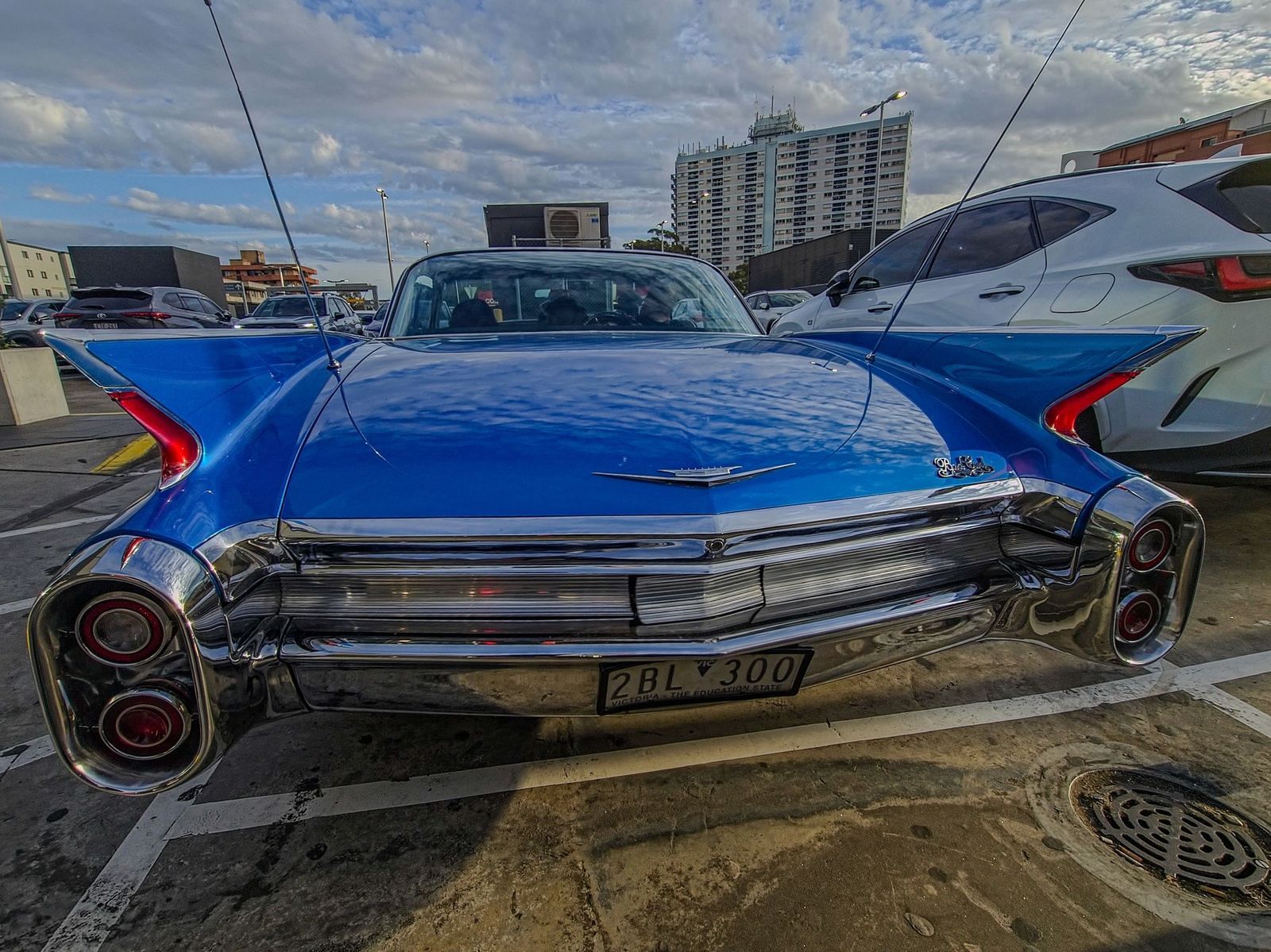
The 1950s were a decade when aviation and space travel were all the rage, so car manufacturers didn't miss the chance to jump on that trend. How? They added tailfins as a decorative feature at the back of their cars. Some companies claimed the fins were aerodynamic and helped keep cars steady on the road, but they were really just for looks.
Cadillac, operated by General Motors, became the most iconic car with this feature. Its sweeping fins stood for speed, futuristic rocket ships, and postwar American prosperity. Soon Chrysler and Ford joined in, and the three companies started a styling "arms race," adding bigger and bigger fins to stand out in the market. Critics later pointed out that the sharp fins could be dangerous for pedestrians and cyclists
Why the steering wheel is on the left in America
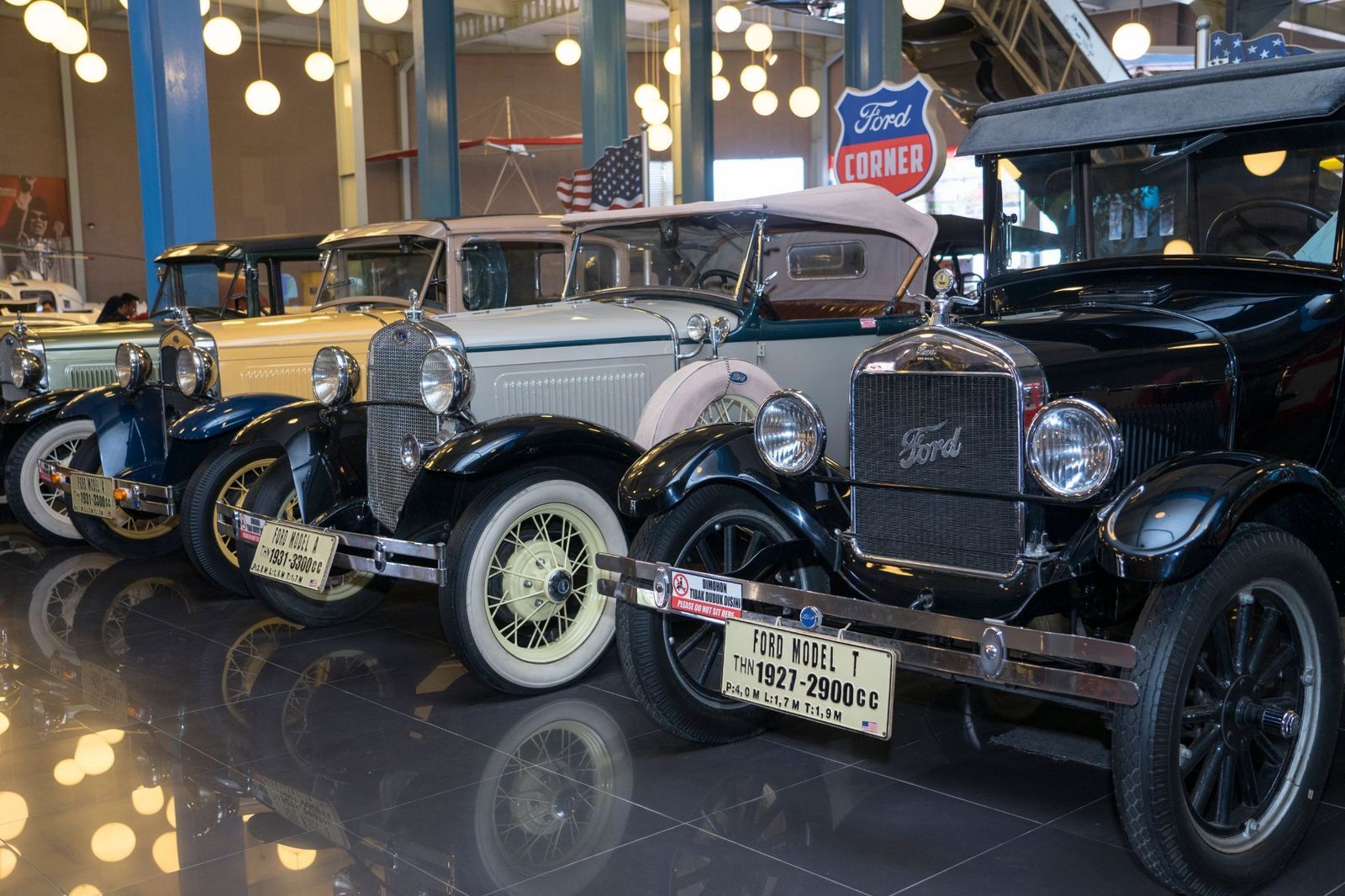
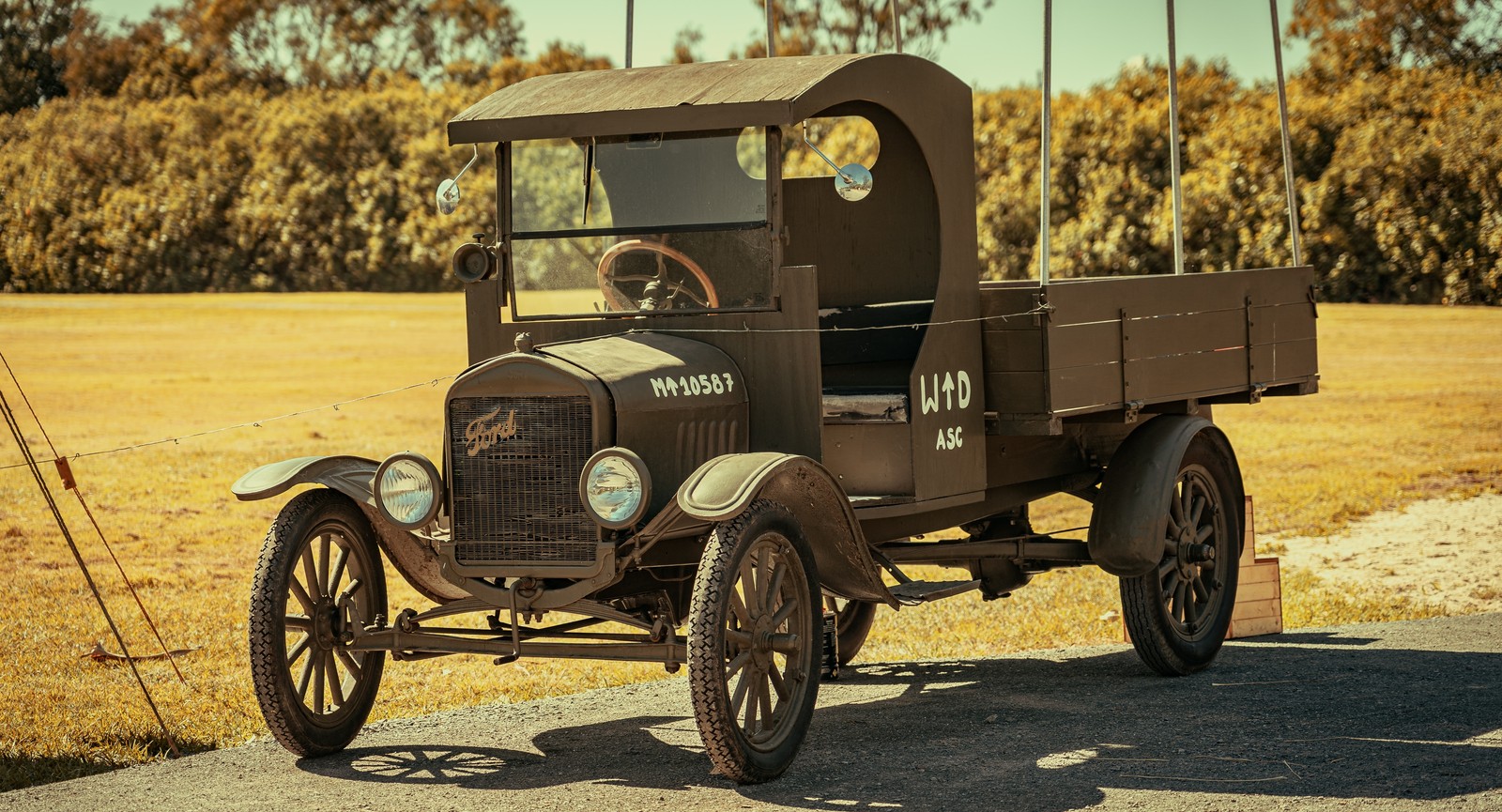
In the United Kingdom, the steering wheel is on the right. In American cars, it's on the left, and the reason is none other than Ford's Model T. Before Henry Ford launched it in 1908, many cars had the steering wheel on the right, even though Americans already drove on the right side of the road.
With the Model T's wheel on the left, the driver could see oncoming traffic better, and passengers could step out onto the sidewalk instead of into the street. It was the same idea drivers of the old Conestoga wagons had followed long before: they sat on the left to get a better view of the road.
How Motorola got its name from the car radio
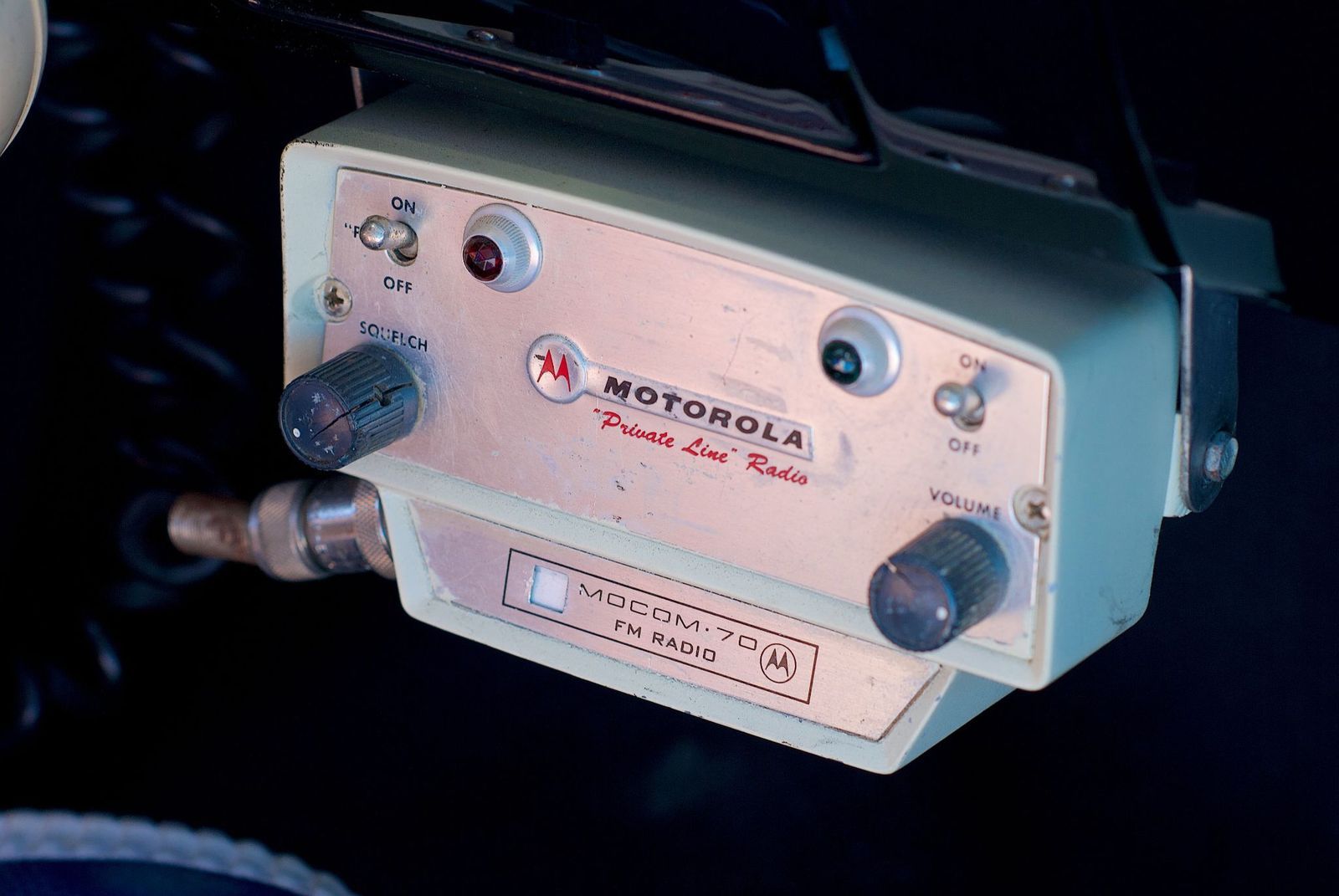
Many of us know Motorola as the company behind the first handheld cell phone, but it first made an impact decades earlier. In the 1930s, radios and cars were both booming, but it wasn’t until brothers Paul and Joseph Galvin stepped in that the two shared the same space. The Galvins ran the Galvin Manufacturing Corporation in Chicago; they made "battery eliminators" that let battery-powered radios run on household electricity. That was their job until their objective changed: to build affordable, sturdy radios for cars.
What would they call it? They took "motor" from motorcar and added "ola," borrowed from popular phonograph brands like Victrola. The result was Motorola, meaning "sound in motion." The radio was such a hit that in 1947 the company officially became Motorola, Inc.
The woman who invented the windshield wiper
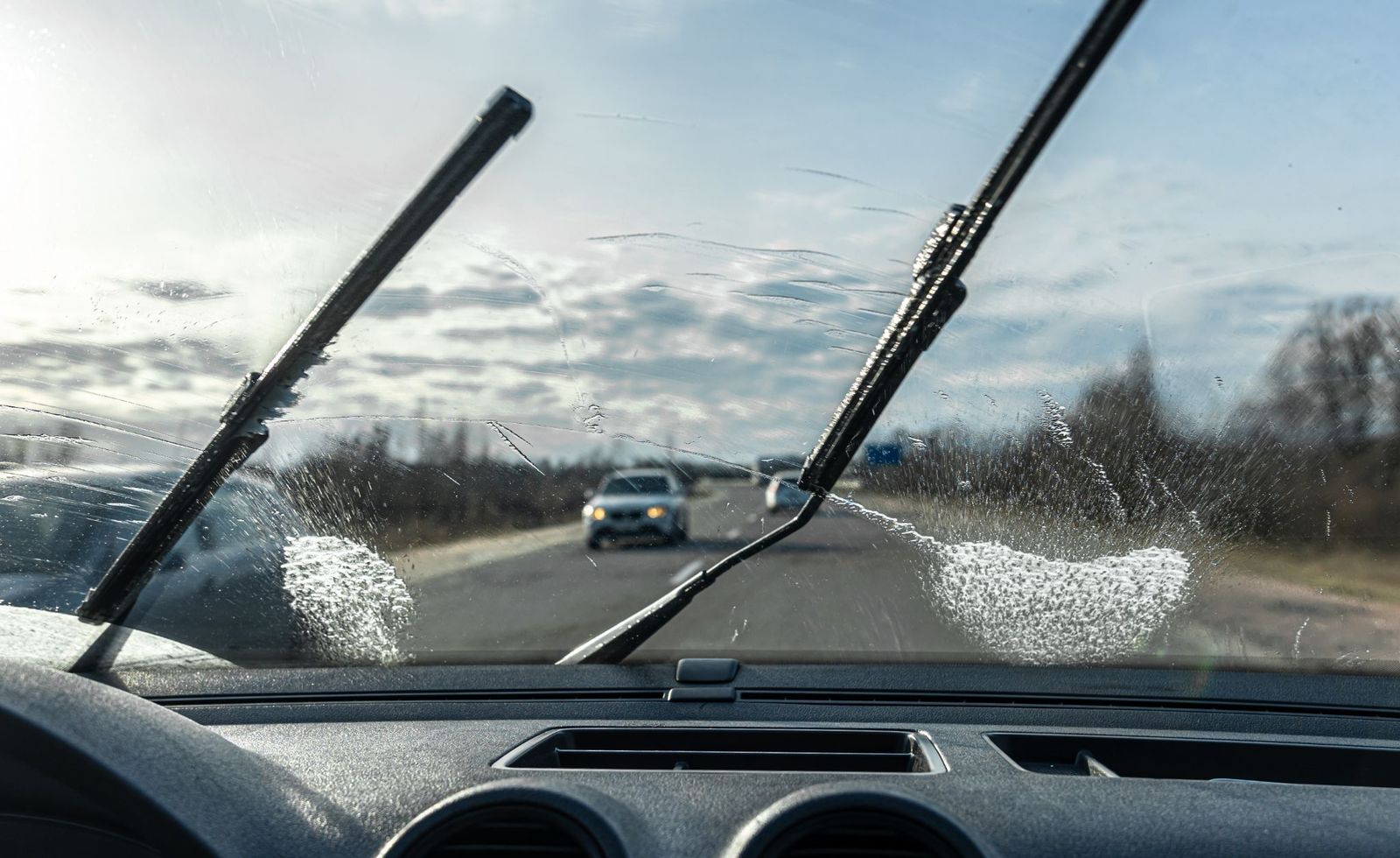
Mary Anderson was a real estate developer from Birmingham, Alabama. In the winter of 1902, she was riding a streetcar in New York City and noticed that the driver kept opening the window and stopping the car to clear snow and sleet off the glass. That gave her an idea, and she invented a simple device that worked with a lever inside the streetcar. When the driver moved the lever, a rubber blade swept across the windshield. A counterweight held the blade against the glass, and the whole thing could be taken off in better weather.
In 1903, she received a patent for her "window cleaning device for electric cars and other vehicles." But it expired in 1920, and she never made any money from it. Just two years later, Cadillac became the first carmaker to include windshield wipers as standard equipment, and soon they were part of every car. Anderson died in 1953 and was posthumously inducted into the National Inventors Hall of Fame in 2011.
The little arrow that tells you where your gas tank is
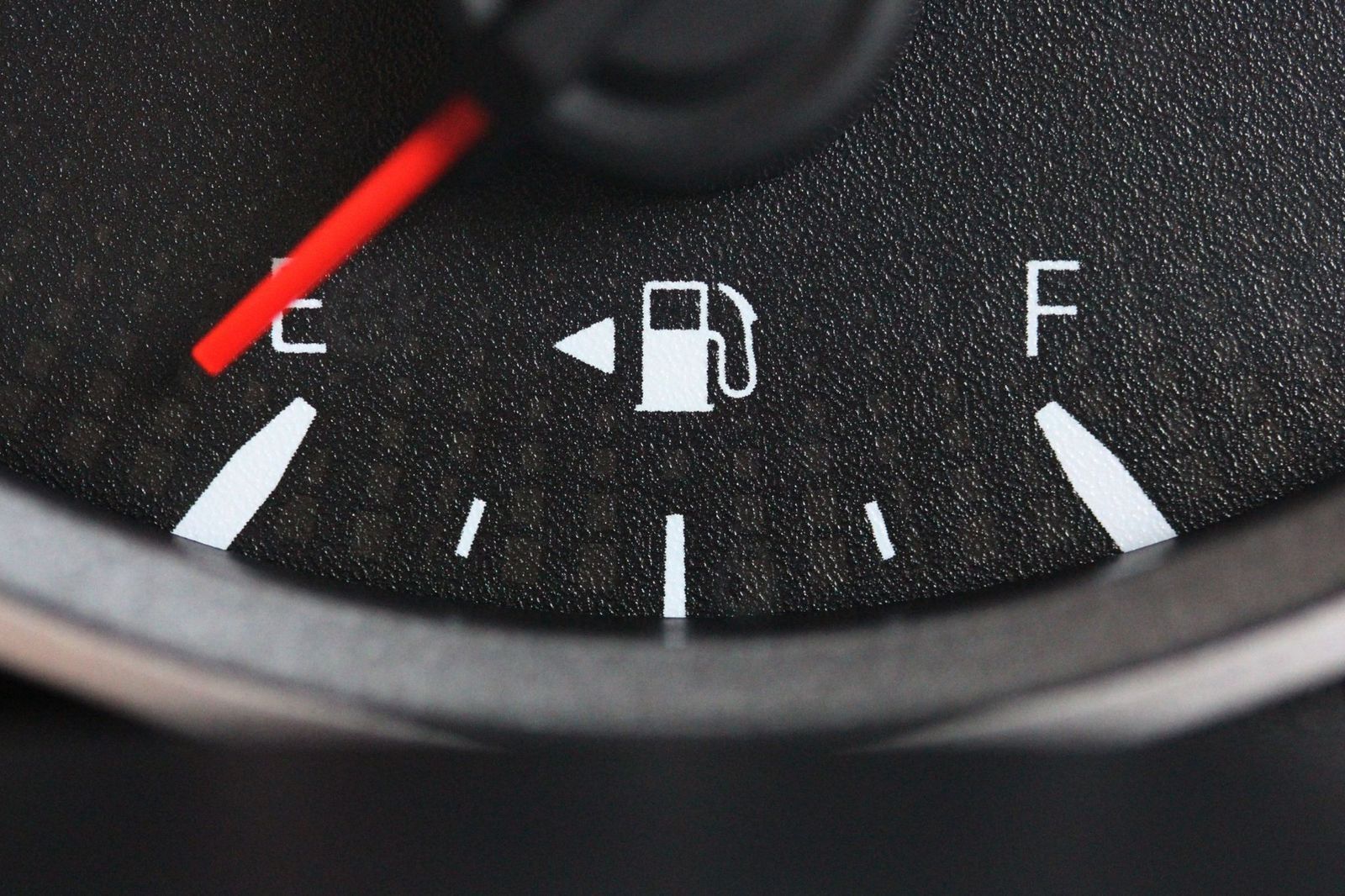
The Moylan Arrow is the small dashboard arrow that shows which side your gas tank is on. It's named after Jim Moylan, a Ford designer who, one rainy day in 1986, pulled into a gas station in a company car. He didn't know which side the tank was on, and he guessed wrong.
He had to get back in, move the car, and step out again into the rain. By the time the tank was full, he was dripping wet. Back at the office, he wrote down his idea: put a small arrow next to the fuel gauge, pointing to the gas door. Ford liked it, and in 1989 the arrow showed up on the Ford Escort and Mercury Tracer. Today, almost every carmaker uses it.
What really causes that "new car smell"
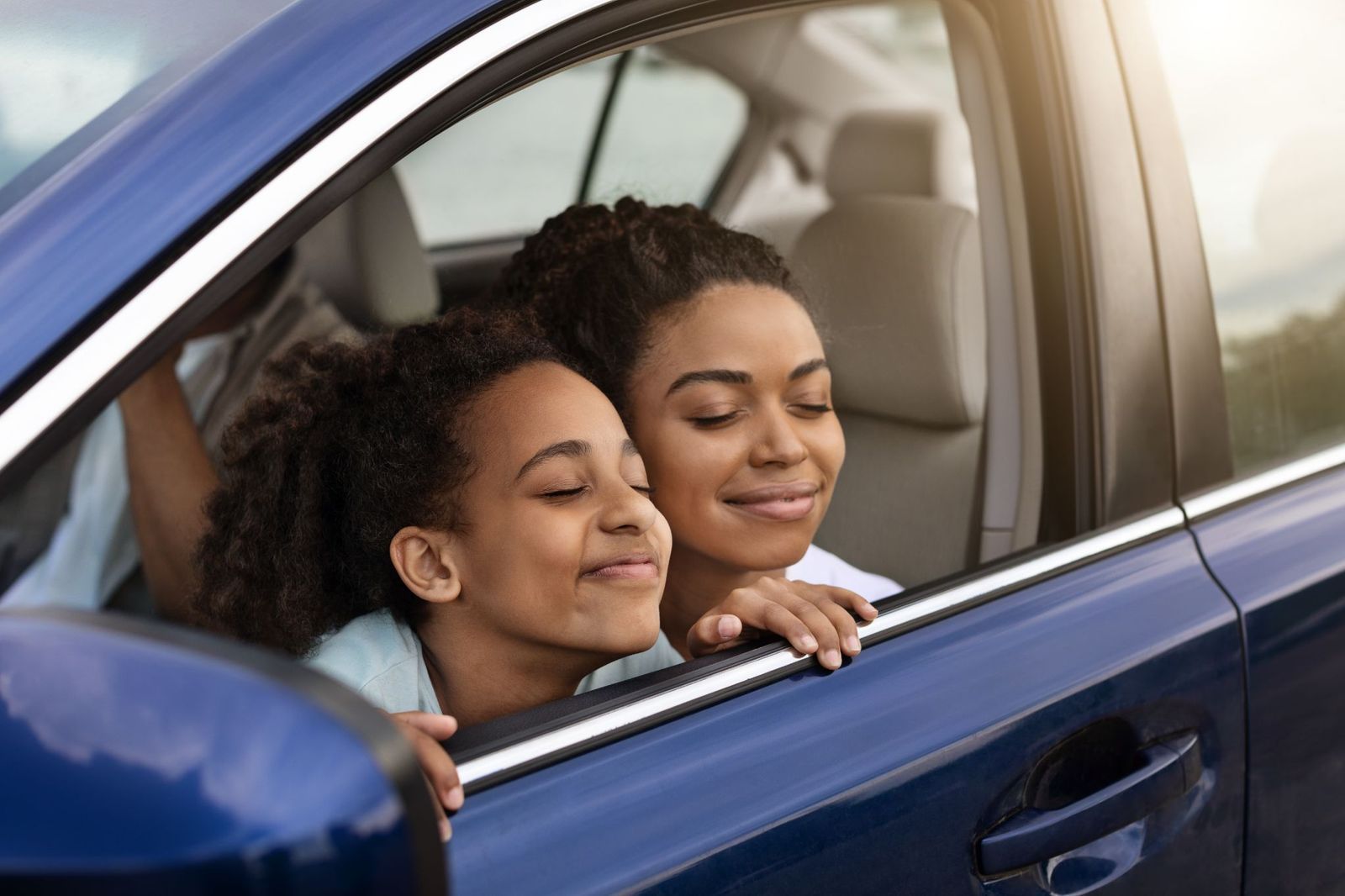
What’s behind that iconic "new car smell" beloved by many? The scent comes from chemicals, volatile organic compounds, released into the air as the new materials inside the car slowly dry out: the plastic and vinyl on the dashboard, the glue and sealants that hold everything together, the carpet, the foam in the seats, and the treatments used on leather. The smell fades in the first few weeks, but hot weather makes it stronger for a while.
What happens to your plane when Air Force One is nearby?
Presidential protocols
What happens to your plane when Air Force One is nearby?
Air Force One has more secrets than its famous blue-and-white paint job suggests. The president's helicopter may arrive with identical decoys, while cargo planes can quietly reach the destination days early. Even the groceries and medical supplies aboard the presidential jet are handled differently. Then there are the rules most folks never notice, from which side the plane parks to how much airspace can suddenly be restricted. Here are 10 presidential aviation protocols worth knowing about.
Airspace sterilization
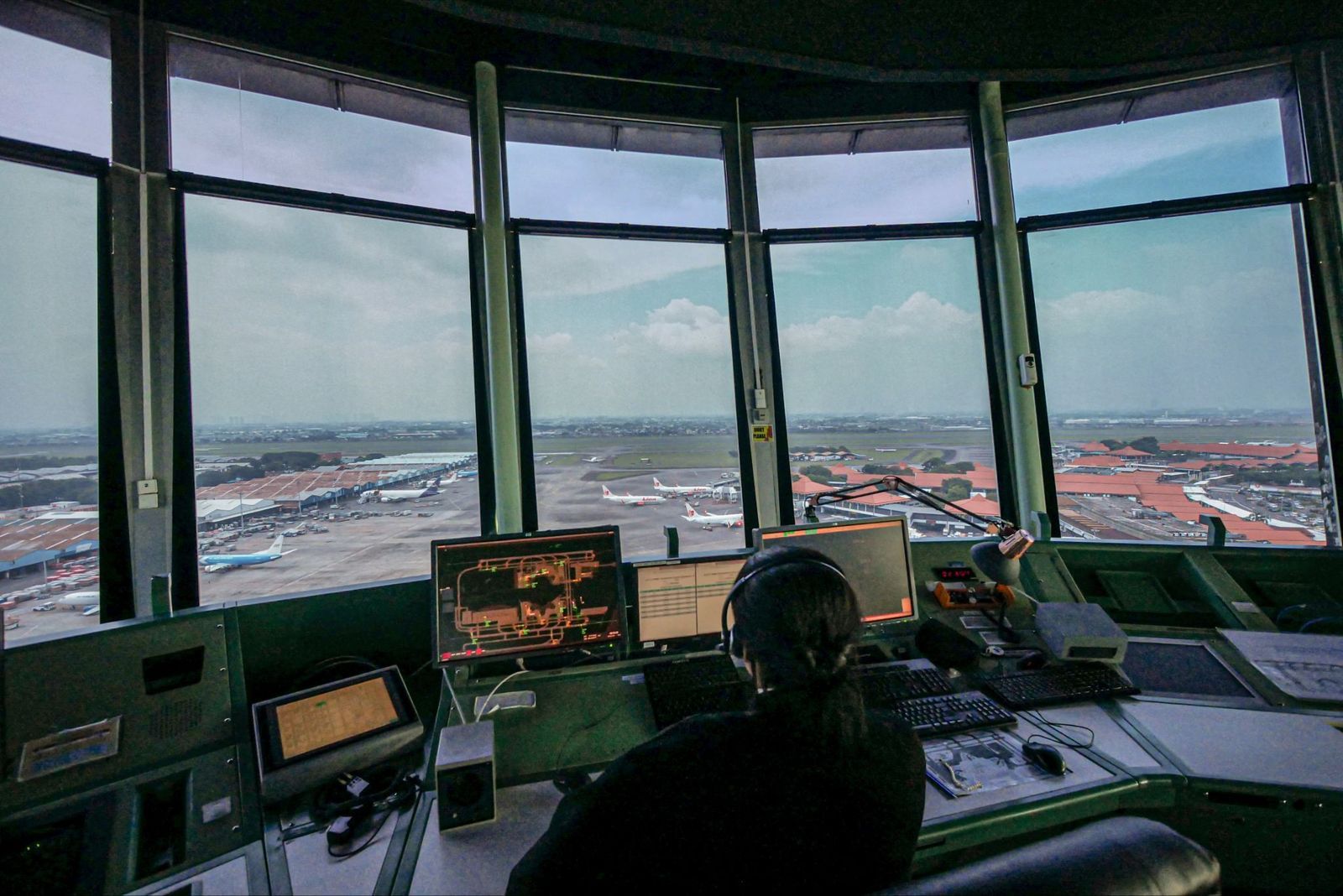
A presidential visit can affect travelers who never see the president and never come close to the motorcade.
The FAA can establish a Temporary Flight Restriction, or TFR, around areas the president will visit or travel through. The size and exact rules depend on the operation, but presidential restrictions can extend for many nautical miles and limit general aviation activity. Air traffic may also be rerouted, and airports inside or near the restricted area can face delays or ground stops. The purpose is straightforward: reduce the number of unpredictable aircraft near the president’s route. For pilots, the restriction appears through FAA notices. For passengers, the result can be familiar: a perfectly ordinary flight suddenly sitting on the ground while the president is somewhere nearby.
"Air Force One" is a call sign, not an aircraft
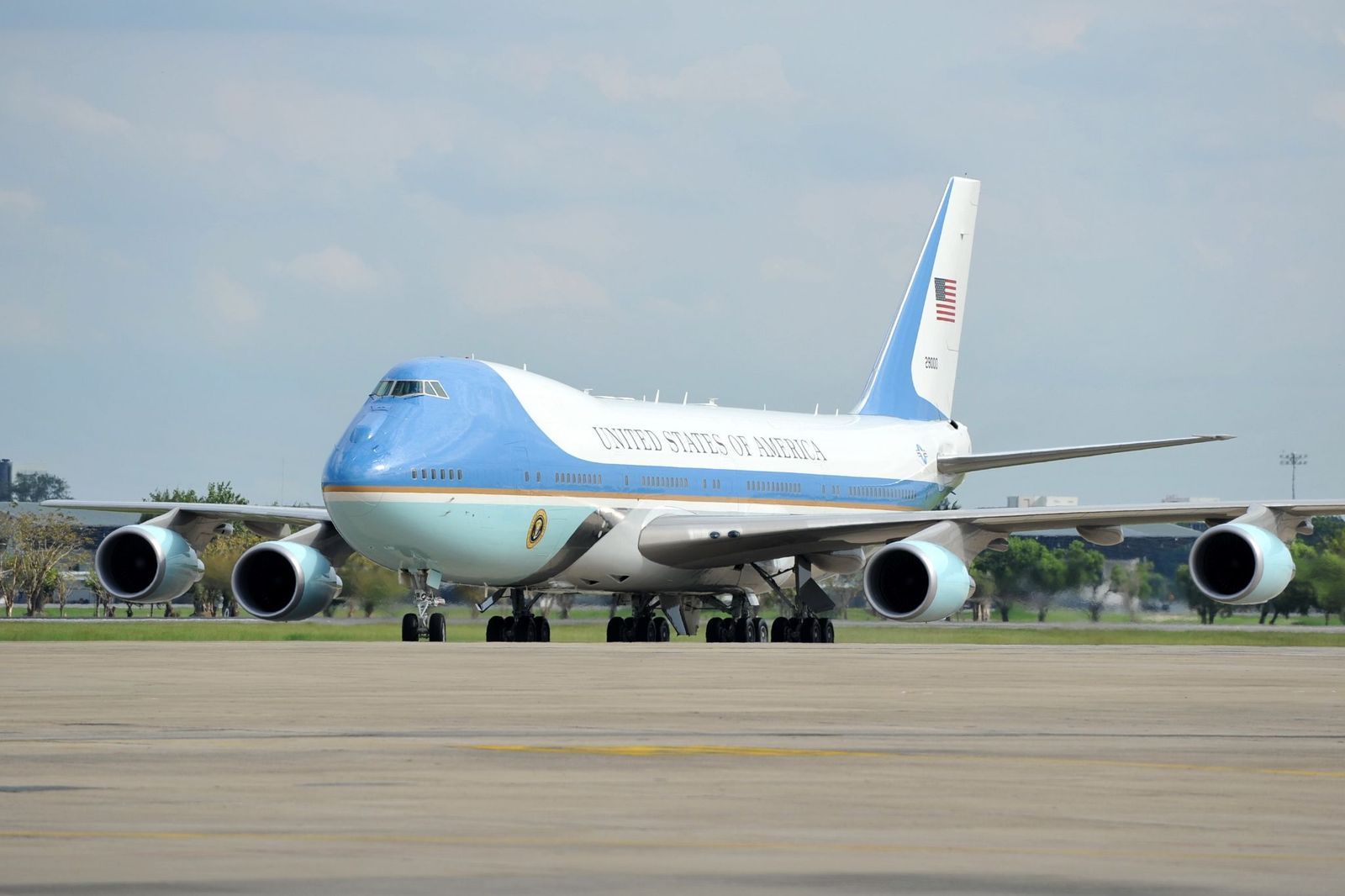
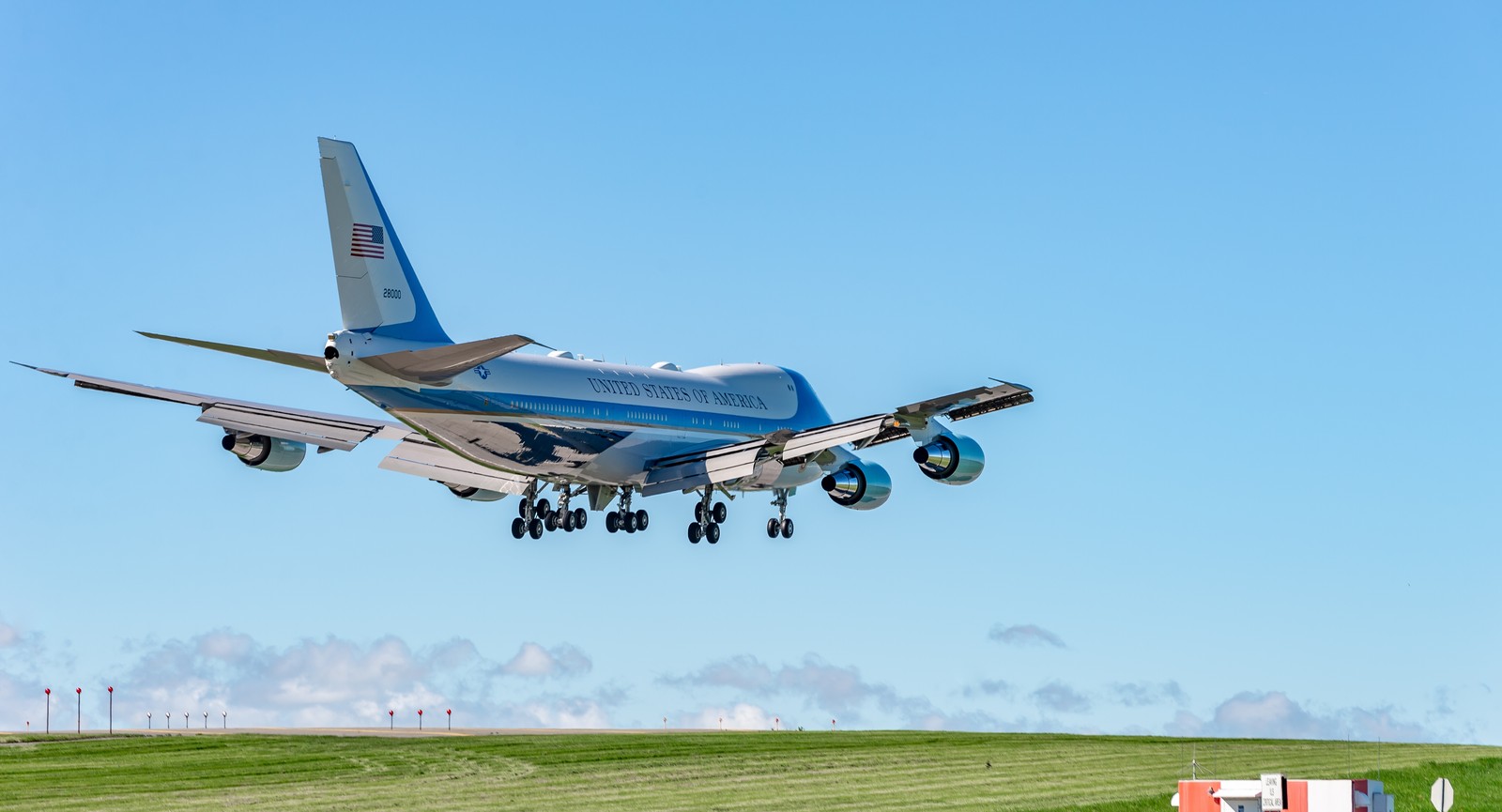
The name sounds as if it belongs to one enormous blue-and-white jet, but Air Force One is actually a radio call sign. Whenever the president is aboard any U.S. Air Force aircraft, air traffic controllers use "Air Force One," whether the aircraft is the familiar VC-25A or something smaller.
The distinction dates to 1953, when President Dwight D. Eisenhower’s presidential aircraft, then identified as Air Force 8610 in historical accounts, was confused with an Eastern Airlines flight using the same designation (Eastern 8610). The near-miss exposed the danger of similar call signs, leading to the distinctive presidential designation. So the famous jet is not technically Air Force One until the president boards.
The "Port-Side Only" parking protocol
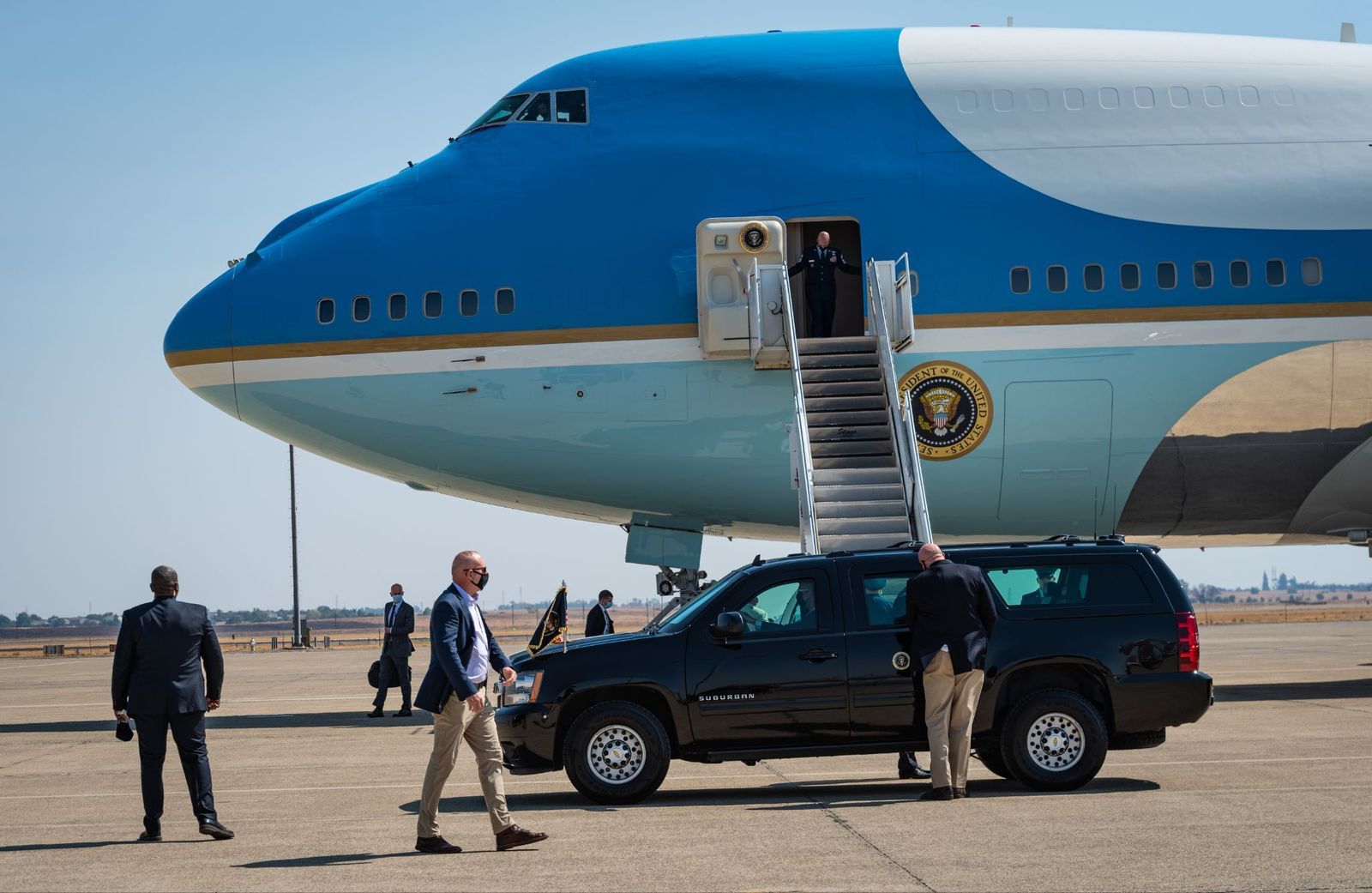
At a normal airport, parking an airliner is mostly a matter of convenience, but presidential arrivals are choreographed down to which side faces the audience.
The VC-25 is positioned so its left, or port, side faces the crowd, press area, or nearby building when practical. That side is where the presidential entrance is arranged, allowing the president to step out toward the controlled reception area rather than toward an open runway. More importantly, the president's private executive suite and quarters sit on the right (starboard) side near the nose; parking port-side to the crowd keeps those private quarters angled away from public sight. Anyone who has watched a president descend those stairs at a rally or state visit has seen the result without realizing there is a plan behind it. Even the familiar wave from the doorway begins with where the airplane is parked.
The Marine One shell game
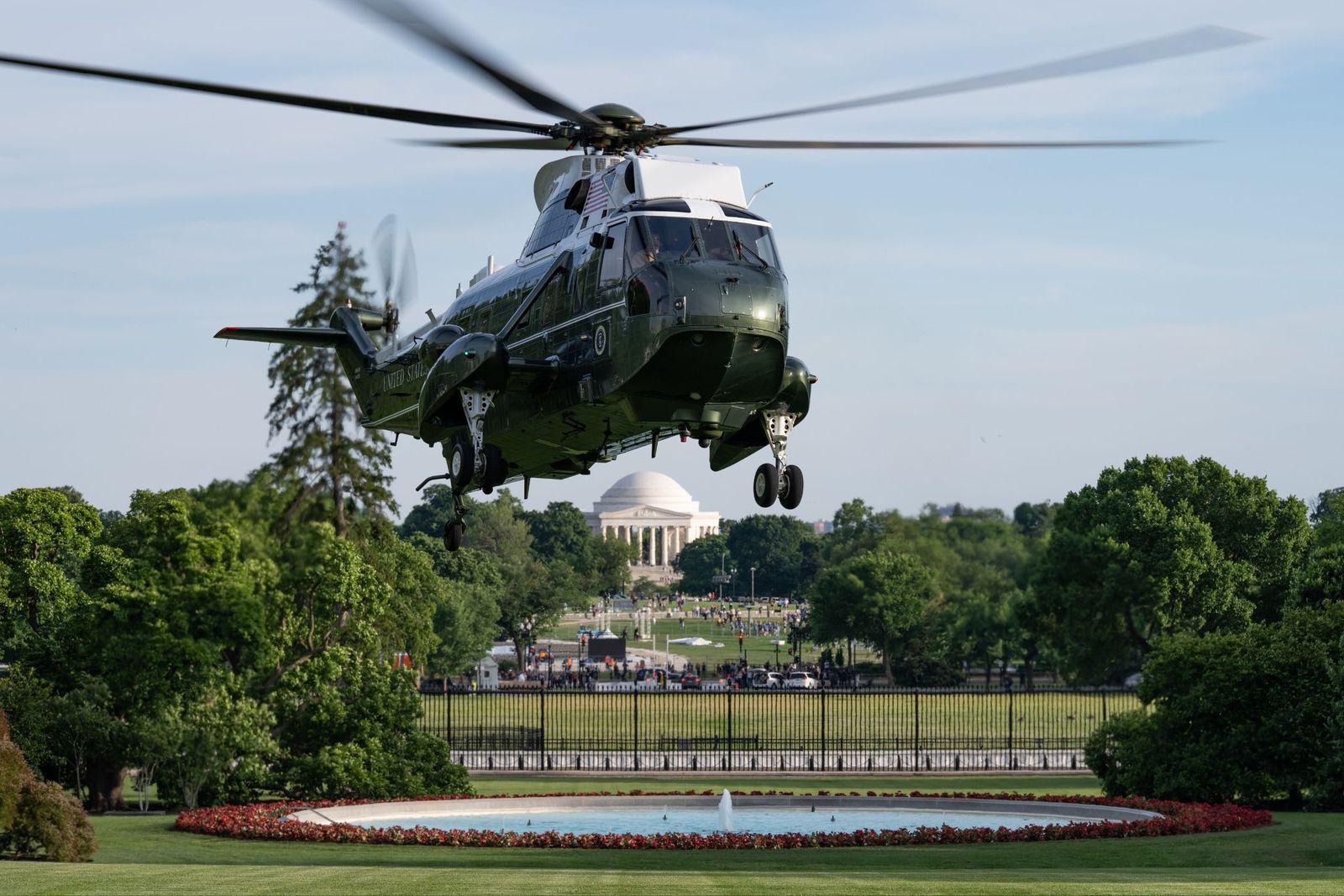
The next time several identical helicopters appear over a presidential event, there’s a good reason they look like copies.
Marine One is the call sign used by a Marine Corps aircraft carrying the president, and the aircraft normally operates within a formation of matching helicopters, typically between three and five. One carries the president while the others can serve as decoys, making it difficult for an observer on the ground to know which machine is the real one. The formation can shift during flight, adding another layer of uncertainty. The practice became a familiar part of presidential helicopter travel during the modern security era. It also explains why a televised arrival can look oddly theatrical: several helicopters may approach together, even though only one is carrying the president.
The "Pentagon" or "Doomsday" shadow plane
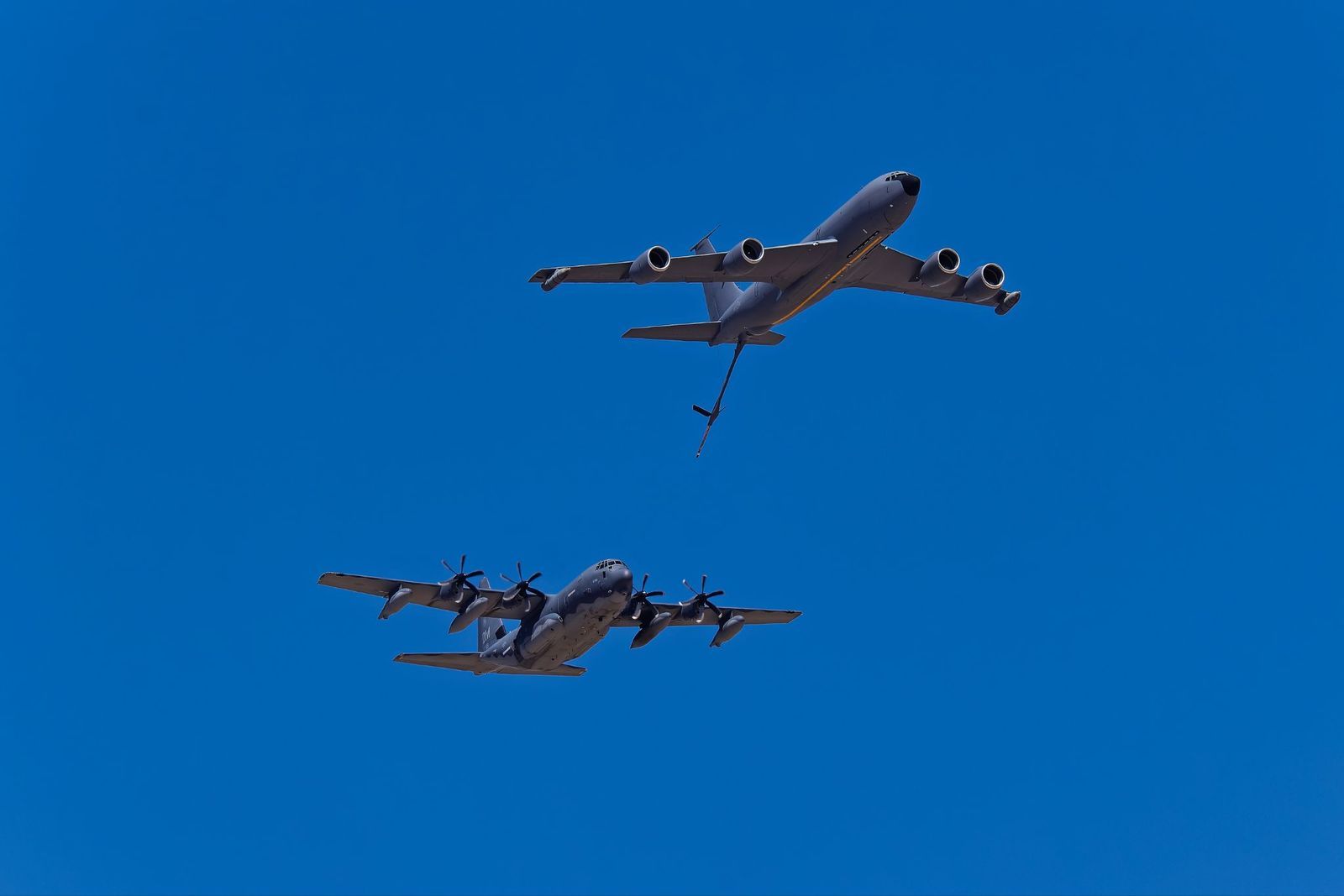
Air Force One may be built for security, but another Boeing 747 was designed for something far more grim.
During the Cold War in the 1970s, the U.S. military built four Boeing E-4 aircraft (National Airborne Operations Center) to serve as command posts if a nuclear attack ever knocked out communication and command centers on the ground. The plane soon picked up ominous nicknames, including the "Flying Pentagon" and "Doomsday Plane," and it frequently shadows the president on international travel. Many details remain classified, but the aircraft is believed to have radiation-resistant windows, thermal and nuclear shielding, and systems designed to withstand severe attacks. It also reportedly carries dozens of satellite communications antennas, allowing leaders to stay connected with military forces around the world if the worst happens.
Zero reliance on airport equipment
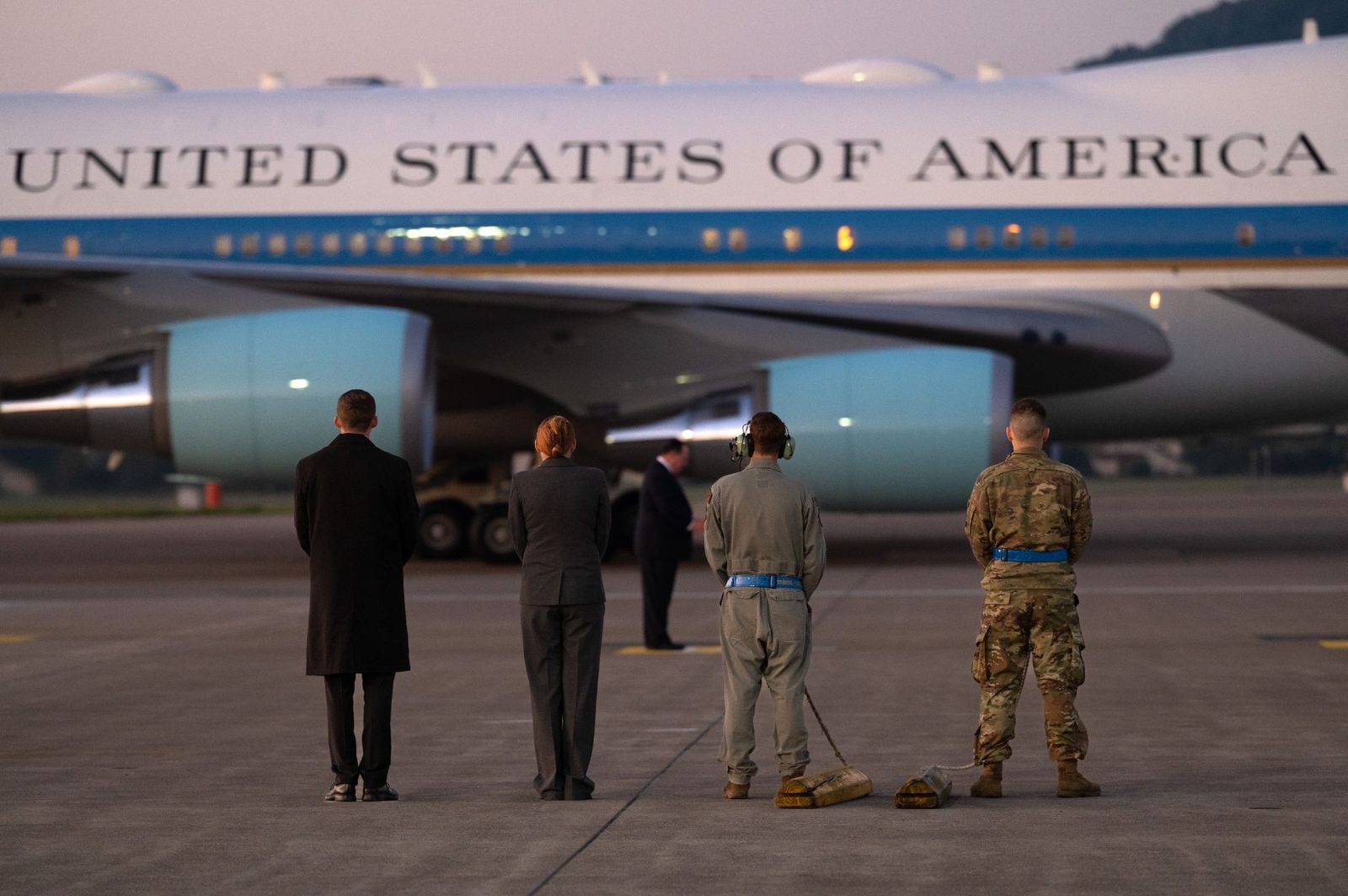
Commercial travelers know the routine: the jet pulls in, a staircase or passenger bridge appears, then baggage crews bring out the belt loader. The presidential VC-25A is designed to avoid depending on that chain of airport equipment.
It has its own built-in, retractable forward and aft airstairs and an internal, self-contained baggage loader. This allows crews to handle boarding and cargo without waiting for standard ground machinery, preventing tampering risks at unfamiliar airfields and ensuring the plane can depart immediately in an emergency. The result is an aircraft that arrives with much of what it needs already built in, useful when schedules and security leave little room for delays.
Undercover grocery shopping

A trip to the supermarket sounds worlds away from presidential security, yet food has long been handled with unusual care.
Former Air Force One chief steward Charles Palmer told the Los Angeles Times in 1987 that he sometimes provisioned the aircraft himself, wearing civilian clothes and pushing a cart through Giant or Safeway stores near Andrews Air Force Base, in order to keep the food supply under his personal watch. On foreign trips, he said the crew tried to remain self-sufficient but could restock perishables through U.S. facilities such as embassies or commissaries. The details have evolved, but the concern is easy to understand: food served to the president cannot be treated like any other food. Whatever measures are necessary to protect it from being tampered with have been, and still are, taken. The grocery cart may look mundane, but on presidential travel, even buying vegetables can become part of the security routine.
Onboard medical suite and blood storage
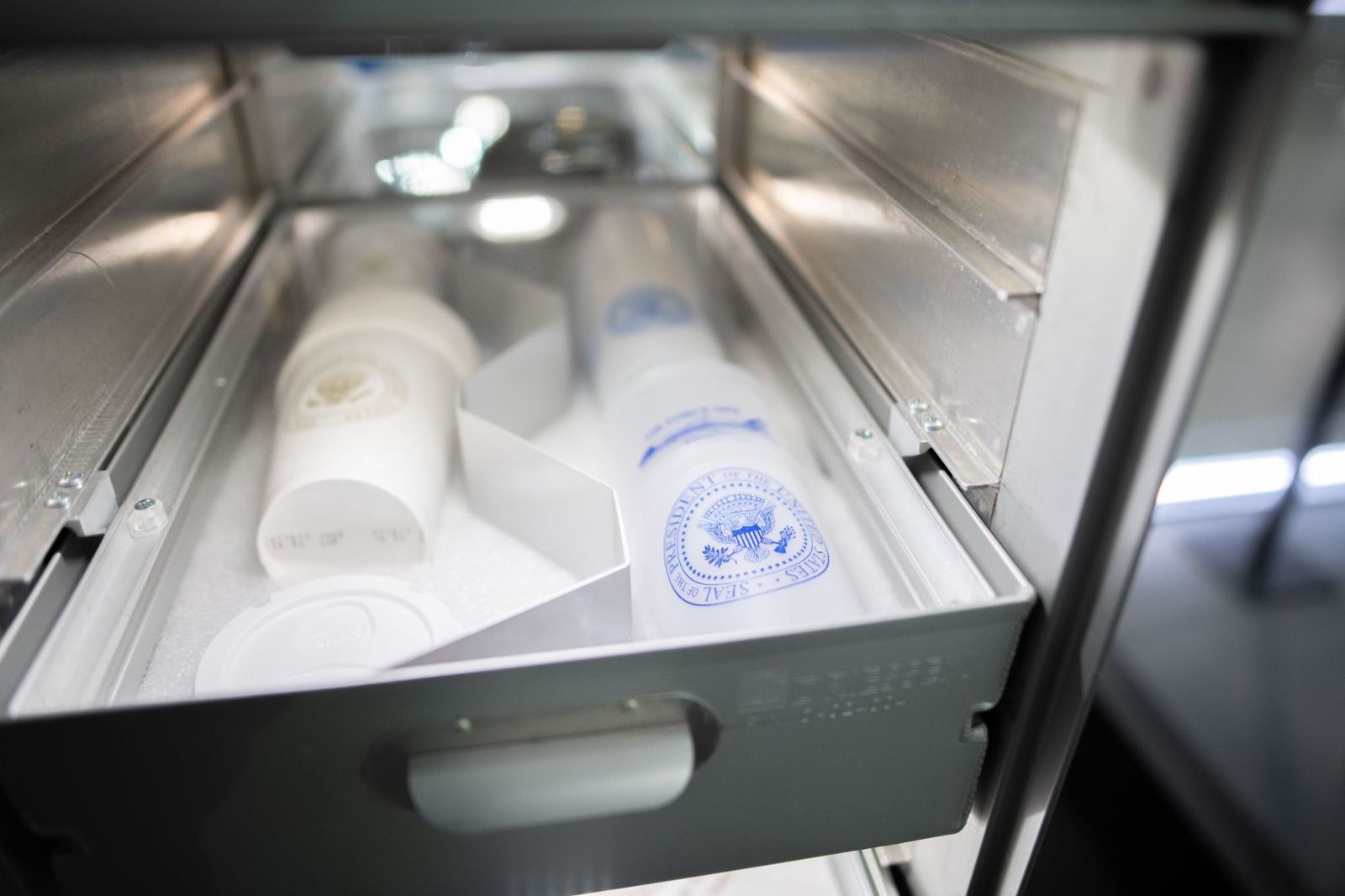
Even the healthiest traveler can have a medical emergency, and the president cannot simply wait for the next airport or hospital.
The VC-25A includes a compartment equipped with medical supplies, while a physician travels as part of the medical support team. Reports have also described a refrigerated reserve of the president’s blood type aboard the aircraft, particularly for longer overseas journeys. The arrangement reflects a practical problem of presidential travel: an ambulance cannot meet the aircraft in the middle of the Atlantic, and a hospital may be hours away after landing. Medical planning travels with the president, right down to supplies that could be needed in a crisis.
The invisible C-17 advance armada
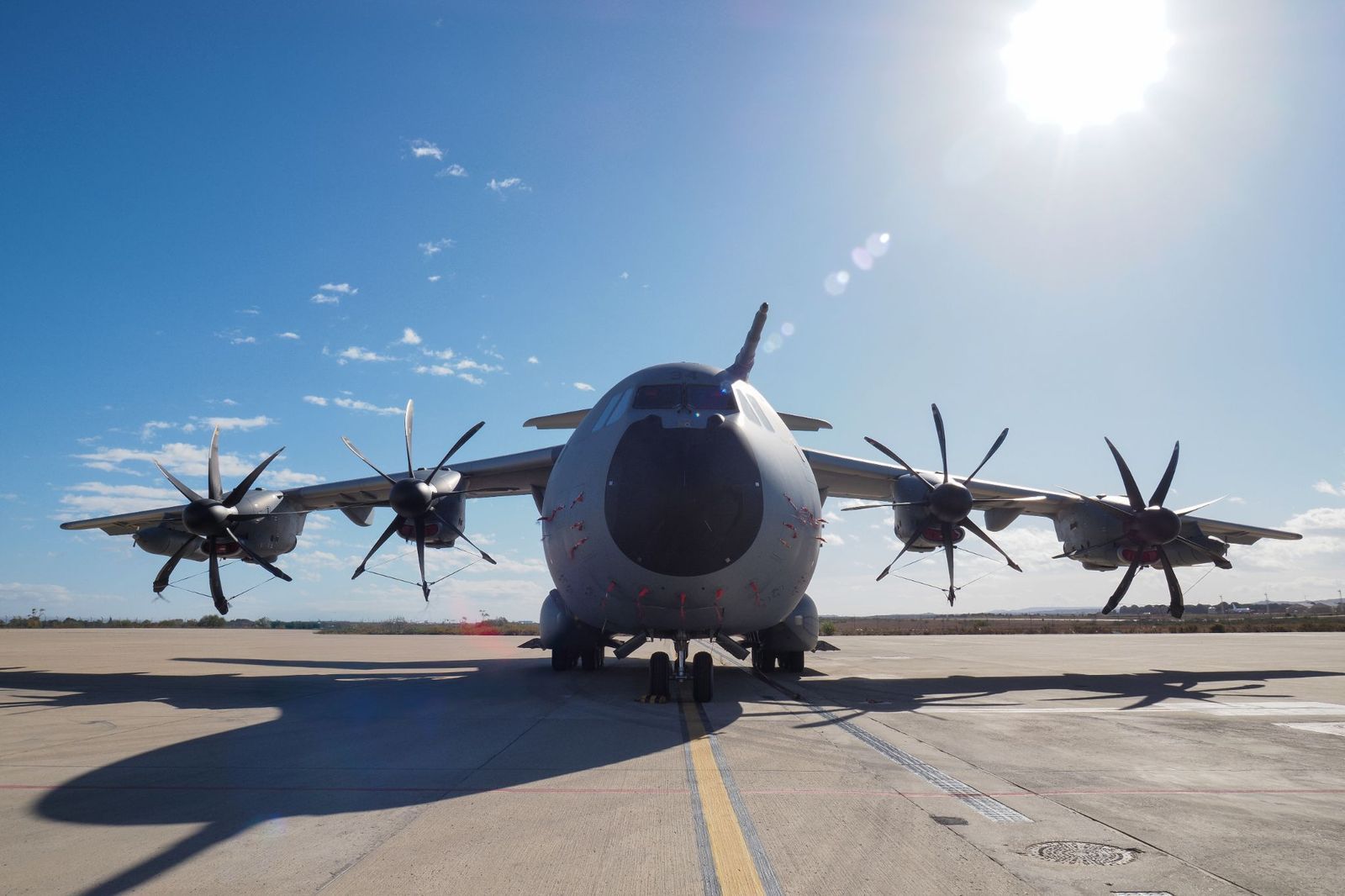
When a presidential trip begins, the blue-and-white aircraft is only the part most people notice.
The heavy lifting often happens beforehand, with military cargo aircraft such as the C-17 Globemaster III moving equipment to the destination.
Those loads can include the presidential limousine, helicopters, communications gear, vehicles, and other support equipment needed to recreate a secure operation far from Washington. A C-17 can carry cargo that would not fit into the presidential jet, and its global reach makes it ideal for this job. So while cameras wait for Air Force One, cargo crews may already have been preparing the runway.
Communication is protected aboard Air Force One
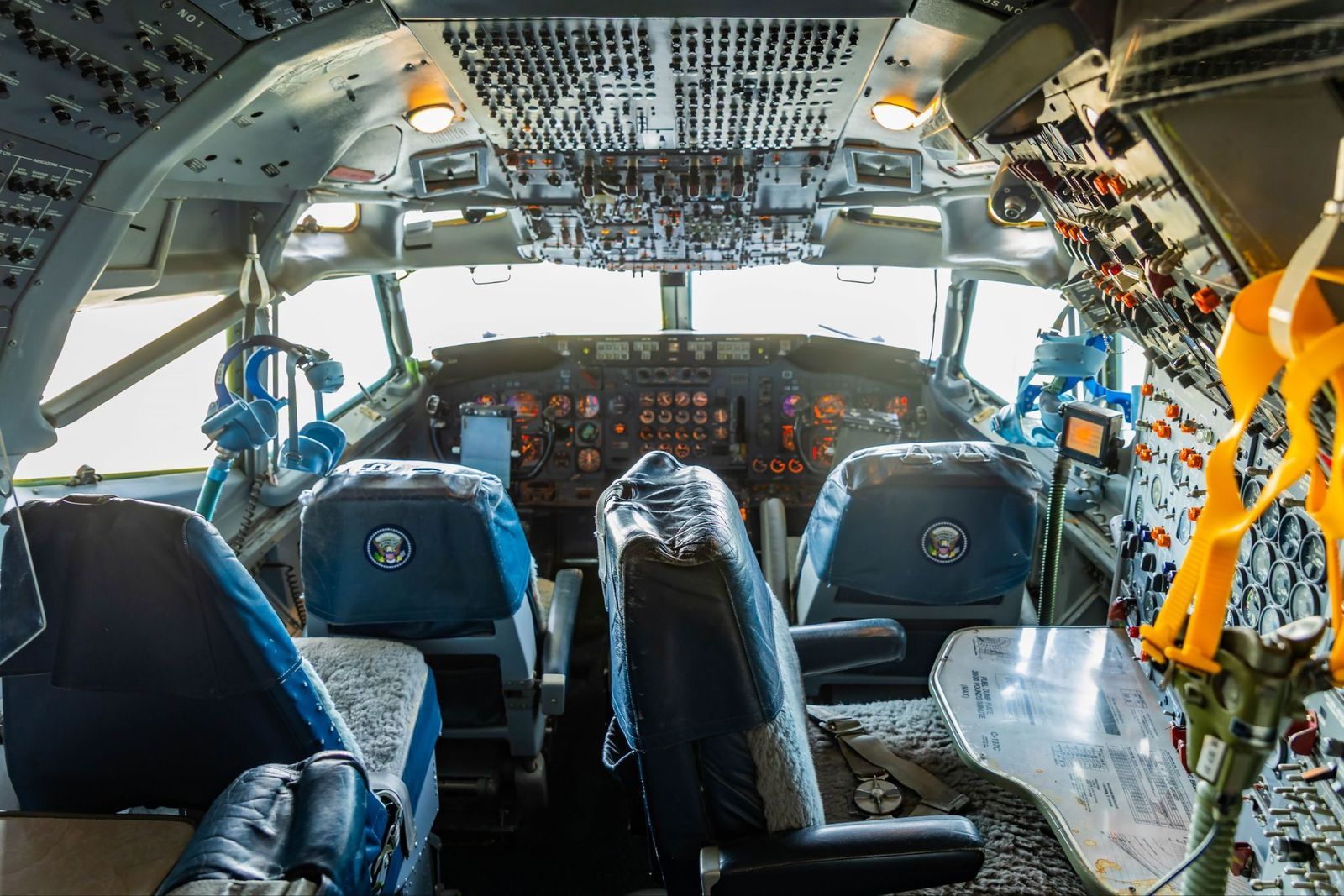
Air Force One is essentially a flying command center, with the communications equipment to keep the president connected during a crisis.
Alongside televisions, telephones, and other electronics, the aircraft carries highly secure systems designed to protect presidential communications. Much of the technology remains classified, but the aircraft is built to withstand serious disruptions, including electromagnetic pulses, and its communications systems are hardened against electronic threats. The White House has said the president can communicate with senior officials and respond to a major attack while airborne. So while the cabin may look like an unusually comfortable 747, behind the scenes it is equipped for one of the most demanding jobs in government.
Keep wandering
There’s always
more to explore
Why should you keep your gas tank at least half-full during winter?
4 min.
Read Now
Why do pros take amazing photos even with a smartphone? 12 tips explained
4 min.
Read Now
 Culture
Skip Times Square and go to these NYC spots instead — local-approved!
4 min.
Read Now
10 creepy inexplicable archaeological discoveries
5 min.
Read Now