
Harmless-looking moves that can land tourists in trouble
 Culture
Small vacation mistakes
Harmless-looking moves that can land tourists in trouble
The main point of a vacation is to relax — but sometimes relaxing a little too much can get unsuspecting tourists into trouble. Before ending up with fines that weren’t part of the original budget, it helps to know which small mistakes to watch out for. Here are 10 tips to keep in mind for a truly carefree vacation.
Renting a car and driving into restricted zones
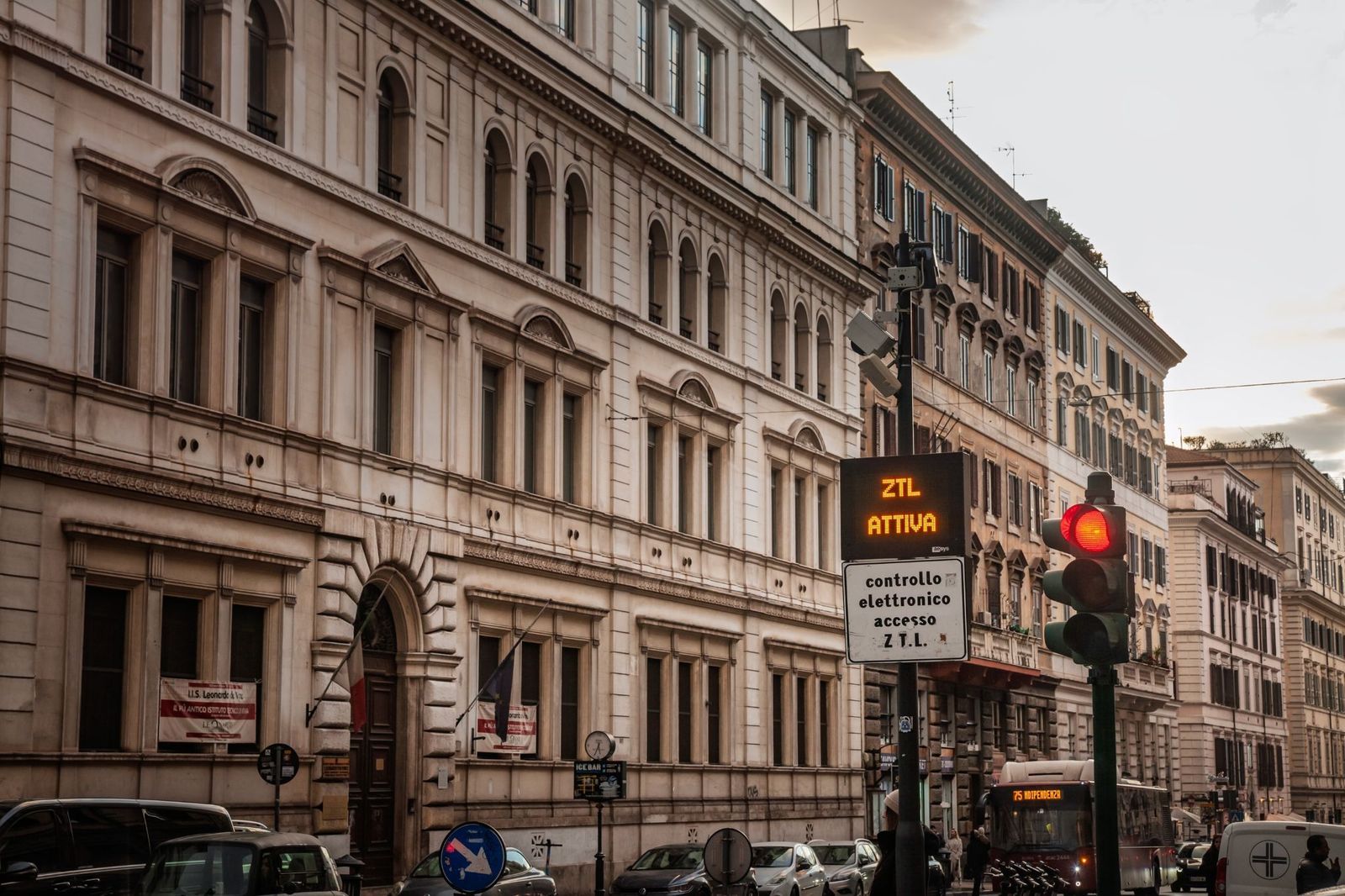
Many Italian cities have old historic centers where regular cars can’t go. These areas are called Zona a Traffico Limitato, or ZTL, which means Limited Traffic Zone, and only approved vehicles can enter. What makes the rule easy to miss is that there may be no officer stopping cars at the entrance, so a tourist can turn into a restricted street without realizing it. But some cameras take notice, and the fine may appear weeks later, often through a rental car company.
Florence is one of the best-known examples. Much of its historic center is restricted, and each wrong entry can count as a separate violation. So if your hotel or garage is in a ZTL, it’s better to ask before driving in, because your license plate may need to be registered first. Otherwise, one wrong turn can become an expensive vacation souvenir.
Touching protected monuments
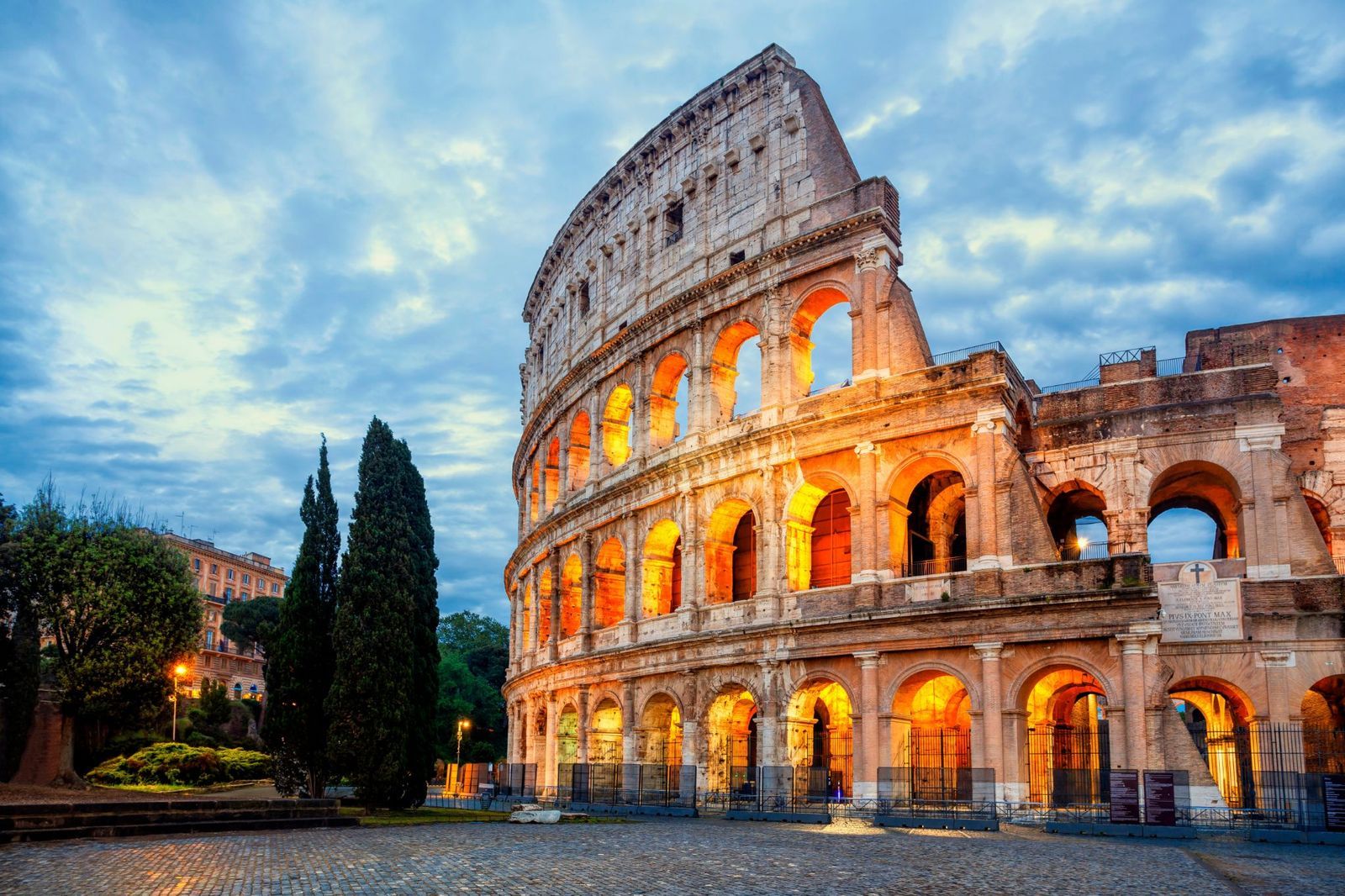
Sometimes, when you see an impressive monument, it’s tempting to get closer than you should or touch it for a photo. But many old monuments are fragile, and even a simple touch can damage them over time.
For example, several times a year in Rome, Italy, tourists are caught jumping into the Trevi Fountain, despite the rules. In the United States, places like Petroglyph National Monument in New Mexico prohibit visitors from touching rock art because oils from human hands can damage the surface. Breaking these rules can lead to real consequences, from fines or removal from the site to more serious penalties if the monument is damaged.
Feeding wild animals
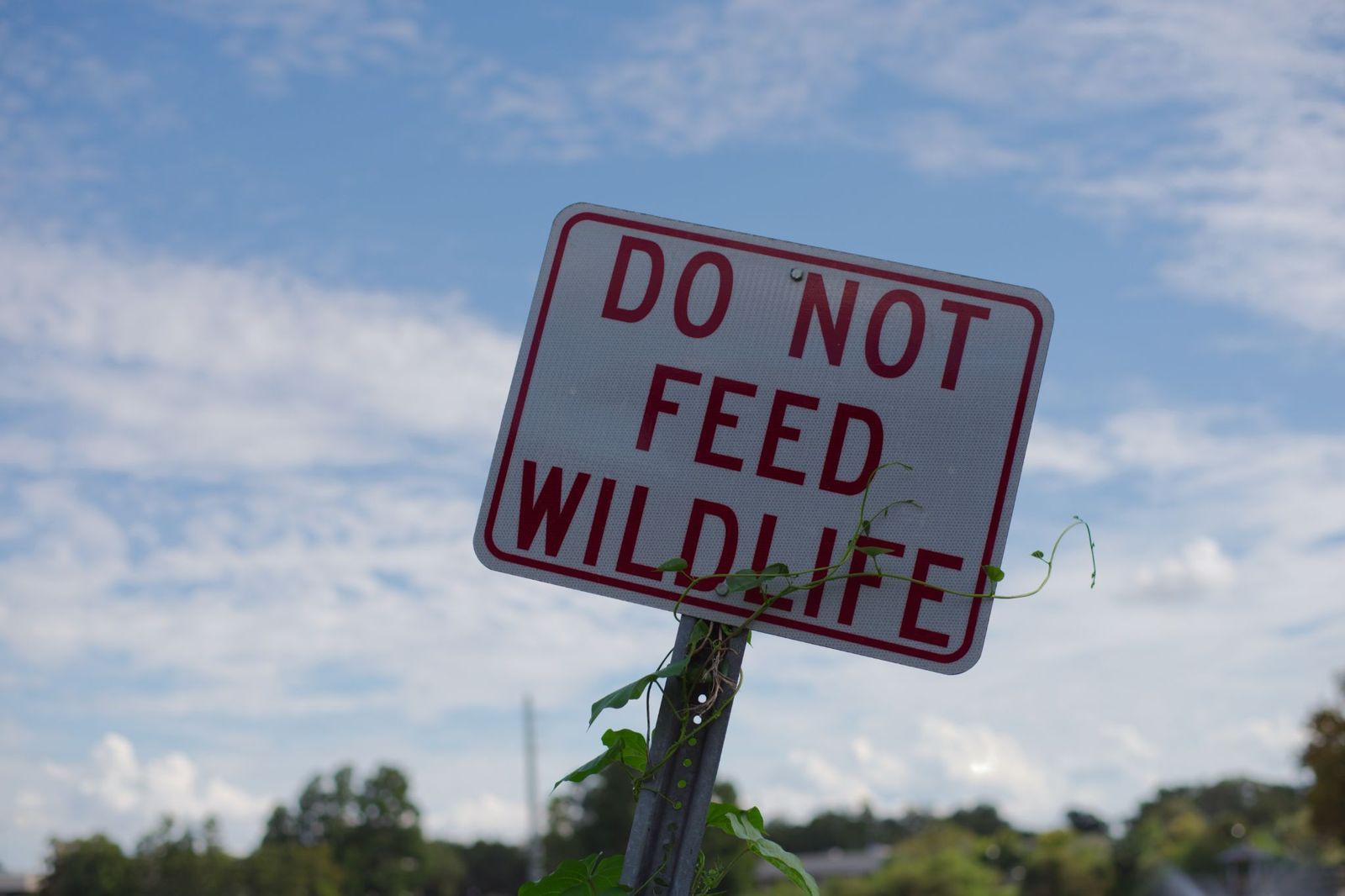
It can feel harmless at first when a wild animal comes close and seems to be begging for food. But feeding wildlife is almost always a bad idea.
In most U.S. national parks, feeding wild animals directly or indirectly is illegal. California’s Fish and Game Code also bans this behavior with fines or citations. There’s a simple reason for this: wild animals don’t need humans to get their food, and giving it to them can change the way they behave; once they connect people with food, they may lose their fear and become aggressive. If you find yourself in this situation, don’t be afraid to call a park ranger or ask another visitor to call them for you.
Drinking alcohol in public

Having a drink out in the open sounds lovely — but it’s always worth checking local rules before doing so. In the U.S., many cities have "open container" laws that fine for drinking alcohol or even carrying an open beer or wine bottle in the street, a park, or other public spaces. But it isn’t the same in every city. While in New York City, drinking in public is generally banned unless it is in a permitted area or event, in places like New Orleans or Las Vegas, it’s legal. Europe tends to be more permissive; however, in some cities like Barcelona, relaxing a little too much could end up costing you thousands of euros.
Wearing the wrong clothes
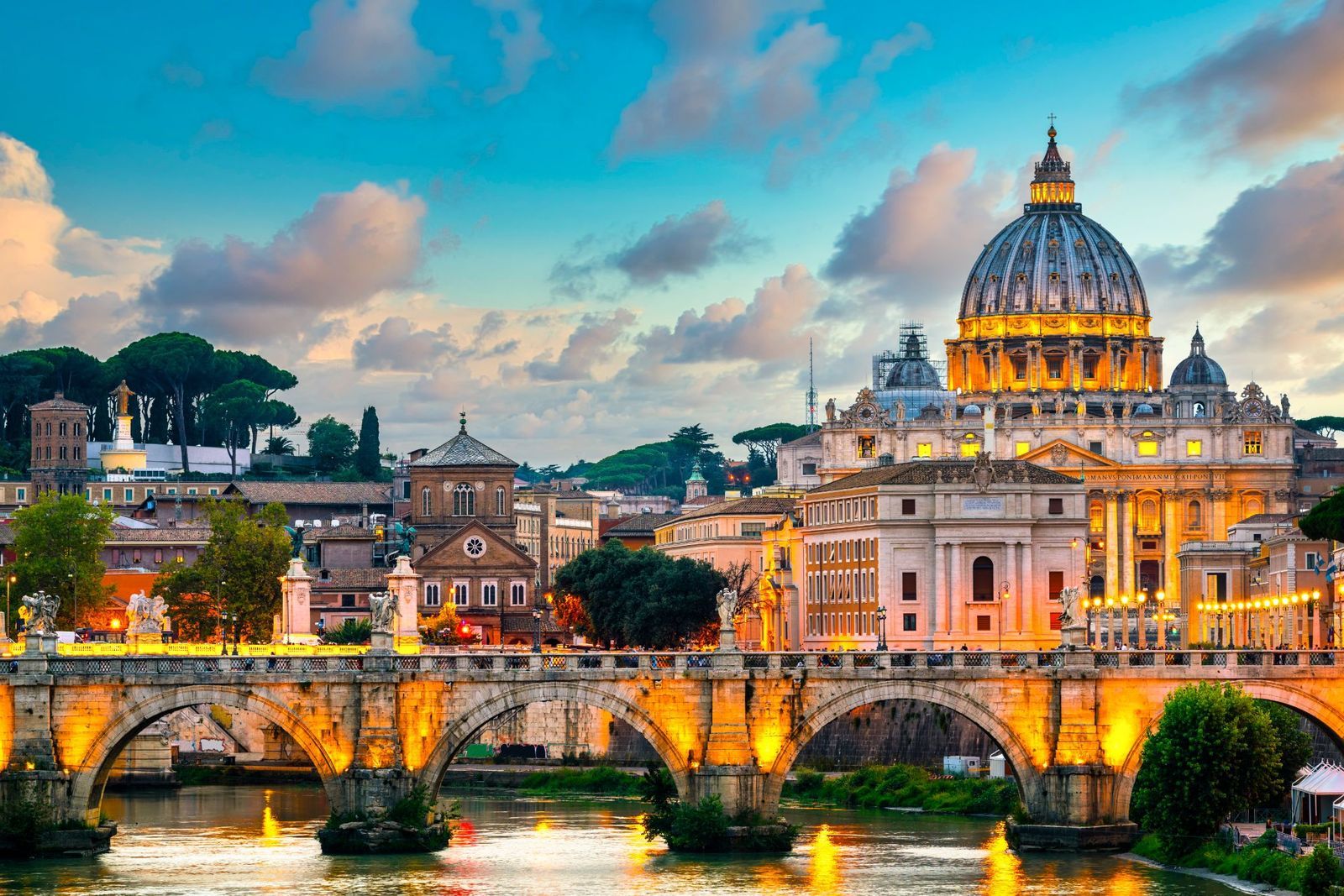
At some top tourist spots that are still religious sites, such as the Vatican, the clothing protocol is very specific. Visitors must cover their shoulders and knees to enter places like St. Peter’s Basilica, and if your outfit doesn't qualify, the usual penalty is denial of entry.
Some beach towns can also be strict on clothing rules, but in different ways. In Hvar, Croatia, for example, swimwear is only for the beach, pools, or beach clubs. Those tourists who walk through town in a bikini, swimsuit, or trunks can face hefty fines. These rules are easy to forget, especially when visitors are travelling in hot climate seasons and in relaxed, vacation mode.
Littering

Littering is more common than you might expect: throwing something from a car window, leaving trash behind after a picnic, or leaving an empty plastic coffee cup on a park bench. But this minor mistake is considered a criminal offense in some countries.
Across the United Kingdom, for example, the consequences can range from a fine to community service or cleanup work, depending on the context. Penalties can worsen when littering in protected areas or heavily visited public spaces.
Making too much noise
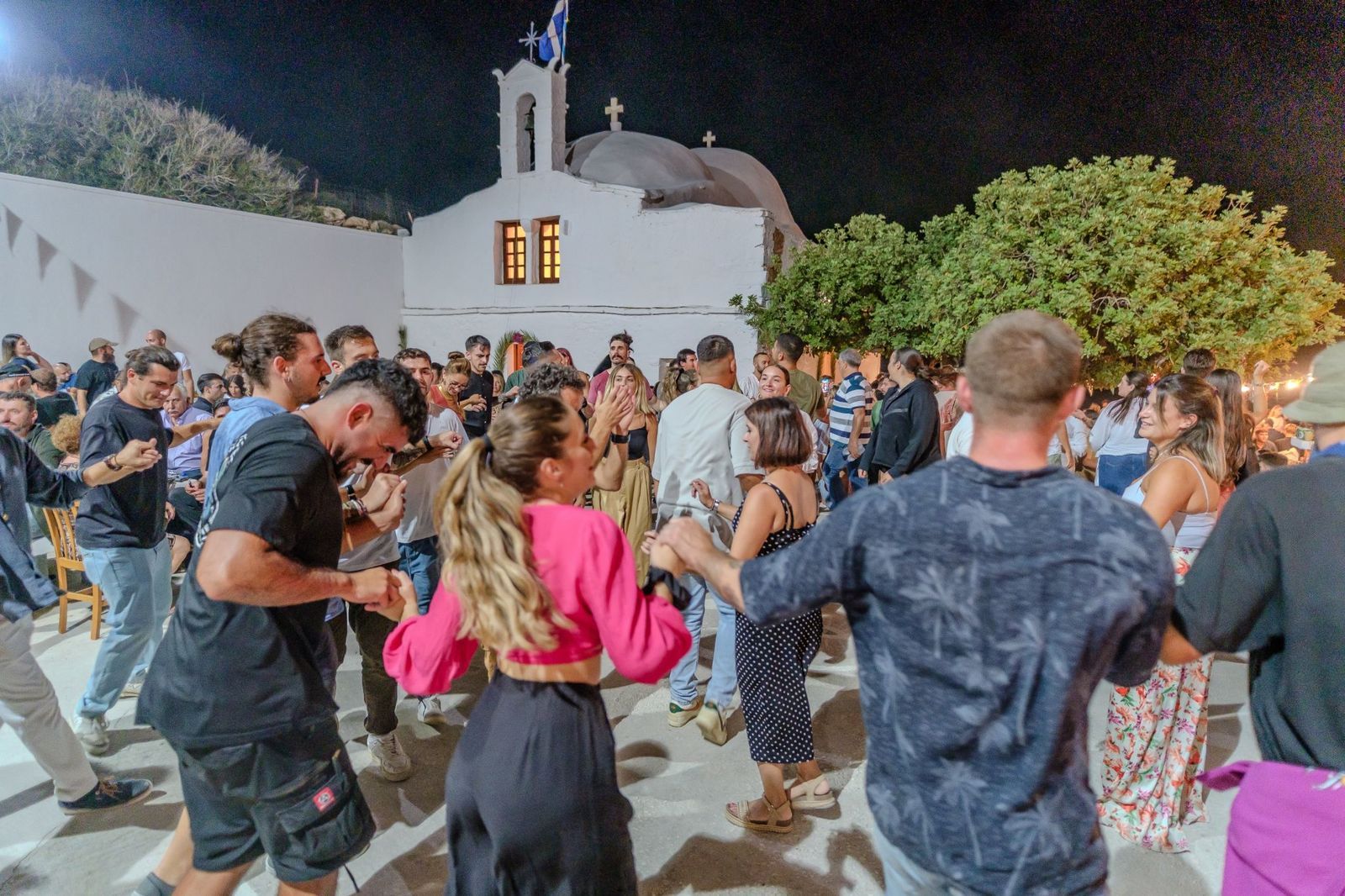
Noise is something tourists rarely think about until it becomes a problem. In Portugal, for example, even beaches have noise restrictions. Playing loud music from a portable speaker can prompt authorities to intervene if it’s bothering other beachgoers.
In Eindhoven, in the Netherlands, the issue is more about parties, music, and noise that affects neighbors. A gathering, a bar event, or loud music late at night can become a problem without proper authorization, because the city has local rules meant to keep public spaces and residential areas livable.
Entering restricted areas
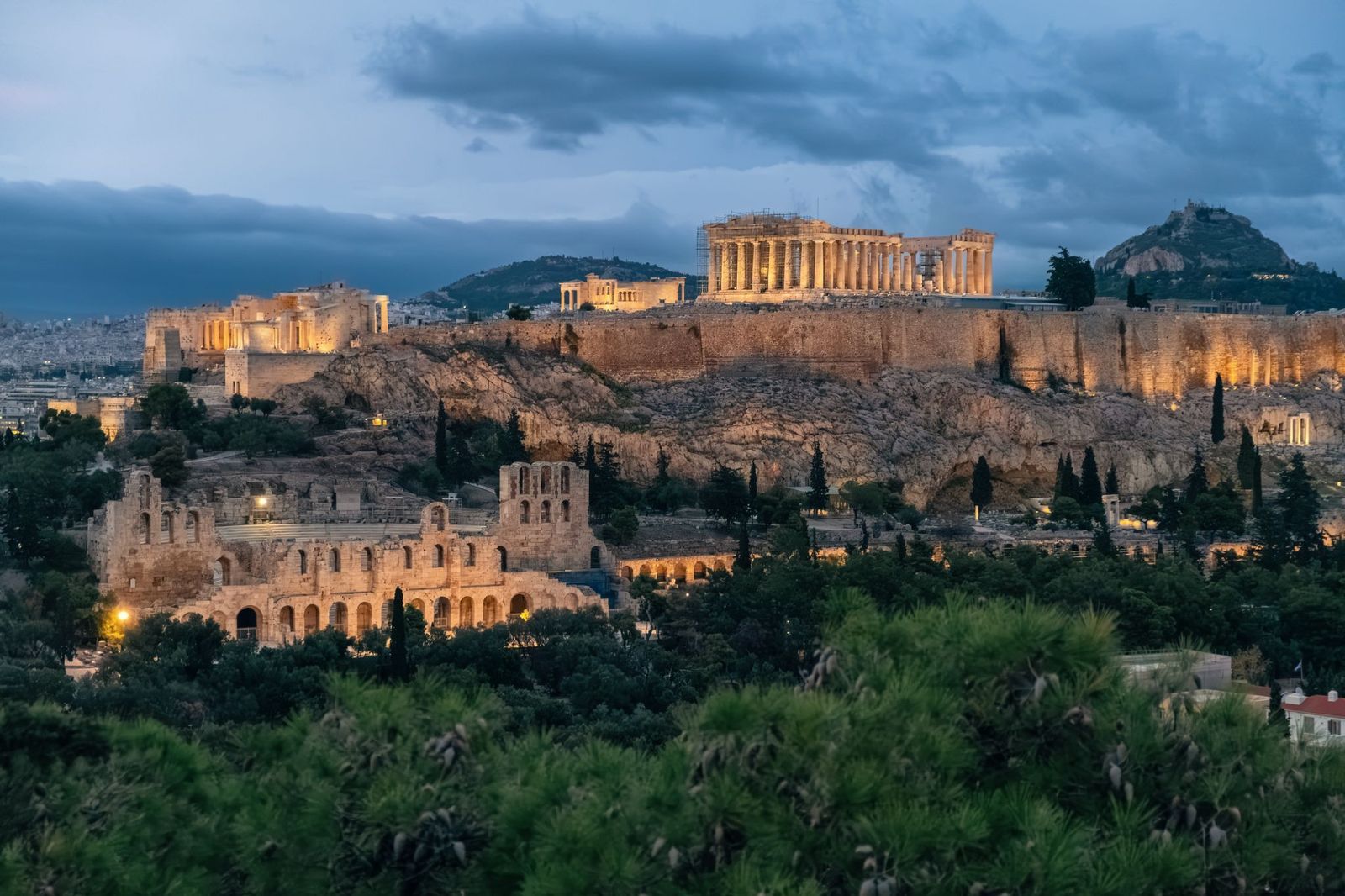
When you visit a place as famous as the Acropolis in Athens, you’d understandably want to see as much as possible. But some areas are off-limits.
The Acropolis now limits the number of daily visitors and uses timed entry slots that must be booked in advance. There are also barriers and monitoring systems to help control crowds and protect fragile areas. That means visitors can’t climb on monuments, touch delicate structures, remove stones, or walk into closed-off spaces. Breaking those rules can lead to fines, and if anything is damaged, the consequences can become much more serious.
Picking up shells in Greece
Did you know that in Greece, picking up a pretty shell on the sand can cost you? Lalaria Beach on the island of Skiathos is famous for its smooth white pebbles, and for years, tourists took a few home as souvenirs. But over time, that small habit changed the look of the beach, and visitors are now warned not to collect pebbles, shells, or stones from protected beaches. If beach security catches you taking just a few, it can automatically lead to a fine.
Jaywalking

This little everyday infraction can cause a big nightmare in countries like Germany, Switzerland, Japan, and Saudi Arabia. In these places, crossing outside of the designated crosswalks or ignoring traffic lights can result in hefty fines or even imprisonment, even if no cars are coming.
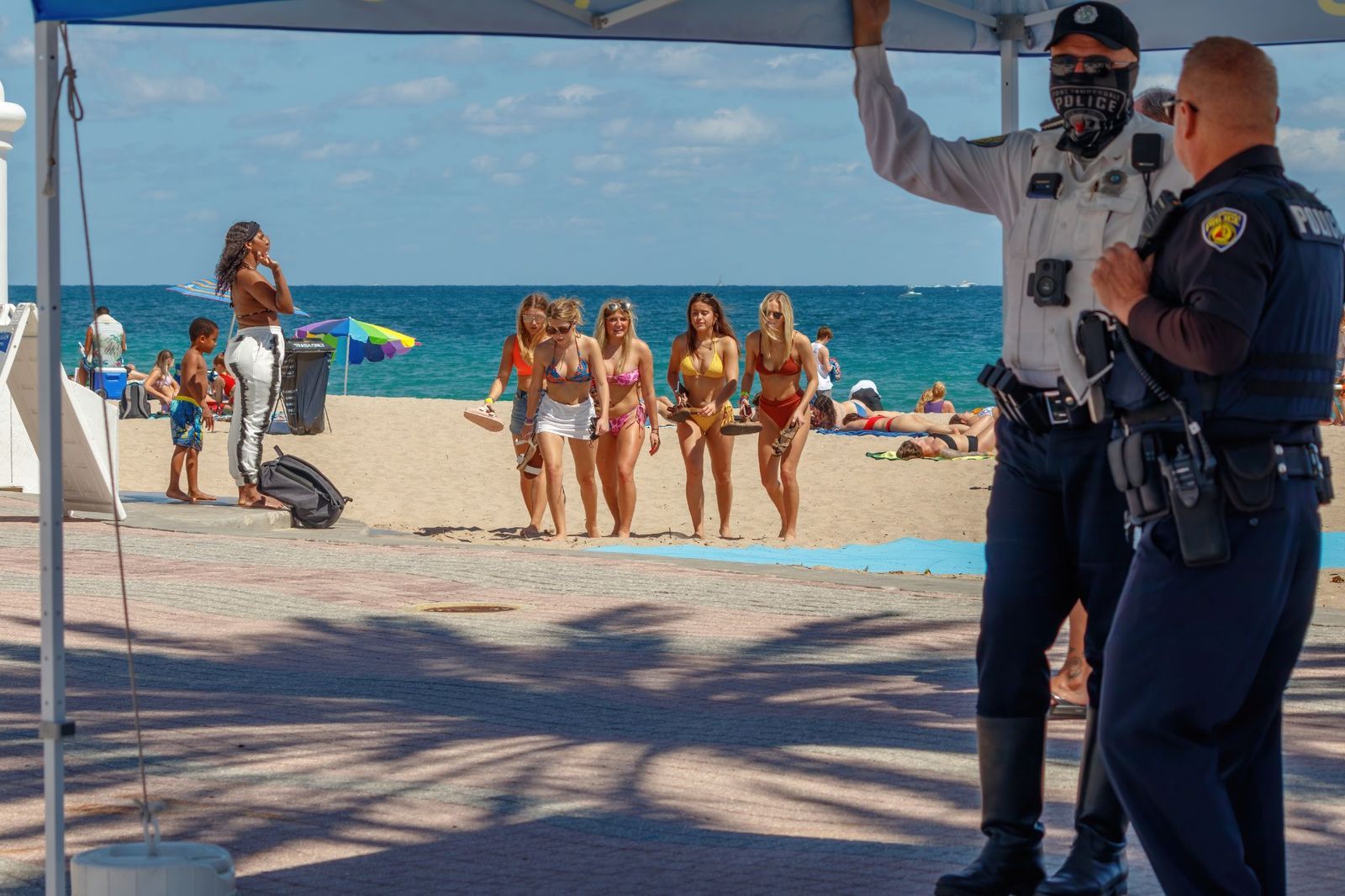
Closer to home, jaywalking is also illegal in some U.S. states, such as New York or Florida, and the misdemeanor could result in citations or fines. So, although you may be in a hurry to visit all the appointed destinations, always be careful and watch out for the correct signals when crossing the streets.
No AI, no Photoshop: These mysterious natural formations are real
 Geography
Decoding mysterious shapes
Have you ever seen rocks shaped like this? Unique landscapes of the world
A beach with piles of shiny, giant marbles. A desert floor where rocks seem to move on their own. A lake that traps frozen bubbles under its surface. In this collection, we’ll travel all around the globe, stopping at landscapes so odd and unusual that you'll want to hear their stories and marvel at them.
Racetrack Playa, Death Valley, California
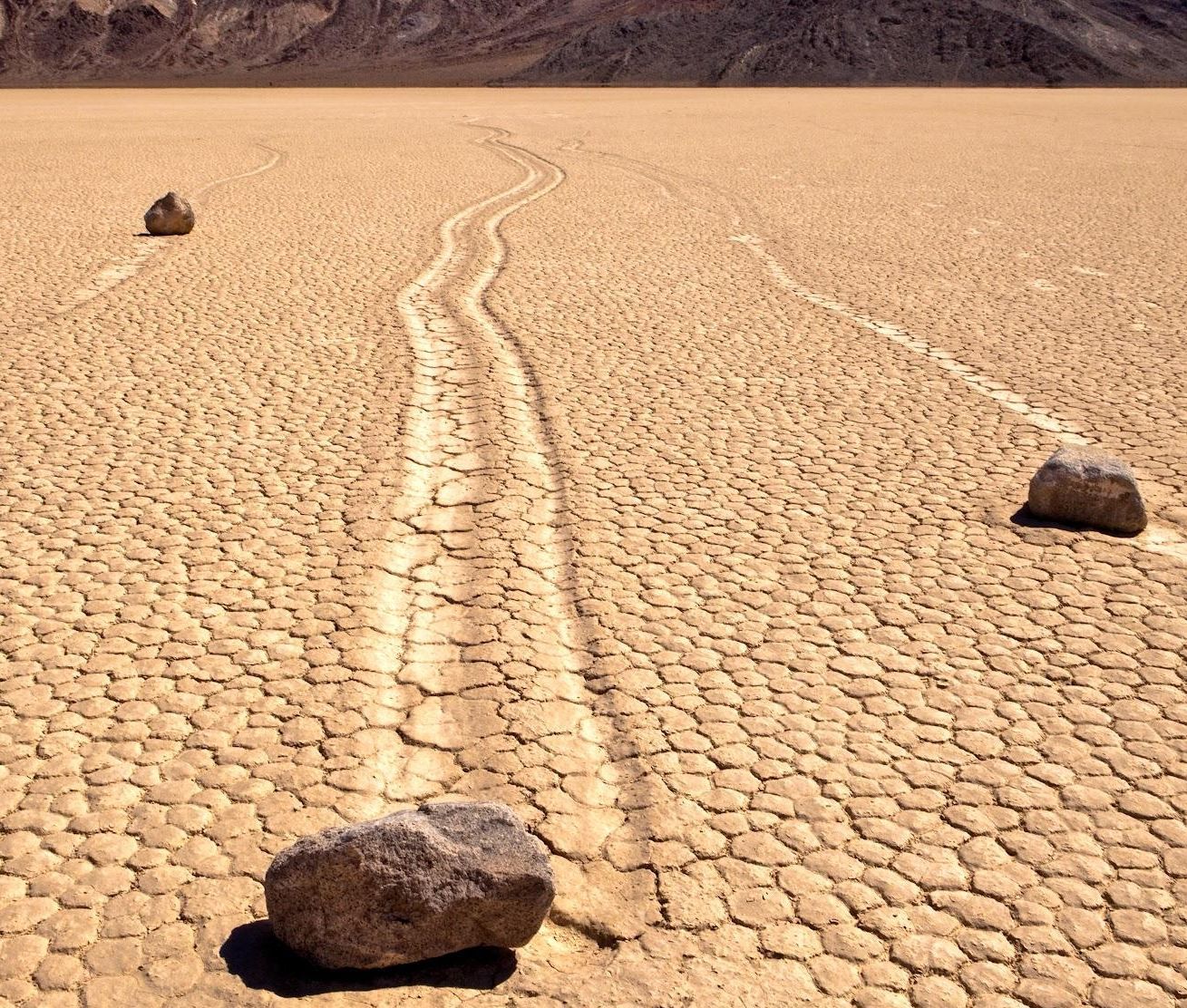
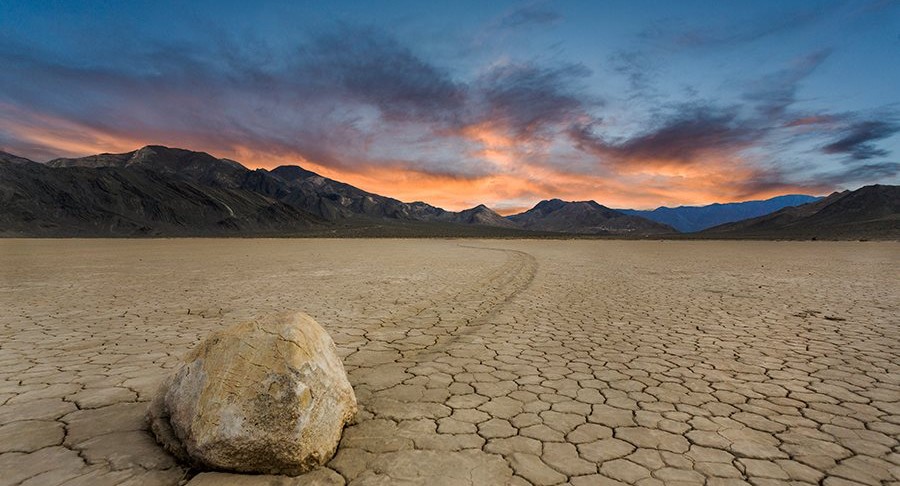
In a remote corner of Death Valley National Park, in California, US, lies one of geology’s most puzzling sights: rocks that appear to move on their own, leaving trackmarks on a dry, cracked clay lakebed.
This flat expanse is etched with trails of rocks that have slid across the ground, some weighing up to 700 pounds. The mystery was finally solved in 2014. As scientists explained, ice forms overnight in the area, forming a thin sheet; as the morning sun melts it, it becomes slippery, which helps the wind gently push the rocks forward just a few inches per second every day.
Spotted Lake, British Columbia, Canada
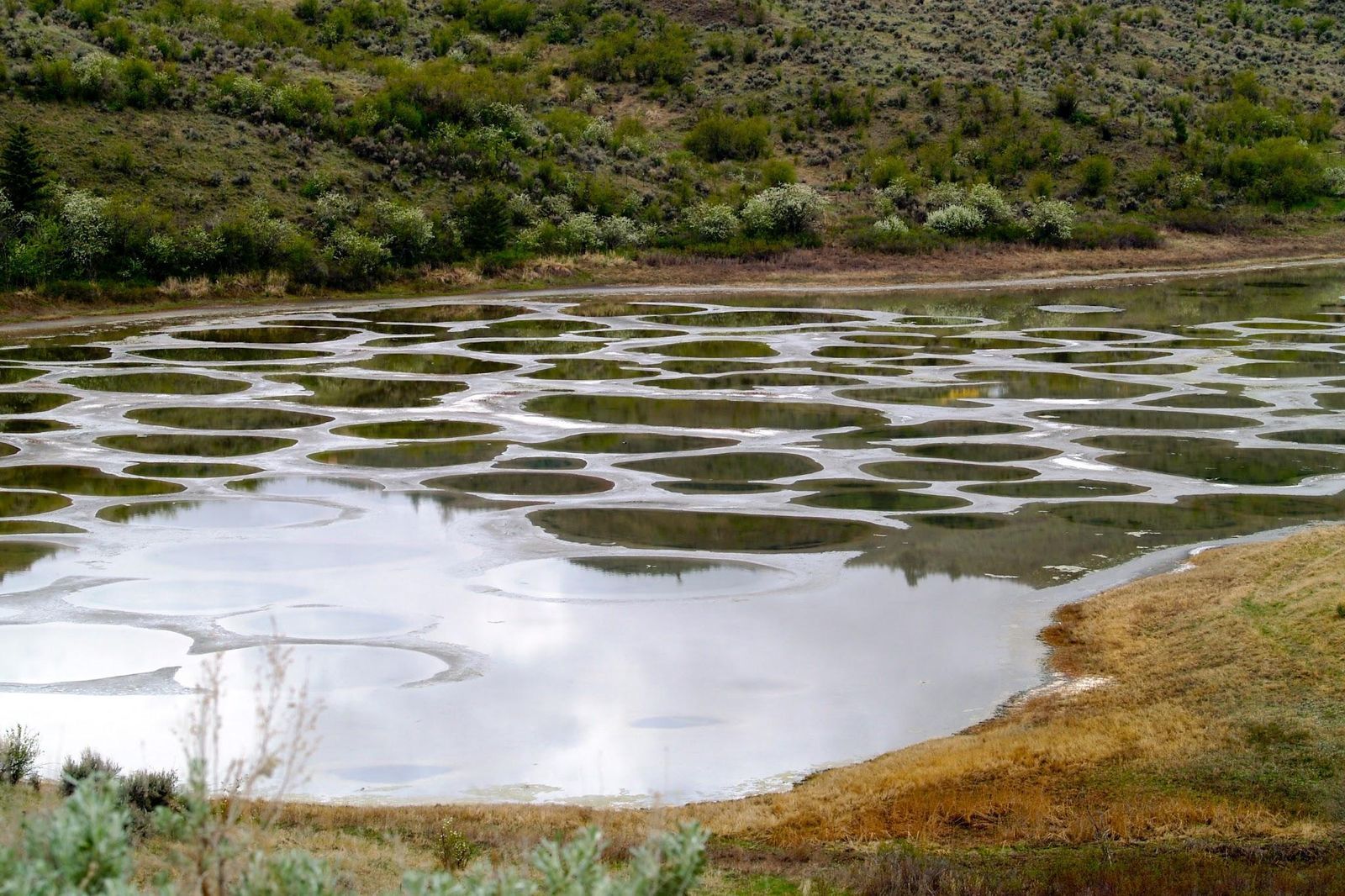
This small lake in the Okanagan Valley transforms each summer. As temperatures rise, the evaporating water reveals hundreds of "spots" formed by high concentrations of minerals, like magnesium sulfate, calcium, and traces of silver and titanium.
Each mineral crystallizes in different shades, like white, green, yellow, and brown. The polka-dotted lake has been known for centuries, and the indigenous Syilx (Okanagan) people considered it sacred for its healing properties. It is one of the most mineralized lakes in the world.
Lake Abraham, Canada
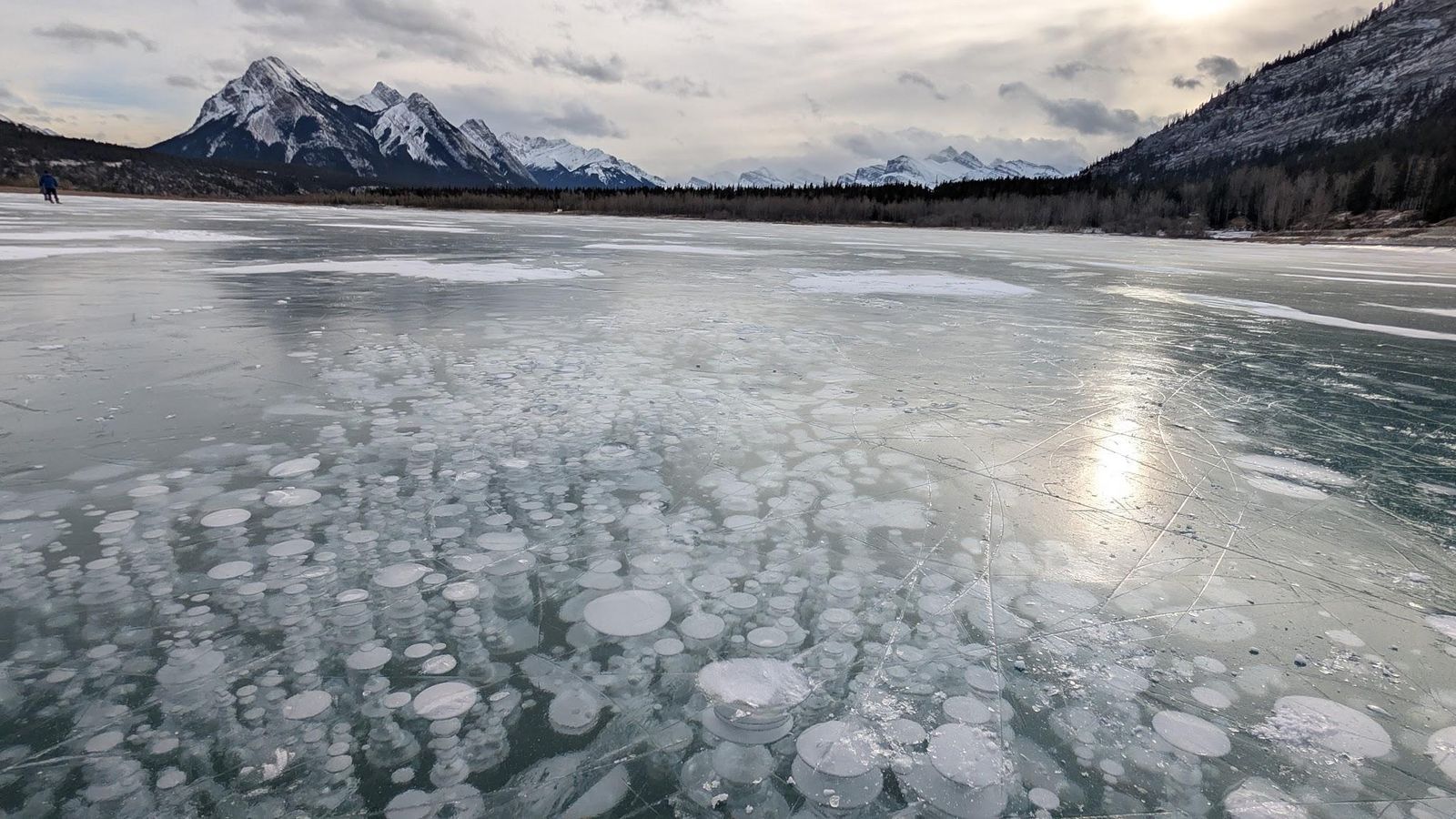
On certain winter days, visitors will be able to find a gallery of trapped bubbles that look like alien plants under the surface of Abraham Lake, in Alberta, Canada. This artificial reservoir was created in 1972 with the construction of the Bighorn Dam.
The striking phenomenon of the white bubbles is due to methane gas released by decaying organic matter on the lakebed. The gas becomes trapped under layers of ice as temperatures drop. Stunning, yes, but these methane bubbles would be flammable if released.
Giant’s Causeway, Northern Ireland
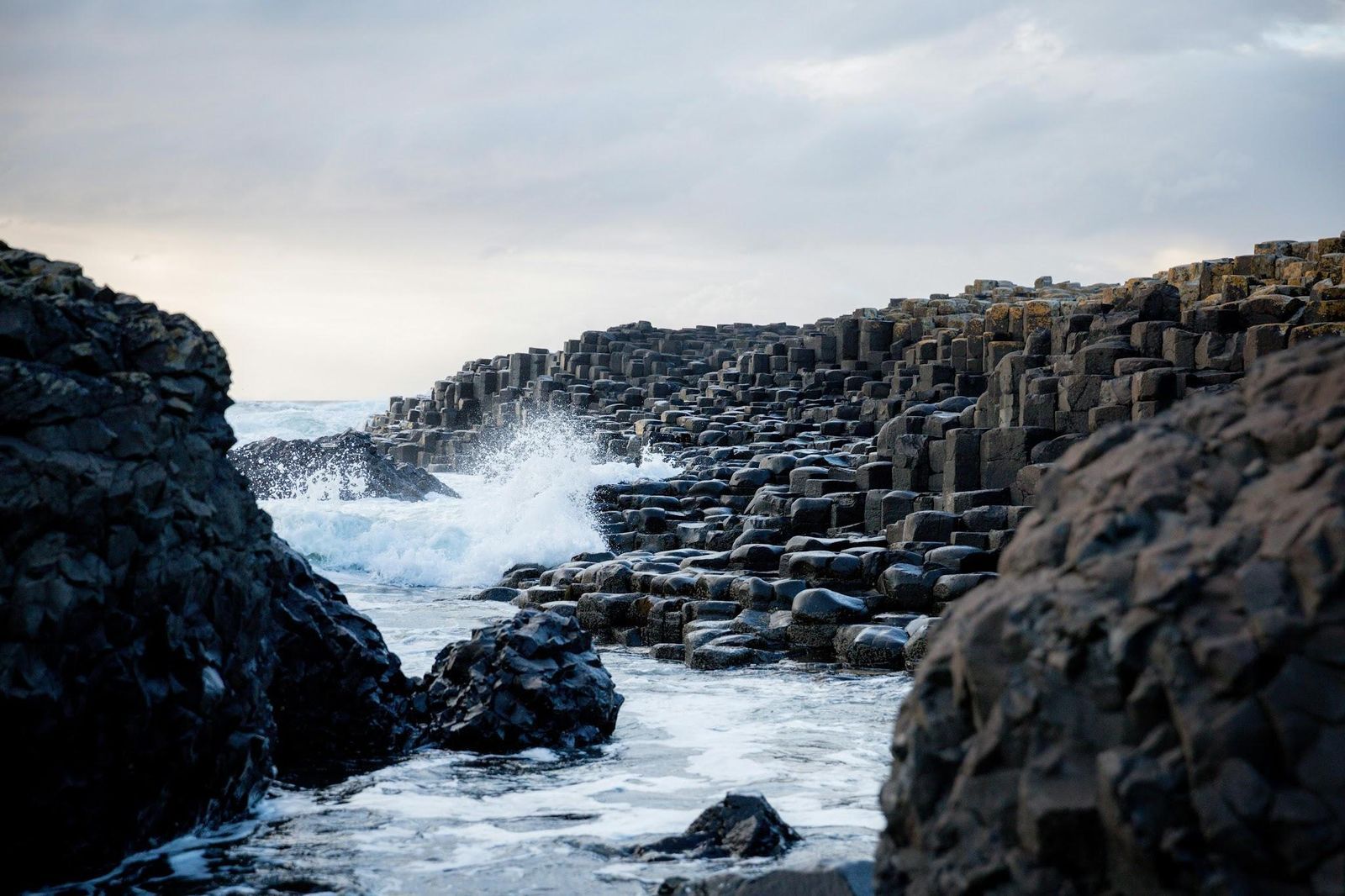
The stones of Giant’s Causeway form a landscape so geometric that it seems man-made. But it was nature that shaped it as it is. This is a UNESCO World Heritage Site featuring approximately 40,000 interlocking basalt columns that step down like stairs into the North Atlantic.
The formation dates back about 50 million years, when volcanic activity caused molten basalt to cool rapidly. As lava contracted, it fractured into the striking hexagonal shapes we can see today. The local folklore offers a more colorful explanation, though: the columns were built by the Irish giant Finn McCool as a bridge to Scotland, hence the name of the area.
Moeraki Boulders, New Zealand
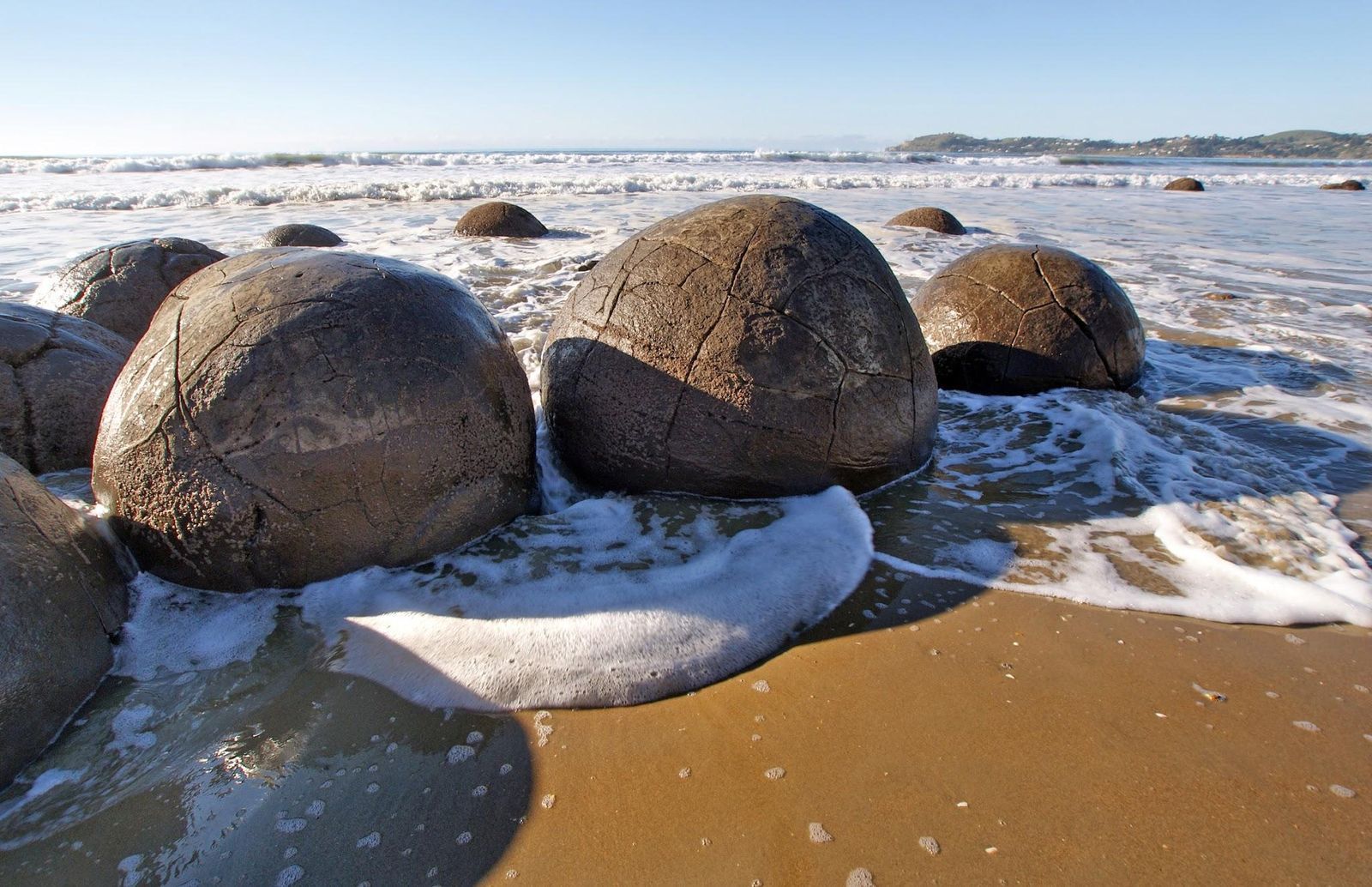
Scattered along Koekohe Beach on New Zealand’s South Island, these boulders look almost too perfect to be natural. They are massive, nearly spherical rocks, some measuring 7 feet in diameter.
Geologists now know that the boulders formed around 60 million years ago during the Paleocene period. They began as small mineral accumulations within marine sediment, which gradually grew as minerals crystallized around a central core. Some of them have cracked open, revealing their interior of intricate patterns filled with calcite crystals.
Mount Roraima in the clouds, South America (3 countries)
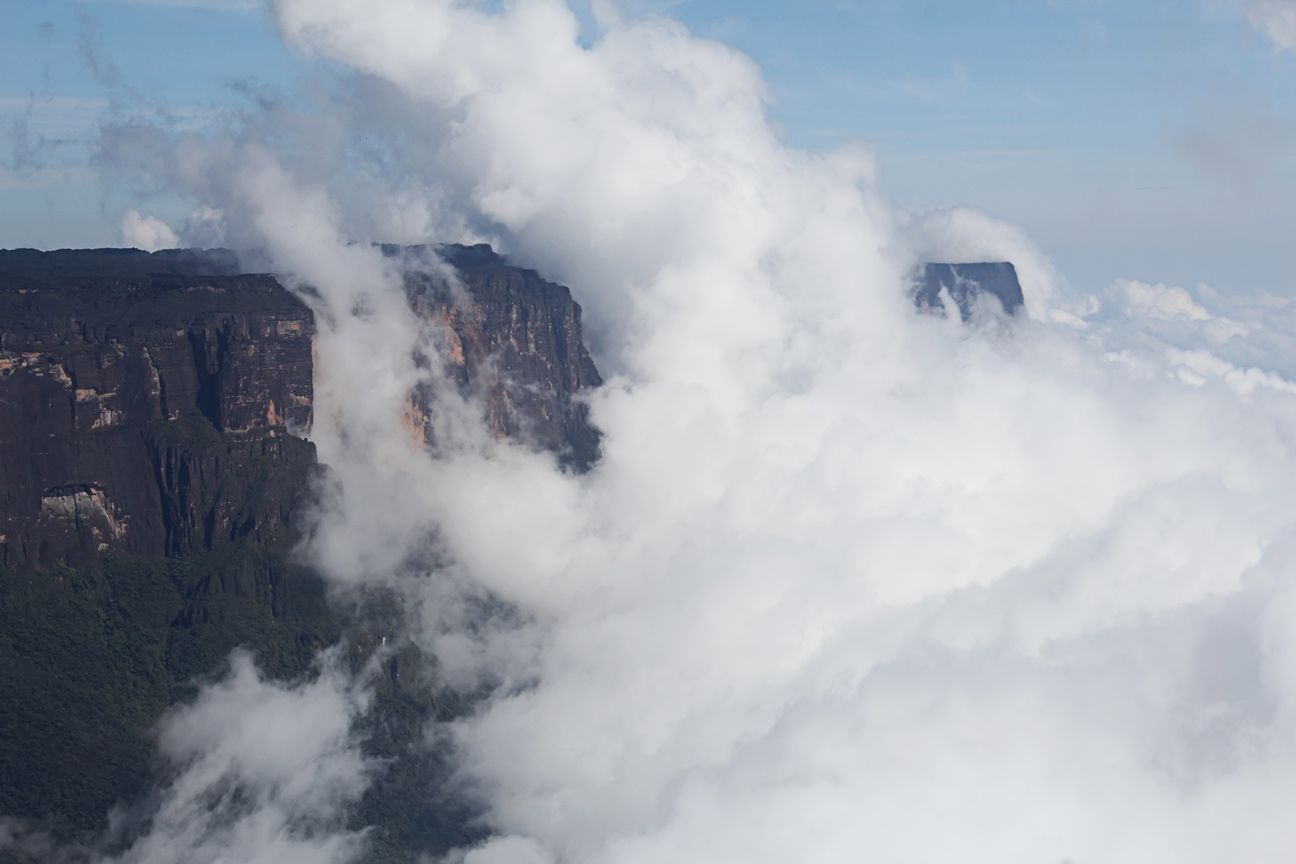
Sometimes, thick clouds will completely engulf the top of Mount Roraima, which sits in the frontier point between Venezuela, Brazil, and Guyana, in South America. Its flat top spans 12 square miles at an elevation of 9220 feet. That’s high enough for it to reach the clouds, becoming a mythical, eerie presence.
The isolation that Mount Roraima exists in has created a unique ecosystem, with plant species found nowhere else, including carnivorous plants adapted to nutrient-poor soils.
Diquís Stone Spheres, Costa Rica
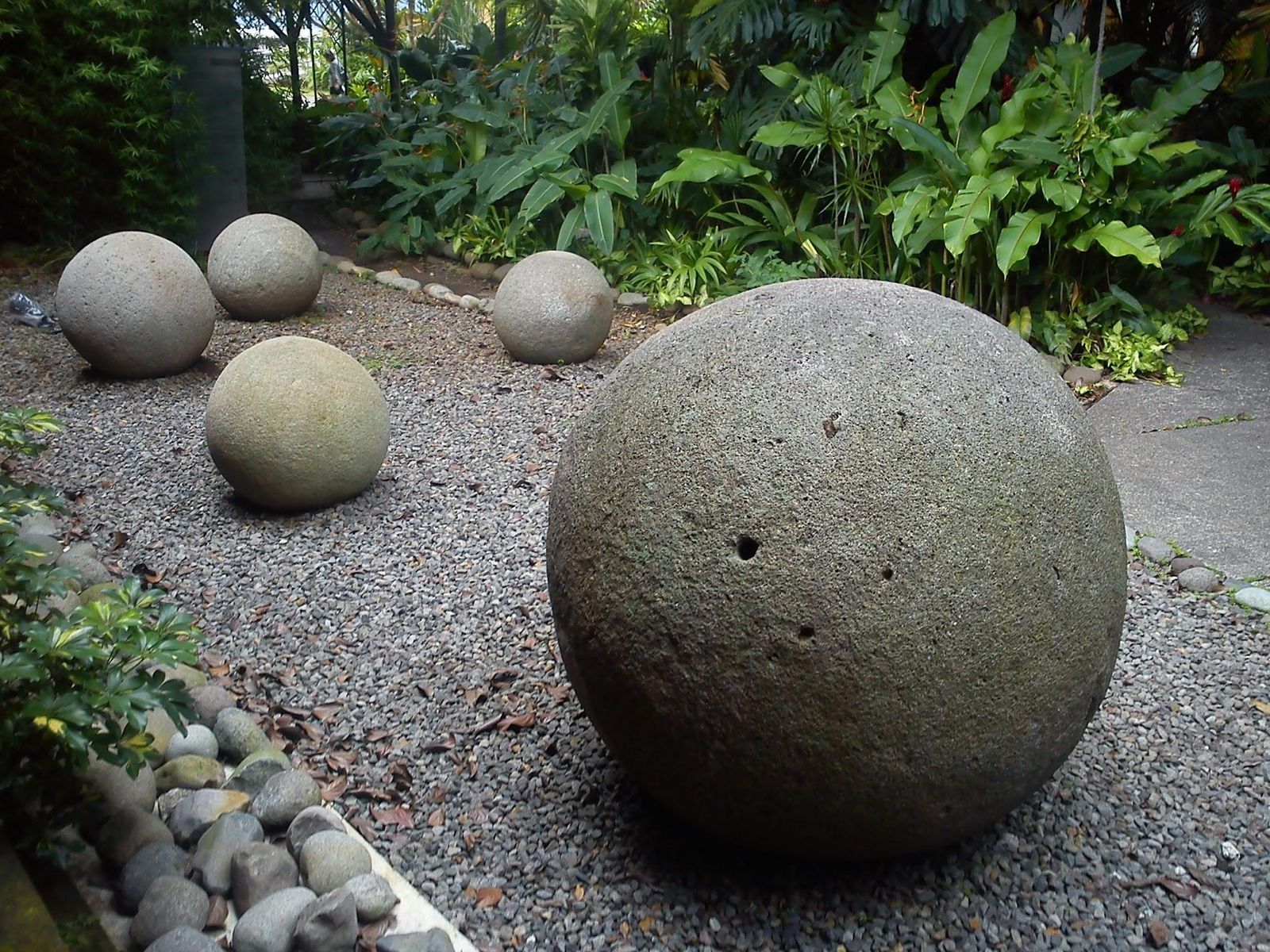
Contrary to those found in New Zealand, these giant rocks were not shaped by the forces of nature. They were very deliberately carved from a hard igneous rock called granodiorite by pre-Columbian societies, roughly between 300 and 1500 CE. Researchers haven’t been able to figure out their purpose, but they can agree that they were shaped using stone tools, heat, and abrasion techniques.
What’s shocking about them is their impeccable roundness and smoothness. They can be found in southern Costa Rica, at the Diquís Delta, scattered across the land. To date, more than 300 spheres have been recorded, some measuring a few inches, some over 6.5 feet.
Bent trees of Slope Point, New Zealand
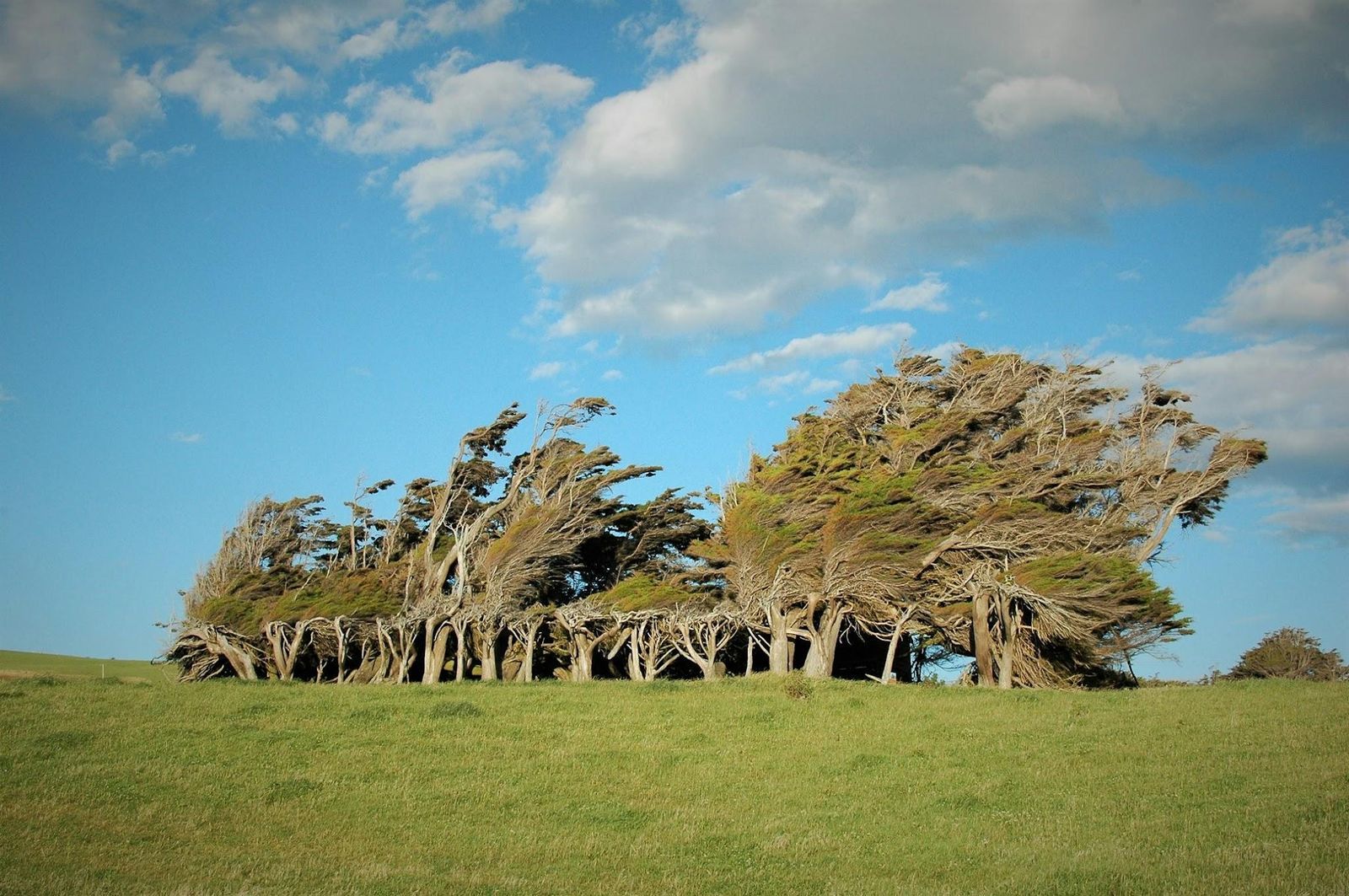
In this picture, it might appear that a strong wind is bending the trees sideways. But that is what the trees of Slope Point, New Zealand, look like on a regular day. This southern, remote coastal spot faces the full force of the winds sweeping up from Antarctica, exceeding 60 miles per hour. The result is a remarkable sculpture garden, and trees permanently twisted.
Great Blue Hole, Belize
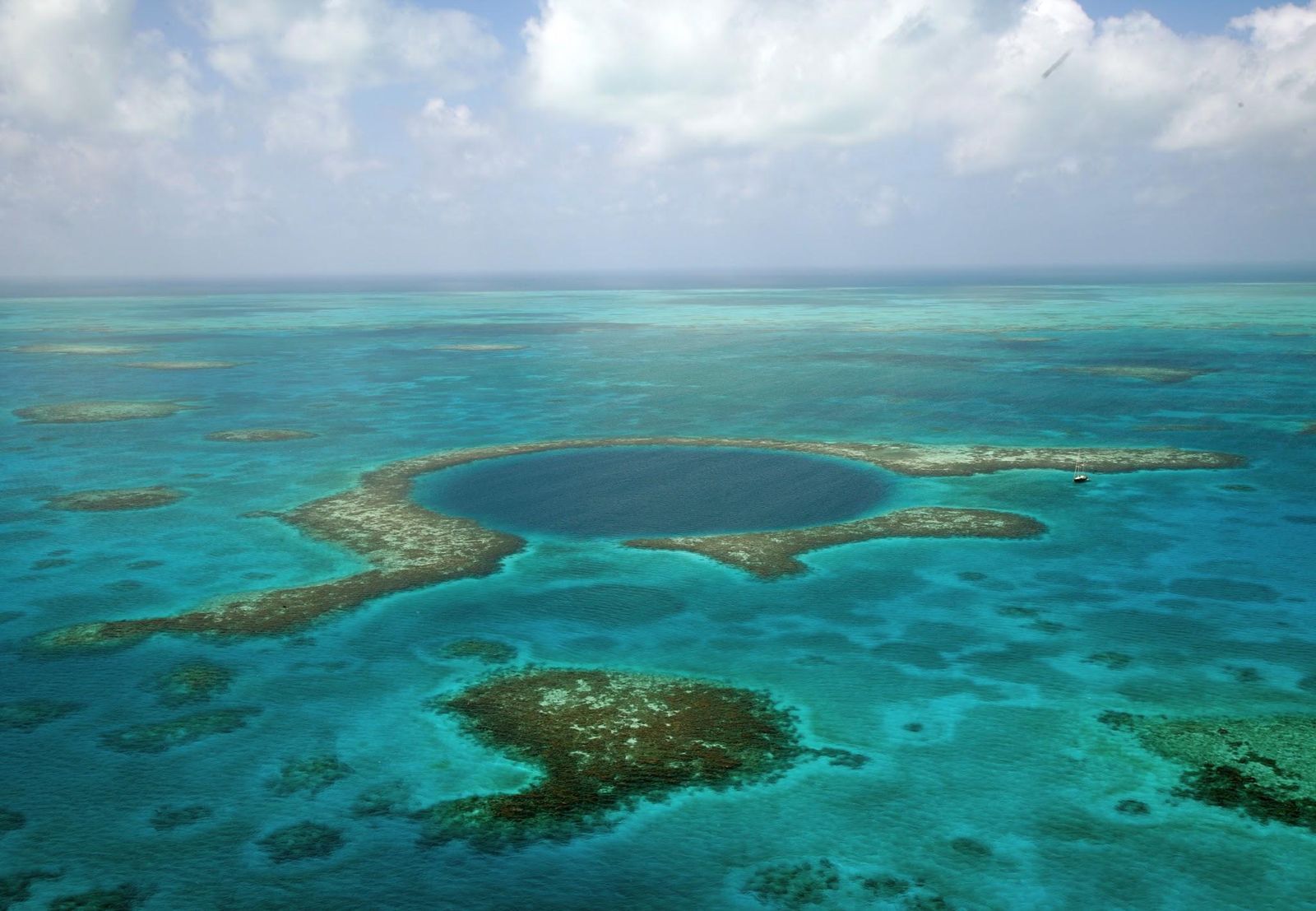
Off the coast of Central America, near the heart of the Belize Barrier Reef, lies one of the ocean’s most striking natural formations: the Great Blue Hole. This nearly perfect circular sinkhole measures about 1,043 feet across and plunges roughly 400 feet deep. It formed during the last Ice Age, when the area was a limestone cave system.
Beneath its deep blue surface, divers encounter stalactites—clear evidence of its dry past—along with reef sharks and other marine life. The site gained international fame in 1971 when French explorer Jacques Cousteau declared it one of the world’s top diving spots.
Fairy Circles, Namibia
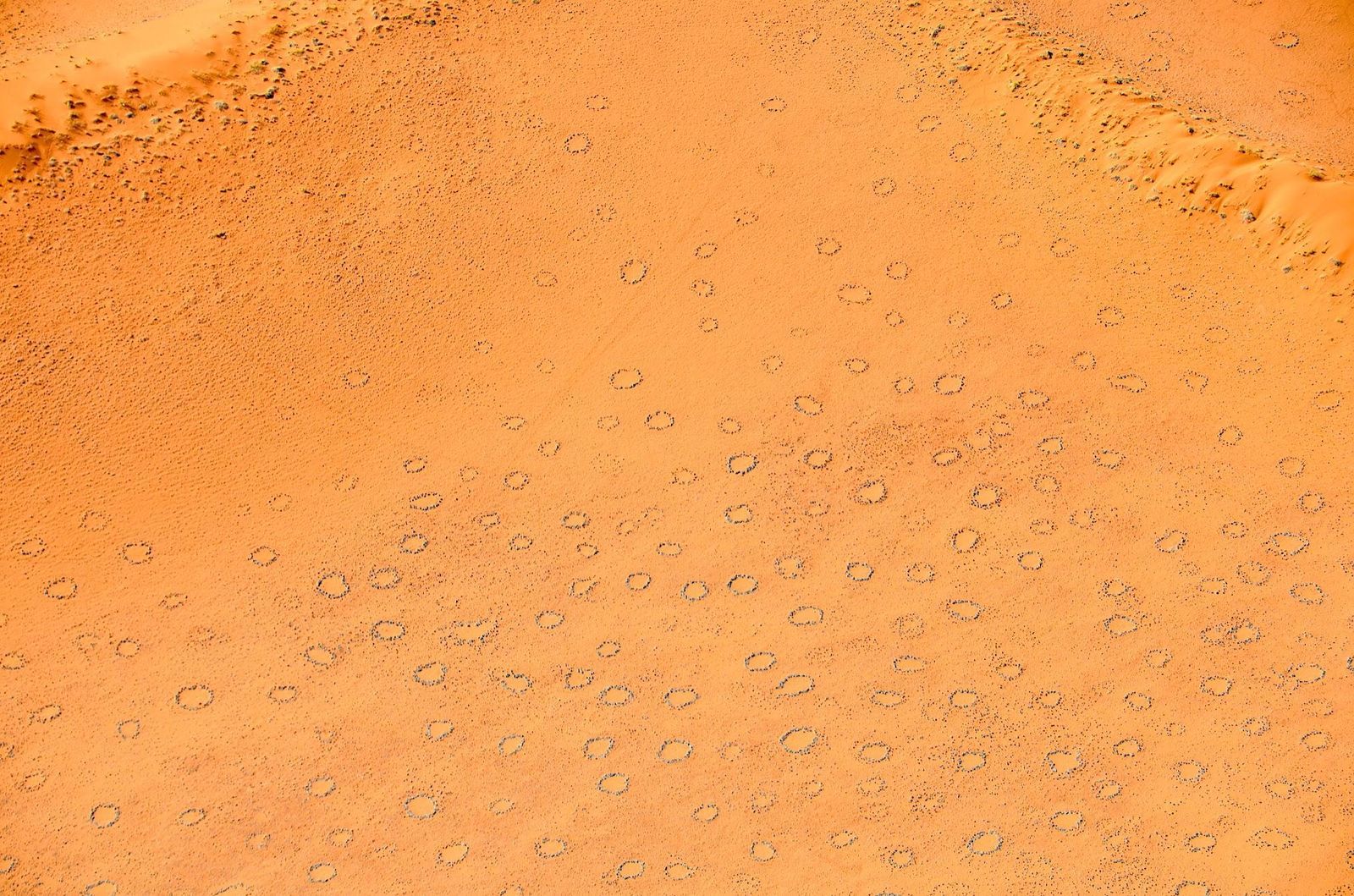
They may look like spots on an animal’s fur, but these Fairy Circles are nearly perfect shapes that range from 6.5 to 65 feet in diameter. They sometimes appear in vast, evenly spaced fields that extend for hundreds of miles.
They stretch across the arid grasslands of the Namib Desert, and their origin has sparked intense debate for decades. Are they remnants of cleared vegetation? Underground gases? Traces left by toxic plants? Research from the 2020s suggests that it results from termite activity interacting with the behavior of grasses competing for scarce resources. Of course, older folklore suggests other explanations, like spirits or dragons beneath the earth.
Symphony of Stones, Armenia
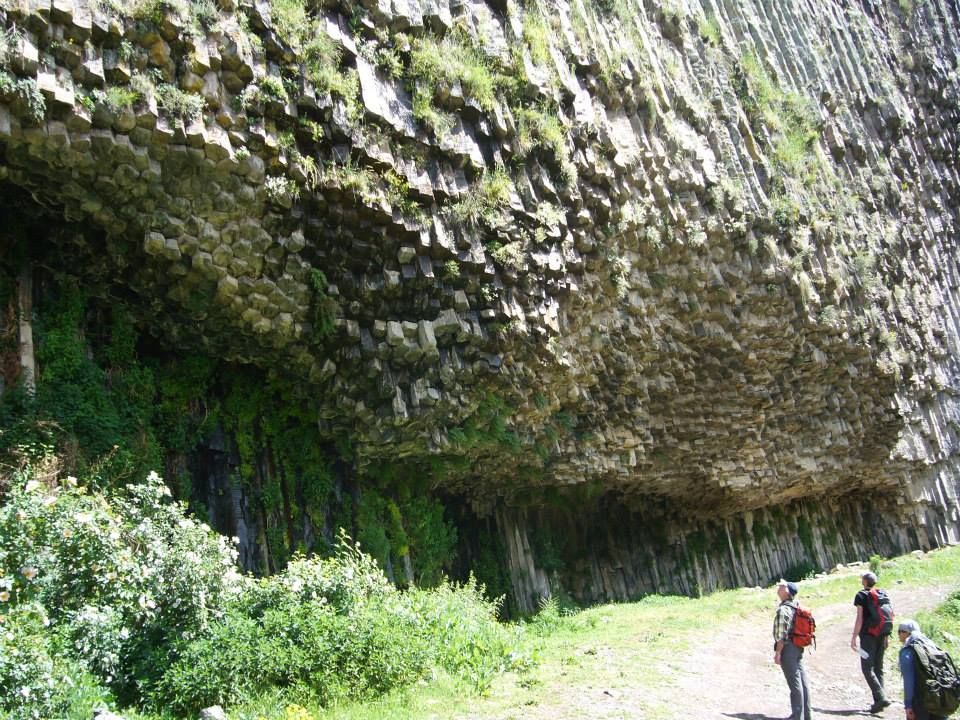
In a narrow gorge carved by the Azat River, the Symphony of Stones rises as one of Armenia’s most striking landscapes. This cliff face is composed of towering basalt columns that resemble the pipes of a giant organ.
The formation reaches up to 160 feet, with thousands of hexagonal columns tightly packed together. They formed millions of years ago through cooled molten lava contracting and cracking, a process known as columnar jointing.
Keep wandering
There’s always
more to explore
 General

Why are hard landings sometimes the perfect landings?
6 min.
Read Now
 History
Was Moby-Dick a real whale? These marine stories have real backgrounds
6 min.
Read Now
What passengers never see after midnight on a cruise ship
4 min.
Read Now
These 10 mysteries were solved. So why do we still believe them?
6 min.
Read Now