The 10 most American dishes that reveal the nation’s roots
 General
American traditional foods
The 10 most American dishes that reveal the nation’s roots
What’s the story behind our favorite dishes? Have you ever asked yourself that question? America is a huge, multicultural country, and that's why anecdotes abound. From soldiers who fought in World War II for "mom and apple pie" to George Washington attending a barbecue in Virginia in 1769, here are some of the fascinating stories behind our everyday dishes.
Apple Pie
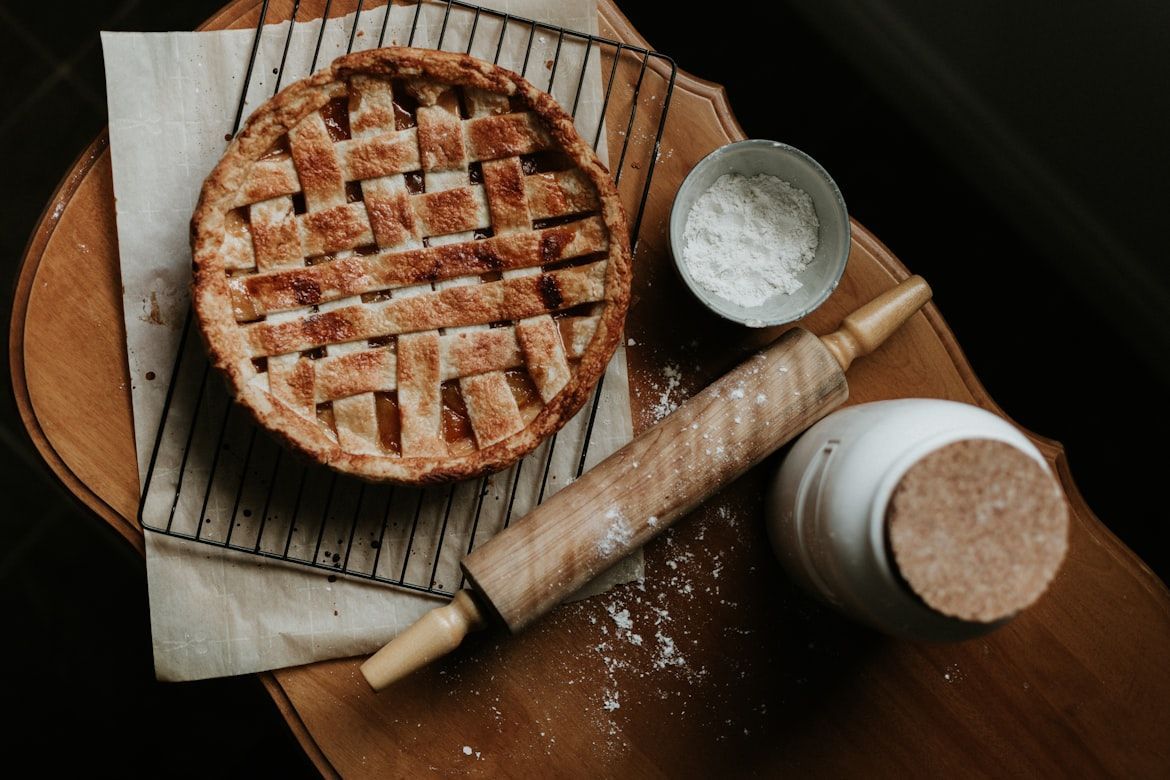
Soldiers fighting for "mom and apple pie" during World War II suggest that this dessert holds a special place in American culture. Since then, the apple pie has become a symbol of patriotism and family for Americans.
But the story begins earlier. Back in the 17th century, European colonists brought apples from Asia and the Middle East to North America, planting many apple orchards in the Massachusetts Bay Colony. You may recall the legend of "Johny Appleseed," which captures this early spread. By 1796, with the publication of the first American cookbook, the American apple pie recipe began to shape part of the nation’s identity.
Barbecue
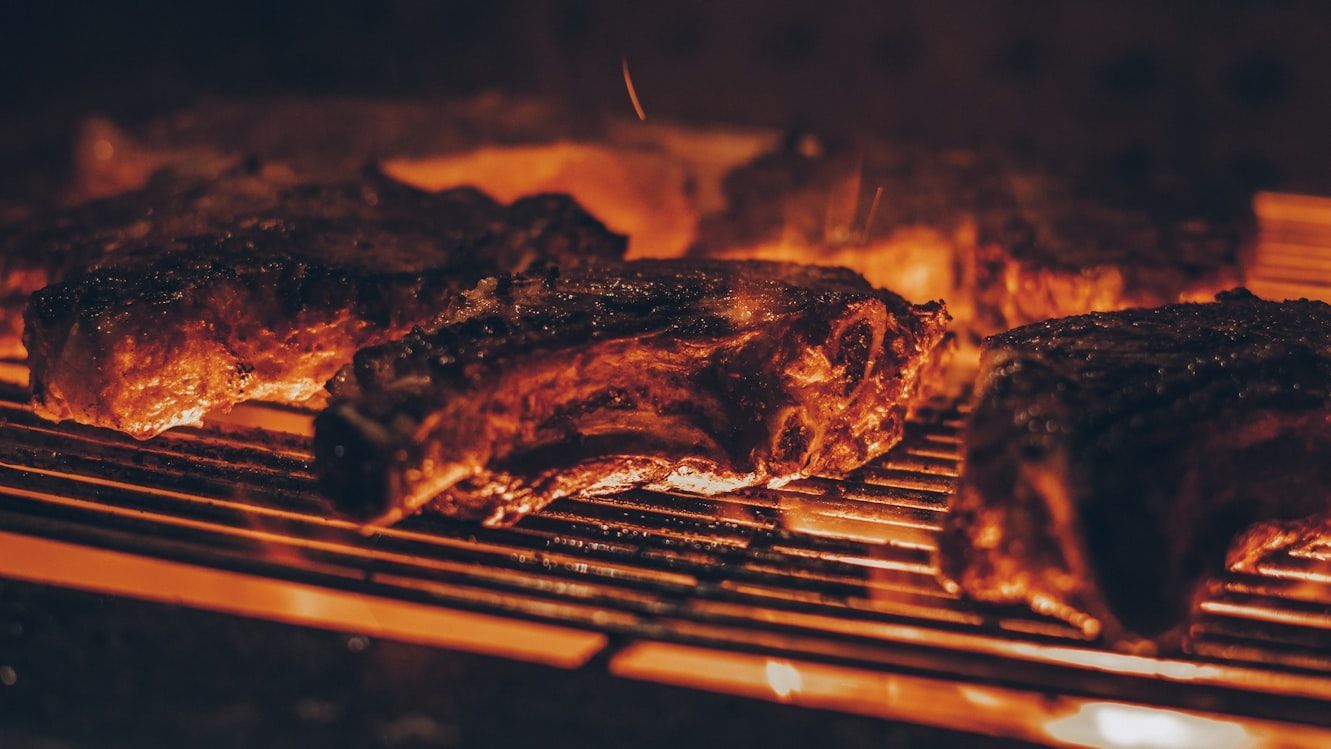
American barbecue dates back to colonial times. George Washington himself is believed to have attended a barbecue in Alexandria, Virginia, in 1769. The word barbecue comes from the Spanish term barbacoa, meaning "to preserve meat by drying or slowly roasting."
The main region for barbecue in the United States is the Southeast, and it is more than just a traditional meal. While it is undeniably delicious, it also serves as a bonding experience, bringing people together around backyard grills. Ribs are a staple of both backyard cookouts and restaurant menus, and today, around 70 of the top barbecue restaurants are located in the U.S. South. Have you visited any of them?
Macaroni and cheese
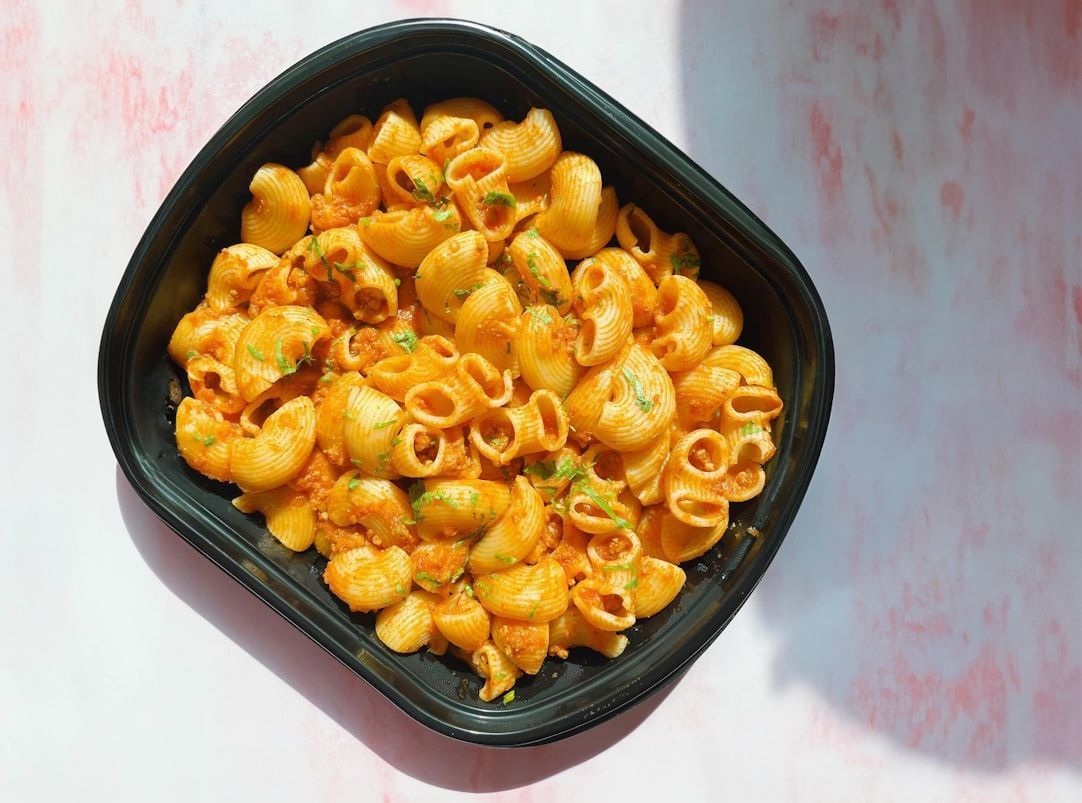
Although pasta came to the US in the 1880s, when Italian immigrants helped bring pasta into everyday American life, an earlier version of the dish had already appeared through Thomas Jefferson. After traveling in Europe, the story goes that he introduced macaroni to the U.S., where it was prepared at Monticello by his enslaved chef, James Hemings.
As industrialization advanced, pasta and cheese became cheaper and easier to produce, making the dish accessible to every American family. In 1937, Kraft Foods introduced boxed mac and cheese as a quick and affordable meal during the Great Depression. Its popularity grew even more during World War II, when families could buy two boxes with a single ration point. Over time, it became a staple of American home cooking. Boxed Kraft or homemade from scratch, which one still hits the spot?
Cornbread
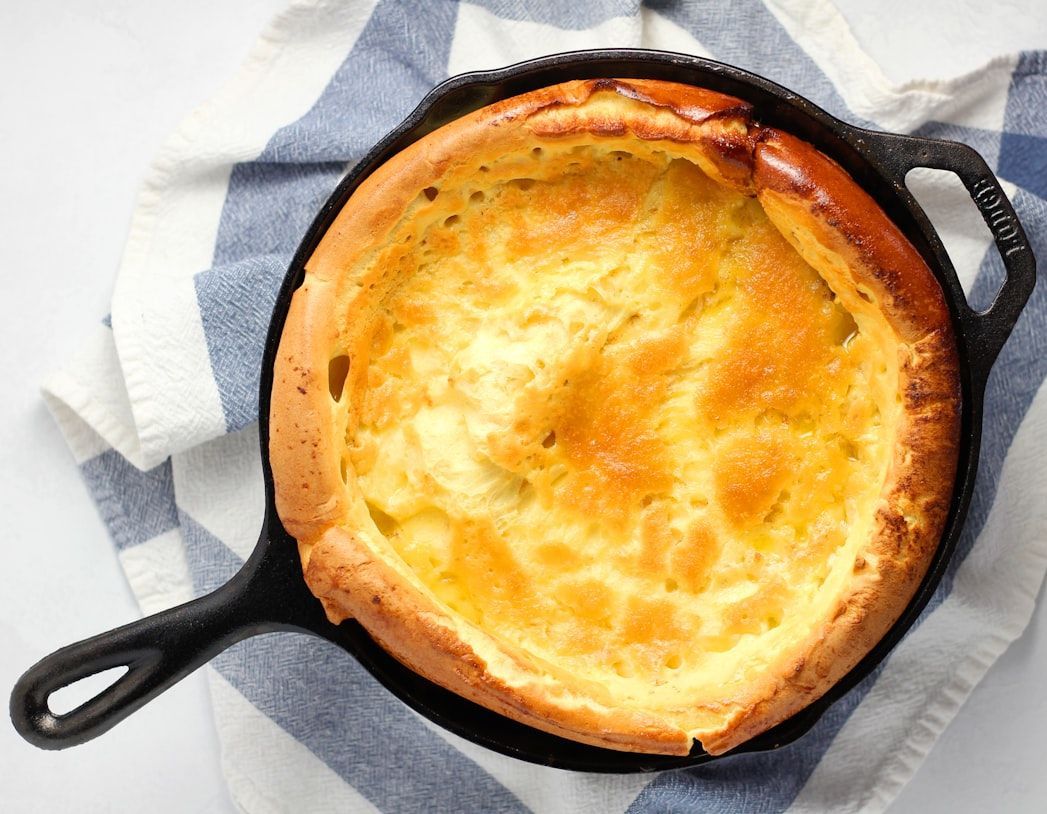
Tradition tells that during the Revolutionary War, George Washington’s troops were fed cornbread because it was cheap, easy to transport, and a good source of calories. But the first to introduce this grain to the earliest European settlers to the Americas were the Indians. They had cultivated corn for thousands of years, and it quickly became part of the New World settlers' diet.
Made with what was formerly known as Indian corn or maize, cornbread recipes have evolved over the generations from simple survival rations into a true symbol of regional pride.
Cheeseburger
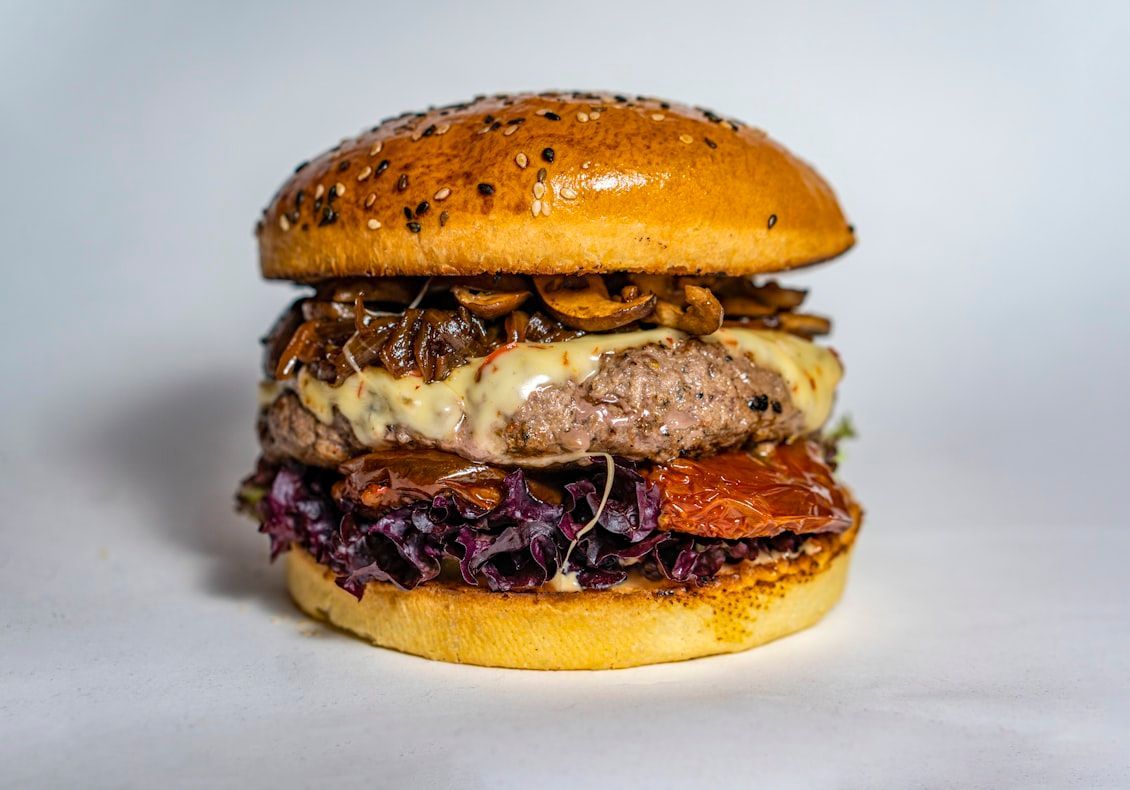
We all love cheeseburgers, yet America’s true versatility is reflected in them. Each variation tells a different story of regional influences and different moments in the country’s history.
Oklahoma onion burgers, for example, are believed to have originated in the 1920s during the Depression, when onions were very cheap, and meat was truly expensive. Or the Green Chile Cheeseburger, invented in the 1950s, made with green New Mexico chile-topped beef patty inside a burger bun, a symbol of its Southwestern roots. Where's the best cheeseburger you've ever had?
Hot Dog
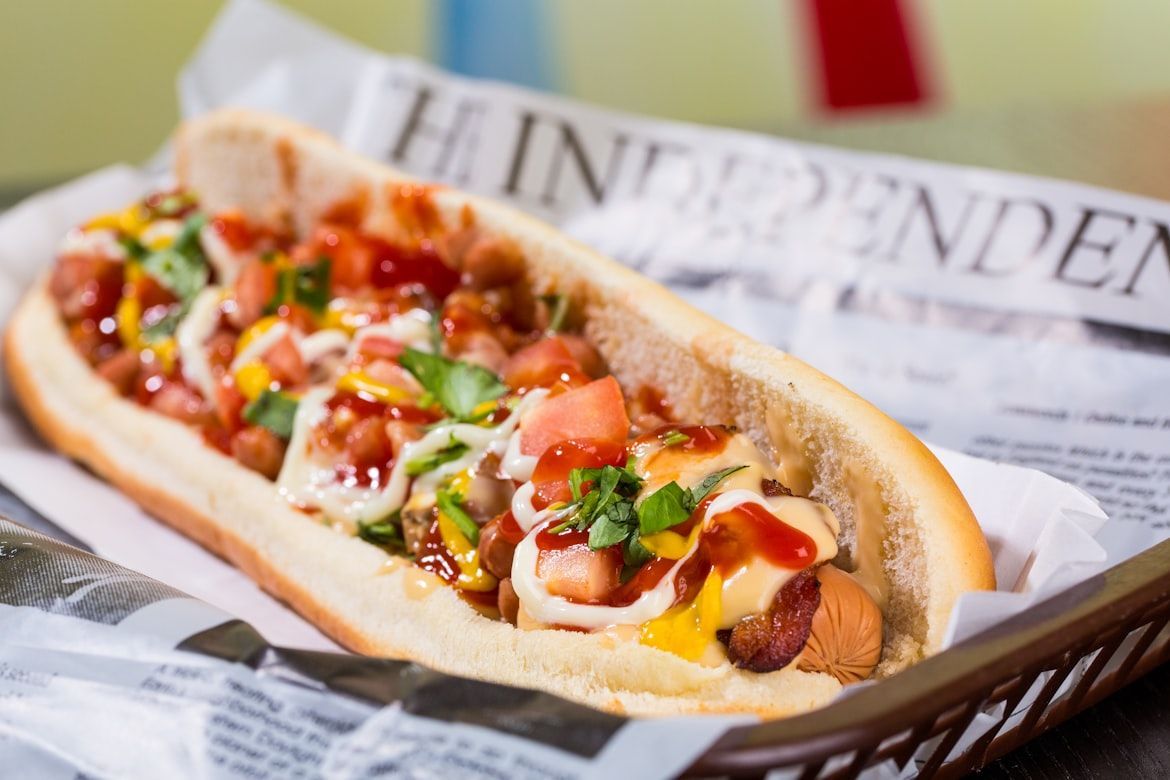
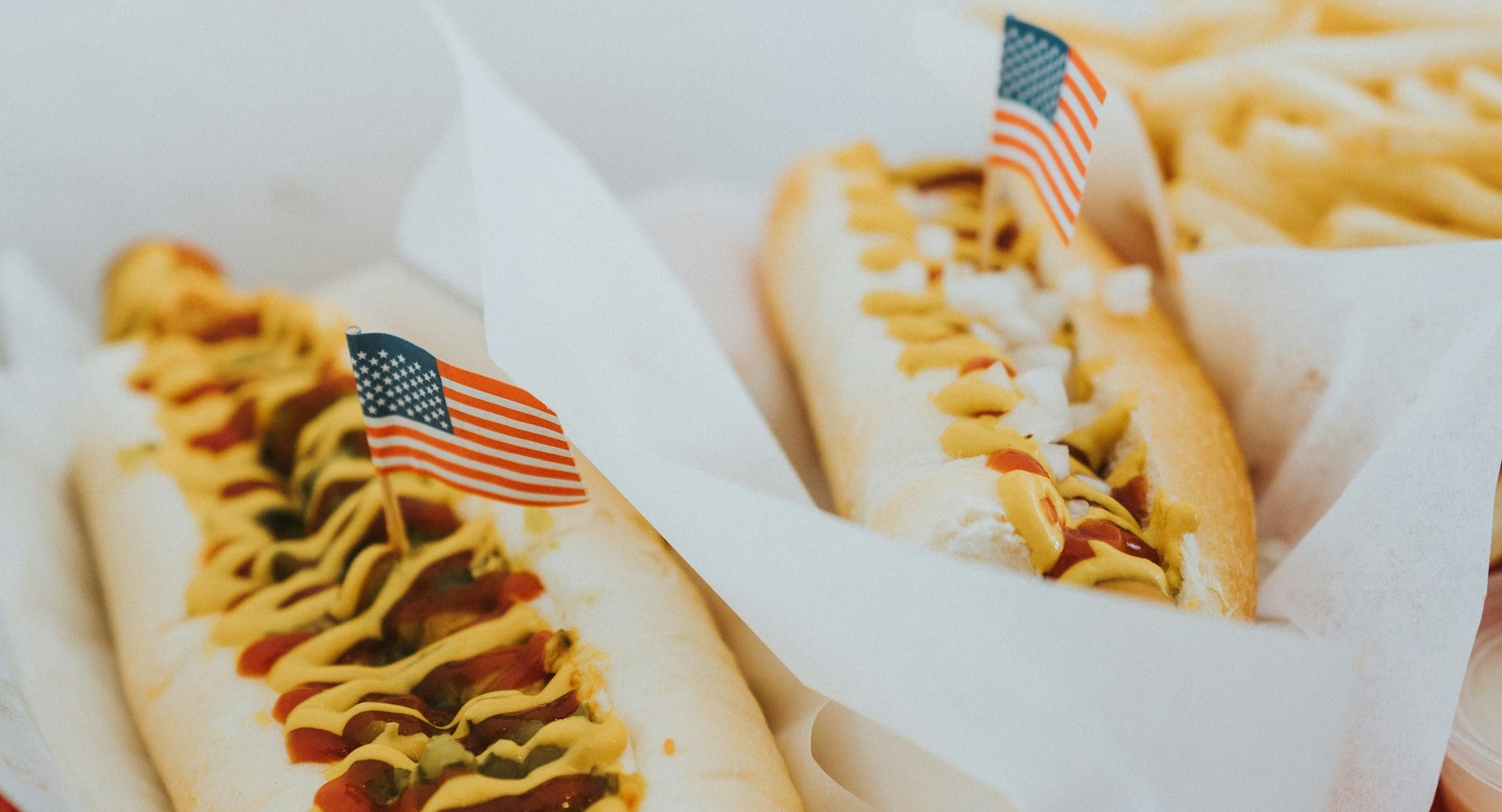
Quick, cheap, and easy to eat on the go, hot dogs have become a staple of street food, amusement parks, and, of course, the baseball park experience.
German immigrants had brought sausages to America in the 1800s and sold them. The story of the hot dog bun goes like this: At the 1904 World's Fair in St. Louis, a sausage vendor named Anton Feuchtwanger had a problem. He gave white gloves to customers so they could hold his hot sausages, but people kept walking off with them. So, his brother-in-law, who was a baker, saved the day by wrapping up the sausage in a soft roll, and just like that, the hot dog bun was born.
Fried Chicken
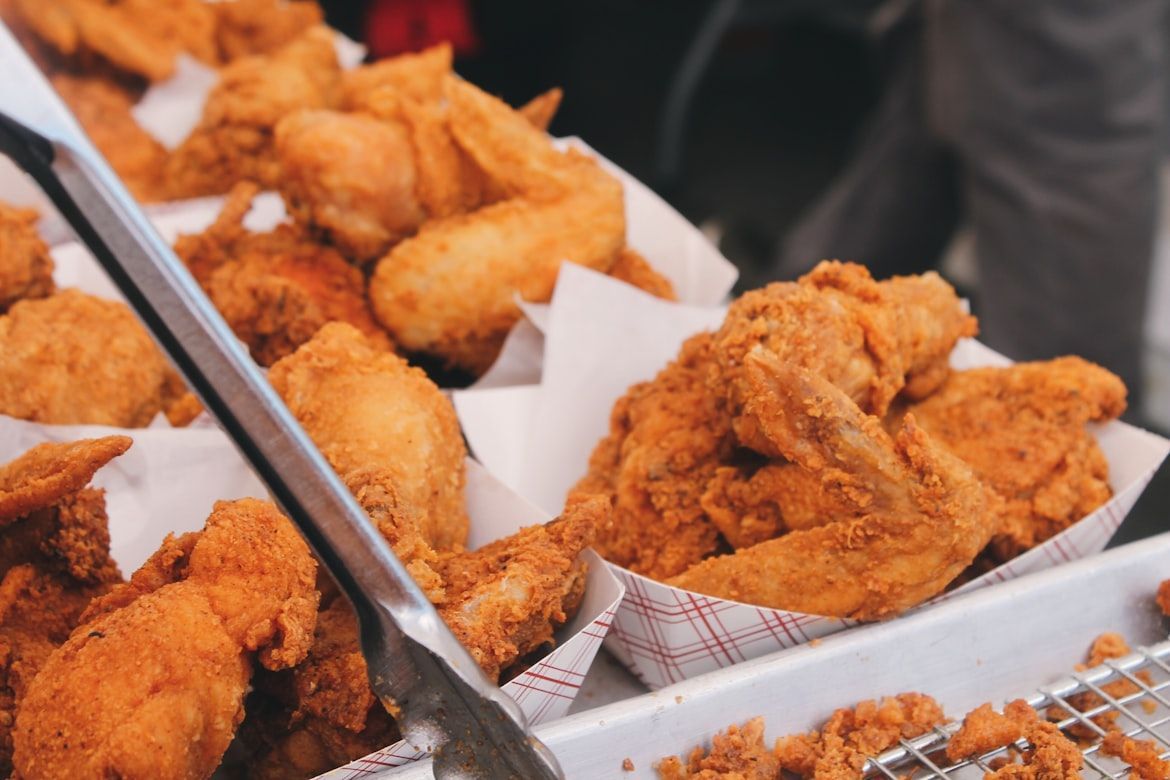
"Cut them up as for the fricassée, dredge them well with flour, sprinkle them with salt, put them into a good quantity of boiling lard and fry them a light brown." These are Mary Randolph's words in the American 1824 cookbook "The Virginia House-Wife", which includes the most widely accepted fried chicken recipe.
It is believed that the Scots first brought fried chicken to the Southern regions of America. Truth is, although its origins remain a mystery, nowadays it is one of the favorite American everyday dishes. It is so delicious that the Japanese eat it during Christmas celebrations!
Chicago deep-dish pizza
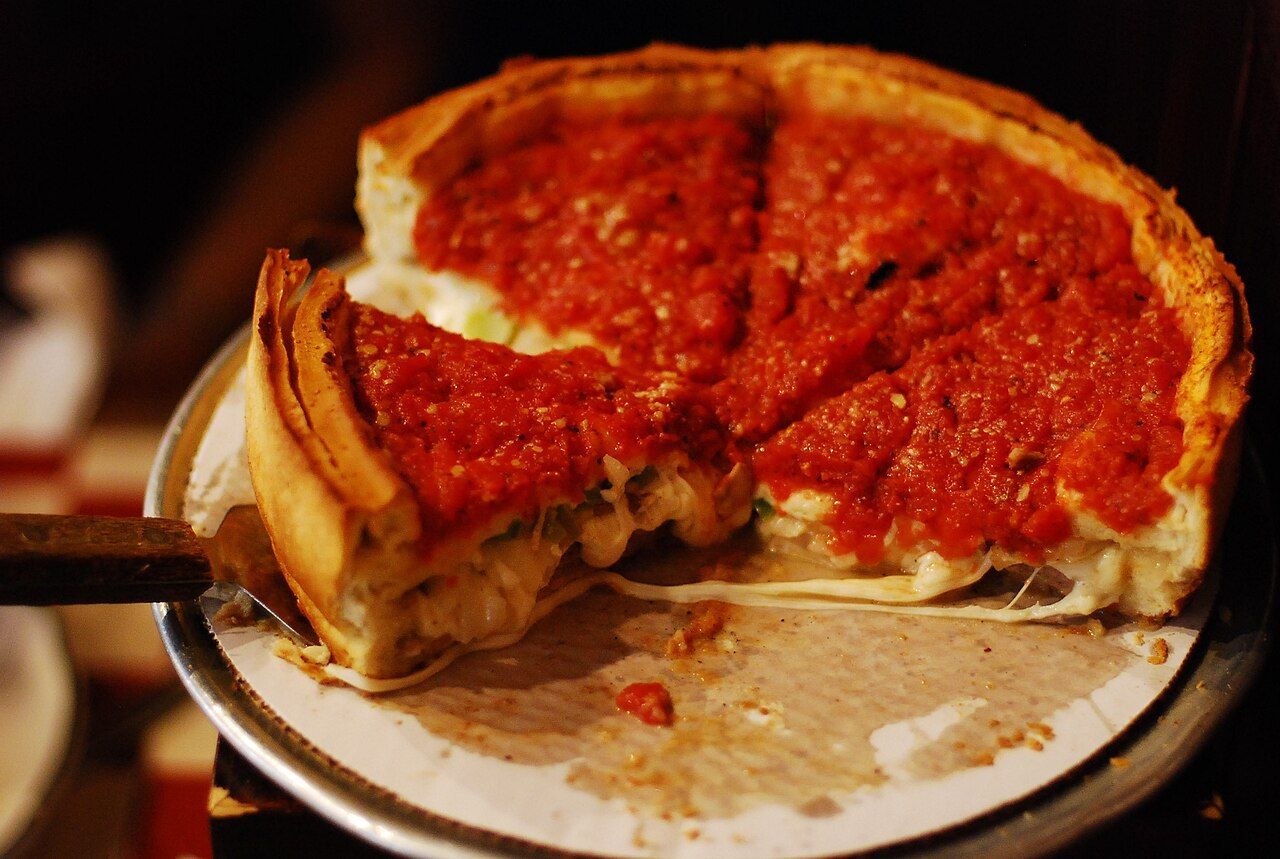
The responsibility for this crazy but delicious invention is a Chicago restaurant, Pizzeria Uno.
Back in 1943, Ric Ricardo and Ike Sewell opened this restaurant after realising Italian immigrants in the region were desperate for pizza. But traditional Italian pizza was not enough.
Chicago’s deep-dish pizza is built on a thick crust filled with inverted layers of cheese, meat, and tomatoes, all rising the sides of an oiled steel pan. Is it too plentiful? We don’t think so.
Gumbo
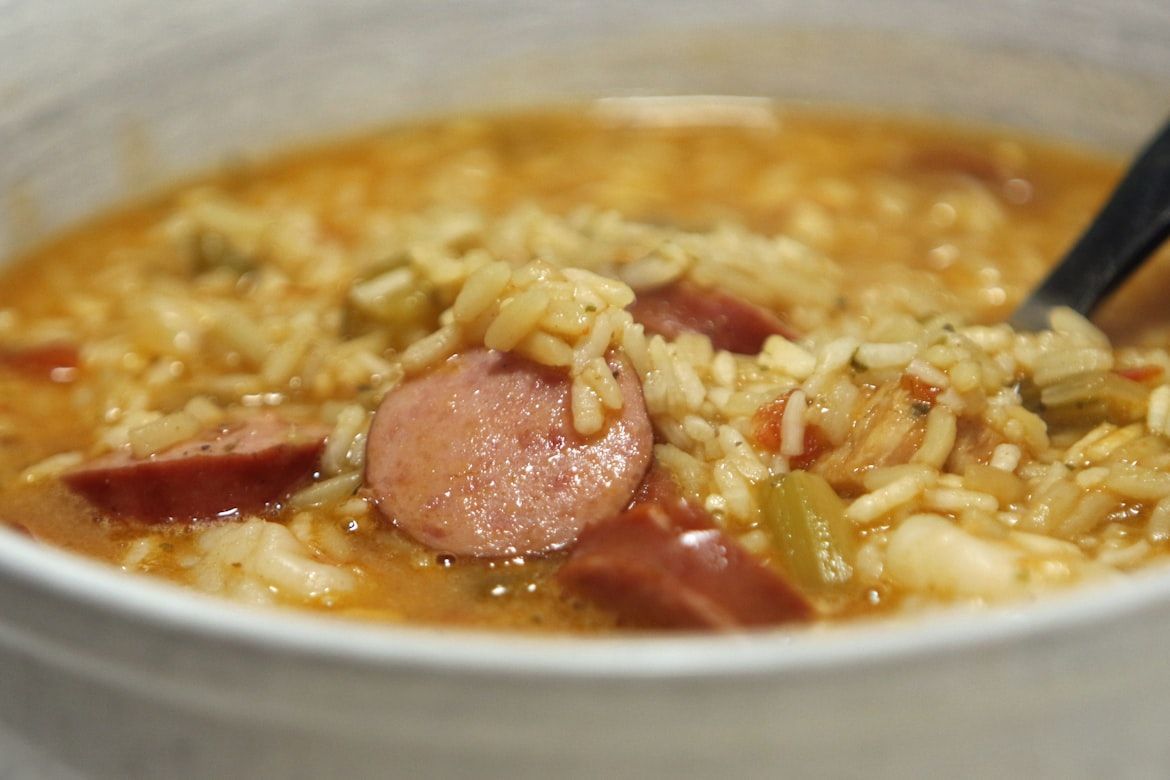
Gumbo made a long journey from West Africa to the Americas, arriving in South Louisiana and becoming its signature dish. It reflects the region’s multicultural traditions, which is why no two recipes are quite the same. Popular ones are gumbos thickened with okra or with filé.
Influenced by Creole and Cajun cultures, among others, this soup crosses all class boundaries; it appears on the tables of both the poor and the wealthy.
Philly cheesesteak
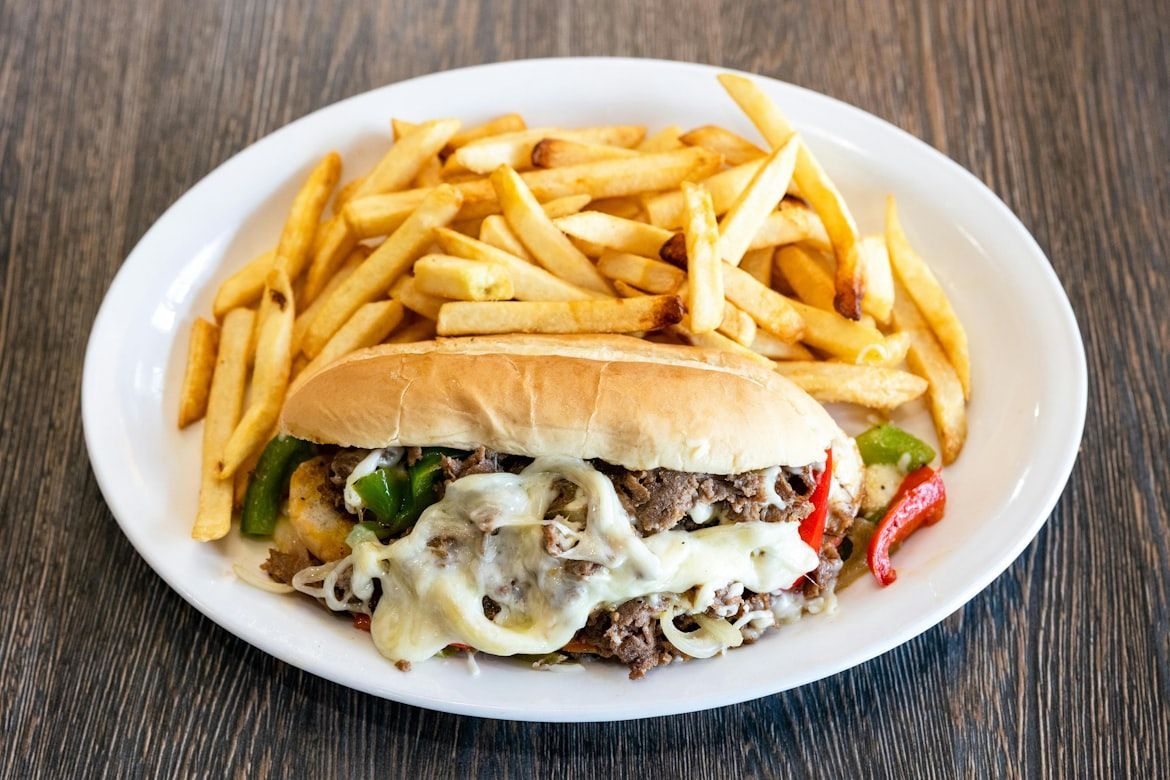
This story may not be as epic as the others, but it is still revealing, because Philly cheesesteak brings comfort in every bite. Back in 1930, Italian-American Pat Olivieri had a hot dog cart in South Philly. One day, bored, he came up with the idea of grilling beef with onions. Suddenly, a passing cab driver bought it, loved it, and urged him to sell the sandwich instead.
That cart later became Pat’s King of Steaks, the city’s first cheesesteak landmark. About a decade later, manager ‘Cocky Joe’ Lorenza added provolone, creating the version we recognize today. In the 1960s, Geno’s opened right across the street, igniting a lasting rivalry. Since then, the cheesesteak has evolved and spread all around the country, making the Philly cheesesteak a symbol of the nation.
Bizarre laws you didn’t know exist in U.S. tourist spots
Laws and regulations in America
Strange but true: Laws in America’s tourist hotspots
Did you know that characters like Elmo and Elsa can’t freely roam around Times Square while working? Or that it’s forbidden to scatter a loved one’s ashes at Walt Disney World? These are just a few of the rules you probably didn’t see coming, but ones you’ll want to keep in mind if you ever find yourself there.
New York’s "Stay in your square"
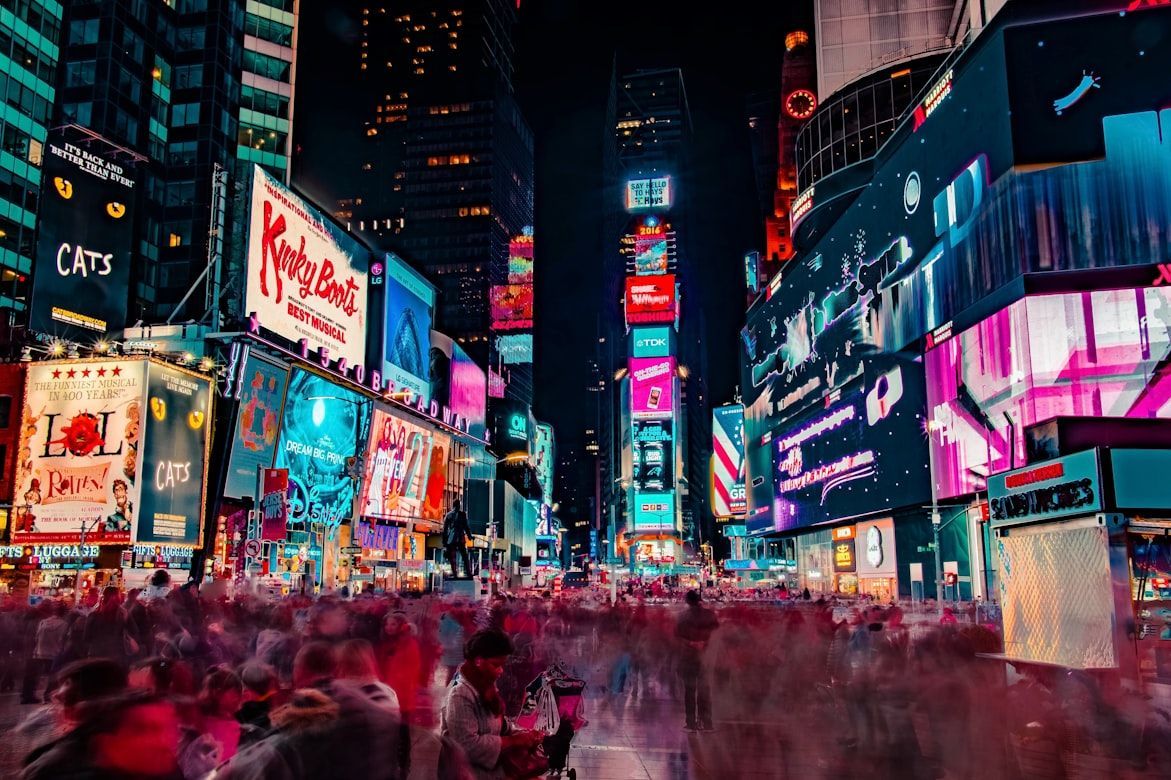
In Times Square, street performers like Elmo or Elsa can’t roam freely since 2016. They must stay inside designated painted zones if they expect tips or offer services. Stepping outside these areas can lead to fines or even arrest. The reason? It keeps the space more orderly and easier to navigate for visitors and reduces aggressive behavior and harassment.
Ash scattering ban in Walt Disney World, Florida
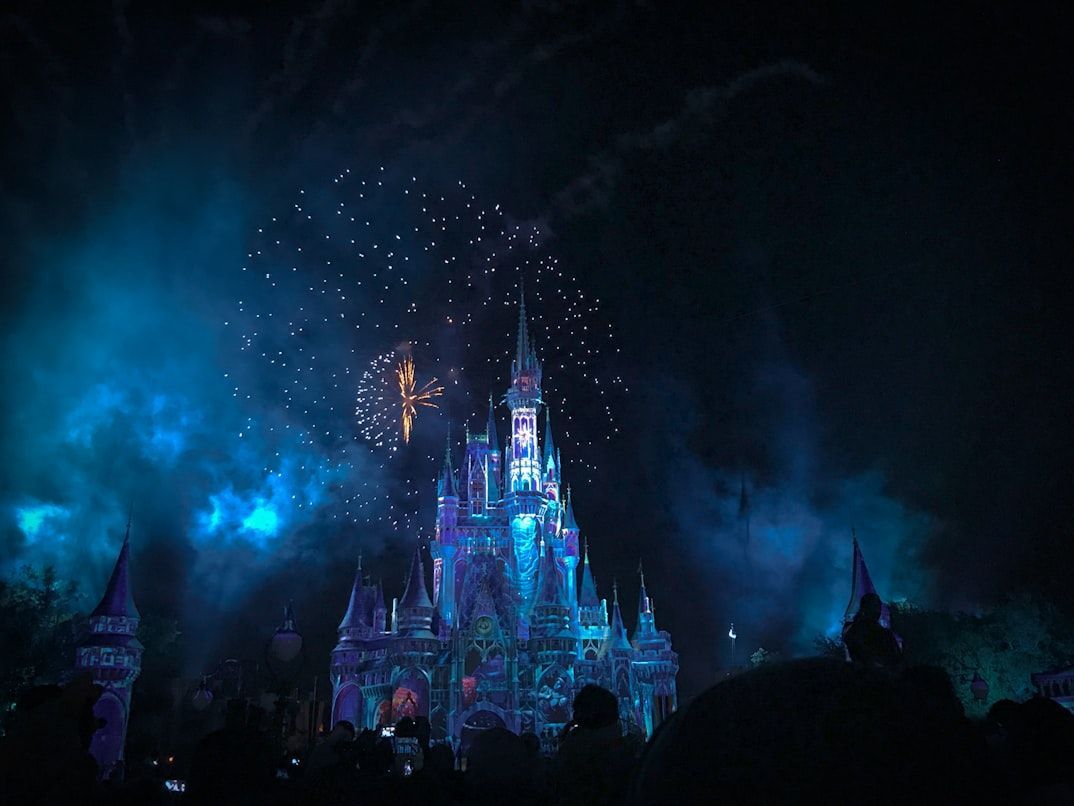
There are local laws and health codes that actually restrict the spread of the ashes of cremated people in Disney World. This law came up because there were so many families throwing their family members' ashes that employees started to complain about having to clean them up.
Florida’s swimsuit singing ban
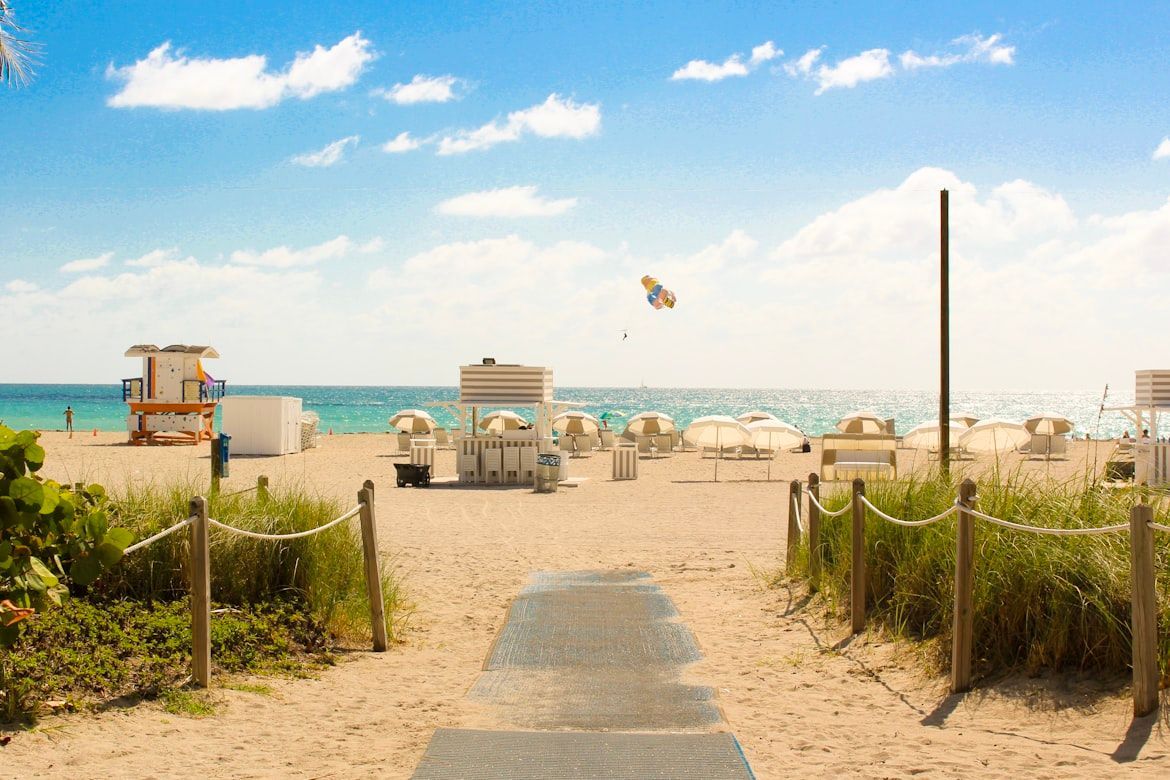
Did you know that in the Sunshine State, it is illegal to sing while wearing a swimsuit? Although it seems irrational, it was a regulation established in the early 20th century, and nowadays you won't be arrested or banned for breaking it; there is no need to worry.
This matter was more closely tied to the local laws of Sarasta and Naples, cities with a heritage of beach hot spots, where authorities wanted to prevent inadequate performances.
The Californian frog competition rule
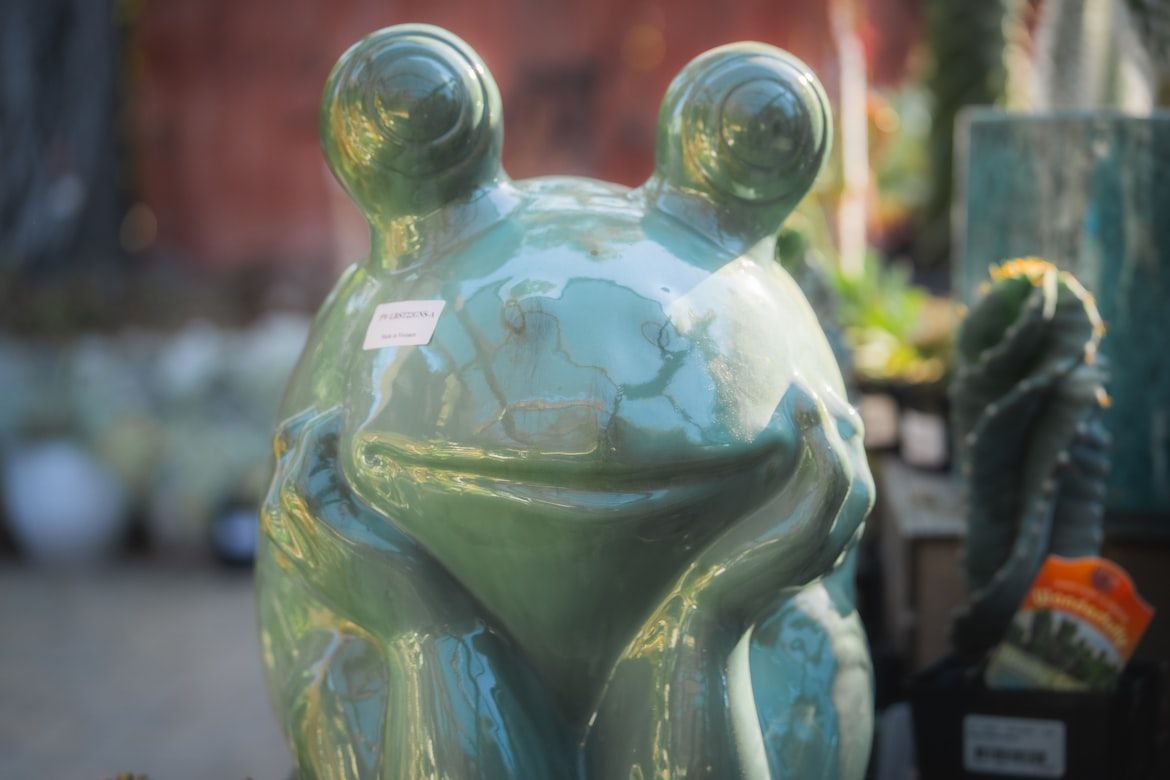
Inspired by Mark Twain’s 1865 story "The Celebrated Jumping Frog of Calaveras County", frog jumping competitions are held every year in California’s "Frogtown", Angels Camp.
One important rule is that when frogs die at any point in the competition, their bodies must be destroyed as soon as possible, and they are prohibited from being eaten or used for any other purpose.
No shoe shining on Sundays in New York
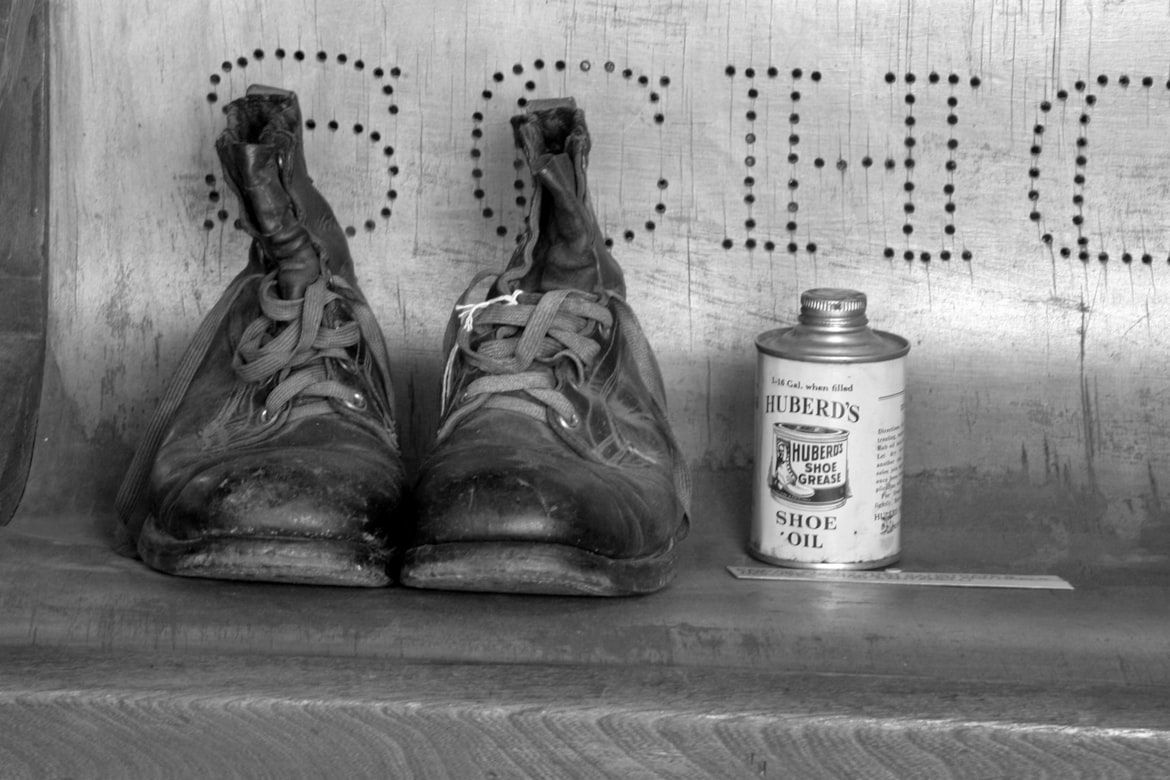
In New York, an old law says shoe shining must stop after 1 p.m. on Sundays. It comes from "blue laws," mainly from the 19th century, which meant to keep Sundays quiet for religious observance. There is an exception for people working in hotels, who are allowed to continue. Today, this old-fashioned rule is outdated and rarely enforced.
Hawaii’s billboard ban
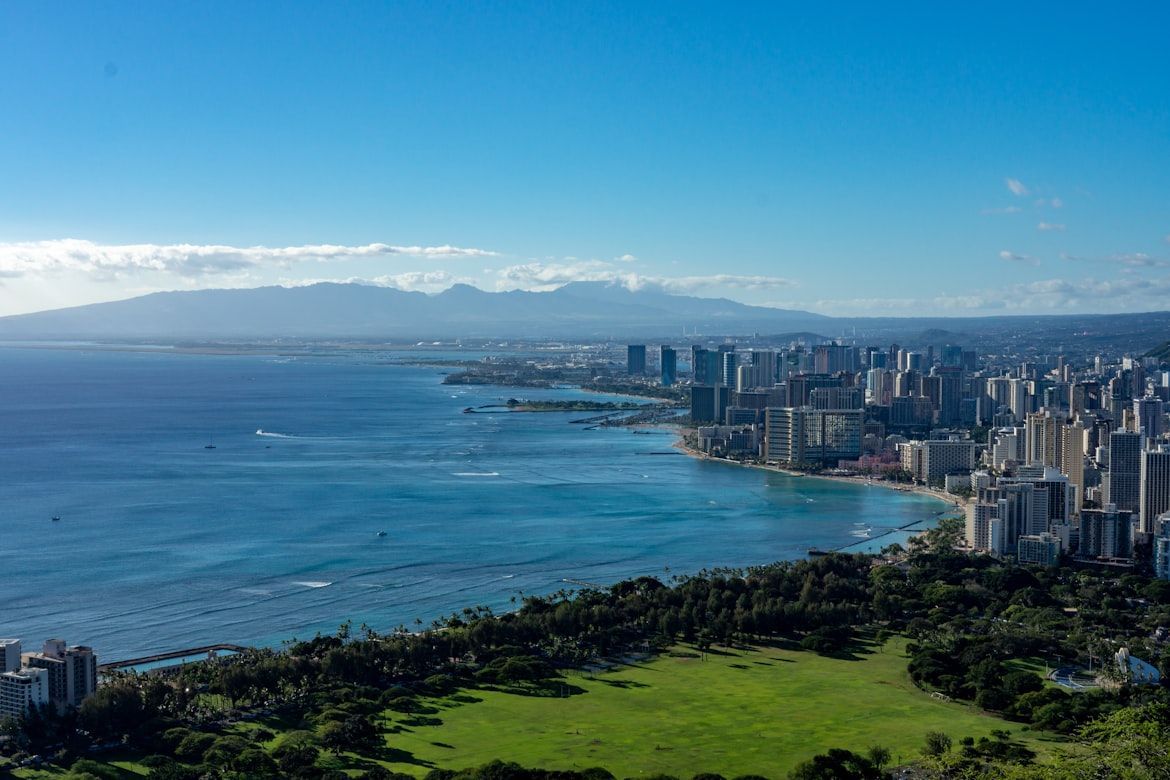
If you’re an advertiser looking to place a billboard in Hawaii, you’ll run into strict rules. Back in 1927, a group of influential women who founded the Outdoor Circle Club pushed for restrictions on outdoor advertising to promote the "urban beautification" of Hawaii, and achieved their objectives.
Since then, billboards have been largely banned across the state, as they’re seen as out of place in its natural landscape. Only a few exceptions exist, such as official public notices and signs at places where goods are sold.
No sleeping on benches in Rehoboth Beach, Delaware
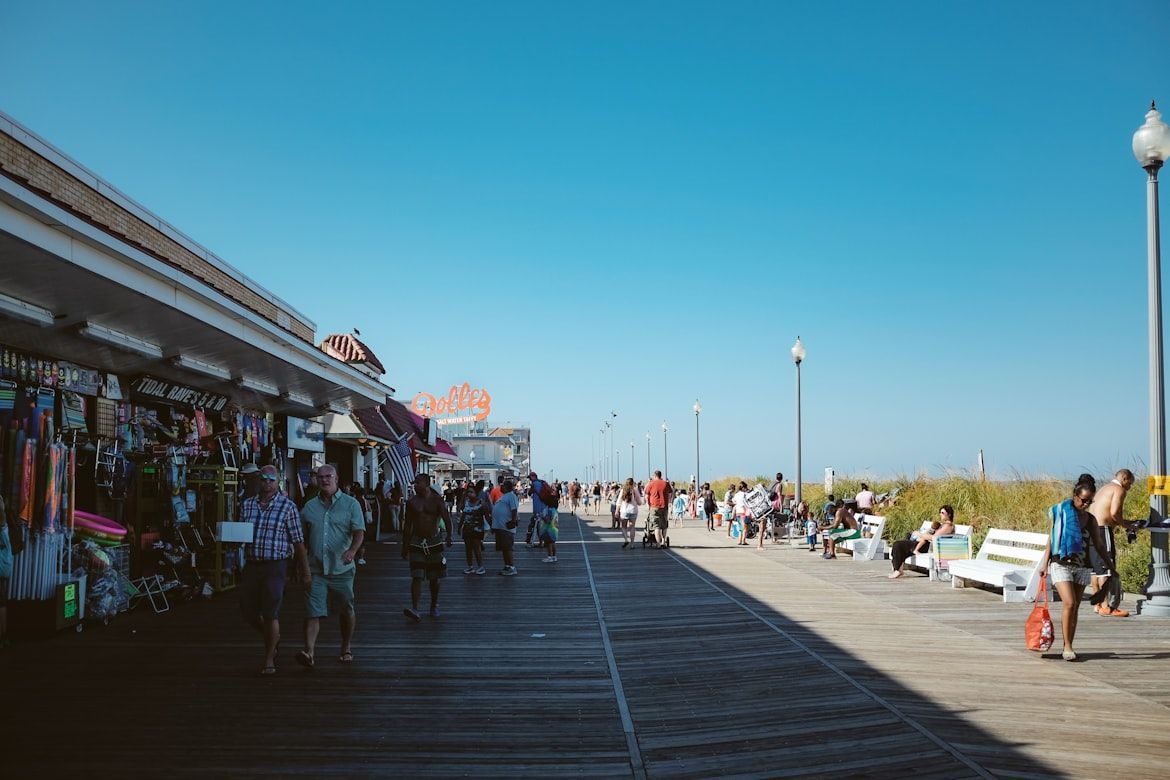
Chapter 126 of Rehoboth Beach’s municipal code declares that no person is allowed to sleep, lie down on the boardwalk or on benches, including those in pavilions at the end of streets or on nearby streets, since the early 2000s. The Civil Citations specifies that pretending to sleep is also prohibited… even if you claim you’re ‘just resting your eyes’!
No drones allowed in Grand Canyon National Park, AZ
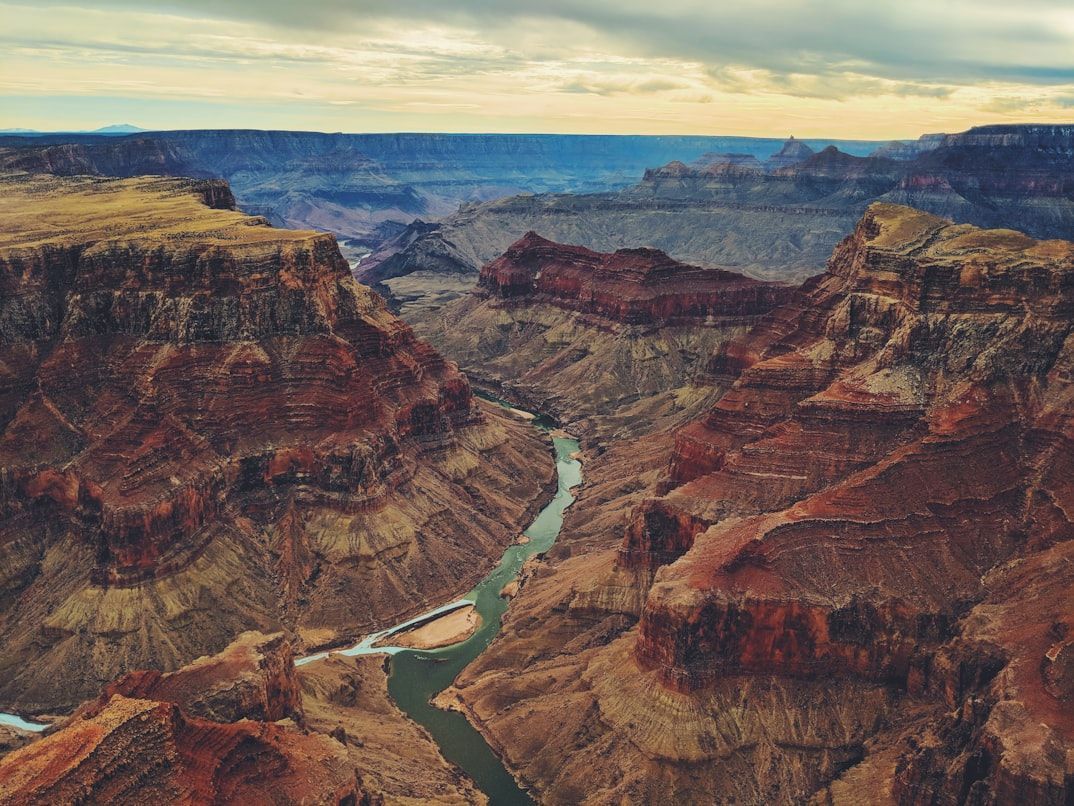
Imagine it’s your first visit to the Grand Canyon, AZ, and you pull out your new drone to get the perfect shot. Well, that is actually not permitted since 2014. Launching, landing, and operating drones is strictly prohibited to protect wildlife, natural landscapes, and to keep visitors safe.
No glass on the Strip in Las Vegas, NV
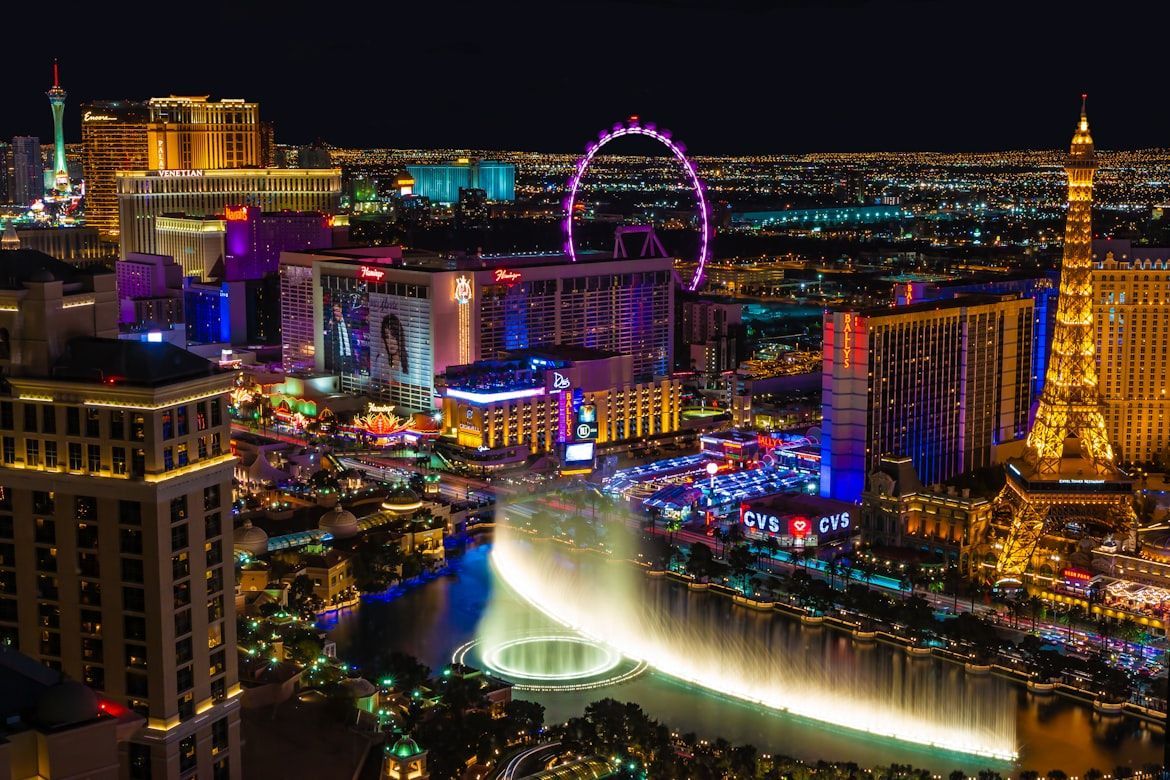
On the Las Vegas Strip, you’re allowed to walk around with a drink in hand since the 2010s, but there’s a catch: glass containers aren’t allowed, so everything has to be in plastic. There are also rules against aggressive solicitation, so no one should be pressuring you for money. It might seem strict at first, but with so many people around, these rules help keep the area safer.
No pigeon feeding in San Francisco, California
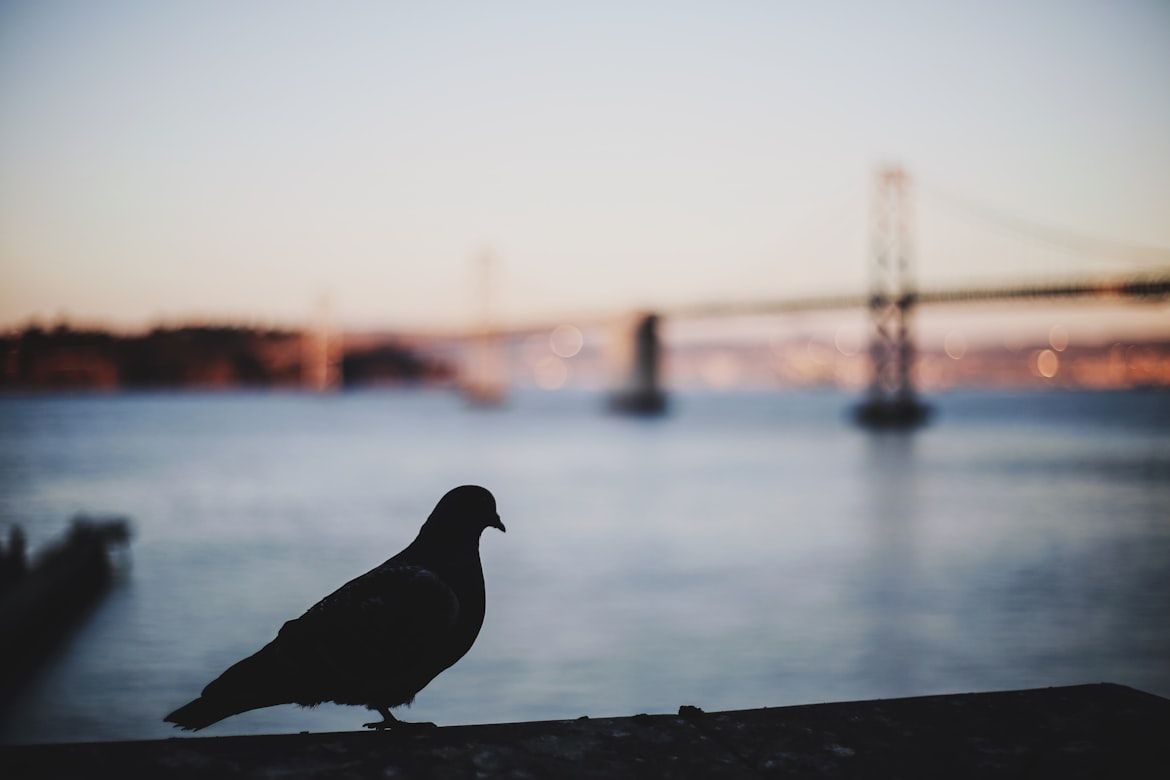
According to Section 486 of the Municipal Code of San Francisco, it is illegal to feed pigeons on the streets, sidewalks, and public parks. This restriction dates back to the early 2000s. But why? Pigeon droppings are acidic and can affect the facade of buildings. Also, pigeon overpopulation can spread diseases and attract rodents.
Keep wandering
There’s always
more to explore
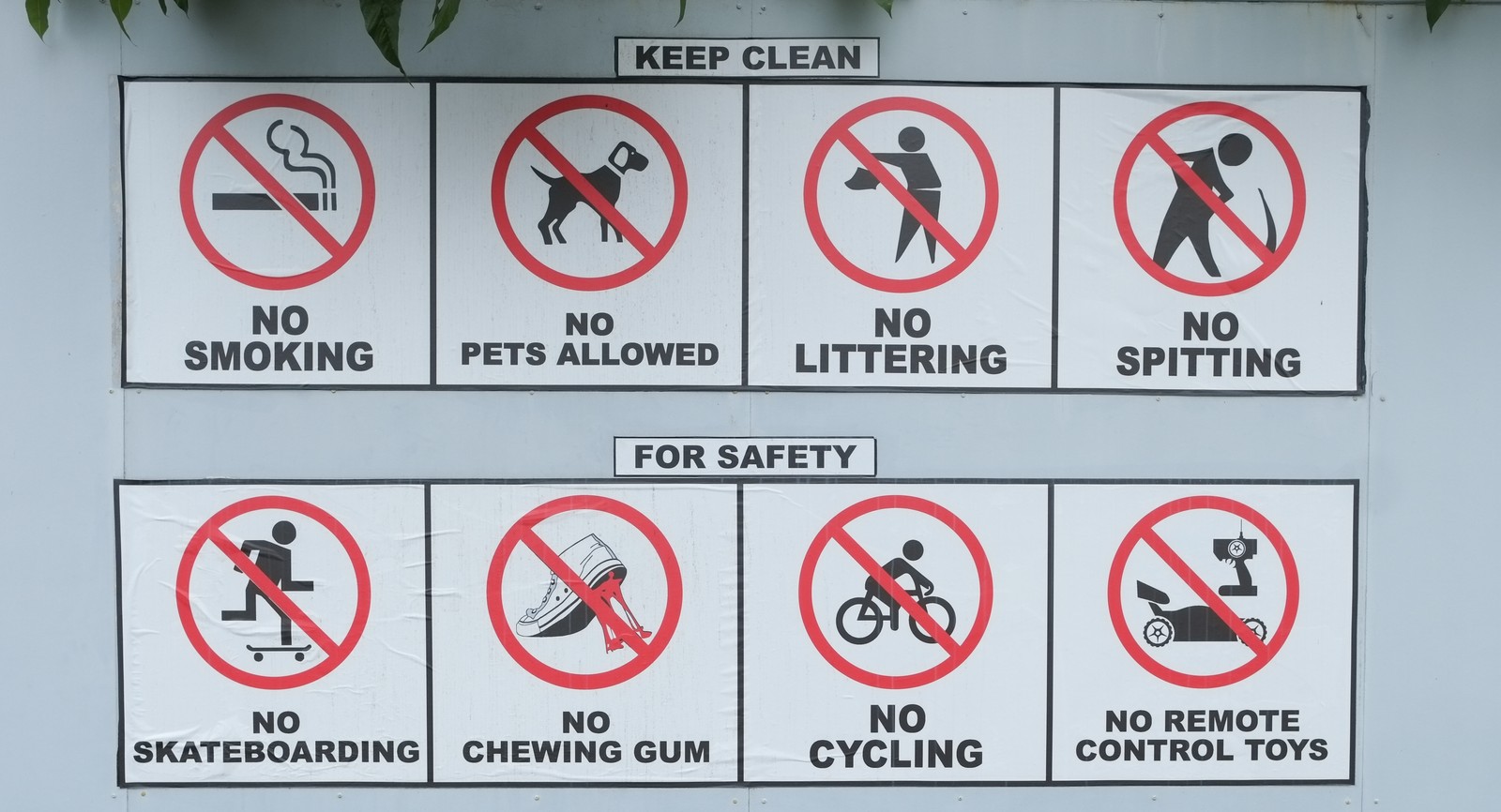
You can no longer do that in Rome: Old and new norms in popular cities
7 min.
Read Now
 Culture
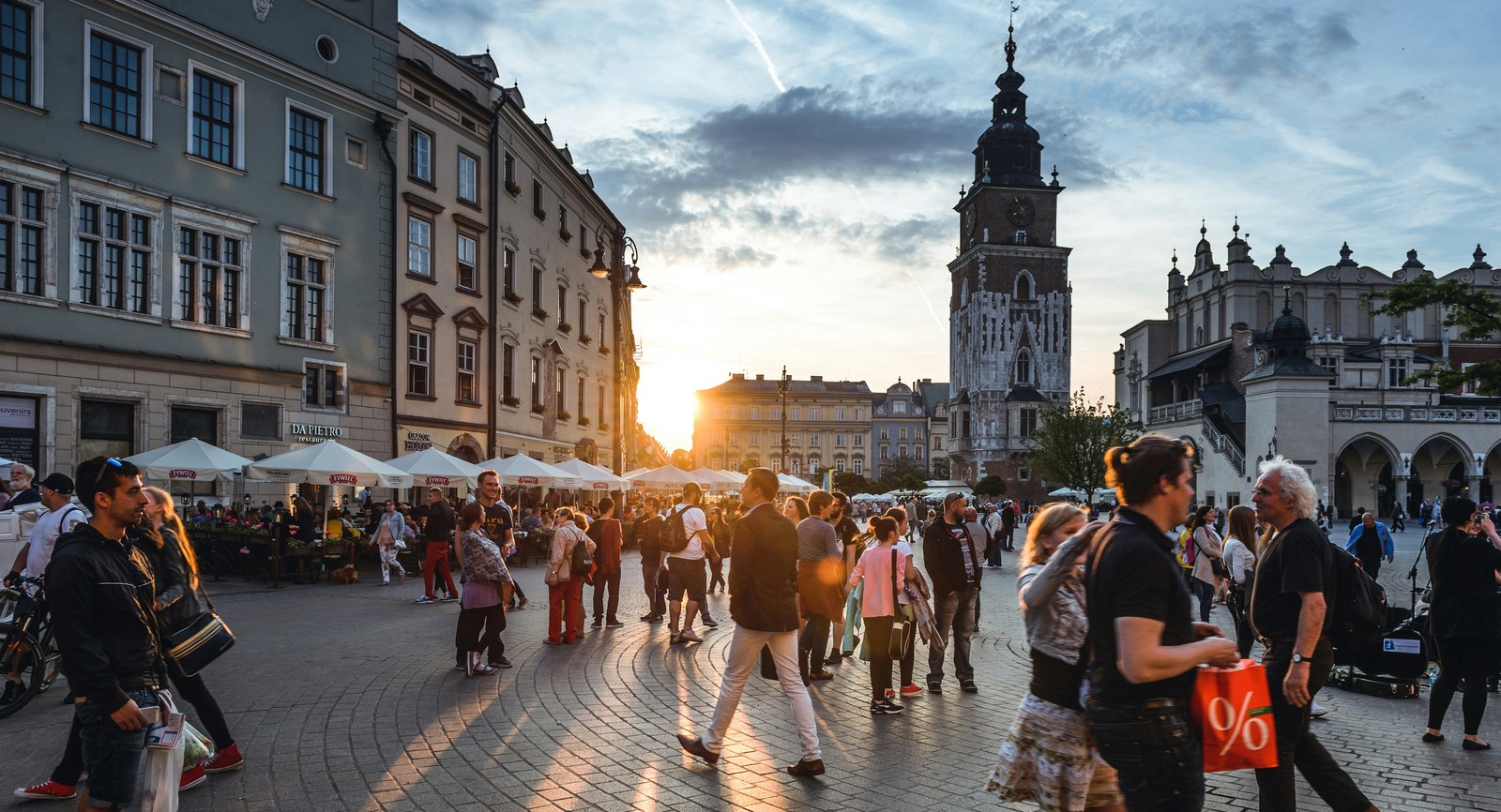
Don't dig into the breadbasket in Spain before checking the menu
5 min.
Read Now
 Landmarks
Here's why no flight ever goes over Disney World or Mount Vernon
7 min.
Read Now
Why can't you call mid-flight? Here's the real reason
5 min.
Read Now