These travel expenses are worth every penny—and the ones to skip
 General
To splurge or not to splurge?
These travel expenses are worth every penny—and the ones to skip
Vacations are supposed to be about fun, not spreadsheets. But when money is involved, a little planning can make a huge difference. Why pay extra for a first-class seat on the flight to an all-inclusive resort, where you'll spend the next ten days relaxing anyway? Or why save a few dollars by skipping travel insurance, only to risk spending thousands if something goes wrong? Not every travel expense is worth the splurge. Here’s our guide.
Flights

If you’re flying to a beach resort where you’ll spend the next week lounging by the pool, consider upgrading your return flight instead. You’ll already be relaxed, and ending the vacation with a comfortable trip home lets that feeling last a little longer. But if you’re landing in a busy destination where you’ll immediately start sightseeing, changing hotels, or catching trains, the outbound flight is the better investment. Arriving well-rested can make the first few days of your trip much more enjoyable. The best upgrade isn’t the most expensive one—it’s the one that helps you the most.
Luggage
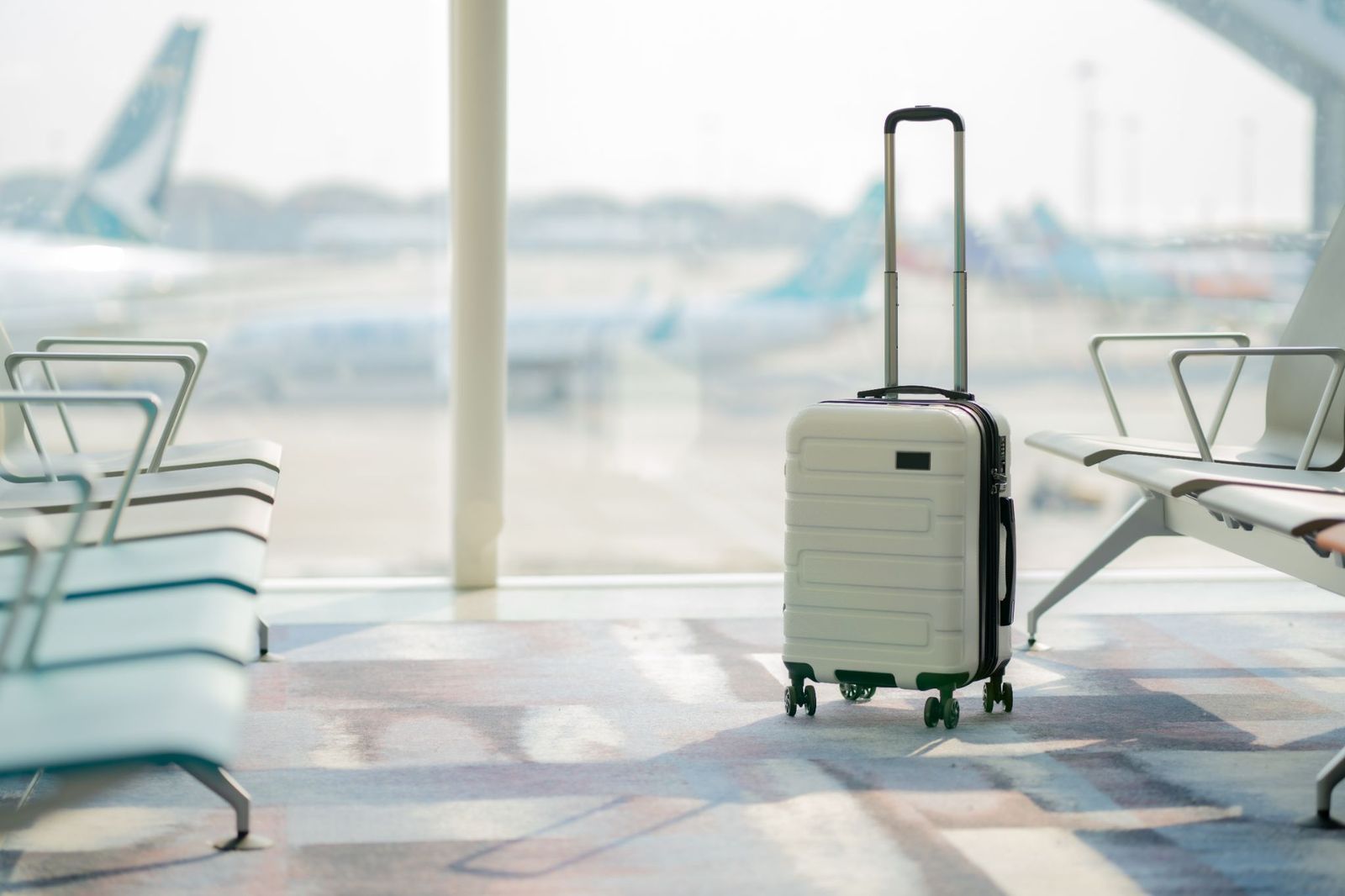
Expensive checked luggage usually isn’t the smartest purchase. It gets tossed onto baggage carts, stacked in cargo holds, and handled by several different people before it reaches the baggage carousel. If you’re going to spend extra money, put it toward a sturdy, well-made carry-on instead. You’re the one handling it; you’ll use it on almost every trip, and it protects the items you care about the most. Save on the suitcase you won't even see during the flight, and invest in the one that stays with you.
Accommodations

If you're staying at a beach resort, a mountain retreat, or another destination designed for relaxation, a nicer hotel can absolutely be worth the extra money. Comfortable rooms, good service, a great pool, and inviting common areas become part of the vacation itself. However, in places like Rome, Paris, or London, chances are you’ll leave early every morning and come back late every evening. In those cases, a clean room, a comfortable bed, and a good shower are all you really need.
Travel insurance
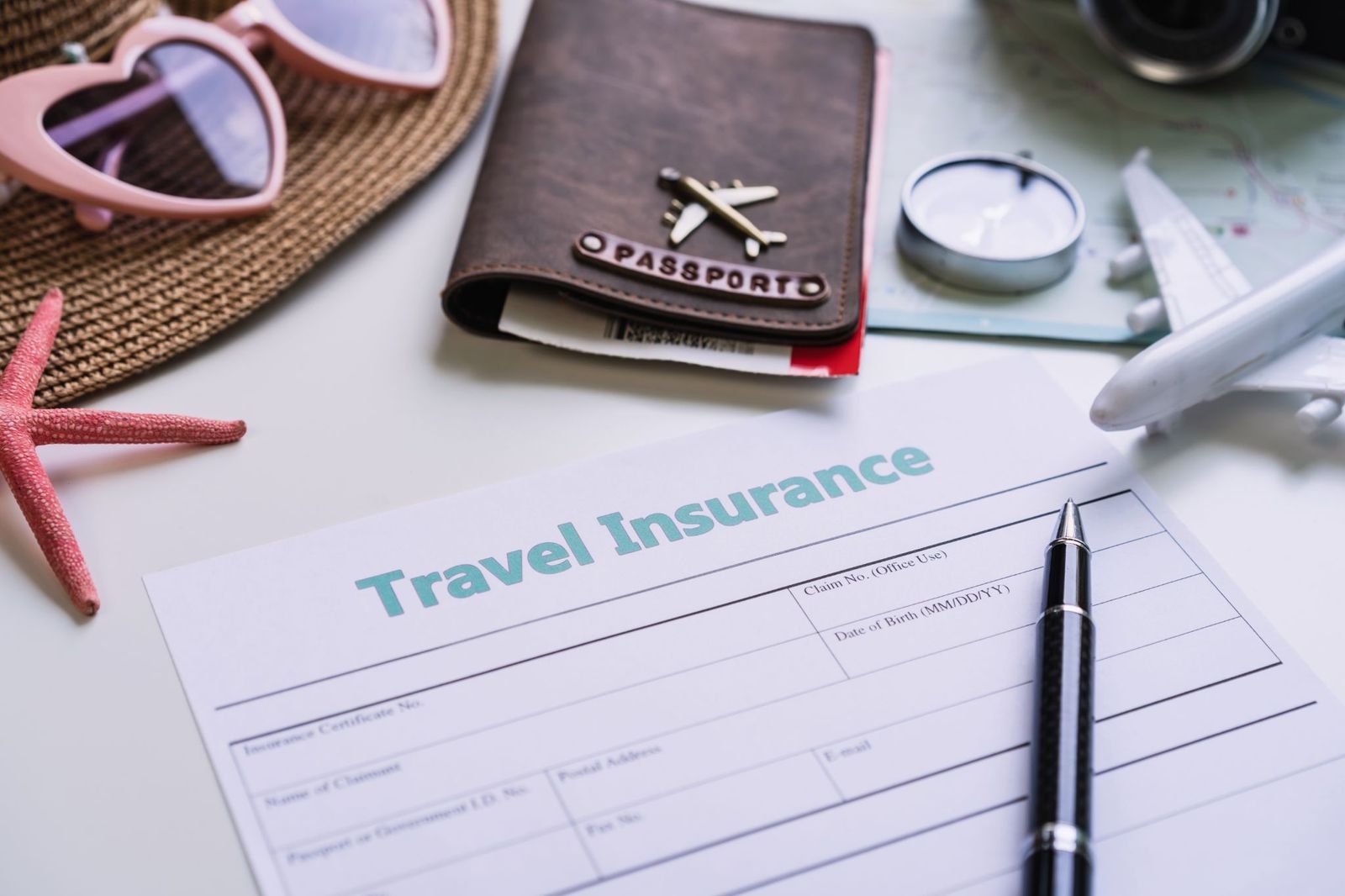
Most vacations go exactly as planned, but all it takes is one medical emergency, one canceled flight, or one lost suitcase to turn a dream trip into an expensive headache. Medical treatment abroad can cost thousands of dollars, and unexpected delays often create extra expenses. Travel insurance acts as a financial safety net. Most of the time, you won’t need it. But if something does go wrong, it can solve problems in hours that might otherwise cost you days of stress and far more money. Some travel expenses are optional. This isn’t one of them.
Guided tours

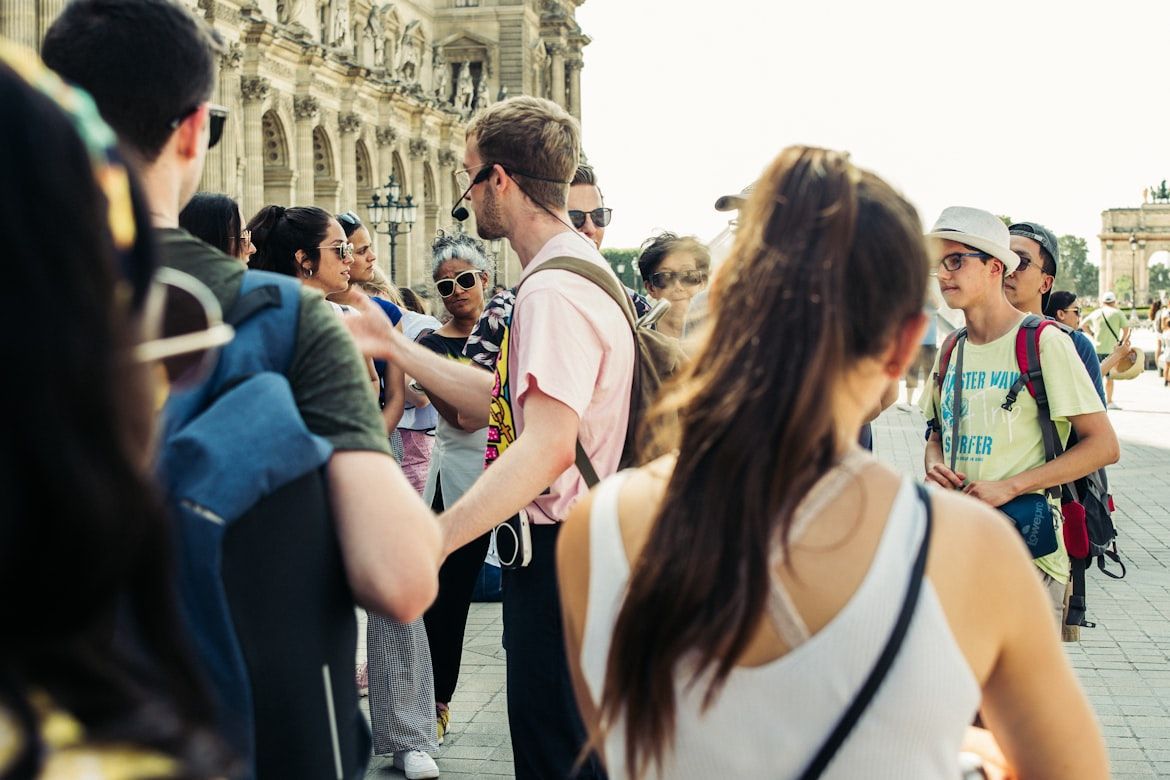
For famous landmarks with rich history—places like the Colosseum or The Louvre—a smaller or private tour is often worth the extra money. A knowledgeable guide can completely change the experience by explaining details you’d never notice on your own. For getting a general feel for a city, though, free walking tours are often an excellent value. You’ll cover several neighborhoods, hear interesting stories, and gain unique new perspectives. At the conclusion of the tour, simply tip what you think the experience was worth. In general, $10 or $20 per person is enough, but that’s entirely up to you.
Airport transportation
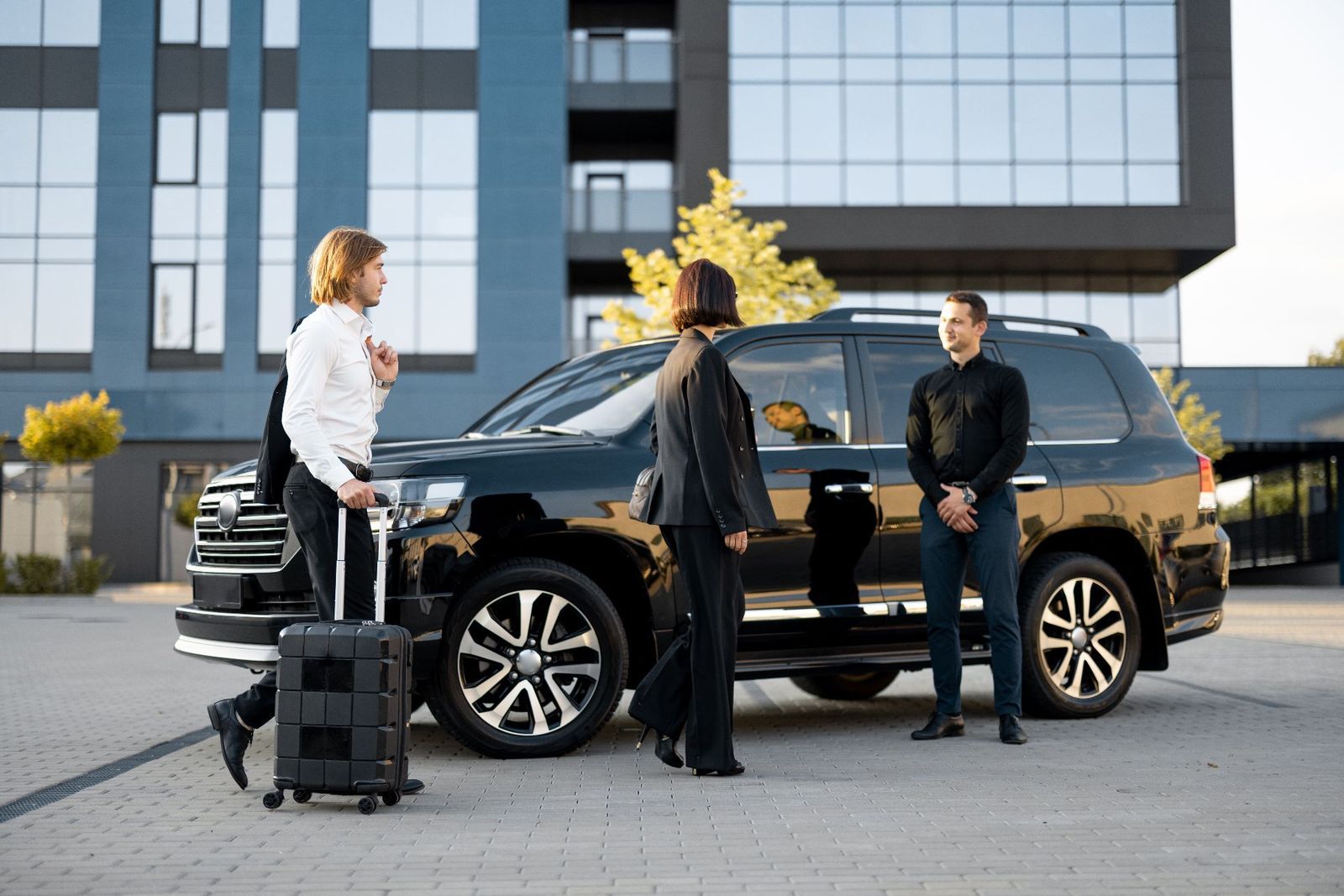
After a long international flight, paying for a driver can remove a lot of stress. Someone is waiting for you, your luggage is handled, and you arrive at your hotel without worrying about getting lost or hauling heavy bags through a busy street. The return trip is different. By then, you’ve learned the local transit system, you’re rested, and you’re far more comfortable finding your way around. Not every expense is about luxury; some are for peace of mind.
Dining

Treat yourself to one outstanding, high-end restaurant that showcases the local cuisine at its very best. Then, for the rest of the trip, eat where the locals do. Not only because it will be cheaper, but also because they know where the good food is. Street food, neighborhood cafés, bakeries, and food markets often serve incredible meals for a fraction of the price. Not only will you save money, but you’ll probably enjoy a more authentic experience too.
Attraction passes
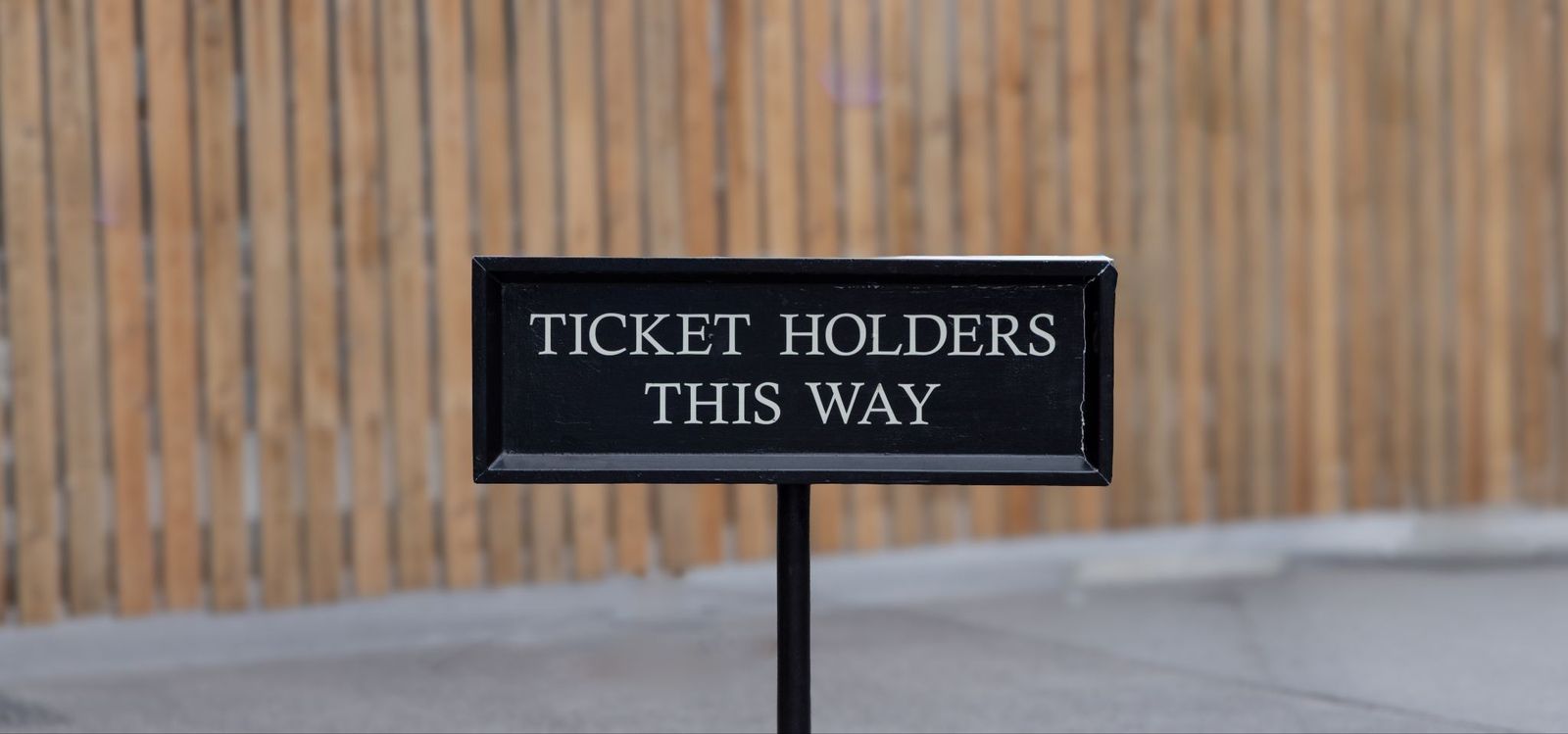
Skip-the-line tickets can seem expensive when you’re booking them, but what you’re really buying isn’t just faster entry; it’s more time to enjoy your trip. Those extra hours can be spent visiting another museum, relaxing, or simply wandering the streets instead of standing behind a rope barrier. When time is limited, buying your time back is often one of the smartest travel investments you can make.
Hotel breakfast

Hotel breakfasts are convenient, but they’re also one of the easiest ways to spend more than you need to. Unless breakfast is reasonably included in the room price, consider walking a few blocks to a neighborhood café instead. You’ll usually pay much less, enjoy fresher local specialties, and start your day surrounded by locals.
Connectivity

Instead of relying on your home carrier, buying a digital eSIM before your trip is one of the smartest travel purchases you can make. Setup only takes a few minutes, and you’ll have affordable data for maps, translation apps, restaurant searches, and keeping in touch with family. Similar to travel insurance, whatever you choose, this is an expense you want to make, as good connectivity is also a way to stay safe abroad.
The cruiser's guide to not wasting a single day
Top cruise tips!
What nobody tells you before your first European cruise
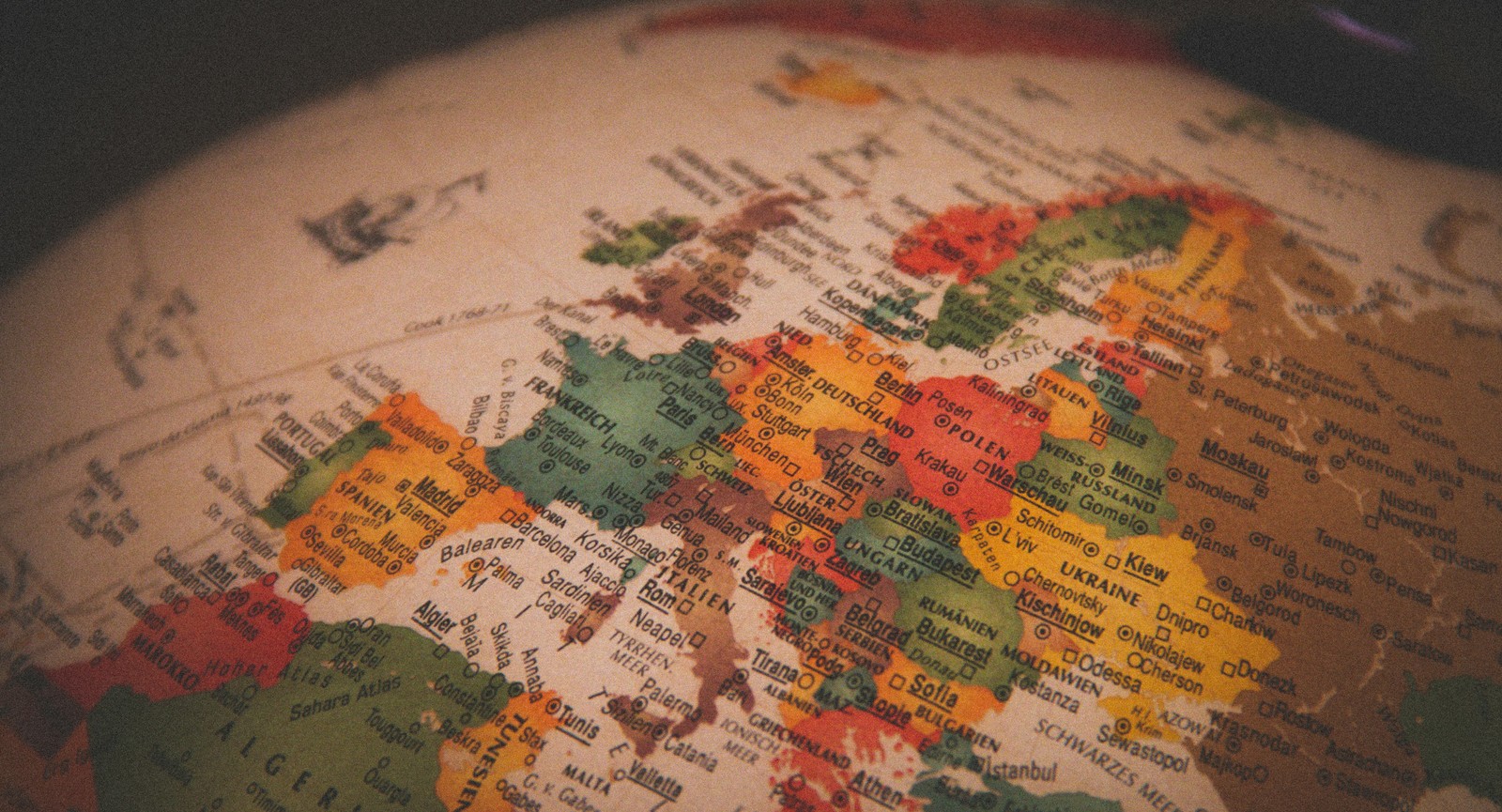
Are you planning your first European cruise? The days on shore will be busier than you expect, so a little preparation can make a huge difference. Think about when to enjoy local dishes, what to pack for changing weather, and how to get ahead of the crowds once the ship docks. Before you go, here are a few simple things to keep in mind.
Leave space for regional food

One of the easiest mistakes on a European cruise is filling up on the ship and missing the food waiting just outside. Each country has its own specialties — think of tapas in Spain, pasta and gelato in Italy, pastries in France, or pretzels in Germany. The buffet will still be there when you reboard but you’ll remember that local meal a lot more.
Plan your outfits before you pack
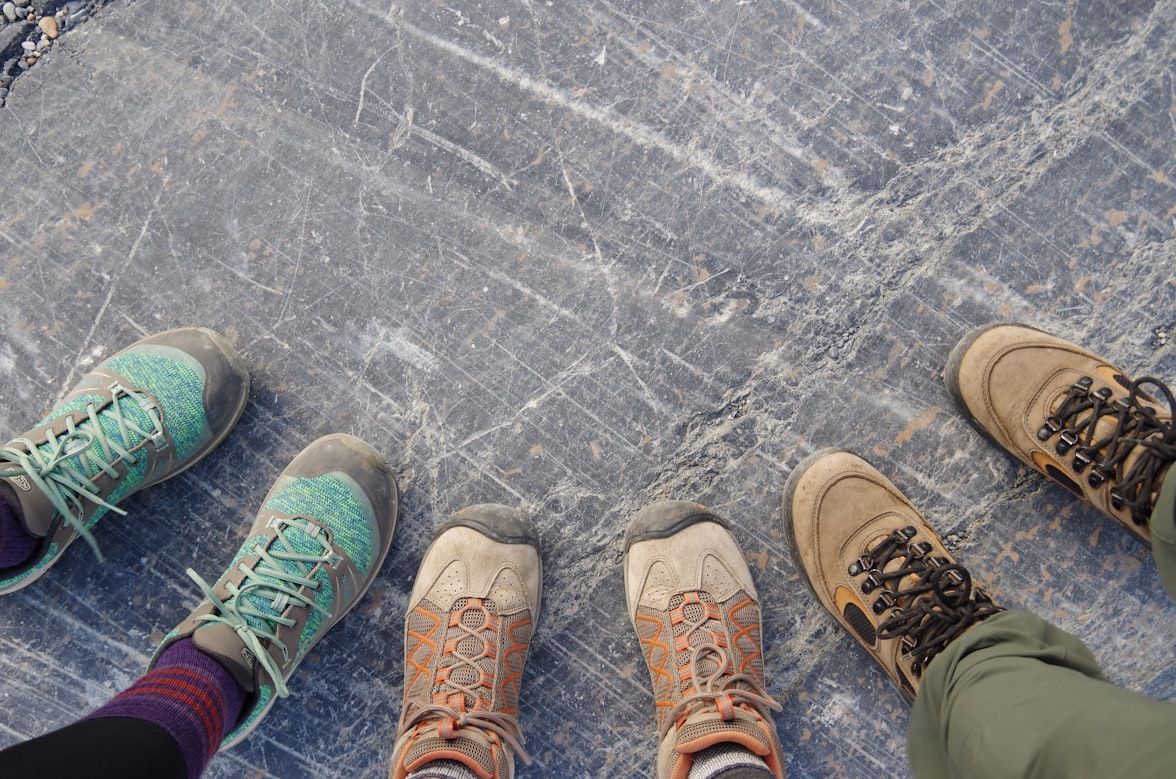
Picture your first few days on the cruise: one morning may be warm and sunny, and that same night may feel cool and windy on deck. Most travelers think about the views, but not about how quickly the weather can change.
That’s why it helps to pack for different moments: comfortable sneakers for walking, a jacket for rainy days, warm layers for nights at sea, and something elegant for evening events.
How to avoid crowds

European cruises often stop in some of the continent’s most visited cities, and the biggest landmarks can get crowded quickly. As tempting as the ship’s buffet, pool, or comfortable cabin may be, it’s worth heading out as early as you can once the ship docks.
That extra time gives you a better chance to see the main sights before the busiest hours and leaves room for delays, long lines, or last-minute changes.
Keep your binoculars nearby

It may sound a little old-fashioned, but bringing your own binoculars is definitely worth it on a European cruise. They can make arrivals, departures, and quiet hours at sea much more interesting and special: spotting coastlines, islands, old ports, or landmarks from the ship. Always keep them somewhere easy to grab.
Have your own personalized guide
Before the cruise starts, it helps to have a simple guide of what you actually want to see at each stop. Try to organize it by priority: the places you would hate to miss, the ones that would be nice to see, and the ones you could skip if the day gets too tiring.
Excursion days can be long, with early mornings, walking, and tight schedules, so it's useful to know when resting may be the best choice. It doesn't mean you can’t follow local tips, or improvise, but it helps save time and enjoy stops as much as possible.
Bring a comfortable backpack
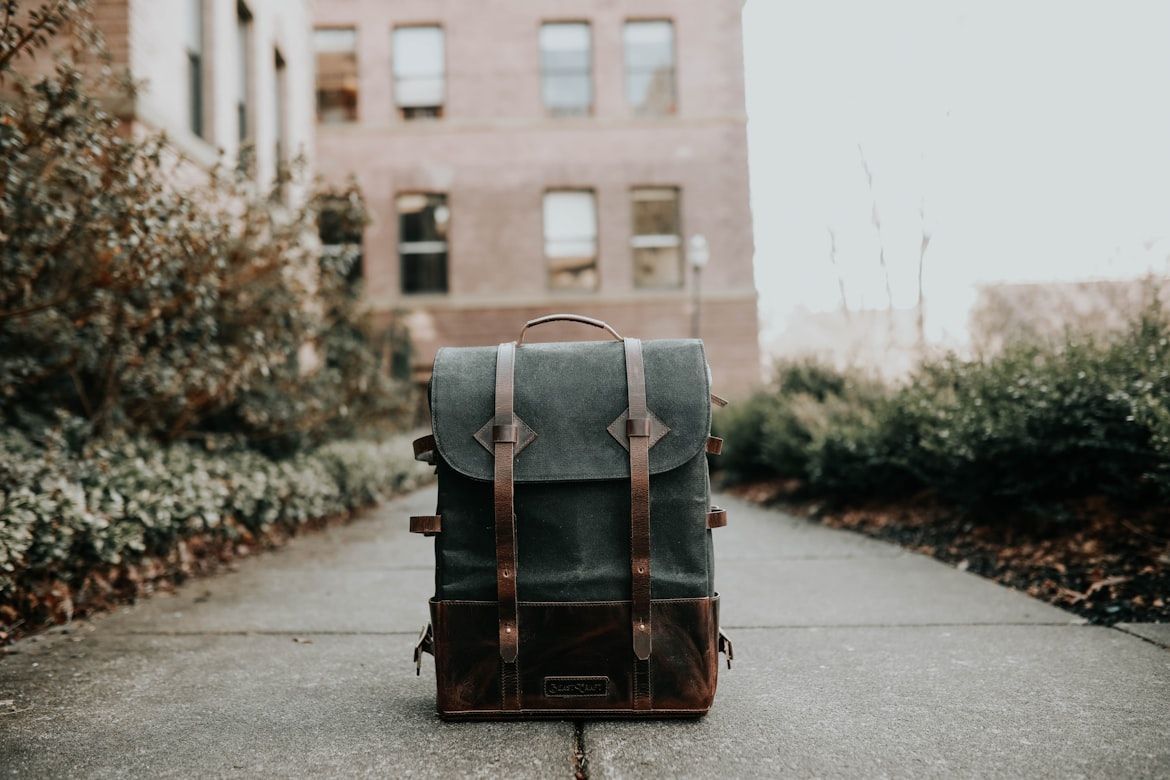
Your backpack will surely be your best friend on this journey. Choose one that feels comfortable on your shoulders and has separate pockets for the things you need most: passport, keys, phone, wallet, sunscreen, water bottle, medicine, and tickets. It’s a way to organize your day before everything gets messy — and when every item has its own place, you spend less time searching and more time enjoying.
Bring sunscreen and a reusable water bottle

Sunscreen and water bottles can save your day. You may spend hours walking through ports, sitting on deck, or waiting in open squares, and your skin is exposed, even when the sky looks cloudy.
Keep sunscreen with you — and a backup tube in case it runs out. A reusable water bottle is just as useful: fill it on the ship before you leave, and if you need more water later, try asking at a cafe or restaurant, so unfamiliar water sources are less likely to upset your stomach.
Your paperwork matters
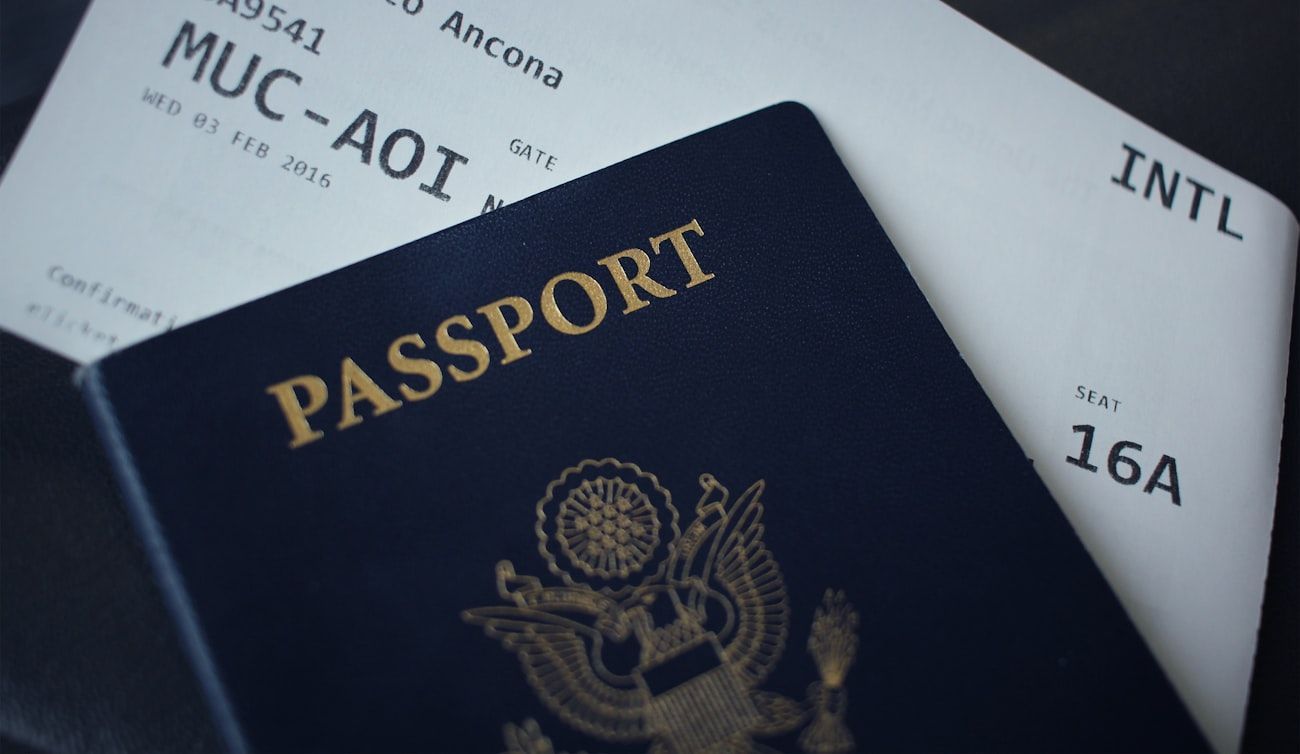
A European cruise may stop in several countries, and each one can have different entry requirements. Checking your passport, visas, and entry forms before you leave; making sure they stay valid until the end of your trip, can help you avoid surprises along the way.
Pack basic medical supplies

The ship will probably have medical help on board, but you should still bring a few basics with you. If you get a headache, a small cut, an upset stomach, or feel seasick, you won’t have to wait around to get help.
This can be especially useful when the ship is moving a lot, since more people may be feeling sick at the same time. A small kit with simple medicine and first-aid items can make the day much easier.
Pack more than one universal adapter
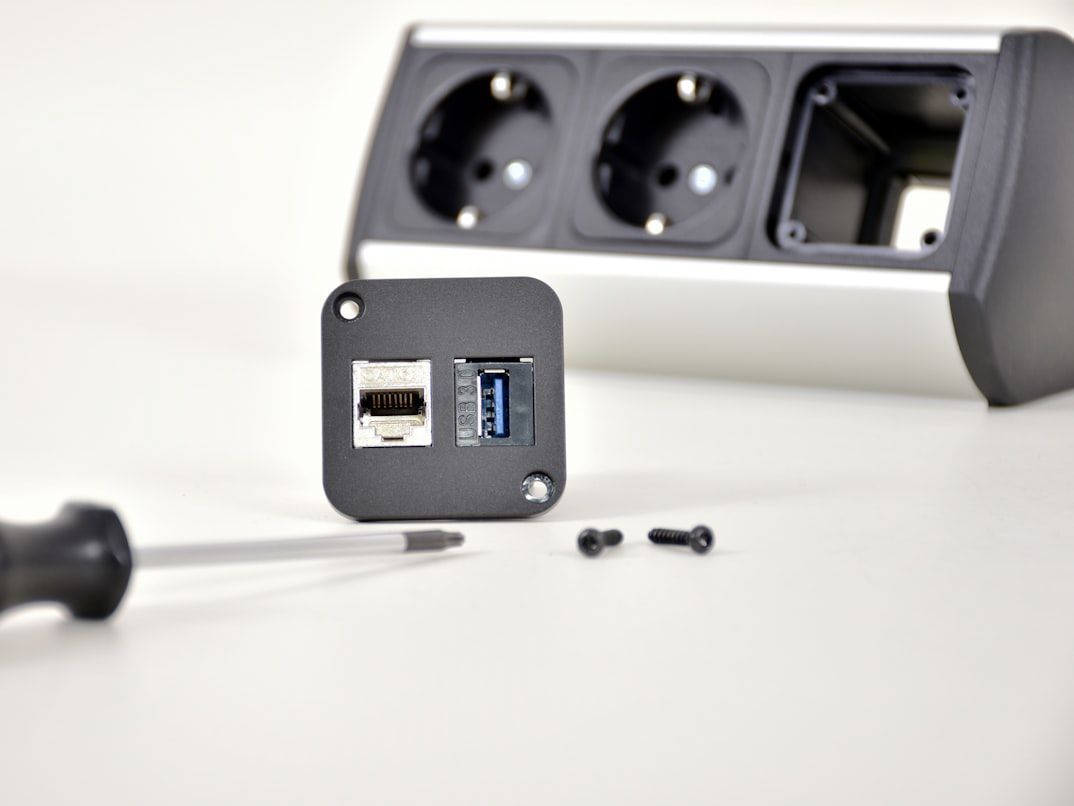
A European or universal adapter is one of those small things you may not think about until you need it. On a cruise, you’ll probably use it every day for your phone, camera, headphones, watch, or other devices.
One adapter may not be enough, especially if you’re sharing a cabin or charging several devices at night. The last thing you want before a day at port is a dead phone which means no map navigation, no photos, no way to text a traveling partner.
Keep wandering
There’s always
more to explore

How do you leave your pet at home without the guilt? A complete guide
4 min.
Read Now

Traveling on a budget? 10 U.S. attractions that won't cost a dime
5 min.
Read Now
 Landmarks
10 bizarre traditions at famous tourist spots and the reasons behind them
7 min.
Read Now

Booking a flight on the wrong day could cost you $150 more
4 min.
Read Now