
What should you do if your passport and hotel key vanish all of a sudden?
 General
Travel safer and smarter
What should you do if your passport and hotel key vanish all of a sudden?
Picture this: You're wandering through a crowded spot in Barcelona, and before you know it, a pickpocket slips away with your wallet: your driver's license and passport are now gone, and you have no backups. Or you take an impromptu detour to Baker, Nevada, your phone goes radio silent for two days, and nobody back home has any idea where you actually are should anything happen to you. That's the mess smart travelers avoid by putting a few quick safeguards in place before they leave. Whether you're traveling at home or abroad, here are 10 tips that could save your trip.
Share your itinerary

Say you take a spontaneous detour to some tiny farming town in rural Iowa nobody's heard of, then go silent for two days. No calls, no texts, nothing. If something goes wrong, your family wouldn't know where to start looking. But if you've shared your itinerary with someone back home, they know your flights and plans. That safety net means help can find you fast if you go quiet, and it gives everyone real peace of mind.
Keep document copies separate
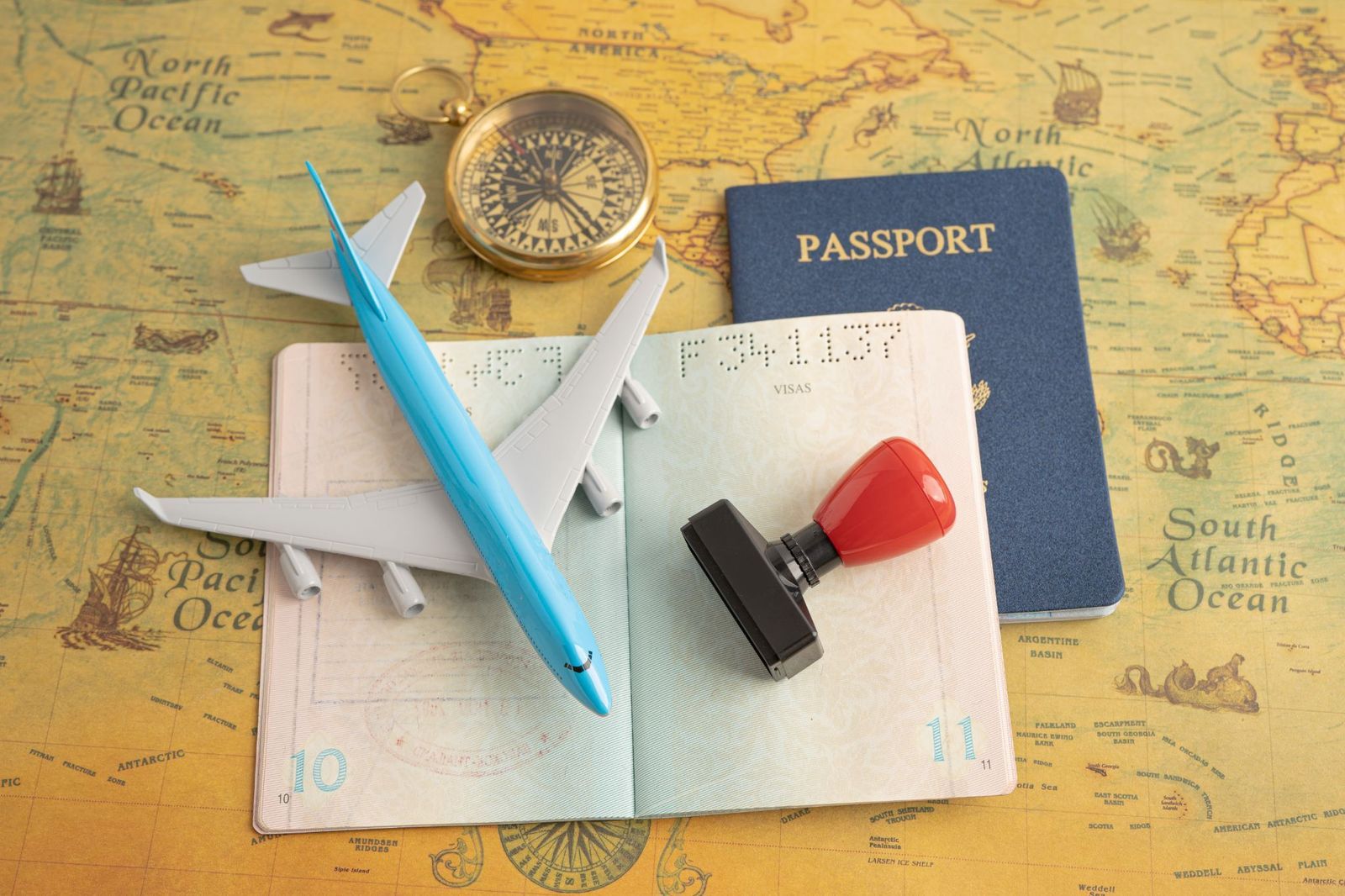
Imagine your wallet and passport all vanish in one fell swoop because a pickpocket got lucky in Barcelona’s crowded Boqueria market. Without backups, you're stuck at a foreign embassy, burning vacation days untangling red tape. But with photocopies or phone photos of important documents stashed separately, you can prove who you are and speed up the replacement process.
Register with the STEP program

Say a hurricane, earthquake, or protest erupts near where you're staying in Mexico City, and the U.S. embassy has no idea you're even in the country. That's a scary gap when you might need evacuation help or emergency updates fast. Registering with the State Department's free Smart Traveler Enrollment Program (STEP) closes that gap, sending alerts and letting officials track you down if disaster strikes. It costs nothing and takes five minutes, but could mean everything.
Research common scams

You're sipping coffee near the Louvre when a stranger asks you to sign a "petition," distracting you while their buddy lifts your phone off the table. It's a classic move, and tourists fall for it daily because they never see it coming. Spend twenty minutes online before your trip learning the local scam playbook, and you'll spot these setups instantly.
Know the local emergency numbers

Imagine someone trips and twists an ankle badly on a cobblestone street in Rome, and you're frantically dialing 911, but that number means nothing there. Precious minutes get wasted while panic sets in, and nobody knows who to call. Look up the local police, ambulance, and fire numbers before you land, and jot them down somewhere easy to find. Knowing exactly who to call turns a scary emergency into something you can handle calmly.
Choose accommodations with secure entry

Ever stayed somewhere where the front door barely locks, or anyone off the street can stroll through the lobby unchecked? That's an open invitation for trouble, especially late at night, walking back from dinner. Booking a place with keycards, secure entryways, or a staffed front desk means strangers can't just wander up to your room.
Use the hotel safe

Picture leaving your good jewelry, extra cash, and fancy camera on the dresser while you're out enjoying the day. Anyone with a master key could wander off with your stuff, and hotels often aren't liable for items left in plain sight. Toss your valuables in the room safe instead, and spend the day worry-free instead of mentally cataloging your belongings every five minutes.
Don't flaunt jewelry or electronics

Flashing a diamond ring or a brand-new iPhone practically paints a target on your back in many popular tourist destinations. Thieves are watching for exactly that shine, making you an easy mark in any crowd. Dress down a little, keep electronics tucked away, and you'll blend in like a local instead of a walking ATM.
Stay alert in crowds

Crowded plazas and busy markets are a pickpocket's dream because everyone's distracted, snapping photos, and bumping shoulders. One second your bag's zipped shut, the next it's wide open and noticeably lighter. Staying alert, keeping bags zipped and in front of you, and glancing around occasionally makes you a much harder target.
Trust your gut

That nagging feeling when a "helpful stranger" offers unsolicited directions or insists on walking you somewhere? That's your gut waving a red flag, and ignoring it has gotten travelers into real trouble. Trust that instinct, even if it means seeming rude by walking away or simply saying "no, thanks".
Every traveler should read this article before booking flights or hotels.
Be smart!
These 12 common booking mistakes cost travelers time and money
Travel booking has never been easier, but it’s also full of hidden pitfalls. Many travelers unknowingly spend more than they need to simply because of small oversights. From timing errors to overlooked fees, these mistakes can quietly inflate your trip cost. The good news? Most of them are easy to avoid, once you know them. Did you know about these 12?
Booking flights too late
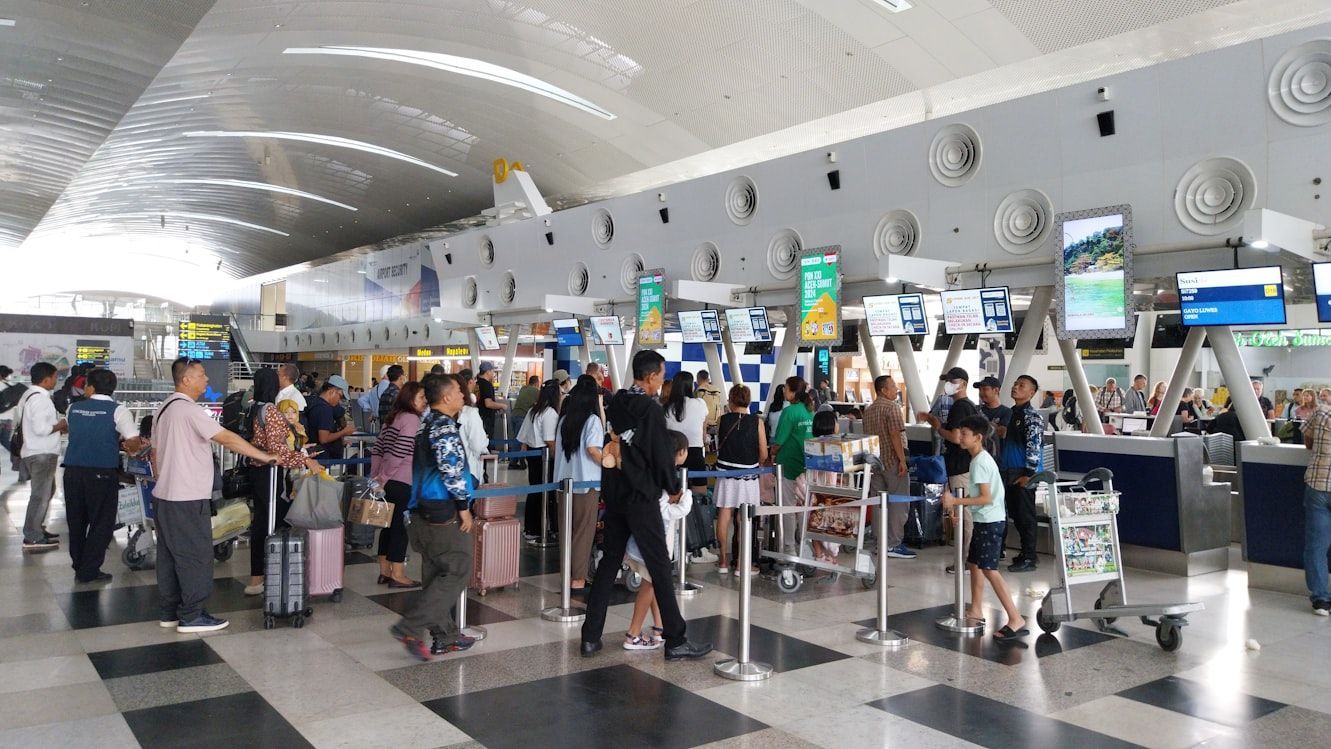
Waiting too long to book flights is one of the most common ways travelers overpay. Prices tend to rise sharply as departure dates get closer, especially for popular routes or busy travel seasons, like New York City in the summer, or Aspen in the winter. Last-minute deals are often less common than many assume.
Experts generally recommend booking domestic flights a few weeks in advance and international ones several months ahead. Planning early gives you access to better prices and more flexible options.
Ignoring baggage fees

A low ticket price can be misleading if baggage fees aren’t included. Many airlines, especially budget carriers like Spirit Airlines, JetBlue, or Allegiant Air, charge extra for checked bags, carry-ons, and even seat selection, sometimes doubling the price of the ticket.
These additional costs can quickly add up, sometimes making a "cheap" flight more expensive than a full-service airline. Always check baggage policies before booking to get the real total cost.
Not comparing multiple booking sites

Relying on a single website can mean missing better deals elsewhere. Prices for the same flight or hotel often vary across platforms due to partnerships, commissions, or promotions.
Using comparison tools, like Google Flights, Skyscanner, Kayak, or Momondo, among others, or checking multiple sites helps ensure you’re getting the best available rate. It only takes a few extra minutes, but it can save a significant amount.
Choosing non-refundable options too quickly
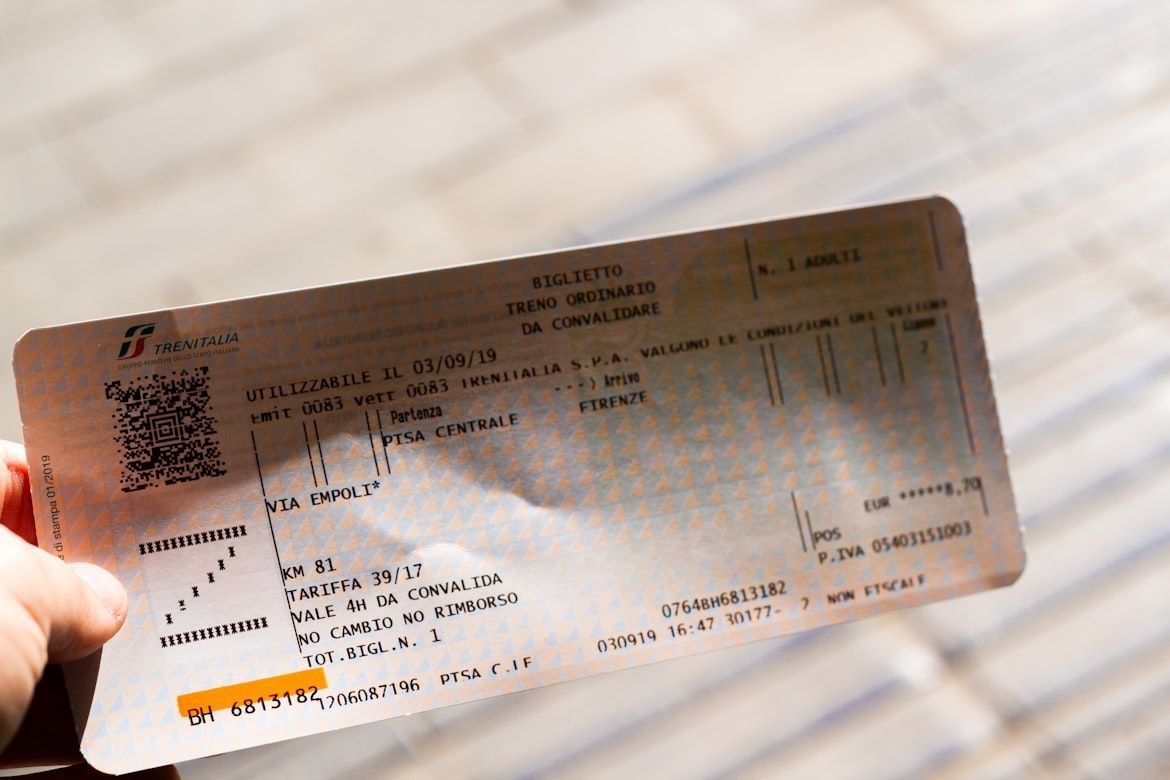
Non-refundable bookings are often charged upfront, but they come with risk. If your plans change, even slightly, you could lose the entire amount you paid.
Flexible or refundable options may cost more initially, but they can save money in the long run if something unexpected happens. It’s important to weigh the risk before committing.
Forgetting to check cancellation policies

Not all bookings are created equal when it comes to cancellations. Some allow free changes, while others have strict penalties or no refunds at all.
Understanding the cancellation policy, which can be found on each airline’s official website, before booking can prevent costly surprises. This is especially important for hotels, tours, and flights during uncertain travel periods.
Booking during peak dates without flexibility

Travelling during holidays or major events often means significantly higher prices. Flights and accommodations can double or even triple in cost during peak periods.
Being flexible with your travel dates, even by a few days, can lead to substantial savings. Mid-week departures and off-season are often much cheaper.
Overlooking resort or hidden hotel fees

Many hotels advertise attractive nightly rates but add extra charges later. Resort fees, cleaning fees, and service charges can increase the final bill considerably.
These fees are not always obvious at first glance. Always review the full price breakdown before booking to avoid unpleasant surprises at checkout.
Not using price alerts

Prices for flights and hotels fluctuate constantly. Booking without tracking prices can mean missing out on better deals that appear later.
Price alert tools, like Google Flights, KAYAK, Hopper, and Skyscanner, notify you when rates drop for your selected route or destination. This allows you to book at the right moment instead of guessing.
Booking separate tickets instead of bundled deals

Sometimes booking flights, hotels, and car rentals separately costs more than purchasing a package deal. Travel bundles often include discounts that aren’t available individually.
While not always cheaper, it’s worth comparing both options. In many cases, bundling can reduce overall costs and simplify your travel planning.
Ignoring loyalty programs or rewards

Frequent travellers often miss out on savings by not using loyalty programs, like American Airlines AAdvantage, Alaska Airlines Mileage Plan, United MileagePlus, Delta SkyMiles, and Southwest Rapid Rewards. Airlines, hotels, and credit cards offer points, discounts, and perks that can reduce costs.
Even occasional travellers can benefit from signing up. Over time, rewards can add up to free flights, upgrades, or discounted stays.
Assuming cheaper options are always better

The lowest price isn’t always the best value. Budget options may come with trade-offs like inconvenient locations, long layovers, or extra fees.
Considering overall value, not just price, can lead to a better travel experience and sometimes even lower total costs. It’s important to look beyond the headline price.
Not double-checking travel dates and times

Simple booking errors, like selecting the wrong dates or confusing AM and PM times, can be surprisingly expensive to fix.
Airlines and hotels often charge change fees or price differences for corrections. Taking a moment to review all details before confirming can prevent costly mistakes.
Keep wandering
There’s always
more to explore

Could you handle 162 steps inside the Statue of Liberty?
6 min.
Read Now

10 Incredible, death-defying miracles around the world
5 min.
Read Now

Here's why this particular airport worker can't be over 56 years old
6 min.
Read Now

The parking trick that could save you $40 a night in California
3 min.
Read Now