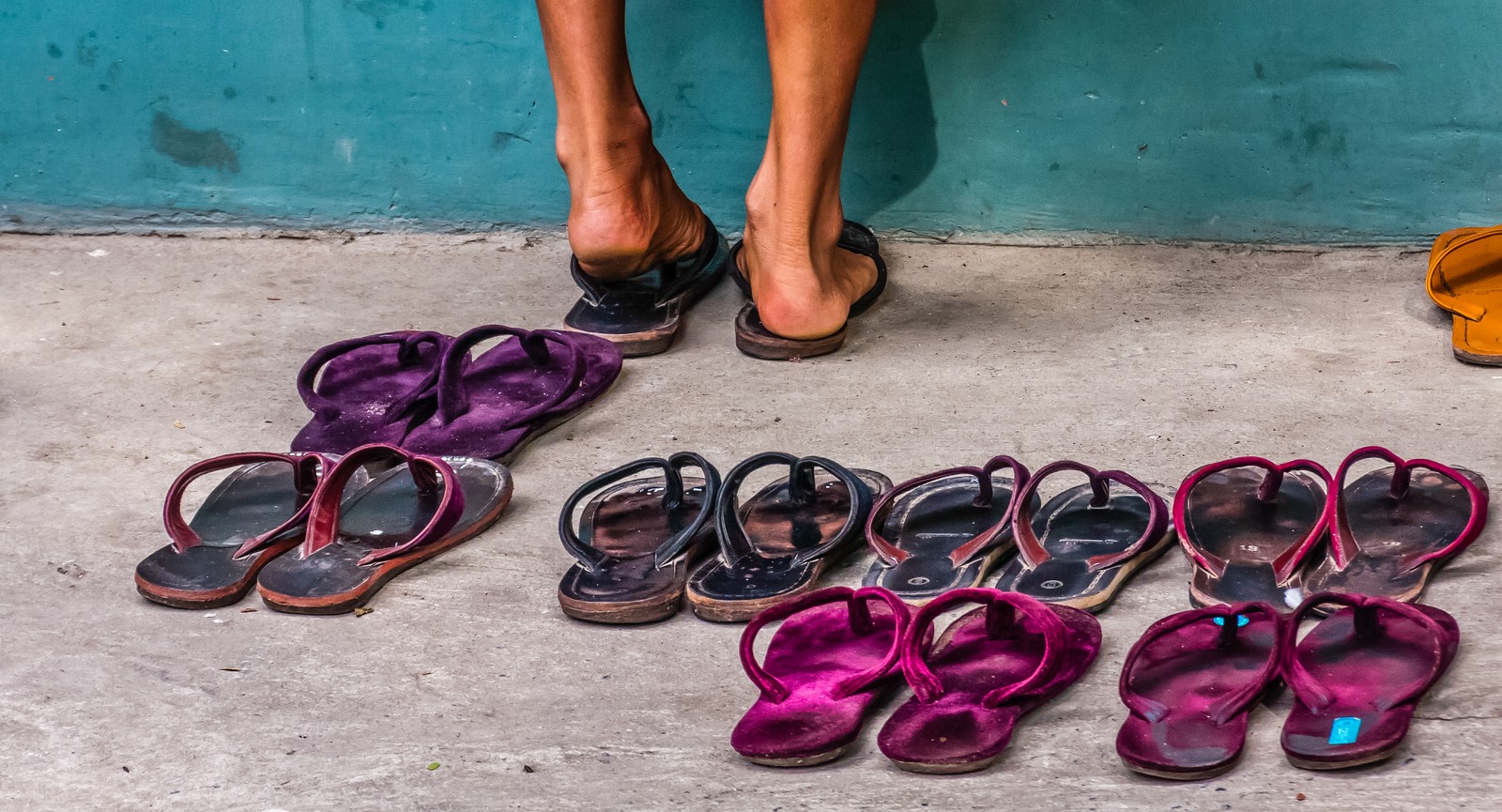
Why do these 10 countries ban street shoes indoors?
 General
Why do these 10 countries ban street shoes indoors?
Travel etiquette requires memorizing a few basic rules. Sometimes, the quickest way to offend your international hosts happens right at the front door. Keeping your shoes on is perfectly normal in many parts of the world, but in some countries, it means you’re disrespecting religious beliefs or the sanctity of a household. Beyond simple hygiene, removing your footwear is a sign of respect and cultural awareness. If you're planning an international trip to any of the 10 countries listed here, be prepared to unlace, unbuckle, and step out of your shoes.
Japan
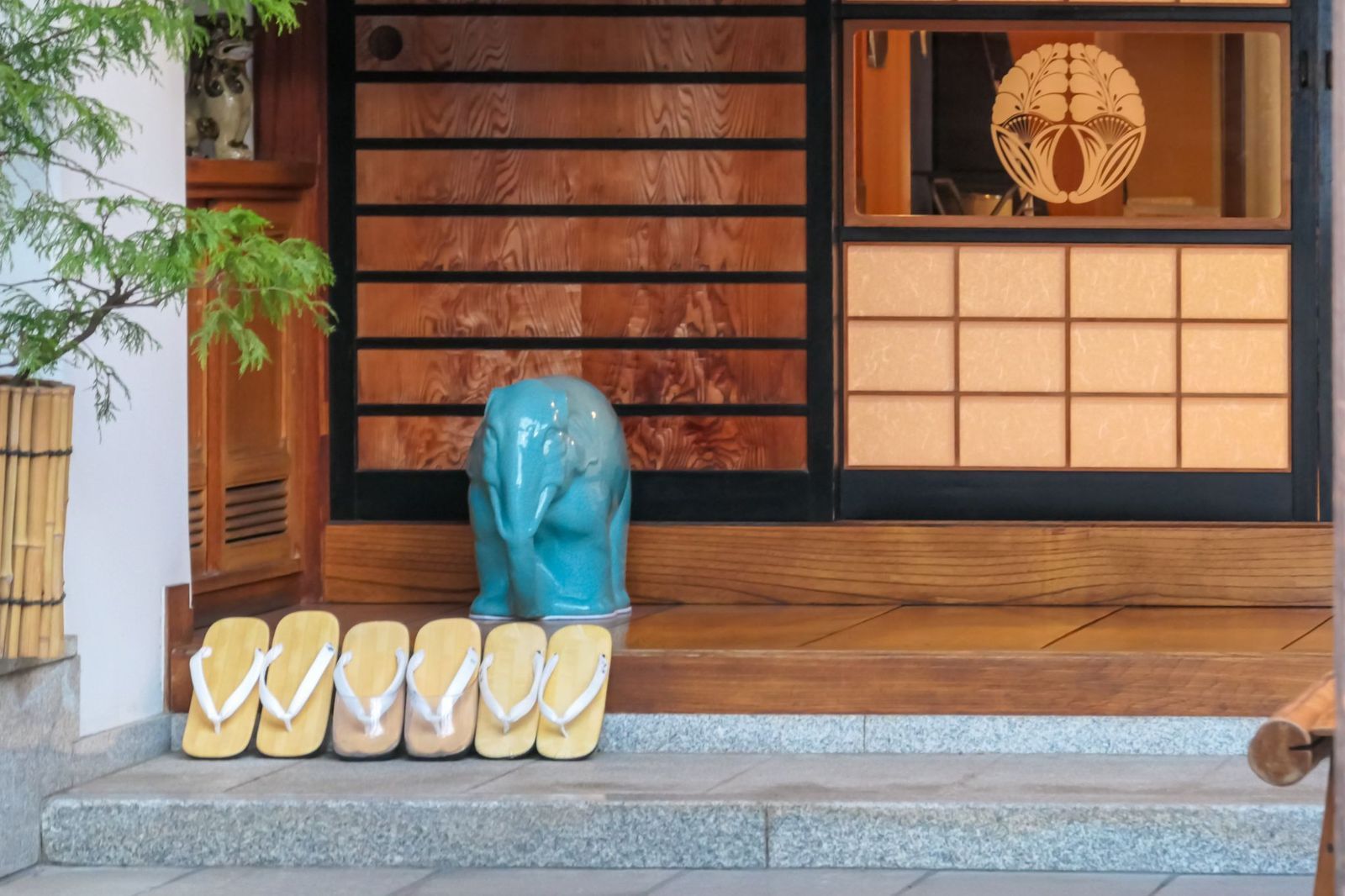
In Japan, the boundary between the outside world and the home is fiercely protected. This cultural rule is even built into domestic architecture through the genkan, a lowered entryway just inside the front door.
When visiting a Japanese home, you must step out of your shoes in the genkan without letting your socks touch the lower floor level, then you can step up into the main living space.
Turkey
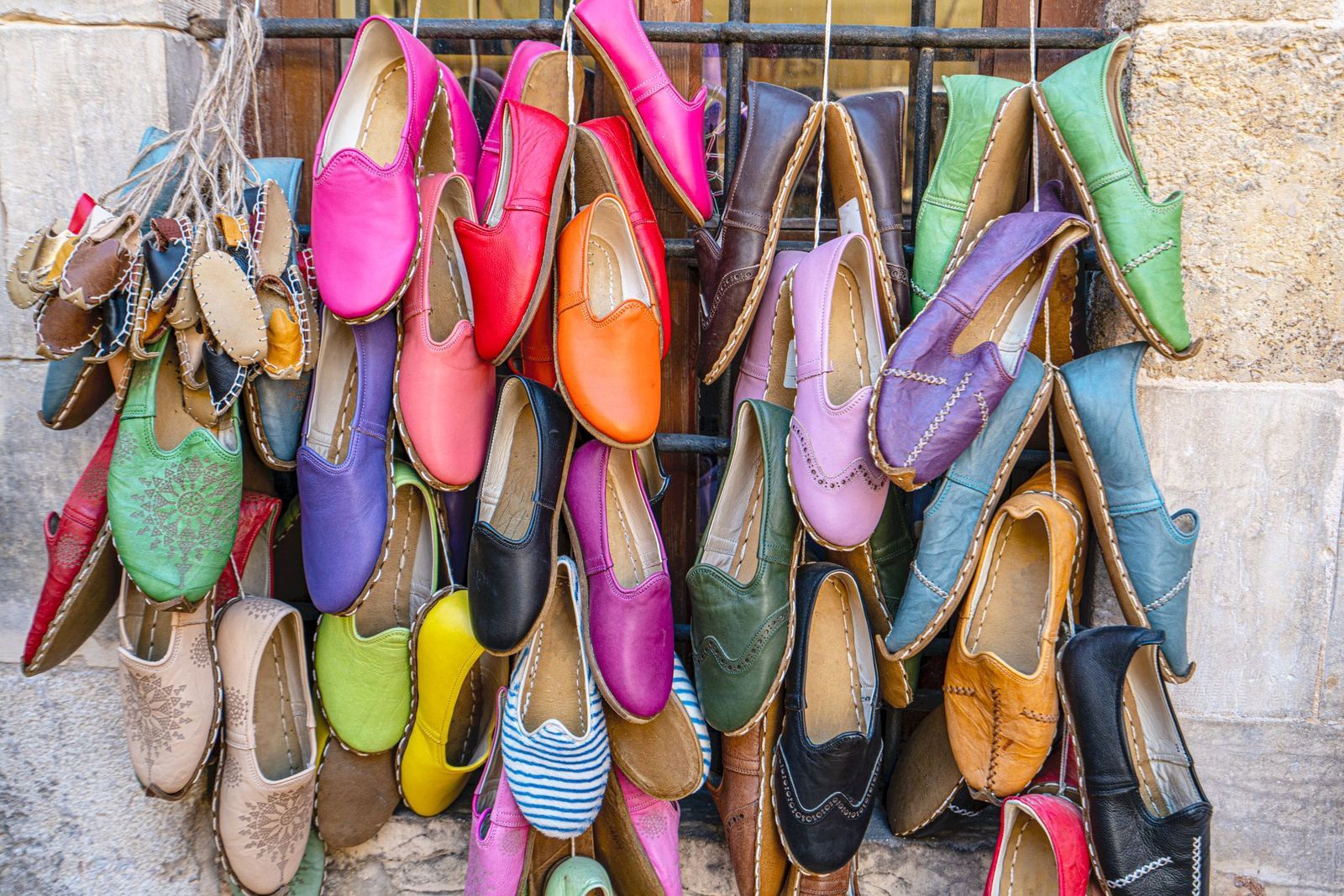
Hospitality is a cornerstone of Turkish culture, but the warm welcome stops with your footwear. In Turkey, homes are viewed as pristine sanctuaries. Walking across a Turkish rug with street shoes on is considered highly disrespectful.
When arriving at a house or an apartment, you will notice that guests leave their shoes outside the front door in the hallway or on a designated shoe rack. Hosts will hand you a pair of terlik (guest slippers) to wear during your visit. This practice extends to religious spaces, where you must always remove your shoes before stepping onto the lush carpets of a mosque.
Sweden
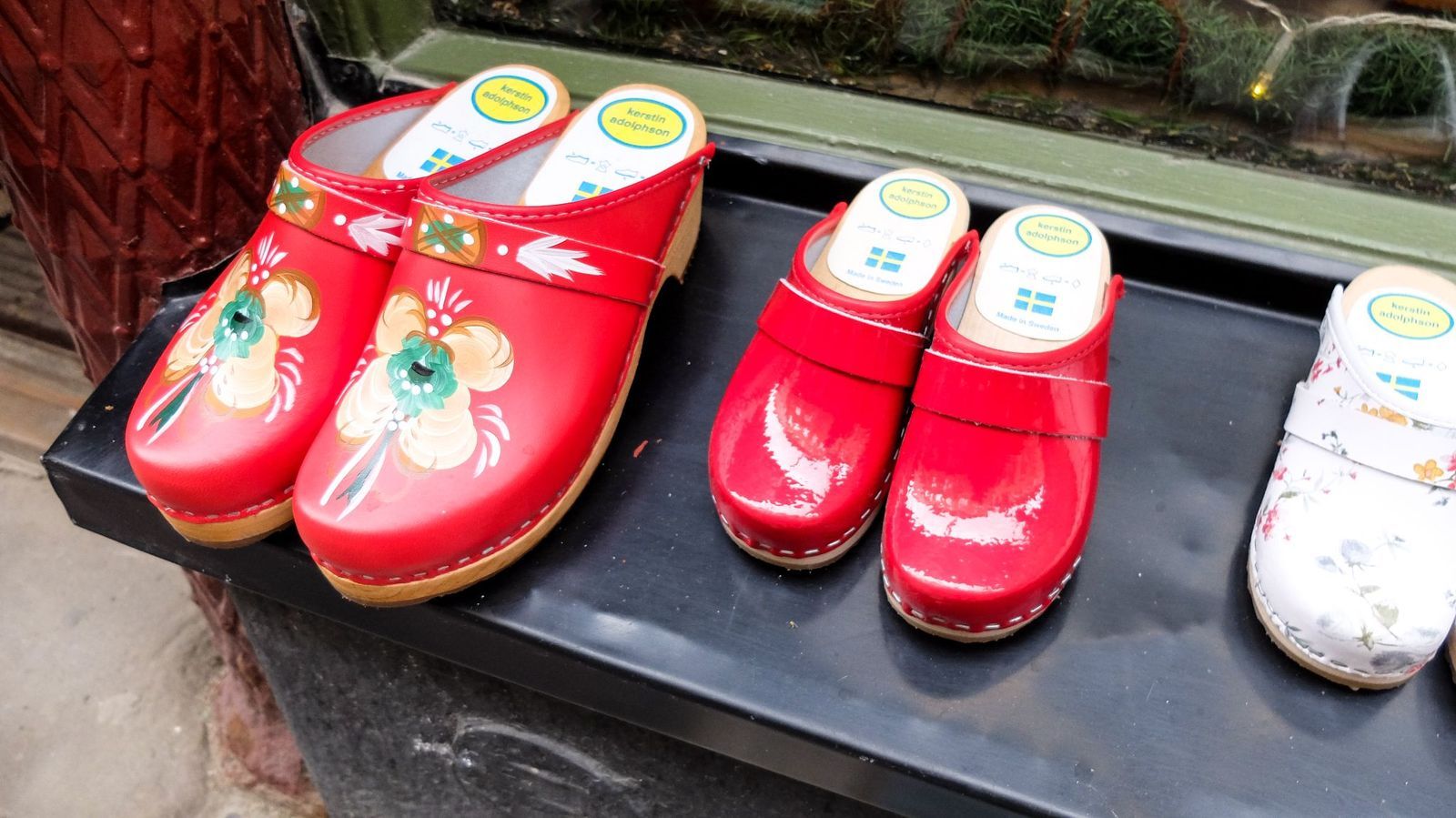
If you visit Sweden during the winter months, the practical reason for removing your shoes becomes obvious. With a climate defined by heavy snow, mud, and rain, outdoor footwear across a Swede’s immaculate hardwood floors is a sure way to ruin the cozy vibe of a home.
Swedes get rid of their winter shoes the second they reach the doorway, opting to walk around in thick socks or comfortable indoor house shoes. If you are attending a formal indoor gathering, it’s entirely acceptable to bring a clean pair of dress shoes in a bag to change into.
Germany
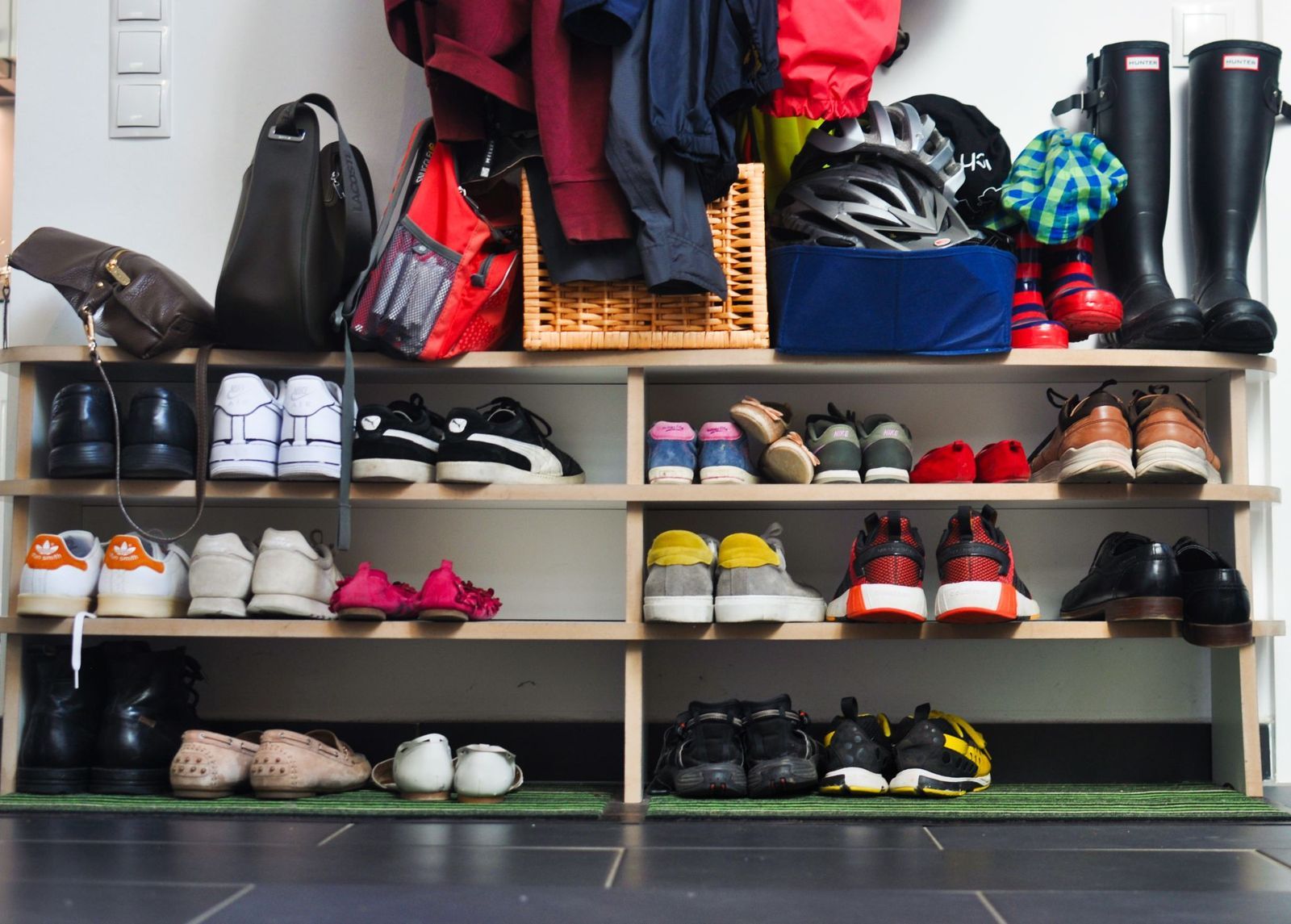
Germans are famous for their love of order, structure, and cleanliness, and their domestic habits reflect this perfectly. Walking through a German household with dirty street shoes is a social misstep.
Guests are expected to take off their outdoor footwear immediately upon arrival. Many German households keep a communal basket of Hausschuhe (house shoes or slippers) specifically for visitors to wear. Also, wearing house shoes is a practical way to keep your feet warm on stone flooring during chilly European winters.
The Philippines
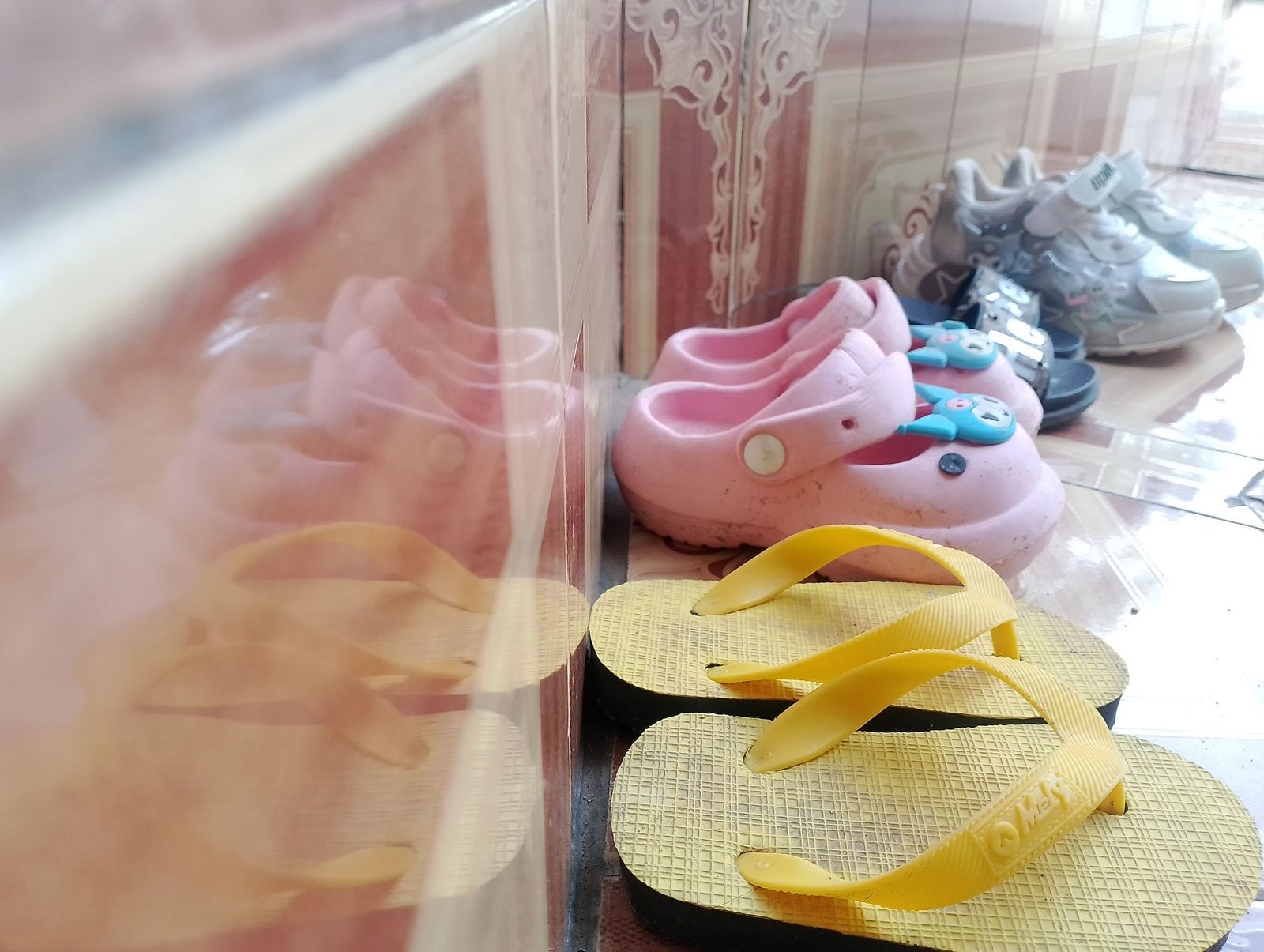
In the Philippines, removing your shoes before entering a home is rooted in respect for the household and the elders who live there. Furthermore, because the tropical climate brings frequent rainstorms and mud, leaving your shoes at the entrance keeps the living space sanitary for young children who often play on the floor.
Upon crossing the threshold, you will be offered a pair of tsinelas (lightweight indoor flip-flops or slippers). Accepting them is a sign that you respect your host’s hospitality and wish to keep their home clean.
Egypt
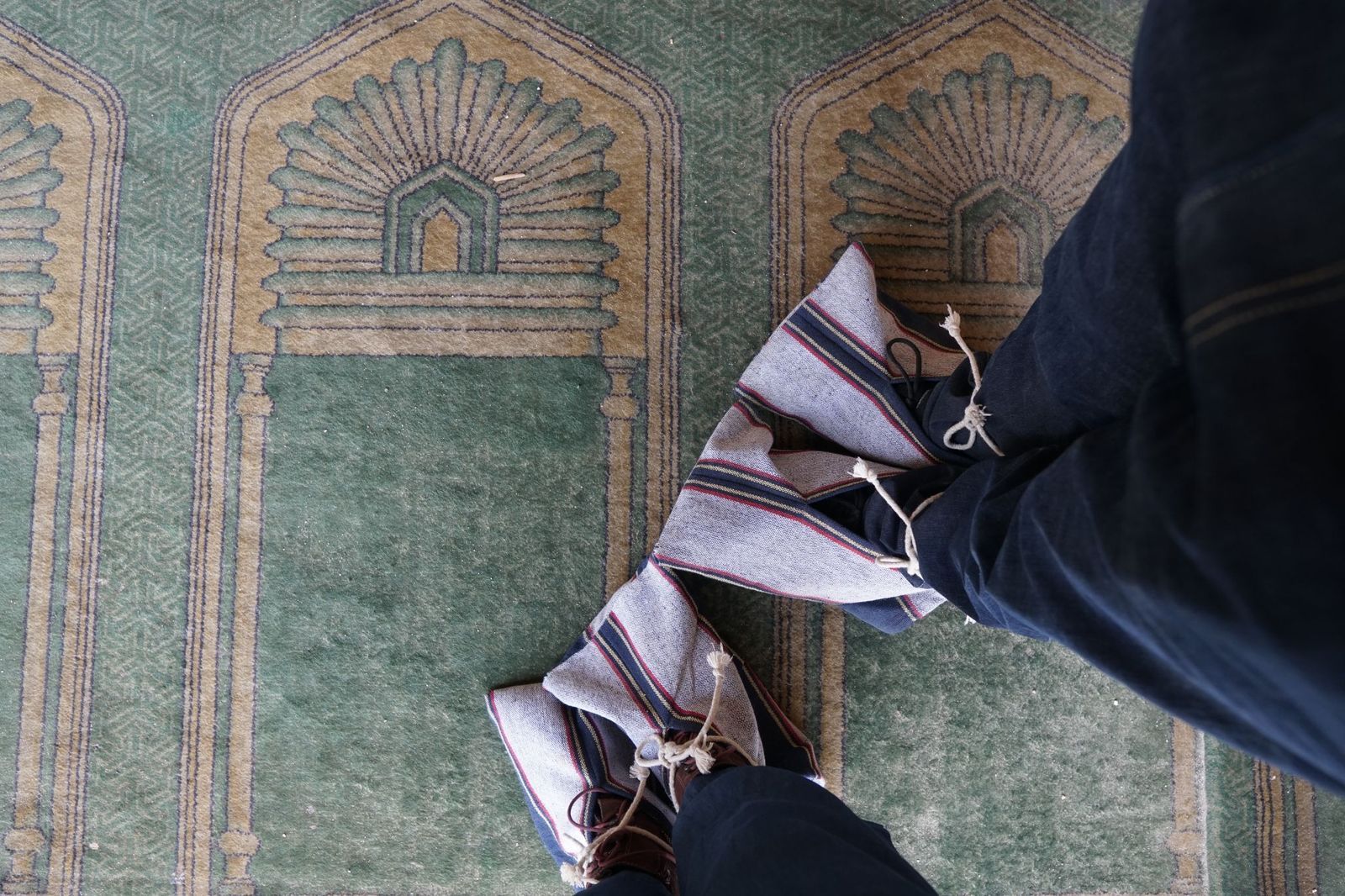
In Egypt, the custom of taking off your shoes is driven by a blend of cultural tradition and religious practice. In Islamic tradition, cleanliness is tied to spiritual purity. Because Egyptians sit, socialize, and pray directly on rugs and carpets, those floor coverings must remain unpolluted by the outside world.
When visiting an Egyptian home, look for a shoe rack or a pile of shoes near the entrance. Leaving your shoes there shows your hosts that you respect the spirituality of their domestic space.
Saudi Arabia
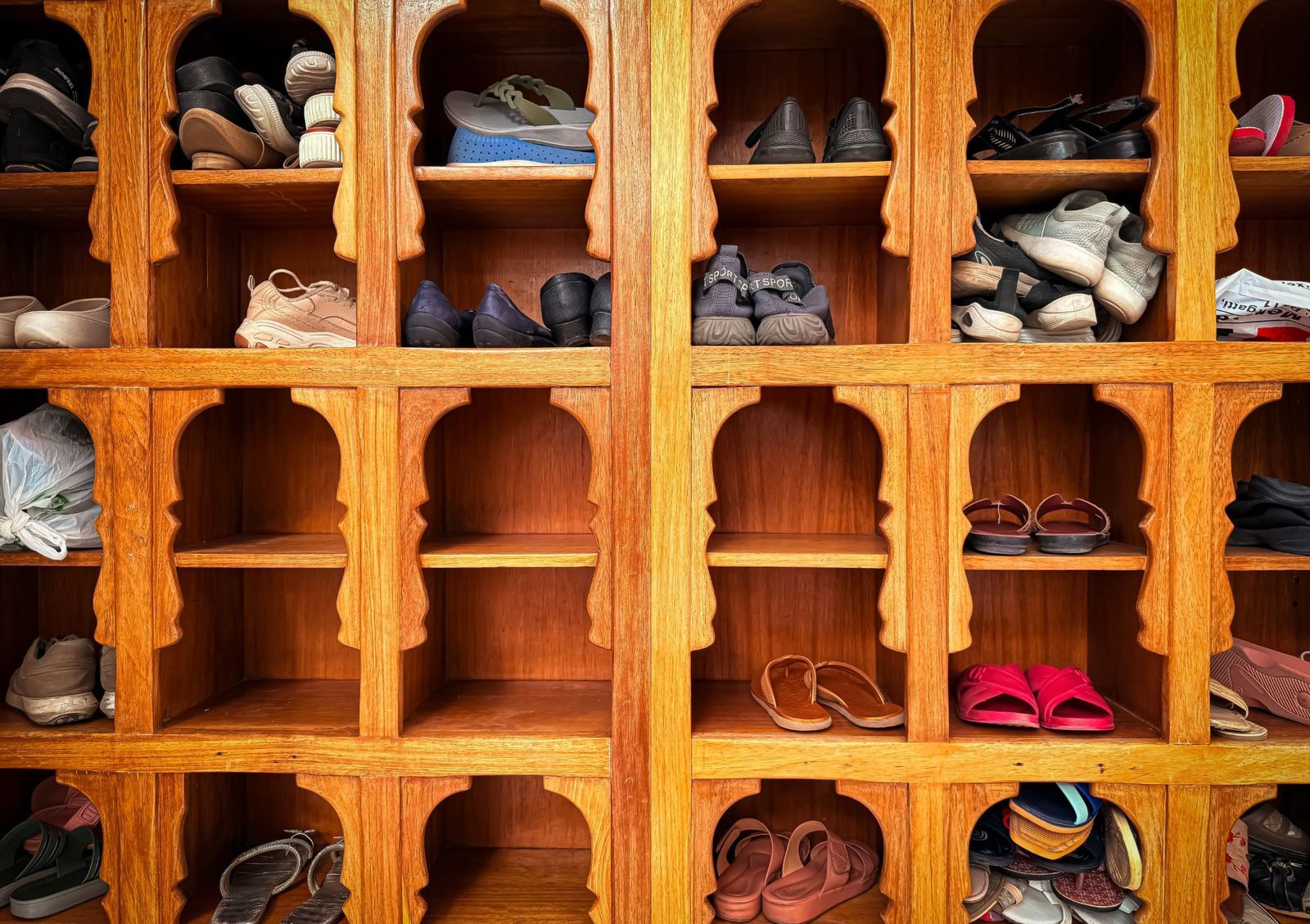
Much like Egypt, Saudi Arabian domestic life revolves around maintaining a pure, clean indoor environment. Traditional Saudi homes feature majlis, a large, carpeted sitting room where extended family and guests gather to chat, drink coffee, and dine while seated on low cushions or directly on the floor.
Because your body is in direct contact with the floor coverings, street shoes are strictly banned from crossing into these living zones. Always take off your shoes at the entryway and leave them neatly paired together.
Ukraine
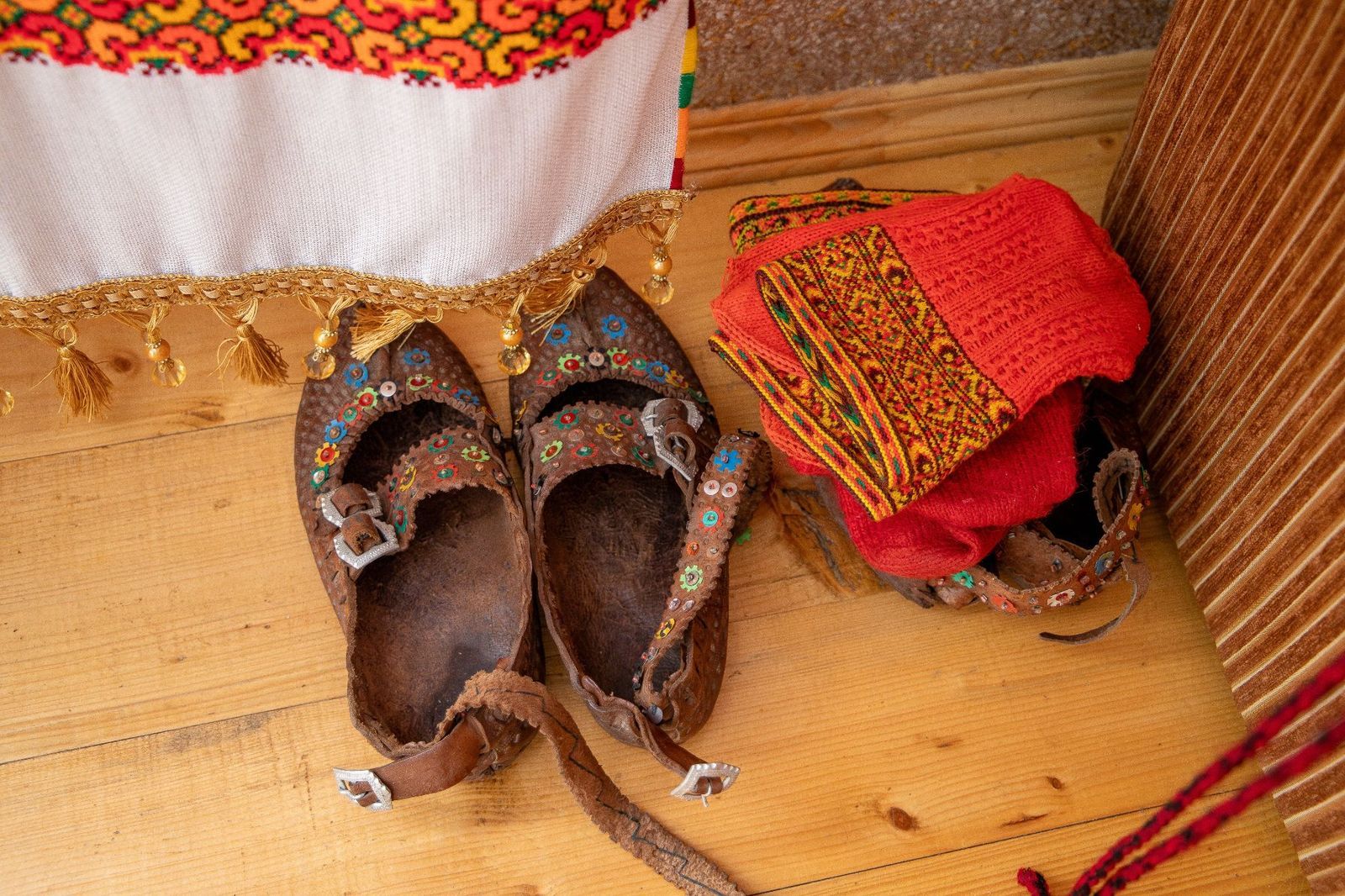
Throughout Ukraine and much of Eastern Europe, the harsh seasonal transition from snowy winters to muddy springs makes indoor shoe removal a key part of the daily routine. Walking onto a Ukrainian's area rugs with wet street boots is a guaranteed way to offend your host.
Slavic hospitality dictates that as soon as you remove your outerwear, you will be handed a pair of comfortable indoor slippers, often referred to as pantofli. Wearing them keeps your feet comfortable while protecting the home from bringing in outdoor dirt.
India
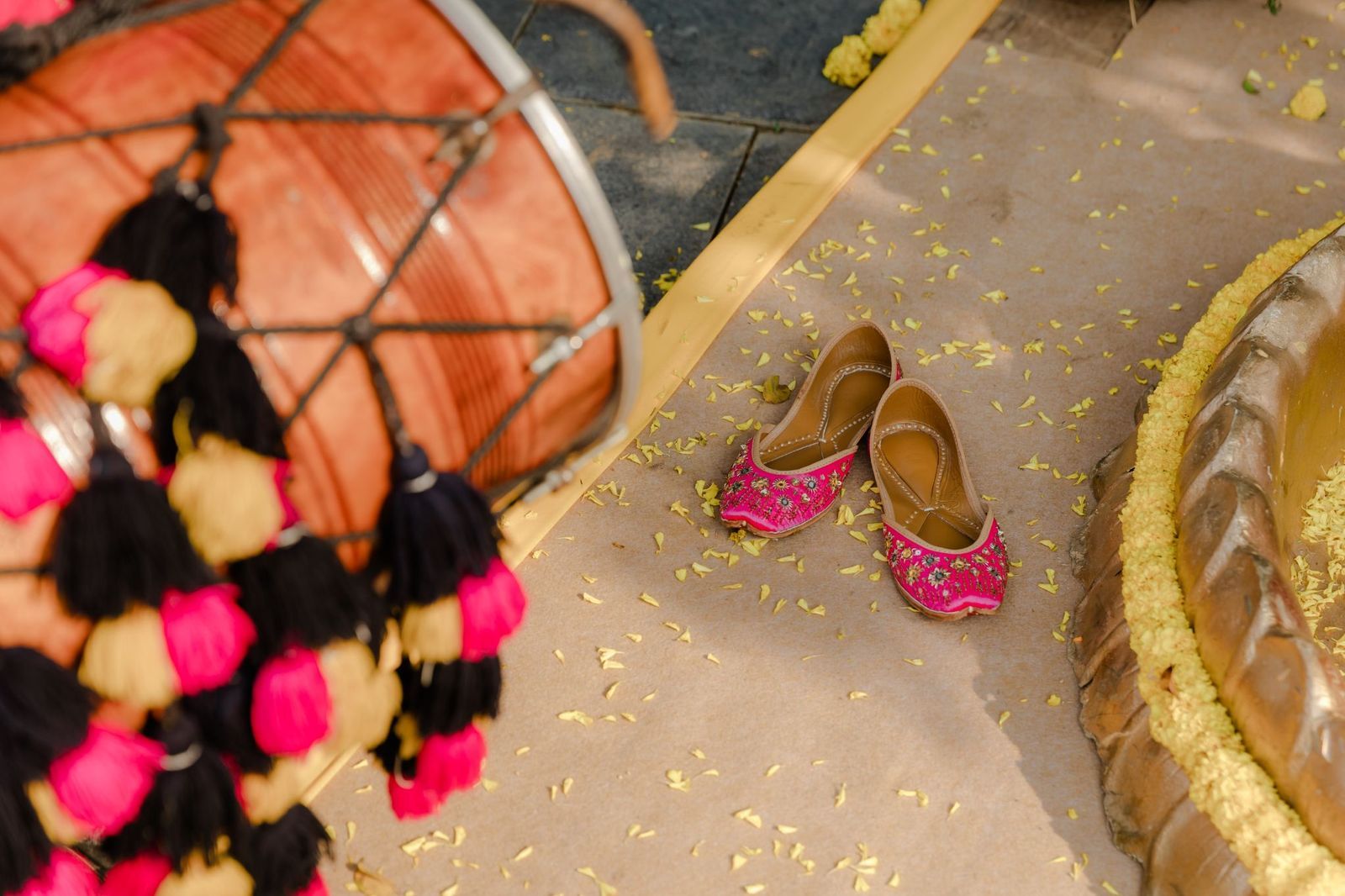
In India, shoes are viewed as the dirtiest items of clothing because they are in constant contact with the ground. This belief transcends simple hygiene and enters the realm of spiritual energy.
You must always remove your shoes before entering any Hindu temple, Muslim mosque, or Sikh gurdwara. This same rule applies to private residences. Walking into an Indian home with your shoes on is viewed as bringing negative, impure energy directly into a sacred domestic space. Look for a designated shoe area outside the front door or on a veranda.
Myanmar
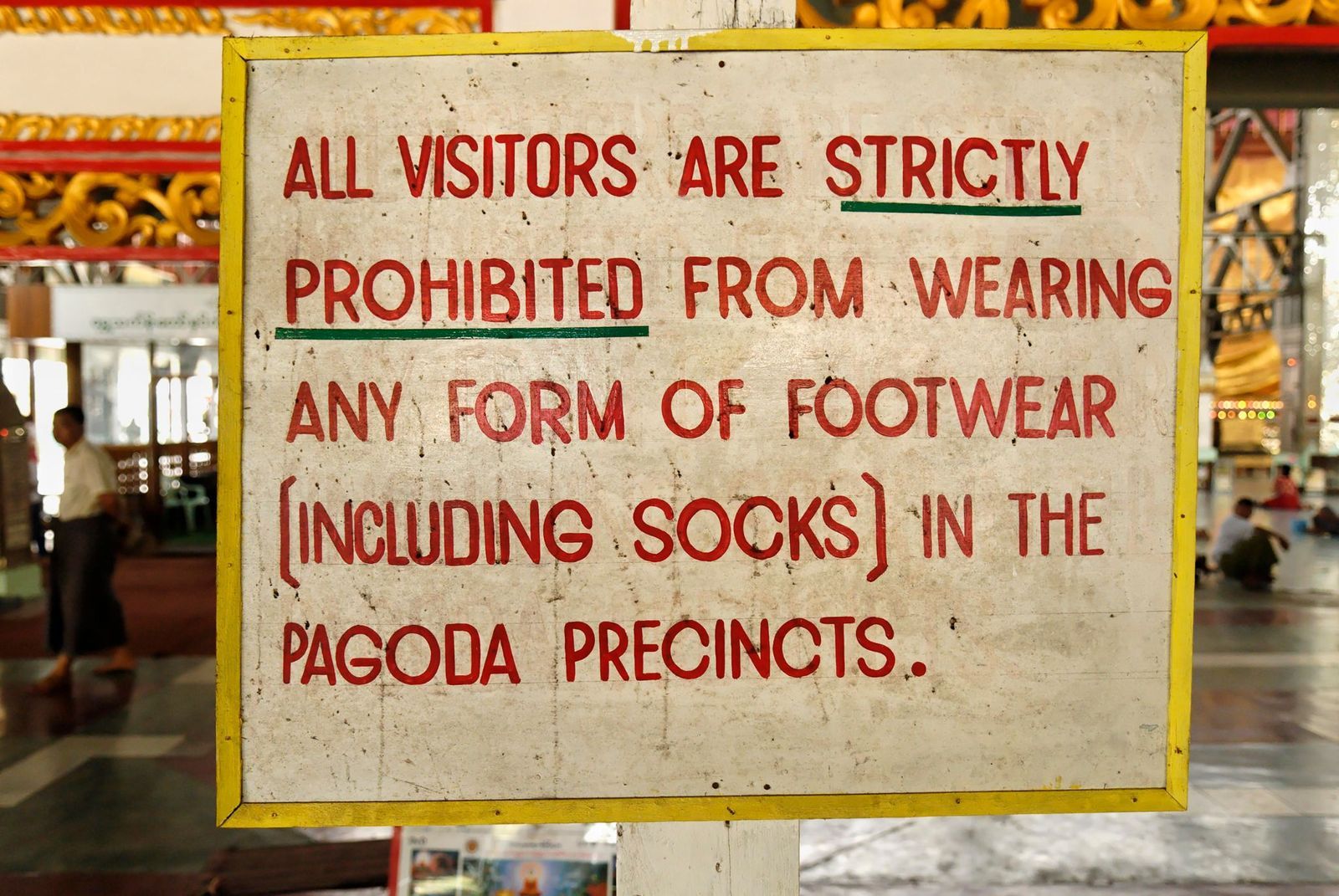
When it comes to strict footwear rules, Myanmar takes the crown. Influenced by Theravada Buddhism, the country enforces absolute shoe removal at all religious sites, pagodas, and monasteries. Unlike nations where clean socks are acceptable, in Myanmar you must navigate holy sites completely barefoot.
This reverence for sacred ground transfers directly into the home. Walking into a Burmese household with any form of outdoor footwear is considered an insult to the family.
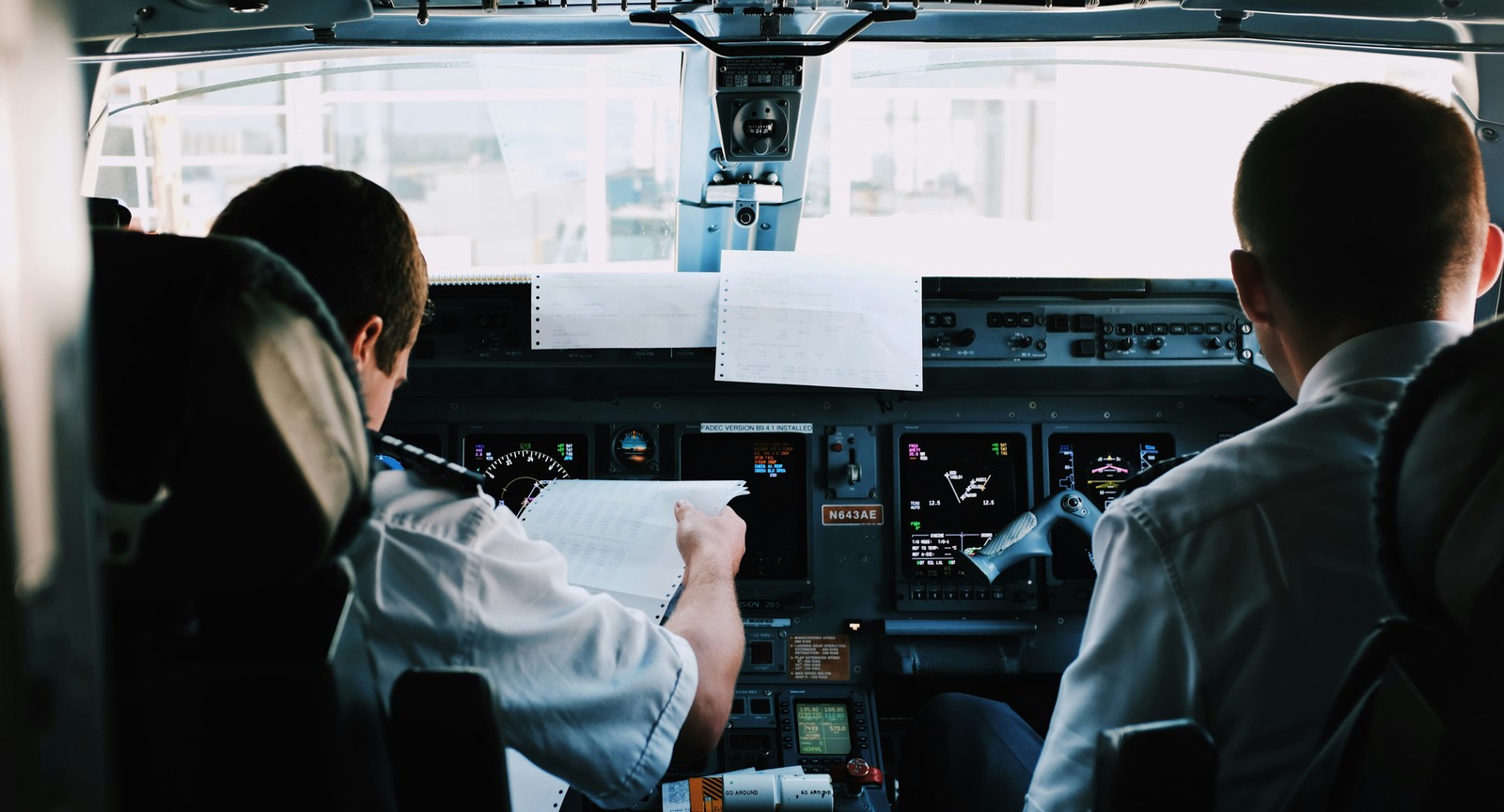
The reason why pilots can’t sport a beard and more mysteries uncovered
Pilot’s dos and don’ts
Why do pilots and co-pilots eat different meals? Habits above 30,000 feet
Pilots and co-pilots aren’t allowed to have the same meal, but you probably don’t know why. For most travellers, flying means settling in, ordering a drink, and hoping for a smooth ride. But what happens behind the cockpit doors? We trust pilots with our lives, yet few travellers know the intricate details of their job. From why they are clean-shaven to where they sleep, these details make every flight safer. Here’s all you need to know.
Different meals
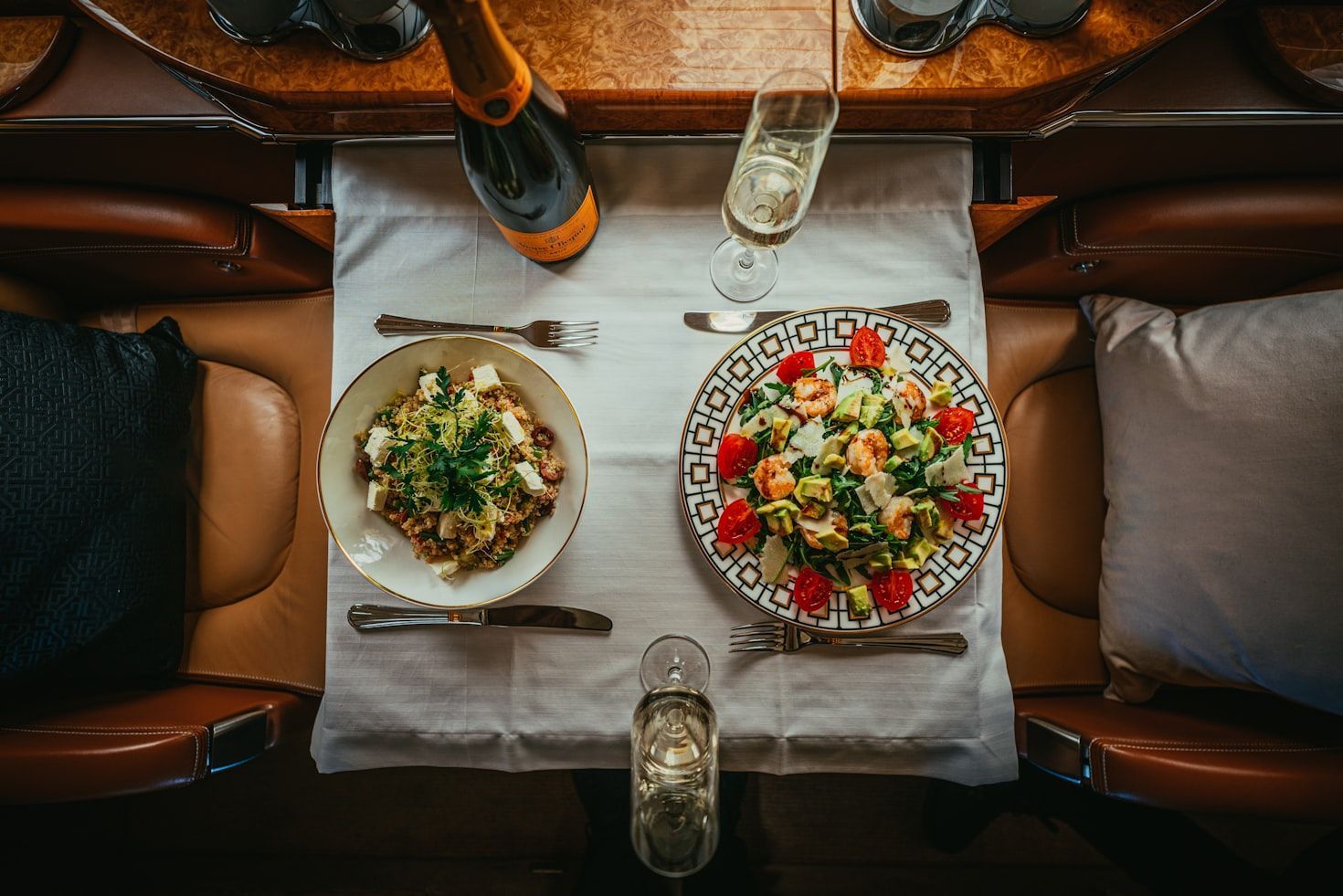
In August 1982, a flight from Lisbon to Boston took a frightening turn when most of the crew fell ill midair with food poisoning. Eight out of the 10 crew members were unavailable because they had all eaten the same tainted meal. The life-saving detail: The co-pilot hadn’t.
These kinds of incidents made airlines take a stand: Pilots and co-pilots often eat different meals to ensure that if one gets food poisoning, the other remains healthy to fly the plane. Even though the FAA hasn’t enacted a regulation concerning this, it’s standard airline industry practice.
No facial hair
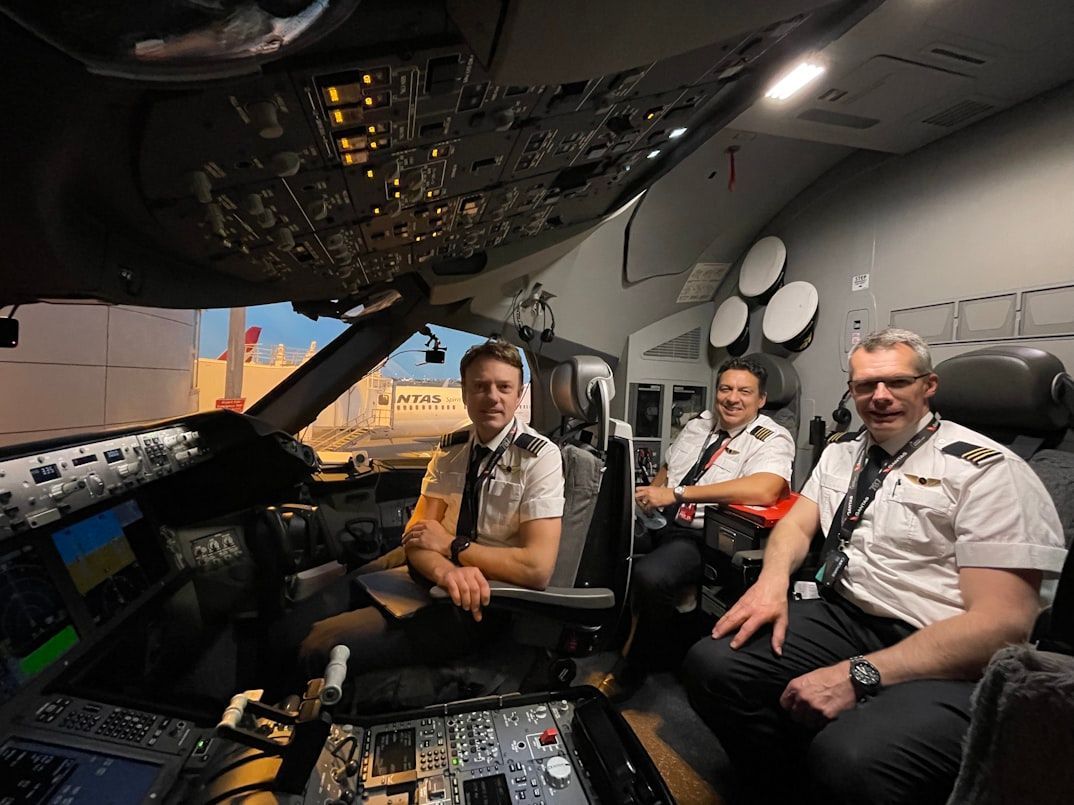
You’ve probably noticed that most male pilots look like they just stepped out of a barbershop. But it’s not about looking professional for the passengers. The reason why pilots don’t sport a beard is a life-saving one.
In the event of an emergency where the cabin loses pressure, pilots must be able to don an oxygen mask in mere seconds. A clean face ensures a sealed mask. There’s no Federal Aviation Administration regulation against it, but most airlines, like Delta, Southwest, United, American Airlines, and JetBlue, do not allow cockpit crew to wear beards or even goatees, inspired by the U.S. Army regulation 670-1 that states that pilots are required to maintain a clean-shaven face.
Sterile Cockpit Rule
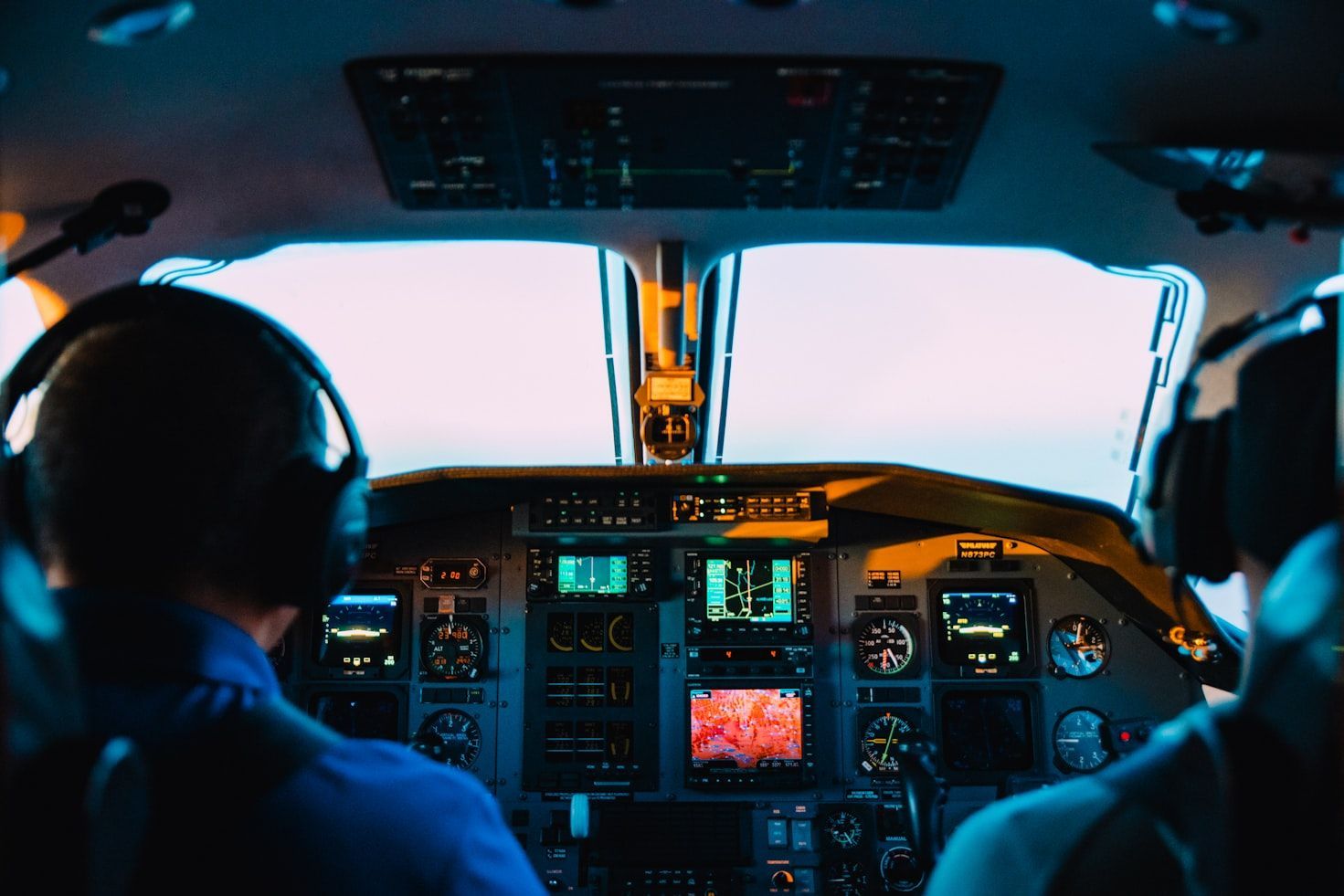
You’ve settled in, the plane started moving, and you’re chatting with your seatmate during takeoff. But not the pilots who are following the Sterile Cockpit Rule.
According to a regulation enacted by the FAA in 1981, pilots are prohibited from casual conversation or reading to maintain total focus during critical phases of flight, which include taxiing, takeoff, landing, and flying below 10,000 feet. And that’s not all; the regulation actually states they are prohibited from engaging in any leisure activity that might interfere with their job.
Autopilot dominance
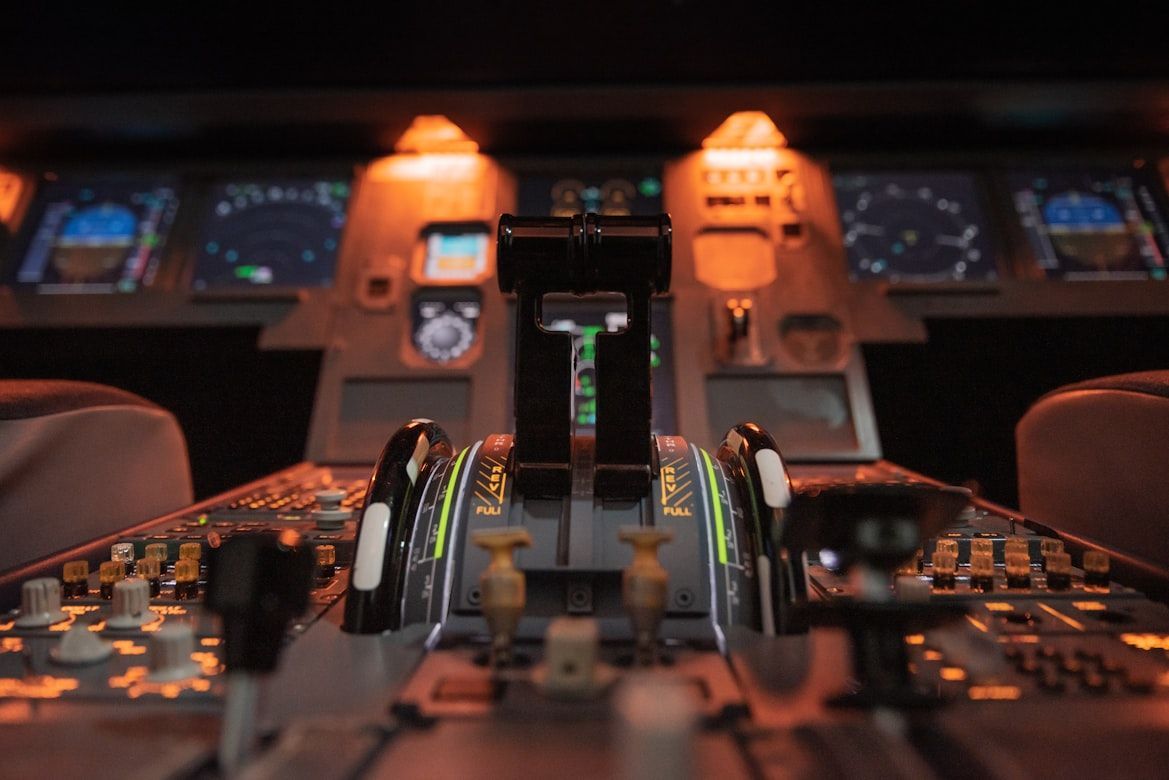
You might assume that, once the plane has reached an appropriate altitude, pilots are chilling in the cockpit with the autopilot on. But that’s not the case. Yes, autopilot is indeed on for 90% of the time, but that doesn’t mean the crew is slacking off.
Actually, autopilot works more like a cruise control on a car; it needs constant supervision. And, still, during critical times like takeoff, landing, and occasional turbulence, the pilot is right there to work the plane manually.
Strict alcohol consumption regulations
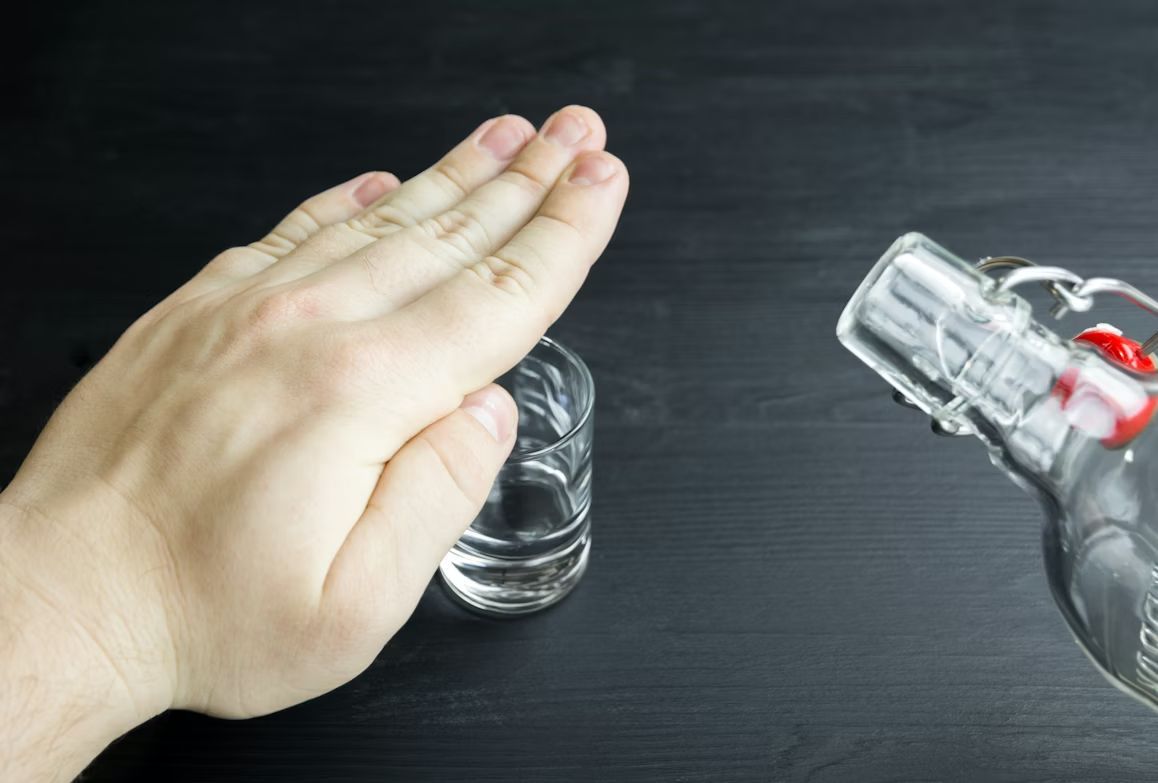
If you’ve ever heard the phrase "eight hours from bottle to throttle," that’s the rule pilots follow when it comes to alcohol. Flying is a precise, demanding, and unforgiving job. That’s why there is zero tolerance for alcohol consumption.
According to guidelines, pilots are not permitted to have even a sip of alcohol within eight hours of flying. Regular tests are carried out to check for alcohol intake, and penalties for positive concentration over 0.04 are immediately removed from duty and referred for education and/or treatment. Alcohol regulations are also strict on passengers, which means the crew could actually prevent a passenger from boarding if they appear to be intoxicated.
Partial fueling
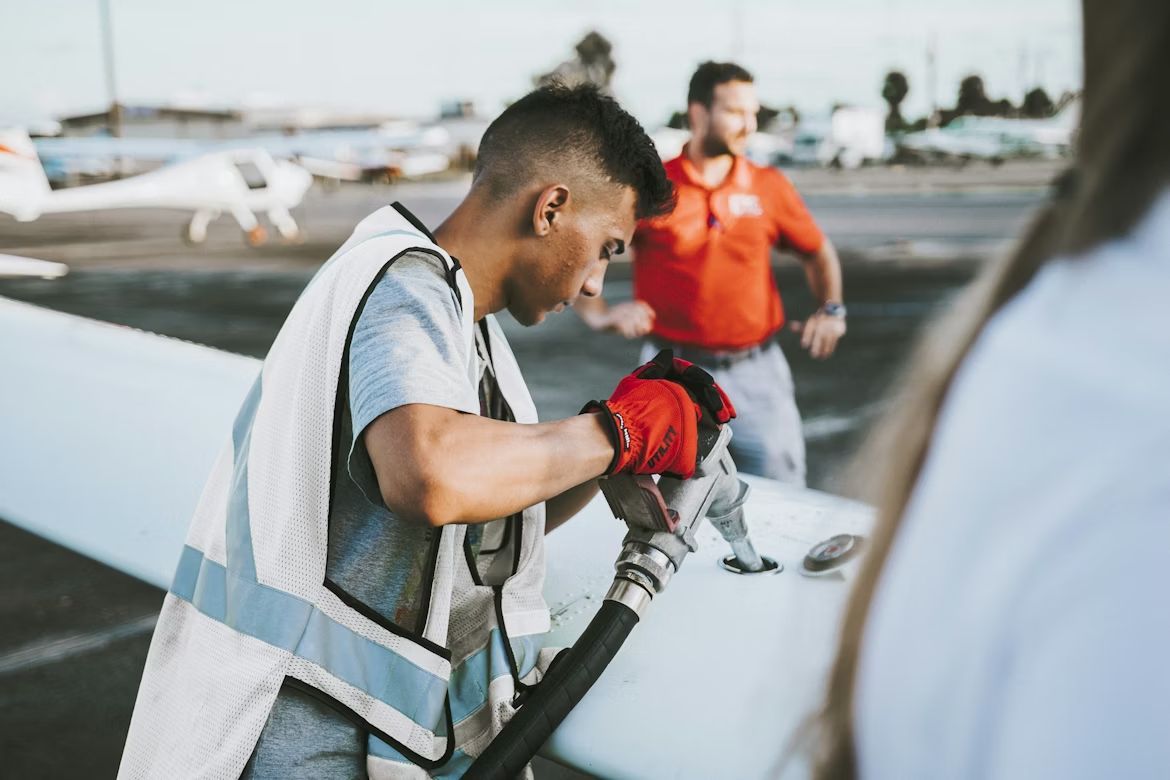
Here’s a mind-boggling fact: Planes rarely fly with a full tank. This is not as troubling as it sounds. Fuel is incredibly heavy, and carrying more than necessary makes the plane less efficient and more expensive to fly.
Instead, the experts calculate the exact amount of fuel needed for the specific route, plus a healthy safety reserve. That way, they reduce weight and save on costs while making sure the plane will land safely.
Flight time and rest regulations
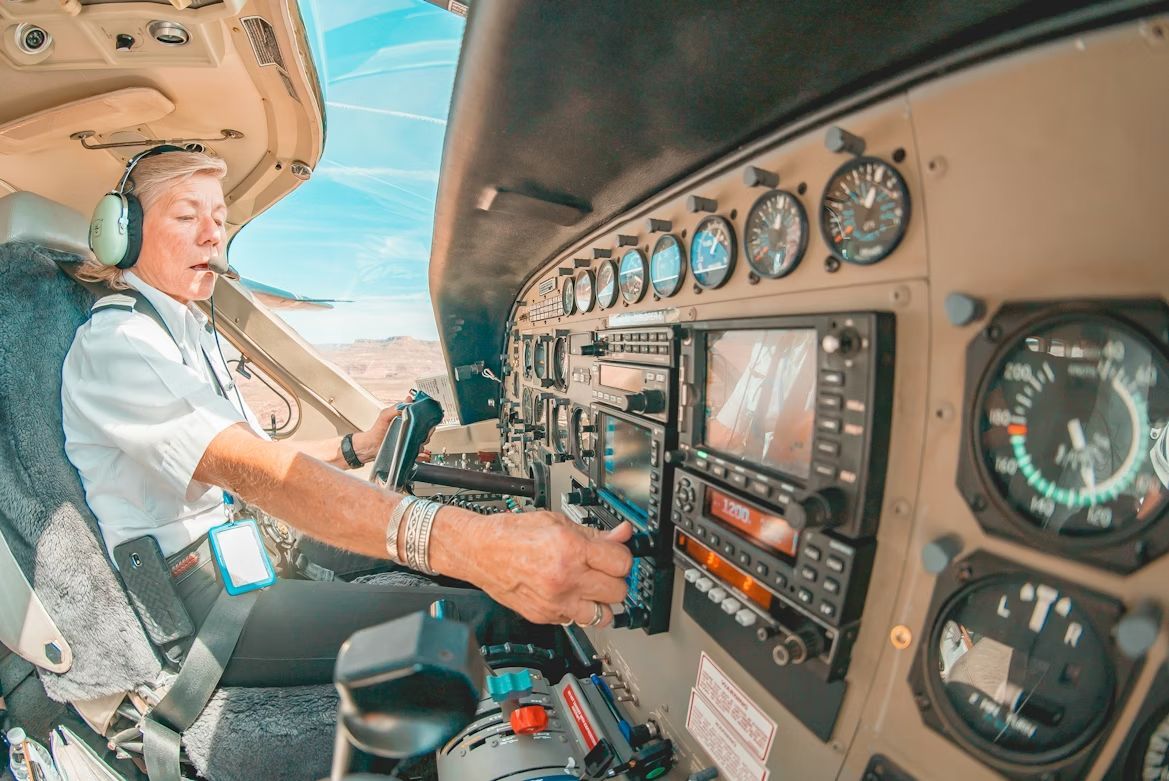
We all get tired after an 8 or 9-hour workday, and pilots are no exception. What is different is that they are responsible for the lives of hundreds of people at a time. So to prevent exhaustion from clouding a pilot’s judgment, the FAA has very strict flight time limitations and rest requirements.
The statute allows pilots to fly for 8 hours within a 24-hour window if they are the sole crew. If there’s a second pilot, that can be extended to 10 hours. Moreover, there is a mandatory rest period that follows the duty time, which usually involves a quiet hotel room and a chance to recharge. We all need a power nap.
Hidden bunks
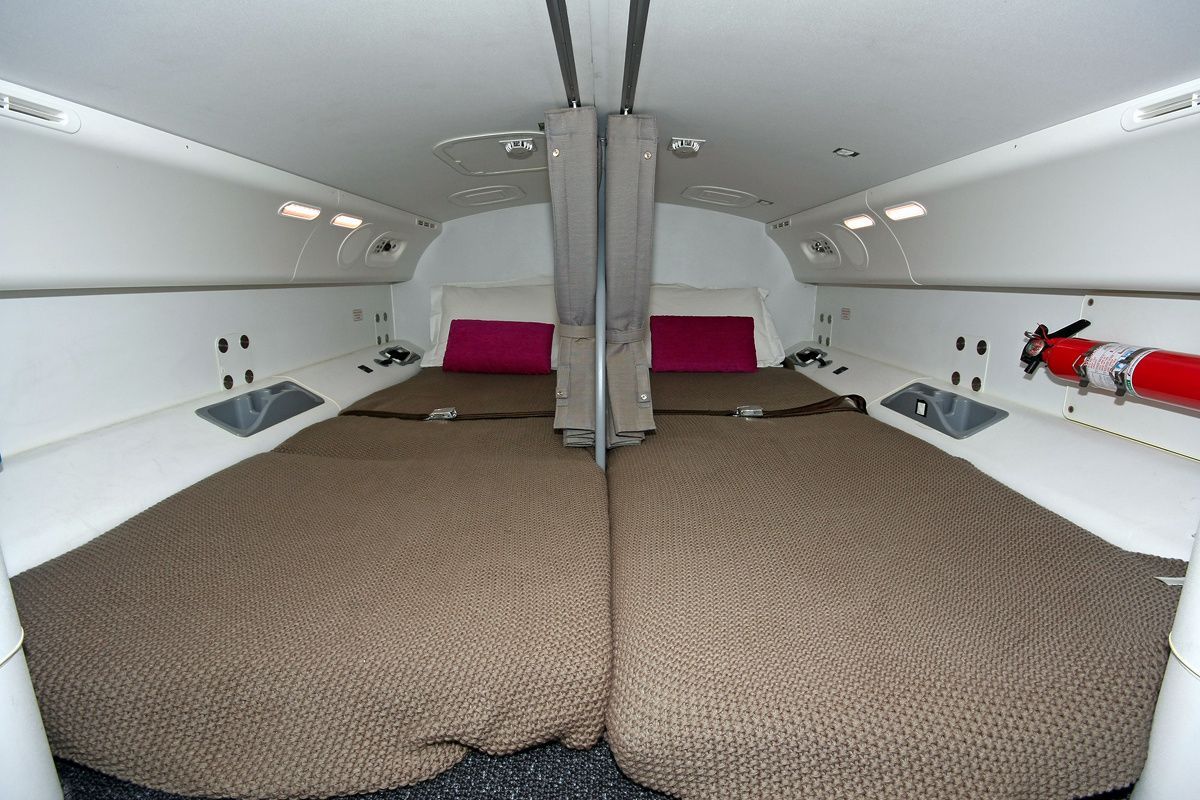
Pilots are extraordinary; they make a machine fly over 35,000 feet for hours. But they are still human and, on long flights —say New York to Tokyo— they need to sleep. But where?
Long-haul aircraft have secret crew rest areas, often located above or below the main cabin, where pilots and crew can sleep during their off-duty shifts. Of course, they take turns, and the cockpit is always occupied by at least one of them.
They send wing signals

Next time you get off a plane, look at the left wing. If it’s upturned, you’re looking at a secret code between the pilots and the technicians.
After landing, they may leave the left wing upturned. It’s how they indicate to the technicians that they noticed something was not quite right with the wings during the flight. It’s a visual cue that ensures the maintenance team knows exactly where to start their inspection the moment the engines shut down.
They greet each other by flashing lights
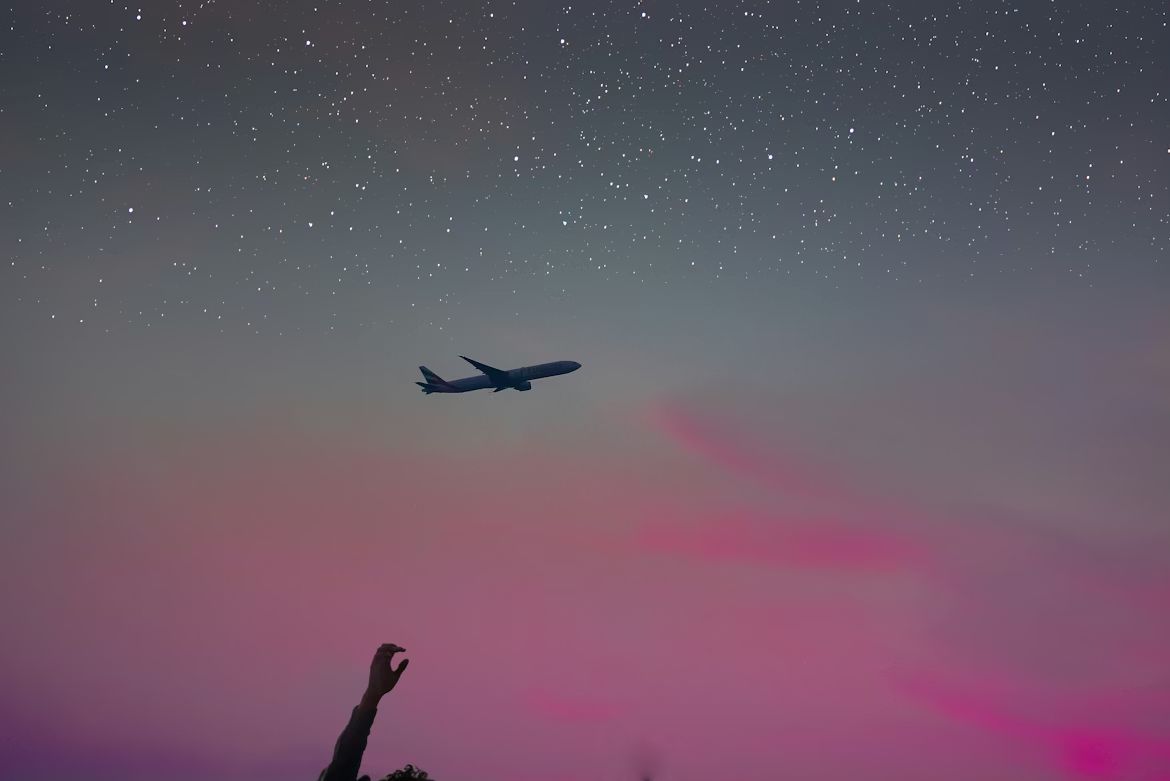
If you’re lucky to get a window seat by the wing, don’t just snap a picture of the view; pay attention. You may catch some light flashes, and that’s the pilot’s way of saying "Hello, I’m here" to another plane.
When two aircraft flying in opposite directions pass each other at night, it is quite common for one or both to briefly turn on their landing lights. This is done partially to say hello and also to increase situational awareness.
Pilots must hold a current medical certificate
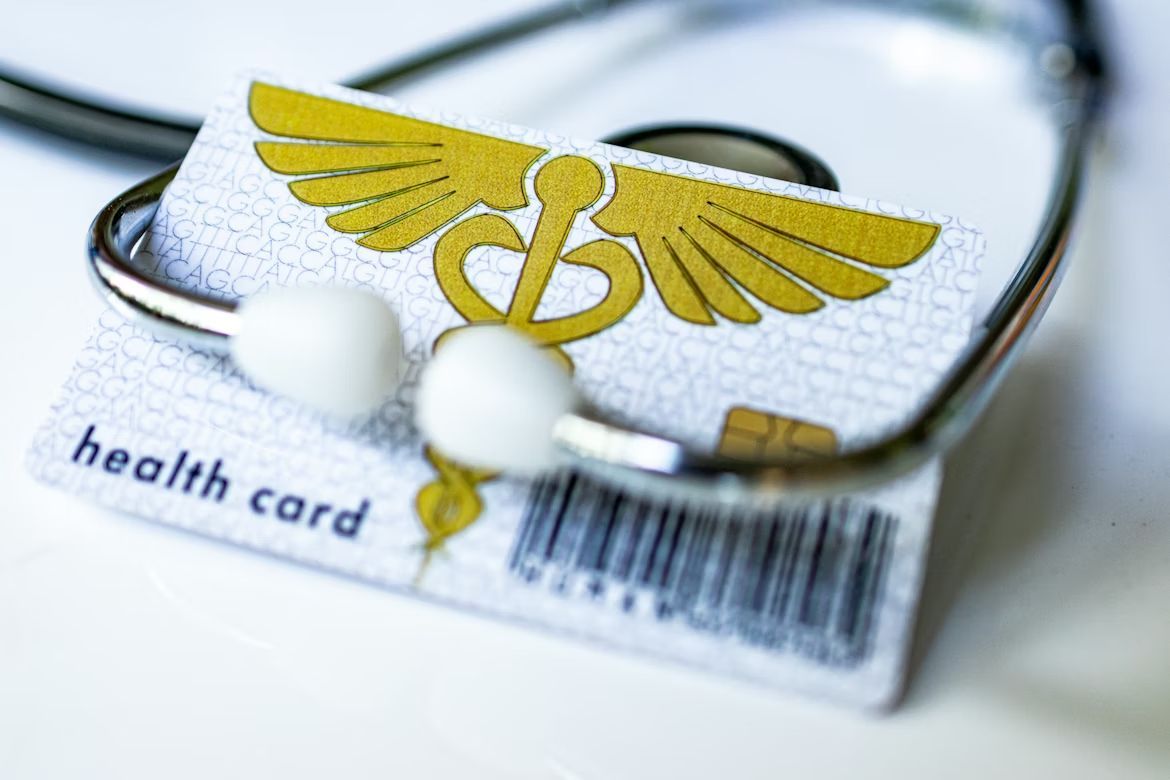
Pilots don’t just train once and call it a day. Being a pilot requires constant health check-ups. Pilots are required to hold a current medical certificate that is renewed every year.
Considering there are different types of flights, certificates are classed —1st is for airline flights, 2nd for commercial flights, or 3rd, for private flights. Airline pilots are required to present medical certificates every 12 months if they are under 40, and every 6 months if they are over 40. This rigorous process ensures the crew is in top-notch shape, year after year.
Keep wandering
There’s always
more to explore
From Death Valley to Hell: The world’s most extreme places
4 min.
Read Now
The one habit that keeps travelers from getting scammed abroad
4 min.
Read Now
The 10 most American dishes that reveal the nation’s roots
5 min.
Read Now
 Culture
Harmless-looking moves that can land tourists in trouble
5 min.
Read Now