Nearly everyone in this town lives in one 14-story building
 General
Home, unusual home
Nearly everyone in this town lives in one 14-story building
Some towns sit atop a fire that has been burning underground for more than 60 years. Others fit nearly every resident inside a single 14-story building. And these are just the beginning. Across the globe, there are places where the rules of everyday life look very different from what most of us grew up with, shaped by extreme landscapes, surprising history, and the people stubborn (or brave) enough to call them home. Scroll down to meet the places that will change how you picture a "hometown."
Whittier, Alaska: Almost everyone lives in the same building
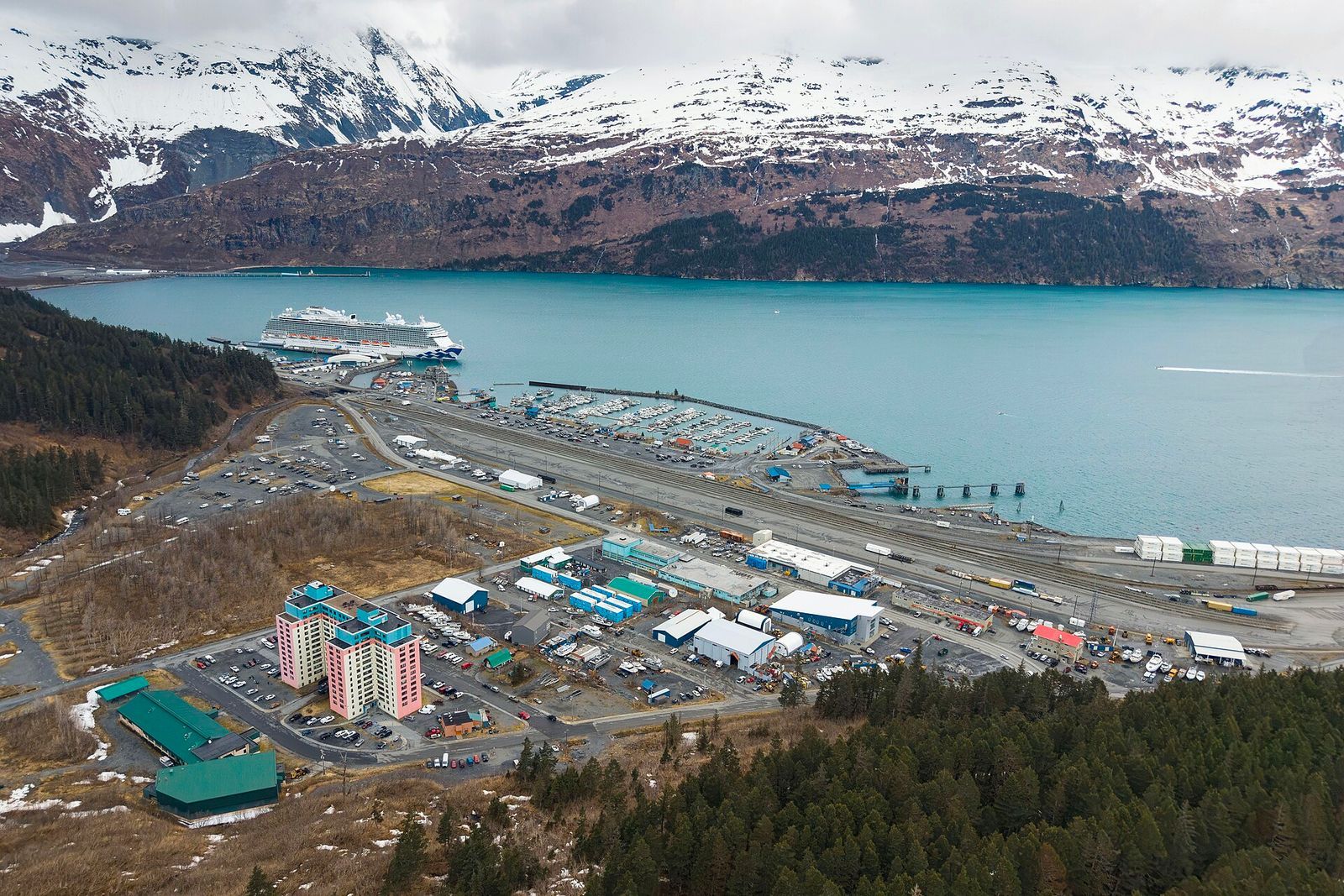
Imagine living in a town where your neighbors, the local post office, and even some public services are all just an elevator ride away. Whittier, a small coastal community in Alaska, has around 275 year-round residents, and roughly 80% to 90% live in Begich Towers, a 14-story building originally built for military personnel during World War II.
The building makes daily life particularly convenient in a place known for its remote location and harsh weather. Many residents can reach essential services without spending much time outdoors, and the local school is just across the street. Getting in and out of town is unusual, too: a road-and-rail tunnel through a mountain connects Whittier to the rest of Alaska, operating on a schedule shared by cars and trains. Could you imagine having almost everything you need under one roof, without ever having to go far from home?
Coober Pedy, Australia: A city underground
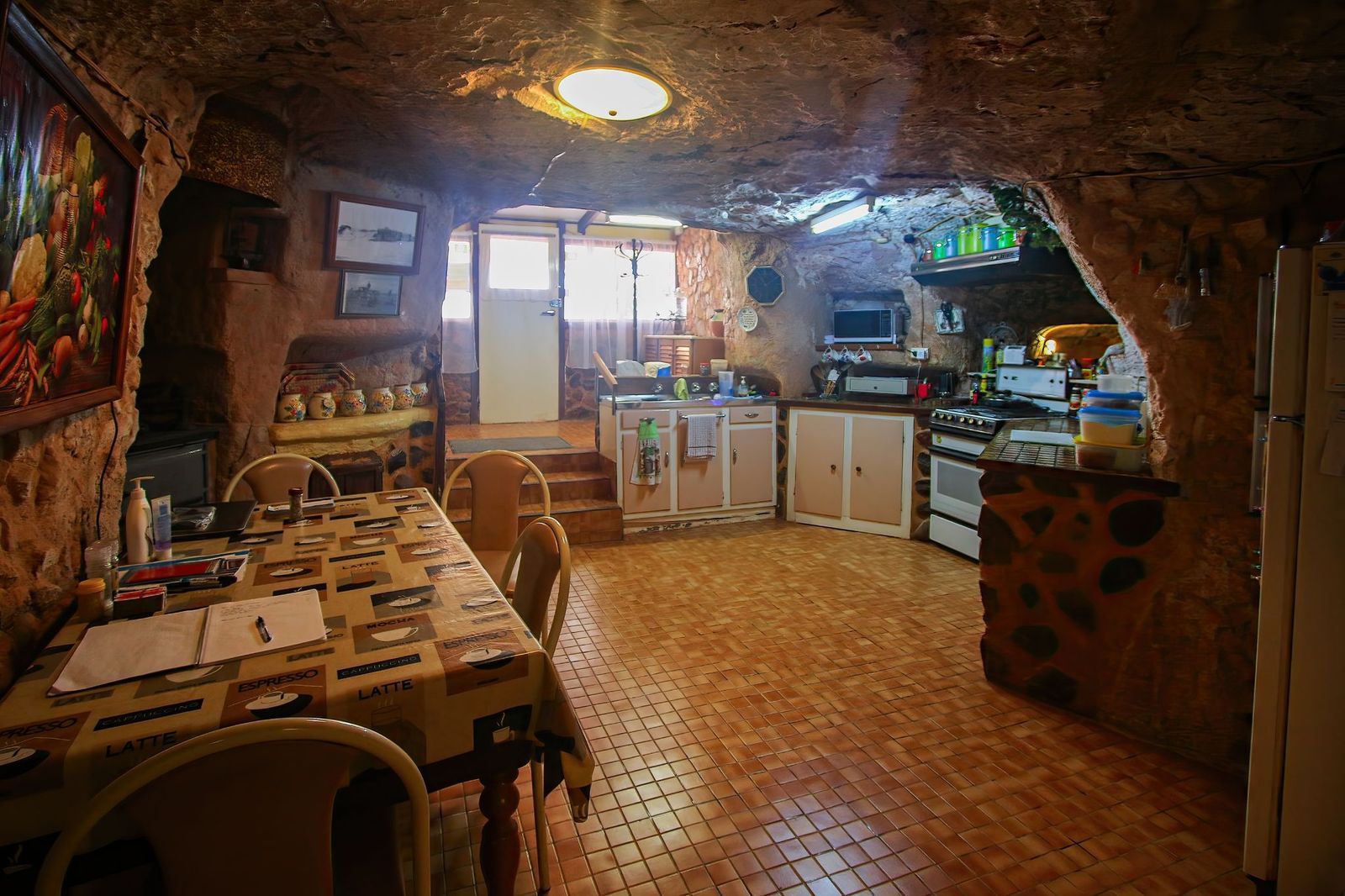
In the Australian Outback, where summer temperatures can become intense, some residents have found an unconventional way to stay comfortable: they live underground. Coober Pedy is famous for its dugouts, homes, and other spaces excavated into the hillsides. From the outside, these dwellings may look like ordinary holes in the ground, but inside, many have bedrooms, kitchens, bathrooms, and comfortable living areas.
Living underground helps residents escape the Outback’s extreme heat. Coober Pedy is also famous for opal mining, which draws people from around the world. Visitors can explore underground churches, museums, and hotels in a town that feels unlike anywhere else in Australia.
Yakutsk, Russia: A city built on permafrost
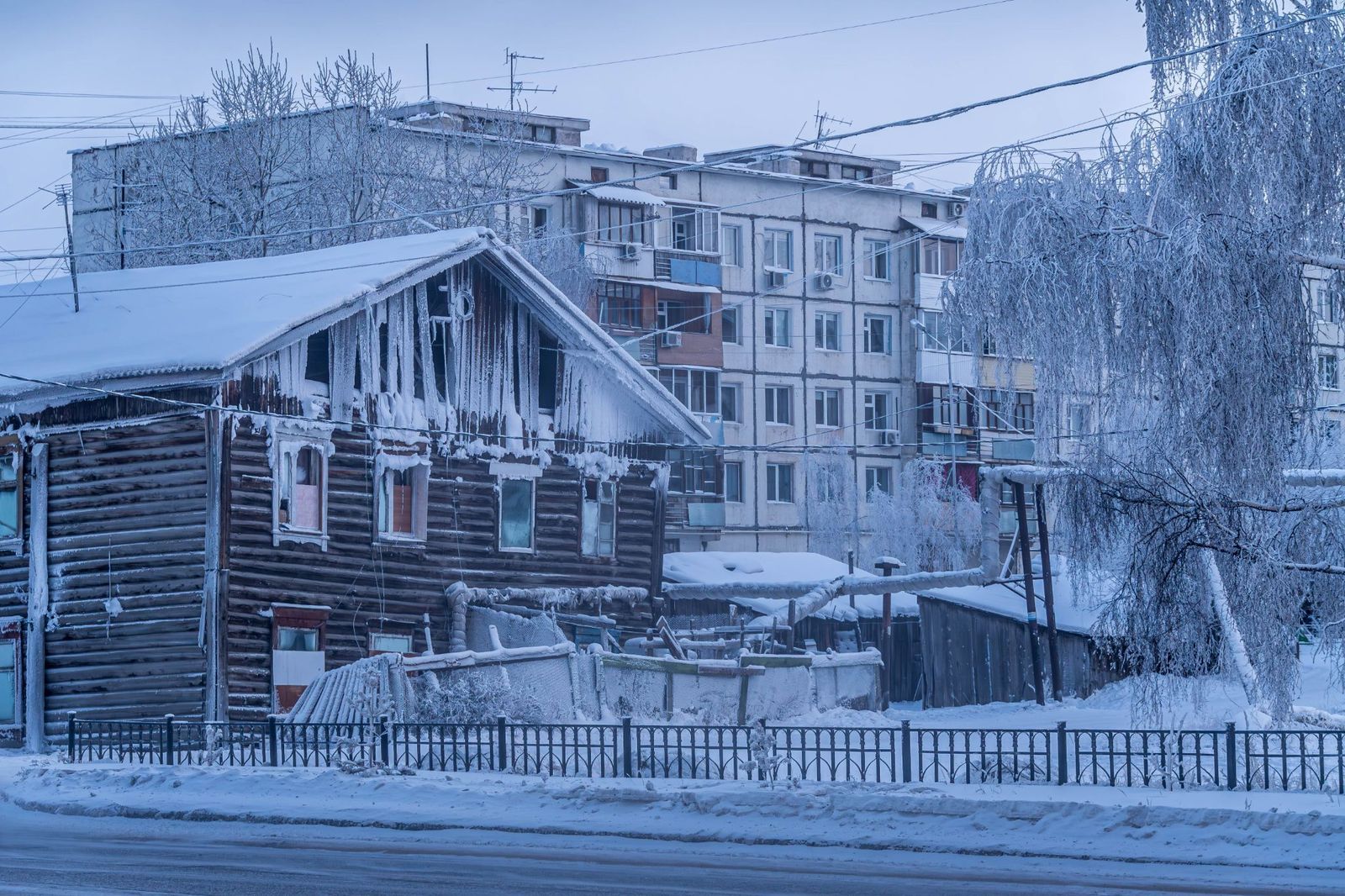
Winter in Yakutsk, eastern Siberia, is brutally cold, with temperatures sometimes dropping below minus 40 degrees Fahrenheit. Yet thousands of people call the city home, and daily life goes on through the long winter, with schools, shops, and businesses staying open despite the freezing conditions.
One of the biggest challenges lies beneath the streets. The ground in this region remains frozen year-round in many places, a condition known as permafrost. Buildings must be designed to avoid transferring too much heat into the frozen soil, which could thaw and destabilize their foundations. As a result, many structures stand on elevated supports rather than resting directly on the ground. In Yakutsk, engineering around the frozen earth is an essential part of urban life.
Auroville, India: A city designed to belong to no country
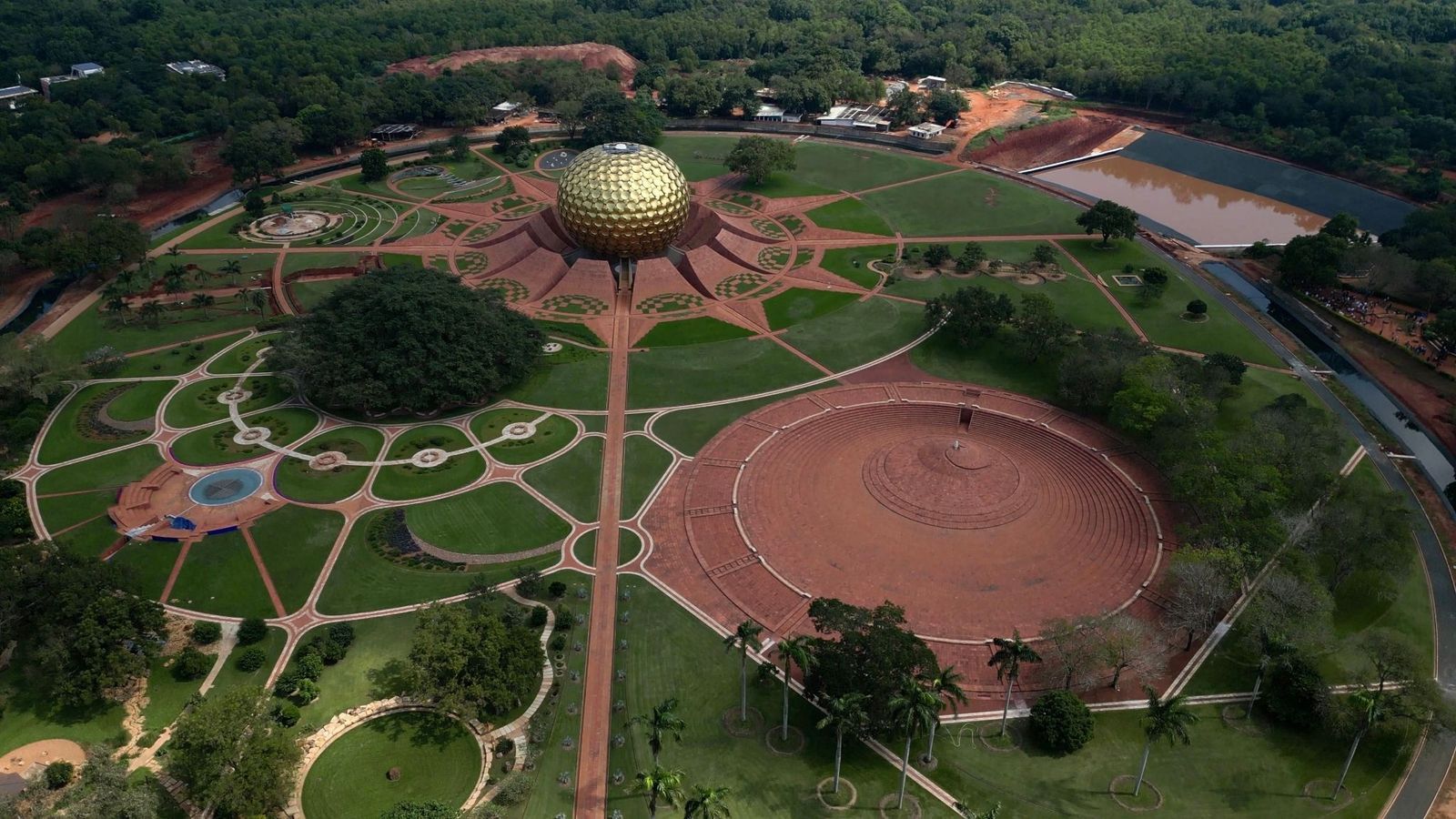
Founded in 1968 in Tamil Nadu, southern India, Auroville was created around an unusual idea: a community where people from different countries could live and work together, putting human unity ahead of national identity. Its founding charter, written by spiritual leader Mirra Alfassa, states that Auroville belongs to humanity as a whole, rather than to any one person or nation.
Auroville is part of India, but its international community brings together people from dozens of countries who share a vision of living and working together. Residents take part in farming, education, and sustainability projects. The community’s best-known landmark is the Matrimandir, a striking golden sphere surrounded by greenery.
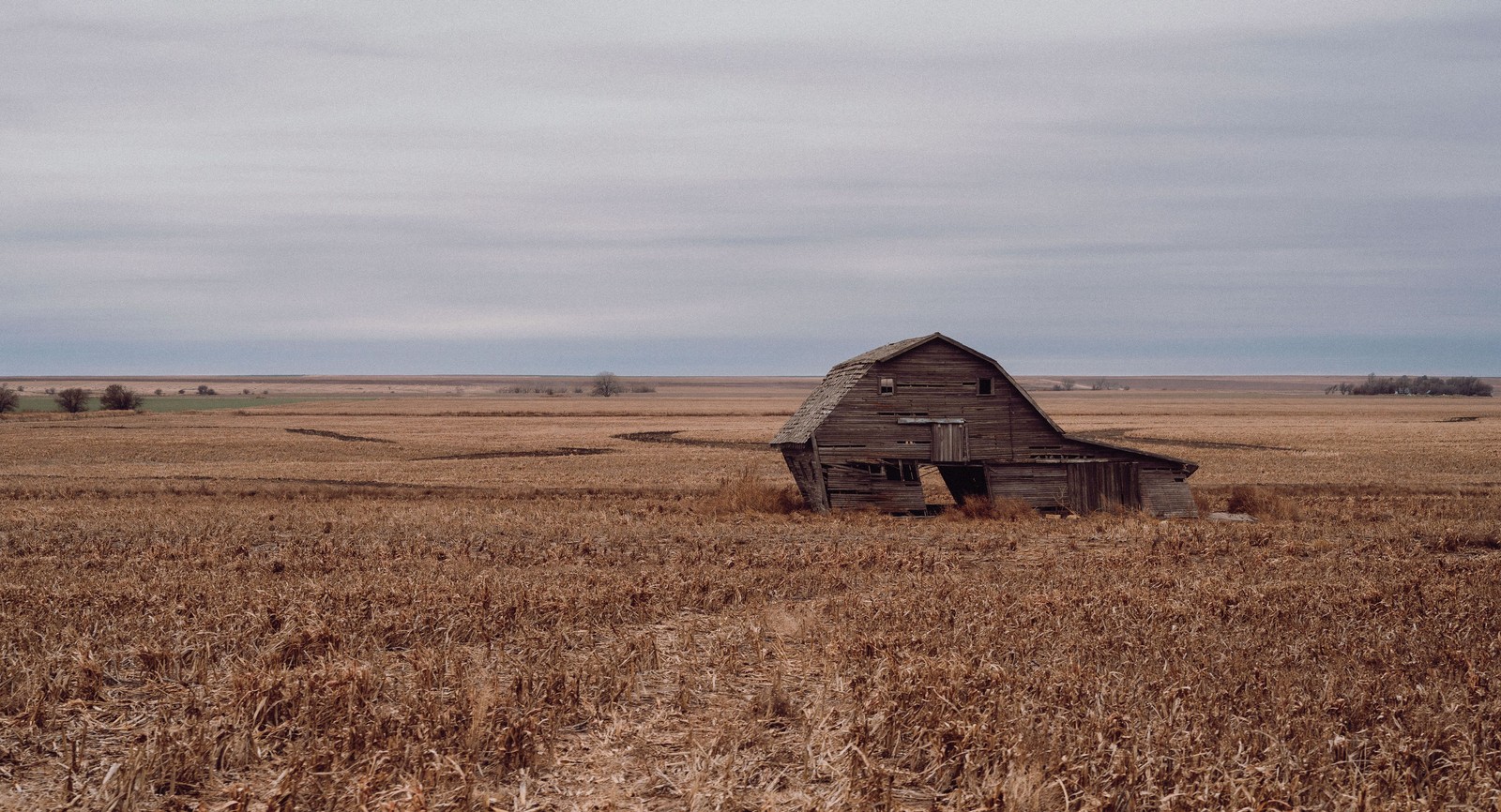
Monowi, Nebraska: A town with only one resident
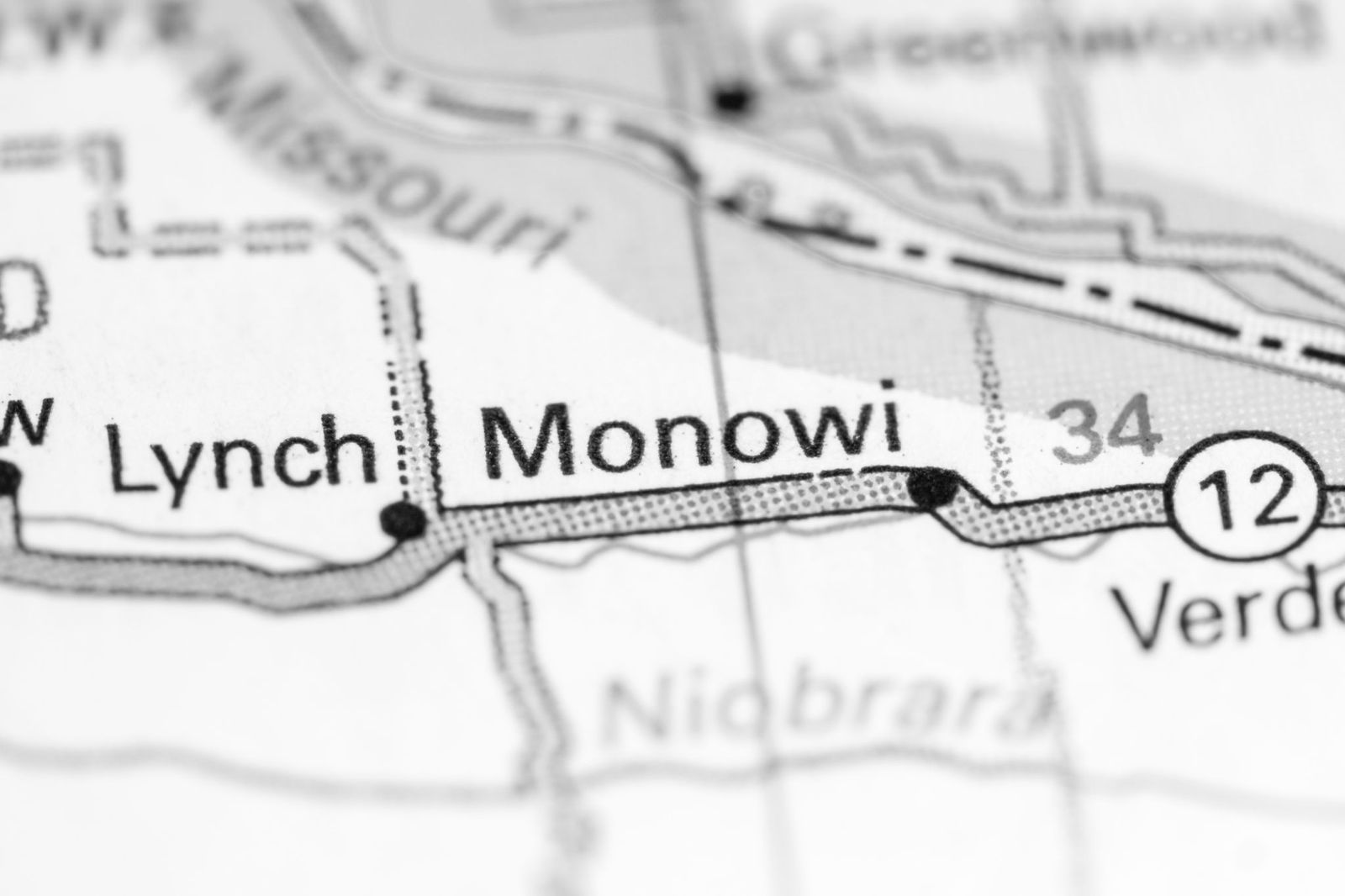
In Monowi, Nebraska, one woman wears several hats: mayor, librarian, and bar owner. Elsie Eiler is the town's only resident, after decades of population decline led nearly everyone else to leave. Like many small rural communities, Monowi gradually lost residents as people moved elsewhere for work and other opportunities.
So, what does a town of one look like? Eiler runs the Monowi Tavern, which attracts visitors passing through the area, and maintains Rudy's Library, a collection of thousands of books named after her late husband. She also handles the town's official paperwork, including the permits and taxes needed to keep its local government running. Although Monowi has no other permanent residents, it hasn't disappeared entirely: curious travelers still stop by to see this one-of-a-kind place.
Have you ever thought what your daily life would look like if you were the only person who called your town home?
Centralia, Pennsylvania: The town sitting above an underground fire
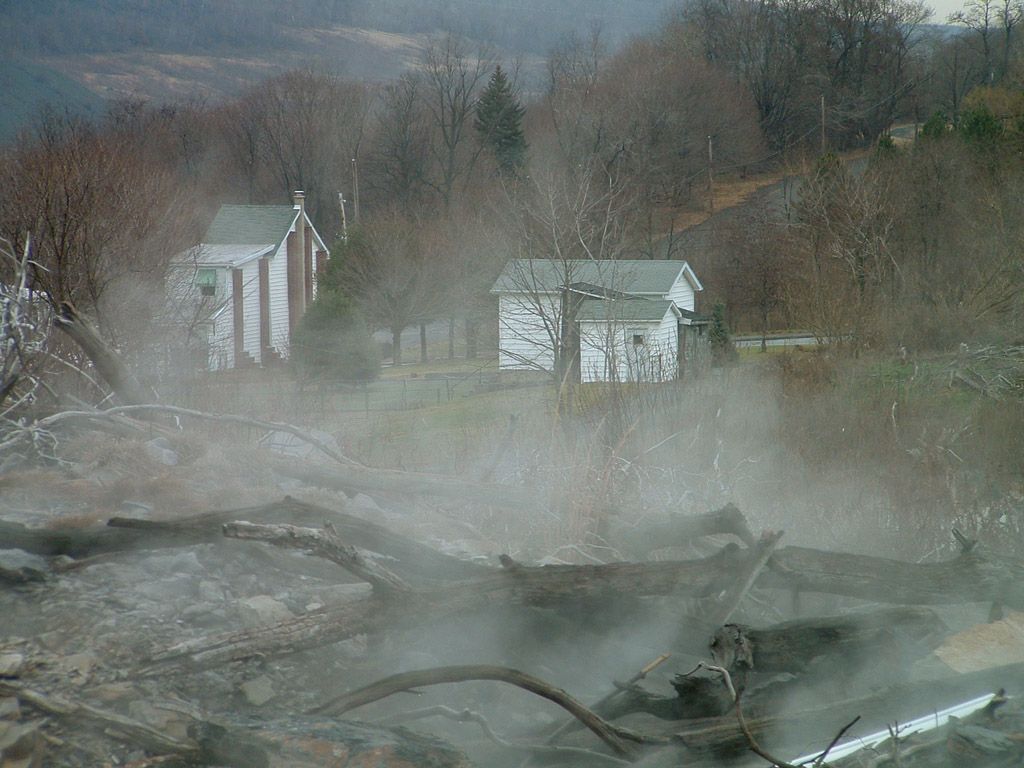
Centralia, Pennsylvania, was once a small mining town where coal was a major source of jobs. In 1962, a fire ignited in a landfill and spread into an abandoned coal mine beneath the town. The problem was that the underground tunnels contained plenty of coal to keep the fire going. Once it spread through the network of mines, putting it out became extremely difficult.
The fire has continued burning underground for decades, moving through coal deposits that are difficult to reach directly. At the surface, residents began dealing with smoke, dangerous gases, and ground that could become unstable as the fire spread below. Most people eventually left, and the government bought out many properties to relocate residents. Today, Centralia has almost no permanent population, and the underground fire remains a reminder of how a seemingly ordinary fire can change a town forever.
Arviat, Canada: An Arctic community where trees are scarce
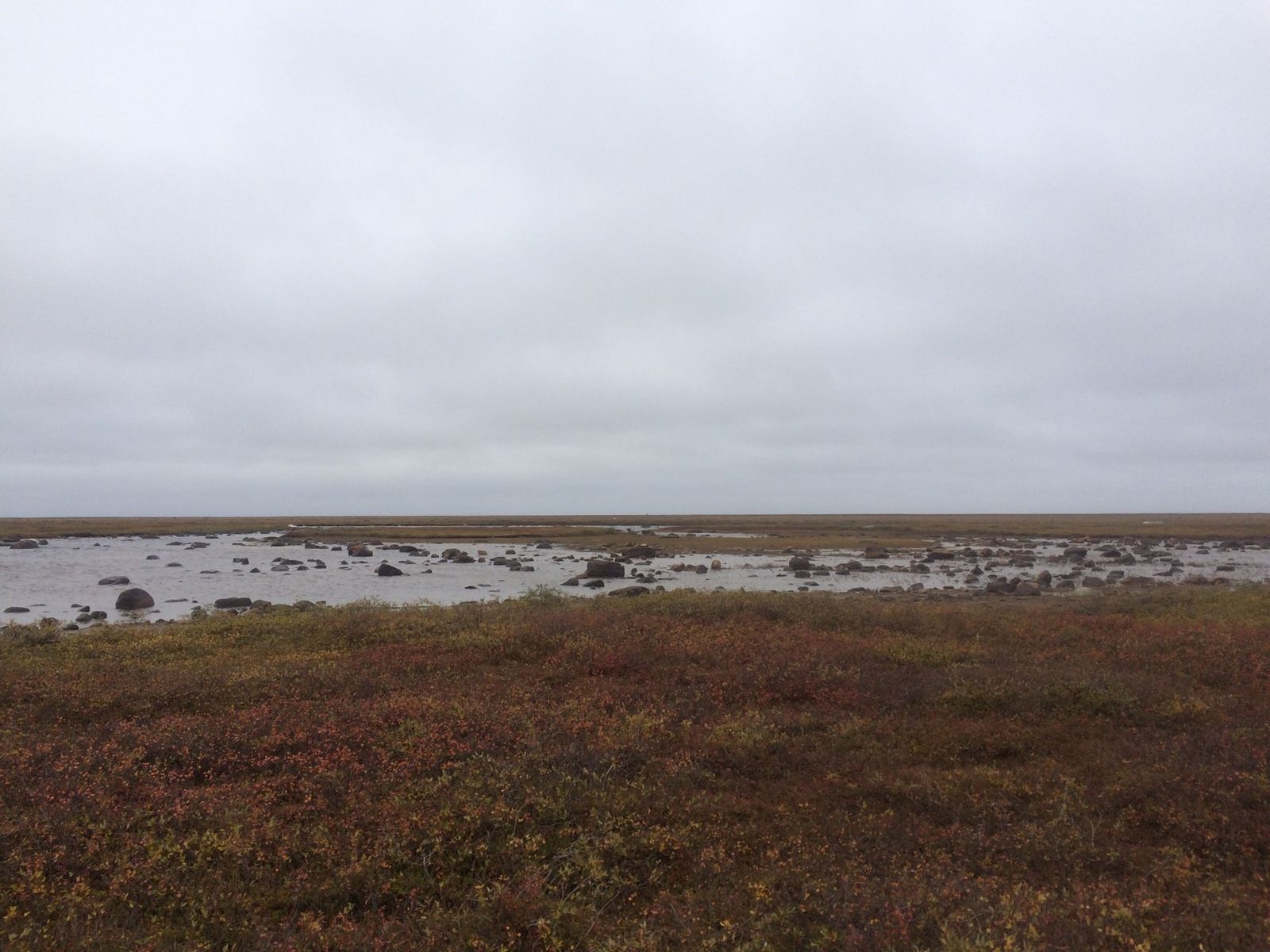
Arviat, a community in Nunavut, Canada, looks nothing like the forested landscapes many people picture when they think of North America. Trees are almost nowhere to be seen. Located in the Arctic tundra along Hudson Bay, Arviat is surrounded by miles of flat, open land covered in grasses, mosses, and low-growing plants. The ground stays frozen for much of the year, and the short summers don't give trees enough time to grow.
For Arviat’s Inuit residents, life without forests is nothing unusual. Hunting and fishing have long been part of the community’s way of life, and caribou and Arctic foxes roam the surrounding tundra. With no tree-lined streets or wooded areas, the landscape opens up into a vast stretch of land beneath the sky.
Utqiaġvik, Alaska: A city where the sun disappears for months
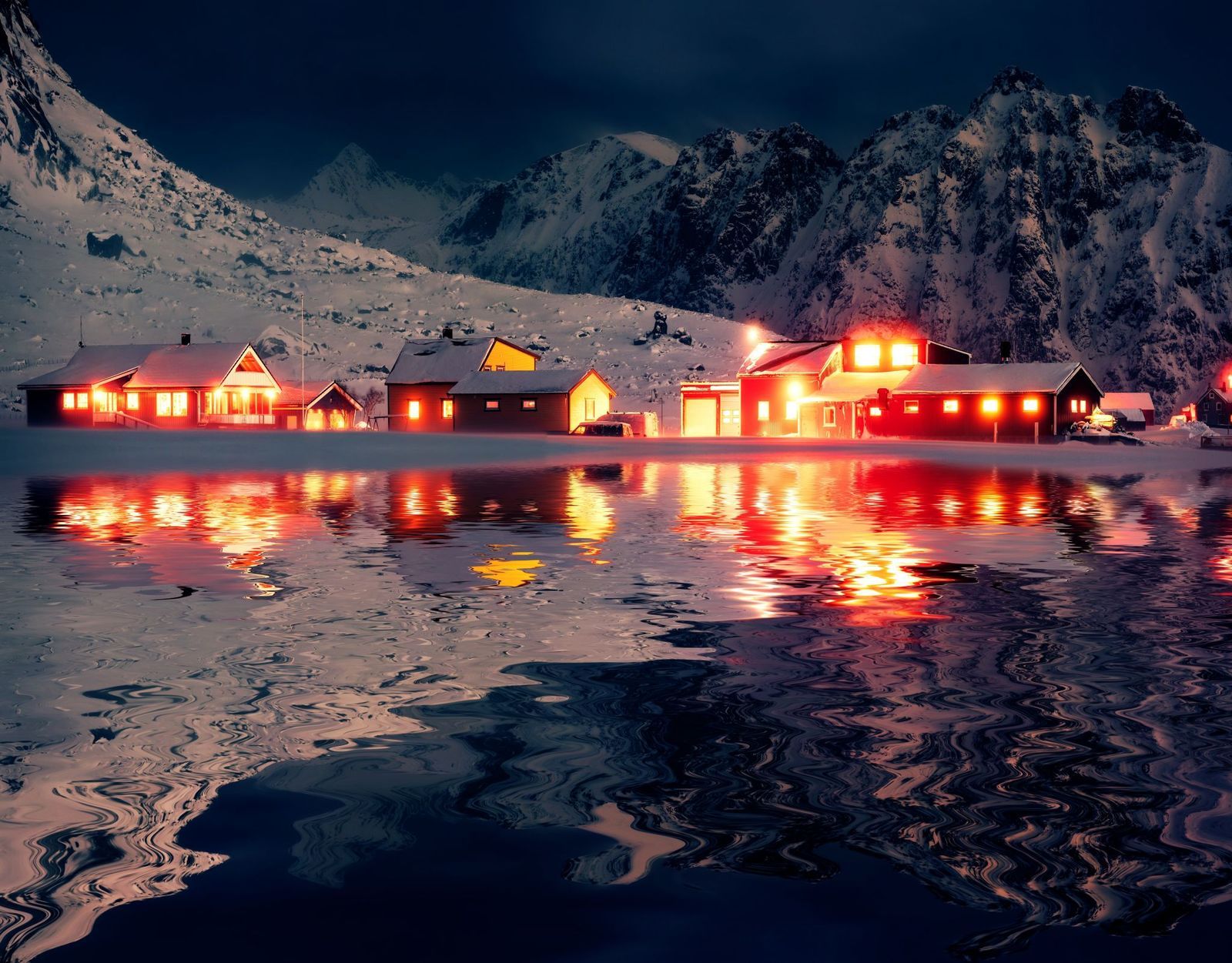
Imagine going to bed in November and knowing that the sun will not rise above the horizon again for weeks. That's part of life in Utqiaġvik, Alaska, the northernmost community in the United States. Because of its location above the Arctic Circle, the city experiences a phenomenon known as polar night, when the sun remains below the horizon throughout the day. This period typically lasts from mid-November until late January.
Even during the polar night, the sky can glow with shades of blue and pink around midday. Summer brings the opposite extreme: the sun stays up for weeks, a phenomenon known as the midnight sun. For the Iñupiat people, who have lived in the region for generations, these dramatic seasonal changes have long been part of life in the Arctic.
Nördlingen, Germany: A city inside a meteorite crater
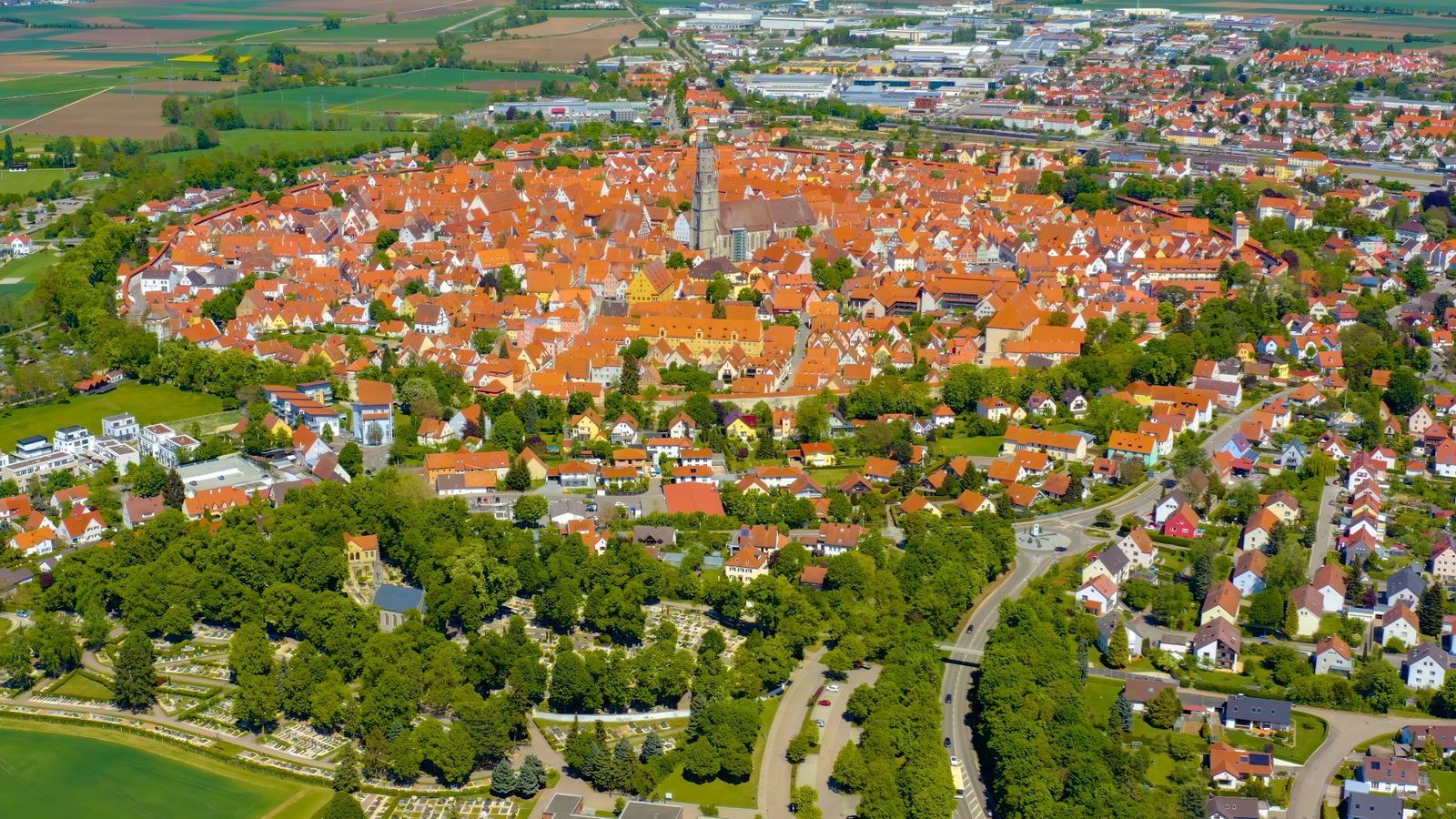
Nördlingen looks like a typical historic German town, with traditional buildings and medieval walls. But around 15 million years ago, a meteorite struck the area, creating a crater about 15 miles wide. The town was later built right inside it.
The impact left behind a rock called suevite, which residents used to build their homes without knowing its unusual origins. Today, Nördlingen’s circular layout and medieval walls make it a charming place to visit, while its connection to an ancient meteorite gives it a story unlike most European towns.
Jakarta, Indonesia: The city that is sinking
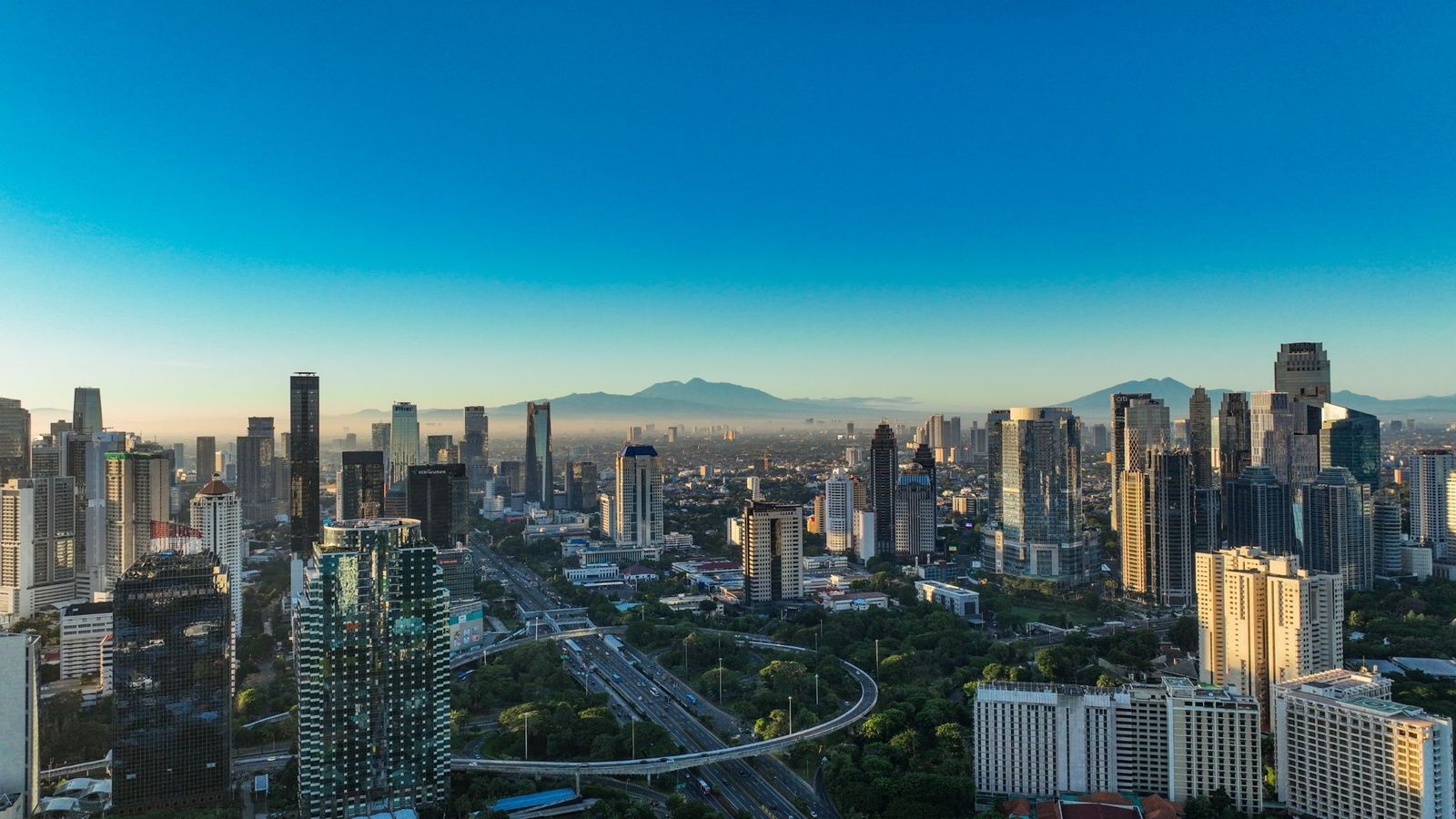
Jakarta, Indonesia's sprawling capital, faces a serious problem: parts of the city are sinking into the ground. In northern Jakarta, excessive groundwater extraction has caused the land to sink, while rising sea levels and frequent flooding make matters worse.
Indonesia is developing a new capital, Nusantara, on the island of Borneo, but Jakarta remains the country's main economic hub. Efforts to protect its millions of residents include better flood defenses and water management. With parts of the city sinking, Jakarta faces a growing challenge in keeping its streets and neighborhoods above water.
Why were car tailfins so trendy in the 50s?
Behind the wheel
Cruise control was invented by a blind man: 10 car stories you never knew
Did you know cruise control was invented by a man who couldn't see? Or that cars weren’t required to come with seatbelts until 1968? Cars are such a big part of everyday life that we rarely stop to ask how certain features came to be. Some answers are surprising, like the carmaker that handed its best safety design to its rivals for free. Here are the stories behind some of the things we now take for granted on the road.
The blind engineer behind cruise control

When Ralph Teetor was about six years old, he hurt his eyes in a knife accident and lost his sight. But this accident didn’t stop his ingenuity. At 12, he made a car using an engine from his father's machine shop. And in 1912, he graduated in mechanical engineering from the University of Pennsylvania.
Around 1936, he was a passenger riding with his patent lawyer, Harry Lindsey, who had the habit of slowing down when talking and speeding up when listening. Those rough movements annoyed Teetor enough that he decided to fix the problem. After 10 years, he created what’s now known as cruise control. He got the patent in 1950. In 1958, Chrysler put it in its Imperial, New Yorker, and Windsor models, with the name "Auto-Pilot." Cadillac later named it "Cruise Control," and that one stuck.
Why seatbelts weren't required until 1968
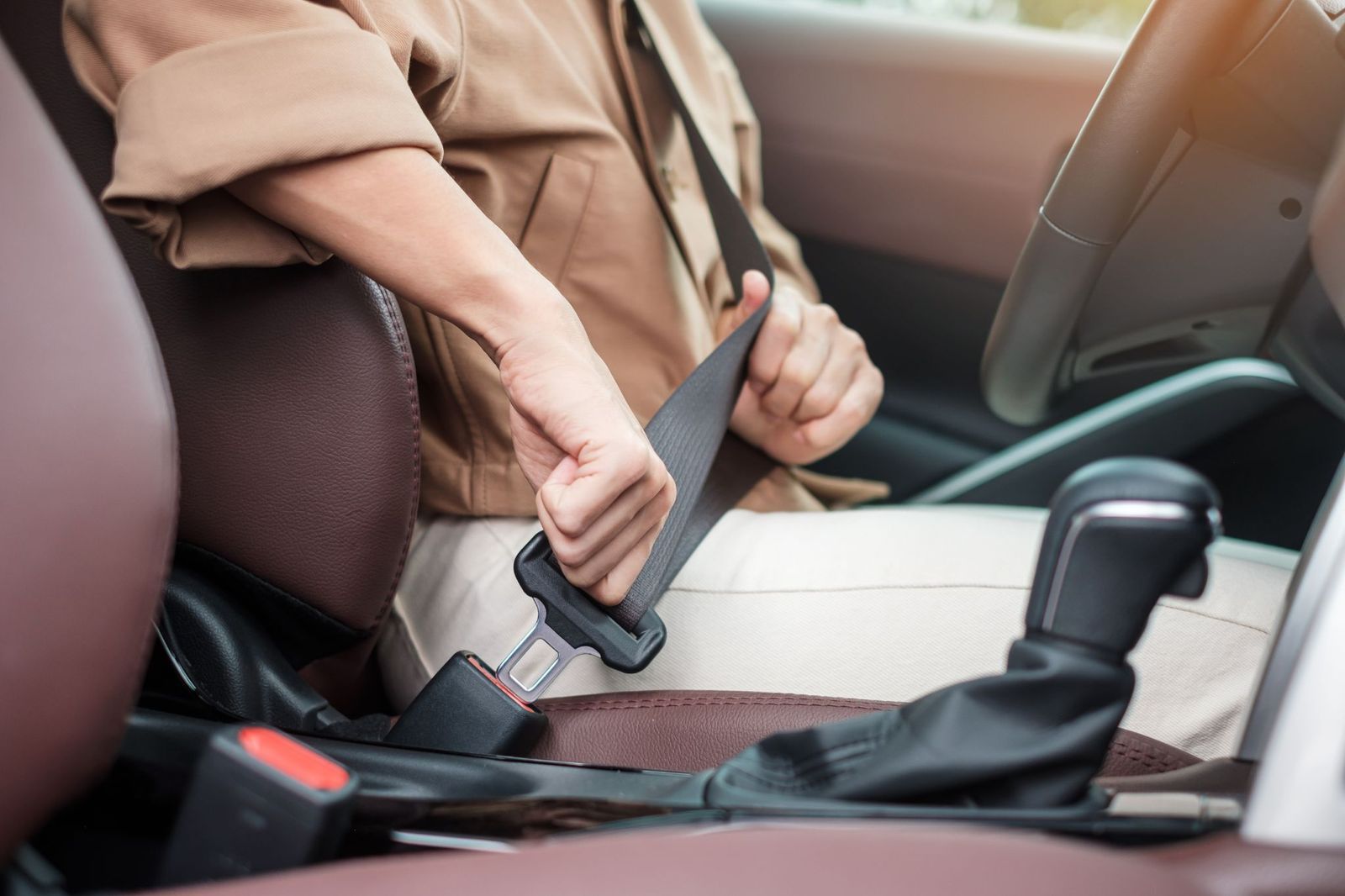
Seatbelts weren't very popular at first. Some car companies, such as Nash and Ford, offered them in their 1956 "Lifeguard" safety package, but only about one in five buyers ordered them.
Everything changed when President Lyndon B. Johnson signed the National Traffic and Motor Vehicle Safety Act in 1966. Under this law (starting on January 1, 1968), every new car had to have seatbelts, including lap-and-shoulder belts in the front seats next to the doors.
However, having seatbelts in the car didn't mean people wore them. That came later, in the 1980s. Because too many people were still dying in car accidents, New York stepped up and became the first state to make buckling up the law. It worked: more people started wearing their belts, and other states and countries soon followed.
Why Volvo gave away its seatbelt design for free
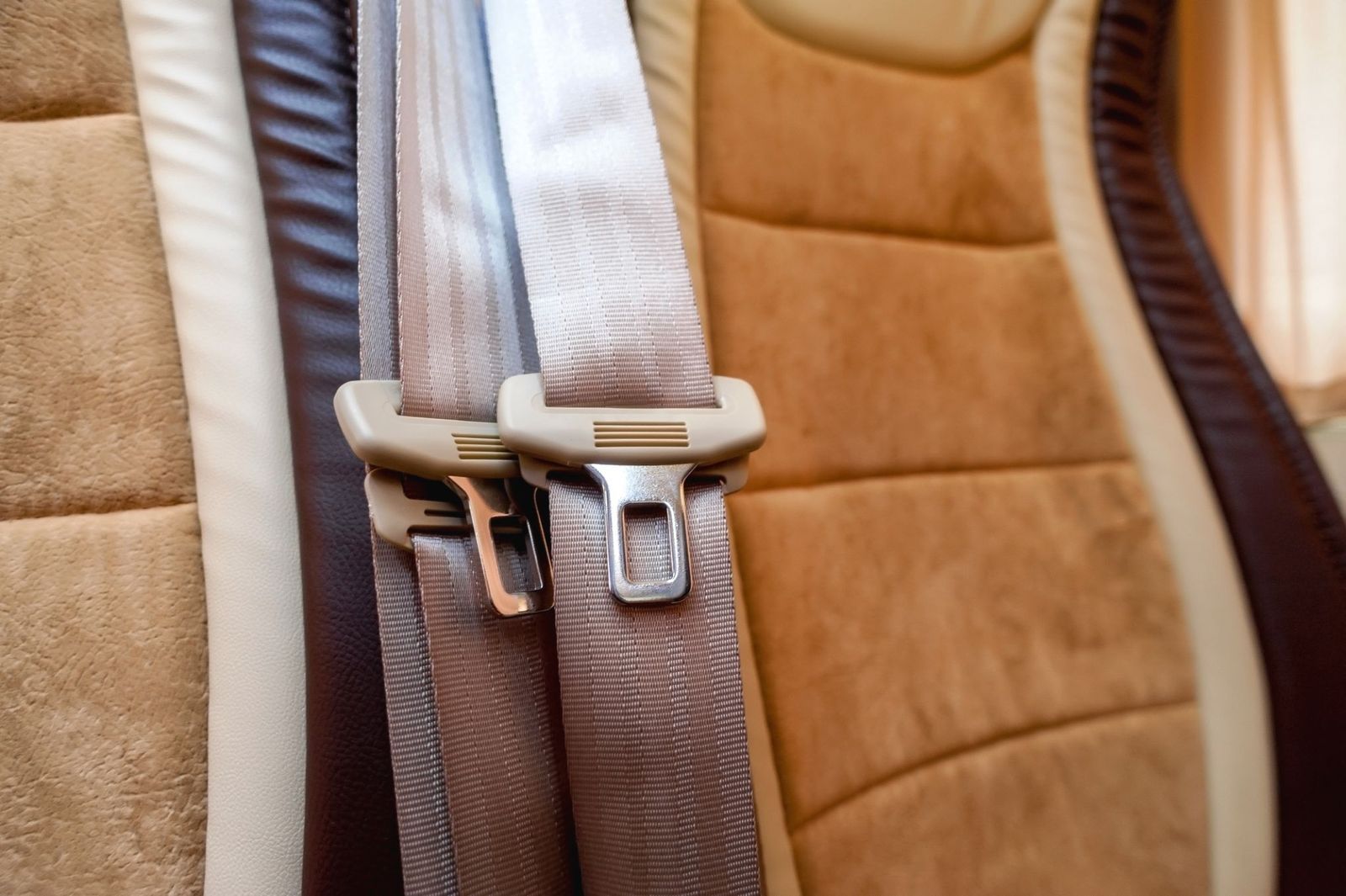
Did you know that the car seatbelts we use every day first appeared in 1959? They were designed by Swedish engineer Nils Bohlin, who, before cars, designed ejection seats for airplanes. In 1958, he joined the Swedish carmaker Volvo and created the three-point belt. It combined a lap belt and a shoulder belt, joined at one low point beside the seat, so it held both the upper and lower body in place during a crash. It was also simple enough to buckle with one hand.
The design was patented; still, Volvo made a surprising choice: it let other car companies use it for free, because it believed safety mattered more than profit. The company now estimates the three-point belt has saved at least one million lives worldwide.
How the first drive-in movie theater started in 1933

Richard Hollingshead came up with the idea for the first drive-in movie theater because his mother, who was overweight, had trouble fitting into regular theater seats. He was a sales manager at his family's auto parts company in Camden, New Jersey, and he started testing the idea in his driveway. He set a 1928 Kodak projector on the hood of his car, nailed a sheet to some trees for a screen, and put a radio behind it for sound. He even turned on his lawn sprinkler to see how a movie would look in the rain.
Once he had it all figured out, he patented his design in May 1933. A few weeks later, he opened the Park-In Theater in nearby Pennsauken. It cost about $30,000 to build it, and tickets cost 25 cents per car and 25 cents per person. The sound came from large speakers near the screen. Families loved it, and by the late 1950s there were about 4,000 drive-ins across the country.
Why 1950s cars had tailfins
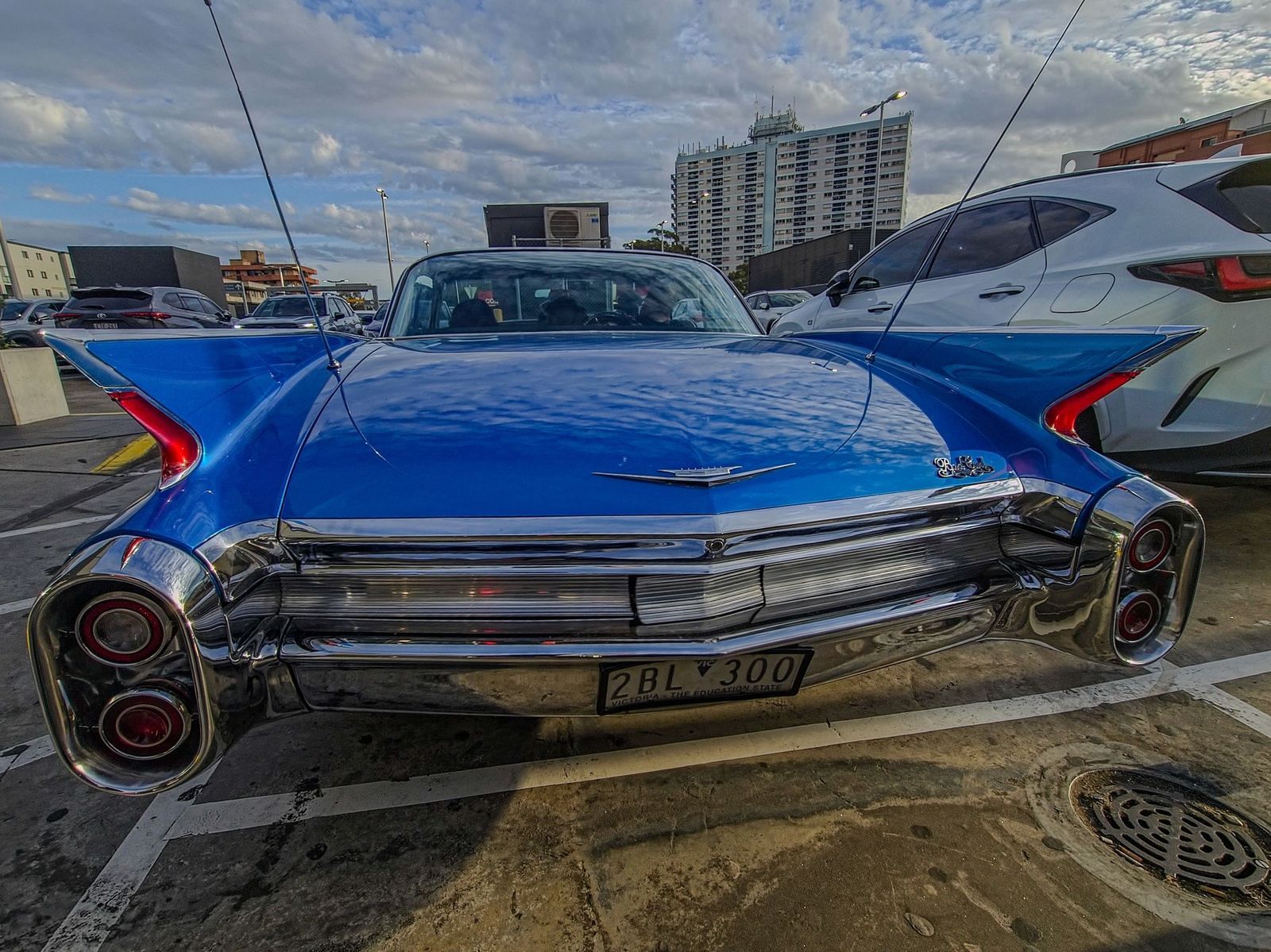
The 1950s were a decade when aviation and space travel were all the rage, so car manufacturers didn't miss the chance to jump on that trend. How? They added tailfins as a decorative feature at the back of their cars. Some companies claimed the fins were aerodynamic and helped keep cars steady on the road, but they were really just for looks.
Cadillac, operated by General Motors, became the most iconic car with this feature. Its sweeping fins stood for speed, futuristic rocket ships, and postwar American prosperity. Soon Chrysler and Ford joined in, and the three companies started a styling "arms race," adding bigger and bigger fins to stand out in the market. Critics later pointed out that the sharp fins could be dangerous for pedestrians and cyclists
Why the steering wheel is on the left in America
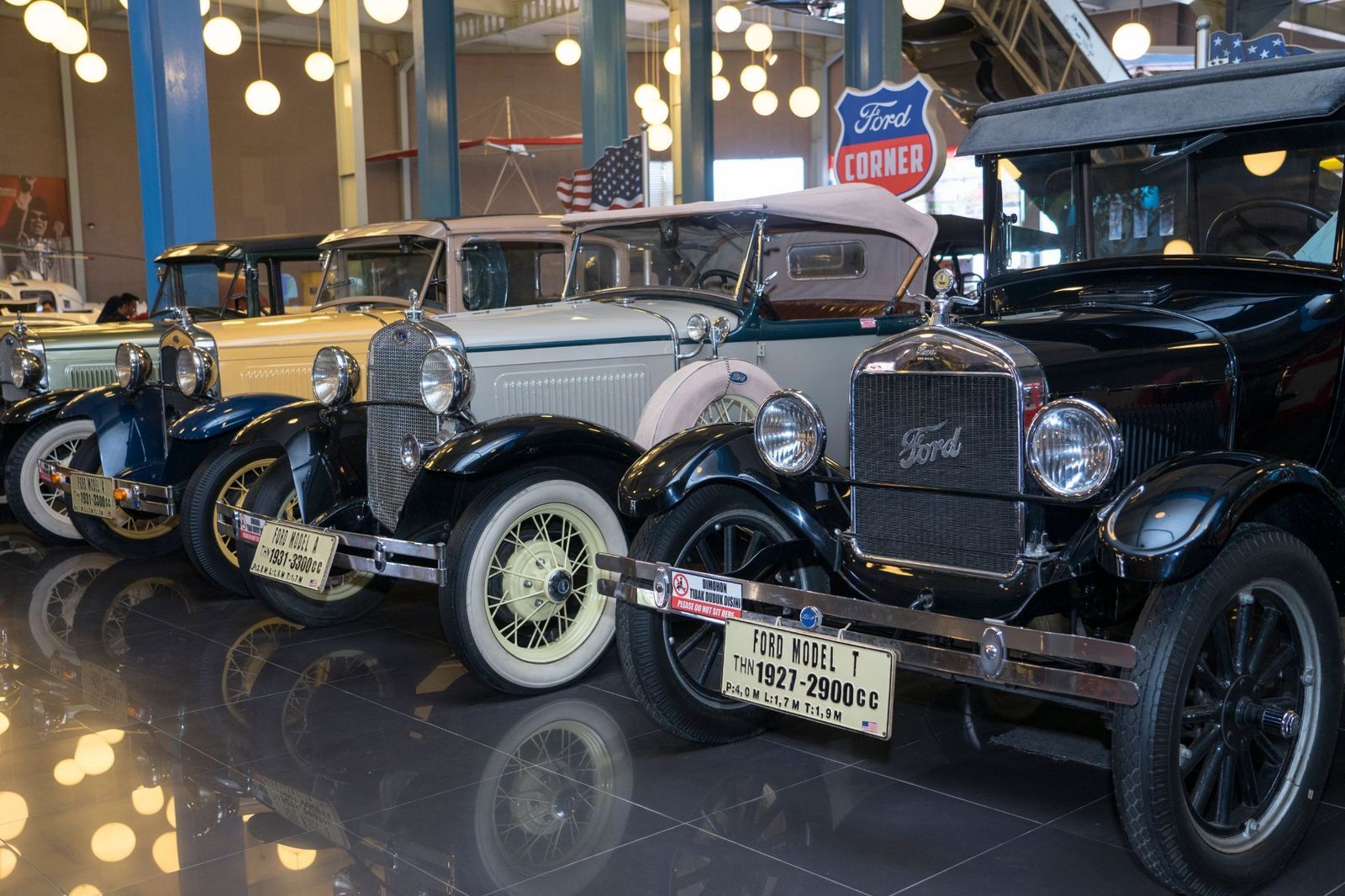
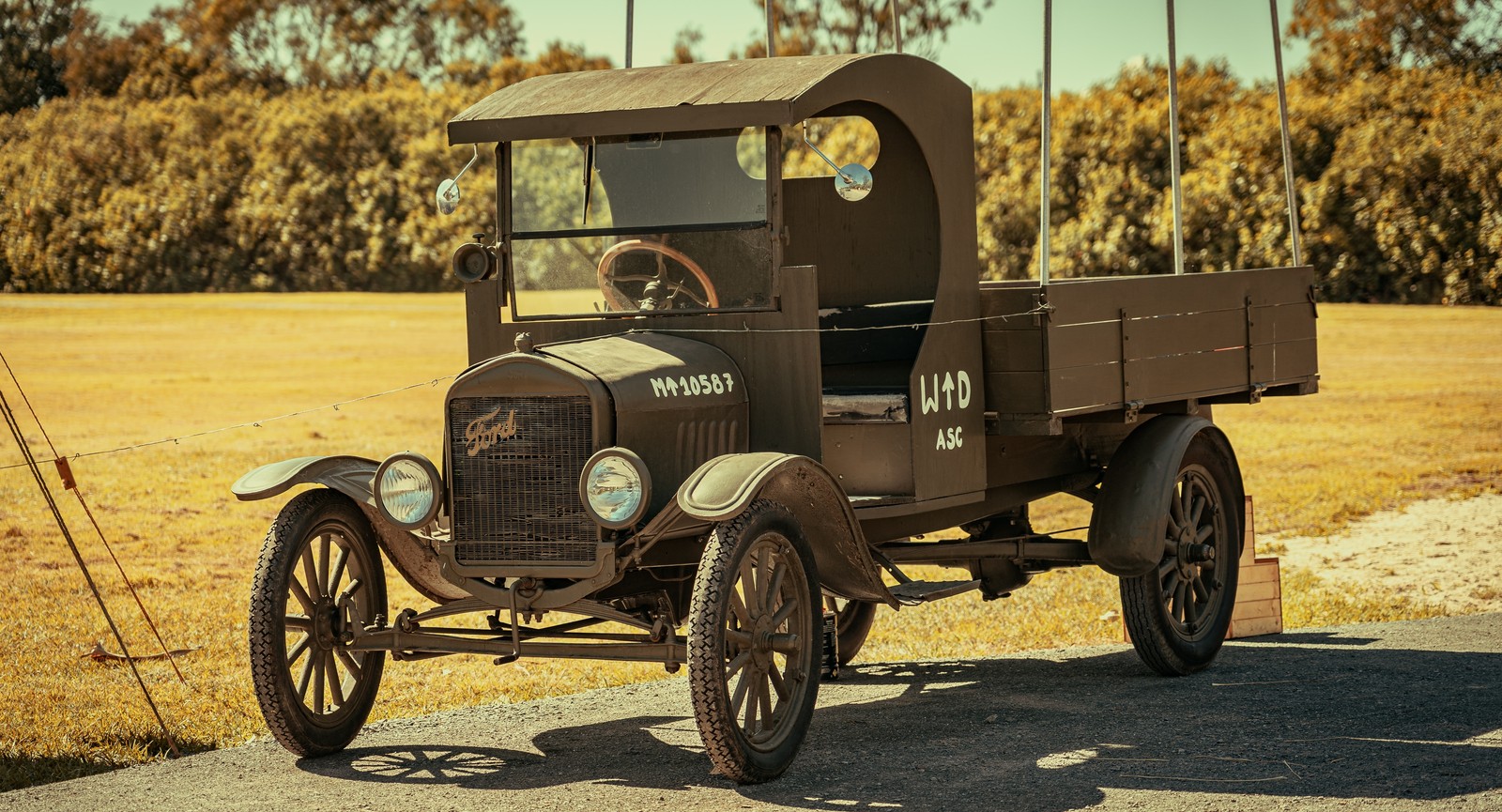
In the United Kingdom, the steering wheel is on the right. In American cars, it's on the left, and the reason is none other than Ford's Model T. Before Henry Ford launched it in 1908, many cars had the steering wheel on the right, even though Americans already drove on the right side of the road.
With the Model T's wheel on the left, the driver could see oncoming traffic better, and passengers could step out onto the sidewalk instead of into the street. It was the same idea drivers of the old Conestoga wagons had followed long before: they sat on the left to get a better view of the road.
How Motorola got its name from the car radio
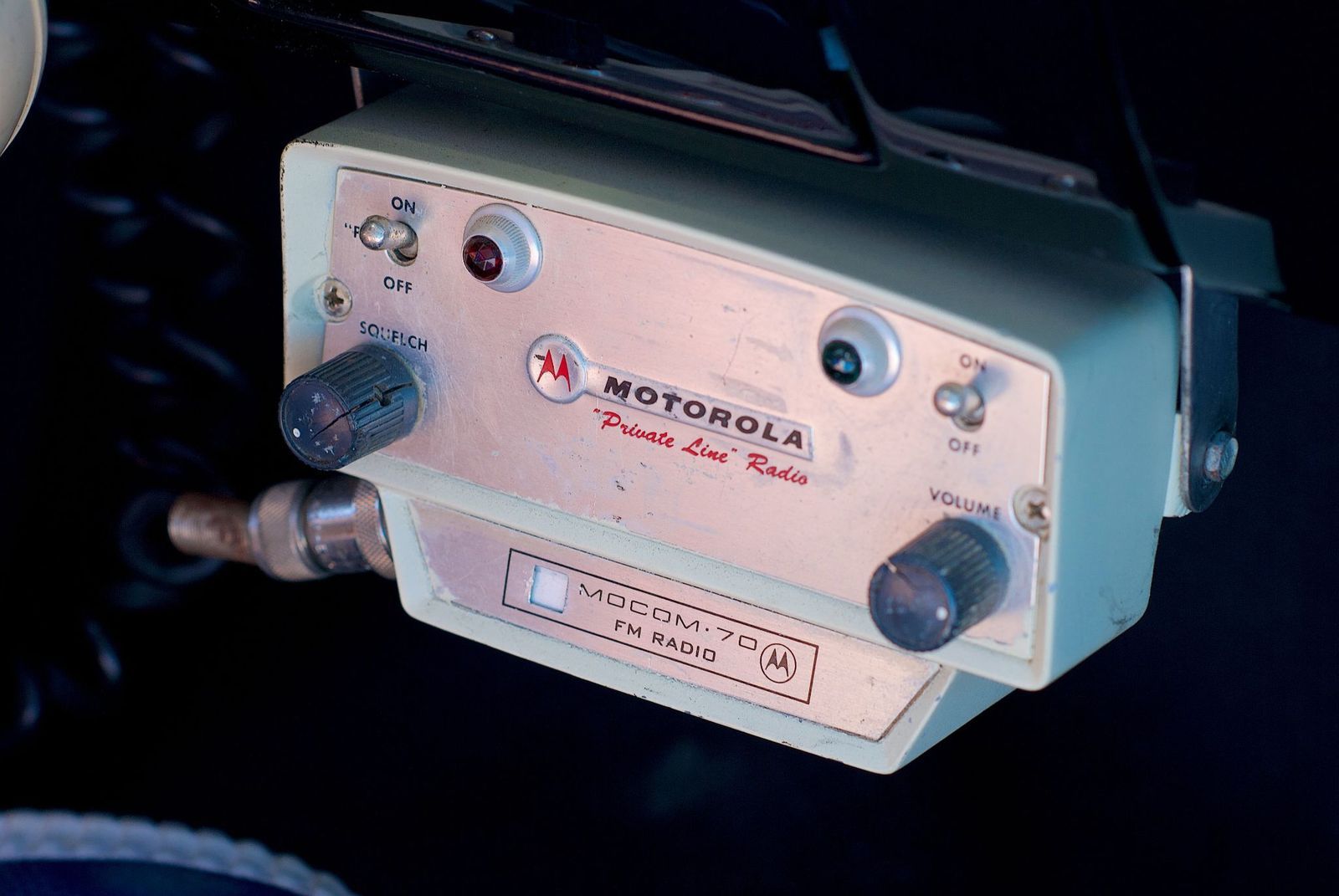
Many of us know Motorola as the company behind the first handheld cell phone, but it first made an impact decades earlier. In the 1930s, radios and cars were both booming, but it wasn’t until brothers Paul and Joseph Galvin stepped in that the two shared the same space. The Galvins ran the Galvin Manufacturing Corporation in Chicago; they made "battery eliminators" that let battery-powered radios run on household electricity. That was their job until their objective changed: to build affordable, sturdy radios for cars.
What would they call it? They took "motor" from motorcar and added "ola," borrowed from popular phonograph brands like Victrola. The result was Motorola, meaning "sound in motion." The radio was such a hit that in 1947 the company officially became Motorola, Inc.
The woman who invented the windshield wiper

Mary Anderson was a real estate developer from Birmingham, Alabama. In the winter of 1902, she was riding a streetcar in New York City and noticed that the driver kept opening the window and stopping the car to clear snow and sleet off the glass. That gave her an idea, and she invented a simple device that worked with a lever inside the streetcar. When the driver moved the lever, a rubber blade swept across the windshield. A counterweight held the blade against the glass, and the whole thing could be taken off in better weather.
In 1903, she received a patent for her "window cleaning device for electric cars and other vehicles." But it expired in 1920, and she never made any money from it. Just two years later, Cadillac became the first carmaker to include windshield wipers as standard equipment, and soon they were part of every car. Anderson died in 1953 and was posthumously inducted into the National Inventors Hall of Fame in 2011.
The little arrow that tells you where your gas tank is

The Moylan Arrow is the small dashboard arrow that shows which side your gas tank is on. It's named after Jim Moylan, a Ford designer who, one rainy day in 1986, pulled into a gas station in a company car. He didn't know which side the tank was on, and he guessed wrong.
He had to get back in, move the car, and step out again into the rain. By the time the tank was full, he was dripping wet. Back at the office, he wrote down his idea: put a small arrow next to the fuel gauge, pointing to the gas door. Ford liked it, and in 1989 the arrow showed up on the Ford Escort and Mercury Tracer. Today, almost every carmaker uses it.
What really causes that "new car smell"

What’s behind that iconic "new car smell" beloved by many? The scent comes from chemicals, volatile organic compounds, released into the air as the new materials inside the car slowly dry out: the plastic and vinyl on the dashboard, the glue and sealants that hold everything together, the carpet, the foam in the seats, and the treatments used on leather. The smell fades in the first few weeks, but hot weather makes it stronger for a while.
Keep wandering
There’s always
more to explore
 Landmarks
10 mysterious wonders you can only see from the sky
4 min.
Read Now
 Culture

Why toasting with a glass of water could get you into serious trouble
6 min.
Read Now

How one package of macadamia nuts made the pilot turn the plane around
5 min.
Read Now

Can too many visitors change a town forever? The truth about tourism
6 min.
Read Now